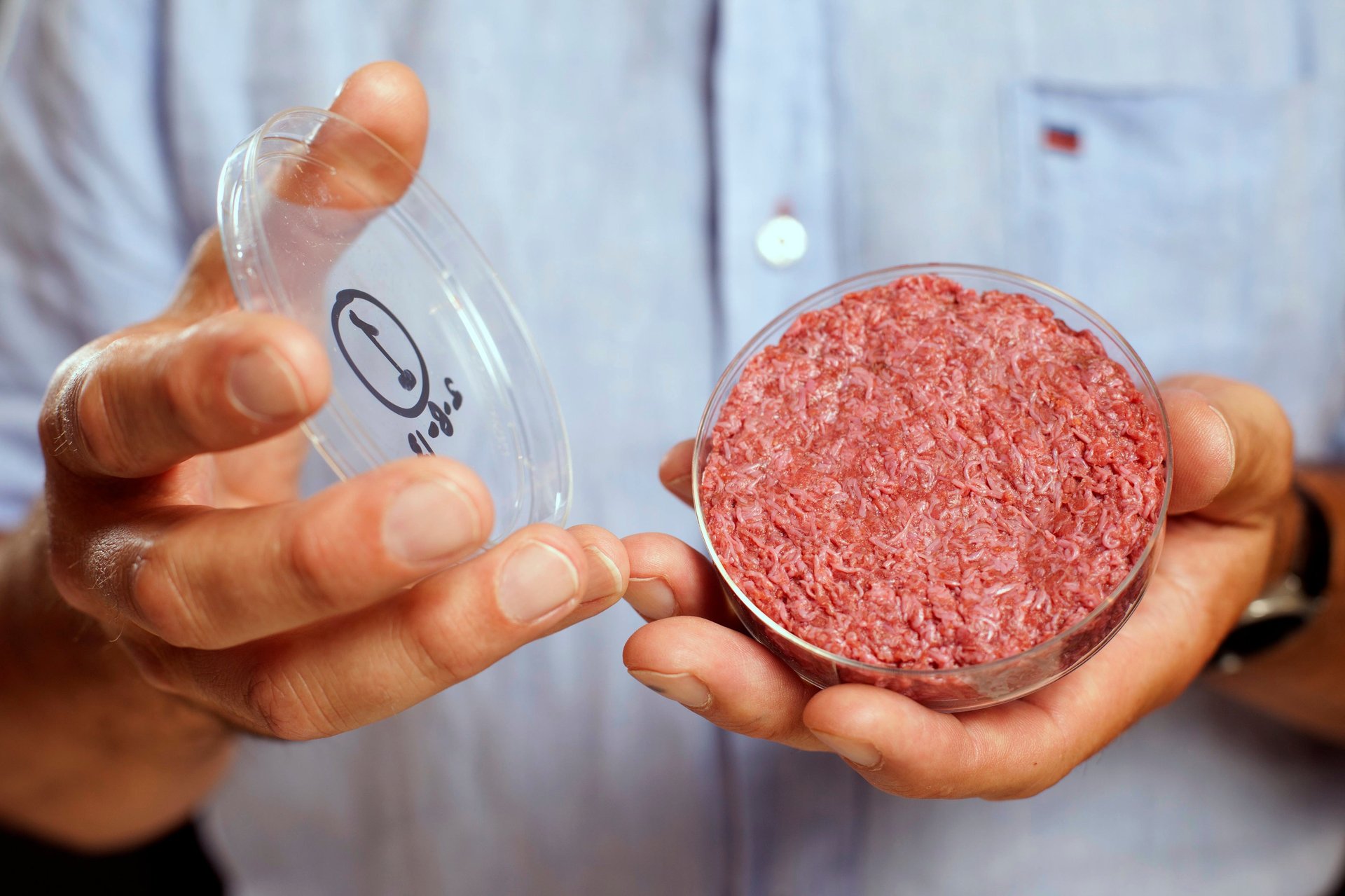
The debate over what to call cell-cultured meat remains unresolved—and it could soon develop into a headache for the global lab-grown meat technology startups working to bring clean meat to consumers.

The debate over what to call cell-cultured meat remains unresolved—and it could soon develop into a headache for the global lab-grown meat technology startups working to bring clean meat to consumers.

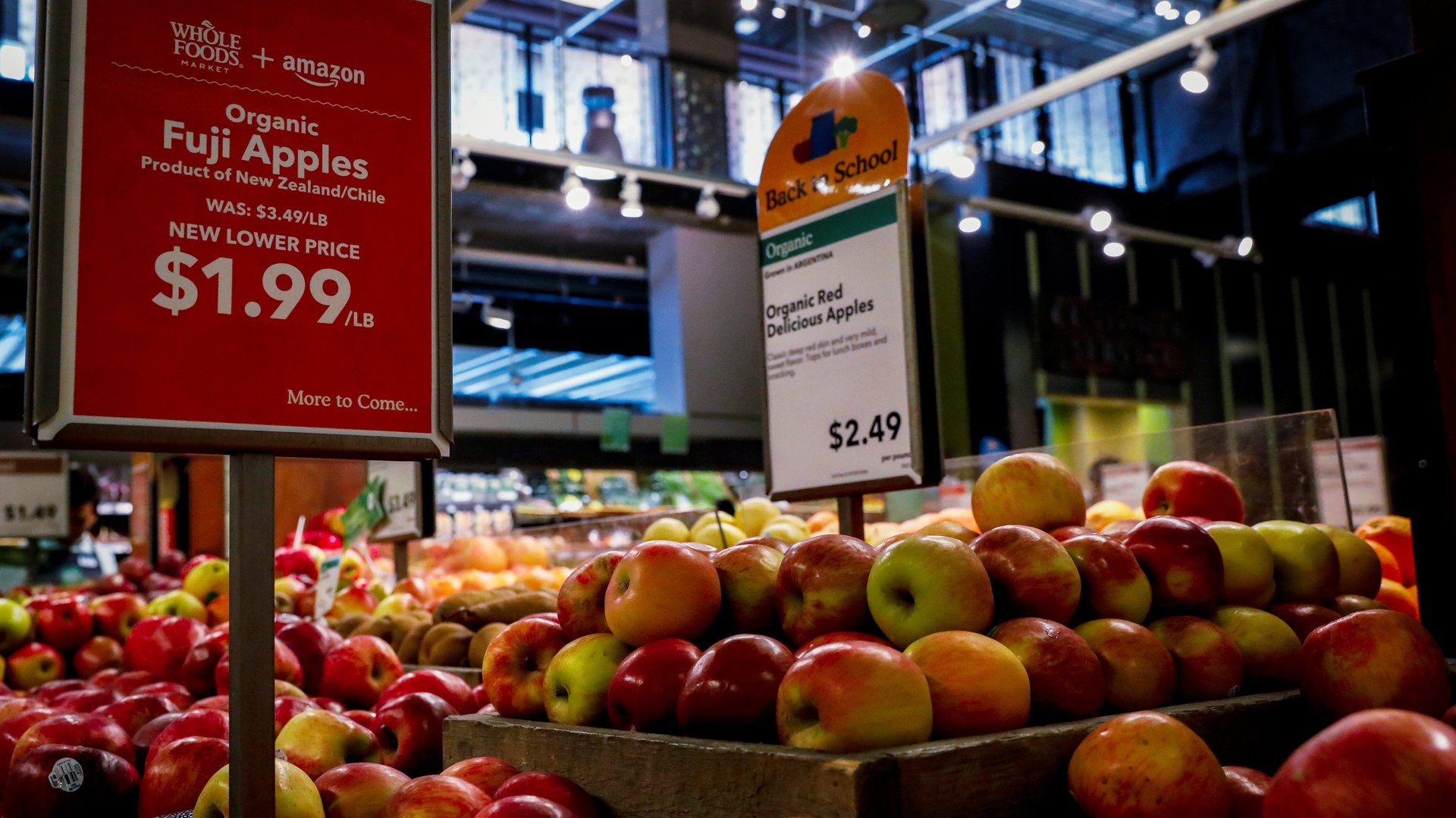
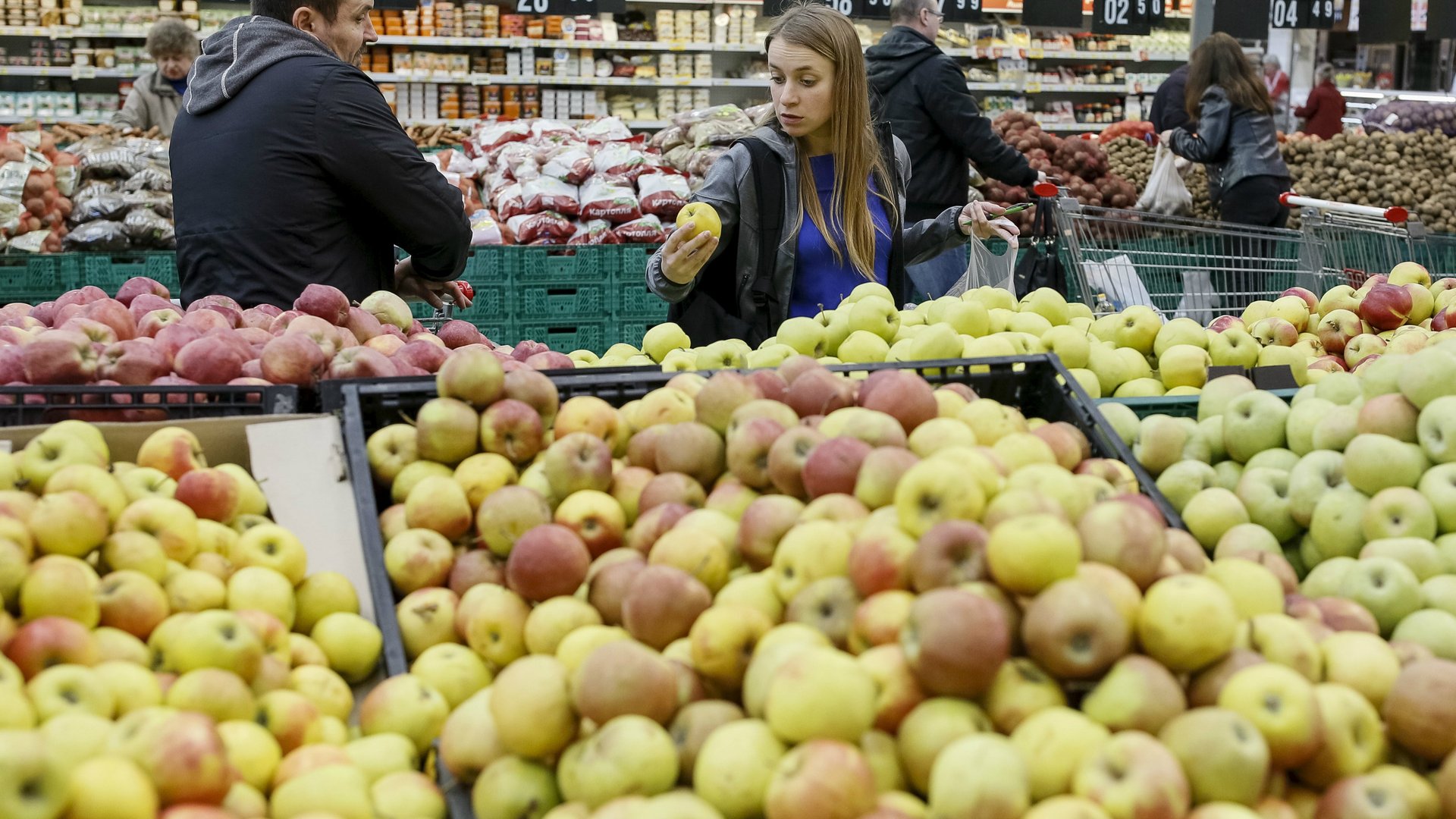
One bad apple can, in fact, spoil the bunch.

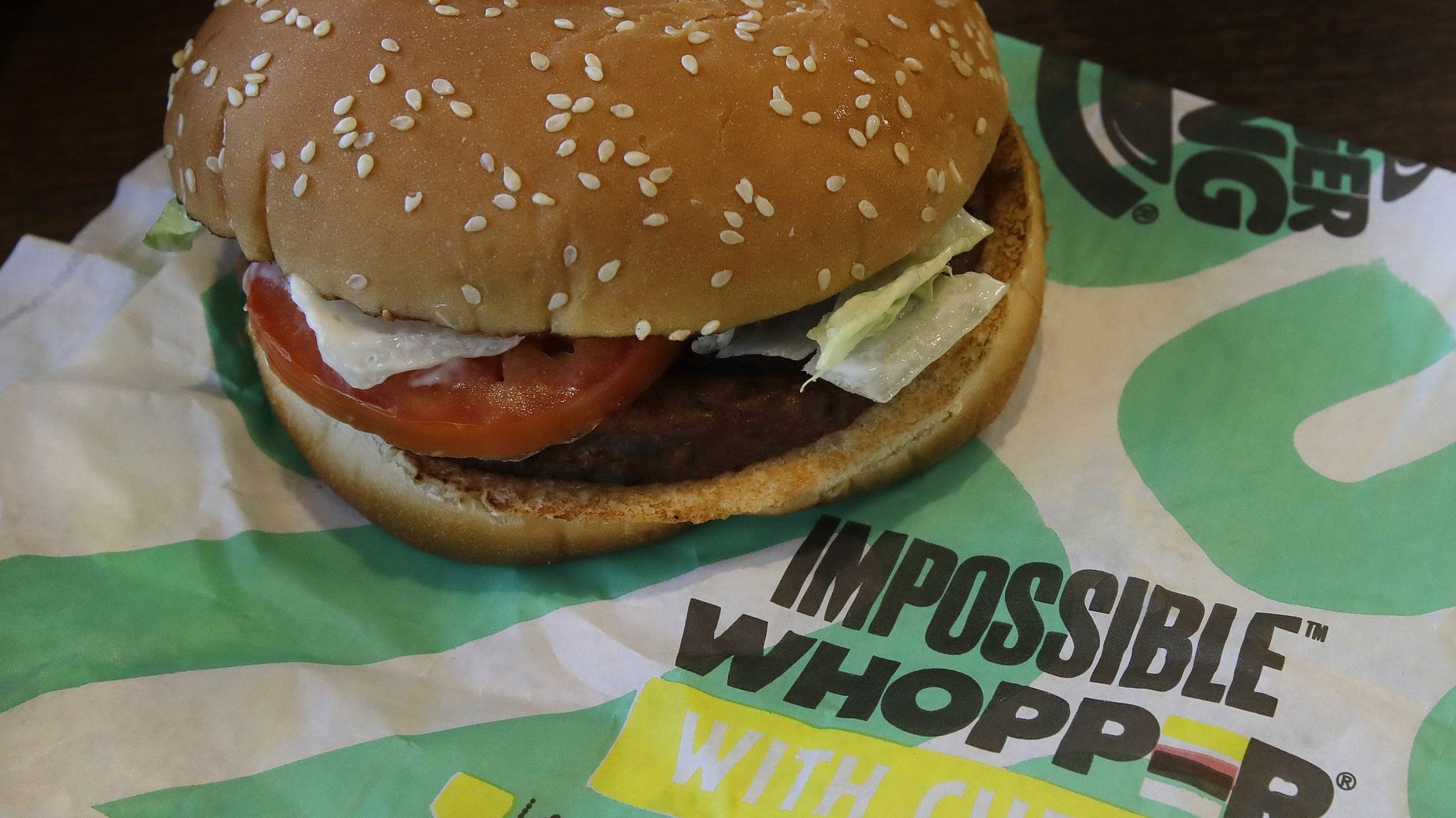
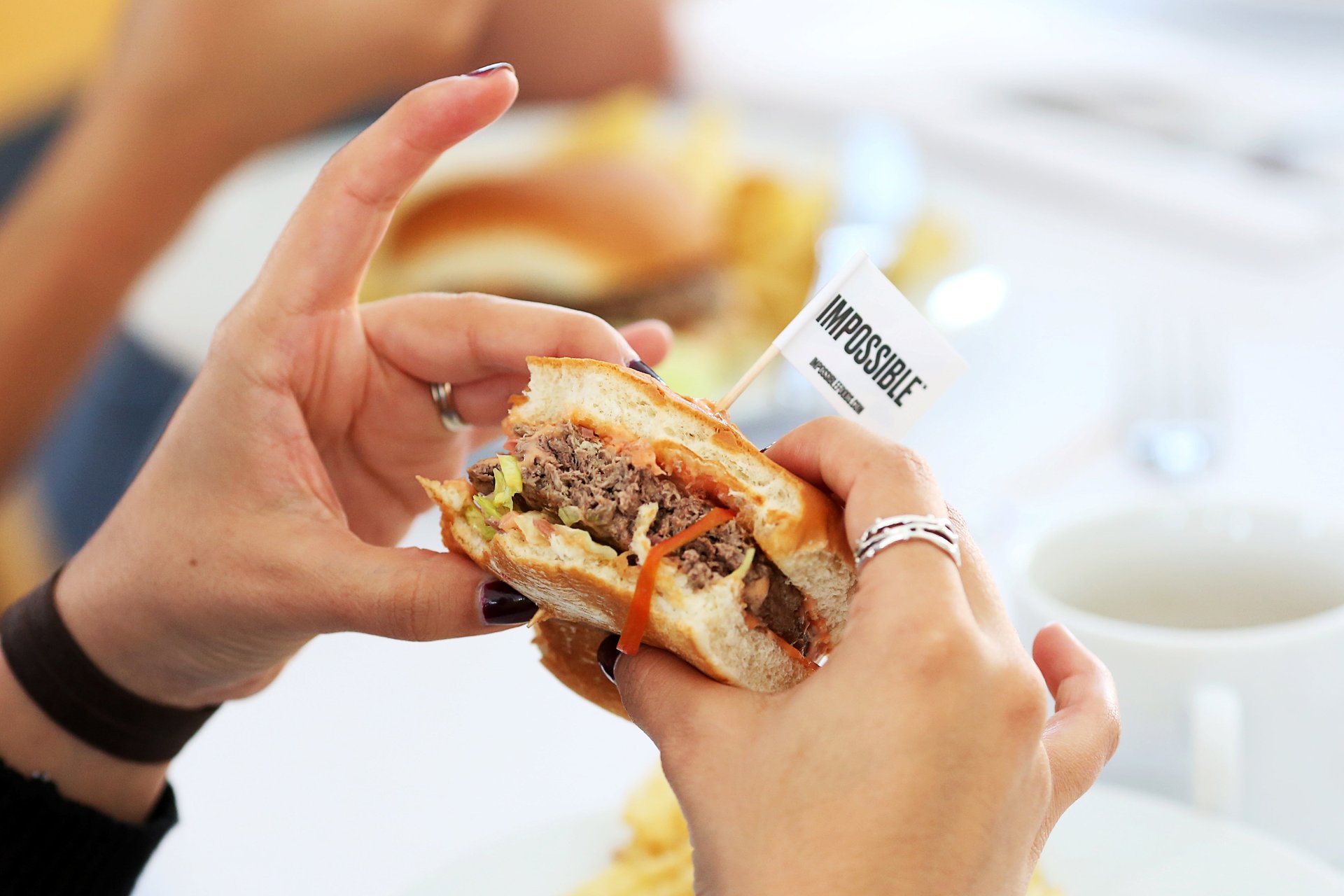
In just a year, one of America’s leading plant-based burger companies doubled the size of its customer base, and in the process became one of the fastest growing brands in the nation.

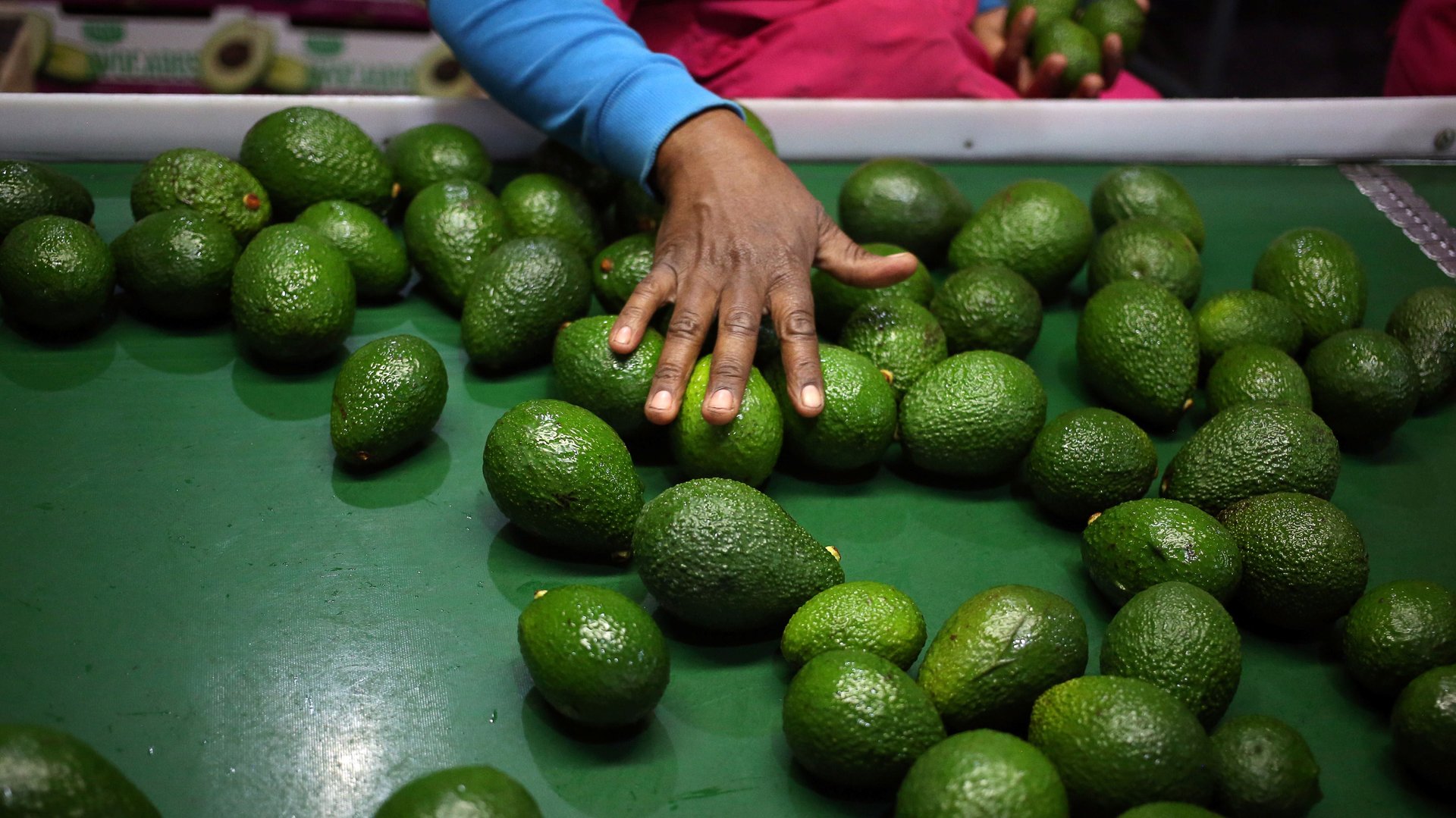
The trail an avocado takes from farm to toast is increasingly punctuated by chain-link fencing and AK-47s.

It was a landmark report, meant to recast the way we think about humankind’s approach to food—addressing global nutrition deficits and the agricultural impacts of climate change alike.

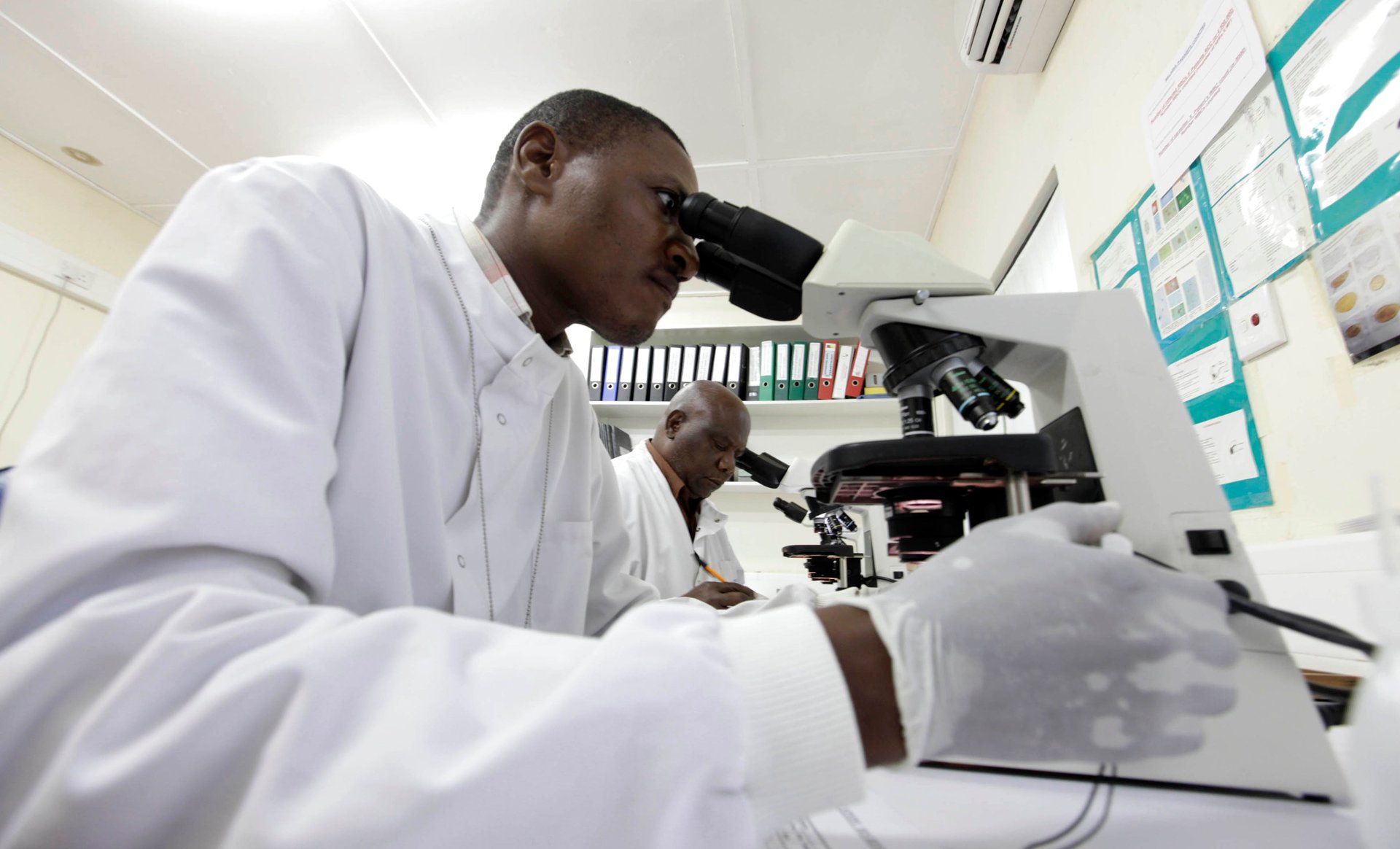
The US government has upgraded its network of public health laboratories with new technology, allowing scientists to more quickly track down—and even predict—new sources of dangerous antibiotic resistant outbreaks in the food supply.

In their march to reformulate products to appeal to health-conscious consumers, giant food manufacturers such as Nestlé, Danone, and General Mills have been tinkering with their recipes. They’re swapping out artificial flavors and loading up products with vitamins. Cookies are being packed with protein, Lucky Charms are changing colors, and frozen pizza is getting a boost, too.

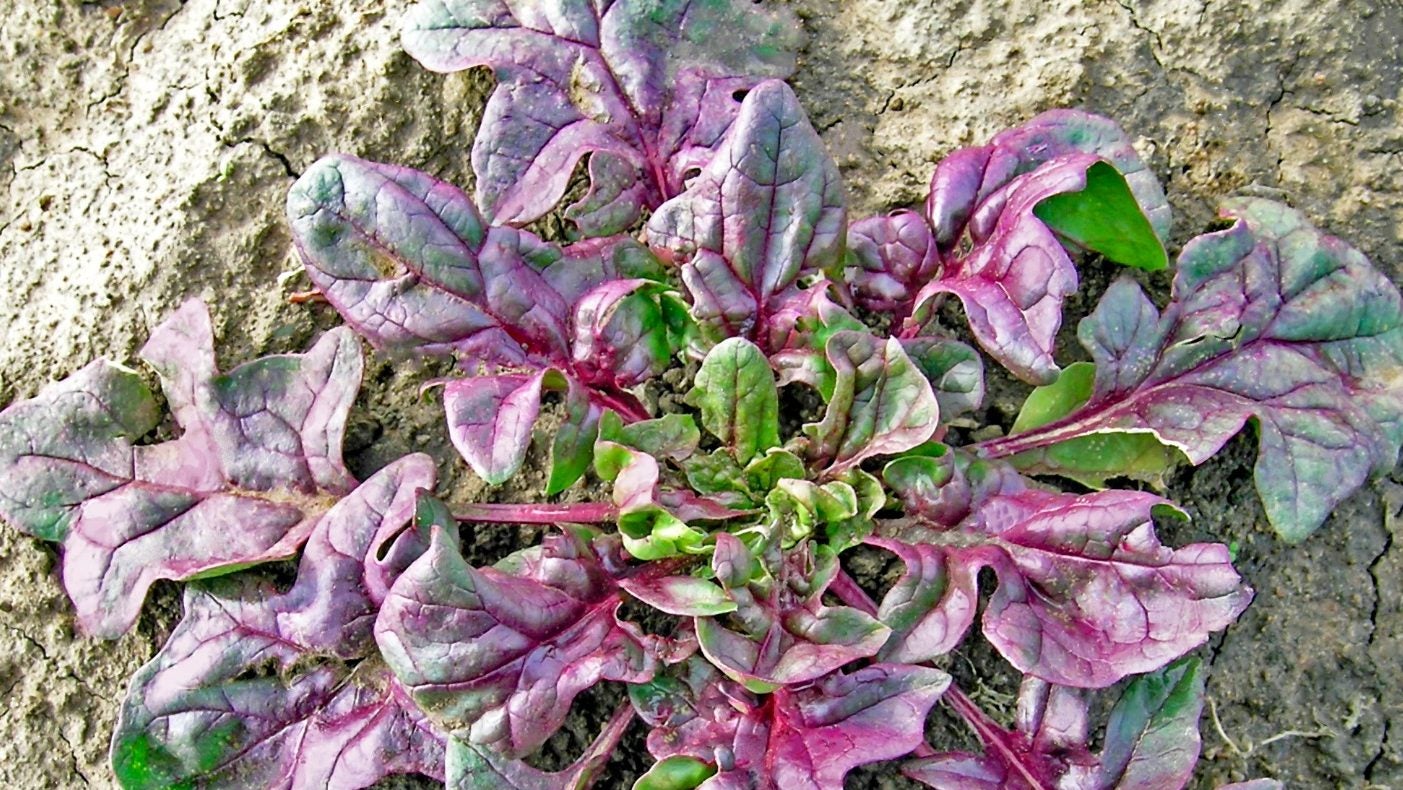
The idea to develop red spinach came to Beiquan Mou about a decade ago, as he considered the array of light and dark reds and greens that appear in different varieties of lettuce.

Quartz reporter Chase Purdy and science editor Katie Palmer discuss the development of cell-cultured meat, which will show up as an alternative to meat from slaughtered animals at our dinner tables in the near future.

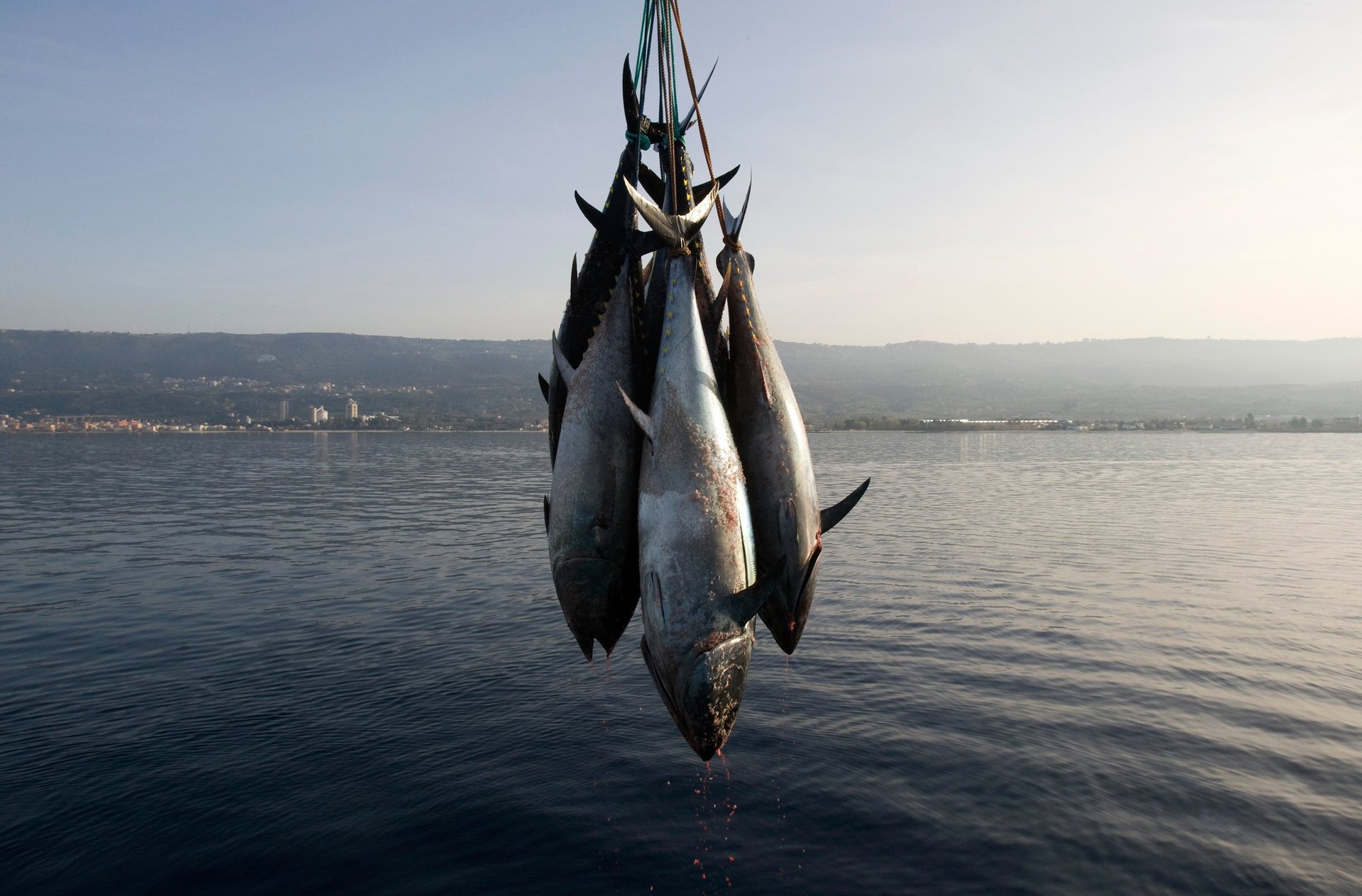
Only a striking 1% of fish imported into the United States is tested to ensure that what’s marketed on the outside of a package matches what’s on the inside. For a nation that imports about 90% of its seafood, that can have profound consequences.

In the edible space race to bring cell-cultured meat to market, Israel just stepped up its game.

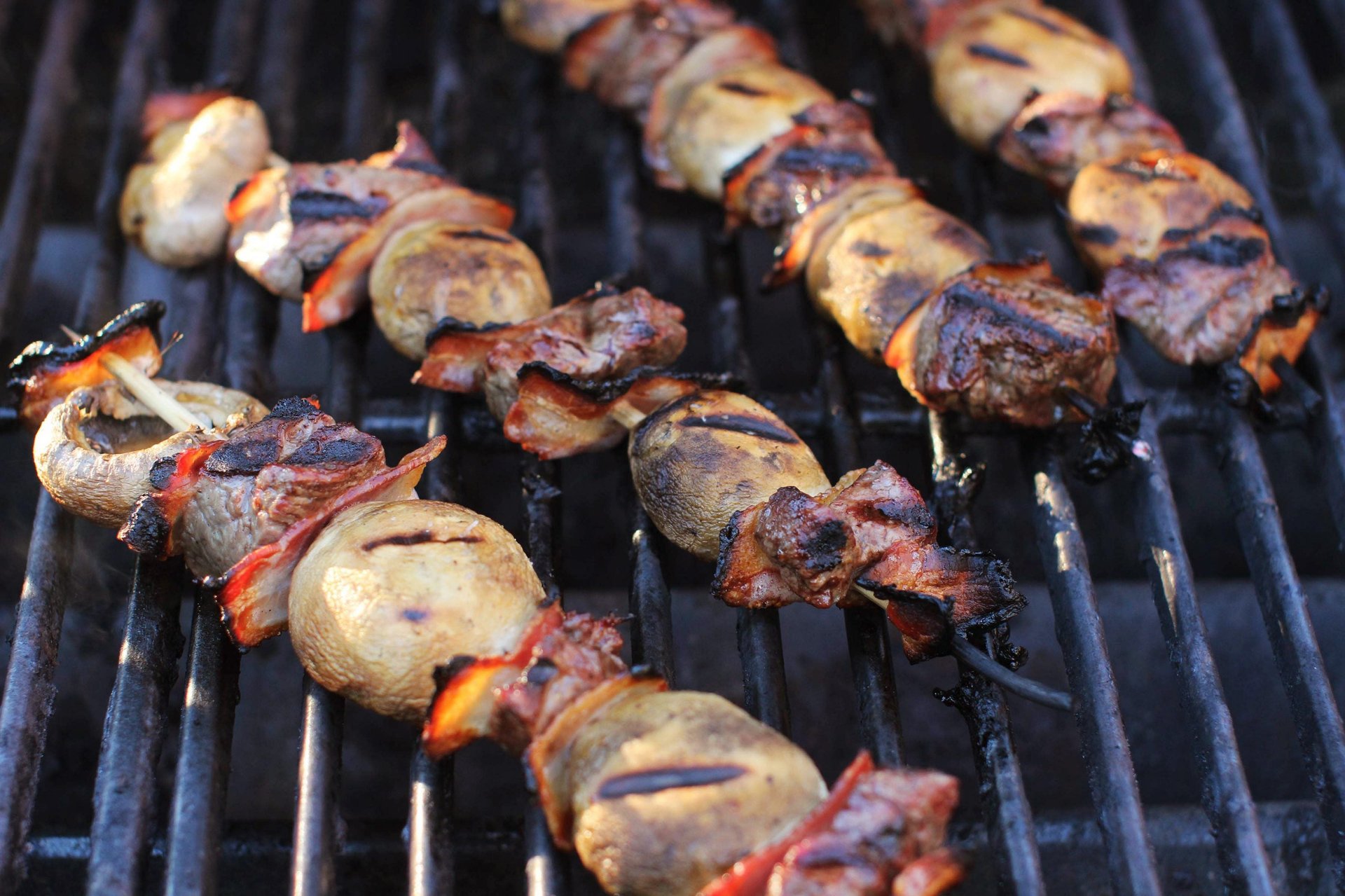
Food is imbued with culture. So as the cell-cultured meat industry evolves, it will have to somehow meld to and meet our expectations of how we use meat. Grown without bones, how will this new form of food conform to the needs of people who love barbecue or whole branzino? Will the cuts one day be the same as current-day porterhouse steaks and chicken breasts?

The biggest beef lobbying group in the United States is backing new legislation in Congress that would stop popular plant-based meat alternative companies—including Beyond Meat and Impossible Foods—from using the word “meat” to describe their products.

The rise of any industry is a tacit implication of the possible decline of another. In the case of cell-cultured meat, one glaring question is whether cell-cultured meats and fish will one day put farmers and fishers out of business.

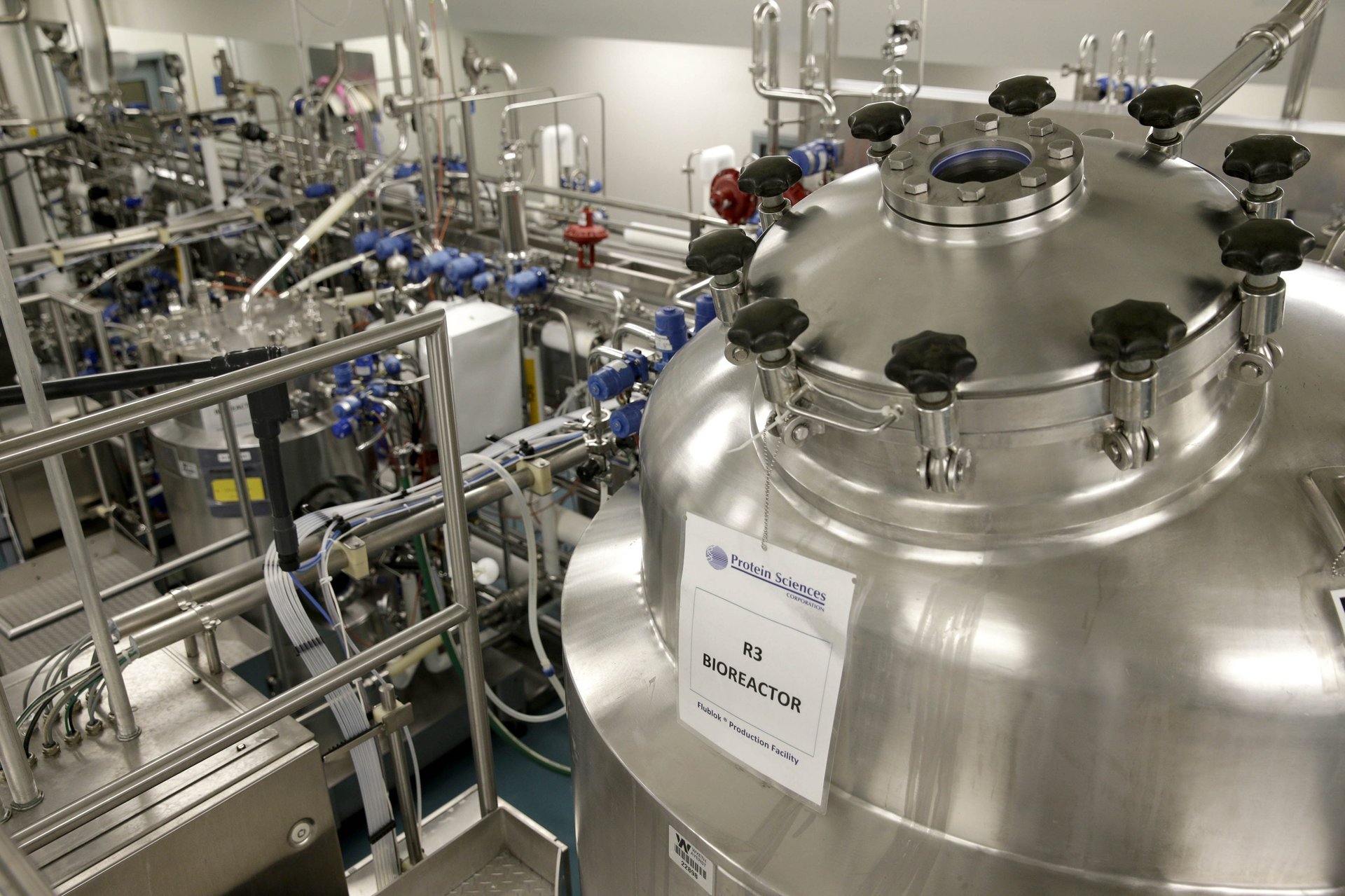
To grow meat from animal cells, you need three basic things. First, and perhaps most obviously, you need cells. Second, those cells need to be fed, so you’ll also need a nutrient-dense liquid medium. And finally, you need a bioreactor, which is one of the biggest challenges this nascent industry has yet to overcome.

Let’s start with something kind of wild. On Oct. 7, it was announced that astronauts on the International Space Station had successfully grown their own meat from microscopic animal cells, using a process called cell-culturing. The bit of cow muscle they produced was small, but it was a historic accomplishment nonetheless.

Fast food restaurant chains are thriving on an American illusion.

A new rule approved on September 17 by US president Donald Trump deregulates part of the process that makes sure the nation’s pork supply is safe to eat—reducing oversight and relying more heavily on the industry to monitor itself.

It is well-documented that animal agriculture, writ large, is responsible for emitting a massive amount of greenhouse gases. Of the global total, which now reaches the equivalent of about 50 metric gigatons of carbon dioxide per year, the industry likely accounts for somewhere between 9% and 14%.

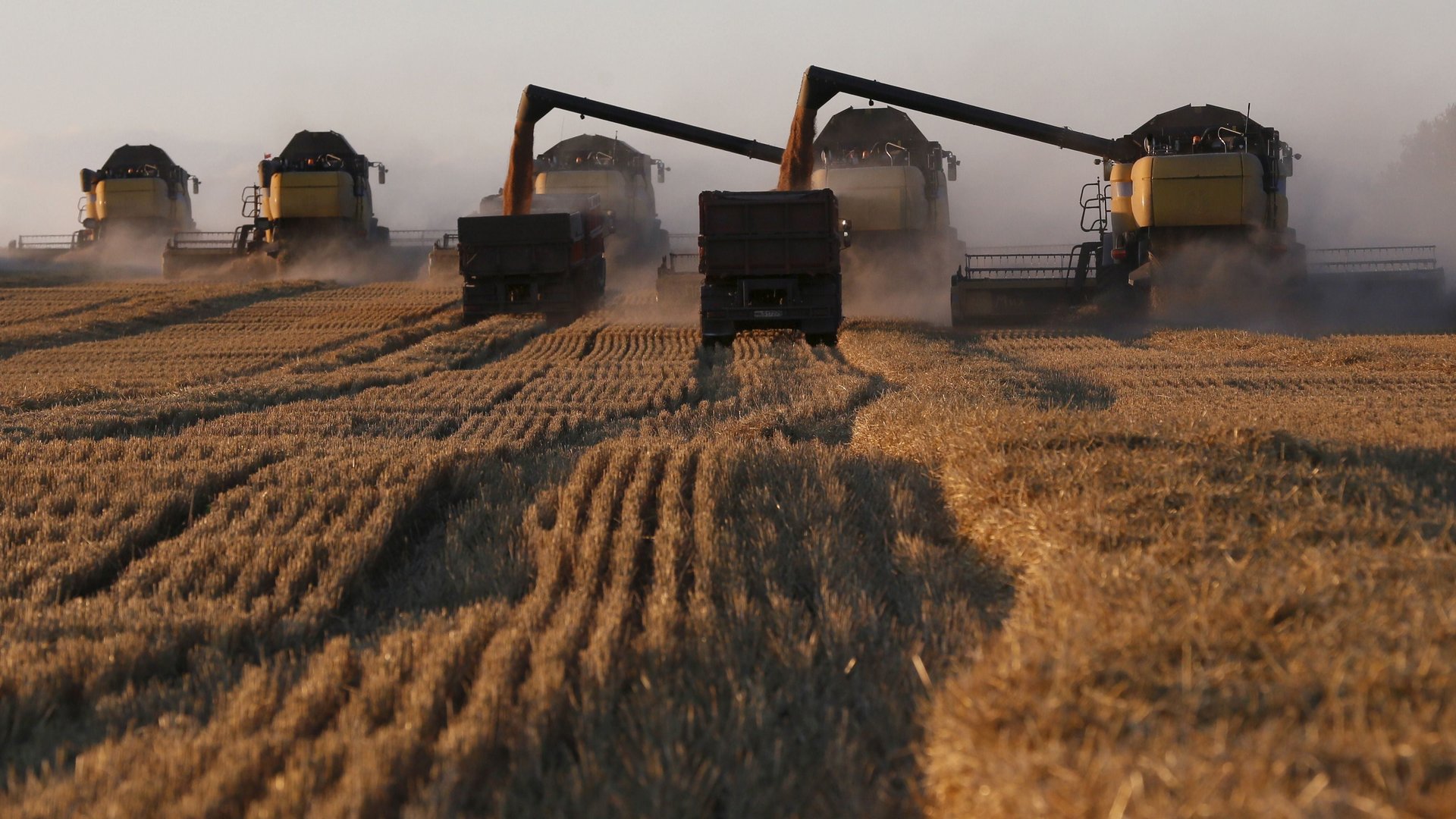
As the United Nations hosts a Climate Action Summit today in New York, attention will inevitably turn to the topic of agriculture, and the growing environmental footprint of feeding the planet.

America’s two most popular plant-based meat companies are about to face off for the first time in US grocery stores.

The leading innovators behind the United States’ cell-cultured meat and fish companies are joining forces to push their new food technology into the mainstream.

Extra large is the problem. The trick is convincing Americans to think about food in a new way: Extra large isn’t extra good.

The change was swift. In only the last few years, plant-based foods have suddenly snapped up market share in both the dairy and meat markets with alternative versions of milks, yogurts, and convincing faux beef patties.