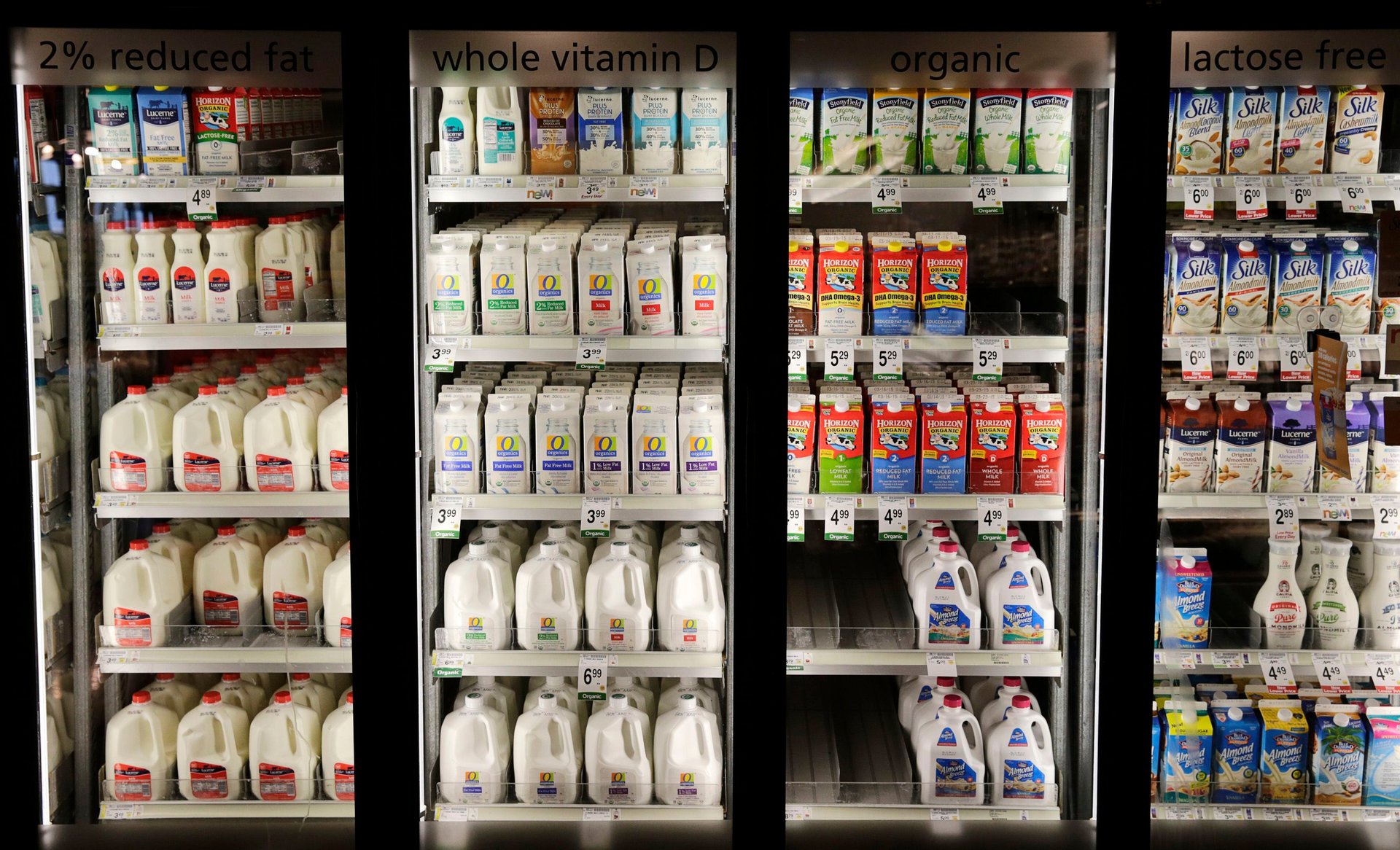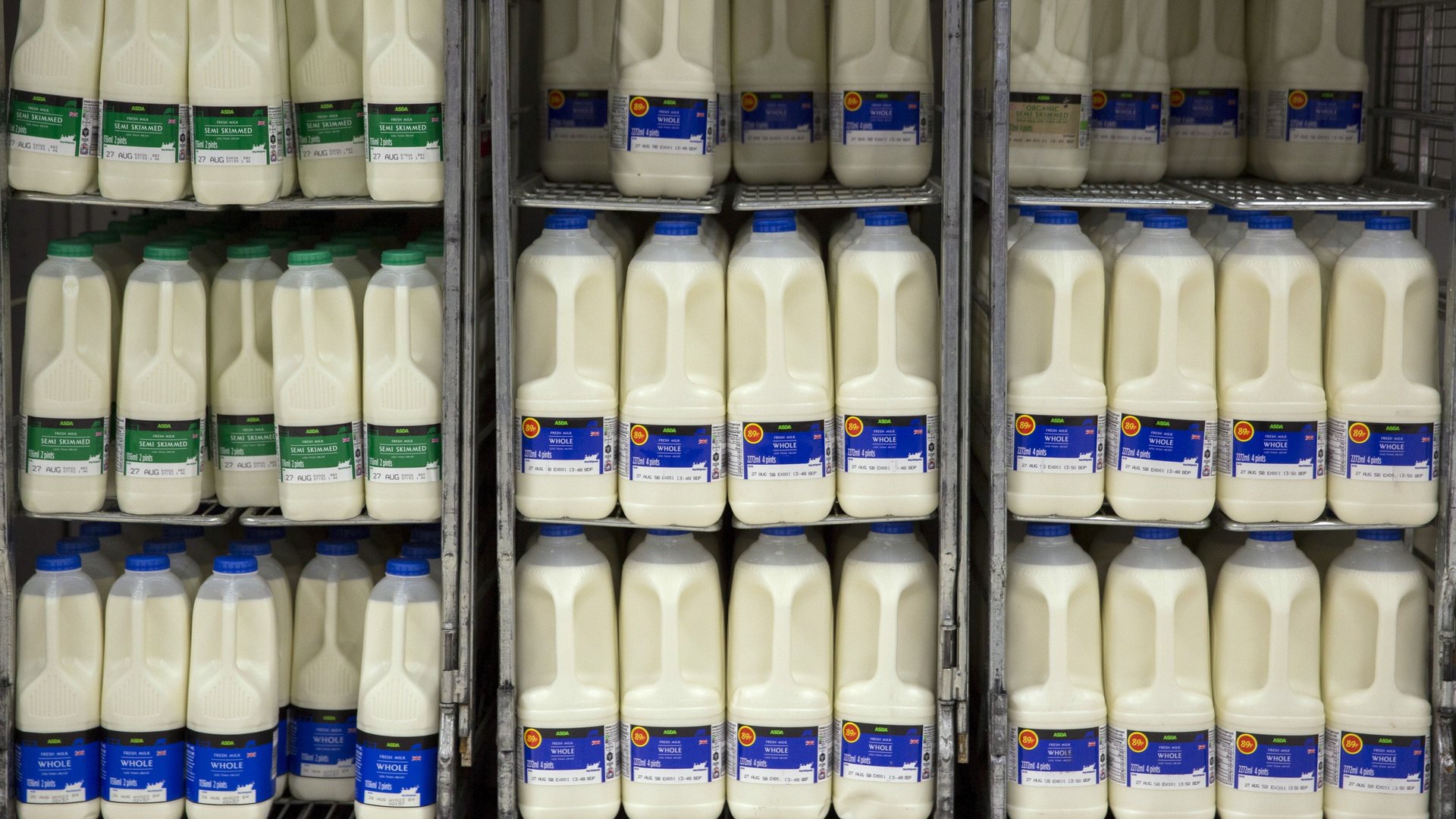
Thanks to an idea started in the old Soviet Union and perfected at Purdue University, the dairy industry now has access to technology that helps retain the taste of fresh milk while quadrupling its shelf life.

Thanks to an idea started in the old Soviet Union and perfected at Purdue University, the dairy industry now has access to technology that helps retain the taste of fresh milk while quadrupling its shelf life.

The trick to creating cool air without any electricity has been hiding in plain sight.

The origin story of banana milk begins in the halls of the world’s eighth-largest bank, where a restless financier felt the itch for something new.

Humans have seemingly perfected the science of staying cool. Air conditioning and refrigeration units are relatively cheap, the mechanics are pretty simple, and access to them is on the rise.

Marooned, that’s what they are. All 32 of them. Single file they lined up one day and marched onto a floating platform. This is now where they live.

The packaging was pretty—shiny purple foil wrapped around a double dark chocolate cookie. I stepped forward to reach for it.

Soon, one of Silicon Valley’s most talked about food tech companies will wade into grocery store dairy sections with a bold line of new foods. Perfect Day—which in 2014 year found a way to use yeast to make milk protein without ever needing a cow—announced today (July 11) that it will be scaling up its microbial technology with the help of some of the food industry’s biggest companies.

What do you get when the agricultural revolution and the sexual revolution collide? Sexed semen.

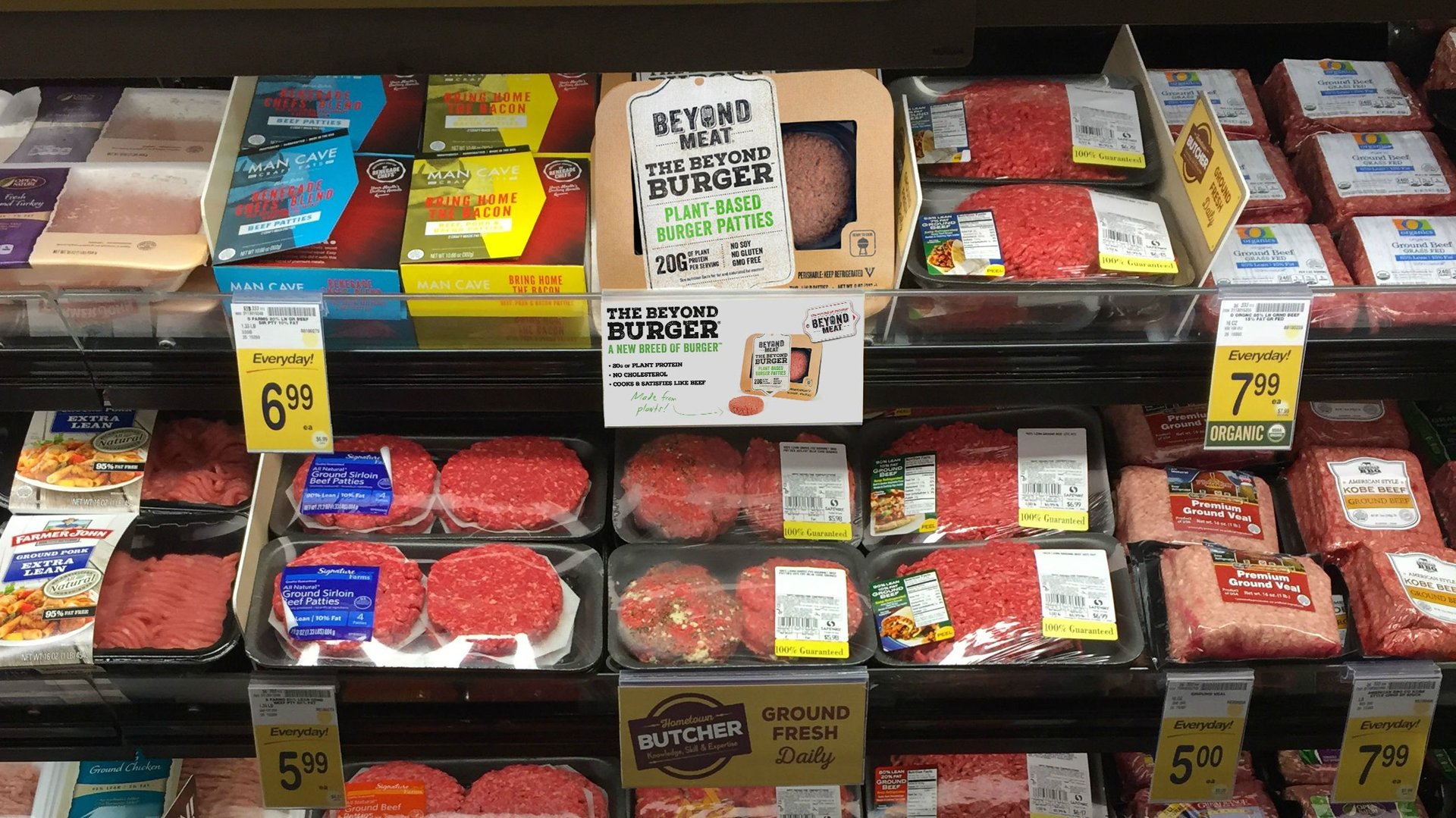
Twice in June, ingredients used by both of America’s most popular plant-based meat companies were called into question.

The moment was brief. A creature slowly oscillated into the light, arms akimbo—then nothing. A chance sight plunged back into darkness for who knows how long.

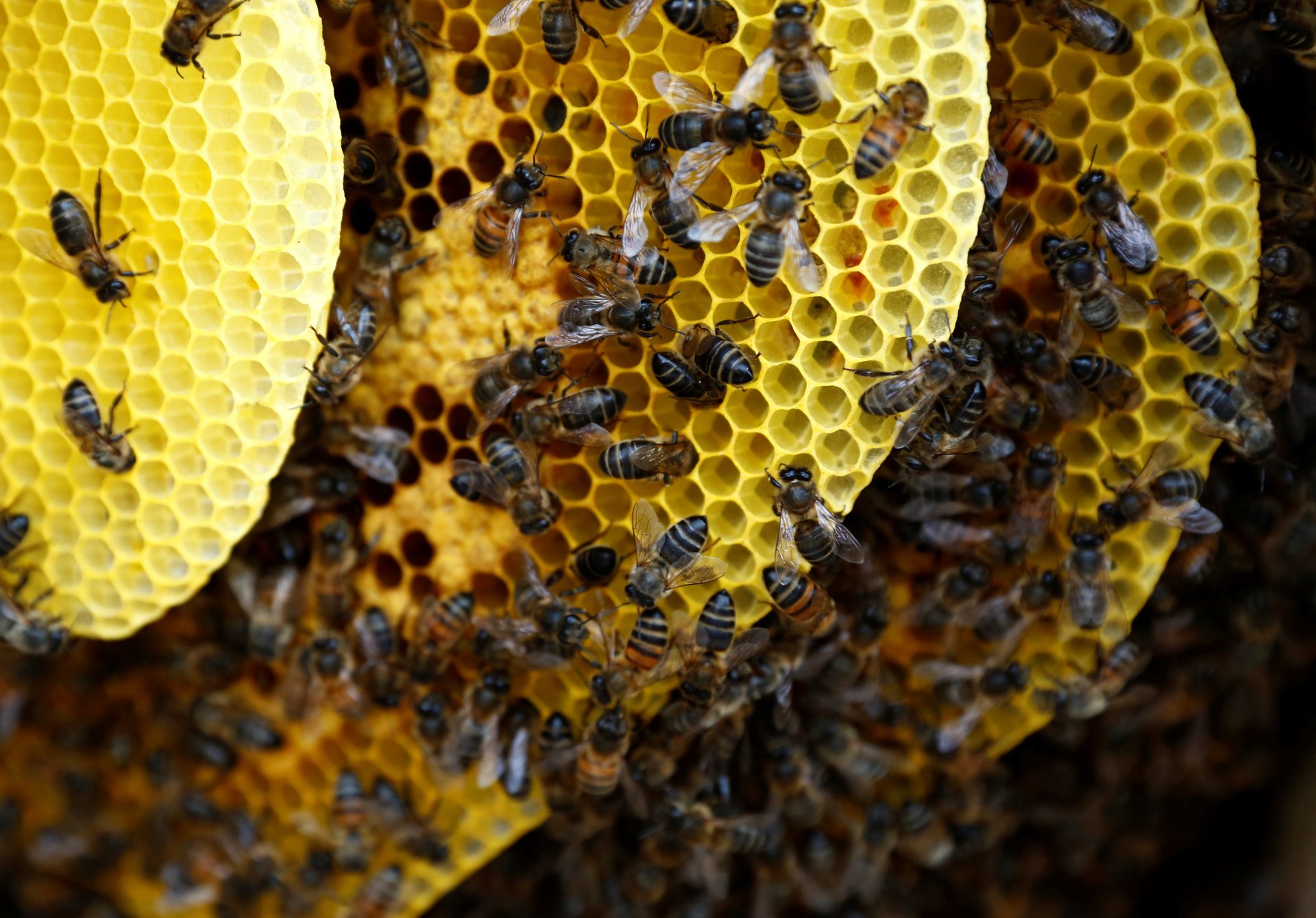
The numbers aren’t improving for bees in the US, and scientists still haven’t figured out what exactly is causing the problem.

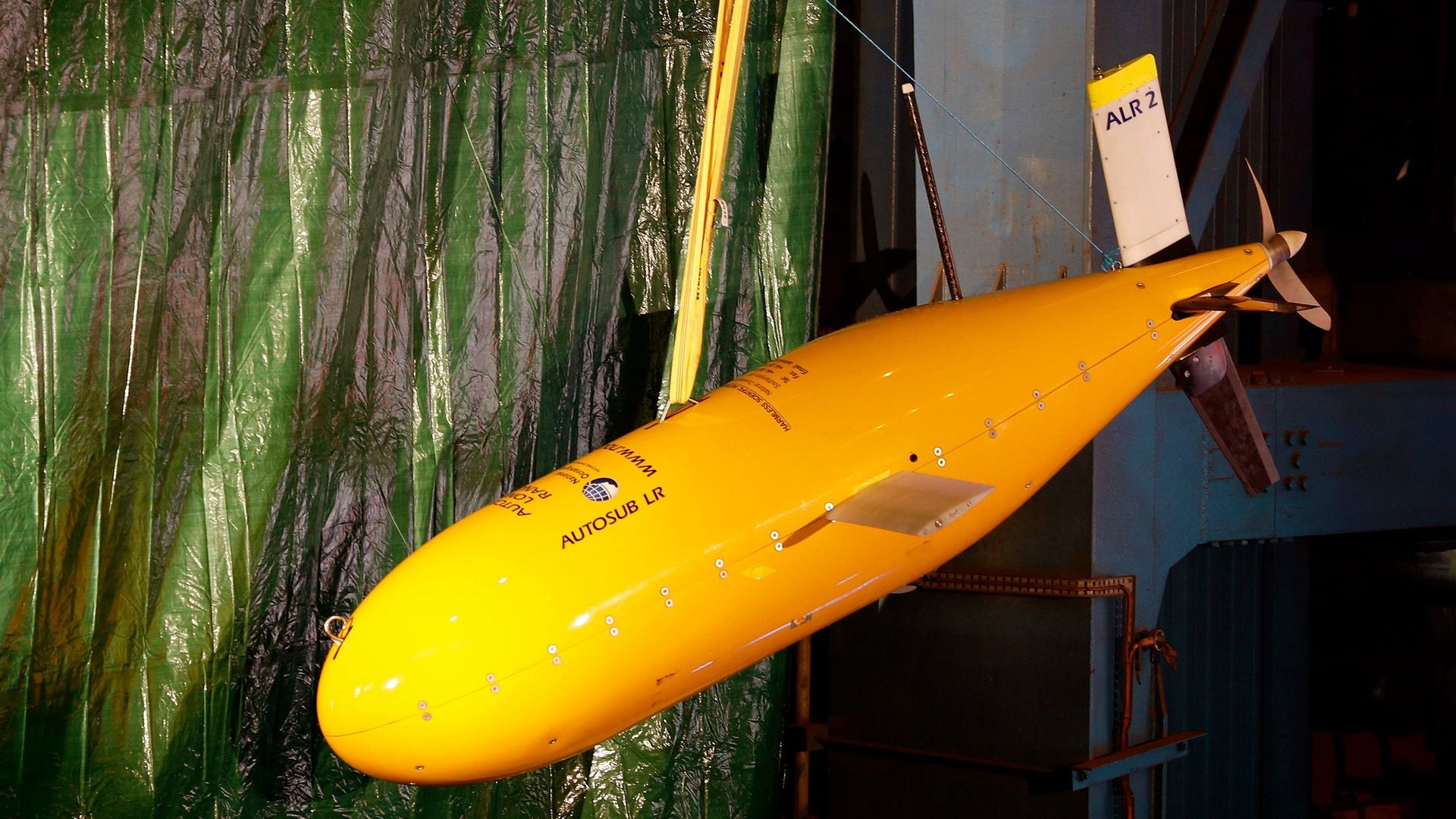
Strong Antarctic winds are churning the depths of the Southern Ocean, contributing to warming water temperatures in a way that has not yet been incorporated into existing models used to monitor and calculate rising sea levels.

One of the best ways to figure out how to respond to the tremors deep inside our planet is to observe their effects from far away in outer space.

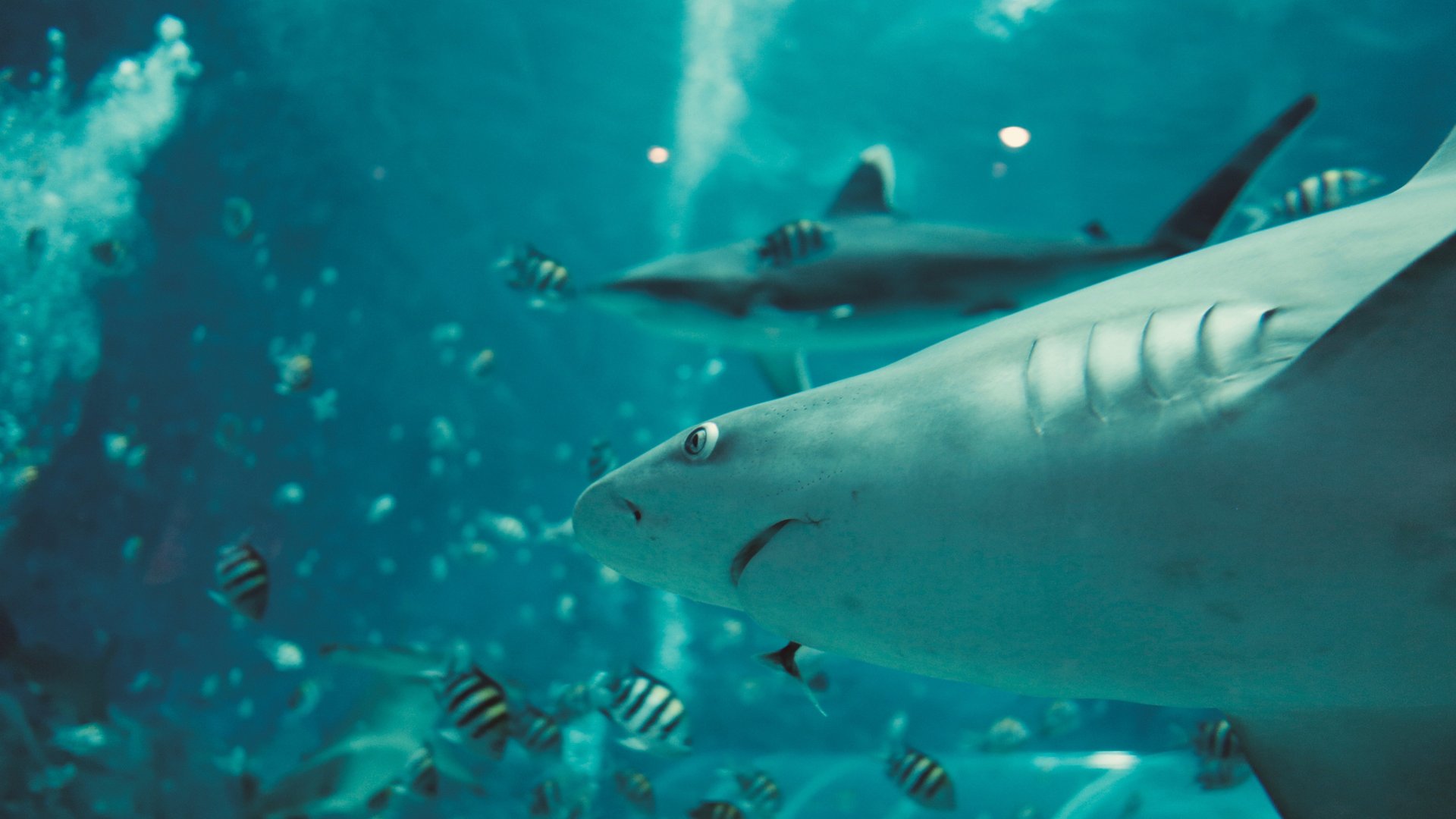
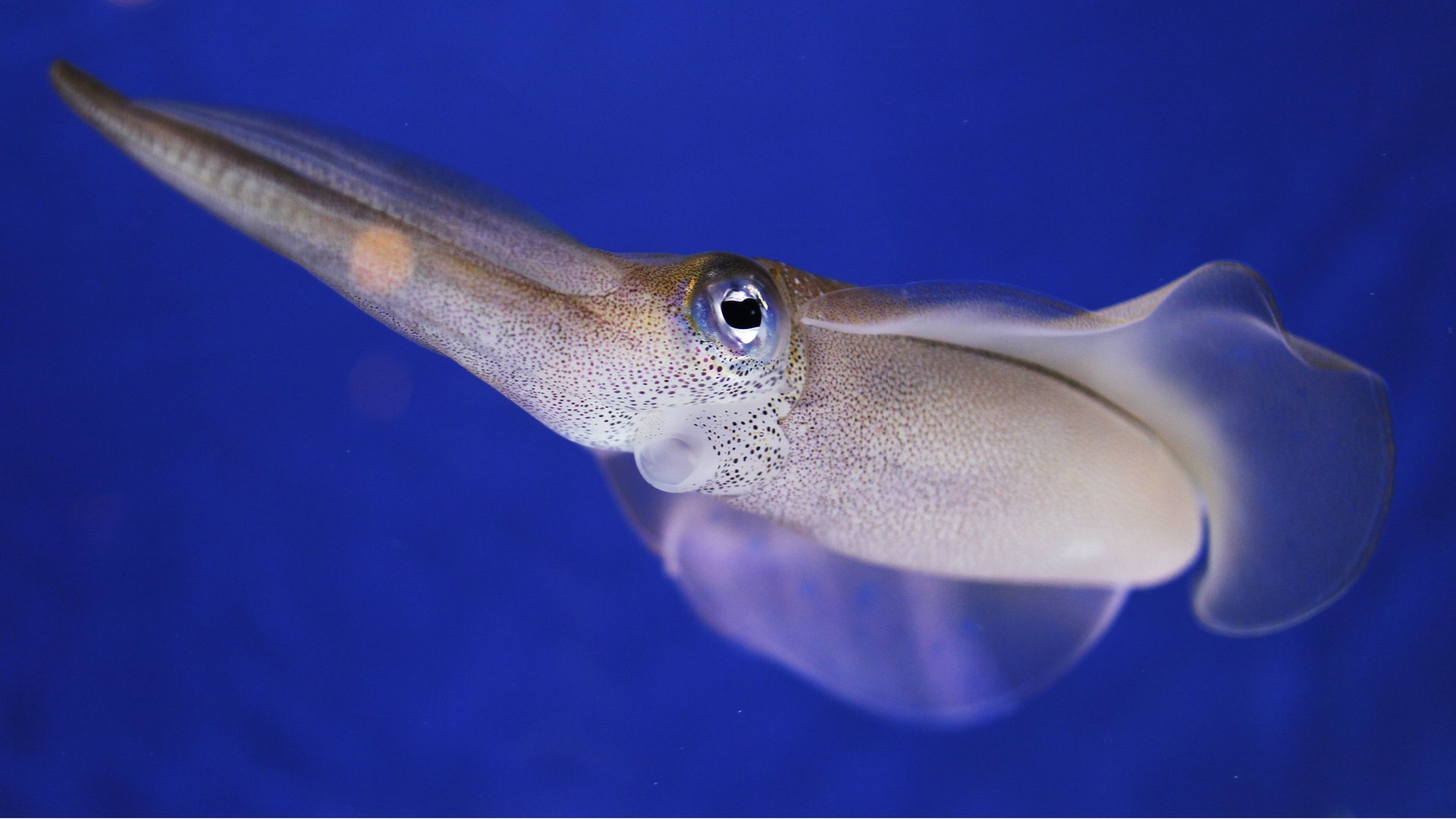
Squid occupy a powerful place in our imagination. They are the original sea monsters, immortalized in Jules Verne’s classic novel Twenty Thousand Leagues Under the Sea and in Scandinavian folklore, in which a cephalopod creature emerges from the sea to wreak havoc as the kraken.

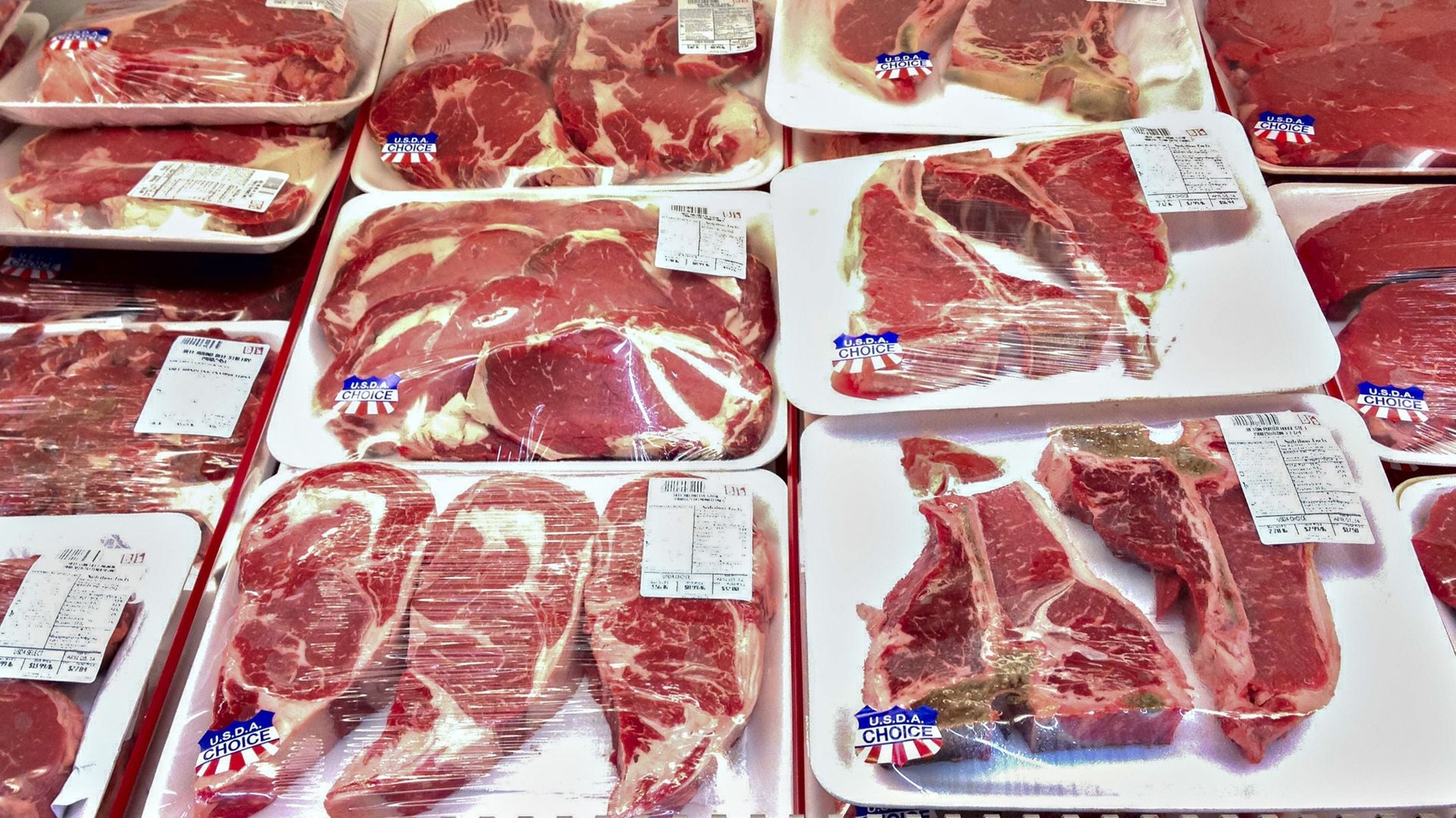
The world’s second largest meat company is moving a half step away from its age-old products by introducing a new line of ground beef that’s 50% ground beef and 50% plant-based.

There’s a staggering gulf between the food that we eat and our concept of where it comes from—and the art world is partly to blame.

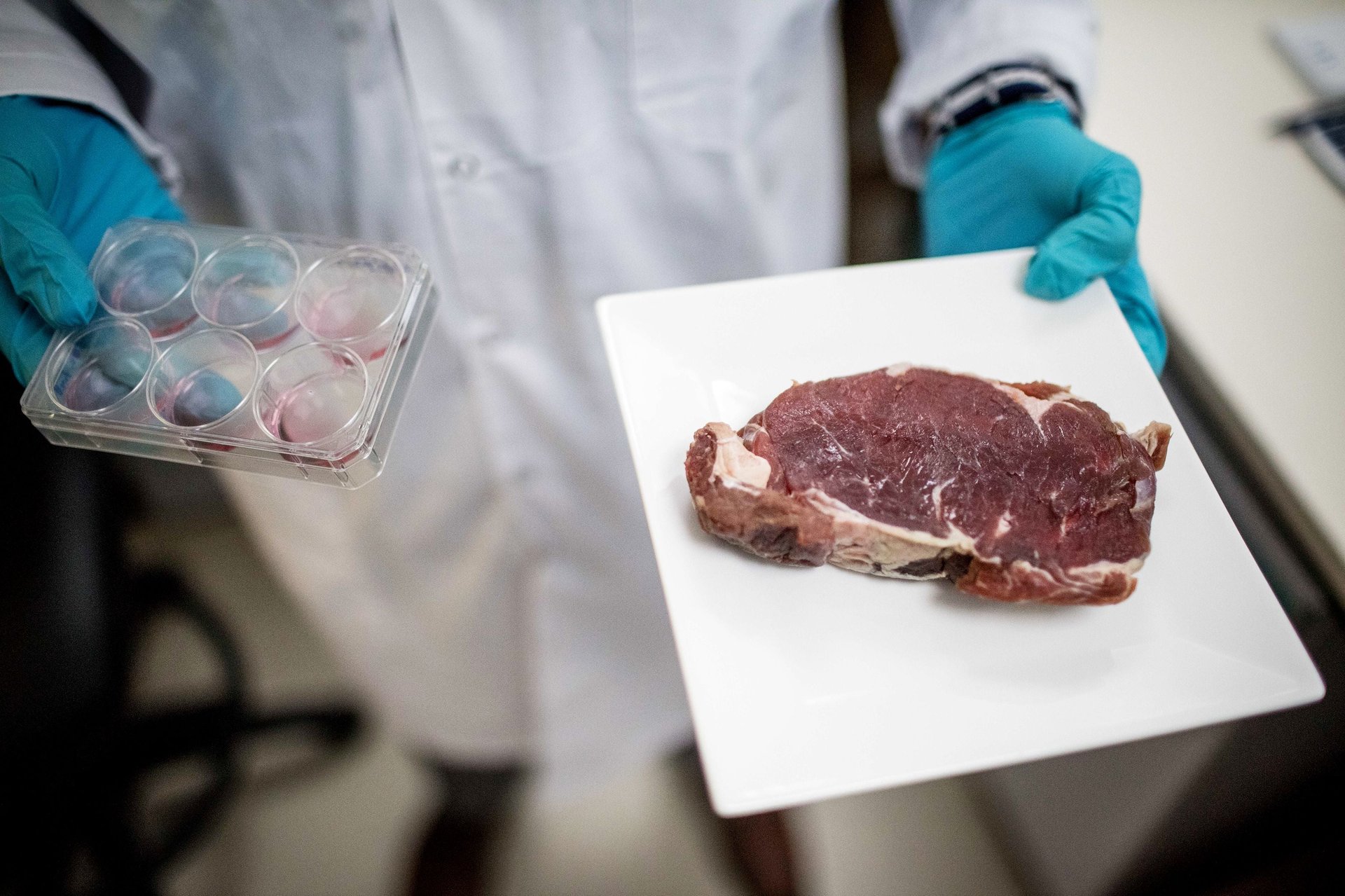
A new kind of meat will soon enter global markets.

One of the reasons people have so many food options to choose from is thanks to tiny little bees traveling by air to pollinate the blooms of fruit, nut, and vegetable-bearing plants. It’s estimated that somewhere between $235 billion and $577 billion worth of annual global food production relies directly on the little creatures. In all, about 84% of commercially-grown crops are insect pollinated.

I’m sitting in a lab in Petach-Tikva, a neighborhood northeast of Tel Aviv. In front of me are three food items on a platter: A plain cookie, chocolate spread, and a piece of solid chocolate. I’m told there’s something very special about these otherwise common treats.

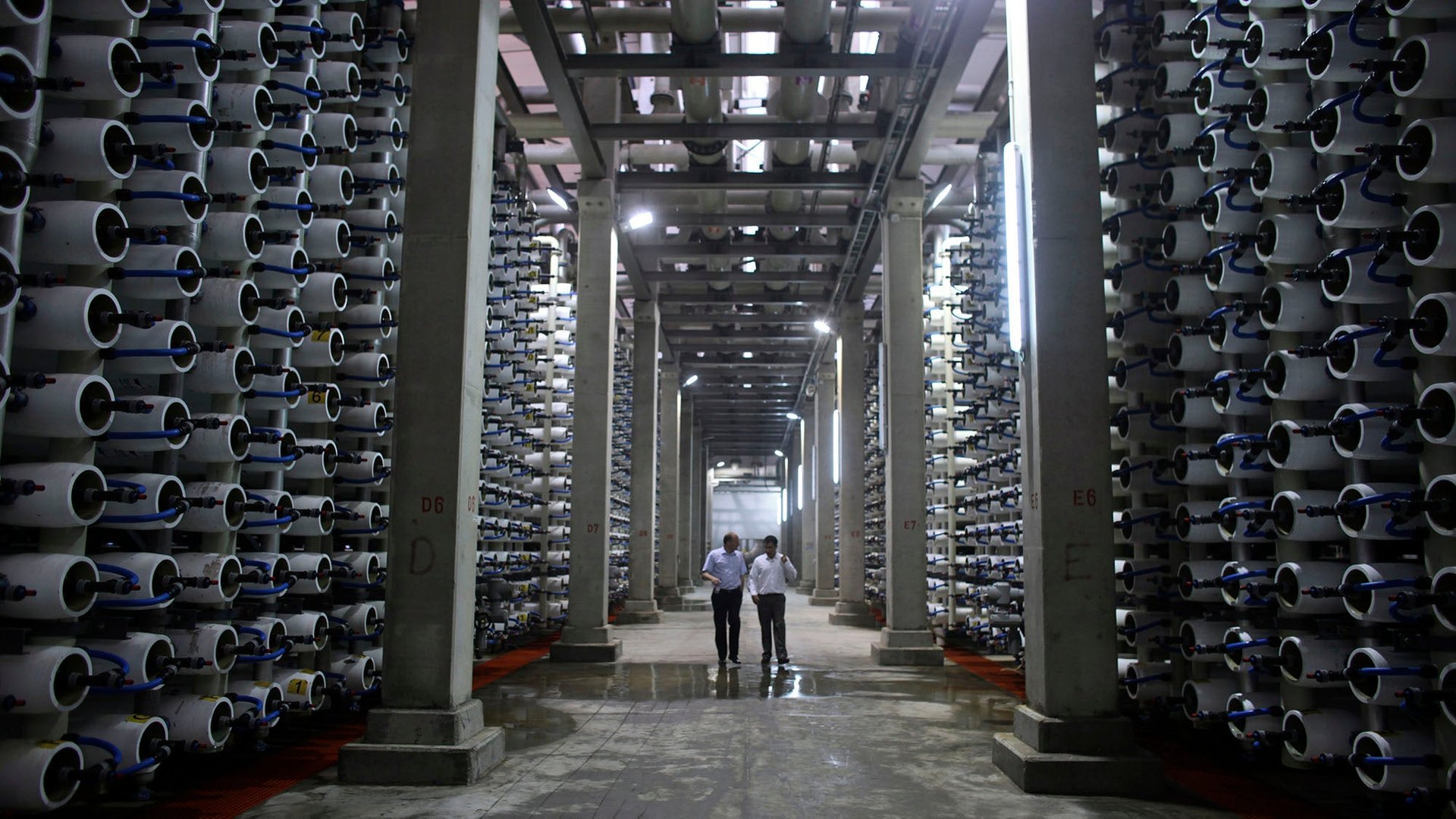
The hope is that it will never actually happen—and certainly there are geologists and political theorists who think the idea is far-fetched. But still, the threat of water scarcity does remain, a distant and creeping thunderhead as time marches forward.

Silicon Valley is, in many ways, the beating heart of present-day invention. But when it comes to one of life’s most elemental questions—”What should I eat?”—the place that will define the future is halfway around the world.

In its first earnings report since going public on May 1, Beyond Meat today reported a first-quarter profit of $10.8 million, as net revenues soared 215% year-over-year to $40.2 million. Call it the dawn of a plant-based Golden Age.

The biggest problem for plant-based meat companies might be the very thing that defines them. For years, they’ve worked to create products that look, feel, and taste just like conventional meat—but now that they’re finding success in the market, they stare down the very real possibility they won’t be able to use the word “meat” on their product packaging at all.

The burger will probably go for $50 a pop, but can you really put a price on the experience of being one of the first people in the world to literally taste the future?