The body of science showing that ketamine, the drug best known for its recreational use, might one day become a prominent treatment for depression is growing.

The body of science showing that ketamine, the drug best known for its recreational use, might one day become a prominent treatment for depression is growing.

Okay so you don’t want to give up meat. Sure, it’s ultimately bad for the planet, but it just tastes too good to abandon for a plant-based diet.

Massive, crushing, powerful, and invisible—black holes have long occupied a corner of the human imagination. Now, though, astronomers have released what they’re saying is an actual image of one from faraway in space.

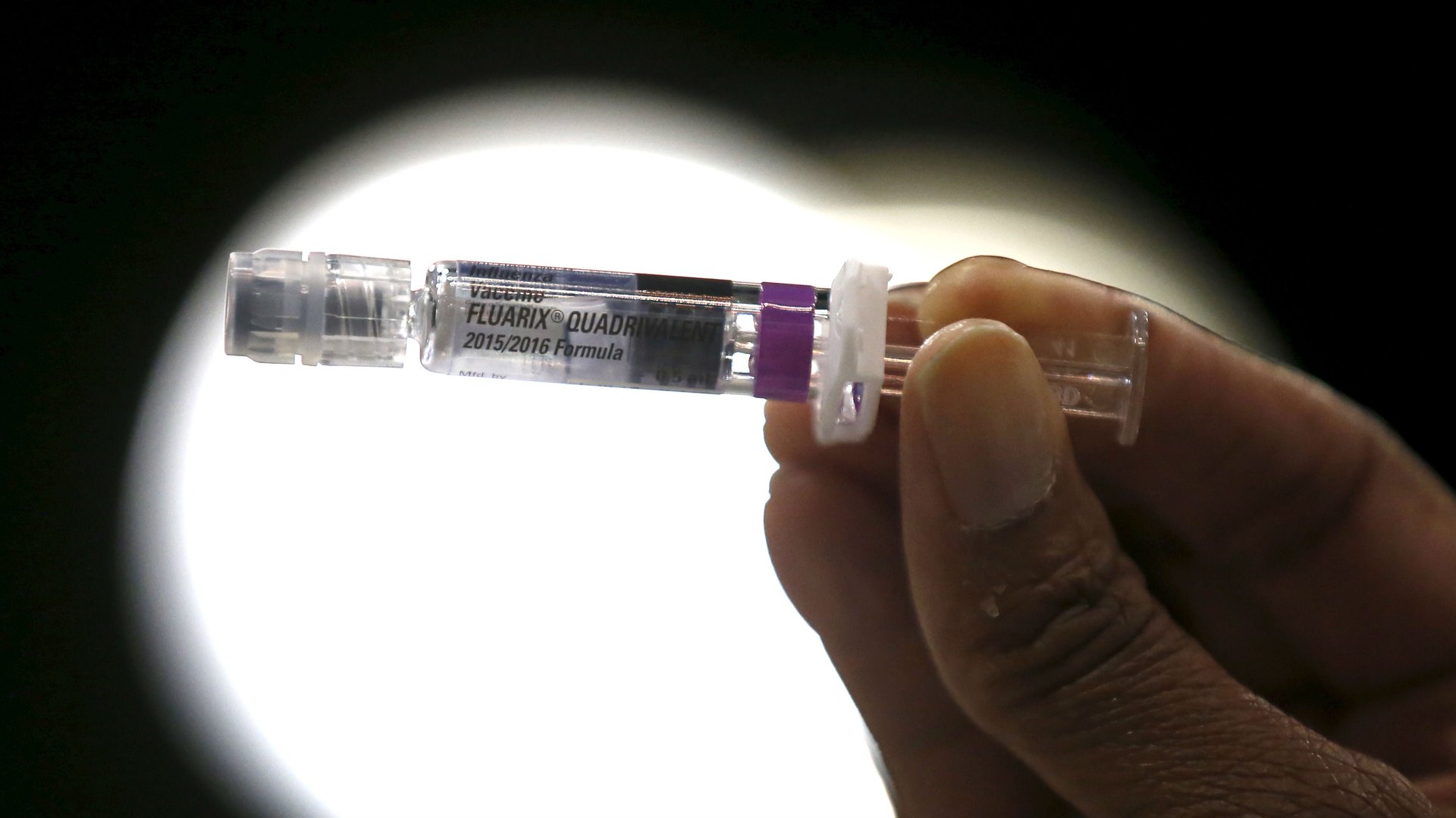
There’s an ingredient in some common foods that may make the body more susceptible to the flu.

The European Parliament is getting into the dictionary business.

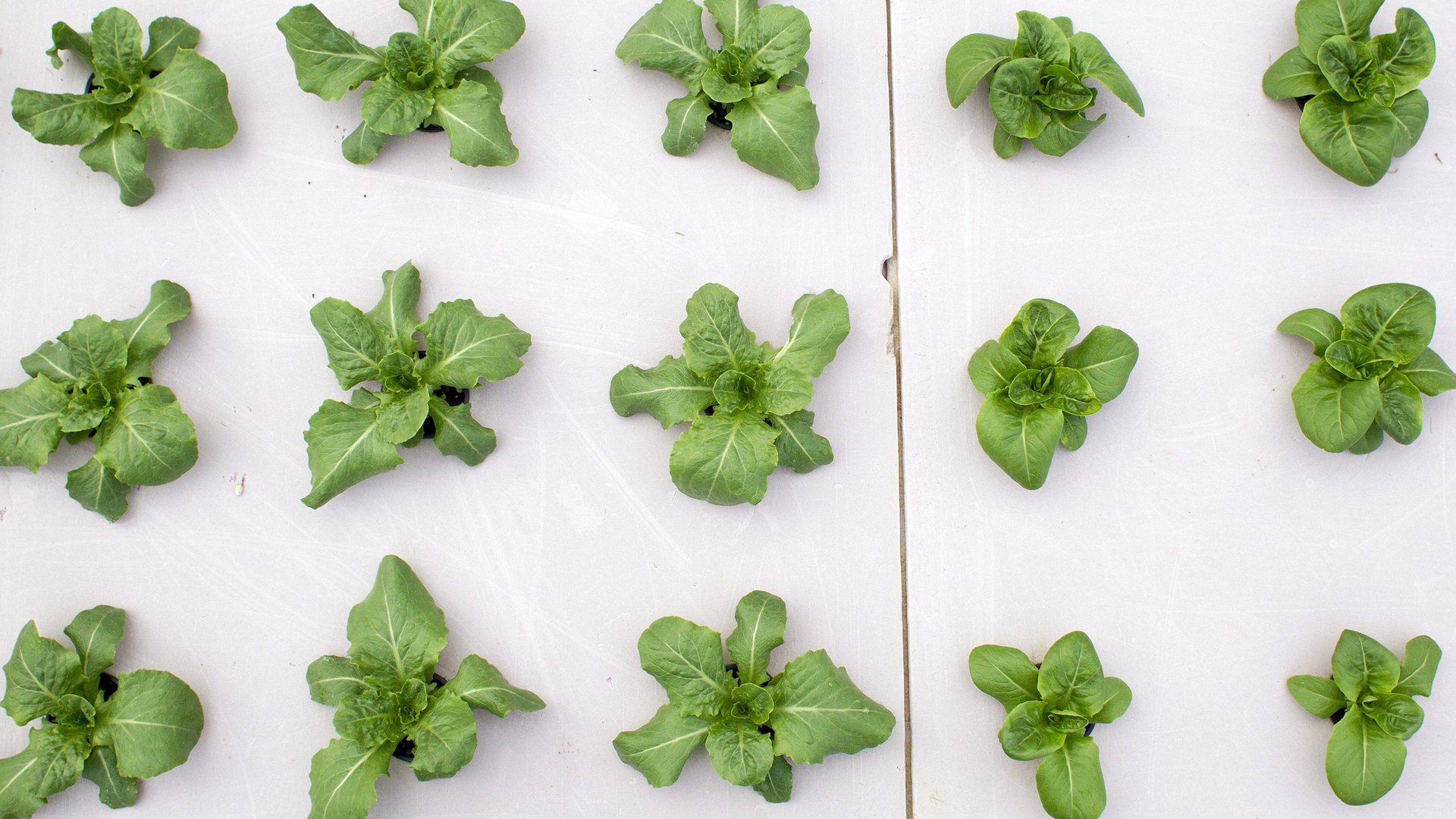
A better basil exists, but it’s being grown in an environment that resembles something more likely to show up on an episode of Star Trek than in any backyard garden.

It’s a kooky word, but there’s nothing funny about measles.

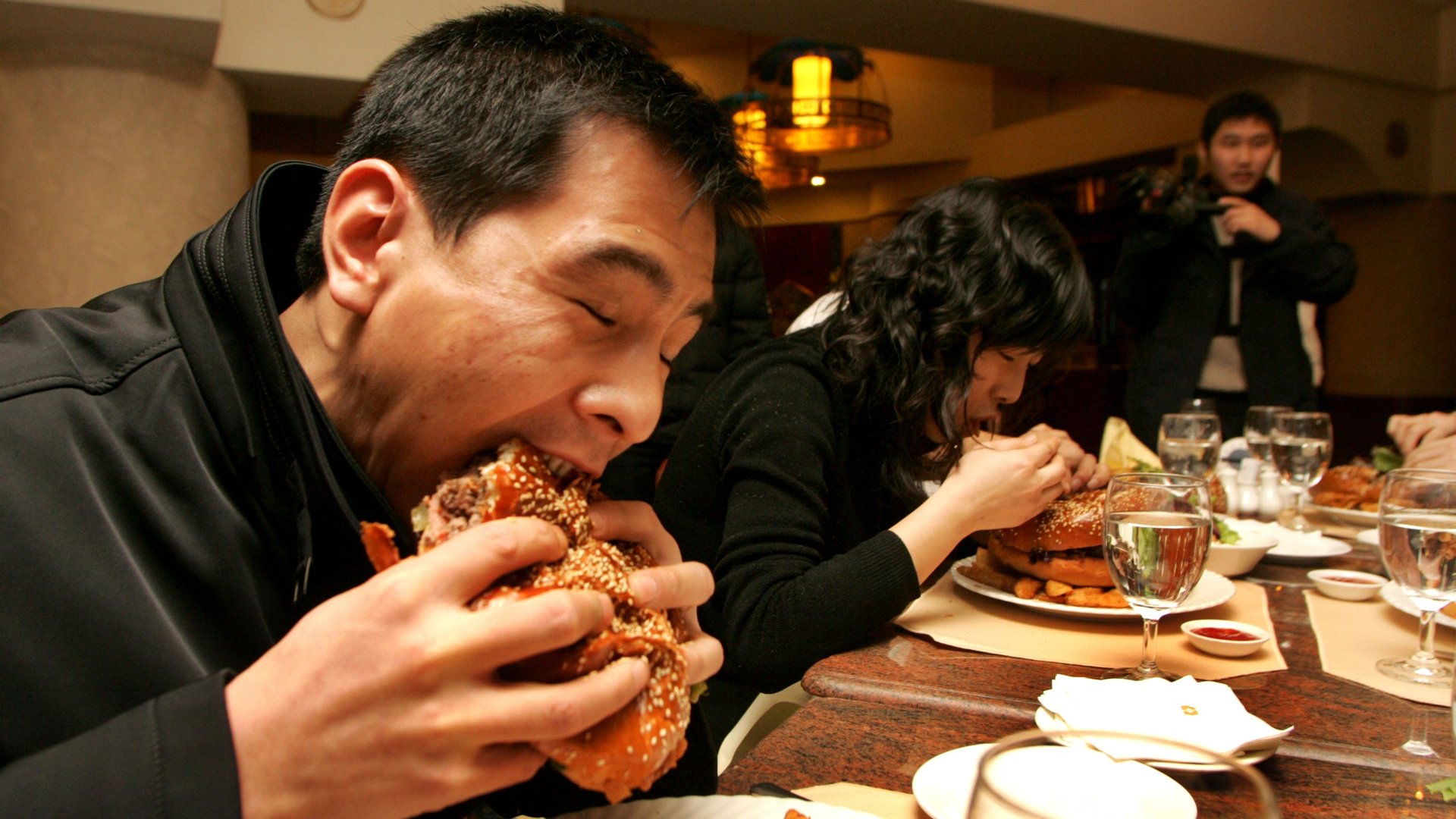
An American fast-food chain that made a name for itself selling beef is considering throwing its marketing heft behind a new vegan option.

In Arkansas, one in five of roadways are in poor condition, the median household income sits well below the national average, and the poverty rate is hovering close to 20%. State lawmakers have a lot of work on their hands. But this past week, they honed their attention on cauliflower.

The Tyrannosaurus rex has lost some of its mojo lately, as scientists conclude these dinosaurs were more likely squawking than roaring, and were covered in ruffled feathery plumage.

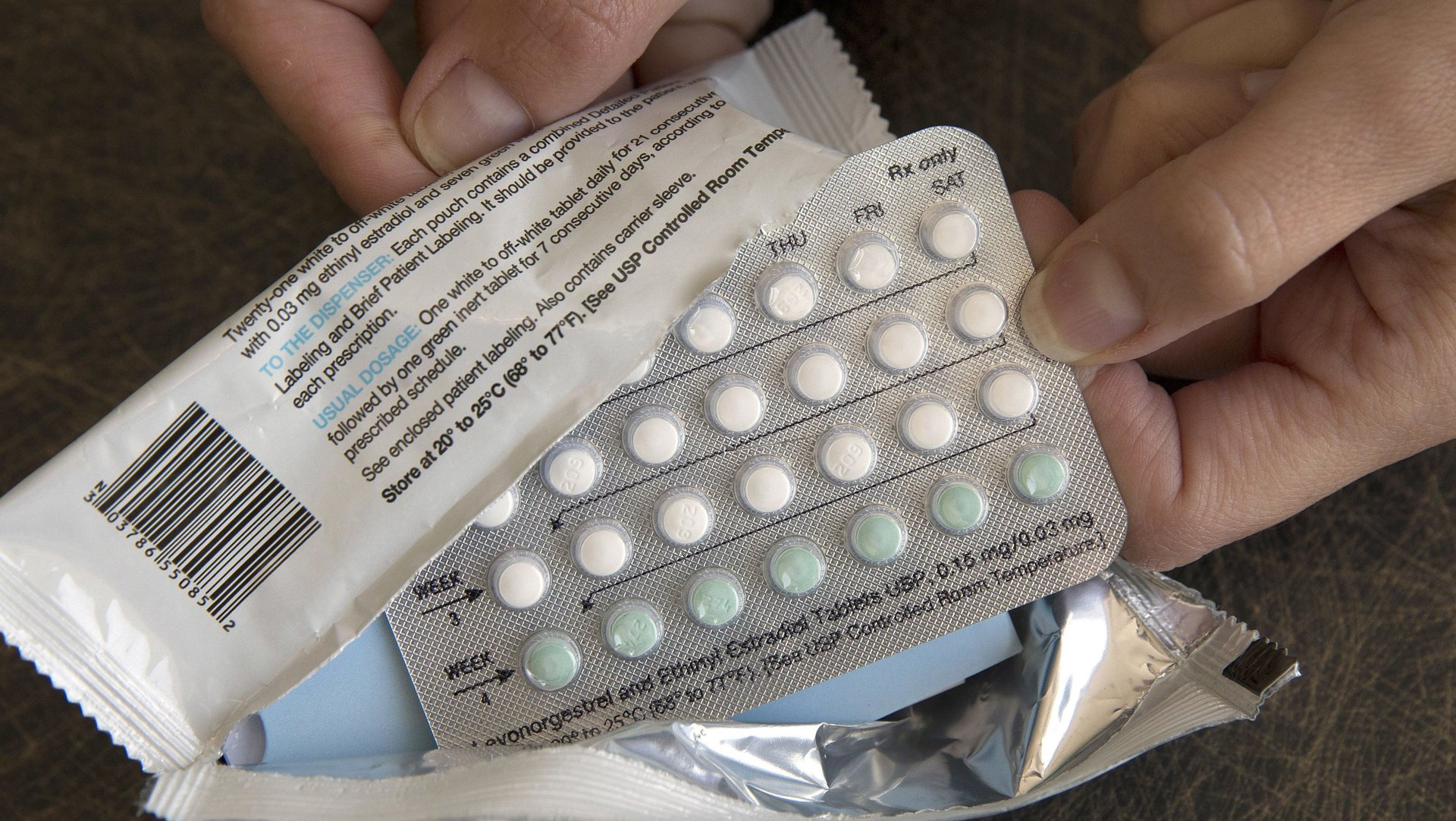
Scientists are getting closer to creating a hormone-based birth control mechanism for men, that would likely function and look much the same way as the pill that many women currently take.

The US organization representing doctors that care for children is taking a public stand against sugary drinks.

In the US in the 1990s, having a heart attack was basically a death sentence for some 20% of the people who suffered one.

New science out of Harvard University found that the more soda people drink, the higher their risk of dying from heart disease, breast cancer, and colon cancer. The research was published today (March 18) in the American Heart Association’s journal, Circulation, and is just the latest (pdf) in a mounting pile of evidence showing that soda has had—and continues to have—a negative impact on public health in America.

The globe’s second-largest economy has a heart problem.

Broken down into economic terms, the health condition that has people getting up multiple times at night to use the bathroom is costing the globe tens of billions of dollars every year.

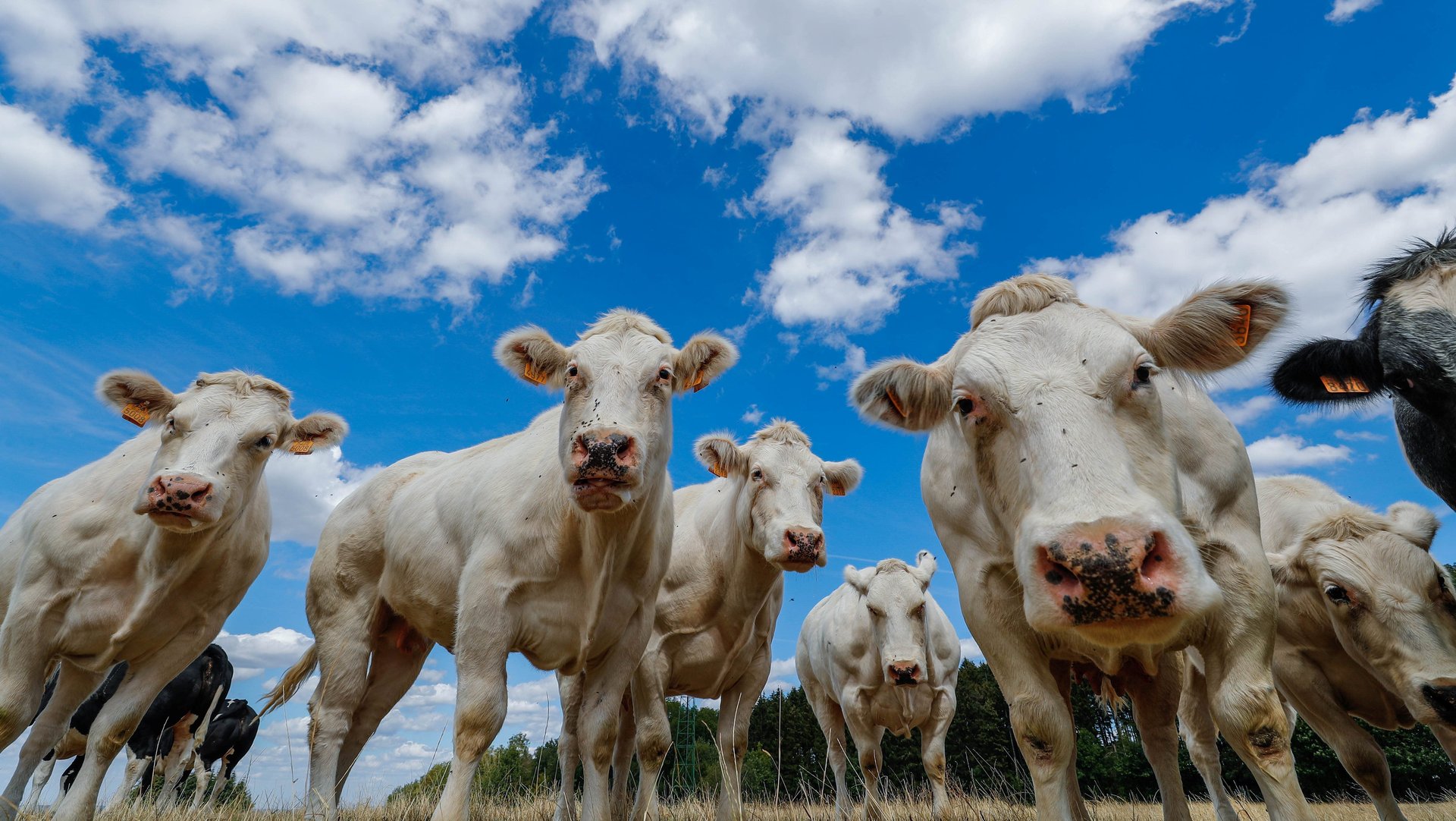
It might be the Year of the Pig in China, but cows are stealing the spotlight in the American political sphere.

As many as 1,700 species are facing extinction in the next half-century, thanks to humans reshaping their natural habitats.

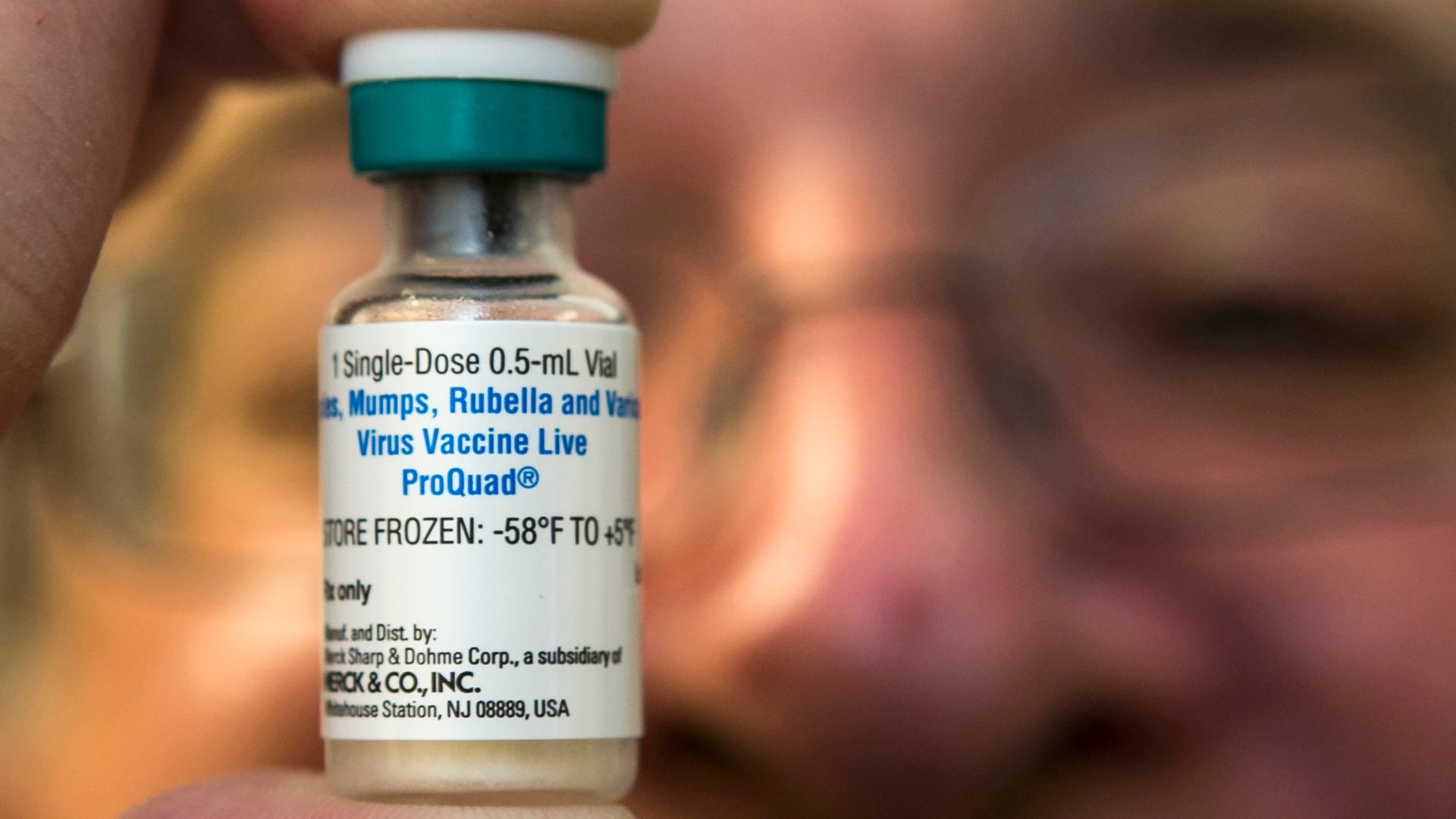
Scientists in Denmark today published the largest study to date showing there is no definitive link between the vaccine for the mumps, measles, and rubella (MMR) and the development of autism.

Just a few years ago, people might have laughed if you told them Amazon would open physical stores.

The last decade has been a tumultuous one for the American food industry, marked by consumer rebellions against genetically modified foods, artificial flavors, sugars, eggs from caged hens, and trans fats, among others.

Thanks to a group of animal-welfare activists, it just got a lot harder for Islamic and Jewish people living in Europe to buy certified-organic meat.

The news headlines are what caught Stephen Midway’s attention. It all seemed so unusual to him.

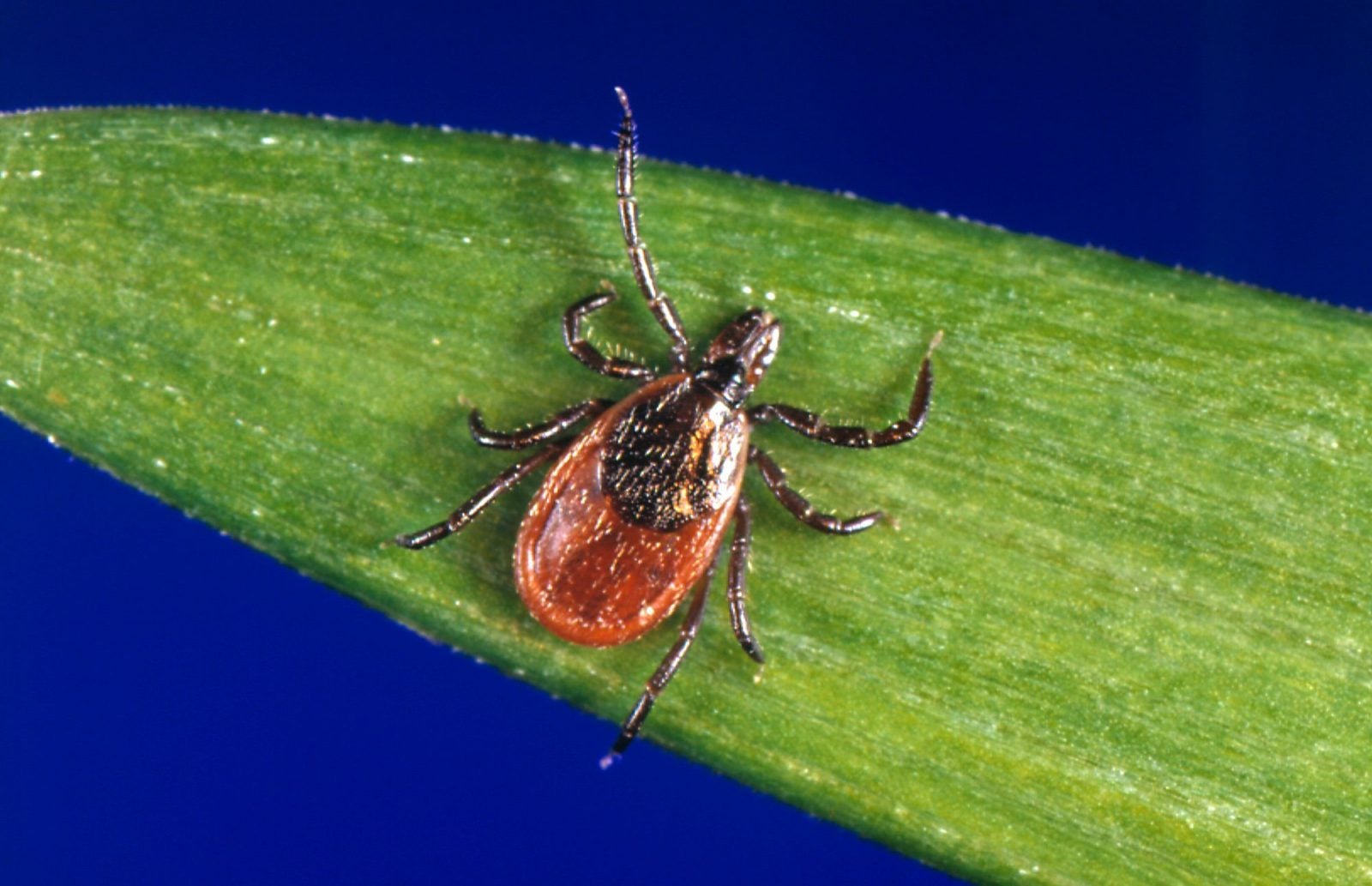
To some, especially the average American, it might seem like a curse: All it takes is bite of a tiny tick to trigger an allergic reaction to steaks, burgers, and pork.