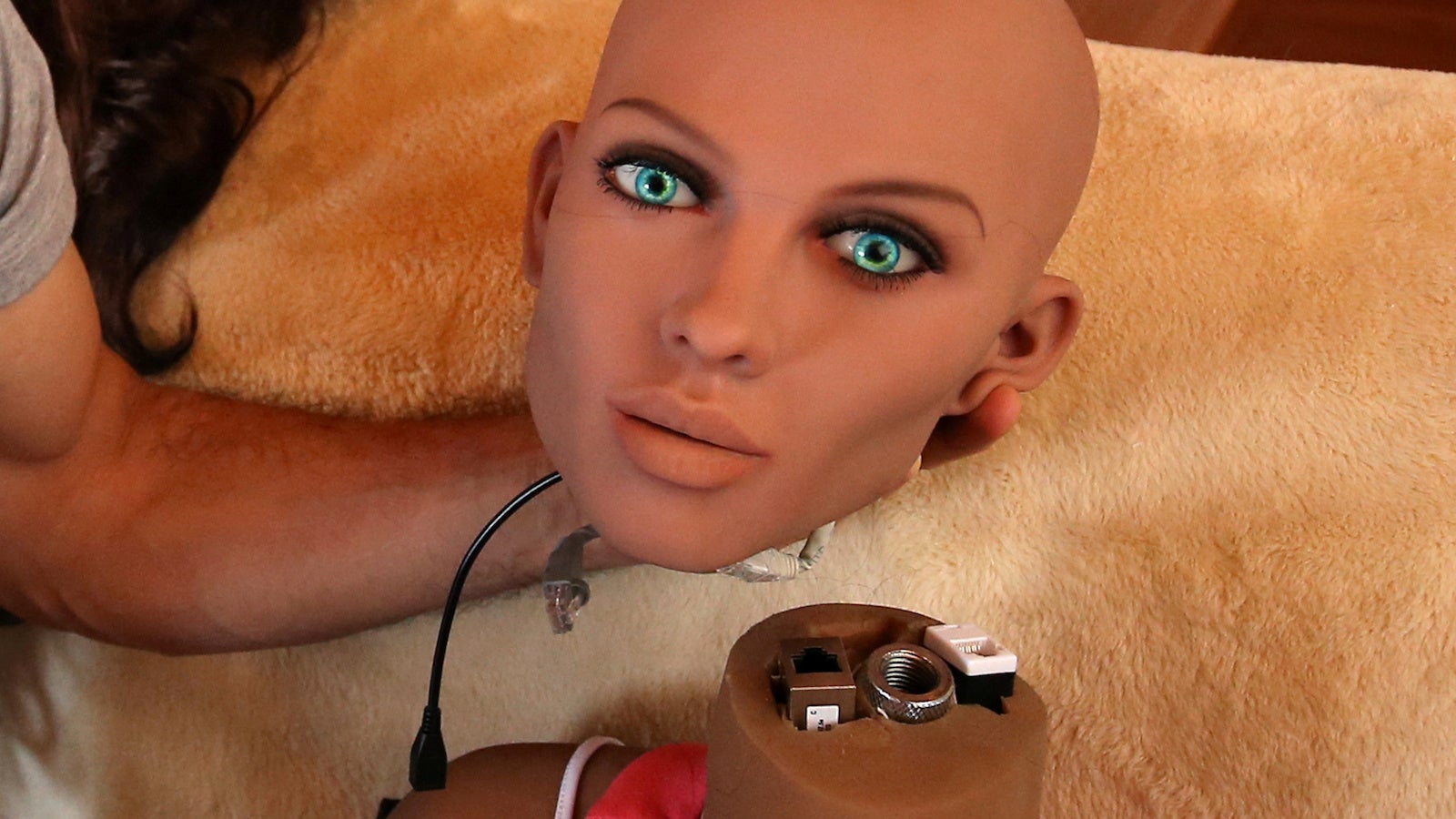
A man sits before a gray sofa, next to a life-sized female doll in black pantyhose. He’s playing a video game, her silicone face stares vacantly off into space. They are in a very real relationship.

A man sits before a gray sofa, next to a life-sized female doll in black pantyhose. He’s playing a video game, her silicone face stares vacantly off into space. They are in a very real relationship.

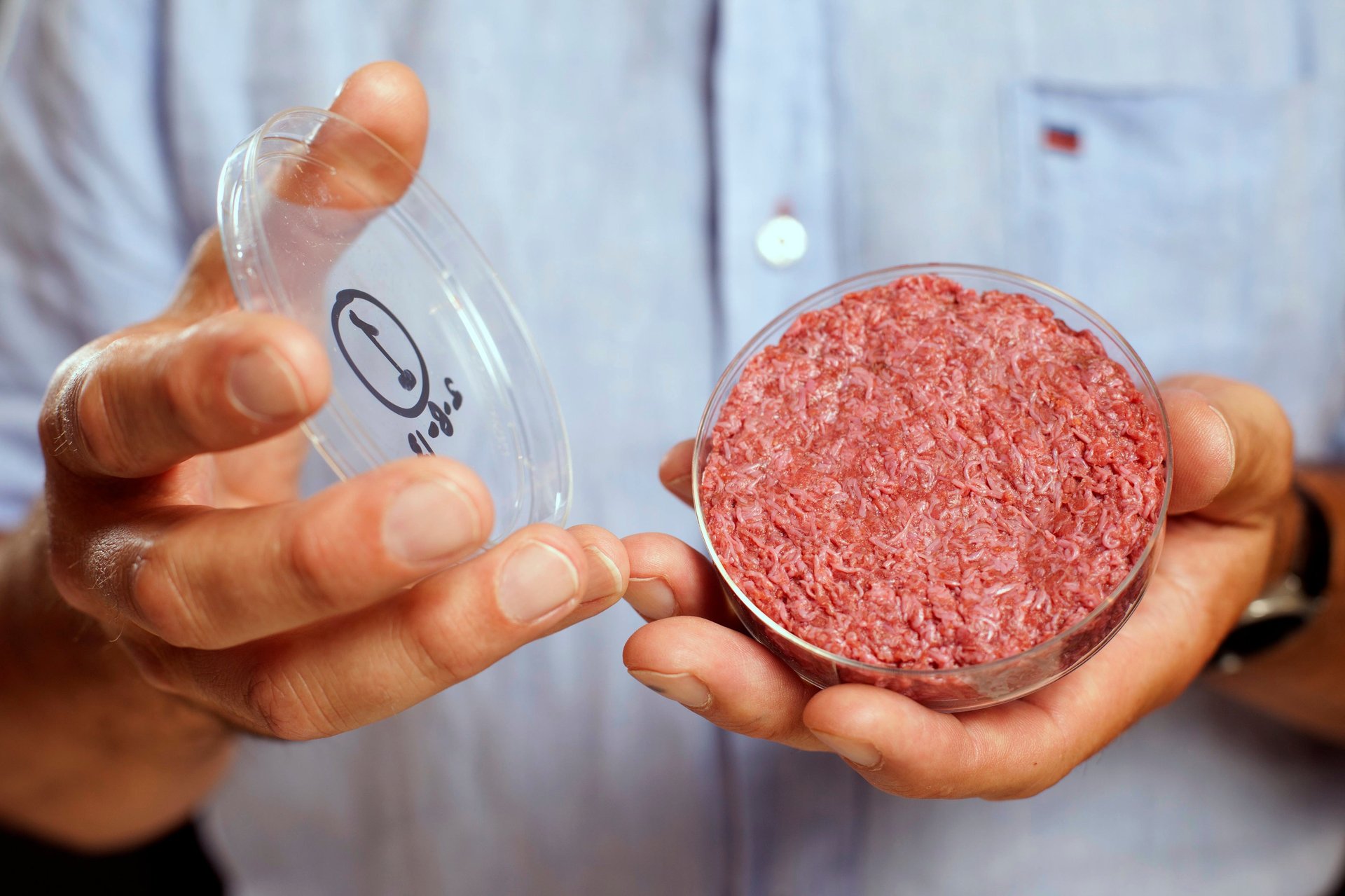
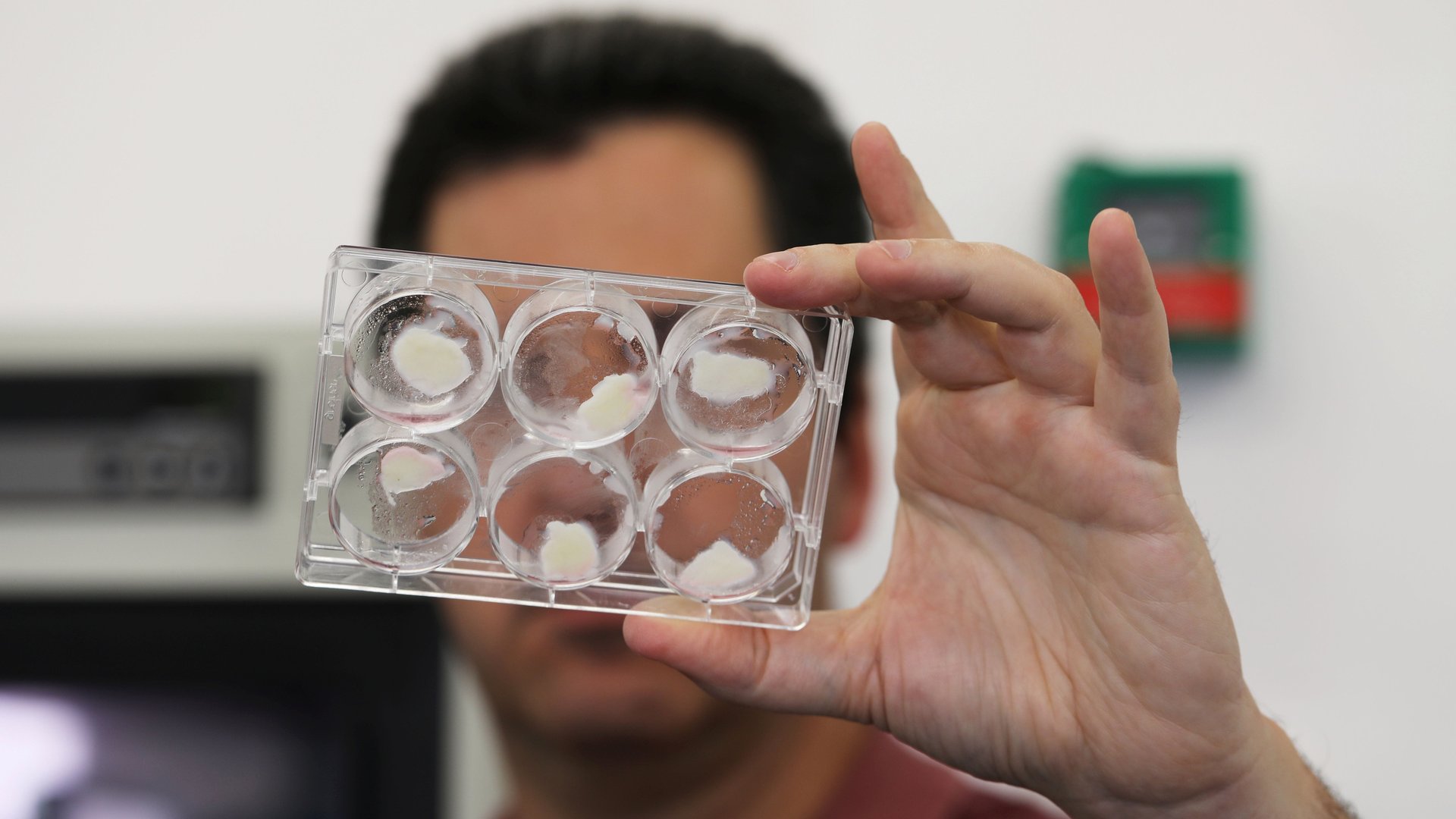
New research out of the University of Oxford is raising important questions about the environmental sustainability of making cell-cultured meats.

Everybody seems to be trying to make a comeback these days, deserved or not. Even “pink slime.”

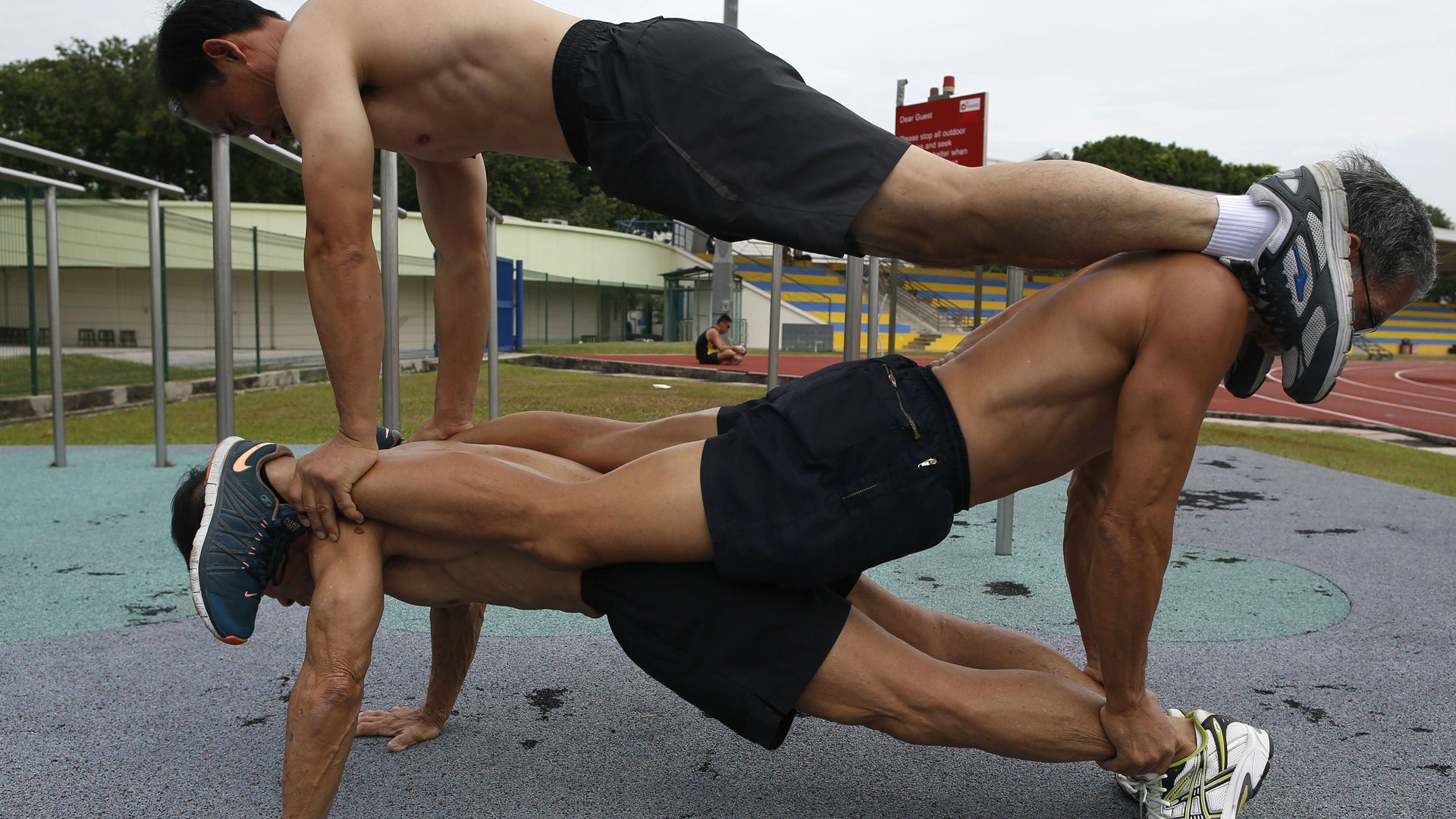
Researchers at Harvard University were working with a pretty well-established idea: “Higher fitness levels would be associated with lower rates of incident cardiovascular disease.” Not exactly a groundbreaking observation.

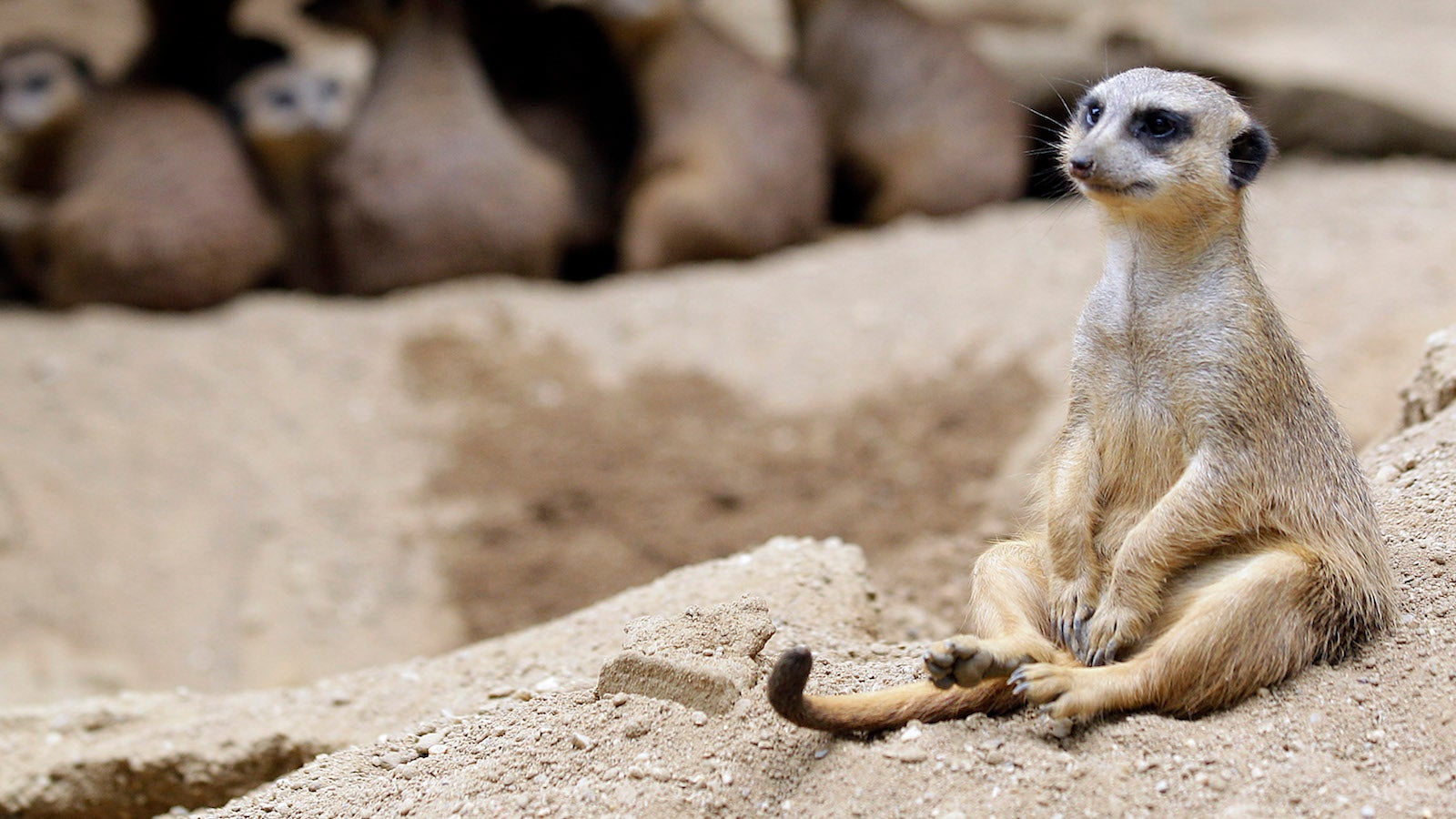
The global meerkat population hangs in the balance, with a new scientific model giving them about 50 years before its stares down the gauntlet of extinction.

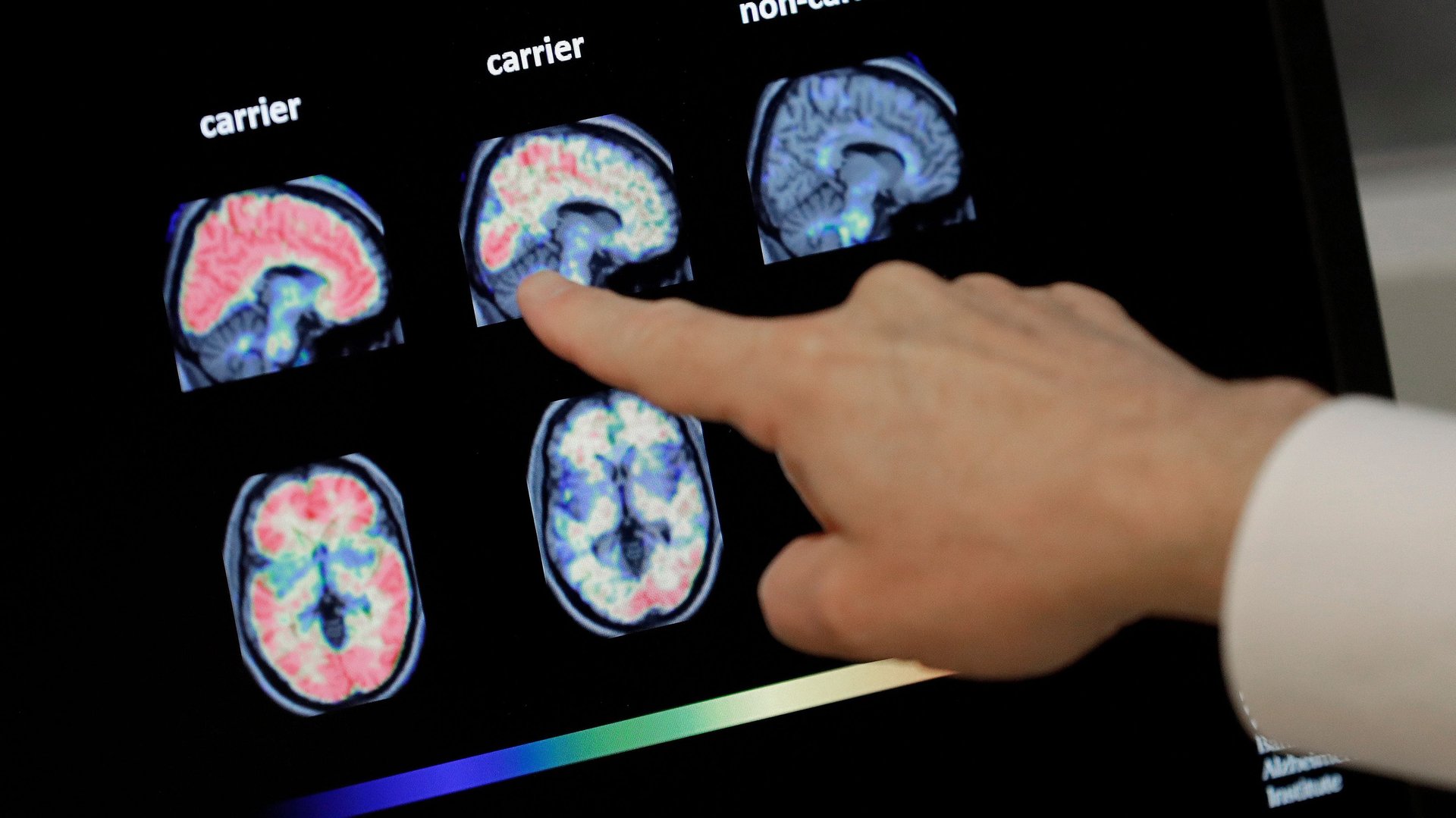
New research out of Yale University shows depression can physically change a person’s brain, hastening an aging effect that might leave them more susceptible to illnesses associated with old age.

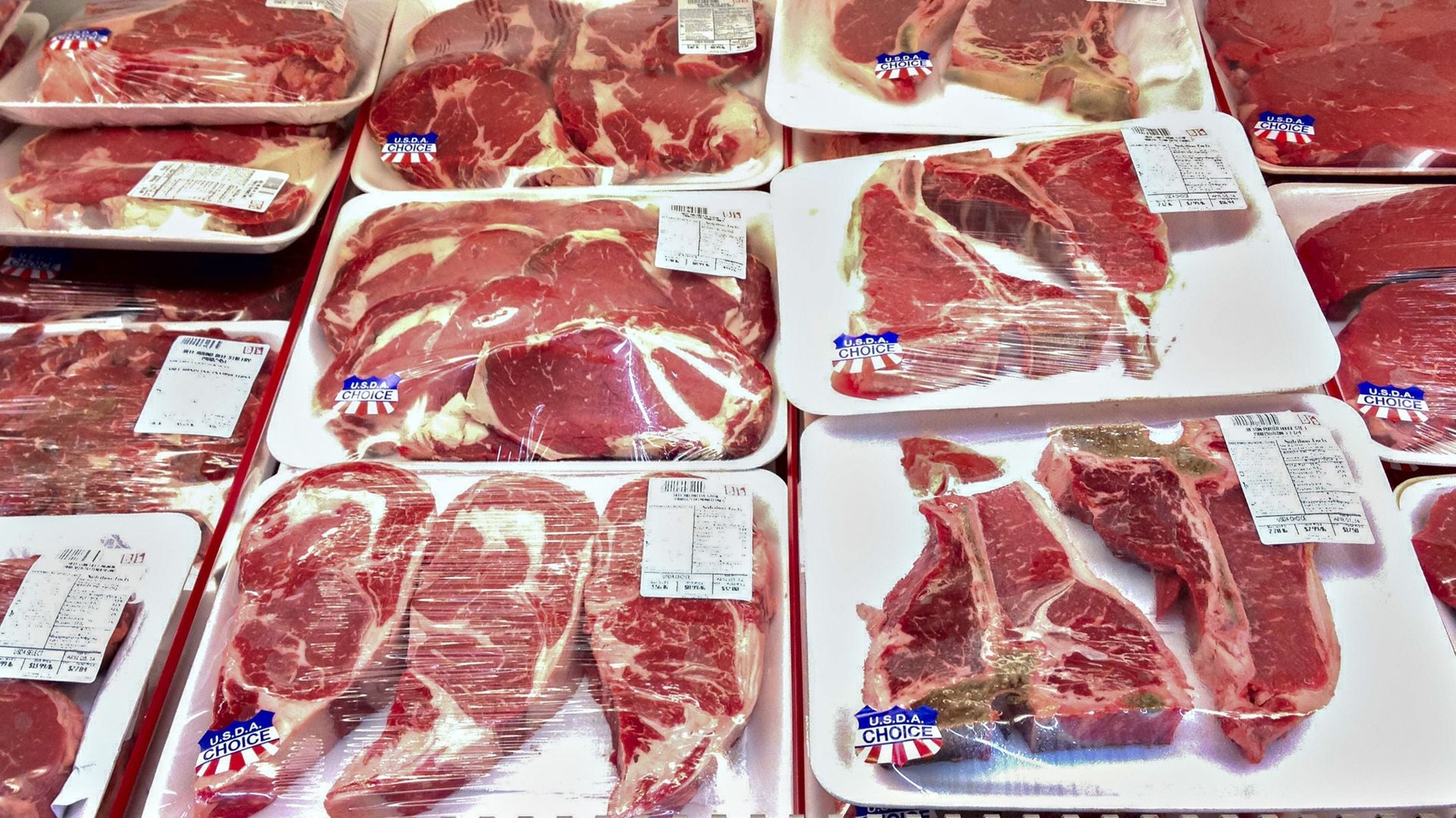
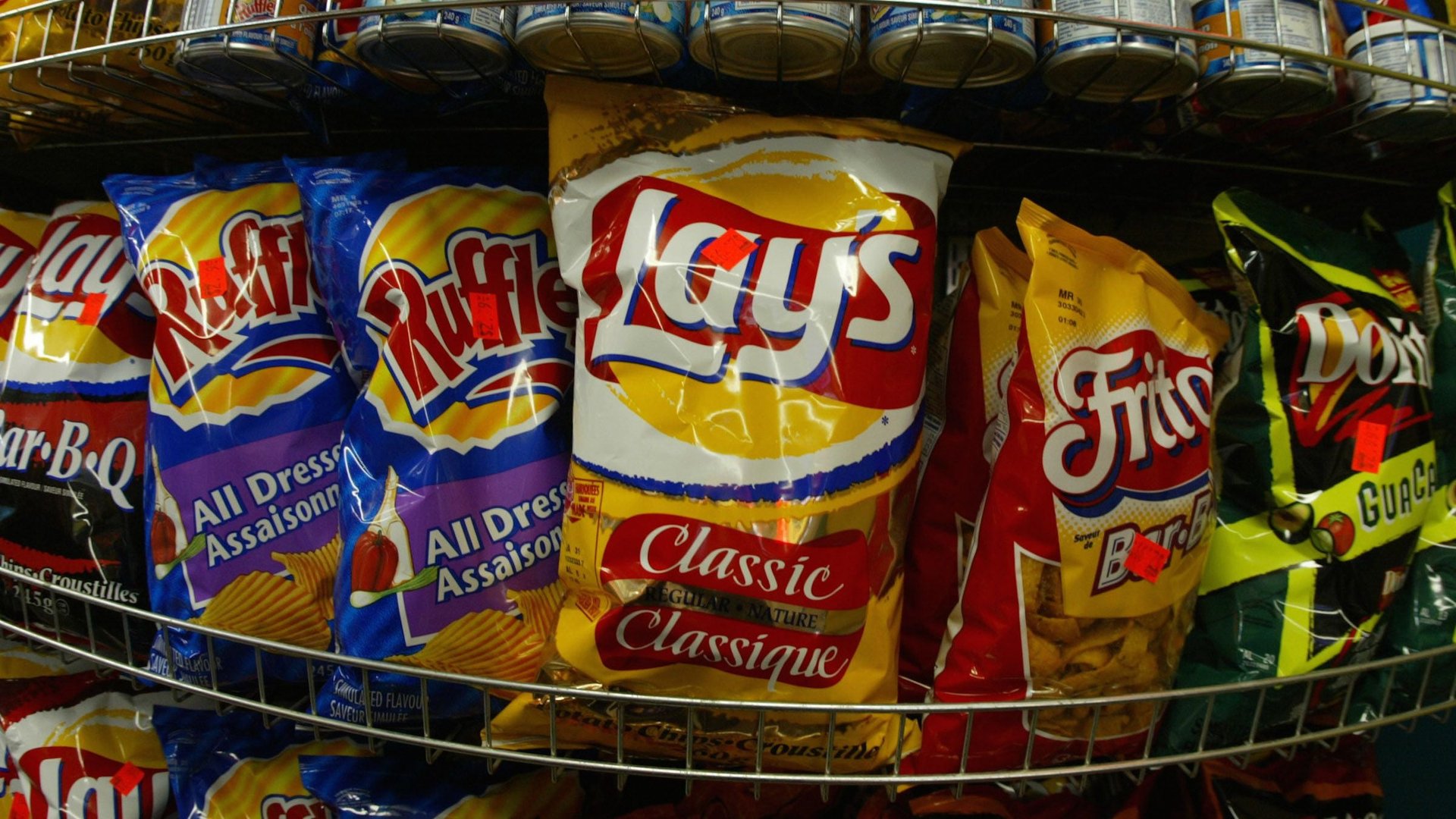
Nutrition research is a fickle area of science in which no single study can definitively say what you should or should not eat. Yet over time, the evidence linking highly-processed foods to chronic diseases, cancer, and earlier mortality rates has mounted.

Whether you live to eat or eat to live, you should probably know what’s happening deep inside your gut.

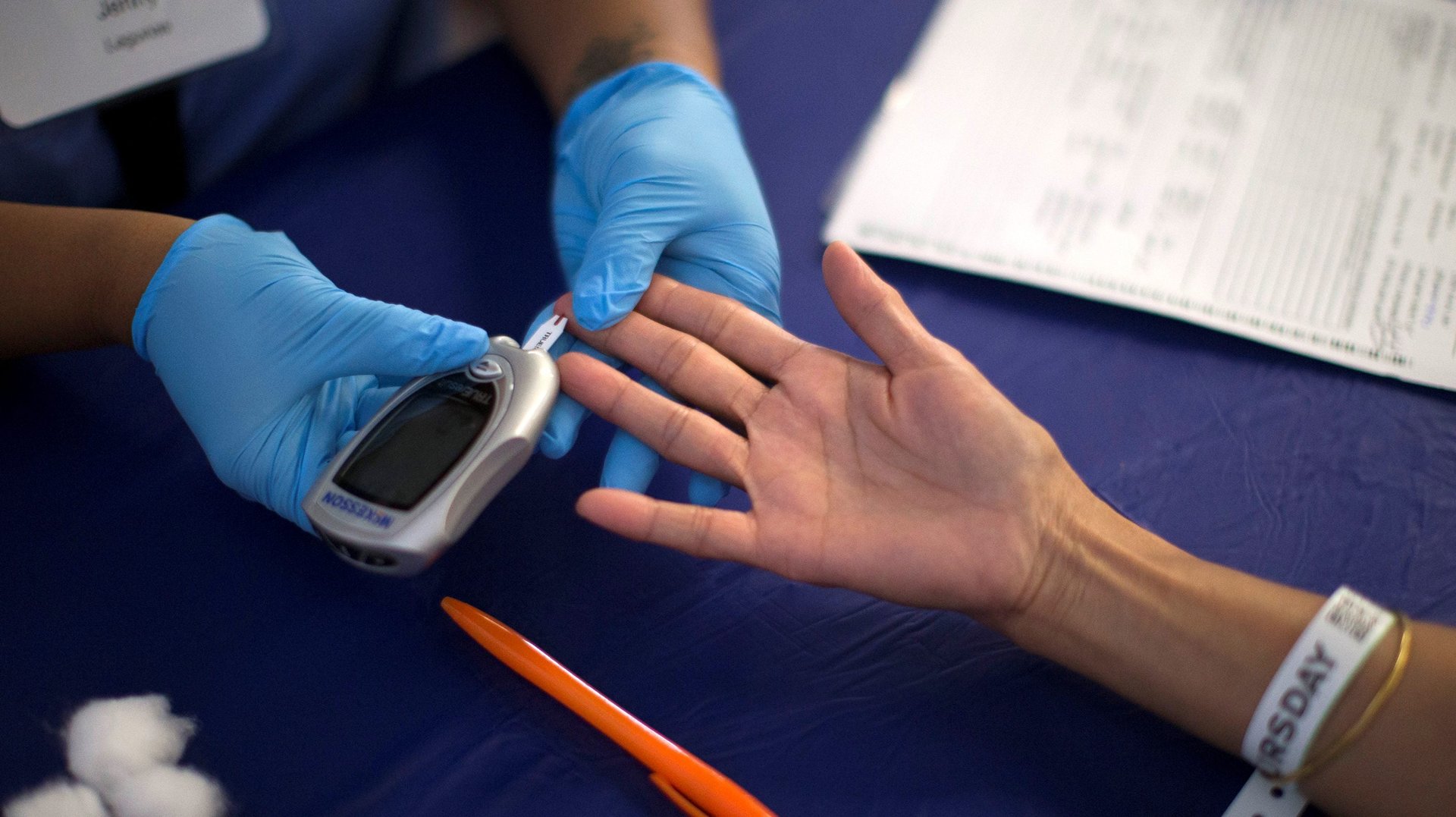
It’s basically the medical world’s version of a really cool Rube Goldberg machine, designed to painlessly save someone’s life.

No one is accusing them of being a bunch of beach bums, but the harsh reality is that the Vikings were probably a hell of a lot softer than the rugged depictions pop culture has long fostered.

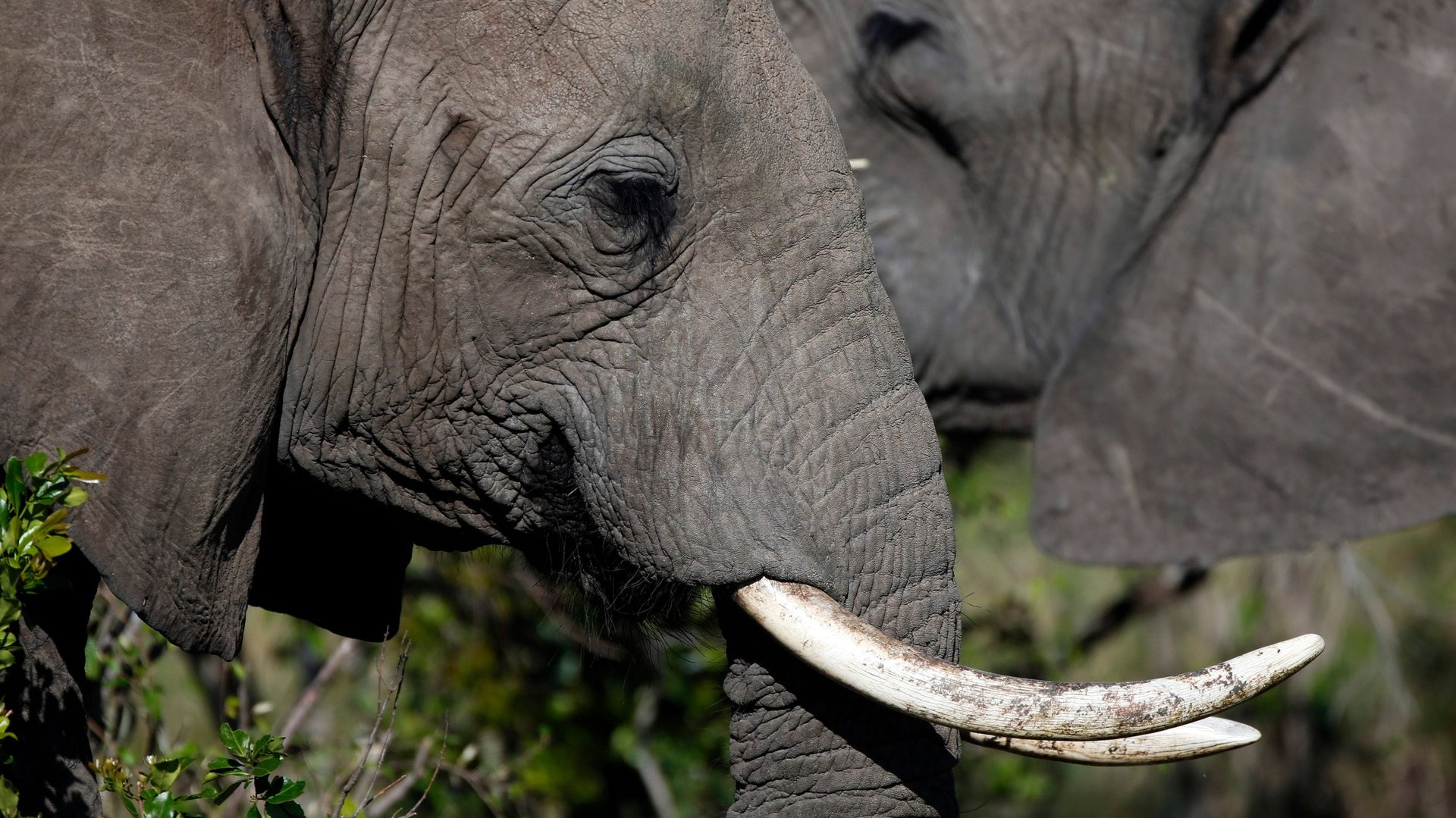
The biggest immediate threat to Earth’s largest animals isn’t the changing climate—it’s humans killing them directly.

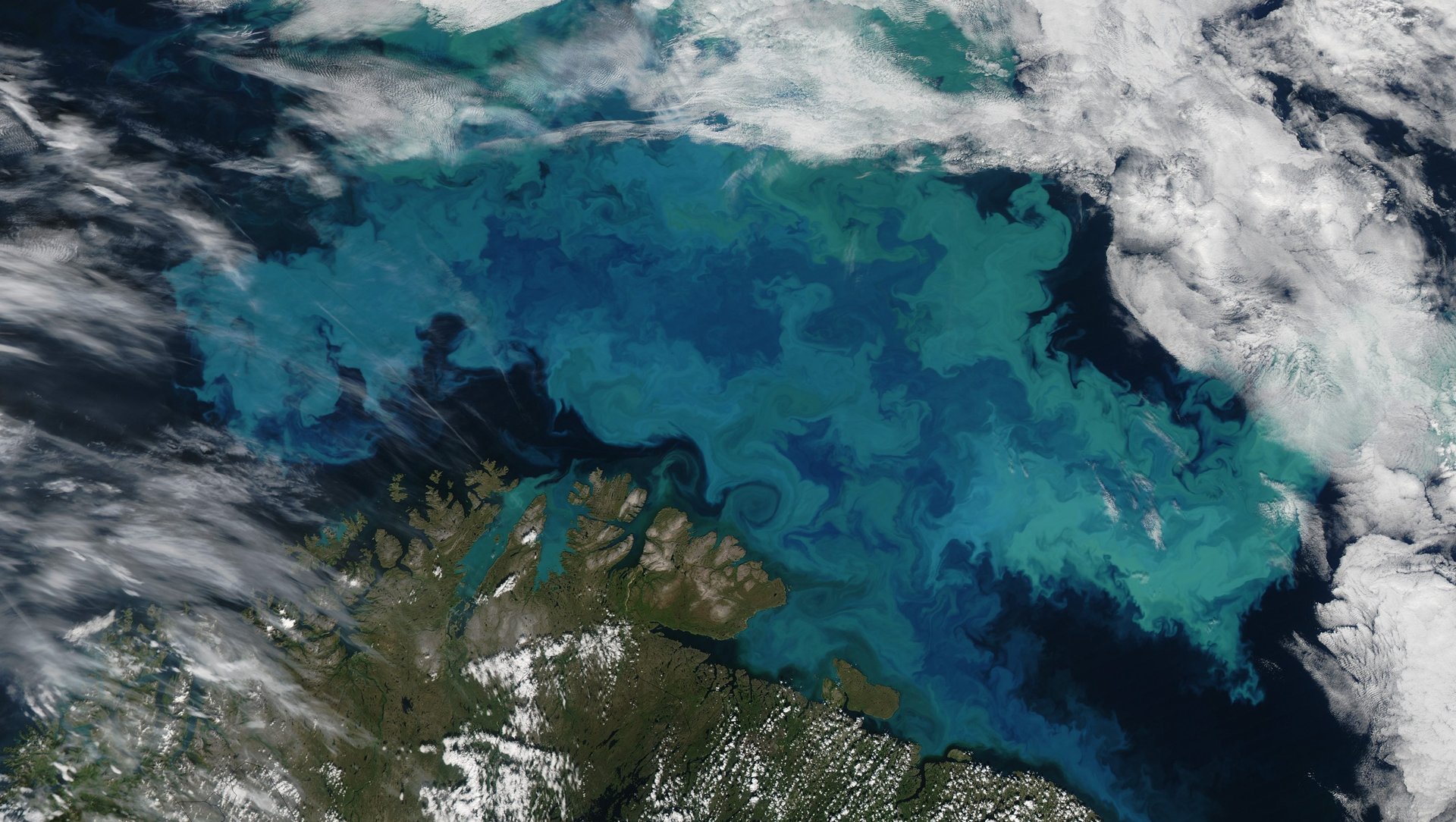
The warming planet is changing the distribution of phytoplankton across the world’s oceans. Even though these microscopic creatures are too tiny to see with the naked eye, the overall effect will be apparent.

One of the world’s most ambitious construction projects is giving a city in Asia, renowned for its bustling casino culture, a renaissance.

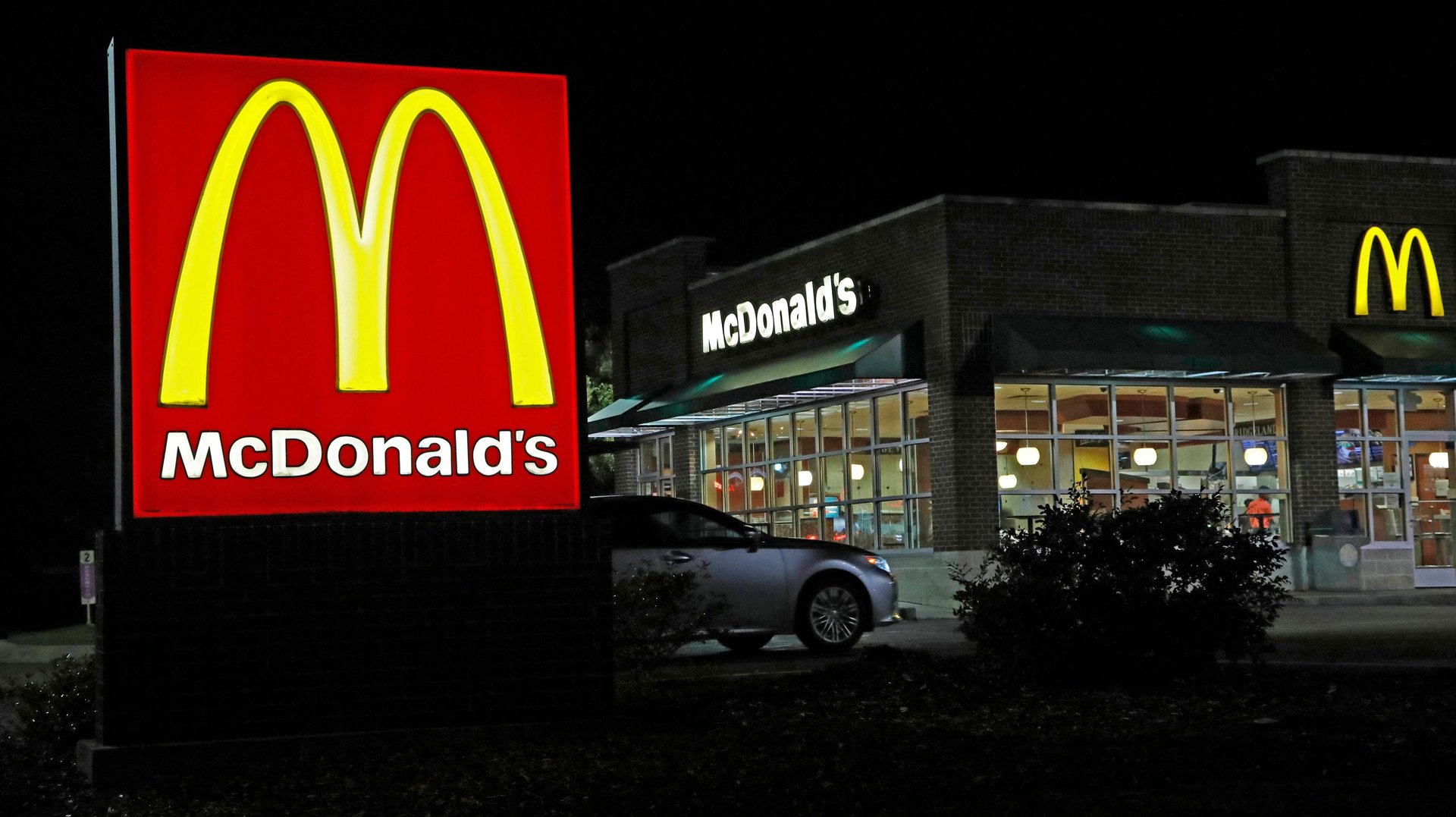
The world’s largest burger chain is trying on a new look, and it’s running into a few hiccups.

The man who made the Frappuccino ubiquitous the world over has his eyes on the highest public office in America. Whether people have the appetite for his ambitions remains a question.

The challenge begins in a race, where participants use tractors to stack heavy bales of hay faster than their opponents.

The share of total liver transplants going to people who suffer from alcohol-related health issues is on the rise in America—but don’t blame it on the bottle.

Children who grew up exposed to high levels of lead are more prone to suffer from mental health issues later in life, according to a new study out of Duke University.

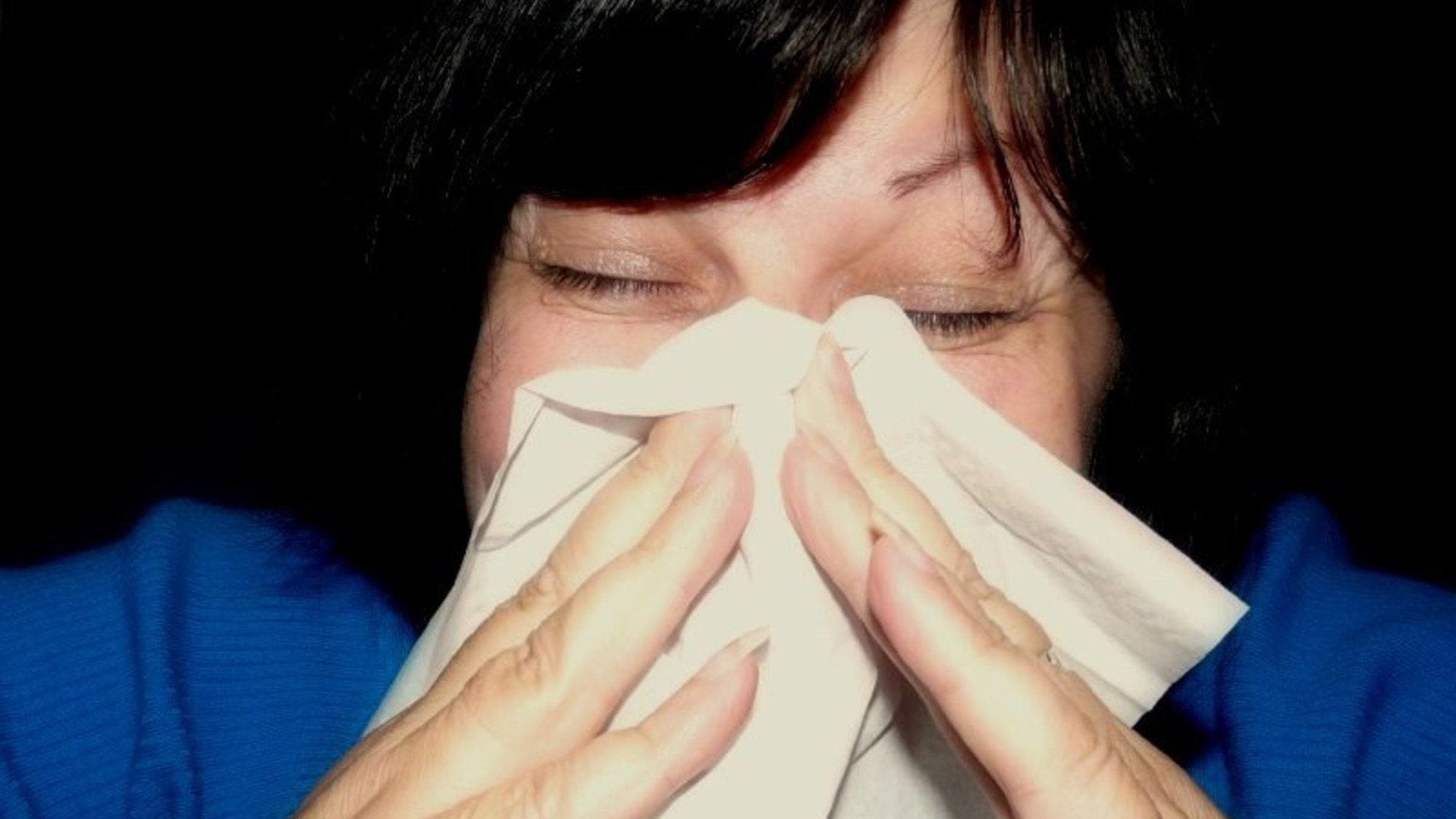
A vast majority of American parents employ useless methods, many of them passed down from previous generations and not backed by science, to try and protect their kids from catching the common cold.

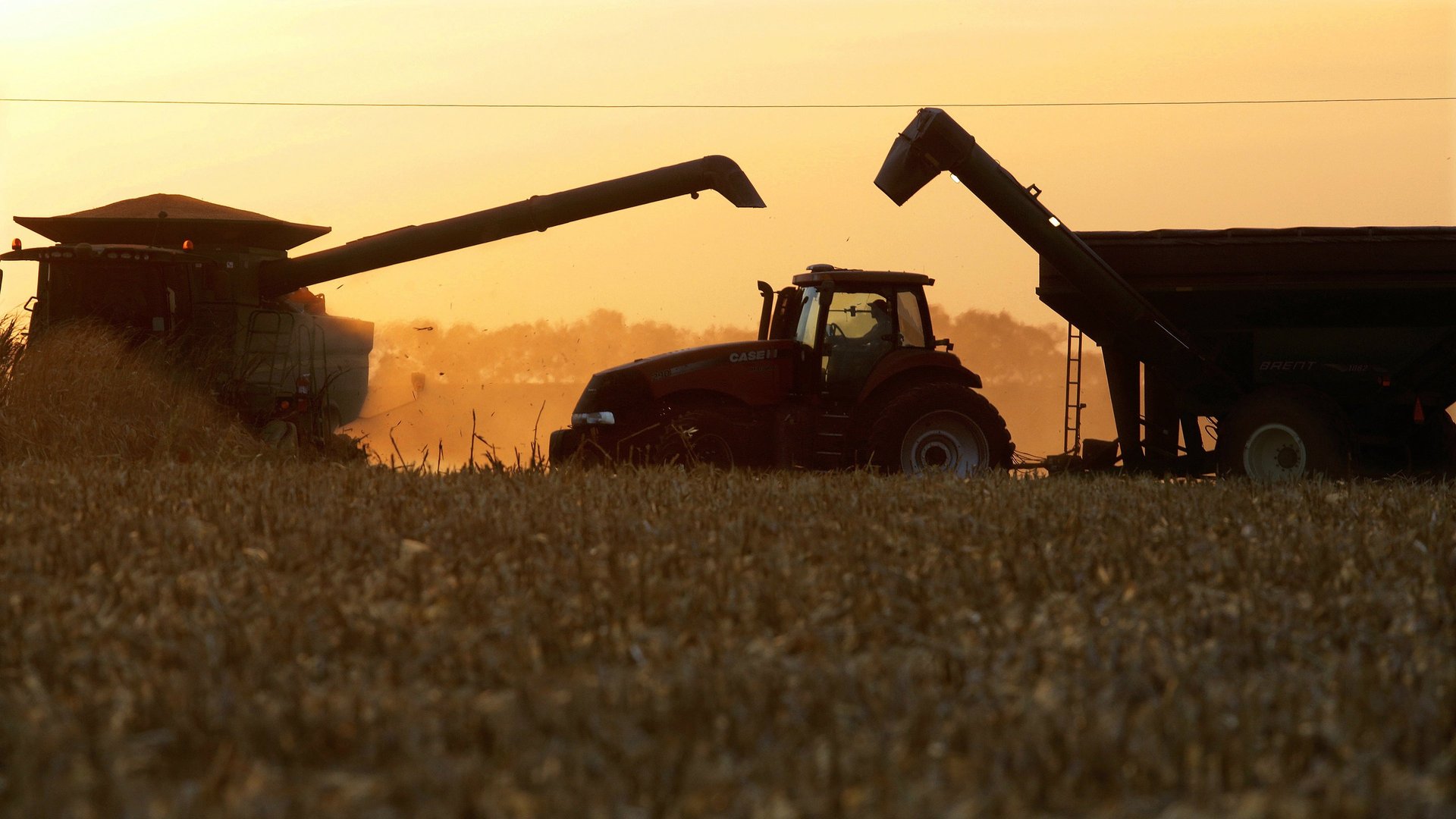
One of the world’s leading scientific journals this week issued an urgent call to global governments to convene what is essentially a Paris Climate Agreement for food.

The world needs to find a new global consensus—fashioned similarly to the Paris Climate Agreement—to address an increasingly problematic food system.

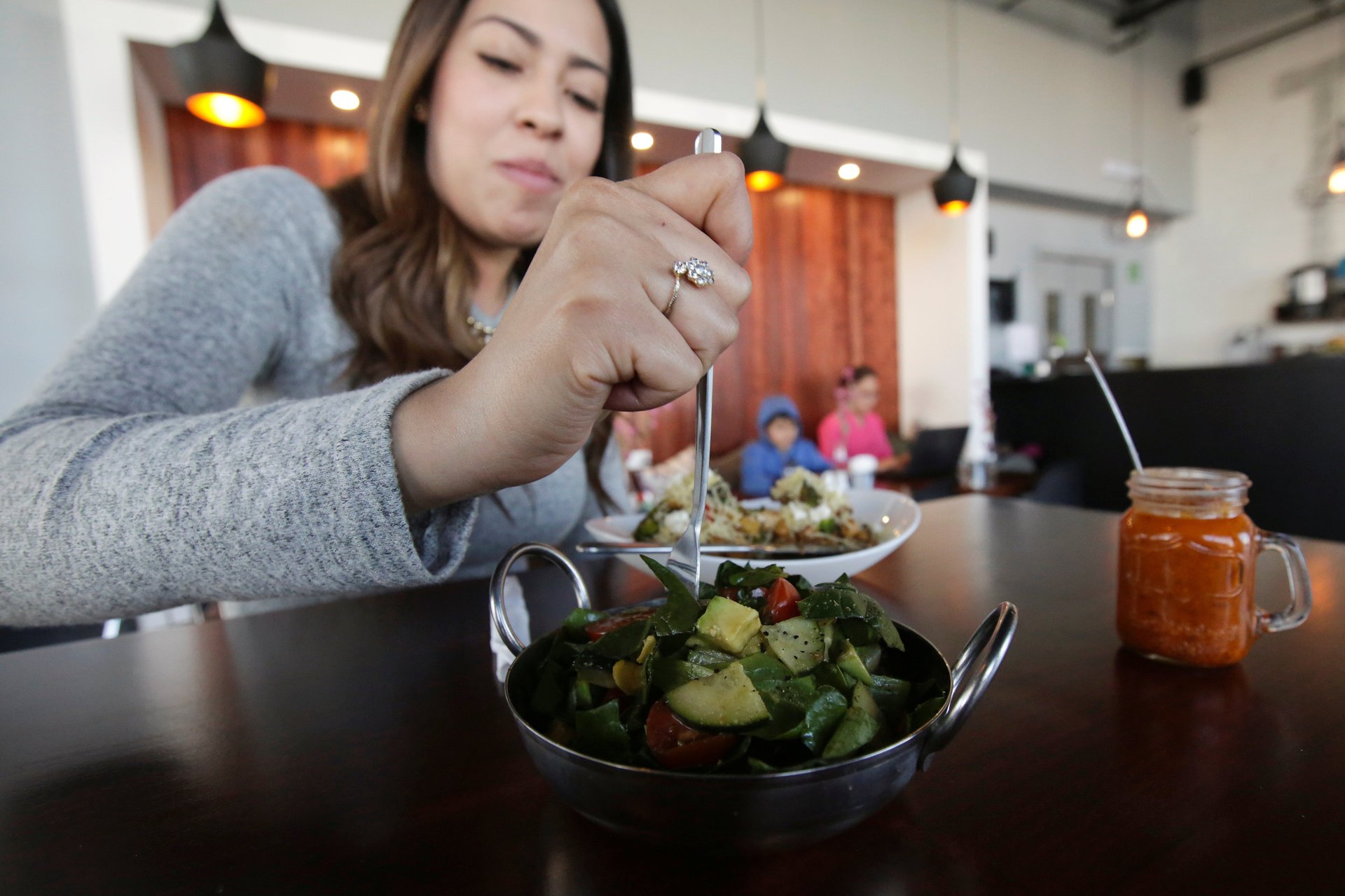
Last year was a bad year for salad lovers, and the start of 2019 isn’t looking much brighter.

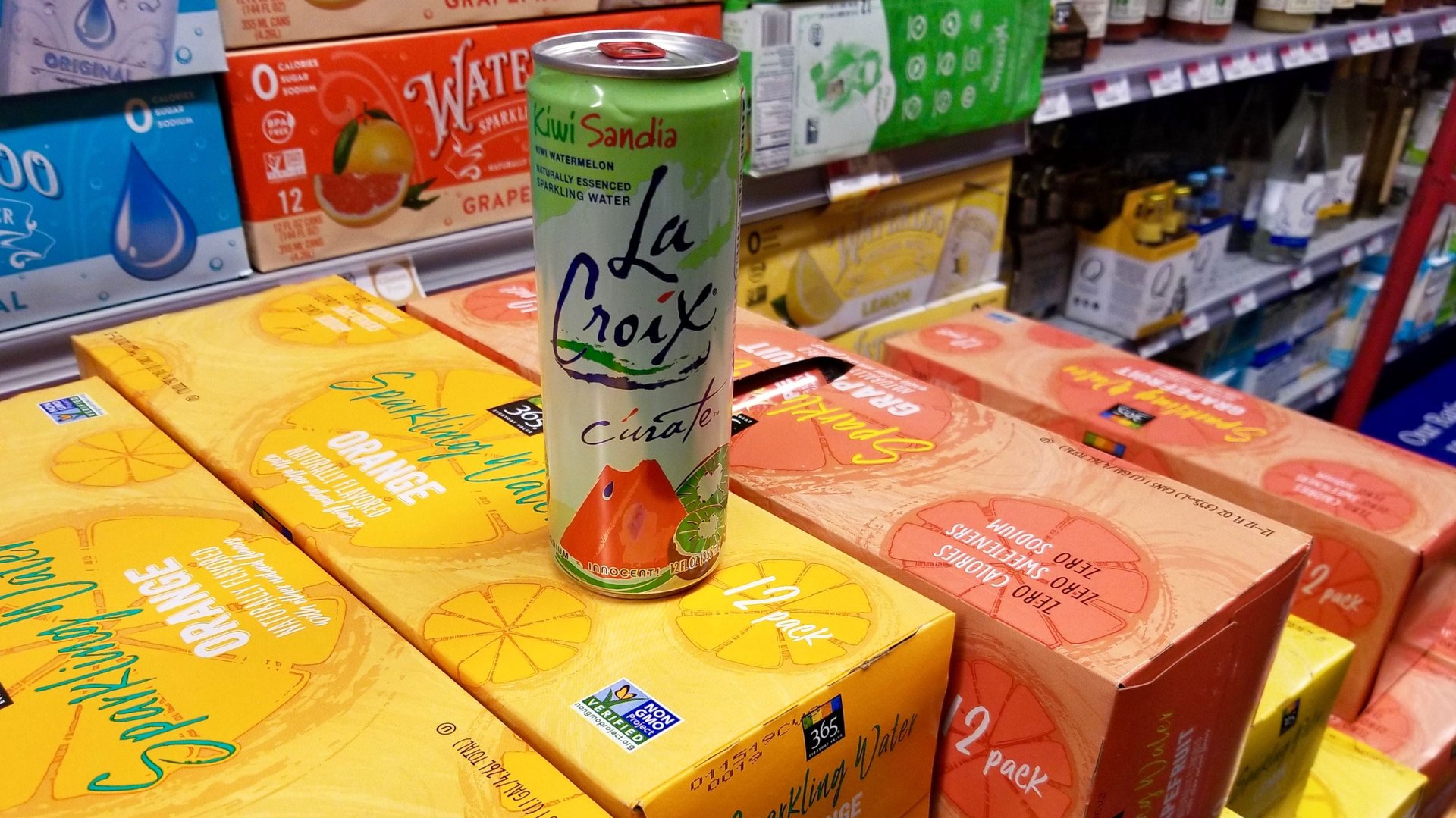
Soda is sinking. Americans want water.

It was an aggressive plan from the get-go.