
Tech & Innovation
Scientists are creating super-healthy, gene-edited spicy tomatoesSomewhere in an alternate universe, humans are eating spicy tomatoes.
Updated July 21, 20222 min read
Somewhere in an alternate universe, humans are eating spicy tomatoes.
More than a fifth of American adults believe they have a food allergy, but in reality it’s very possible they are just imagining it.
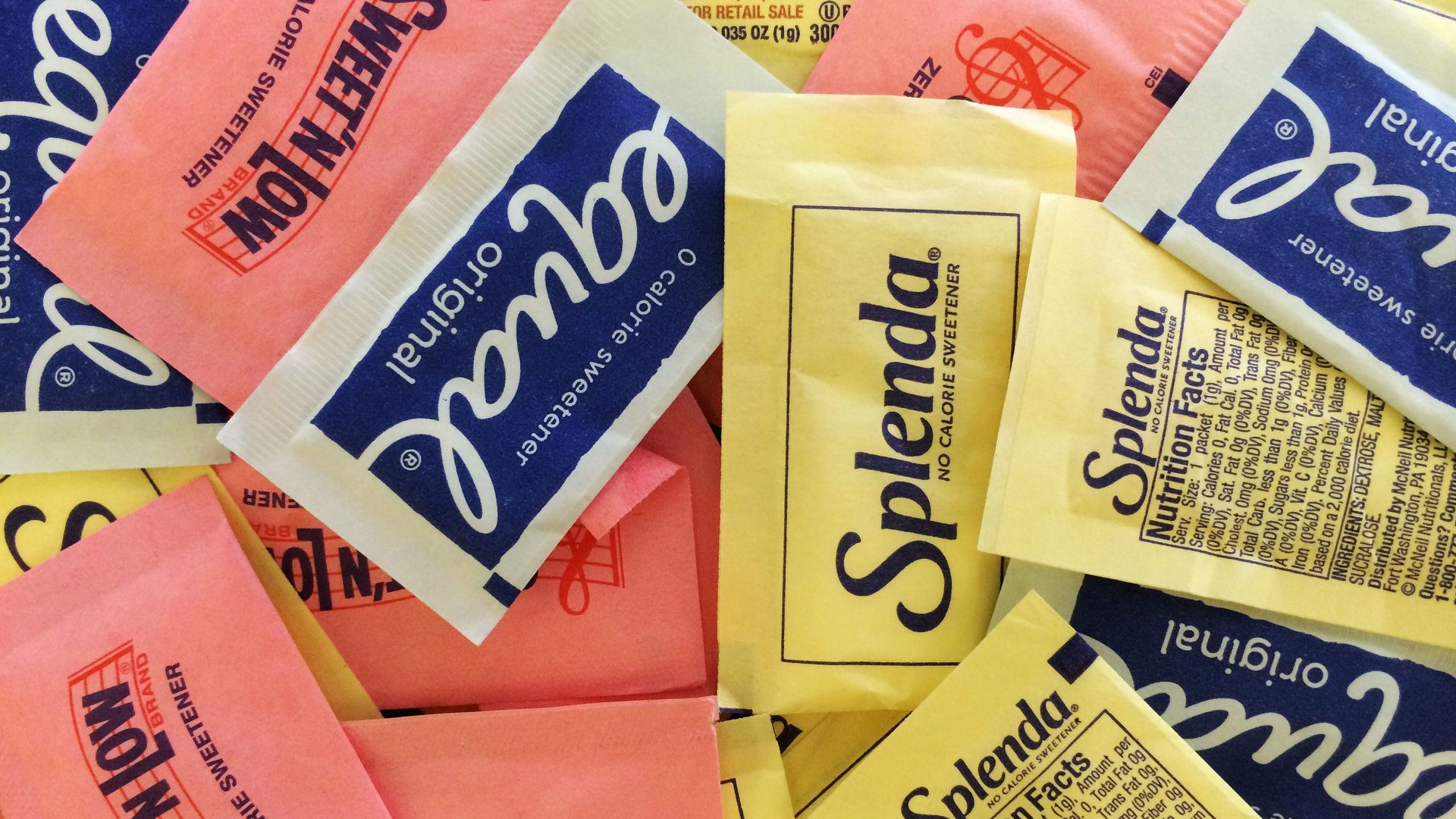
Ready for a bitter reality check on popular non-sugar sweeteners? They aren’t any better for you than the real thing.

Issues anchored in science continued to play a growing role in politics and governance in 2018, and 2019 is shaping up to be much the same. It’s a truly global trend, as well: As we write, the “yellow-vest” protestors in France continue into their seventh week; though they have a wider economic ambit, the rallies were triggered by French president Emmanuel Macron’s fuel tax, a policy designed to help the country meet its climate change-mitigation targets.

It gave earthlings our first close-up images of Pluto. Now, just three-and-a-half years later, NASA’s New Horizons spacecraft is closing in on a mysterious hunk of reddish rock and ice that’s inspired much fascination within the astronomy community.
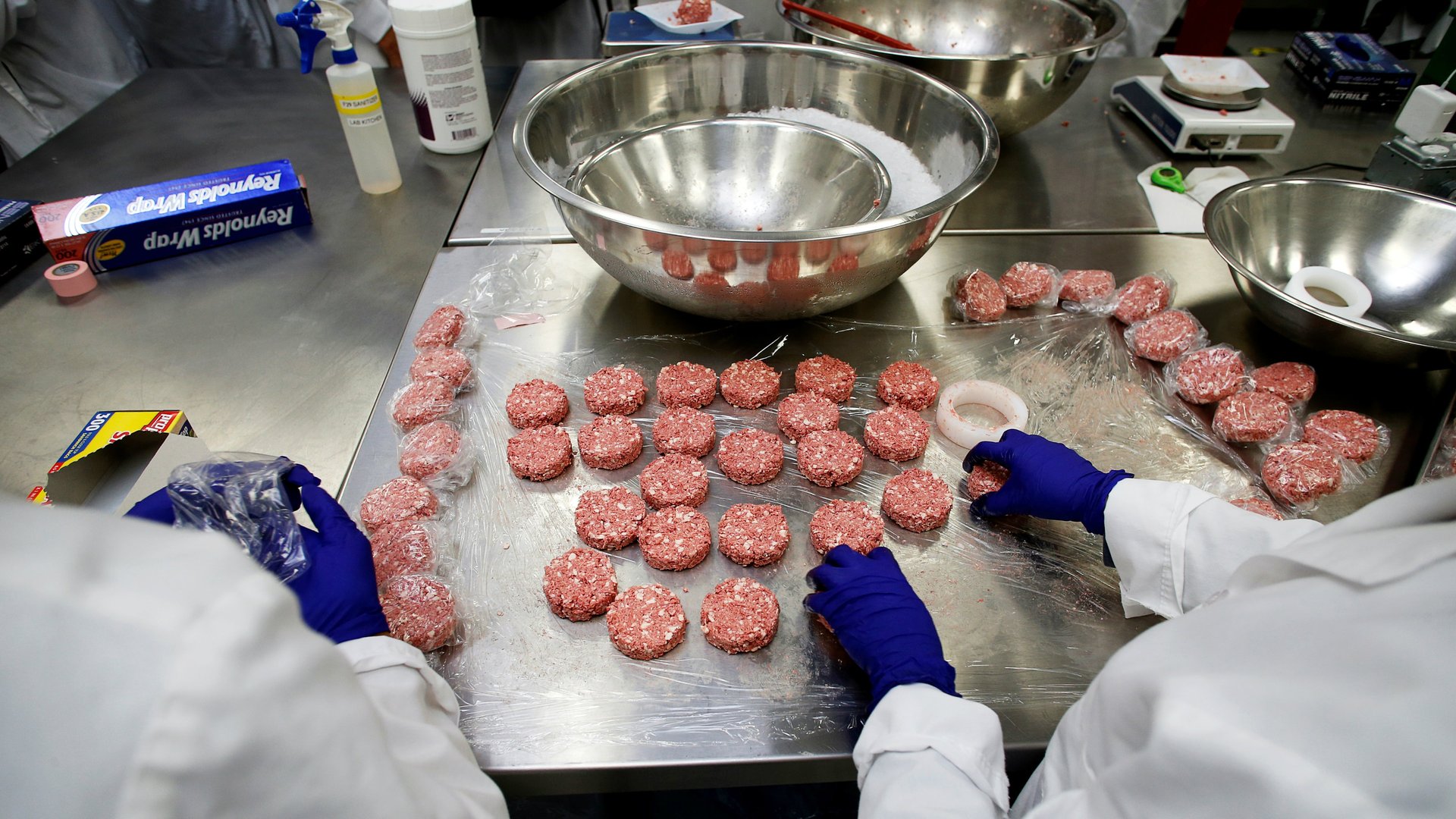
There will be fake blood. Pending US Food and Drug Administration (FDA) approval, that is.
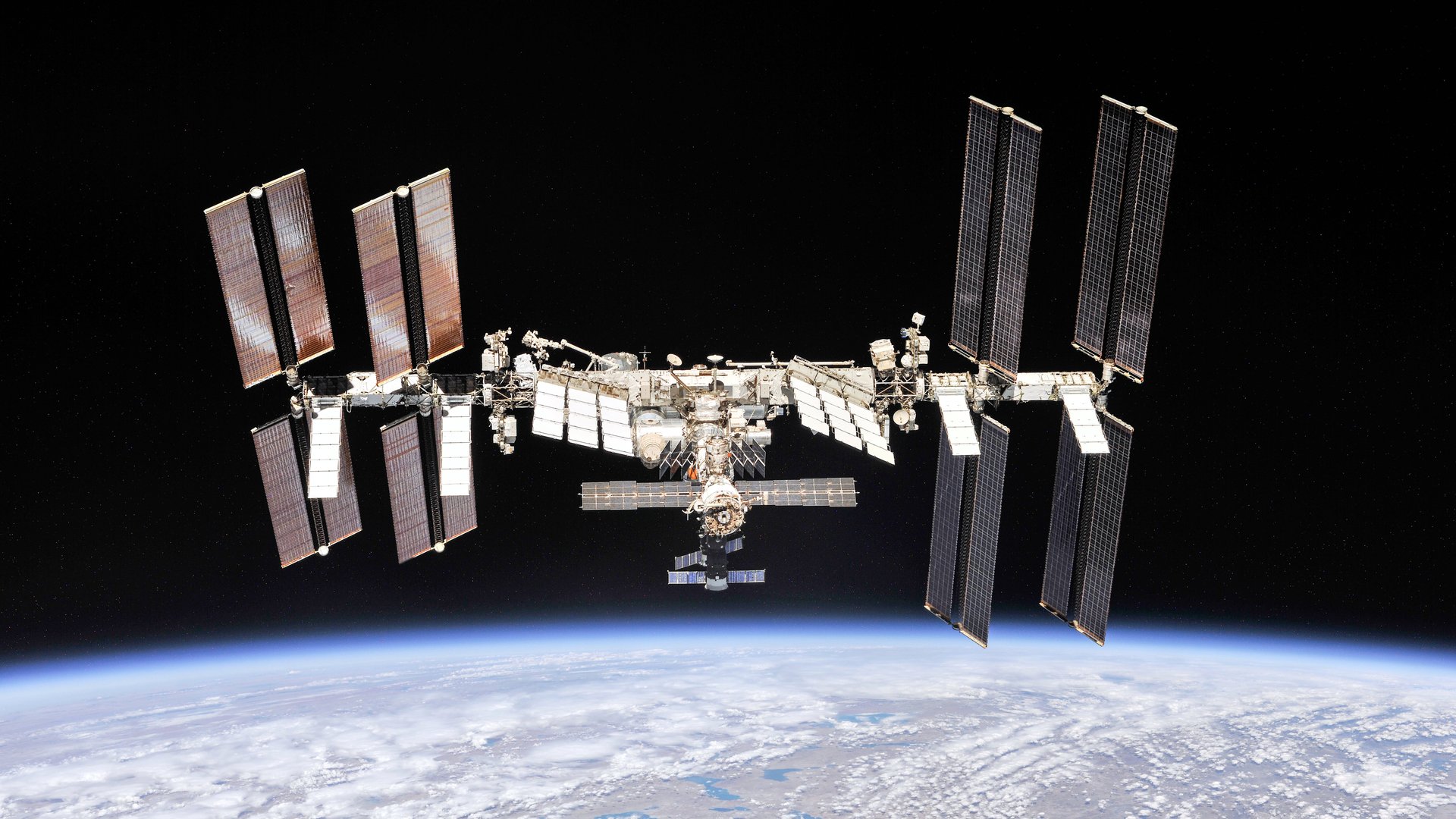
Back on Earth after a 197-day mission aboard the International Space Station, the Russian cosmonaut Sergei Prokopyev is saying the mysterious hole in the wall of a capsule attached to the ISS was an inside job.
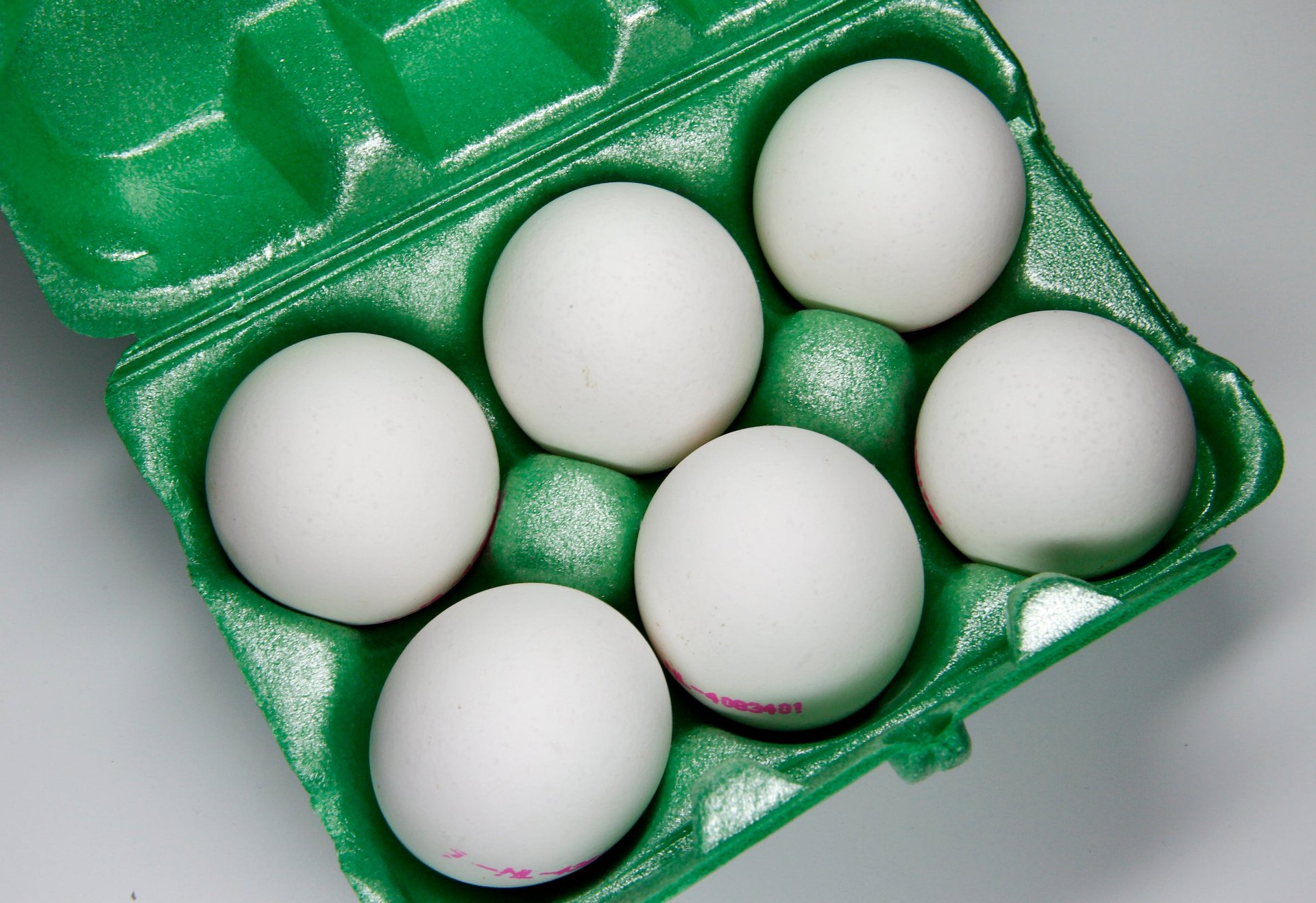
It’s one of those ultimate signs of waste, a major sticking point for animal-rights activists, and a brutal reality of the modern food system.
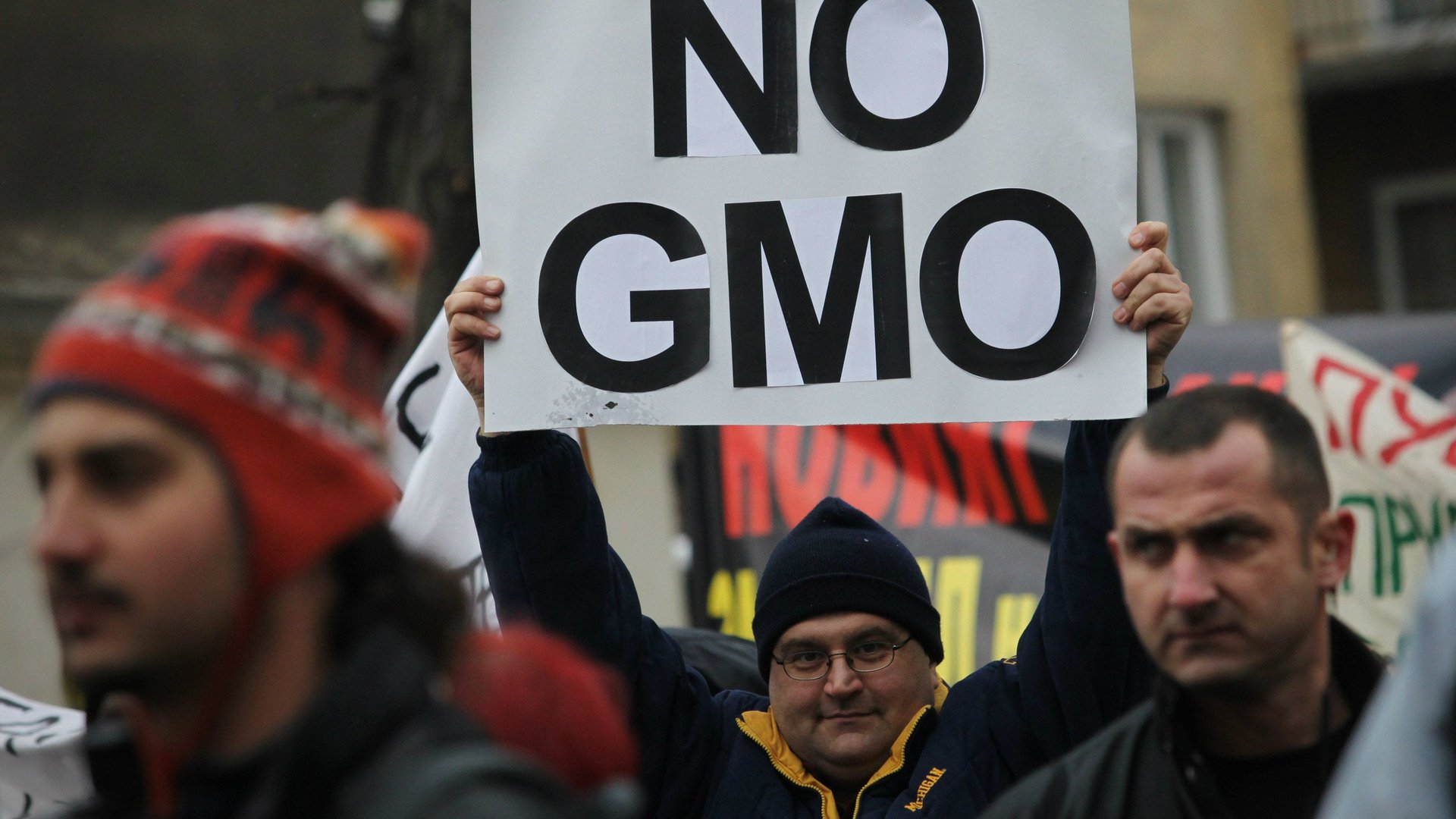
Two bottles of soybean oil sit on a grocery store shelf. Both contain genetically modified (GM) soybeans from the same crop. One bottle is labelled as a GM product, the other is not.
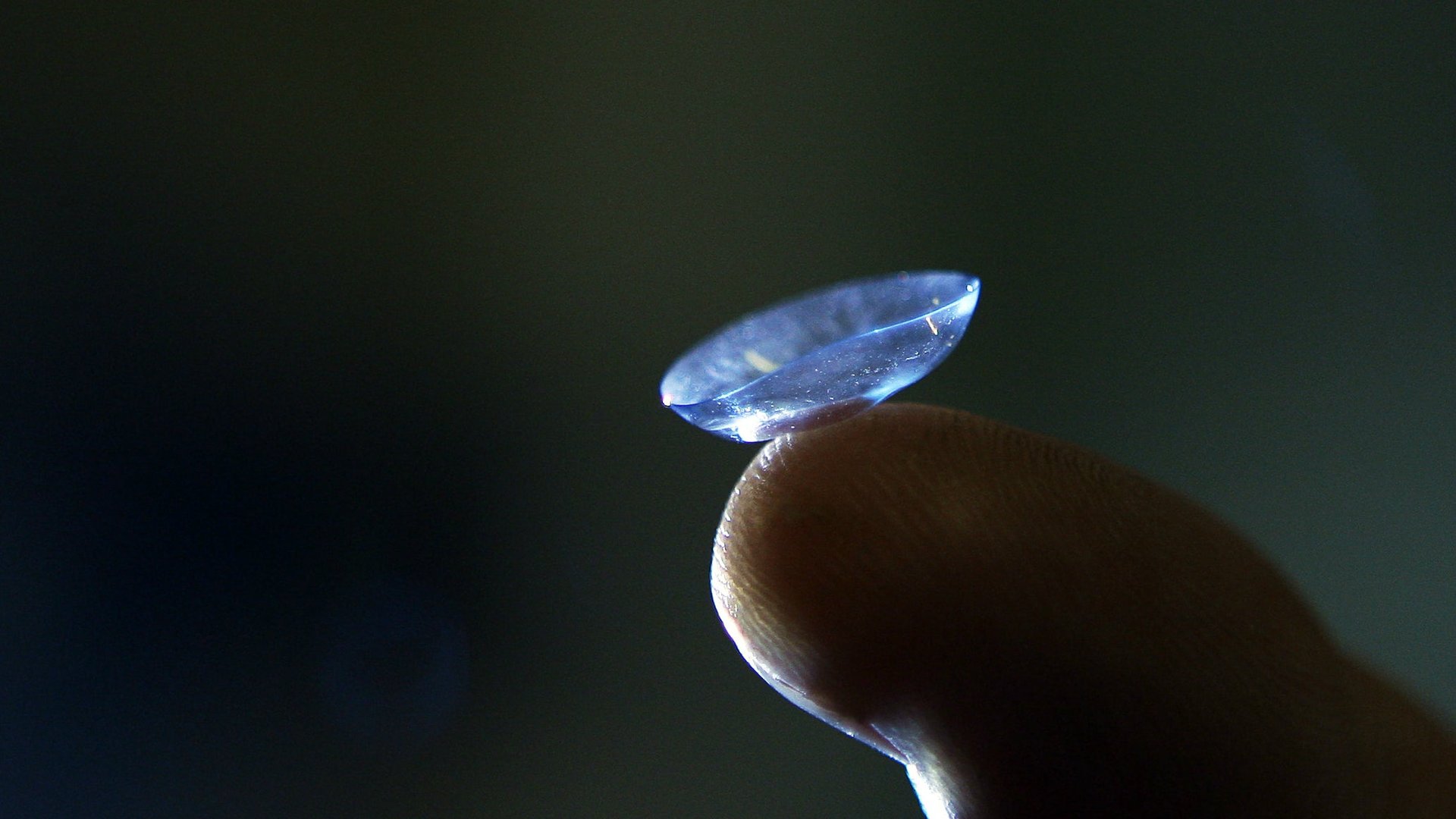
It’s the kind of situation in which the nightmare begins when you wake up from sleeping.
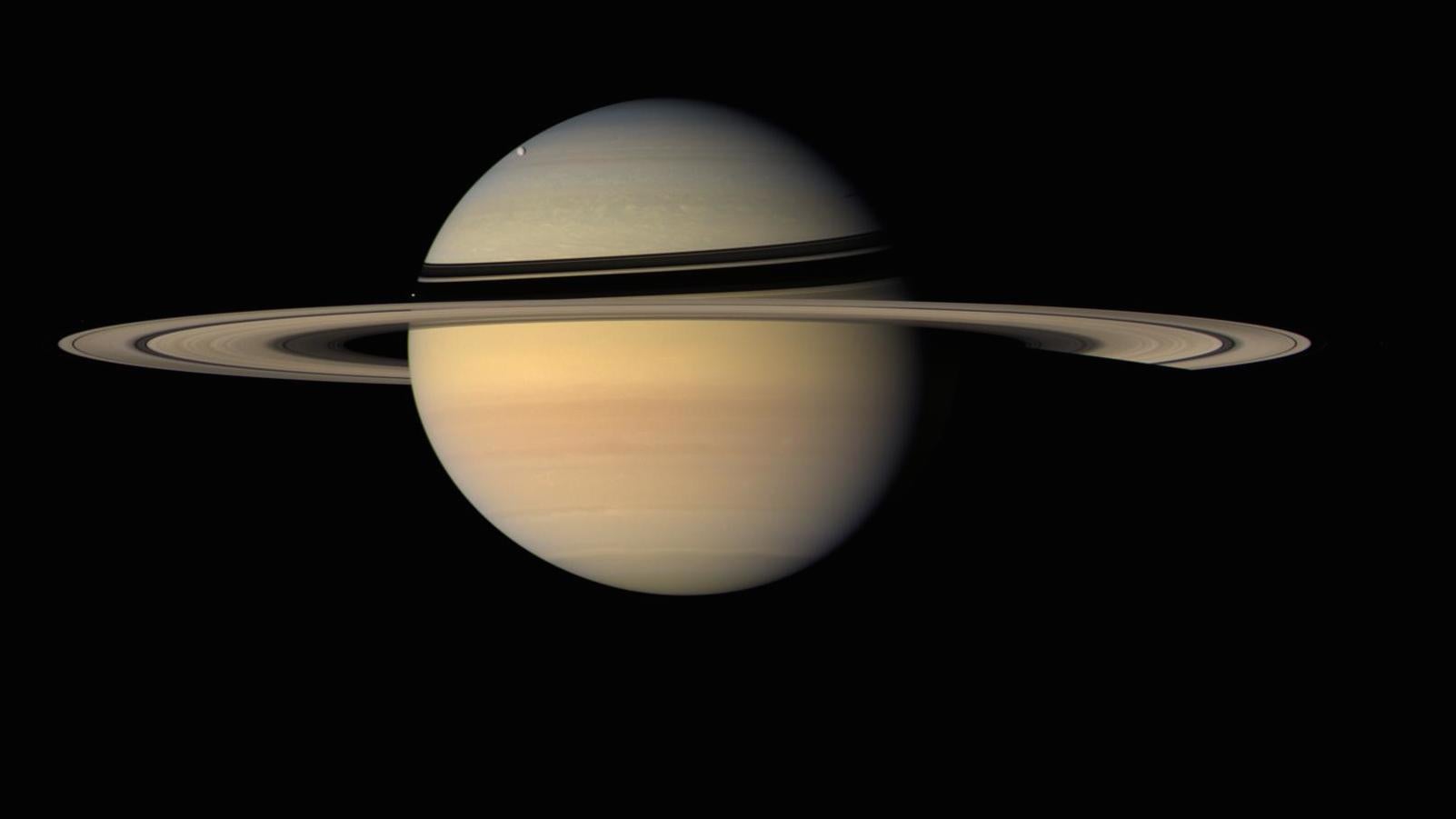
The most iconic planet in the solar system is losing the very thing that draws the human gaze its way.

The humble cauliflower is now implicated in the same widespread food-safety scare that recently had federal authorities telling the American public to avoid all romaine lettuce.
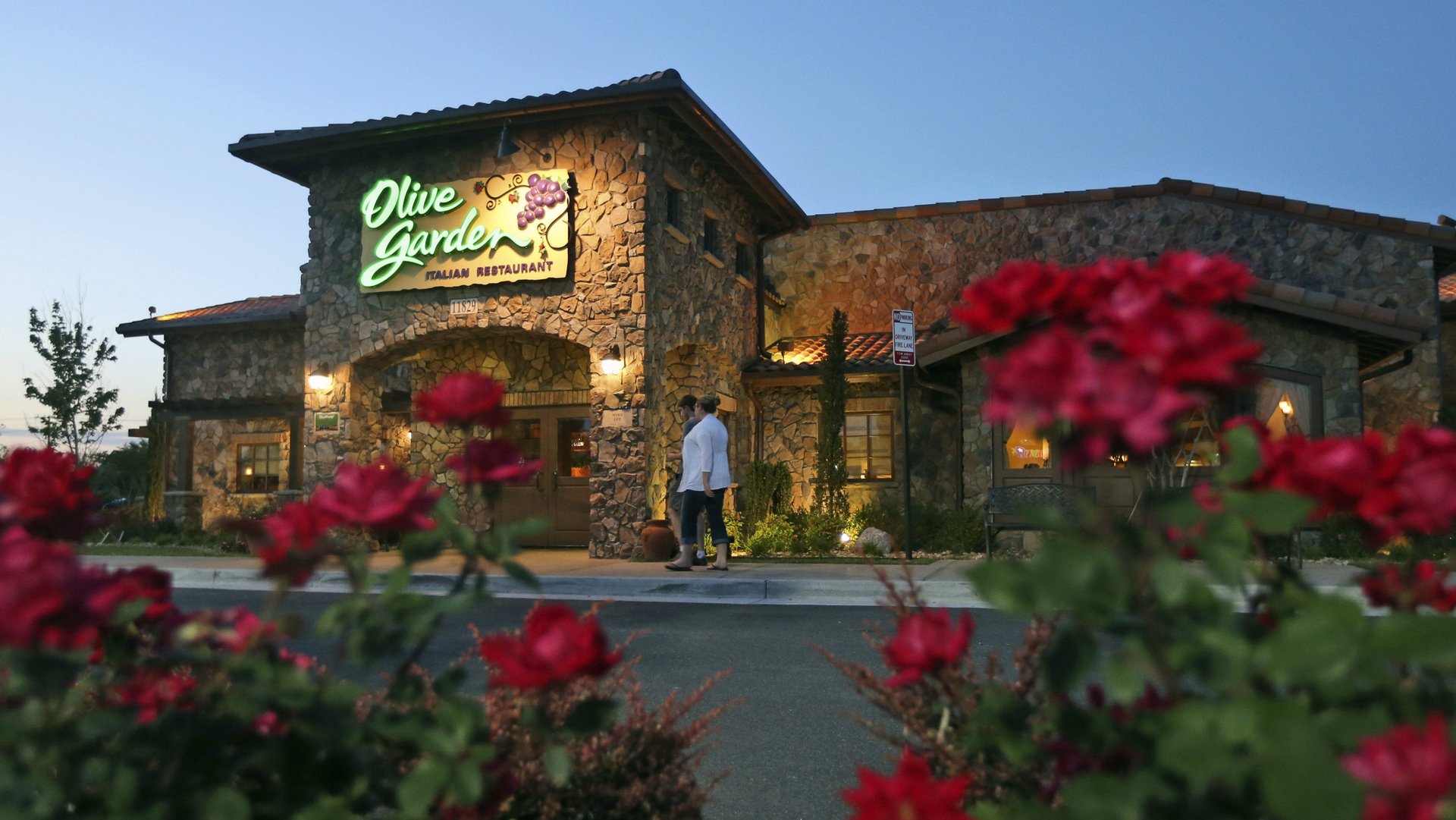
For the same reason many American farmers dislike president Trump’s trade wars, the Olive Gardens, Applebees, and Texas Roadhouses sprinkled across the country love them. Trump’s tit-for-tat tariffs are making meat a lot cheaper to buy, which in turn has allowed chain restaurants to implement sweeter dining deals as a way to lure people through their front doors.
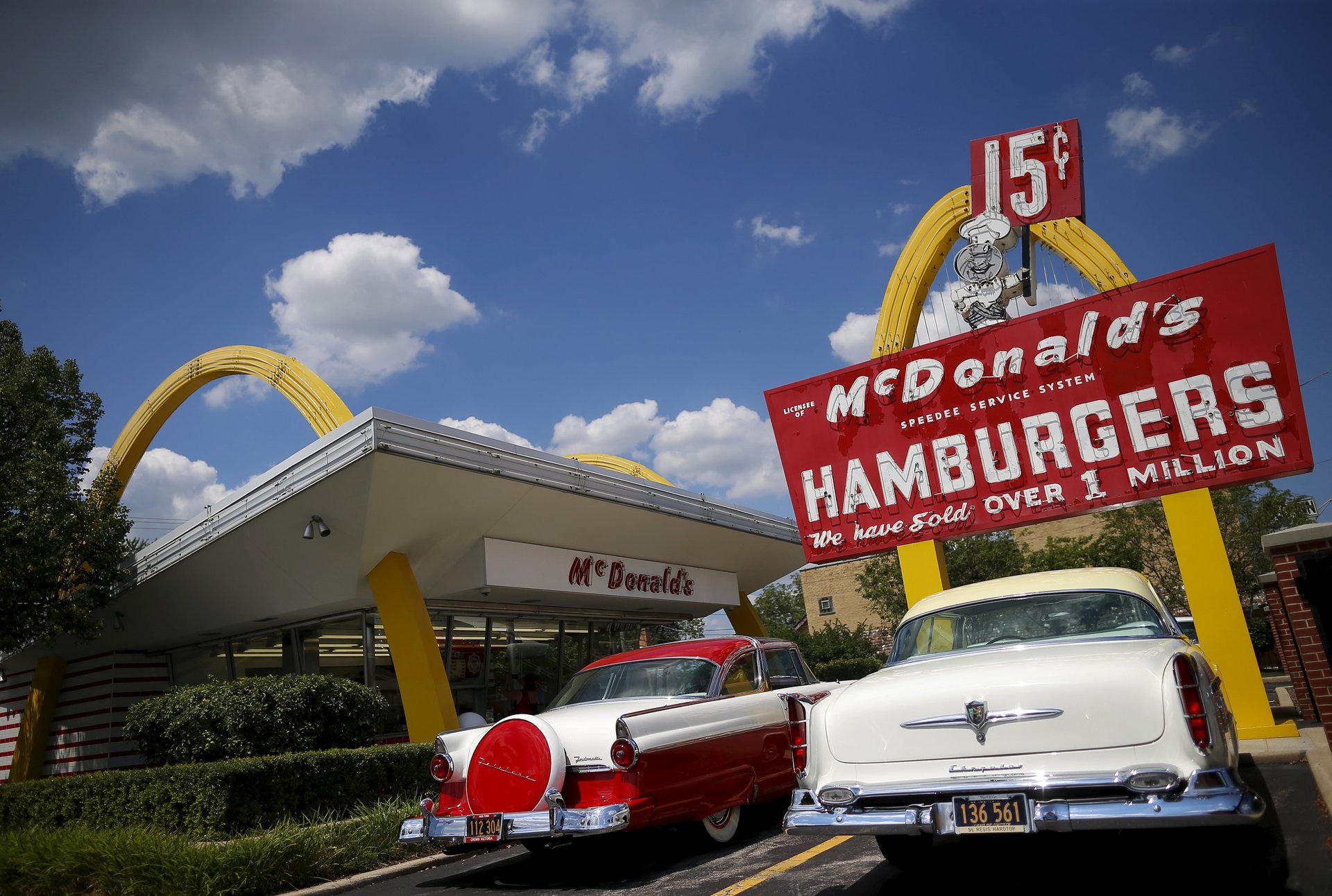
The biggest single purchaser of beef on the planet is taking steps to curb the use of medically-important antibiotics in its beef supply chain, a decision that has wide-ranging implications on the long-term efficacy of drugs needed to treat human ailments.

There they are. Massive heaps of glinting ice, looking very out-of-place along the banks of the Thames River in London.
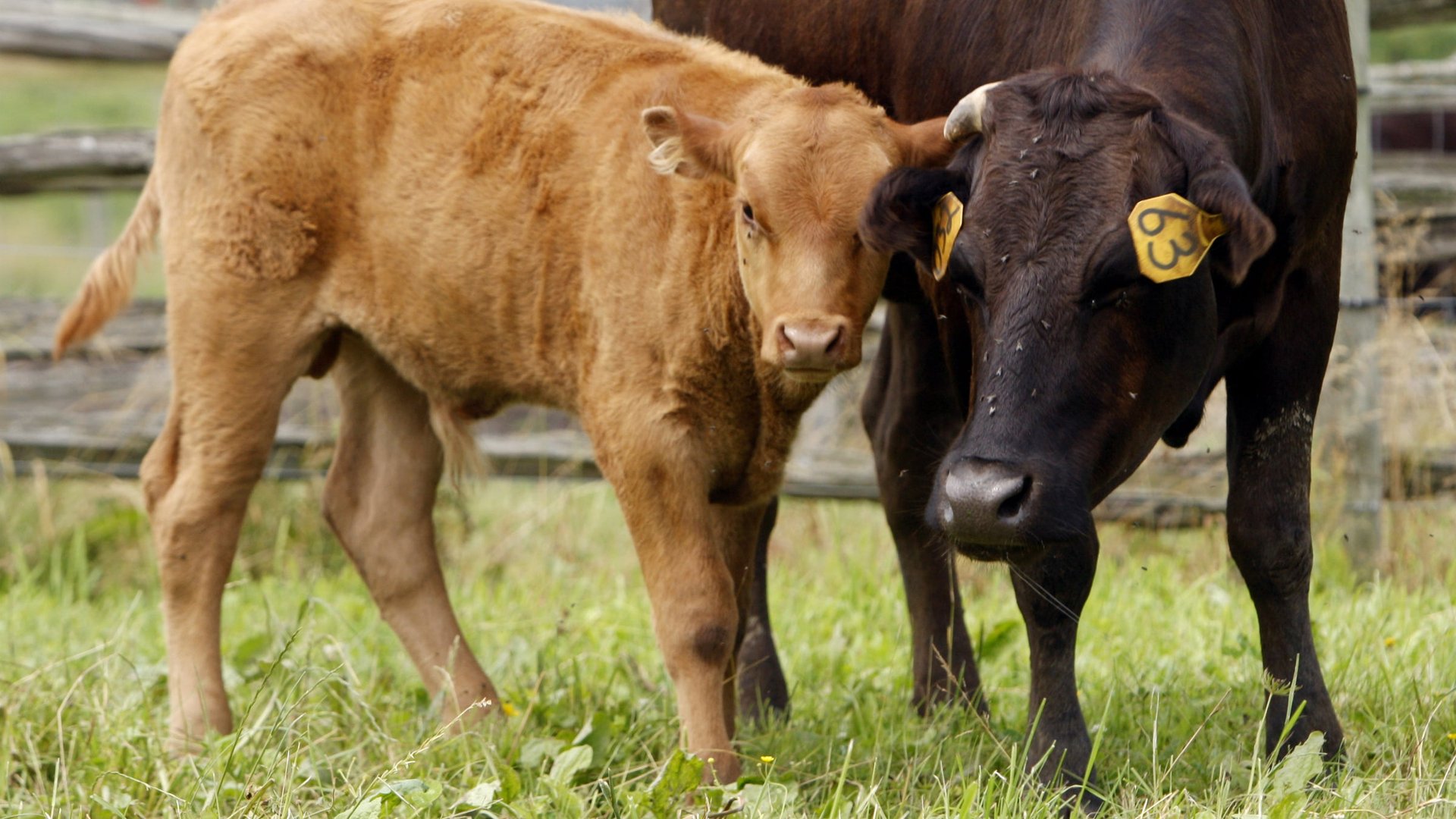
One of Silicon Valley’s largest food technology companies has inked a deal with one of Japan’s most revered meat producers in a bid to one day bring cell-cultured Wagyu beef to the global marketplace.

Art Basel is well underway in Miami, bringing to one spot some of the world’s most renowned gallerists and impressive pieces of art.

The world’s largest maritime shipping company is slowly ditching fossil fuels, and in doing so has thrown down a challenge for the rest of the industry to follow suit.

Even the Large Hadron Collider (LHC) needs a break from time to time.
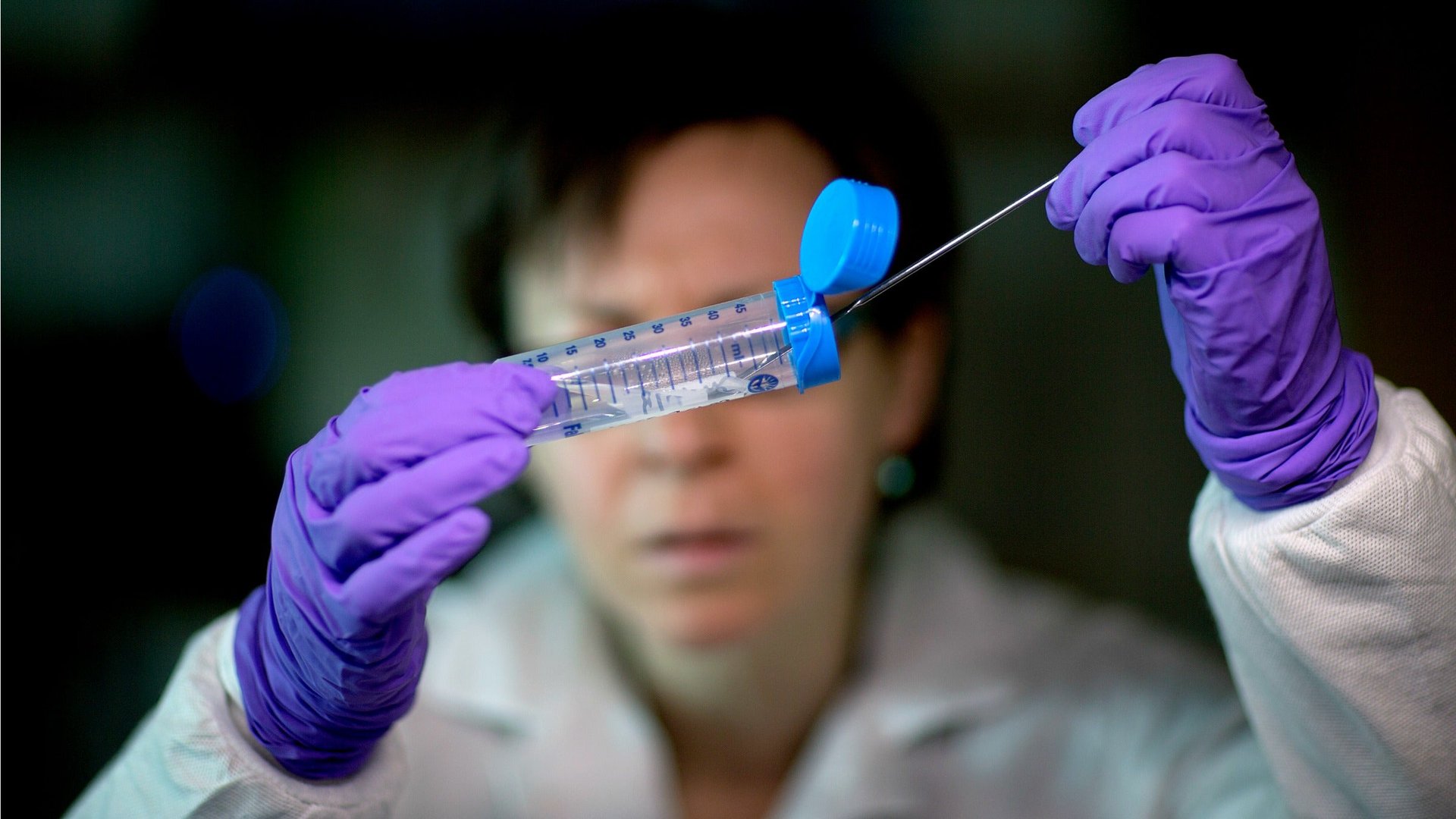
It may seem like an oversimplification of one of the greatest mysteries of life, but in trying to figure how life on Earth first formed, chemical biologists at Harvard University are seriously thinking a lot about cake.
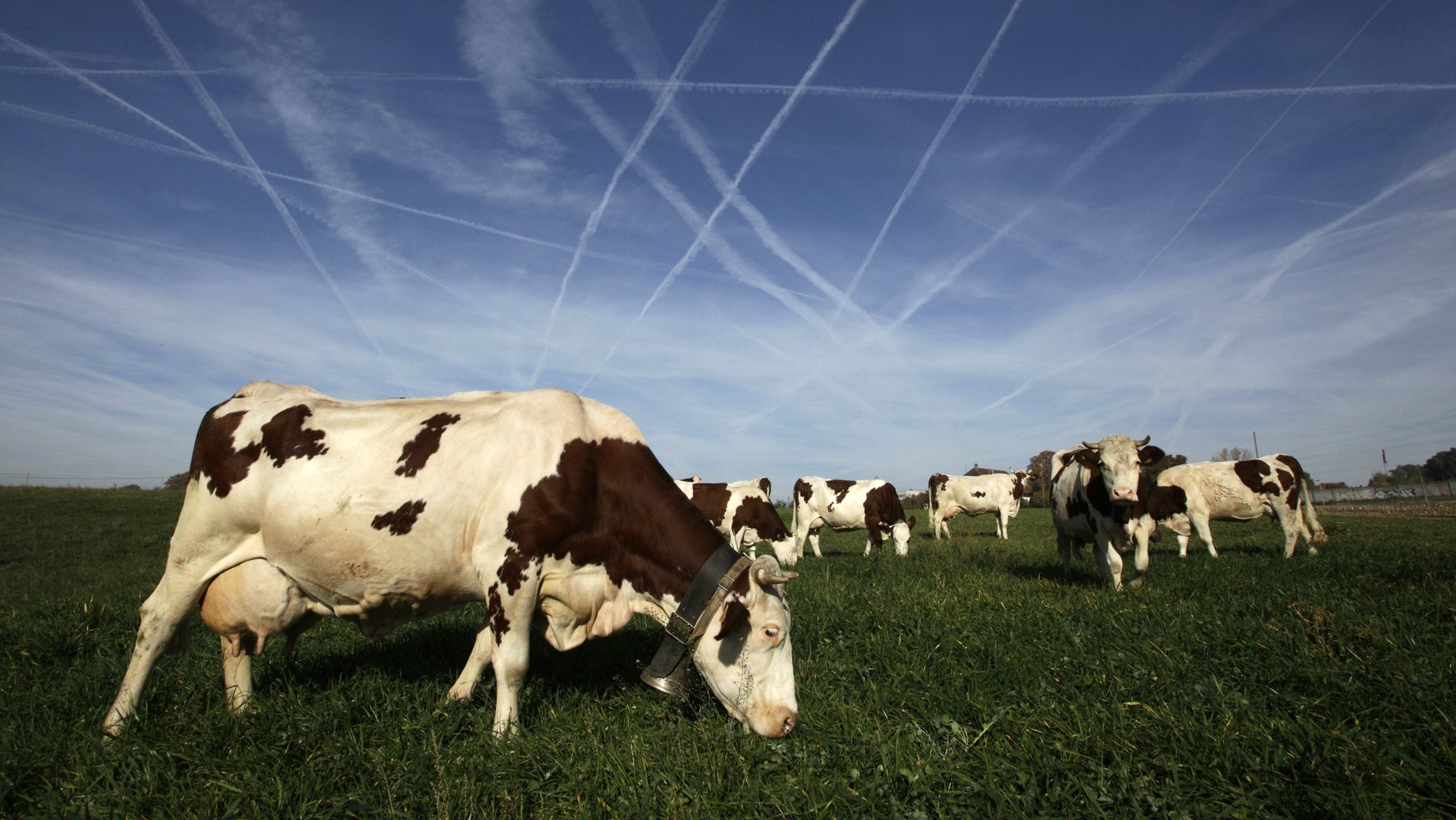
Global anxiety about the future efficacy of basic antibiotics is palpable. The conversation is even playing out in space, where scientists have discovered at least five strains of antibiotic-resistant bacteria lurking on the International Space Station.

The United Nations has ambitious plans to end the global AIDS epidemic. Eastern Europe could be one of the plan’s biggest problems.
For astronauts aboard the International Space Station (ISS), even orbiting 254 miles (408.7 km) above the planet’s surface doesn’t preclude Earthly concerns about antibiotic-resistant superbugs. Five such bacterial strains were identified on the ISS during routine environmental testing carried out by NASA, according to a new study published in the journal BMC Microbiology.

He took on US president Donald Trump and fed more than a million hungry people. Now José Andrés, that gregarious Spanish chef with a flare for politics, has been nominated for a coveted Nobel Peace Prize.