A new nutrition study published in the Journal of the American Medical Association (JAMA) makes the case that eating more organic foods will likely reduce the risk of cancer.

A new nutrition study published in the Journal of the American Medical Association (JAMA) makes the case that eating more organic foods will likely reduce the risk of cancer.

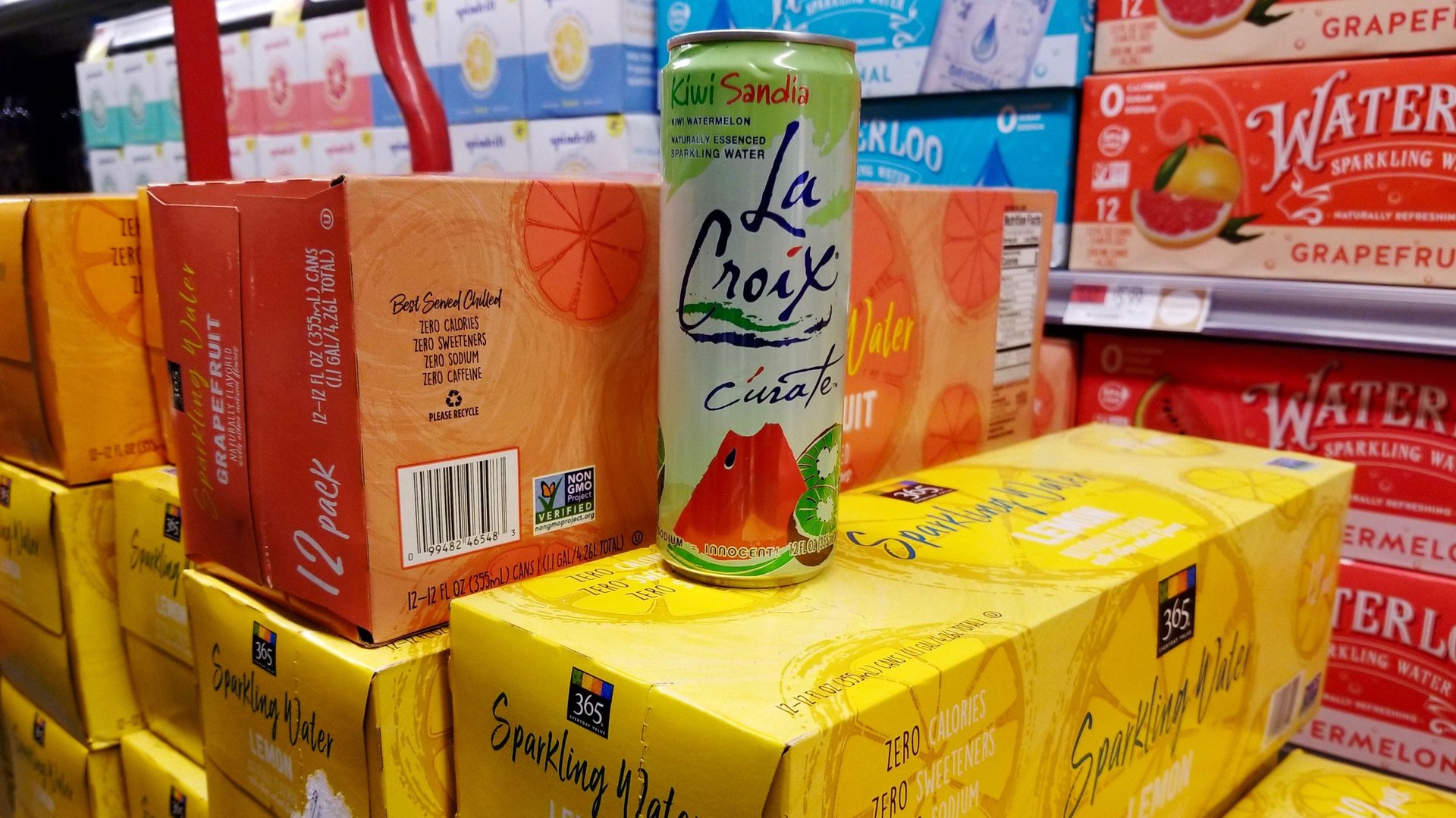
It’s the darling of the carbonated beverage boom. Clear, lightly-flavored, and positively bubbling with refreshment.

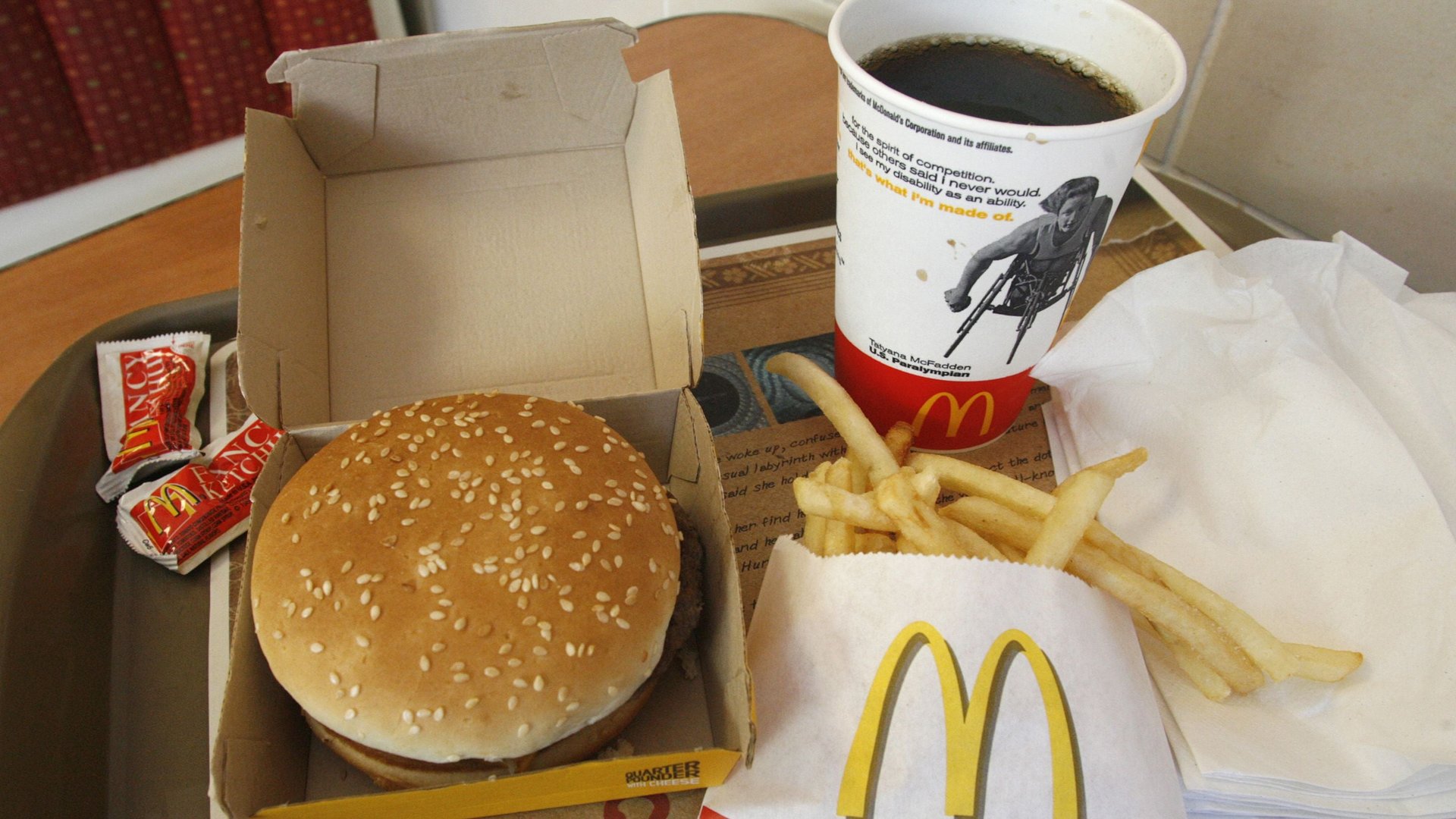
The US government for the first time decided to research just how prevalent eating fast food is across its 50 states. The findings, released this week, are staggering.

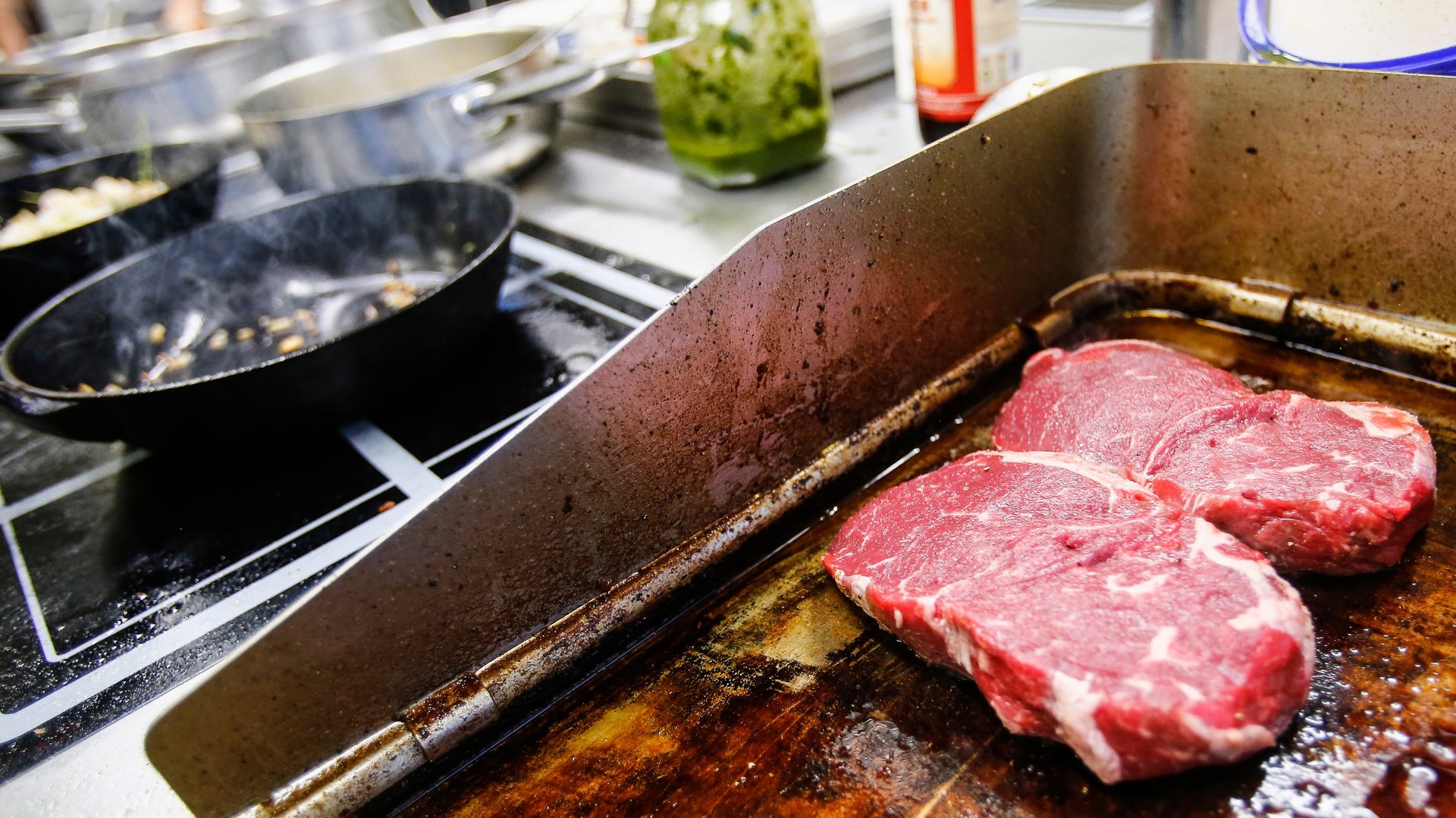
An Arizona-based meat-processing company is recalling more than 6.5 million pounds of beef from across 16 states after a government investigation raised fears that the meat may be contaminated with salmonella.

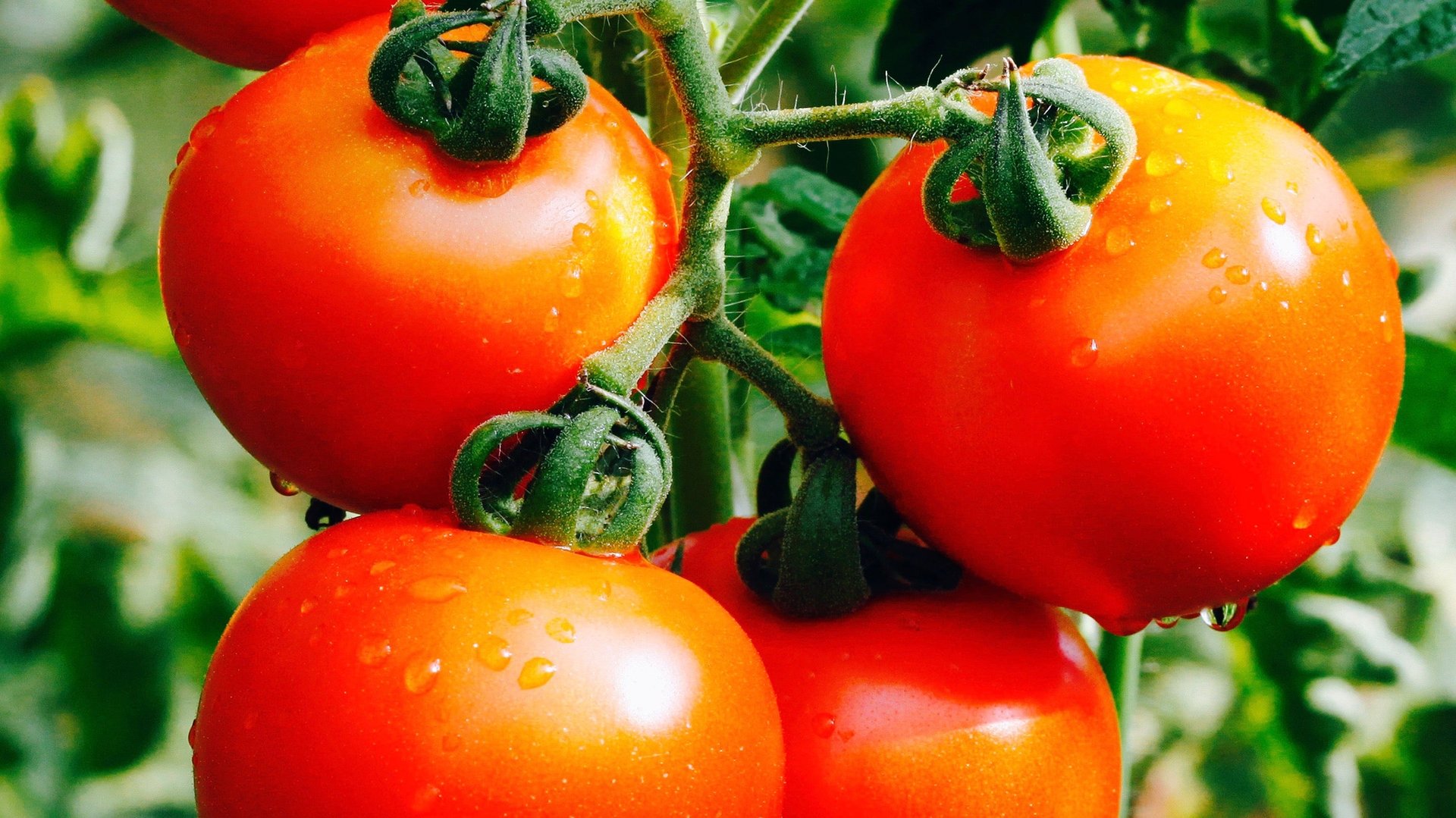
Even if tomato growers one day manage to produce a near-perfect fruit—one that’s beautiful, juicy, nutritious, and tasty—there’s a good chance that half a billion people would automatically be denied the chance to even try it.

For years, the number of Americans who have reported using the internet, social media, and smartphones has been on a meteoric rise. But that rate has slowed to a near-stall.

Ants are determined creatures, fiercely loyal to the wellbeing of their colonies, and committed to serving their queen. For the vast majority, their marching orders are simple: Forage for food to feed the masses.

It’s a dark area of psychology, exploring death’s grip on a person who feels totally defeated by life

It takes place in a split second. A camera captures a flourish of activity beneath the surface of the ocean off the coast of New Zealand. It pans to the left to catch a man in a yellow kayak looking up. Then there’s a splash. A seal cracks over a wave, whipping a pink octopus tentacle through the air, slapping the man across the face with it.

The robot takeover of farm labor inched forward in a big way this week as researchers unveiled a prototype of a machine that’s able to perform a task once possible only with the human hand.

In a bid to attract younger consumers, the 68-year-old American pastry brand Dunkin’ Donuts will axe “donuts” from its logo, nomenclature, cups, and boxes. It will now be called “Dunkin’.”

New research adds to a growing body of evidence that suggests Monsanto’s ubiquitious and controversial weedkiller, RoundUp, is delivering to bees a sucker-punch to the gut.

The world’s third-largest meat company this week ordered nearly 133,000 pounds (60,327 kg) of its beef product be pulled from the US market after discovering an E. coli contamination was linked to the death of at least one person.

Take note. The dirtiest, most virus-laden part of any airport is not the bathroom. In fact, it’s a place no airline customer can entirely avoid.

One of the world’s largest soda companies is feeling a little experimental, so it’s doing what scores of people do in the same situation—it’s checking out some drugs.

The wounds never healed. But then, how could they?

For years, scientists at the University of Colorado have sought to defuse the destructive powers of a pernicious bacteria that often sneaks into the human body through tainted food. Turns out, one of the most effective ways to beat E. coli is to sow chaos.

Twitter scrubbed the accounts of thousands of Russian trolls. Facebook removed from its services groups created to sow discord in American politics. And now LinkedIn is on high alert.

An Israeli company that designs military-grade vests, uniforms, and helmets says it has developed a bulletproof backpack for school kids. Orders from America are pouring in.

The world’s largest food company is experimenting with people’s DNA to build and sell personalized nutrition plans that, it says, will extend lifespans and keep people healthy.

It’s a stunning comment to air so nonchalantly, and all while gesticulating with a drippy hamburger in his right hand.

A popular method for losing weight in the short-term may come with a hefty long-term price tag.

The Missouri beef industry borrowed a move from the animal-activist playbook in an effort to set the standard for what is technically meat and what is not in the United States.

A Silicon Valley cell-cultured meat company has brokered a deal with a major meat industry player that may help new cell-cultured meat products get to the consumer market sooner than anticipated.