What will 2021 bring for the global economy? Projections from the United Nations (UN), International Monetary Fund (IMF), and World Trade Organization (WTO) say the following five things just might happen.

What will 2021 bring for the global economy? Projections from the United Nations (UN), International Monetary Fund (IMF), and World Trade Organization (WTO) say the following five things just might happen.

2020 was a mess for movie theaters. The pandemic led to a massive decline in global ticket sales due to government-mandated theater closures and people’s fears of contracting the novel coronavirus in enclosed spaces.

In March 2020, the professional sports world stopped. European soccer, professional US basketball and baseball, and world cricket all suspended play. It was a huge blow to fans and athletes all over the world who rely on sports for pleasure and camaraderie.

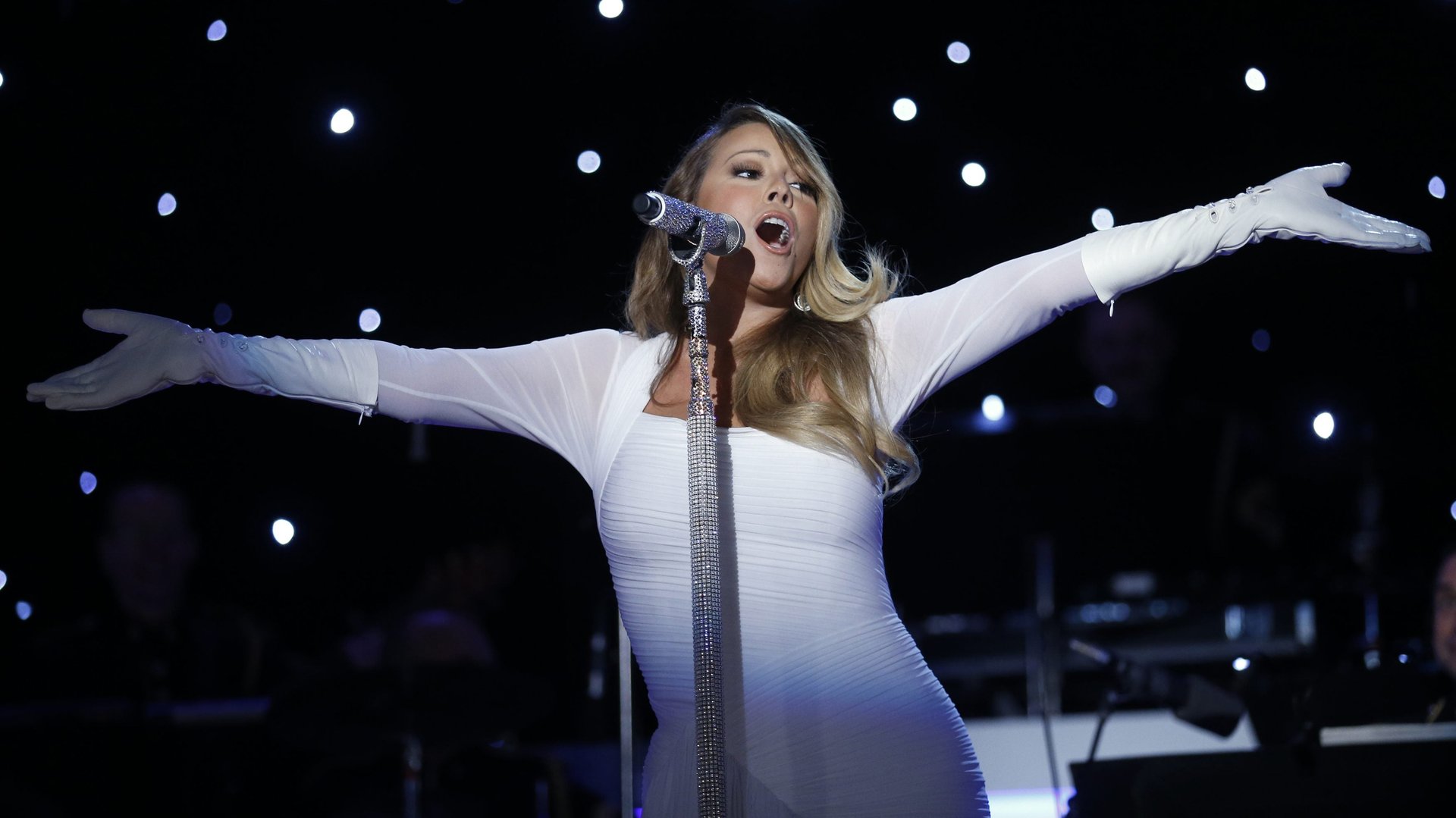
Mariah Carey’s “All I Want for Christmas is You” cannot be stopped. Already one of the most popular songs of all time, and the source of more than $60 million in royalties for Carey, the song appears to be more popular than ever in 2020. And it’s doing it against the odds—the top songs on Spotify are generally getting fewer listens than in previous years.

When asked about their ancestry, about 1% of Americans tell the US Census they are “Scotch-Irish” (also sometimes spelled “Scots-Irish”). Scotch-Irish people trace their ancestry to Protestant Christian Scottish people who moved to Northern Ireland in the 17th century and then immigrated to the US in the 18th or 19th century. The places where a large share of people consider themselves “Scotch-Irish”—which mostly lie in the western parts of North Carolina, Pennsylvania, Tennessee—tend to be Trump country.

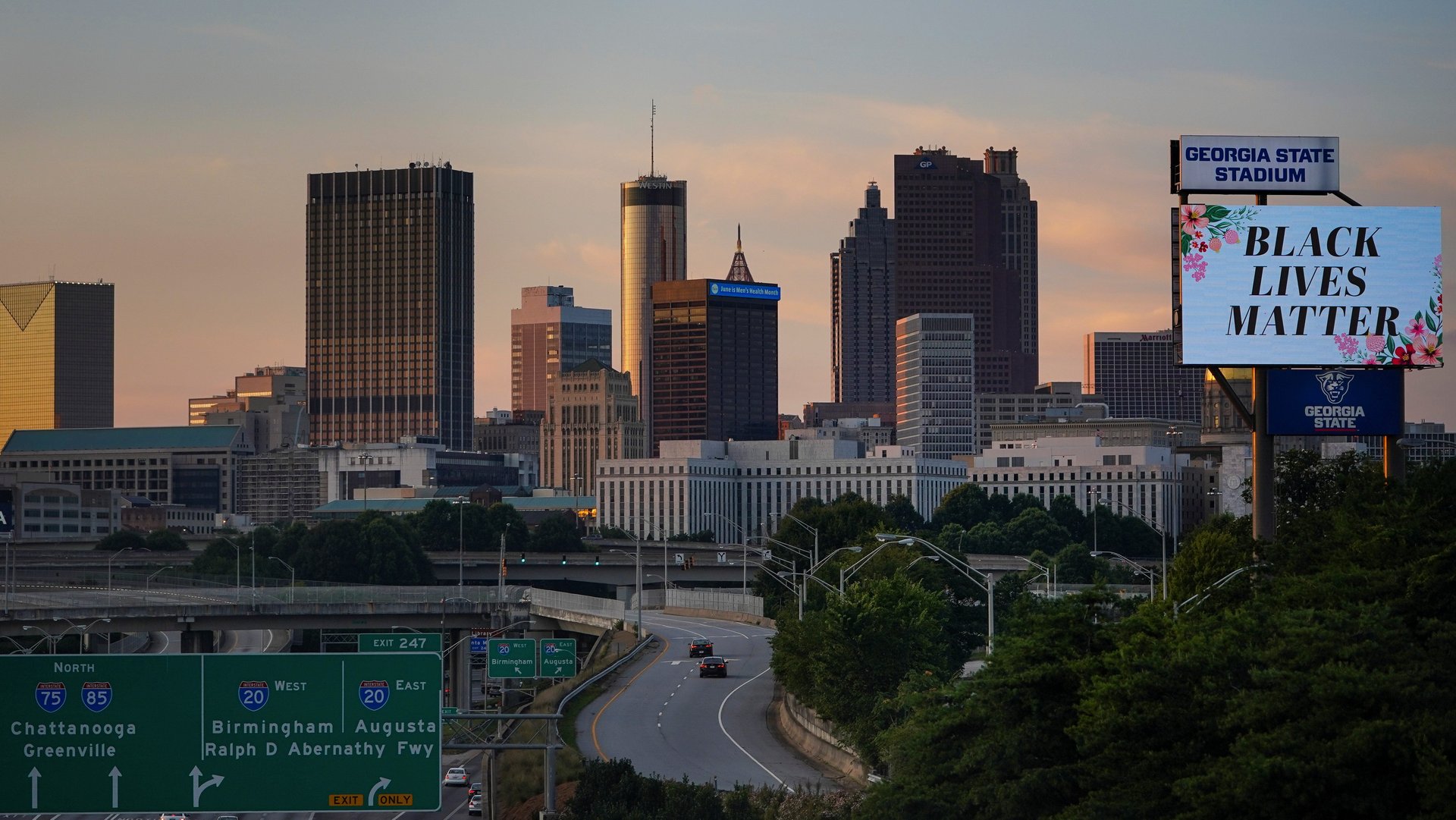
Back in November, Joe Biden’s presidential win marked the first time a Democrat took Georgia since Bill Clinton barely won the state in 1992. And not even a week into 2021, Georgia’s Senate runoff election is projected to give power back to the Democrats.

Over the past 20 years, the share of Americans working in their 70s rose from less than 10% in 2000 to nearly 15% today. Assuming president Donald Trump doesn’t retire after his exit from the White House in January, he will soon become one of them.

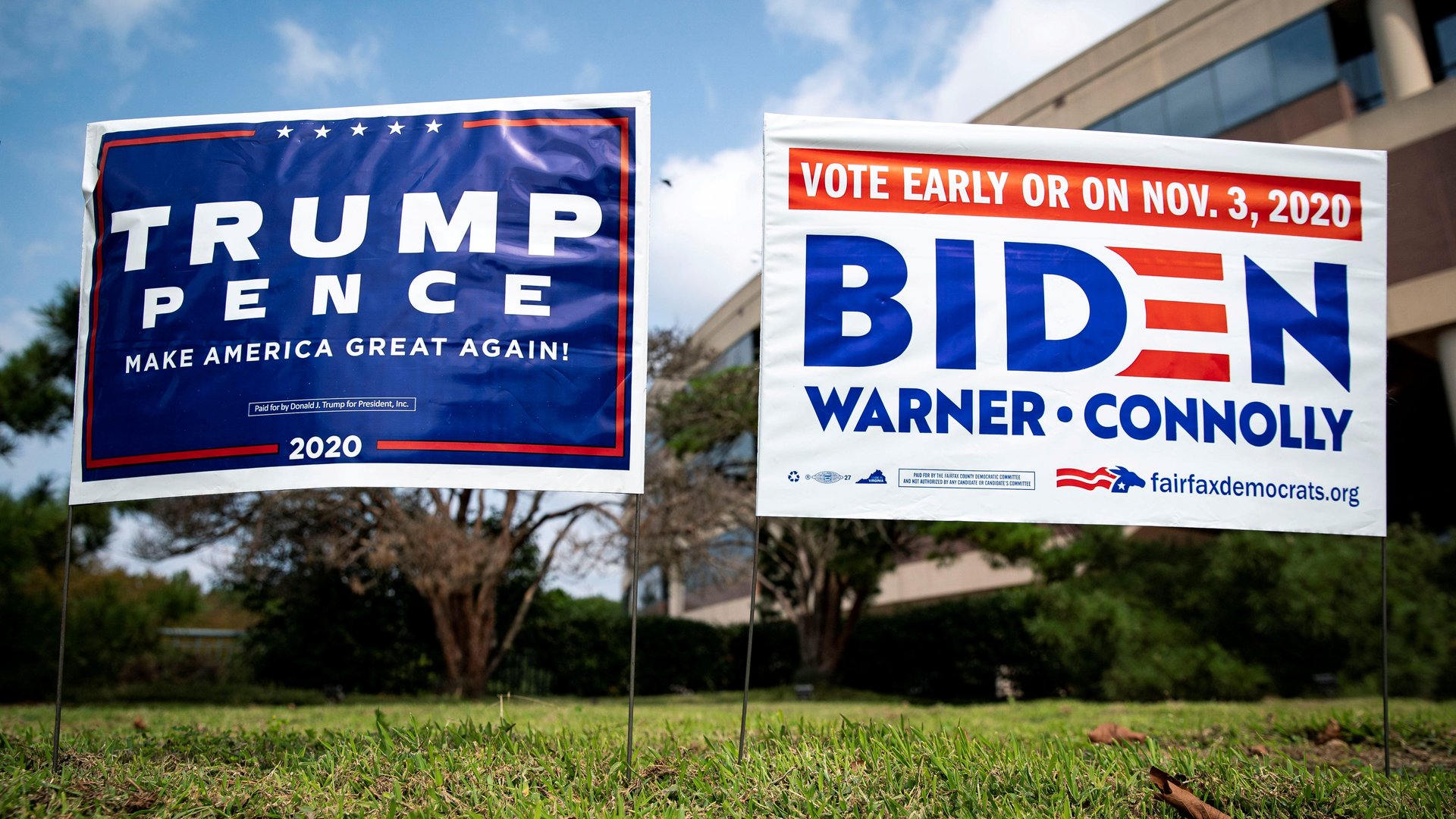
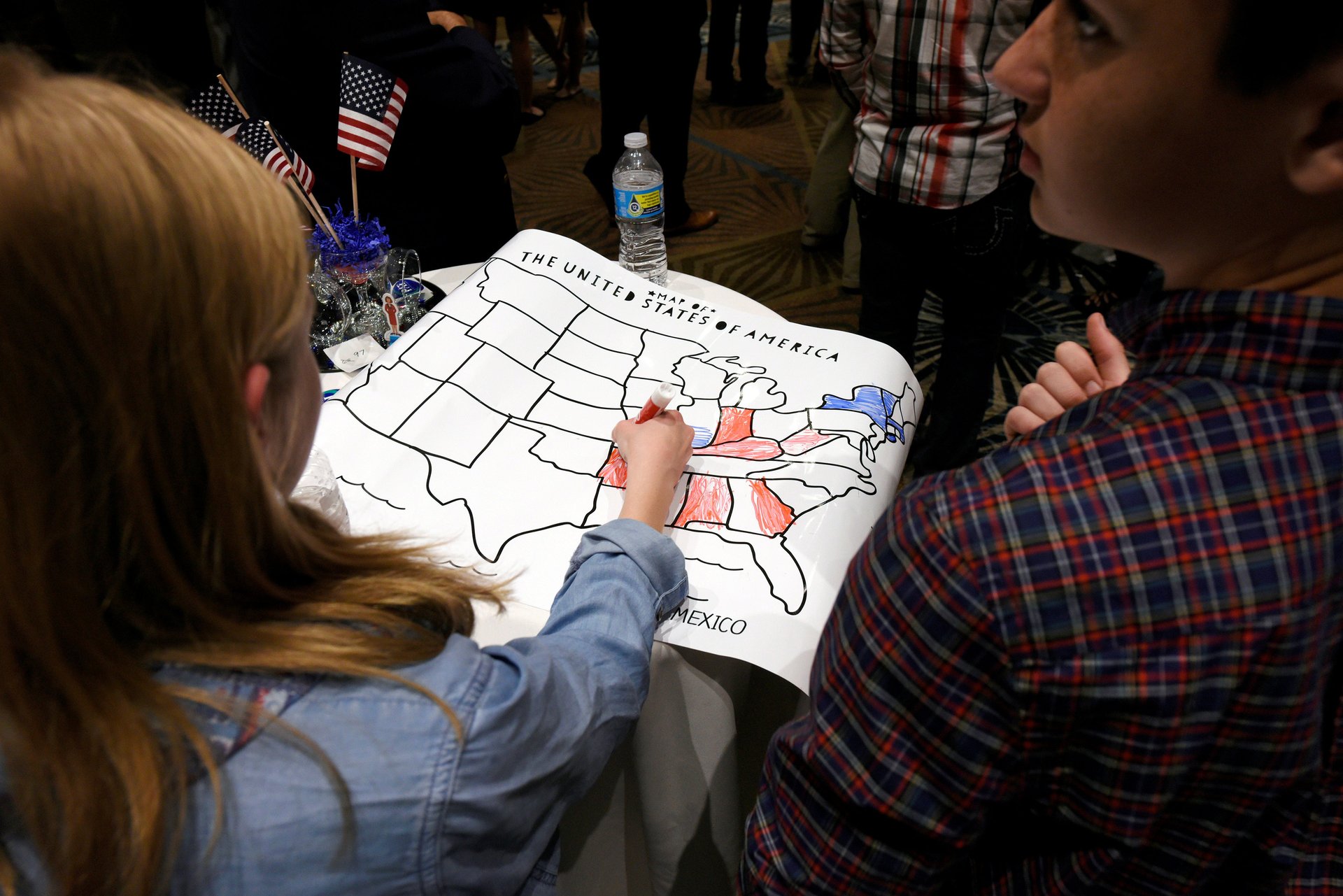
There is a lot we still don’t know about 2020 US presidential election. One thing we do know is that the rural-urban divide continues be a huge part of what separates the country politically. People in the the densest parts of the US went strongly for Democrats and rural areas overwhelming for Republicans.

The votes are still being counted in the US presidential election, but the results already show that some substantial shifts have taken place within the electorate since 2016.

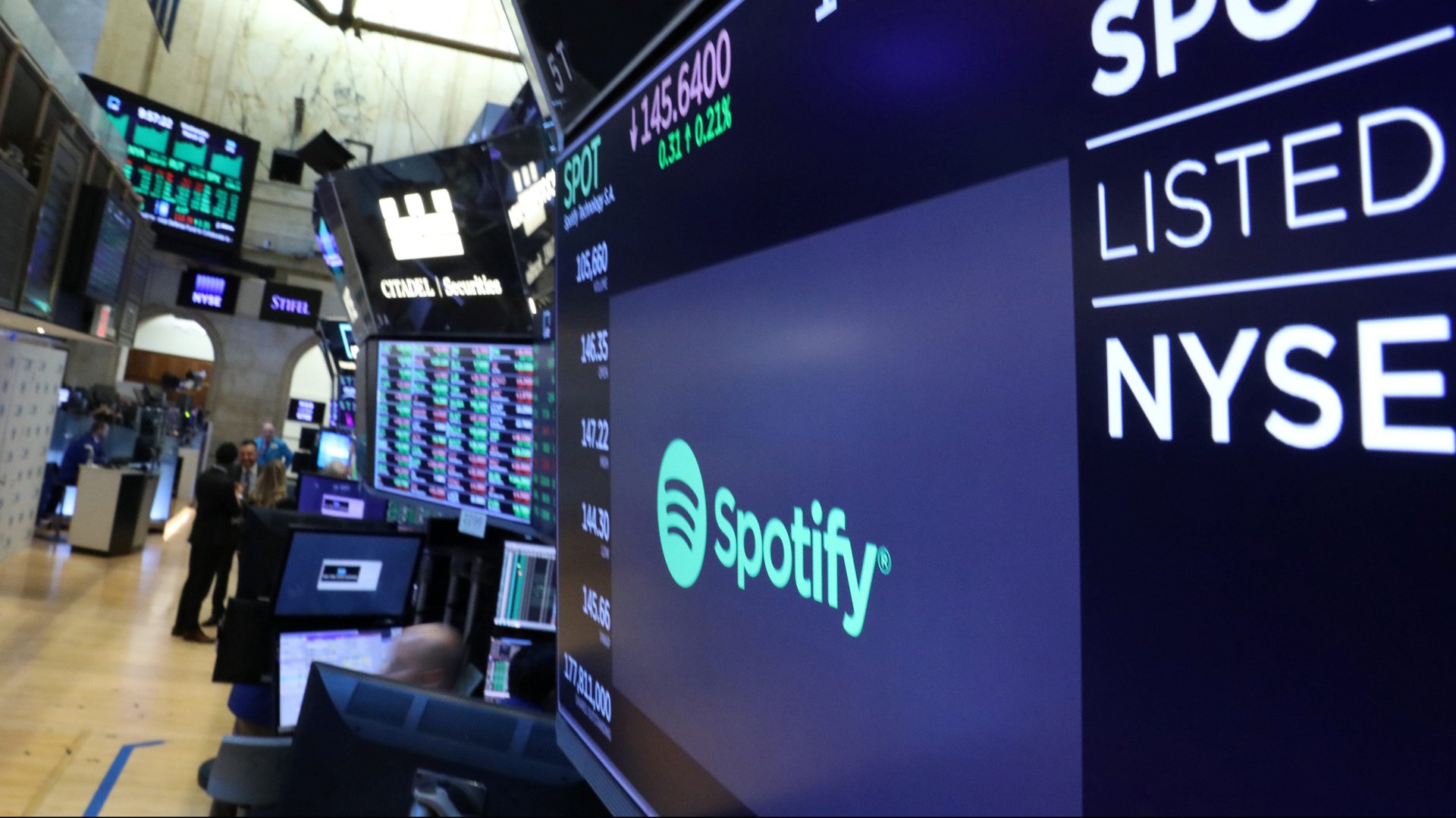
Spotify has a controversial new policy.

Many Americans found out that Donald Trump would be their next president from a needle.

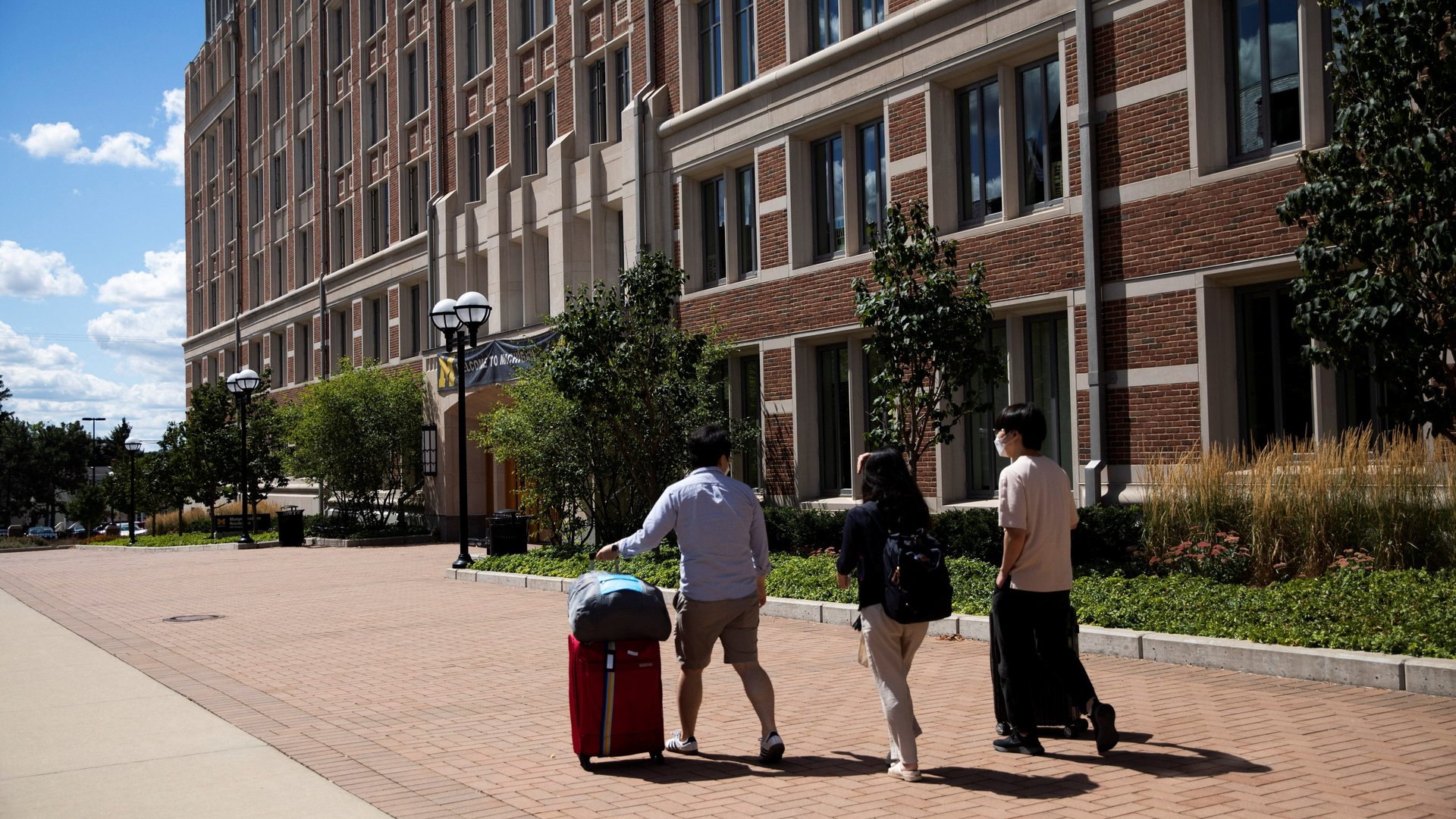
Covid-19 has led to a massive decline in international students coming to the US.

In next month’s presidential election, America’s richest and poorest places will likely vote for the same candidate. That fact, peculiar enough on its own, is all the stranger when you consider that rich and poor Americans won’t be voting for the same person. To understand contemporary US politics, you have to understand this apparent contradiction—and the divisions that create it.

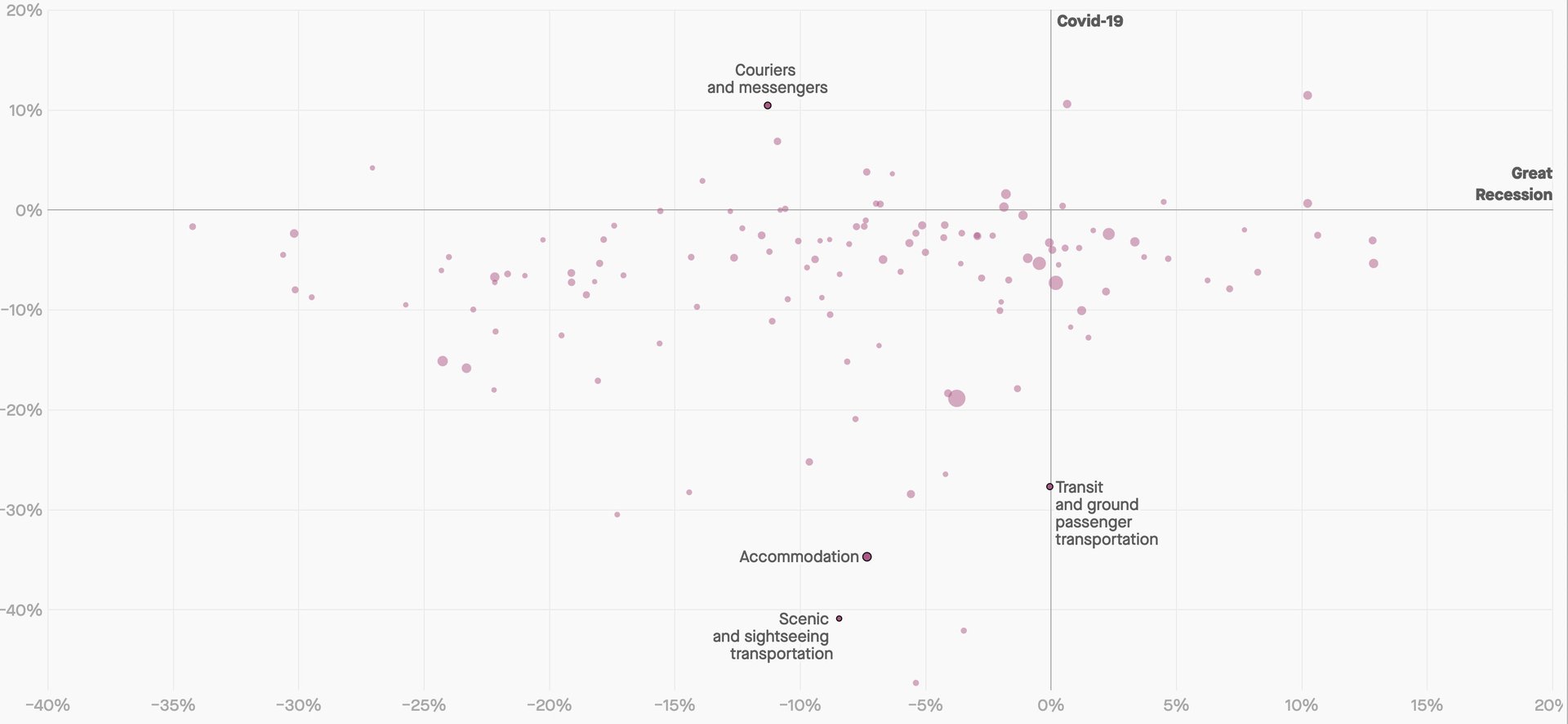
The US has faced two major economic calamities this century, the Great Recession and Covid-19. In both cases, huge numbers of people lost their jobs. During the Great Recession the number of employed Americans fell by 9 million and almost 11 million fewer people had jobs in September 2020 than in February.

These days, the 1993 Disney movie Hocus Pocus is beloved by many as a Halloween cult classic. But the film, starring Bette Midler, Sarah Jessica Parker and Kathy Najimy as three witches who come back from the dead, only started enchanting viewers after experiencing its own kind of resurrection.

The used car is a hot commodity in the US right now. From June to September, the typical cost of a used car soared by 15%. The increase is so dramatic that it’s had a major impact on the government’s inflation numbers.

Even with fewer people commuting to work, Covid-19 couldn’t stop the rise of podcasting. Overall downloads of podcasts in the US have soared in 2020, according to data from podcast measurement company Chartable.

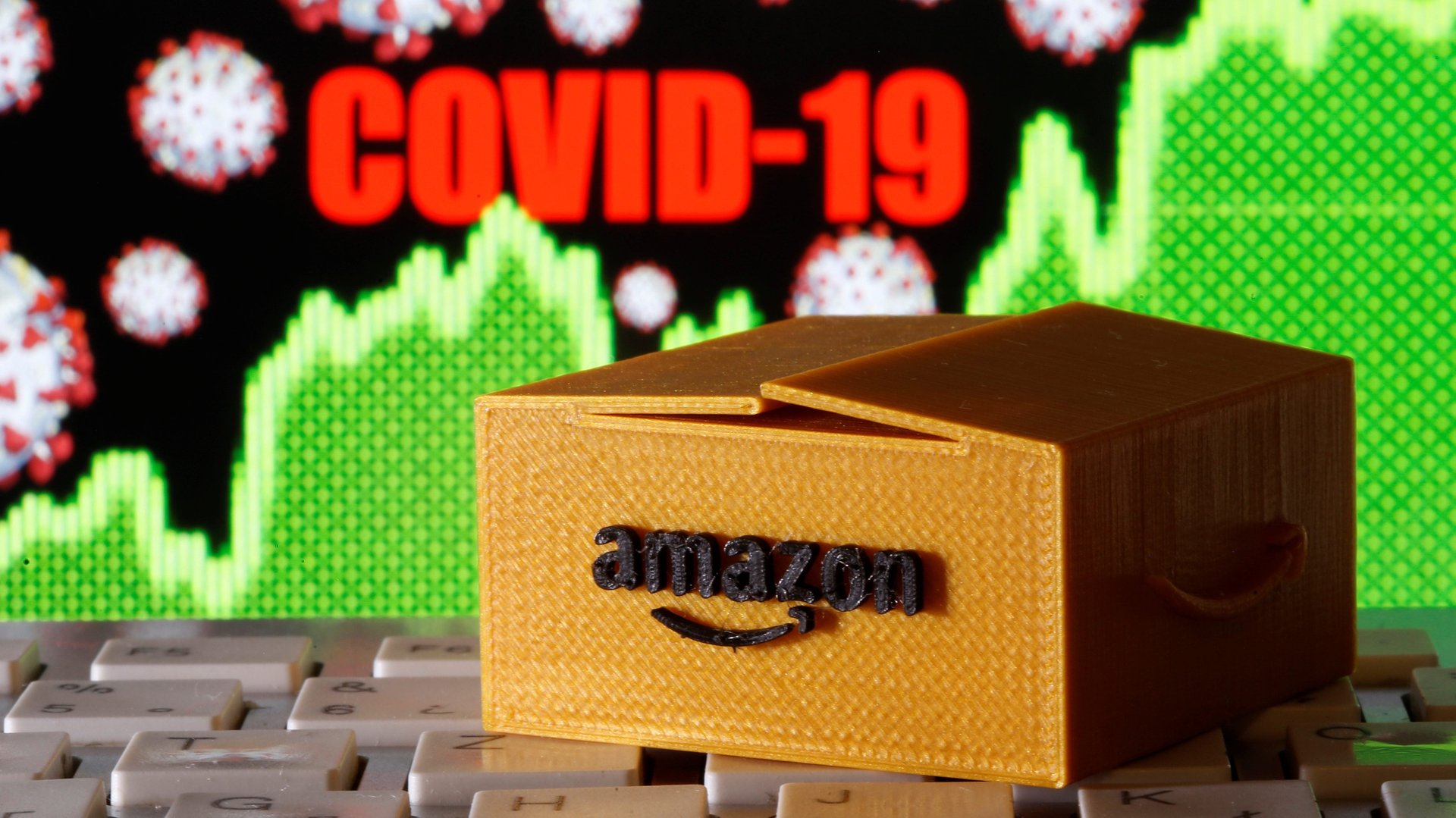
For years, retail spending online rose slowly but steadily. From 2010 to 2019, e-commerce’s share of spending in the US grew from 4% to 12%, about a one percentage point increase each year.

The US trade deficit in goods and services hit $67 billion in August. Nominally, that is the second highest trade deficit ever recorded for a month, just after $68 billion in August 2006, according to data recently released from the US Census. Adjusting for inflation, the deficit hasn’t been this high since 2009.

Covid-19 froze the US consulting industry. A deeply uncertain economy and travel restrictions have put the industry’s hiring on pause, making it an incredibly difficult time to be an aspiring consultant.

Pivot tables are the quickest and most powerful way for the average person to analyze large datasets. No coding skills or mathematical brilliance are necessary—just the ability to point and click your mouse.

Comparing data across time isn’t always simple, but it’s usually necessary. A few classic tricks can make it easier to parse trend from noise.

From immigration patterns to household spending to music listening, coronavirus is turning 2020 upside down.

Most of my 2020 has been spent looking for data that illuminate the impacts of Covid-19 across the world. As Quartz’s data editor, it’s my job to find interesting and trustworthy statistical information for our reporters that show the impact of the pandemic on our health, governments, economies, and lives.