If he’s under pressure, Ajay Bhushan Pandey, chief executive officer of the Unique Identification Authority of India (UIDAI), doesn’t show any of it seated inside his spacious office in central Delhi.

If he’s under pressure, Ajay Bhushan Pandey, chief executive officer of the Unique Identification Authority of India (UIDAI), doesn’t show any of it seated inside his spacious office in central Delhi.

These are difficult days for Indian techies, and it’s not going to get much better.

“Every Indian is special,” said prime minister Narendra Modi on April 19, as his government banned the use of red beacons on official cars. ”Every Indian is a VIP,” Modi insisted, perhaps signalling an appetite to crack down on India’s pervasive VIP (very important person) culture.

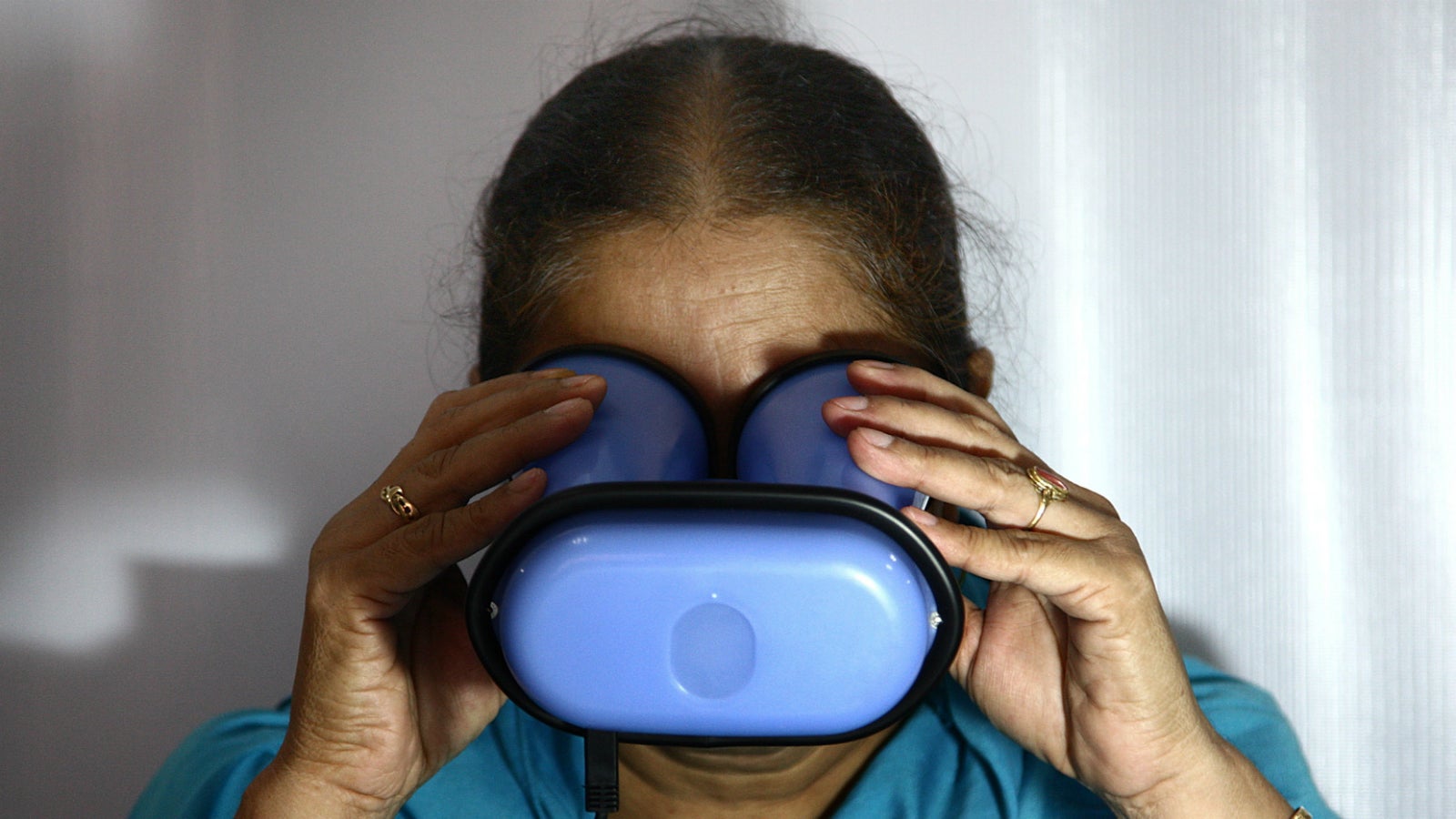
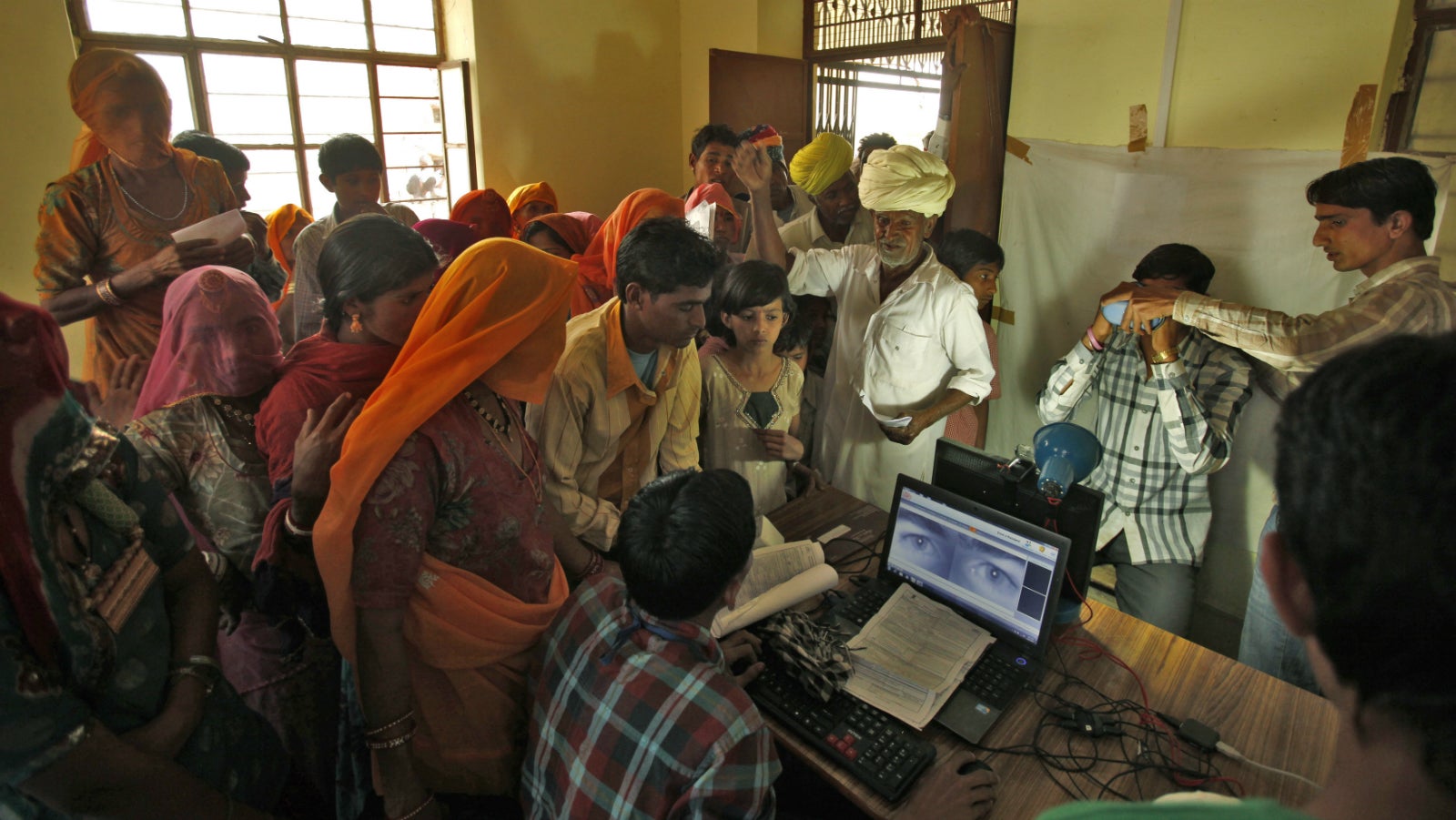
Aadhaar, India’s 12-digit unique identification number, has lately been at the centre of a debate over data protection and privacy as the Narendra Modi government attempts to make the biometric platform mandatory for more and more schemes and services.

Tencent, the Chinese internet giant, has made a big play in India, a country where it is virtually unknown.

India’s information technology (IT) industry keeps a very close eye on Washington DC.

The Donald Trump administration may have hammered the final nail in the coffin for low-paid Indian information technology (IT) workers out on outsourcing gigs in the US.

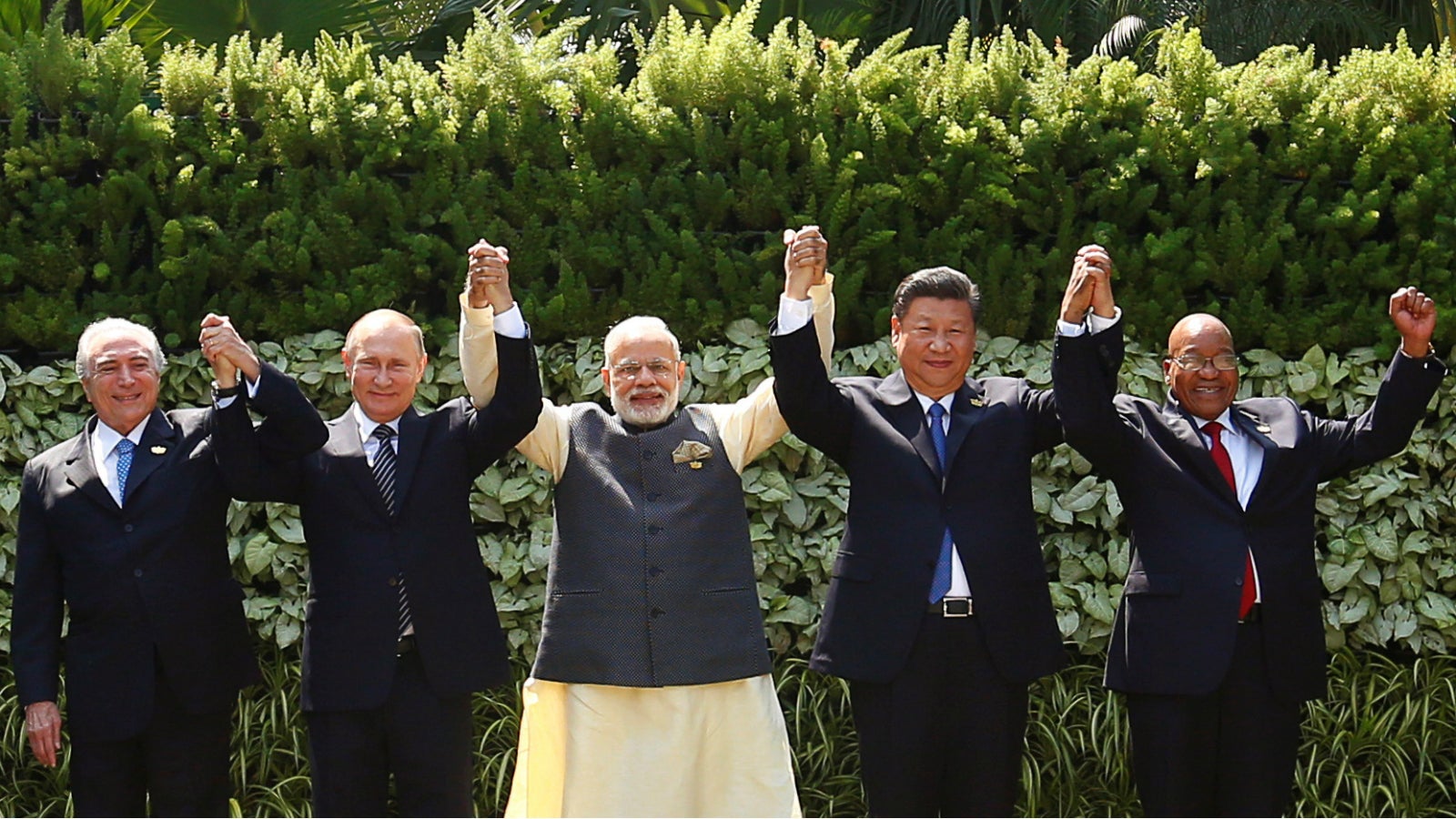
It hasn’t been the best of times for the BRICS, the five-member bloc that was once advertised as the next global economic powerhouse.

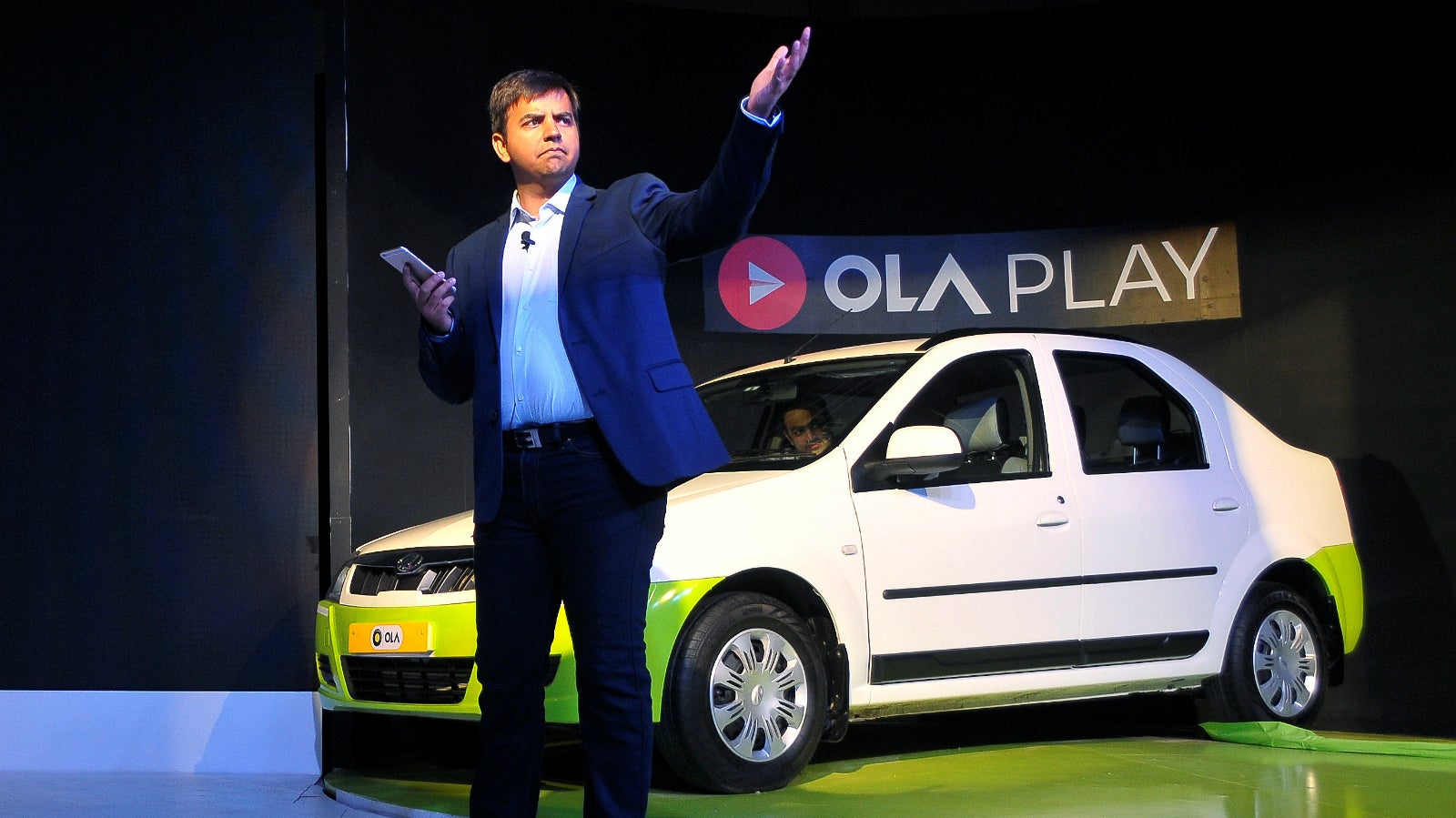
Bhavish Aggarwal, the co-founder of online taxi aggregator Ola, is apparently preparing for battle.

Is the biometric data of over a billion Indians safe in government hands?

At its heart, the ongoing tussle over Aadhaar is all about information.

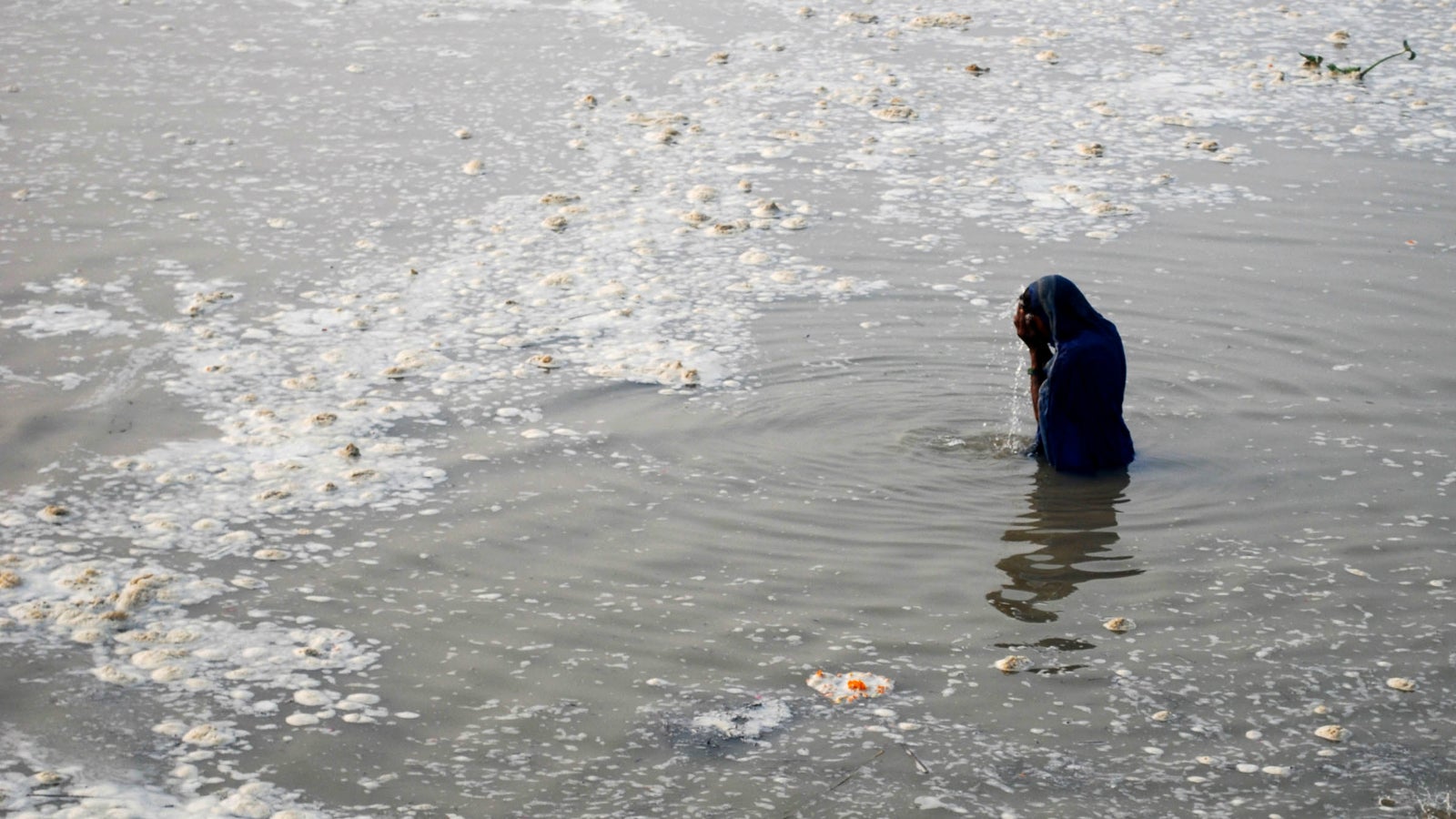
The Ganga is having a good run of late.

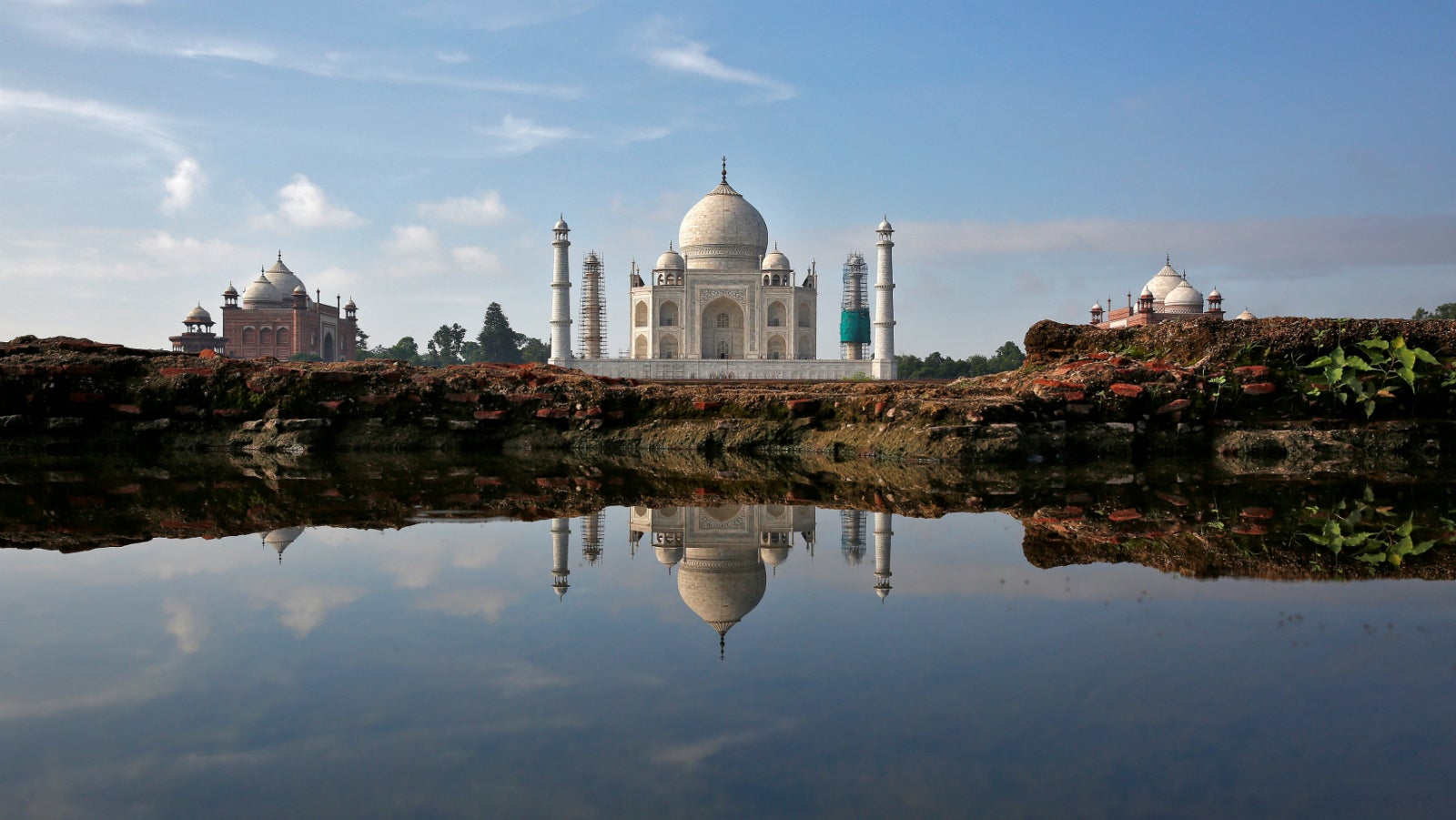
Even in these days of rising Hindu nationalism, the remains of India’s Islamic past are of monumental significance.

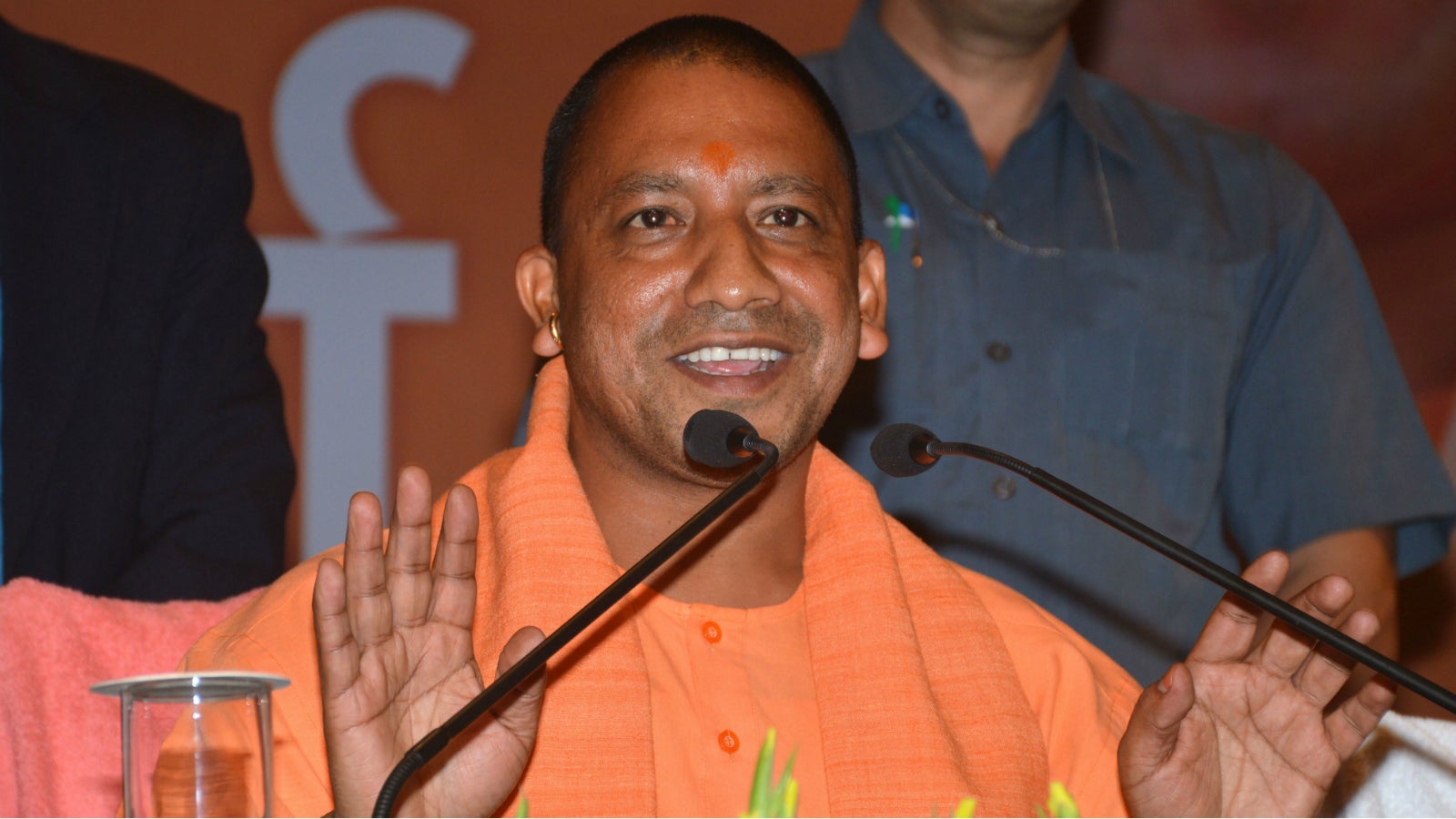
In his first move since being anointed chief minister of Uttar Pradesh (UP), Yogi Adityanath has instructed all his ministers to furnish details of their income and assets—moveable and immovable—in the next 15 days.

The first hour of every sitting of the Lok Sabha, India’s lower house of Parliament, is usually kept aside for a special purpose: questions.

India’s startup community seems trapped in a particularly sordid horror film over the last few days.

The big fat Indian wedding survives, no thanks to India’s men. So a whole lot of money still gets poured behind holy matrimony—and everybody goes home stuffed.

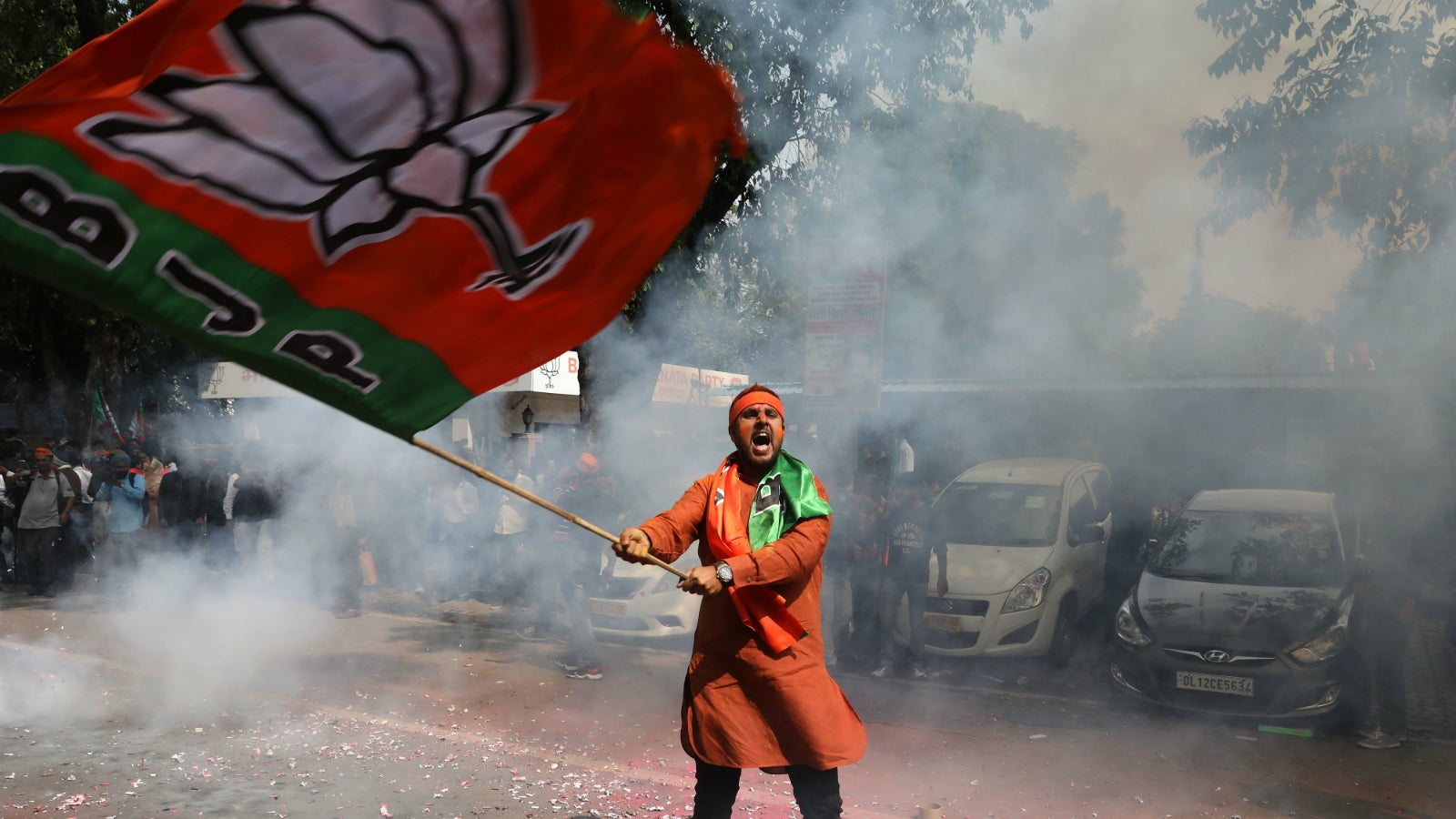
As winter turns to spring in northern India, the lotus has already bloomed in Uttar Pradesh (UP), the country’s most populous state.

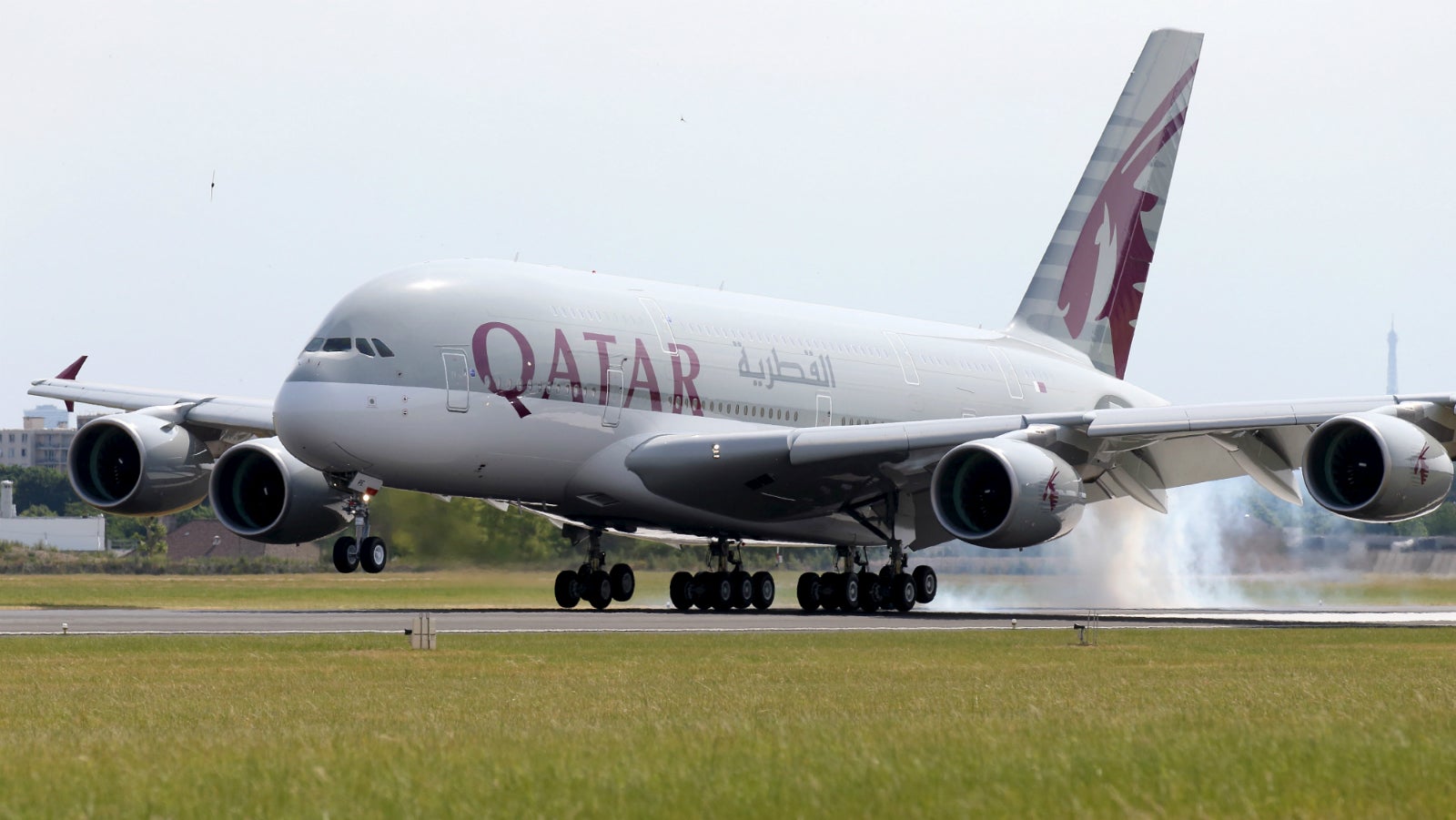
Qatar Airways is taxiing for takeoff in India.

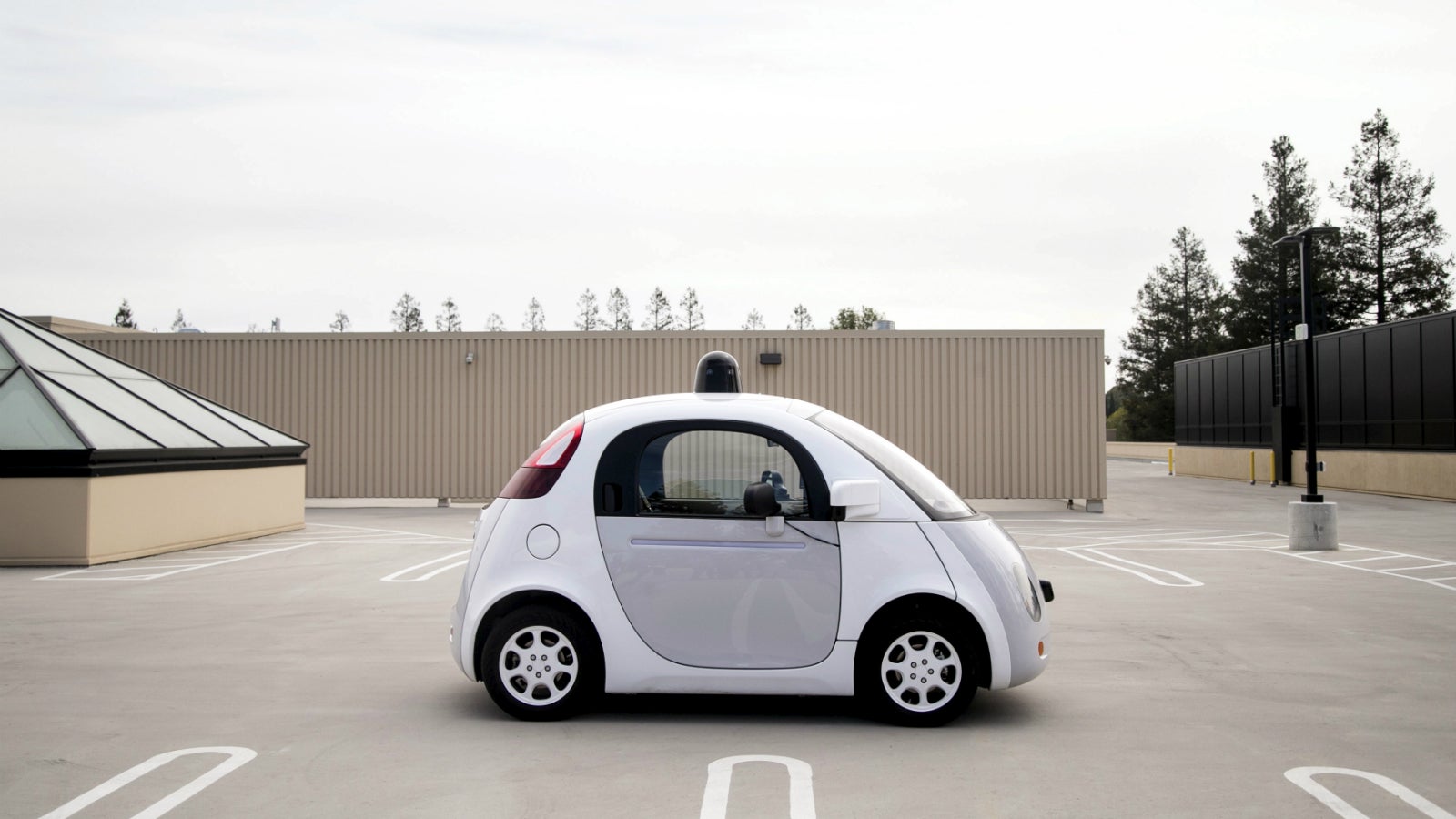
At the moment, SeDriCa isn’t much of a looker: It resembles a couple of stacked cardboard boxes precariously balanced atop three wheels. It’s not much of a mover either. Mounted with a beacon light, the vehicle ungracefully rambles along narrow, marked routes, usually on playgrounds, at a reluctant pace.

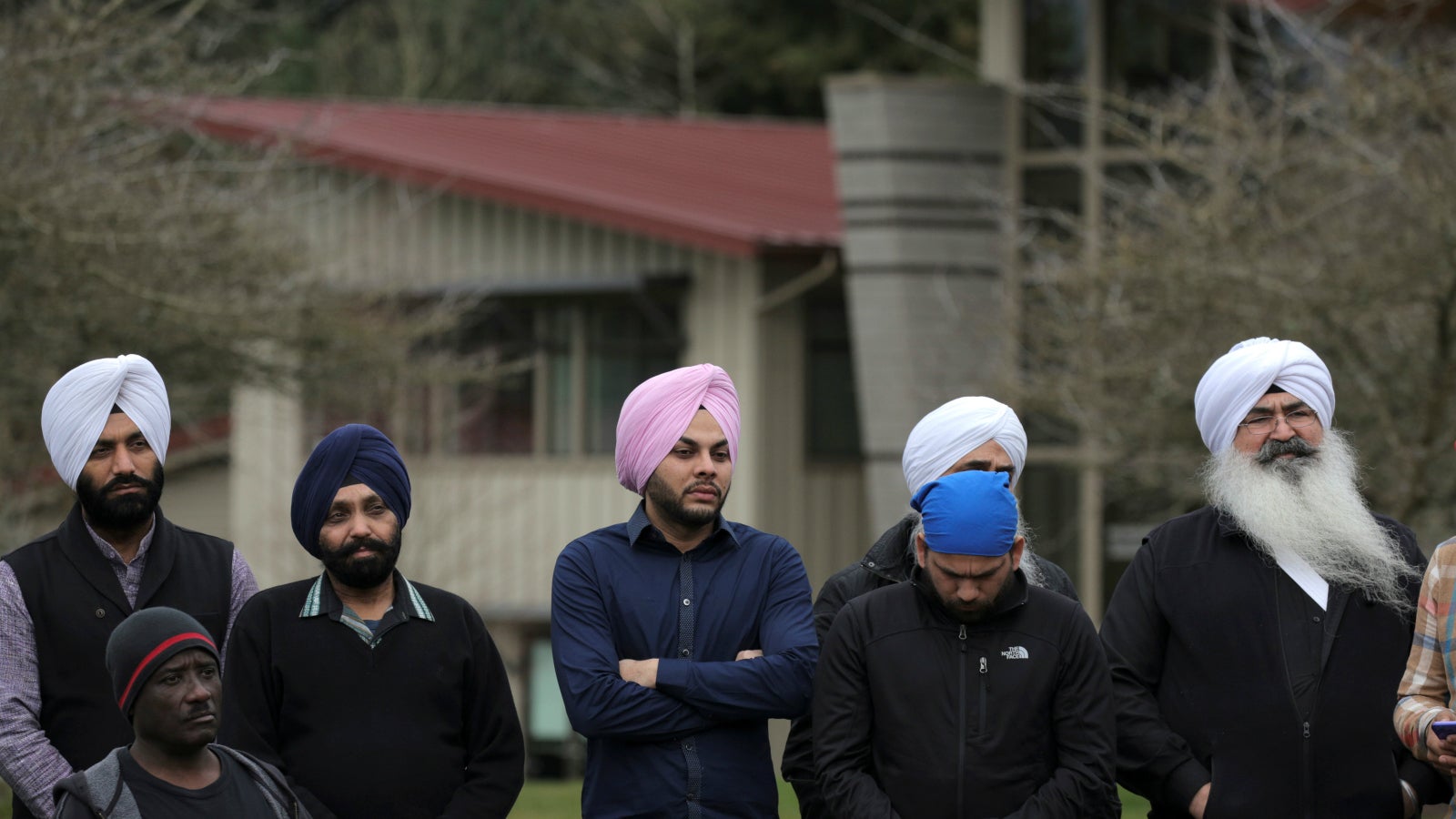
It is a time of fear and foreboding for Indians in America.

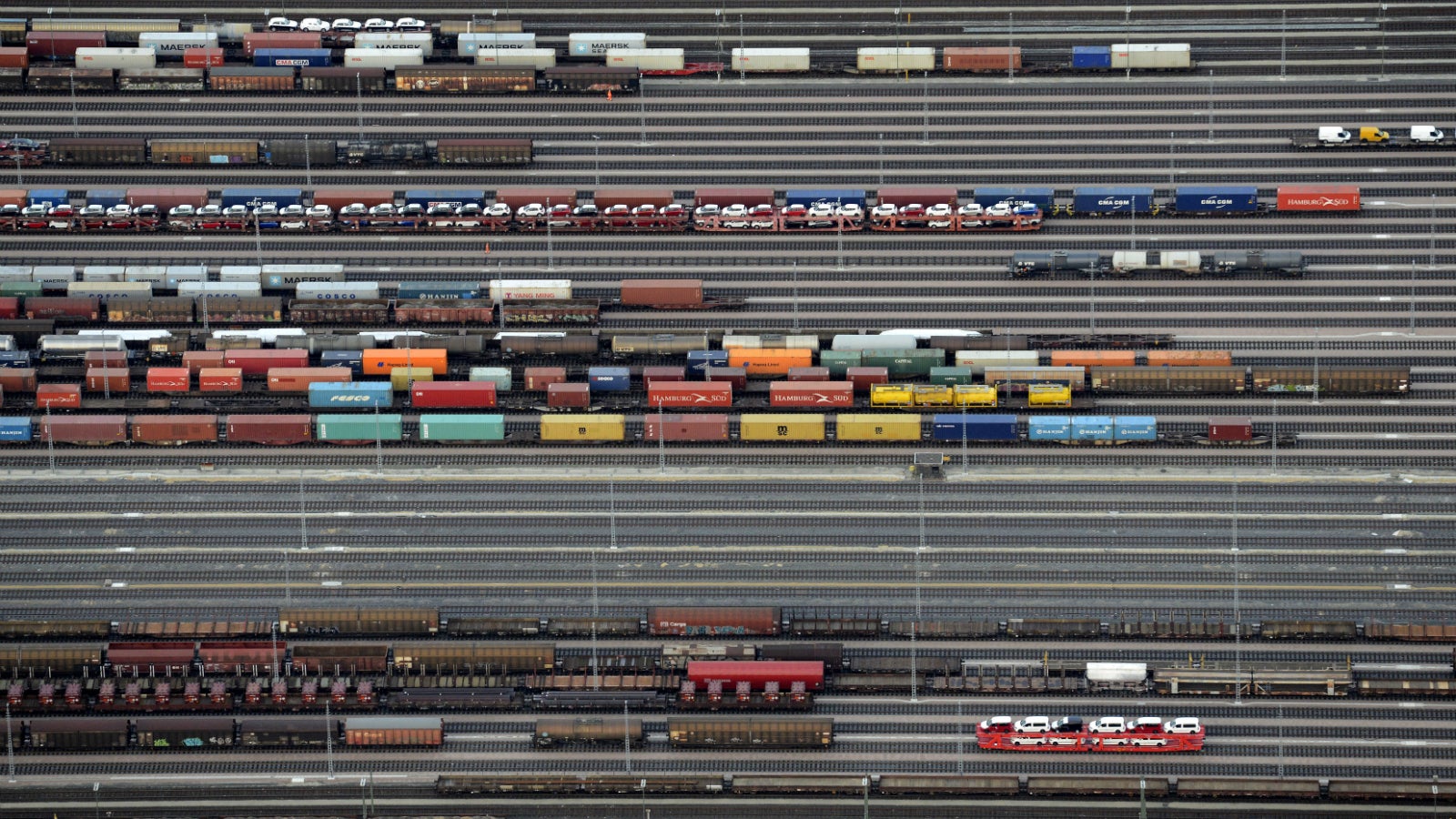
The Iron Silk Road is taking shape.

Amitabh Kumar Singhal spent a childhood obsessed with Star Trek. On his parents’ black-and-white TV, Singhal would compulsively watch reruns of the science-fiction franchise and dream of building starship computers that could answer questions instantly. It was a bit of a long shot for a kid born in Jhansi and growing up in the foothills of the Himalayas in the 1970s.

Donald Trump is anything but a man of few words.