
Tech & Innovation
WeChat is setting a blueprint for the world’s social networksFor many people in China, WeChat is the internet.
Updated July 21, 202211 min read
For many people in China, WeChat is the internet.
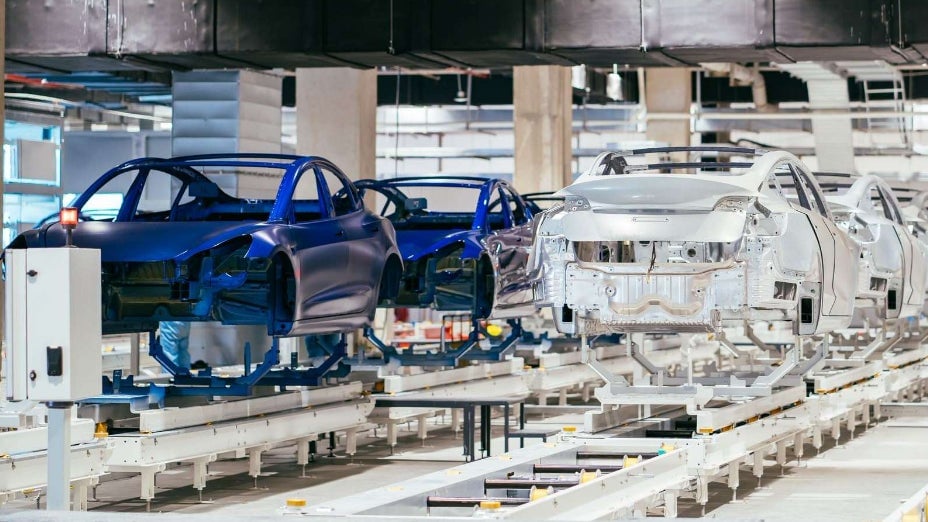
Things are humming along for Tesla. The company posted an unexpected profit in the third quarter and announced that its new Shanghai Gigafactory has begun manufacturing “trial” made-in-China Model 3s ahead of schedule.
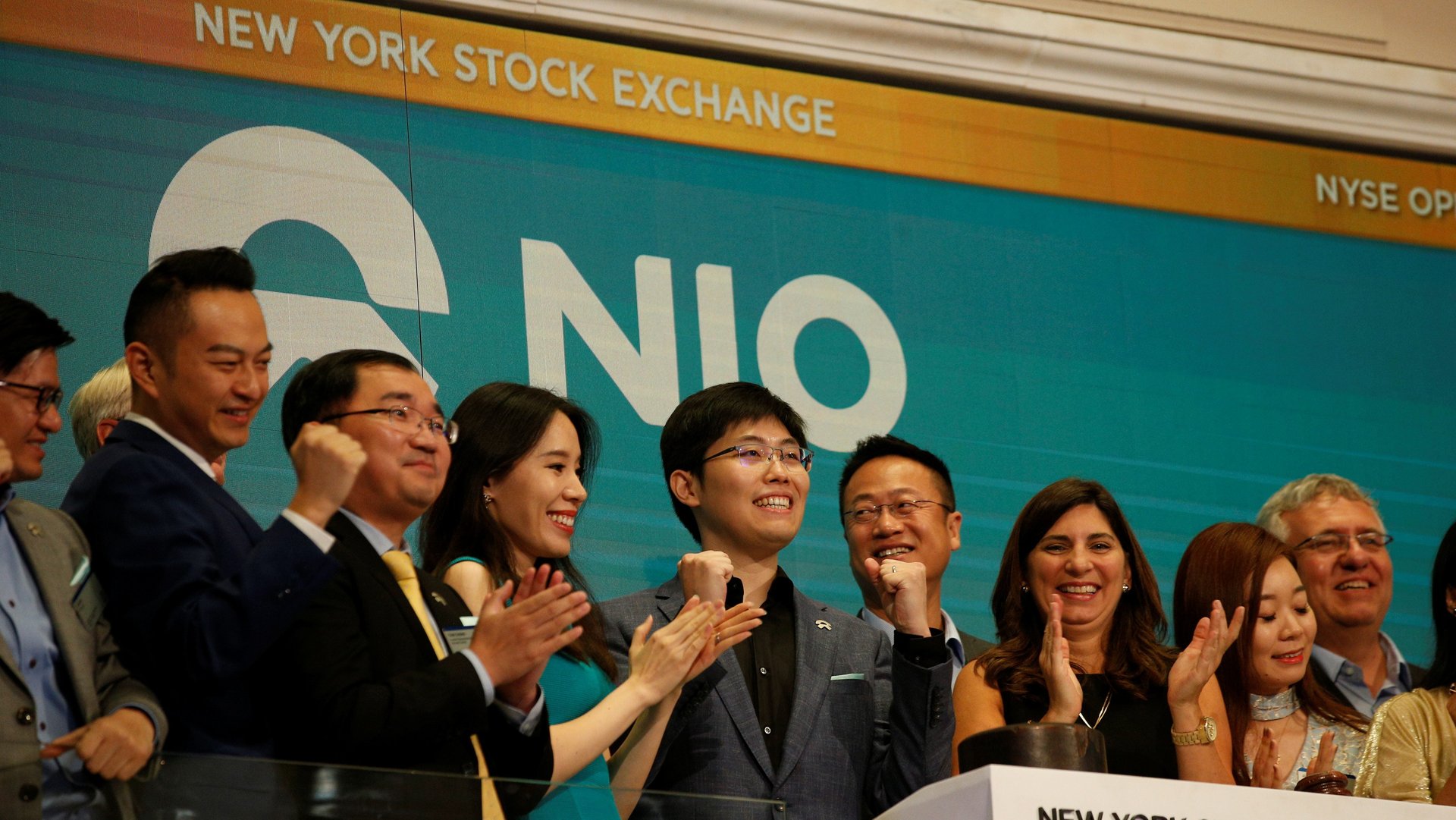
China’s electric vehicle maker NIO landed on the New York Stock Exchange a year ago when investors were pouring billions of dollars into China’s electric car industry. But it’s since become obvious that China’s EV startups are money pits, not quick profit generators.
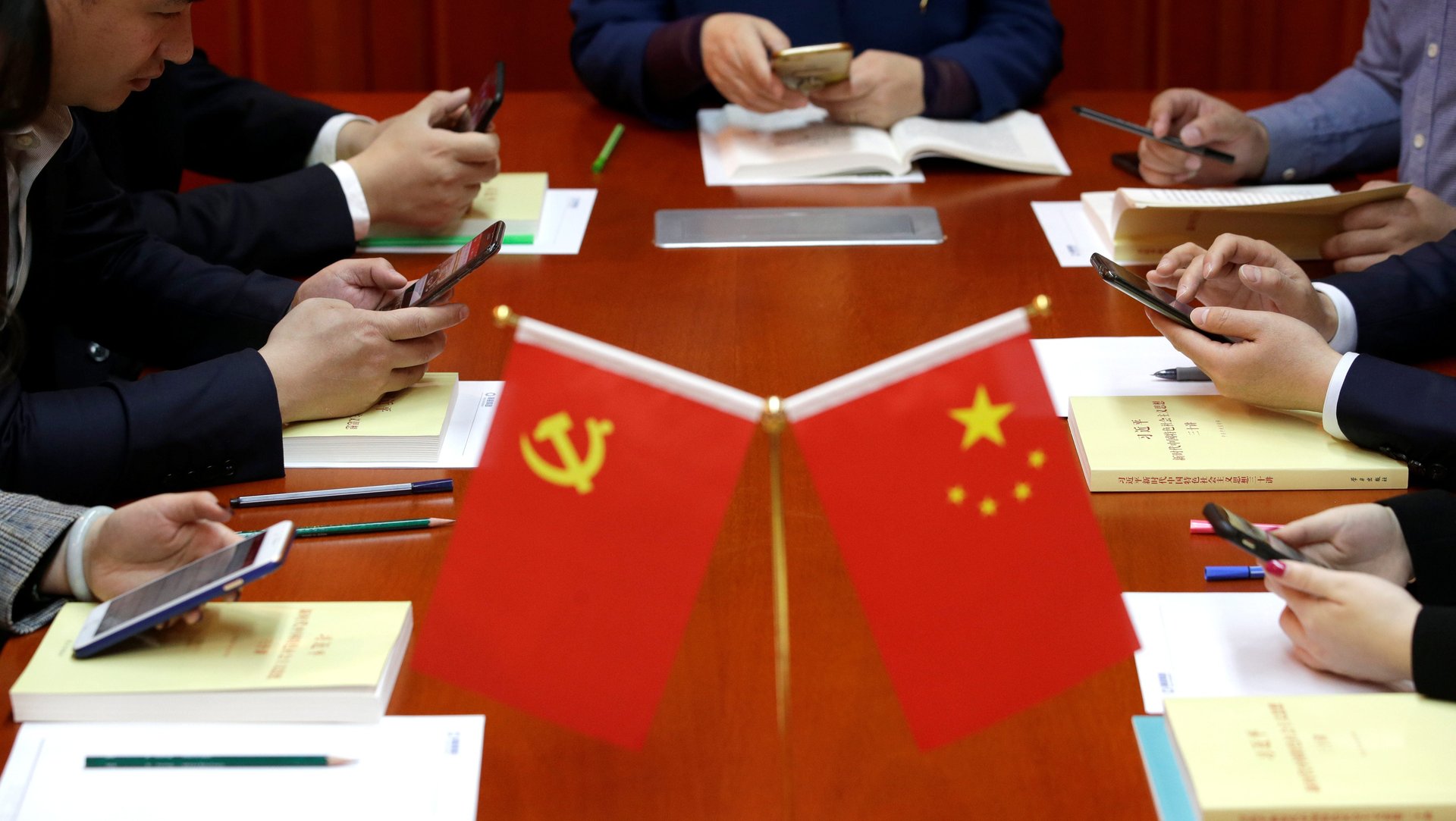
China has framed Hong Kong’s pro-democracy protests as a foreign-backed movement that uses “thugs” to threaten the mainland’s sovereignty.
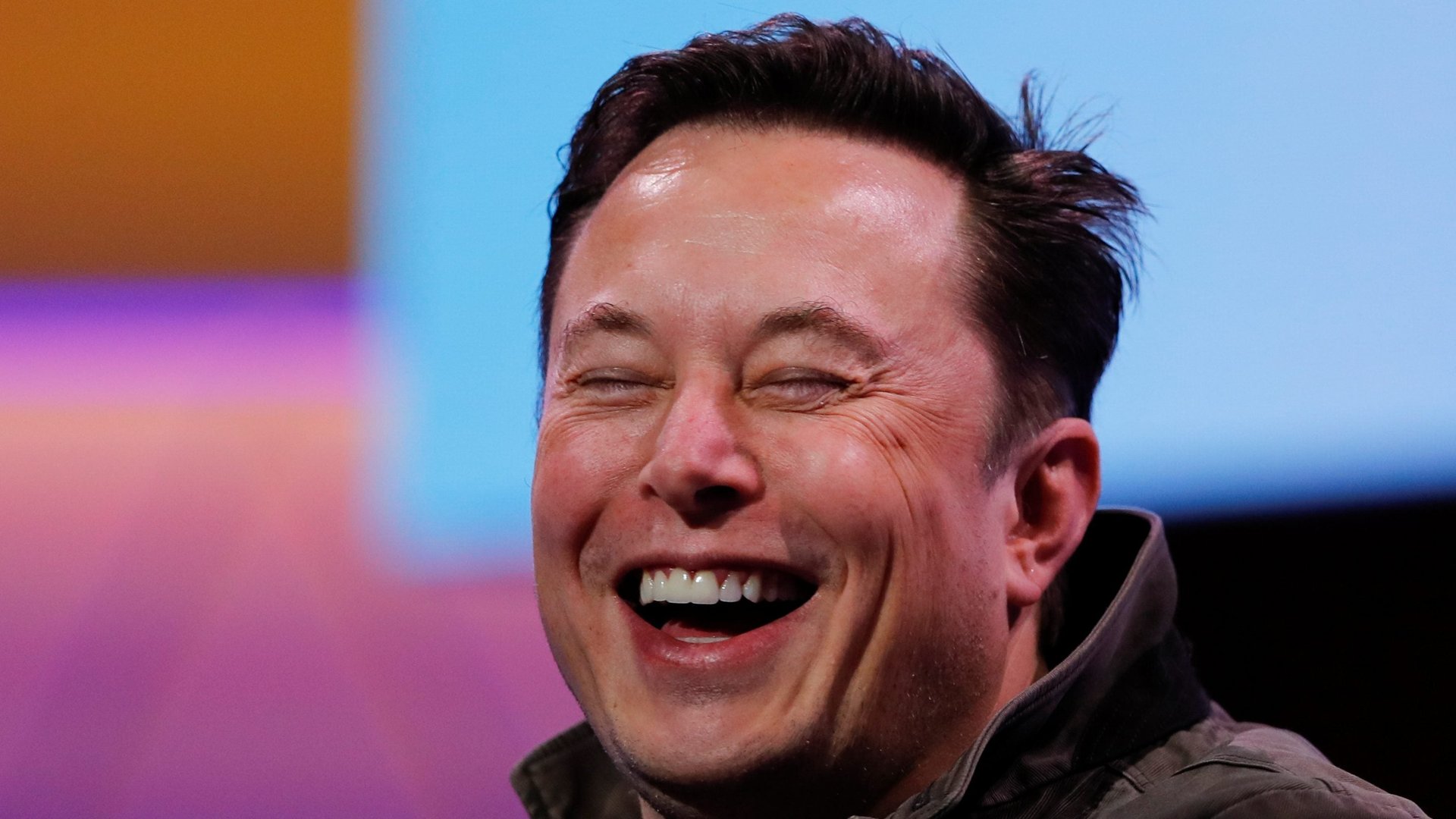
China loves a used Tesla as much as it loves a brand-new one.
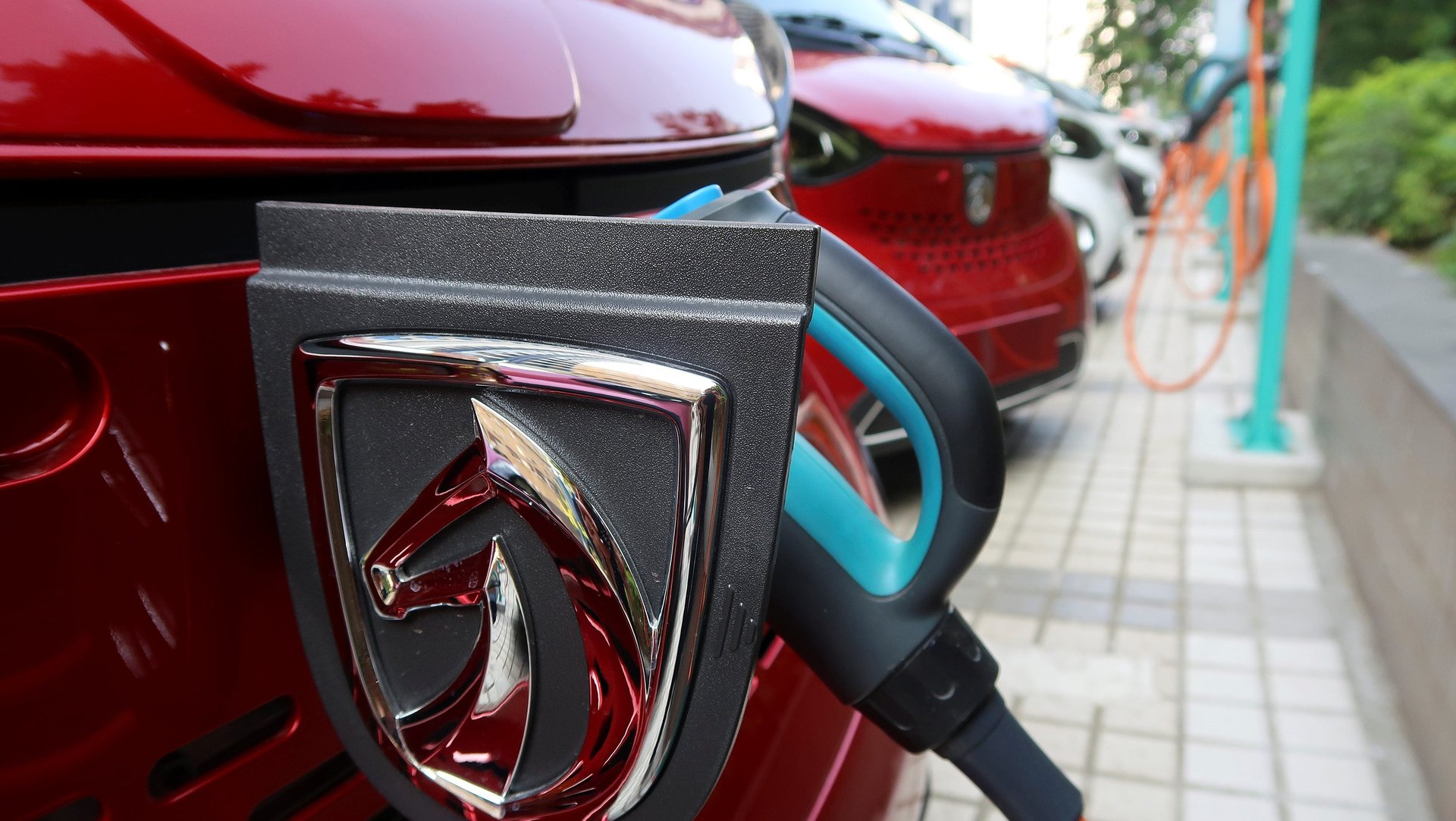
That was fast.
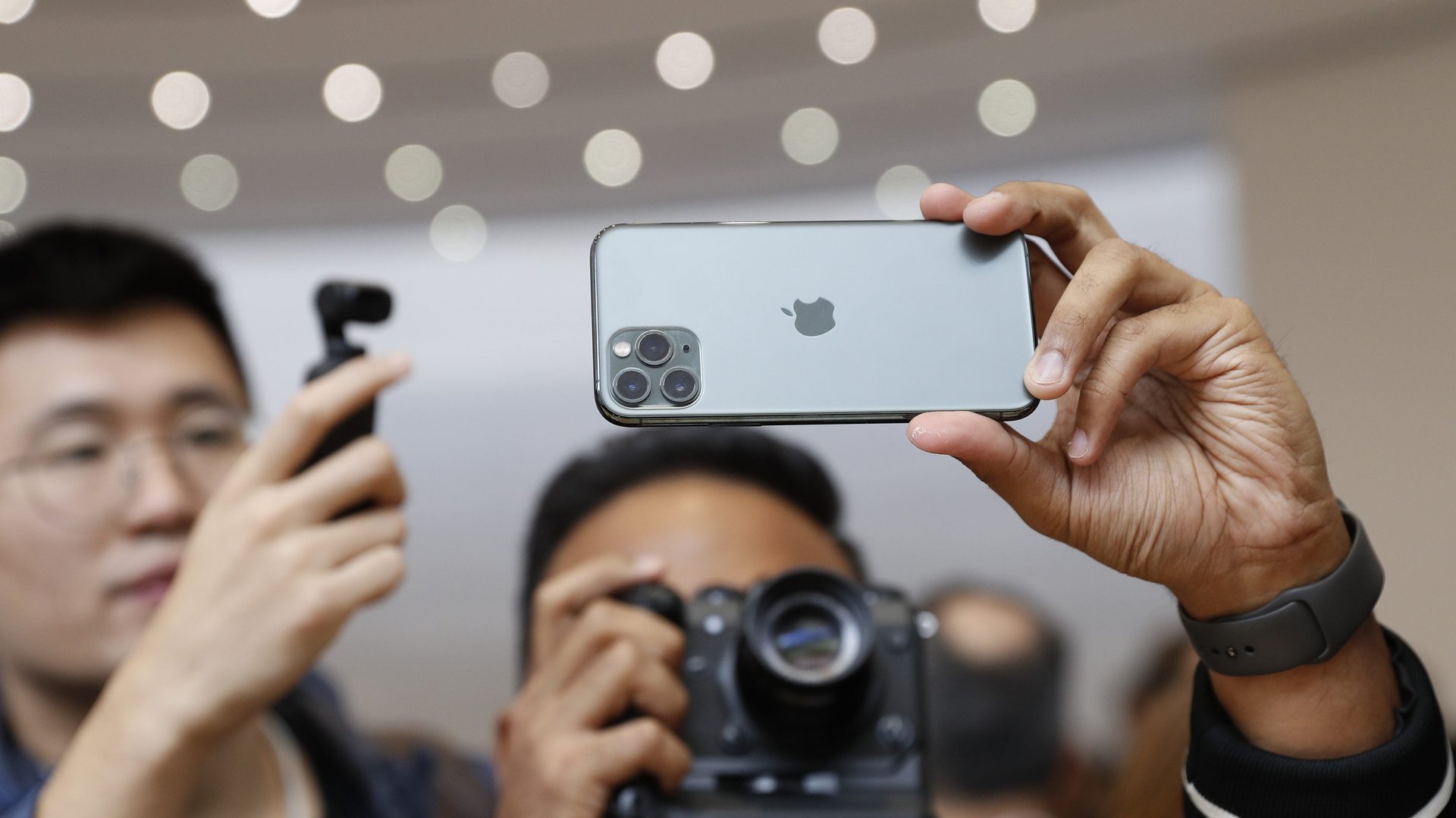
China’s fans used to stay up late for Apple’s product launch. This time they woke up to complain that the iPhone no longer leads the mobile market.
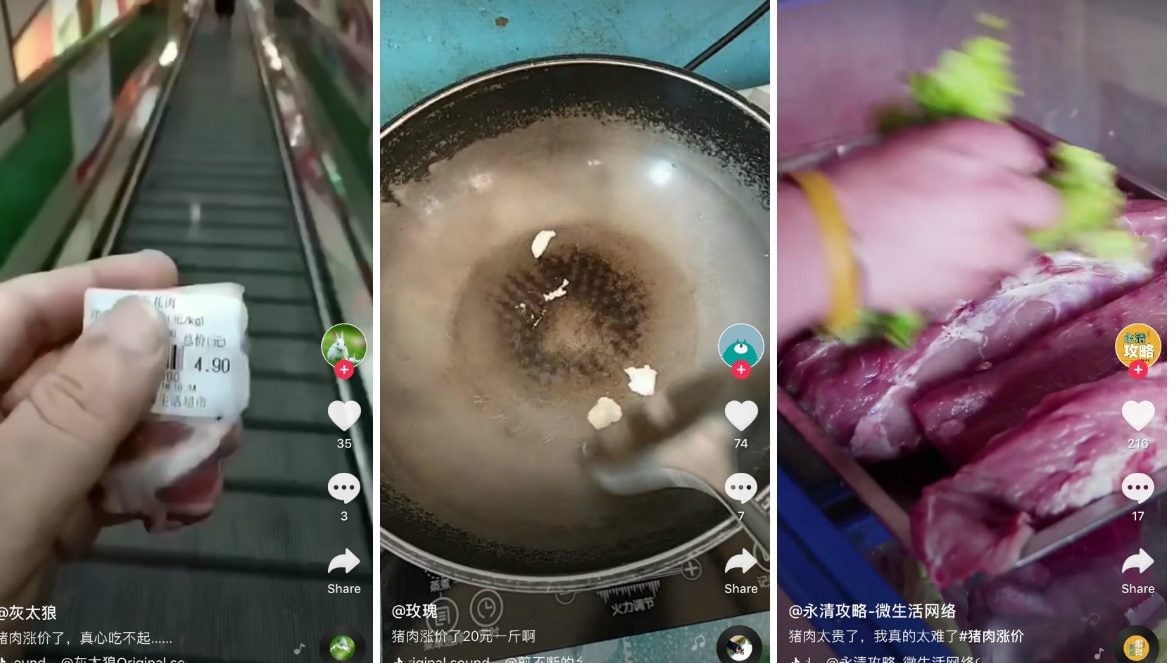
The world’s largest pork consumer can’t afford to eat pork.
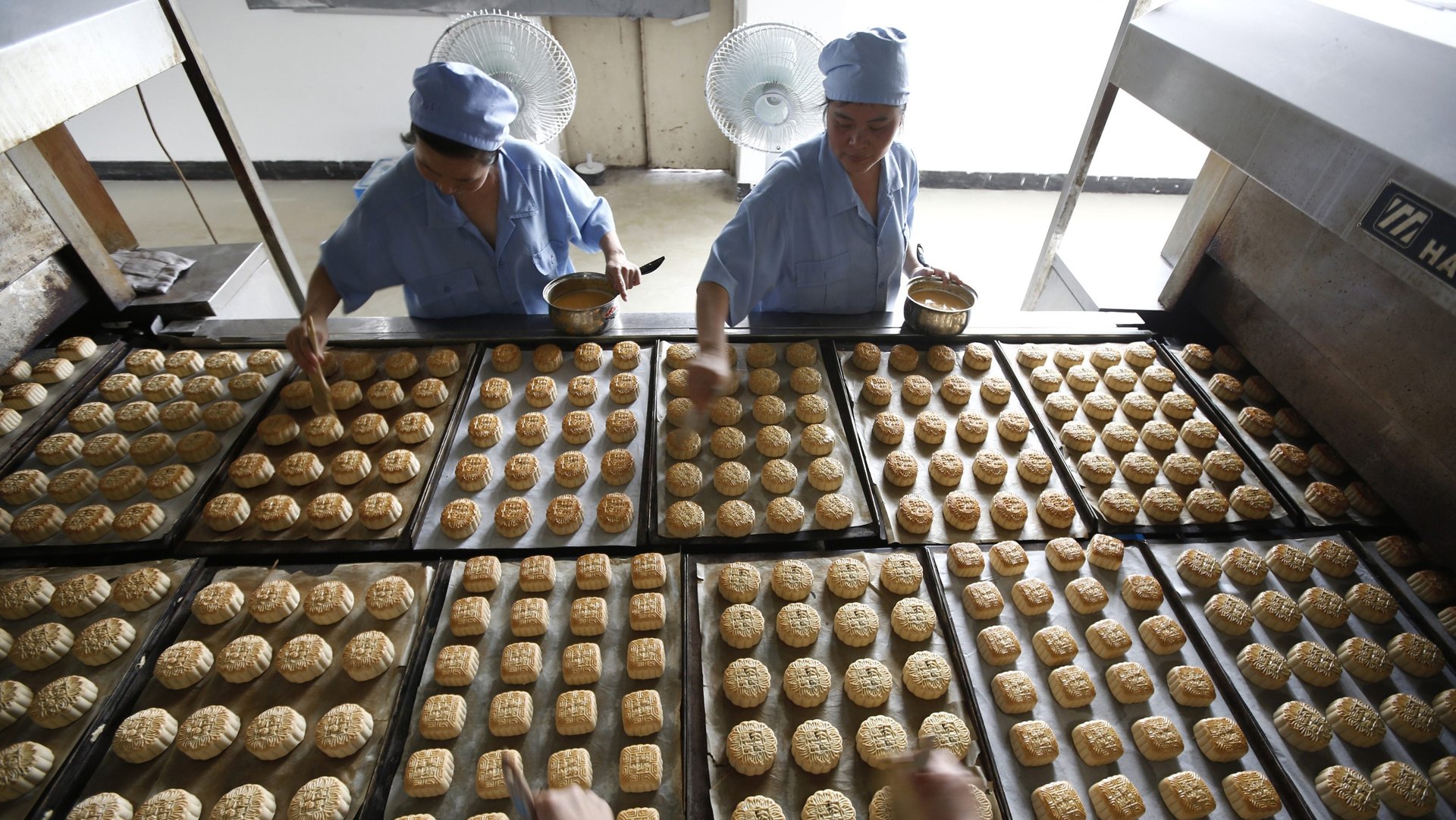
The Mid-Autumn Festival, one of the most celebrated festivals in Asia, may not seem like the right time to promote faux-meat pastries in China—but two companies are trying to do just that.
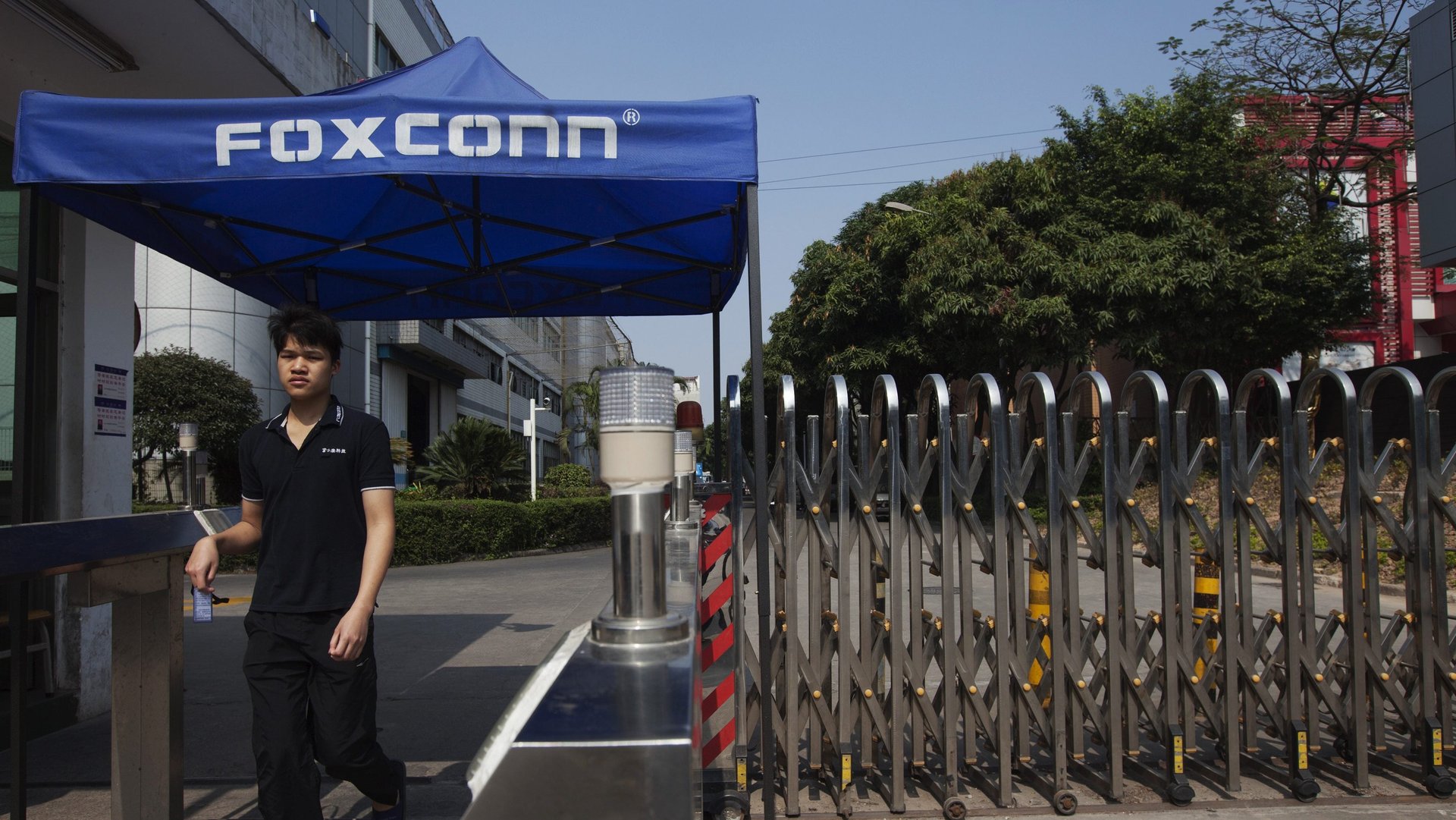
Most workers in Apple’s largest iPhone factory are struggling enough that lack of overtime hours is a punishment—and excessive overtime on all phones spiked in the months just after Apple’s last iPhone launch.
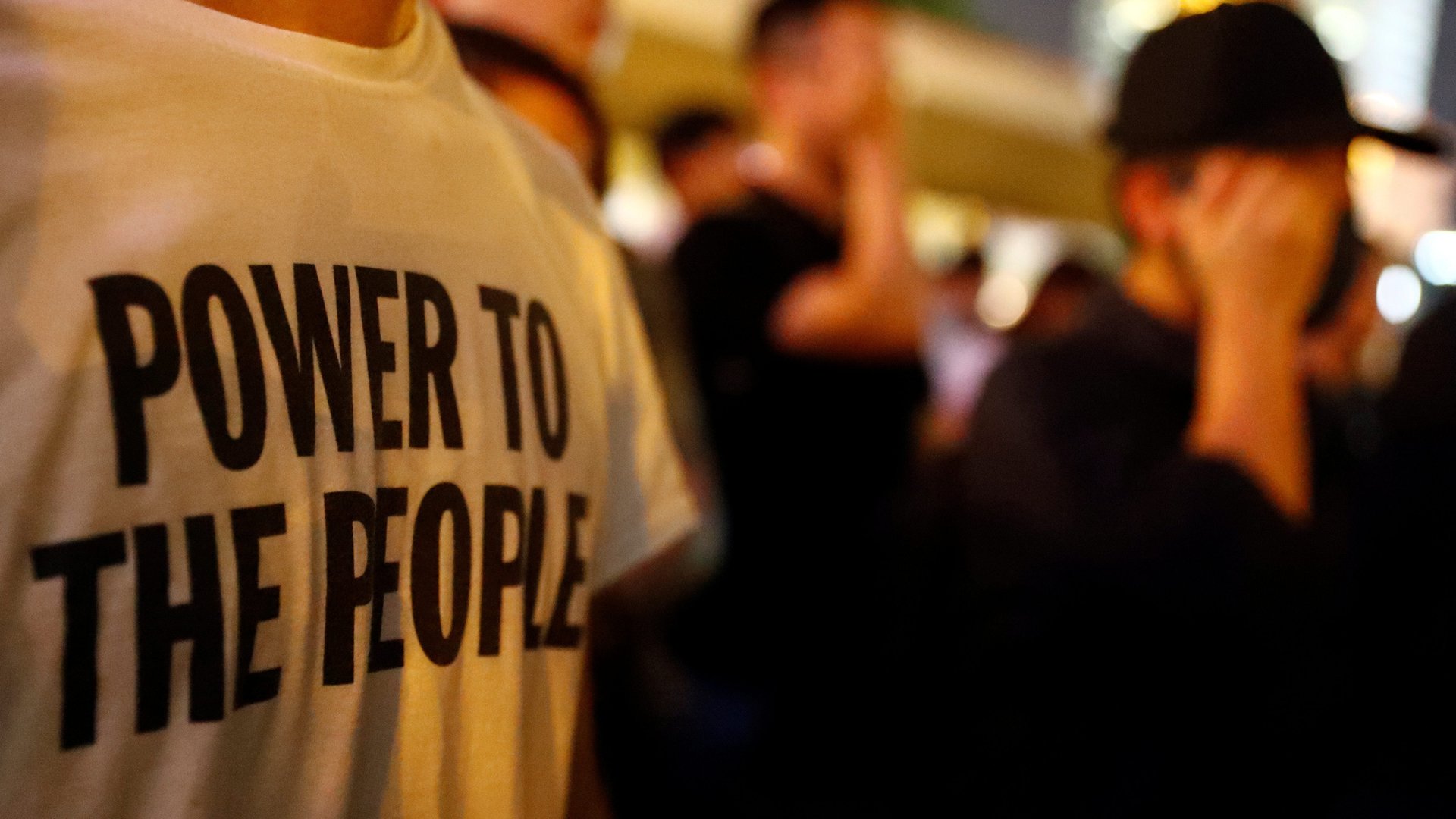
For months, Chinese people have been delivered a stream of news about Hong Kong’s protesters being reckless “thugs” who have been led astray by the CIA in order to throw the city into chaos using opposition to an extradition bill as a mere pretext.
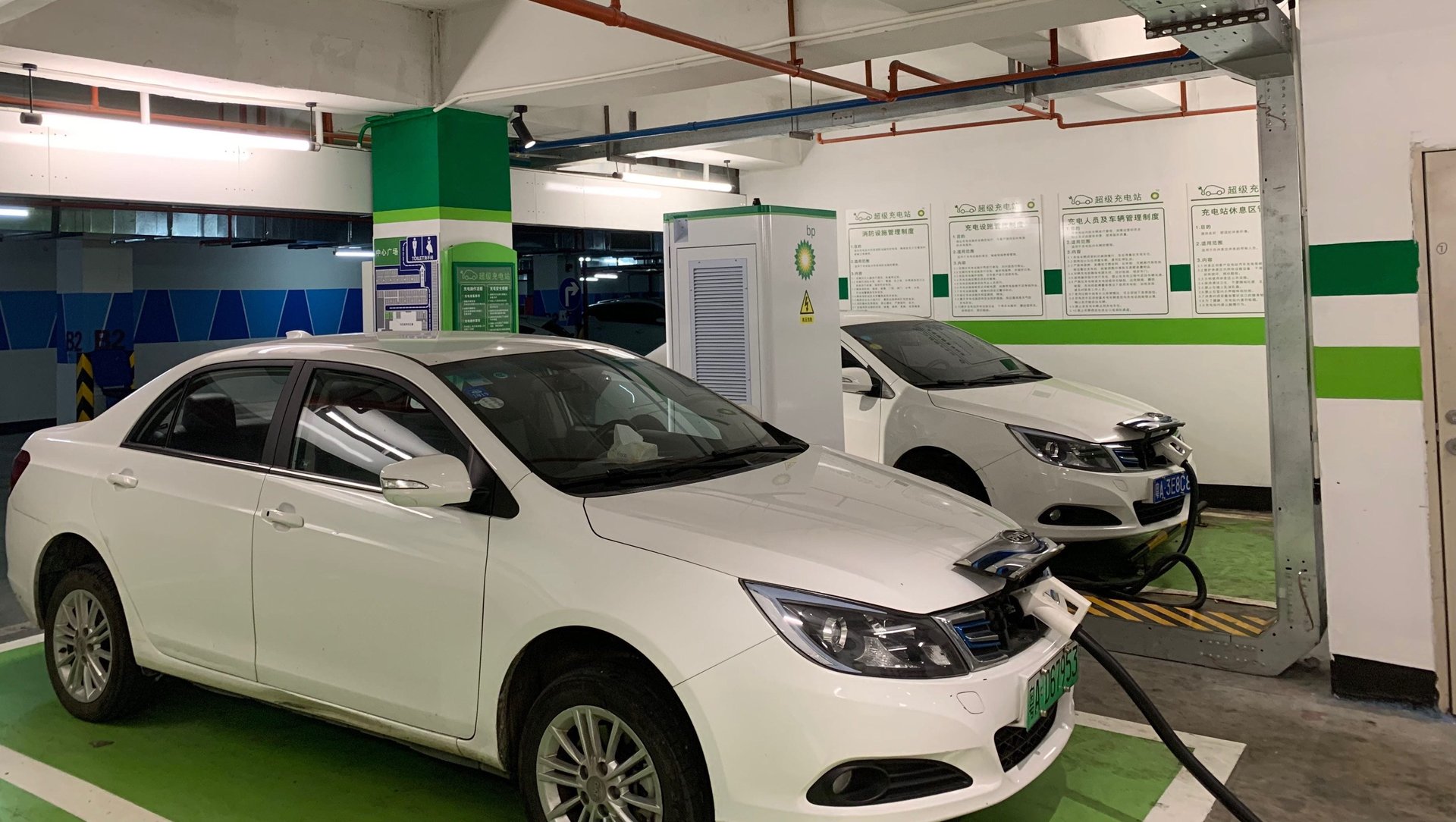
Hua would prefer not to drive a battery-electric car.
China can’t control Twitter the way it does with domestic social networks in its attempt to build an alternative universe of facts about the months-long Hong Kong protests. Seeking to find a way to wrest control of the narrative, Beijing has stepped up its efforts to sow discord and disinformation through some interesting methods on Twitter.
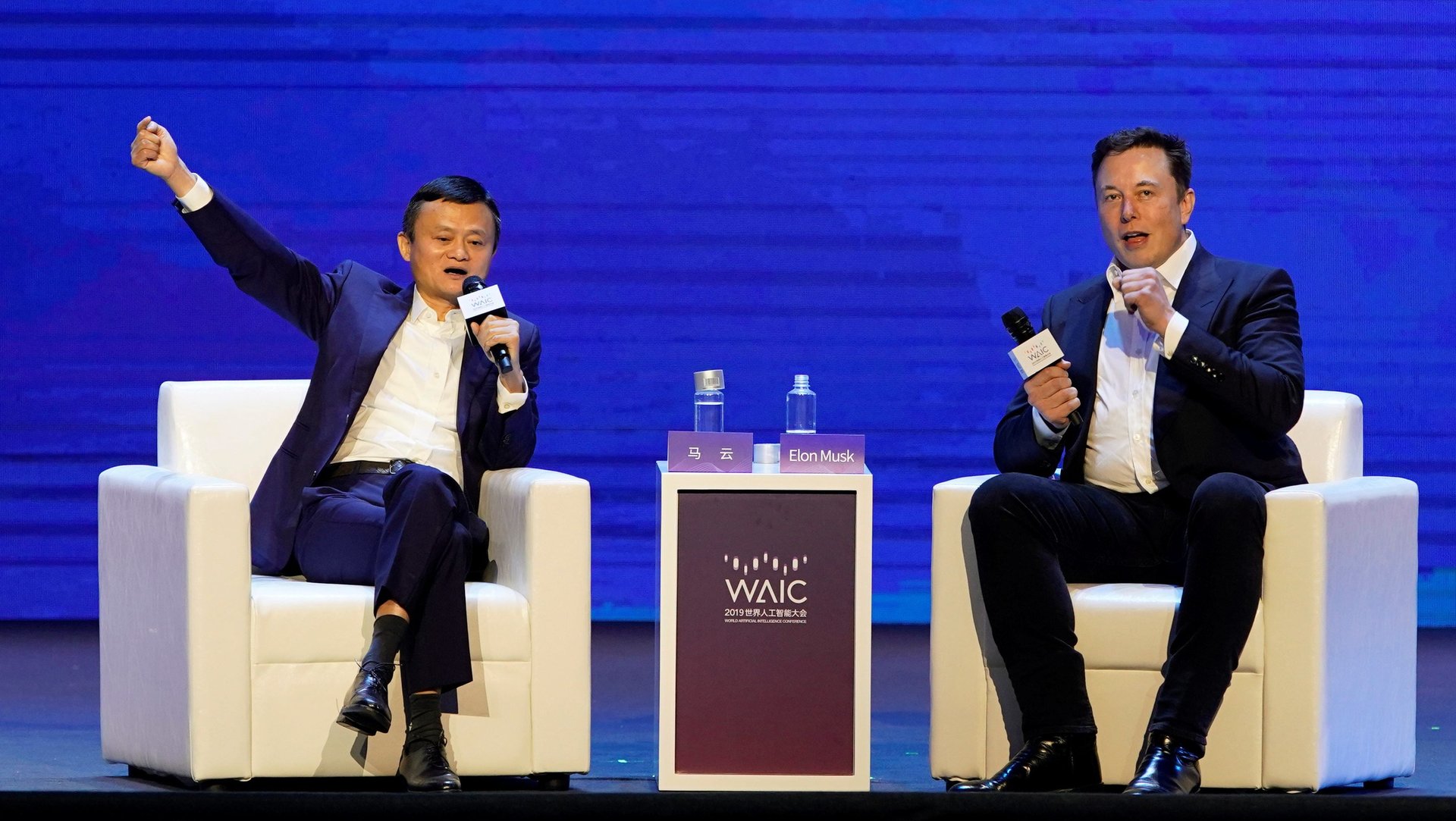
One of the biggest challenges for human beings in the next two decades will be the lack of more human beings, according to e-commerce giant Alibaba founder Jack Ma and Tesla founder Elon Musk.
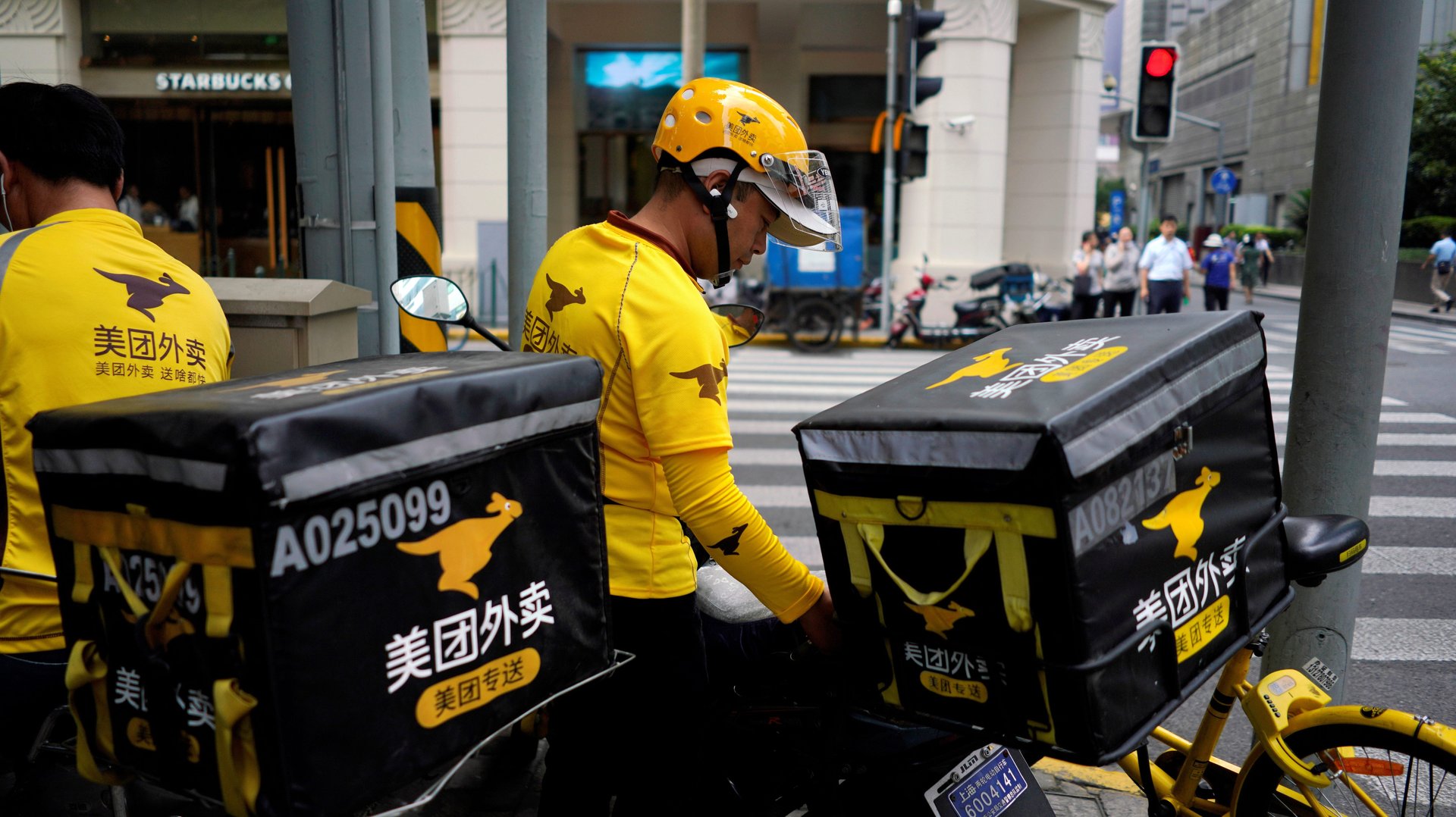
Travis Kalanick tried to make it in China by spending billions with Uber, but lost to Didi Chuxing. Now, he’s trying again with shared kitchens.
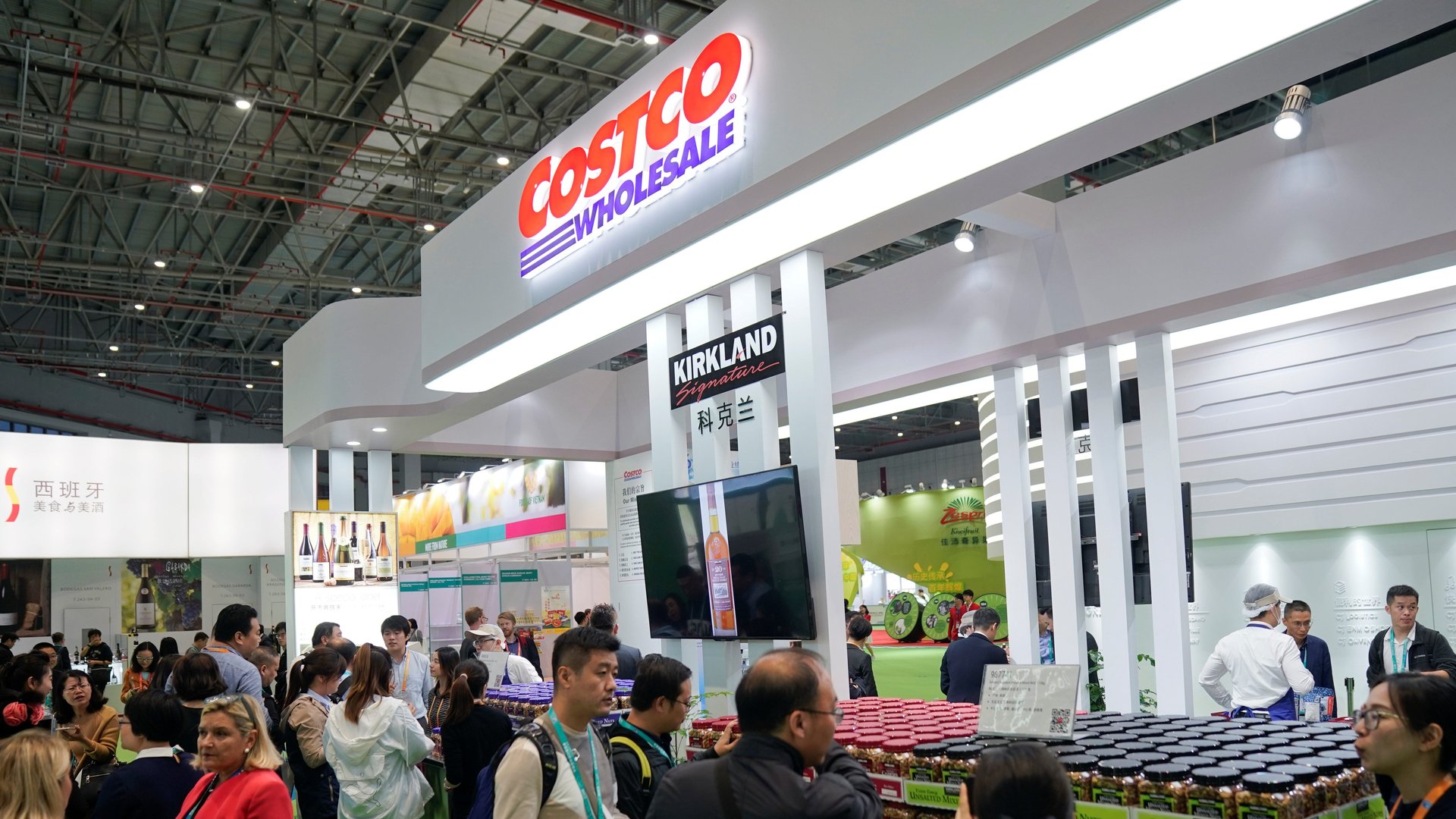
American shopping giant Costco got an unexpectedly frenzied welcome from zealous Chinese shoppers.
This story contains spoilers.
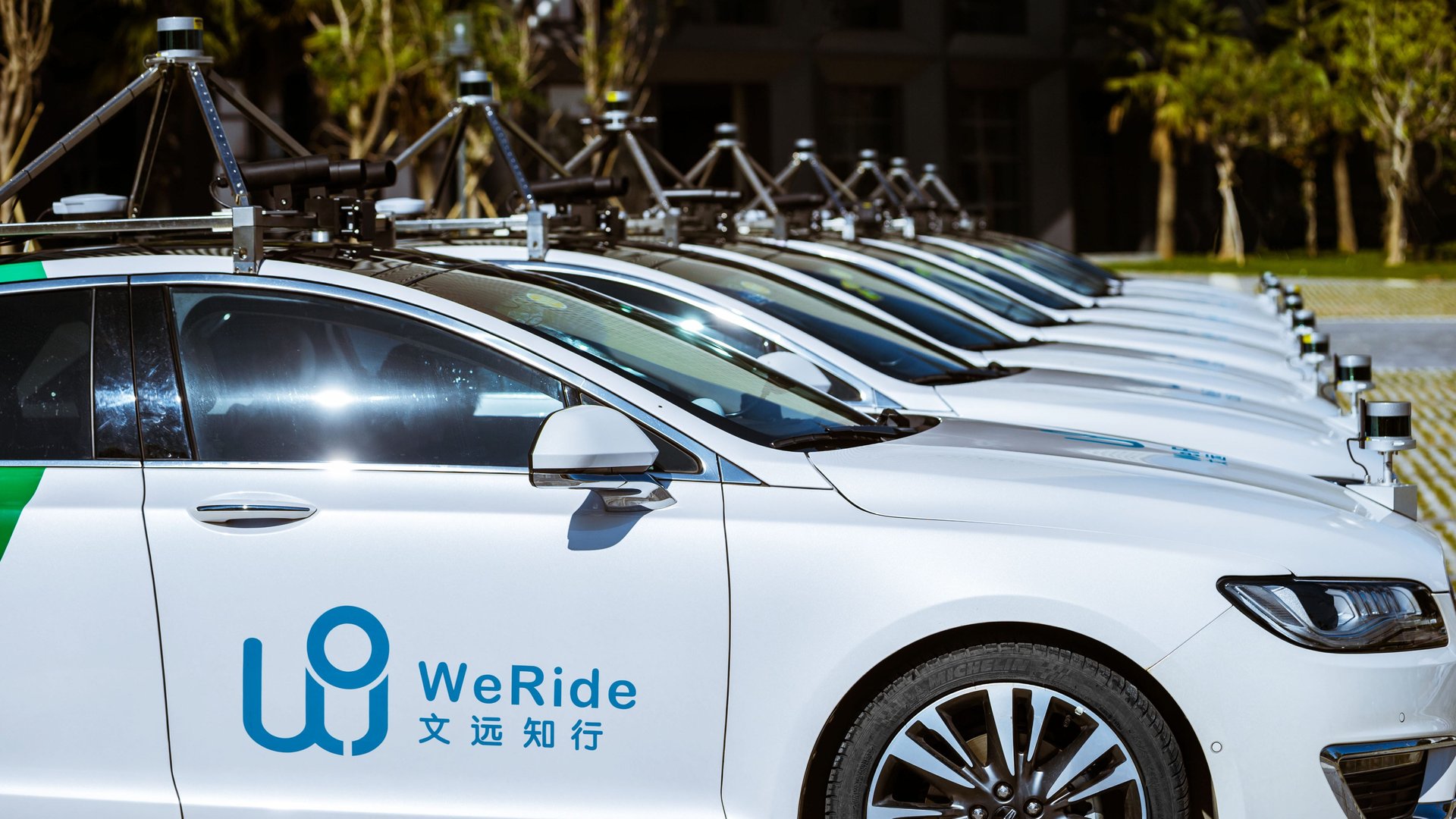
Over the past two years, China has been setting the stage for a revolution in autonomous driving. Just don’t expect that revolution to come quickly.
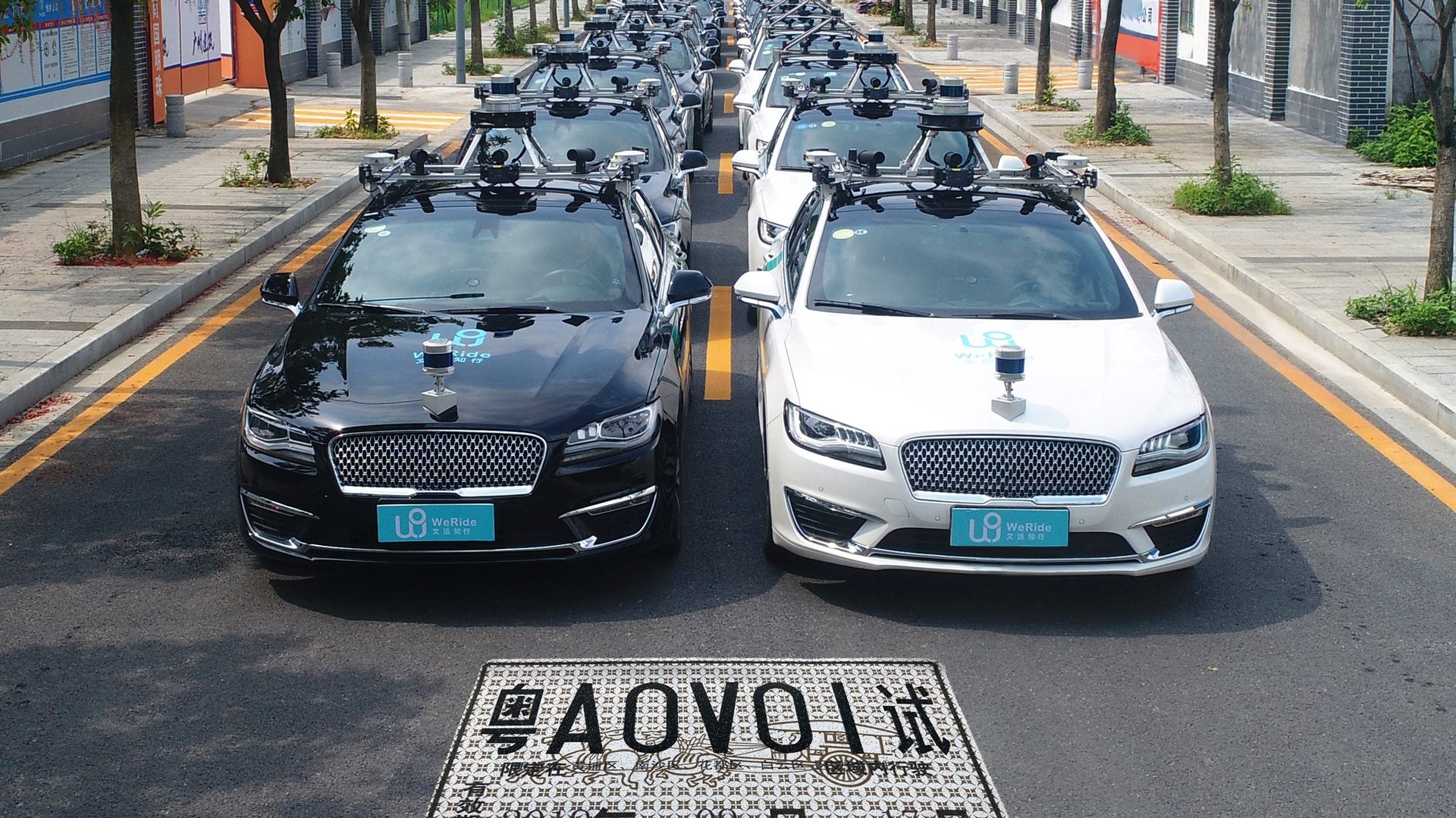
Two self-driving car companies are currently testing their technology in Guangzhou, one of China’s most congested cities, where bikes and jaywalkers are constantly battling with cars, and at times, going against the traffic.
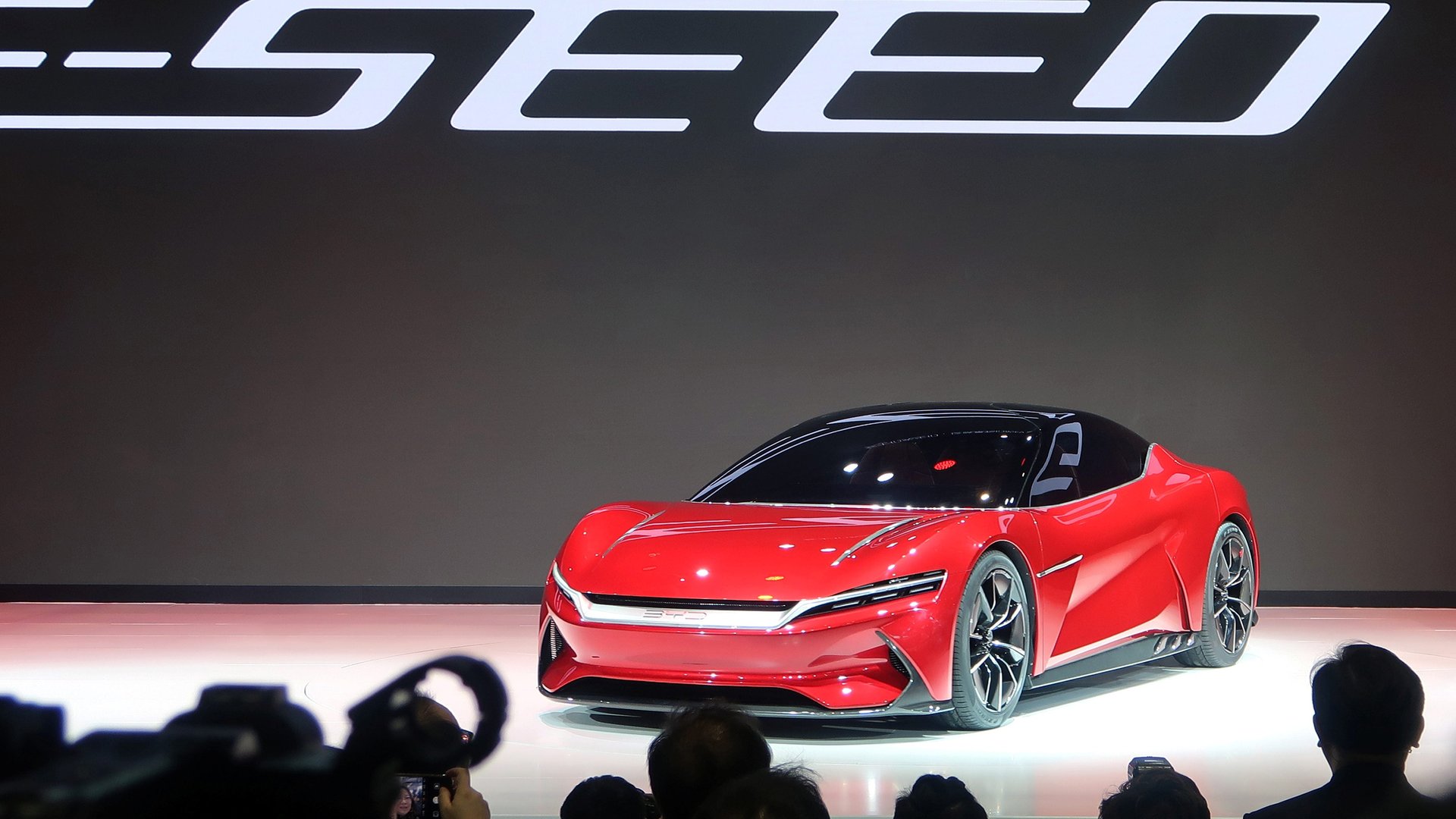
BYD, China’s largest electric car maker, has been under a lot of pressure in the last two years, with China’s auto market slowing and Beijing phasing out subsidies that supported the electric-vehicle market’s astronomical growth.
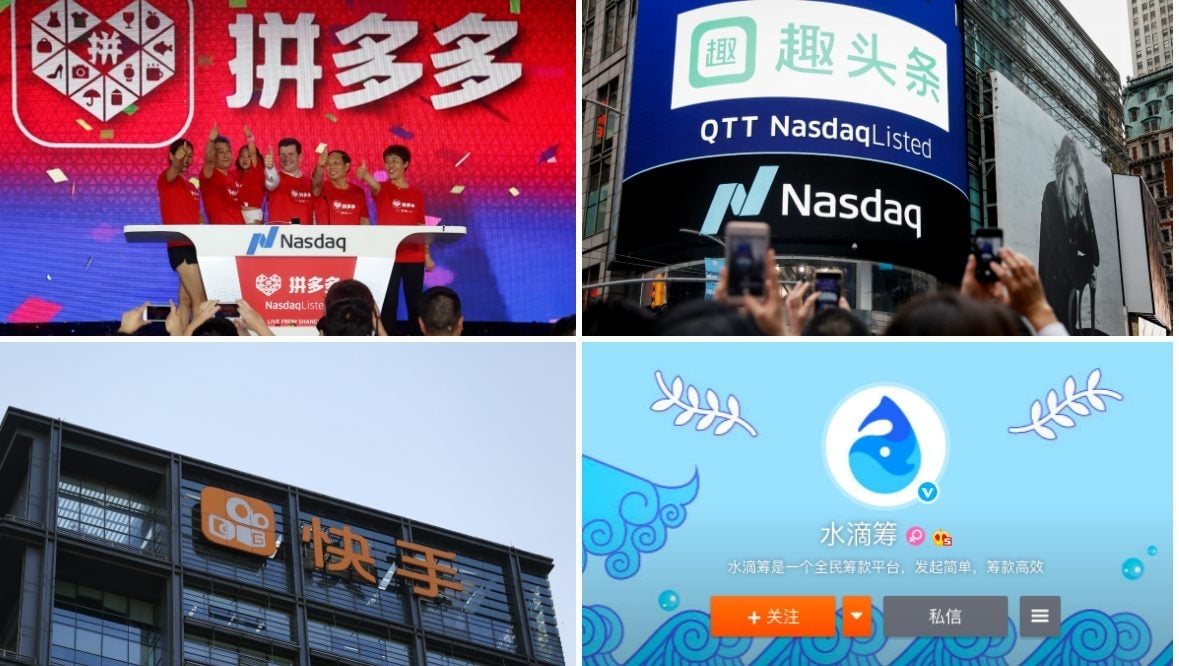
It takes less time than ever to create super apps in China—and the secret is focusing on the country’s smaller and less affluent cities.
China’s all-encompassing app Weixin has been looking beyond its homeland in recent years—but no one knows how fast its overseas version, WeChat, is growing. Now data from a consulting firm Questmobile and Tencent’s annual reports might give us an idea.
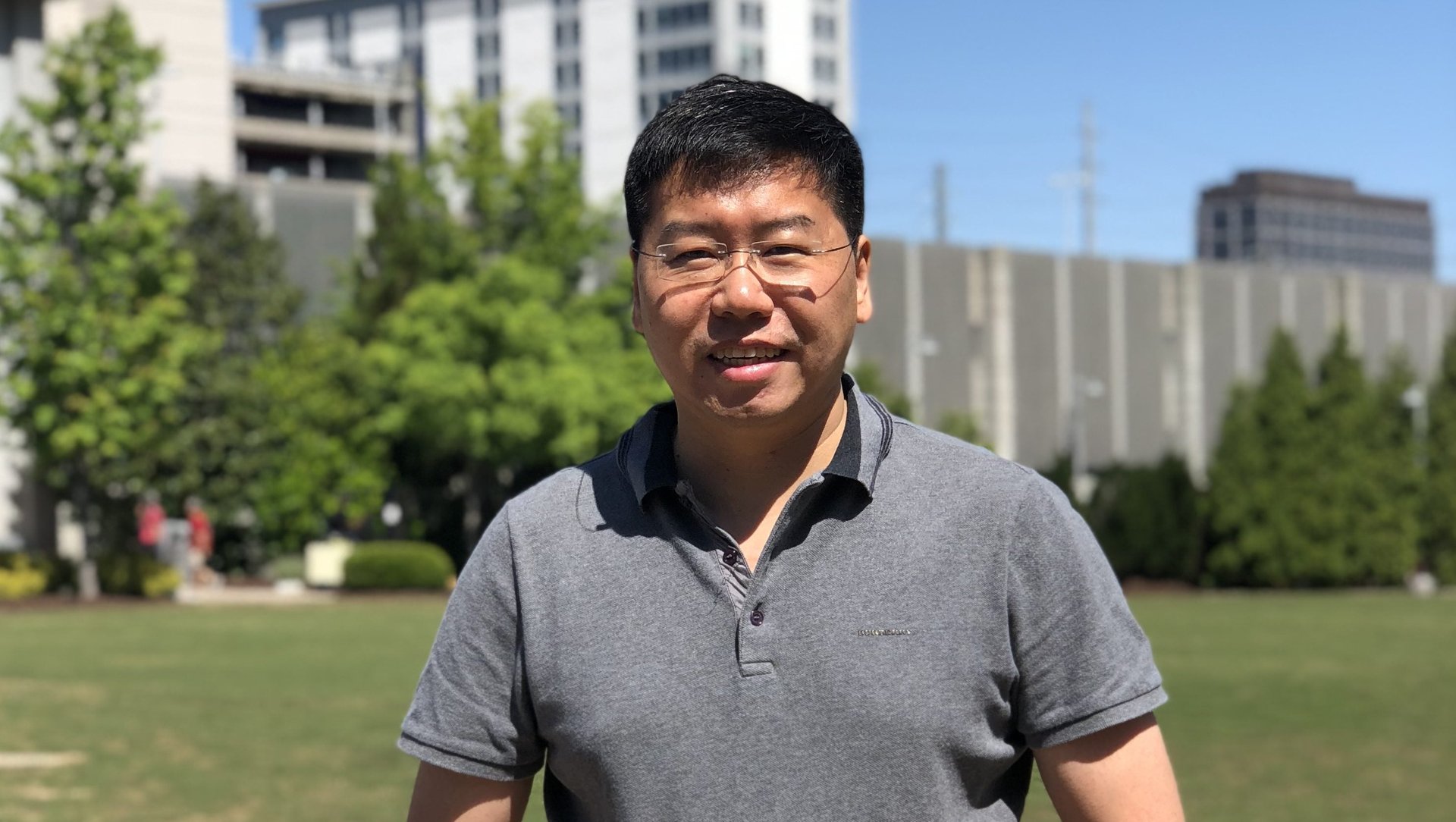
WeRide is one of the Chinese startups vying to roll out robo-taxis in China. Zhang Li, WeRide’s chief operating officer, joined the company in 2018. He shared his views on how important government regulation is to the burgeoning industry in an interview with Quartz at WeRide’s headquarters in Guangzhou.
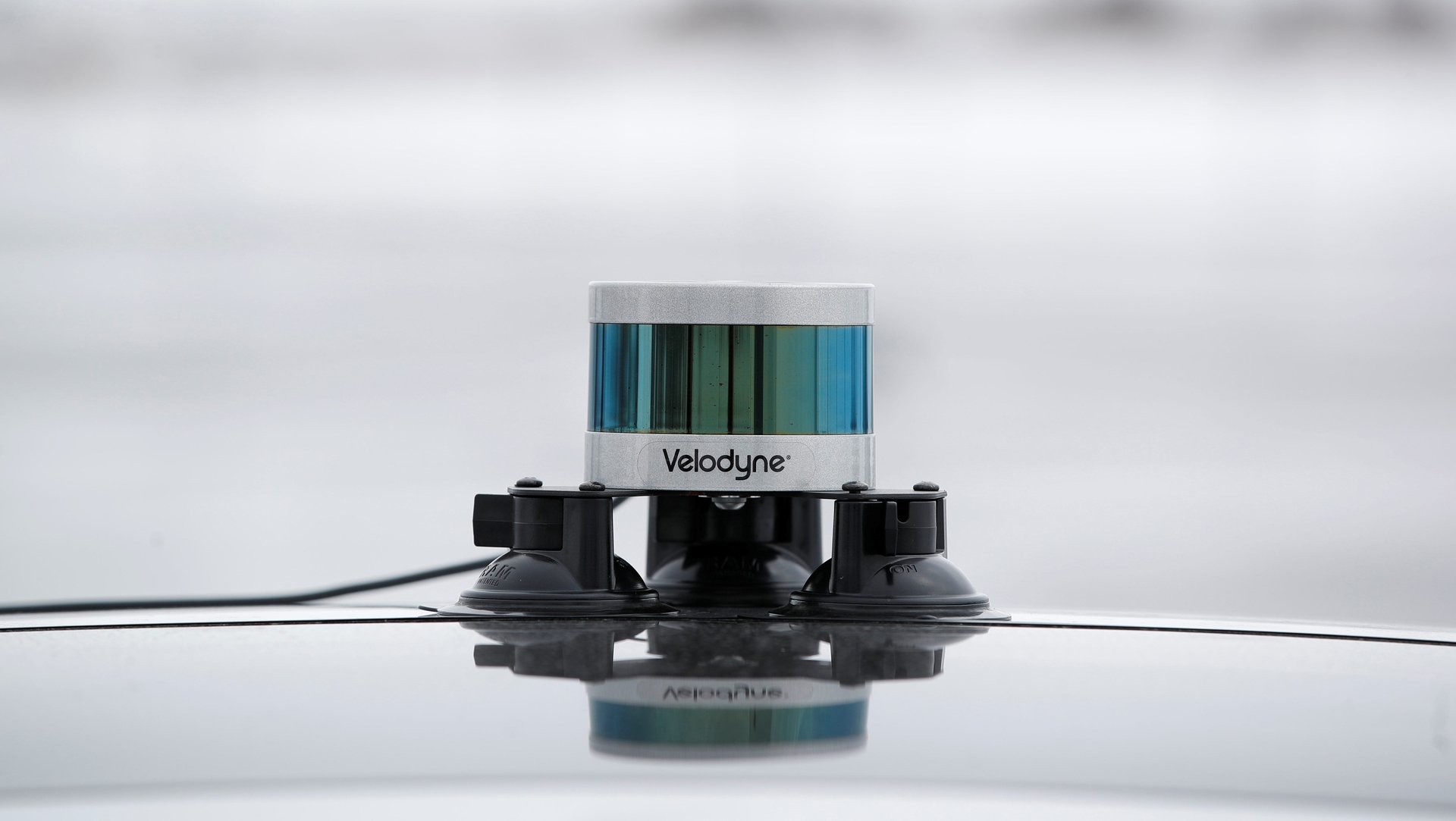
China’s vision of profiting from the driverless economy is being clouded by intellectual property debates, as two Chinese suppliers of a key self-driving technology are accused of stealing IP from a Silicon Valley company.