As pandemic panic mounts worldwide and more people globally are being told to stay home, one conservative American politician is taking a decidedly progressive position, proposing interim Universal Basic Income.

As pandemic panic mounts worldwide and more people globally are being told to stay home, one conservative American politician is taking a decidedly progressive position, proposing interim Universal Basic Income.

The US Supreme Court just announced it will postpone upcoming oral arguments due to coronavirus concerns. It’s the first such delay since the Spanish flu pandemic temporarily closed the tribunal in 1918.

The people of postmodernity love numbers. We trust them. Unlike words, digits aren’t slippery or tricky, or so we like to believe. Data will save us!

Last week, five Democratic senators sent disturbing missives to three Trump administration officials about secret forces transforming the US courts and about one very powerful American lawyer in particular, Leonard Leo.

Say you want to make a hotel reservation online. Where will you naturally go, following the internet’s flow? Probably, chances are good, it’ll be Booking.com. It’s a great domain name for a company that provides reservation services, after all. Obvious. Sensible.

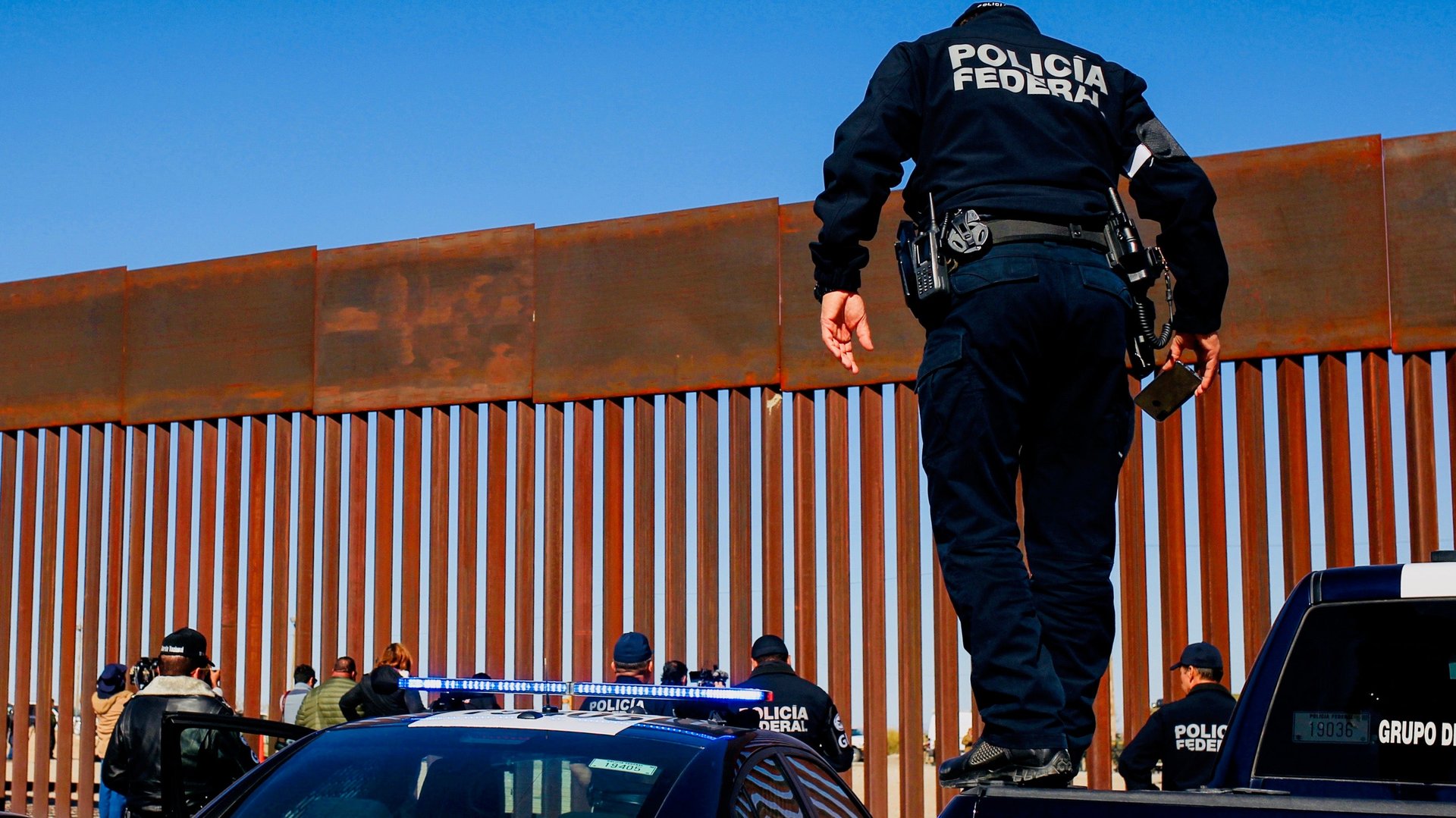
Update (March 11): The Supreme Court granted the Trump administration’s request to stay an earlier injunction, allowing the so-called “remain in Mexico” policy to continue in the Ninth District.

Momentarily put aside your positions on immigration policy, if you will, and consider this case of alleged algorithmic rigging. Whatever your feelings on people seeking legal status in the US, you may find cause for concern about humanity’s growing reliance on machines to determine liberty.

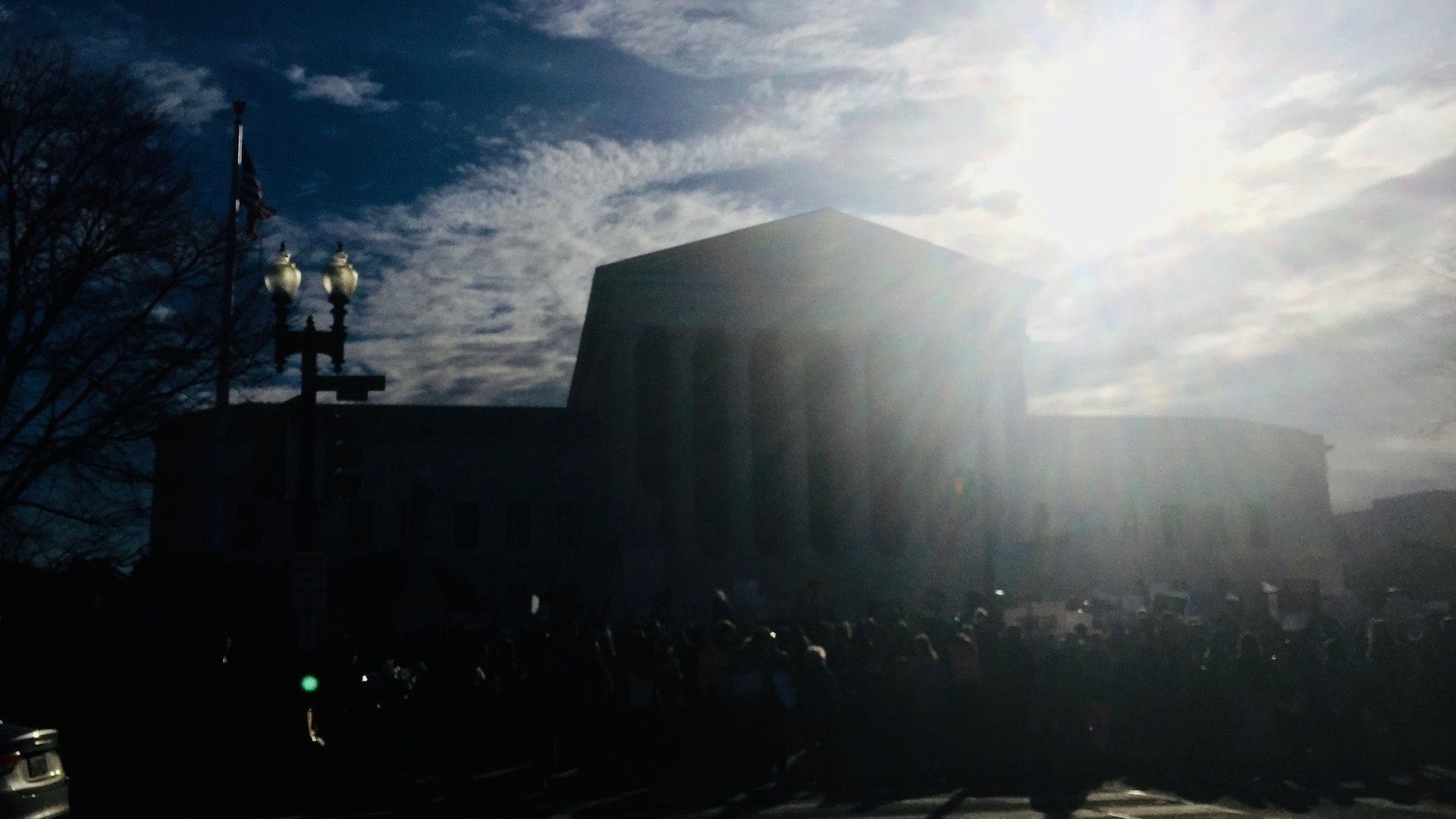
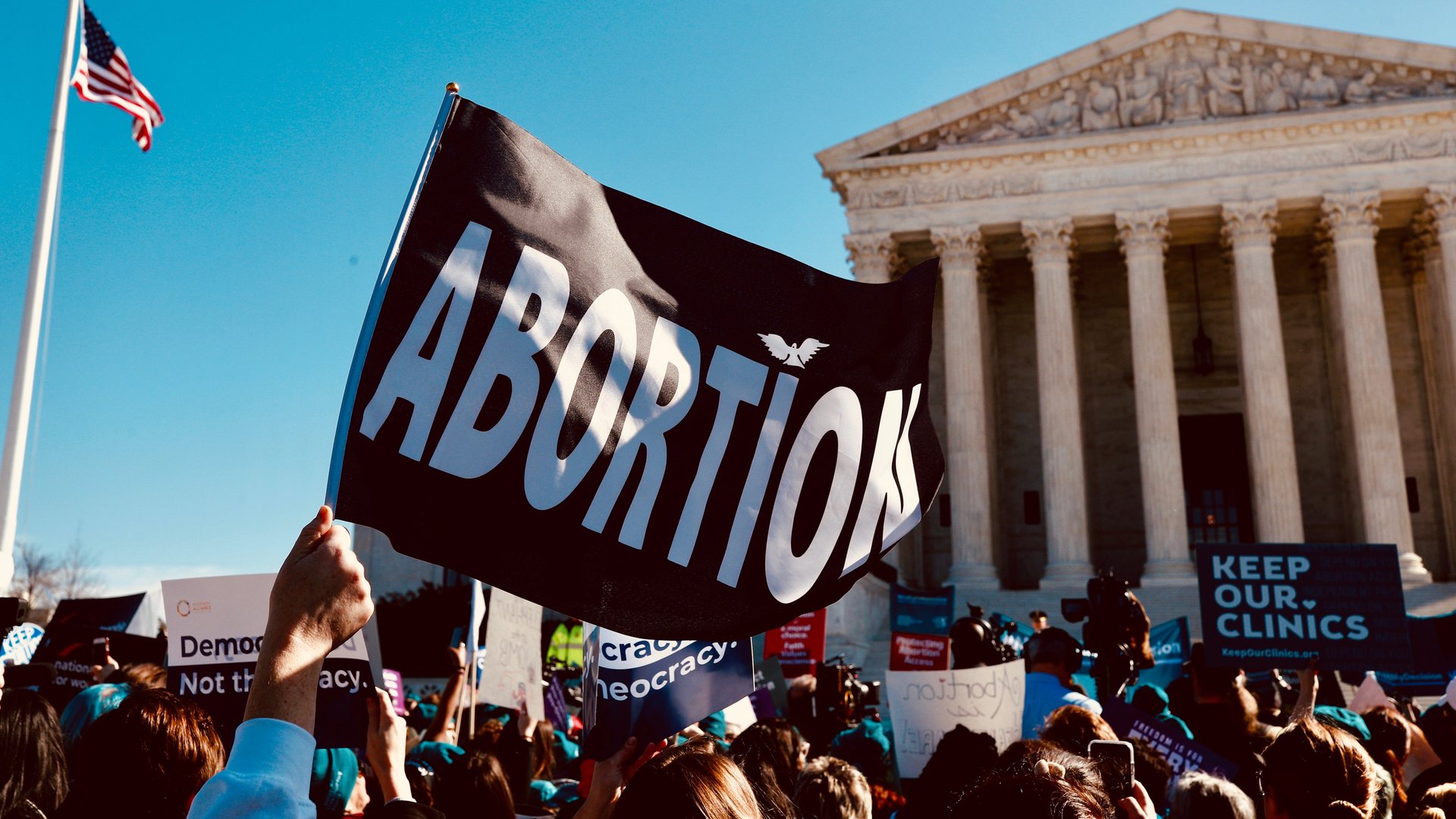
It’s a rare day when two of three attorneys at a US Supreme Court oral argument are women and a sea of chanting ladies is flooding the streets outside the courthouse. But today was one such occasion because, of course, abortion.

Brace yourself. This is a tale about a bold fraudster with creative legal arguments, a litigant with an unlimited capacity for audacity.

US Supreme Court justice Neil Gorsuch is a man of many moods.

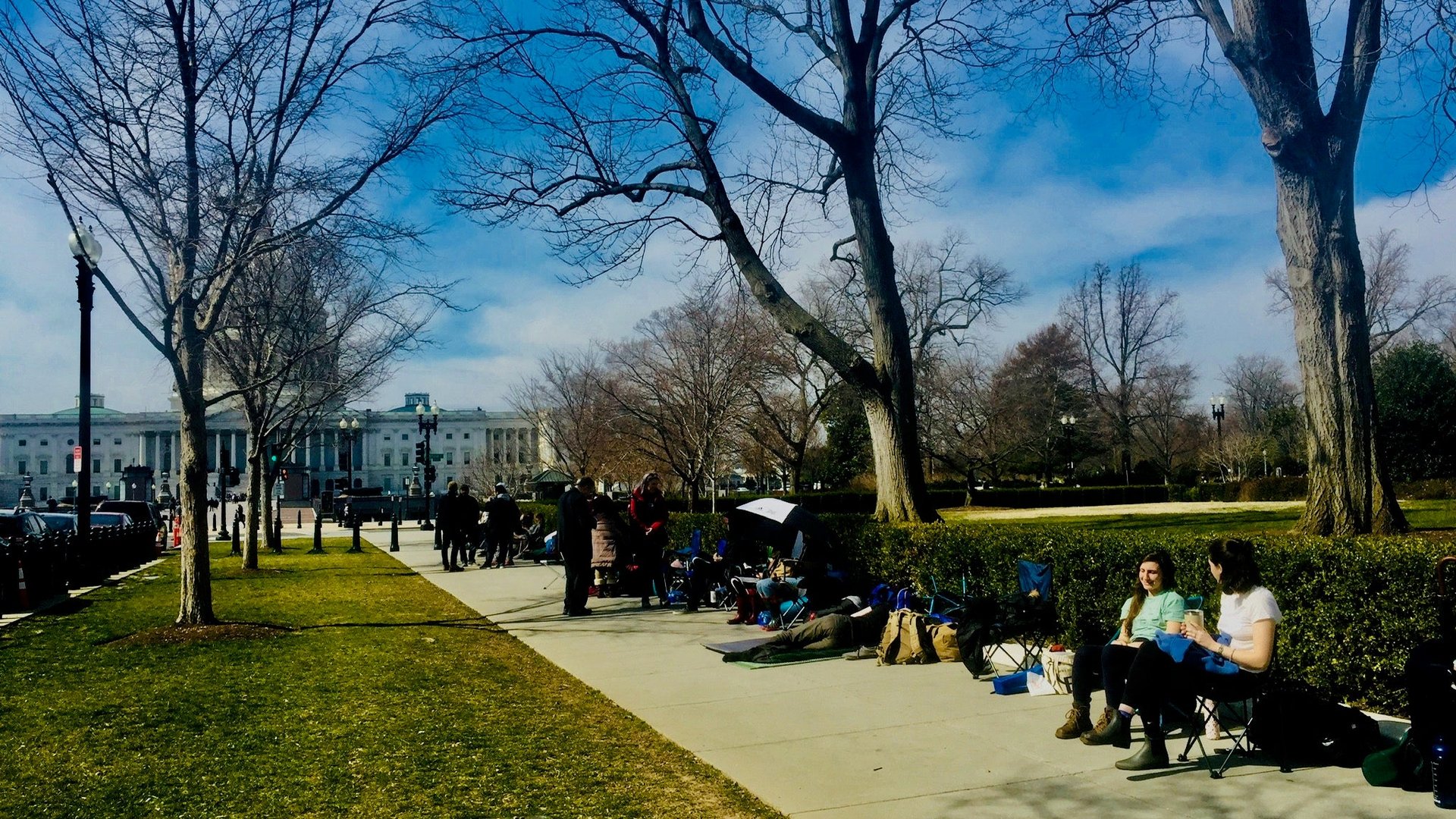
You don’t always need to camp for days on the sidewalk to grab a seat at a US Supreme Court hearing. But this week, this winter, is different.

Today, the US Supreme Court is hearing arguments about the self-harming Consumer Financial Protection Bureau (CFPB).

US president Donald Trump this week shocked law commentators by calling for certain progressive Supreme Court justices to recuse themselves from all Trump-related matters.

The US Supreme Court yesterday unanimously decided a case that pitted Intel against a former employee and turned out to be a win for workers, as well as for users of the English language who like to think they know what plain words mean.

The US Supreme Court unanimously affirmed on Tuesday lower court rulings that a kid at the center of an international custody dispute—ruled by the Hague Convention on the Civil Aspects of International Child Abduction—is rightly in Italy.

Today, the US Supreme Court decided a case about a US Border Patrol agent, a slain Mexican teenager, and his parents’ right to sue. It’s the second time the justices have reviewed the matter. Last time, it went better for the parents.

US Supreme Court justice Neil Gorsuch today delivered a statement on the bench’s unanimous decision in Rodriguez v. Federal Deposit Insurance Corporation (FDIC). It’s a strange case about what he calls “a curious corner of the law.”

We cannot all be giants of the law and culture like US Supreme Court justice Ruth Bader Ginsburg. But we can all follow her lead on how to be. Specifically, on how to remain intellectually spry despite the passage of time.

The line outside the US Supreme Court this morning was long and the crowd sportily dressed, with many prospective audience members in fleece vests under suits and all wearing sensible walking shoes. They came for arguments about a government license, a gas pipeline, and the Appalachian Trail, in a case that’s taken a surprising turn for the metaphysical.

Yesterday, the US Supreme Court granted the federal government’s emergency request to stay an injunction in an Illinois case about the “public charge” rule in immigration. The order came with no explanation from most—not those in favor or opposed—just a vote count and a a damning dissent (pdf) from justice Sonia Sotomayor.

The Second Circuit Court of Appeals issued an opinion this week the likes of which no American court has written before. It likely marks the start of a new kind of jurisprudence affirming the value of street art and confirms a dramatic cultural shift that began in the late 20th century.

It’s not every Supreme Court brief that goes off the beaten legal path, supplementing jurisprudence with humor and spicing up statutory interpretation with devastating wit. But the filing from environmentalists fighting the US Forest Service (USFS) over its grant of a license for a gas pipeline through the Appalachian Trail is one such gem.

In just two weeks, the US Supreme Court will hear arguments in a controversial abortion case that might give you an eerie feeling of deja vu because the issue isn’t new.

US attorney general Bill Barr isn’t getting much love of late.