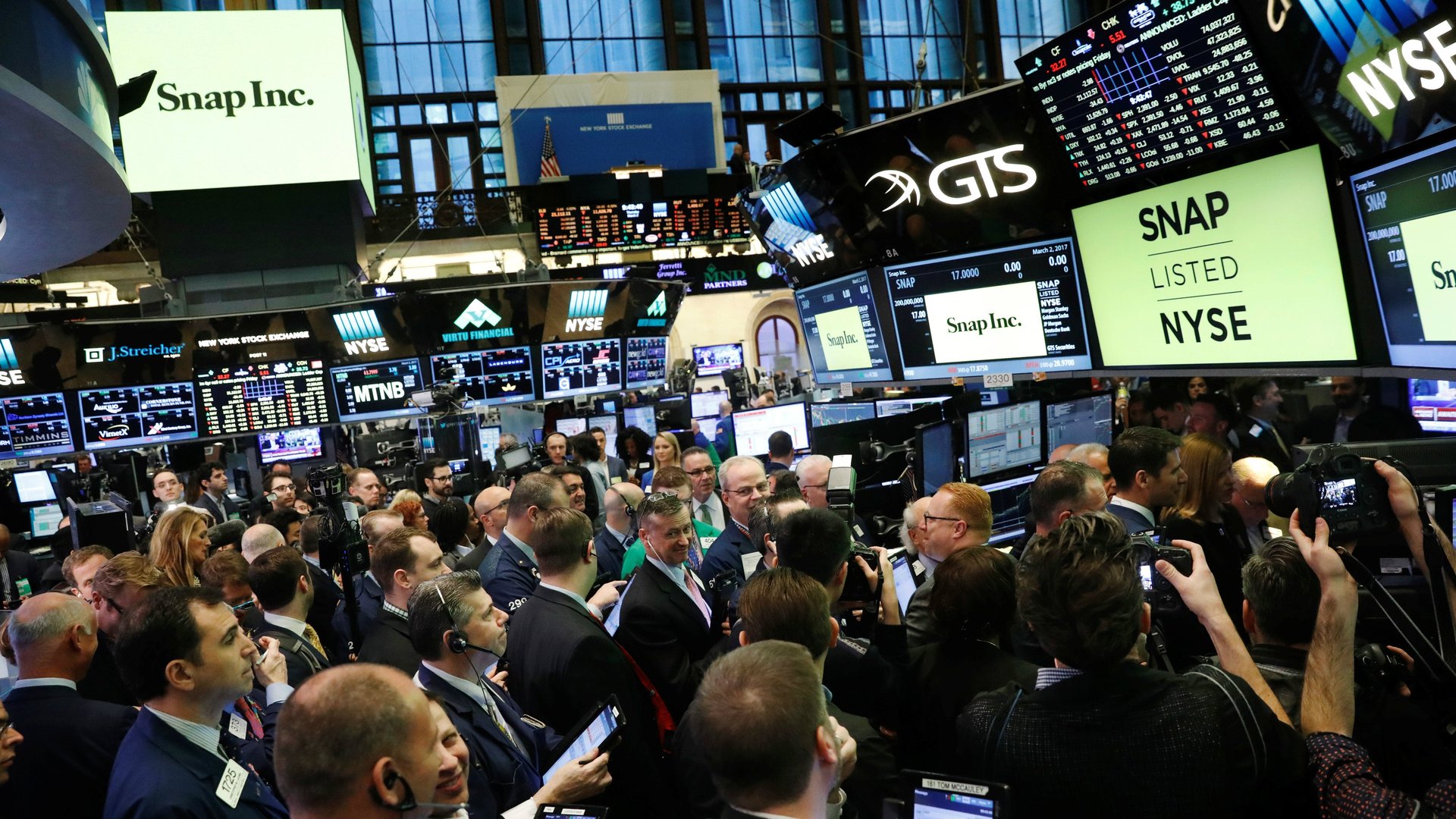
Just two months after going public with great fanfare, Snap reported a staggering quarterly loss of $2.2 billion in its first release as a listed company. The maker of Snapchat’s share price plummeted by more than 20%.

Just two months after going public with great fanfare, Snap reported a staggering quarterly loss of $2.2 billion in its first release as a listed company. The maker of Snapchat’s share price plummeted by more than 20%.

Three years of euro-bashing may be finally coming to an end. For the first time since mid-2014, the balance of traders think the euro will rise in value, instead of fall.

For two centuries, there has been a power struggle over which force should drive economies—governments or free markets.

For one night only, Europeans can put Brexit, creeping nationalism, and the euro zone’s economic woes behind them to “celebrate diversity,” as the official slogan for this year’s Eurovision Song Contest in Kyiv calls for.

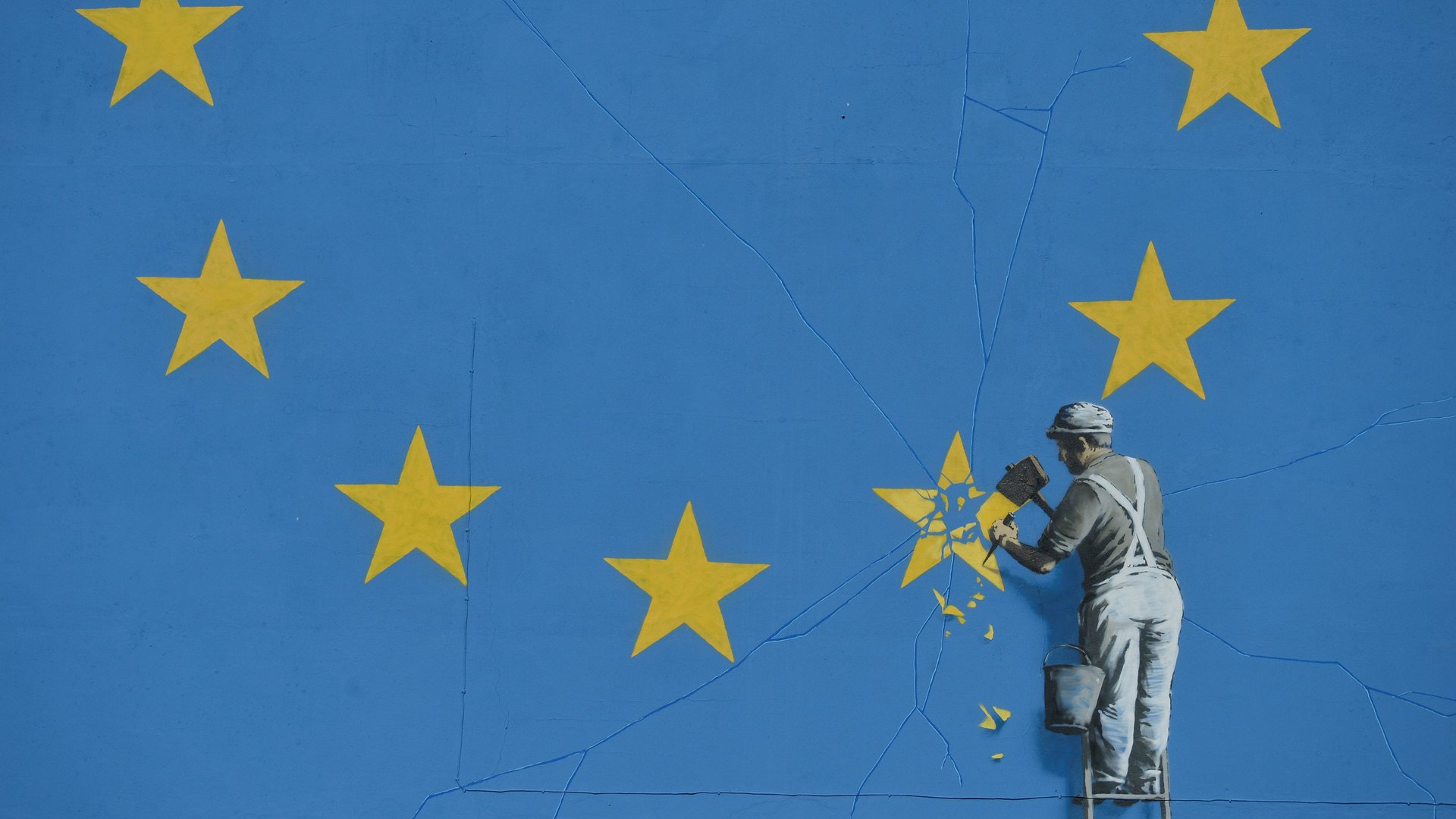
Well this is awkward. Just as things are starting to look up for the European Union, things are starting to go downhill for the UK, which is in the process of divorcing the bloc.

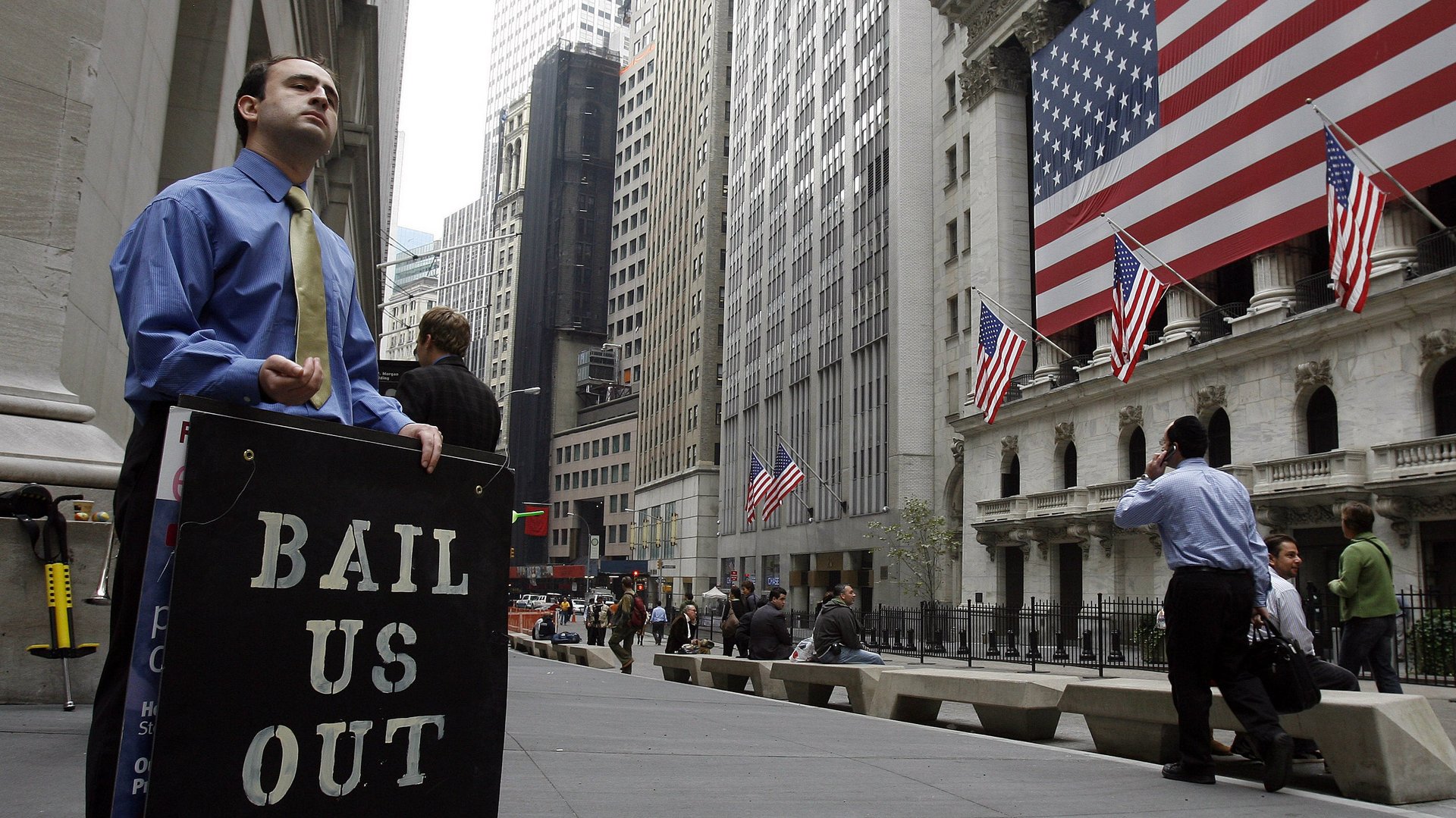
Since 2009, central banks and governments around the world have been in overdrive trying to prevent another financial crisis. Hundreds of pages of extra legislation, new supervisory boards, stricter capital requirements and other regulations have been imposed on the banking industry to make sure they can’t bring down the global economy again.

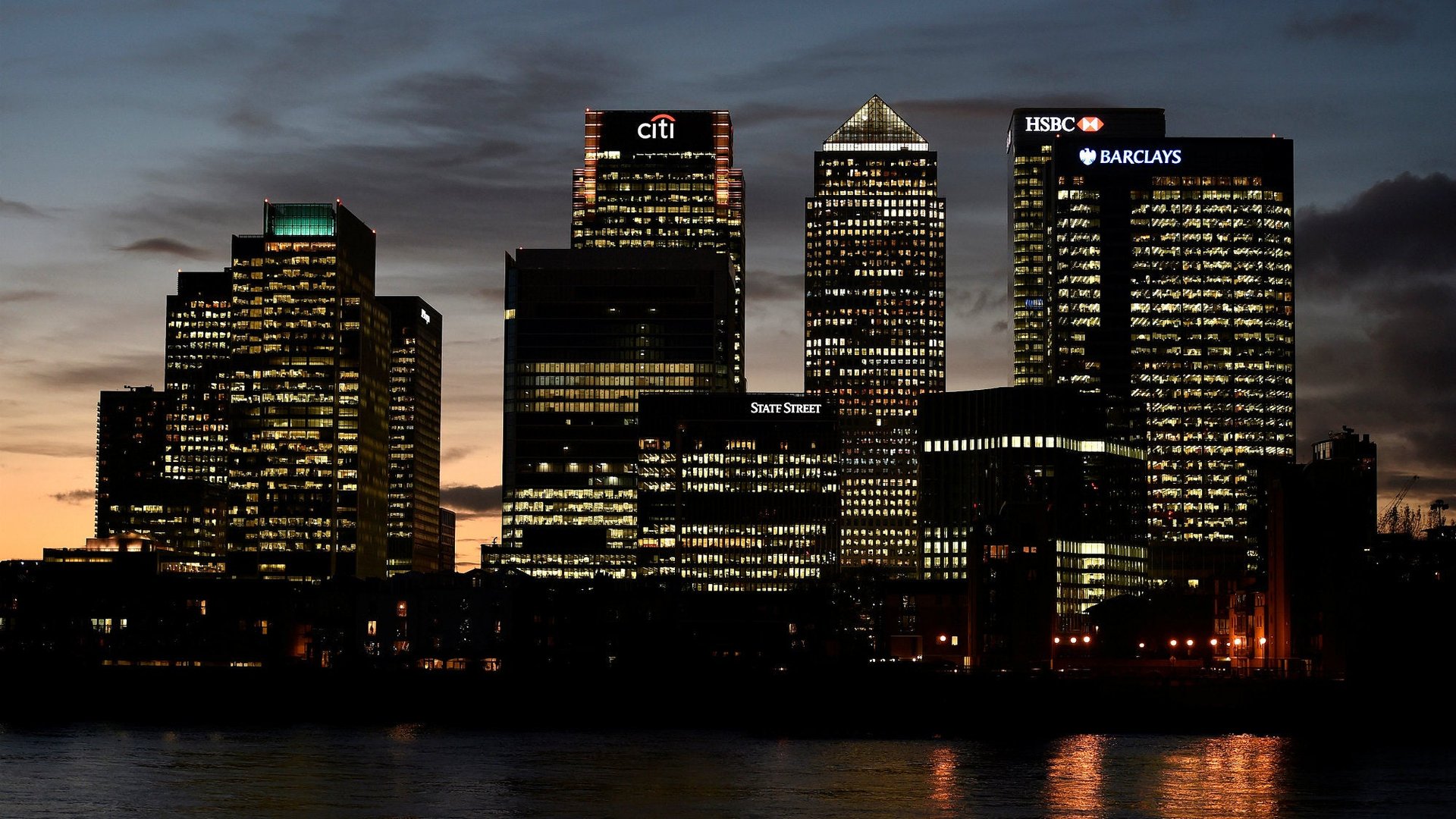
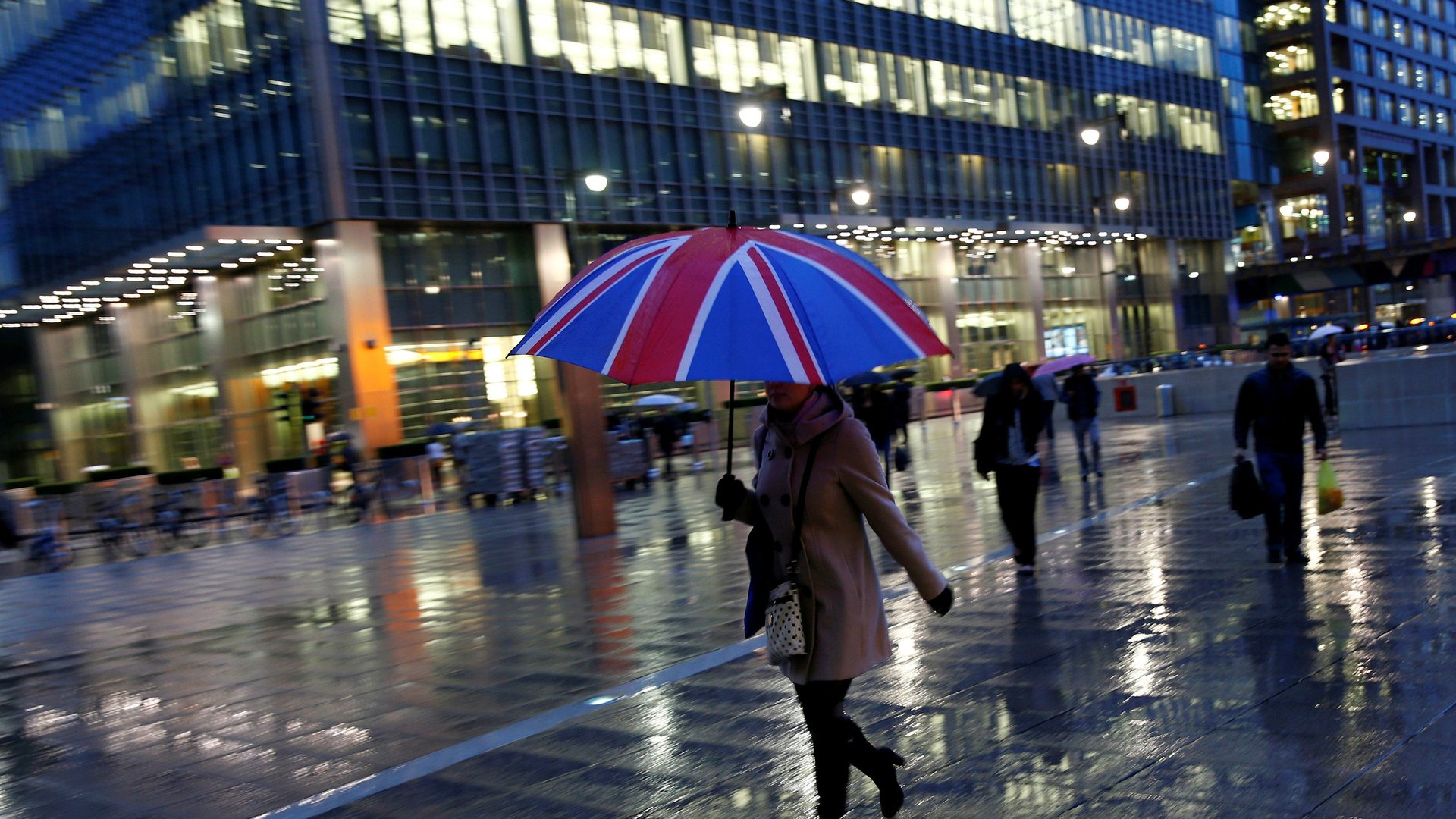
Nearly a year after the Brexit vote, the UK economy is doing better than expected. The economic calamity that some feared never came to pass. Phew!

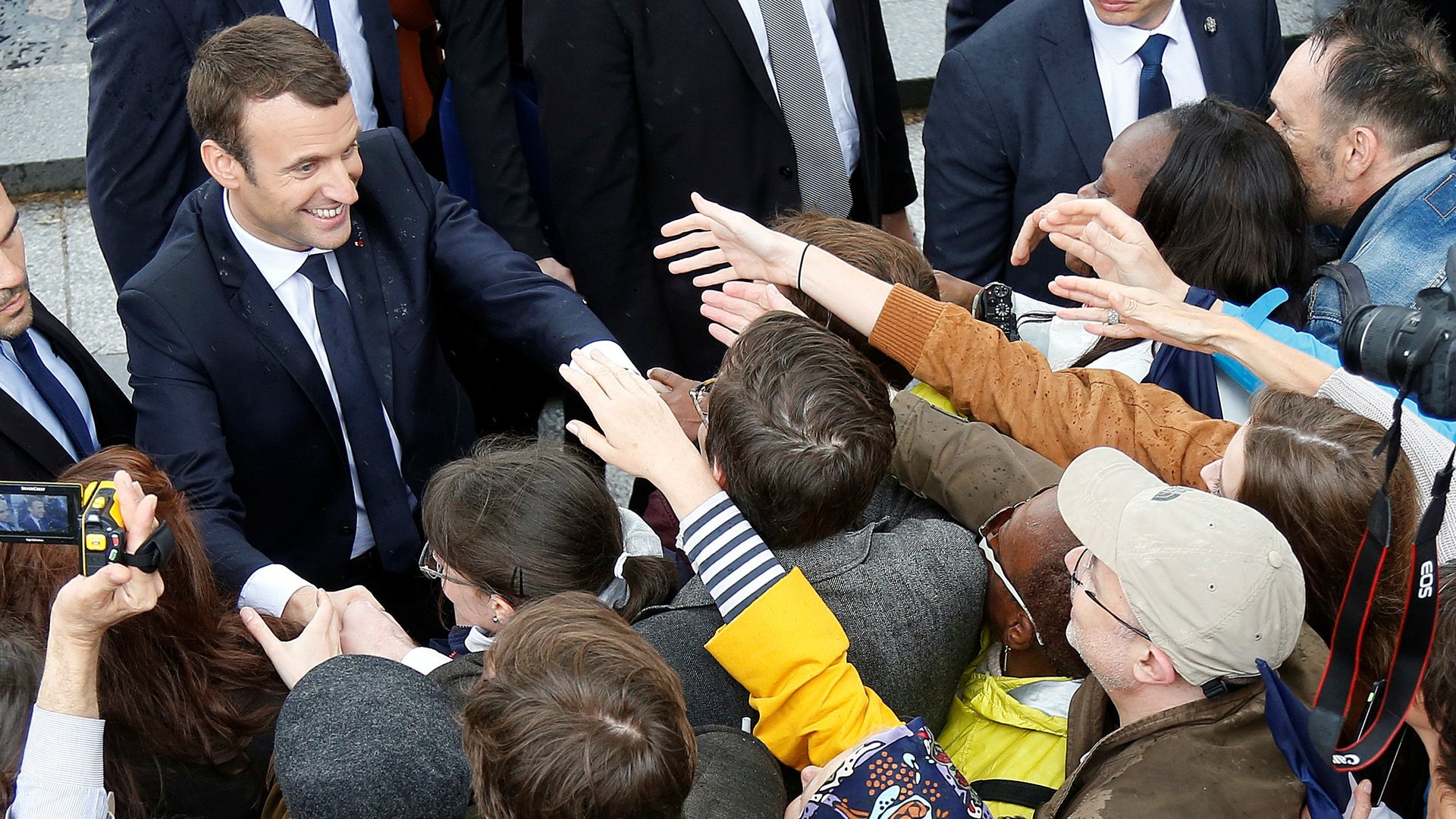
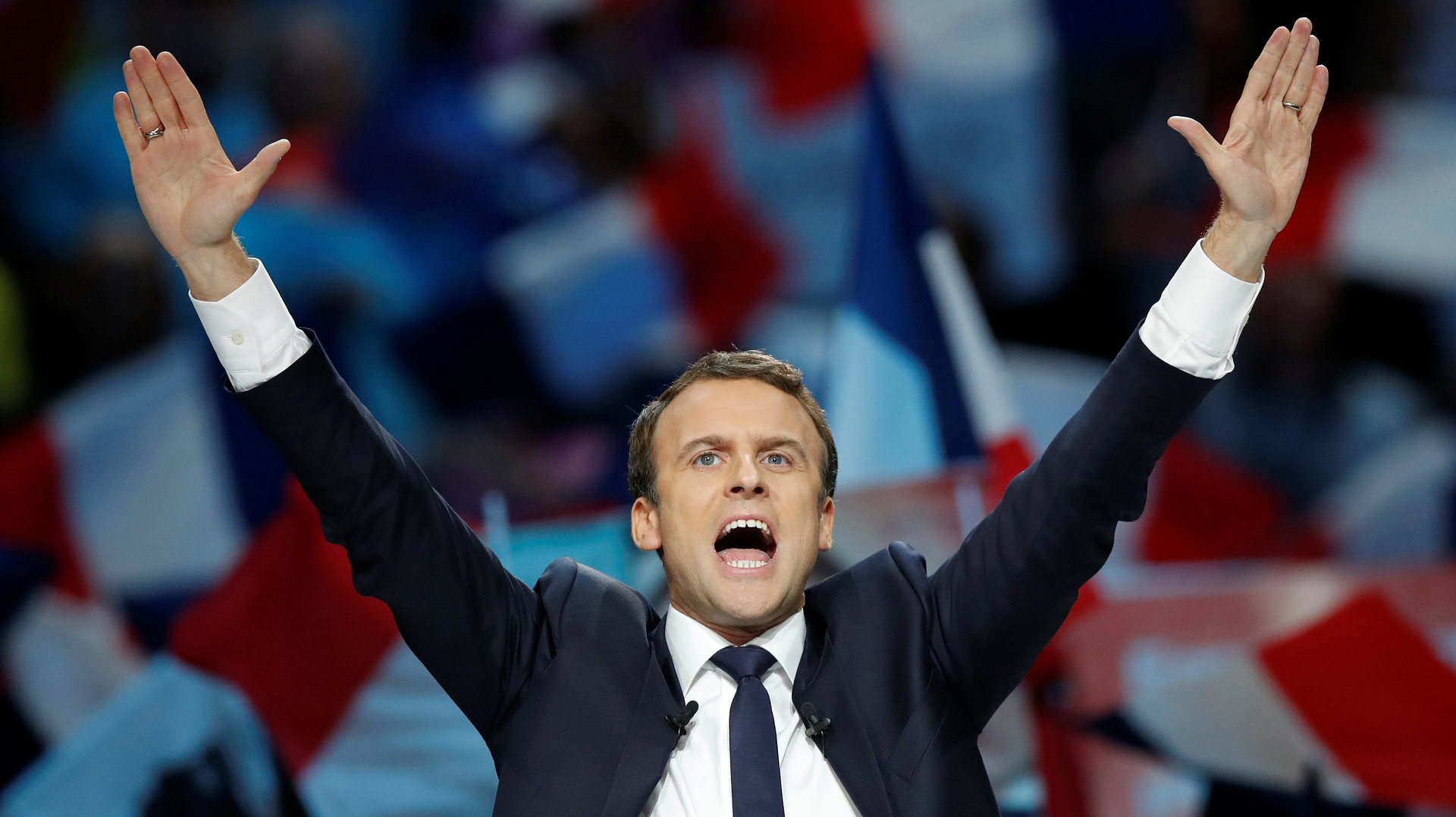
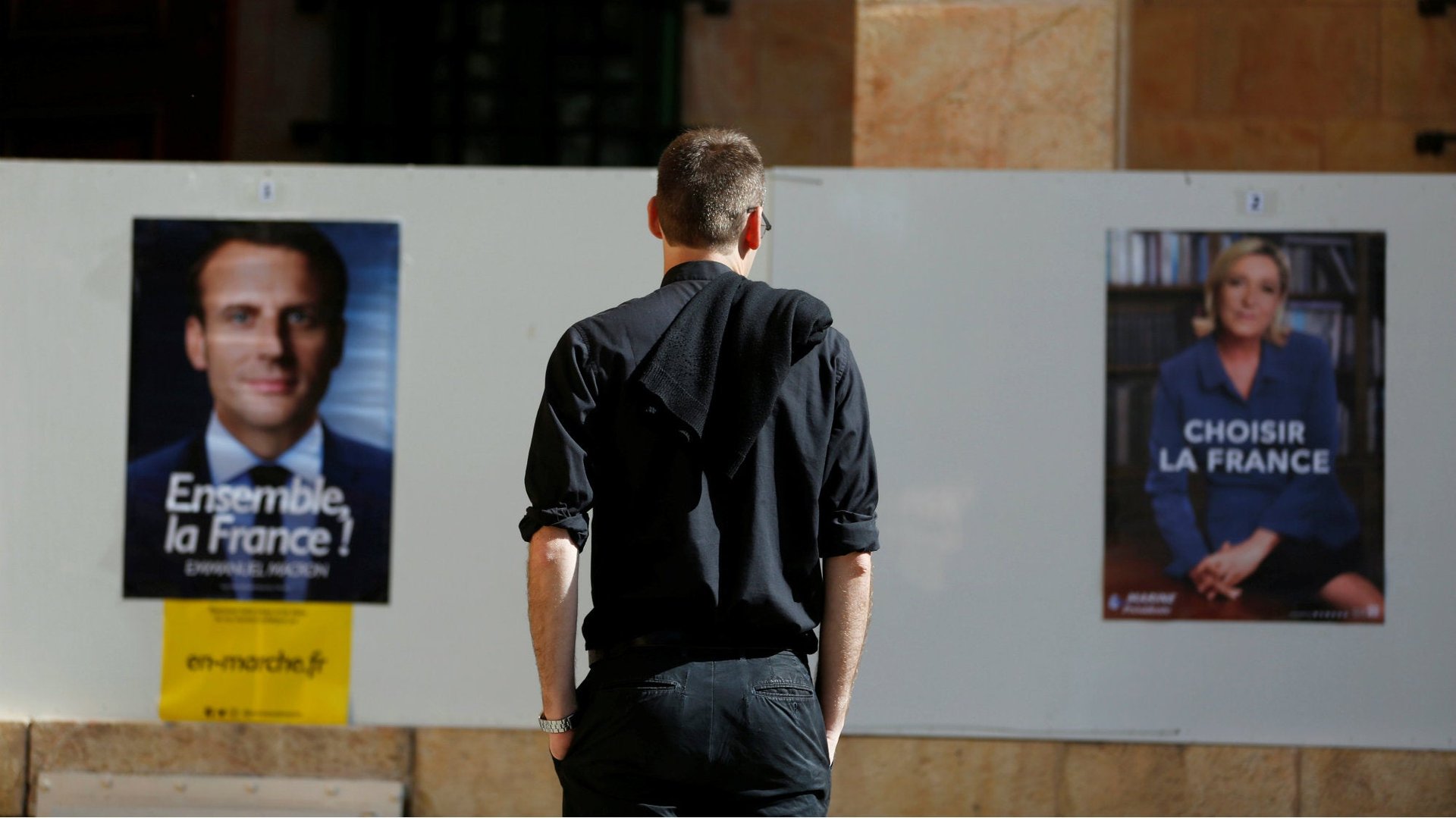
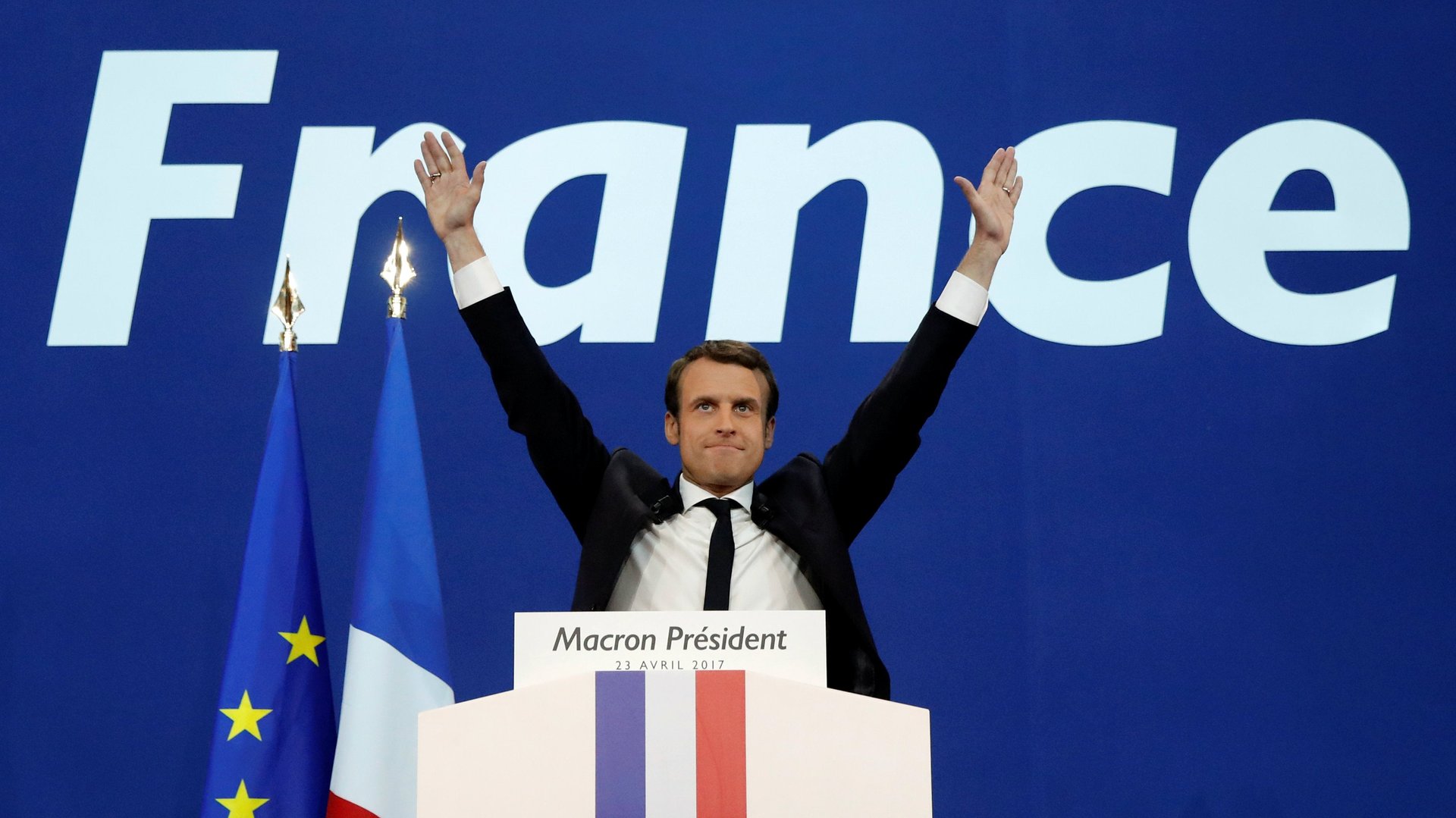
You can trust the pollsters again. Emmanuel Macron has been elected president of France, defeating far-right candidate Marine Le Pen, with 65% of the vote, as predicted. The 39-year-old upstart centrist, who champions globalization, social justice, and France’s role in the EU, fended off Le Pen’s calls to pull France out of the euro and ban dual citizenship.

All hail Emmanuel Macron, the youngest ever French president-elect, head of a daring progressive movement that’s sweeping his troubled nation. Or is it?

Britain’s decision to exit the European Union was a ”leap into the dark,” according to the UK’s prime minister at the time. House prices would crash, the economy would stall, and the Brits would all be worse off. But for the UK’s richest at least, Brexit was a leap into a pot of gold.

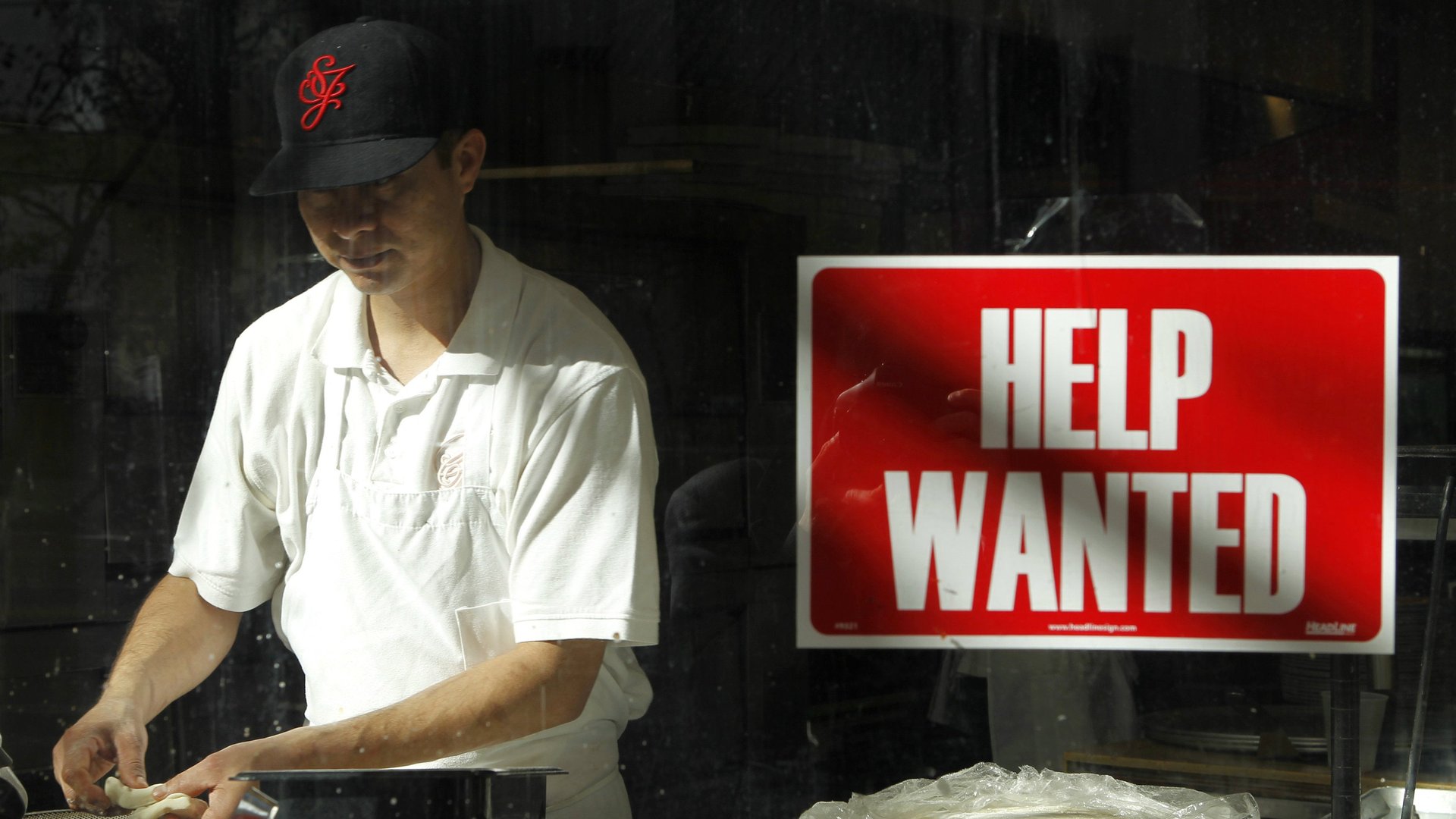
Spring has sprung for the US labor market.

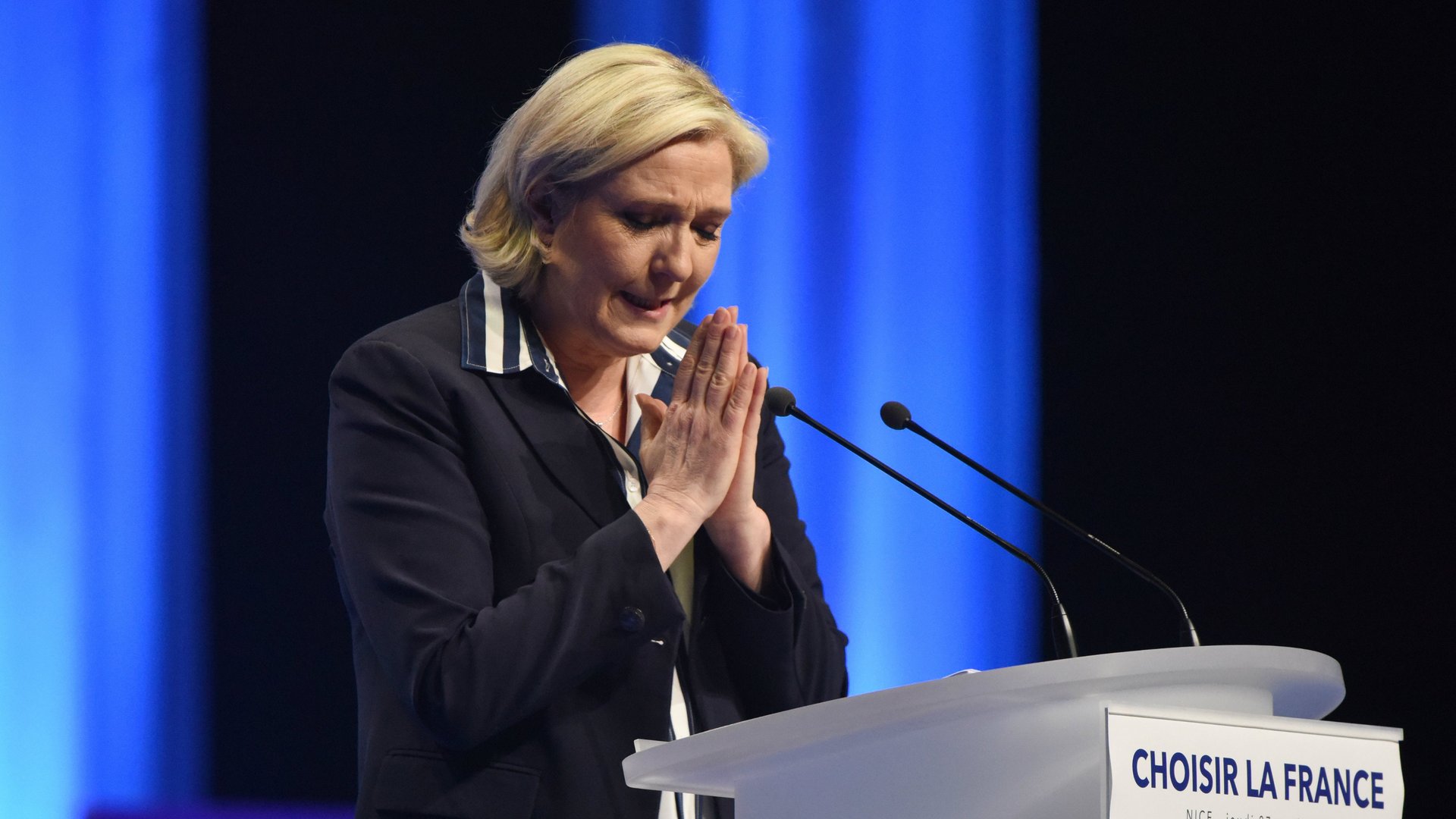
If you read certain British tabloids or American op-eds, you may think that Marine Le Pen is poised for a shocking upset victory in this weekend’s French presidential election. Le Pen is often considered the third stage in the march of right-wing populism, along with Brexit and Donald Trump. She, too, is the underdog. Her triumph against the odds on May 7 would represent yet another denunciation of polls and pundits.

In the race for economic bragging rights among G7 countries, most are off to a slow start this year.

The financial markets have an unlikely new hero. In recent months, the best way to make a serious amount of money in a short amount of time has been to buy cobalt. The price per ton of the metal has soared by almost 70% already this year, driven by a near-insatiable demand for rechargeable batteries and the growing popularity of electric cars.

It’s a good day to be a banker. Yesterday, Emmanuel Macron won the first round of France’s presidential election and is a strong favorite to defeat far-right populist Marine Le Pen in the second round in two weeks. Macron, a 39-year-old centrist, may never have held elected office before, but boasts experience that makes the financial industry swoon: a four-year stint at investment bank Rothschild.

For a long time, investors have considered the biggest risk to the status quo in France’s presidential election to be far-right candidate Marine Le Pen. Now, just days before the first round of voting, a late surge in support for Jean-Luc Mélenchon has surfaced an unexpected new threat: the far left.

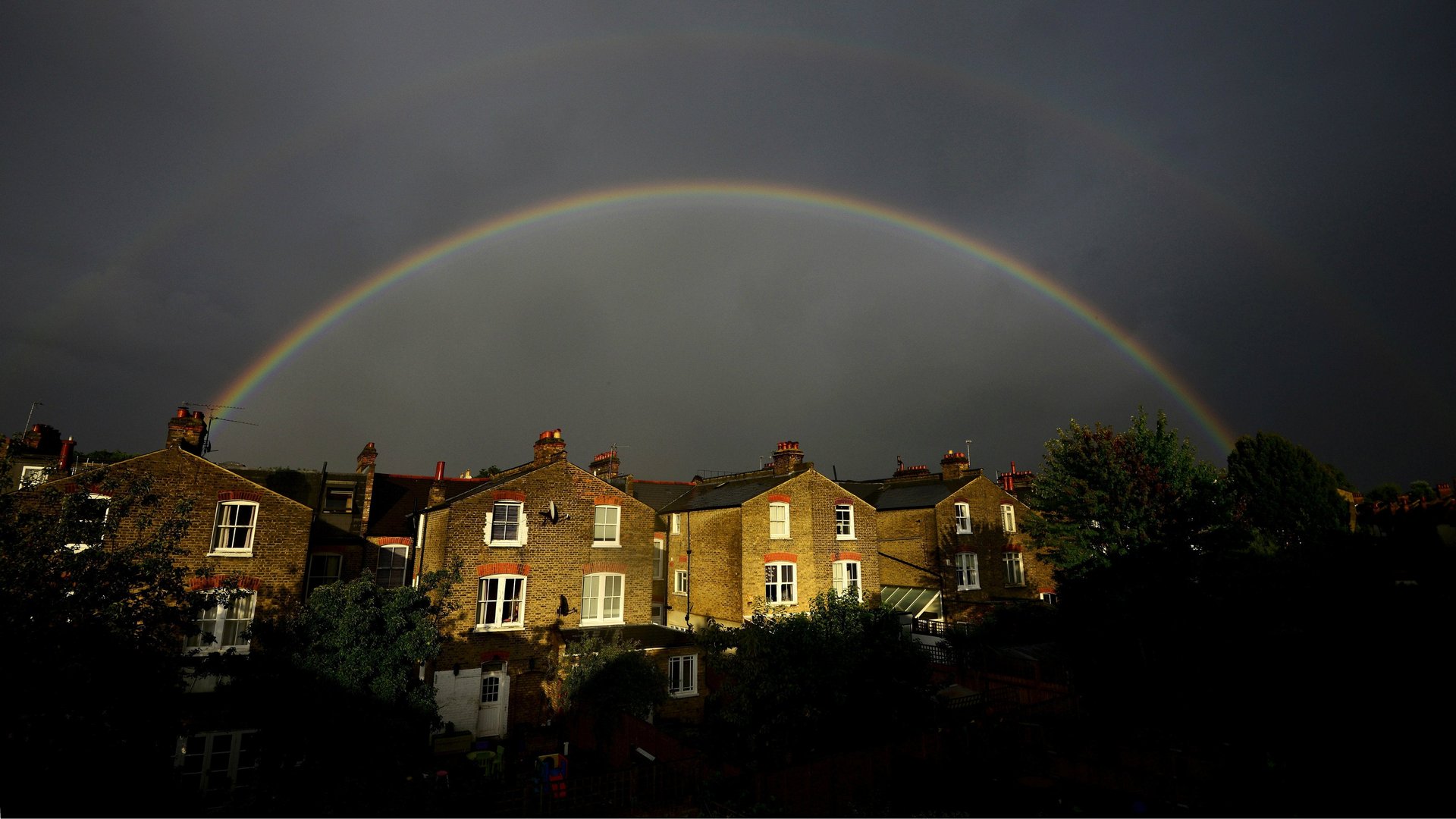
At last! There is a respite from the days of runaway property prices in London. For years, the British capital recorded double-digit annual growth in house prices, detached from the trend in the rest of the UK (and reality, first-time buyers mutter).

At first, the latest US jobs report looks bad.

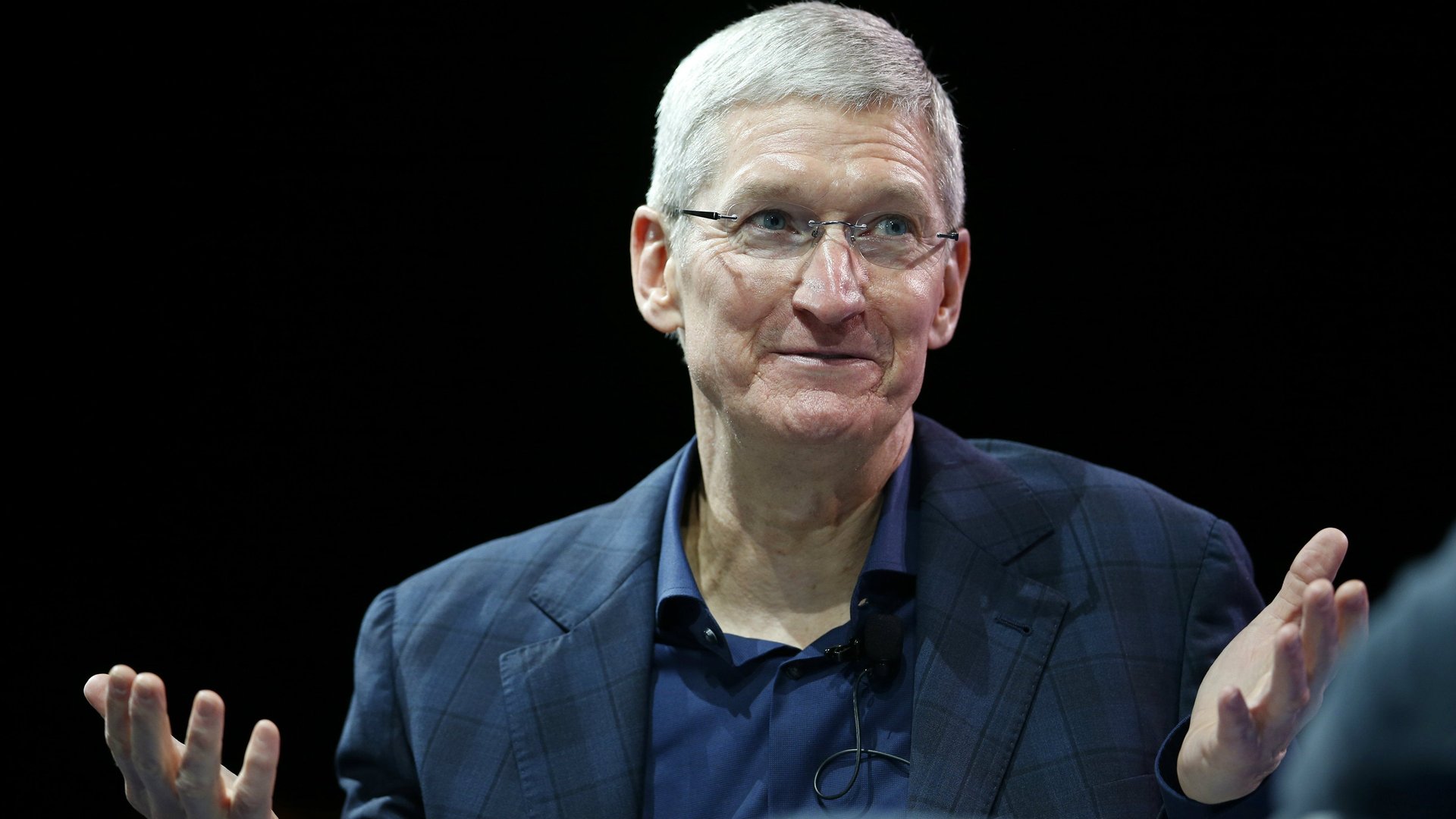
For a company worth $750 billion, it’s not such a big deal to terminate a $76 million annual contract. But for the supplier losing that contract, it could be a different story. Just ask Imagination Technologies. Today, the microchip designer is paying the price for putting all its eggs in one basket. Or, in this case, apples.

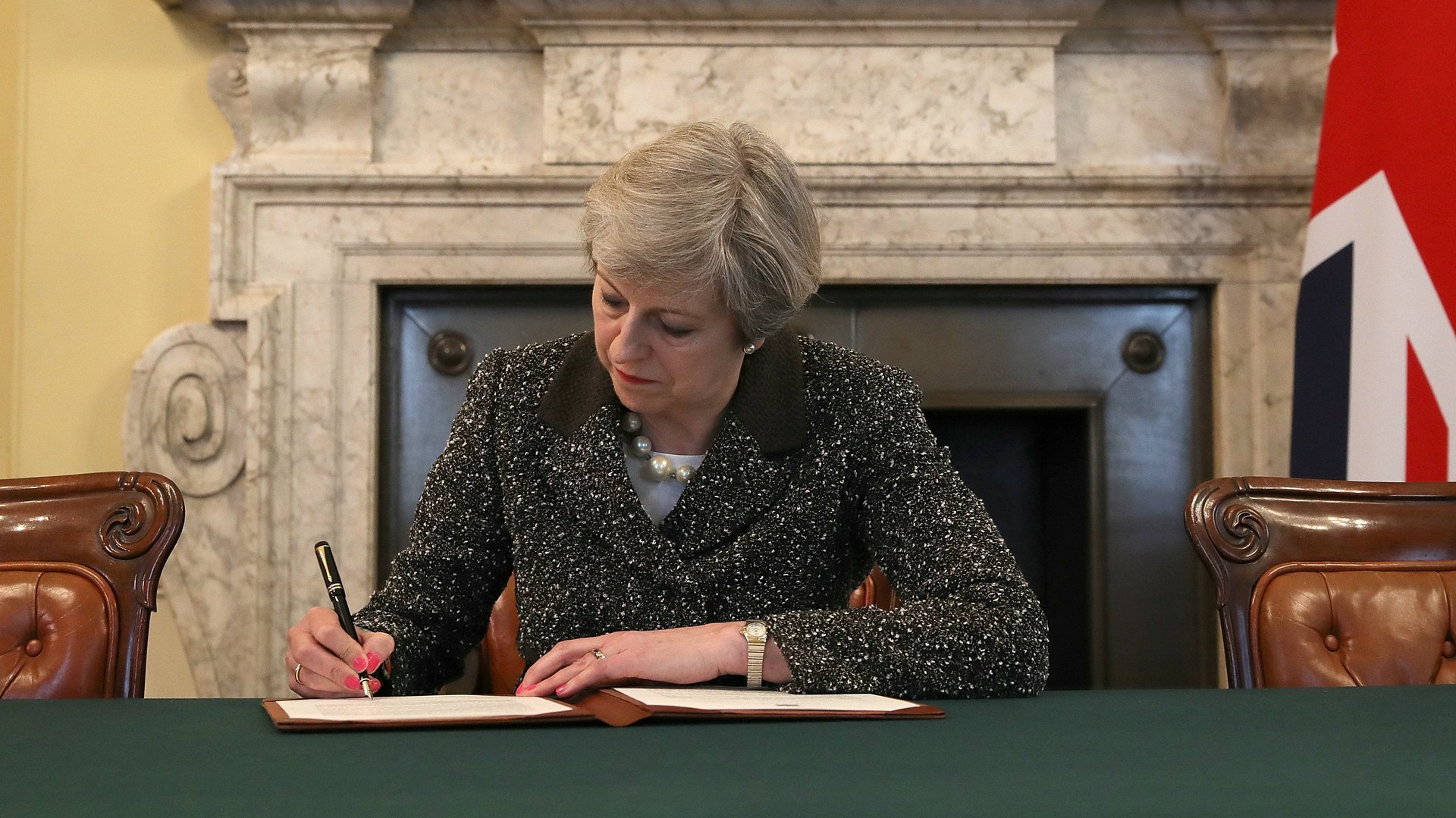
It’s official: The UK has, finally, started the process of leaving the European Union. British prime minister Theresa May signed a letter in London and sent it to the European Council in Brussels for delivery today, formally invoking Article 50 of the Lisbon Treaty.

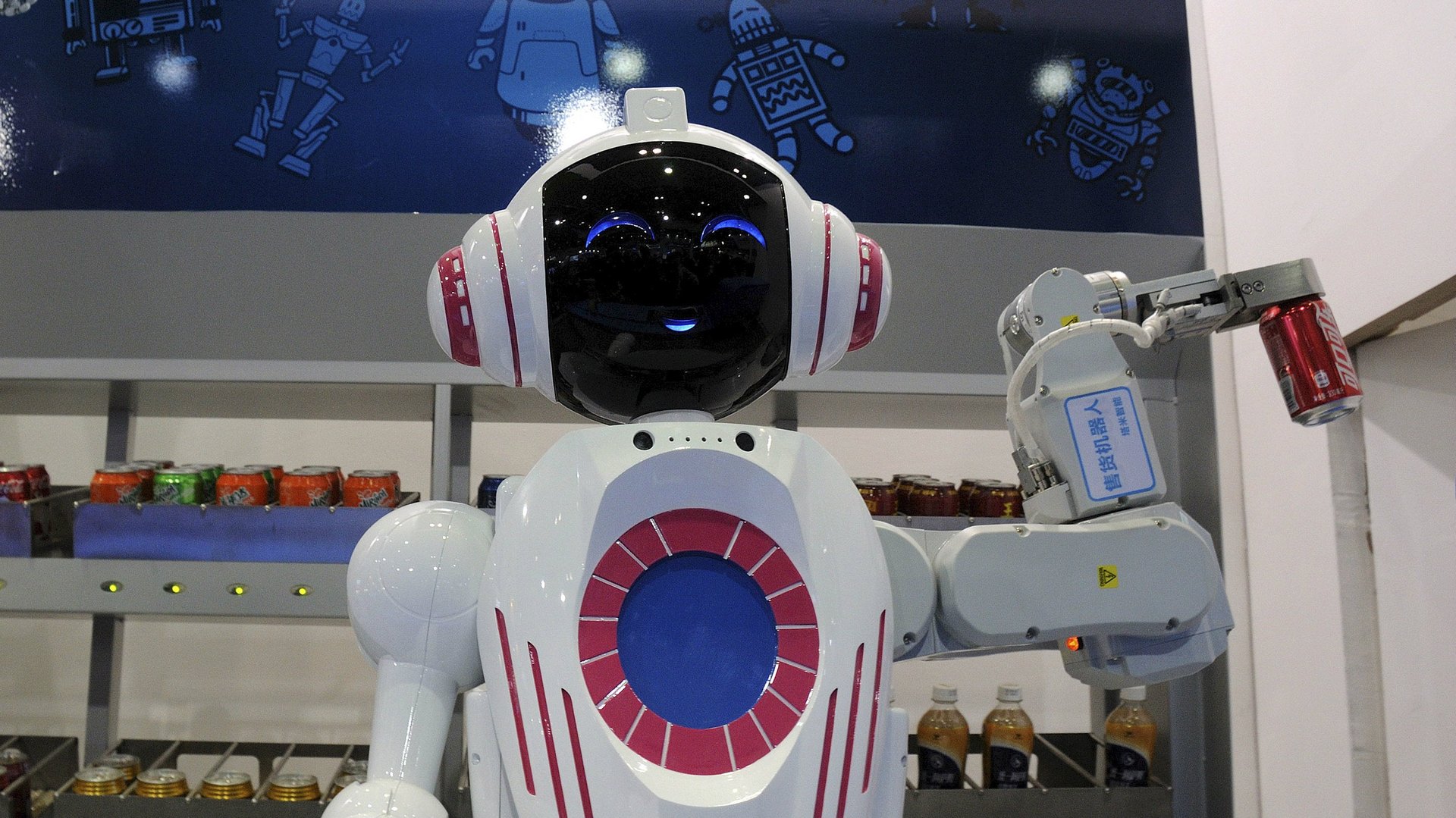
You’ve been warned before—robots are coming for your job. The speed of technological advancement, particularly in smart automation, has sprung countless economic studies and political warnings about how many people are likely to lose their jobs to this rise of the machines. But it’s not an easy number to peg down; estimates range from 5% to 50%.

Updated at 10am on March 24 in London

Updated at 8am on March 23 in London.

British workers’ wallets are getting lighter, thanks to inflation.