Facebook is so popular in the US that its in-app browser is now the third-largest mobile browser in the country, following Safari and Chrome, according to a study from analytics firm Mixpanel.

Facebook is so popular in the US that its in-app browser is now the third-largest mobile browser in the country, following Safari and Chrome, according to a study from analytics firm Mixpanel.

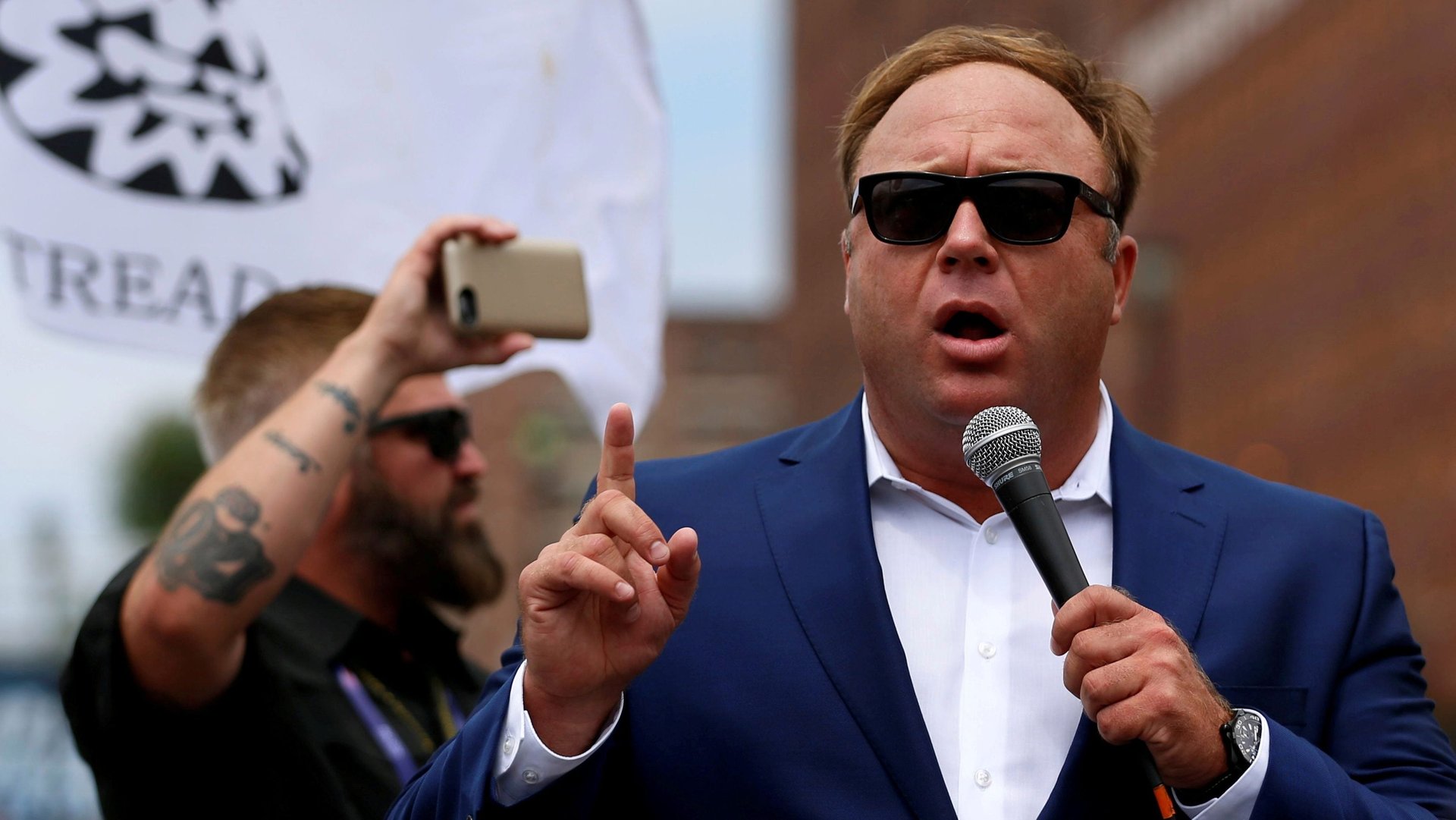
After weeks of controversy surrounding the presence of Alex Jones and his conspiracy website InfoWars on major online platforms, Apple was the first major tech company to pull the trigger on the site’s controversial content. On Sunday, it took down five of six InfoWars podcasts from its iTunes and Podcast apps. Other tech companies, including Facebook and YouTube, followed suit with bans, citing their policies against hate speech.

Facebook would like to peek into your bank account.

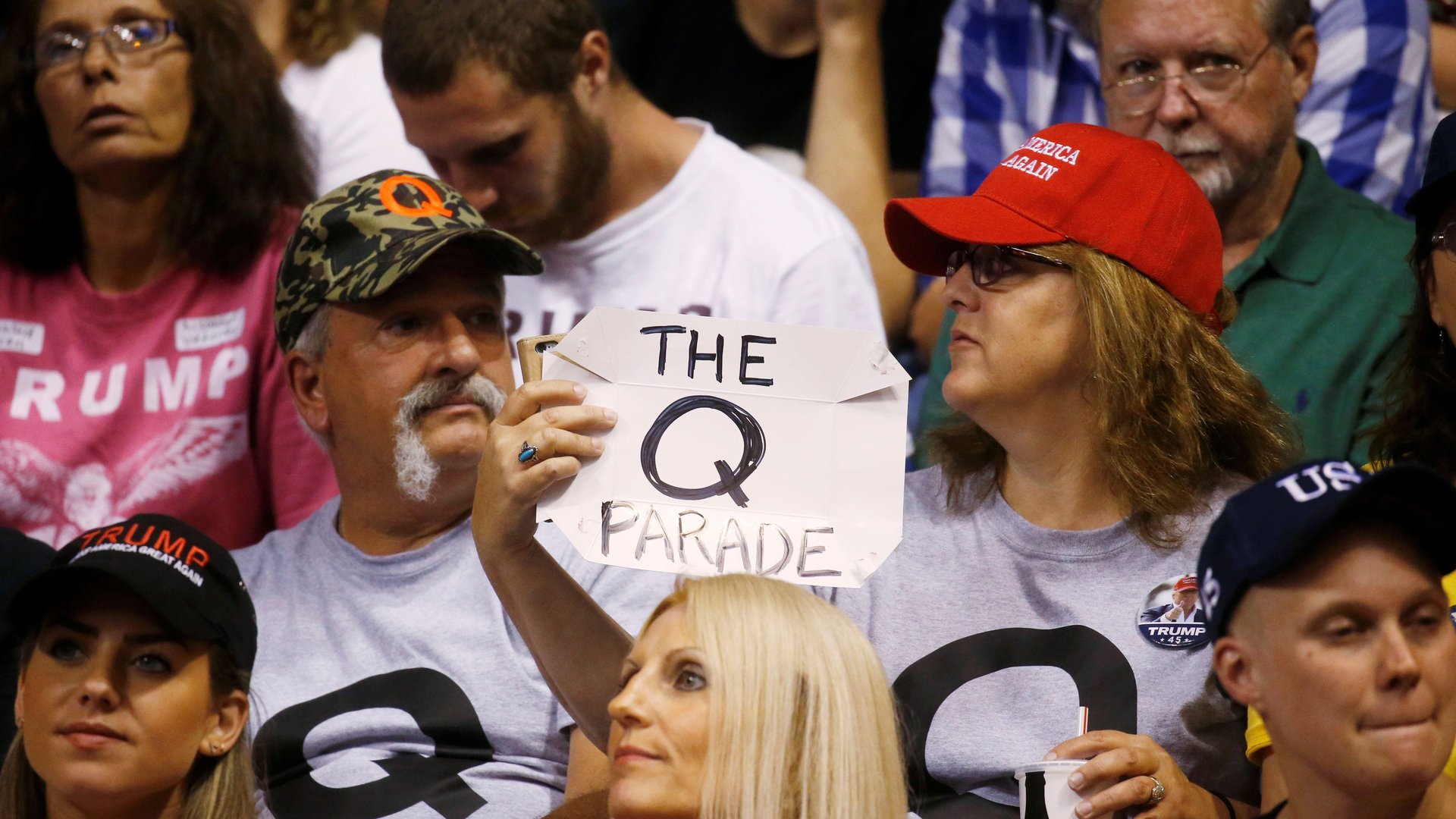
Last week, a notorious conspiracy theory left the dark confines of the internet and entered the real world, appearing as T-shirts and signs in front of TV cameras at a Donald Trump rally. “What is QAnon?” multiple headlines blared.

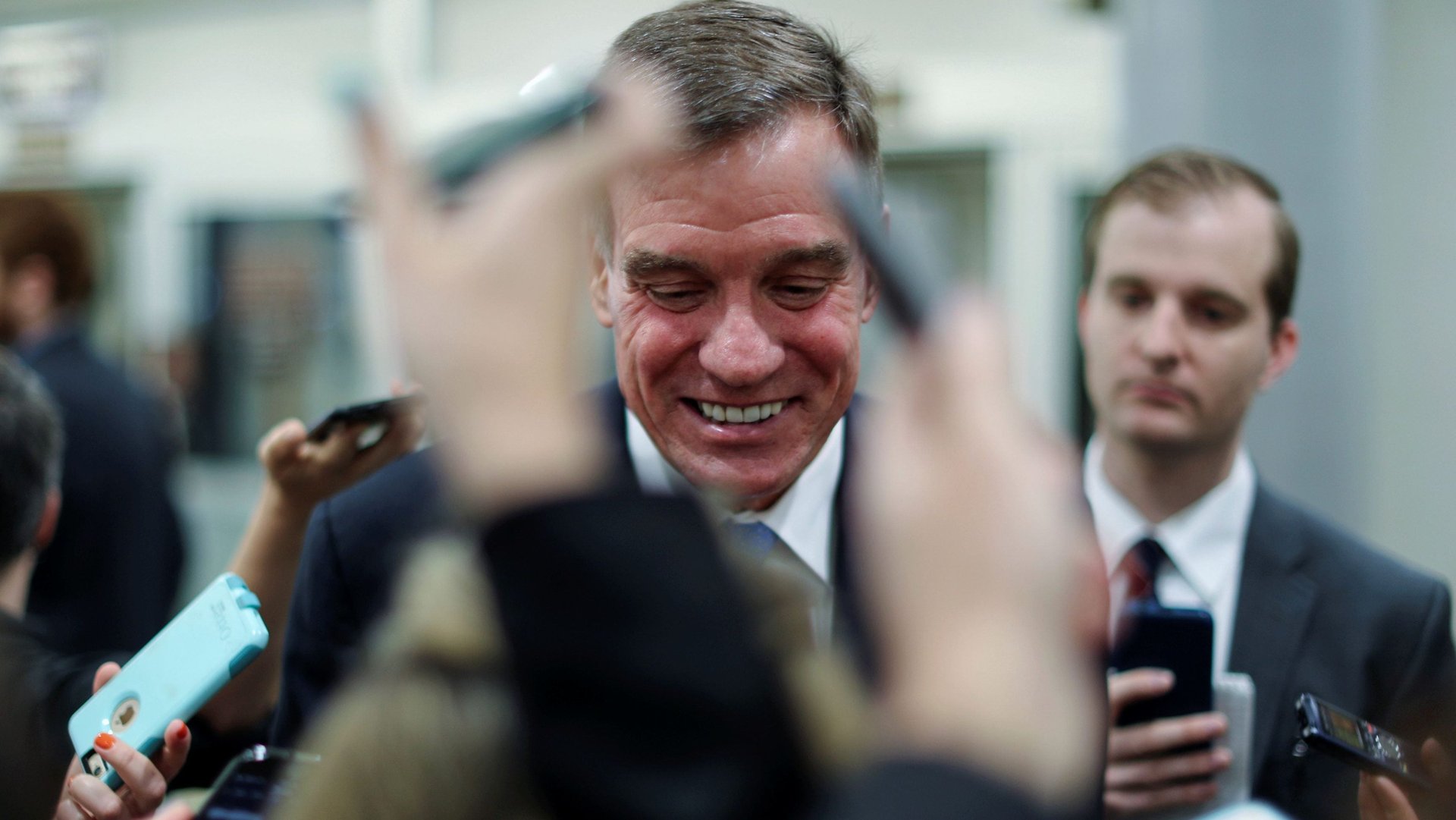
US Senator Mark Warner’s office has outlined a series of policy proposals for regulating the tech industry. The paper presents a number of well-informed ideas, but it also shows just how much the US government would have to do in order to take more control over Silicon Valley.

Facebook announced that it has discovered a coordinated political influence effort on its platforms ahead of the US midterm elections, today, July 31. It has not linked the campaign to any specific group or country, but said the activity of the suspicious accounts was consistent with that of Russian state actors during the 2016 US election, and, in one case, connected to them. The perpetrators were, however, better at hiding their identities this time around.

It’s being called a “Robin Hood” story.

A last-ditch effort to block a US organization from making instructions to 3D-print a gun available to download has failed. The template will be posted online on Wednesday (Aug. 1).

Facebook says it’s “close” to banning Alex Jones’s InfoWars, a website notorious for spreading for conspiracy theories, including that the deadly 2012 Sandy Hook school shooting in the US was a hoax. The decision comes as pressure from journalists intensified in recent weeks.

Over the past several earnings seasons, Facebook’s story has been its Teflon-like ability to shrug off controversy. The company kept growing, and posting record revenues, even as it was lambasted over foreign interference in elections, spreading misinformation and harmful content, and compromising its users’ privacy. This quarter, that Teflon has cracked.

Facebook missed analyst expectations on its second-quarter earnings July 25, and spooked Wall Street with less-than-stellar projections for the future. On its earnings call, the company’s executives set out to assure investors that there are still plenty of growth opportunities, as its stock price tanked in after-hours trading. What this means for users of Facebook’s products is simple: more ads.

The pressure is finally getting to Facebook. Sort of.

Update: Facebook’s approval to open a Chinese subsidiary appears to have been withdrawn, reports the New York Times (paywall).

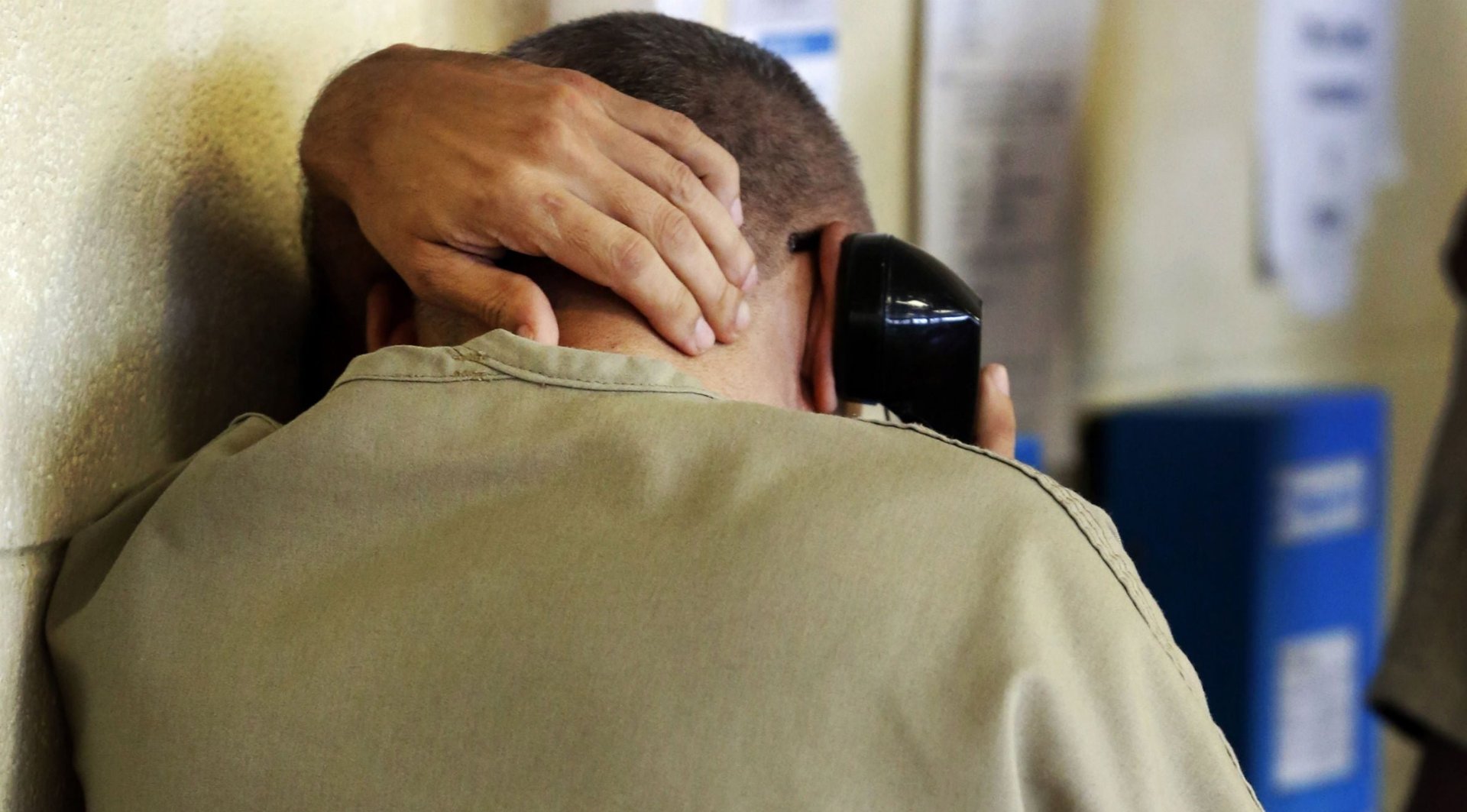
The New York city council has passed a bill that would let jailed detainees place domestic phone calls for free. It’s a small, but significant victory for inmates and their families, who are hit hard with the exorbitant costs tied to a loved one’s incarceration.

Facebook is trying to have it both ways.

Facebook says it does not want to be the arbiter of truth, and in recent days, various executives, including founder Mark Zuckerberg, have been adamantly defending its policy of letting fake news live on the platform. On Wednesday (July 18), however, the company announced that it will start to take down some forms of fake news—specifically, content that could result in physical harm to real people.

With its countless functions and endless river of content, the Facebook of today hardly resembles its early iterations. If the era before the News Feed sounds blissful, you should know what ended it: tagging photos, according to early Facebook employees.

Marlon Peterson served 10 years in prison for his involvement in a serious crime nearly two decades ago. He’s now a social justice activist and recipient of multiple distinctions recognizing his leadership work with youth and gun control causes. He has a podcast, and is working on his first novel.

Germany’s highest court ruled Thursday (July 12) that the parents of a teenager who died in 2012 after being hit by a train should be allowed to access her Facebook account, including her private messages.

The spread of fake news on WhatsApp is so rampant in India that Facebook has resorted to an old-fashioned method of trying to fight it: placing ads in physical newspapers. The app’s design likely influenced the company’s decision, since WhatsApp messages are encrypted, blocking everyone aside for the sender and receiver from viewing the content.

The Vindicator, a local newspaper in Liberty, Texas, decided to post the US Declaration of Independence on Facebook in small chunks in the days leading up to the July 4 holiday, which celebrates adopting the historical document in 1776. Facebook’s content moderation system took issue with part of the Declaration, and took down the paper’s post.

Between May 29 and June 5, more than 800,000 Facebook users were affected by a bug that unblocked people they had previously decided to block. The company has started notifying users of the glitch on Monday, July 2, it announced in a post, adding that it has been fixed, and everyone has been blocked once again.

Silicon Valley companies are frequently chastised for making their products so addictive. But the compulsion to check your email long predates the Facebook “like.”

Facebook is no longer in the business of building giant drones to bring the internet to the world.