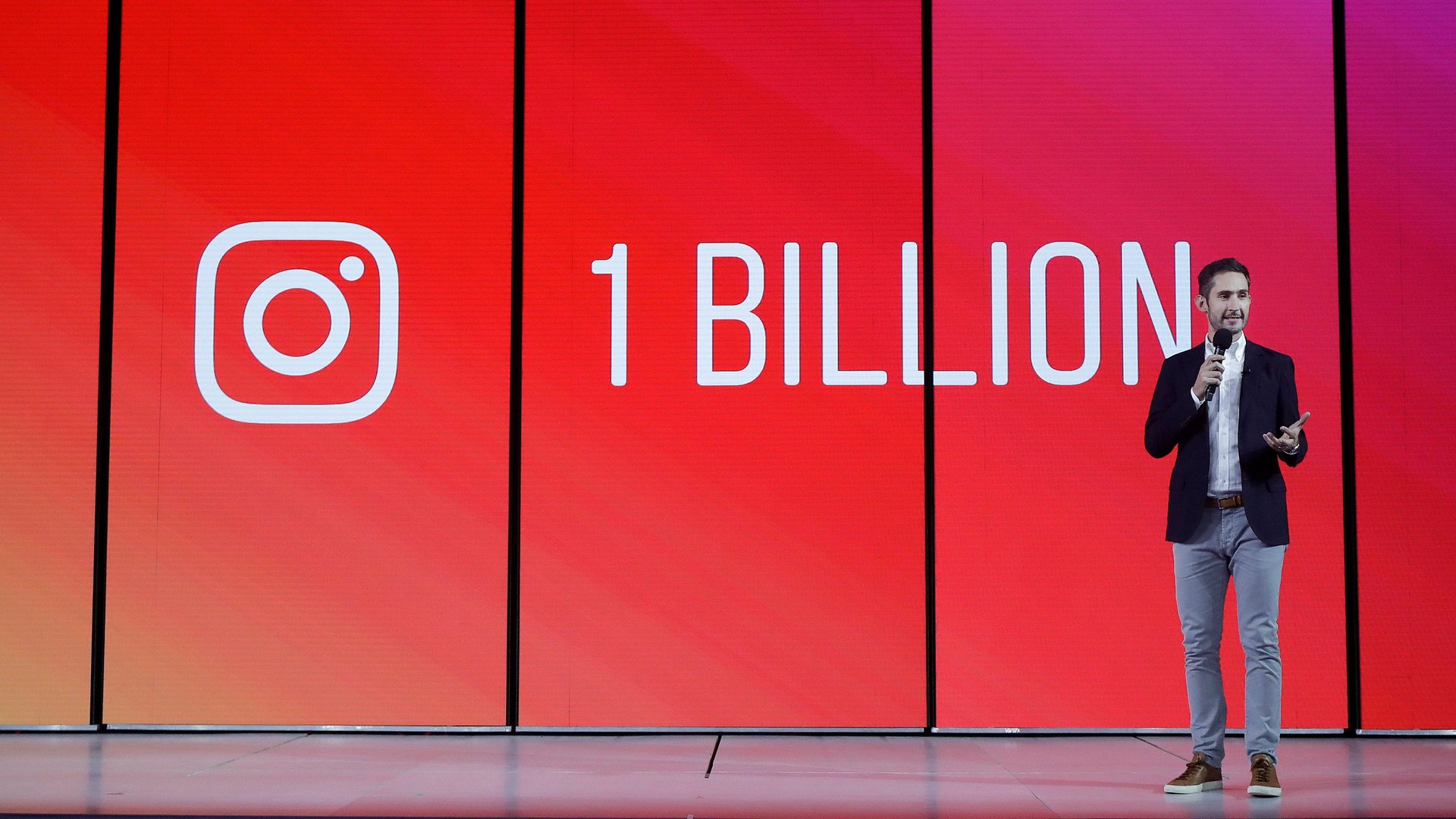
In 2012, Facebook bought the 13-person photo-sharing app Instagram. Six years later, it seems safe to say it was the company’s smartest purchase ever, with the app now estimated to be worth $100 billion.

In 2012, Facebook bought the 13-person photo-sharing app Instagram. Six years later, it seems safe to say it was the company’s smartest purchase ever, with the app now estimated to be worth $100 billion.

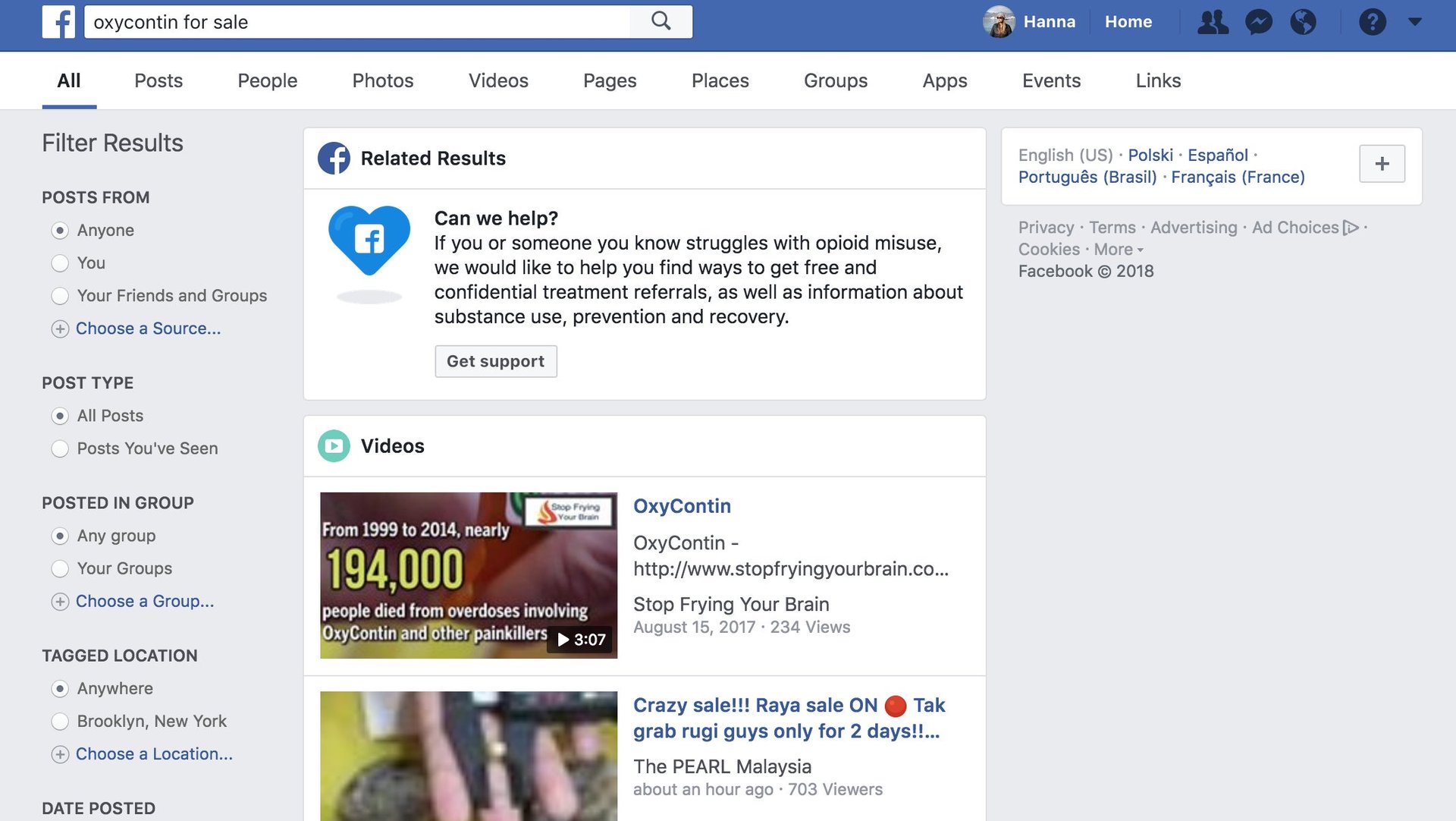
Starting this week, when US Facebook users search for opioid prescription drugs on the platform, Facebook will direct them to a government helpline. The move comes amid increased government and Congress scrutiny of drug sales on social media platforms.

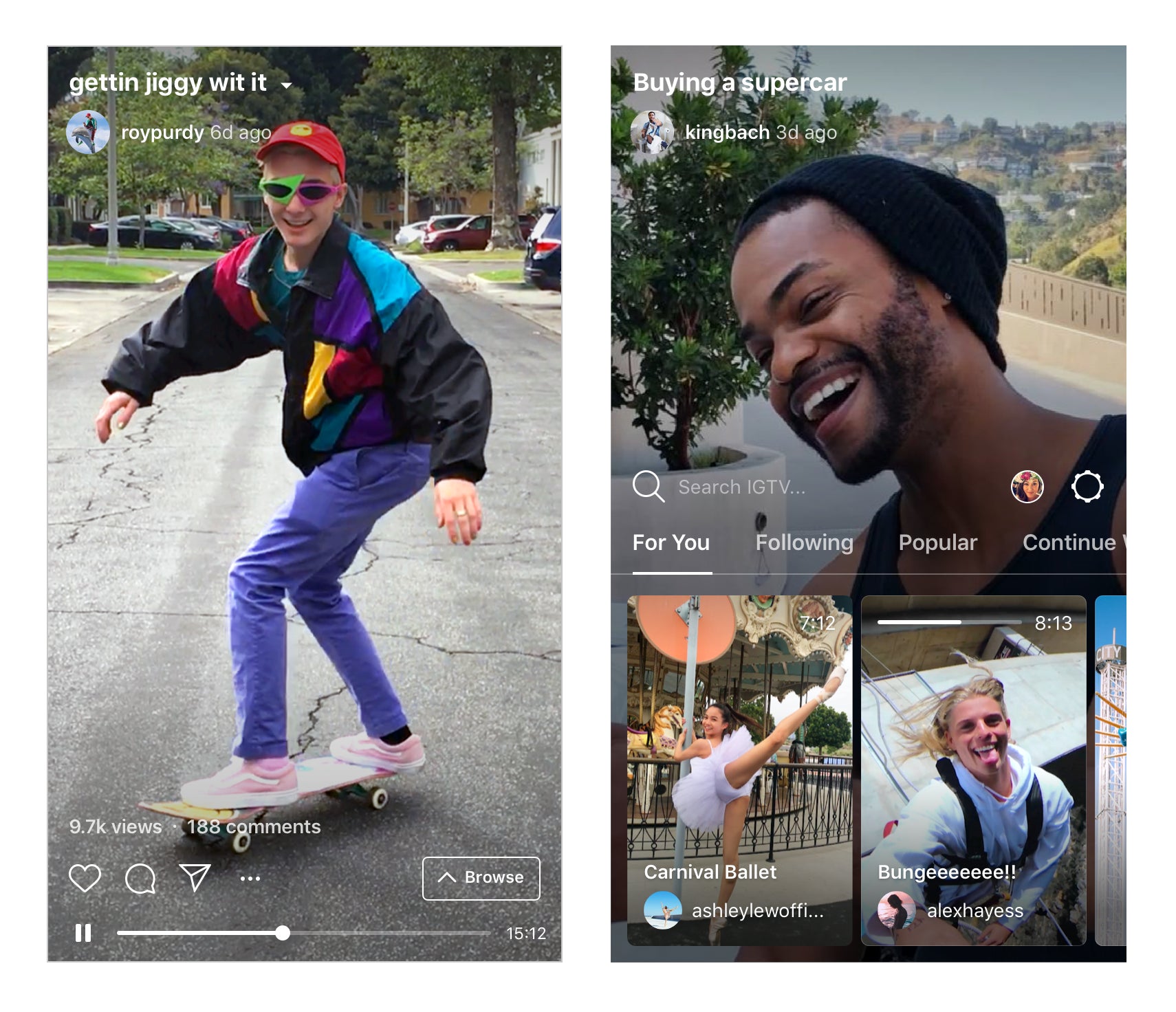
Instagram on Wednesday (June 20) announced a new in-app feature and standalone app that will allow users to post videos of up to 60 minutes. Dubbed IGTV, it is expected to roll out in coming weeks.

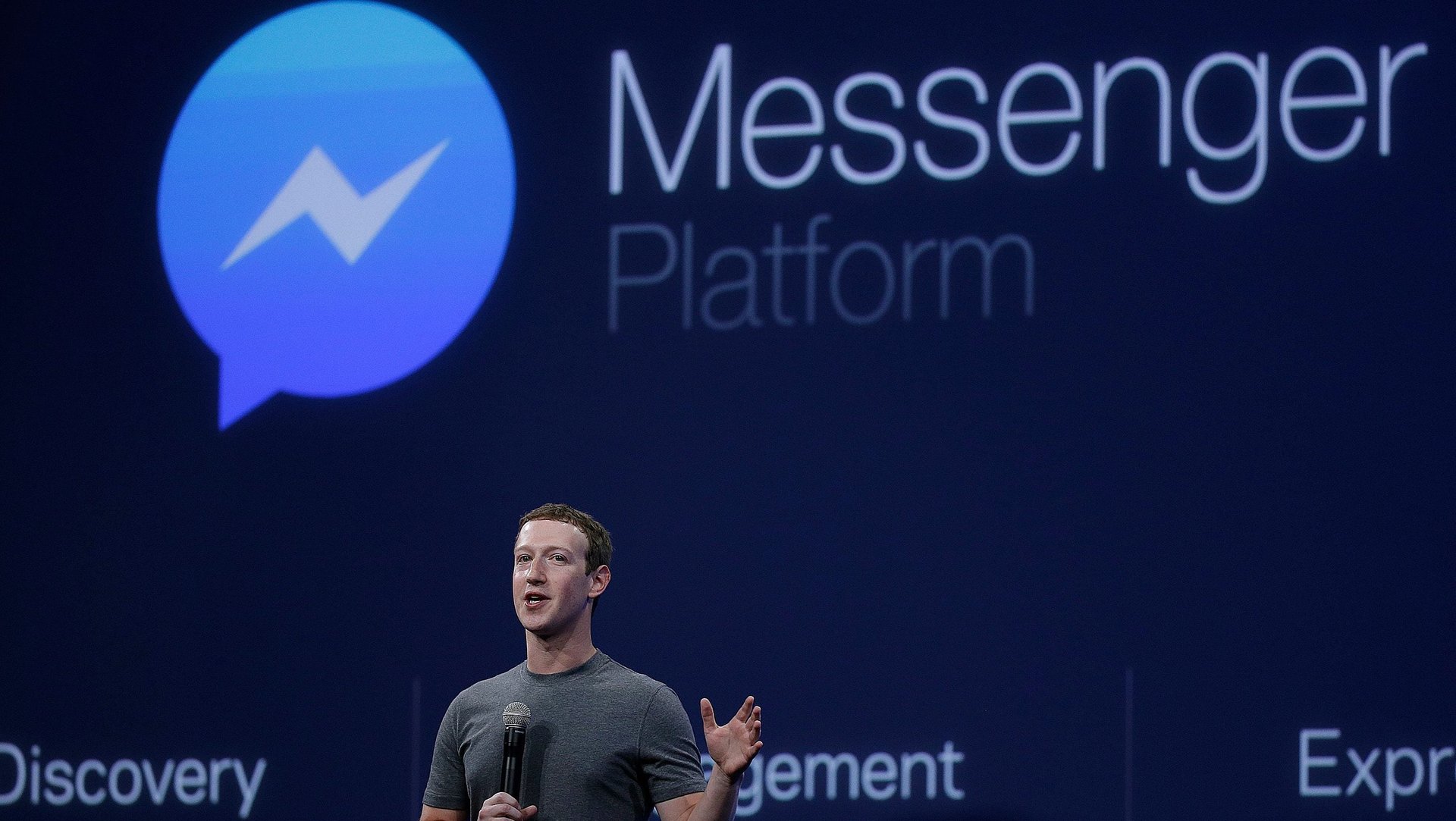
Facebook is rolling out autoplaying video ads on Messenger, the company confirmed to Quartz June 19.

Facebook’s built-in fundraising platform can be a powerful tool for nonprofits, especially when combined with a hot-button issue.

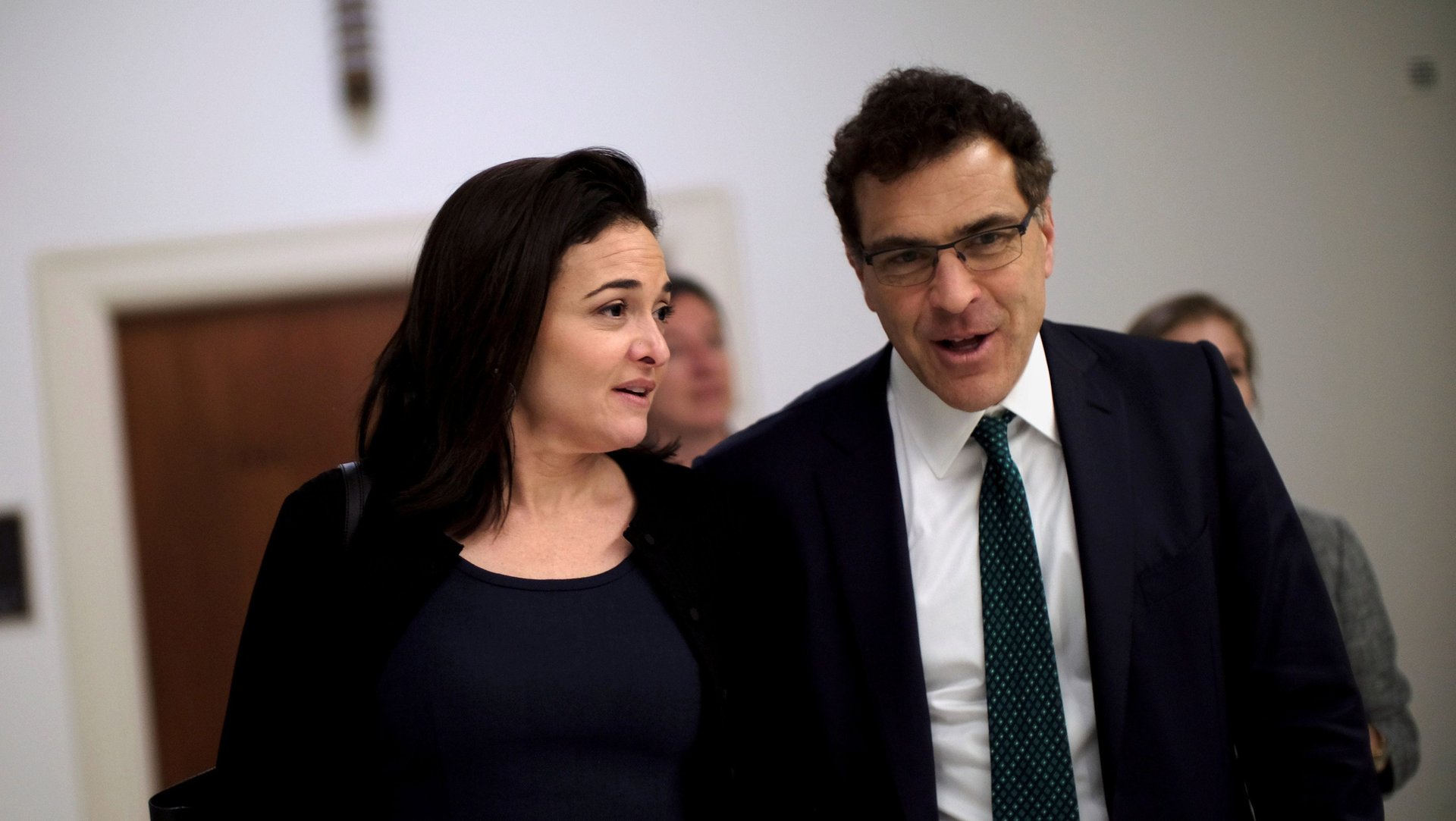
Elliot Schrage, a ten-year veteran of Facebook, is stepping down from his position as VP of public policy and communications, a company spokesperson confirmed to Quartz.

A longstanding rumor has it that Facebook ads are so accurate because the company listens to people’s conversations through the microphones on their phones.

Facebook knows a lot about you—including every time you’ve searched for an ex, a crush, or any other person on the platform.

An ad for pants pops up on your Facebook feed. You’ve never heard of the brand, but you like the style, so you click the ad. It takes you to a website filled with typos. The fabric is a mysterious blend. You hesitate, but you buy them anyway. Sometimes, these random online buys turn out as advertised, but often they do not.

When prosecutors want to get a Facebook user’s private posts or direct messages as evidence, they have to request it from the company through a warrant or subpoena. In most cases, Facebook will grant the information. But this sort of access is not given to criminal defendants.

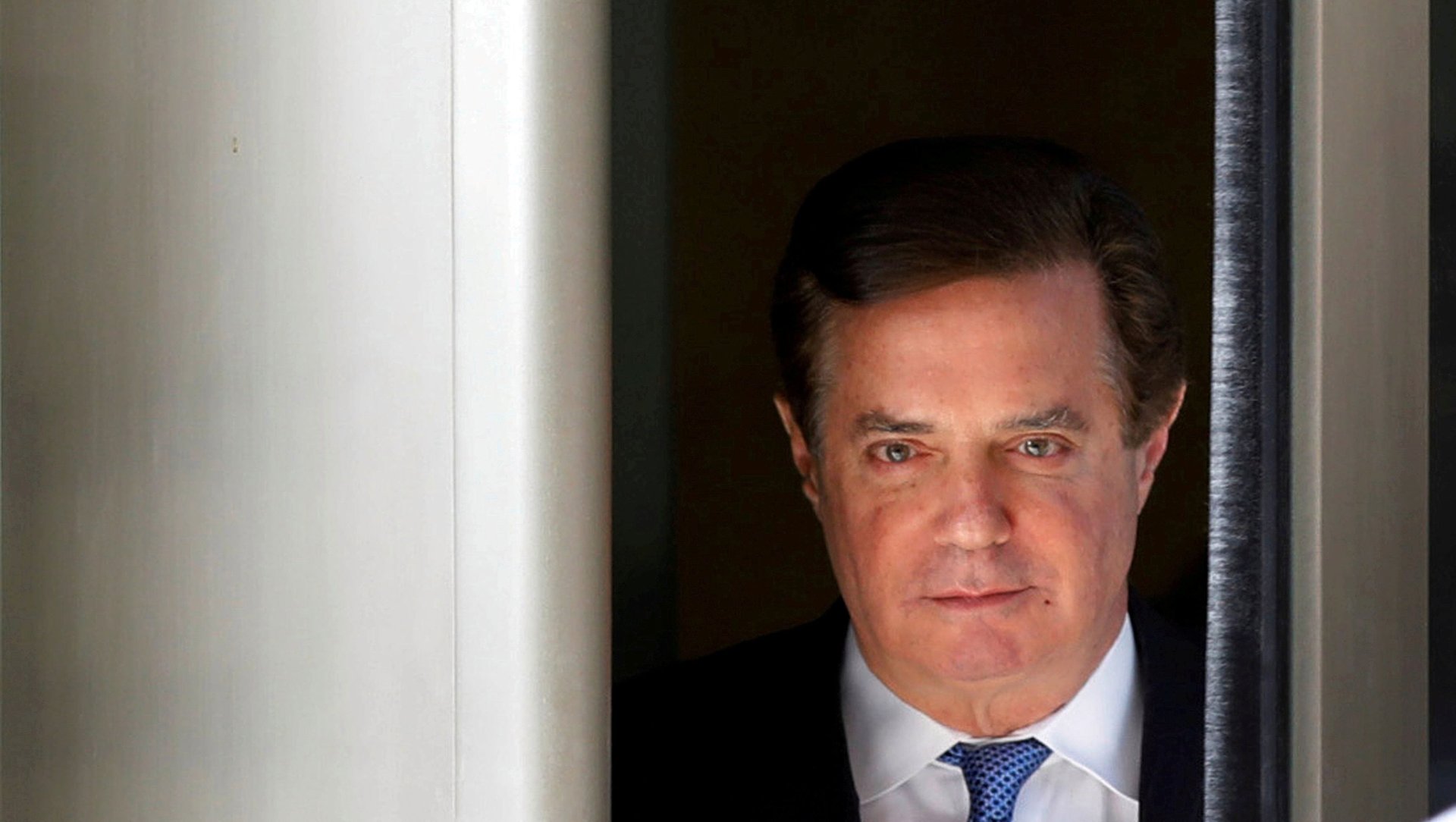
Special counsel Robert Mueller has accused Donald Trump’s former campaign chief Paul Manafort of witness tampering. Manafort allegedly tried to hide his communications with potential witnesses using the encrypted messaging apps WhatsApp and Telegram, but prosecutors appear to have accessed the messages via his iCloud account.

Following the Cambridge Analytica scandal, Facebook promised its users they would have full control over their data, noting that it cut off third-party access to detailed friend information back in 2015. But according to a New York Times story (paywall), Facebook hasn’t been counting mobile devices as third parties, leaving companies like Blackberry, Samsung, and Apple an open door to take and store information without explicit user consent.

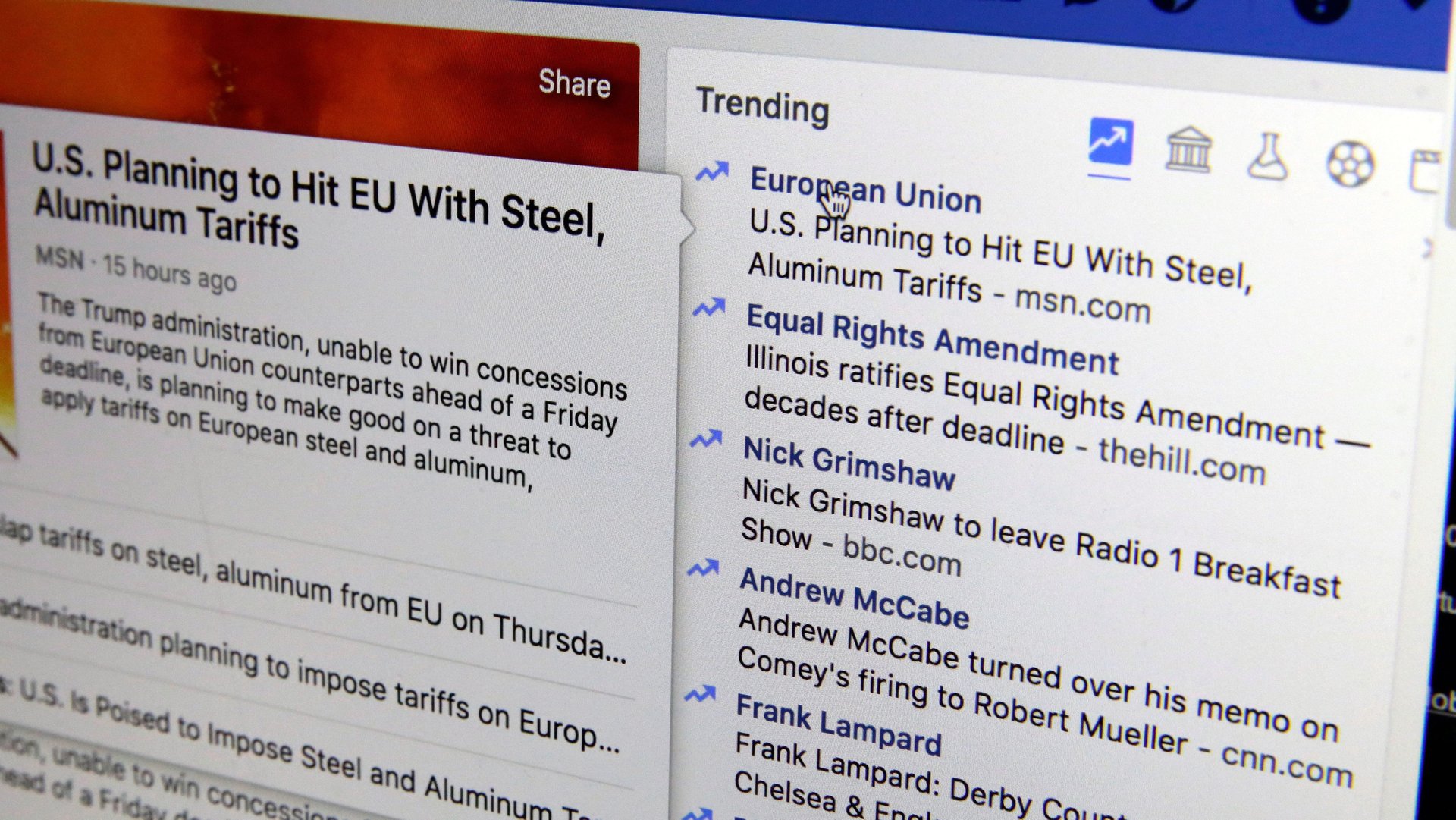
Facebook says it’s removing its controversial “Trending” section because no one was actually using it. Over the past few years, the feature, which displays news stories popular on the platform, has become a case study for why algorithms can’t always do the job of a human, and why they can’t solve Facebook’s problems.

In an ironic twist in the saga of Facebook’s troubles, Russian lawmakers have declared that they, too, would like to question Mark Zuckerberg.

Earlier this month, Facebook released the guidelines it says it uses to review content internally. The process appeared to be rather granular, but the rules that the legions of moderators the company hires are far more detailed, documents leaked to Vice’s Motherboard show.

Disgraced movie mogul Harvey Weinstein was charged today (May 25) with rape and several counts of sexual abuse and sexual misconduct. Because Weinstein could shell out $1 million for bail, he was allowed to walk free before his trial. It’s a privilege not afforded to tens of thousands of people who are unable to pay even a few hundred dollars to escape jail time while they wait to be tried for crimes far less severe.

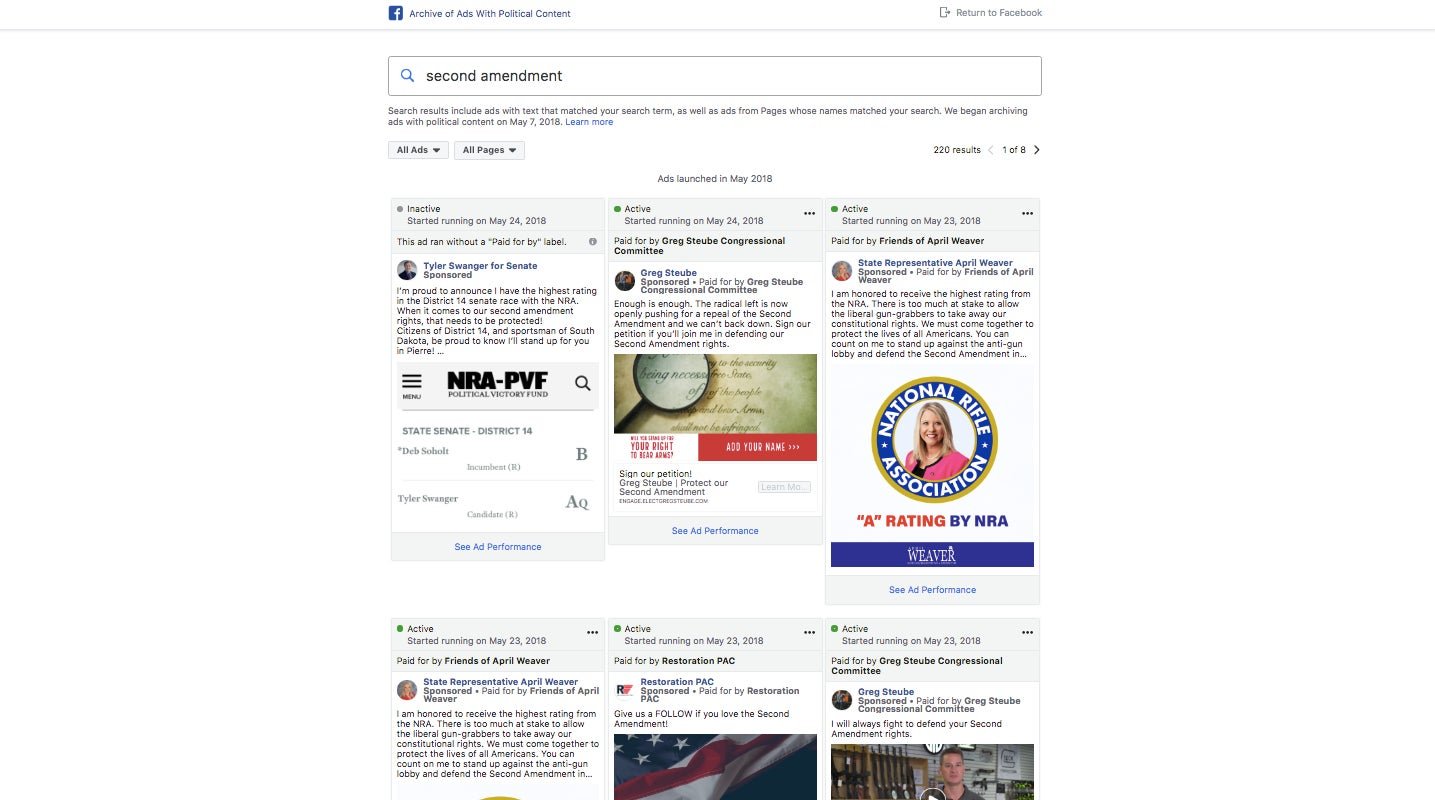
Starting May 24, if you’re curious about how many ads on Facebook and Instagram mention “the second amendment” (220 since the beginning of May), “fake news” (287, with 284 from Donald Trump’s official page), or “Hillary Clinton” (18), you can find out by searching a new archive built by the company.

If you’re an internet user, chances are you’ve recently been getting heaps of emails and notifications from your favorite apps and newsletters you might not even remember signing up for, asking you to opt in to keep getting marketing emails. Facebook is no exception.

Last November, Australian media reported that Facebook was experimenting with a novel idea to combat revenge porn on its platforms. In a pilot program done in cooperation with the government, users would do something that feels ill advised: upload a nude image to Facebook. The idea was that by doing so, Facebook could preempt that specific image from being uploaded to the platform by someone else in the future through technology that can help identify duplicates.

A magazine in France put Mark Zuckerberg on its cover this month… as Napoleon. It’s not a dig at Zuckerberg’s height (such a dig would be factually incorrect anyhow), but an illustration for a cover article (link in French) that compares Silicon Valley giants to empires in need of dismantling.

Activists from Myanmar, Sri Lanka, India, Vietnam, and other countries of the global south are calling on Mark Zuckerberg to start treating problems Facebook has caused in their countries as equal to those in the western world.

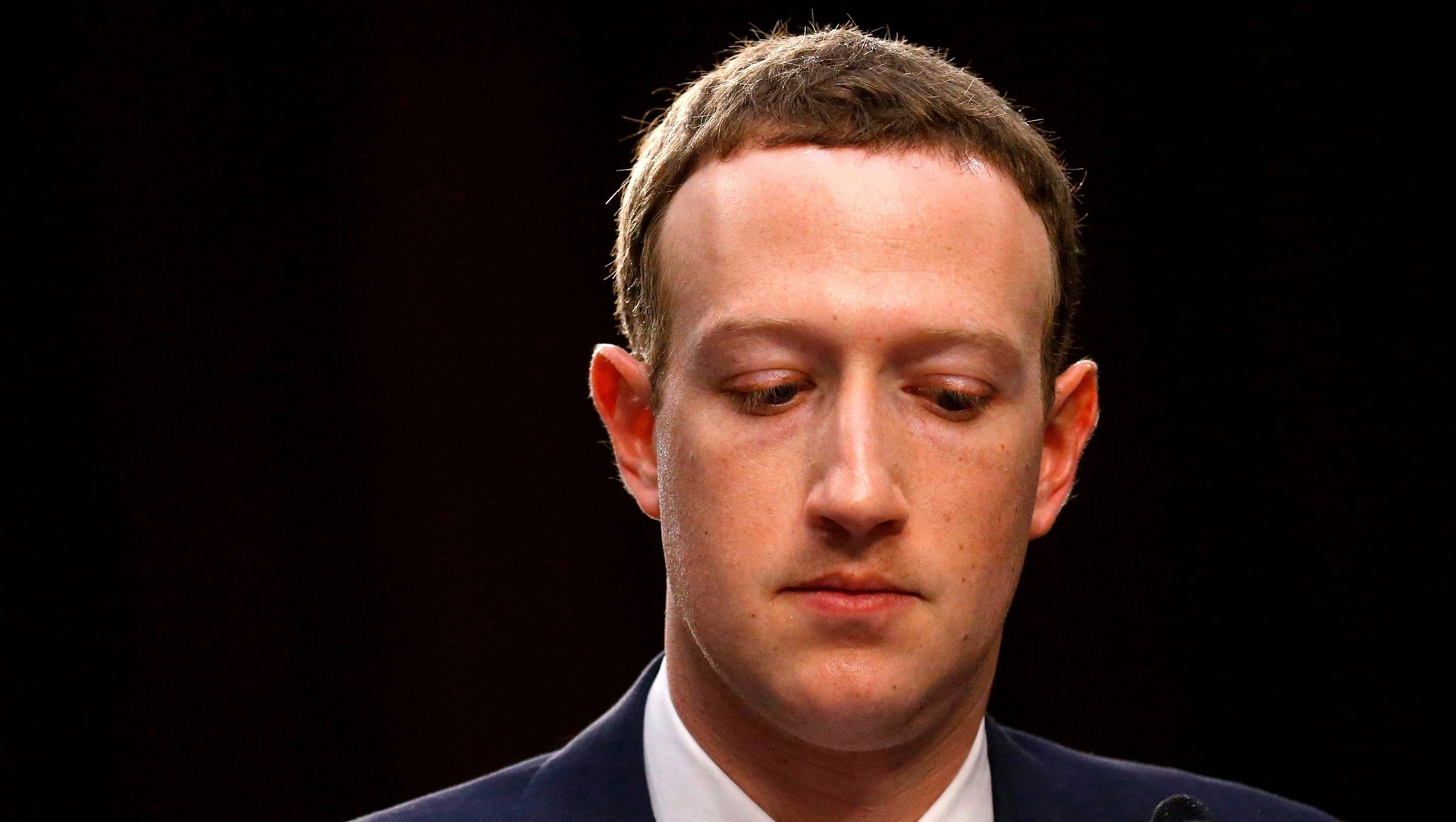
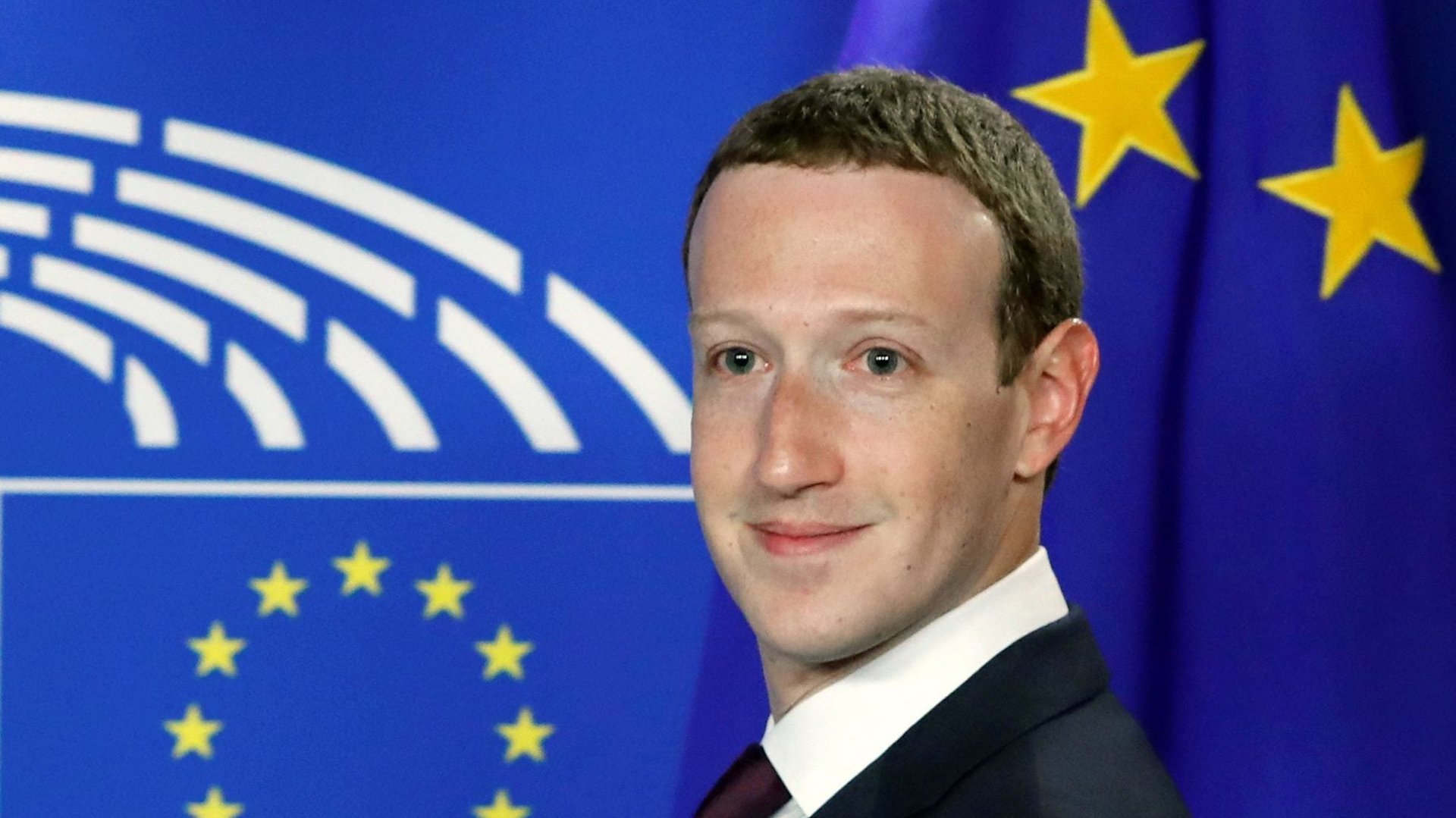
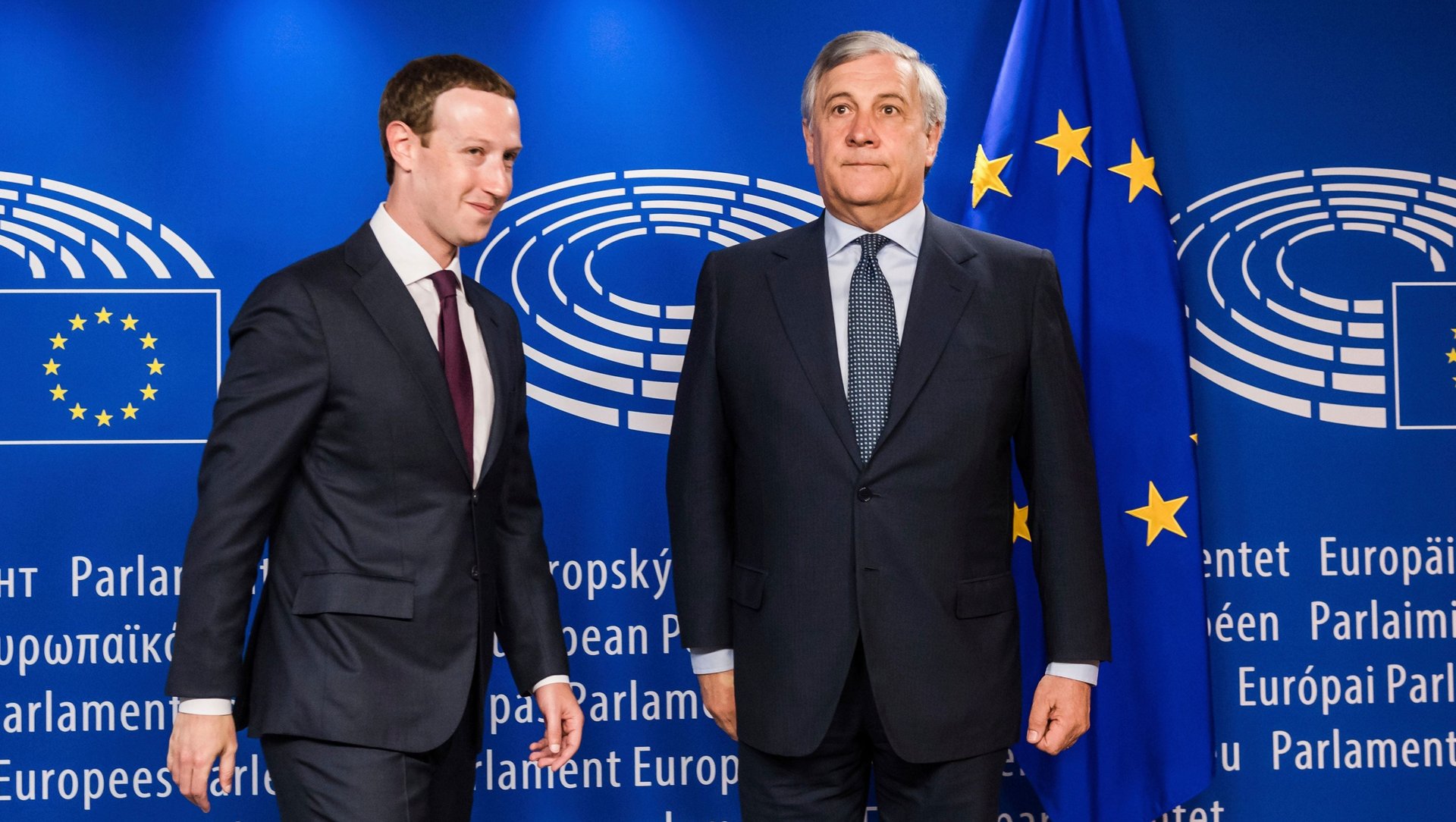
Facebook CEO Mark Zuckerberg met with members of the European Parliament today (May 22) in what was billed as a “meeting” but ended up being more of an awkward hearing, in which the executive took a public lashing but was also let off the hook from many tough, detailed questions.

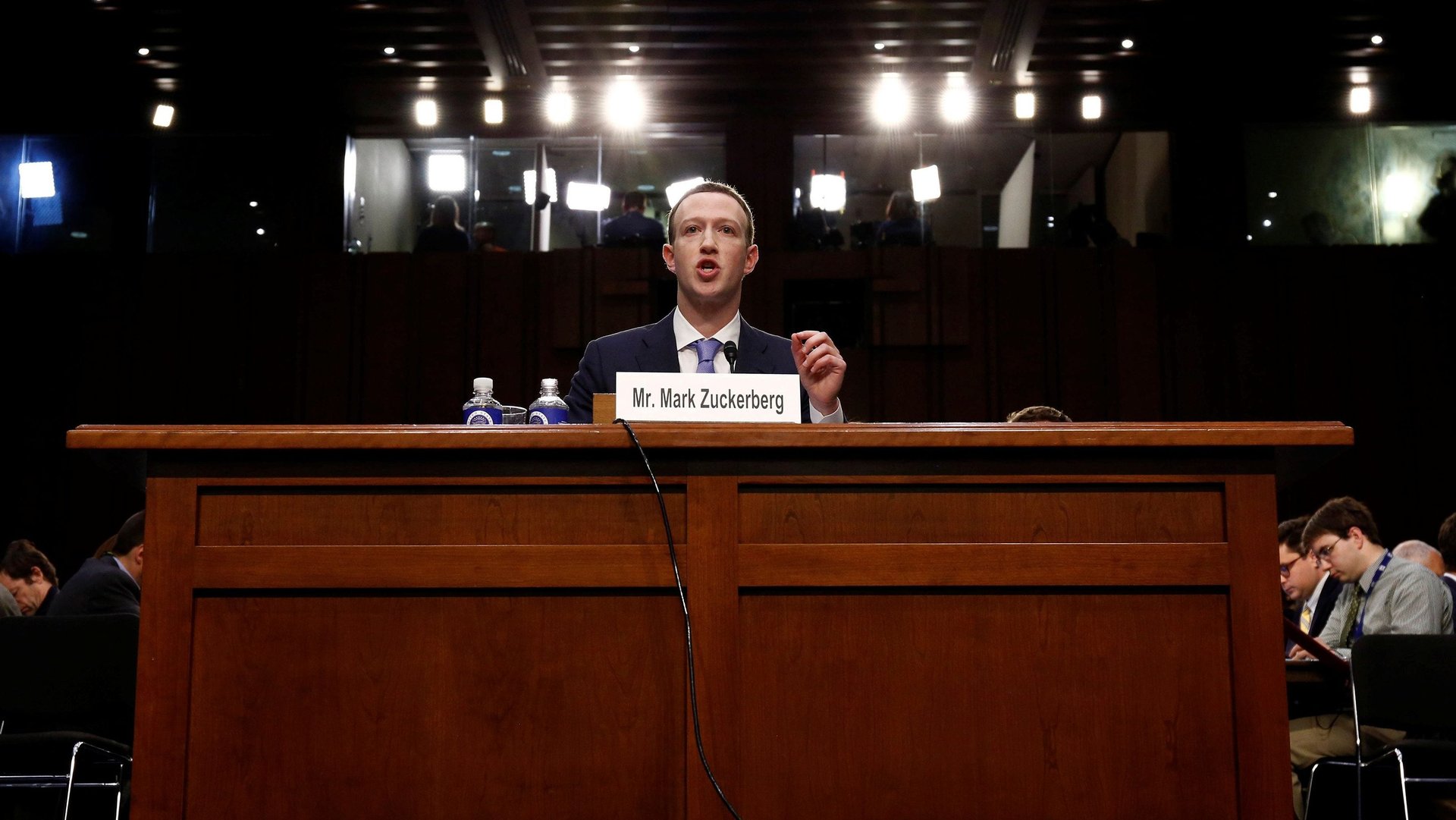
Mark Zuckerberg is facing members of the European Parliament today (May 22) to discuss Facebook’s use of personal data following the Cambridge Analytica scandal.

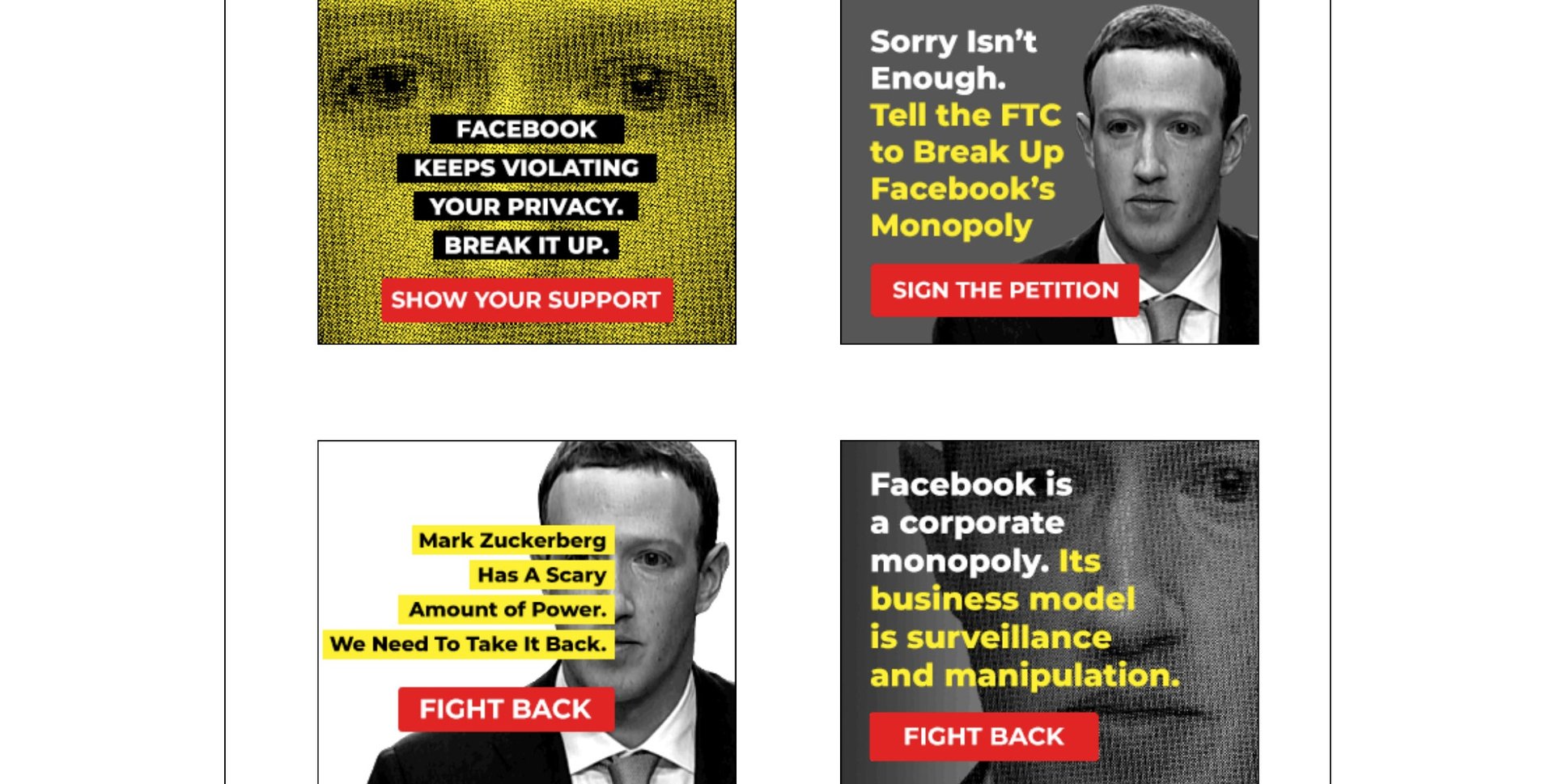
A coalition of left-leaning groups have launched an ad campaign to petition the Federal Trade Commission to break up Facebook, saying that it has become a monopoly.