Indians are “dropping dead like flies” and the one thing that the government had promised—perhaps the only thing that can save the country right now—has proven to be nothing more than a farce.

Indians are “dropping dead like flies” and the one thing that the government had promised—perhaps the only thing that can save the country right now—has proven to be nothing more than a farce.

The Covid-19 pandemic has finally taught India’s over $200 billion information technology (IT) industry a lesson it should have learned many years ago.

Walmart is trying to prove its loyalty to India.

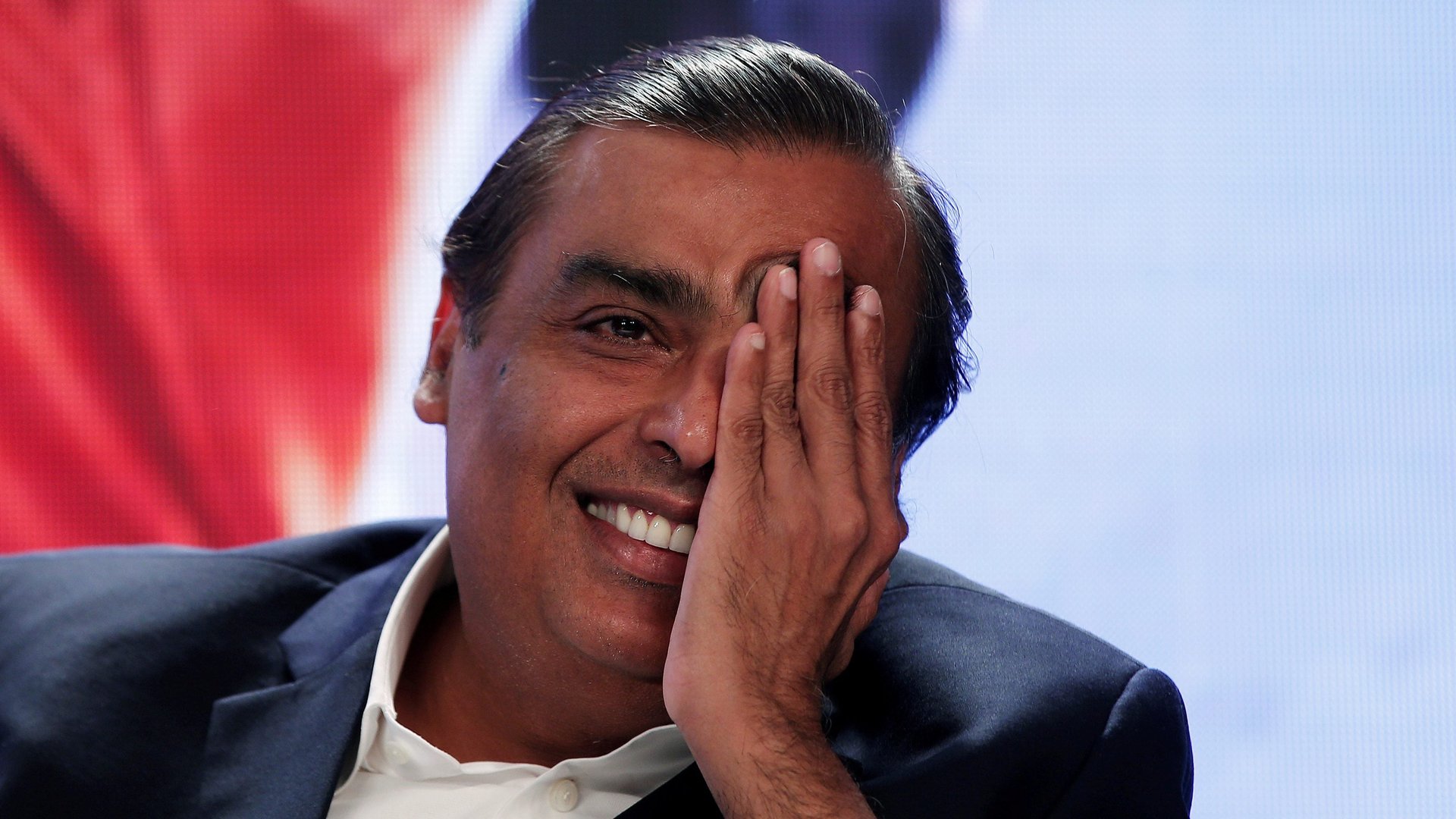
In these uncertain times, few things are more reliable than investment announcements from Mukesh Ambani, chairman of Reliance Industries (RIL) and India’s richest man.

The India-China border conflict has taken an online turn.

For nearly six weeks now, Delhi-based nursery school teacher Meghna Saxena (name changed) has spent over five after-work hours a day only on calls with a colleague.

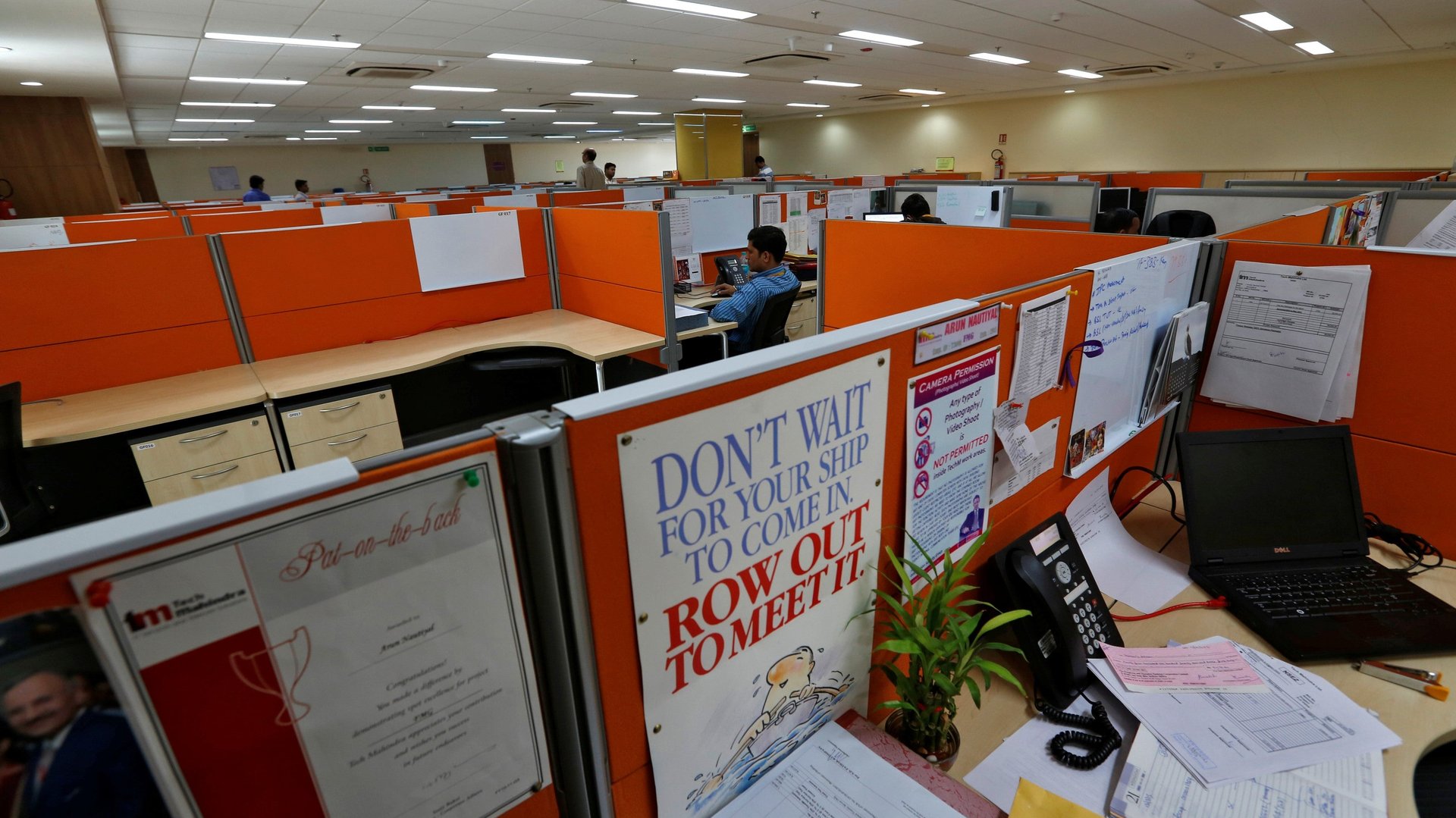
The Covid-19 lockdown was a nightmare for India’s nearly $200 billion IT services industry, which was far from prepared to shift to a work-from-home model overnight. But now, even though the government has allowed firms in some areas to partially reopen offices, the sector is in no rush to return to the workplace.

At a time when most Indian telecom firms are reeling under massive losses, Reliance Jio, owned by India’s richest man, Mukesh Ambani, has announced a deal that could further entrench its position as the market leader.

For IT professional Sonali Mathur, the coronavirus lockdown in India has, ironically, doubled the burden: work-from-home and work-for-home.

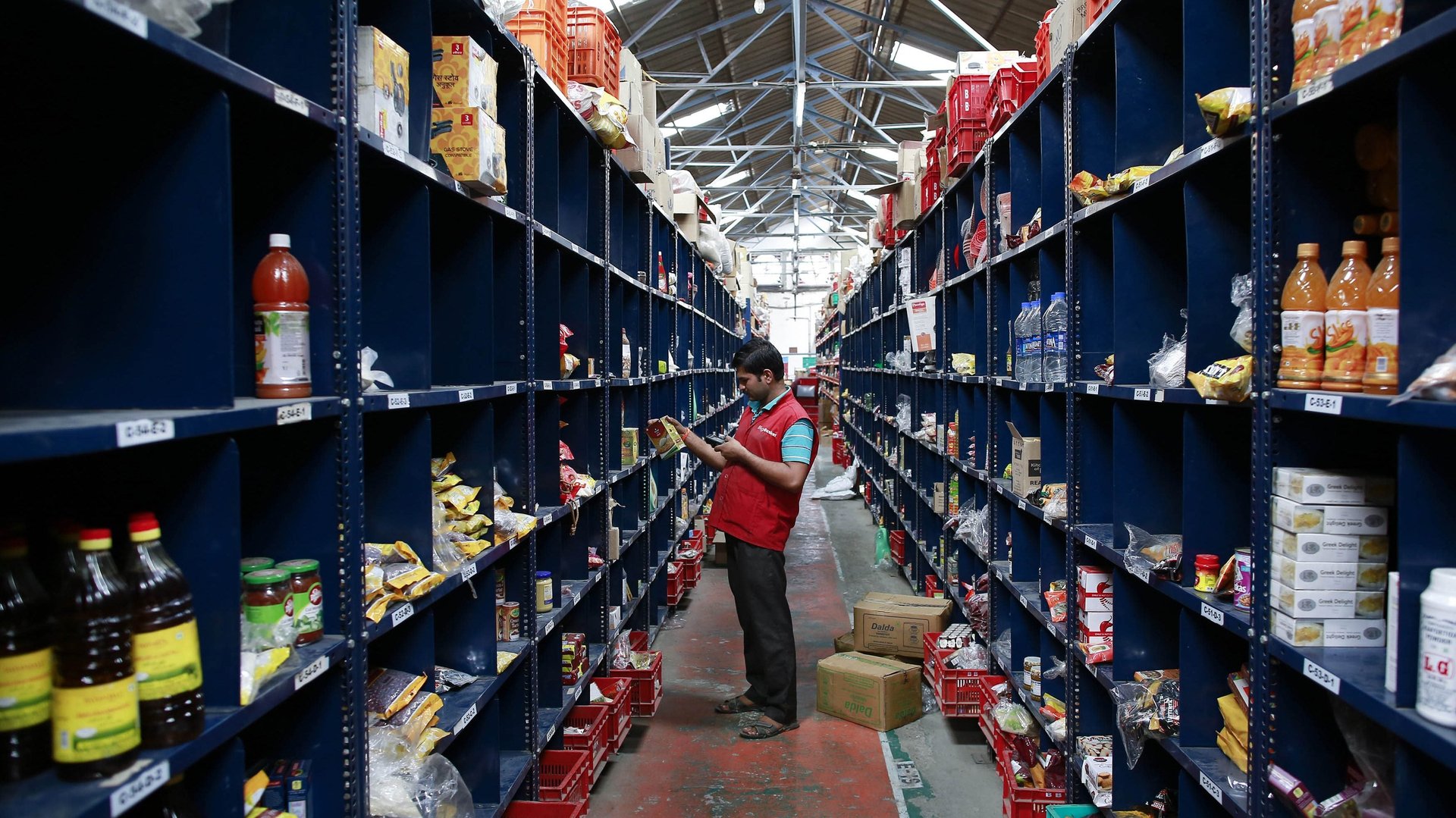
On day one of the three-week national lockdown announced by India in the wake of the coronavirus pandemic, online grocery retailers were mostly shut in spite of the government’s assurances.

“How the world has changed in one month: Feb. 14 was Valentine; March 14 was quarantine,” reads a meme circulating on WhatsApp in India. Its popularity, perhaps, stems from the fact that in India, the coronavirus outbreak has spiralled too quickly.

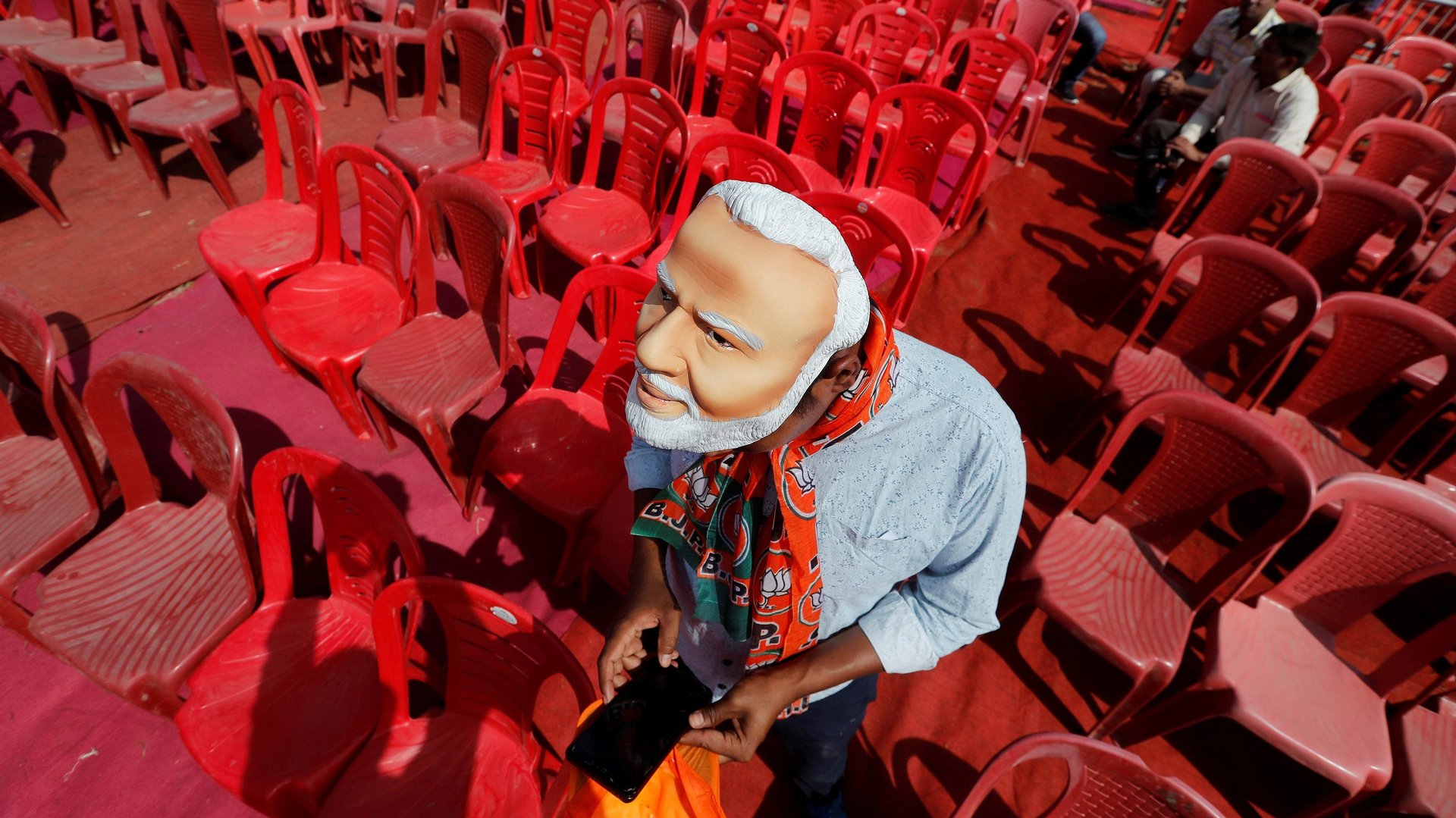
Narendra Modi, India’s most tech-savvy prime minister ever, is contemplating quitting social media.

Two elderly members abruptly exited my husband’s family WhatsApp group last month, furious over a cousin’s repeated requests to stop forwarding messages that spawn religious hatred.

India’s tech entrepreneurs couldn’t be happier. After all, they were the stars of the country’s union budget for financial year 2021.

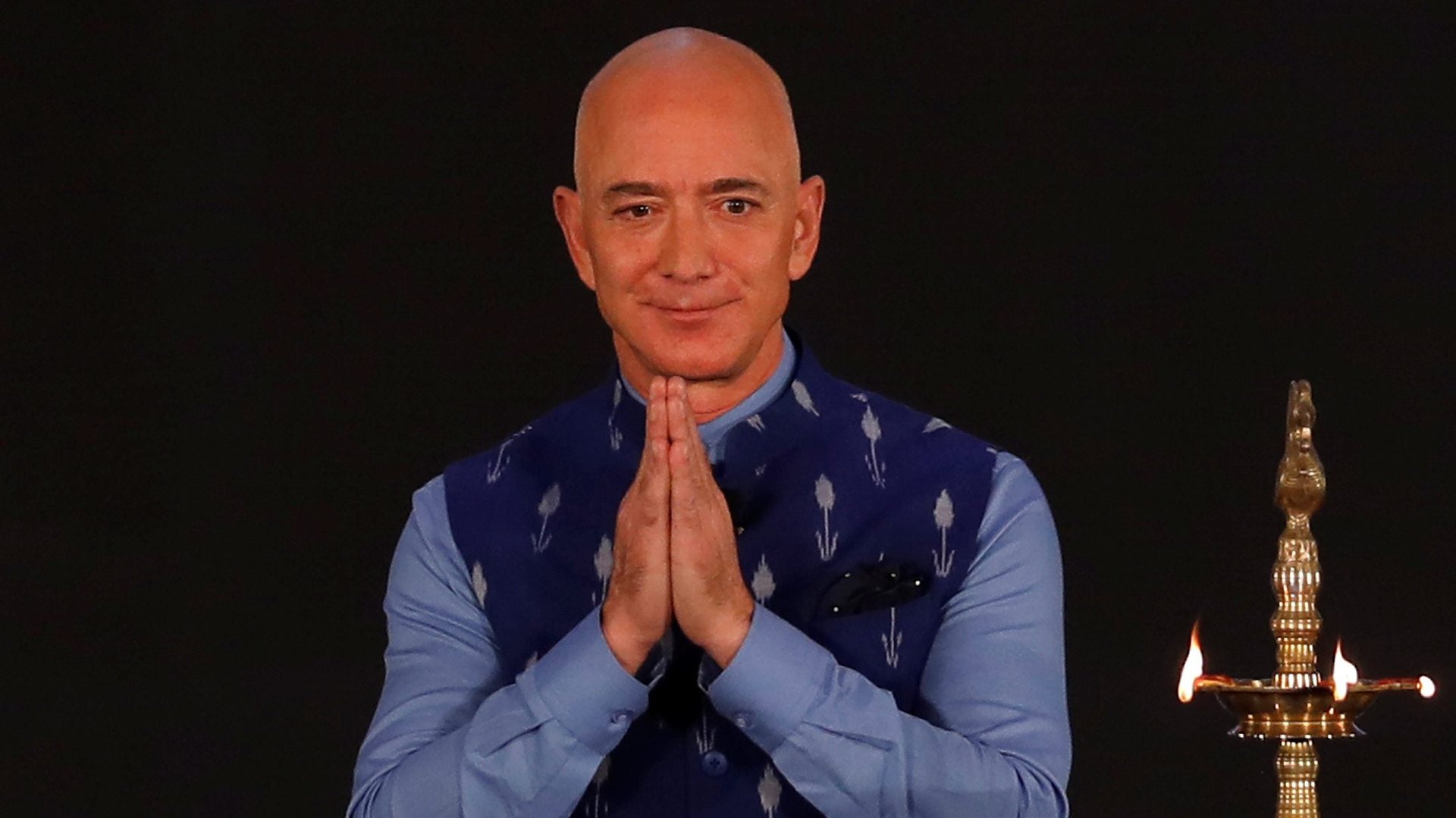
The world’s richest man “surprised” Indians this week. On Jan. 15, Jeff Bezos made an unannounced appearance at an Amazon event in Delhi, where he said the company would invest $1 billion in India over the next five years, bringing millions of small and midsize local businesses online. The collective reaction? Not now, Jeff.

Does a degree from the prestigious Indian Institute of Technology (IIT) or Indian Institute of Management (IIM) set you up for startup success? Not always.

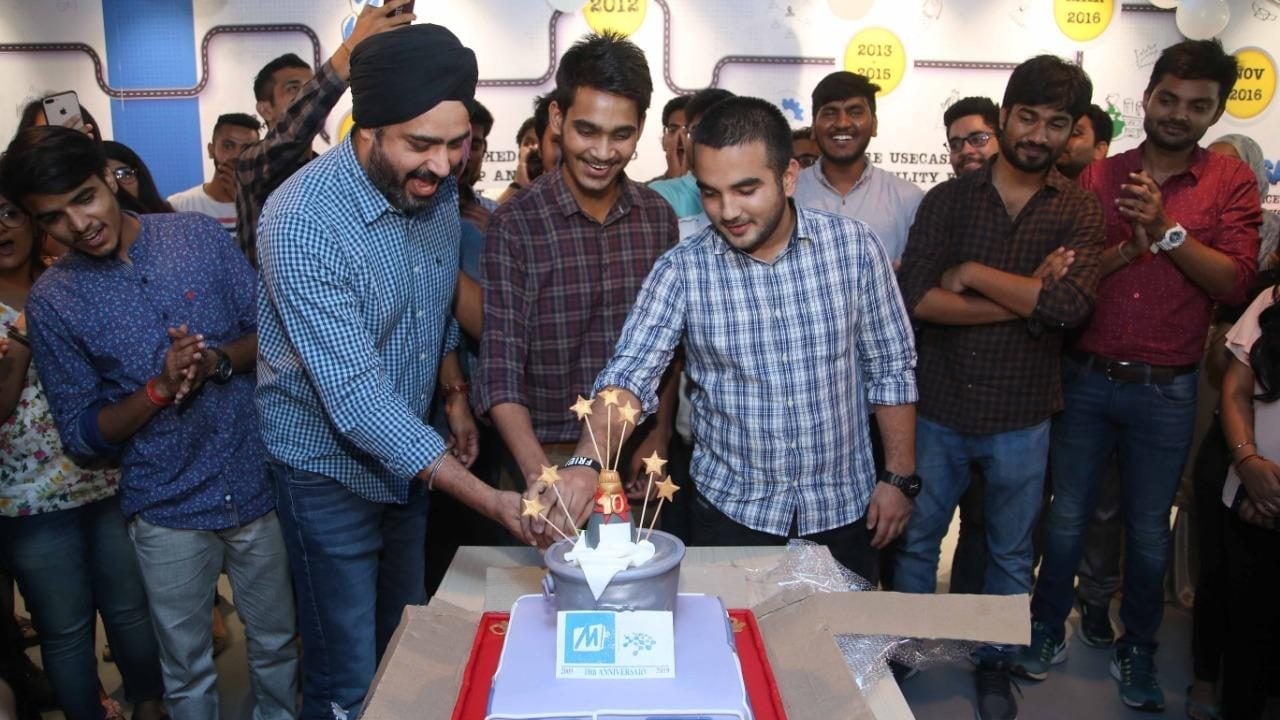
In 2015, when Bipin Preet Singh and Upasana Taku got married, they carried their laptops with them to the ceremony. Their digital payments website MobiKwik was still in its early years and would often need rebooting. “Everyone who worked with us at that time was at the wedding. I was responsible for tech, so I had to carry my laptop everywhere,” recalls Singh.

With big-bang fundraising and incredible employment-generation projections, online retail was widely seen as the superstar of India’s technology startup boom in the past decade. However, hints of a bubble have been popping up over the recent years.

As technology becomes pervasive and impacts more and more areas of our lives, many industries have undergone a complete overhaul. The over 130-year-old ABB is a perfect example of this evolution.

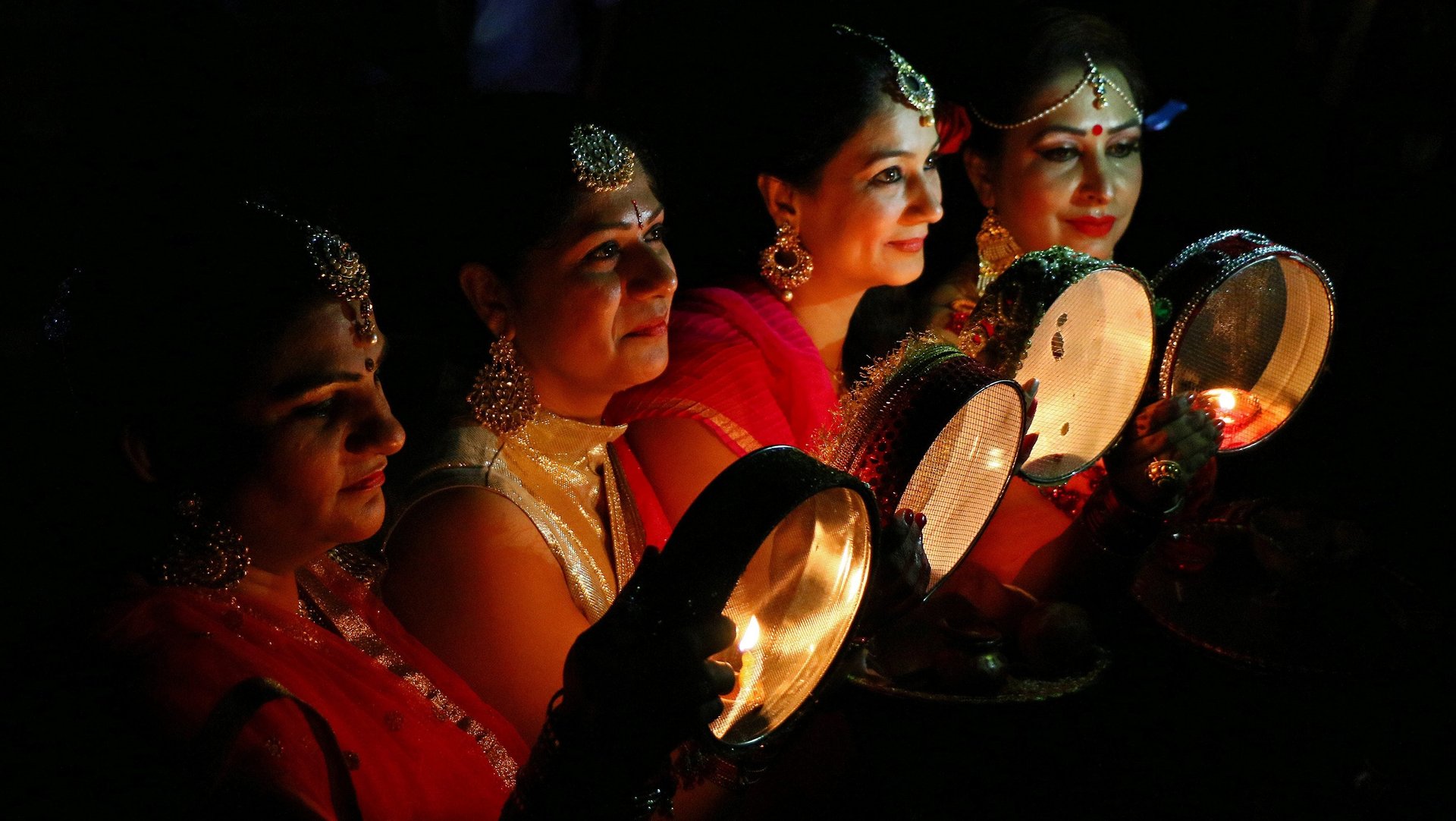
Over the past few days, the WhatsApp group of women who reside in the Gurugram condominium I live in, has been abuzz. Most of the group’s 220-odd members have been spending hours sharing notes on where to get the best henna applied, the best stores to buy bangles from, and beautician cost. All this is a serious buildup towards “the day.”

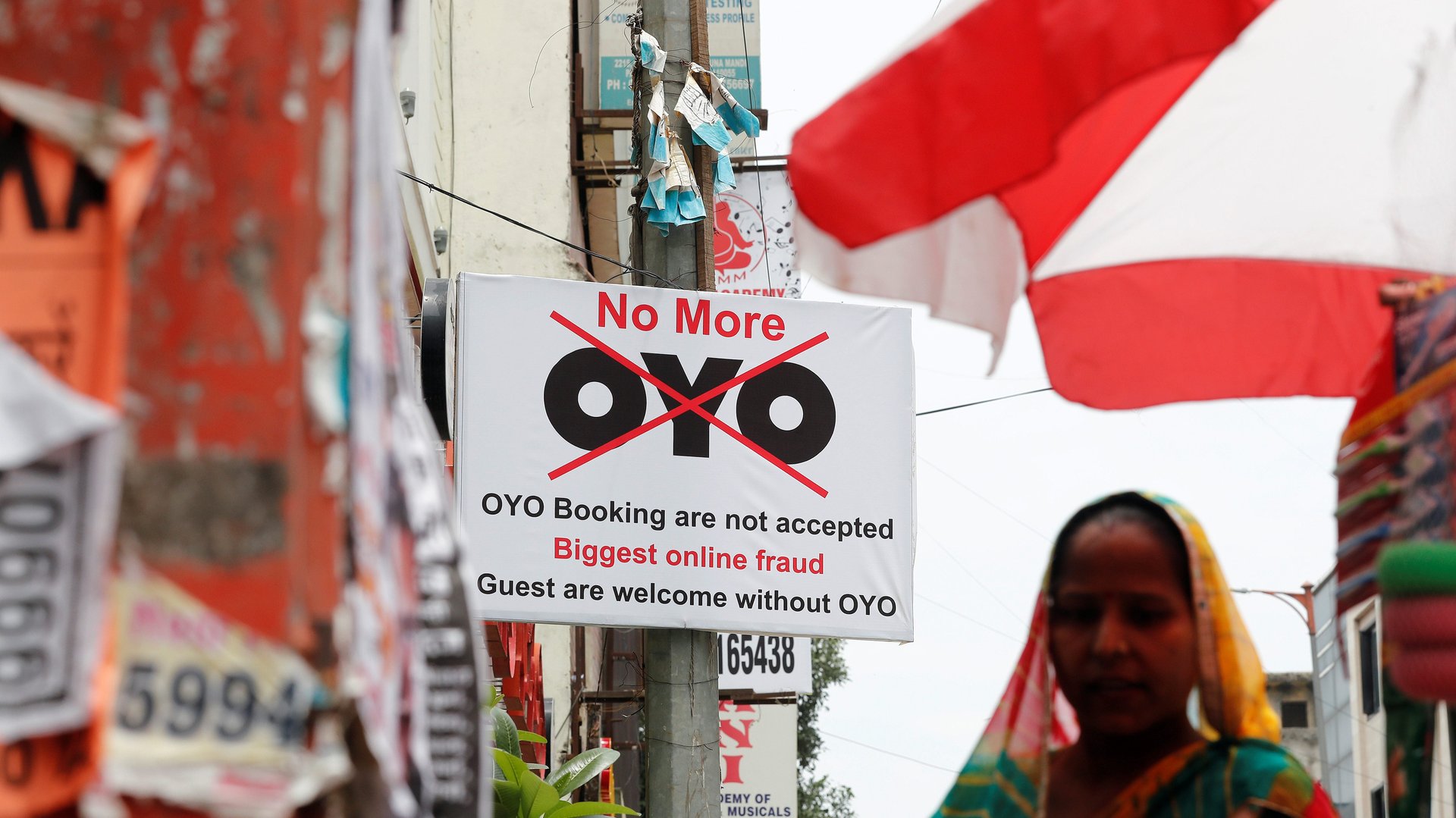
One of India’s most-funded and widely celebrated tech startups has for long been at the receiving end of customer grievances about poor and faulty services. Now things may have gone too far.

Like the past many years, the festive season in India has begun with massive online sales, blinding marketing blitzkrieg, eye-popping discounts—and meaningless metrics.

Office parties are mostly about winding down. But at eBay India’s New Year party in 2010, two of the company’s top employees got talking business.

Flipkart, it seems, is an anomaly in a stressed Indian economy.