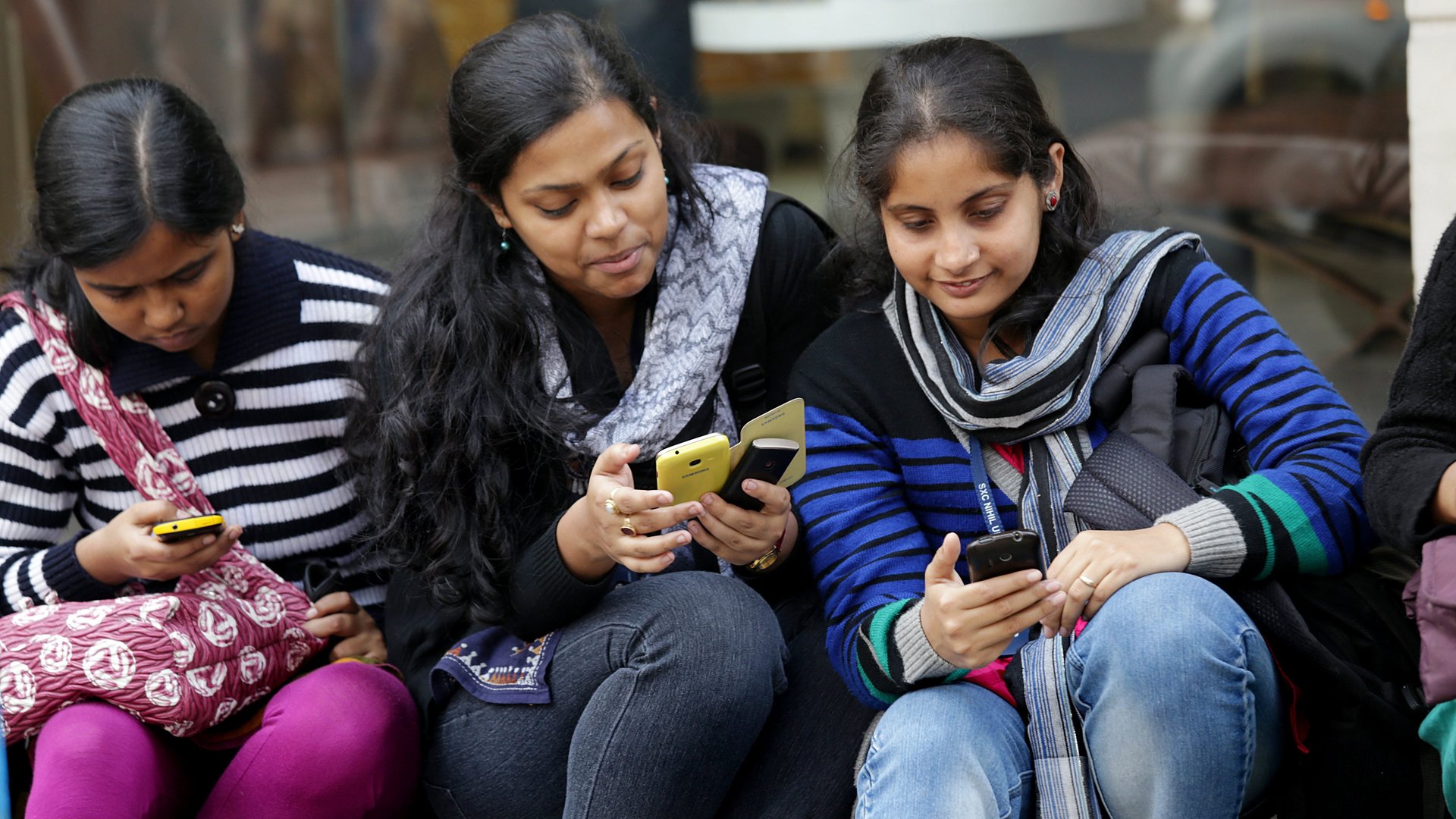
Prime minister Narendra Modi’s demonetisation drive has inconvenienced millions of Indians but there’s one business that’s having its moment under the sun: digital payment startups.

Prime minister Narendra Modi’s demonetisation drive has inconvenienced millions of Indians but there’s one business that’s having its moment under the sun: digital payment startups.

Ride-hailing unicorn Ola has joined the small club of Indian startups that have a definite roadmap to profitability.

Coldplay has mesmerised India so much that frontman Chris Martin is all we are seeing everywhere.

As tempting as it may sound, being one of India’s highest-paid CEOs is not all fun.

India has queued up. But not its Silicon Valley.

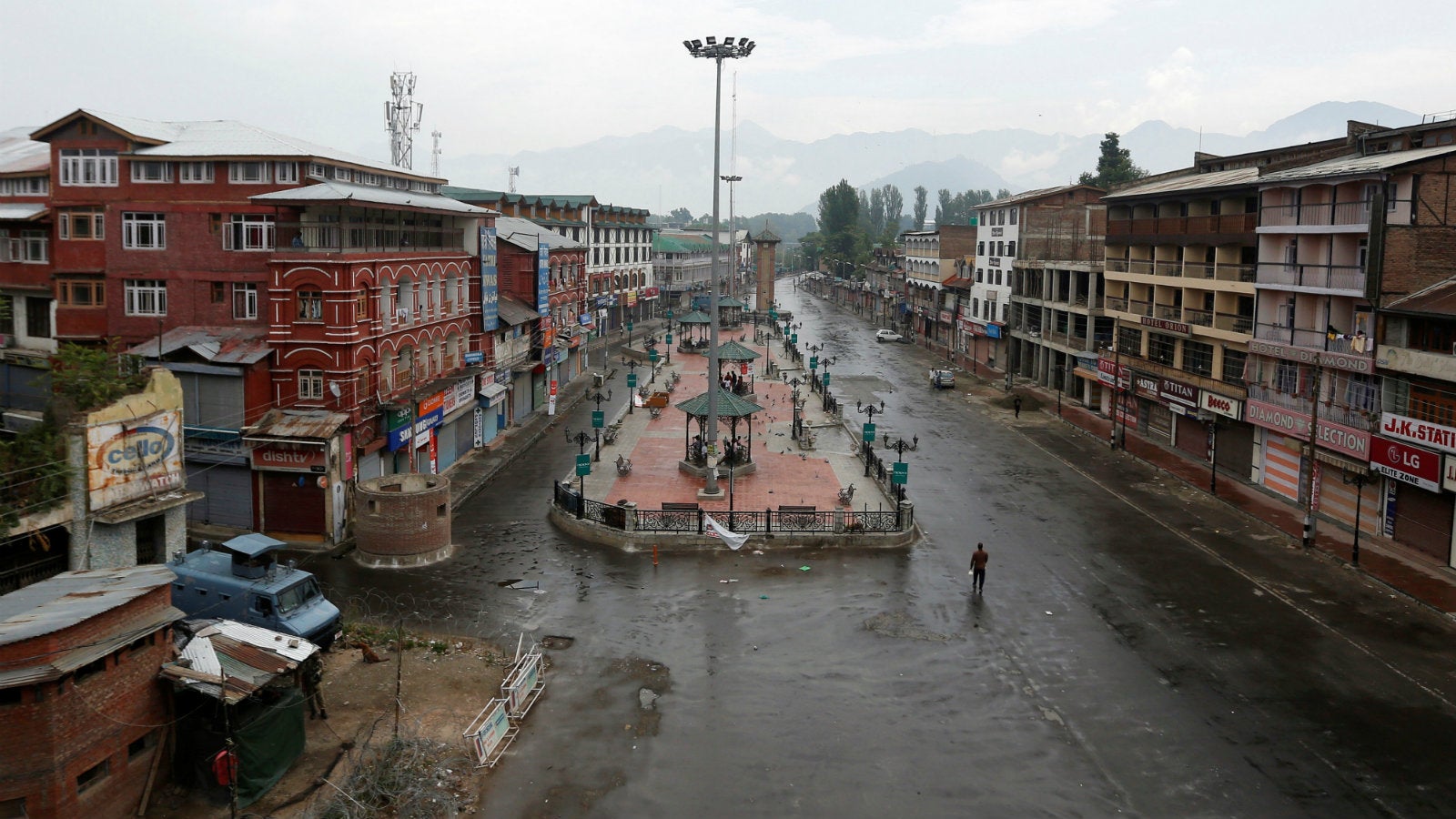
Kashmir is in its blazing autumn glory.

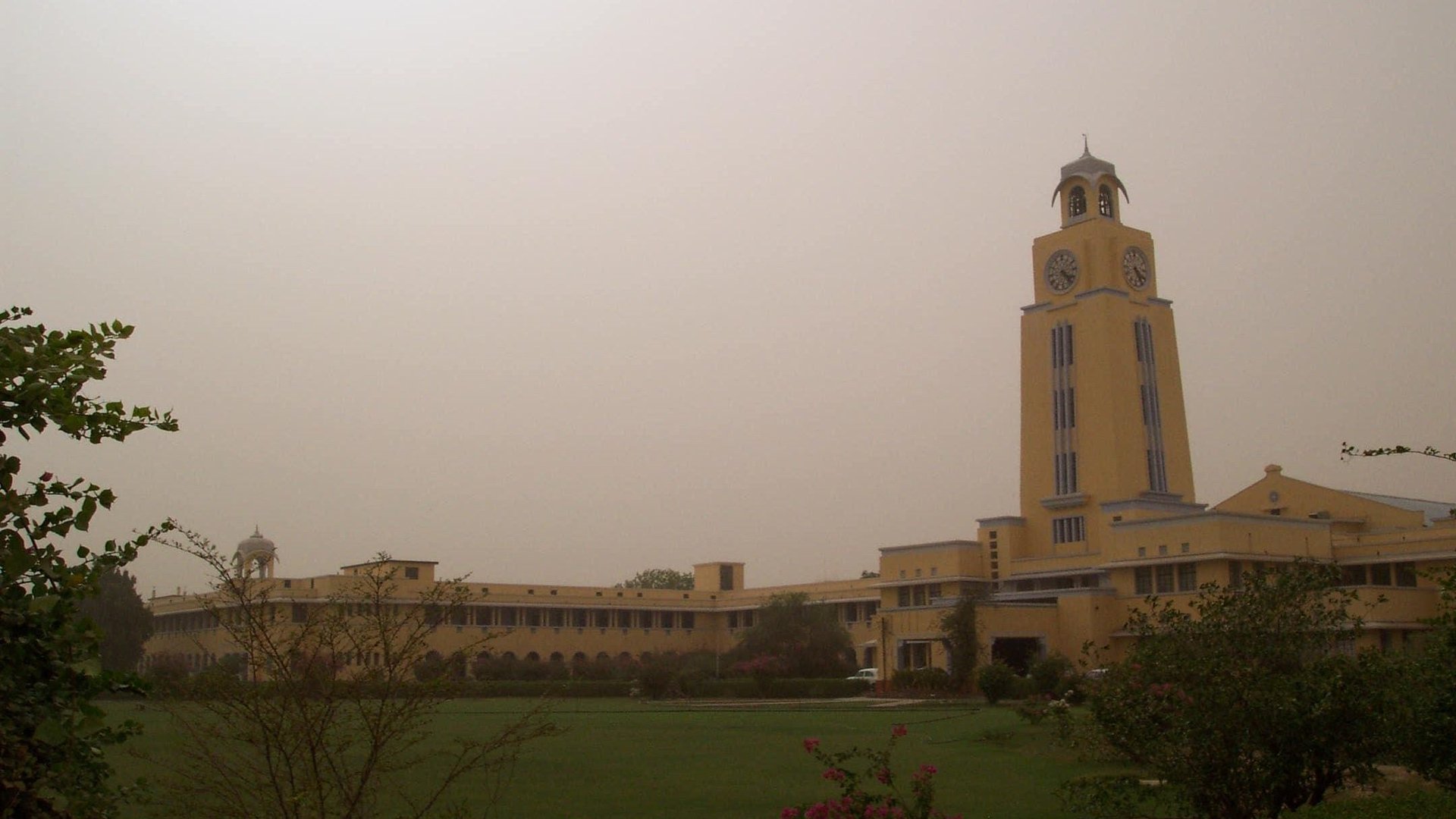
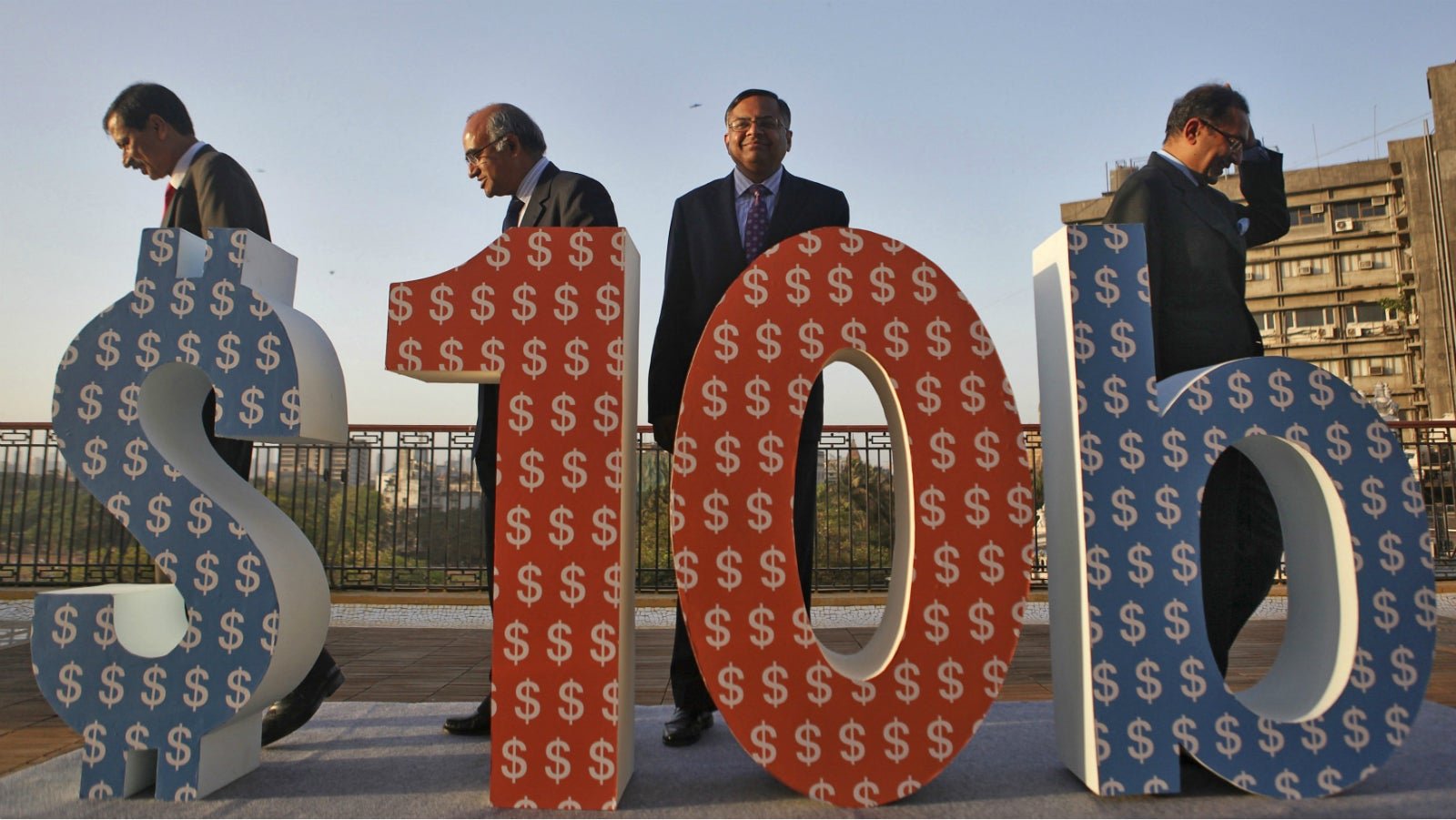
It is often said that graduates of the prestigious Indian Institutes of Technology (IITs) are the cornerstones of India’s startup boom. After all, IIT-ians have founded five of the eight Indian unicorns—startups valued at over $1 billion (Rs6,768 crore).

The Narendra Modi government’s decision to replace the Rs500 and Rs1,000 denomination notes with new ones has done in two days what Indian internet startups have been trying for years: get users to pay online instead of choosing cash on delivery (COD).

On the night of Nov. 08, hours after prime minister Narendra Modi announced the end of the current Rs500 and Rs1,000-denominated notes, thousands of Indians lined up outside ATMs across the country to quickly withdraw some cash.

On Nov. 08, India’s leading mobile wallet startup, Paytm, saw an unprecedented surge in new users.

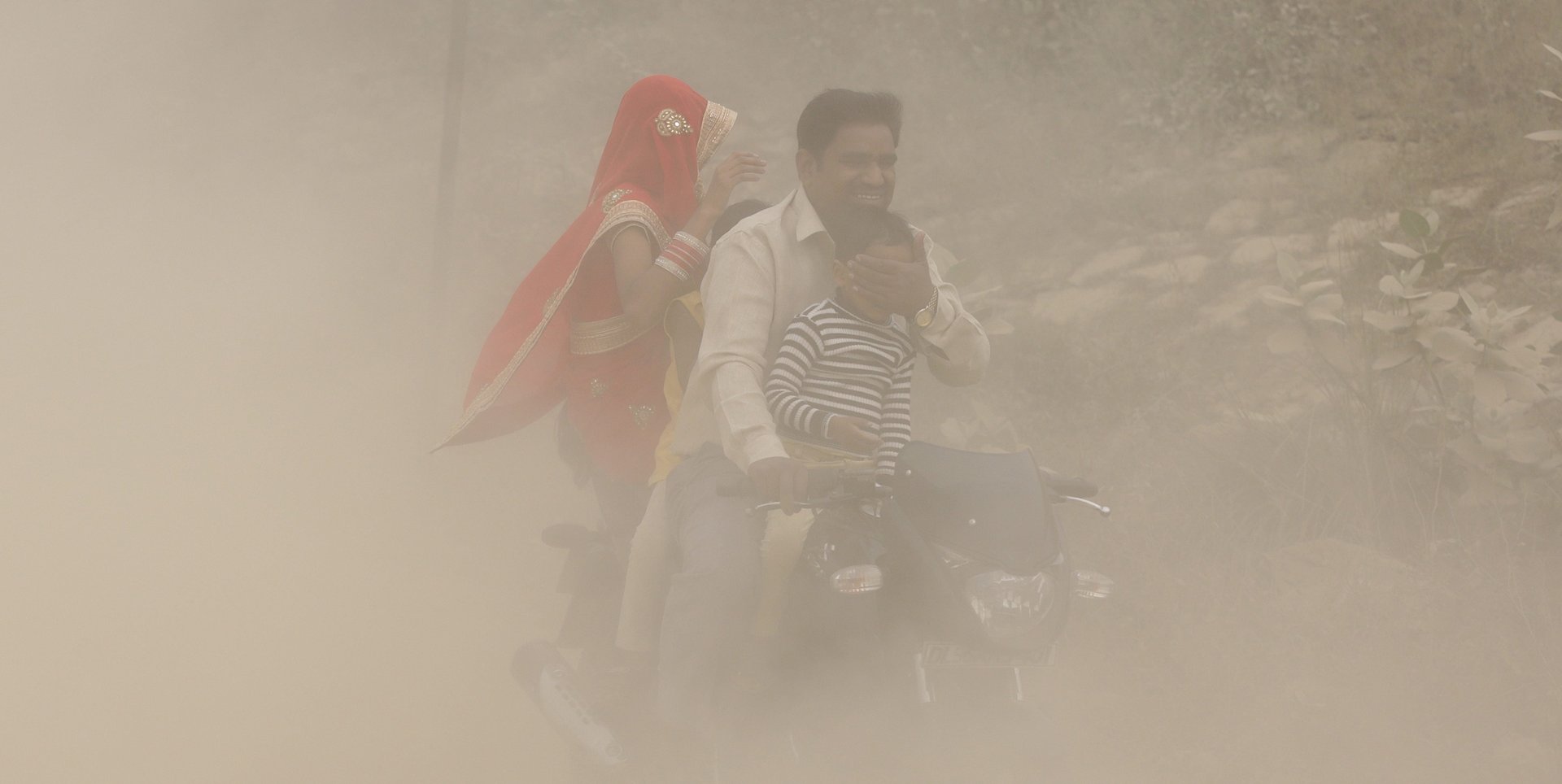
As Delhi remains enveloped in a toxic smog, some of the city’s residents are bearing the situation in style.

Residents of India’s metropolises are no strangers to air pollution but New Delhi’s toxic haze has, worryingly, raised the bar for concern.

After several years of expansion in a market that will soon be its second biggest after the US, Twitter is now left without a country head for India.

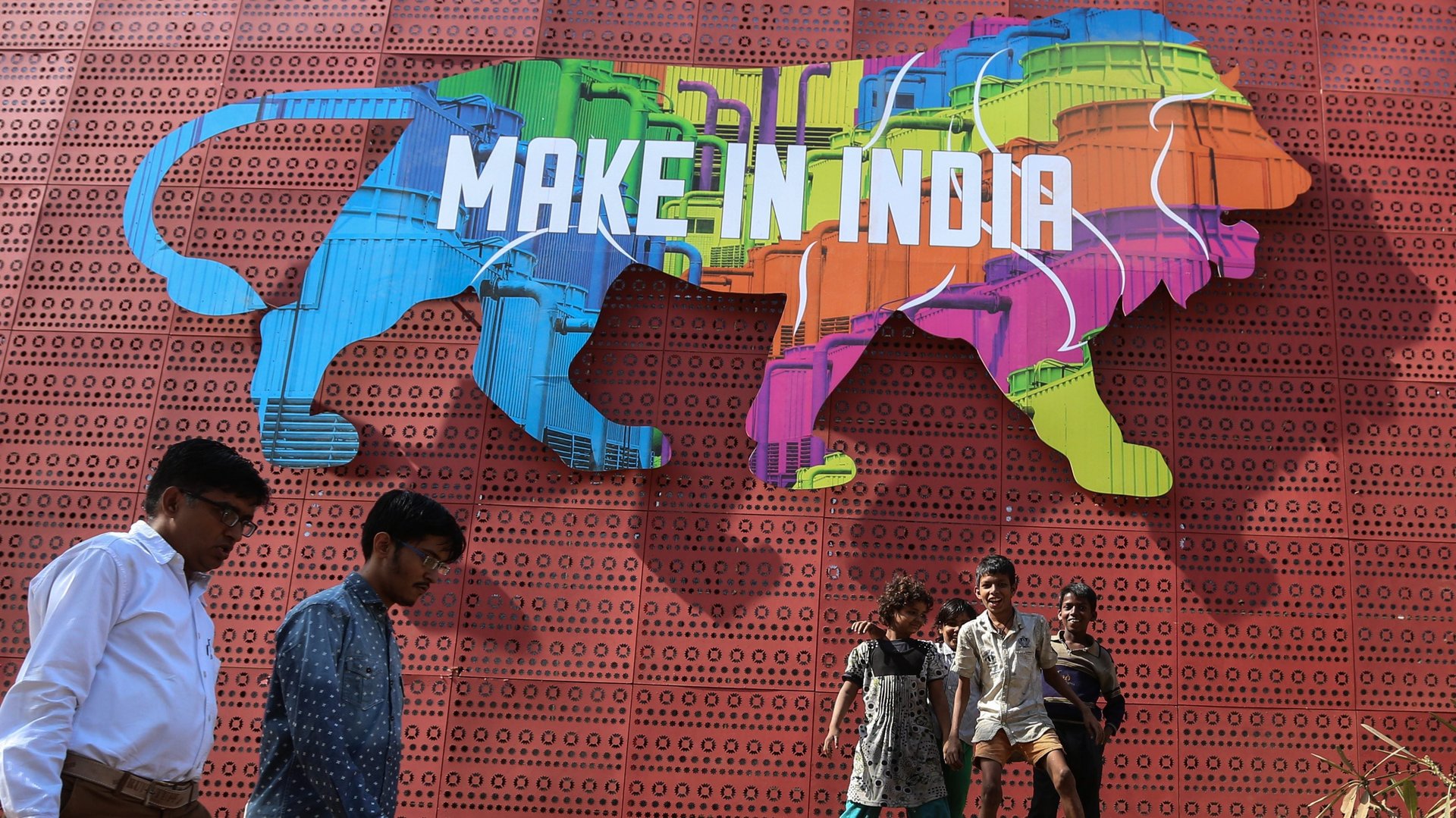
Prime minister Narendra Modi wants the world to “make in India,” but several regions in the country are far from being business-friendly.

Smartphone sales in India are on fire.

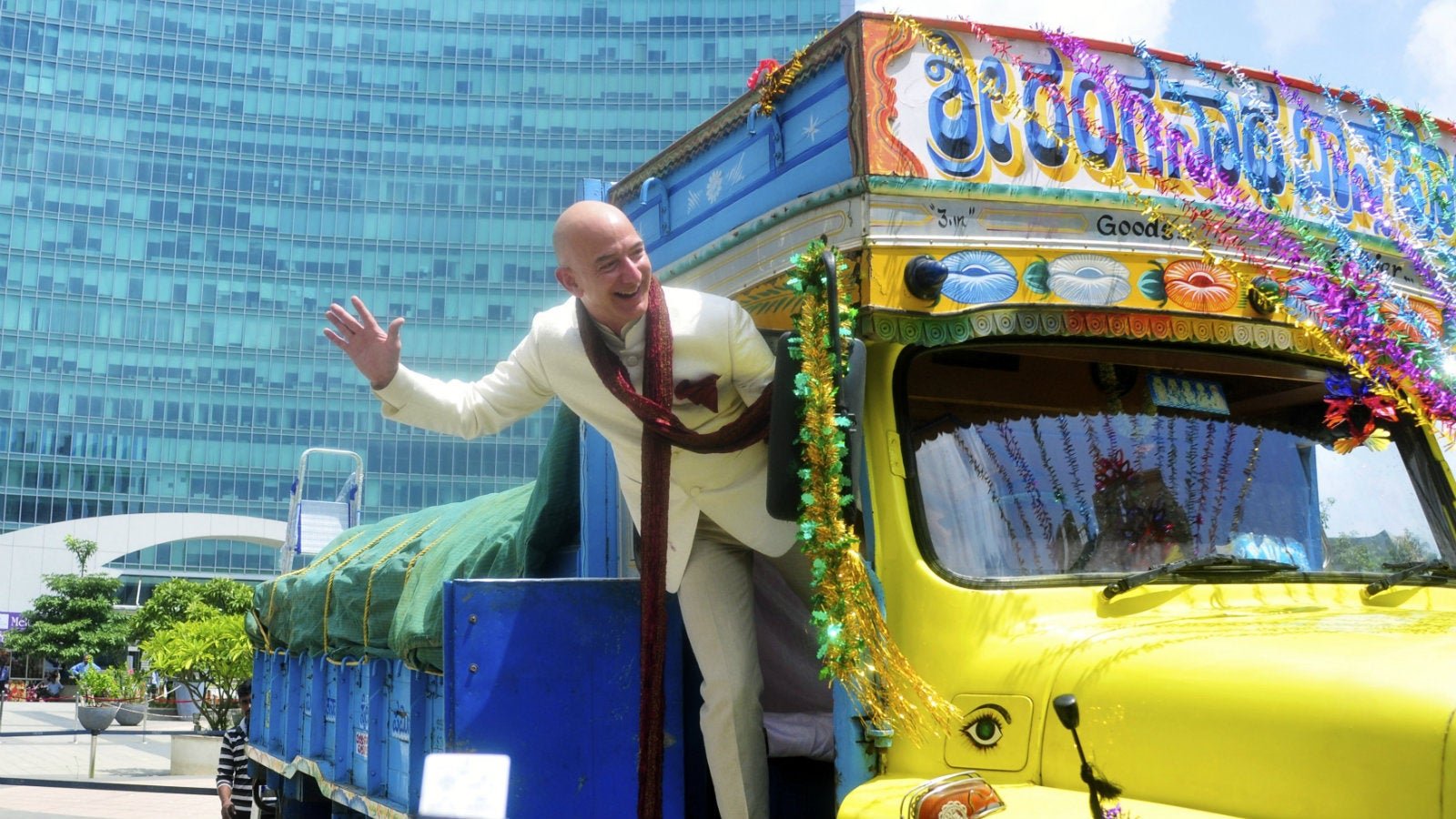
Amazon seems to have found its sweet spot in India.

First, the good news. In terms of the number of firms, India’s still the third-largest startup ecosystem in the world.

Nipun Mehrotra works out of a swanky corner office at IBM’s facility in east Bengaluru. His ground floor space—minimally designed, with a standing desk and a mini-refrigerator—stands out compared to the rest of the premises, which have the look and feel of a typical IT office with orderly bays and cubicles.

Car makers and cab-hailing companies in India want to be best friends.

For the past few weeks, jewellery stores and salons have been clocking up higher-than-usual sales in India in anticipation of Karva Chauth.

In 2012, Sahil Verma quit his high-paying job with a multinational IT company in Mumbai to return to his roots in the northern Indian state of Jammu and Kashmir (J&K).

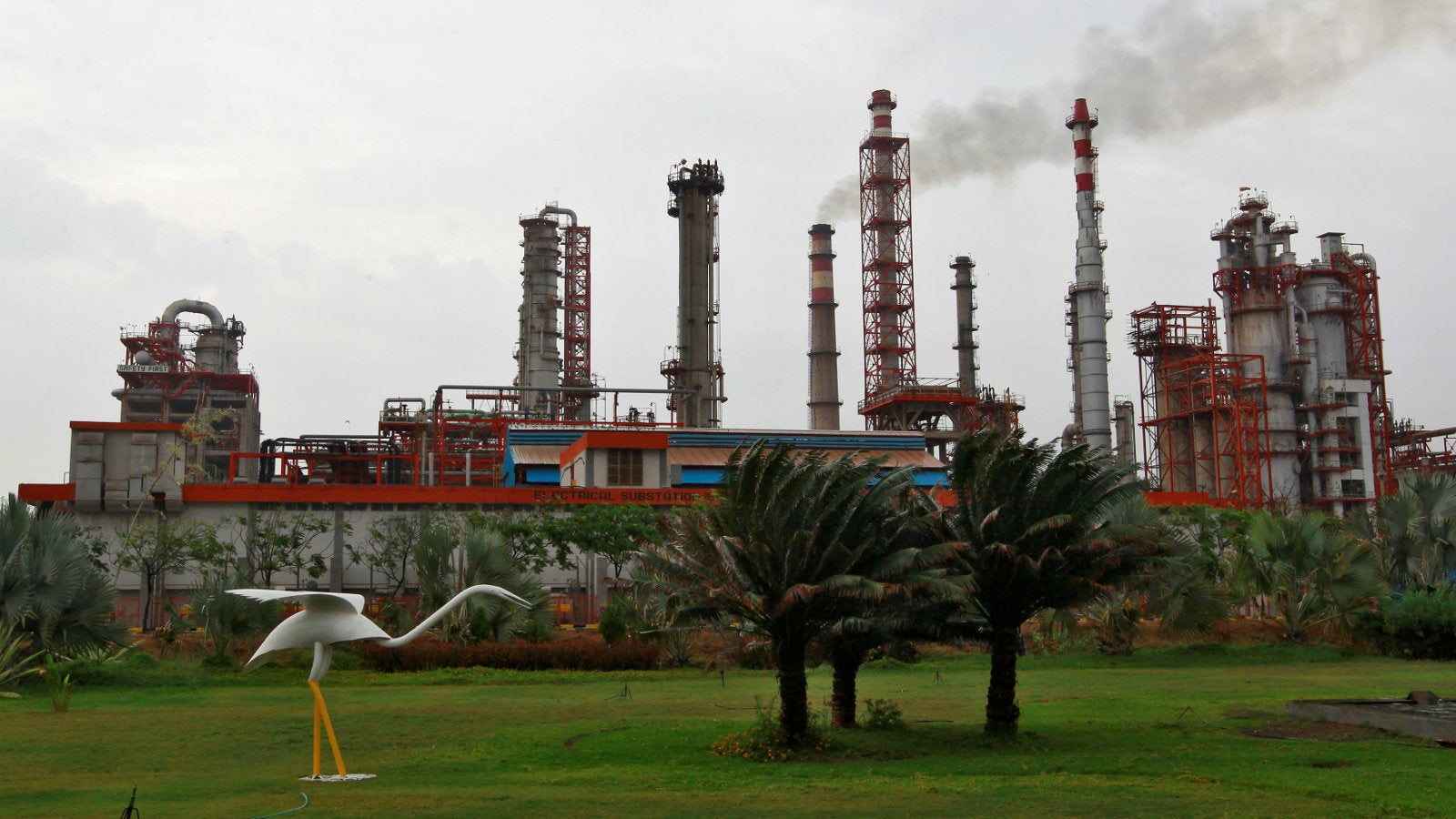
India’s second-largest private oil refiner, Essar Oil, could soon come under Russian control.

The Indian IT outsourcing industry typically ushers in autumn in style, after posting strong earnings in the July-September quarter. However, this year may see that trend turn on its head.

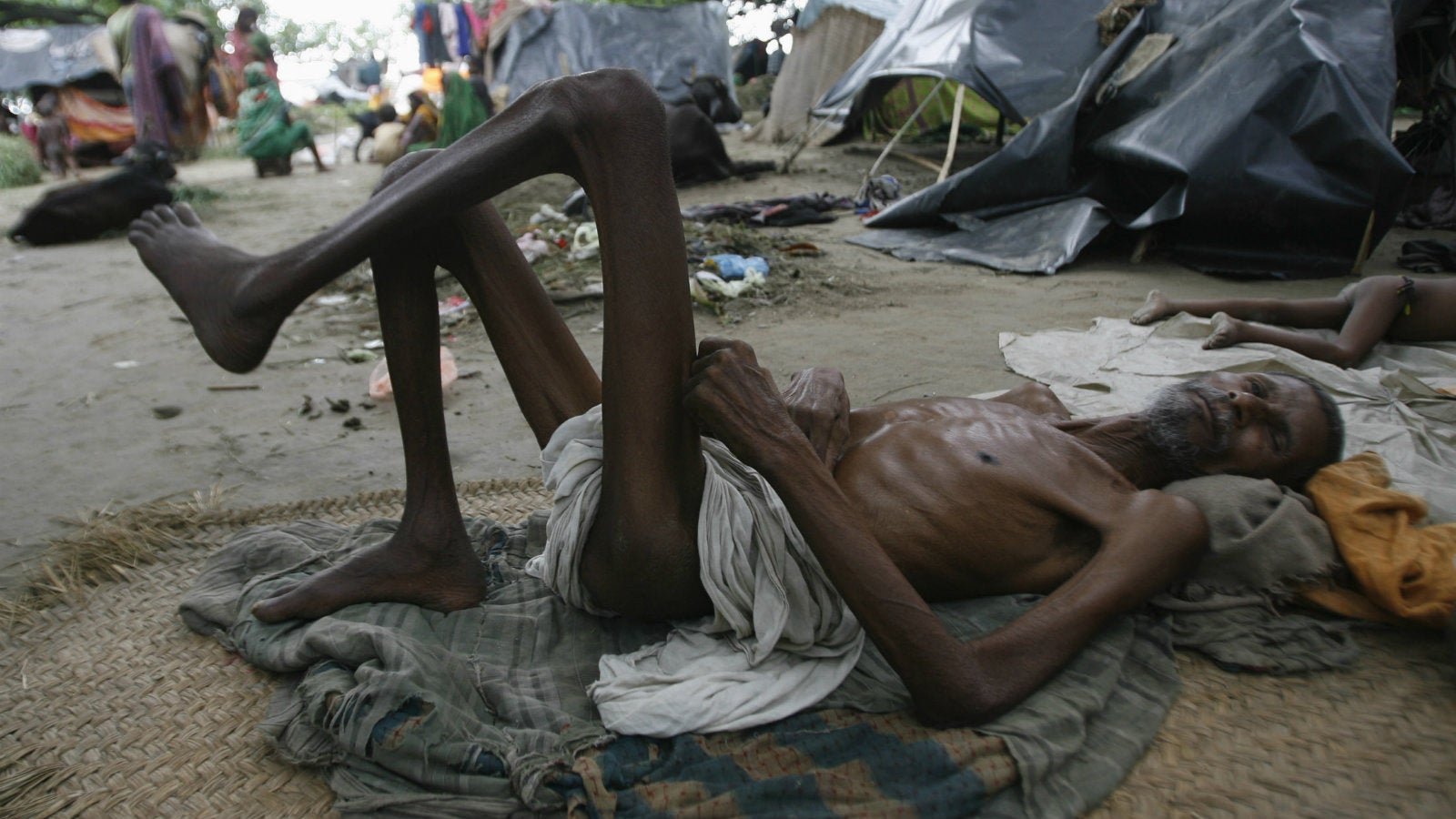
Despite an improvement in nutrition levels over the last 15 years, India still has a serious hunger problem: 15% of the country’s population remains undernourished.