Good news, parents! Your kids’ empathy levels, or lack thereof, may not be all your fault. A new study, published today in Child Development, finds that both older and younger siblings positively influence each other’s empathy over time.

Good news, parents! Your kids’ empathy levels, or lack thereof, may not be all your fault. A new study, published today in Child Development, finds that both older and younger siblings positively influence each other’s empathy over time.

Unilever is the world’s second biggest advertiser. And it will pull its advertising from tech giants like Facebook and Google if they fail to improve transparency about news, protect children from extremist and toxic online content, and move to build public cohesion rather than division, the company’s top marketing executive will say in a speech today.

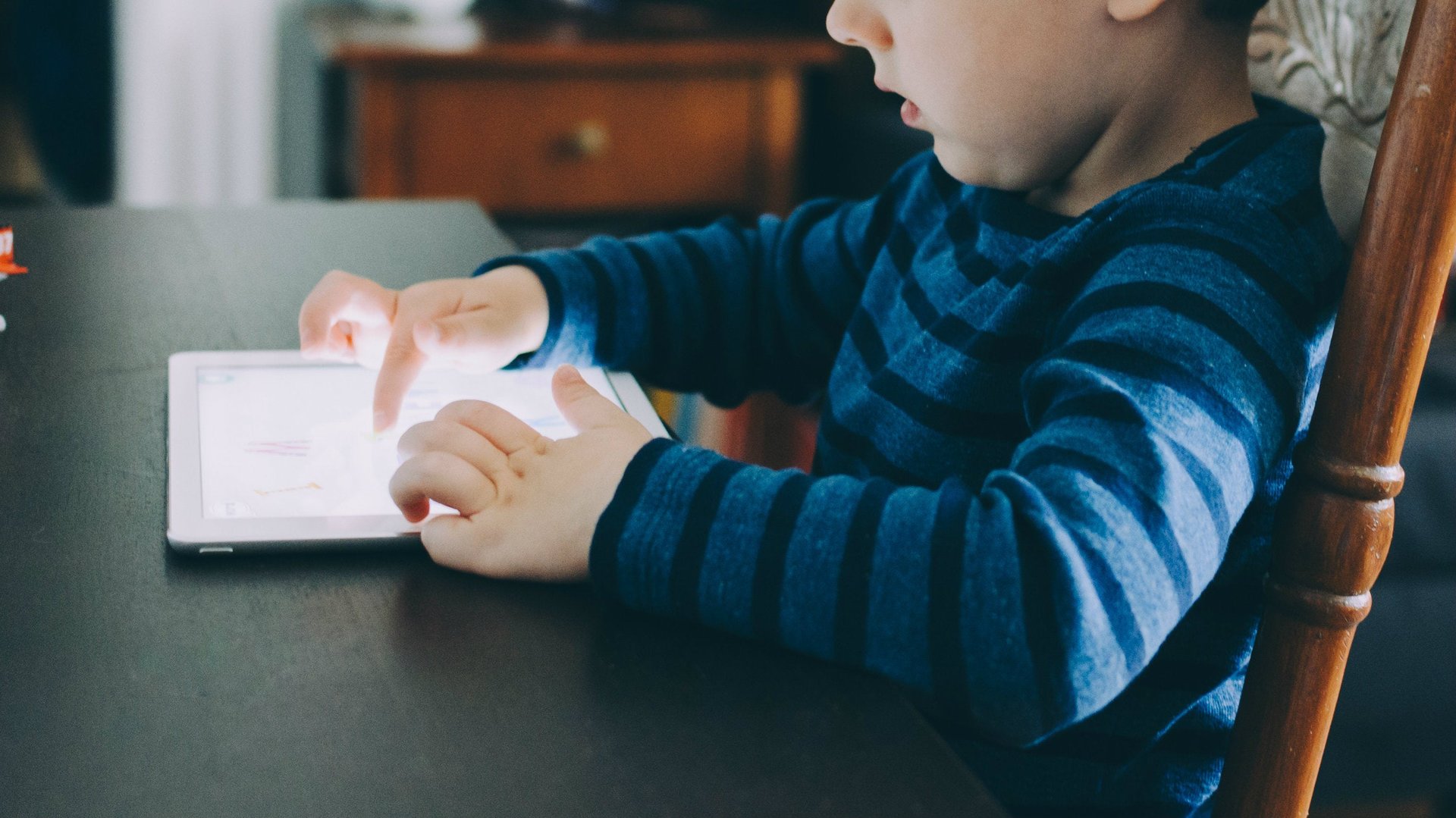
Most people associate the word “addiction” with problems like gambling, alcoholism or drug abuse. But look at a child bent intently over the electric-blue glow of a smartphone, and it’s hard not to wonder whether we need to expand our definition of “addiction”.

People who talked about how too much technology was bad for kids used to be labeled luddites and alarmists. Now the problem of tech addiction is so widely accepted that the people who helped create the problem are banding together to try and fix it.

As any new mom can tell you, having a baby is no walk in the park. Beyond the physical toll of giving birth and the way newborns seriously mess with our need for sleep, new parents have to navigate a mental minefield. When you’re suddenly responsible for a tiny, fragile, helpless human being, everything is upended—from your relationships and career to your house and sense of time.

These days, it’s common for progressive executives to advocate for more flexible work hours. But demands for better work-life balance are also coming from some unexpected—and exciting—corners.

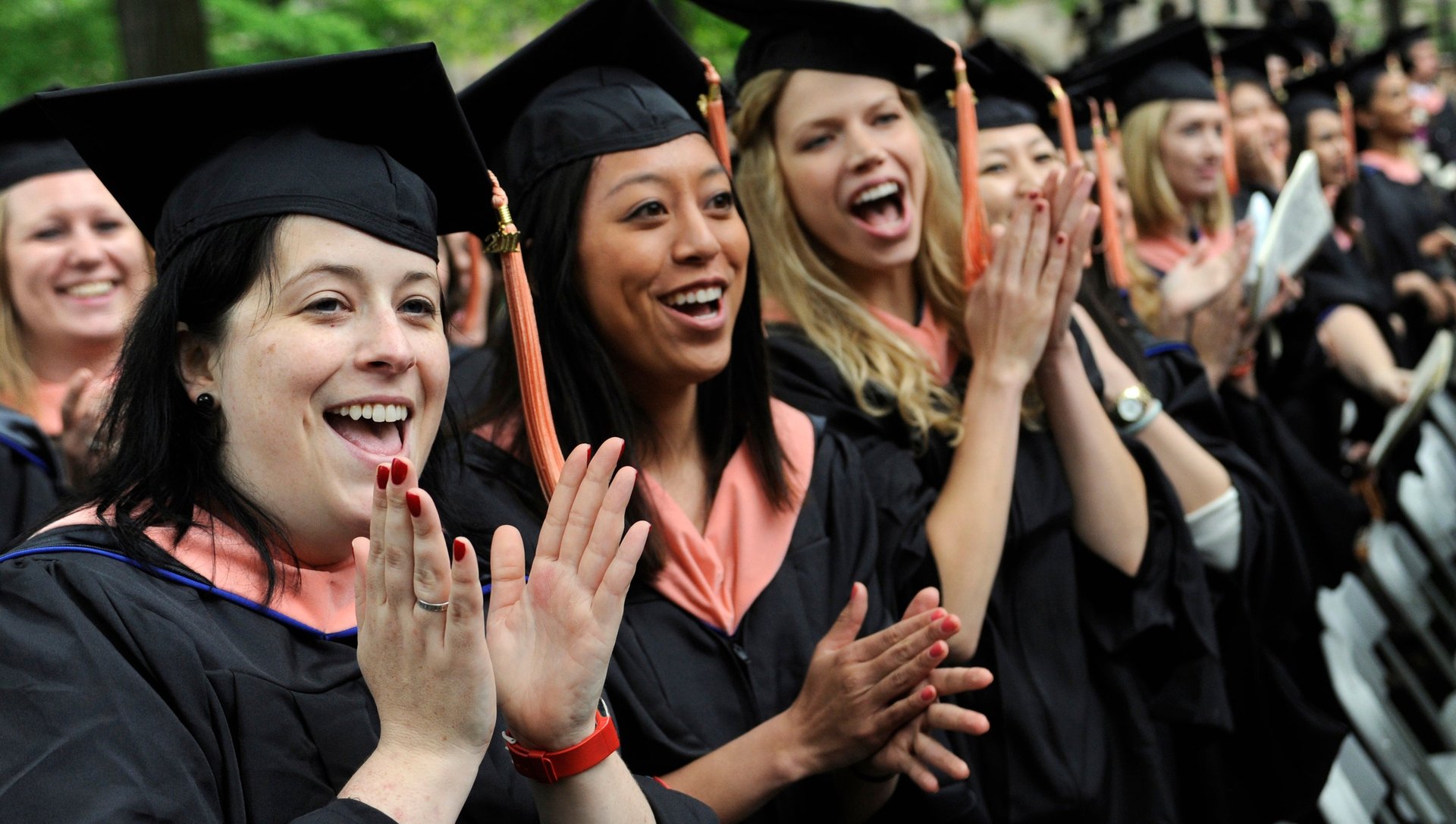
It takes a lot of hard work to get into places like Yale and Stanford. But once students make it to the Ivy League, many find that while they’re ready to tackle Shakespeare and comparative political systems, they’re lost when it comes to building emotionally rich, and balanced lives.

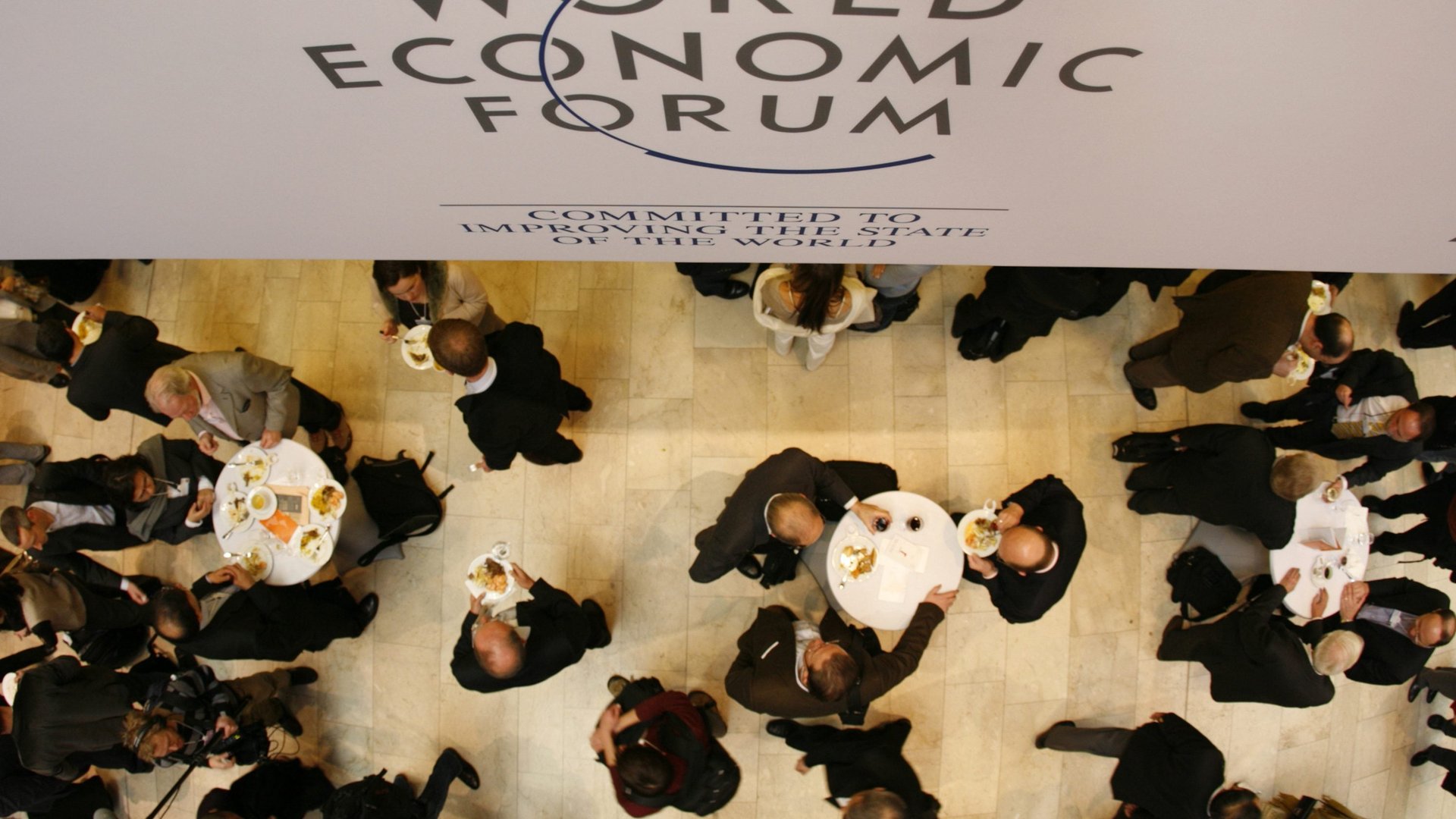
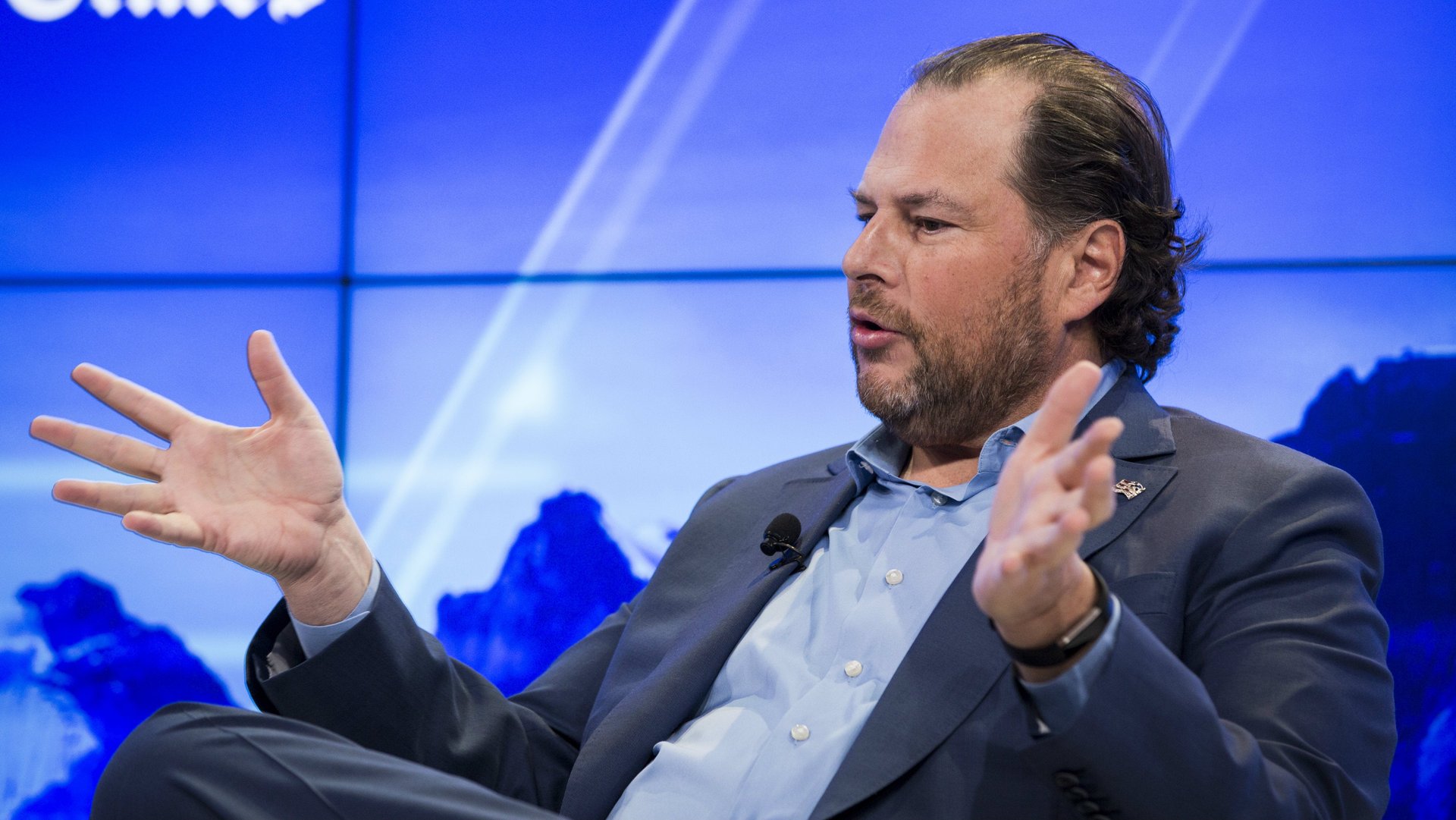
In Davos this week, 3,000 world leaders and business bosses attended hundreds of talks, workshops, dinners, and other get-togethers. The takeaway: Artificial intelligence and climate change are going to ruin us, but blockchain and women are going to save us.

DAVOS, Switzerland

If you care about gender equity, there seems ample cause for despair. Women make up 21% of Davos participants this year. According to various panelists at Mercer’s annual “When Women Thrive” breakfast at the World Economic Forum, men still make 80% of decisions in business, and women are 15% less likely to be promoted at every level.

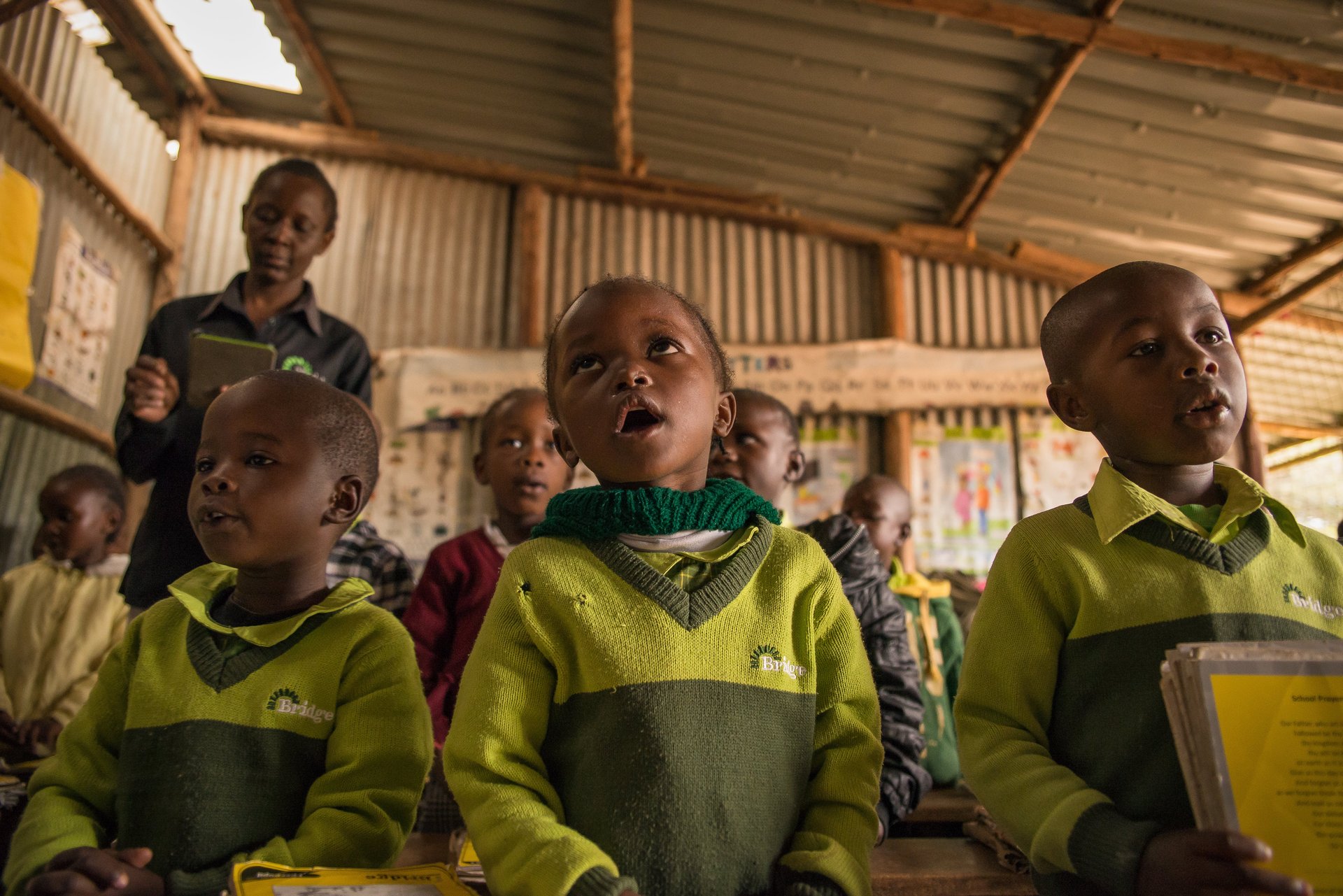
On a Monday morning in October, Faith stands before her class of kids, ages 10 and up. She looks down at her tablet computer, which details the day’s lessons. Her teaching plan gives instructions down to the minute, including when kids should stand up, solve problems, cheer for a classmate, and work with others.

The list of people who are worried about what technology and social media are doing to our kids’ brains is growing.

There’s something wrong with the way we talk to teenagers about sexting.

On the campaign trail, Donald Trump urged Americans to “declare independence from the elites who’ve led us to one financial and foreign policy disaster after another.” Later this month, he’ll join those very elites at the World Economic Forum in Davos, Switzerland.

Two big investors sent a letter to Apple this weekend imploring the biggest US company by market value to consider how technology affects children’s wellbeing.

On Jan. 1, England’s new Office for Students launched with the mandate to ensure students get value for their money.

England’s main public health authority is urging parents to draw the line on kids’ snacks, and limit them to two a day of 100-calories each. Kids on average eat at least three high-calorie sugary snacks and drinks a day, with one-third eating four or more. That means kids are consuming three times more sugar than is recommended.

I learned a lot in 2017. I learned about how the European Union works, because Britain decided to leave it. I learned what a social media-obsessed presidency looks like, and the distinctive outlines of a political party that picks power over principle. I learned that a Trump presidency can force a scientific-based organization dedicated to saving millions of people’s lives into not using terms like “science-based” in an effort to get its budget passed.

On Sunday, France’s education minister announced that mobile phones will be banned from primary, junior, and middle schools, calling it a matter of “public health.” While phones are already prohibited in classrooms in France, starting in September 2018 students won’t be allowed to use them on breaks, at lunch, or between lessons either.

Sean Parker, one of Facebook’s early investors and its first president, recently riffed on how bad Facebook probably is for our kids.

Since 2001, the Progress in International Reading Literacy Study (PIRLs) has tested fourth-graders —roughly speaking, 10-year-olds—around the world on how well they read.

“We’re teaching for the wrong century.”

This time last year, many of us were bracing for a Bay of Pigs-like standoff over Thanksgiving dinner. Trump had just been elected and his supporters were elated and energized. Clinton supporters were angry and despairing. The world was fractured, bruised by Brexit in the UK, ISIL attacks seemingly everywhere, and turmoil in Turkey (the country, not the bird).

Suicide rates among American teens are rising, as are rates of depression and anxiety. A new study in JAMA shows the pattern is similar for self-harm, with alarmingly high rates among young girls.