


As temperatures rise, Thailand’s Chao Phraya basin faces dual threats—severe floods are growing more likely at the same time that climate change is putting people living there at higher risk of drought.
When the omicron variant started making headlines and stocks hit the skids on Nov. 26, some traders posting on Reddit’s WallStreetBets group said it was a Black Friday sale. Were corporate shares really on discount?
Index funds have humbled the financial masters of the universe. But they’re still not sexy.

Peloton, a high-flyer during the first year of the pandemic, has been one of the worst performing stocks in 2021 as people return to offices and gyms. Will the omicron variant of Covid-19 give the exercise company’s shares a second wind?
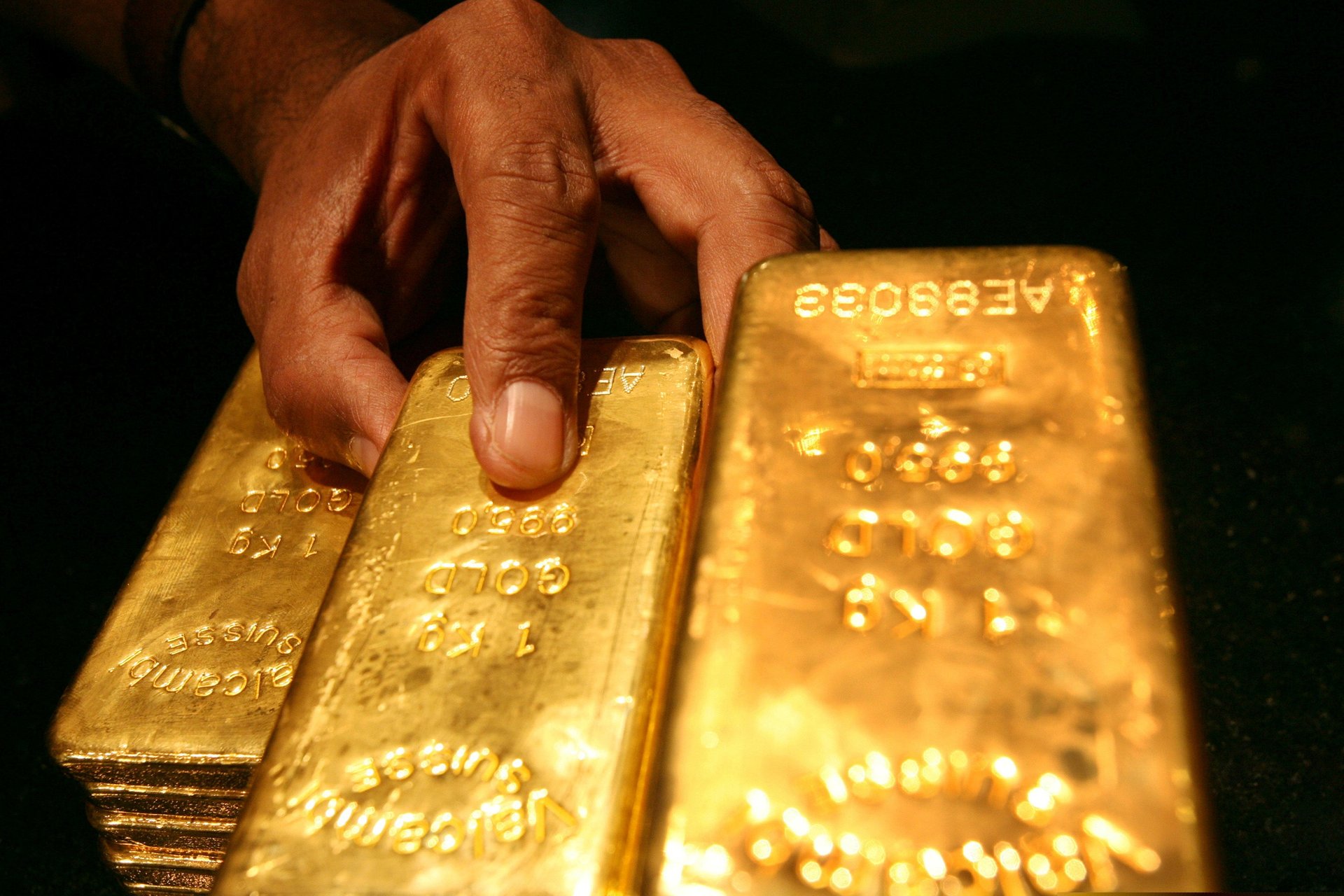
Gold’s reputation as an inflation hedge hasn’t shone this year.
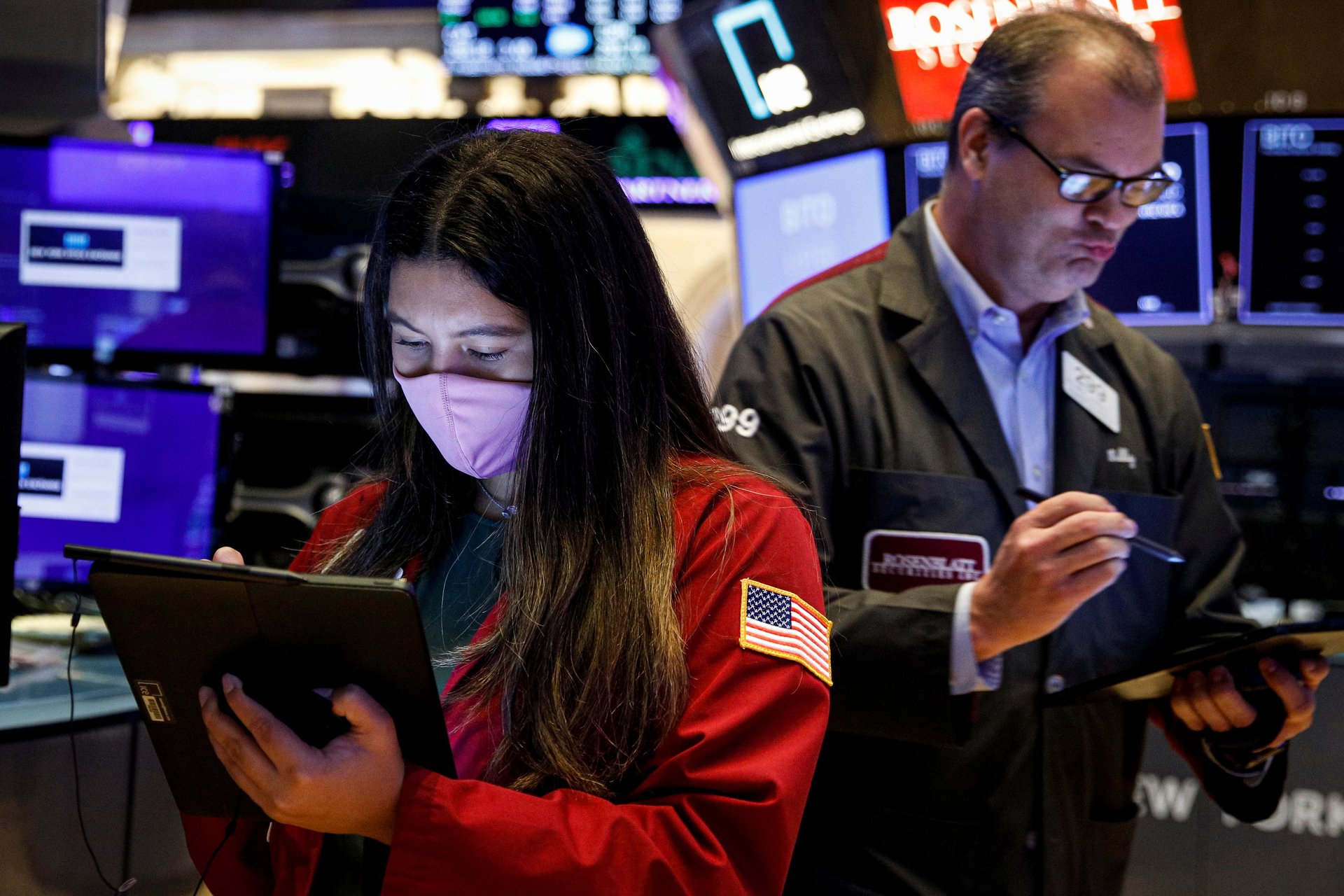
Fueled by a cocktail of slick trading apps and social-media hype, retail trading has soared since competition between brokerages squashed commissions in 2019. Stocks were the focus initially. But these days much of the excitement appears to be in options, which offer a cheap way for traders to bet on a stock going up or down in price without having to actually purchase the shares.
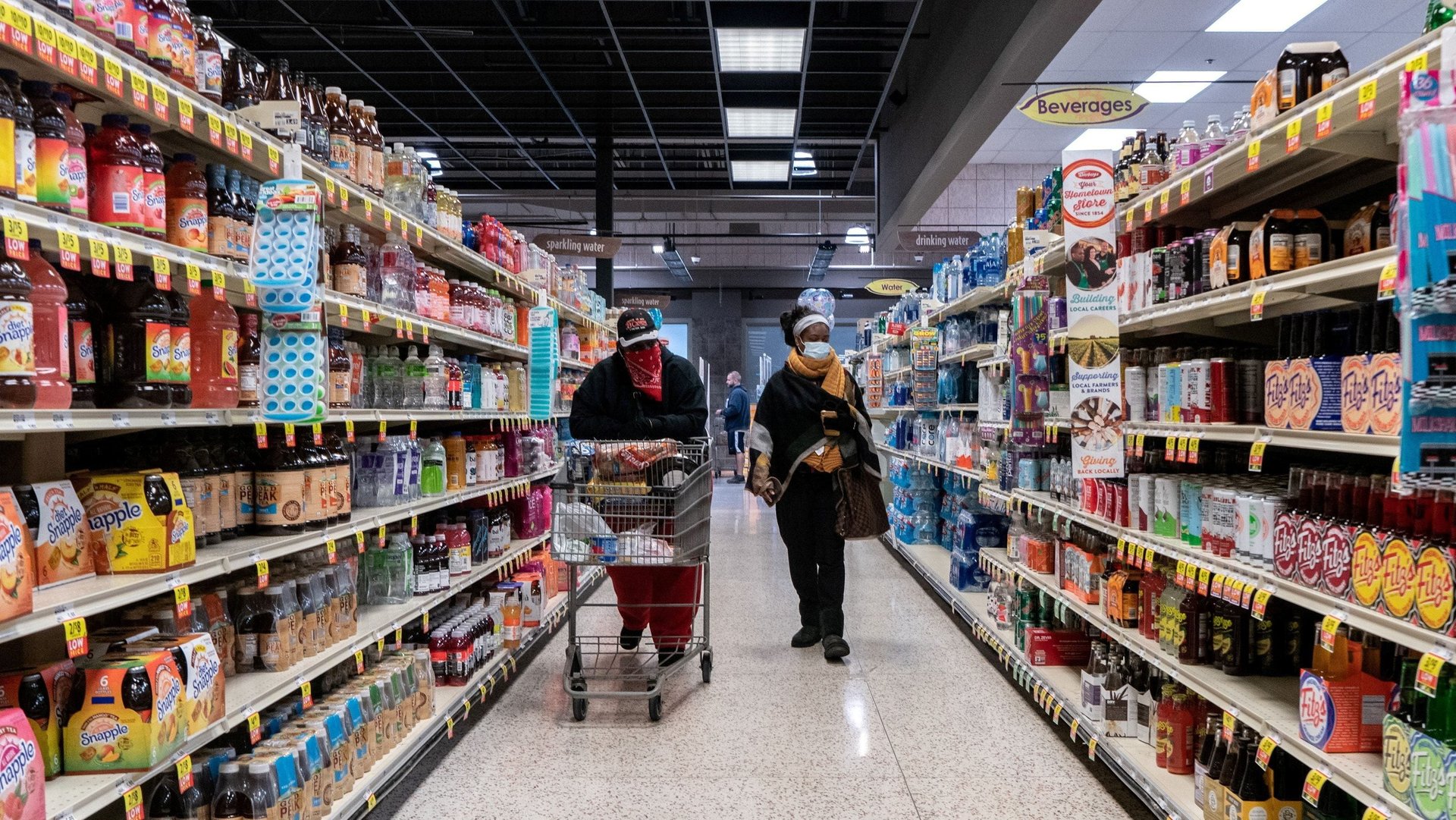
As inflation spikes to the highest rate in three decades, many are wondering whether rising prices will bite a hole in their savings.
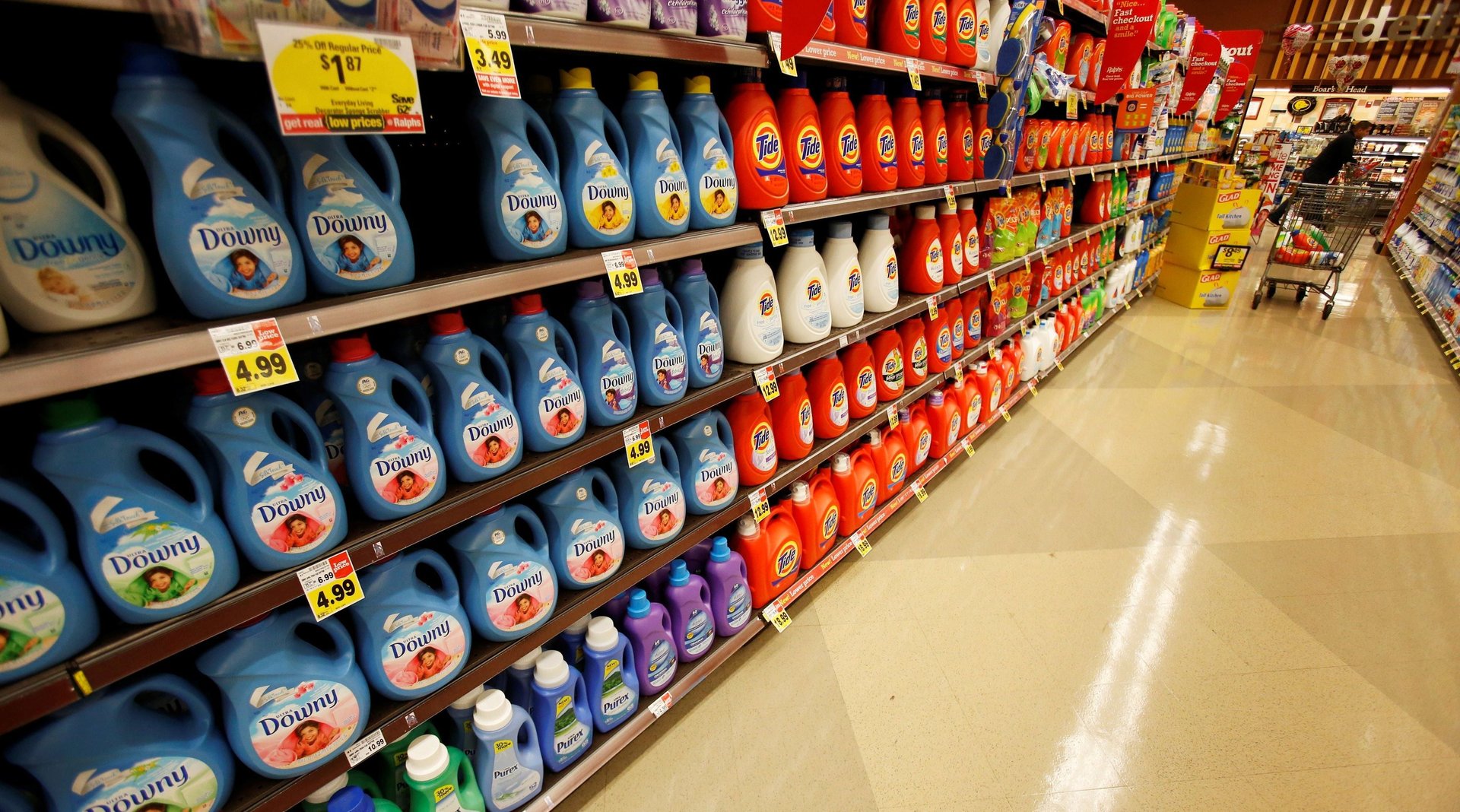
Is inflation transitory? Executives are talking about it more than ever, but there’s little agreement on whether the spike in price increases will be sticky or fleeting.
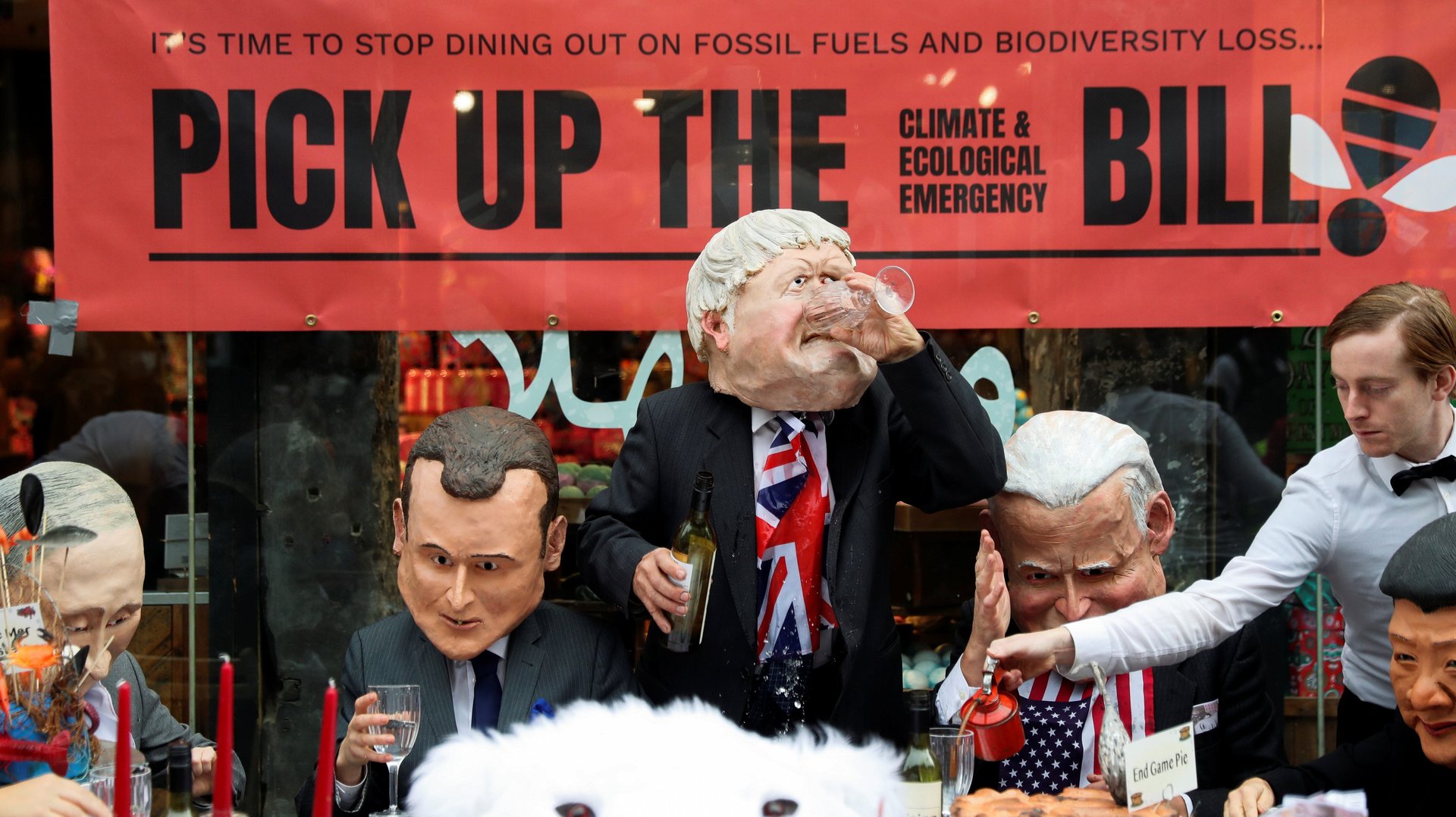
Poor countries, rocked by storms and flooding from climate change, have spent years trying to hold the big carbon-emitters accountable. While most rich nations have fiercely resisted this liability, attendees at COP26 will give it another try in Glasgow.
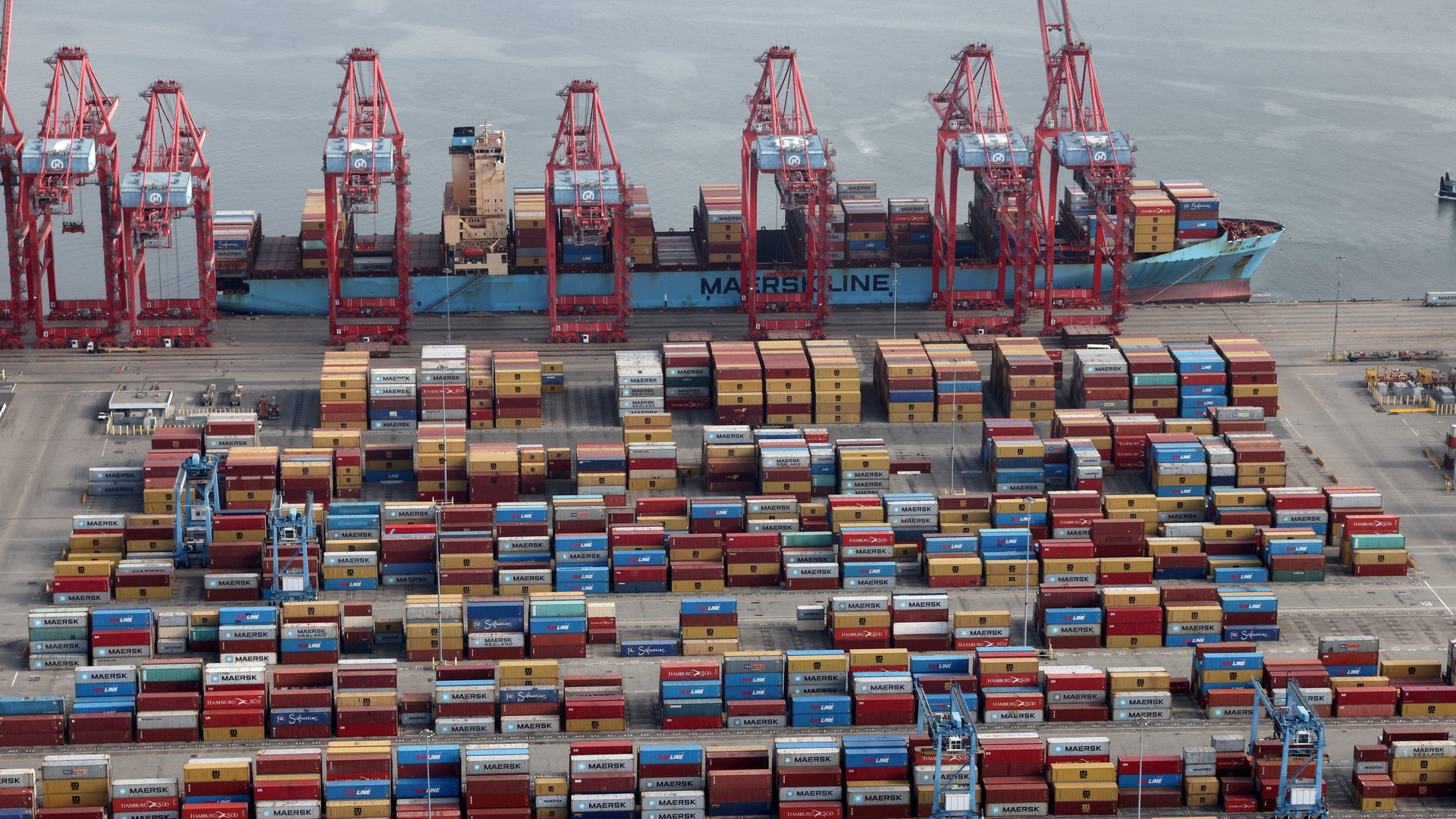
Snarled supply chains are creating havoc throughout the global economy. But what happens if today’s shortfall in running shoes and computer chips becomes tomorrow glut?

As Ryanair debates whether to end its stock listing in London, it raises a familiar question: Is the budget airline’s potential departure a one-off? Or is it a sign that the EU is steadily stripping away pieces of Britain’s financial sector?
The $22 trillion market for US government bonds is getting ready for the highest inflation in more than a decade.
The meme-stock mania that rocked the US stock market is fading.
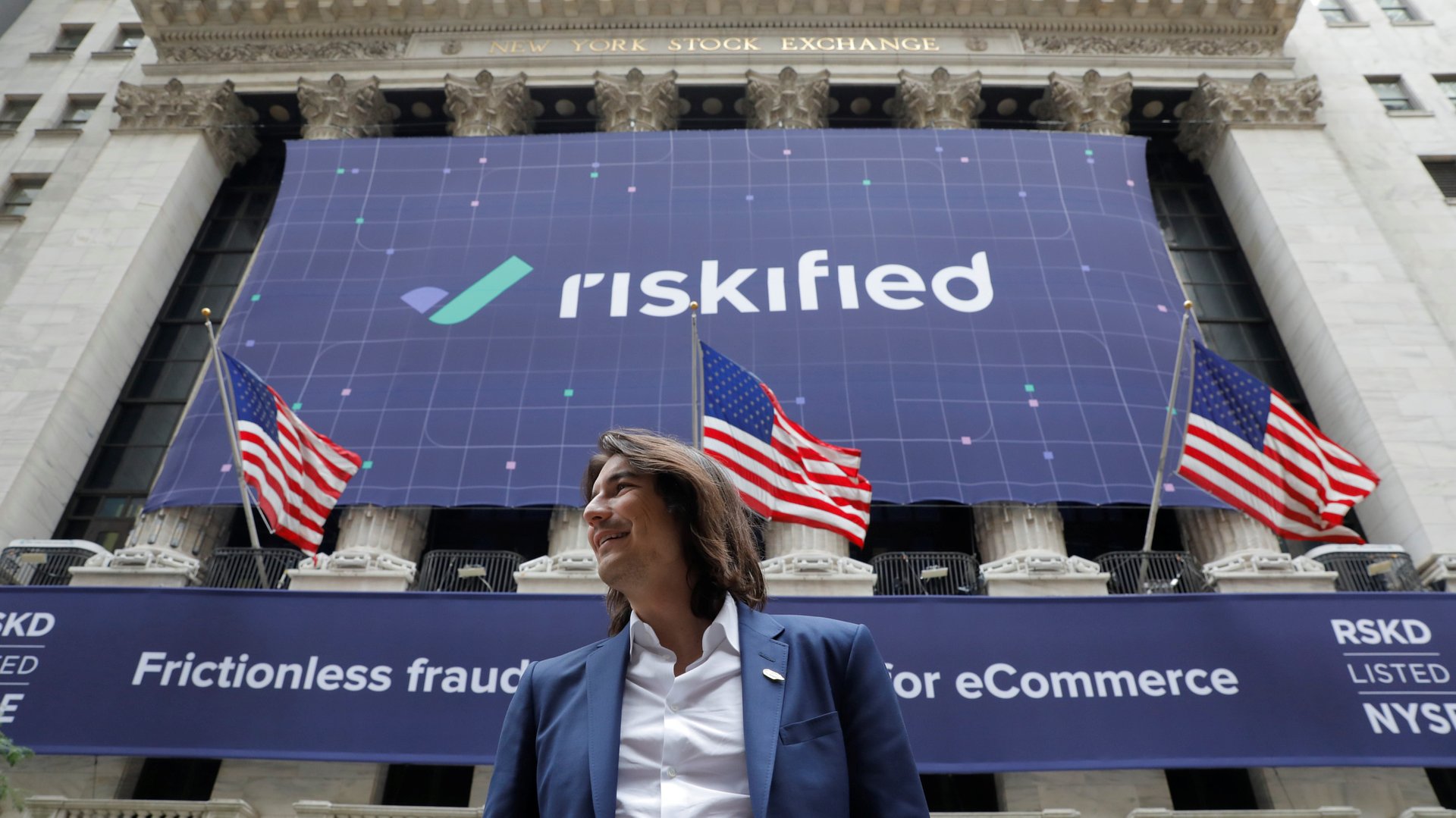
CEO Vlad Tenev will have plenty to discuss with investors and analysts when Robinhood reports third-quarter results tomorrow (Oct. 26). Shares of the Menlo Park, California-based brokerage have fallen about 12% during the past month, going in the opposite direction from rivals like retail-brokerage pioneer Charles Schwab and Coinbase, the crypto exchange.
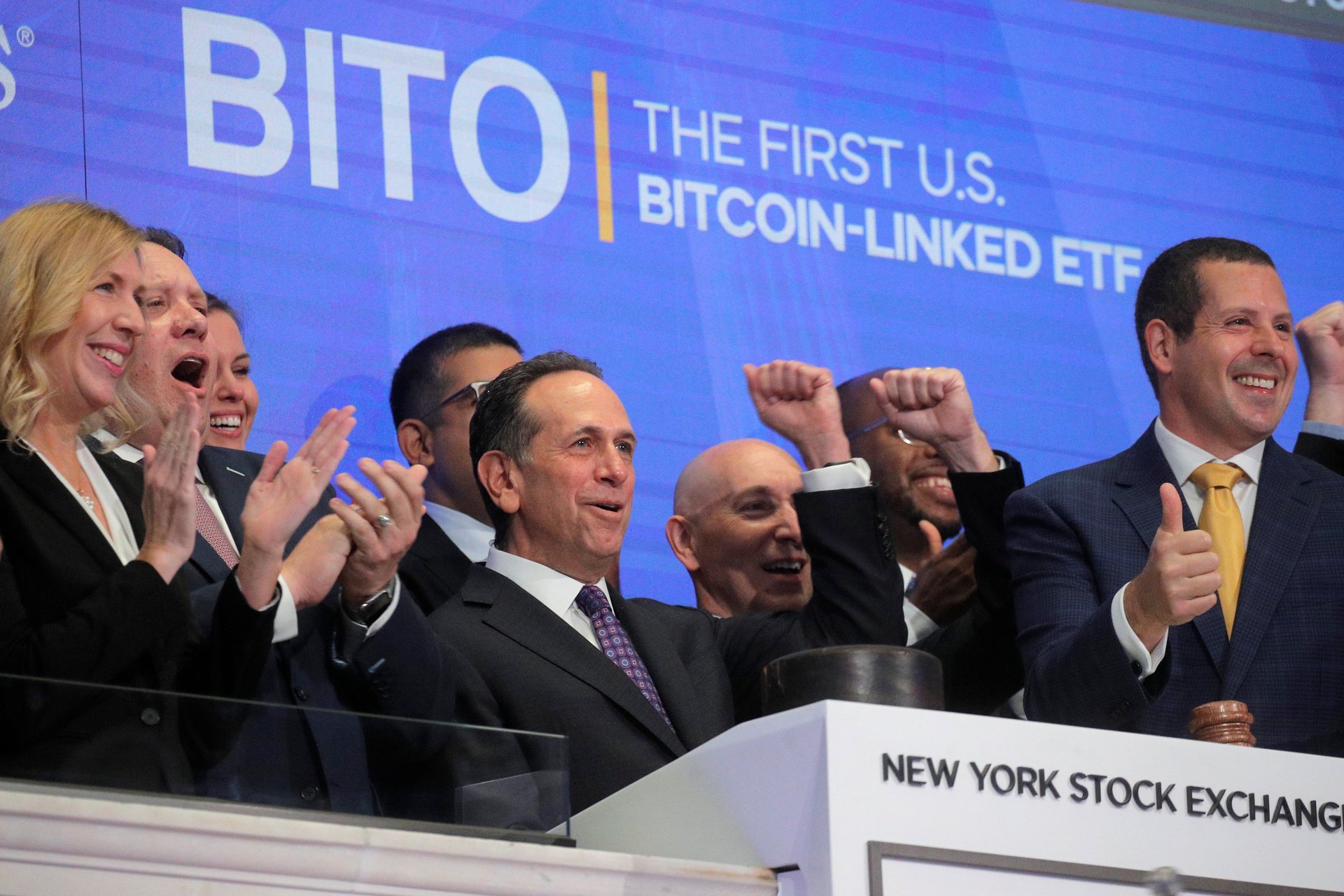
Some say bitcoin is a revolutionary force on the verge of transforming the financial industry. But the $7 trillion world of exchange-traded funds promises to bring its own style of disruption to the crypto sector.
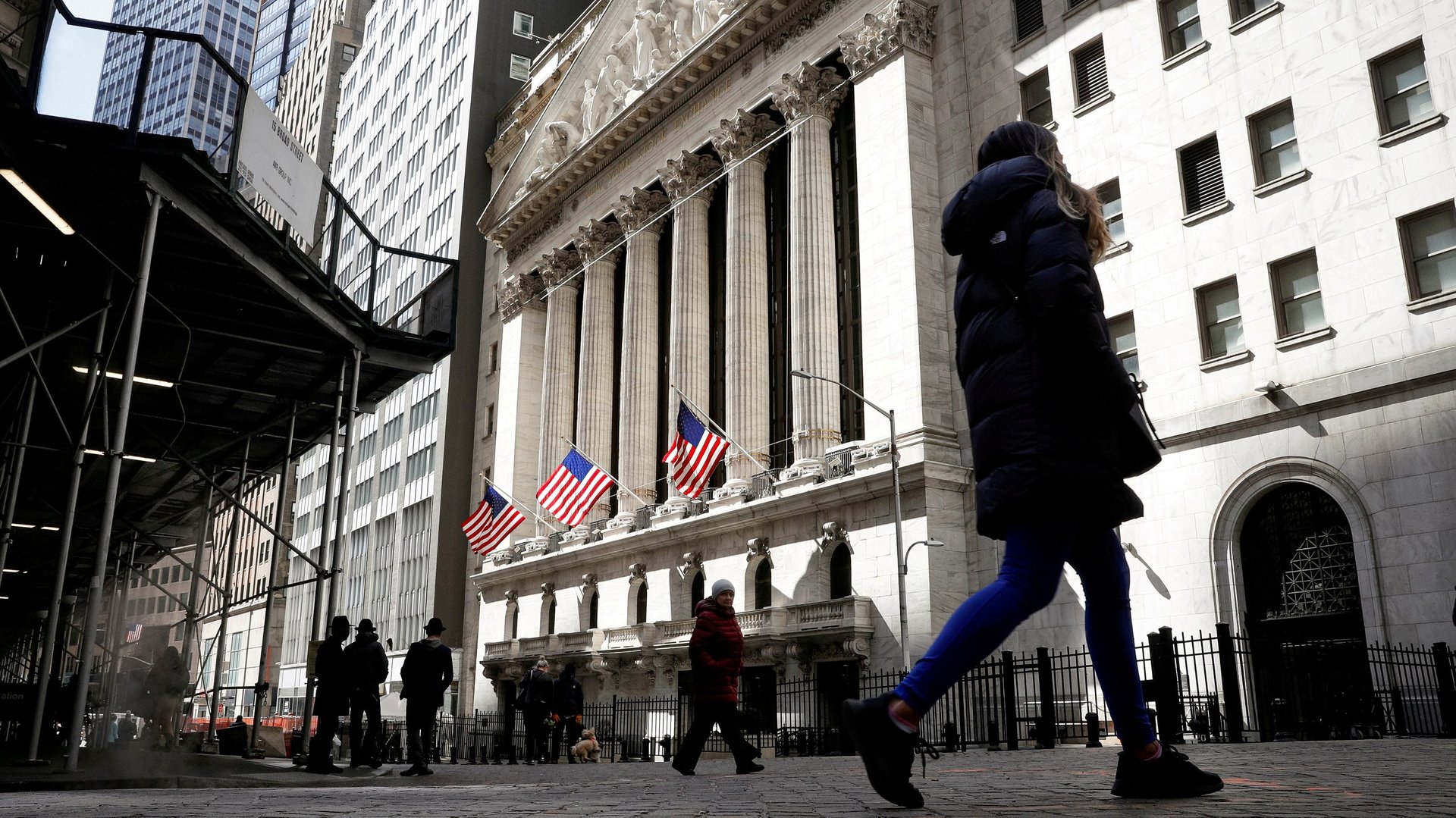
Bitcoin prices climbed toward a record high after the first US exchange-traded fund for the digital asset started trading.
Hi Quartz members,
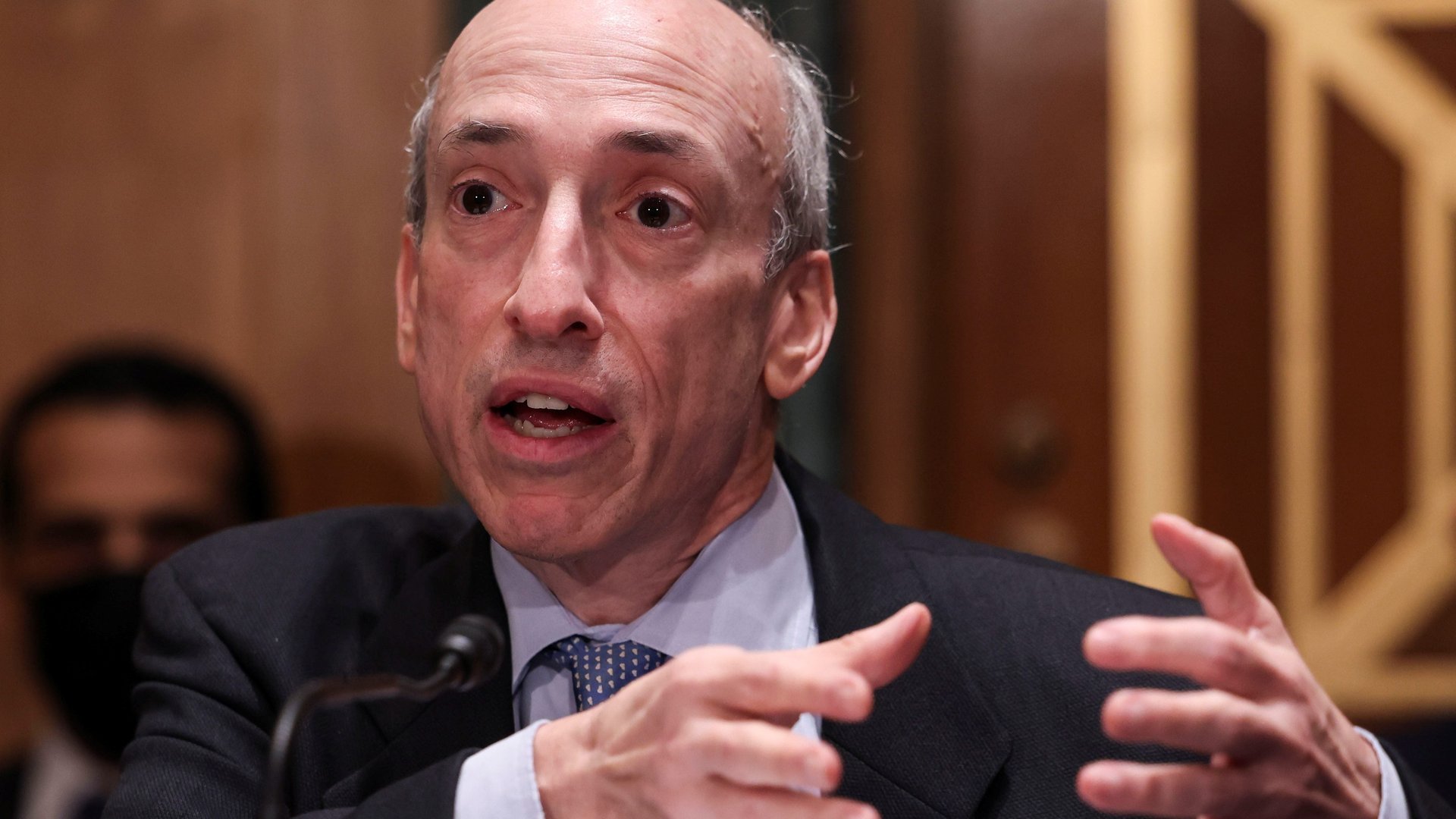
The first US exchange-traded fund for bitcoin is poised to start trading this week. Is it a watershed moment for crypto?
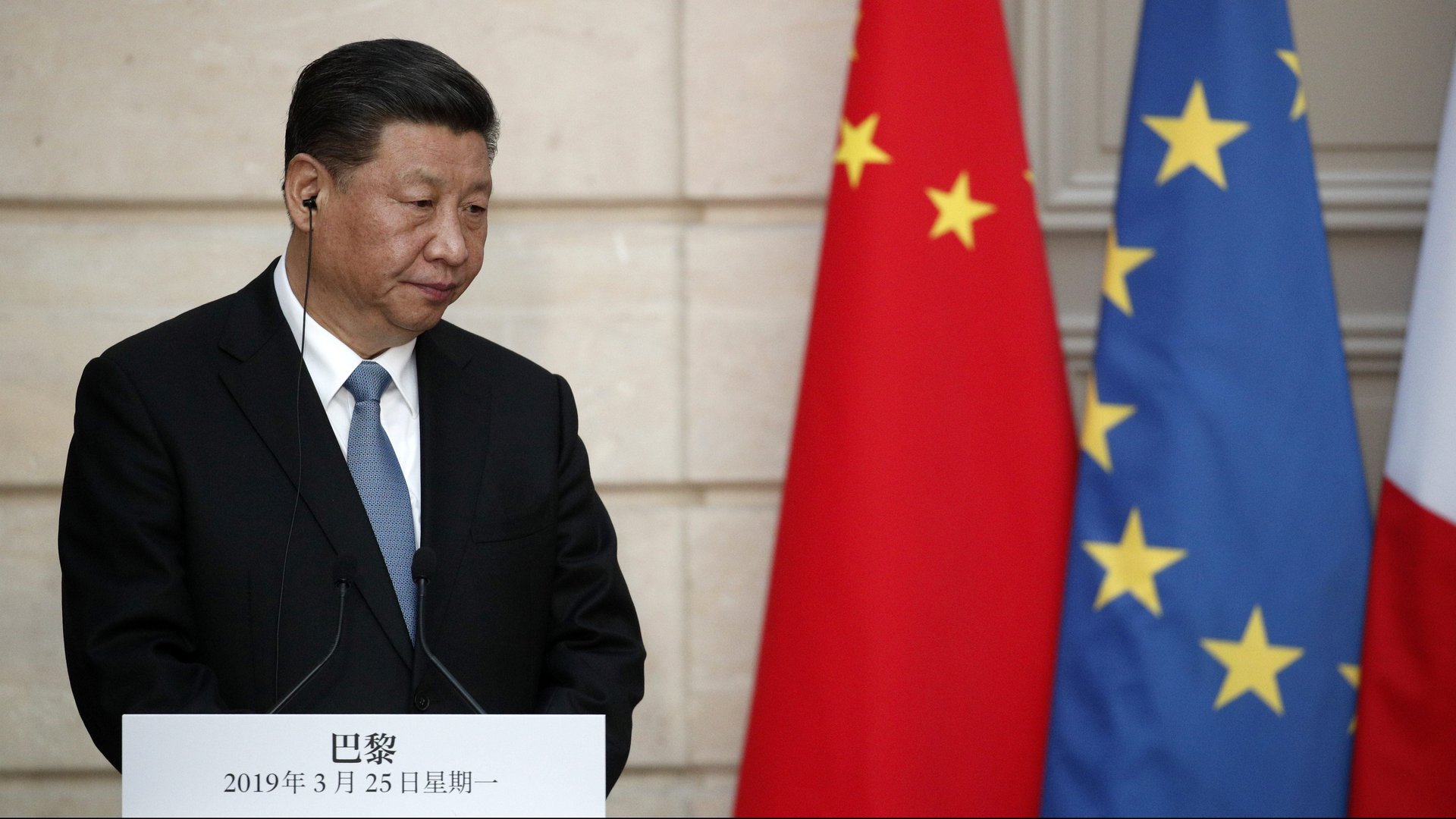
For almost half a century, Chinese officials have overseen one of the greatest economic transformations in human history. The country has gone from collectivized farms and famine to world-leading tech companies and gleaming megacities connected by superfast trains. More than 800 million Chinese have been pulled out of poverty as the Communist Party and its leader Xi Jinping string together (according to the party’s numbers) decades of uninterrupted growth.
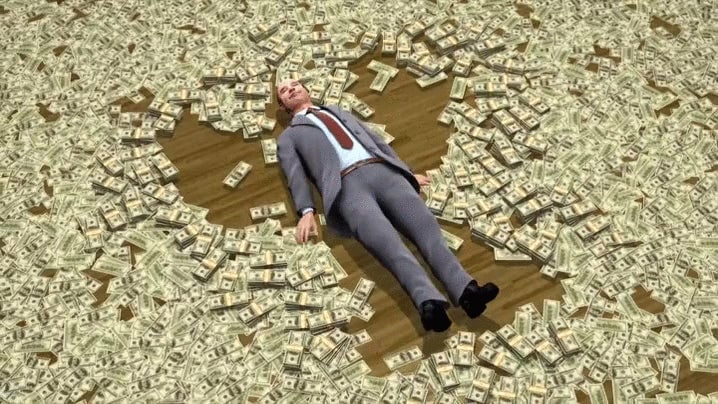
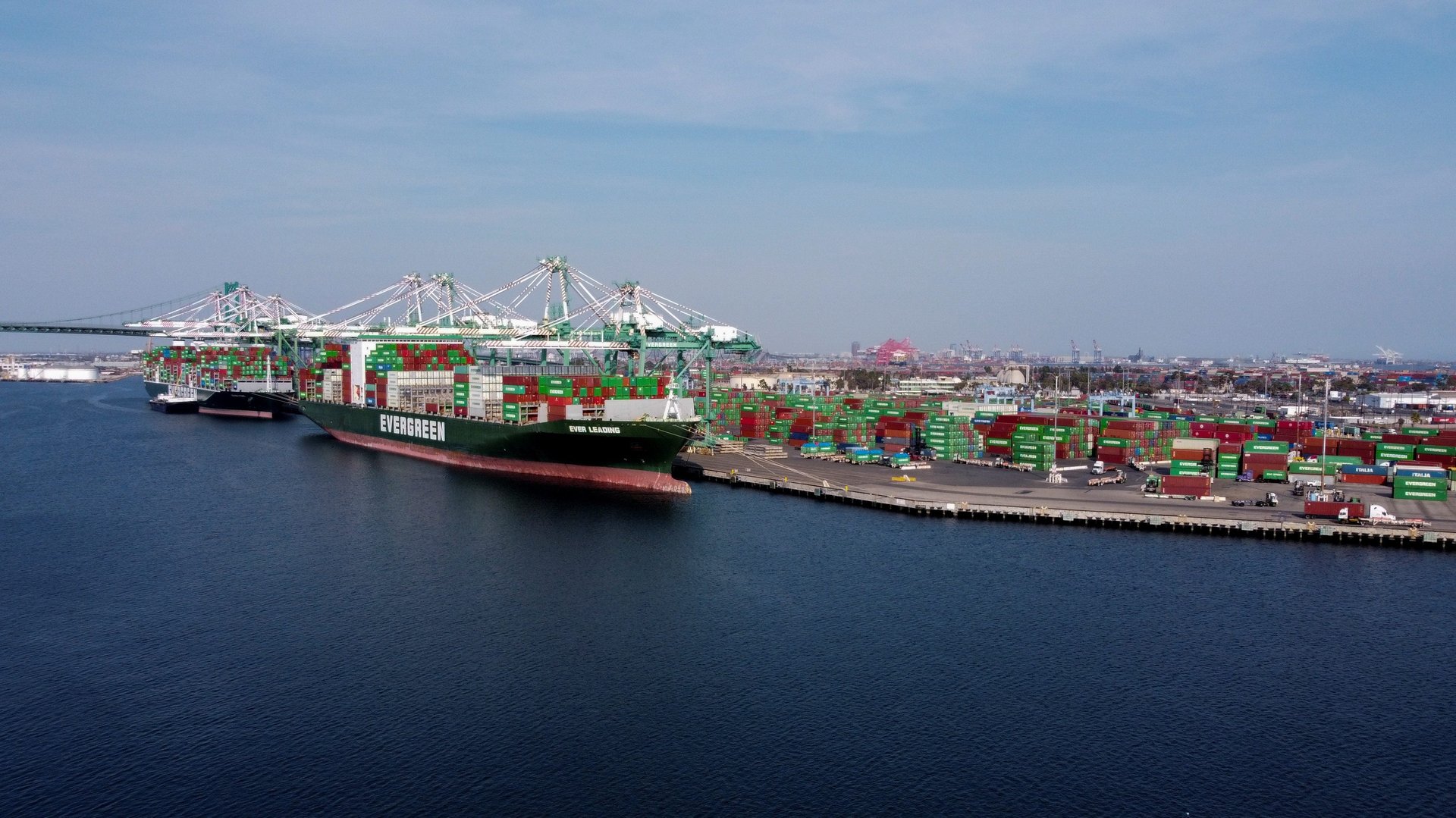
Economist Stephen Roach warned last year that the world is a busted supply chain away from stagflation. Now, 17 months later, the links that bind the global economy together threaten to disrupt Christmas. Conversations about stagflation are on the rise.

The term decentralized finance, or DeFi, goes back to a Telegram chat in 2018. That’s when a group of software developers and entrepreneurs were trying to decide what to call their movement of new-breed financial services that would be automated, built on a blockchain, and capable of stripping out traditional banks.
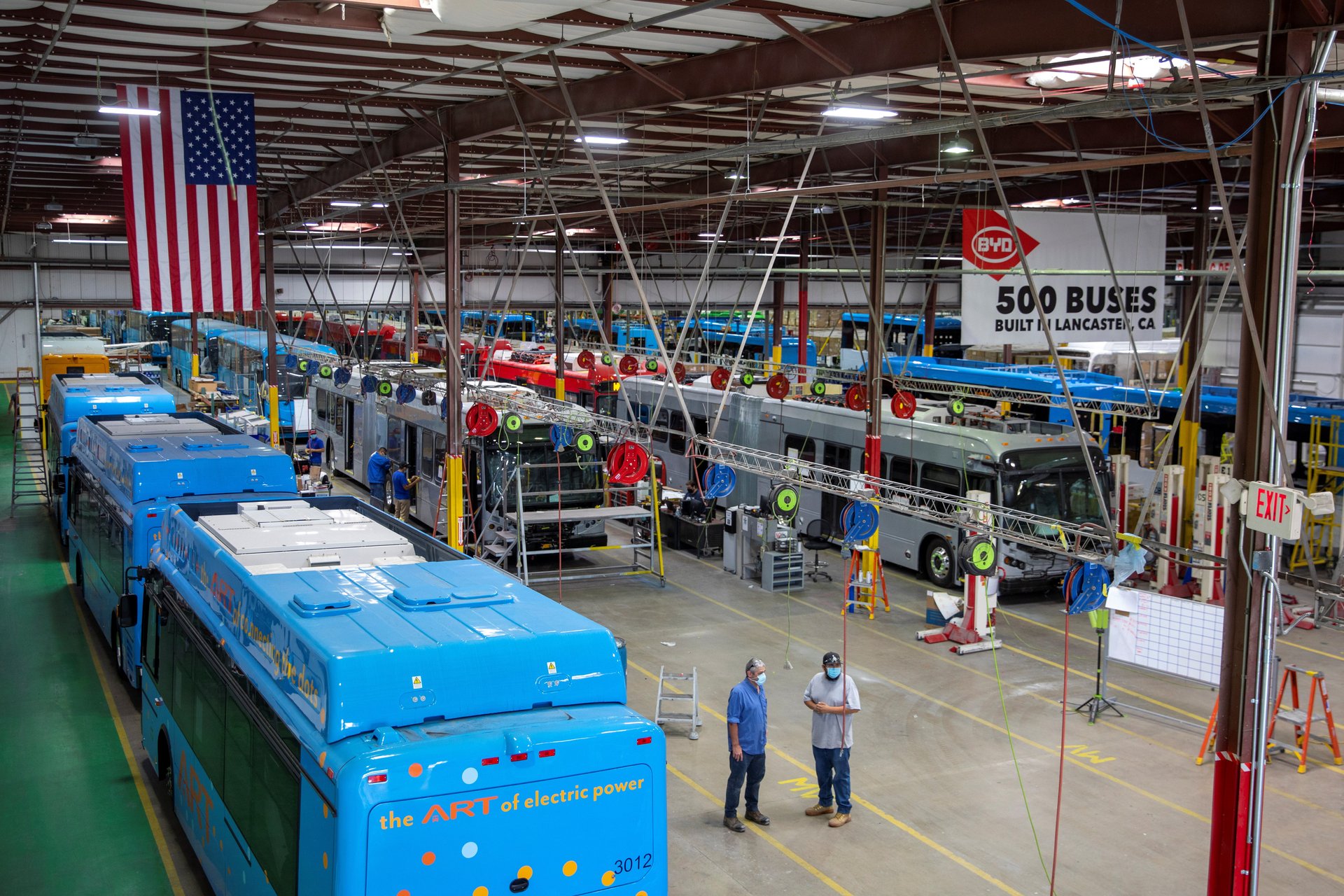
A large swath of workers left the American job market after the pandemic hit, and they don’t seem to be in any hurry to come back.