

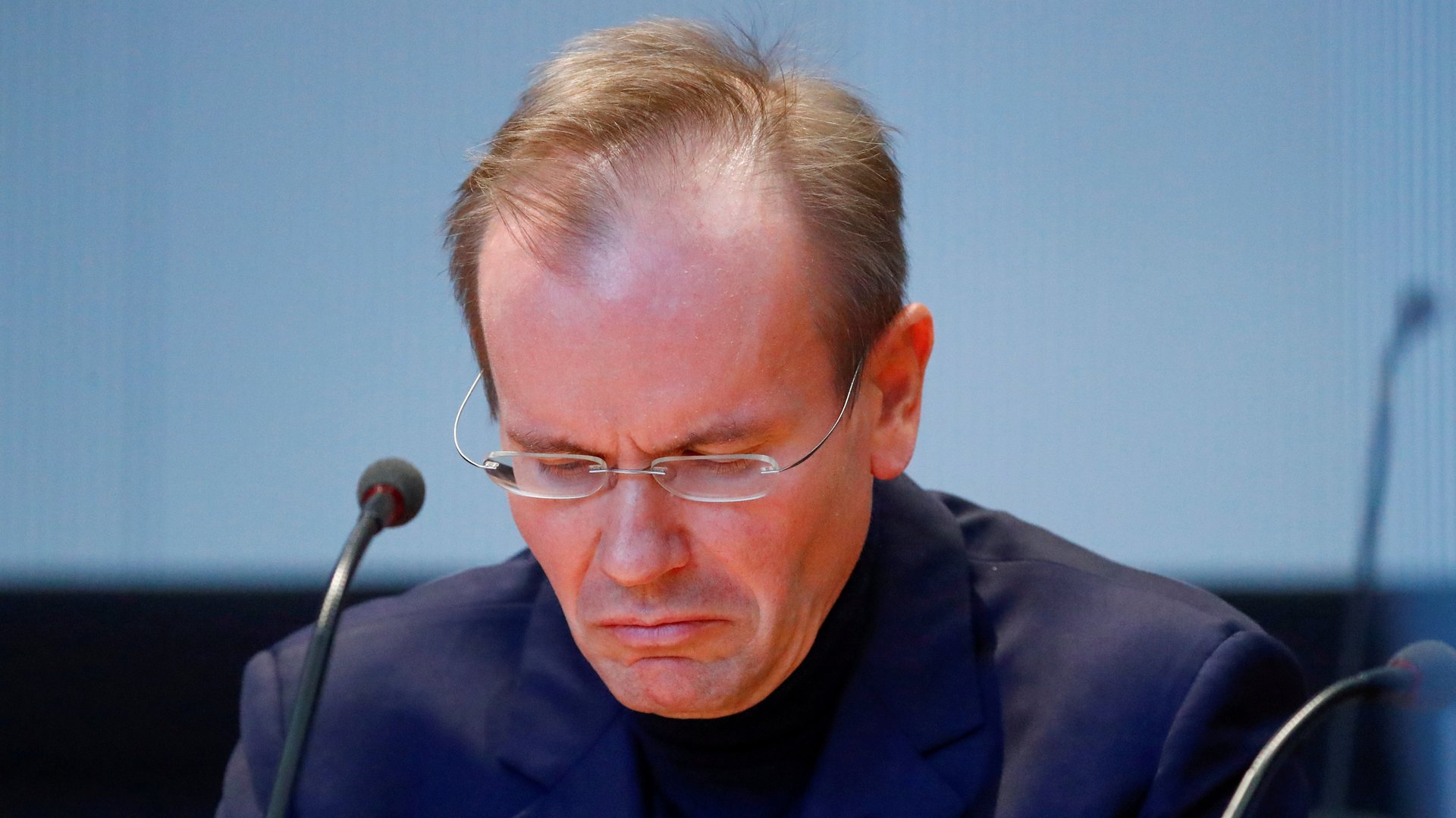
Short-sellers have always been unpopular, and they’ve managed to become even more disliked during the GameStop controversy. But in a time when the stock market appears ever less connected to economic reality, these controversial investors are more needed than ever.

Can stock trading be too easy?
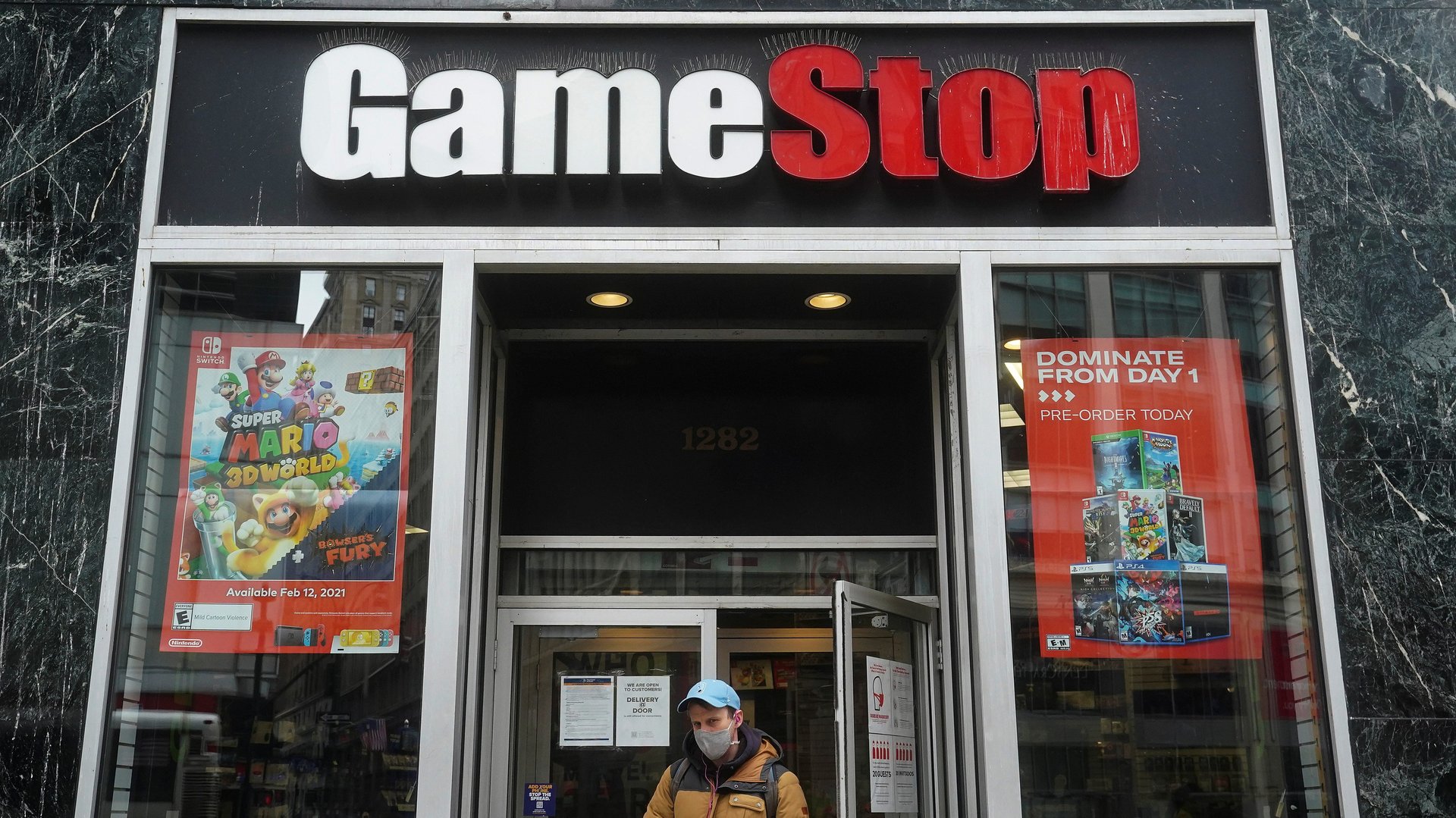
As traders on Reddit’s WallStreetBets channel extol each other to send GameStop shares into the stratosphere, questions are growing about whether the rampage has crossed a line into stock manipulation.

It’s been a while since anyone new has broken into the pantheon of legendary investors like Berkshire Hathaway’s Warren Buffett and retired bond king Bill Gross.

The US is running up debt like never before, and one of the reasons Washington can get away with it is because interest rates are hovering around their lowest levels ever. This raises the question—should the Treasury lock in these rates for 50 years? How about a century?

Dr. Martens has come a long way from 1960, when the company’s now-famous boots started rolling out of a factory in a small English town. Its journey from provincial beginnings to global fashion symbol traces Britain’s history as it became a financial powerhouse. As the iconic boot company prepares to join the UK’s public market, it’s an open question whether the country’s financial sector can pull off a similar reinvention.

Few things have increased in price quite like a new pair of 1460 Dr. Martens: the eight hole, yellow-stitch boots cost £2 ($2.71) when they made their debut for the British factory worker in 1960. These days the company’s top-shelf “original silhouette” boot retails for £239—a whopping 120 times the cost of the company’s flagship model at the outset.
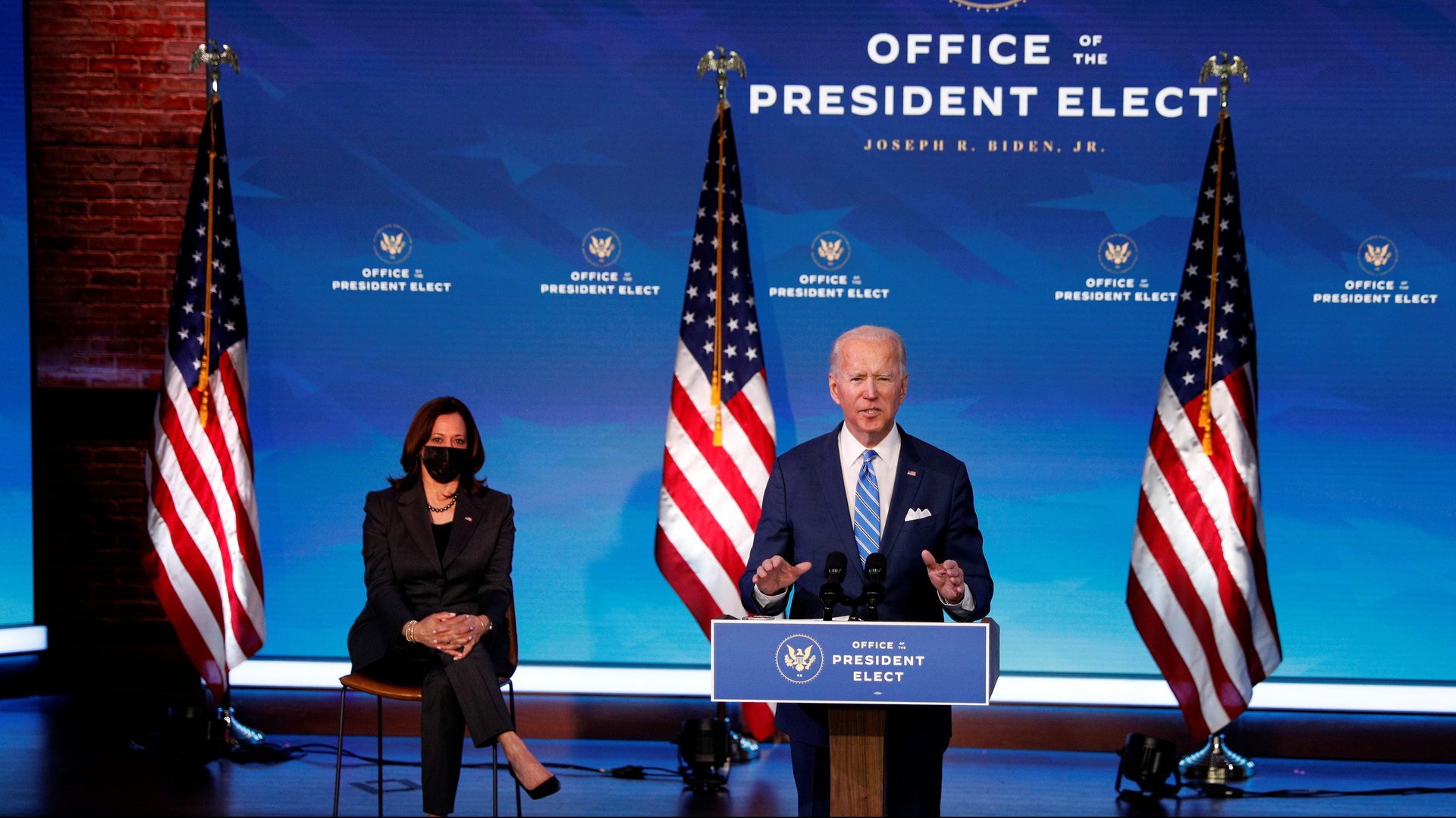
As the US economy gets an infusion of ultra-easy credit and multiple rounds of big-time government spending, questions are growing about whether it’s a cocktail that will cause a big jump in inflation.

In the aftermath of an insurgency that briefly occupied the US Capitol, corporate America is flexing its political muscle. Unfortunately for the US, it shows just how much muscle executives have.
Xavier Rolet, the former CEO of London Stock Exchange Group, has jumped into the boom in “blank check” companies. But instead of going public in London at his old employer, the special purpose acquisition company (SPAC) he joined raised money in New York.
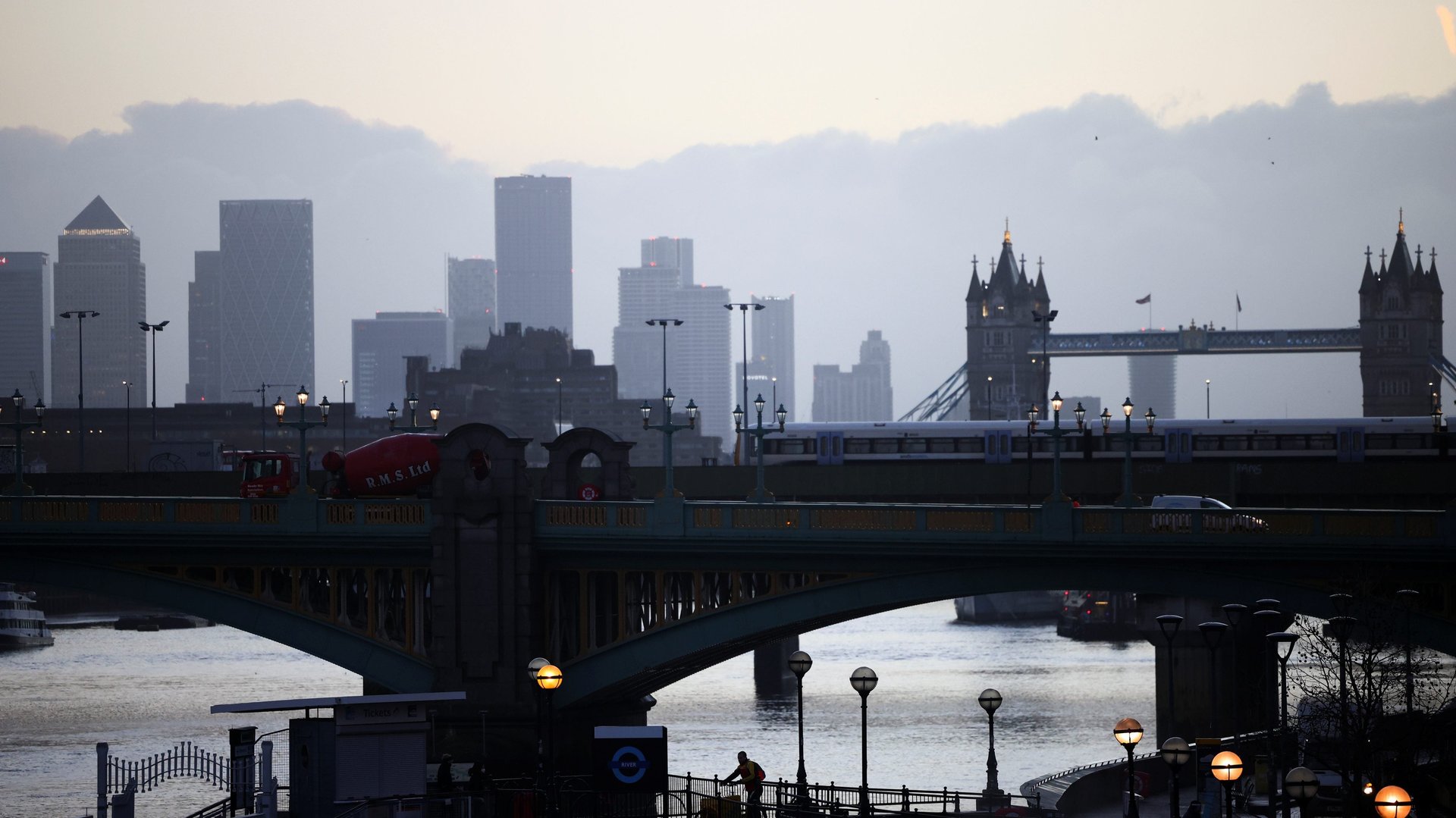
When the UK’s Brexit transition agreement with the EU expired this week, some €6 billion ($7 billion) of daily trading in EU stocks left London overnight for markets across the Channel. The question is whether this was a one-time hit or a sign that even bigger chunks of the financial sector will disappear.
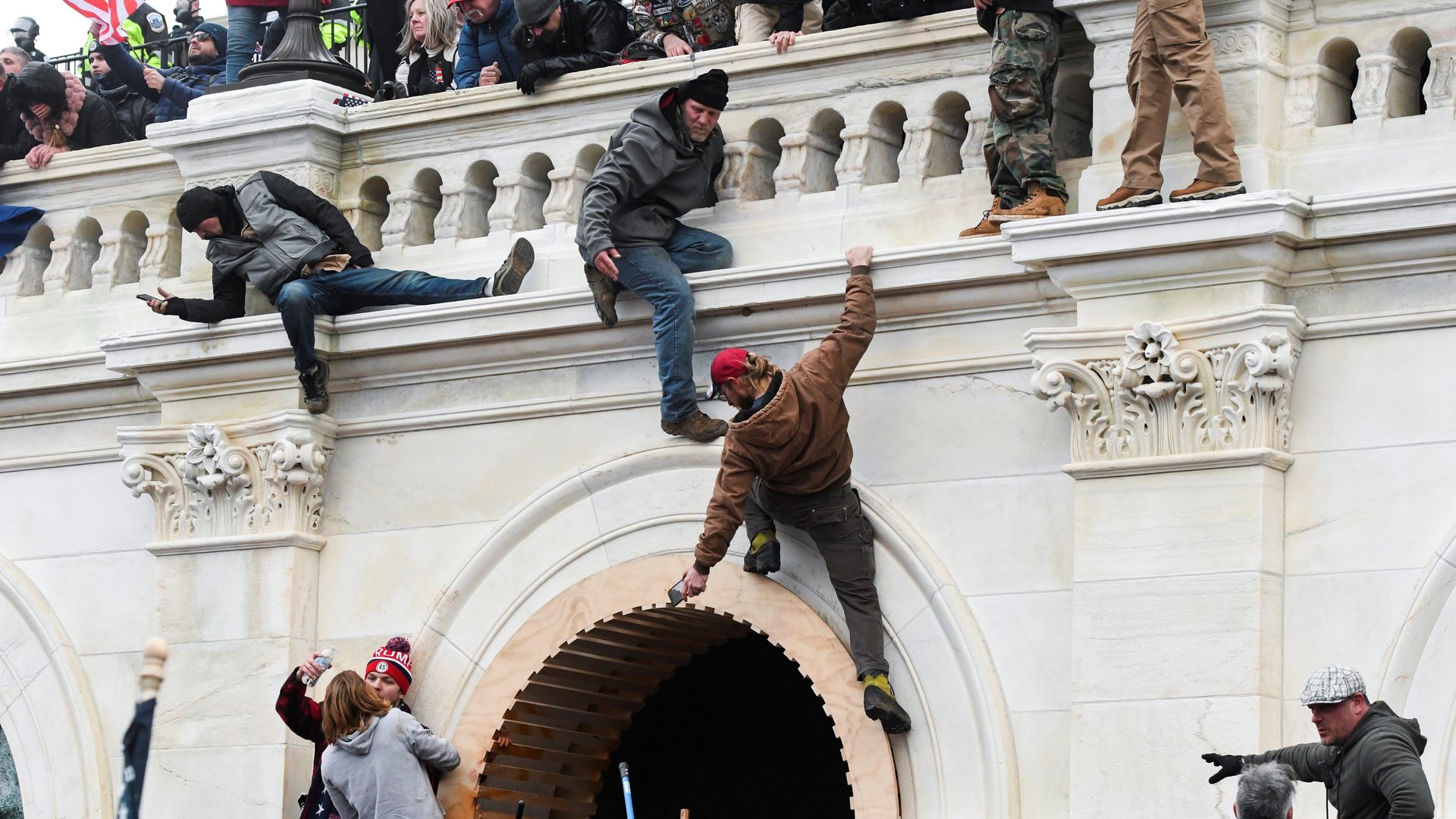
Just about everyone was shocked yesterday when a mob stormed the US Capitol—except, seemingly, traders in financial markets.
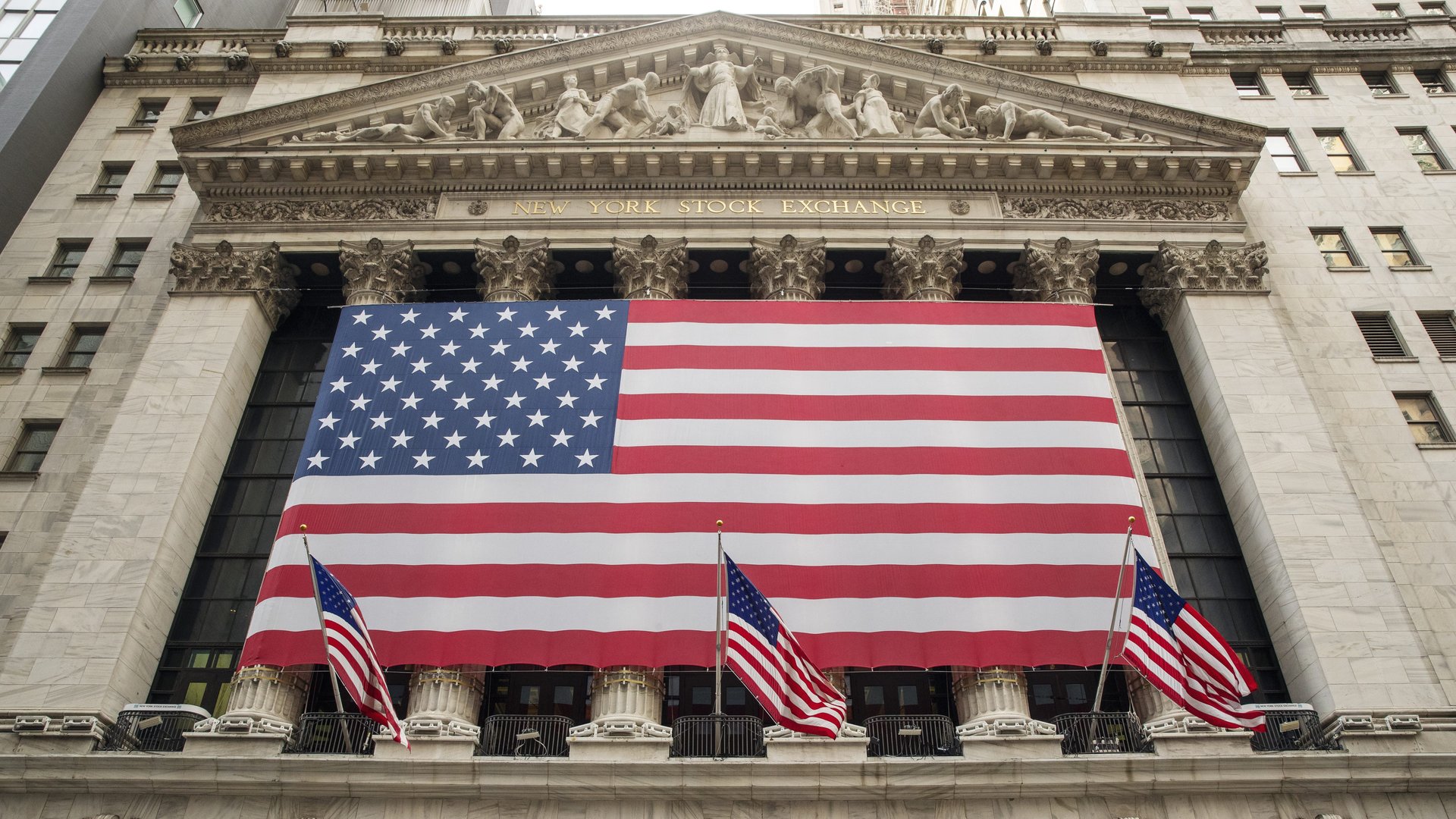
US stock market investors are an optimistic bunch right now, betting that vaccines and government spending will inoculate the economy from the pandemic in 2021. But one index is showing at least some degree of caution.
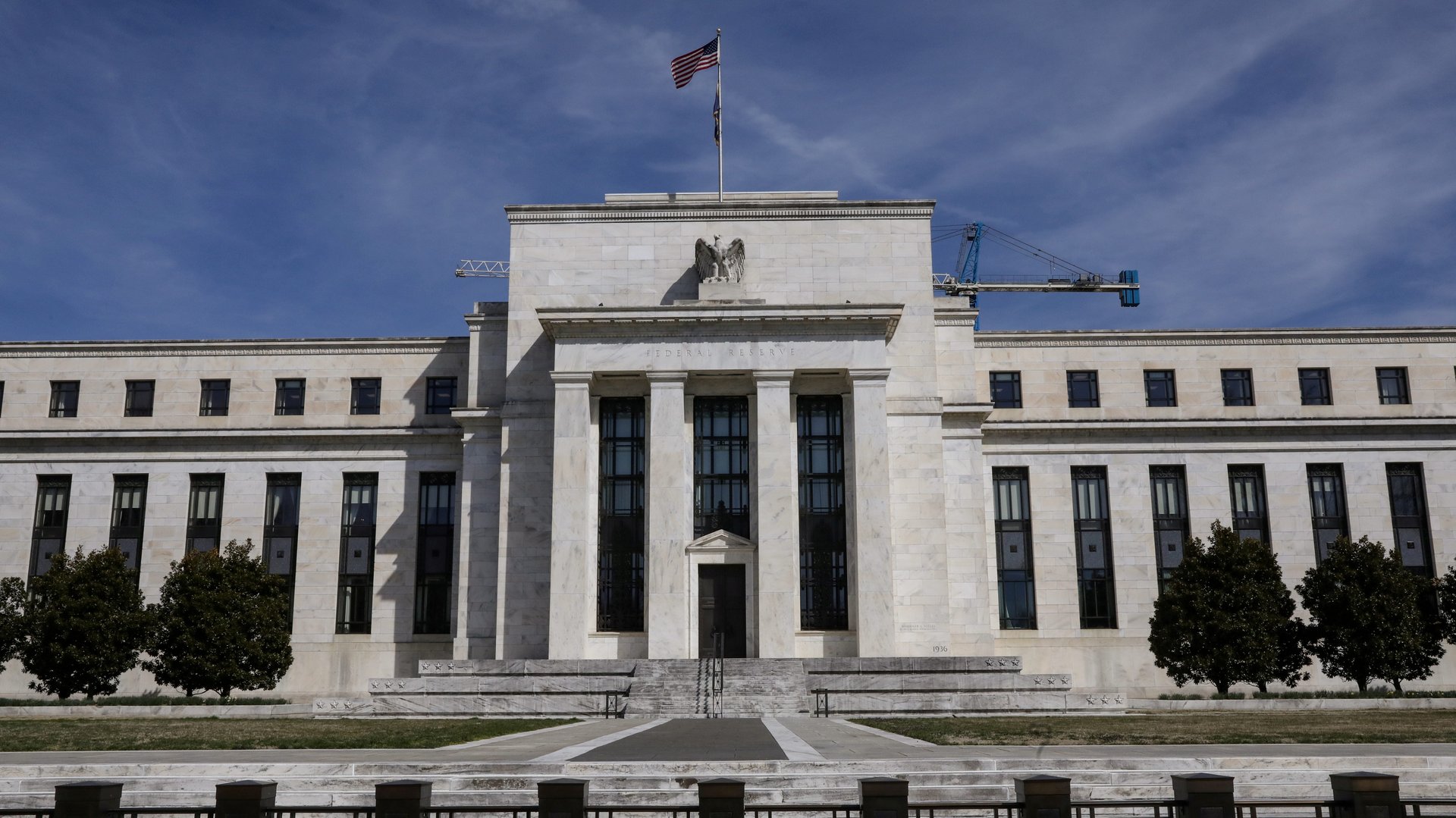
Federal Reserve chair Jerome Powell, like his peers at other major central banks around the globe, has gotten his wish: Investors have gone from fearing a once-in-a-generation recession to feasting on risk. But now policy makers have another problem—the potential that investors will get so carried away that they rip a new hole in the economy.

Unless you too achieved billionaire status in your 20s, Patrick and John Collison might make you feel like an underachiever. The Irish brothers’ 10-year-old payments platform, Stripe, today underpins billions of dollars of commerce. But in typical Silicon Valley fashion, Stripe doesn’t just want to be a mega payment company; its mission is “to increase the GDP of the internet” and build the “economic infrastructure” of the online world.
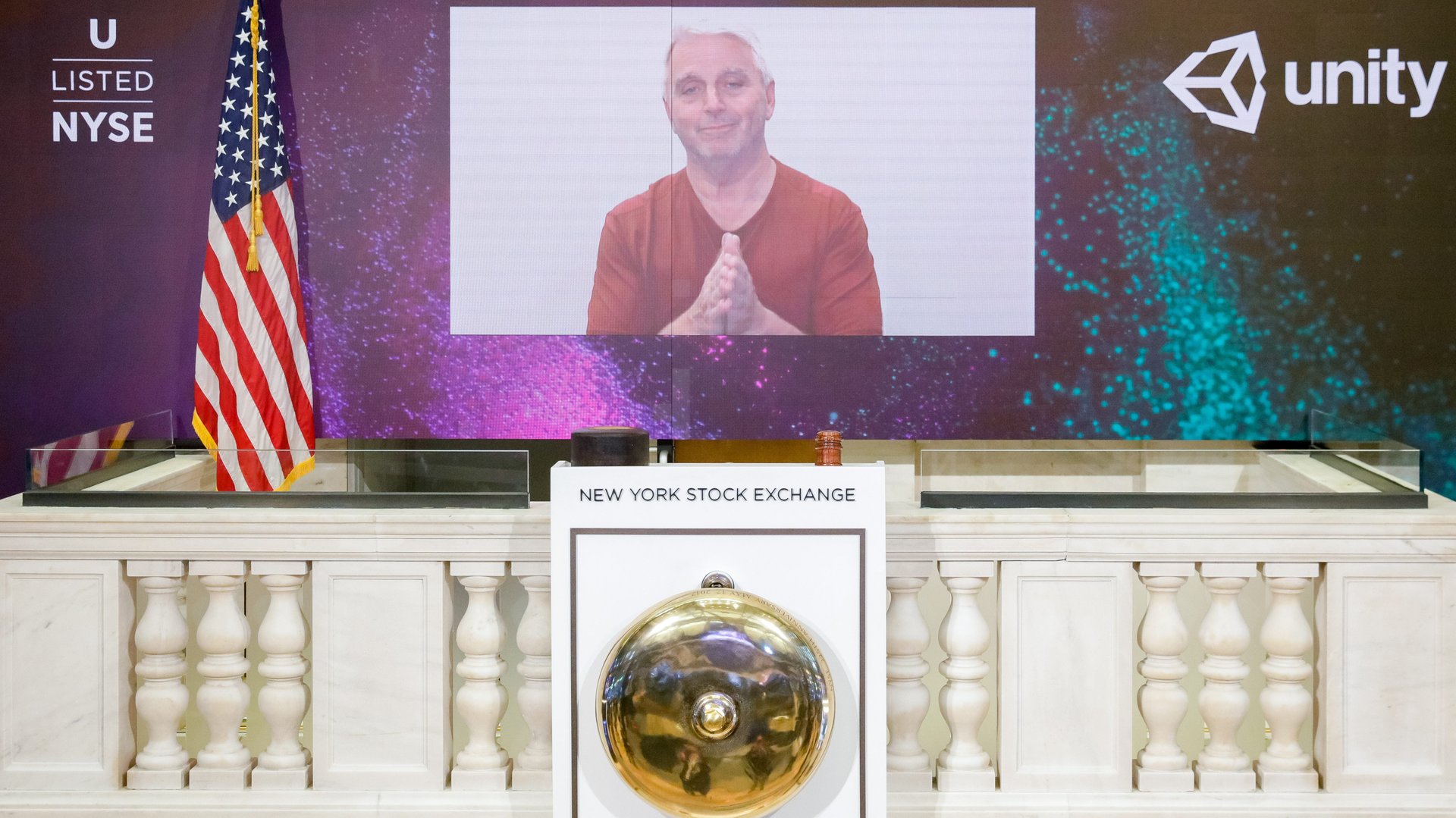
The IPO is fiendishly difficult to disrupt. But Unity Software’s deal in September shows that the process of going public is still being pulled into the future.
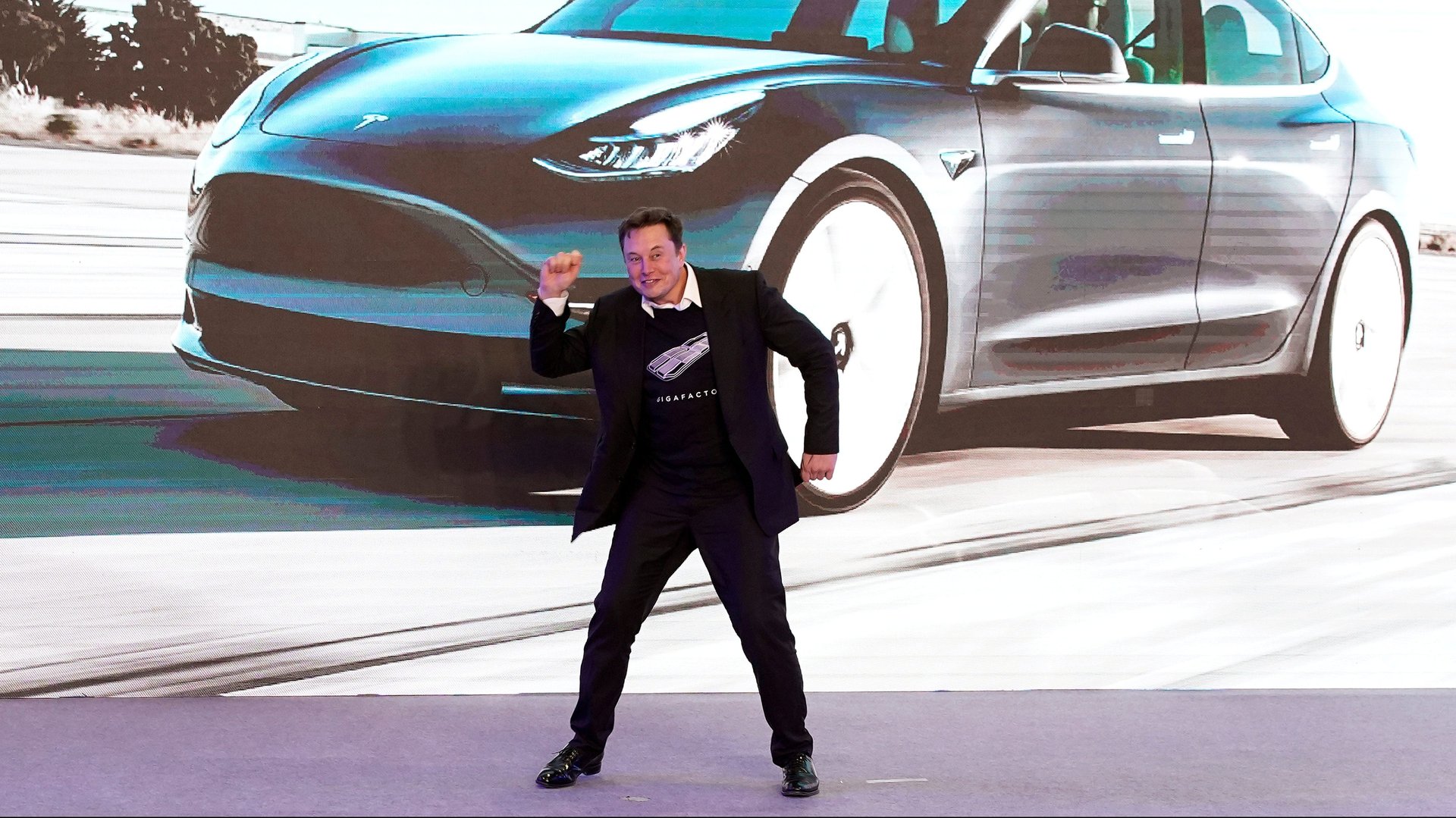
Tesla, the electric-car maker with a market value of $630 billion, joined the Standard & Poor’s 500 index today.

Hi [%first_name | Quartz member%],

You know the stock market has gone bonkers when even CEOs are baffled by their companies’ soaring share prices.
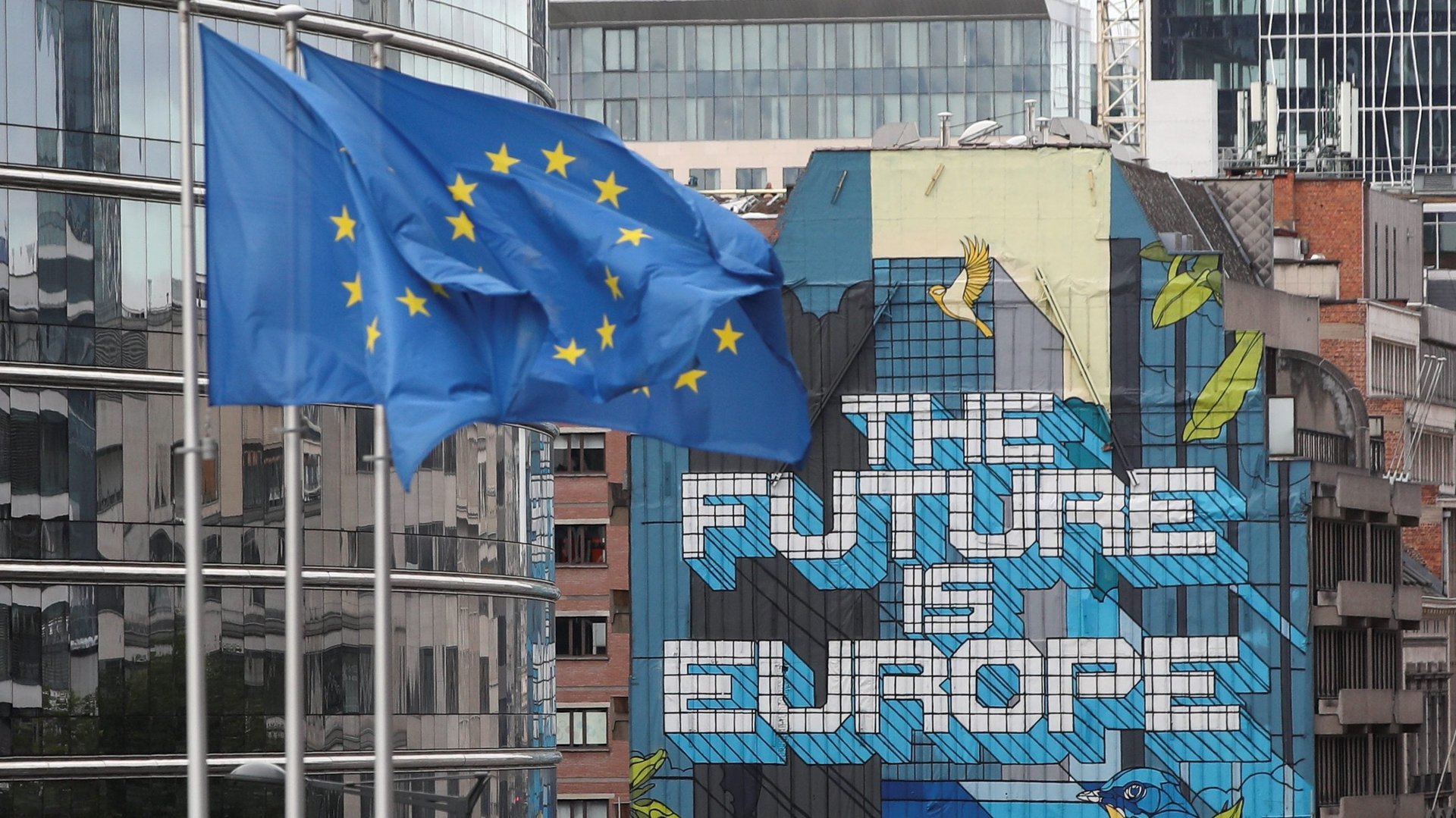
Europe produces a lot of IPOs. The trouble is that some of the region’s biggest fish are slipping away to New York.
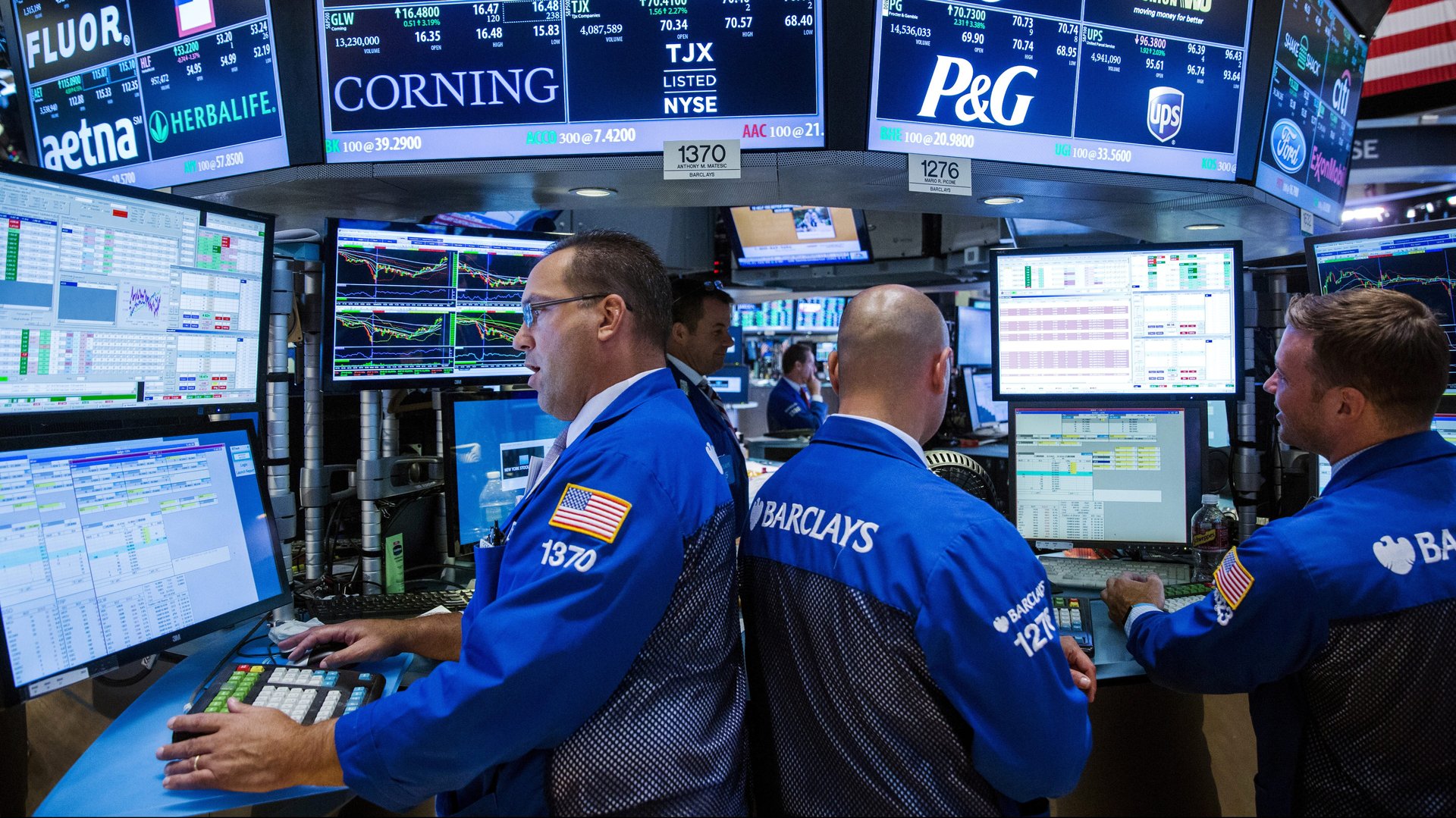
Even by 2020 standards, Snowflake’s initial public offering was bonkers—the cloud-computing company’s shares more than doubled in price during the first day of trading. Upstarts like DoorDash, the largest US food delivery company, are beneficiaries of that meteoric offering, as Snowflake’s success has created a flurry of demand for shares of pre-IPO companies.

Bitcoin was created more than a decade ago, and technology whizzes have spent recent years trying to use its blockchain architecture for other applications in finance. But so far, despite high hopes, blockchain companies have produced more press releases than viable enterprises.
The biggest acquisition of 2020 has put a spotlight on the business of collecting data about money. How much is that information worth?