As the US economy gets an infusion of ultra-easy credit and multiple rounds of big-time government spending, questions are growing about whether it’s a cocktail that will cause a big jump in inflation.

As the US economy gets an infusion of ultra-easy credit and multiple rounds of big-time government spending, questions are growing about whether it’s a cocktail that will cause a big jump in inflation.

In the aftermath of an insurgency that briefly occupied the US Capitol, corporate America is flexing its political muscle. Unfortunately for the US, it shows just how much muscle executives have.

Xavier Rolet, the former CEO of London Stock Exchange Group, has jumped into the boom in “blank check” companies. But instead of going public in London at his old employer, the special purpose acquisition company (SPAC) he joined raised money in New York.

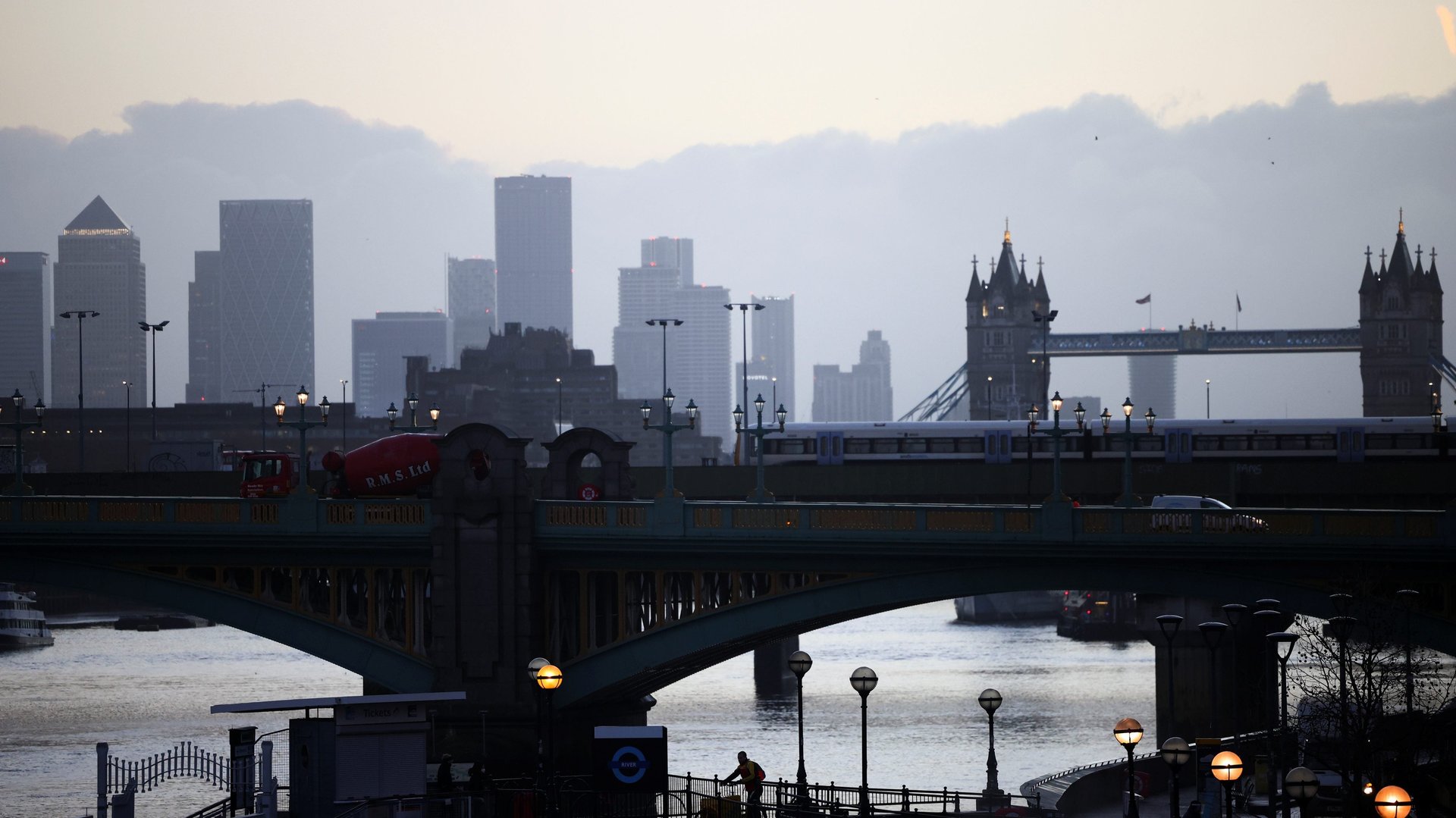
When the UK’s Brexit transition agreement with the EU expired this week, some €6 billion ($7 billion) of daily trading in EU stocks left London overnight for markets across the Channel. The question is whether this was a one-time hit or a sign that even bigger chunks of the financial sector will disappear.

Just about everyone was shocked yesterday when a mob stormed the US Capitol—except, seemingly, traders in financial markets.

US stock market investors are an optimistic bunch right now, betting that vaccines and government spending will inoculate the economy from the pandemic in 2021. But one index is showing at least some degree of caution.

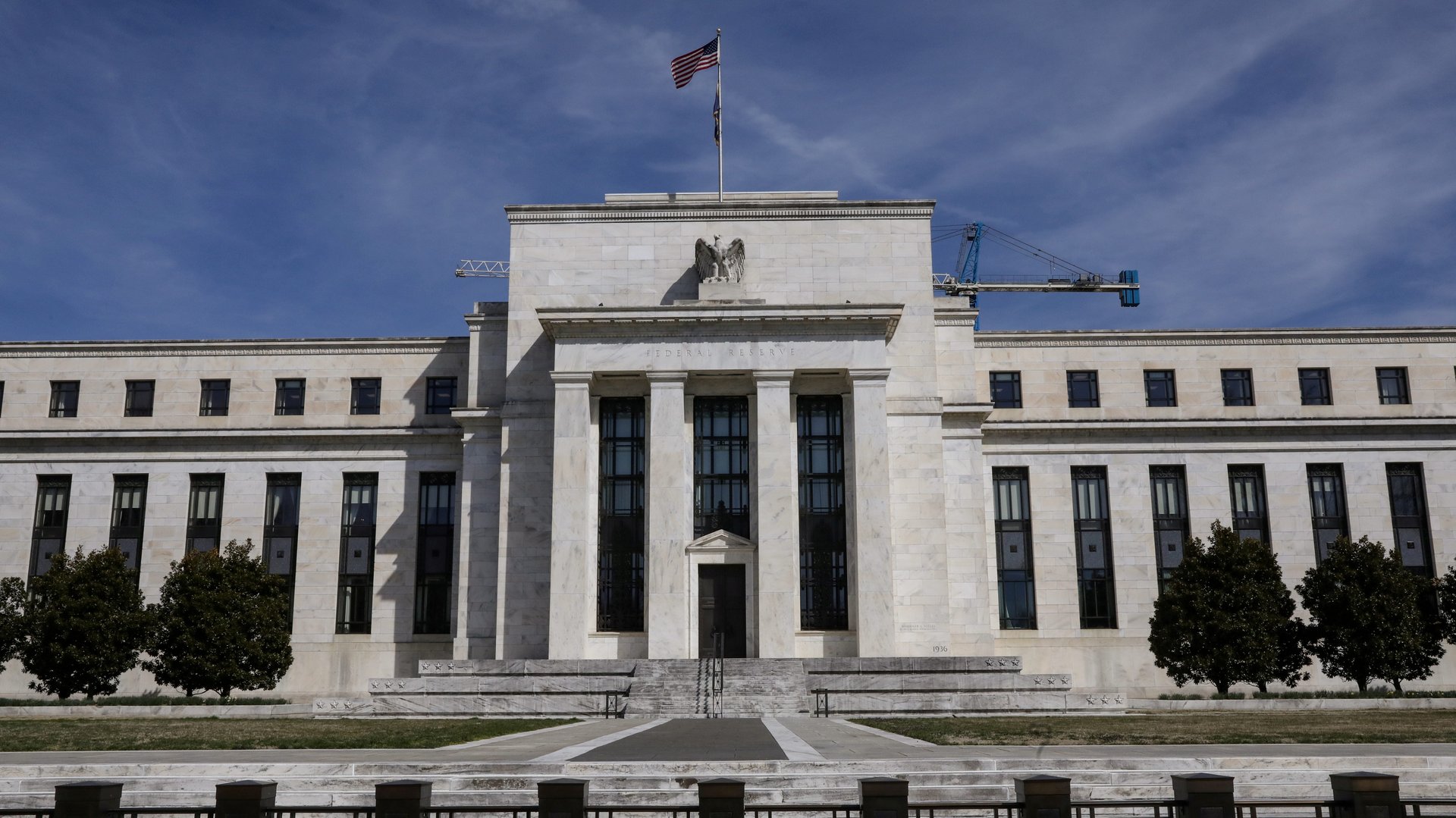
Federal Reserve chair Jerome Powell, like his peers at other major central banks around the globe, has gotten his wish: Investors have gone from fearing a once-in-a-generation recession to feasting on risk. But now policy makers have another problem—the potential that investors will get so carried away that they rip a new hole in the economy.

Unless you too achieved billionaire status in your 20s, Patrick and John Collison might make you feel like an underachiever. The Irish brothers’ 10-year-old payments platform, Stripe, today underpins billions of dollars of commerce. But in typical Silicon Valley fashion, Stripe doesn’t just want to be a mega payment company; its mission is “to increase the GDP of the internet” and build the “economic infrastructure” of the online world.

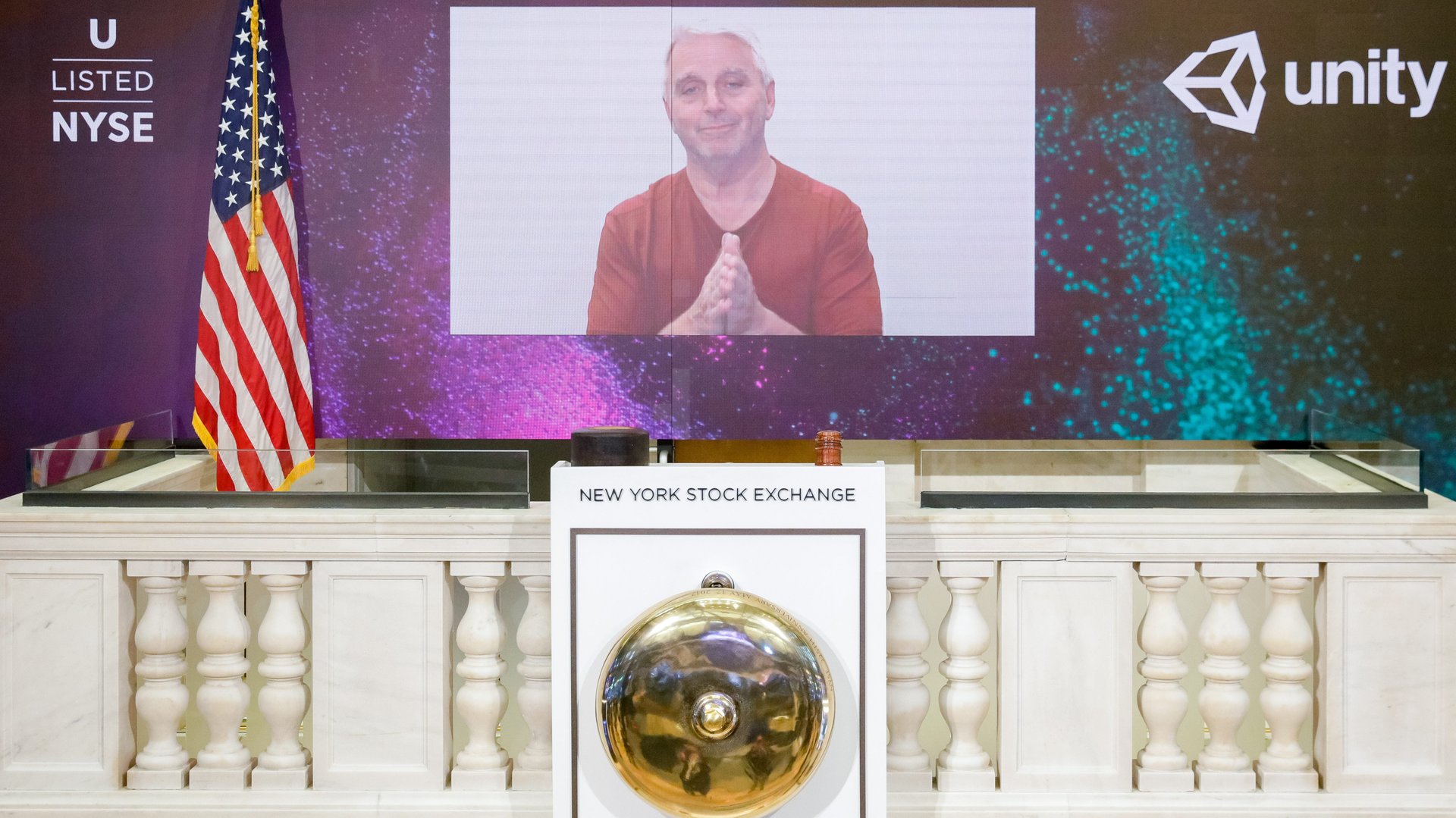
The IPO is fiendishly difficult to disrupt. But Unity Software’s deal in September shows that the process of going public is still being pulled into the future.

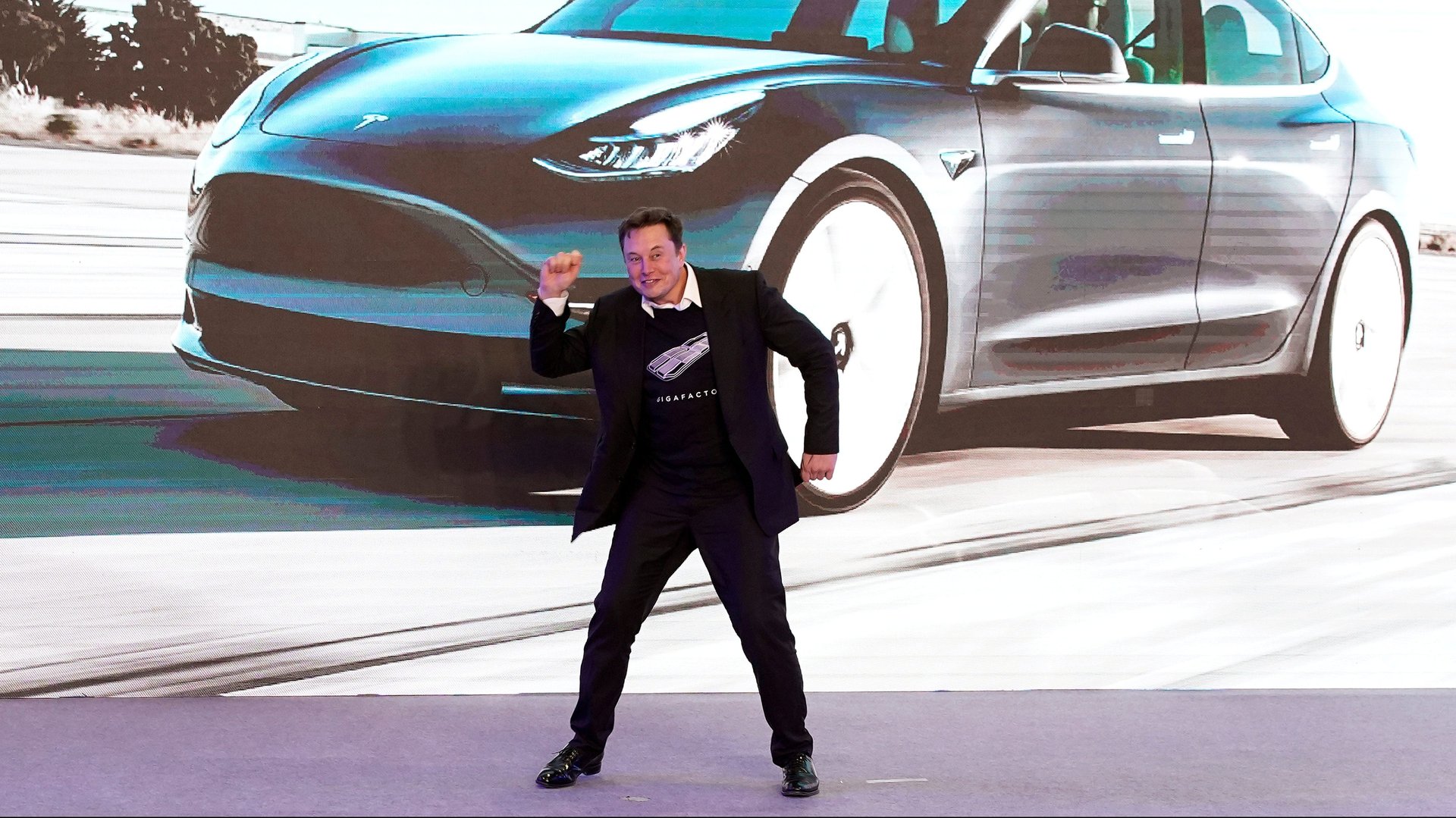
Tesla, the electric-car maker with a market value of $630 billion, joined the Standard & Poor’s 500 index today.

Hi [%first_name | Quartz member%],

You know the stock market has gone bonkers when even CEOs are baffled by their companies’ soaring share prices.

Europe produces a lot of IPOs. The trouble is that some of the region’s biggest fish are slipping away to New York.

Even by 2020 standards, Snowflake’s initial public offering was bonkers—the cloud-computing company’s shares more than doubled in price during the first day of trading. Upstarts like DoorDash, the largest US food delivery company, are beneficiaries of that meteoric offering, as Snowflake’s success has created a flurry of demand for shares of pre-IPO companies.

Bitcoin was created more than a decade ago, and technology whizzes have spent recent years trying to use its blockchain architecture for other applications in finance. But so far, despite high hopes, blockchain companies have produced more press releases than viable enterprises.

The biggest acquisition of 2020 has put a spotlight on the business of collecting data about money. How much is that information worth?

This week the UK became the first western country to approve a Covid-19 vaccine for the general public. While just about every nation is desperate for a drug to help stem the pandemic, the situation is particularly dire in Britain, where lockdowns have pushed its economy into one of the world’s deepest downturns.

Millennials suffered the biggest financial blow from the Great Recession in 2009, and some have worried this group could be a lost generation when it comes to building household wealth. Although disparities and inequality still persist, there are at least some signs that generation of Americans may have been catching up to Gen X in recent years.

The top question for the global economy is how quickly people will be given an effective vaccine against Covid-19, reducing the need for job- and business-destroying lockdowns. Economists at Goldman Sachs thinks large swaths of the populations in developed countries will be vaccinated by the middle of next year.

Are US companies more valuable than they were before the pandemic ripped a hole in the global economy? Investors are treating American stocks as though they are, but not everyone thinks that’s a good idea.

You win some, and you lose some.

A few months ago, former Goldman Sachs CEO Lloyd Blankfein suggested that the stock market didn’t seem worried about a Biden administration, even though the incumbent president’s policies were more “market friendly.” The lifelong Democrat said people may think their stocks will “do better with higher taxes and increased regulation than with nastiness and scorched earth.”

Companies linked to private prisons plunged in the US stock market yesterday, as the still unfinished election tally signaled a path for Democratic candidate Joe Biden to win the White House.

The votes are still being counted in the US presidential election, but the results already show that some substantial shifts have taken place within the electorate since 2016.