
Business News
Quartz Daily Brief—Asia edition—Ukraine sanctions, Wal-Mart thinks small, marketing nostalgia, WhatsAppWhat to watch for today
Updated July 21, 20224 min read
What to watch for today
Good morning, Quartz readers!
Good morning, Quartz readers!
What to watch for today
What to watch for today
What to watch for today
What to watch for today
What to watch for today
What to watch for today
What to watch for today
What to watch for today
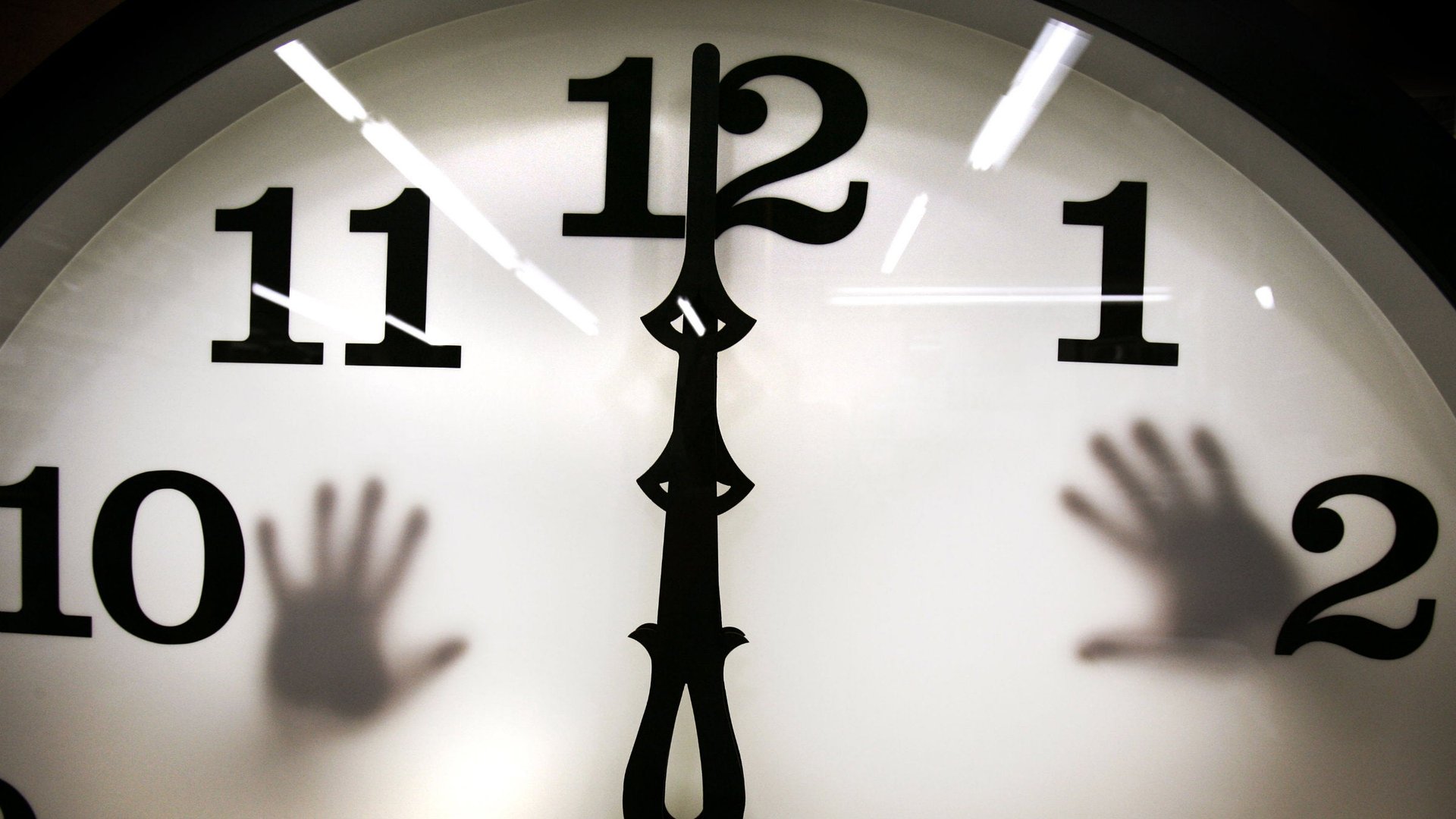
Today, workers are putting in increasingly more hours—so much so that the 40-hour week has become a relic of the past. But pushing employees to clock up those extra hours is bad for their well-being and detrimental to your company.
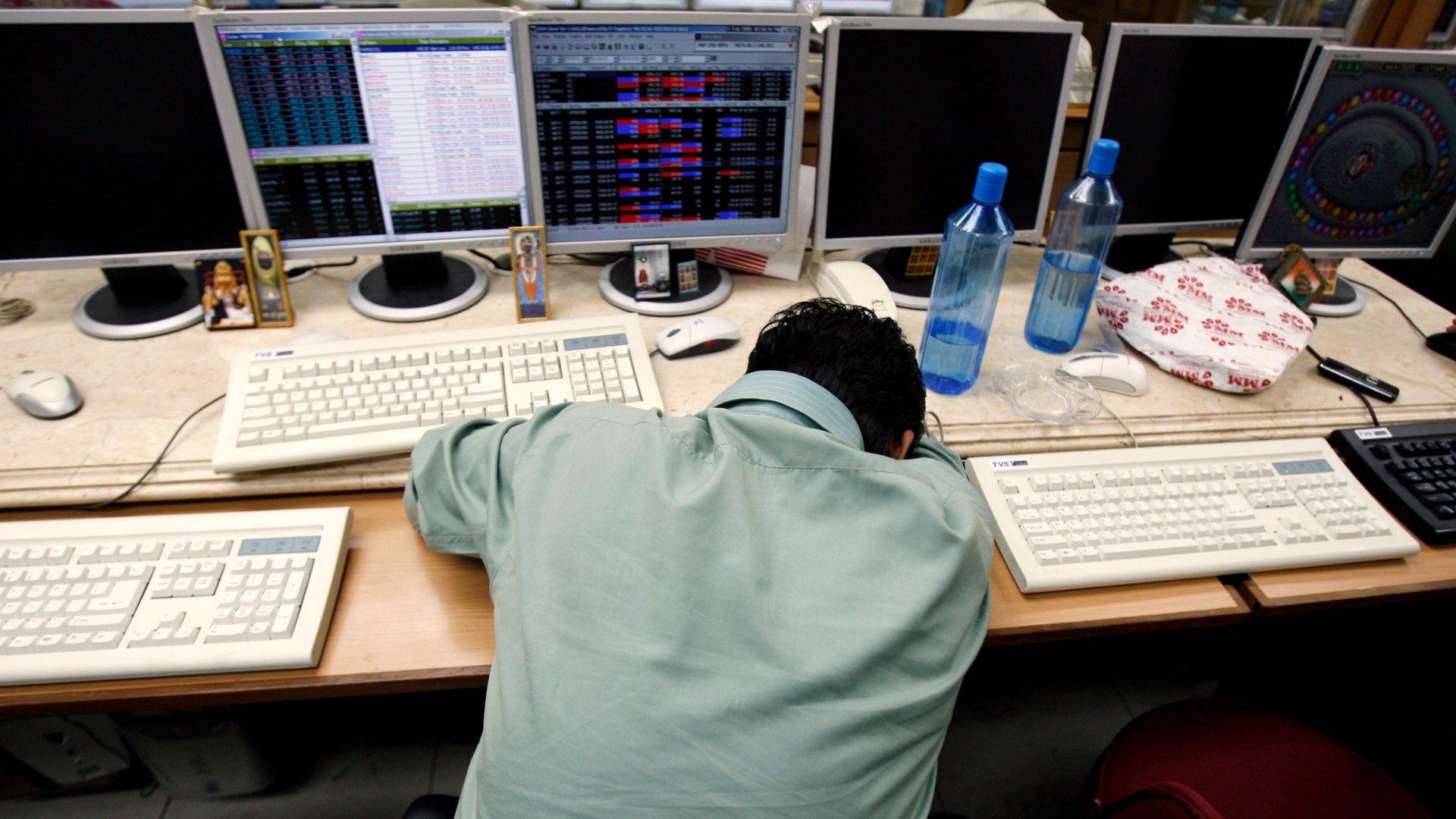
Coffee may be the workplace standard for staying alert, but it has its tradeoffs: it raises the heart rate, increases blood pressure, and inflates stress. Caffeine makes it harder to fall asleep at night, which is the last thing most of us need—one in three US workers, or 40.6 million people, aren’t getting enough sleep. Fatigue is also a growing problem in the workplace. Poor sleep paired with longer hours means that tired workers have less self control and are more hostile—hardly a recipe for productivity. So how do you stay awake without that cup of joe? Here’s our complete guide to staying alert at work, without caffeine:
What to watch for today
What to watch for today
What to watch for today
What to watch for today
What to watch for today
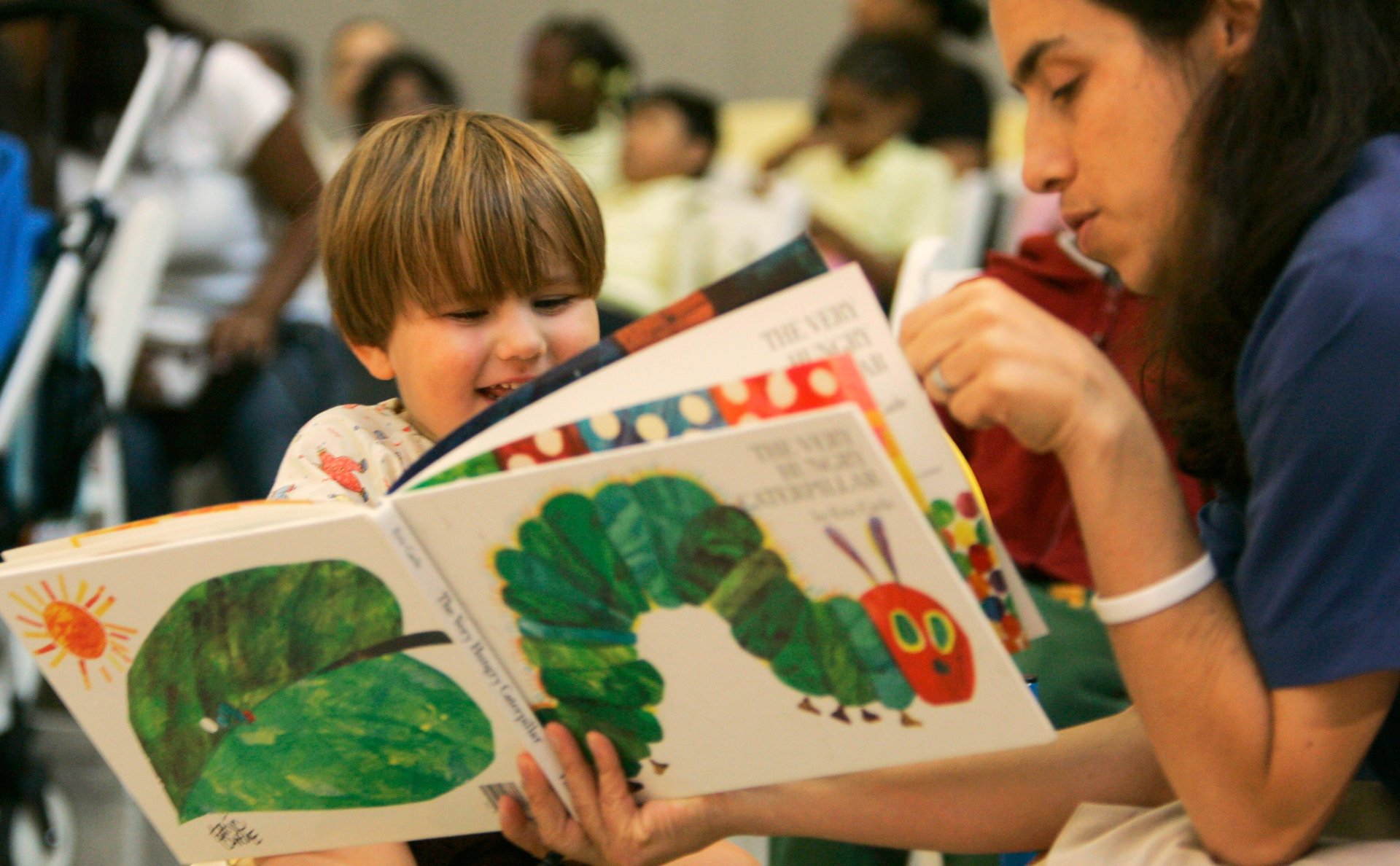
People tend to have one of three beliefs about the meaning of work and which category you fall into largely depends on your parents, according to new research from the University of Michigan.

The OECD released its global education assessment index, known as PISA, on Tuesday, Dec. 3, and commentators predictably jumped on how countries compare in math, reading, and science.
What to watch for today
What to watch for today
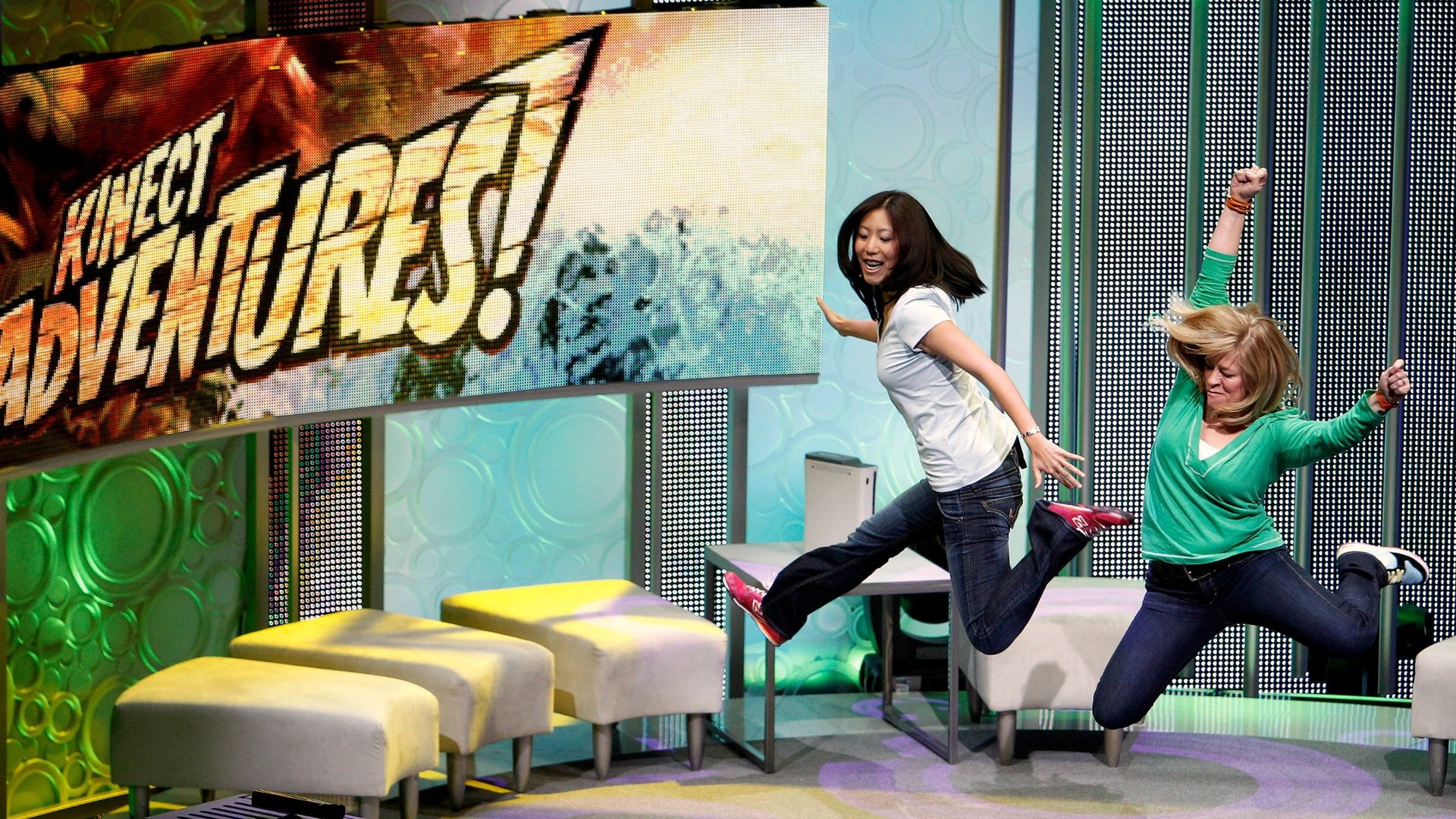
Last month saw the release of two highly-anticipated gaming systems, the PlayStation 4 and Xbox One, but it seems that the new generation of consoles hasn’t spawned a new generation of gender awareness.
Good morning, Quartz readers!