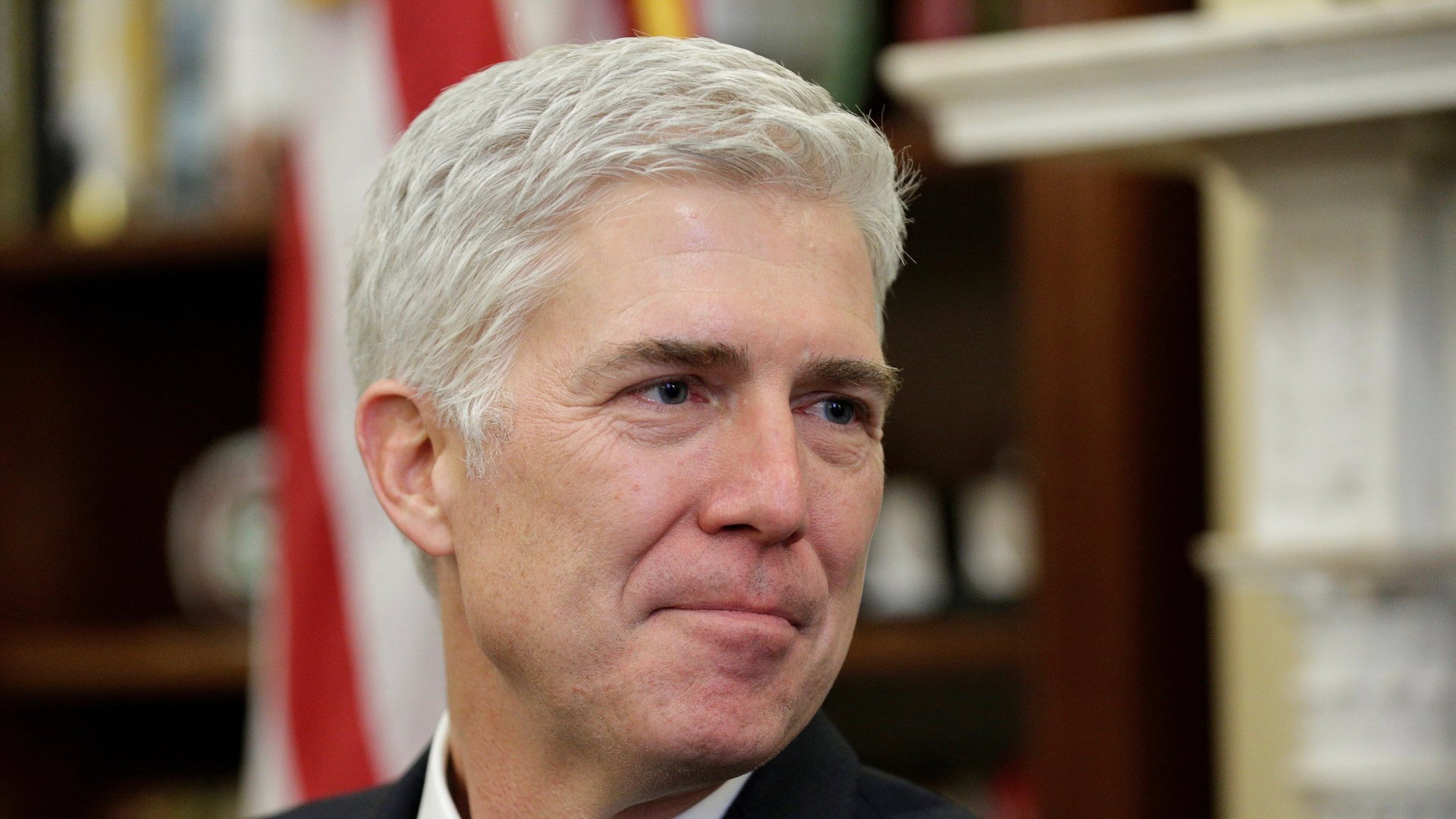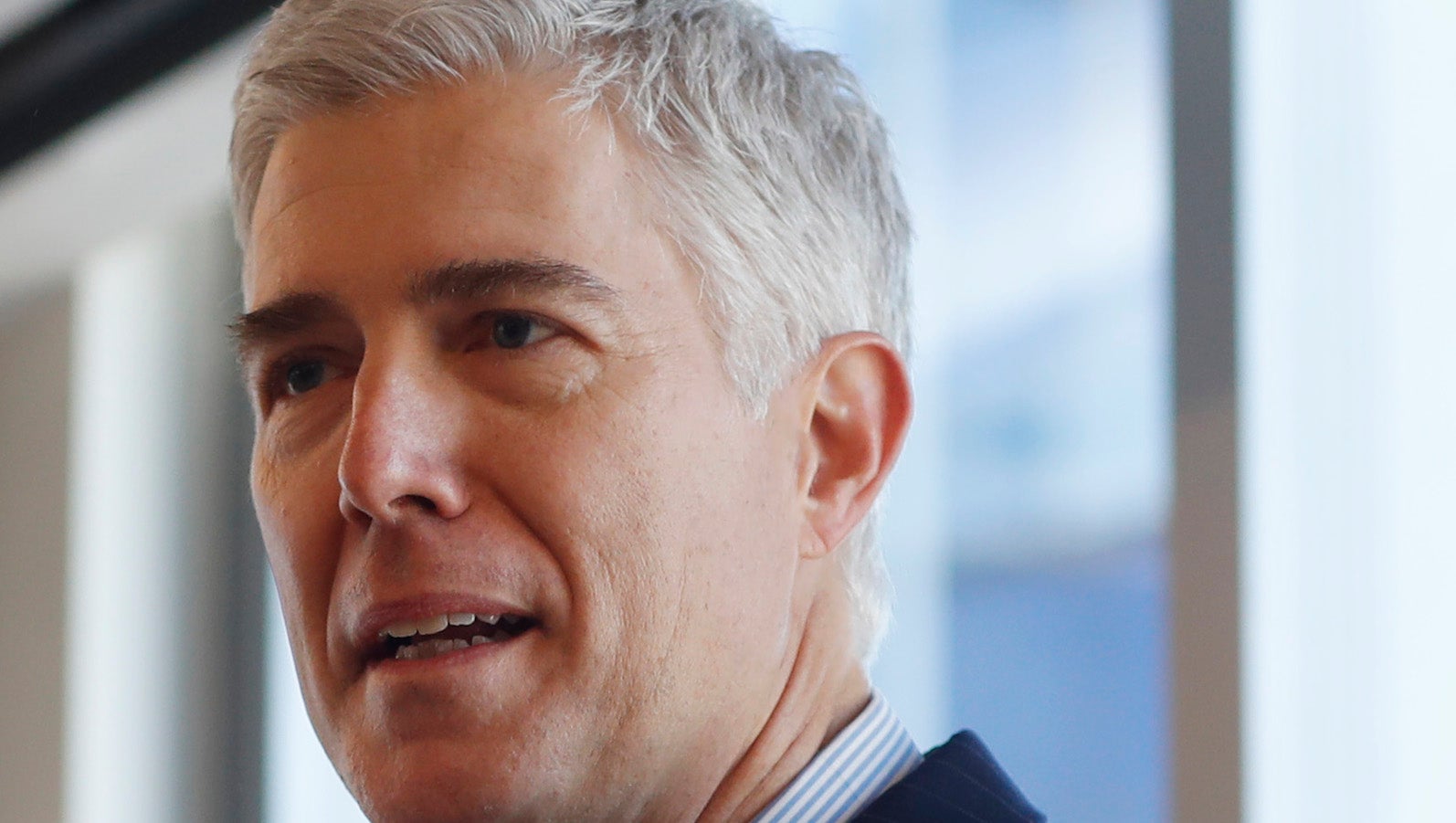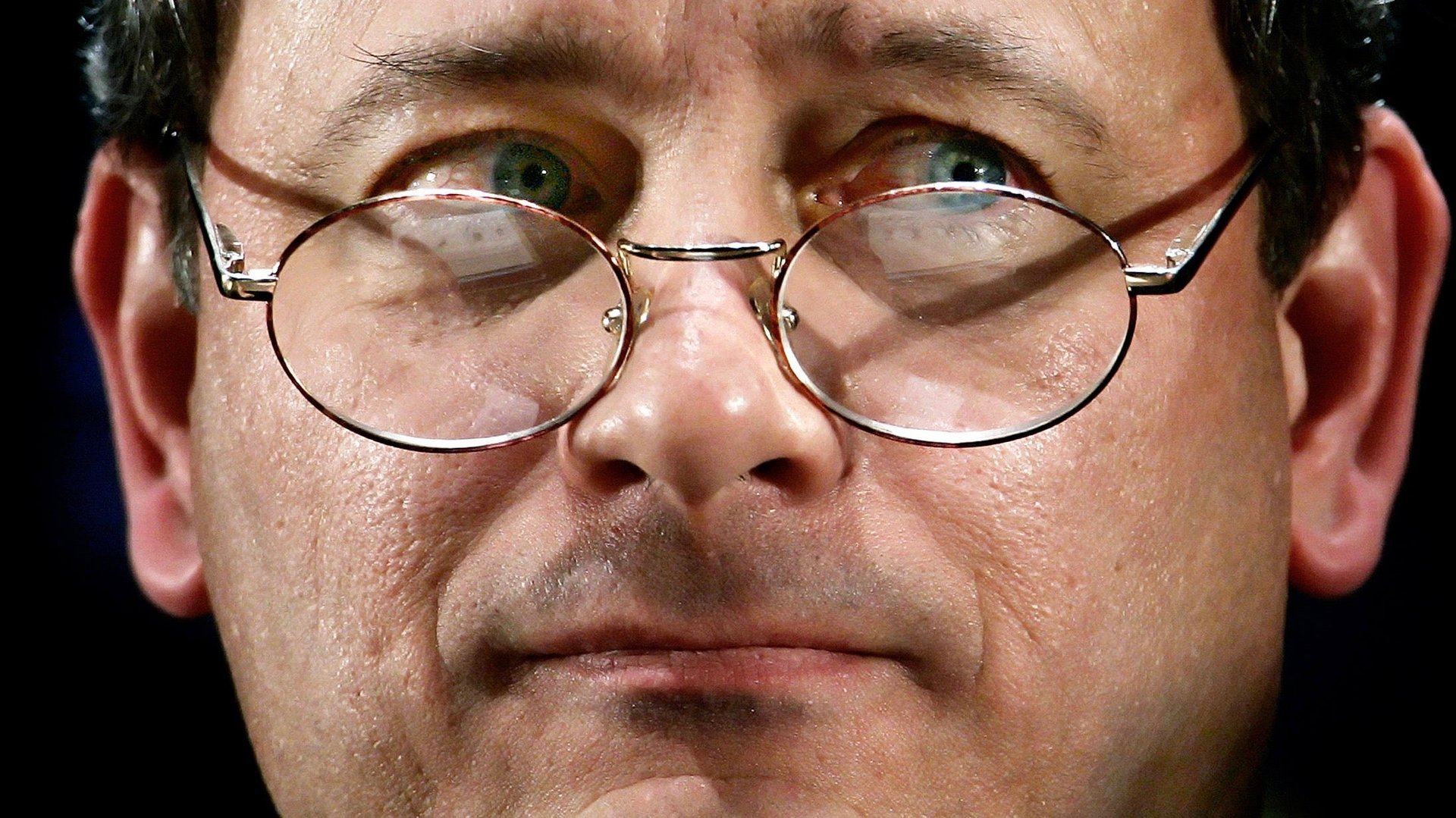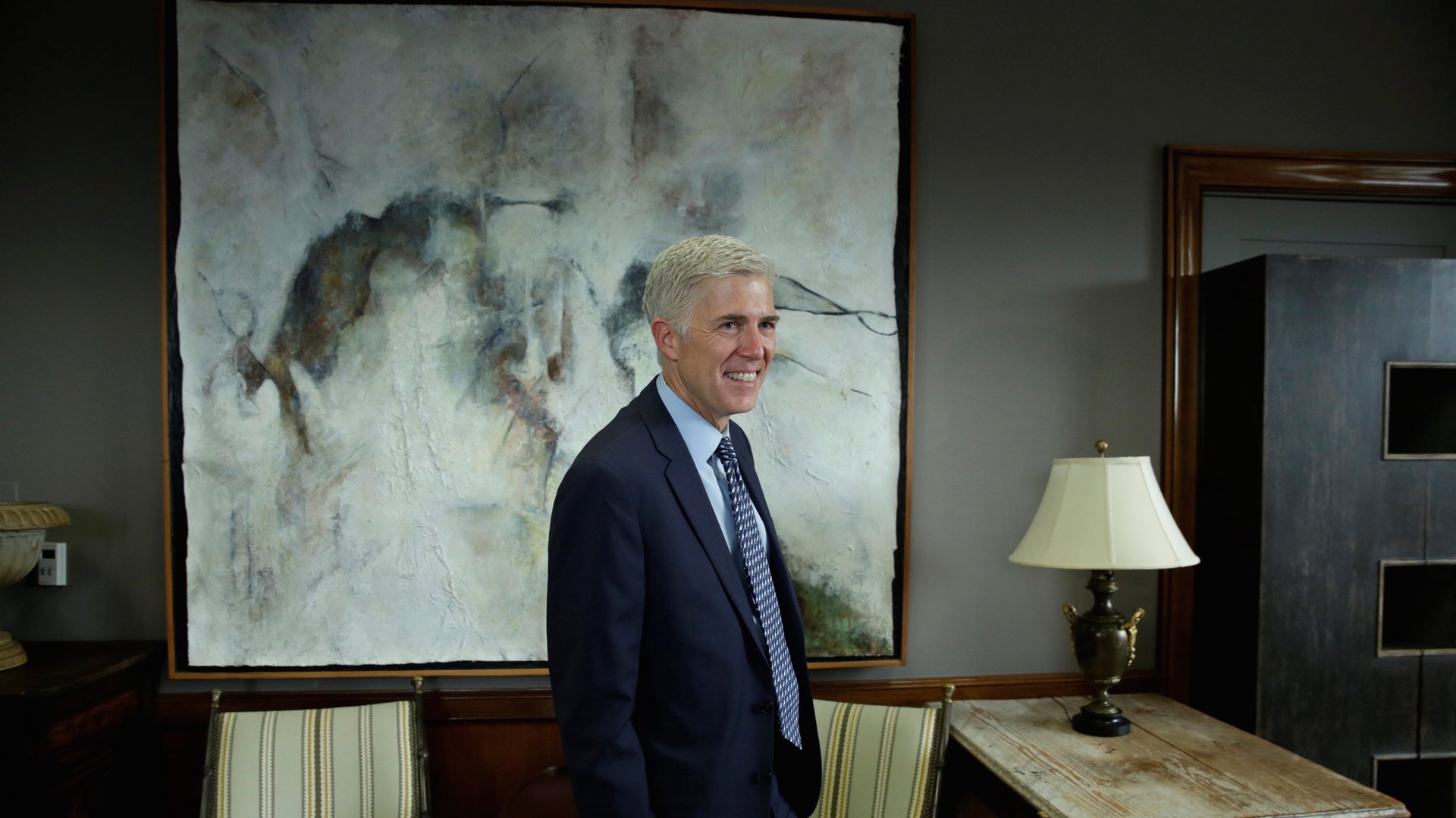
Usually, Neil Gorsuch is the one who sits in judgment, as part of a panel of appellate judges reviewing lower court records for errors. But now the tables have turned, and the judge has submitted his own record for review.

Usually, Neil Gorsuch is the one who sits in judgment, as part of a panel of appellate judges reviewing lower court records for errors. But now the tables have turned, and the judge has submitted his own record for review.

The US Patent and Trademark Office has called a winner in the intellectual property battle between east coast and west coast academics at three of the nation’s most prestigious institutions of higher learning.

The US Department of Labor may soon be run by the CEO of a company cited by the agency itself for wage and labor violations, and sued by employees for more of the same last week.

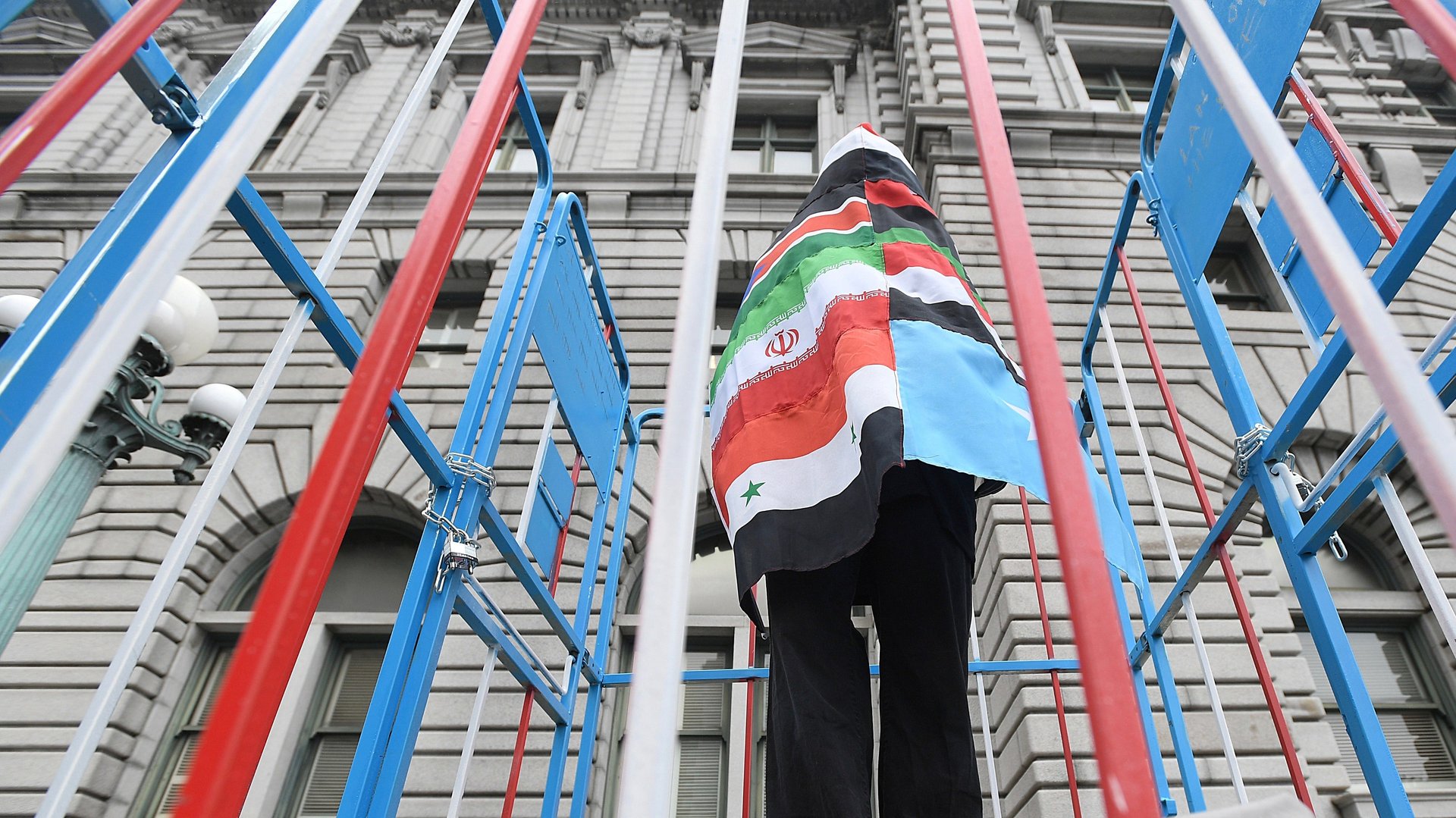
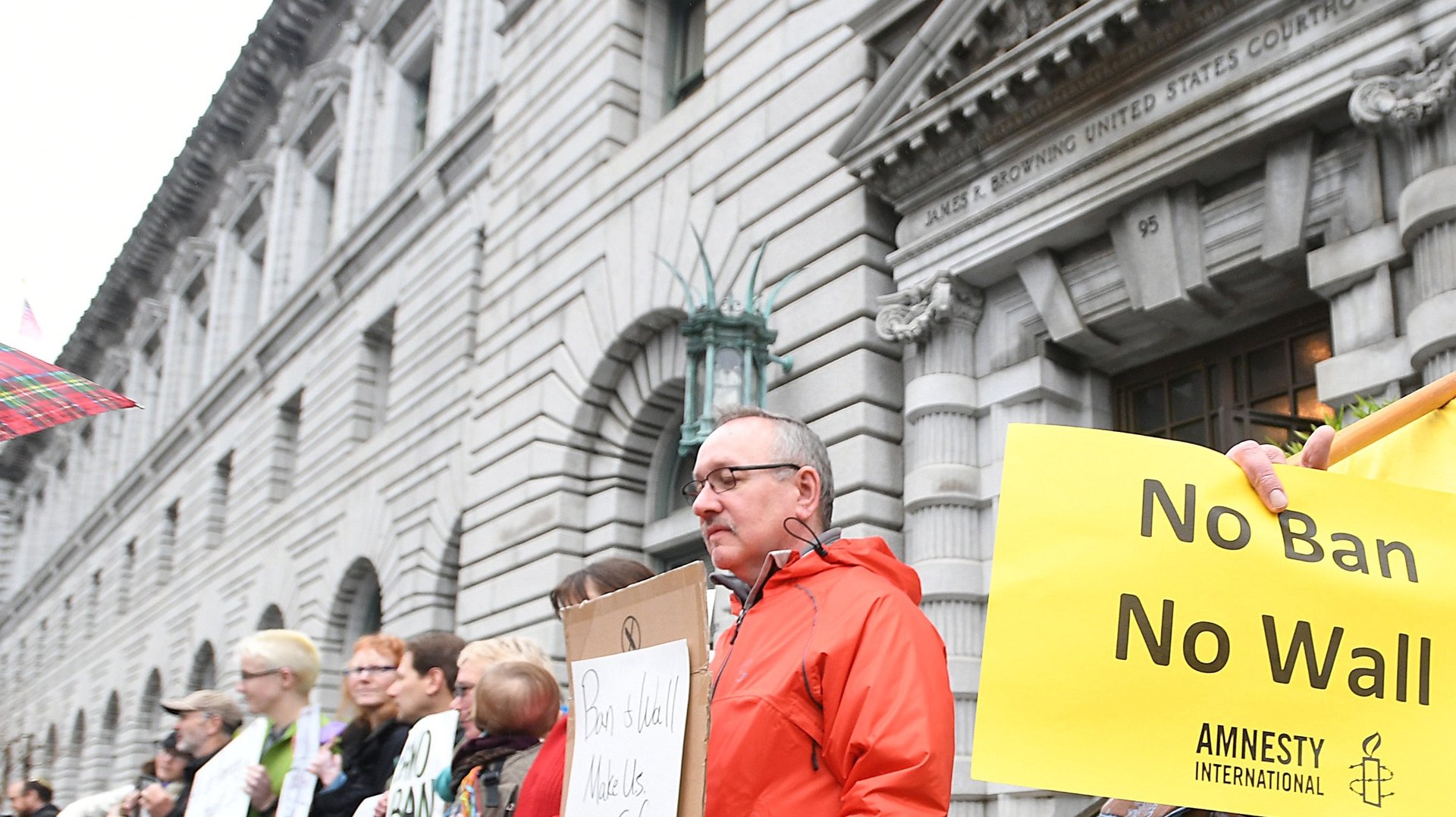
US president Donald Trump’s Jan. 27 executive order restricting entrance to the US for people from several countries and halting the refugee program set off a spate of legal challenges in federal courts—and a bit of a procedural mess.

Some people want what they want and they want it now. Others also want what they want, but will wait, reflect, and work for more generous rewards. Those patient people tend to be more complex thinkers, according to new cognitive science research.

Donald Trump just got a very important lesson for an American president. He may be the center of international attention, and feel like king. But no one’s got total power in the US, and that’s by design, as federal judges reminded the world last night.

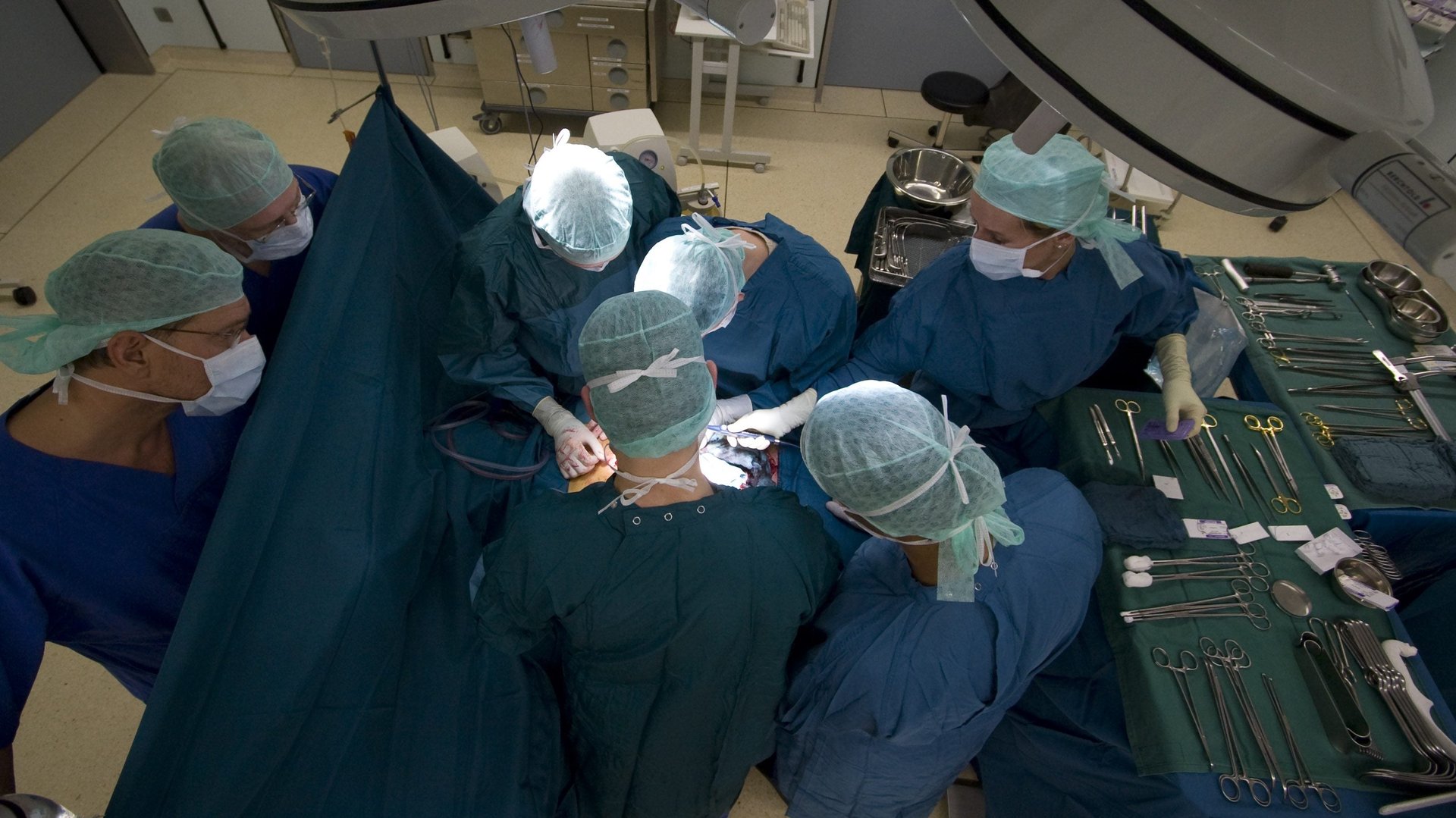
Last year, a prestigious medical journal published research from Chinese surgeons involving 564 transplanted livers. Now, Liver International is retracting the study amid accusations that the livers were extracted from executed prisoners of conscience—people killed for their beliefs.

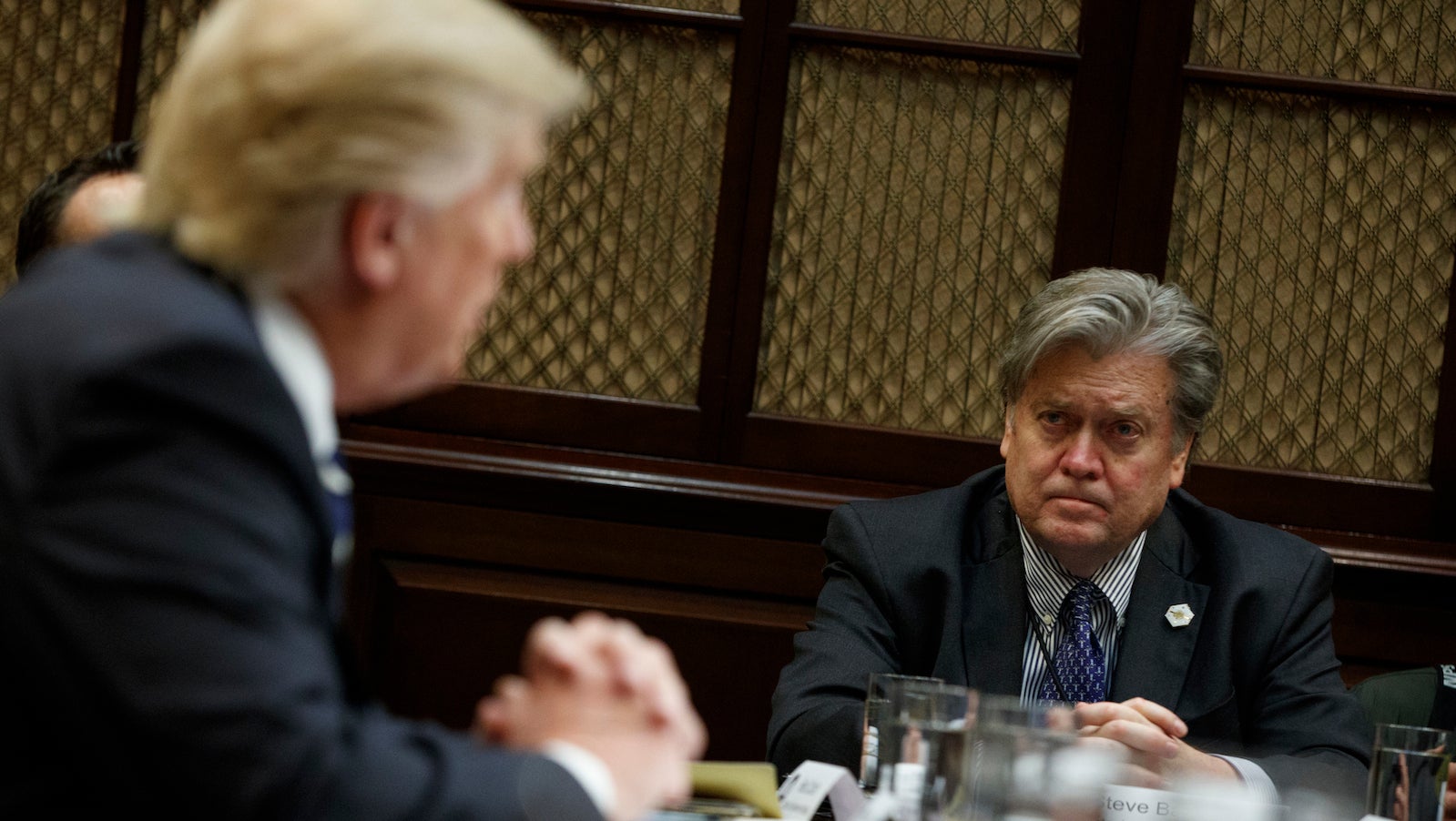
As a national security correspondent for Newsweek, reporter Jeffrey Stein knows he can’t see classified US government documents and doesn’t want to. He is, however, interested in how some of US president Donald Trump’s closest advisors—including Steve Bannon, Rex Tillerson, and Trump’s own family members—got the necessary clearances to begin receiving security briefings, despite allegations and connections that he argues should have raised red flags in the reviewing process.

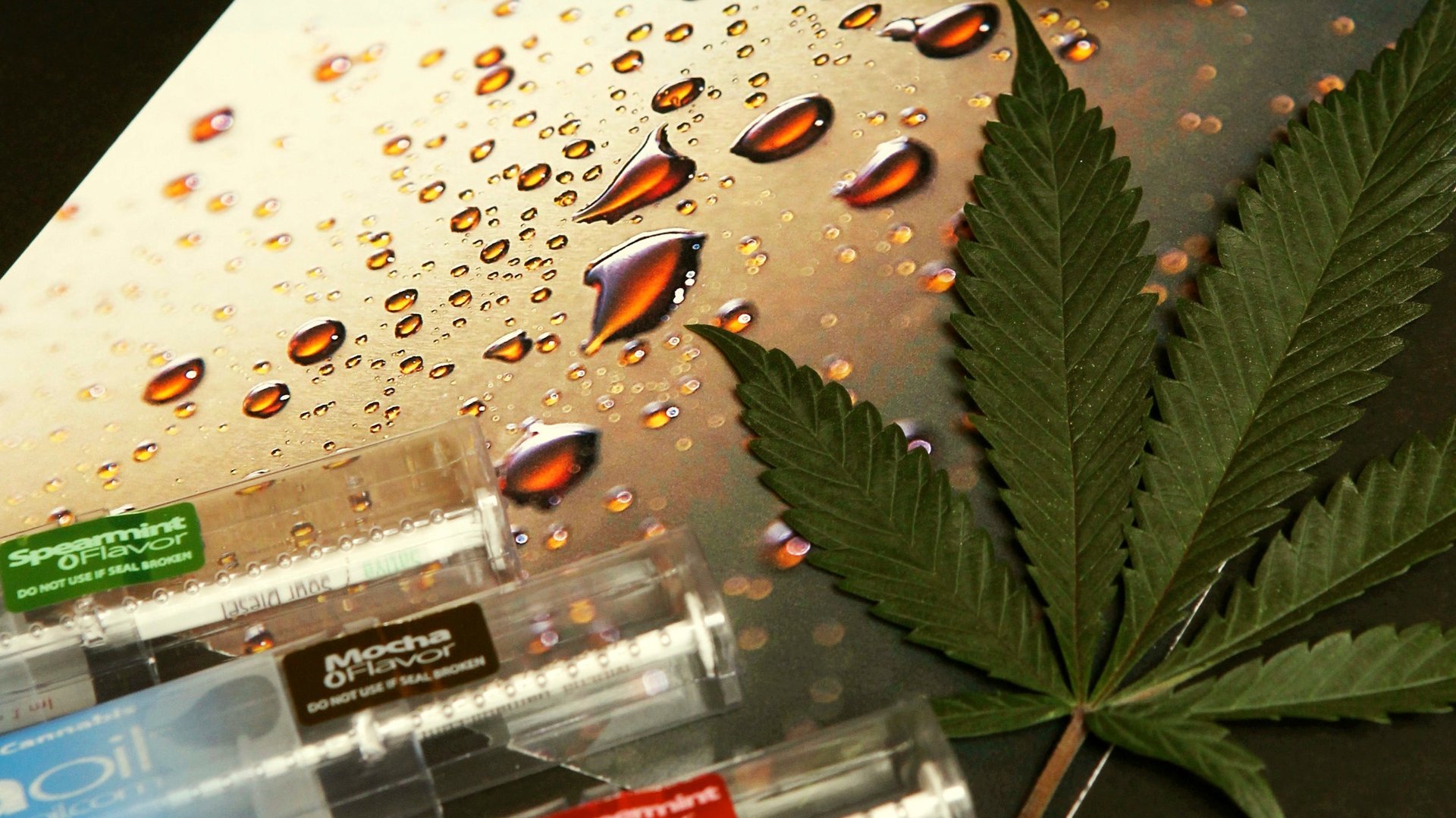
Americans are in pain. Over 2.5 million people in the US are addicted to opioids, the US Department of Health and Human Services reports (pdf). About 80 die daily from opioid overdoses. It’s gotten so bad that even conservative state legislators want to legalize medical marijuana, arguing it’s a safer, less addictive pain killer.

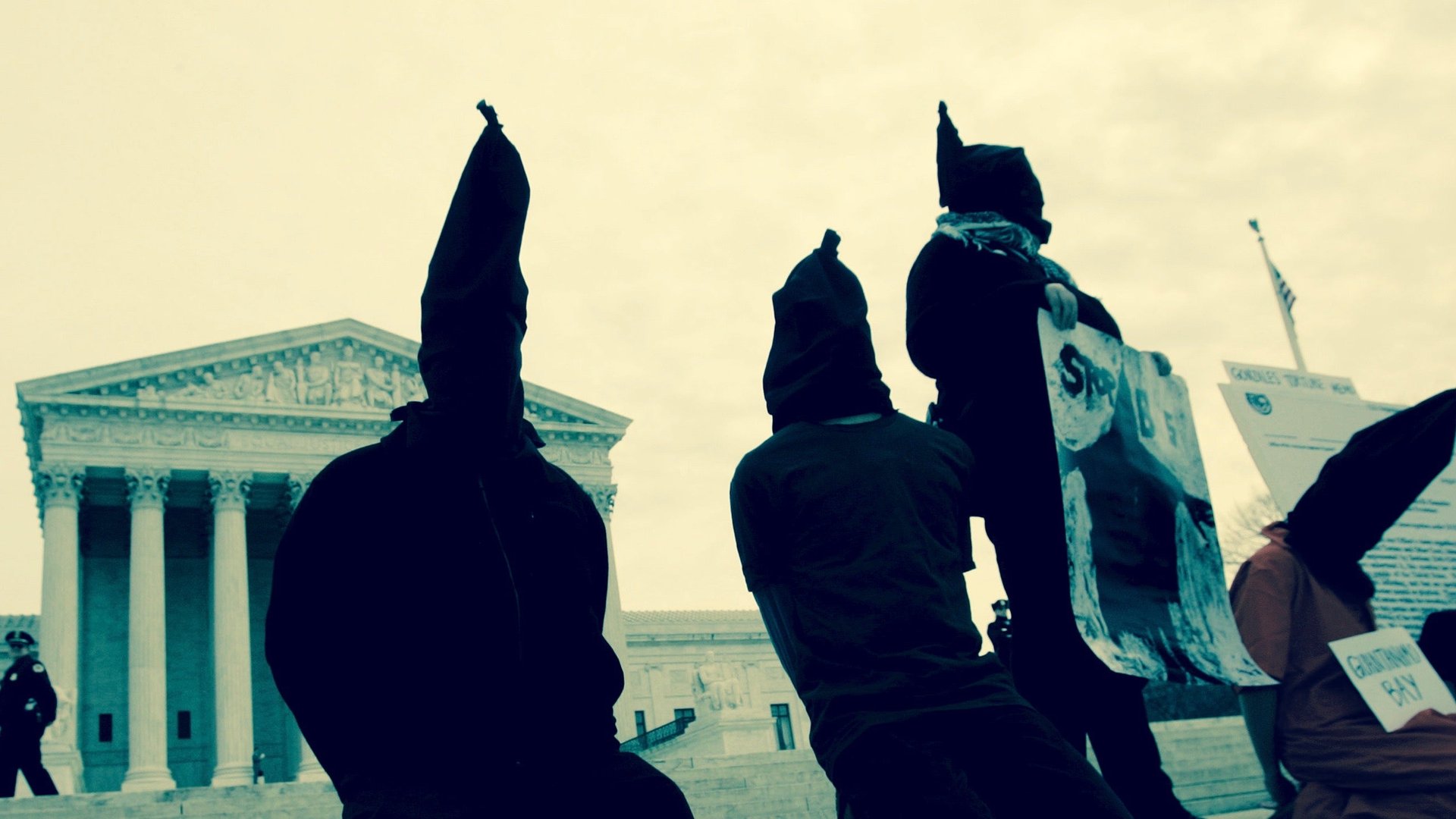
Donald Trump is a straight talker, or that’s his supposed selling point. Unlike other US presidents, who felt awkward discussing torture, the new commander-in-chief seems at ease with the notion of “extreme interrogation” techniques.

Appellate judges like Neil Gorsuch follow logical propositions to conclusions, based on an existing set of rules. It’s a very narrowly circumscribed gig.

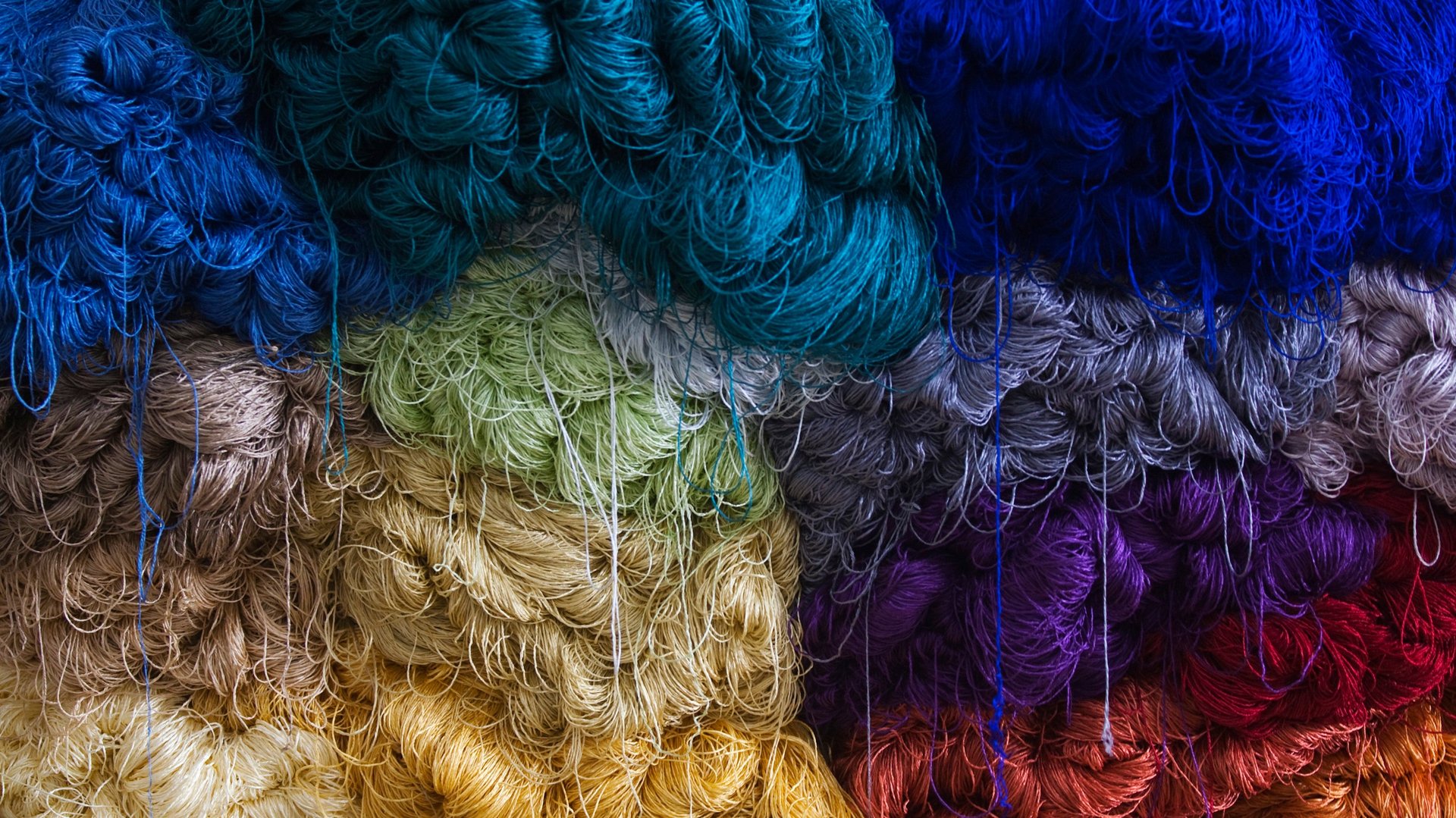
Fabric is miraculous. Cloth bends and stretches, yet retains shape and can handle wear and tear. This flexibility and durability is due to two things—how threads are knit together, and how they’re then woven into material. These two processes form a complex interlay of individual fibers that make a strong unified whole.

If confirmed, Donald Trump’s US Supreme Court nominee, Neil Gorsuch, will deliver lively judicial opinions that are stylishly written and make for entertaining reading, just like the late justice Antonin Scalia did. Like Scalia’s opinions, they will be based on strict principles of statutory construction, and a highly conservative outlook, according to the scribes at SCOTUS Blog, who have called the similarities between the two “eerie.”

Some of the world’s best secrets are hidden in plain view for centuries. So it is with a simple Chinese method for clarifying the mind and finding freedom, called The Secret of the Golden Flower.

The Maasai of Kenya and Tanzania have a distinctive look that is widely imitated. Their style and name alike have been used by high-end designers such as Louis Vuitton, manufacturers like moccasin maker Minnetonka, and many more. You can buy a “Maasai” bathing suit for $300, or a “Maasai mosh dress” for $430, online, right now.

Most algorithms designed to glean knowledge from collective wisdom weigh individual votes the same and assume the majority’s right. That’s an assumption built into many mathematical models. Scientists from MIT say this is all wrong.

US president Donald Trump’s nomination of financier Philip Bilden for US Navy Secretary was a bit of a surprise to those in the organization he may soon run. After all, Bilden’s military experience is limited to serving in the US Army Reserve, and he’s spent “most of his career” working in Hong Kong high finance, according to the Military Times.

The world learned the term ”golden showers” on Jan. 10 when a private intelligence agent’s unverified report documenting now US president Donald Trump’s sexual and financial activities in Russia during the last five years was widely publicized on Jan. 10.

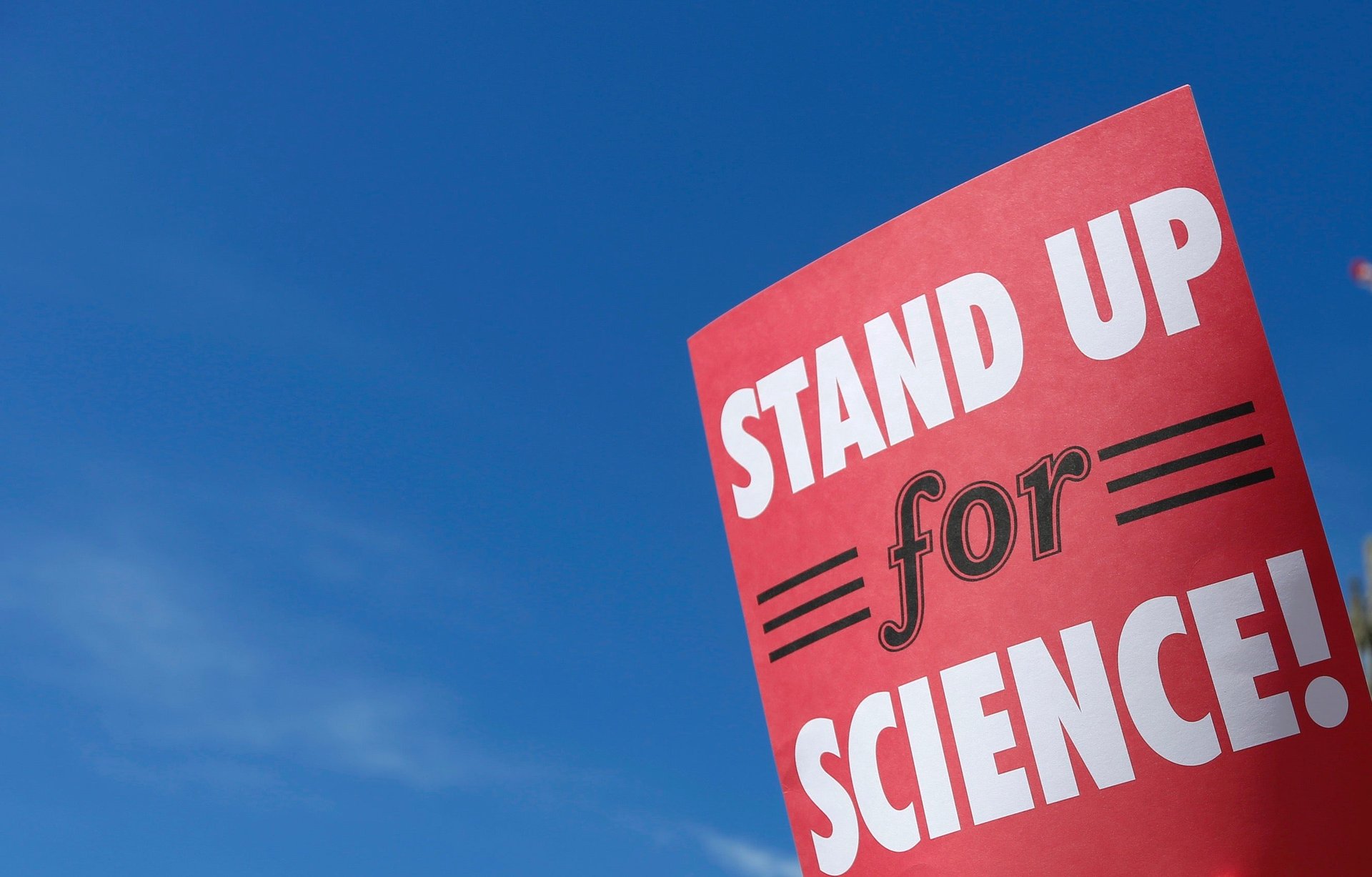
Donald Trump’s presidency is turning American academics into activists. Scientists have been particularly vociferous in their opposition to the new administration, based on its denial of climate change. Now, the nerds are also planning a protest march as a “starting point to take a stand for science in politics.”

Lawyers are the professionals everyone loves to loathe. Jokes about attorneys abound, and Shakespeare’s line from Henry VI remains a cultural favorite: ”The first thing we do, let’s kill all the lawyers.”

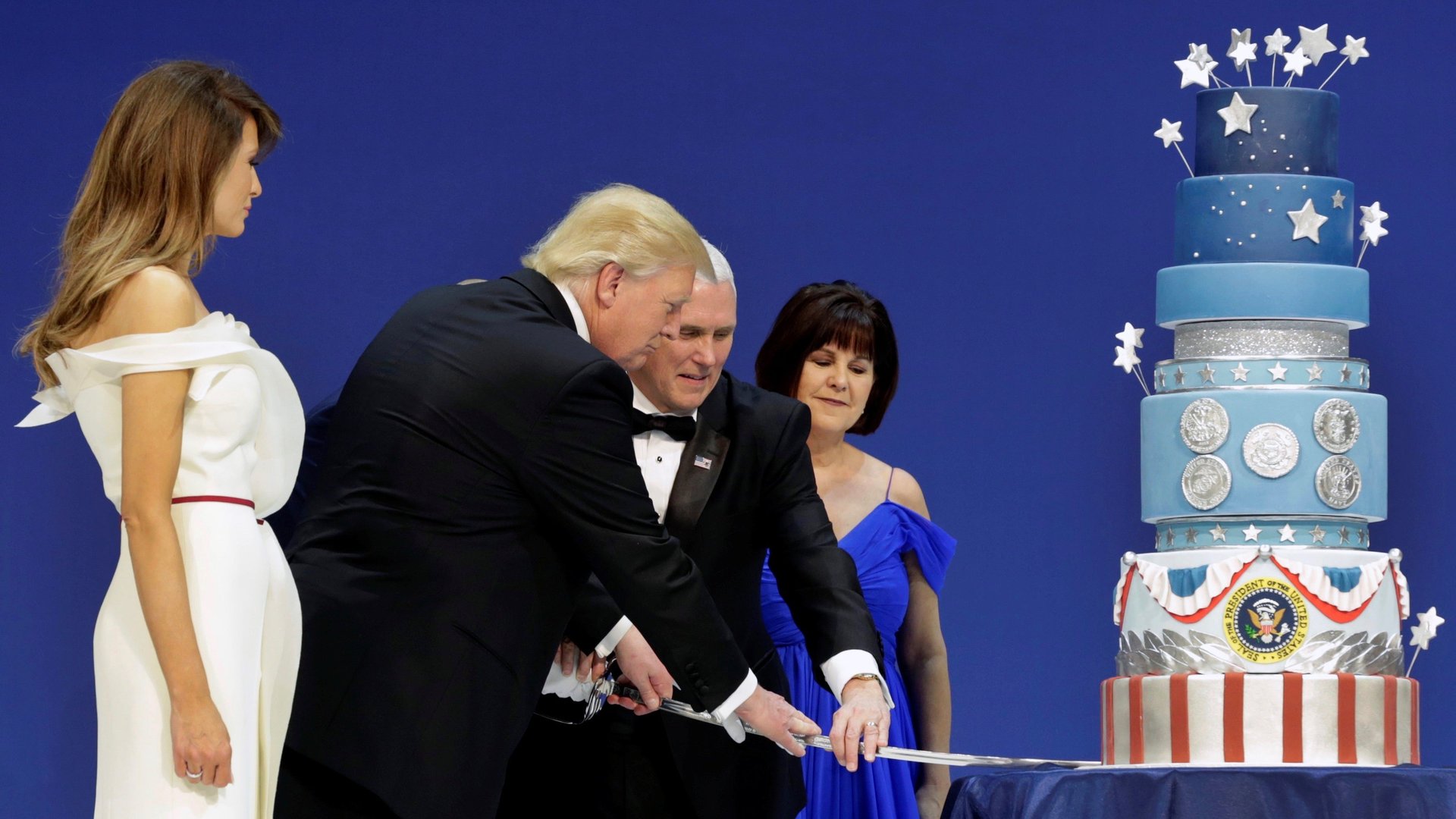
Cake hasn’t been controversial since the 1800s when French queen consort Marie Antoinette allegedly declared France’s poor, who had no bread, should eat brioche instead (in English: “let them eat cake”). But at US president Donald Trump’s inauguration celebrations on Jan. 20, cake became a matter of debate again.

In general, I think it’s wise to be self-critical. But I also believe that—in the deepest sense—we must trust our instincts and have the courage to put our ideas out into the world. Whenever I need a reminder about how to do this, I turn to Ralph Waldo Emerson’s 1841 essay on self reliance.

US president Donald Trump did not study law or governance, yet he rose straight to the top of American politics. This gave some scientists, technologists, engineers, and mathematicians an idea: they launched an initiative, STEM the Divide, to get more of their own into public office.

Jesus Christ famously said in the New Testament that it was easier for a camel to pass through the eye of a needle than for a rich man to enter the kingdom of God (Matthew 19:24). Prosperity theology is a strain of Christianity that preaches the opposite: they believe God makes the faithful rich, and that poverty is punishment for lack of faith.