

Tech & Innovation
Hackers created a $30 DIY version of the EpiPenThe EpiPen is a potentially life-saving device for those with severe allergies or asthma. The problem is that it costs $600 in the US.
Updated July 21, 20223 min read
The EpiPen is a potentially life-saving device for those with severe allergies or asthma. The problem is that it costs $600 in the US.
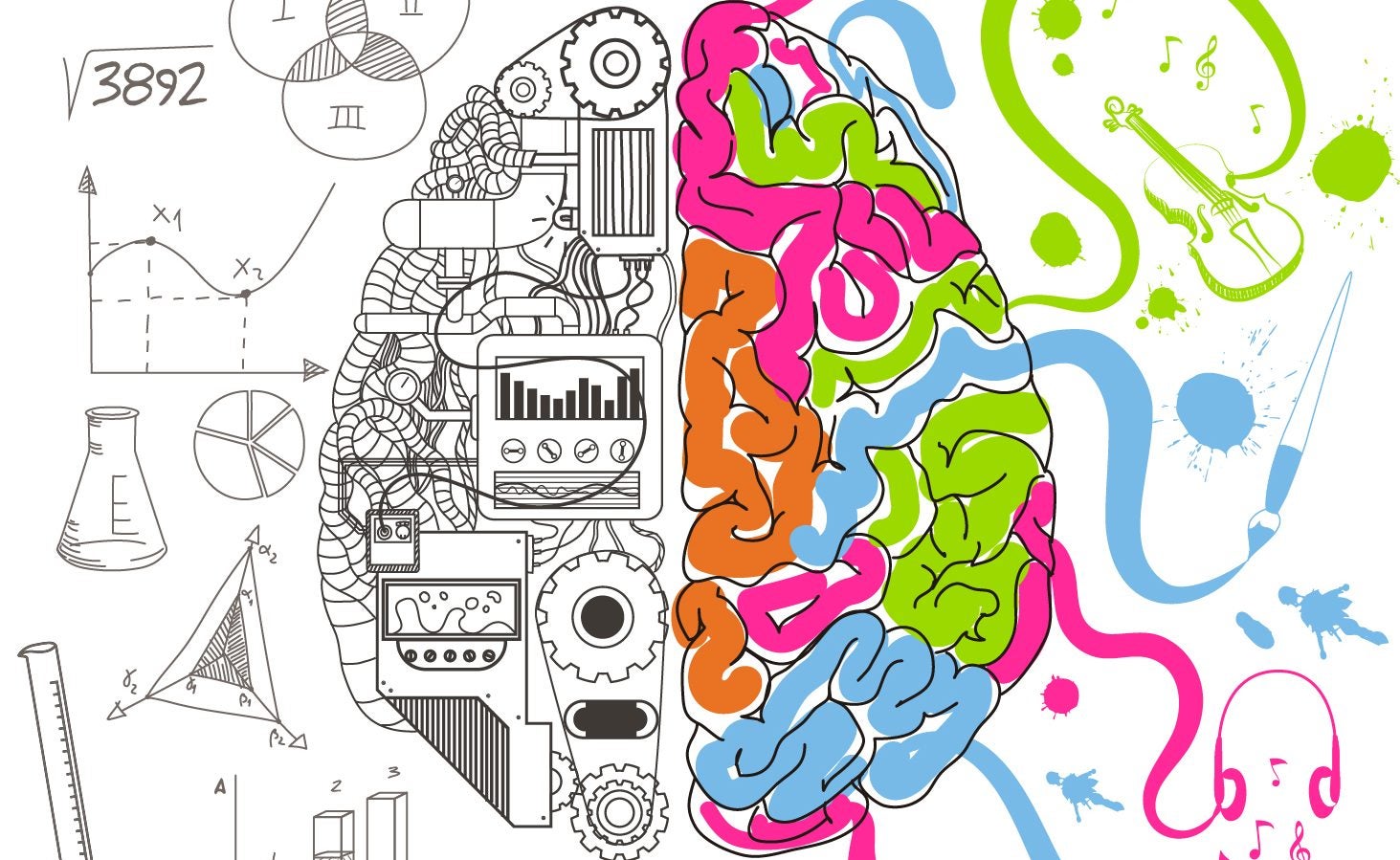
Do you finish people’s sentences, filling in the blanks before they do? It turns out this reaction is linked to memory, which isn’t separate from language after all, though scientists have long considered the two functions distinct.

For nearly 50 years, a charred ancient parchment, discovered at the archaeological site En-Gedi in Israel, has remained unreadable. The damaged scroll, written on animal skin, was too fragile to unravel; efforts to read it led to pages disintegrating on contact.

Your phone inevitably runs out of juice when you need it most, but soon your clothes could keep personal tech perpetually powered. Scientists have created a fabric that uses human movement, the wind, and the sun to charge electronics. Wearing a power t-shirt while you walk around all day could keep your smartwatch charged while you party all night.

For those who fear that robots are coming for their job, here’s some heartening news: There’s reason to believe that humans still have a leg up on machines in at least one regard.

If you’ve longed for adventures on the high seas but couldn’t live the dream for whatever reason, your time has come. On Sept. 15, film star and environmental activist Leonardo DiCaprio unveiled Global Fishing Watch for the public at the US State Department’s Our Ocean 2016 conference. It’s a free tool that allows anyone with an internet connection to track the activities of fishing vessels on the world’s oceans.

Why is it that babies the world over, each exposed to thousands of disparate languages from birth, reward their mothers with roughly the same first word starting with the letter “m”?