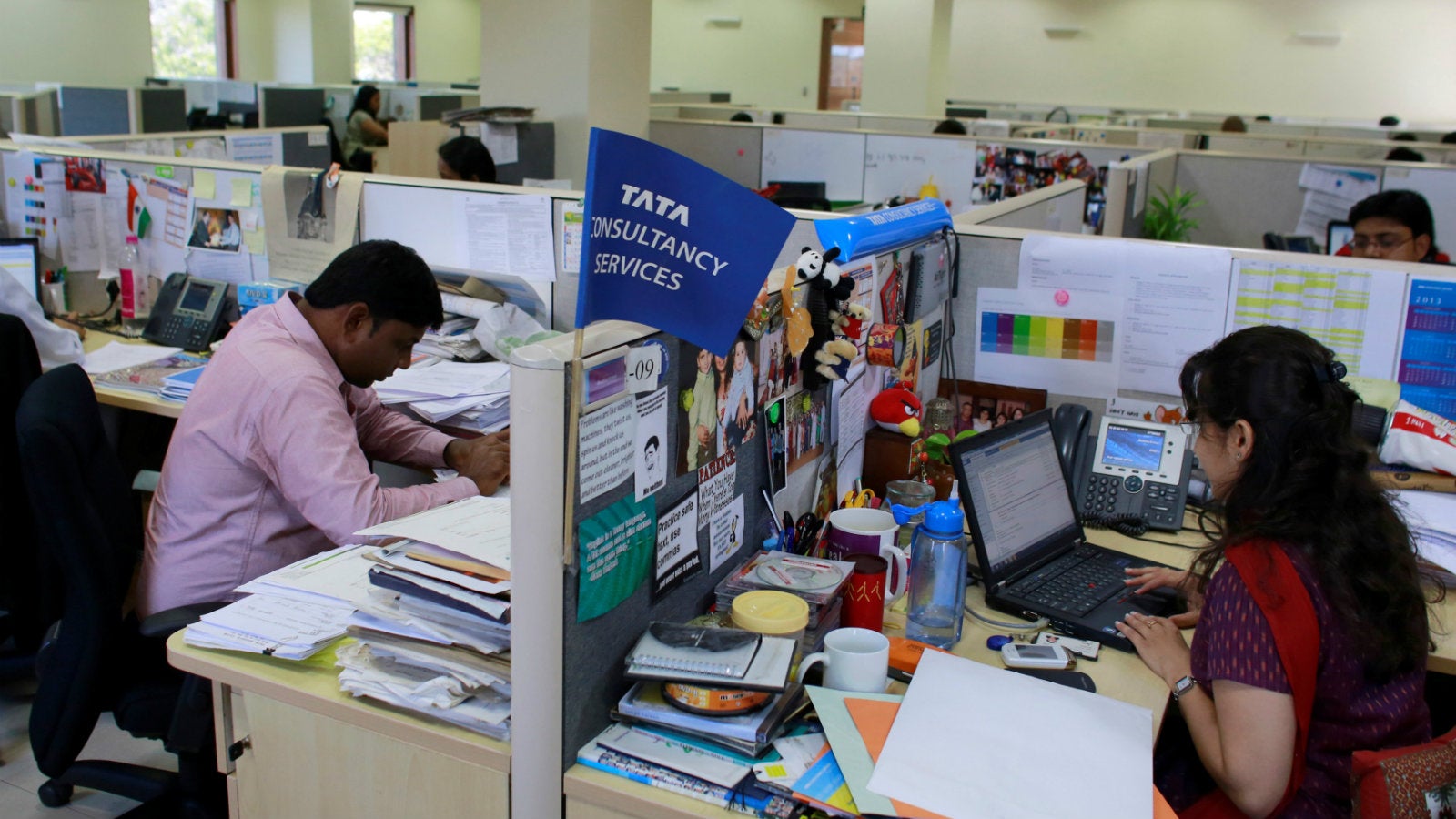
While the $150 billion Indian IT industry has gone into turmoil owing to creeping automation, market leader Tata Consultancy Services (TCS) has been silently recalibrating its strengths and focus.

While the $150 billion Indian IT industry has gone into turmoil owing to creeping automation, market leader Tata Consultancy Services (TCS) has been silently recalibrating its strengths and focus.

The monsoon rains are a big deal in India. Everyone from the farmer to the stockbroker tracks the rain. The former because the sowing pattern depends on it, and the latter because agricultural growth boosts the country’s economy.

Of late, foreign investors have shown far more confidence in the Indian economy than Indians themselves have.

Employment data in India have rarely been robust or foolproof.

Farm jobs in Asia’s third-largest economy are moving out to other sectors.

India’s agrarian heartland is in deep distress and the farmers are up in arms.

The Indian manager’s magic is slowly waning.

What was at first only expressed by experts and analysts has finally come from the horse’s mouth: Donald Trump is bad for business, according to Indian IT firm Wipro.

A top executive at Uber’s Asia business has been fired because he mishandled the proceedings in a 2014 rape case in India, according to two separate media reports. Eric Alexander, president of Uber Asia, was shown the door after reporters began questioning his actions of obtaining medical reports of the woman raped in New Delhi by an Uber driver, The New York Times reported. A similar article was published by Recode. Neither report named its source.

As India’s $150-billion information technology (IT) industry grapples with slowing revenue growth and massive layoffs, its executives are also feeling the heat.

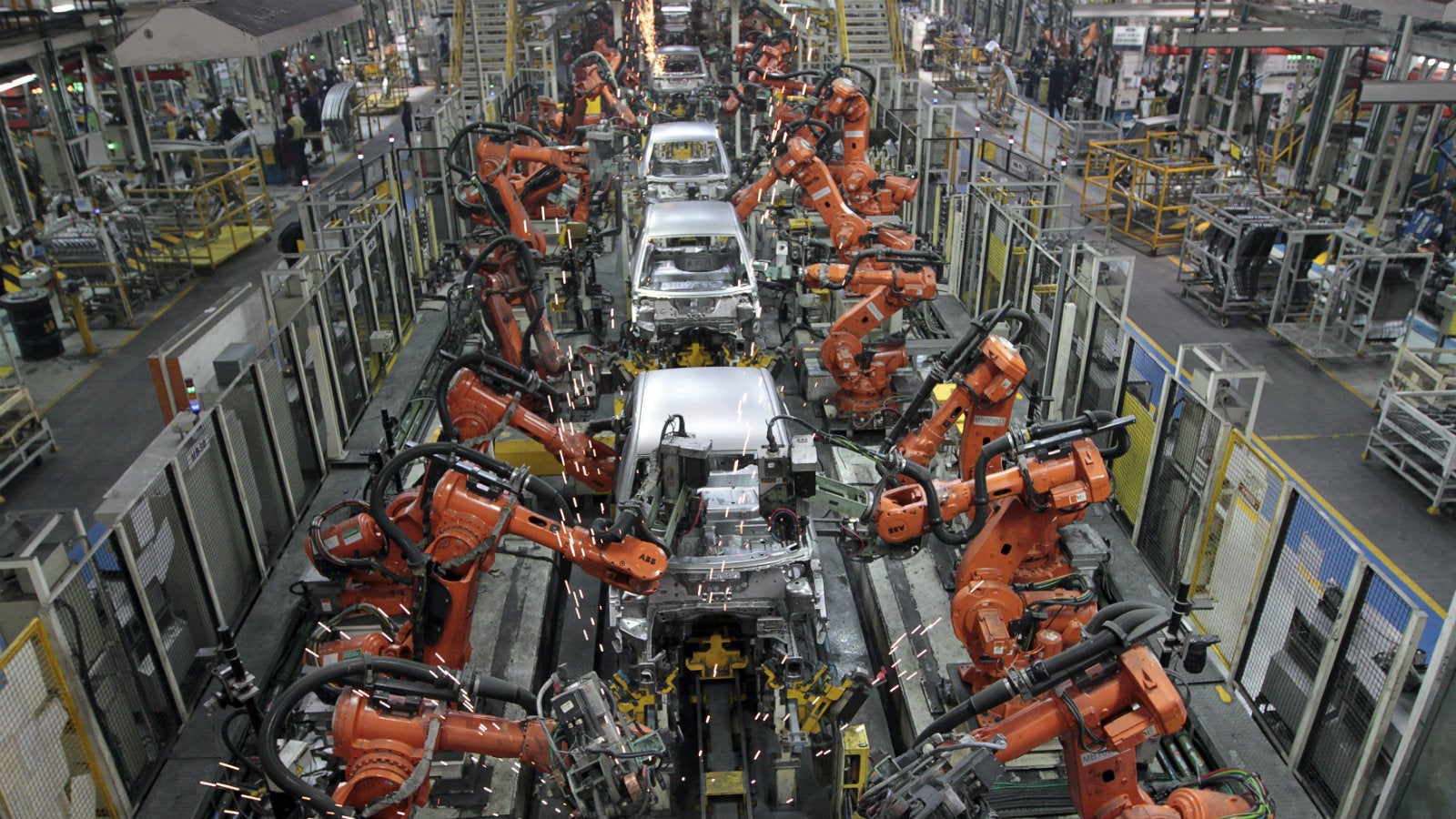
Automation and protectionist policies around the globe are resulting in job losses, hitting Indian employees hard. In India’s information technology (IT) sector, thousands have been laid off from top software firms, while the manufacturing sector is under the constant threat of robots taking up human jobs.

The data is in: While India remains one of the world’s fastest-growing major economies, the currency ban in November 2016 did take some steam out of its growth engine.

By 2050, India will be home to one of the largest populations of retirees in the world. However, its savings, as well as support from the government or employer pension plans, simply won’t be enough to live on.

“The country is in no mood to suffer unemployment, inadequate basic amenities, lack of infrastructure and apathetic governance,” finance minister Arun Jaitley declared as he presented the Narendra Modi government’s first budget (pdf) in 2014.

The world’s fastest growing major economy is battling a jobs crisis. Some of the top industries that create millions of jobs every year in India are letting people go. The IT crisis has already sparked fears and other sectors like financial services and infrastructure, too, are staring at layoffs.

These are already trying times for India’s millennials, and it’s going to get tougher.

Narendra Modi wants Indians to stop using cash and go digital instead. A cashless economy is expected to increase transparency, clamp down on corruption, and boost the country’s GDP.

Air India’s top boss says that the national carrier’s main problem is its giant mountain of debt.

Since September 2016, the Narendra Modi government has repeatedly voiced its disappointment with global credit ratings firms for not changing the world’s fastest growing economy’s sovereign rating. In fact, during this period the government has reportedly also lobbied with firms like Moody’s to get the country’s rating pushed up.

India has never had reliable jobs data. The employment numbers available with the country’s Labour Bureau are often dated—the latest data available right now is for the September 2016 quarter—and are updated sporadically.

The machines are creating mayhem again.

Indian co-working space provider Awfis announced in late April that it had raised $20 million (Rs128 crore) from Sequoia Capital India. This was the biggest amount received in a single funding round by a company in this startup segment.

Infosys is finally doing what Donald Trump wants it to do.

India’s unicorns continue to bleed.