
Business News
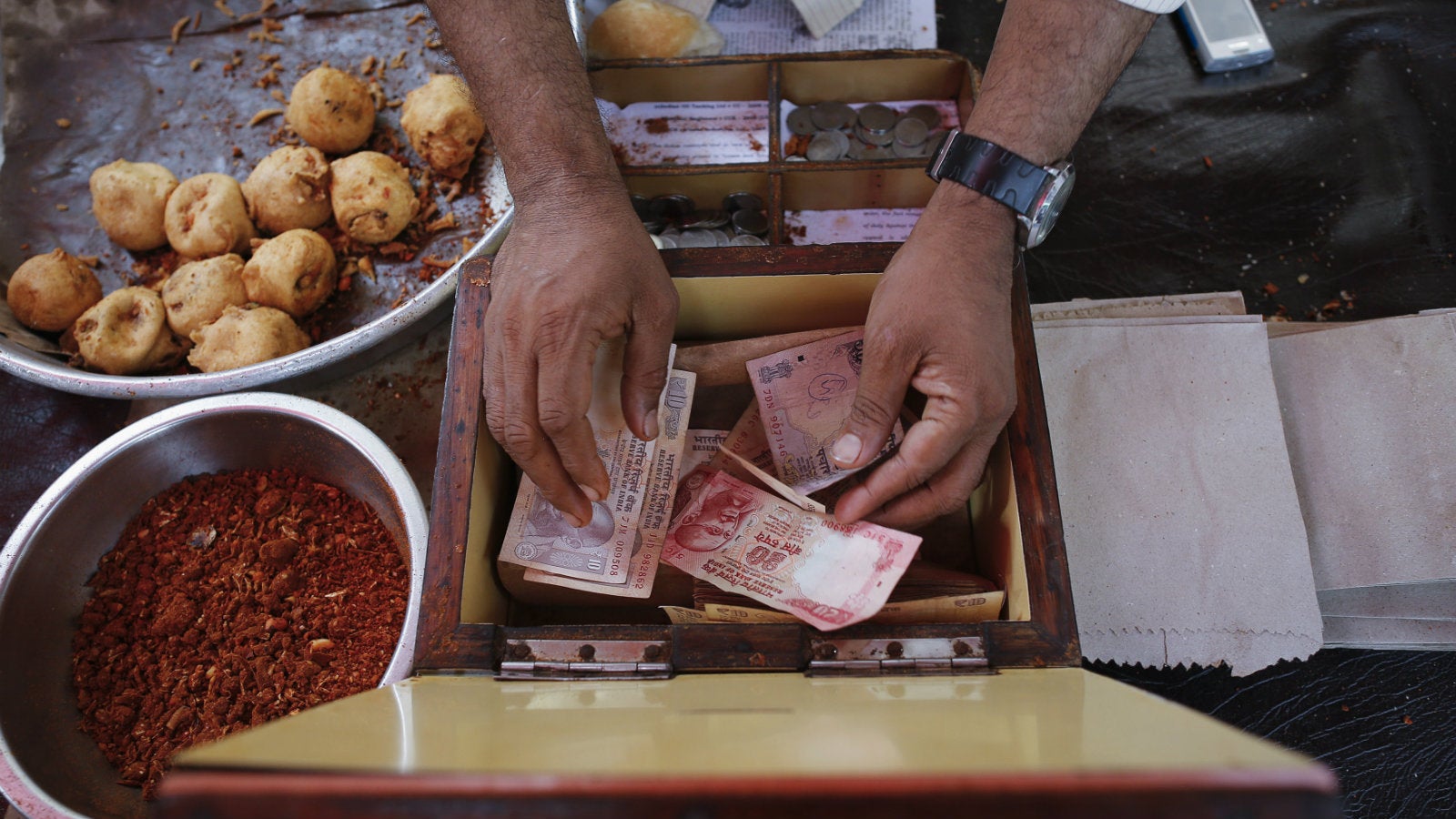
Zomato is nibbling its way towards profitability—but where is the main course?Zomato, India’s largest restaurant search portal, is now making profits—at least in some markets.
Updated July 21, 20222 min read
Zomato, India’s largest restaurant search portal, is now making profits—at least in some markets.
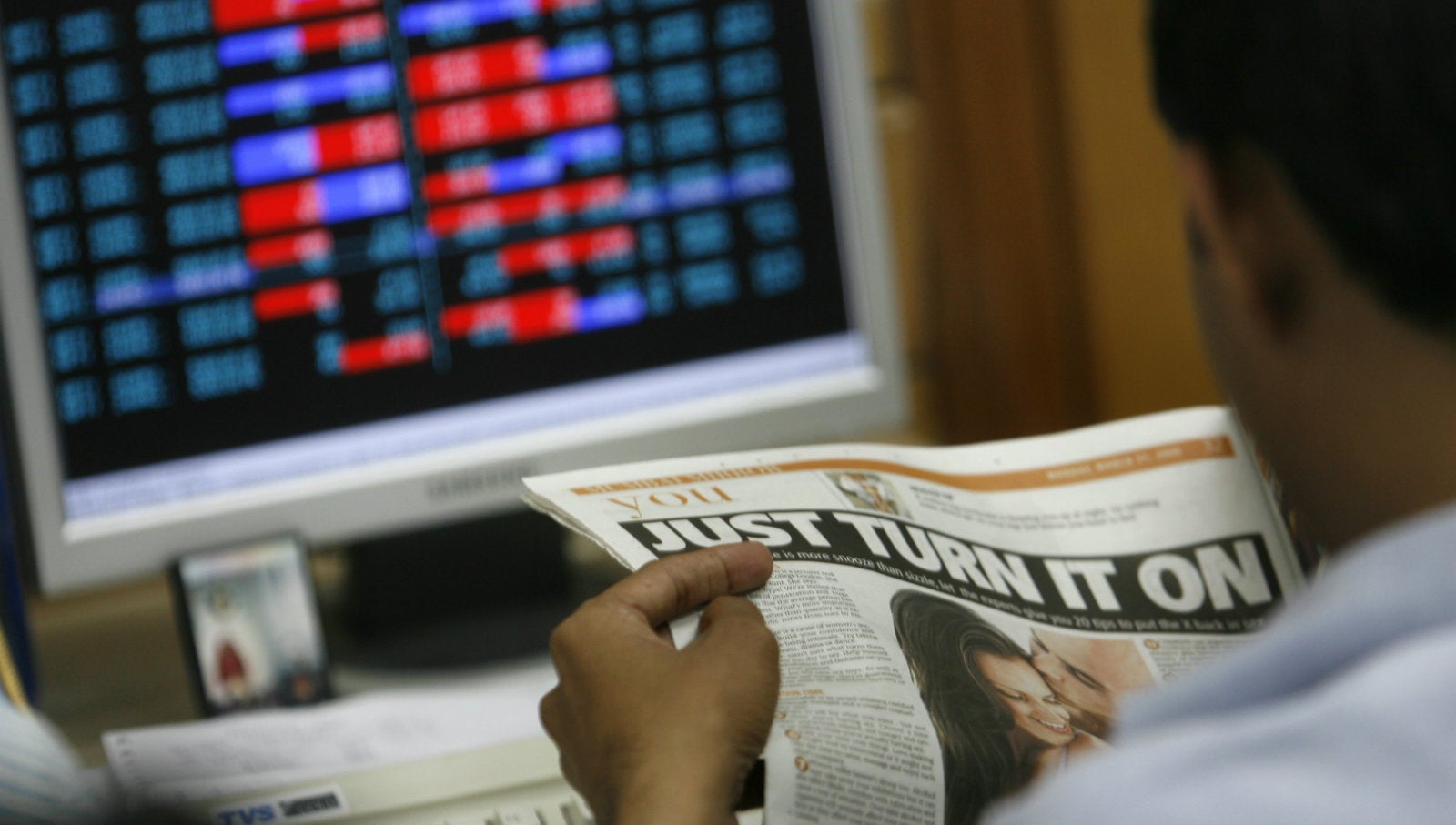
India’s state-owned banks are saddled with bad assets and dropping profitability, which, in turn, is keeping equity investors away.
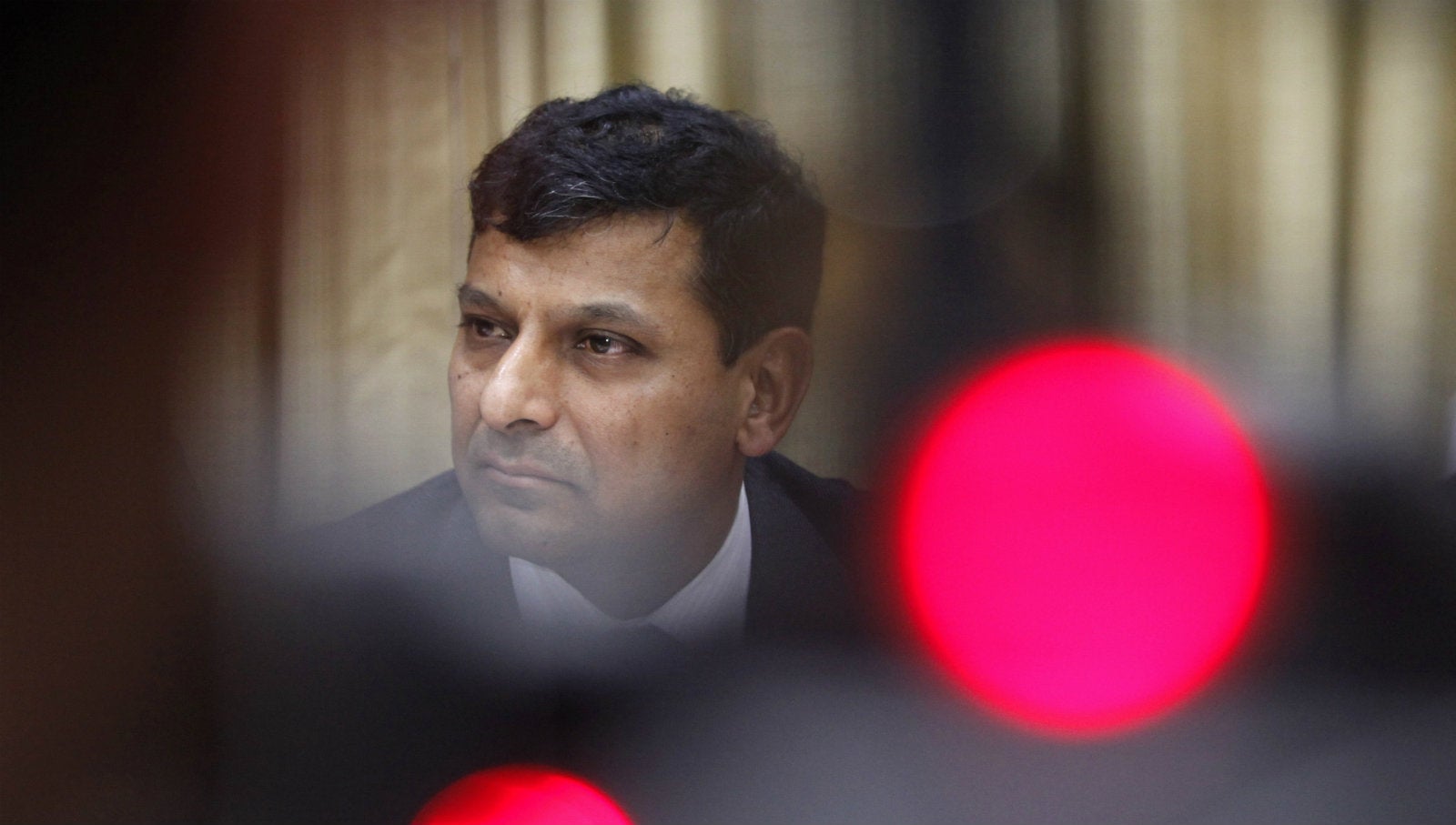
Reserve Bank of India (RBI) governor Raghuram Rajan has once again batted for India’s smaller businesses, even as he hit multinational giants for a sixer, asking them to stop whining about “tax excesses.”

Krishna Ella never expected to be holding the key to fighting a new global health emergency. Yet, his Indian firm, Bharat Biotech, has become the first in the world to have two vaccine candidates against the rapidly spreading Zika virus, which has infected millions of people in Latin America and has the potential to spread worldwide.
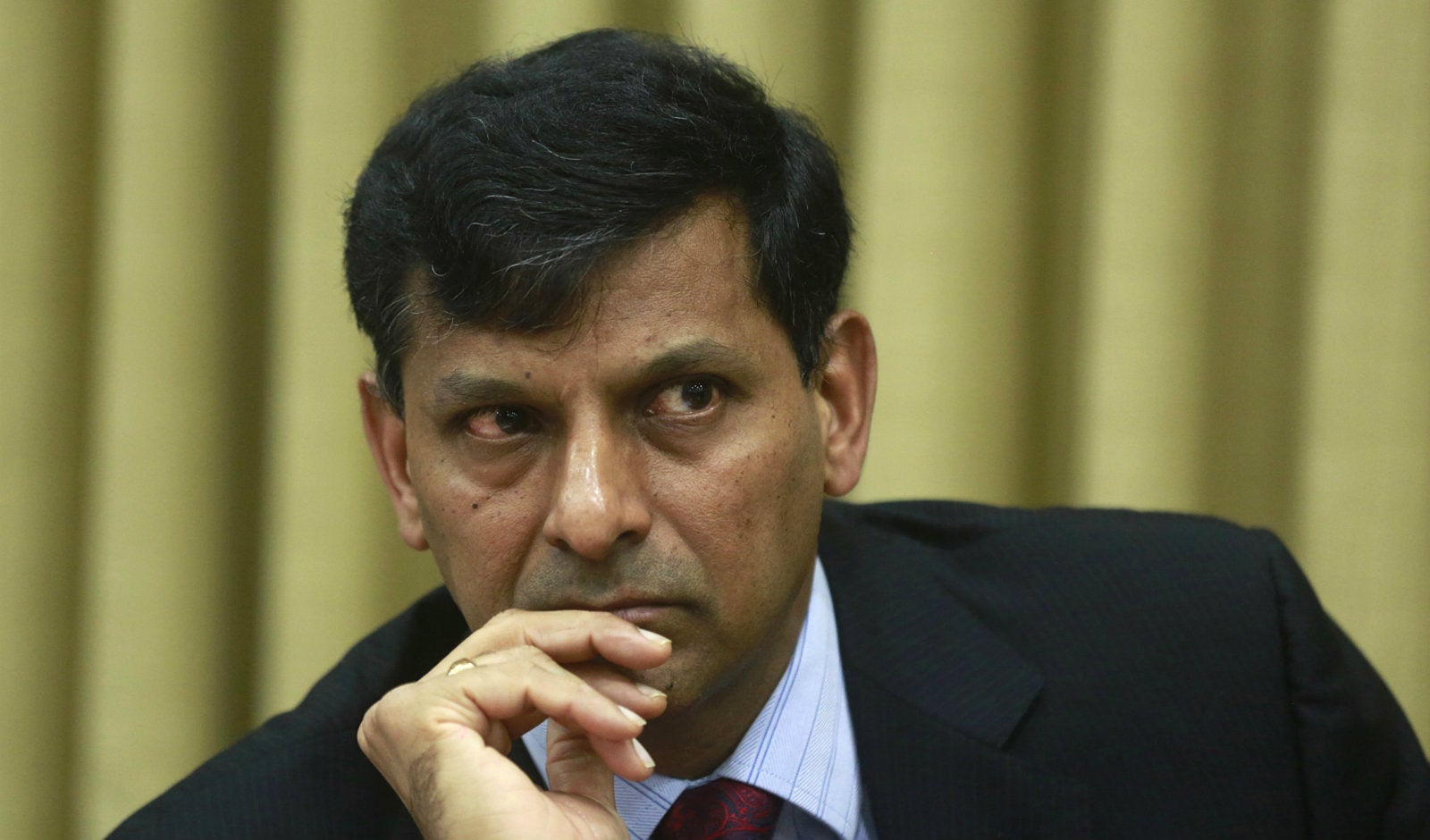
In the first bi-monthly monetary policy review of the 2016 calendar year—and the last before this year’s budget is presented in end-February—Reserve Bank of India (RBI) governor Raghuram Rajan decided to keep key interest rates unchanged.
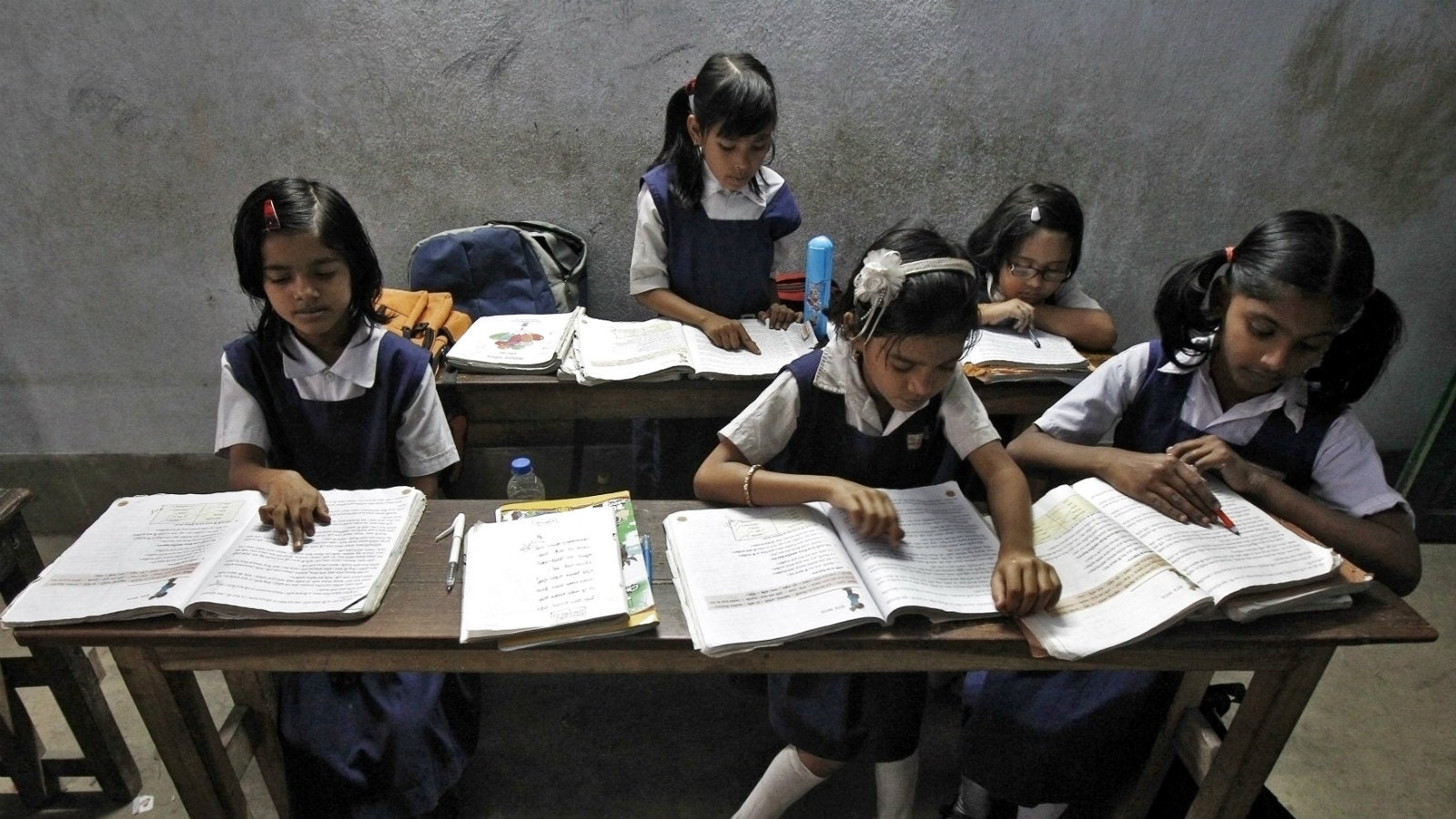
When it comes to spending on social causes, big isn’t necessarily the better in India.

Early evening yesterday (Jan. 19), some 3,000-odd students packed the convocation hall of the Indian Institute of Technology (IIT), Bombay, to listen to one man: the founder and CEO of one of the world’s most valuable startups, Uber.
For two years, Tata Motors did not have a CEO. Its last chief executive Karl Slym died under mysterious circumstances in Bangkok in January 2014.
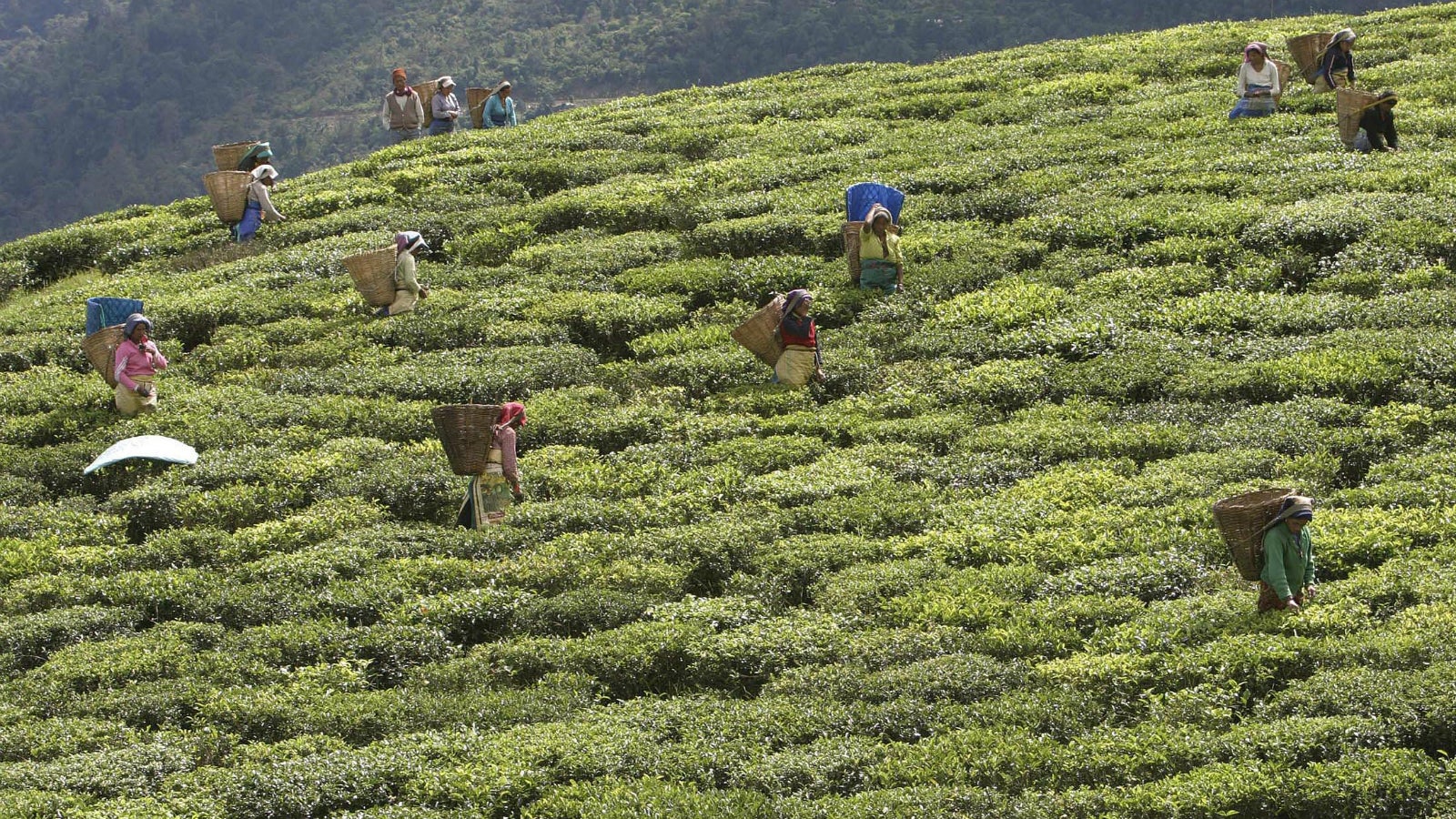
Sikkim, the northeastern Indian state snuggled between Bhutan and Nepal, has now rid its agricultural land of pesticides and fertilizers making it the country’s first organic state.
On the last day of 2002, the stock of PI Industries—an Indian agri-inputs and chemicals company—was worth Rs0.56 a share, making it a penny stock. Fast forward 13 years—and boom!—the scrip is now worth over Rs650.
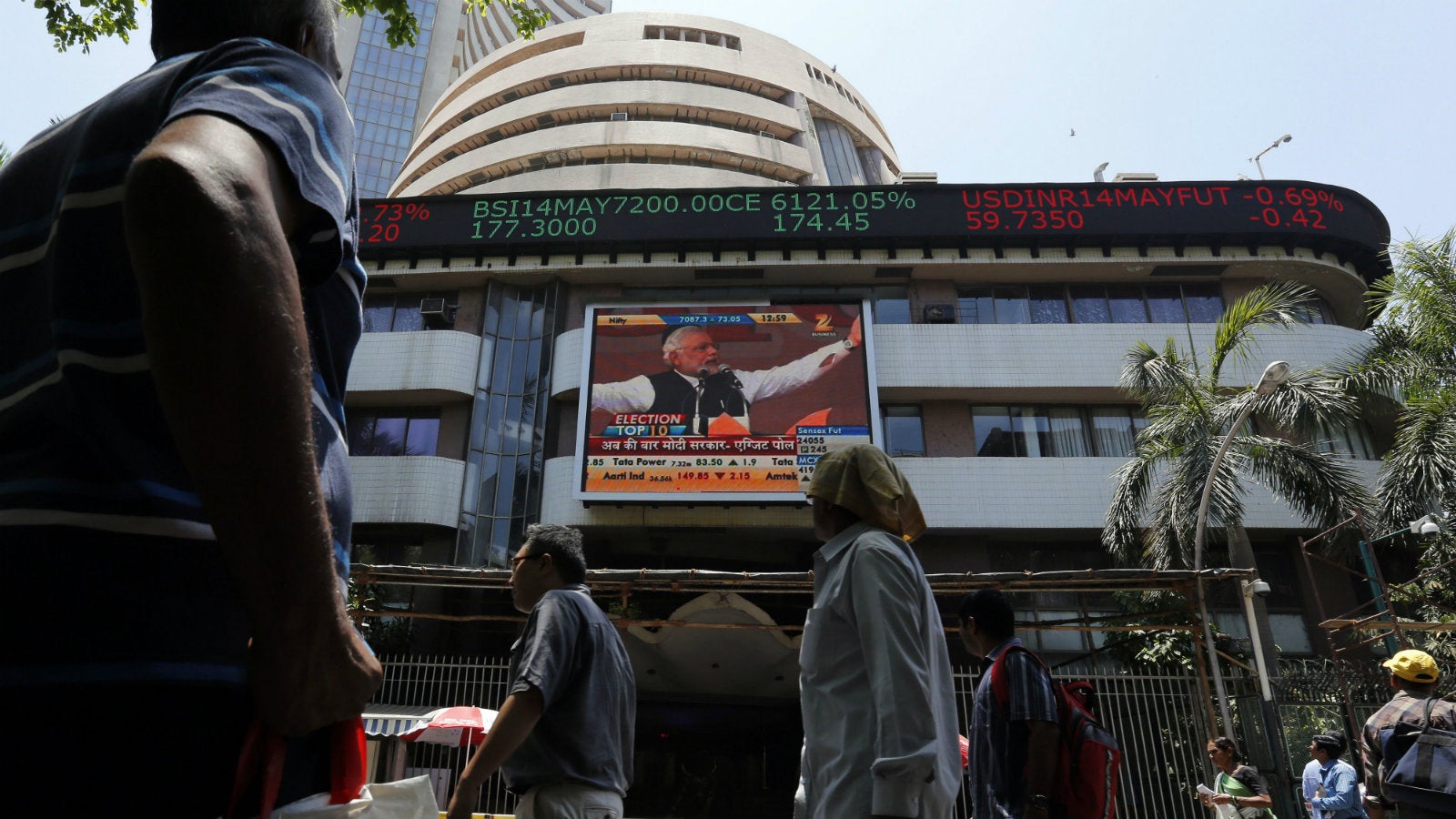
When India’s prime minister Narendra Modi took power in May 2014, equity markets cheered and investors were ecstatic.

“My name is Raghuram Rajan and I do what I do.”
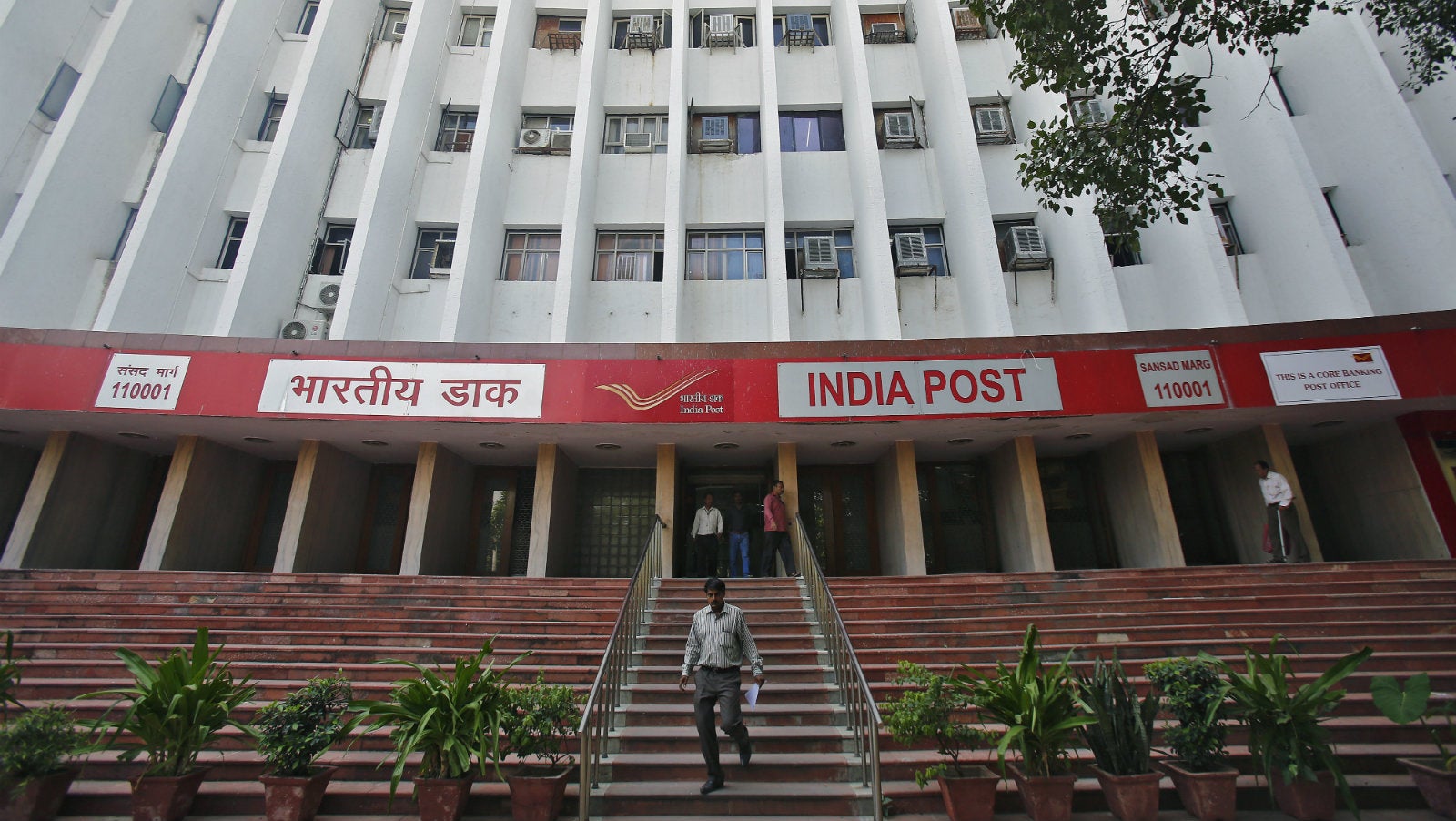
India’s unrelenting e-commerce boom has thrown a lifeline for a struggling government unit: the post office.

Some three decades ago, Nirmal Singh Bhangoo was a milk seller near the India-Pakistan border in Punjab’s Attari. In 1996, he founded PACL Ltd—then known as Gurwant Agrotech—selling magnetic pillows, among other things.

After a week on the road, the Arvind Kejriwal government’s odd-even car rationing experiment has received a green light from the Delhi high court to continue up to Jan. 15.

India has swiped Tinder right—and how.
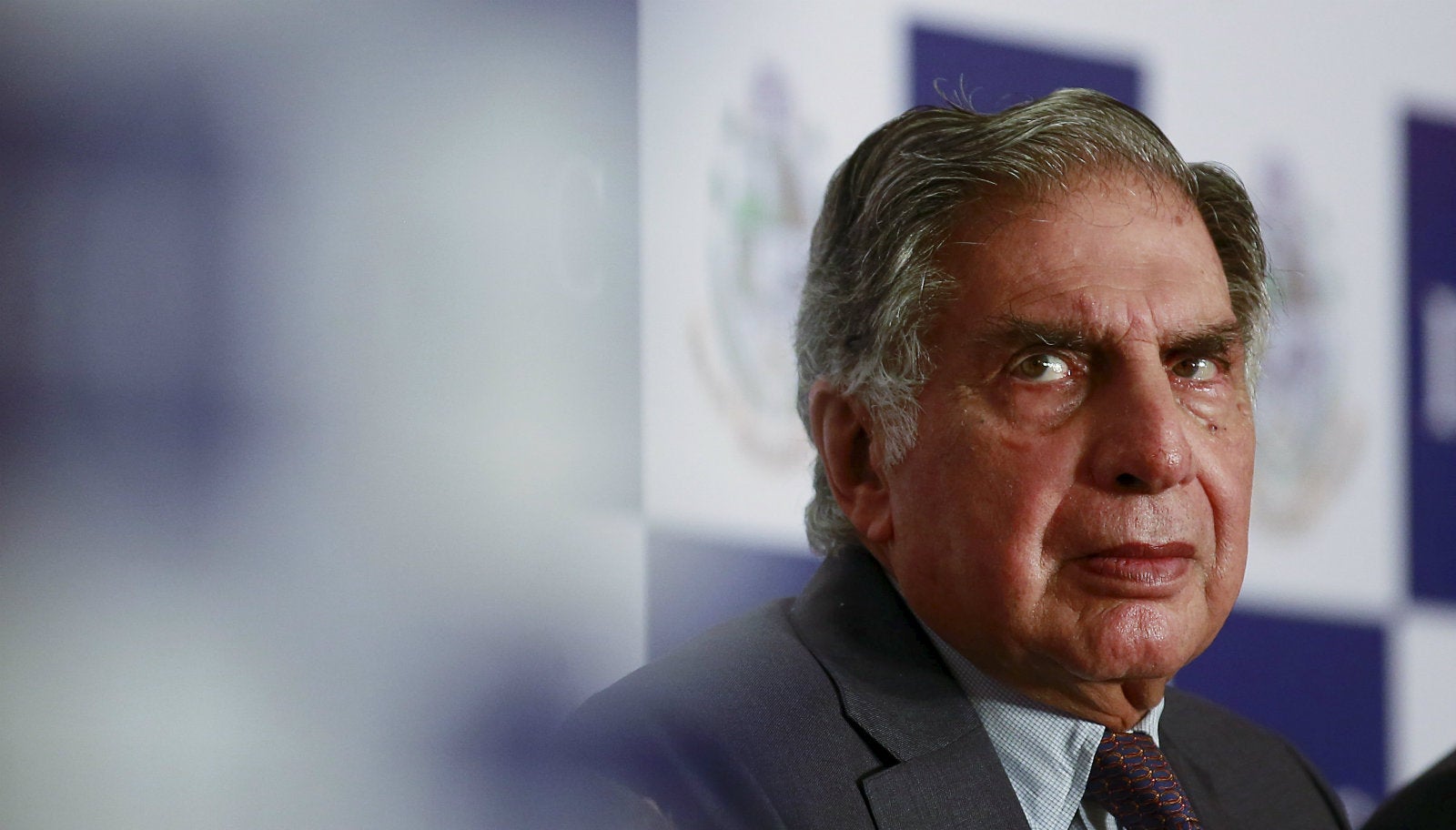
Sometime in early 2014, Kunal Bahl, co-founder of Snapdeal, found out that Ratan Tata was interested in investing in his firm. A nervous Bahl wasn’t entirely sure about how to prepare for his meeting with the chairman emeritus of Tata Sons. So, he went on YouTube and watched every video of Tata that he could find.

In 2015, Sequoia Capital was the most prolific investor in India’s startup ecosystem, backing 33 startups in a year that saw unprecedented amounts of money chasing entrepreneurial ventures.
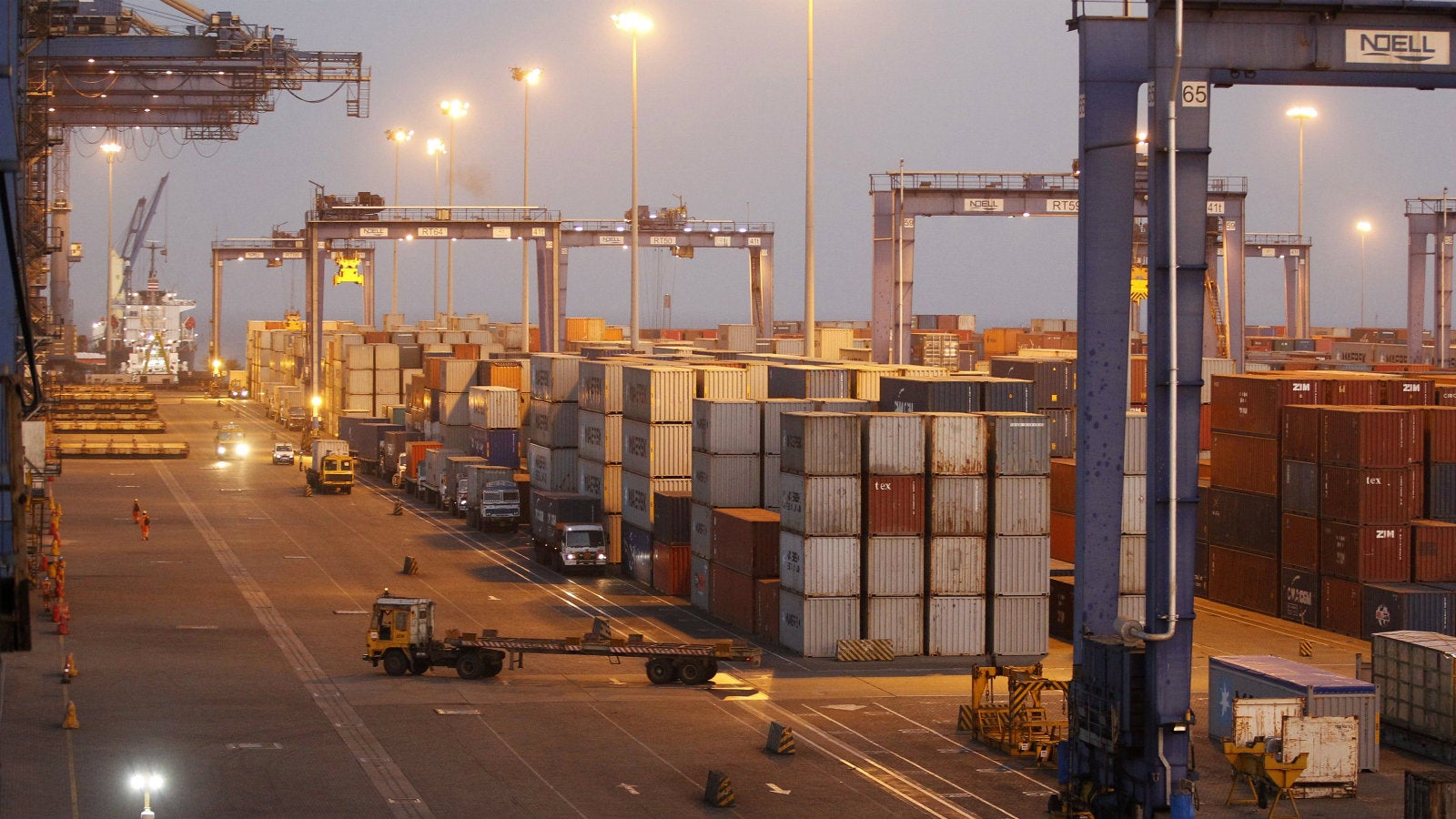
In April 2015, the Narendra Modi government set a mammoth target of doubling India’s exports to $900 billion by 2020.
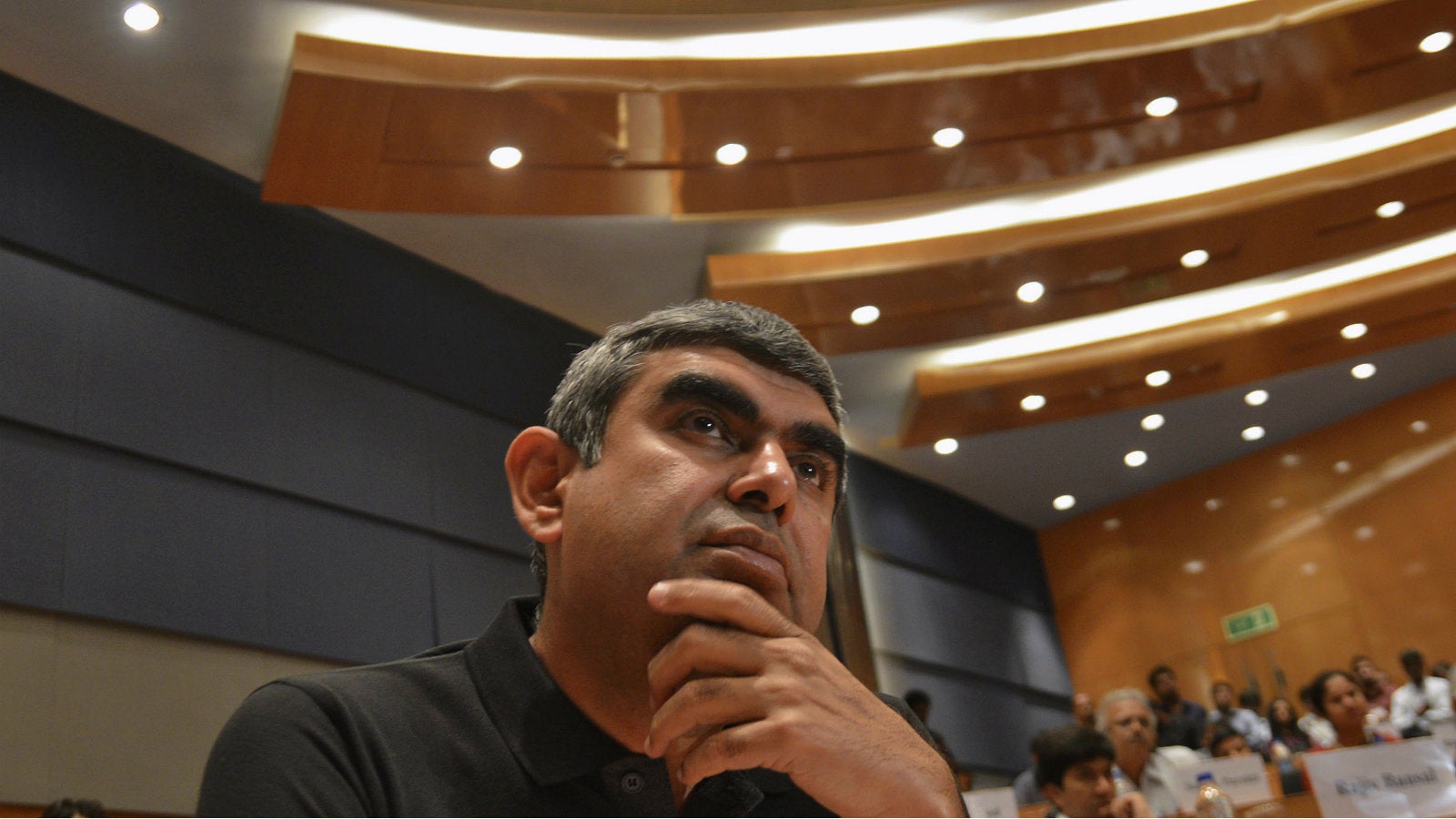
Legacy IT outsourcing companies in India continued acquiring aggressively in 2015. Most of the acquisitions were made in areas such as design and automation to help the companies cut costs, and stay ahead of the innovation curve.
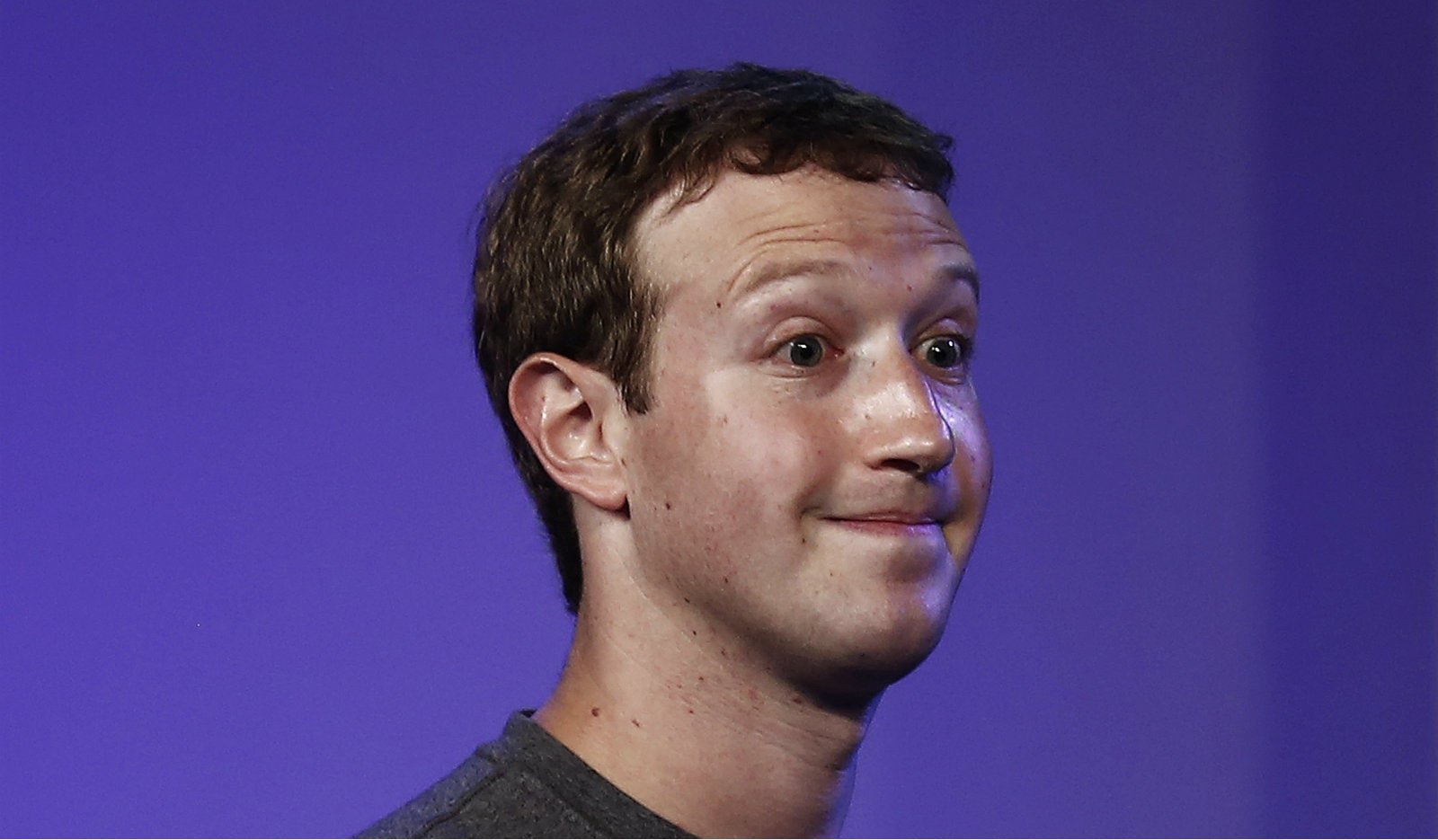
There have been double-page newspaper and television advertisements, a flawed notification-based campaign and even a passive-aggressive op-ed by Mark Zuckerberg to get Facebook’s Free Basics service off the ground in India.
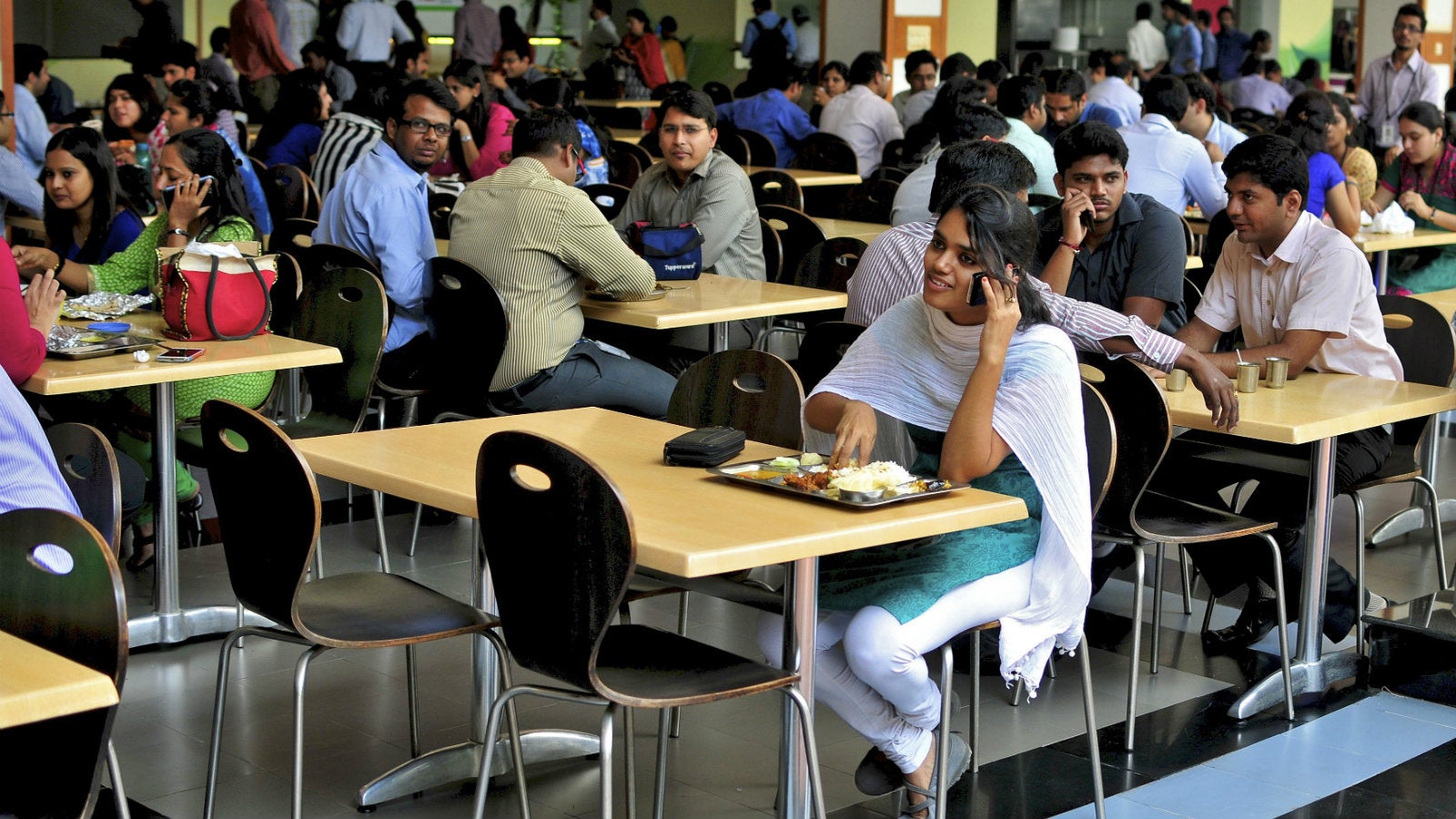
Women working for private companies in India may soon be eligible for longer maternity leaves.
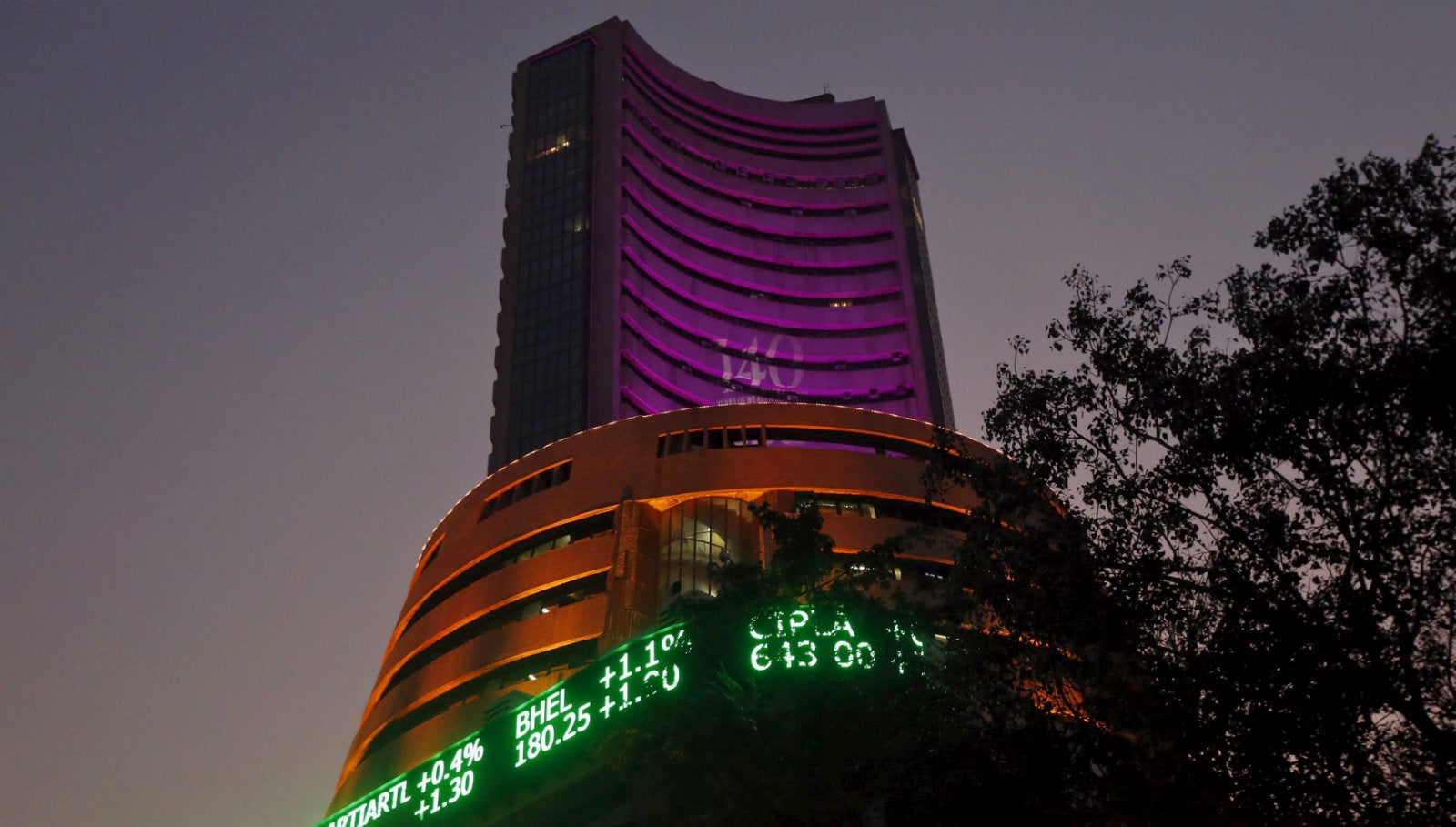
After years of muted activity in the initial public offering (IPO) market—due to a slowing economy and lacklustre demand from investors—2015 proved to be a banner year for raising capital in India.
The Indian investor’s love for physical assets like real estate and gold is waning. Instead, equities and other financial instruments seem to be taking over.