
Tech & Innovation
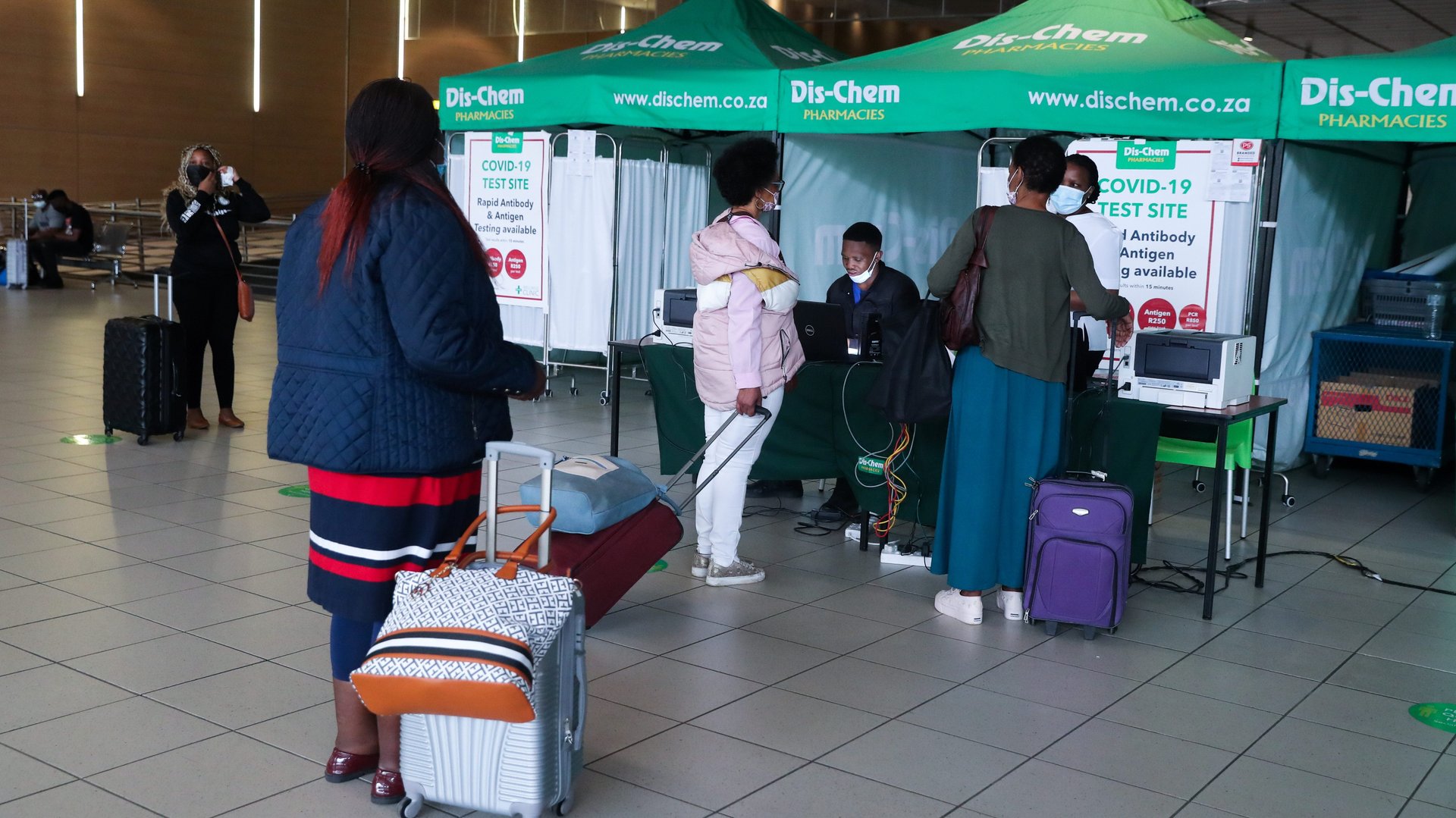
Omicron travel bans penalize South Africa for being transparentCountries across the world are rushing to put African nations on travel red lists. And that is bad news for global health.
Updated July 20, 20223 min read
Countries across the world are rushing to put African nations on travel red lists. And that is bad news for global health.
This story has been updated.
India’s decades-long efforts to improve the sex ratio may be finally bearing fruit.
A new study measuring the efficacy of India’s Covaxin could lay the path for the country to formulate a booster dose policy.
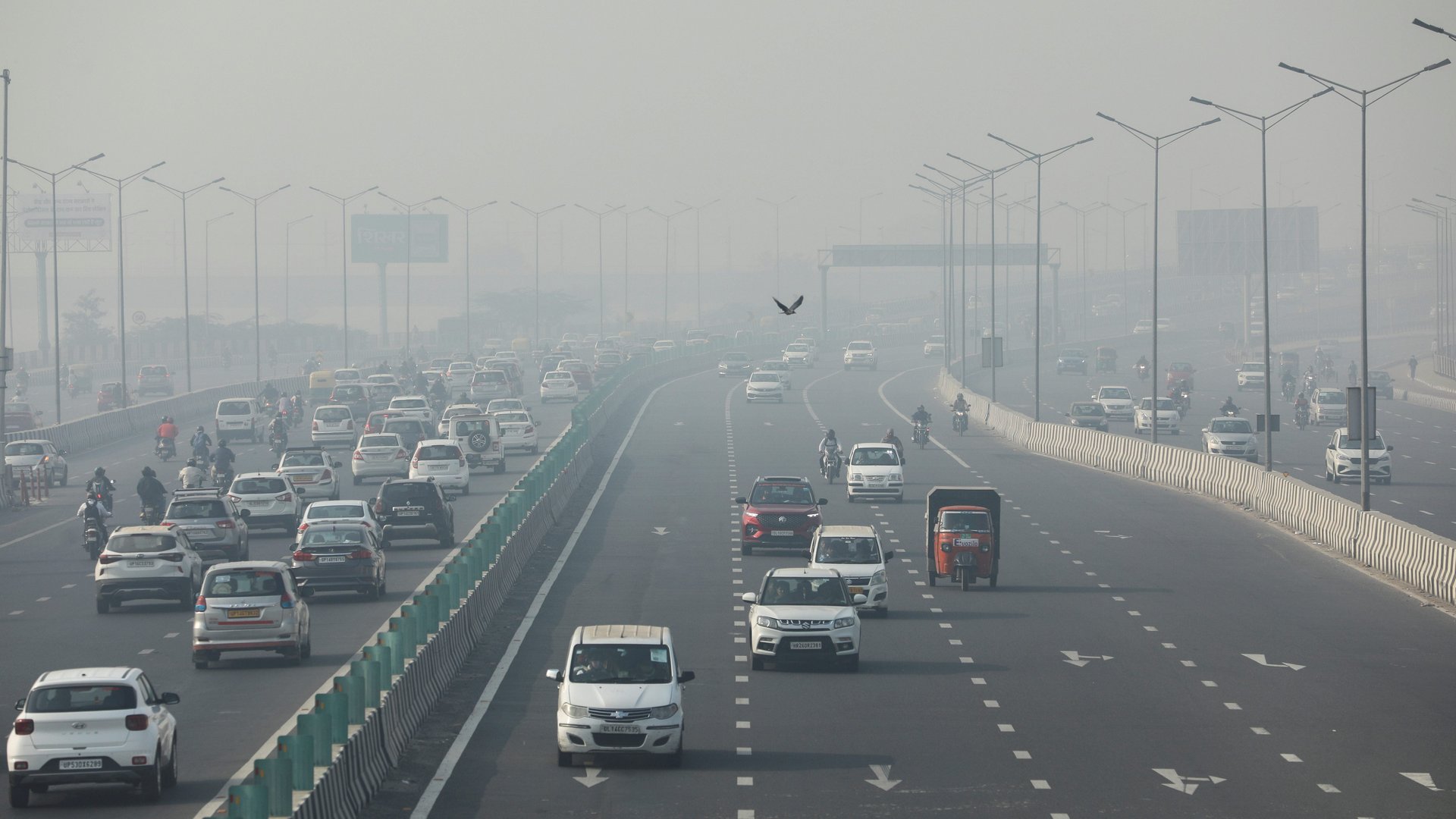
Delhi has suboptimal air quality all year round, but there are reasons why the conversation around pollution in the city resurfaces every winter.
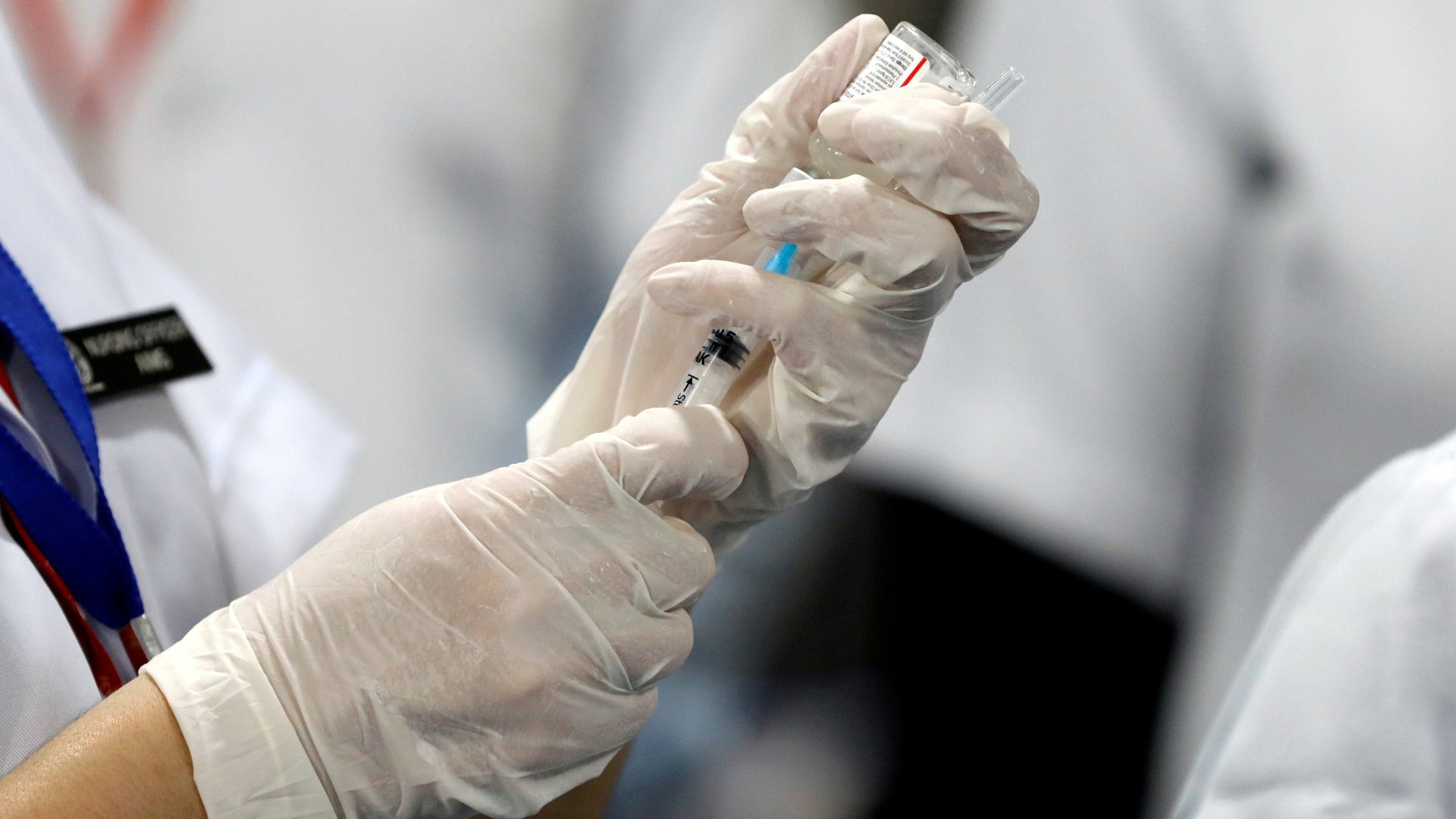
The World Health Organization (WHO) has granted emergency use listing (EUL) to Covaxin, India’s homegrown covid-19 vaccine. The inactivated virus vaccine was developed by Bharat Biotech in partnership with the government-administered Indian Council for Medical Research.
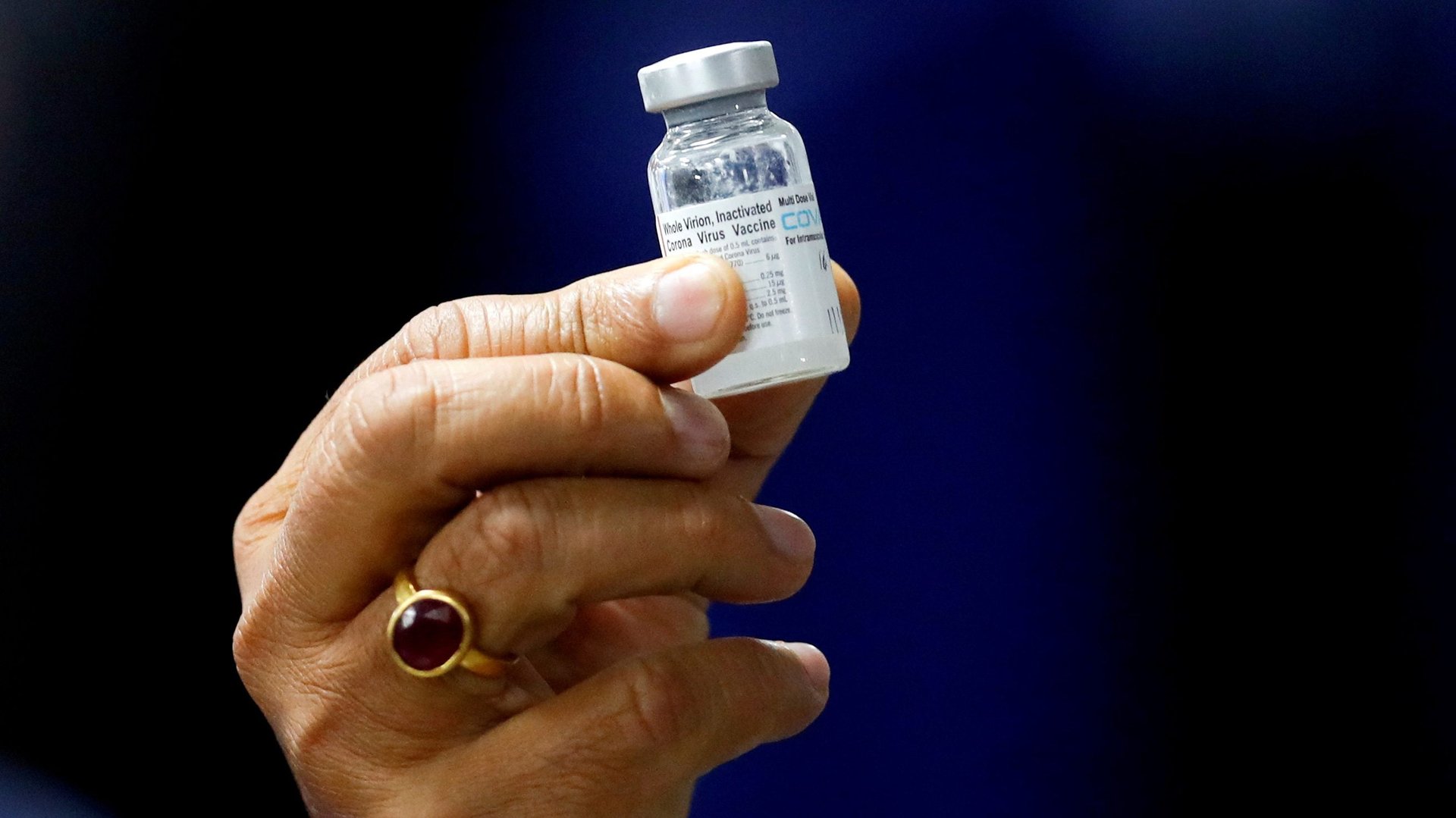
The World Health Organization (WHO) has issued an emergency use listing for Covaxin, India’s homegrown covid-19 vaccine. But will the global health body’s decision answer crucial questions about this covid-19 vaccine?
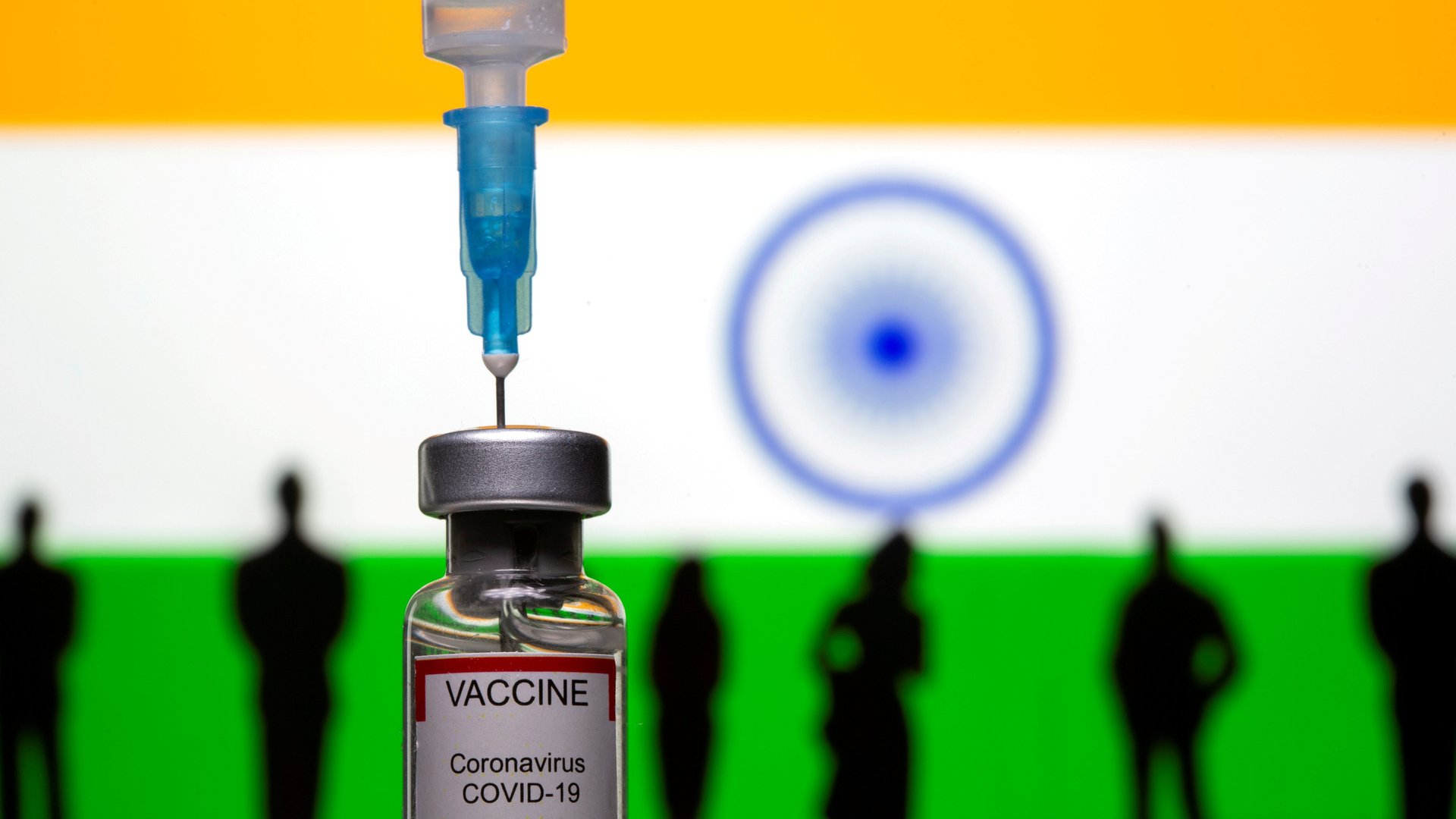
India’s covid-19 vaccination programme is set for considerable foreign fund infusion, adding to an already baffling mix of contributions and expenditure heads.

American colleges are beginning to recognise an unsavoury but truly Indian experience: caste.
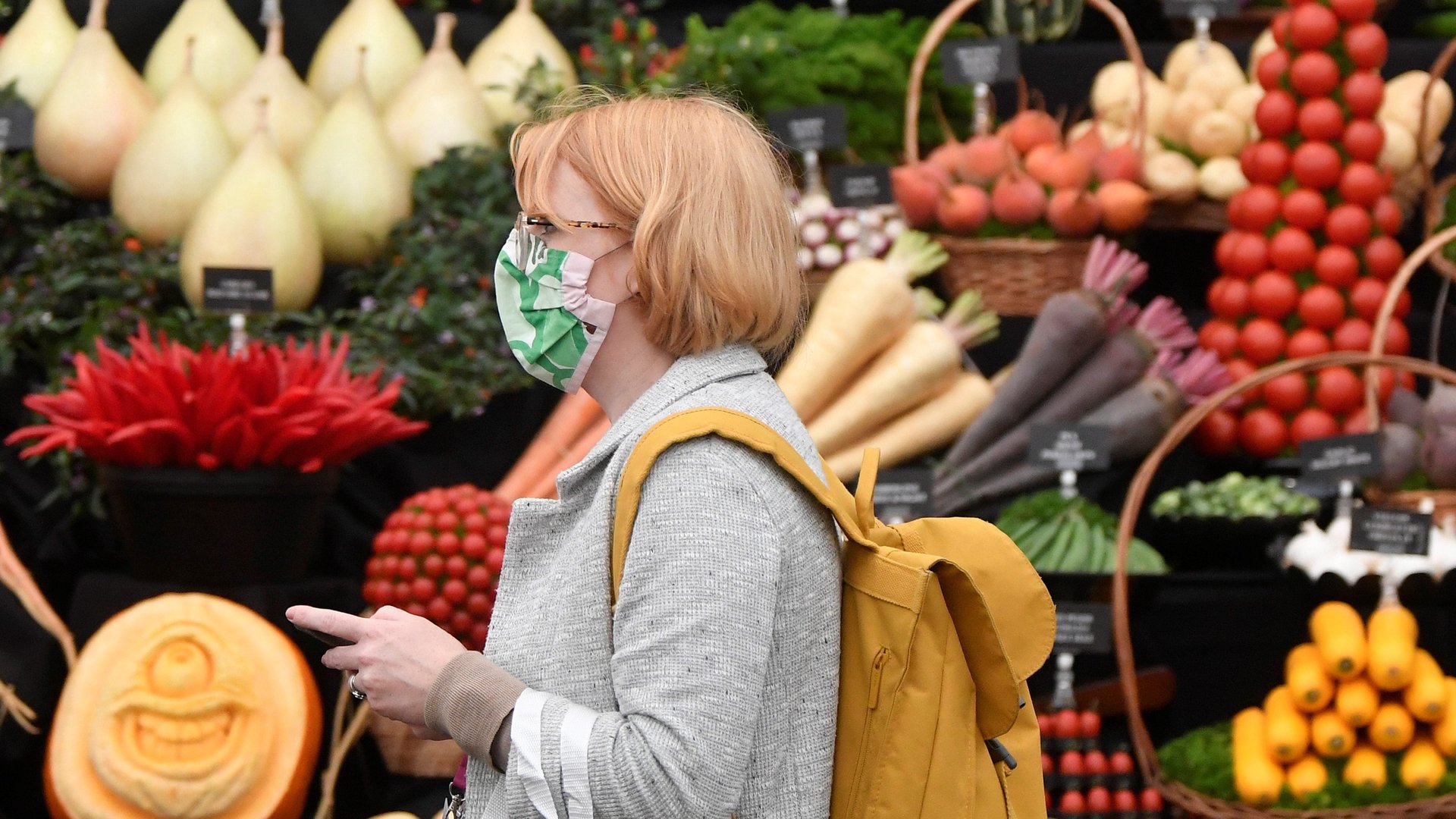
A new mutation of the delta variant has been detected, but it may not be time to panic yet.
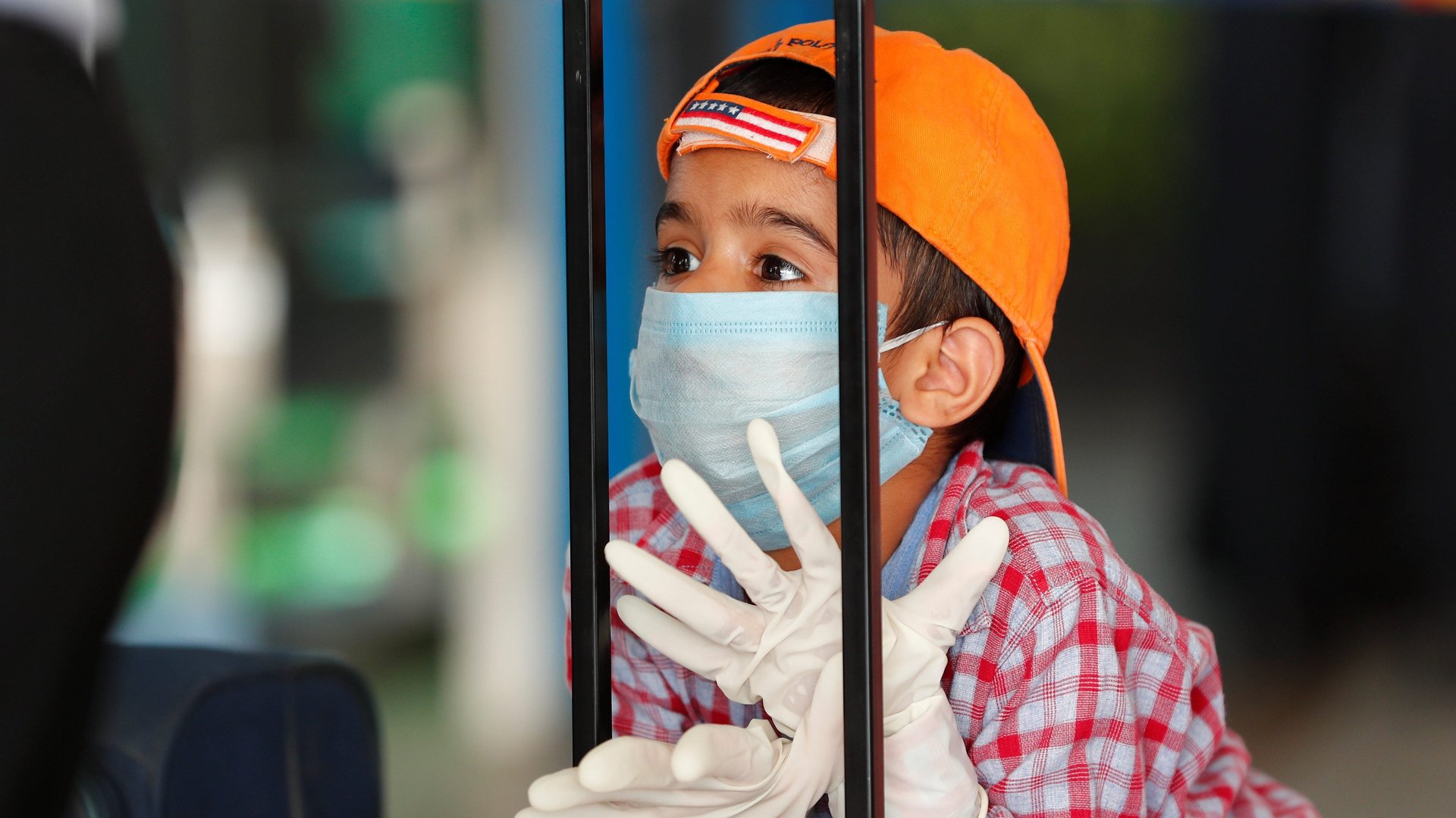
Three months since its emergency authorisation, India is yet to roll out its first Covid-19 vaccine for children. Neither is an alternative in immediate sight.
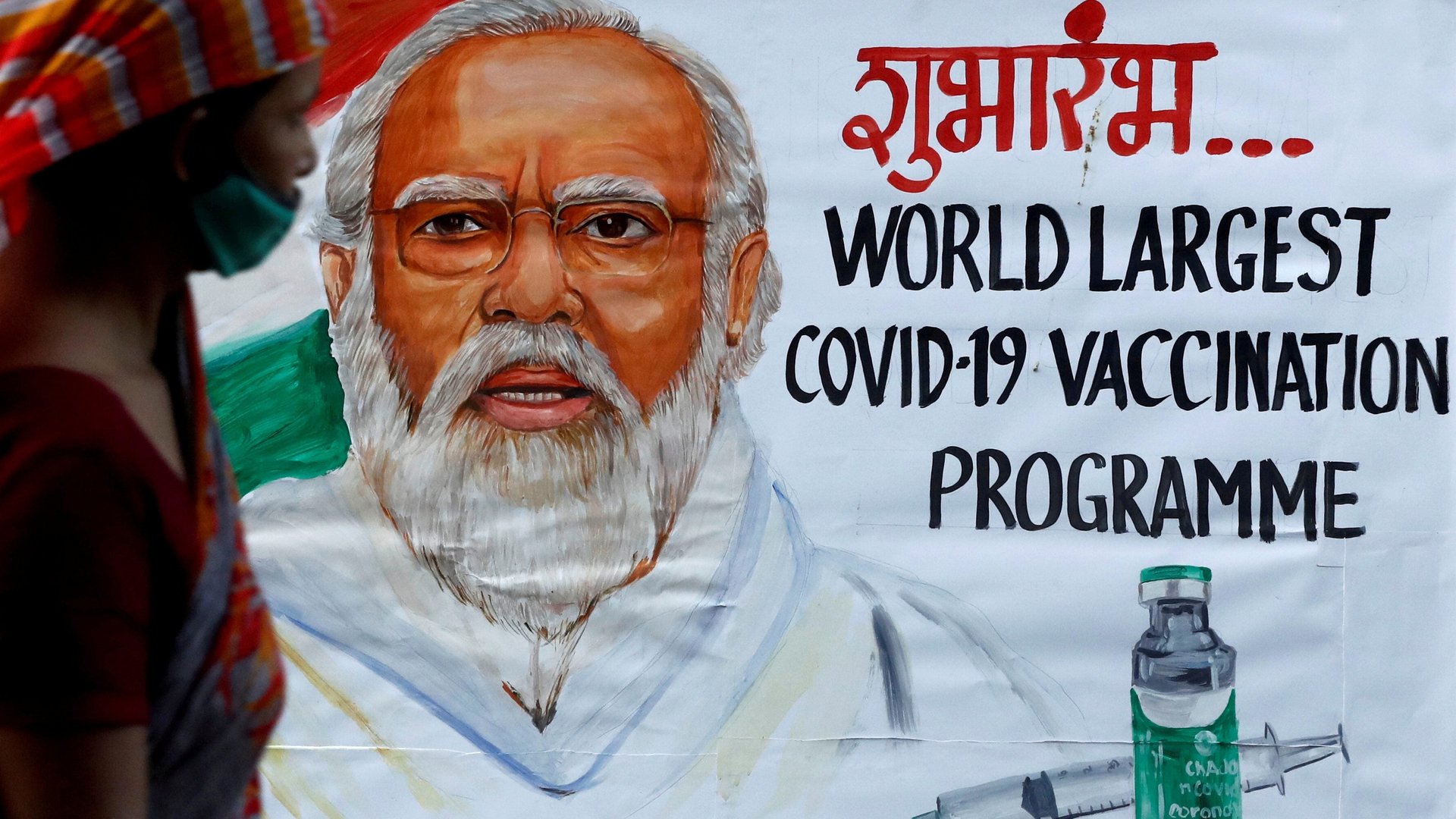
India has now administered over a billion doses of Covid-19 vaccines, only the second country in the world to do so after China.
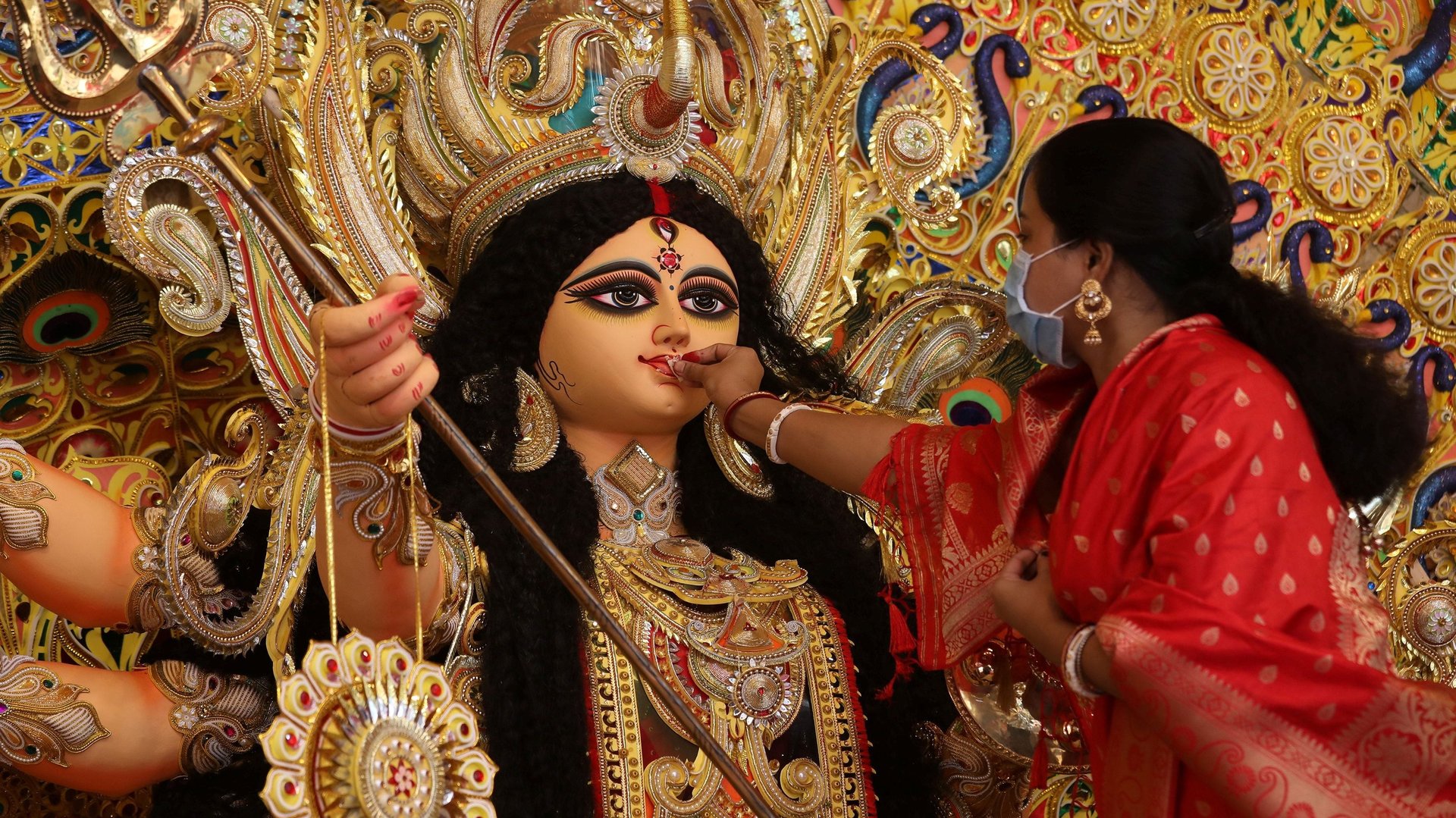
If India staves off a third wave of Covid-19, which now looks increasingly possible, it may have a lot to do with the deadly second wave.
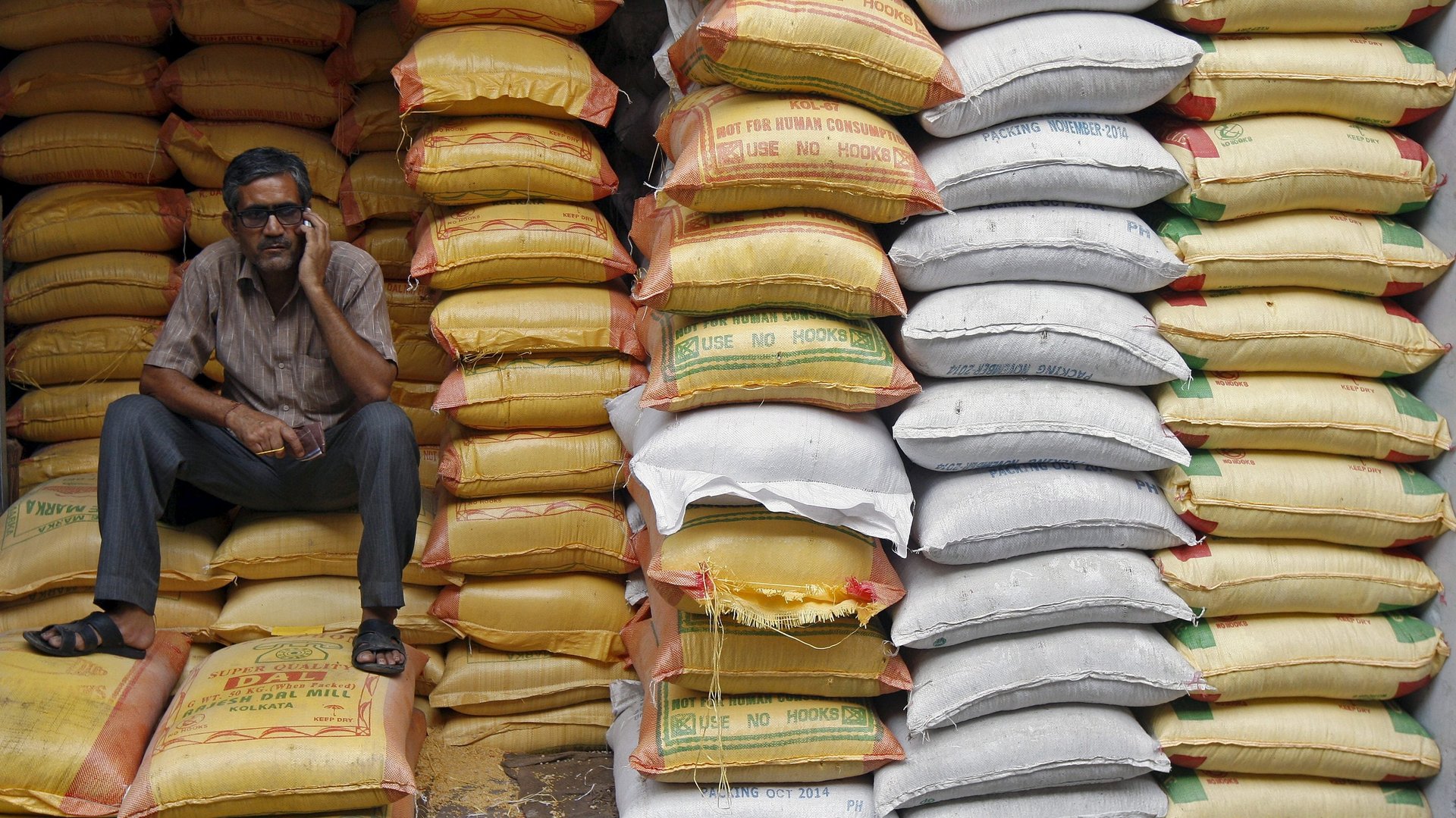
The contrast between India’s growth story and its rising inequality appears to be playing out year after year.
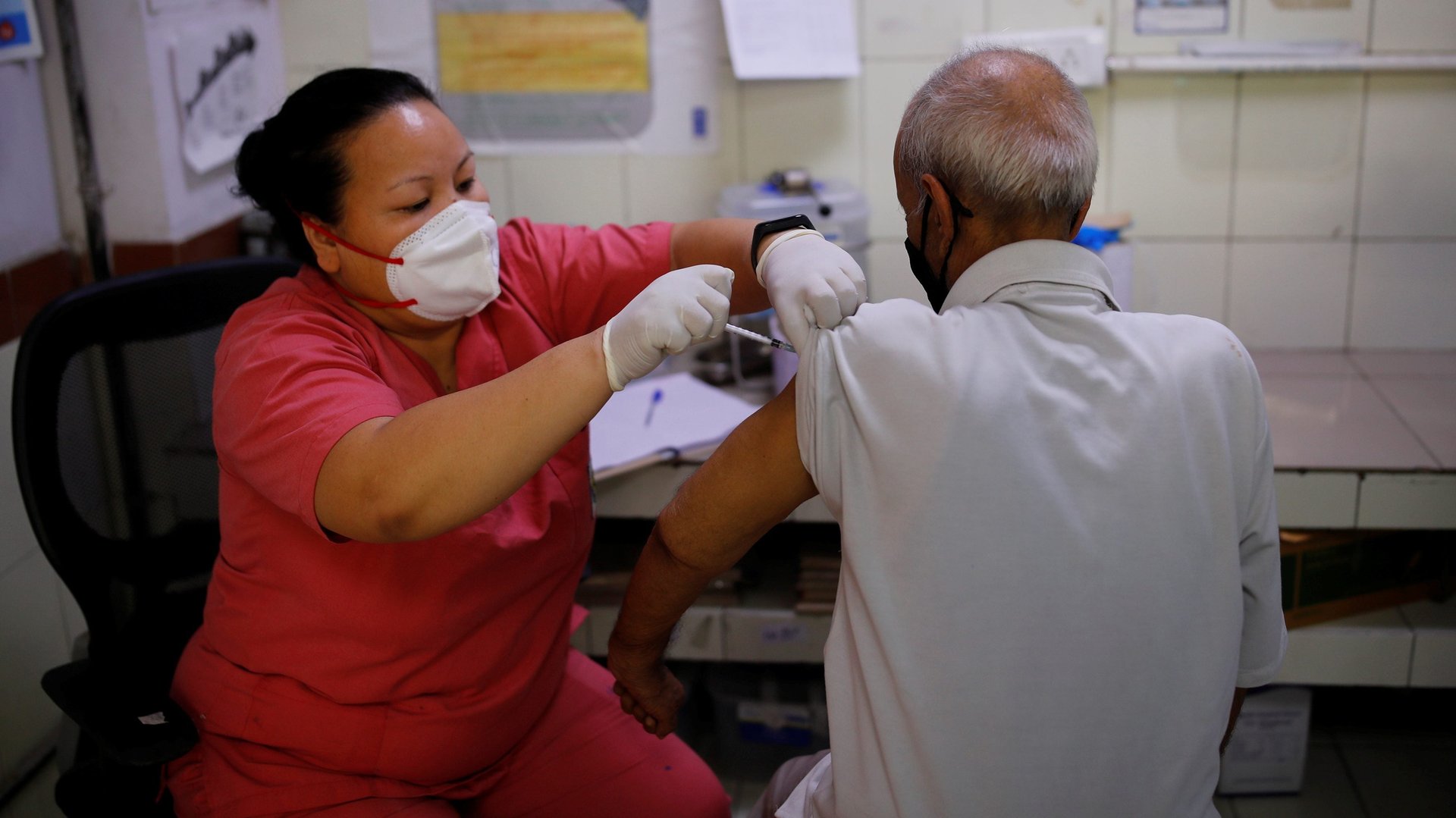
The world is warming up to the idea of booster doses for Covid-19 vaccines, but India is still holding out.
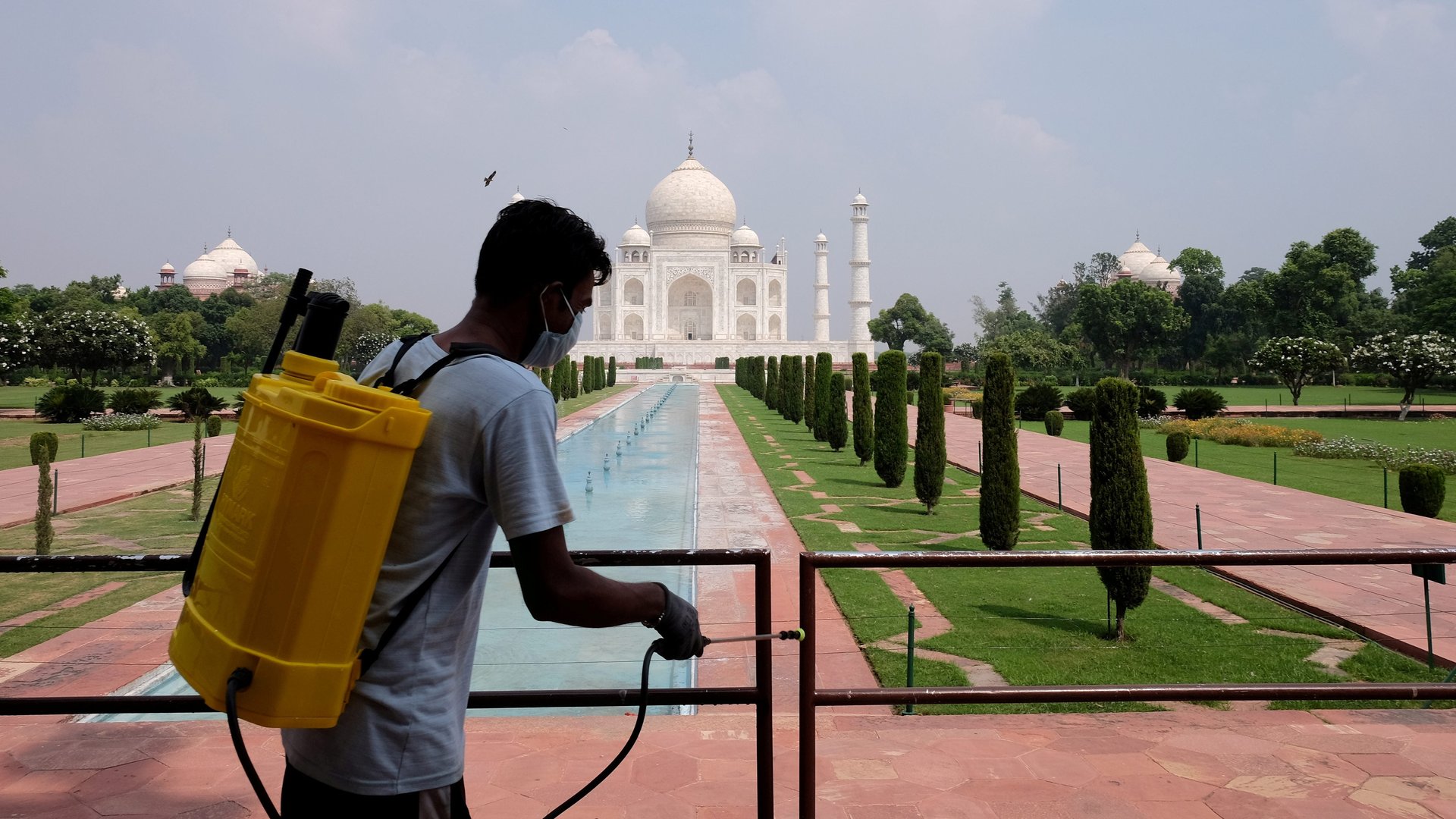
India’s beleaguered hospitality industry has reason to cheer after months.
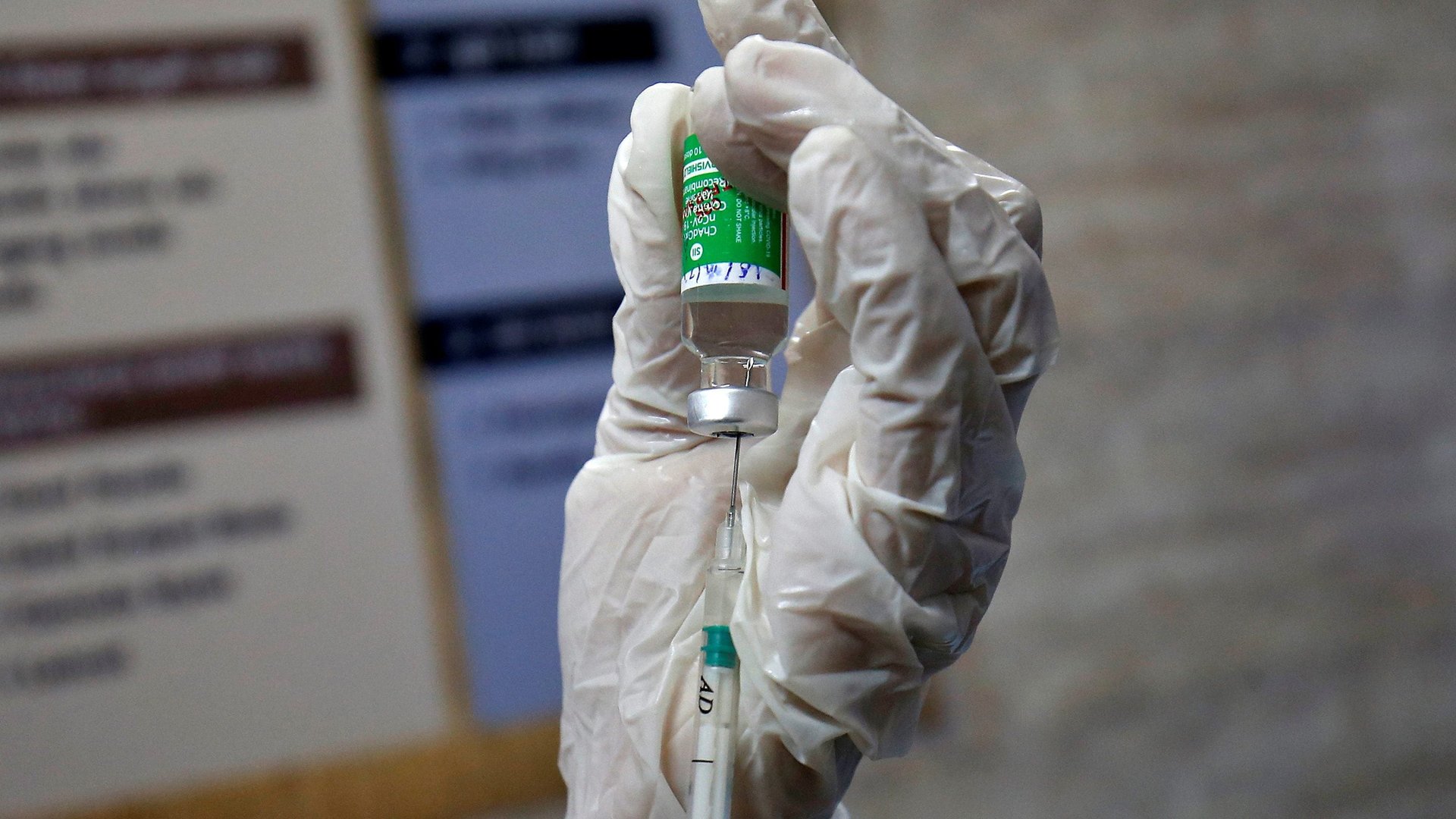
India’s Covid-19 vaccination programme just can’t seem to shrug off shortages—first of vaccines, now syringes.
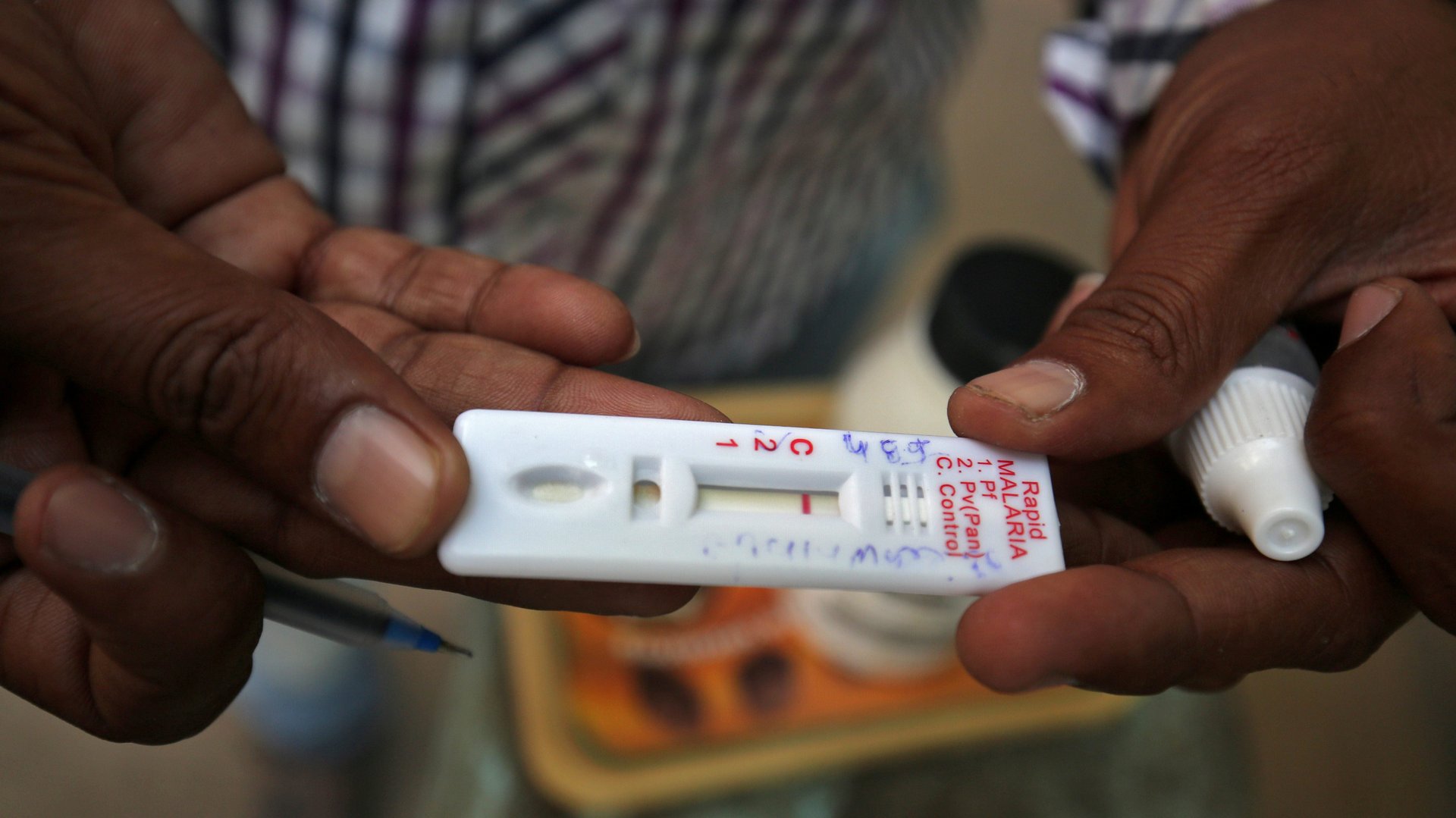
A vaccine developed in Africa has far-reaching consequences for malaria eradication in India, where the disease has claimed millions of lives and cost people their livelihoods over decades.
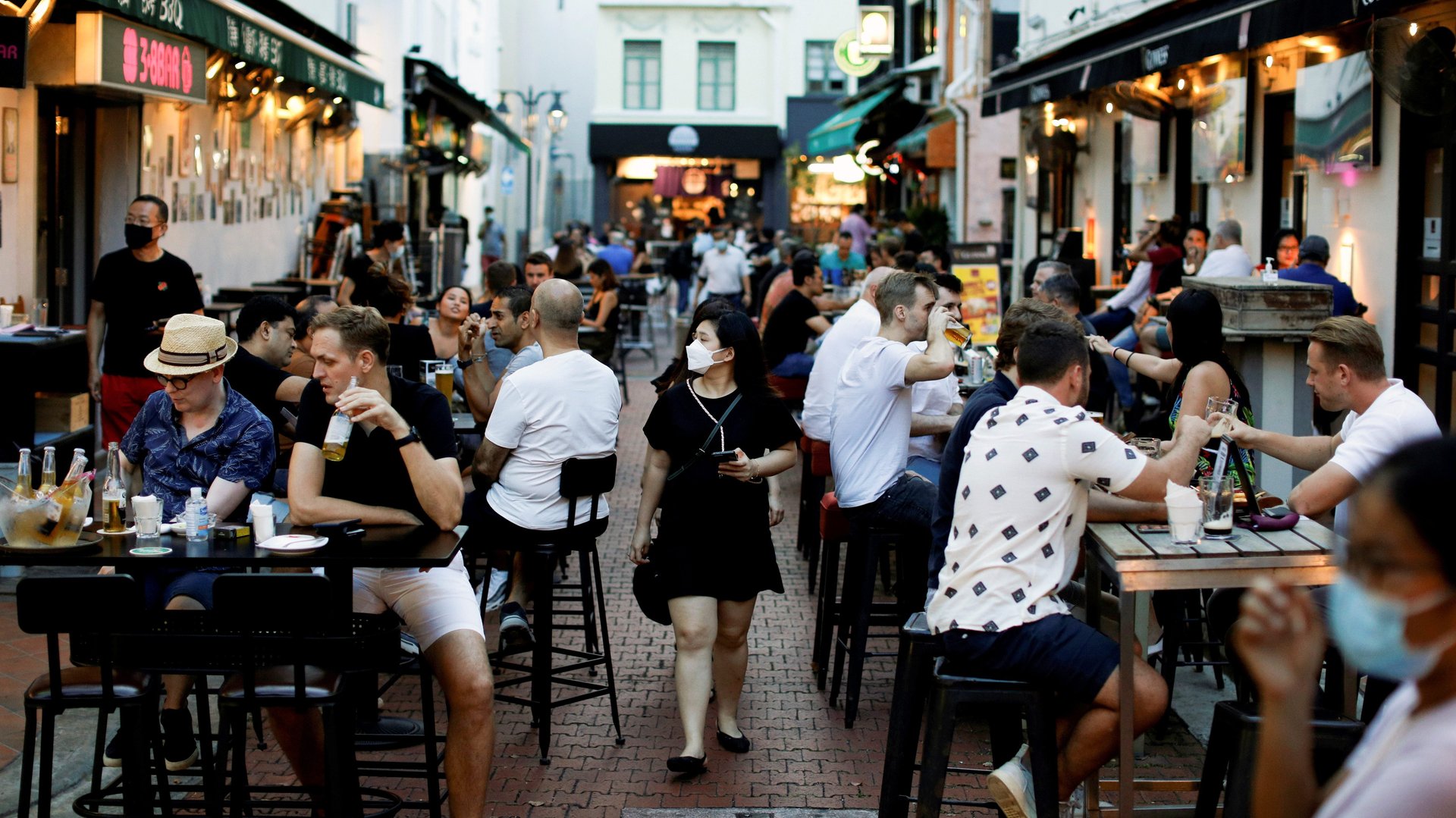
Singapore’s current Covid-19 spike is both puzzling and expected.
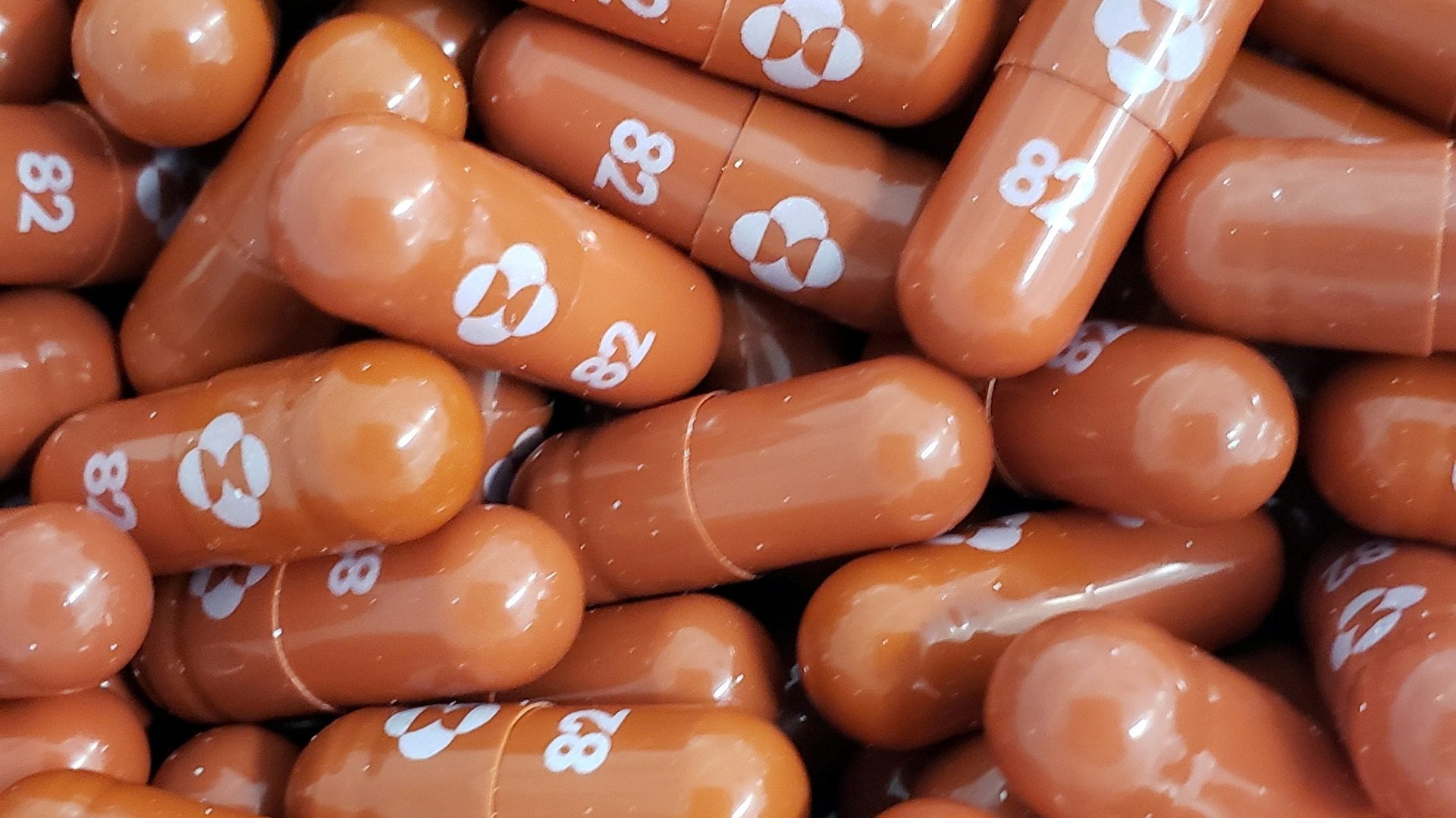
There is no “cure” for Covid-19, but US pharmaceutical company Merck has developed an antiviral pill that it says could significantly reduce hospitalizations and deaths if approved.
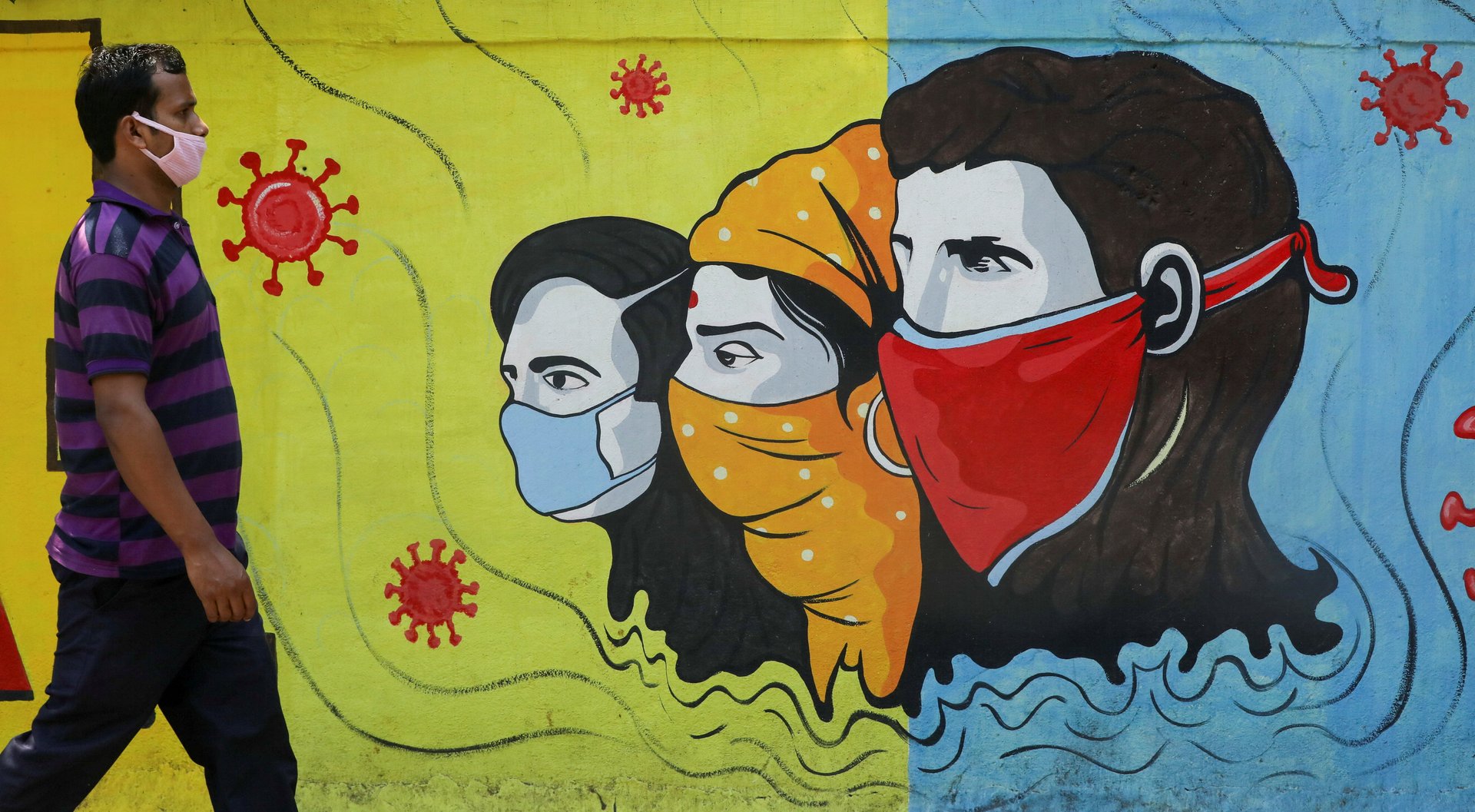
Picture this. It’s a hot afternoon, you’re walking outdoors with a mandatory face mask on, sweat trickling down your face while you look for a short respite. You find it in an indoor cafe with sealed windows, where you are allowed to drop your mask for a cool drink and a blast of air conditioning.
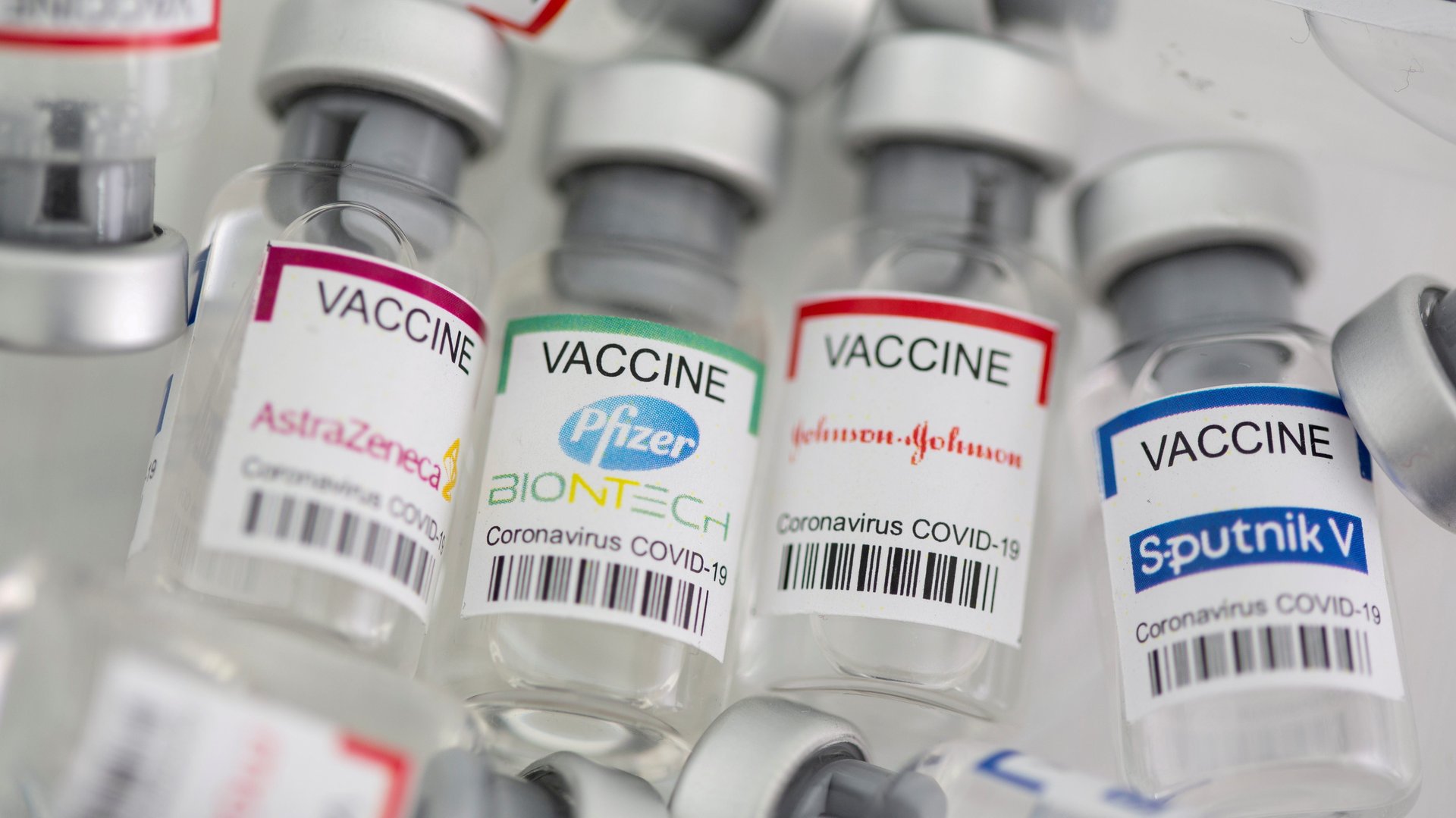
As more countries open up their borders to vaccinated travelers, questions are popping up about which countries accept different Covid-19 vaccines—and which countries accept a combination of doses.
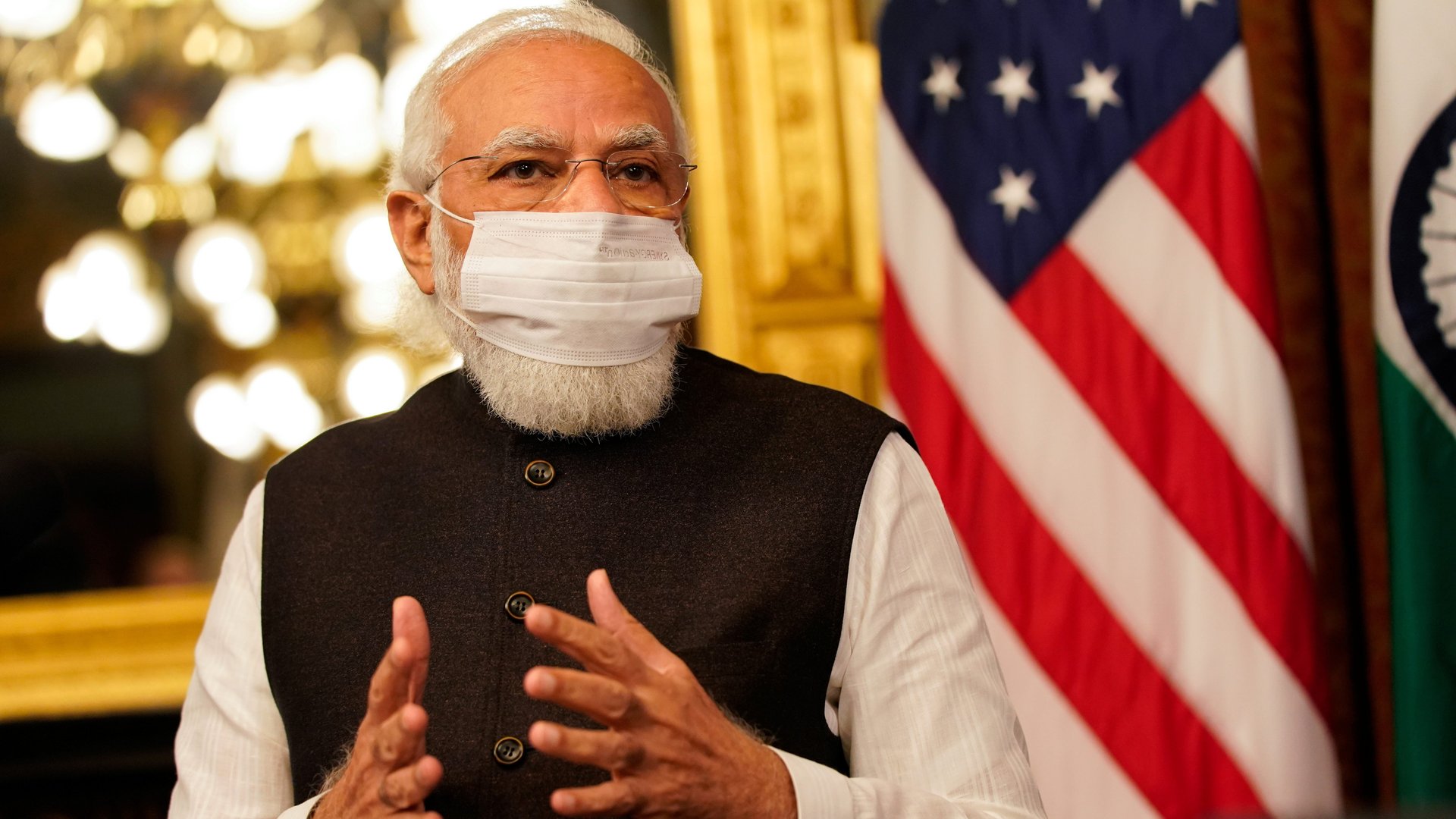
Indian prime minister Narendra Modi is in the US after two years, and a lot has changed since his last visit. Back in September 2019, there was no Covid-19, Donald Trump was the president, and Modi was almost campaigning for him with the “abki baar, Trump sarkaar” (this time, Trump government) slogan.
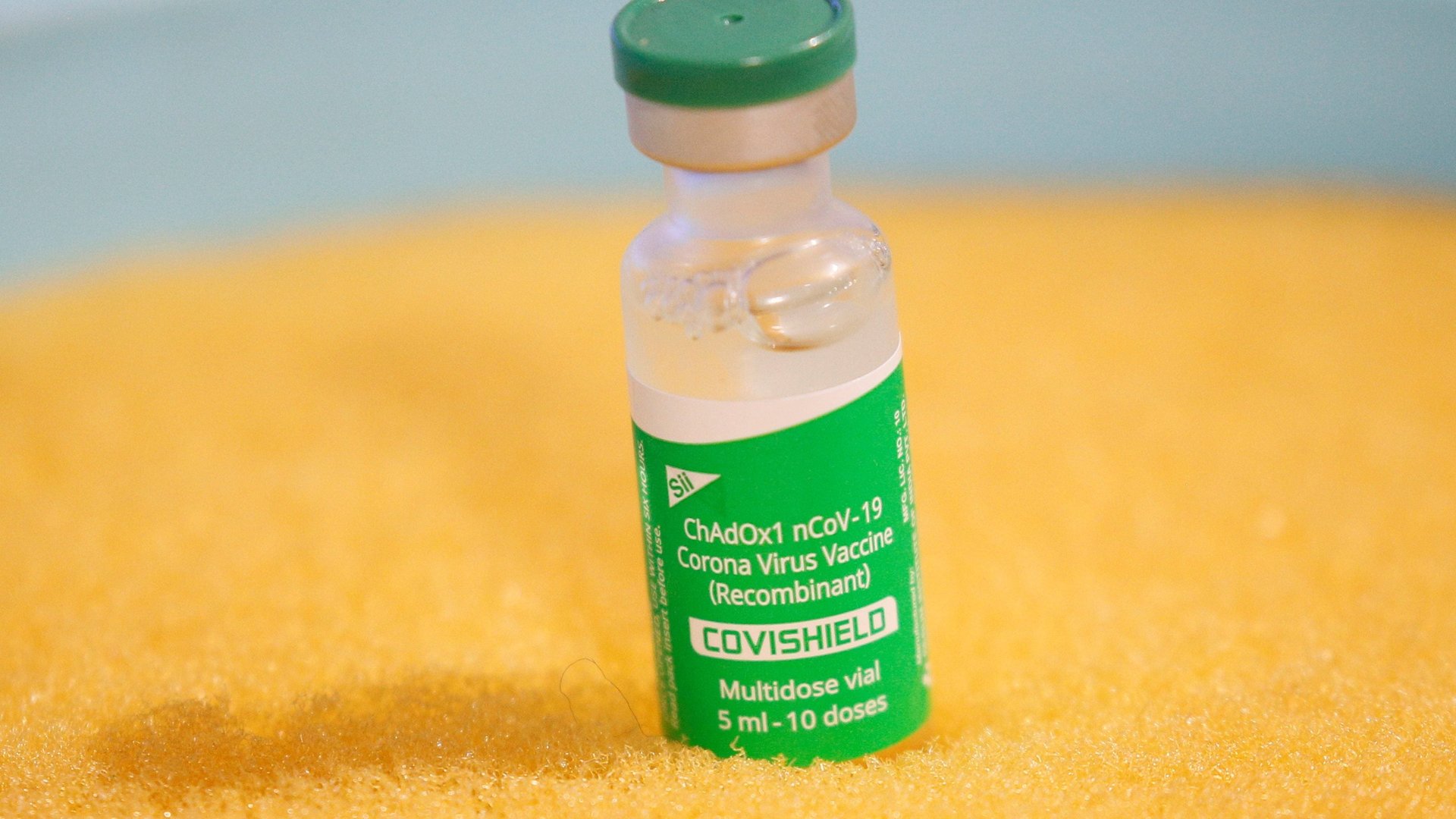
People who have been dosed with Covishield, the Indian-made version of the Oxford-AstraZeneca Covid vaccine, will finally be considered fully vaccinated by the UK government, but that does not necessarily include Indians.