
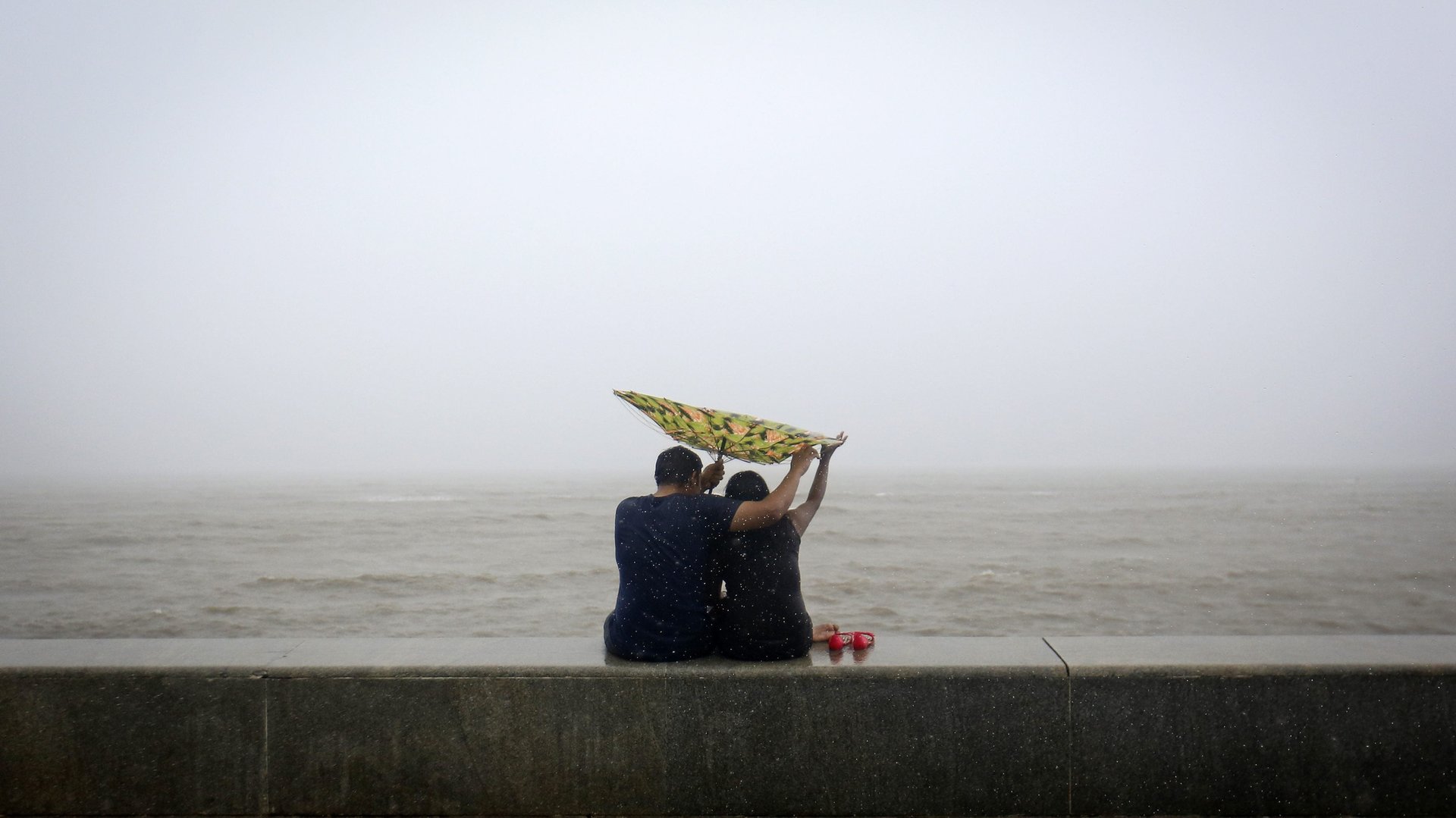
Lifestyle
Vaccination could be the new currency for online dating in IndiaCovid-19 vaccines are fast becoming an important part of the online dating toolkit in India.
Updated July 20, 20221 min read
Covid-19 vaccines are fast becoming an important part of the online dating toolkit in India.
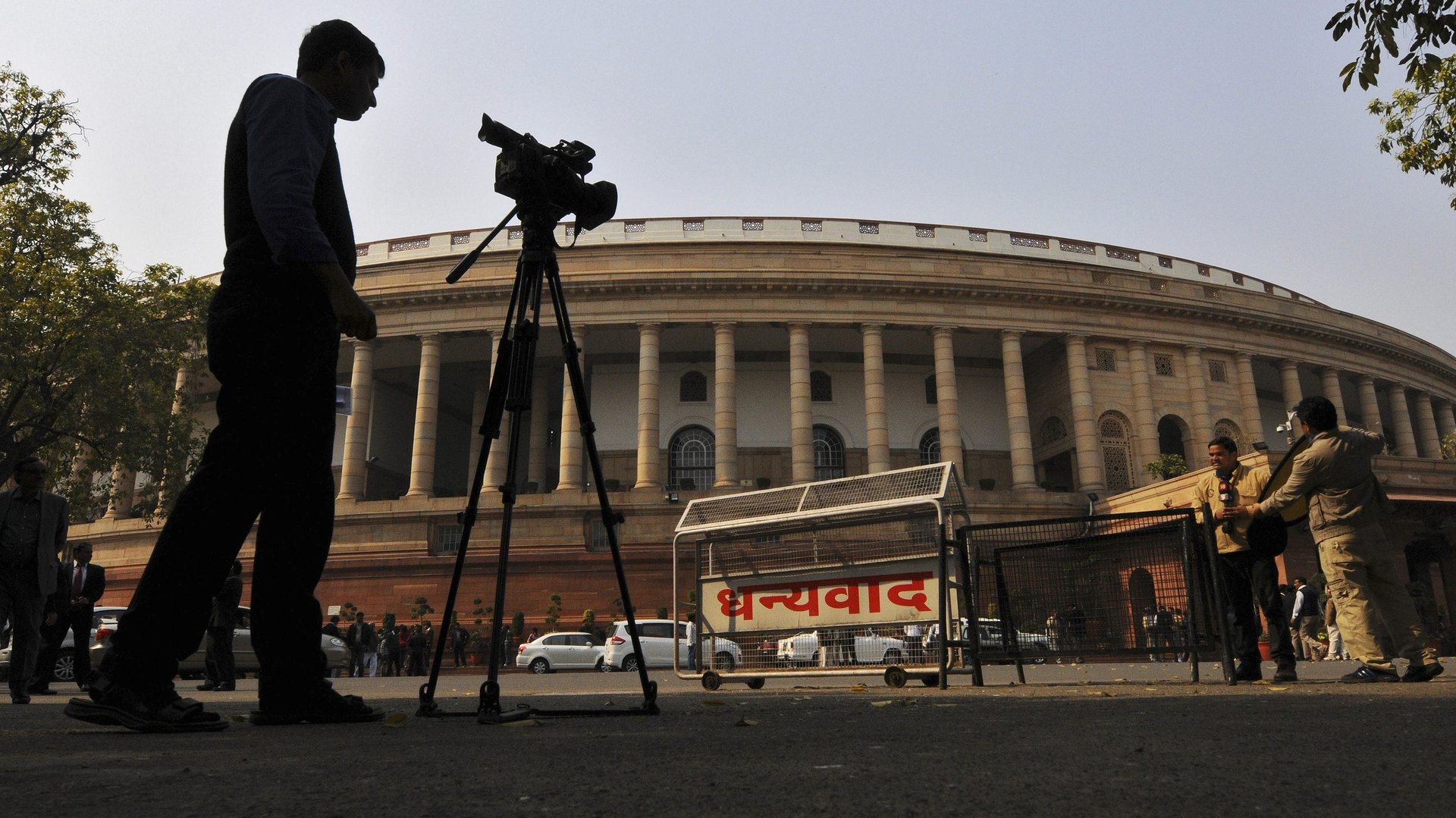
India’s ranking on the press freedom index fell further this year, but the Narendra Modi government believes the rankings themselves are dubious.
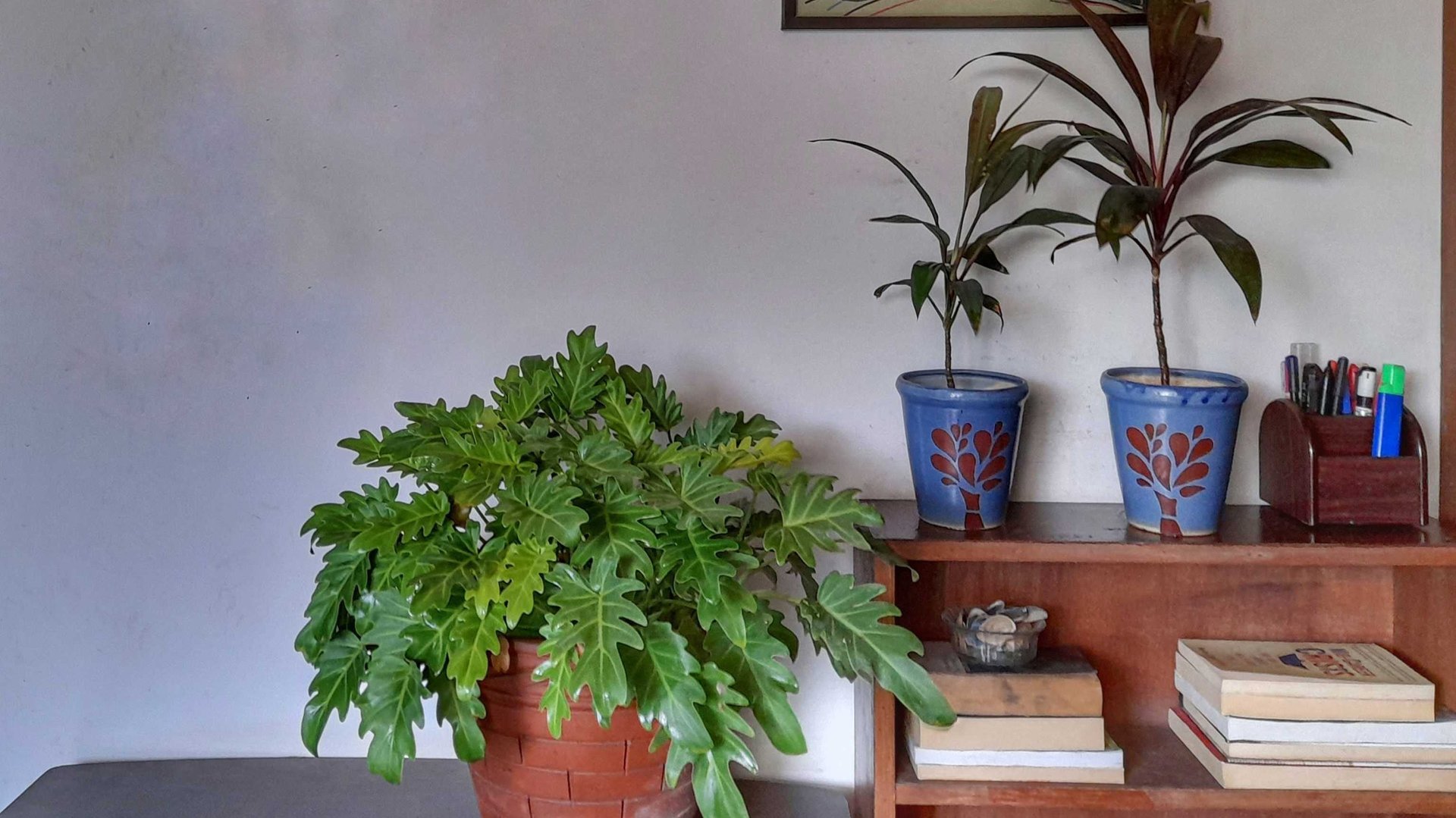
The conversation on air quality in India is often seasonal, resurfacing around the winter months of polluted air. But Covid-19 will likely make this focus—especially on indoor air quality—an everyday phenomenon.
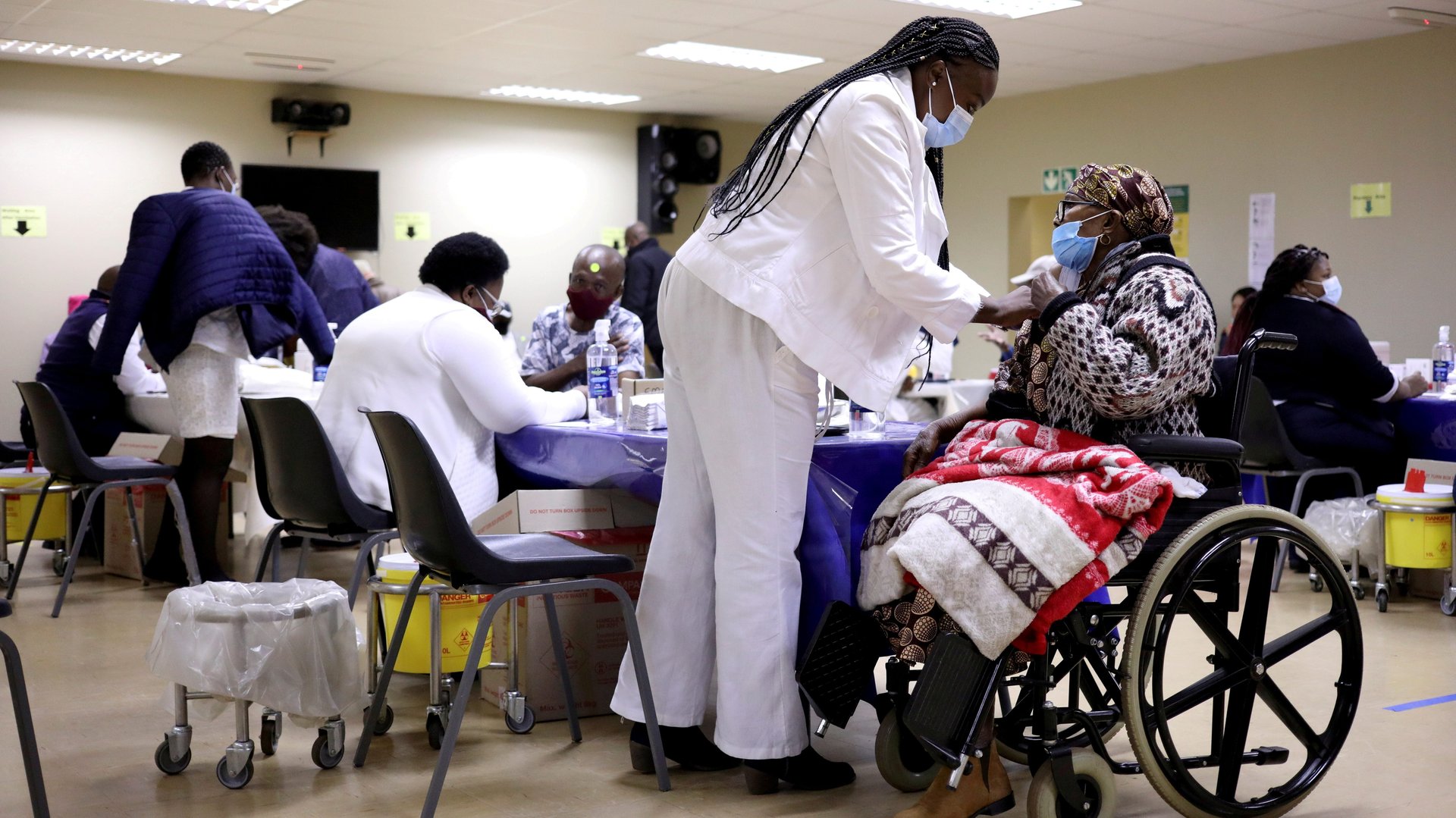
The delta variant has proven that vaccines are all too important in checking the global spread of Covid-19.
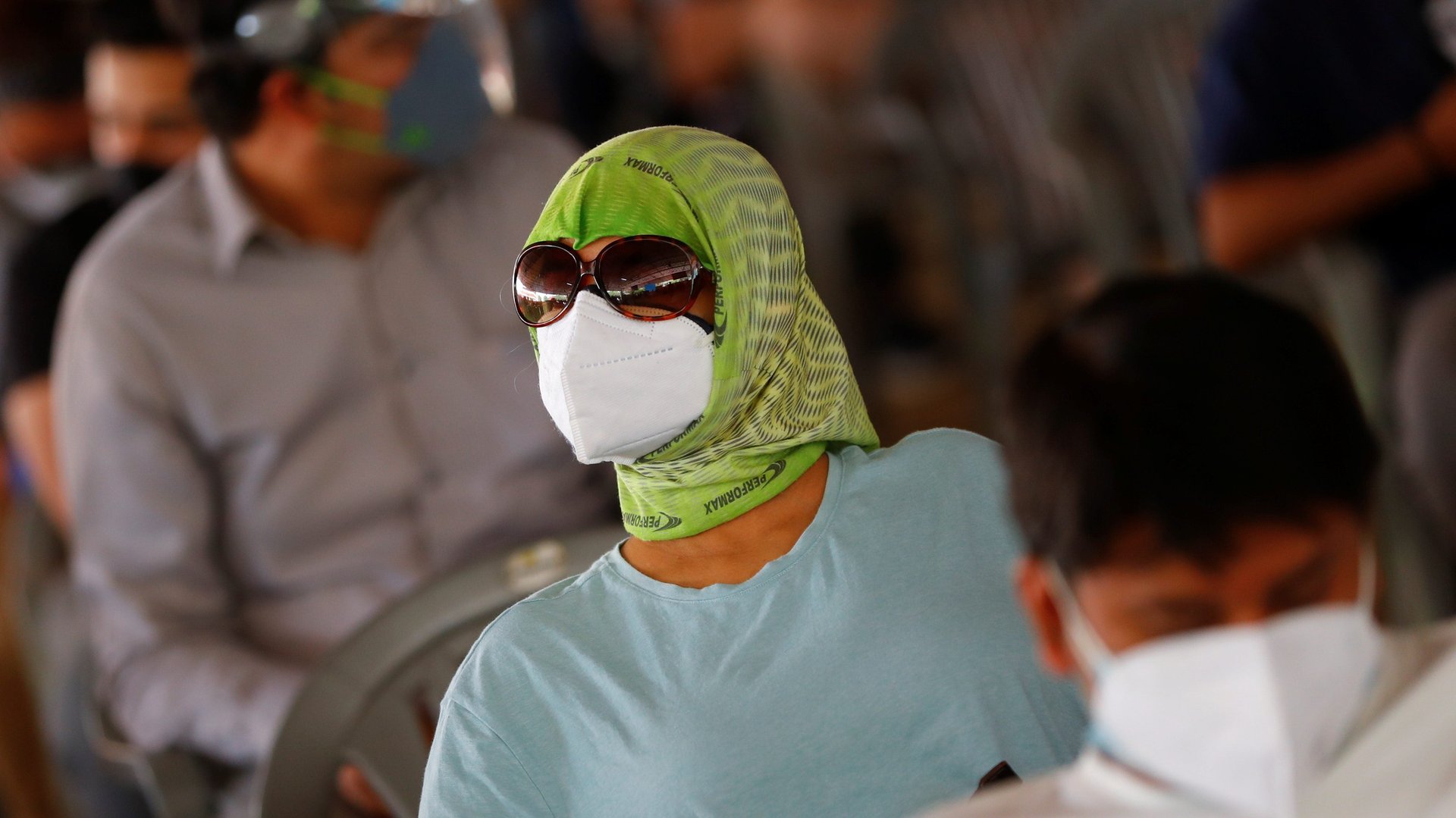
With Covid-19 variants like the delta that spread faster, it is time to consider more heavy-duty masks than cotton masks and jersey face coverings.
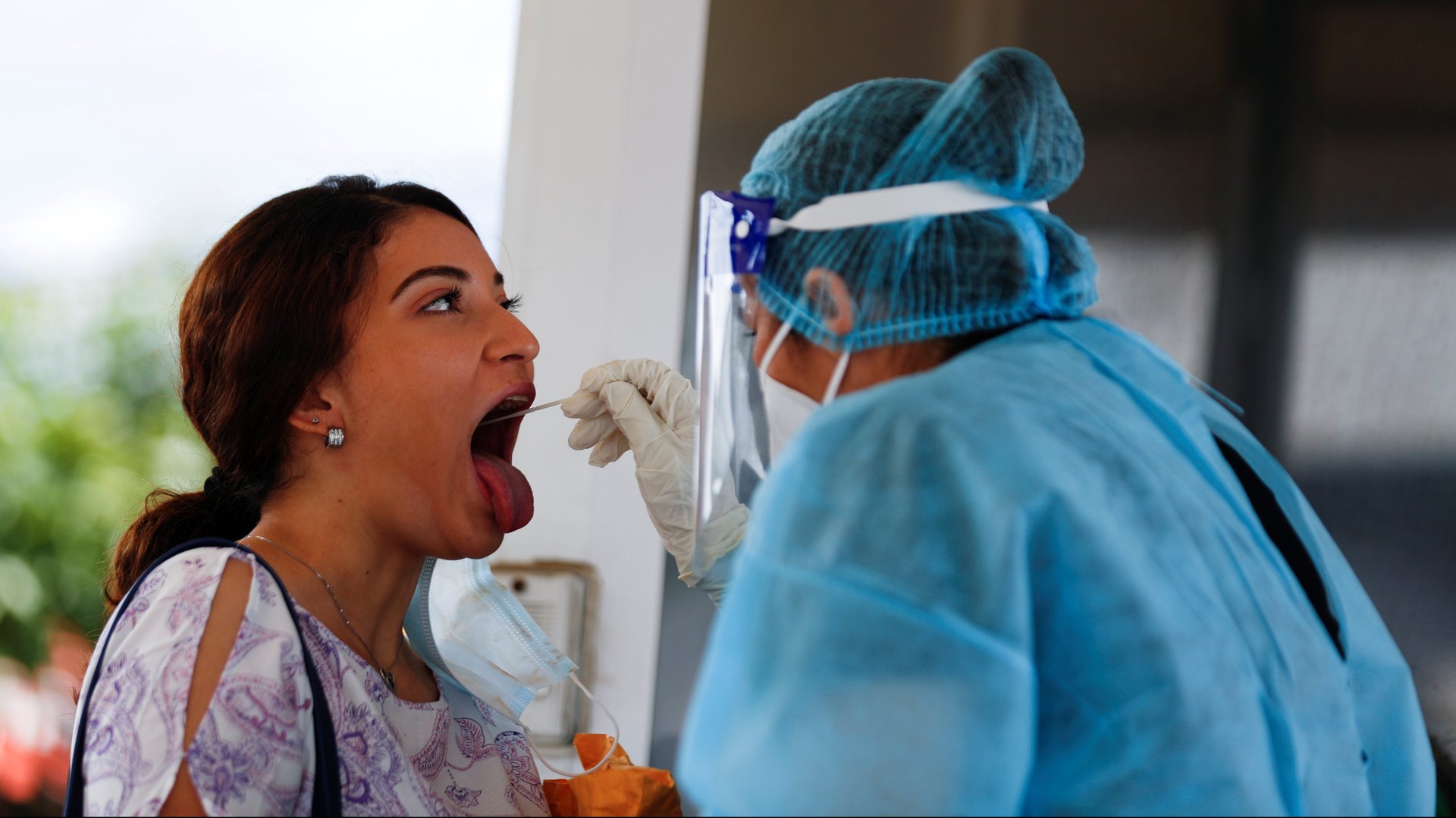
While the world reels under the effects of the Delta variant, a new Covid-19 mutation is now on the radar of several countries.
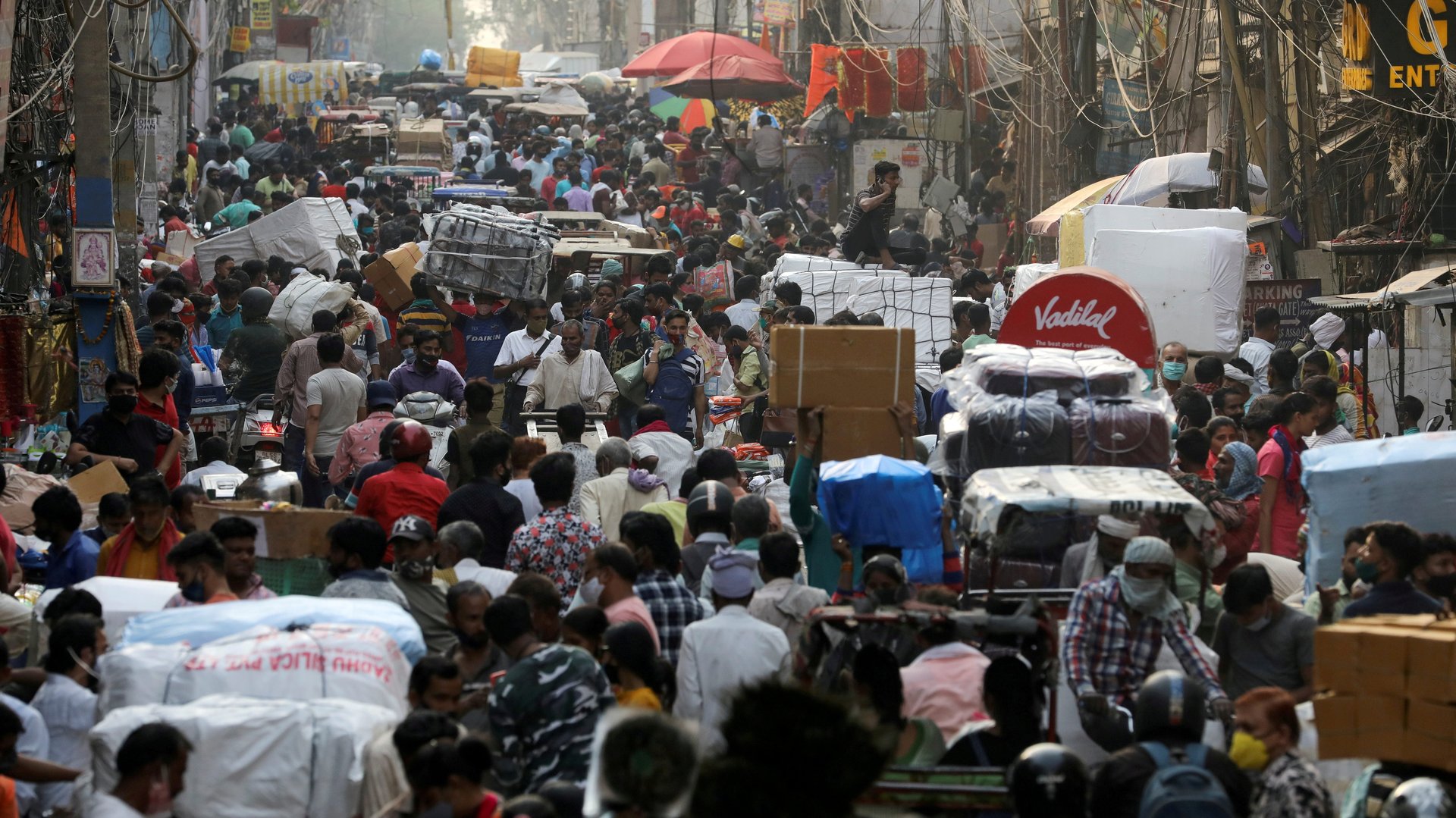
A number of mathematical models have predicted a timeline for the third wave of Covid-19 in India, and this has likely had several unintended consequences.
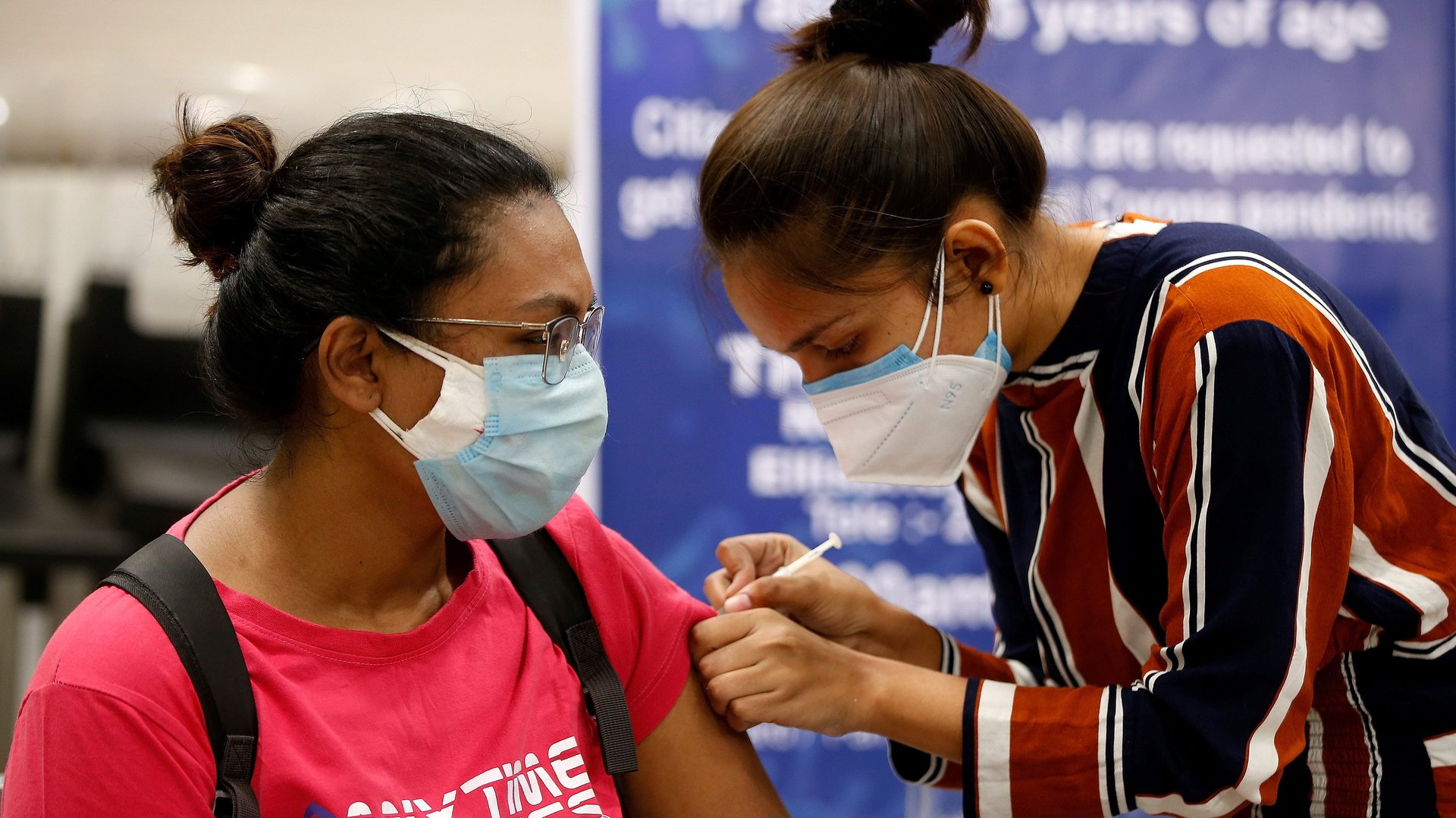
In November 2020, India’s health minister had said that the country will vaccinate 300 million people against Covid-19 by July-August 2021. Nearly a month away from the deadline, the country needs to maintain a consistently high pace of vaccinations if it wants to meet the aim.
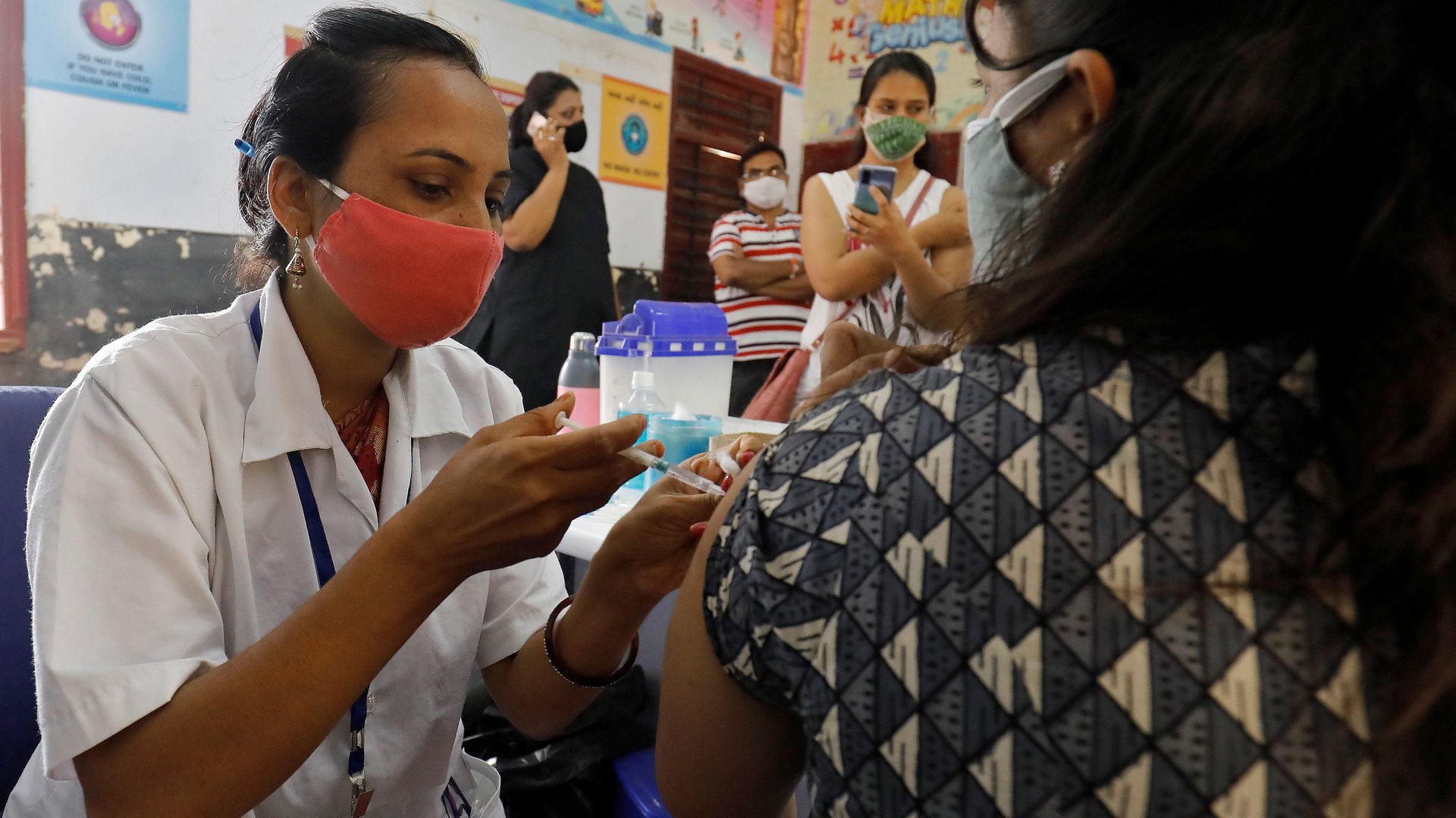
After months of deliberating on the subject, the Indian government’s advisory group for vaccines has allowed pregnant women to get immunised against Covid-19.
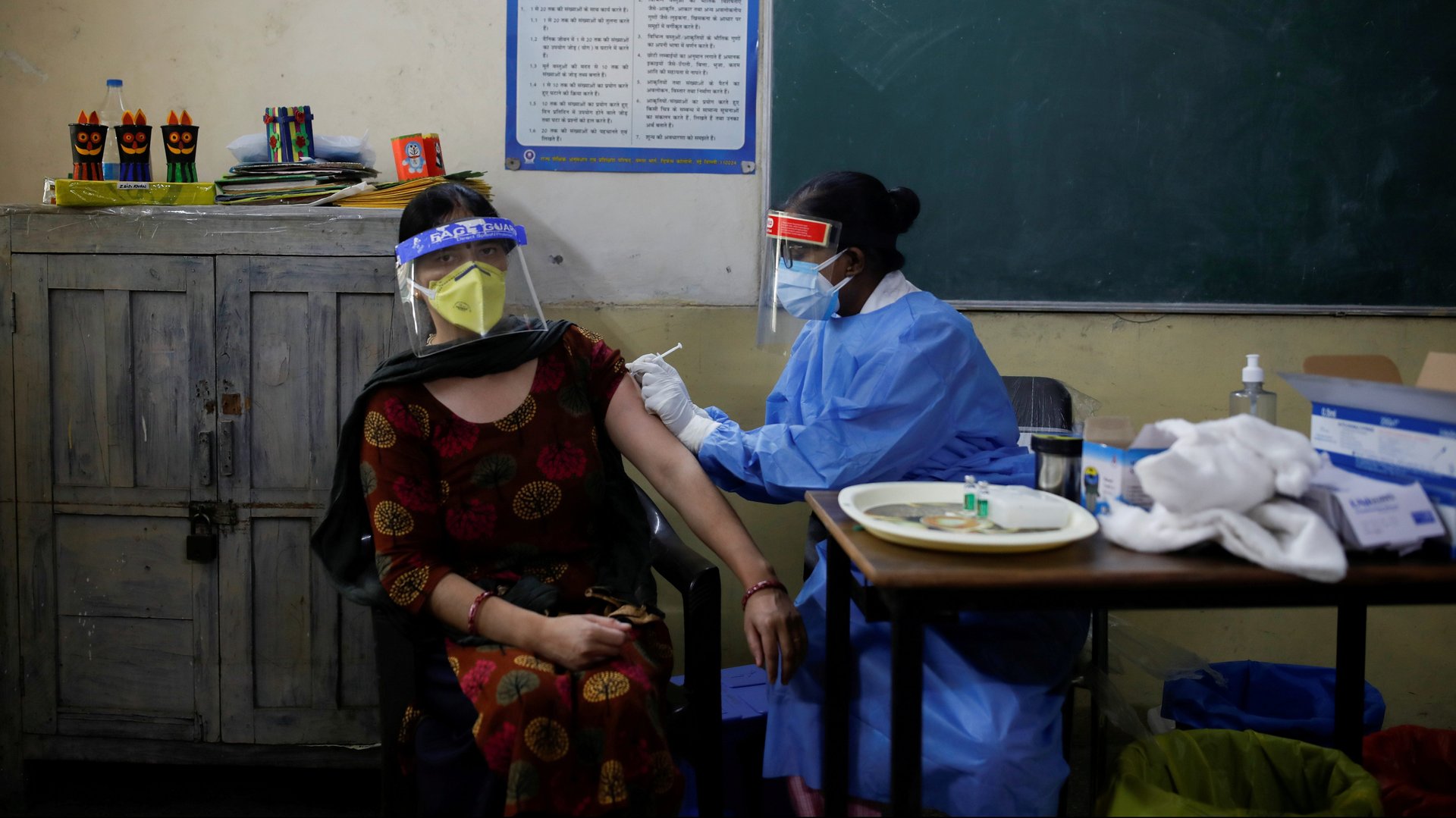
The evidence around the Delta variant is evolving, and studies now show that current vaccines may not be as effective against it.
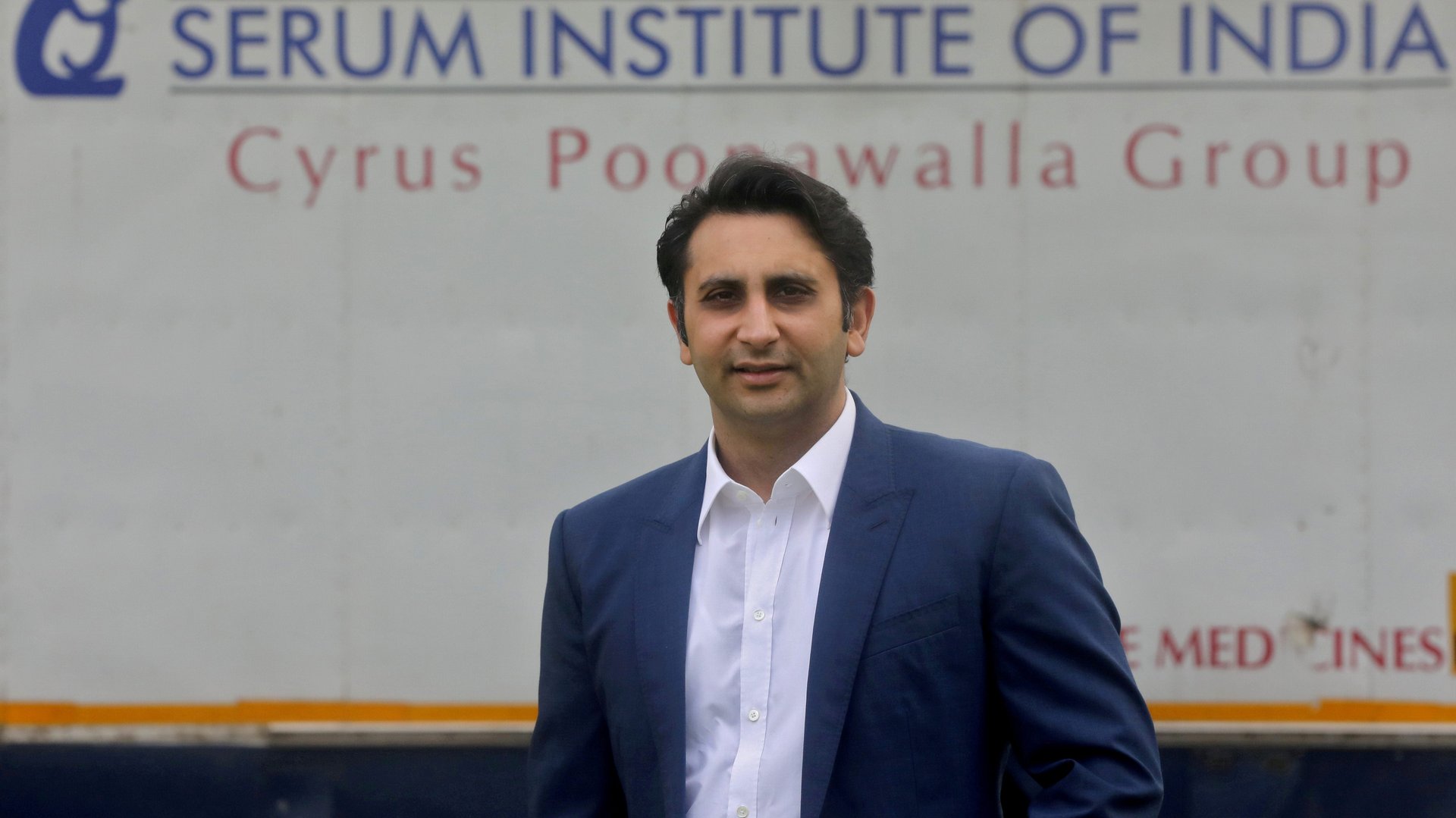
India’s vaccine baron Adar Poonawalla is finally back in the country after leaving in the middle of the Covid-19 crisis.
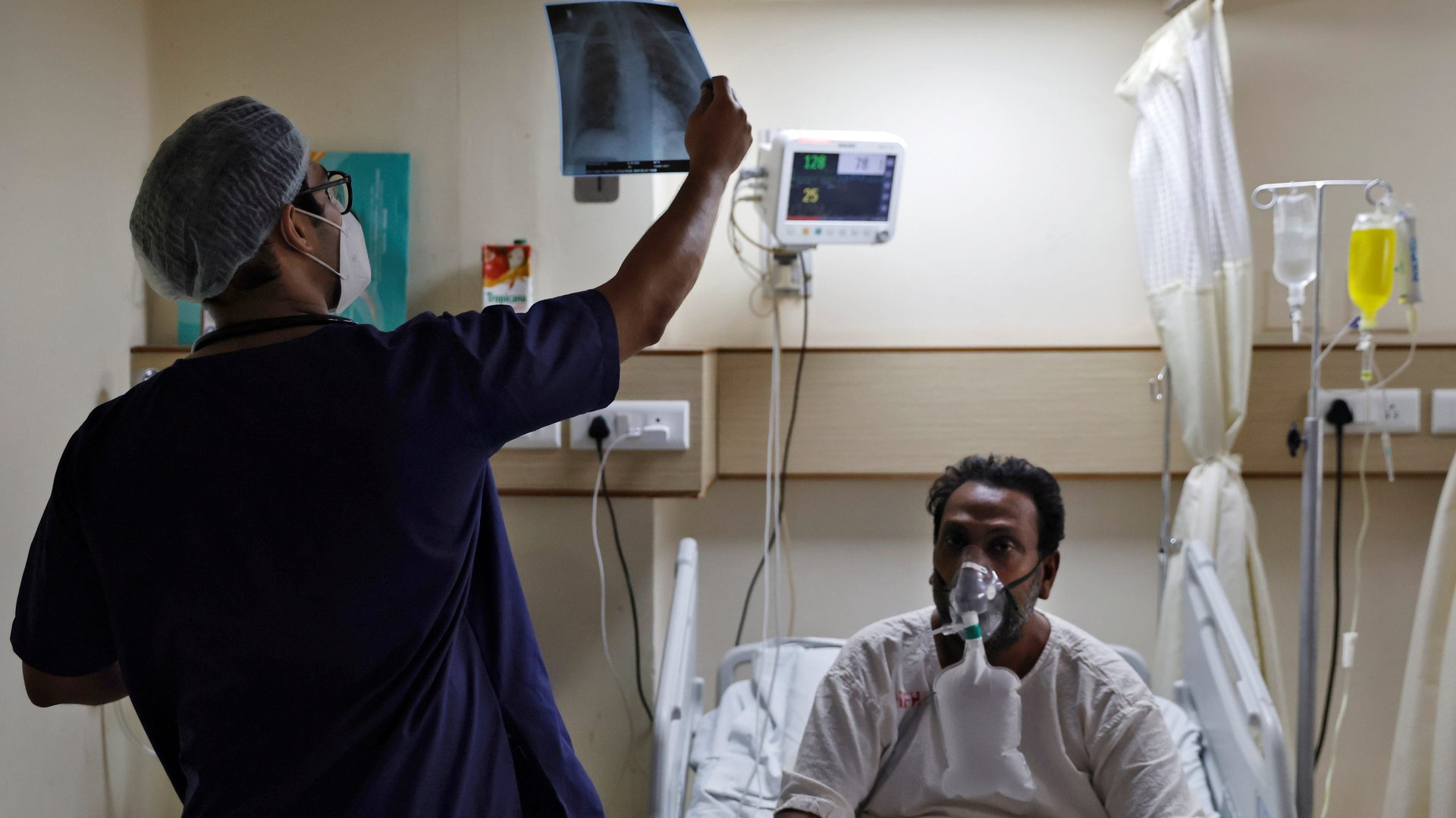
Delta variant, a strain of Covid-19 that likely wreaked havoc during India’s second wave has been identified in at least 85 countries. According to the World Health Organization (WHO), the delta covid variant is the most transmissible of all the variants identified so far. Acknowledging the contagious nature of the delta Covid-19 variant that was first identified in India, the WHO on June 25 urged vaccinated people to continue wearing masks.
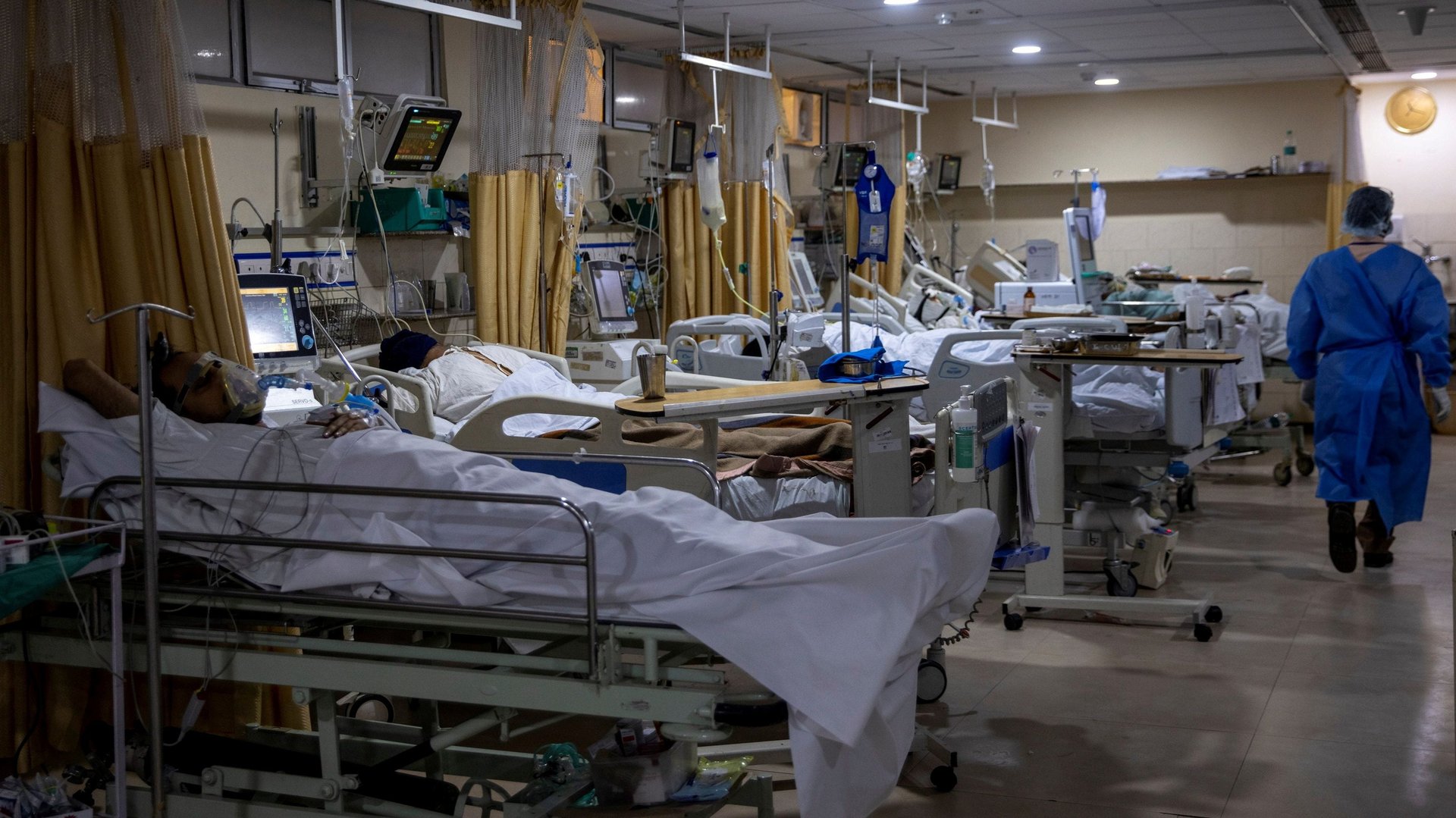
India’s brutal second wave of Covid-19 has barely receded and there’s already talk about the next wave.
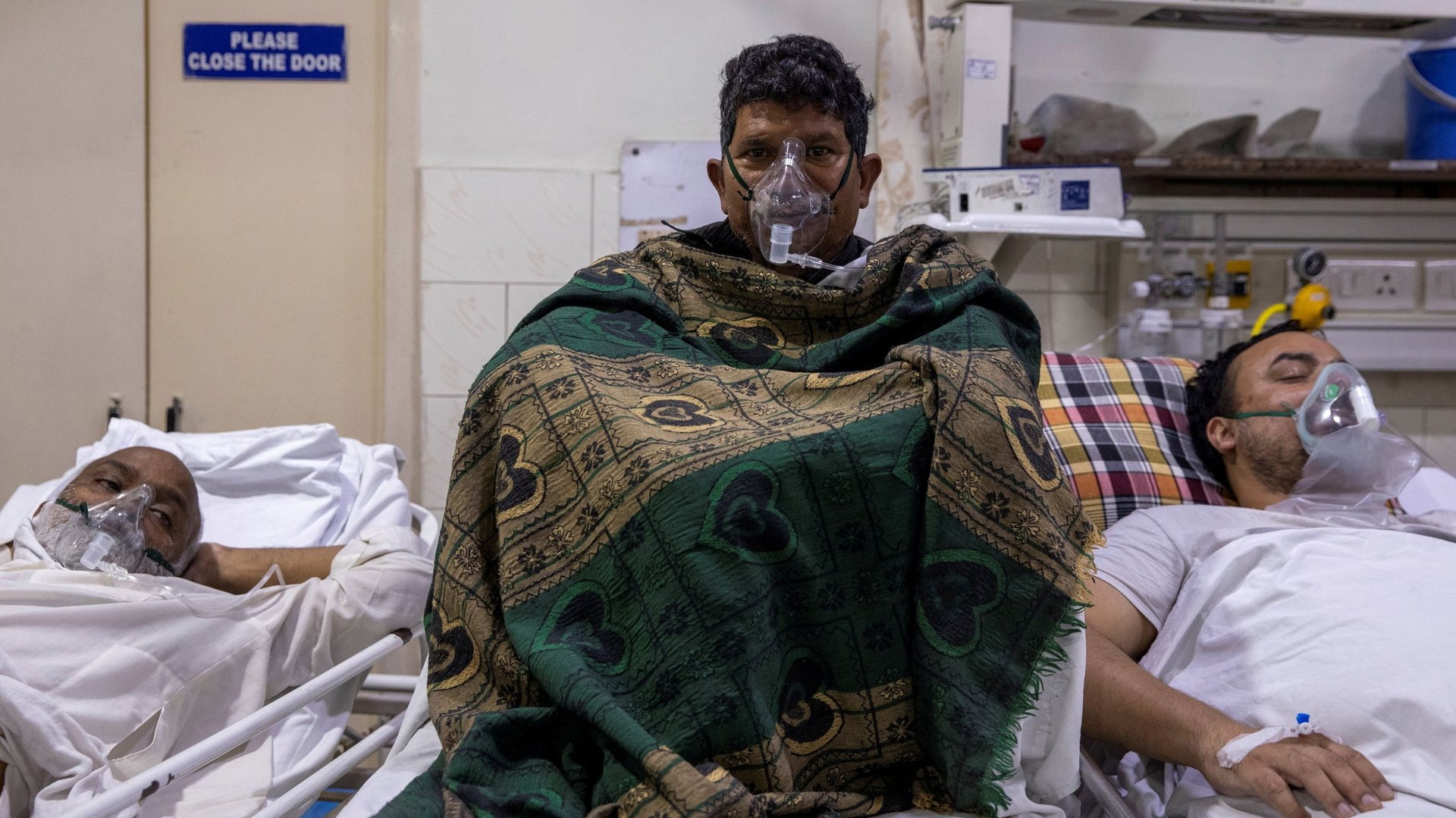
On his first day of fieldwork, on April 19, Shivam Pratap Singh was tasked with bringing an oxygen cylinder to the office of the NGO he was volunteering with. The 27-year-old master’s student at Tata Institute of Social Science soon found himself in hours-long lines to refill cylinders. It was one of many encounters Singh, like millions of other Indians, would have with the country’s swiftly unravelling healthcare system.

Multiple countries stopped travel from India or imposed expensive quarantines amid the country’s harsh second Covid wave in April. Now as India’s Covid-19 numbers decline, homebound Indians suffering from cabin fever are dreaming of travel again and eyeing their passports. But where can they go?
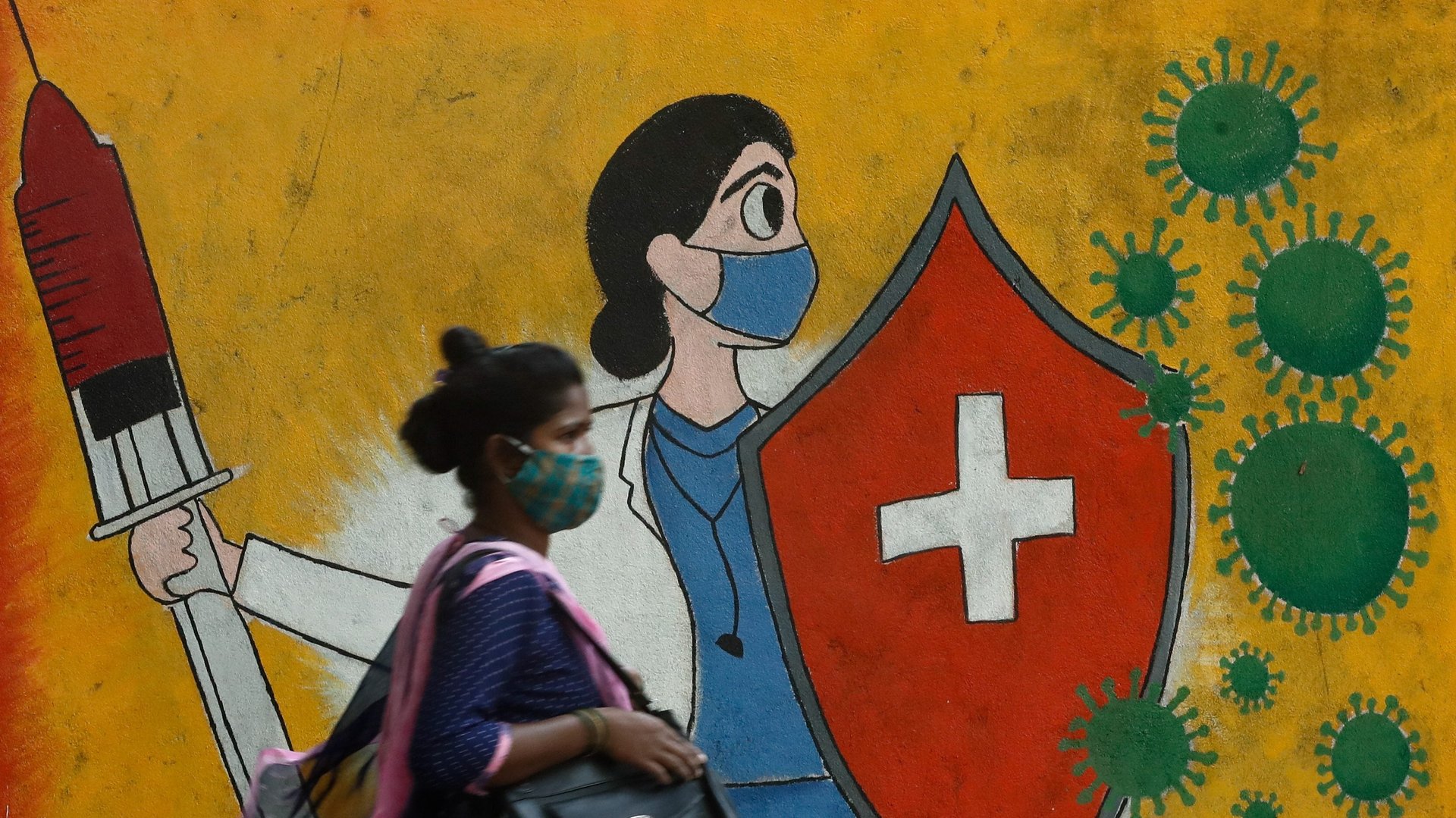
India’s financial capital, battered by the second wave of Covid-19, could already be staring at an imminent third wave—and soon.
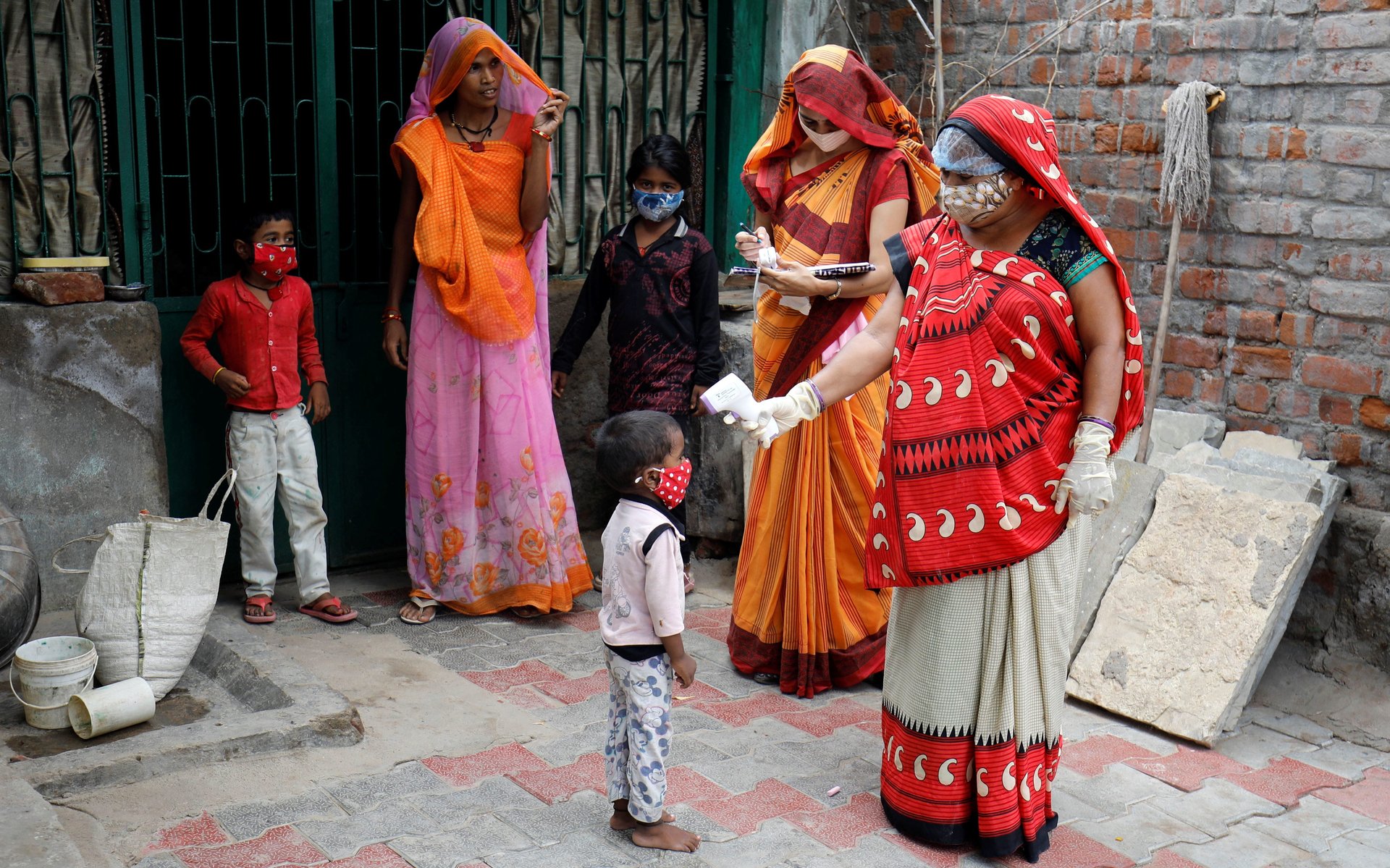
Children are the heart of the fears around a possible third wave of Covid-19 in India.
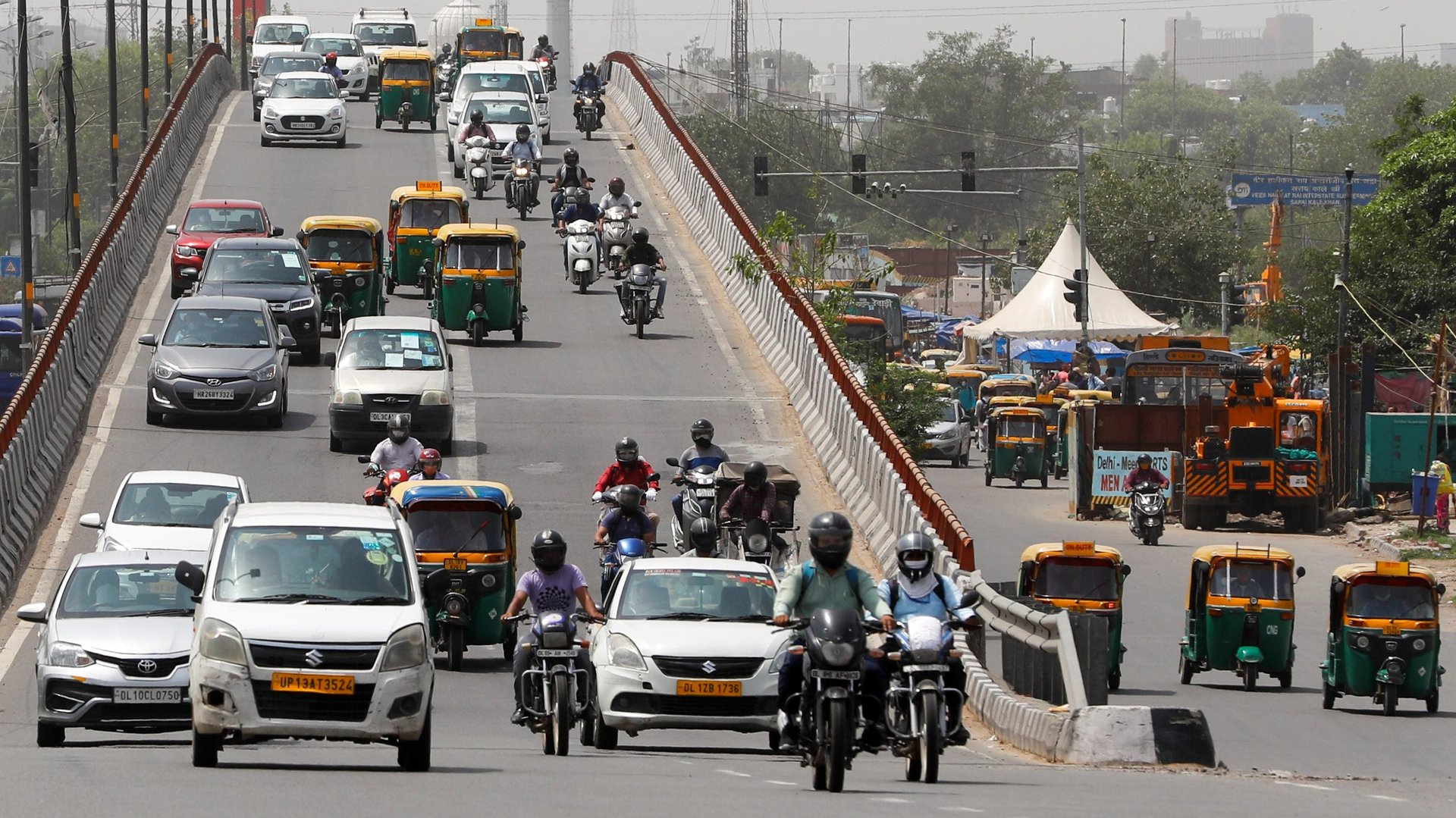
As Delhi lifted its lockdown restrictions yesterday (June 14) after nearly two months, the city’s residents flocked markets, throwing all caution—and the grim lessons of the devastating Covid-19 wave—to the wind.
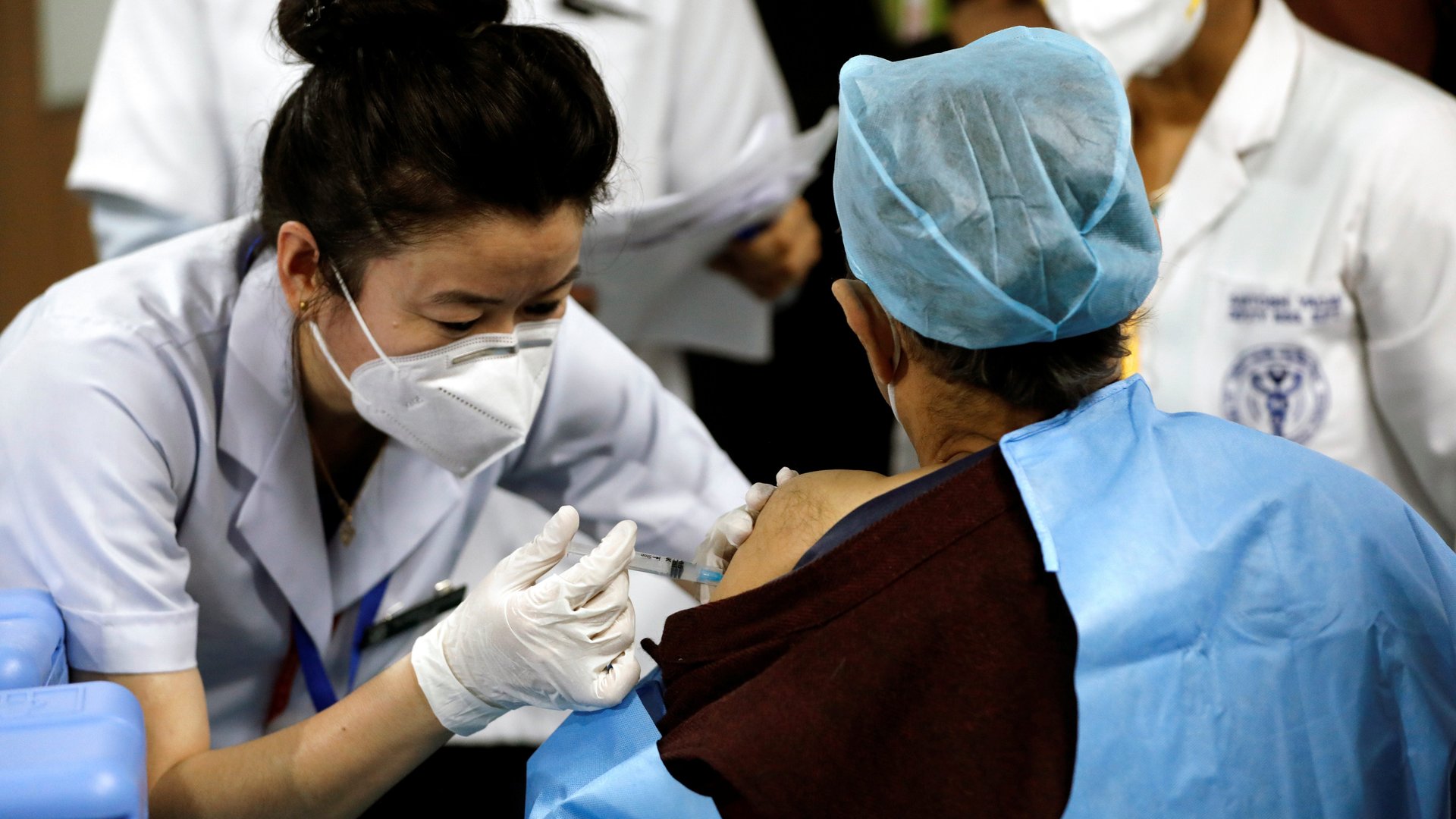
A new change in regulation has resurfaced old wounds about vaccine prices in India.
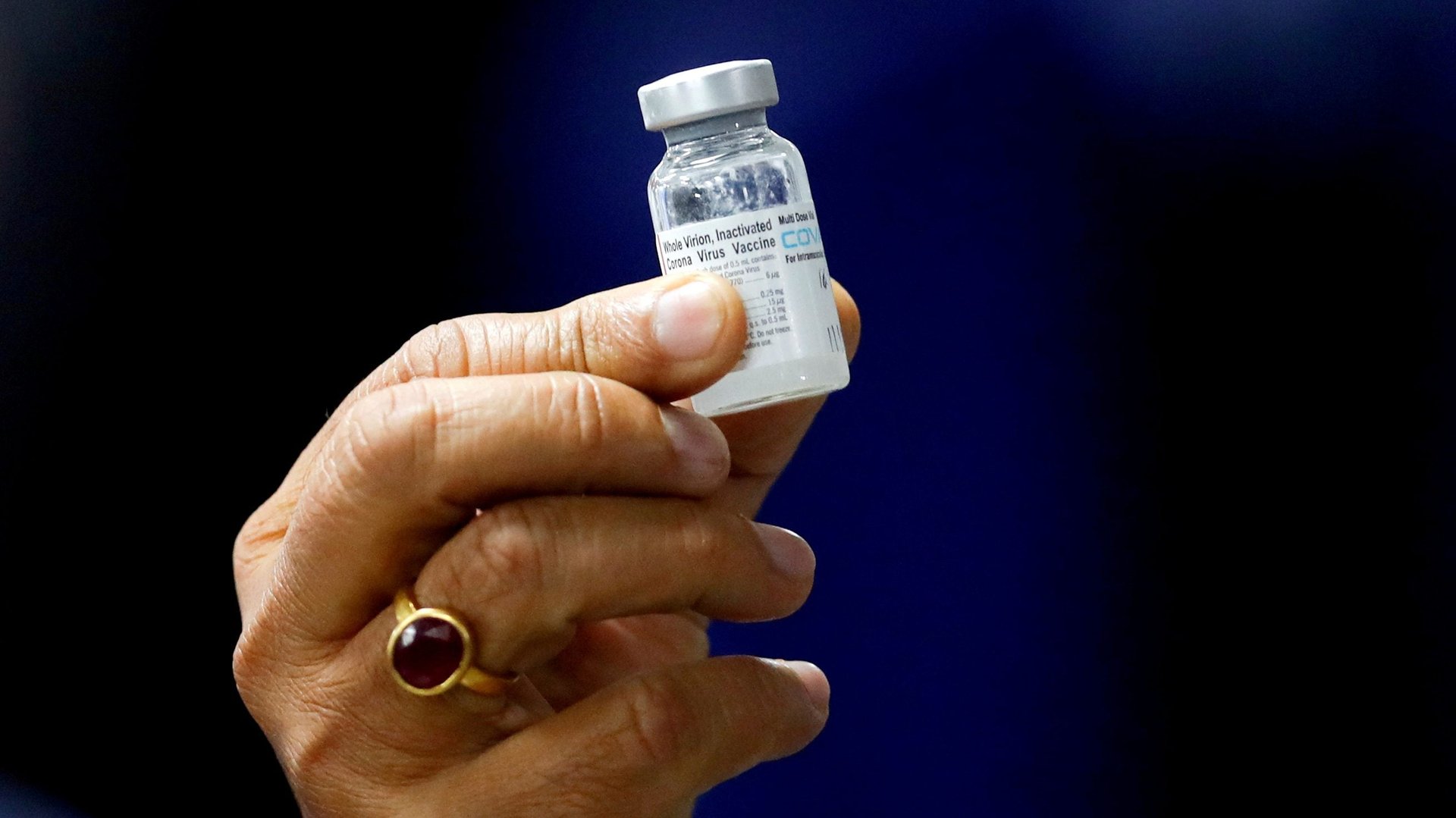
Indians wistfully eyeing their passports are in a bind with Covid-19 vaccines.
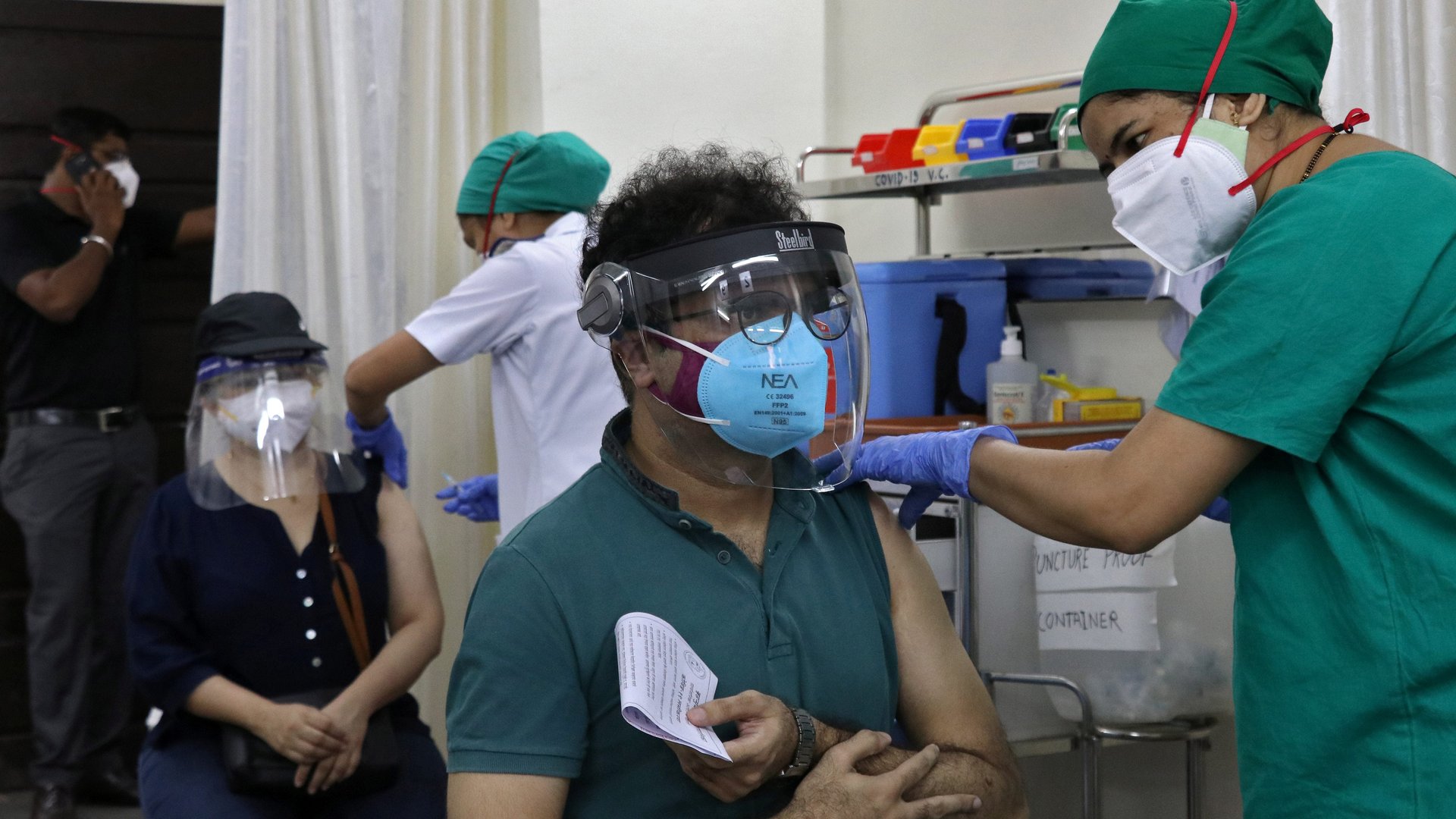
The Narendra Modi government has changed its vaccination strategy, yet again.
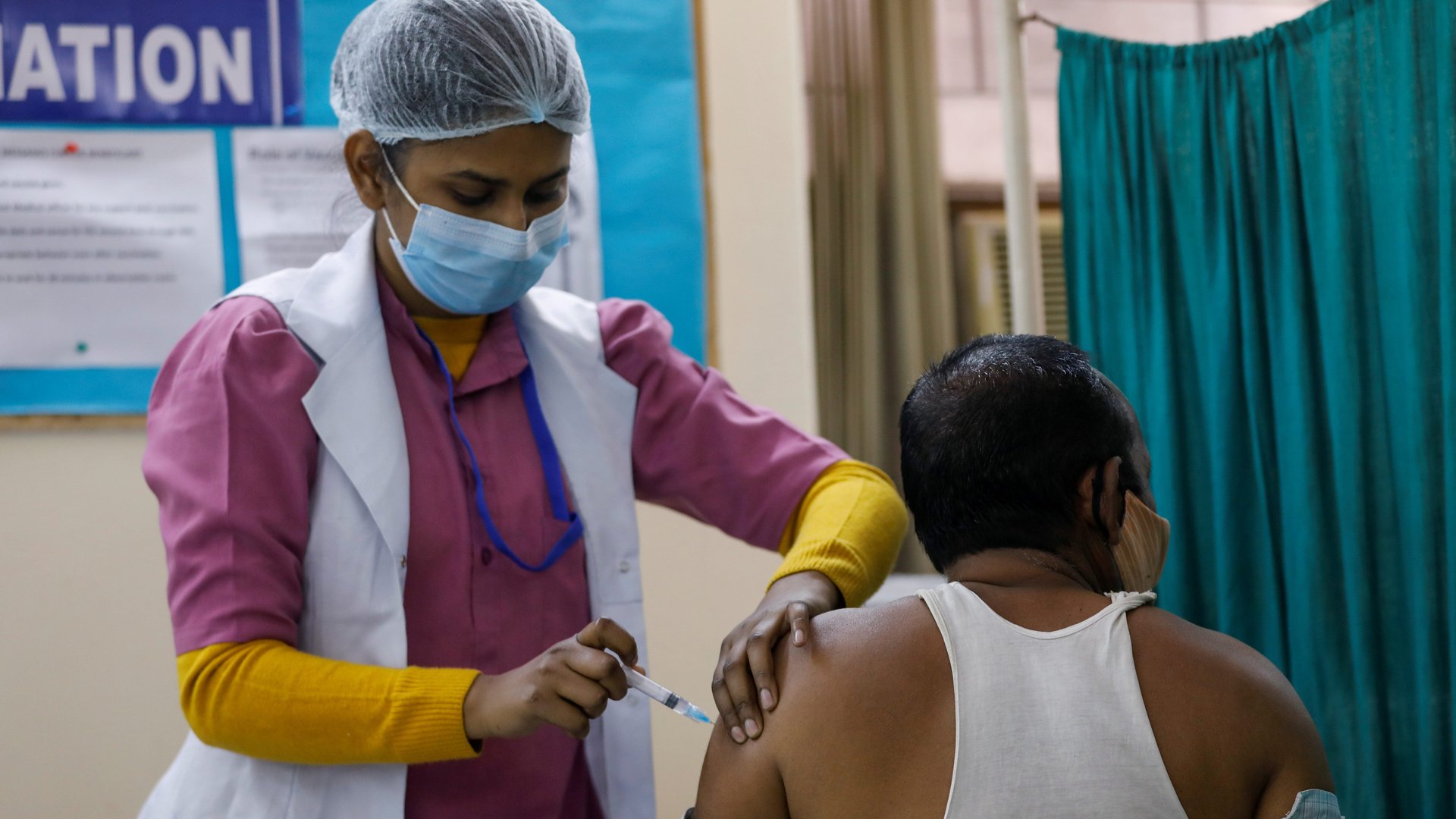
One man in India is worried that his Covid-19 vaccine shot may not be working.
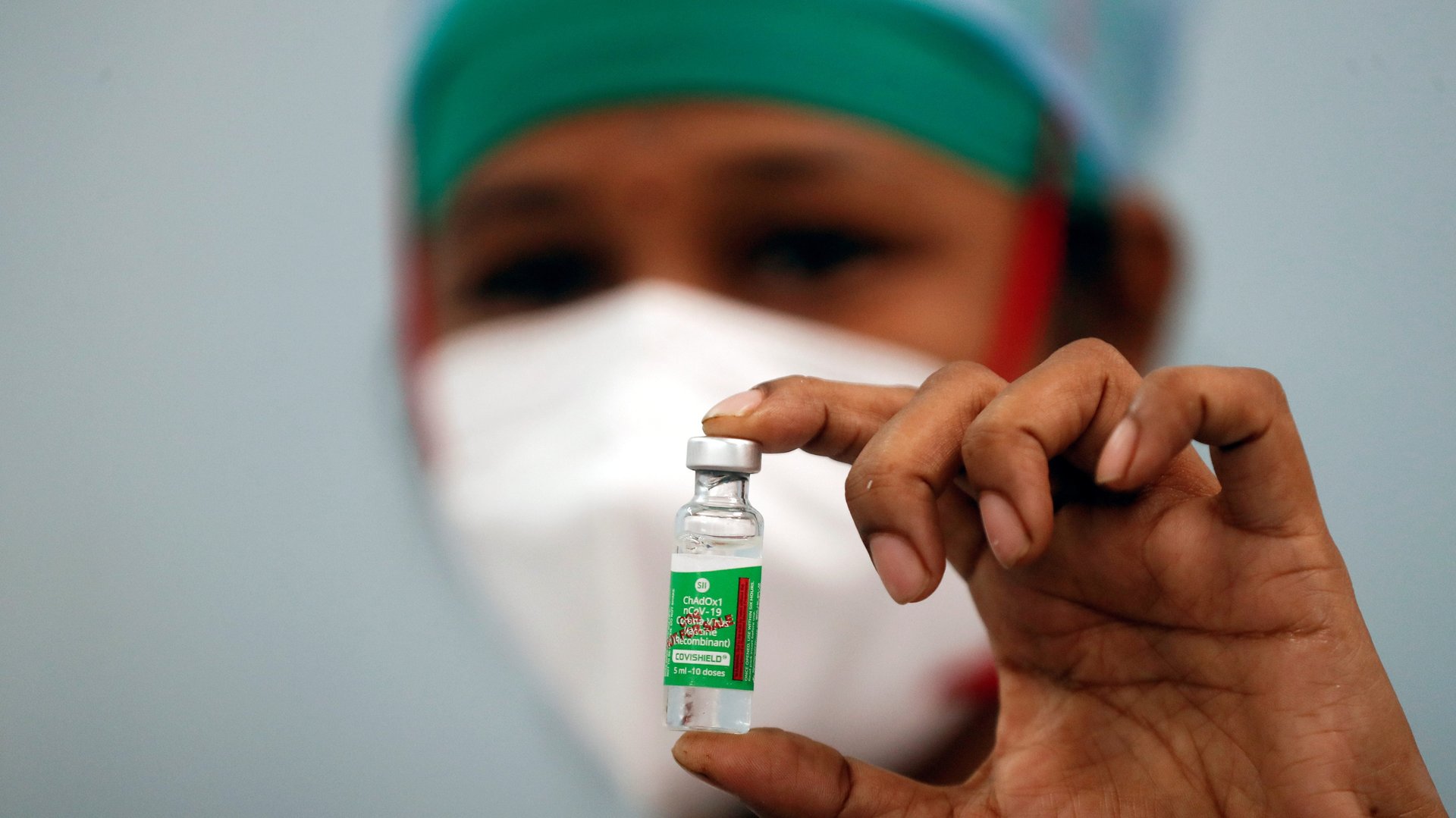
The Indian government claims it will vaccinate over 1 billion Indians with 2 billion vaccine doses by December. But the country’s vaccine manufacturing capacity tells a different story.
Warning: Contains details of sexual assault and rape.