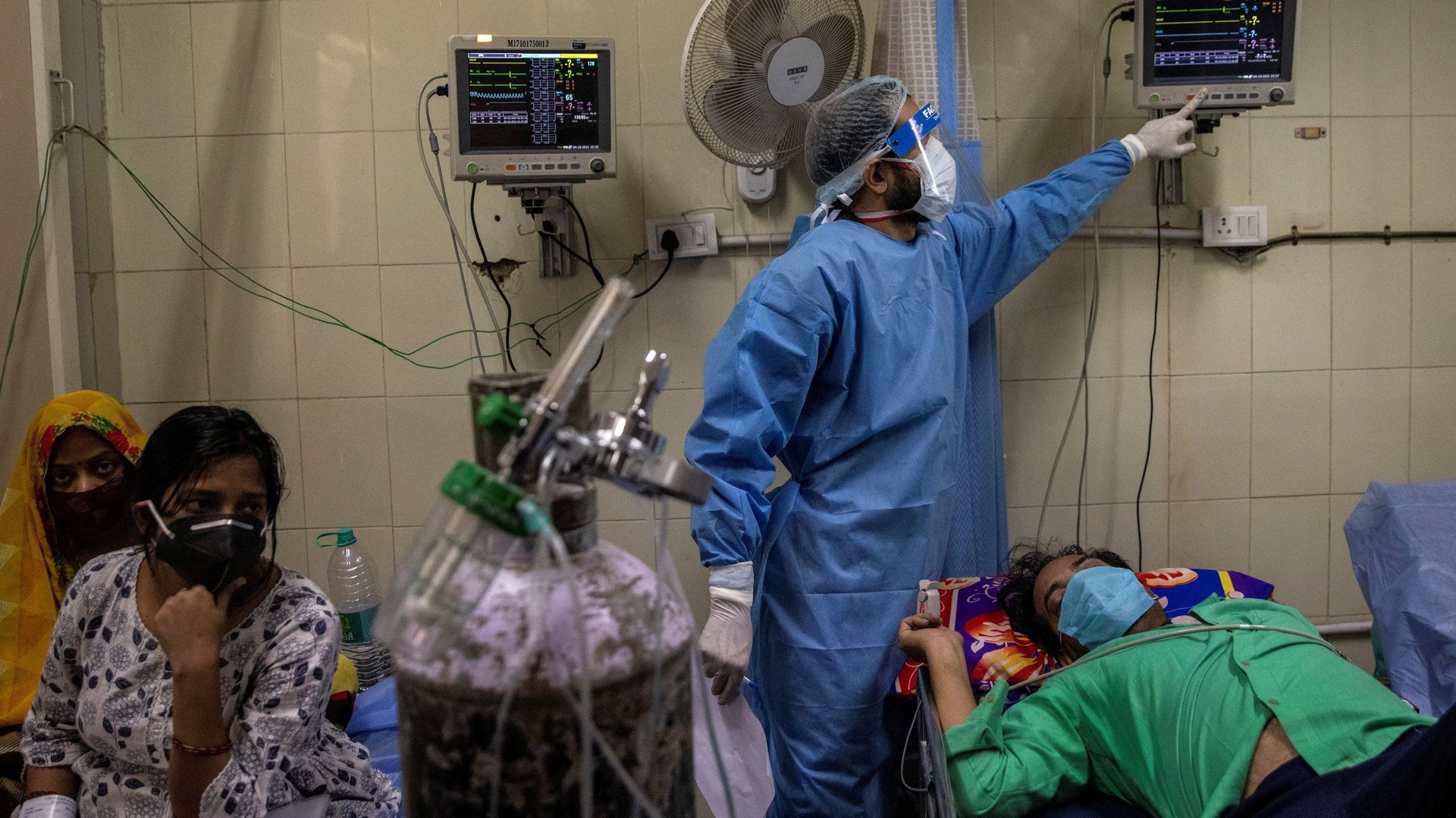
As the cases of “black fungus” infections continue to rise in India, doctors and scientists worry if there is more to it than just the use of steroids.

As the cases of “black fungus” infections continue to rise in India, doctors and scientists worry if there is more to it than just the use of steroids.

The ongoing crisis in the Gaza region has put India’s right-wing in a bind.

India’s messy vaccination strategy, unlike any other in the world, is now pitting its own states against each other.

India’s Covid-19 pandemic is about to get much more complicated.

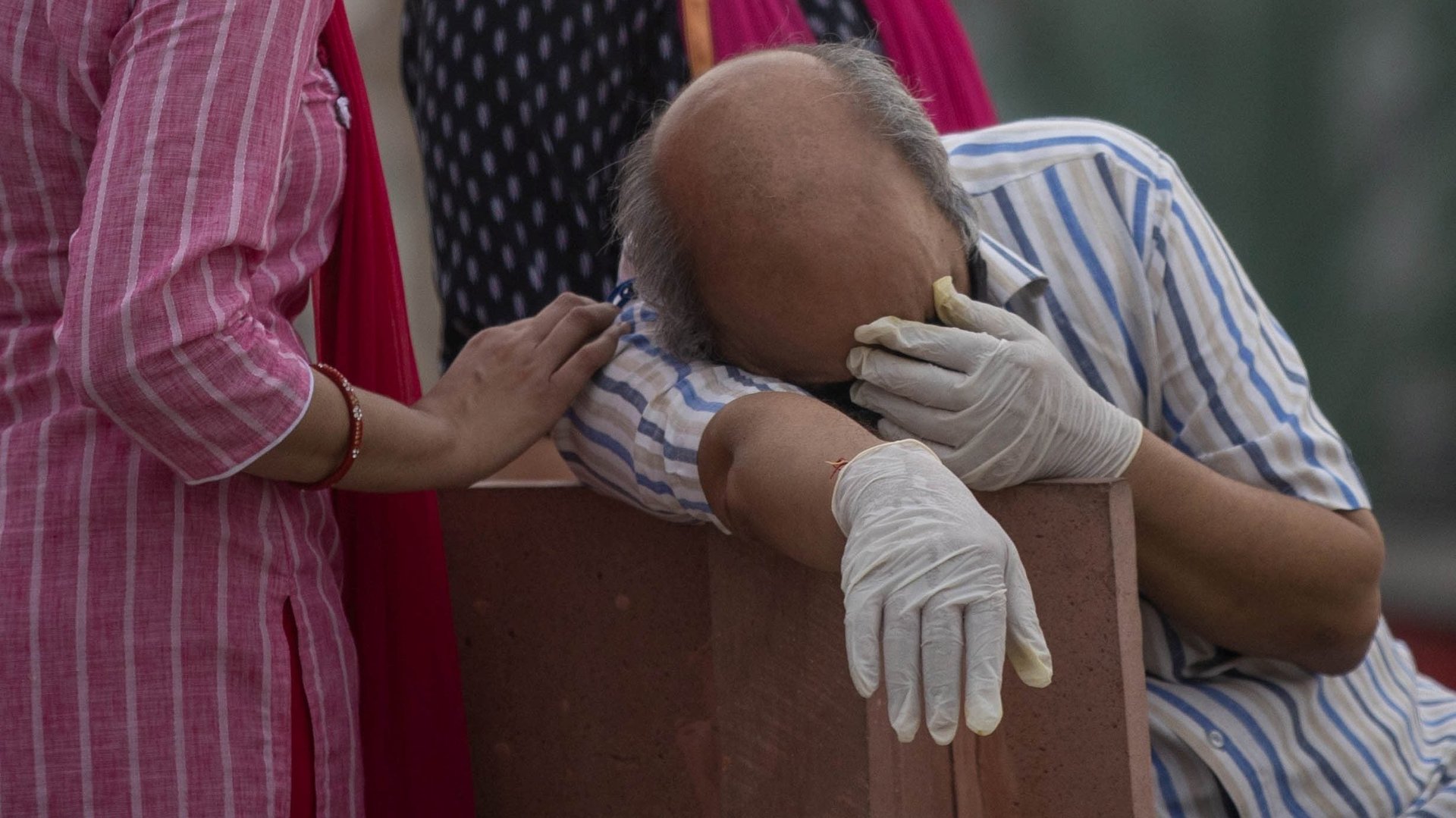
If overburdened crematoriums weren’t enough, India now has unidentified bodies washing up the banks of river Ganga, adding to the worry that the country is vastly undercounting its Covid-19 deaths.

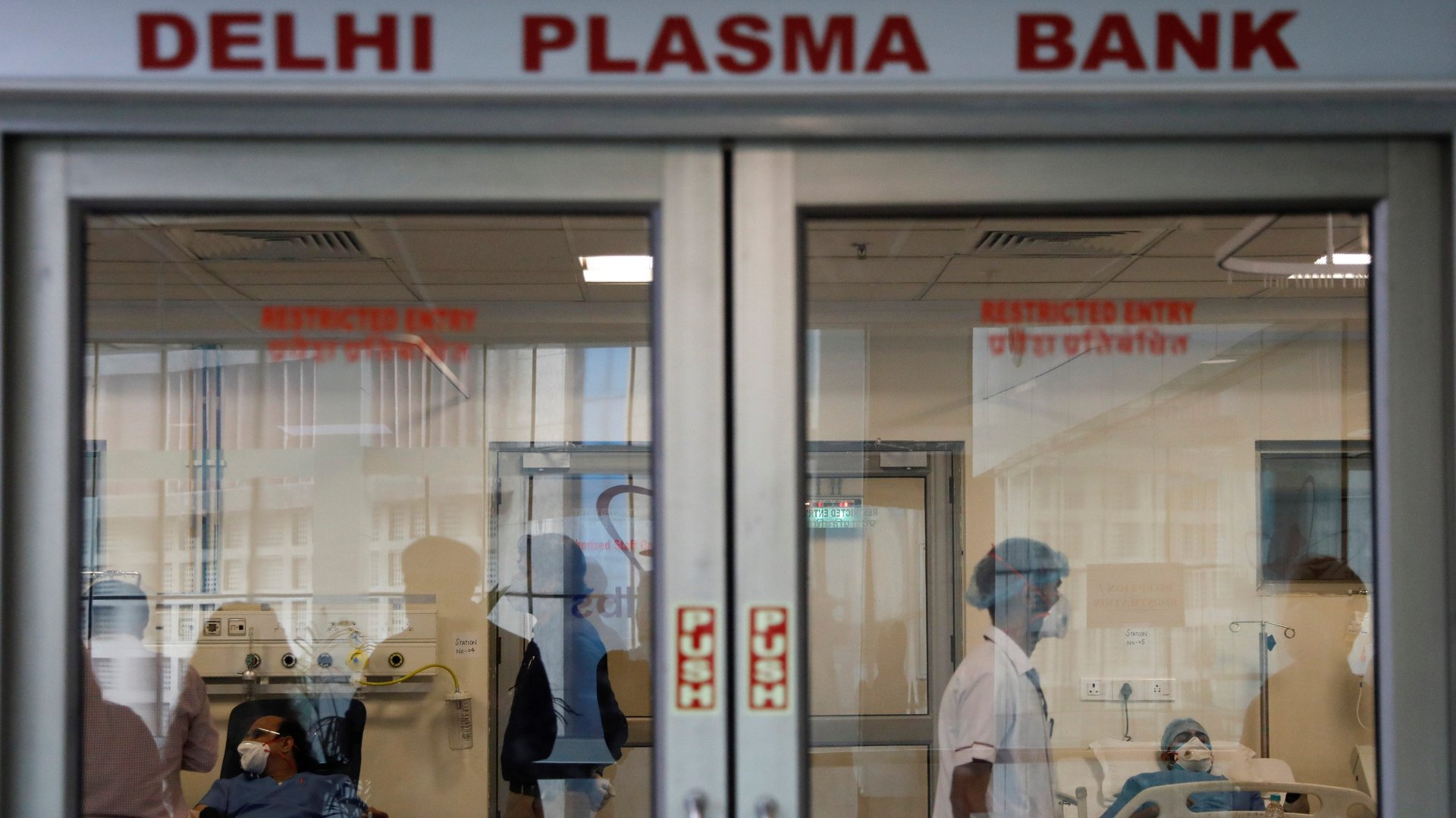
As Covid-19 wreaks havoc across the country, thousands of patients and caregivers continue to search for plasma donors—despite a lack of scientific evidence to prove that it’ll work against the disease.

This post has been updated.

A growing chorus is now seeing India’s second wave of Covid-19 as a governance failure more than anything else.

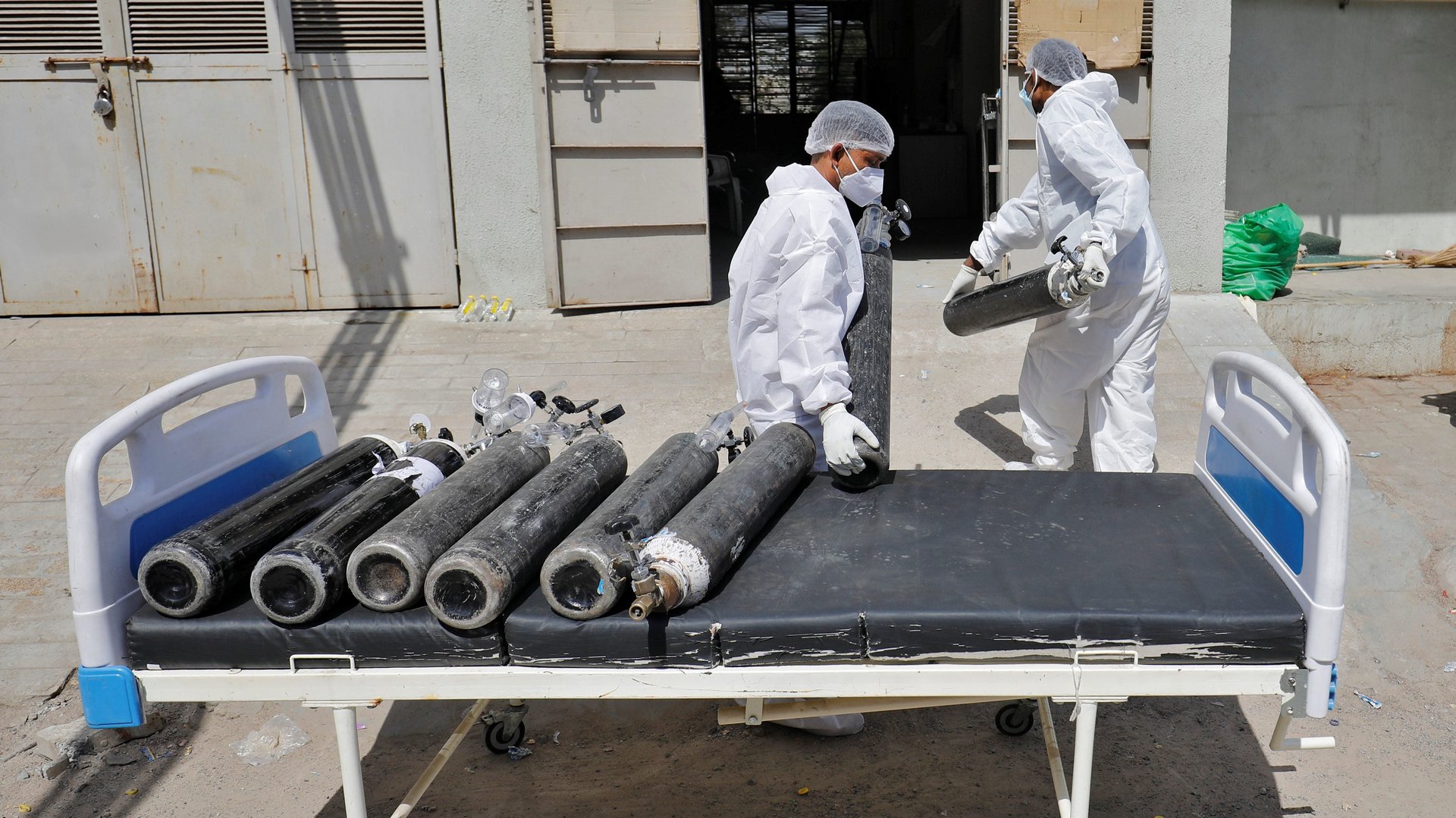
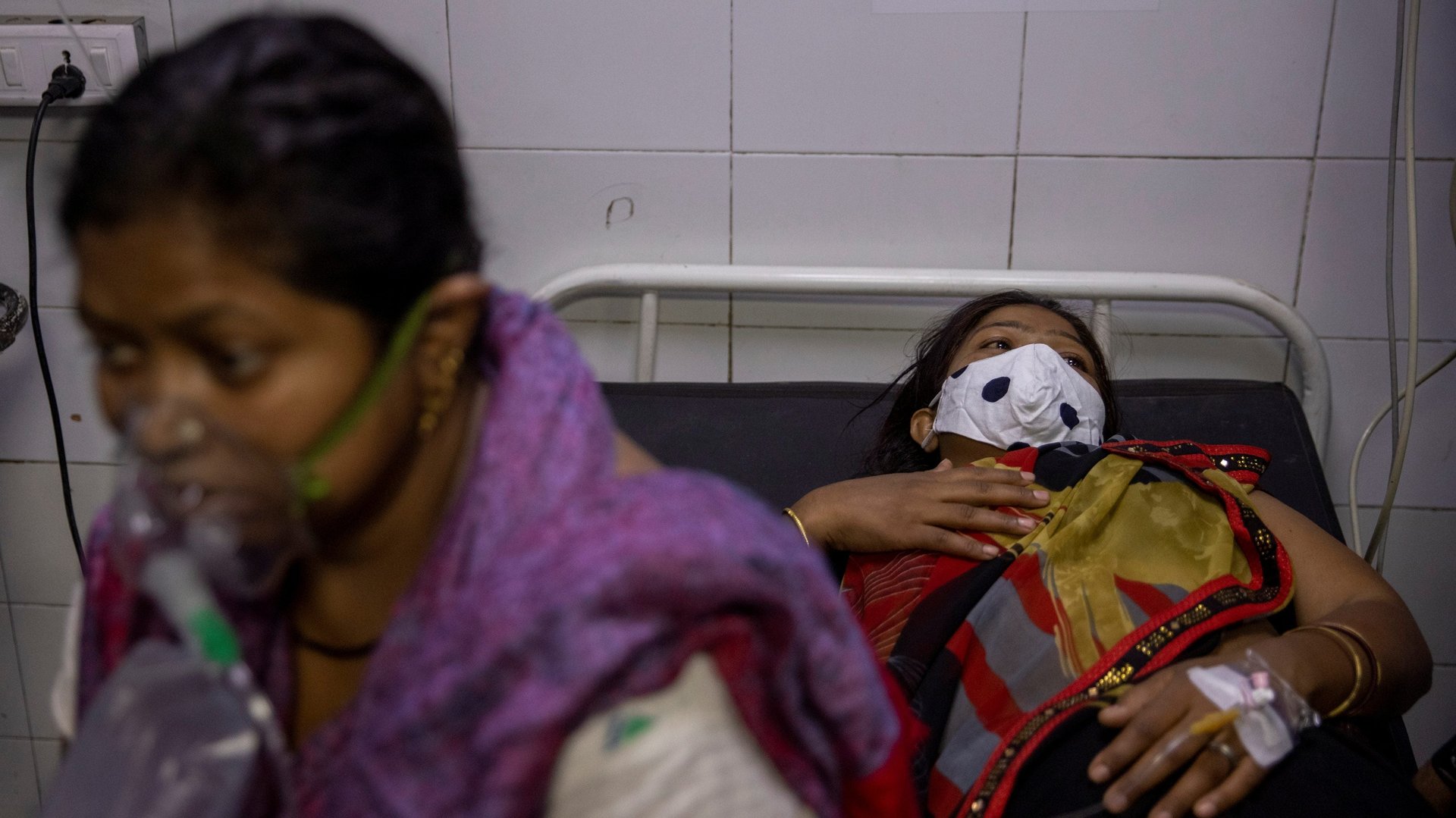
It has been eight weeks since India’s second Covid-19 wave began, and millions of Indians continue their frantic search for basic healthcare facilities—oxygen, medicines, hospital beds. Once lauded for its low death rate, the country may be staring at an orphan crisis because of mass fatalities.

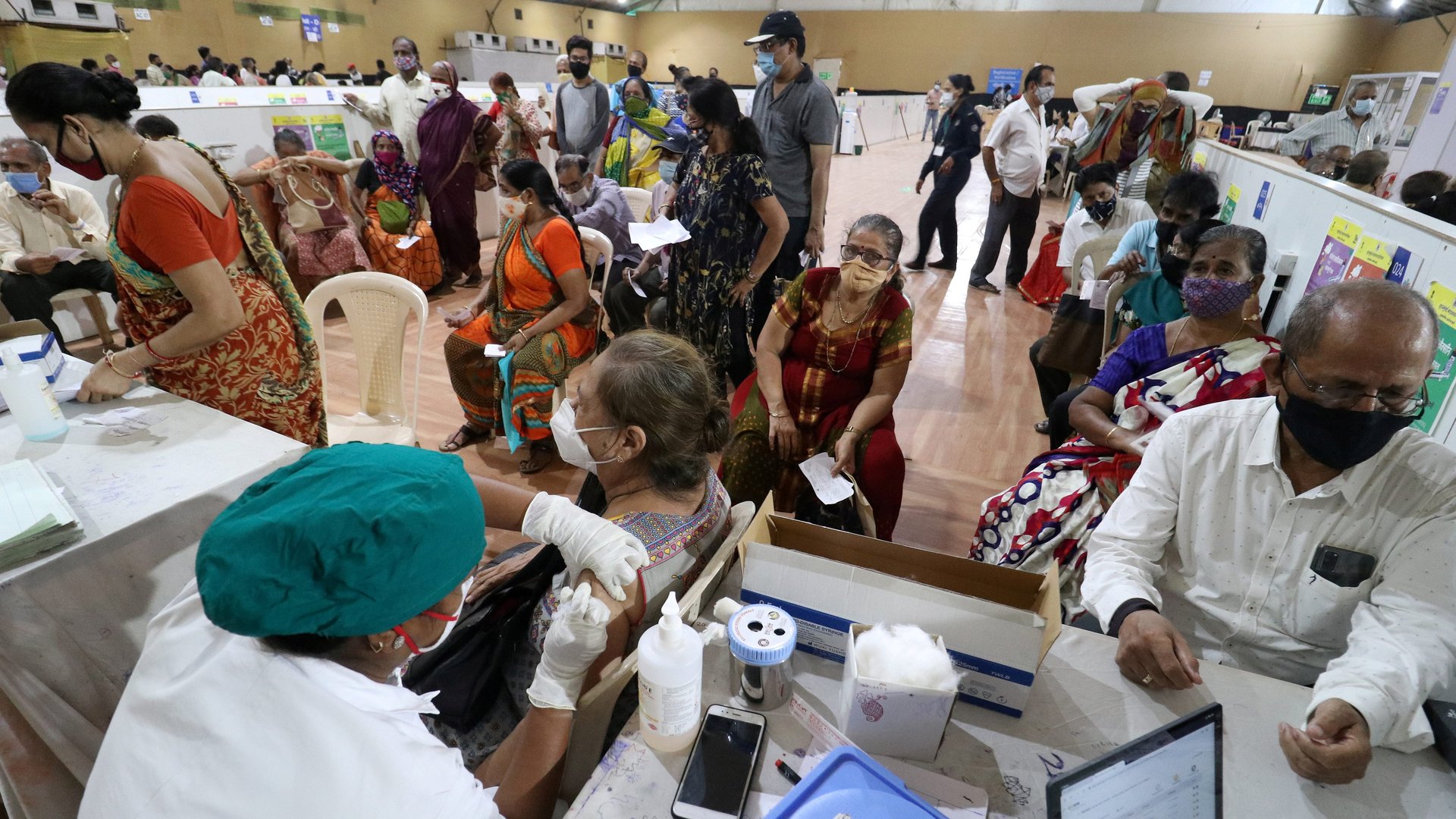
India’s Covid-19 vaccination drive is chequered with shortages and poor planning. But some states have bucked the national trend.

India’s Covid-19 vaccination strategy is suffering for lack of forward thinking.

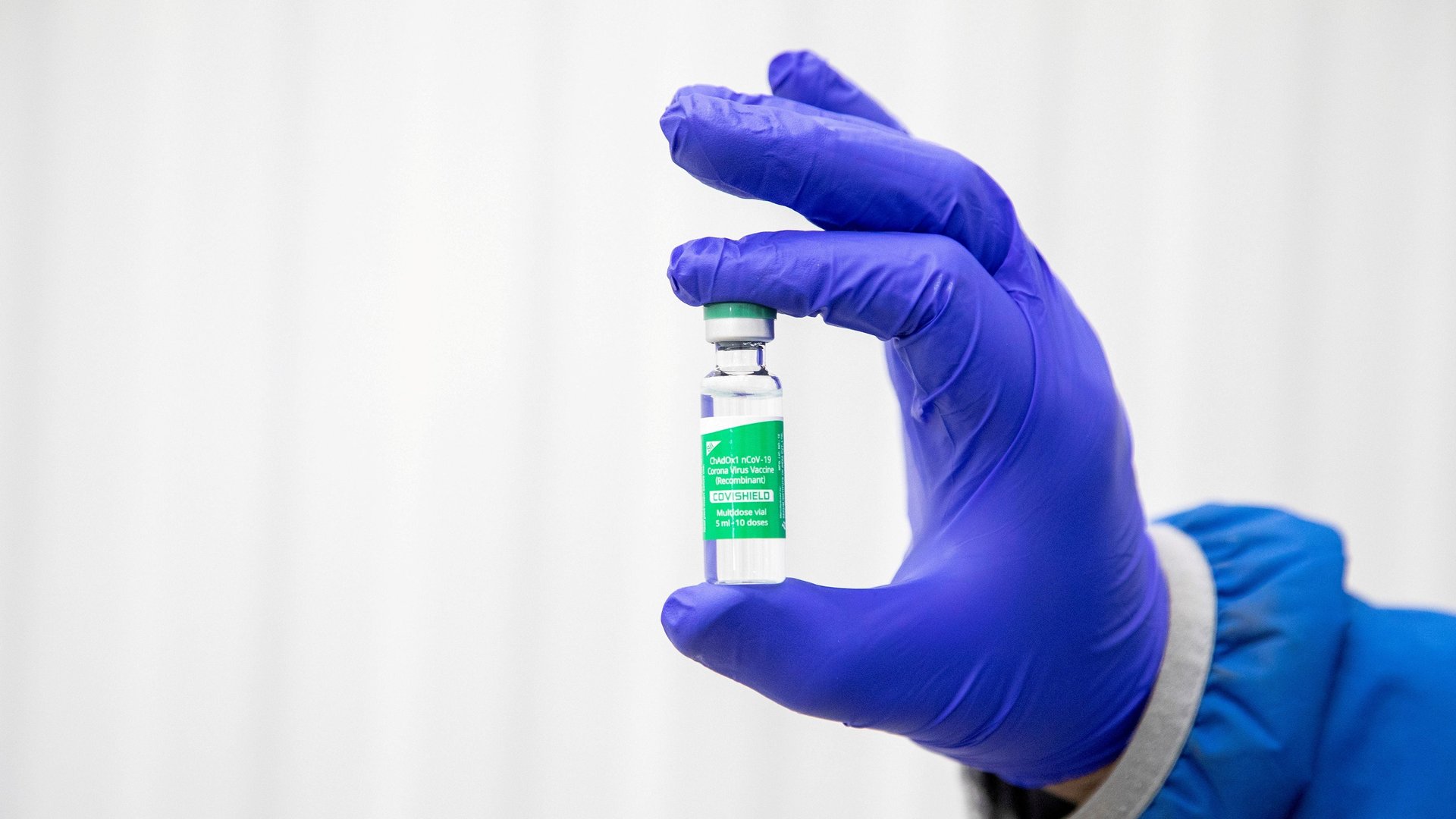
A little over two months ago, confident that it had beaten Covid-19, India was shipping off vaccines to the world. A month ago, it stopped exporting vaccines. And soon it might need to start importing these.

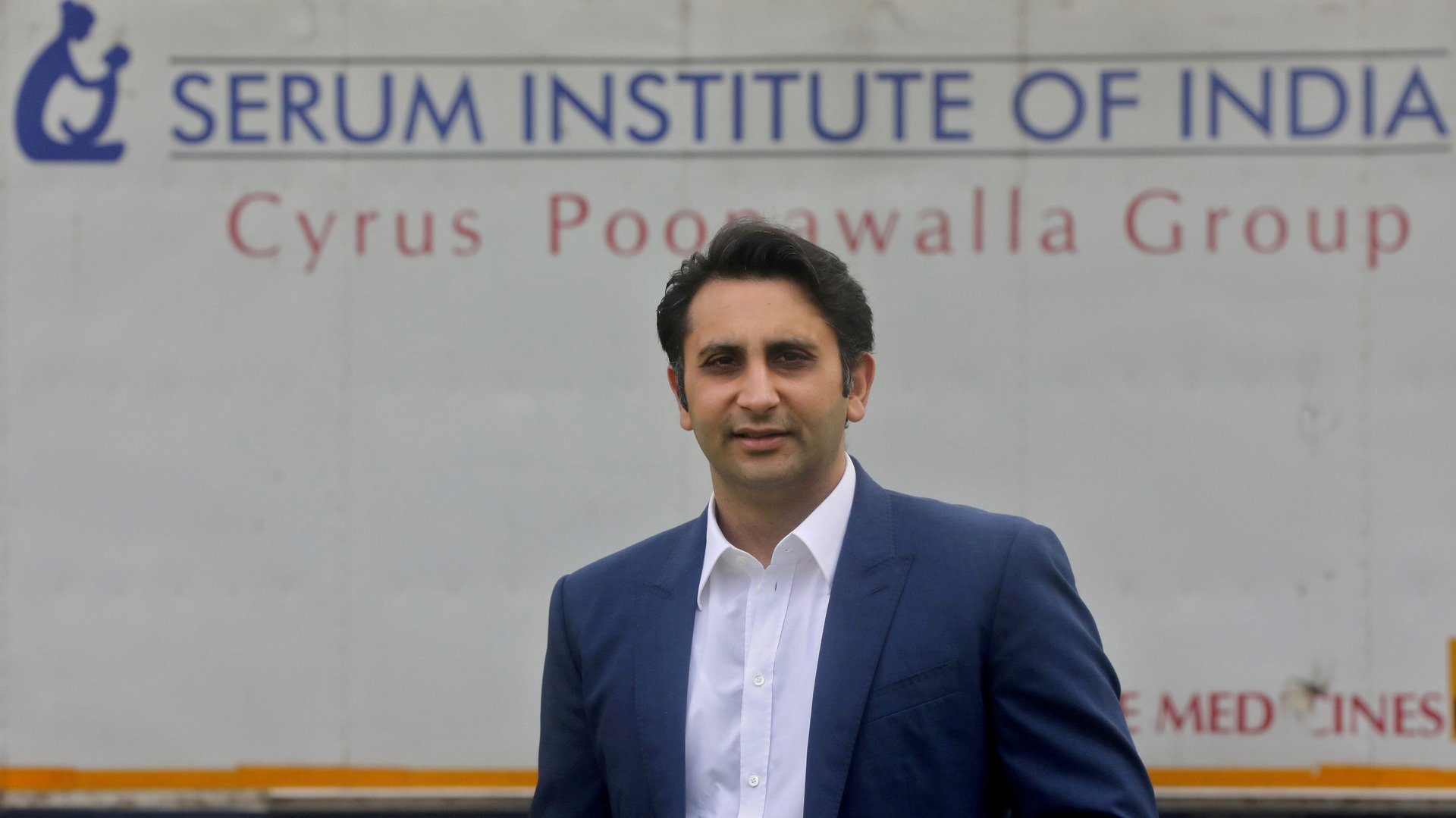
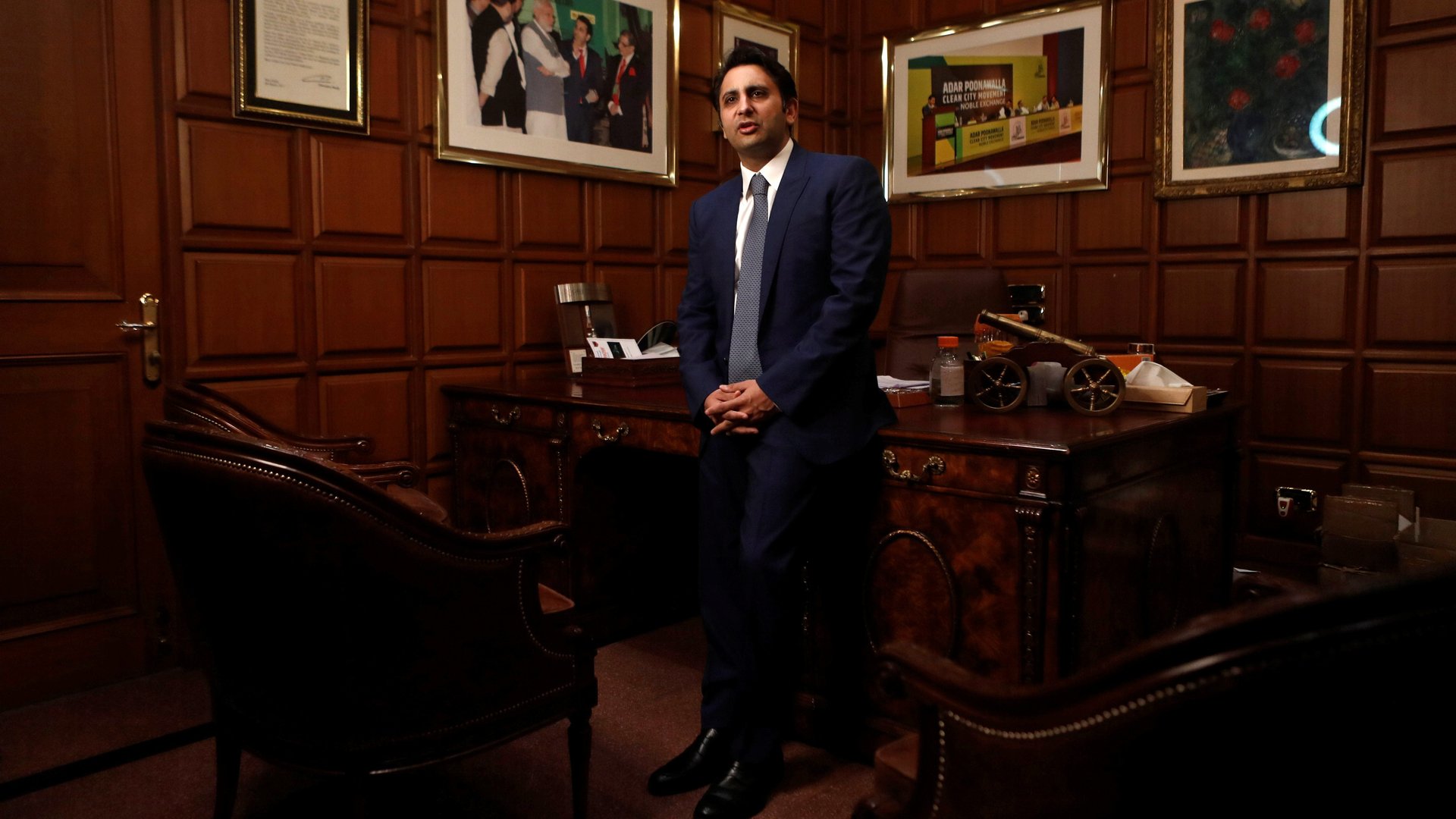
India’s Covid-19 situation is so dire that the rich are fleeing the country. And among them is vaccine czar Adar Poonawalla.

The official Covid-19 treatment protocol in India continues to encourage the use of treatments that many scientists across the world have written off.

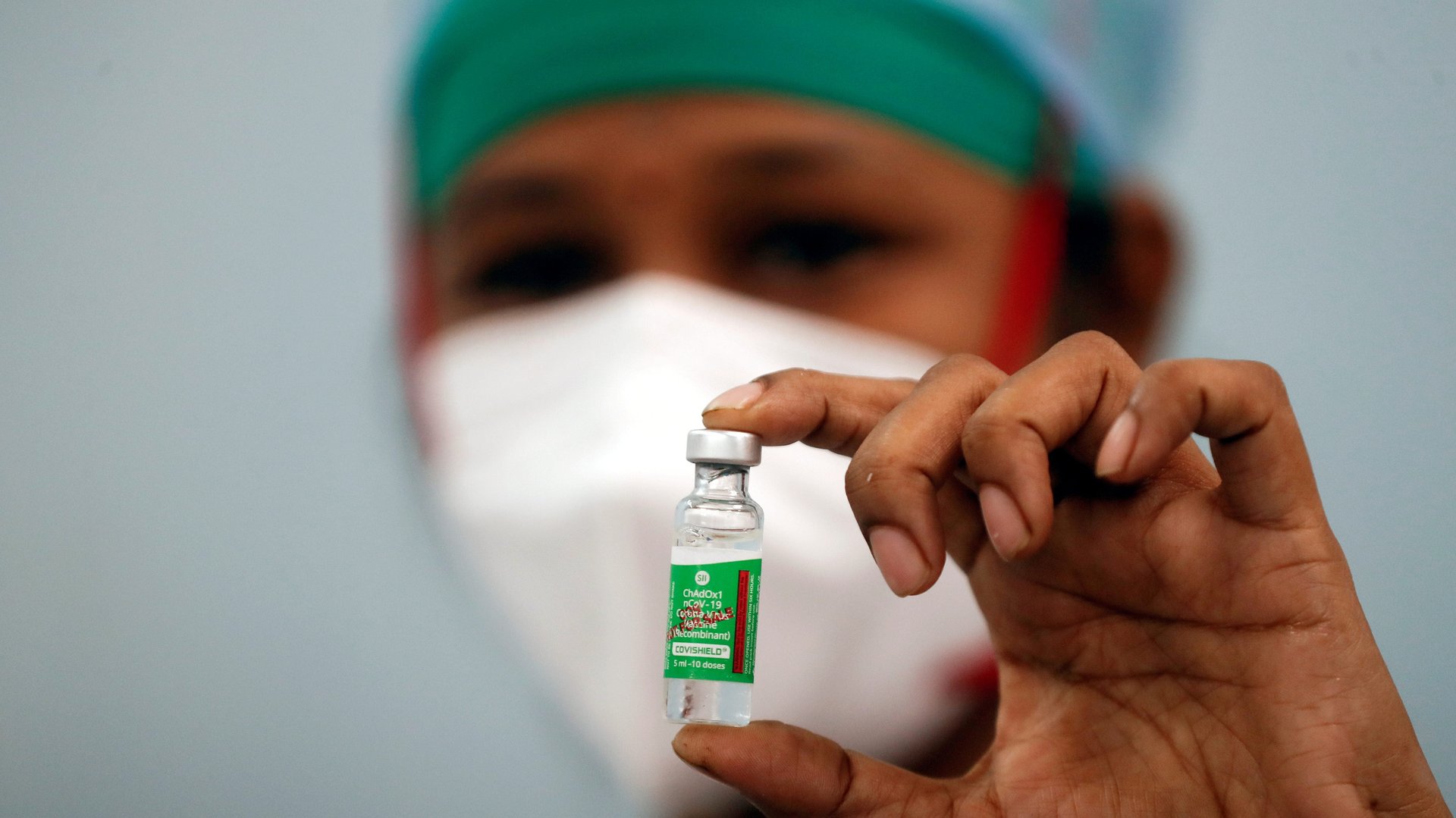
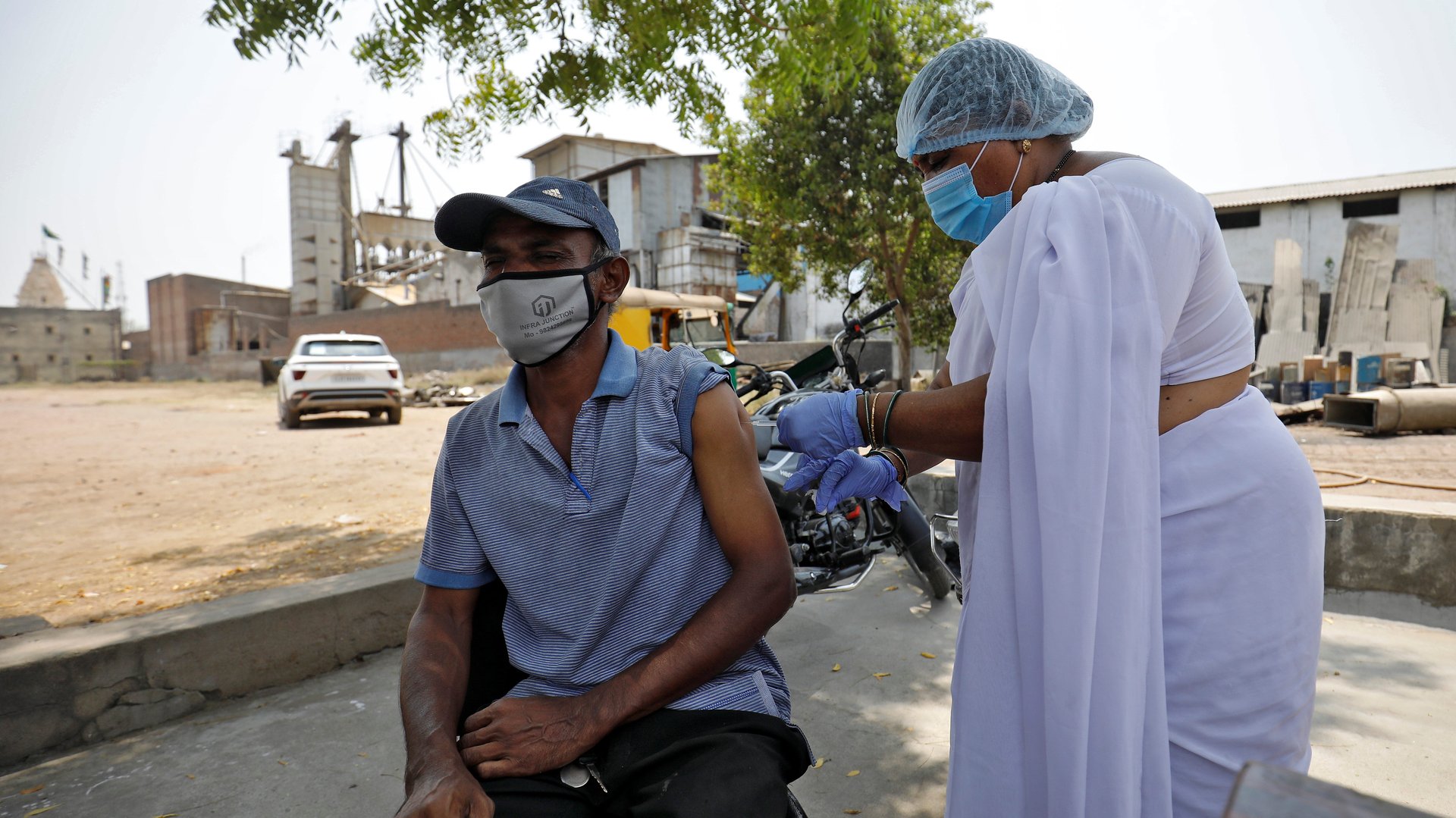
India has fully vaccinated only about 23 million people, not even 10% of the 300 million it aims to inoculate by August. Lest we forget, there are 1.3 billion people in India.

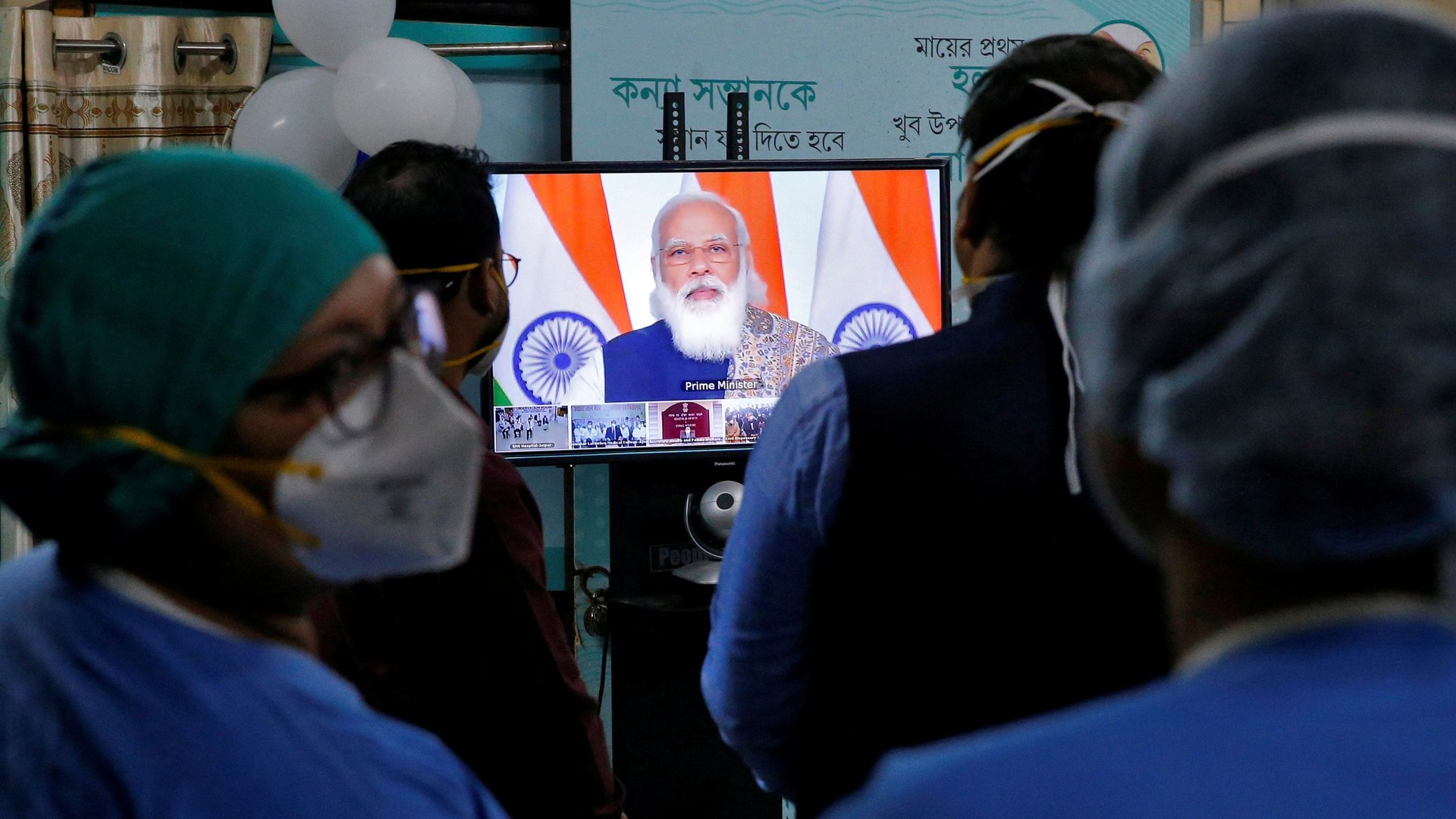
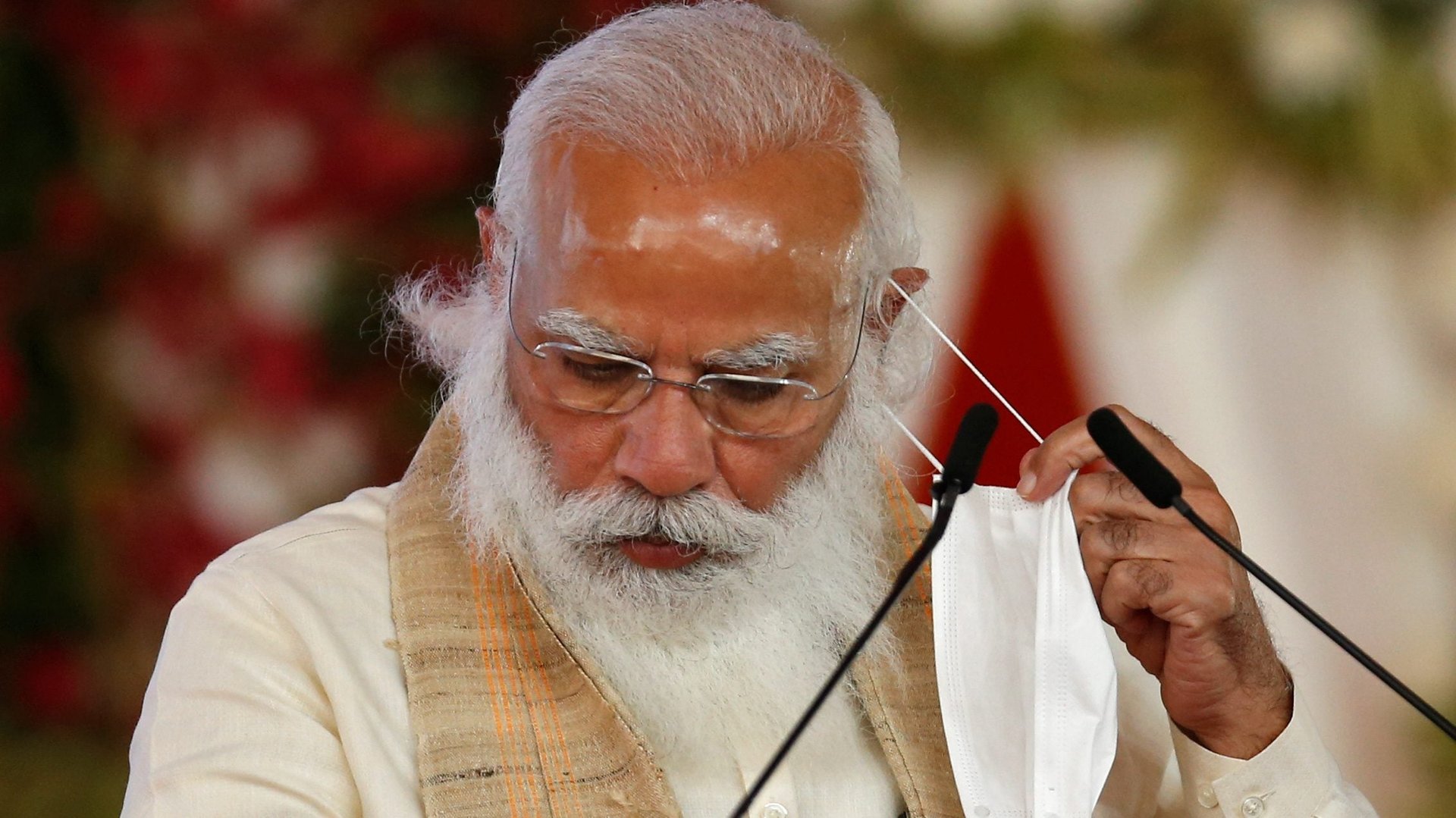
India’s medical fraternity has had it with Narendra Modi.

A functioning vaccination program would appear to be the strongest weapon for halting the unrelenting march of India’s second Covid-19 wave. And yet, it is in a state of total disarray. The government’s failure to effectively negotiate prices and procurement could not only cost lives, but devastate the economy too.

It was a tweet from India’s largest vaccine manufacturer that made the US a stakeholder in India’s fight against the brutal second wave of Covid-19.

India’s memories of last year’s lockdown are so bitter that political leaders in the country now seem afraid of using that word.

A scroll through prime minister Narendra Modi’s Twitter feed offers a glimpse into India’s battle with a raging second wave of Covid-19. As the country grapples with deaths, and shortages of oxygen, vaccine, and drugs, parts of the country are also in the midst of a heady political battle.

India has now crossed the milestone for the highest single-day Covid-19 spike for any country in the world.

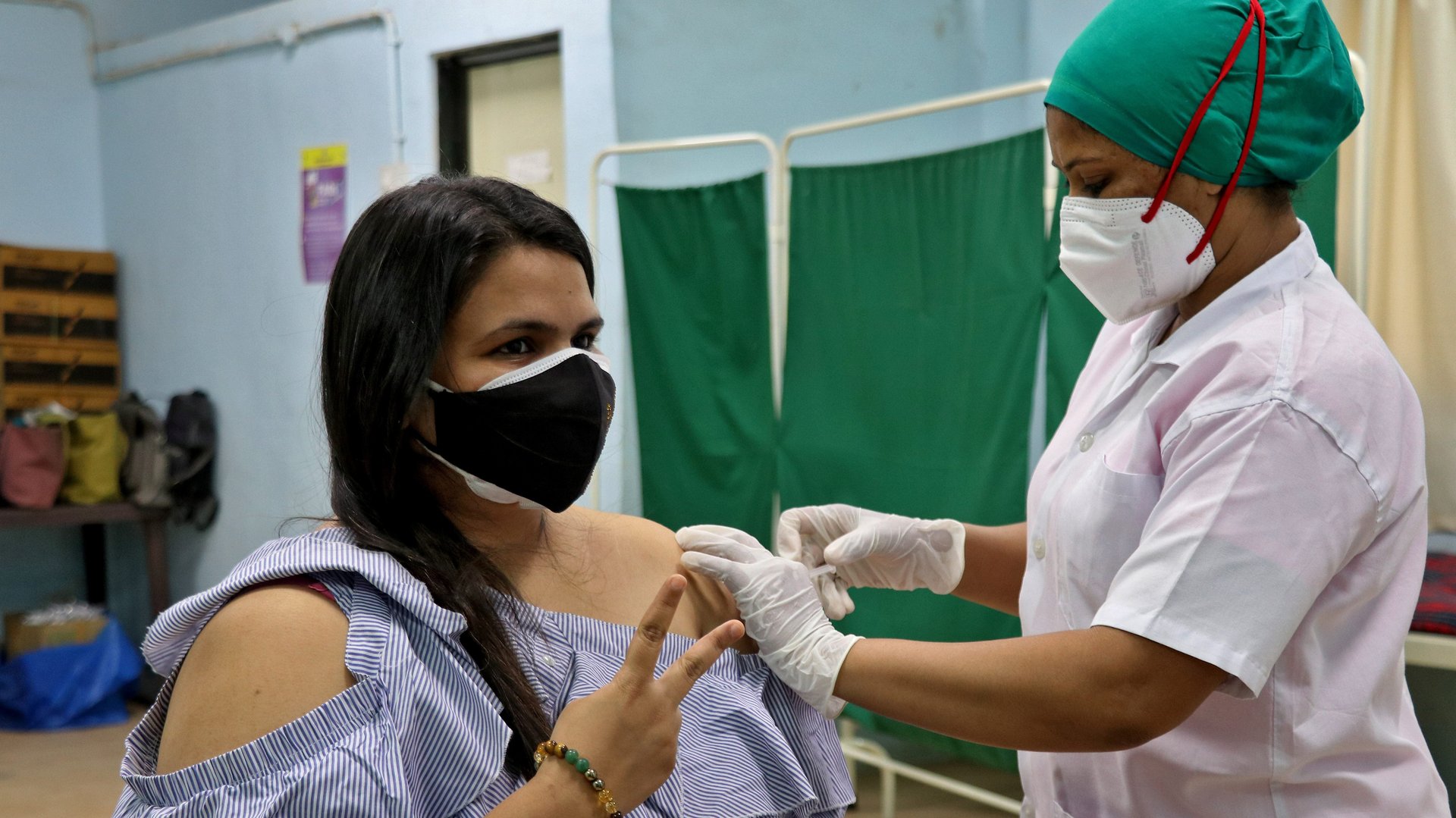
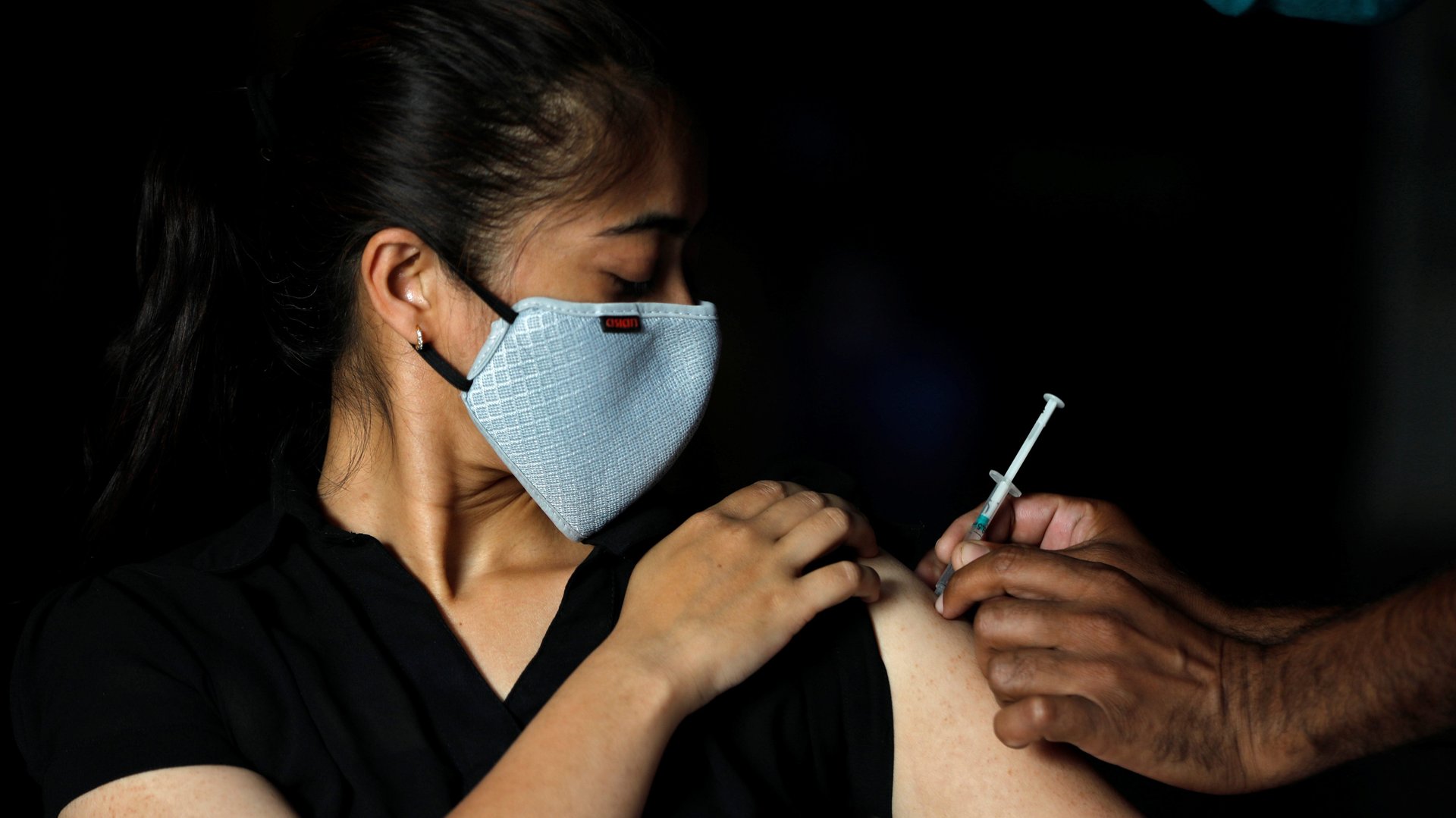
After much debate and delay, India has decided to open up its Covid-19 vaccination drive to all adults over the age of 18 from May 1. But if the past track record of vaccine administration in the country is anything to go by, this policy change might not make much of a difference to the lives of ordinary Indians.

On the same day that India announced its decision to open up its vaccine drive for everyone over the age of 18 from May 1, a young Maharashtrian posted a picture of getting his second dose.

This post has been updated.