Several of Amazon’s international sites have landed on a list of “notorious markets” for counterfeit and pirated goods published annually by the US government.

Several of Amazon’s international sites have landed on a list of “notorious markets” for counterfeit and pirated goods published annually by the US government.

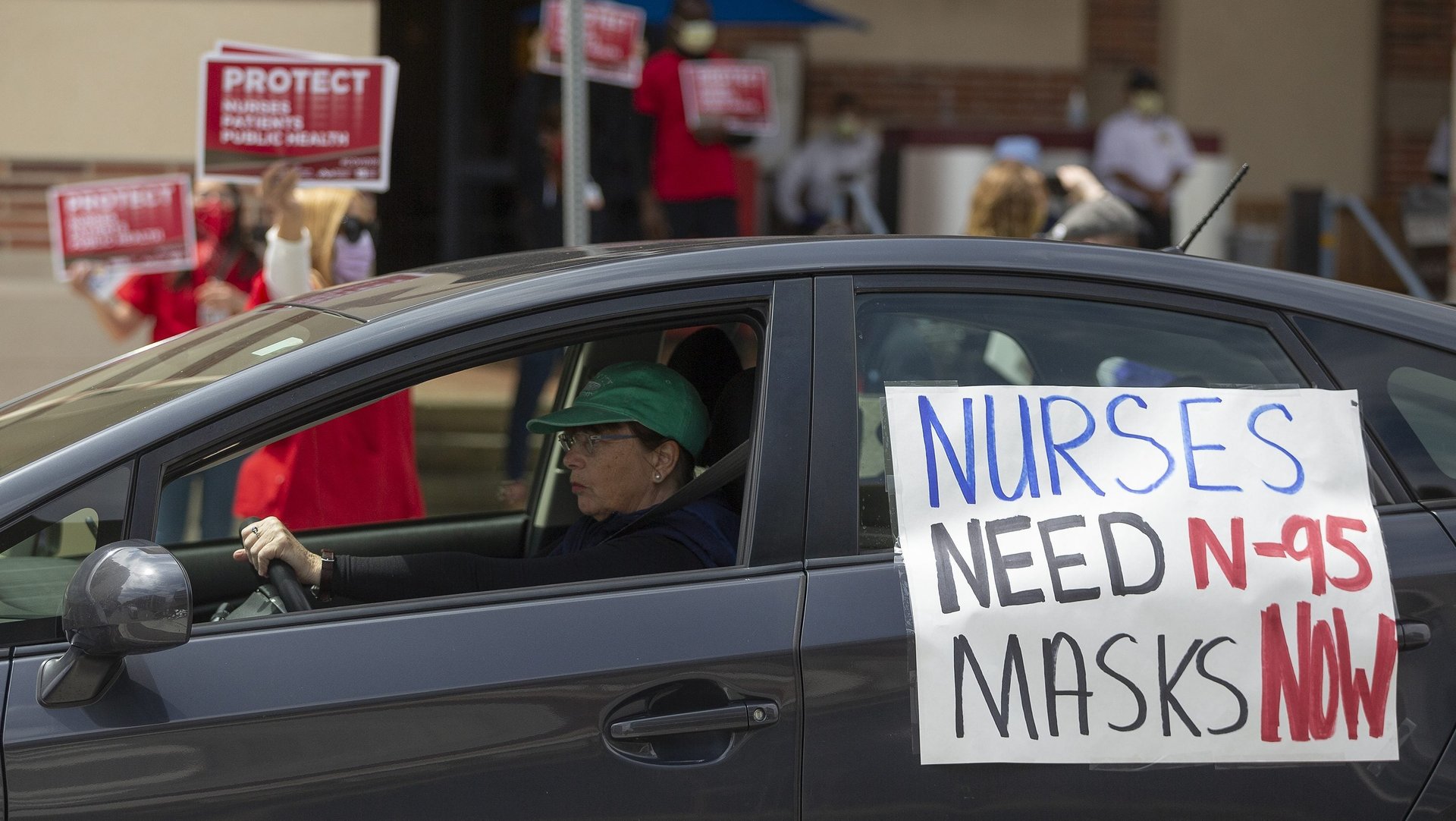
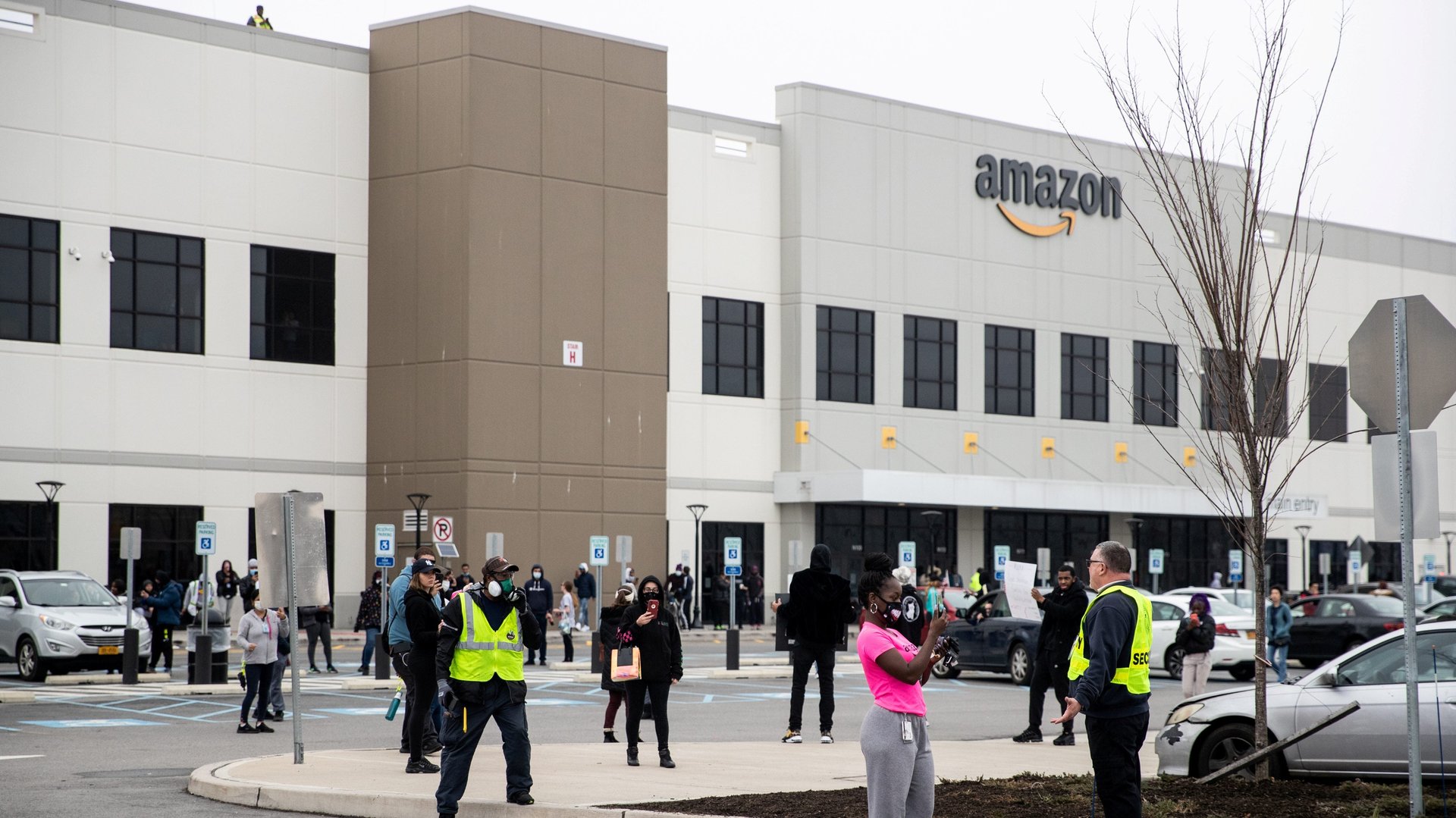
Workers at Amazon, Whole Foods, Target, Walmart, and Instacart, as well as other US companies, plan to strike May 1 in demand of better protections and benefits during the Covid-19 pandemic, according to organizers who spoke to The Intercept and Vice.

Letitia James, attorney general of the state of New York, had some harsh words for Amazon in an April 22 letter to the company.

The vultures are already circling as Covid-19 leaves weaker companies in distress.

Countless men who would visit their barber every six to eight weeks for a trim, and women who would go into the salon for routine coloring or other treatments, are feeling lost. With their barbershops and beauty shops closed due to Covid-19, they now have to manage their hair on their own.

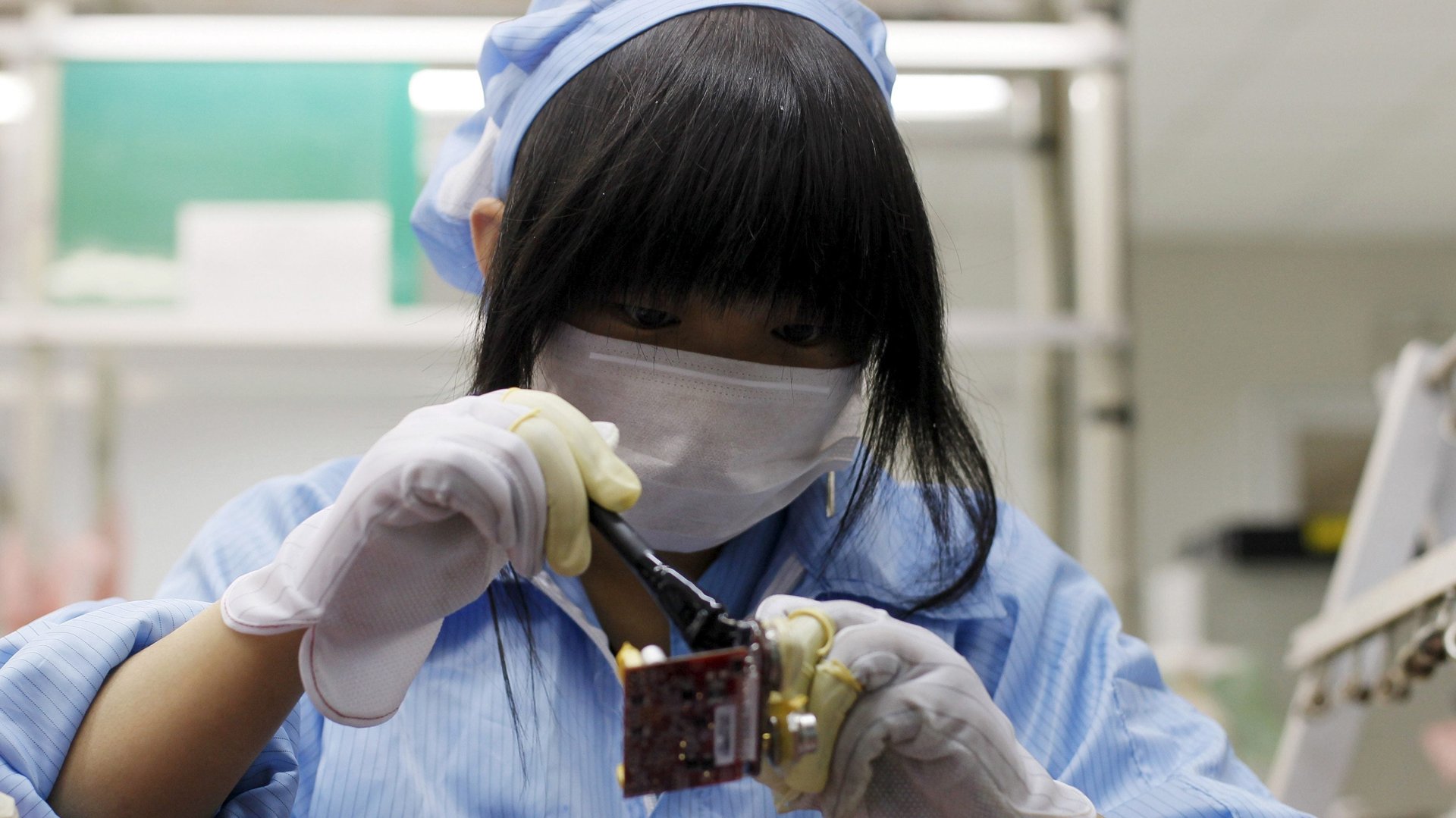
When Covid-19 shut down much of China through February, the crisis highlighted how dependent international companies truly are on Chinese manufacturing.

While sales of many non-essentials have plummeted because of Covid-19, there are some items shoppers are still buying.

The Paycheck Protection Program (PPP) was meant to be a government lifeline to small businesses, authorizing $349 billion in forgivable loans to companies with fewer than 500 employees (pdf) so they could keep paying employees amid the Covid-19 pandemic.

In New York, the US state hit hardest by Covid-19, the pandemic has disrupted life for millions. Non-essential businesses have been ordered to shut their doors and New Yorkers asked to remain at home as much as possible.

The story sounds more like the set-up to a drug deal than an effort to secure critical medical supplies. It involves a flight out to a small airport near an industrial warehouse, disguised semi-trailer trucks, and agents from the US Federal Bureau of Investigation (FBI).

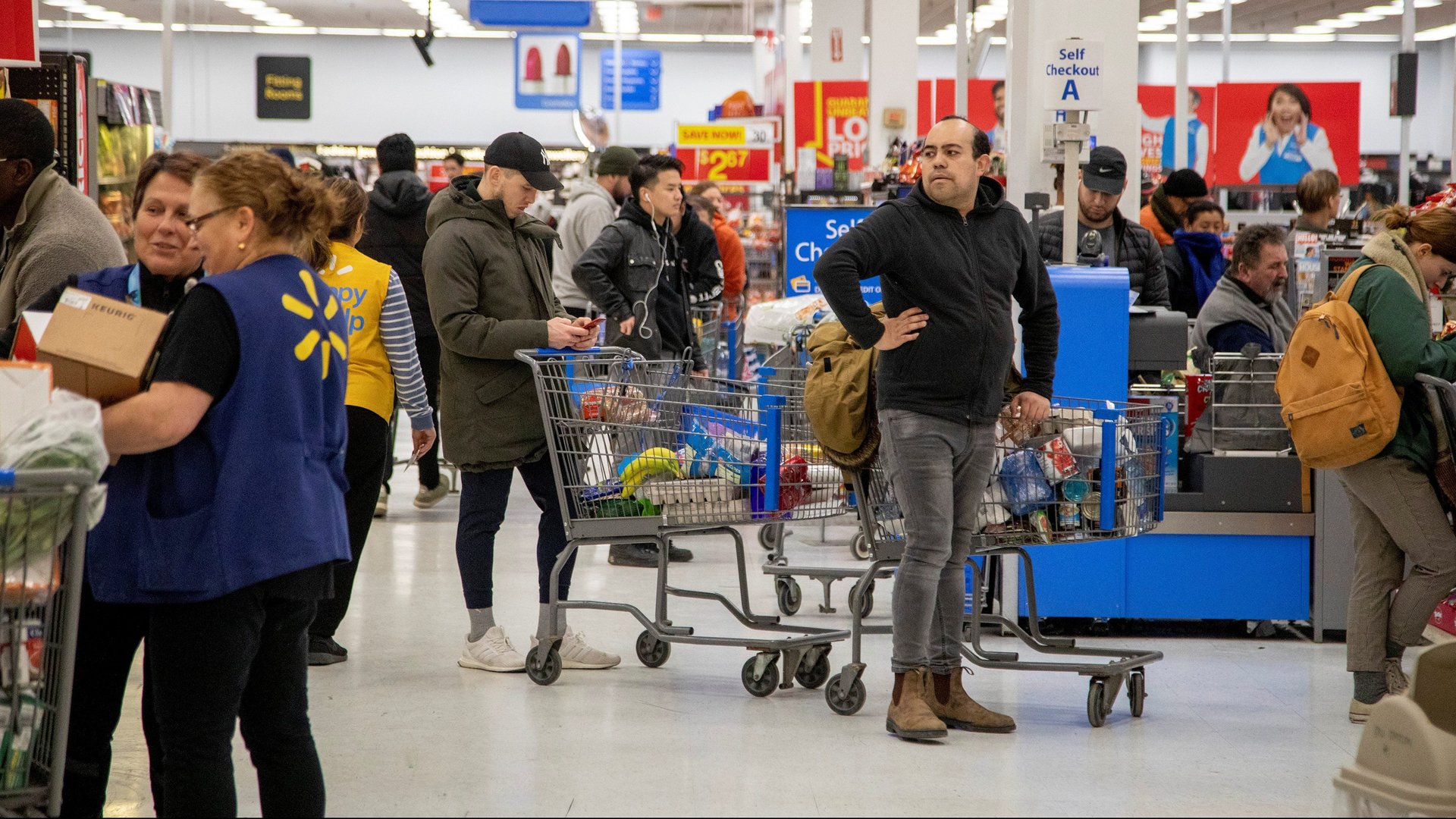
Walmart has announced a change in its face mask policy for employees. Once optional, masks will now be mandatory for workers in its stores, distribution and fulfillment centers, and in its corporate offices beginning Monday. The company will supply masks to employees who don’t have their own.

The efforts to halt the spread of Covid-19 have demanded dramatic changes in daily behavior, resulting in side effects such as a notable fall in air pollution (Quartz member exclusive).

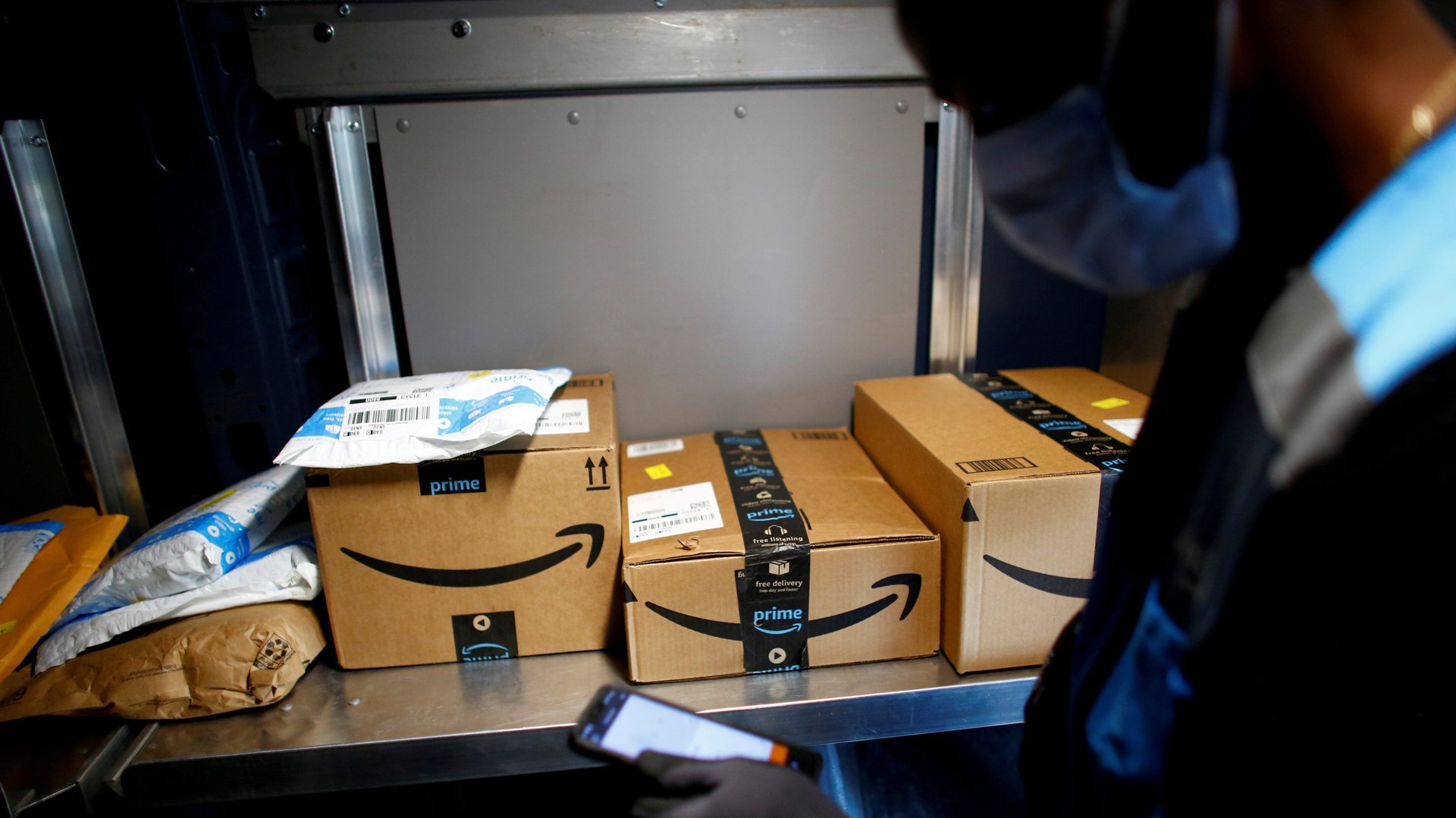
Amazon has shut down all six of its distribution centers in France following an April 14 ruling in a French court that Amazon hadn’t done enough to protect workers in its warehouses from Covid-19. The ruling limits Amazon to delivering only food, medical items, and hygiene products until it solves the problem.

On April 13, California-based denim maker True Religion filed for bankruptcy, citing the strain on its finances from the ongoing pandemic.

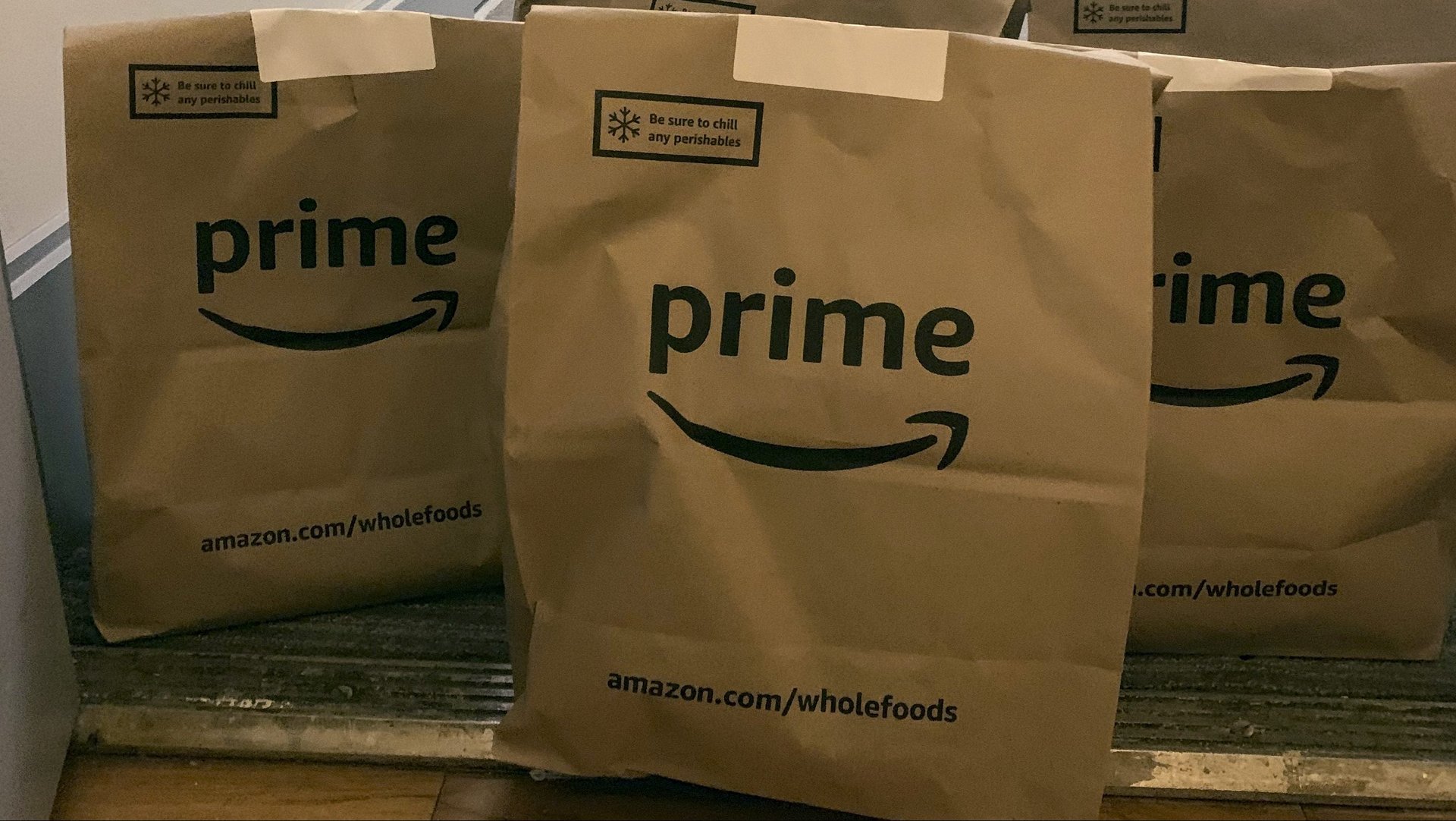
If you’re not already a customer of Amazon’s grocery delivery services, offered through Amazon Fresh or its Whole Foods supermarkets, you’ll now have to wait your turn to become one.

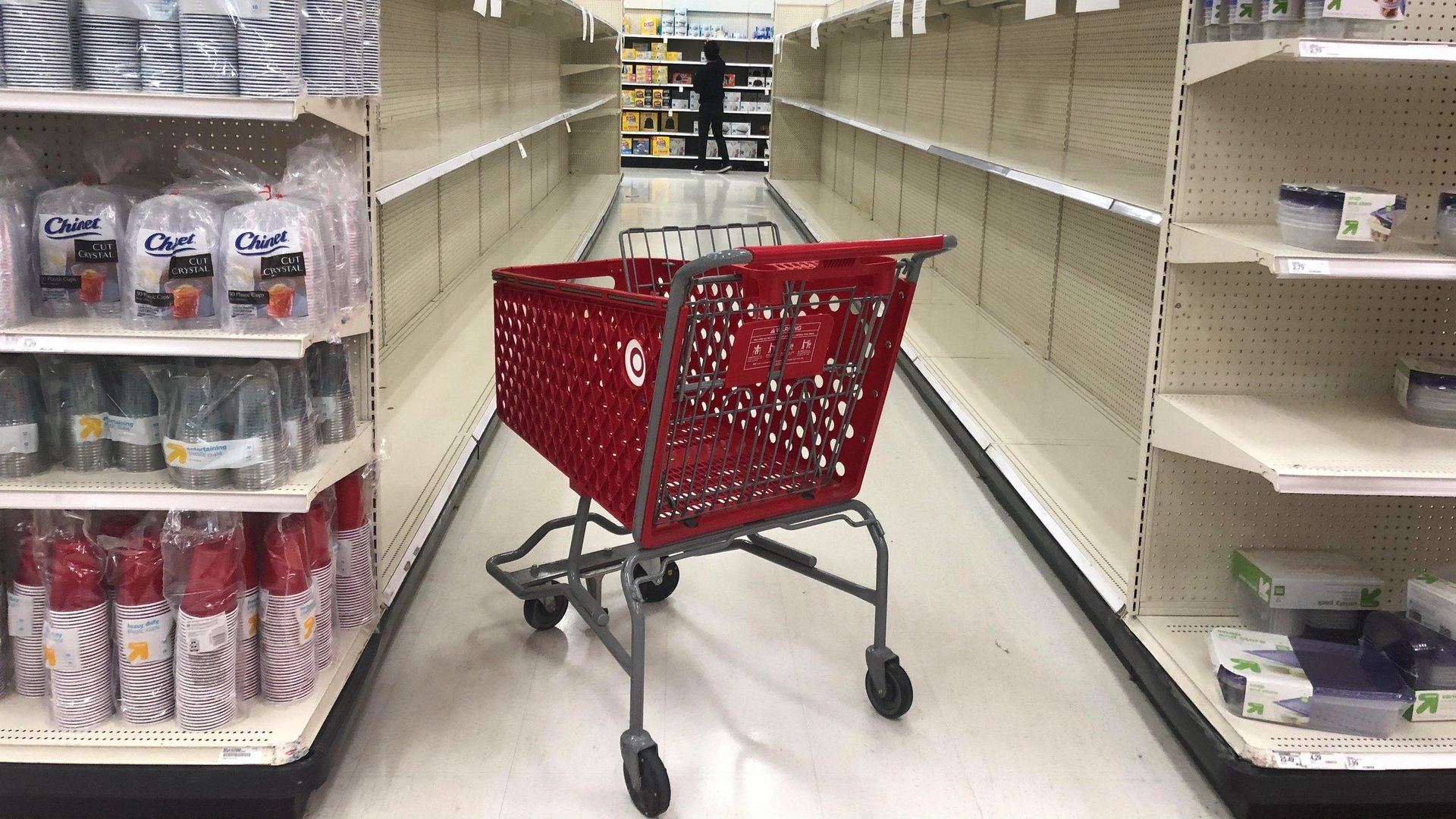
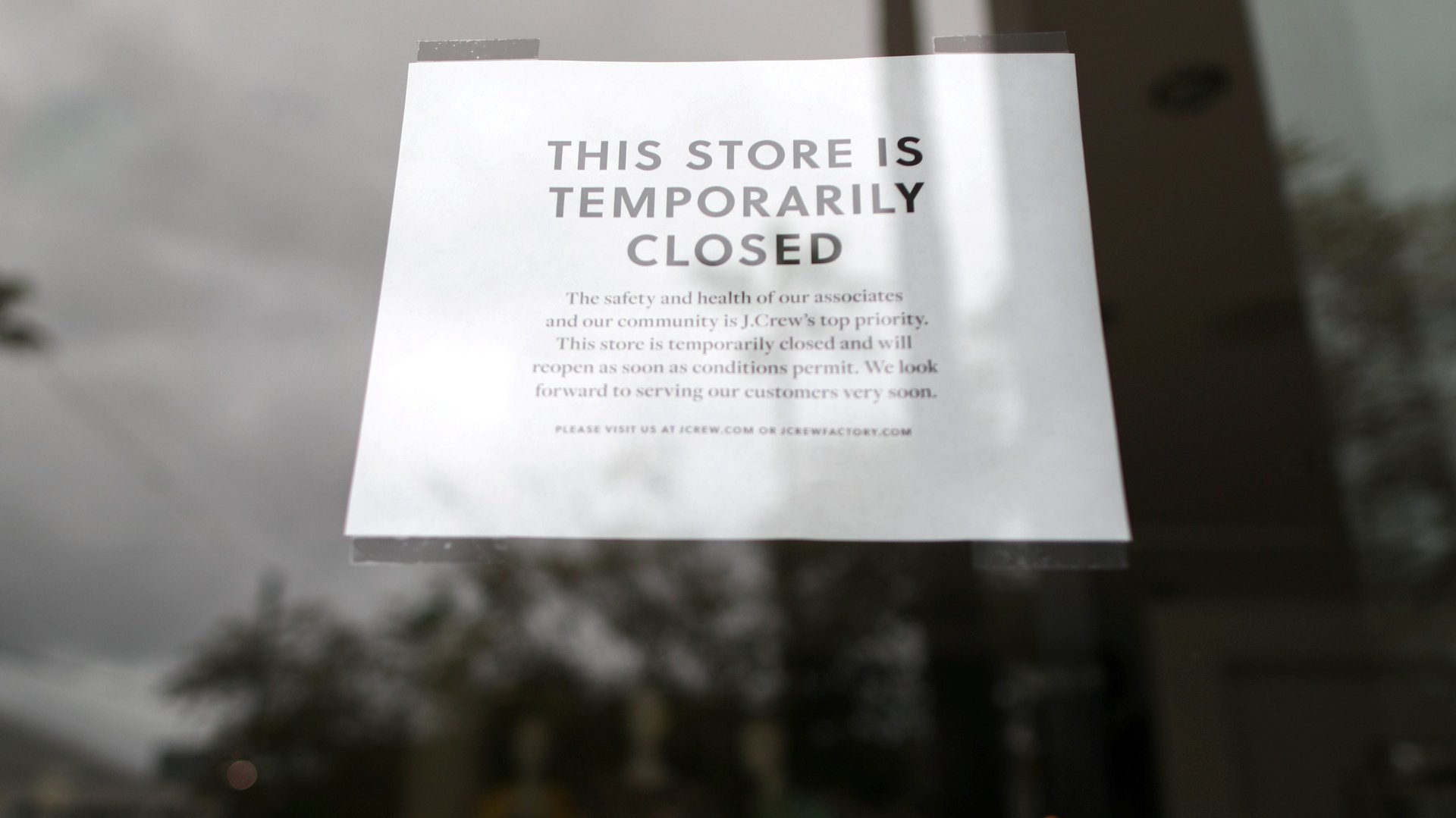
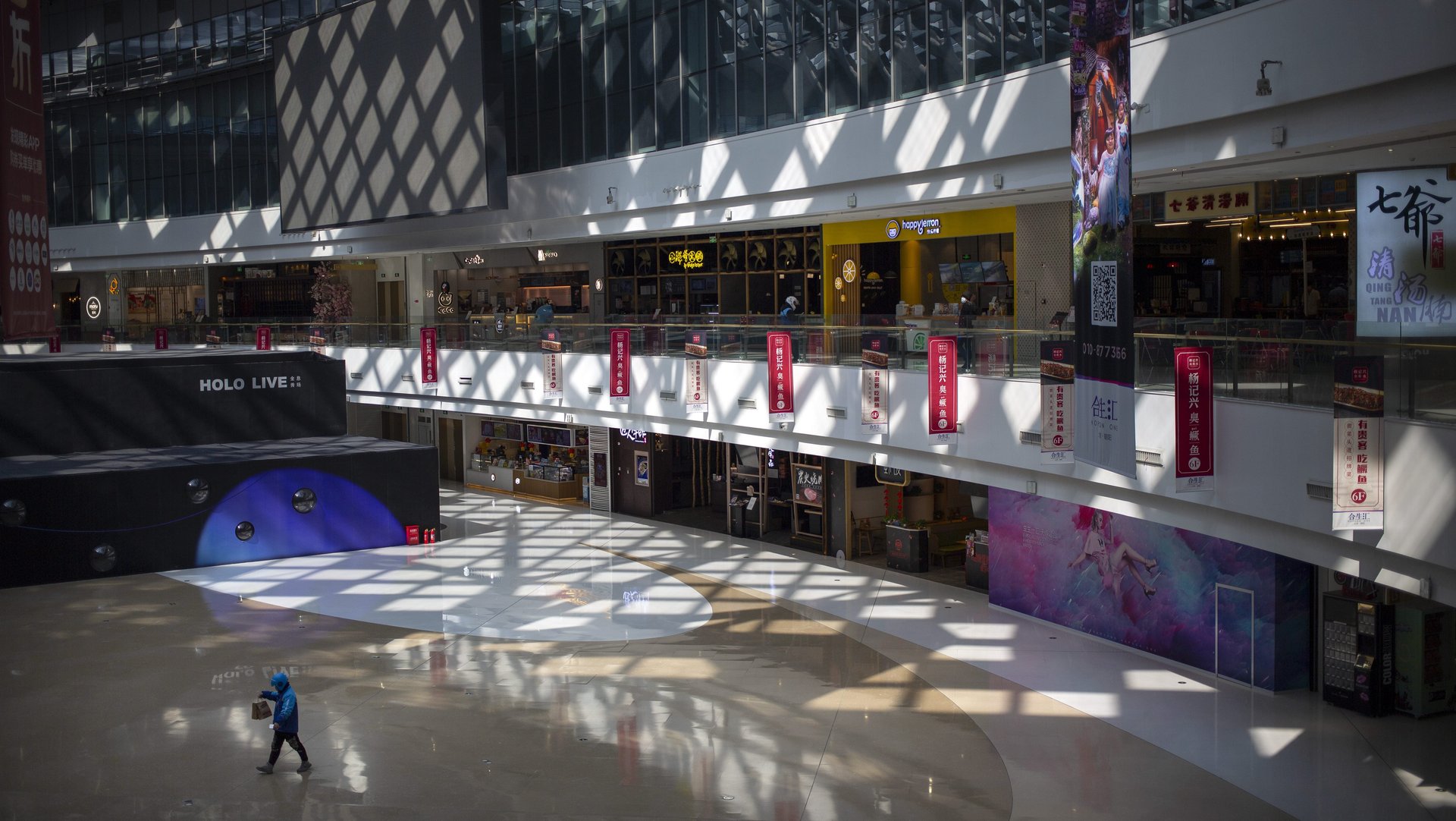
Around the US, stores selling non-essential goods are suffering. With stores closed and shoppers staying home due to Covid-19, retail traffic has all but vanished. Many companies have taken to cost-saving measures such as furloughing staff.

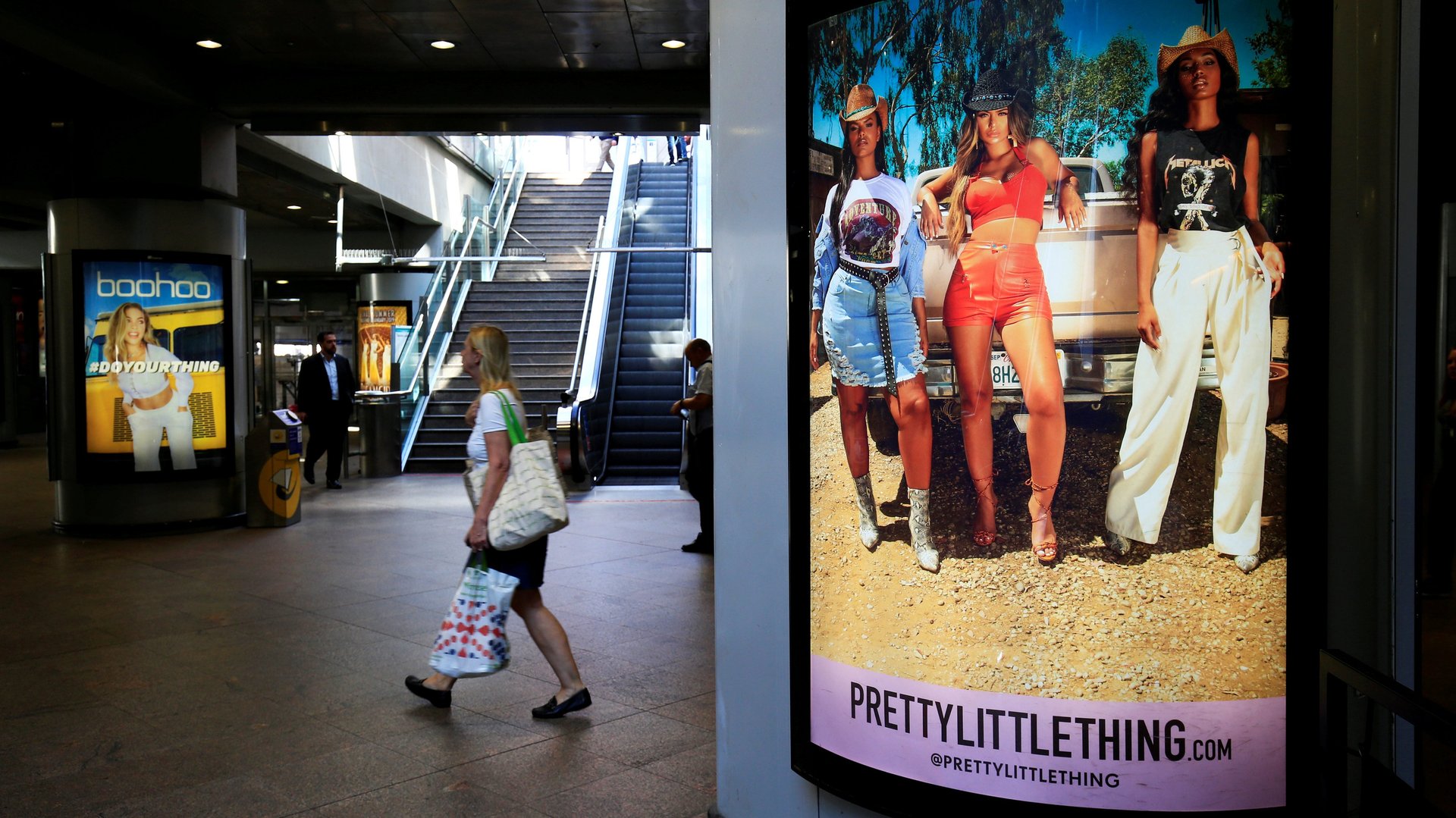
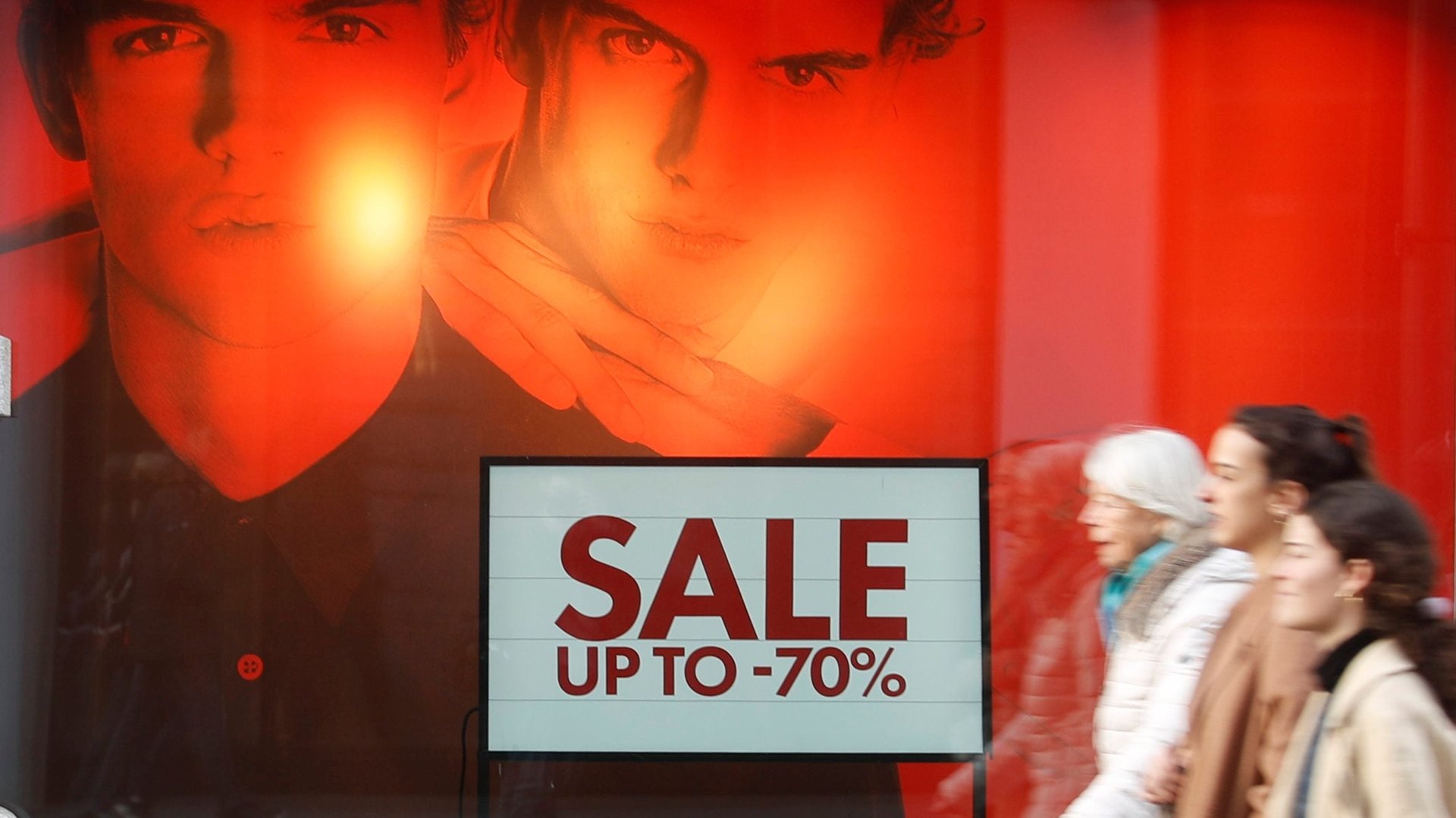
For fashion retailers, one of the lingering and most damaging effects of the 2008 recession was a dependence on discounts. After their sales tanked, companies leaned on promotions to clear out all the inventory sitting unsold and to get shoppers buying again. The problem, however, was that customers came to expect discounts and even years later hesitated to buy clothes at full price. Fashion players in the middle of the market—including mall retailers such as Banana Republic, department stores, and many of the brands carried by department stores—saw their margins squeezed and brand cachet diminish as they became known for always being on sale.

Ordering groceries from Amazon right now can feel like playing a game of whack-a-mole. Demand is so high among shoppers home-bound in the Covid-19 pandemic that in cities such as New York delivery slots are completely booked at Amazon Fresh and its Whole Foods grocery stores. When slots do pop up they can disappear again in an instant. The situation has prompted comments on Reddit and led a developer to post a tool on Github that automatically refreshes an open browser window in the background every 60 seconds until it finds an open slot. Meanwhile, items in a shopper’s cart can sell out as they wait and be removed without warning.

Nobody really knows what the world will look like on the other side of the Covid-19 pandemic. The only certainty is that it’s bound to be different. The crisis has already ushered the global economy into a recession, and seems poised to leave its mark on how consumers live, how they spend their money, and even how they dress.

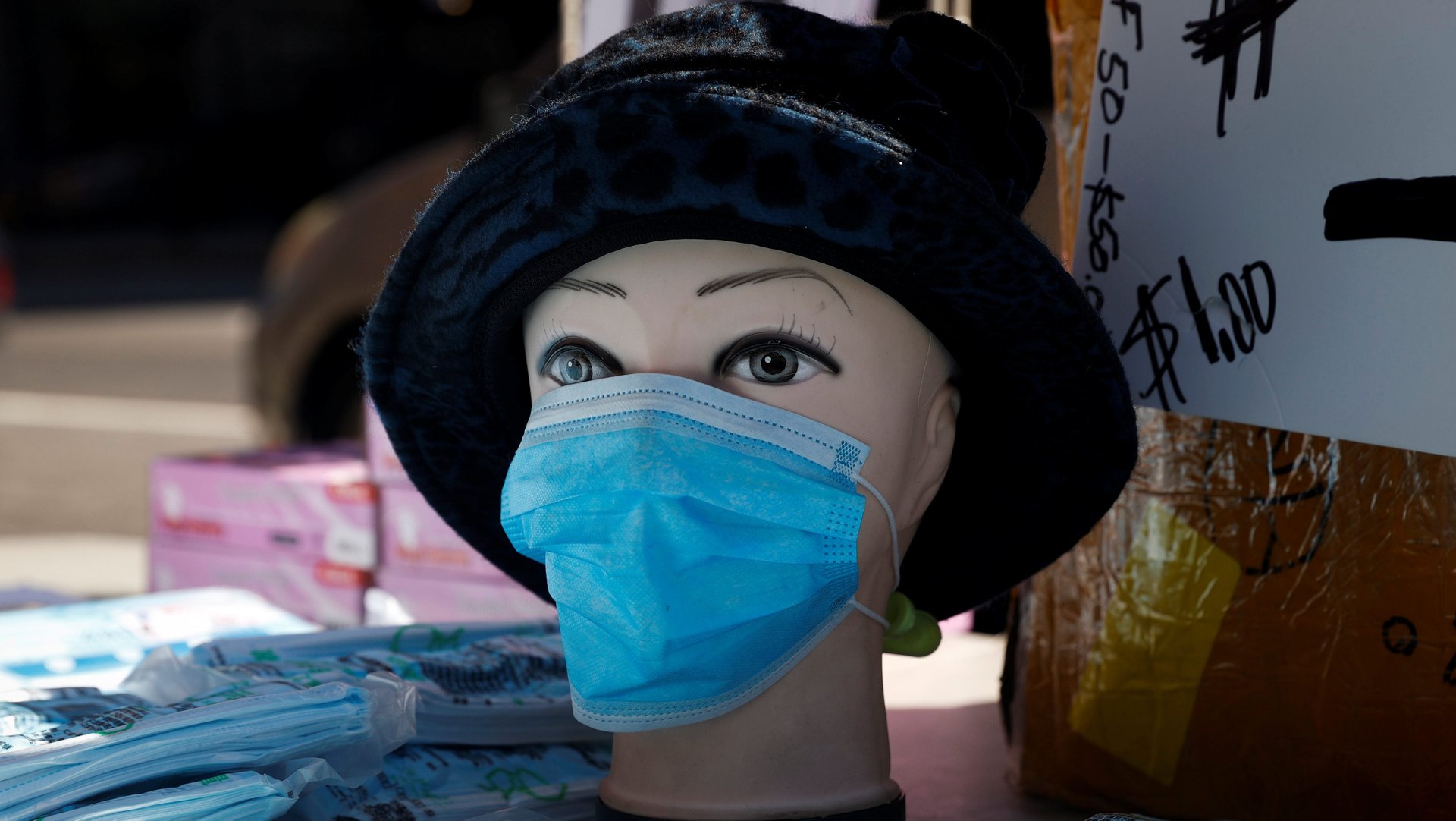
For weeks, US health authorities were clear in their message to the general public about who should and shouldn’t wear a face mask in the ongoing Covid-19 outbreak: If you were well and showing no symptoms, they recommended that you not wear a mask.

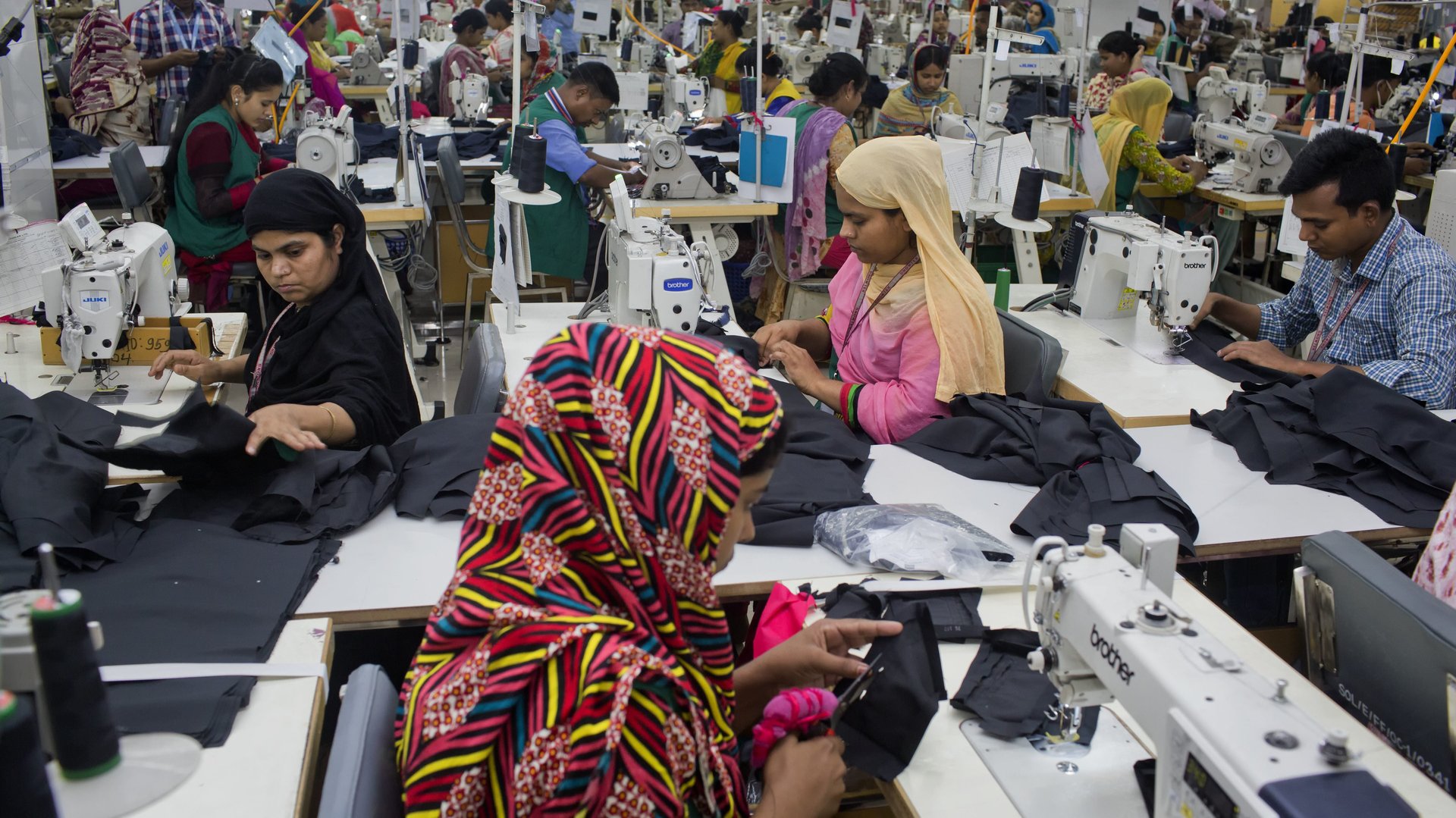
For many of the 4.1 million workers in Bangladesh’s garment industry, their income from stitching clothes for customers, which include some of the world’s largest fashion companies, can be critical to survival.

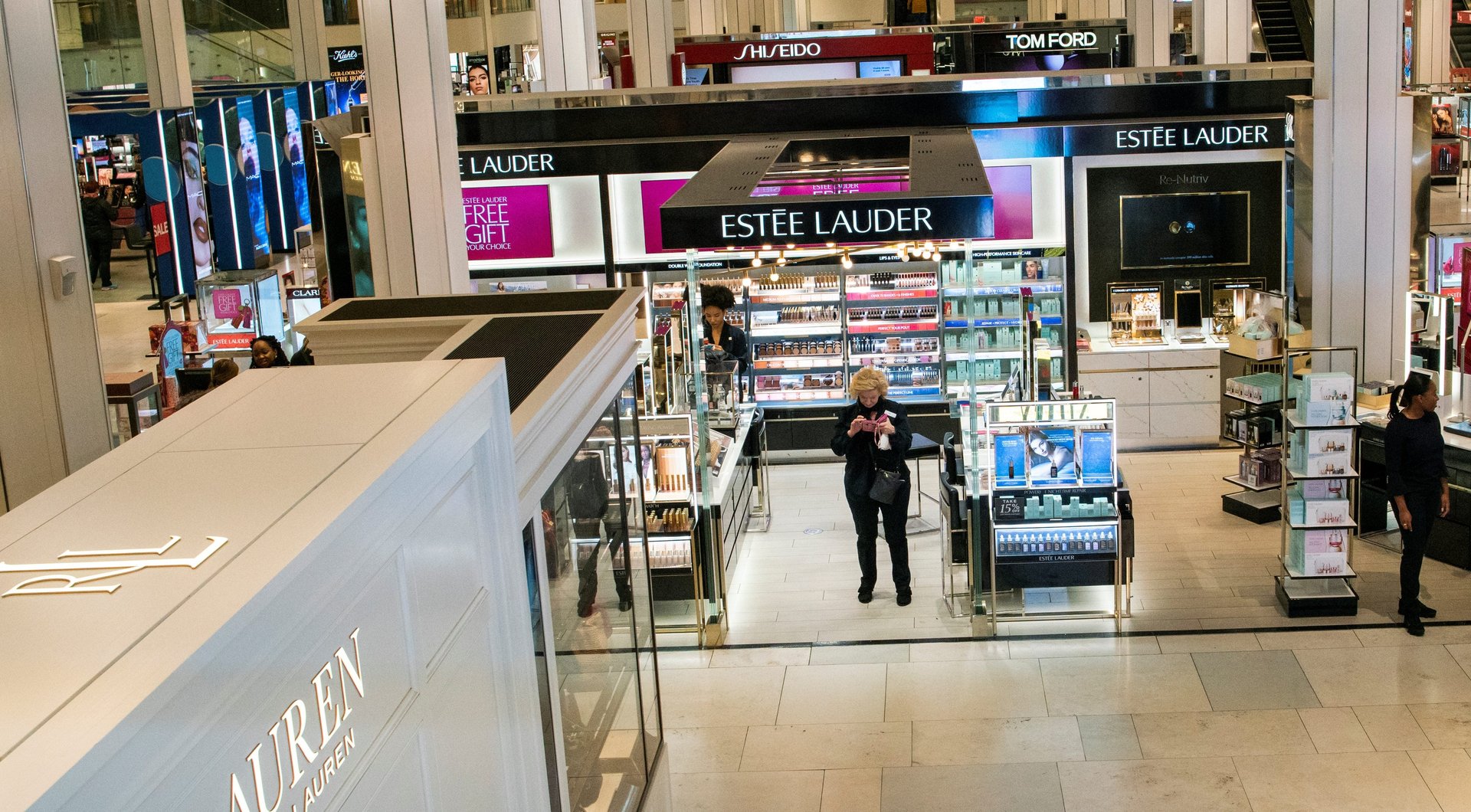
At many malls and retail stores around the US, foot traffic has been in decline for some time.

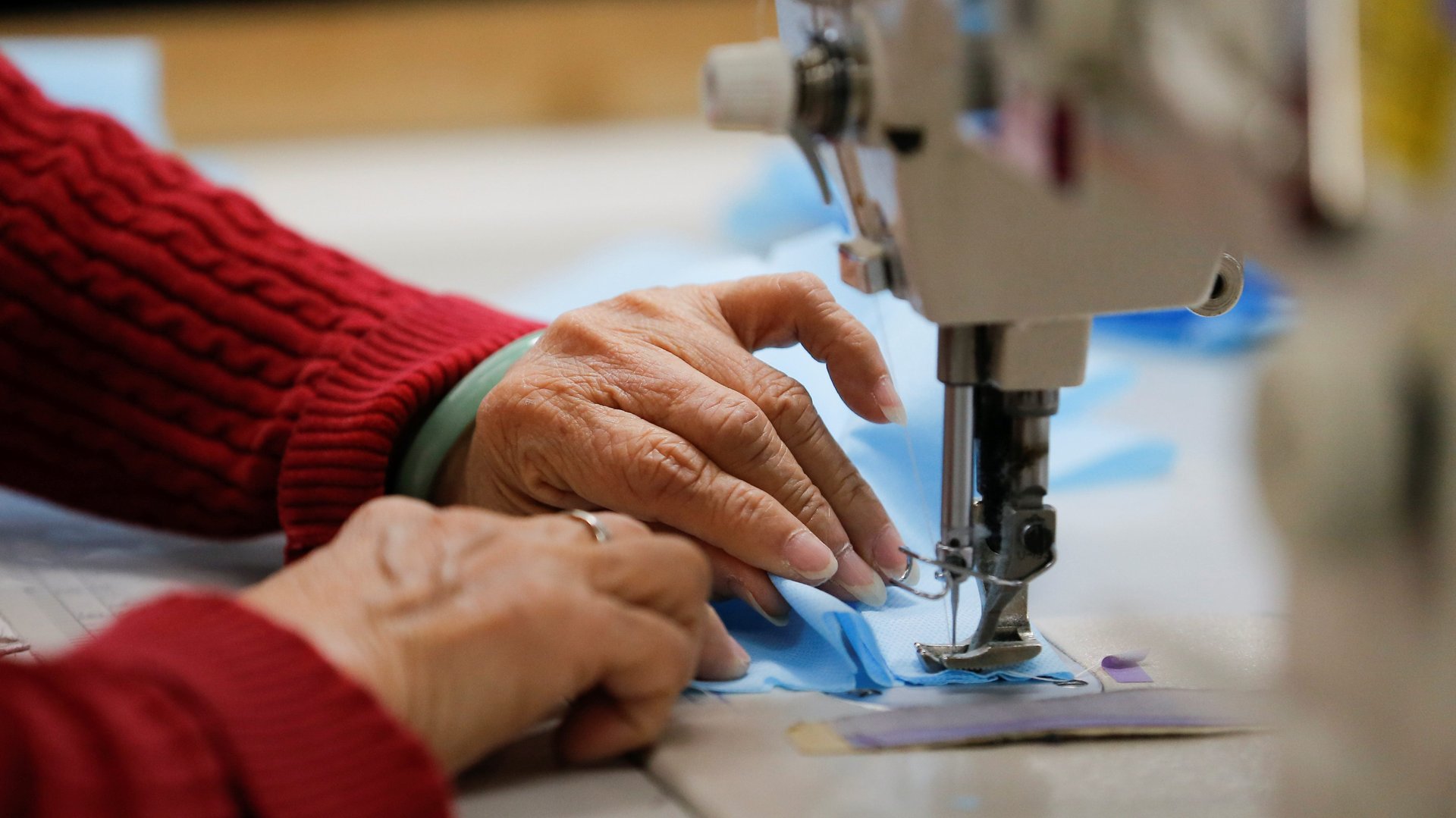
Across the US, clothing companies and legions of home sewers are churning out face masks as fast as they can to meet the critical shortage of masks available to American medical workers. It’s a heartening and admirable effort by both companies and individuals to assist in a moment of national need.

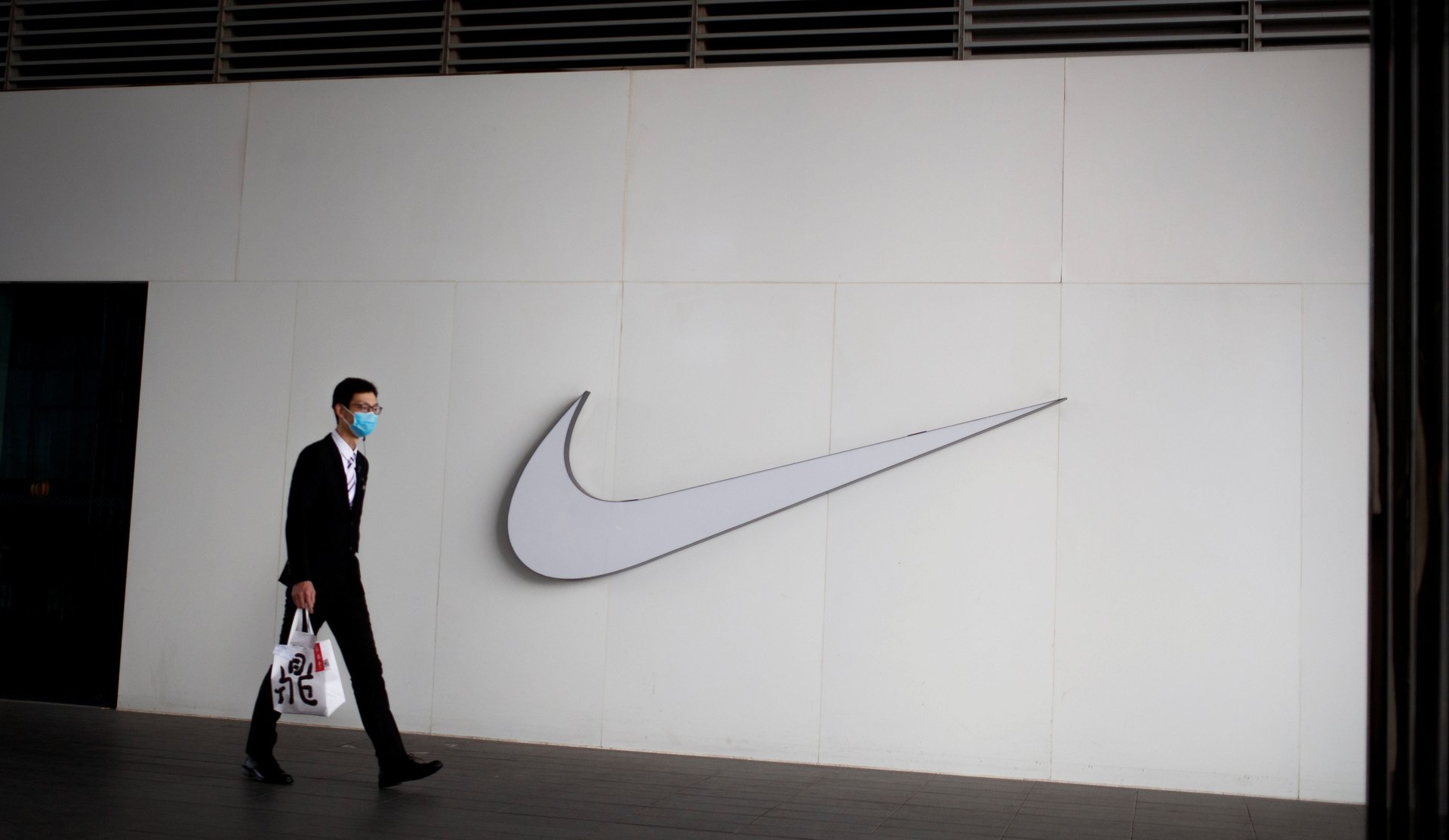
By mid-February, as Covid-19 disrupted daily life across China, Nike had shut more than 5,000 of its roughly 7,000 directly owned and partner-operated stores in the country, according to the company. Business in those locations froze. But Nike’s online operations did not.