
Lifestyle
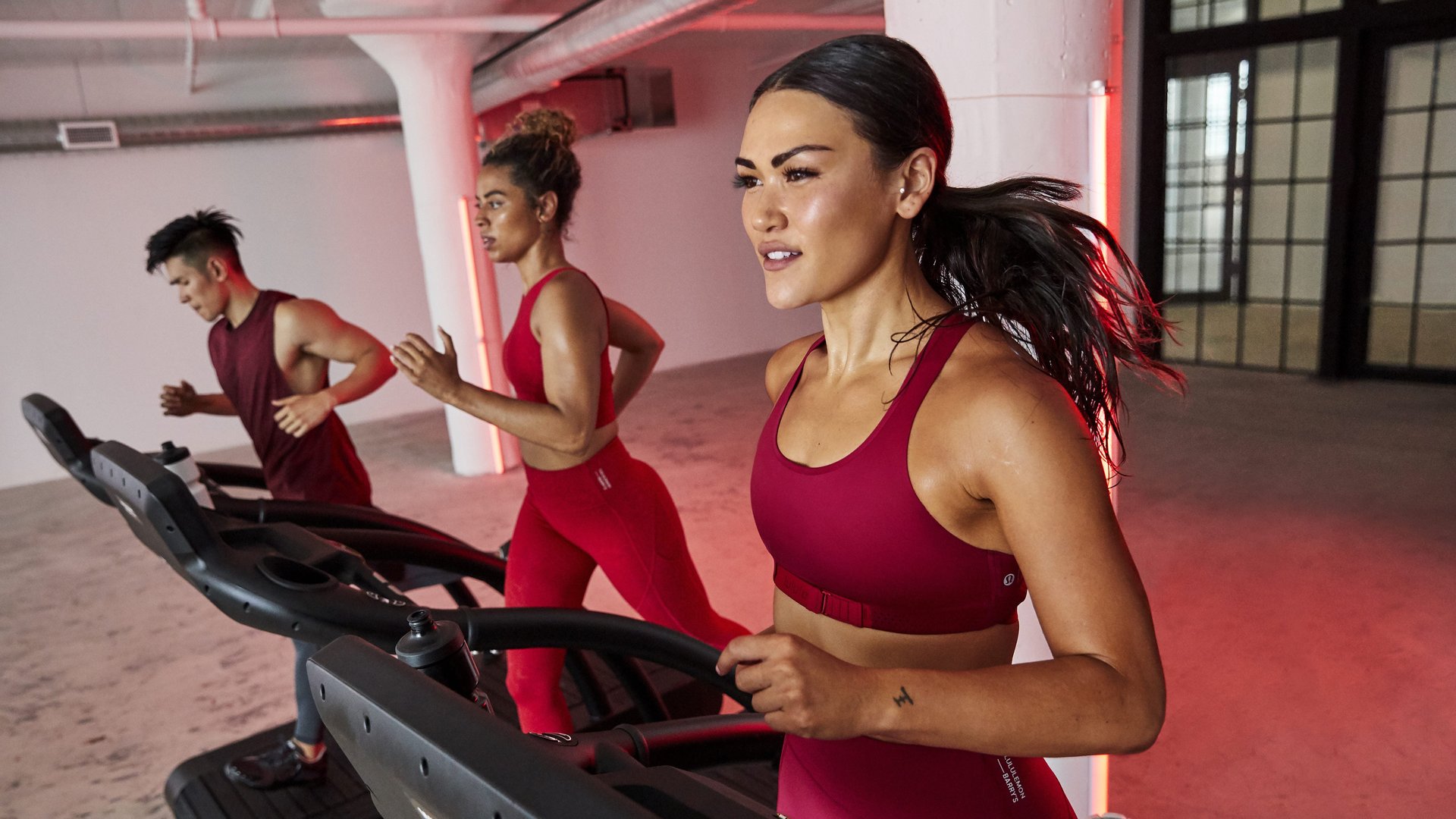
The rise in single American women should be great for activewear brandsThe share of unmarried American women is on the rise as more women in the US delay marriage or forgo nuptials entirely.
Updated July 21, 20223 min read
The share of unmarried American women is on the rise as more women in the US delay marriage or forgo nuptials entirely.
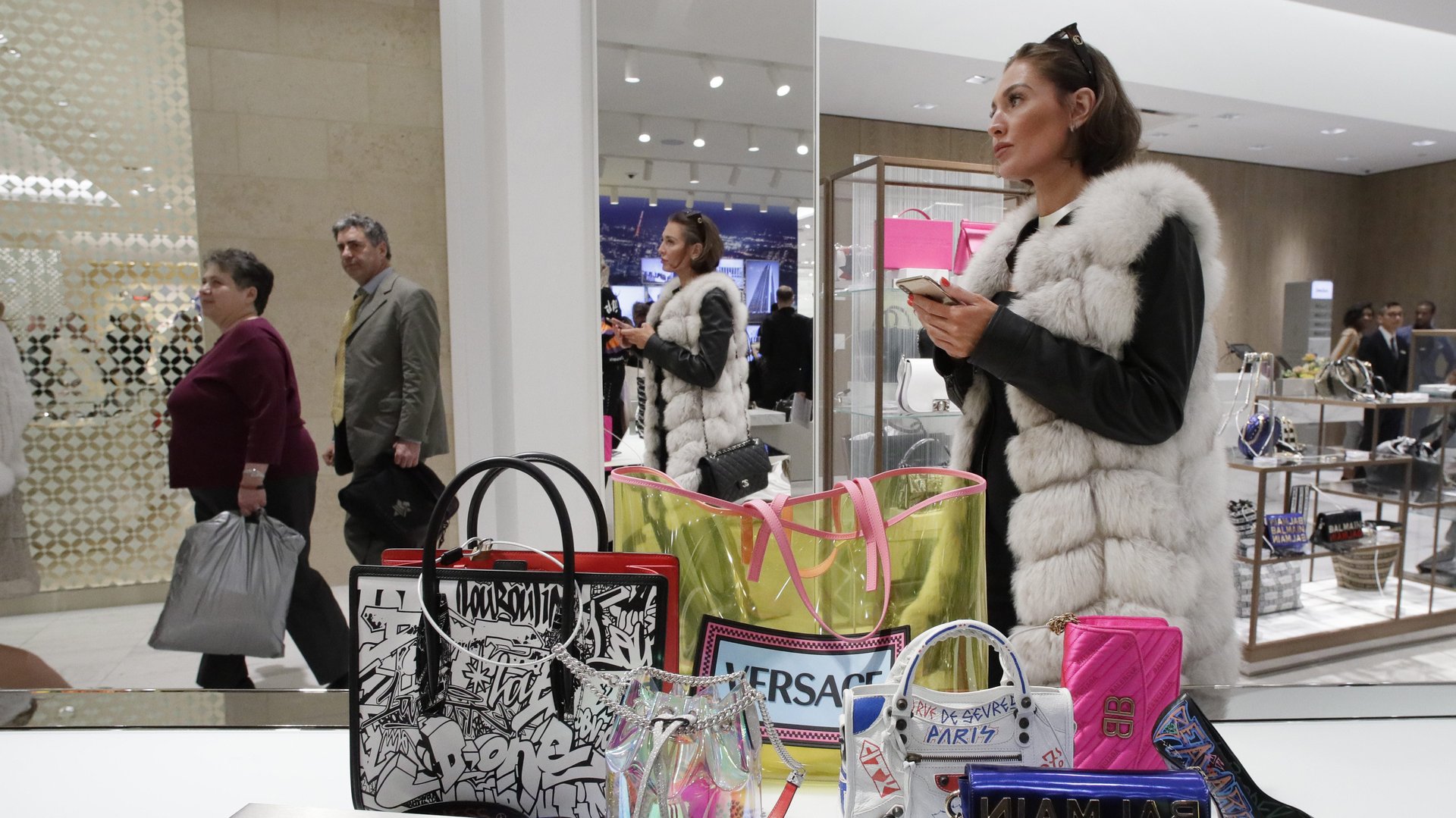
On Sept. 1, when the US is scheduled to impose a new 10% tariff on imports of select Chinese-made clothing and footwear, women will likely feel the impact more than men.
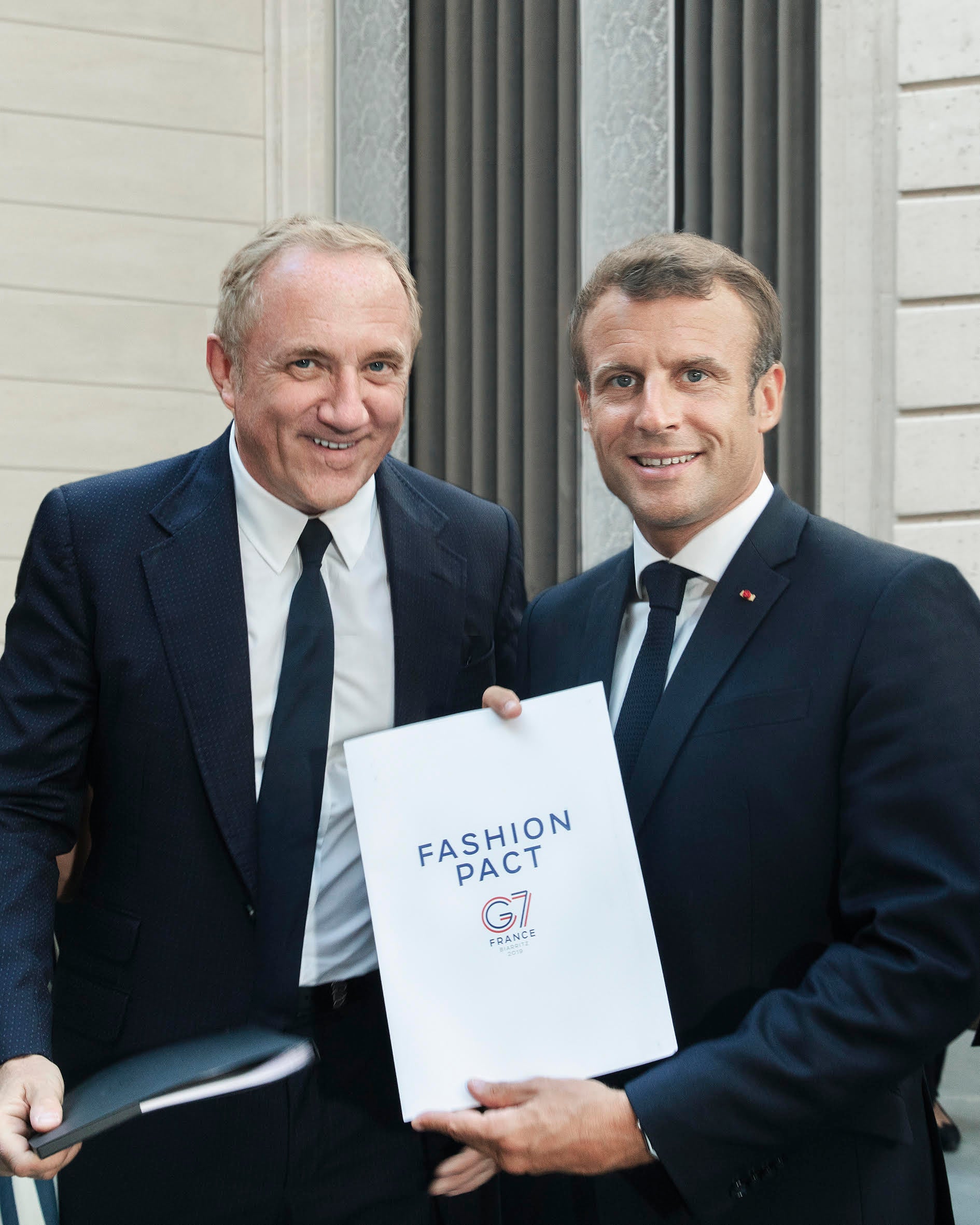
Many of fashion’s biggest and most influential companies have created a pact to address the industry’s effect on the environment, an issue so concerning that one United Nations agency last year labeled it an “emergency.” Among them are businesses from across the sector including French luxury giant Kering (owner of Gucci and Saint Laurent), Adidas, Chanel, Nike, Hermès, H&M, Inditex (owner of Zara), Burberry, PVH Corp (owner of Calvin Klein and Tommy Hilfiger), and Prada. In total 32 companies have joined.
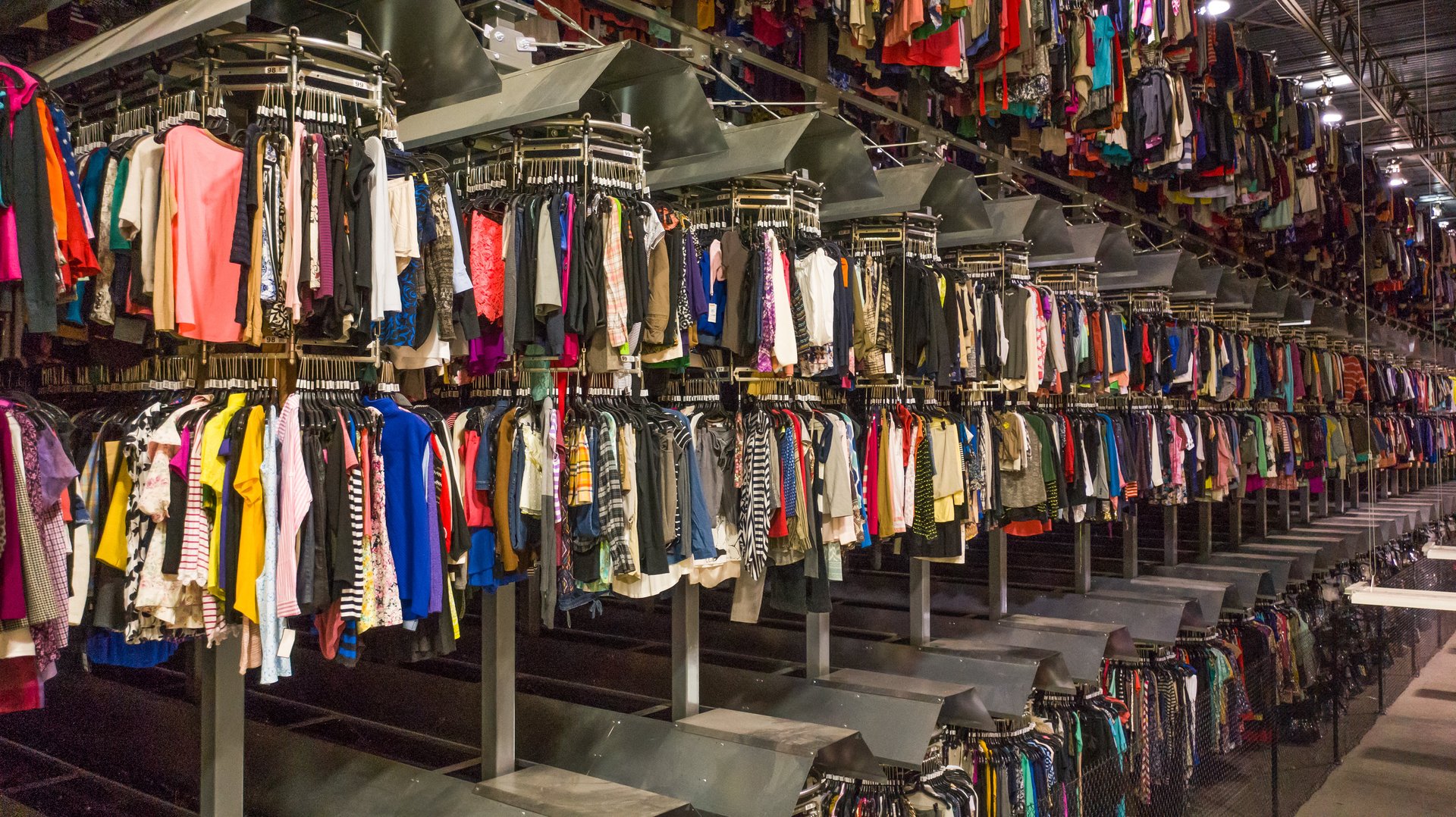
ThredUp built its business by selling used clothes from big retailers, marrying the strength of known brands with budget prices. Today, it’s expanding its approach, announcing a program called Resale-As-A-Service (RAAS) that could make it easier for stores to get in on those secondhand sales.
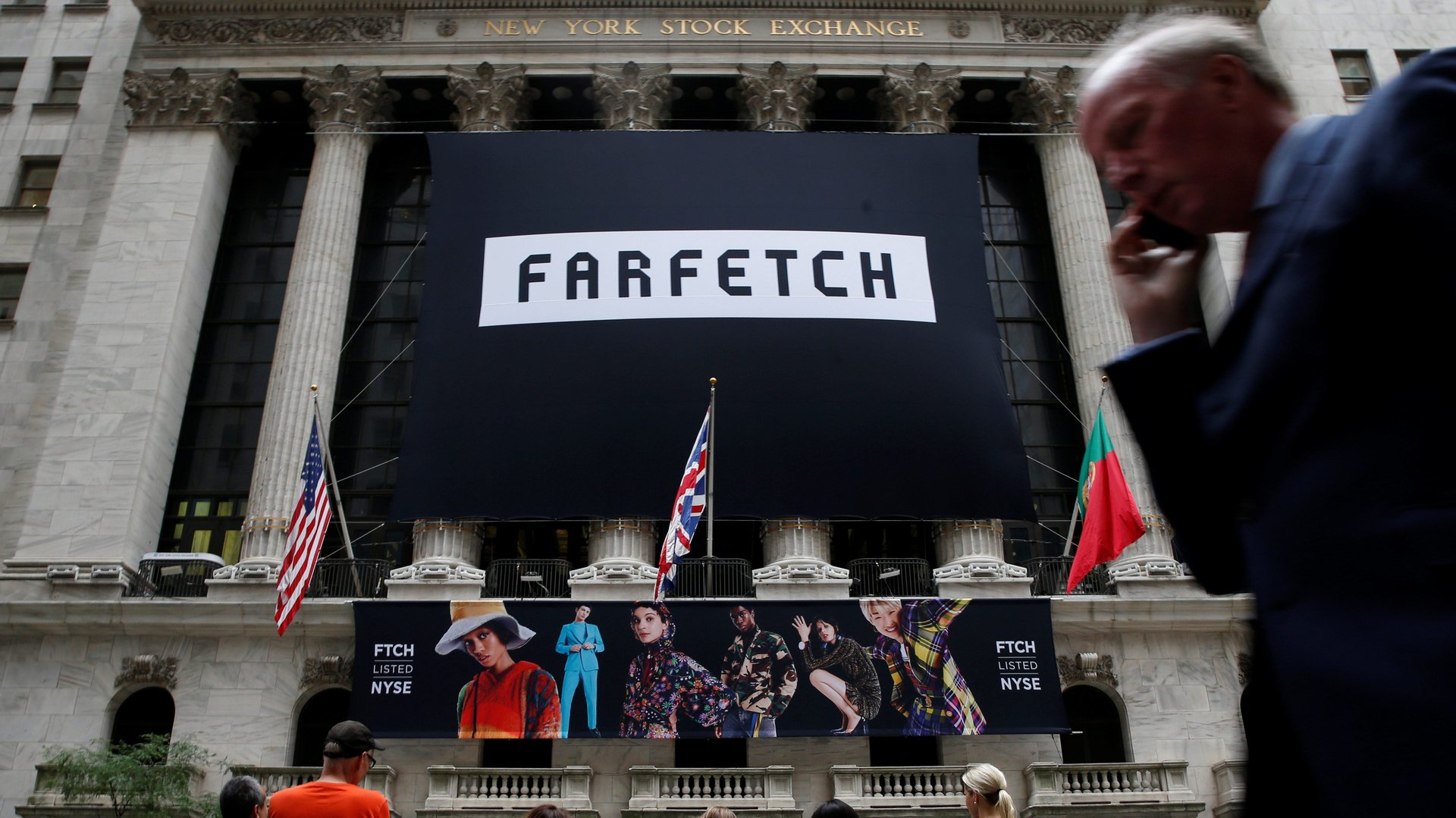
Going public has its tradeoffs. A company can raise a lot of money by listing its shares. But it also becomes beholden to a whole new set of investors, who now shape the company’s story via its stock price. It’s a challenge Farfetch has been grappling with as it approaches the one-year anniversary of its initial public offering.
There’s never been a better time—or more need—to buy your clothes used. At least that’s the case I made in a recent story on the burgeoning fashion resale market.

When I first started buying used clothes, it had nothing to do with sustainability. I was learning about fashion through online forums, and browsing the buy-and-sell marketplaces they had for members. The more I learned, the more eager I became to grab pieces from old collections or discover bargains on new ones. Eventually, I was monitoring these sites, as well as eBay and even Japanese marketplaces, looking for rare finds.

Picture Audrey Hepburn as Holly Golightly in Breakfast at Tiffany’s, staring through the Tiffany window in a black Givenchy dress with her coffee and pastry. Now swap her out for a guy in a black Givenchy t-shirt and you’ll have a sense of Tiffany’s new target customer.

Equinox and SoulCycle have been facing threats of a boycott since word spread that Stephen Ross, billionaire chairman of the high-end fitness brands’ parent company, would host a Hamptons fundraiser for Donald Trump.
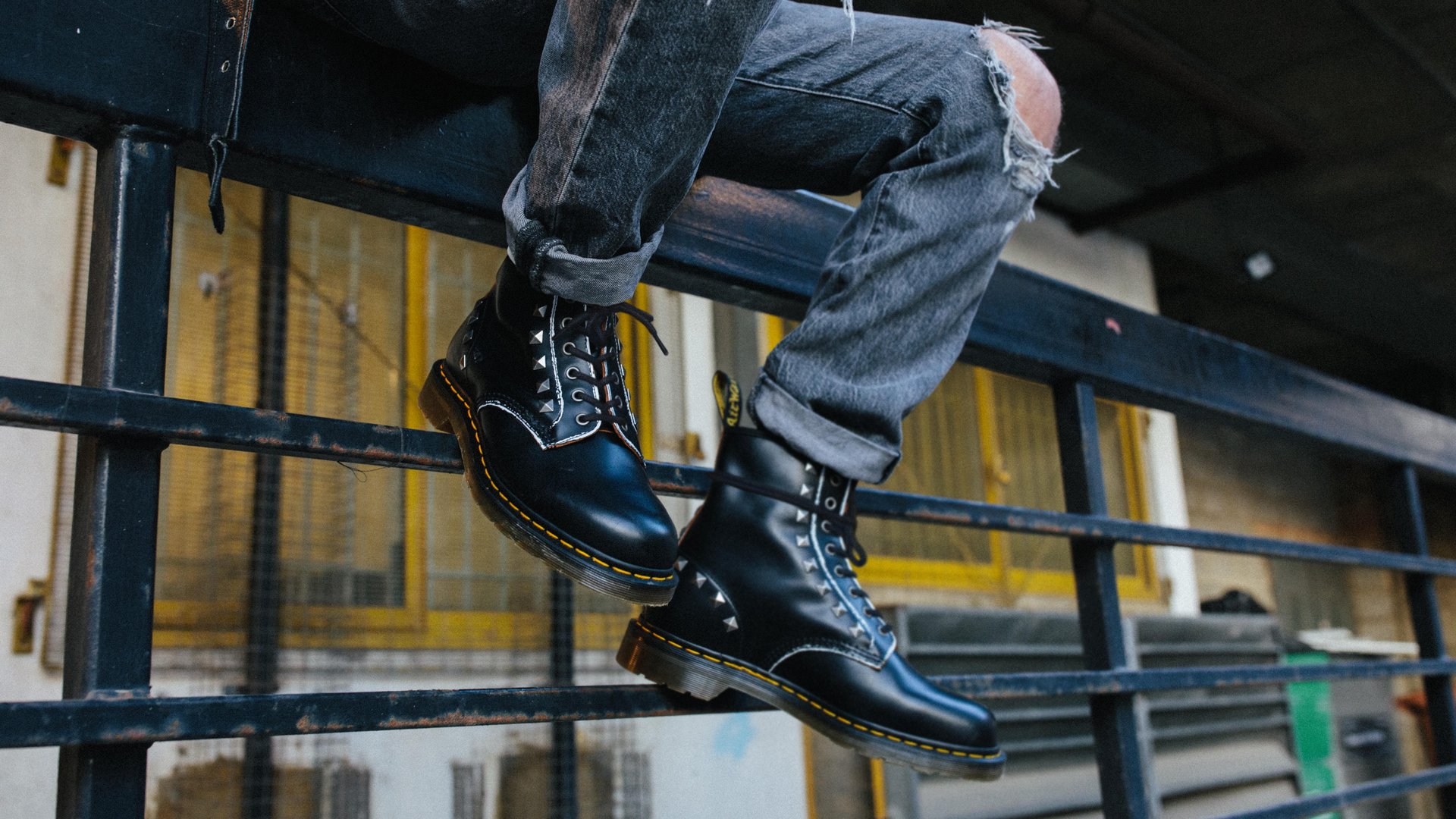
A tough leather upper, air-cushioned sole, and yellow stitching have been key ingredients in Dr. Martens’s staple boots for decades. Now the company is also selling plenty that dispense with the leather entirely.
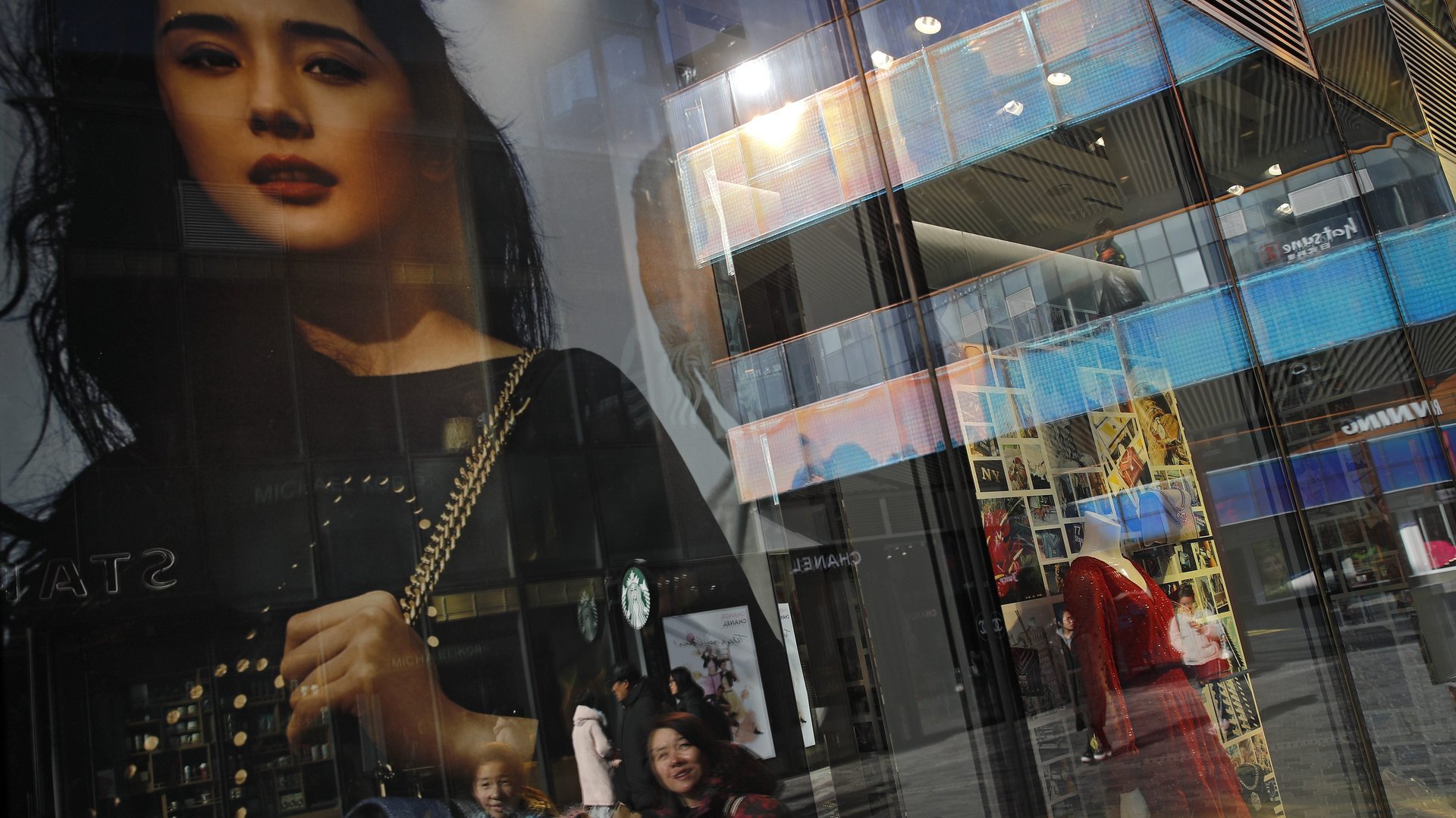
It’s a trend. After Versace offered its “deepest apologies” to China over the weekend for apparently disrespecting its sovereignty, Coach and Givenchy have followed suit.
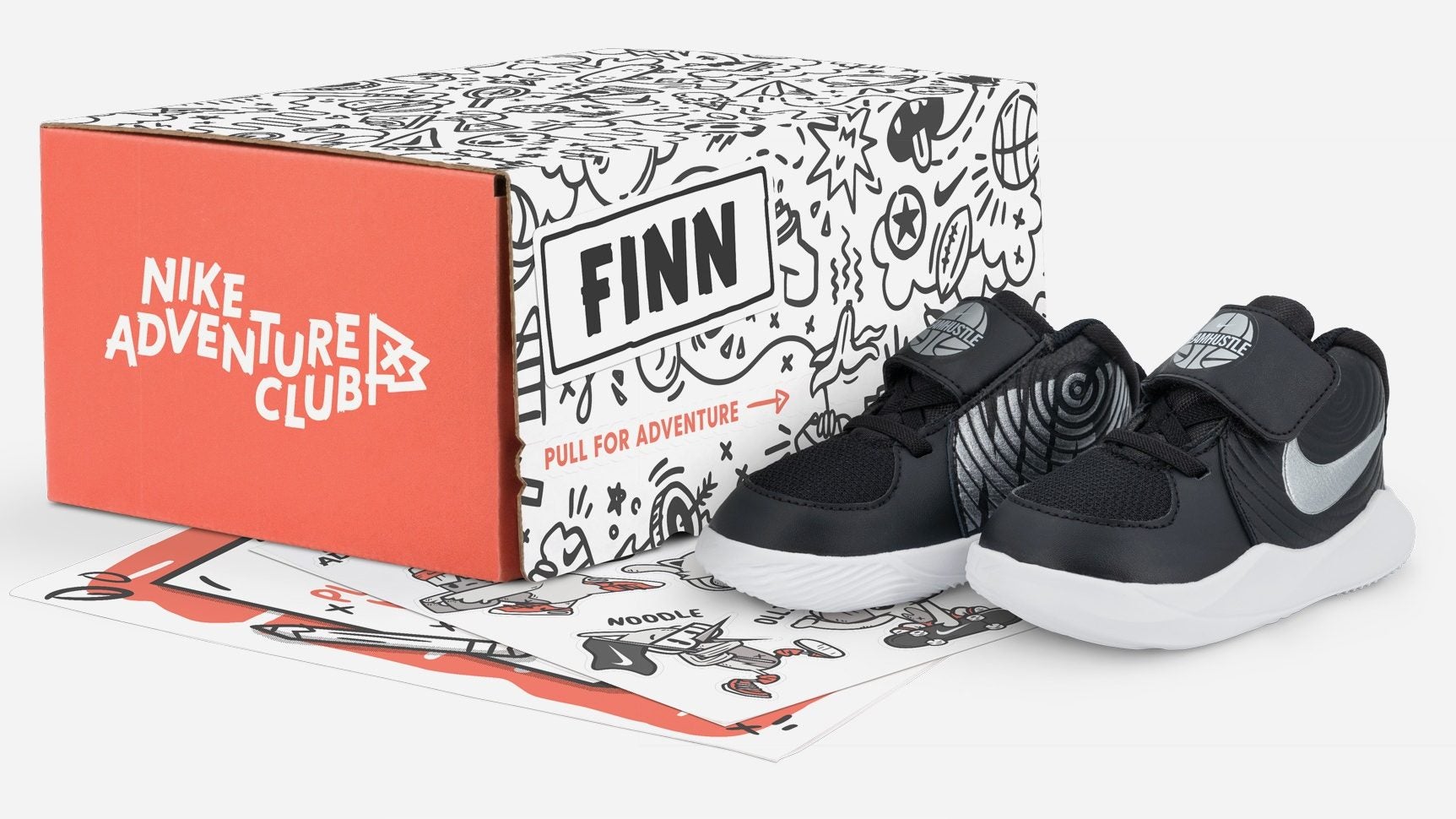
For two years, Nike has been testing a subscription plan for kids sneakers, without letting on that it was an in-house Nike project. Formerly known as Easy Kicks, the initiative is now being rebranded as Nike Adventure Club, a program Nike says is intended to make it easy for parents to keep up with their kids’ fast-growing feet and tendency to trash sneakers quickly.

Shopping websites have ways of getting you to do what they want, and the sneakiest design and interface tricks they use are known as “dark patterns.” According to an extensive analysis from Princeton University and the University of Chicago, dark patterns appear on more than 11% of roughly 11,000 shopping sites studied.
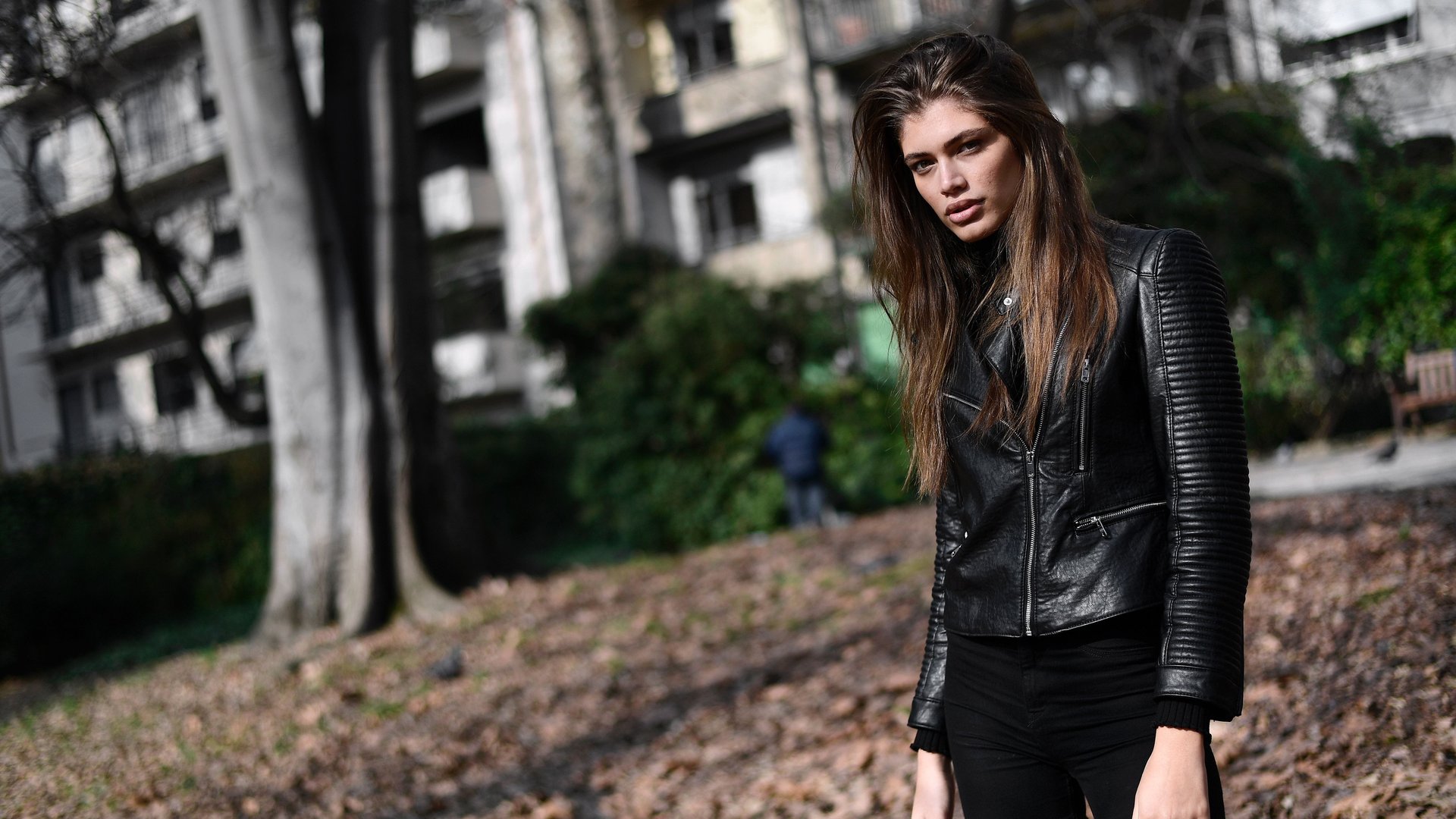
Victoria’s Secret has hired its first openly transgender model for an advertising campaign—a milestone for any major US retail brand, but especially this one.
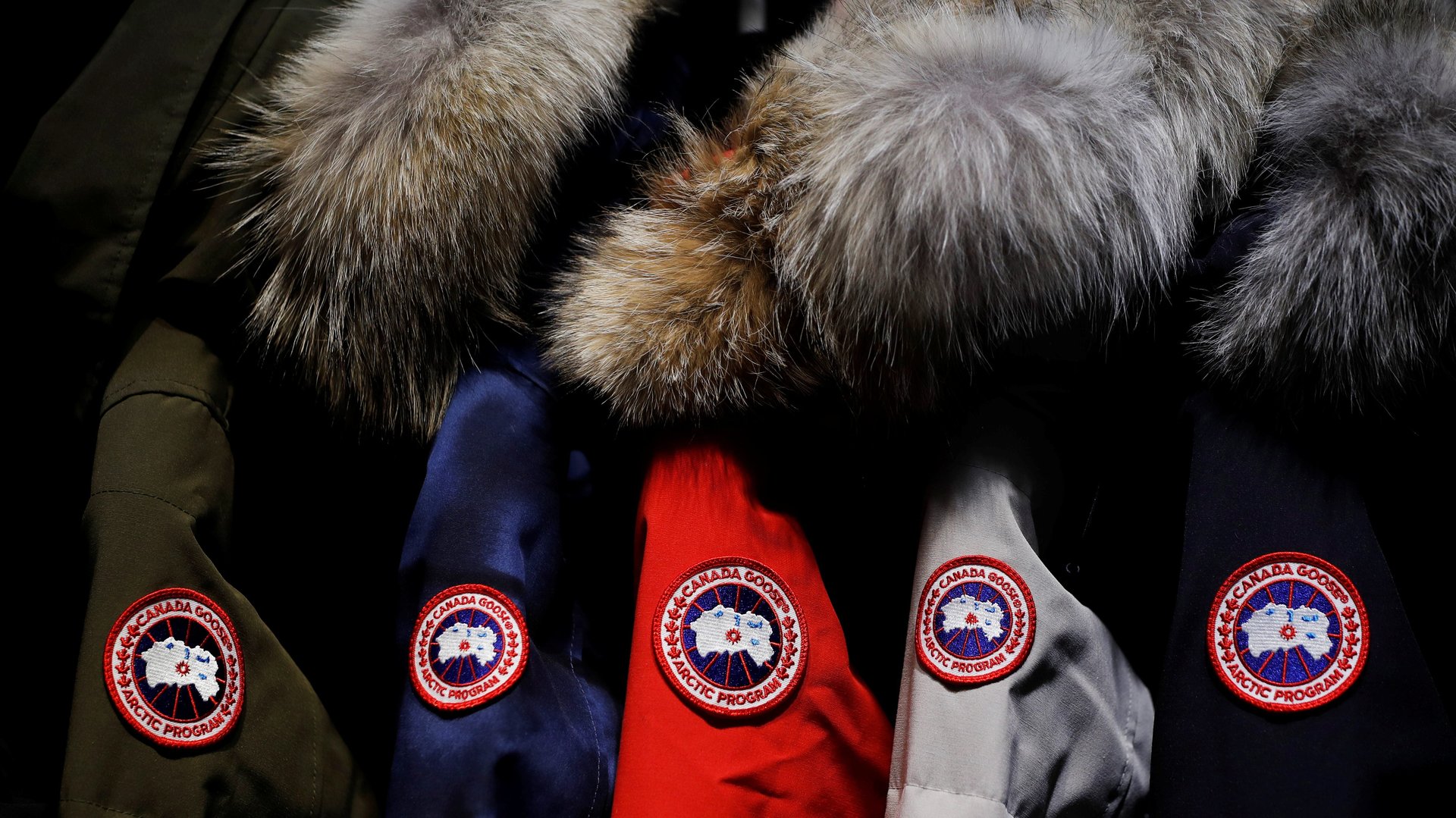
Canada Goose is pushing back on claims that it changed its website’s marketing language about ethical sourcing of animal parts and removed a video of a former goose-down supplier because they were flagged as false advertising.
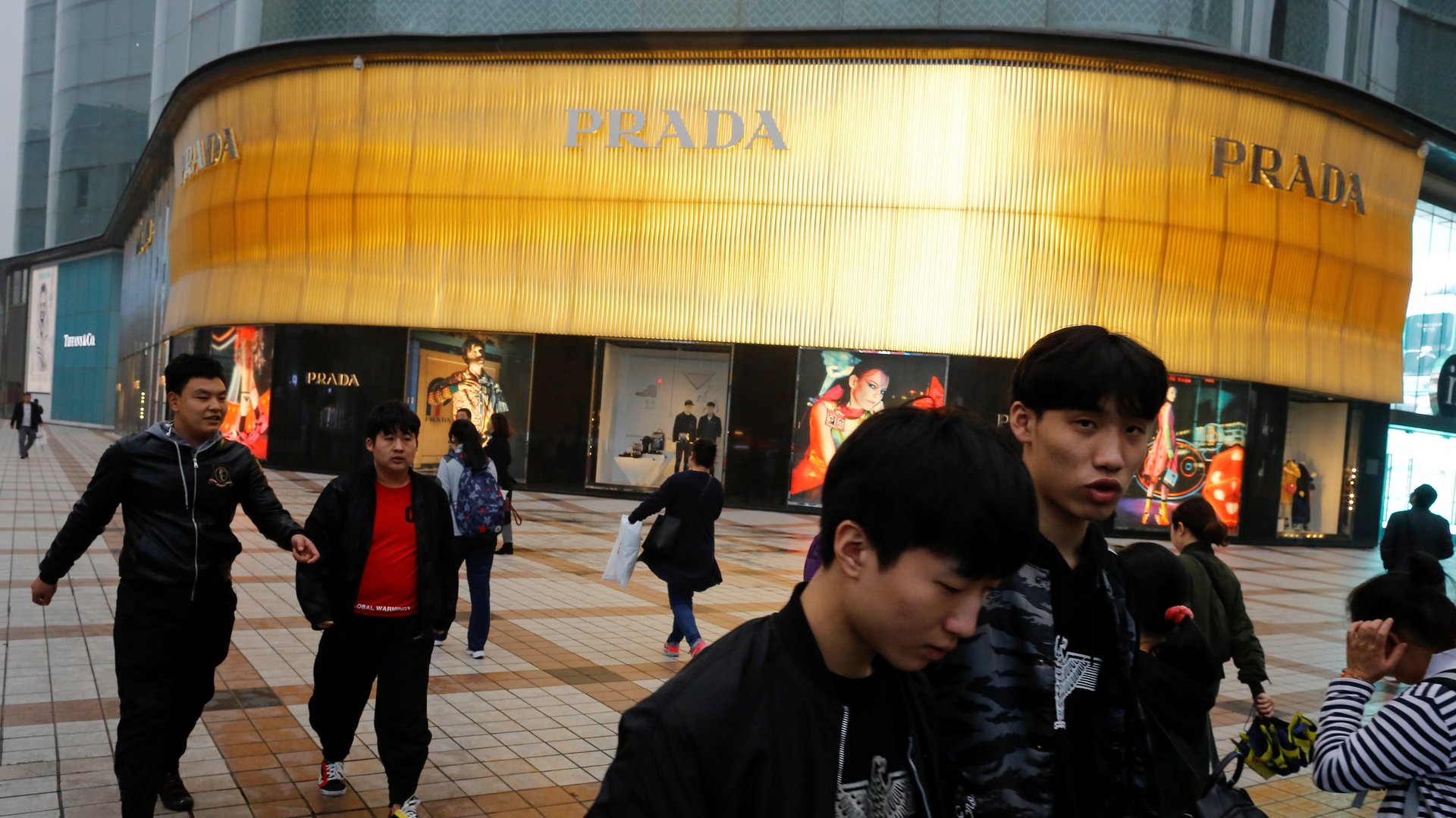
While its biggest rivals are thriving in China, Prada lately finds itself struggling there.
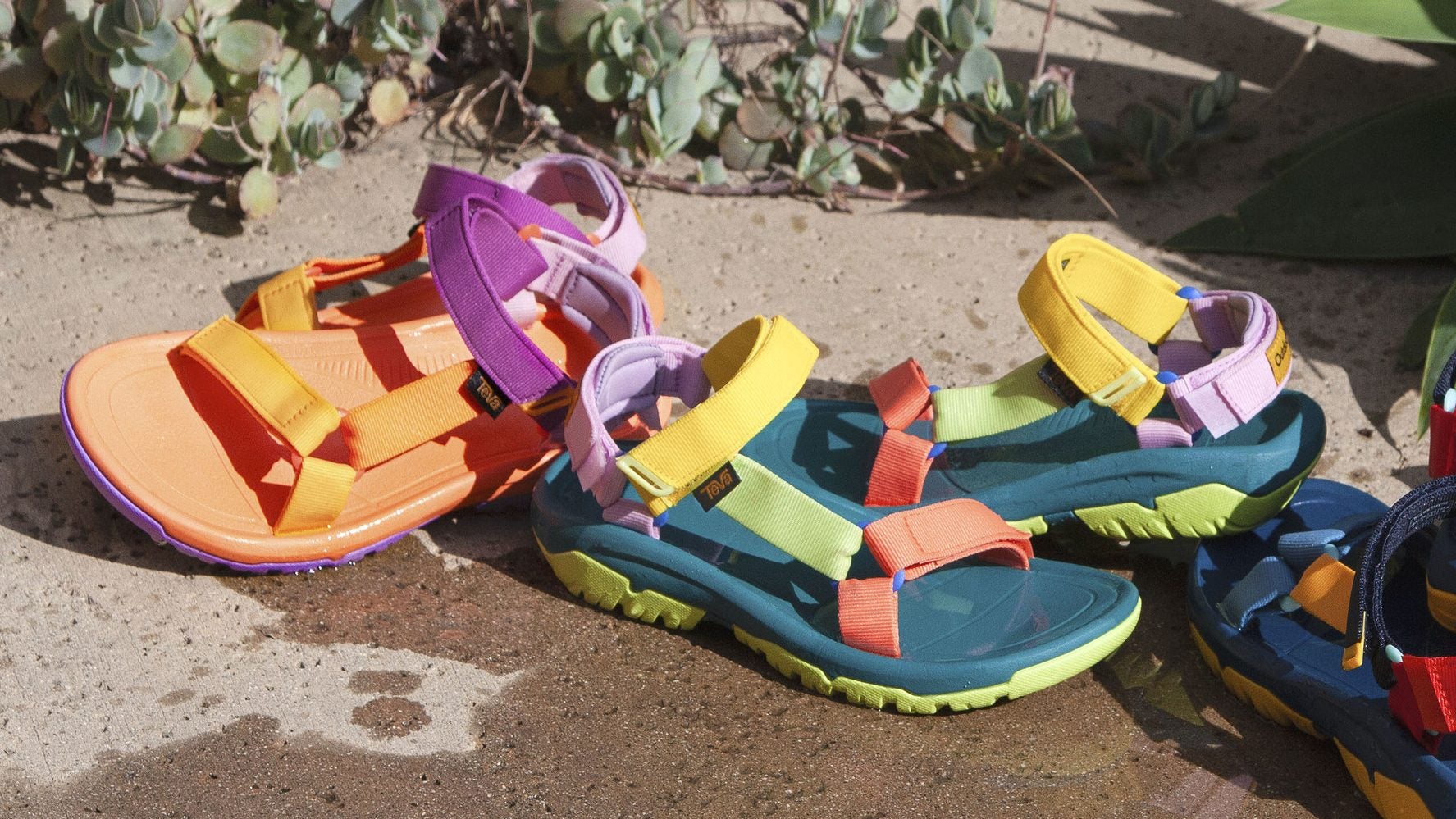
Approaches vary among fashion and footwear brands looking to reduce their environmental footprint. Some launch sustainable lines within their broader ranges, while others put out collections of more sustainable items, or develop sustainable materials for use in a limited range of products. But these efforts, while valuable, may not be the best starting place for brands looking to make an actual impact.
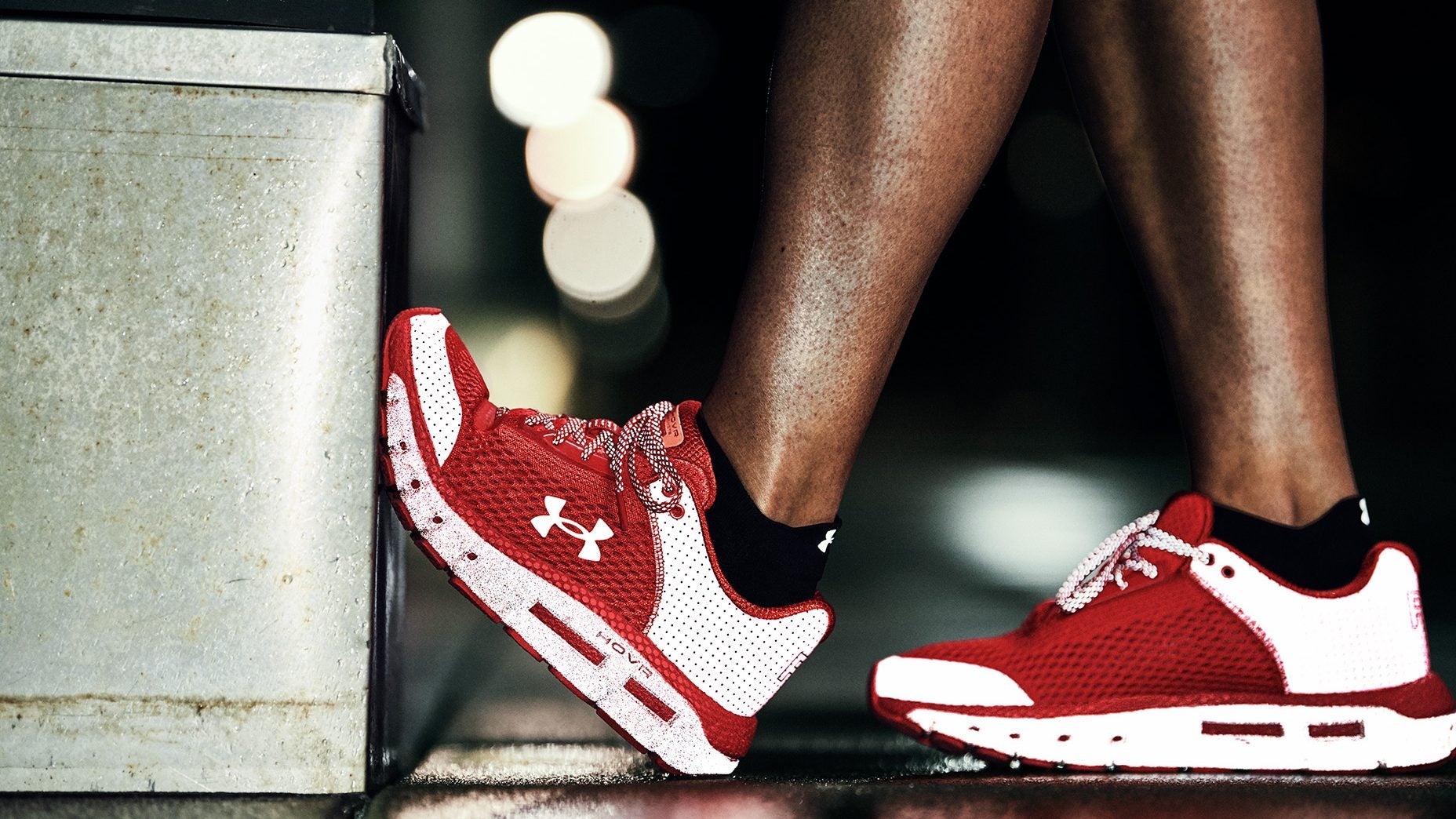
Under Armour delivered some bad news this morning. Beyond a 3.2% drop in its quarterly North American sales, the athletic apparel company’s projections slipped as well. Where previously it had predicted full-year sales in the region to be basically flat, it now expects them to be down slightly.
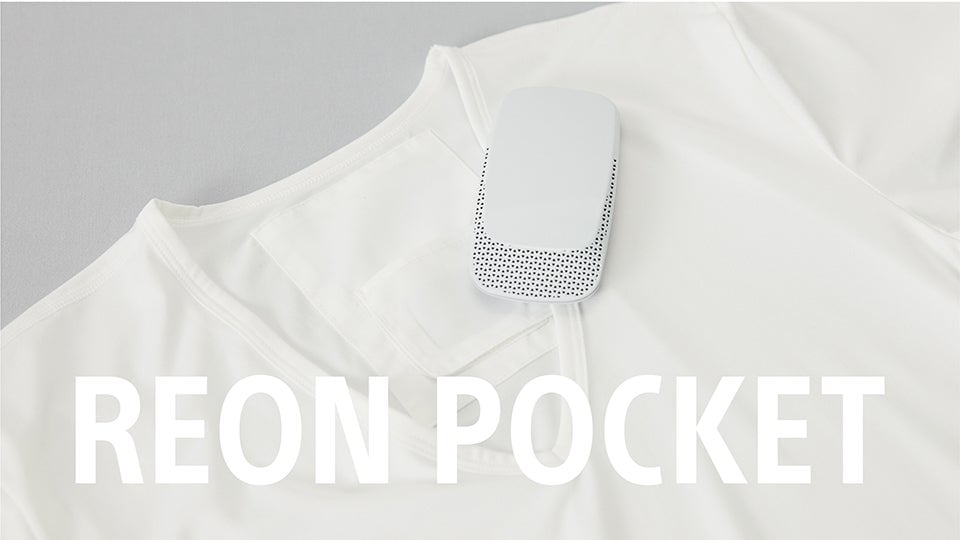
Sony has a new device for anyone who’s ever wished they could carry their air conditioner with them on sweltering summer days.
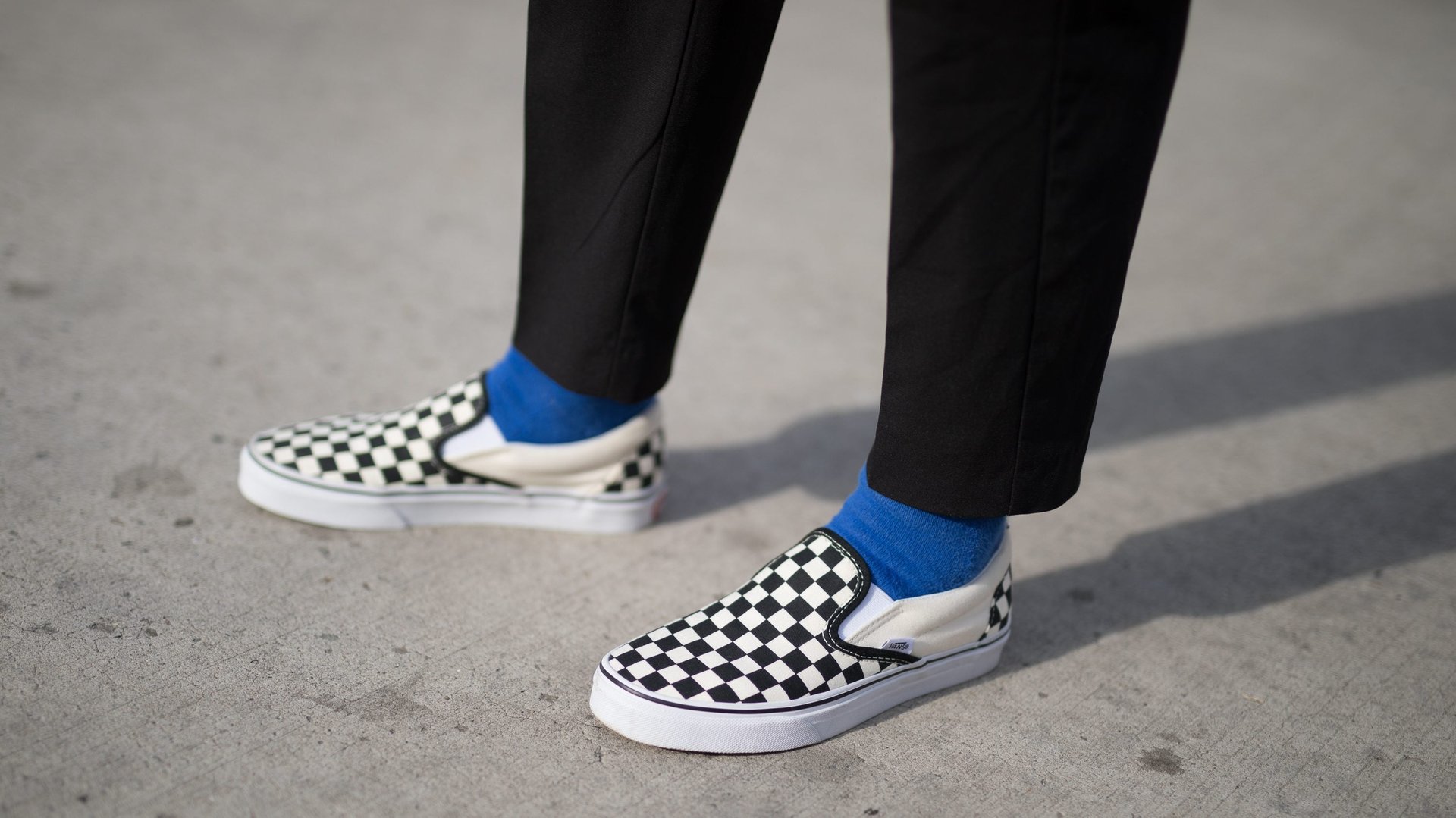
Over the past couple years, Vans has been on an impressive growth streak. Fashion and teens have embraced the decades-old skate brand, and while a number of styles fueled the growth, it was probably the Old Skool, a low-top skate shoe known for the squiggly “jazz stripe” on its side, that stood out as the company’s most recognizable hit.
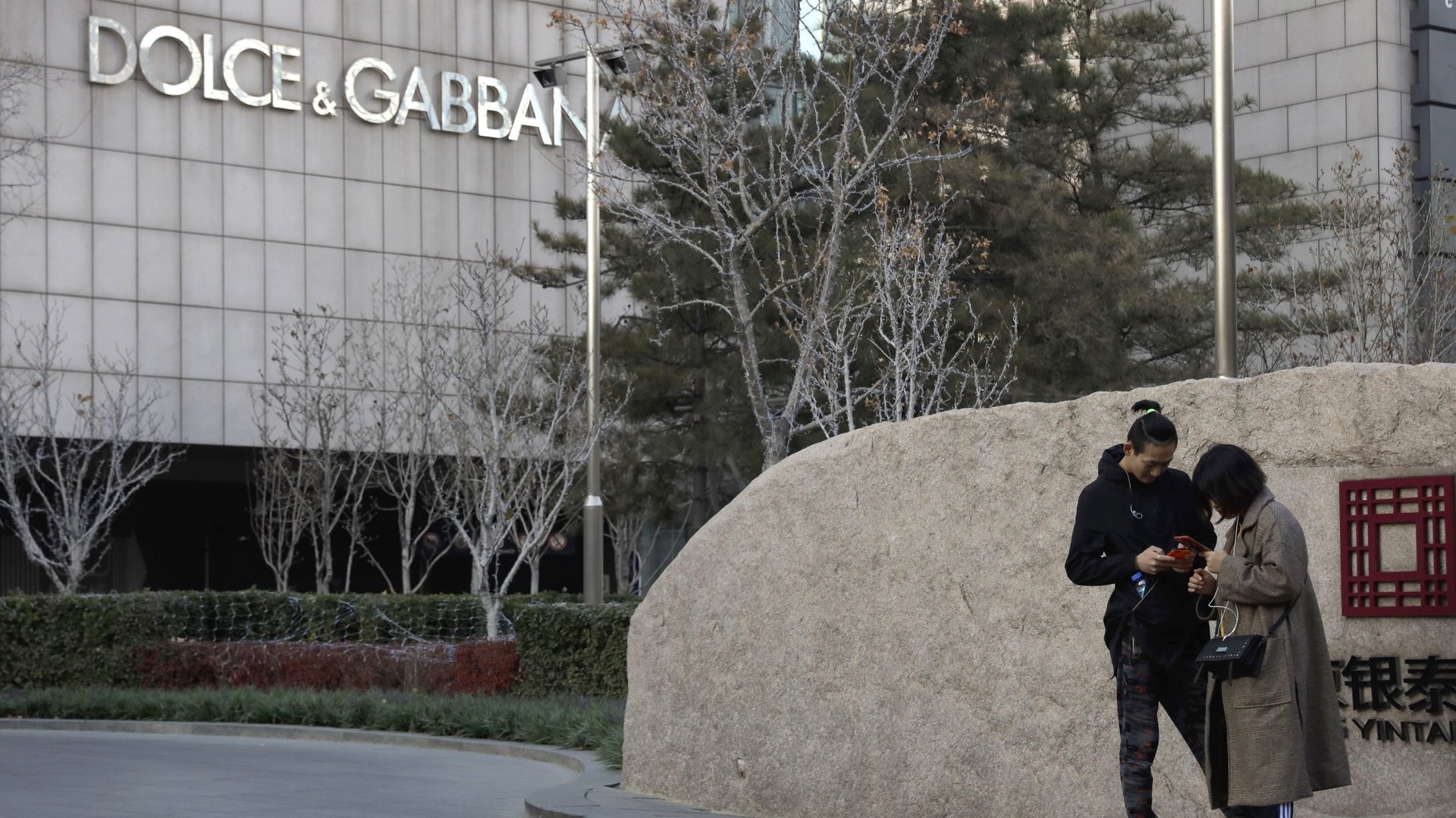
Dolce & Gabbana found itself mired in a PR nightmare last November when it was accused of racism in China. The situation started with a marketing campaign that many felt repeated outdated Chinese stereotypes. But the gaffe turned into a full-blown crisis because of derogatory comments about Chinese people posted on the Instagram account of brand cofounder Stefano Gabbana during an argument with another Instagram user. (Gabbana claimed his account was hacked and he didn’t make the comments, and the brand apologized.)
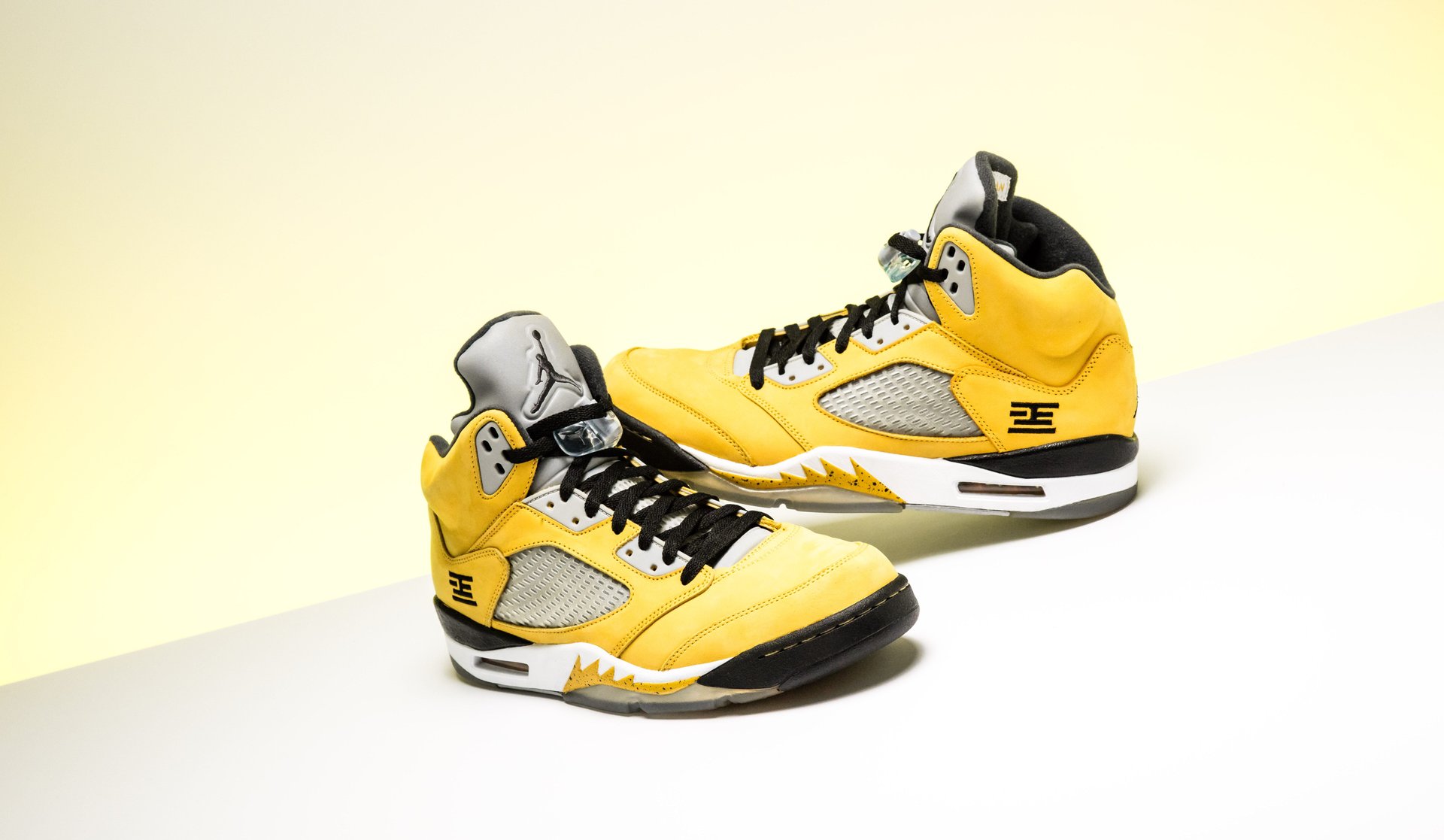
Sotheby’s first-ever sneaker auction isn’t scheduled to end until July 23, but it’s already a success. That’s because one man has bought 99 of the 100 exceedingly rare shoes that were up for bidding, for a grand total of $850,000.

There are three people on the planet with fortunes greater than $100 billion. One is the world’s current richest tycoon, Jeff Bezos, founder and CEO of Amazon. Another is Bill Gates, co-founder of Microsoft, who was the world’s second-richest human—until now.
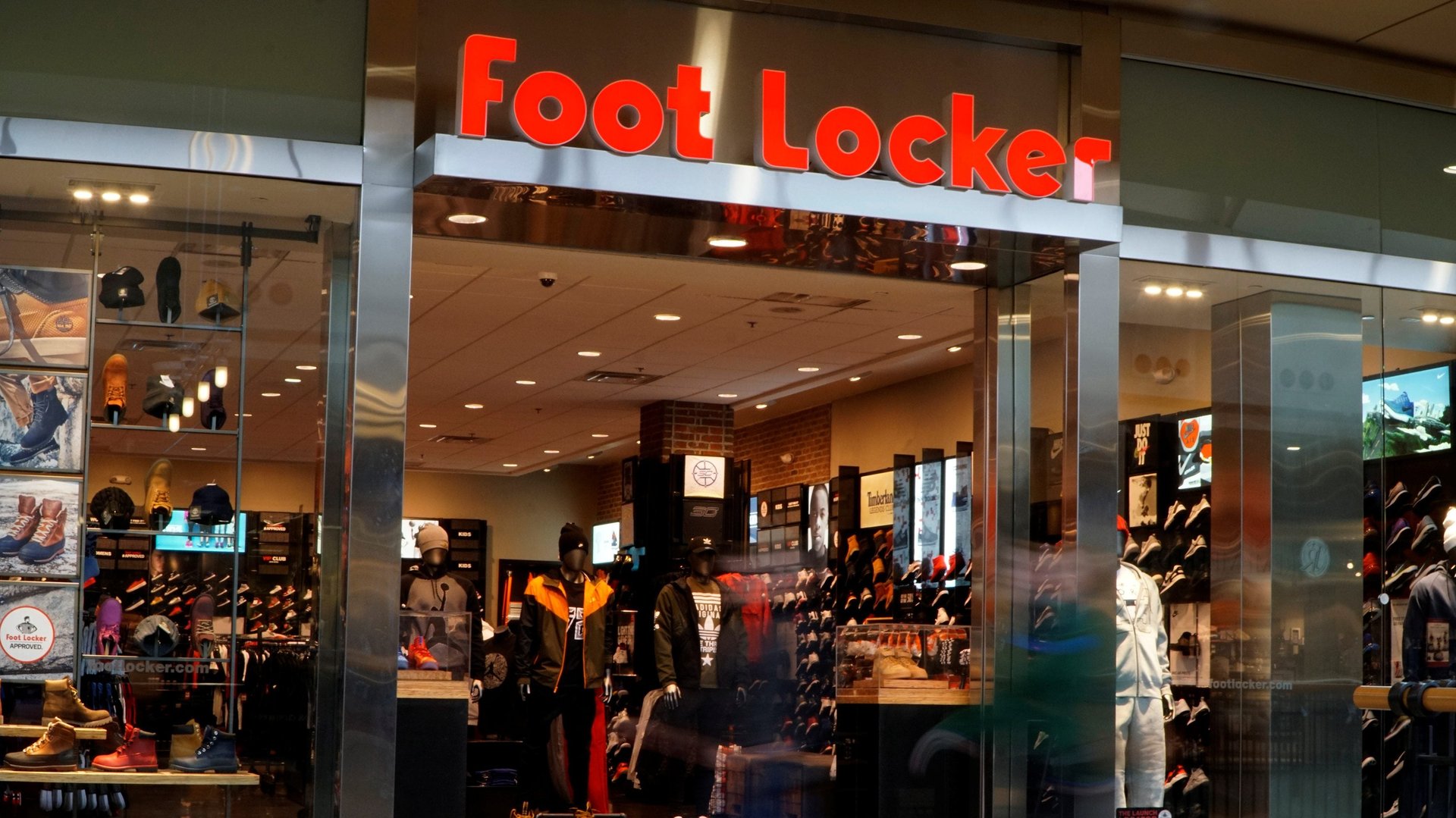
When Foot Locker unveiled a new mission statement in March, it reflected a big shift in the sneaker retailer’s business. No longer was the company’s goal “to be the leading global retailer of athletically inspired shoes and apparel,” as it had been since 2010. Foot Locker’s new purpose, it said, would be “to inspire and empower youth culture.”