
Lifestyle
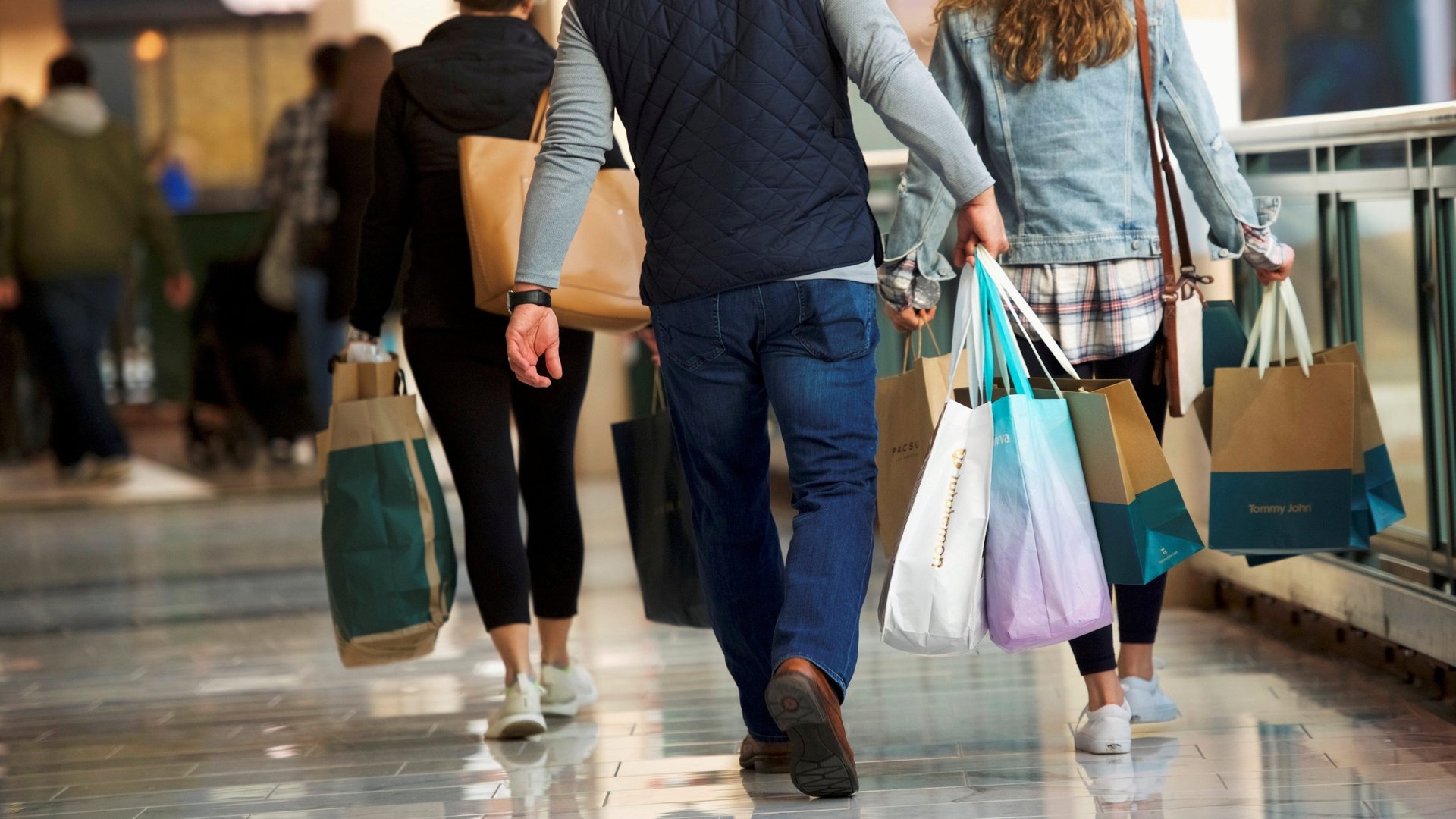
US clothing sales are setting new records, but can it last?Sales at US clothing and accessory stores are doing better than just recovering from the pandemic. They’re reaching new highs.
Updated July 20, 20223 min read
Sales at US clothing and accessory stores are doing better than just recovering from the pandemic. They’re reaching new highs.
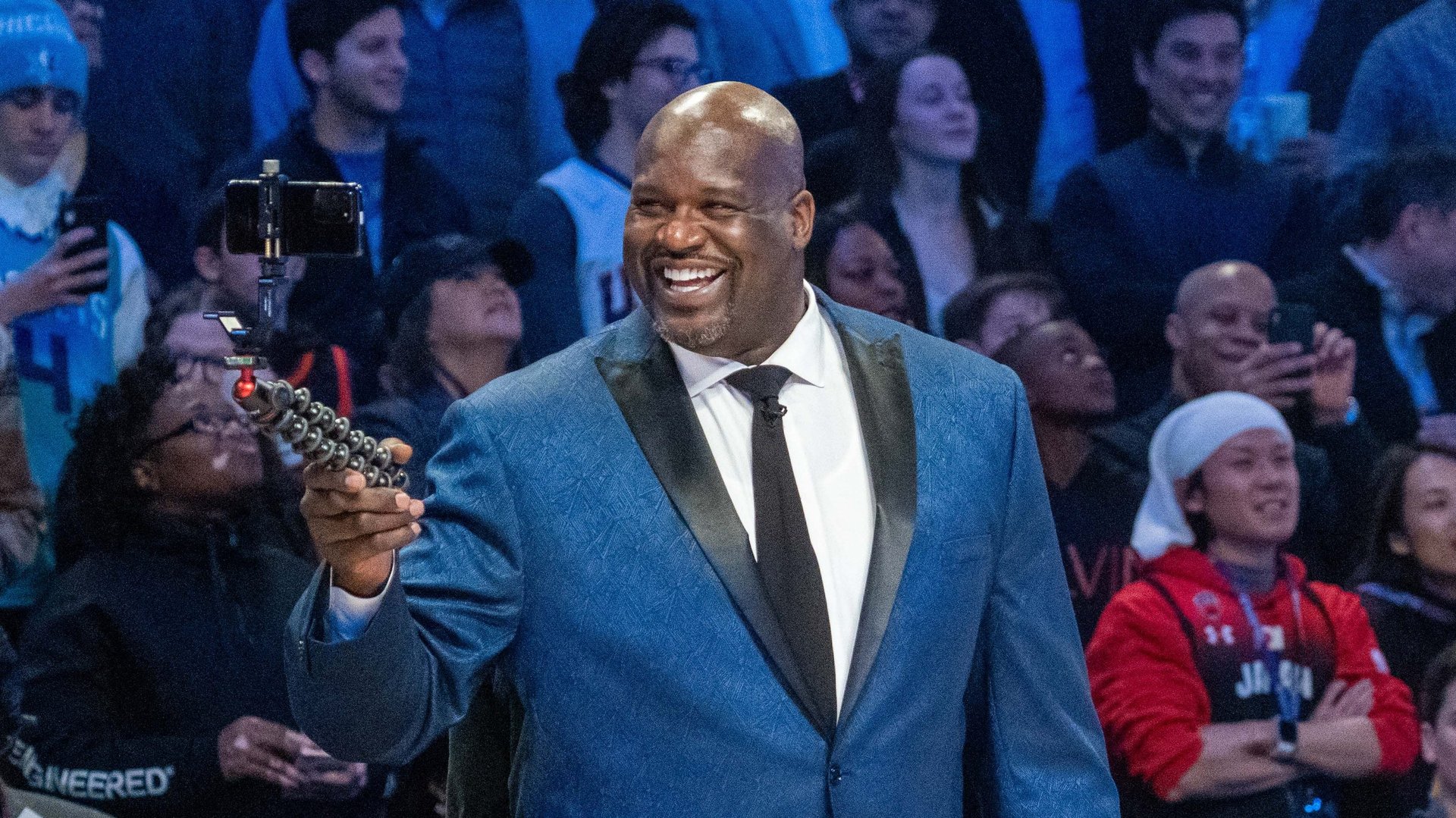
Authentic Brands Group may not be a household name in the US, but many of its properties are. Marilyn Monroe, Forever 21, Muhammad Ali, Sports Illustrated, Elvis Presley, Juicy Couture, and Shaquille O’Neal are just a few of the more than 30 names and brands for which the company holds the intellectual property rights.

Americans looking to rent a car or truck this summer are running into extraordinarily high prices, and that’s if they can find an available vehicle to begin with.
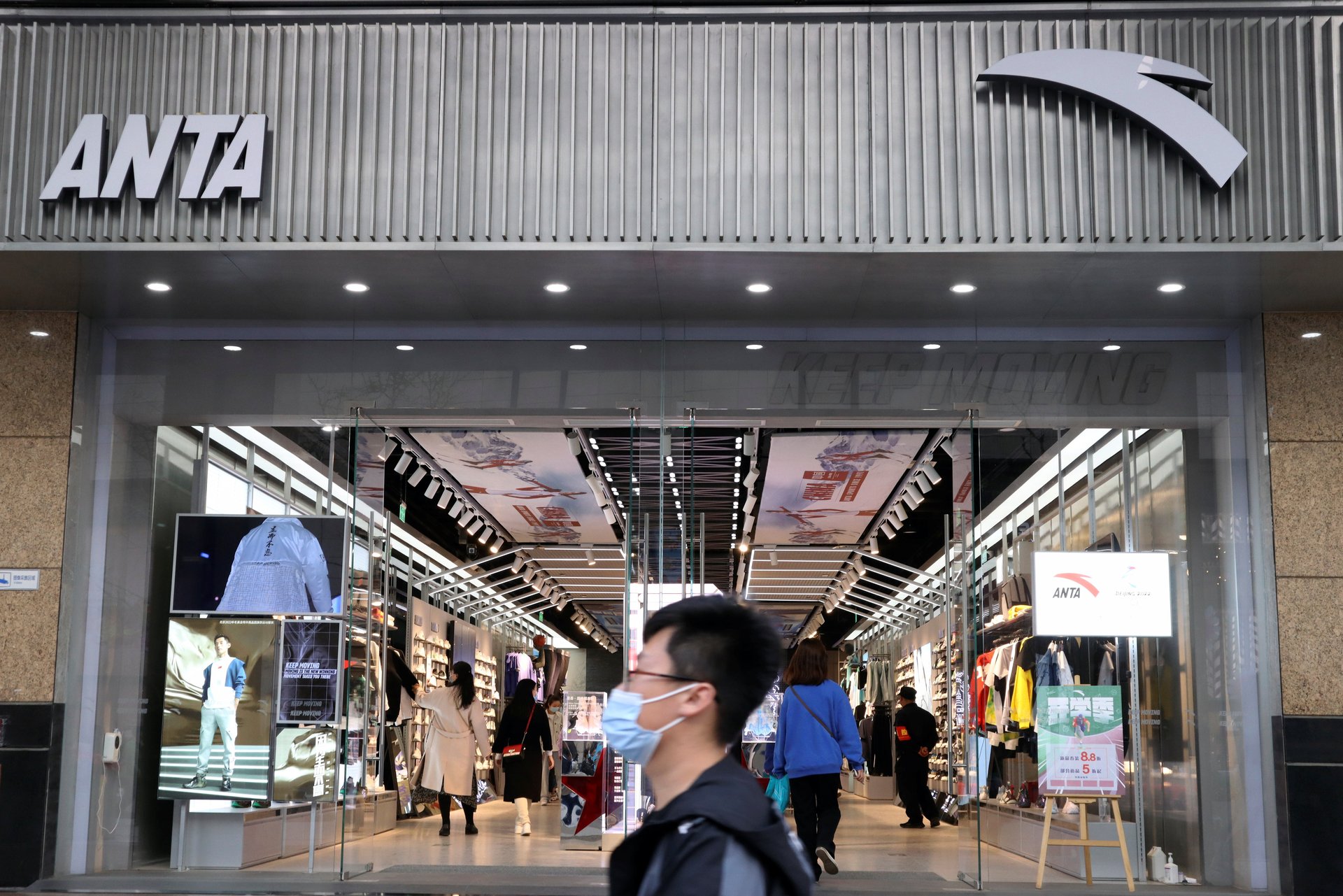
As of this writing, Adidas’s market capitalization is approximately $74 billion. Not far behind is Anta, China’s biggest sports company, which is traded on the Hong Kong stock exchange and currently has a market value of about $64 billion, according to data from FactSet, a financial data platform.
The decline of skinny jeans is proving to be good news for Levi’s.
Walmart says one of its top priorities is fostering a “culture of inclusion” in its workforce. The language comes directly from its newly released report about its progress on various environmental and social goals, among them creating a diverse workplace where employees feel empowered and have opportunities to grow in their careers. It details efforts such as making sure it includes minority candidates in its pool of potential directors, and holding training sessions on racial equity.

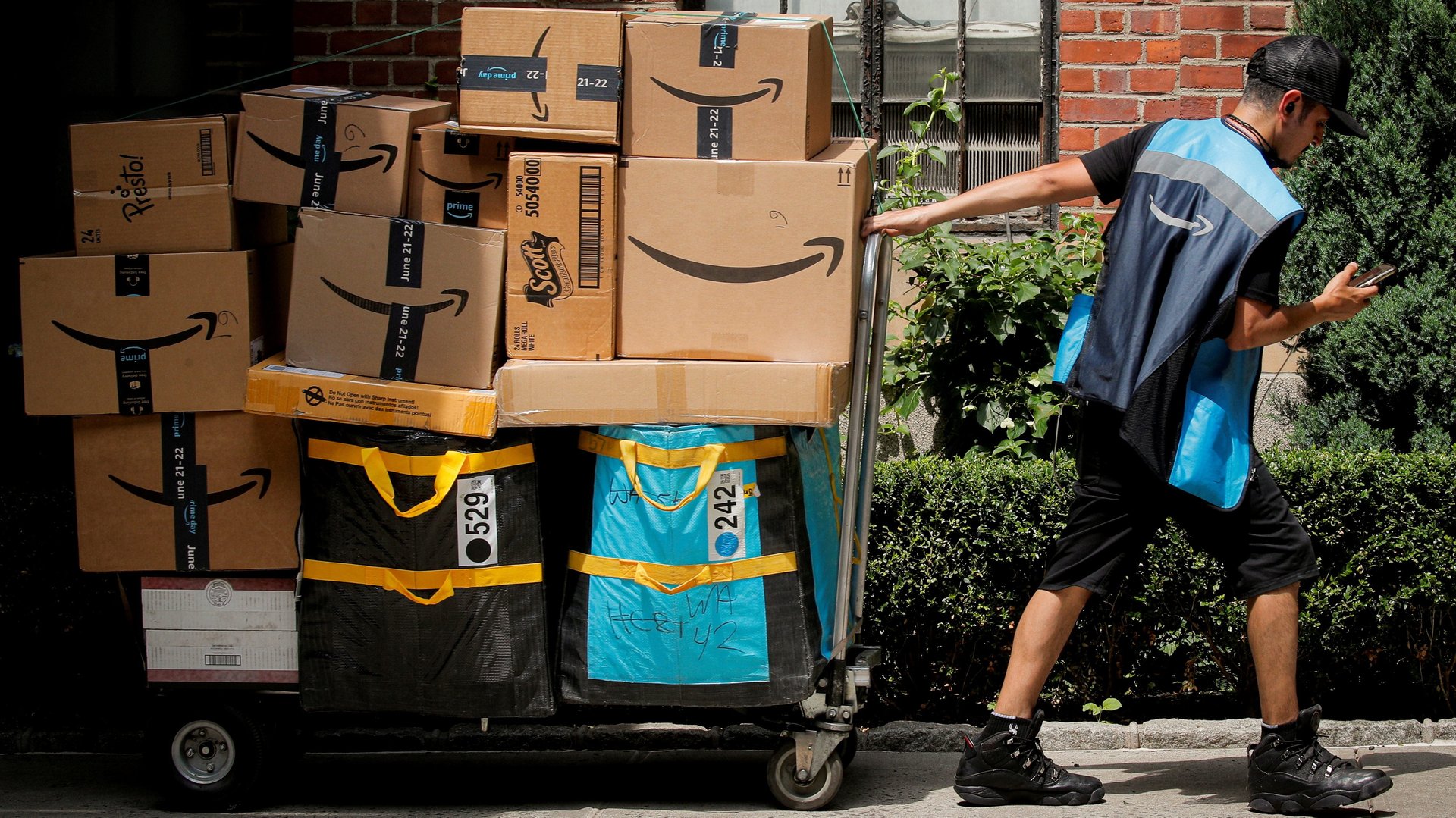
One of the biggest competitive advantages a retailer can have today is the ability to get online orders in the hands of customers quickly and efficiently. Often that means delivering to a shopper’s home, but increasingly it might mean the shopper picking up an order themselves at one of the retailer’s nearby stores. Either way, retailers with operations near where their customers live stand to benefit from the proximity.
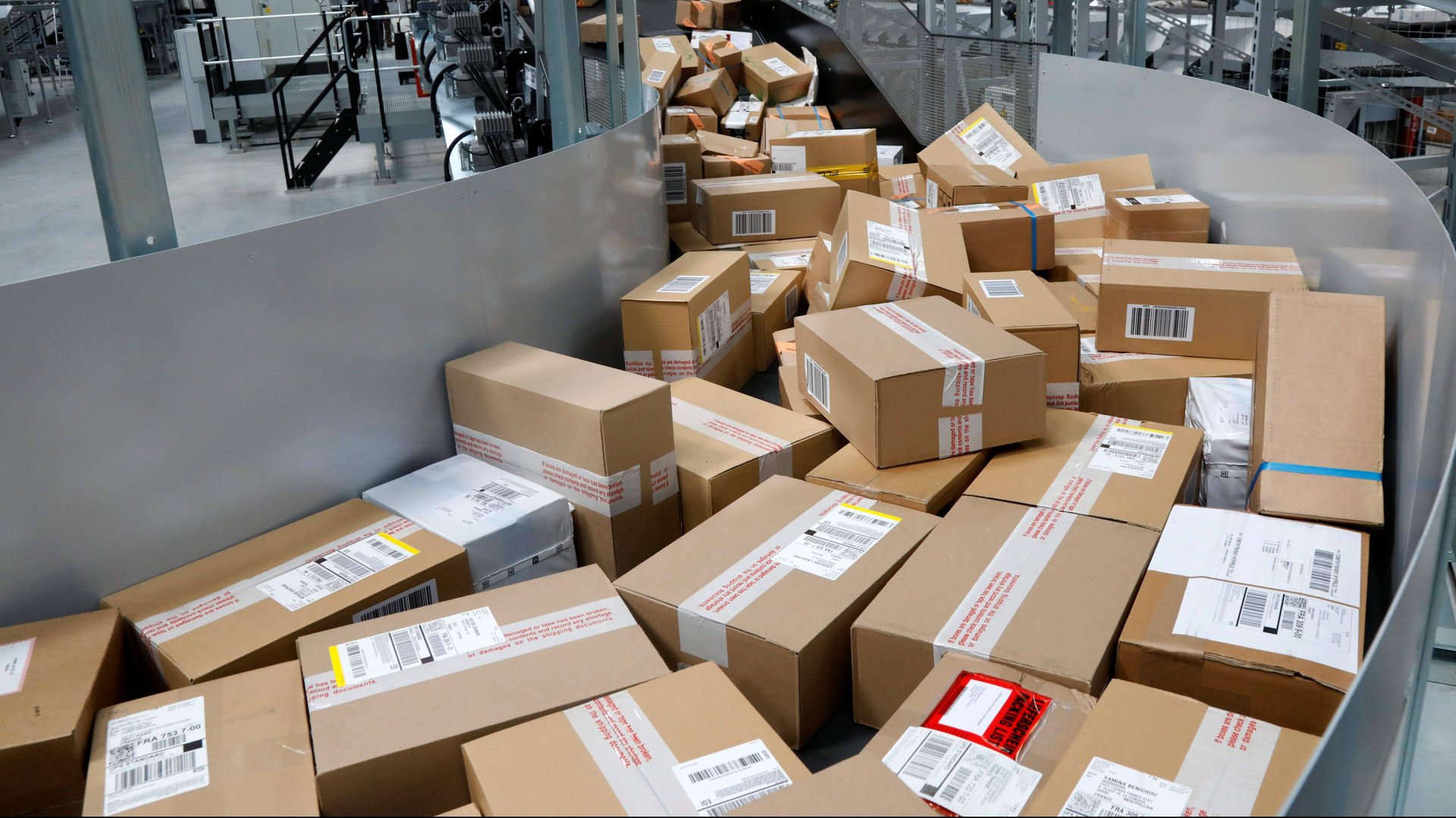
The unstoppable ascent of e-commerce is spurring a corresponding decline in retailers’ profit margins, according to an analysis of six key European markets and more than 250 retailers. The trend is only set to continue with the pandemic speeding online shopping’s growth, making profits for the competitive retail industry that much harder to come by.

Kim Kardashian West’s underwear and shapewear company, SKIMS, has landed a deal with the US Olympic team to provide underwear, loungewear, and sleepwear to all 626 female Olympic and Paralympic athletes competing for the US squad in Tokyo.
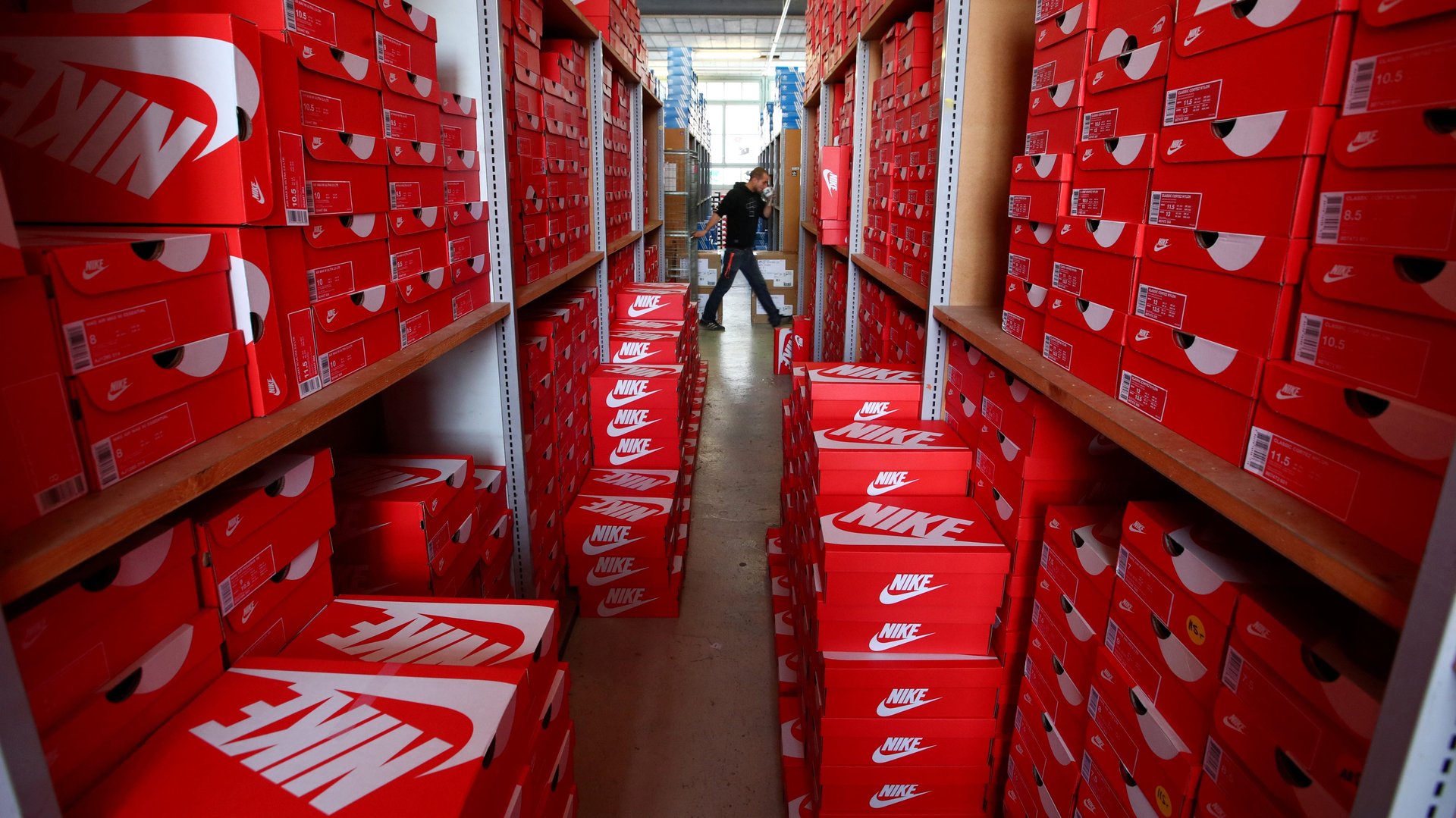
Nike didn’t make its billions alone. Most of its sales have come from selling to wholesale partners such as department stores, mom-and-pop shops, sporting goods specialists, and all the thousands of retail businesses Nike has long relied on to distribute its products to shoppers. Just a decade ago, in 2011, roughly 84% of Nike brand sales (pdf) were still to wholesale customers. Sales Nike made to shoppers itself, through channels such as its stores and website, amounted to just 16% of its business.
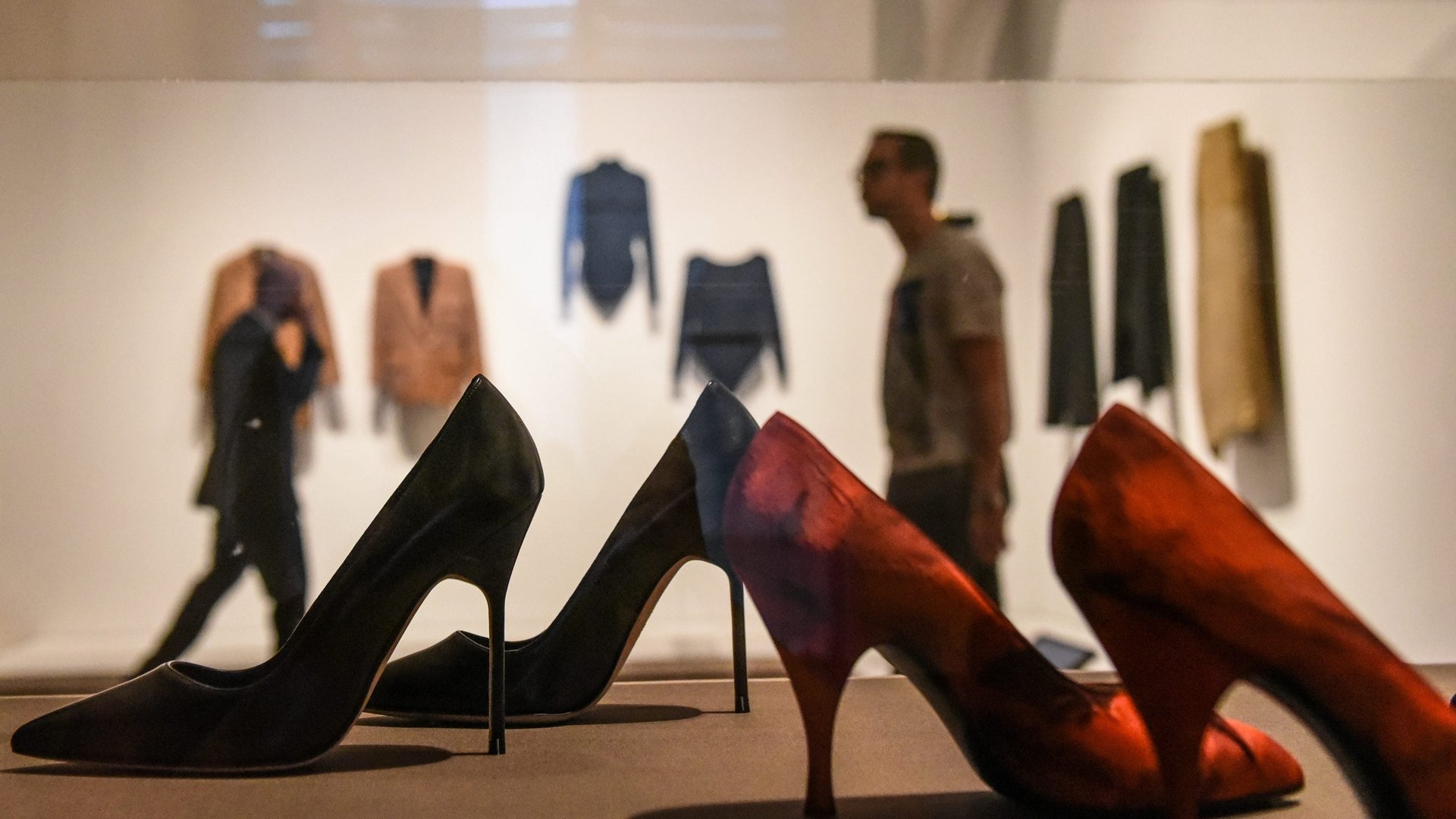
Sales of dress shoes are growing again in the US, buoyed by Americans rediscovering the joys of dressing up. Even so, it may be premature to proclaim a lasting revival of the category. After suffering a dismal 2020 due to the pandemic, dress shoes had nowhere to go but up, and they’re still pressured by the long-term trend toward more comfortable, more casual clothing and footwear, in the office and pretty much everywhere else.
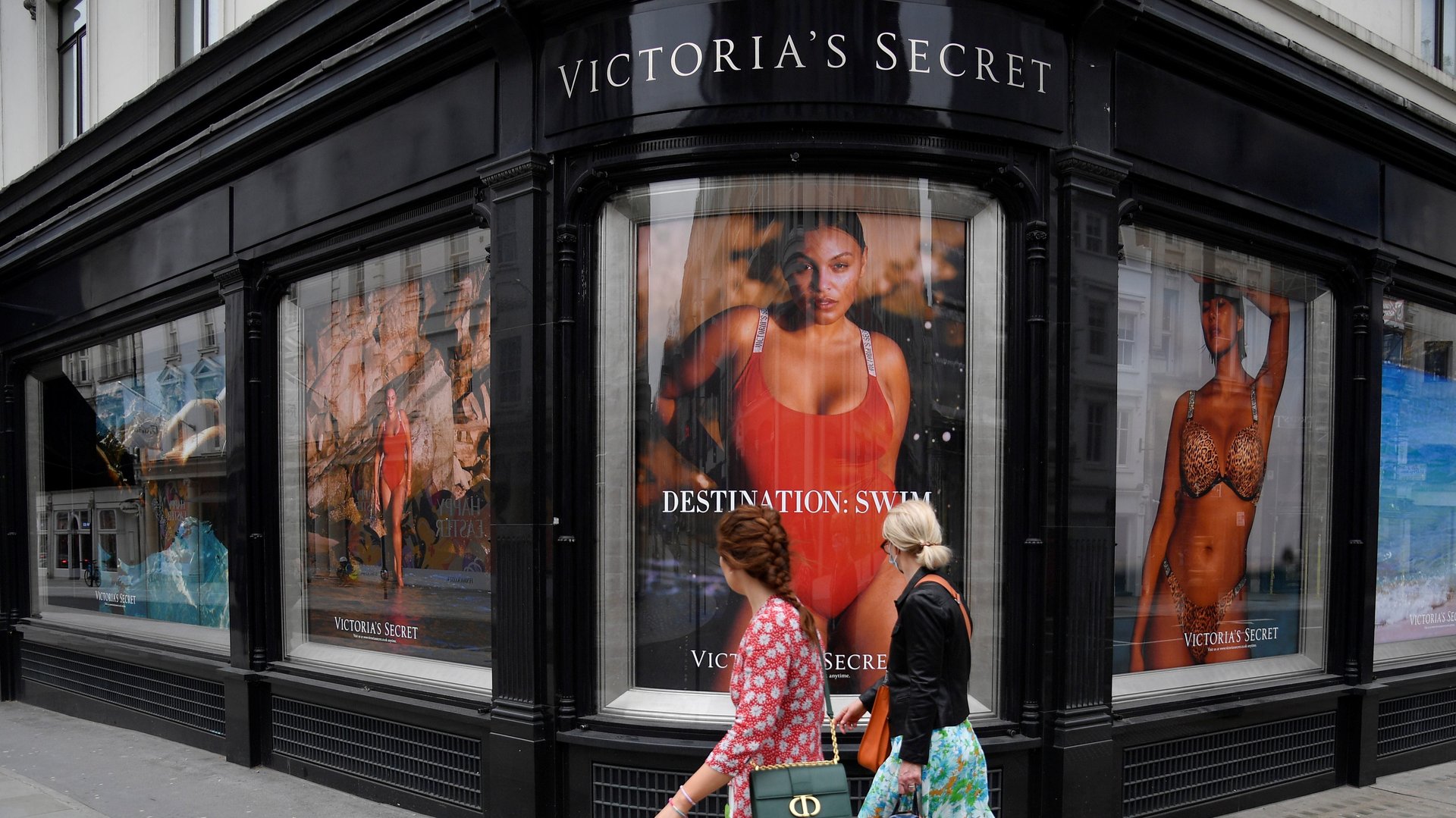
Victoria’s Secret built its empire selling lingerie to women, but it was always a man’s vision that defined its brand. The man was literal in the case of Leslie Wexner, who bought the fledgling company in 1982 for $1 million and grew it into the formidable retail giant it is today. The man was also figurative in the sense that Victoria’s Secret’s image always reflected a male gaze, rendering women into seductive fantasy objects it dubbed “angels.”
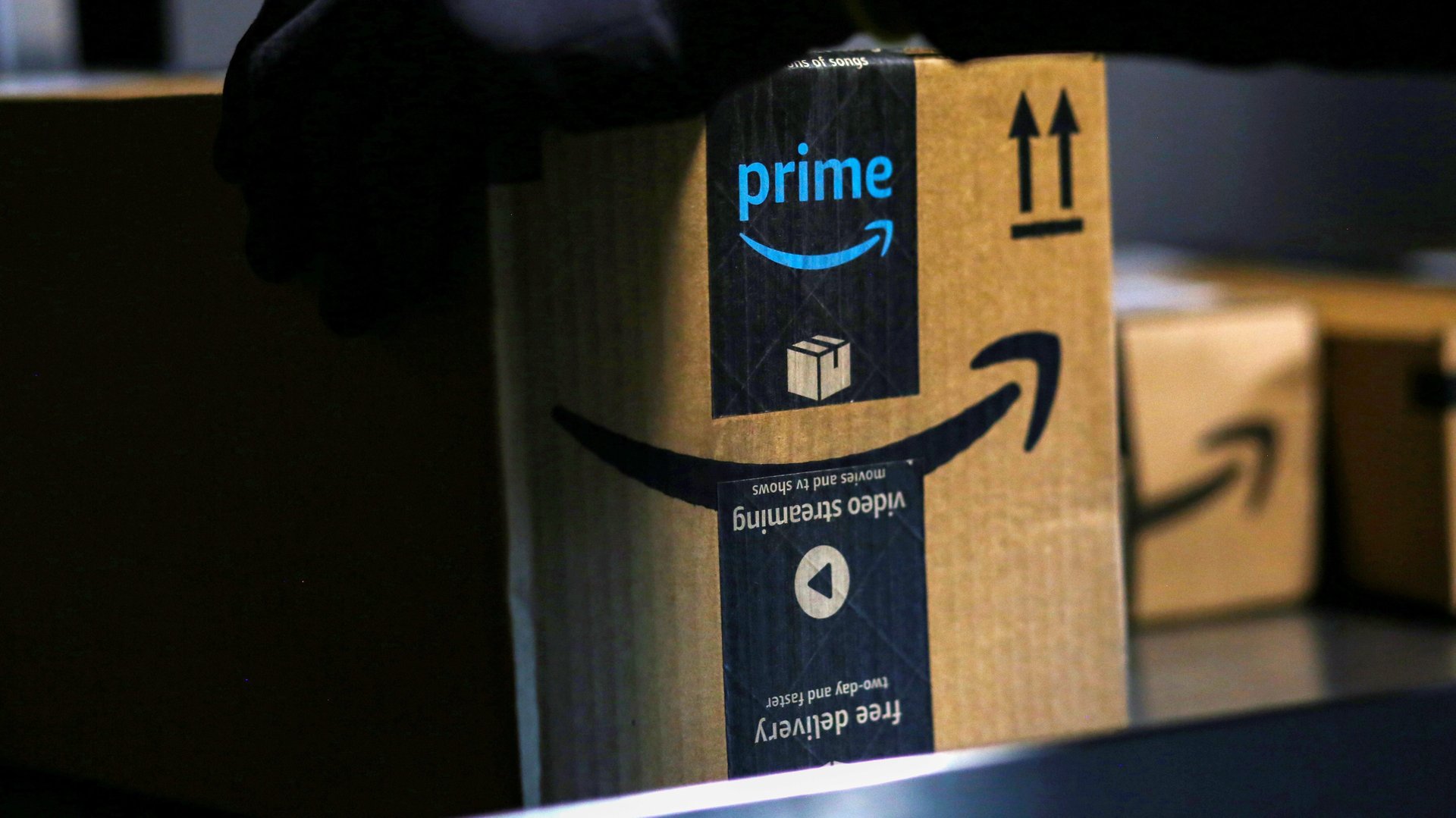
Prime Day, Amazon’s deals-driven online shopping bonanza, has grown so big numerous other retailers now host concurrent sales to get in on shoppers’ eagerness to spend. That means there are plenty of discounts to be found across the internet, though some categories see steeper price drops than others.
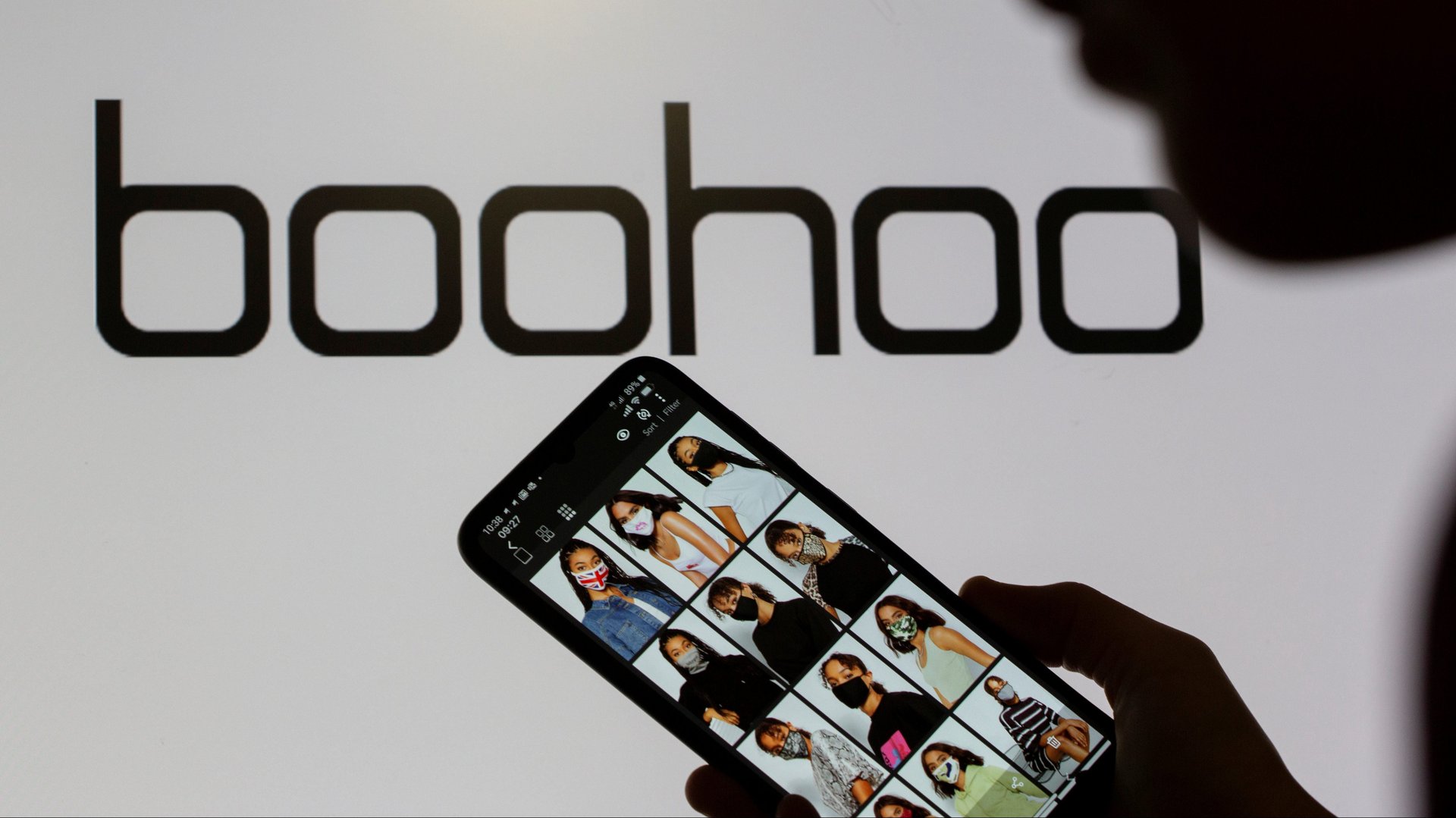
Almost half the items for sale on the websites of UK fast-fashion companies including Asos and Boohoo were made entirely from new—as opposed to recycled—plastic-based materials, according to a new study.

In 2015, when Amazon introduced Prime Day, its deal-driven shopping event for Prime subscribers, the company offered it in nine countries.
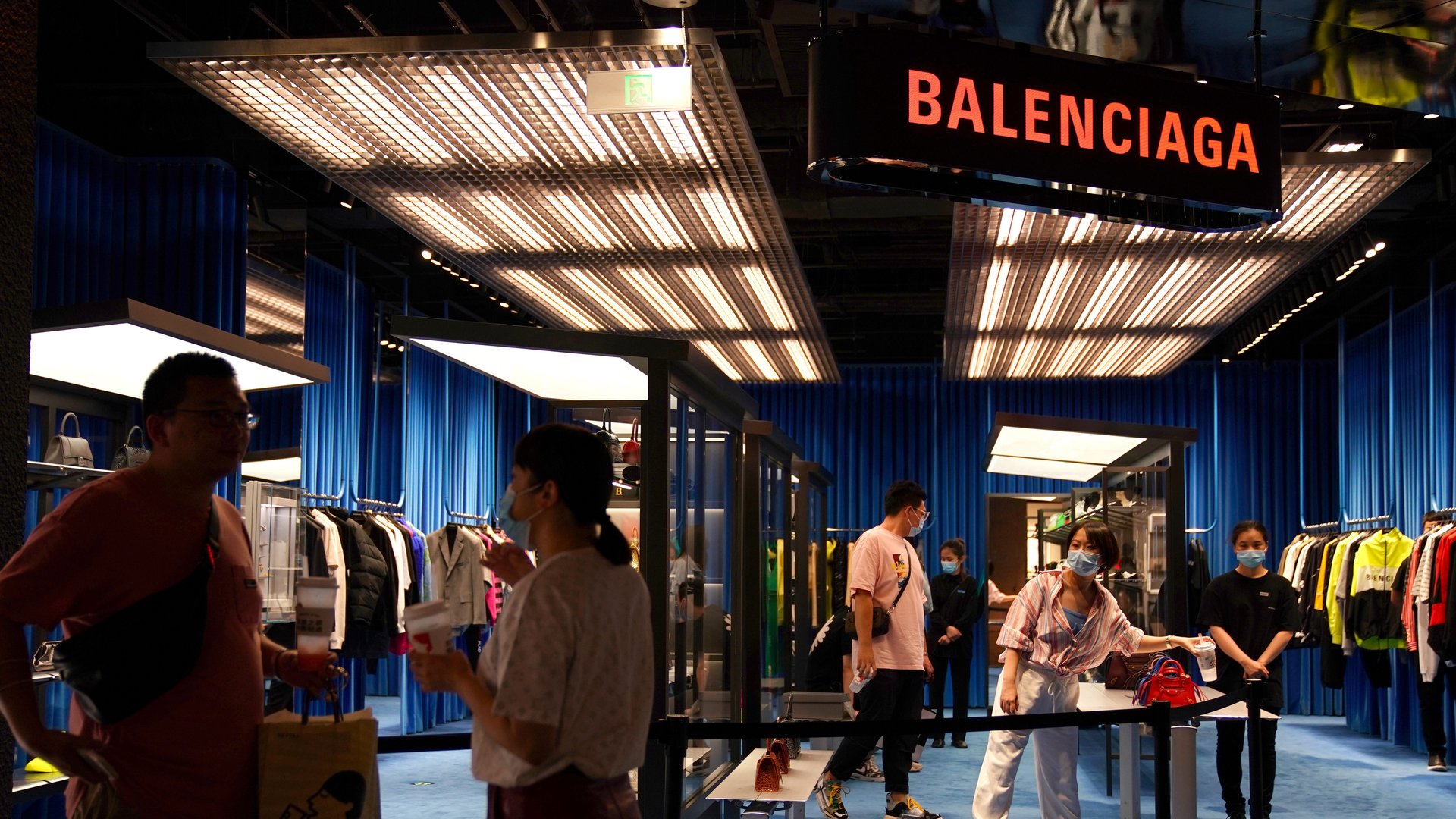
The internet is abuzz over Balenciaga’s latest collaboration with Crocs, a high-heeled version of Crocs’s signature lumpy foam clog. On Twitter, users have expressed shock and mystification over the design. Balenciaga, after all, is a Paris-based luxury company, presumably in the business of selling beautiful, exquisitely crafted goods. Crocs are known foremost for all-day comfort, a trait quickly undermined by adding a high heel.
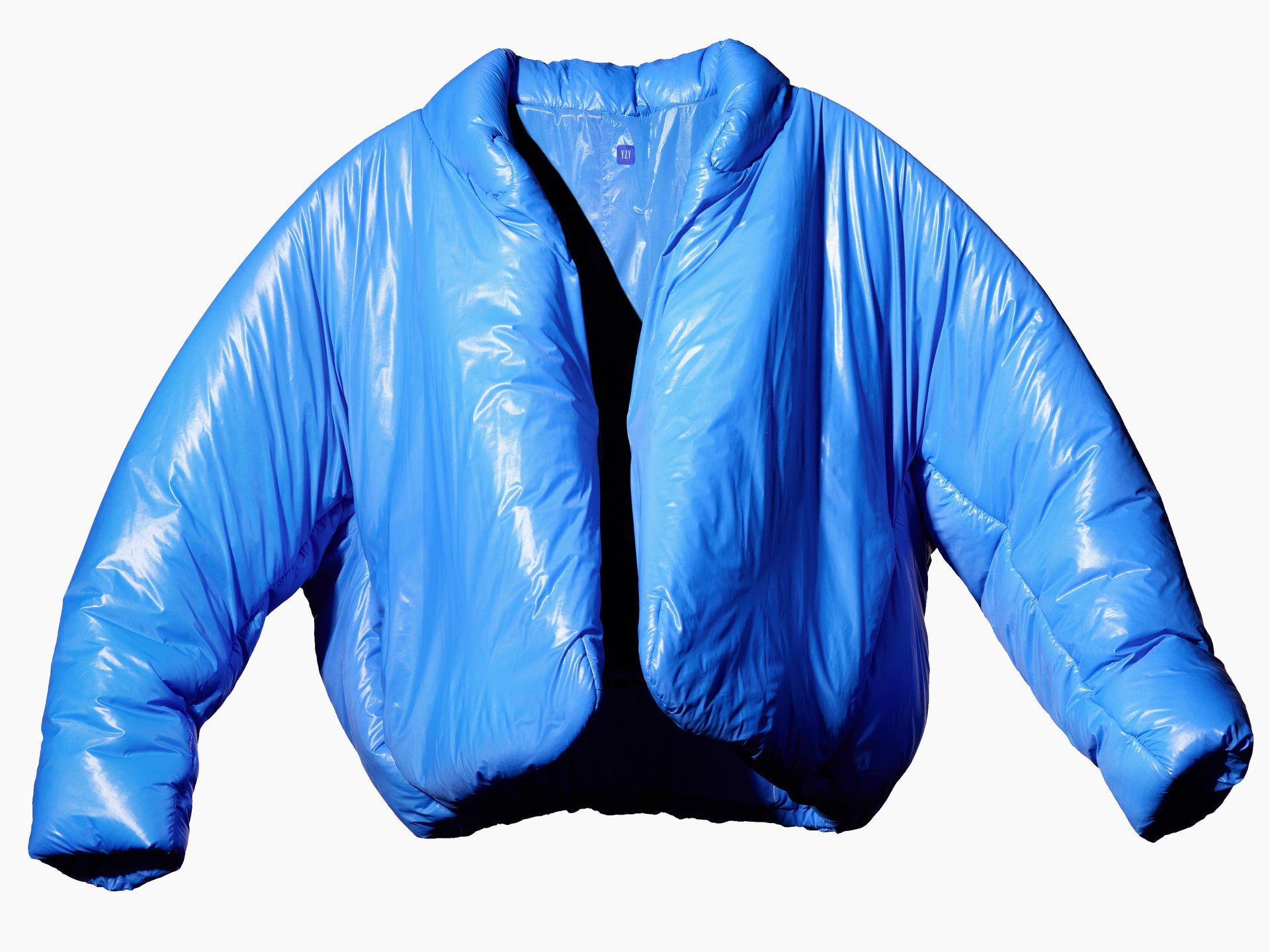
Gap and Kanye West have revealed the first item from their partnership: a sky-blue puffer jacket costing $200, made from shiny, recycled nylon. The jacket is constructed so the shoulders descend in an unbroken slope from the collar, and the bottom hem curves upward, creating a rounded silhouette, hence its given name, “round jacket.” The overall effect is reminiscent of a cheerful, hulking bubble. Conspicuously absent from the product images is a zipper or any other method of fastening the front closed.
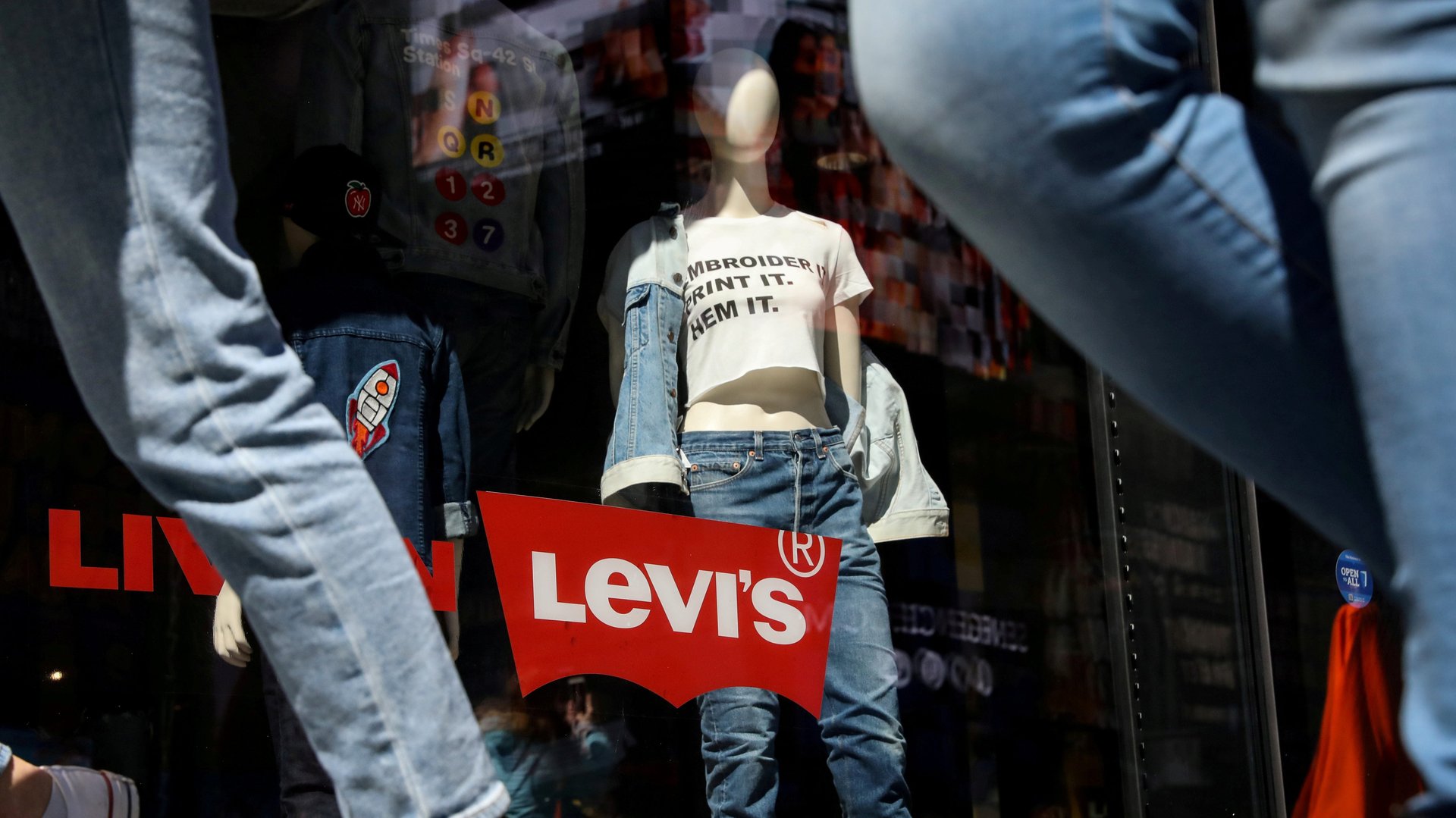
If you’ve recently needed to buy new pants because you gained or dropped a few pounds during the pandemic, you are definitely not alone.

Xiaohongshu, a popular social shopping app in China, ran afoul of the country’s internet censors last Friday with a social media post reading, “Tell me loudly: what’s the date today?”
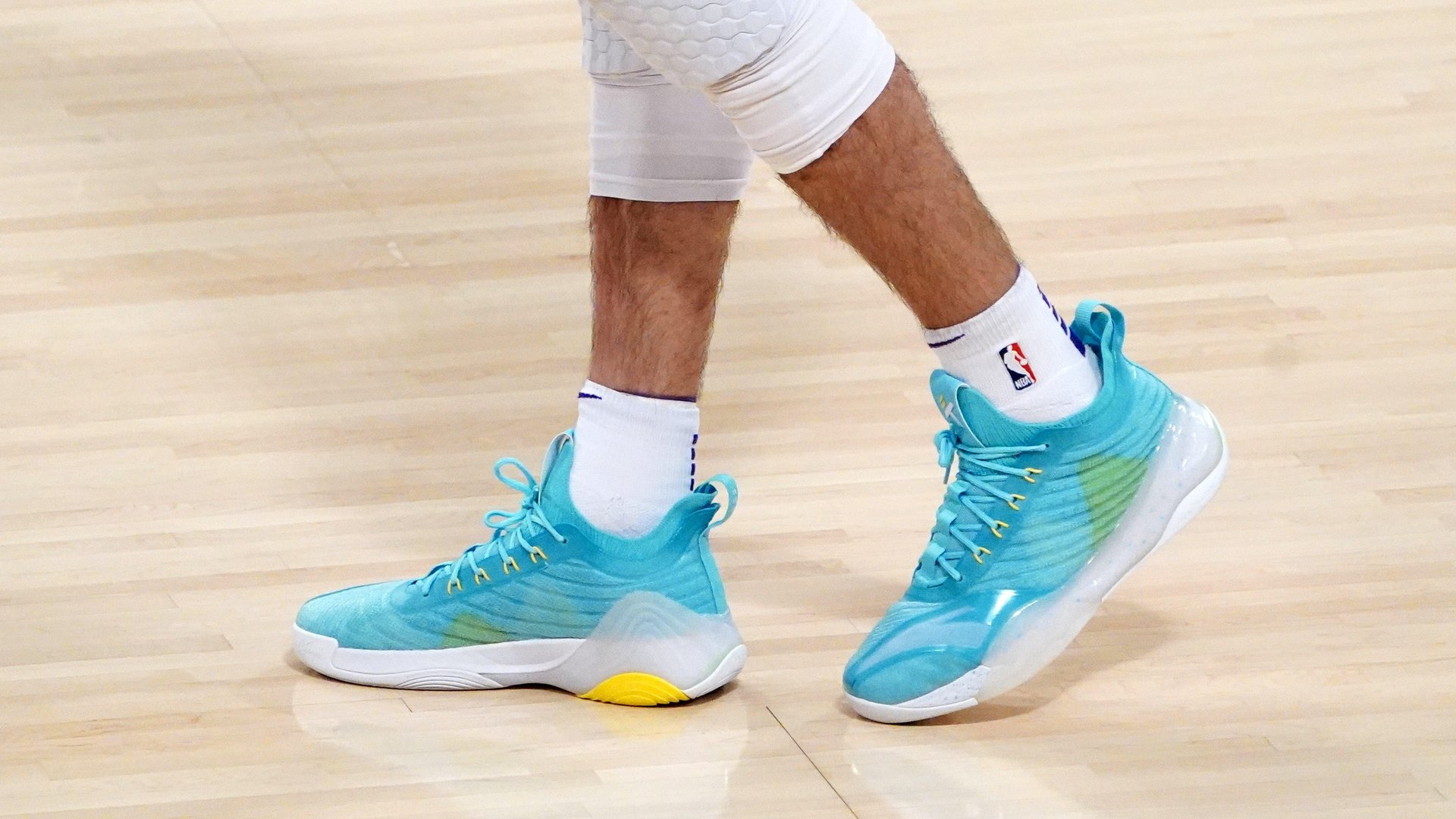
A US congressional group is urging players in the National Basketball Association to reconsider their ties to Chinese sports companies that use cotton from Xinjiang. The hub of China’s large cotton industry, the region is where western authorities say the Chinese government is pressing large numbers of Uyghurs and other Muslim minorities into forced labor—charges China vehemently denies.
Etsy has announced it will buy Depop, a UK-based fashion resale marketplace, for $1.63 billion in a primarily cash deal. It’s Etsy’s second acquisition of a resale platform and much bigger than the last one—its $275 million purchase of Reverb, a marketplace for new and used music gear, in 2019.
Last June, Sephora took a big step on Instagram. Shortly after the photo-sharing app enabled companies to set up digital storefronts on its platform, Sephora debuted its Instagram shop. Its 20 million followers on the network could now find and buy its beauty products directly through the app, without having to switch over to the retailer’s site.
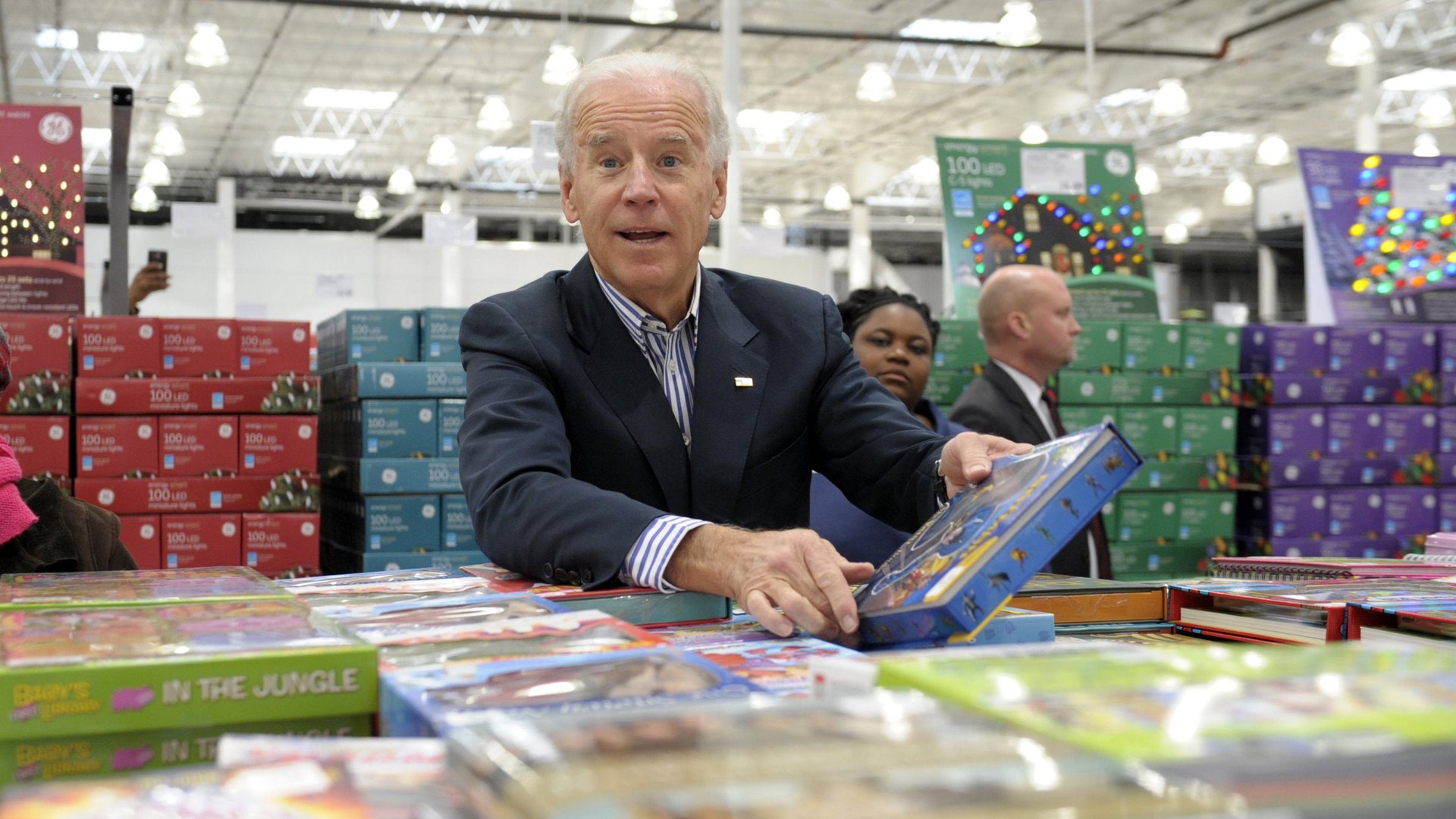
As the worst of the pandemic ebbs in many countries, big-box retailers whose sales soared amid lockdowns and social distancing are getting a glimpse of what the “recovery” might do to their continued growth. For Costco, all signs point to success—as shoppers feel more comfortable going out in the world, a good number are spending money at Costco in person.