
Lifestyle
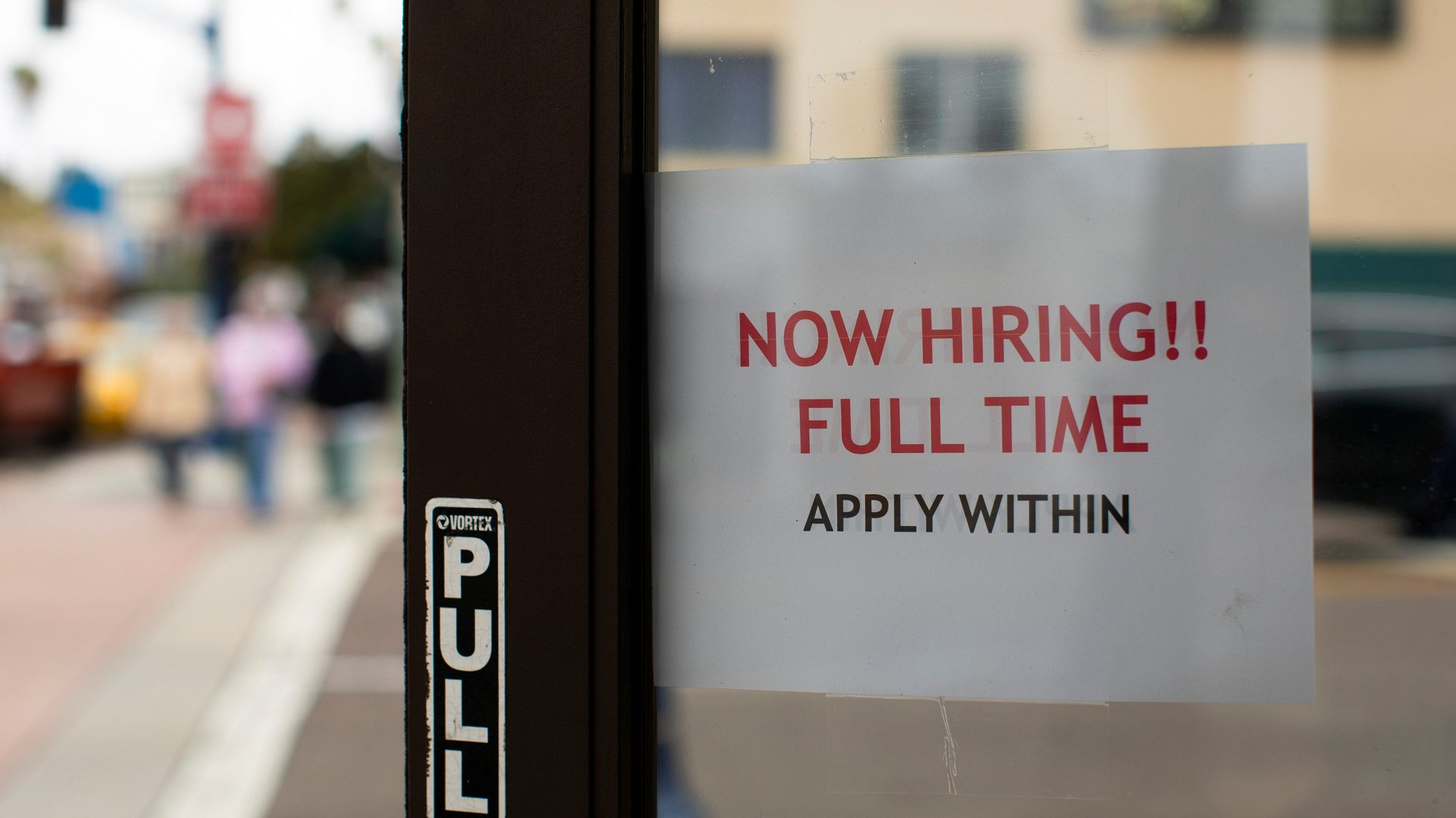
The US labor shortage is about to create a big problem for retailersAmericans are eager to shop—but many US retailers aren’t ready for them.
Updated July 20, 20222 min read
Americans are eager to shop—but many US retailers aren’t ready for them.

Update: Since this story was published, Bezos reclaimed the top spot. As of 8am ET on May 25, Forbes estimated his net worth at $188.2 billion, ahead of Arnault’s $187.6 billion.
When Adidas released the latest sneaker in its long-running collaboration with singer Pharrell Williams on May 14, South Africa was not one of the countries where shoppers could buy it. “We’re not getting this one,” a representative from the company’s office in the country confirmed to Business Insider South Africa.

Prepare to be overwhelmed by Space Jam merch.
As of this writing, Amazon’s share price is about $3,200, valuing the company at approximately $1.6 trillion. In fact, since the company’s IPO in 1997, only one stock has outperformed it.
Facebook is trying to hook users on livestream shopping.
Brendon Babenzien may not be a household name, but he’s well-known within men’s fashion. After a 14-year career as design director of Supreme, during which he helped make the streetwear company one of fashion’s most influential names, he left in 2015 to relaunch his own clothing line, Noah, with his wife, Estelle Bailey-Babenzien. The line has developed its own loyal customer base, and today sells at retailers such as Ssense and Dover Street Market.
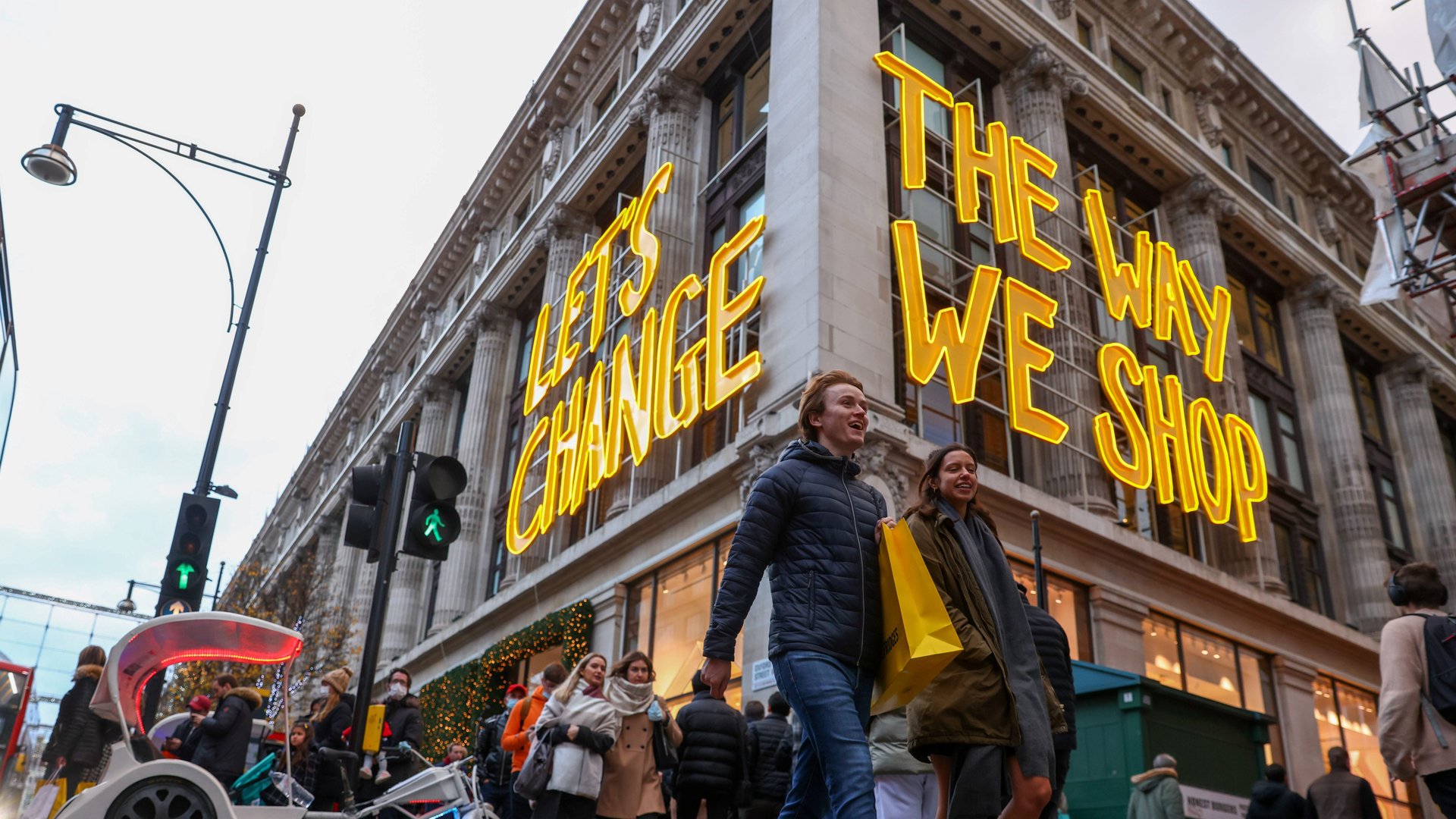
For a retailer to know whether a store is worth its cost—whether it’s getting a return on its investment—it needs a way to determine its value. In the past, that was simple enough. Shops were first and foremost points of sale, their value to the retailer closely tied to how much stuff they sold. A standard way to calculate that was to measure how much it sold relative to its size, or sales per square foot.

The e-commerce surge of the past year was astounding. Because of Covid-19, shoppers turned to the internet to buy everything from groceries to sporting goods at rates that would have taken years to reach under normal conditions. Experts believe a lot of the digital shopping habits consumers picked up during the pandemic are here to stay, even if e-commerce sales moderate some as life eventually returns to normal.
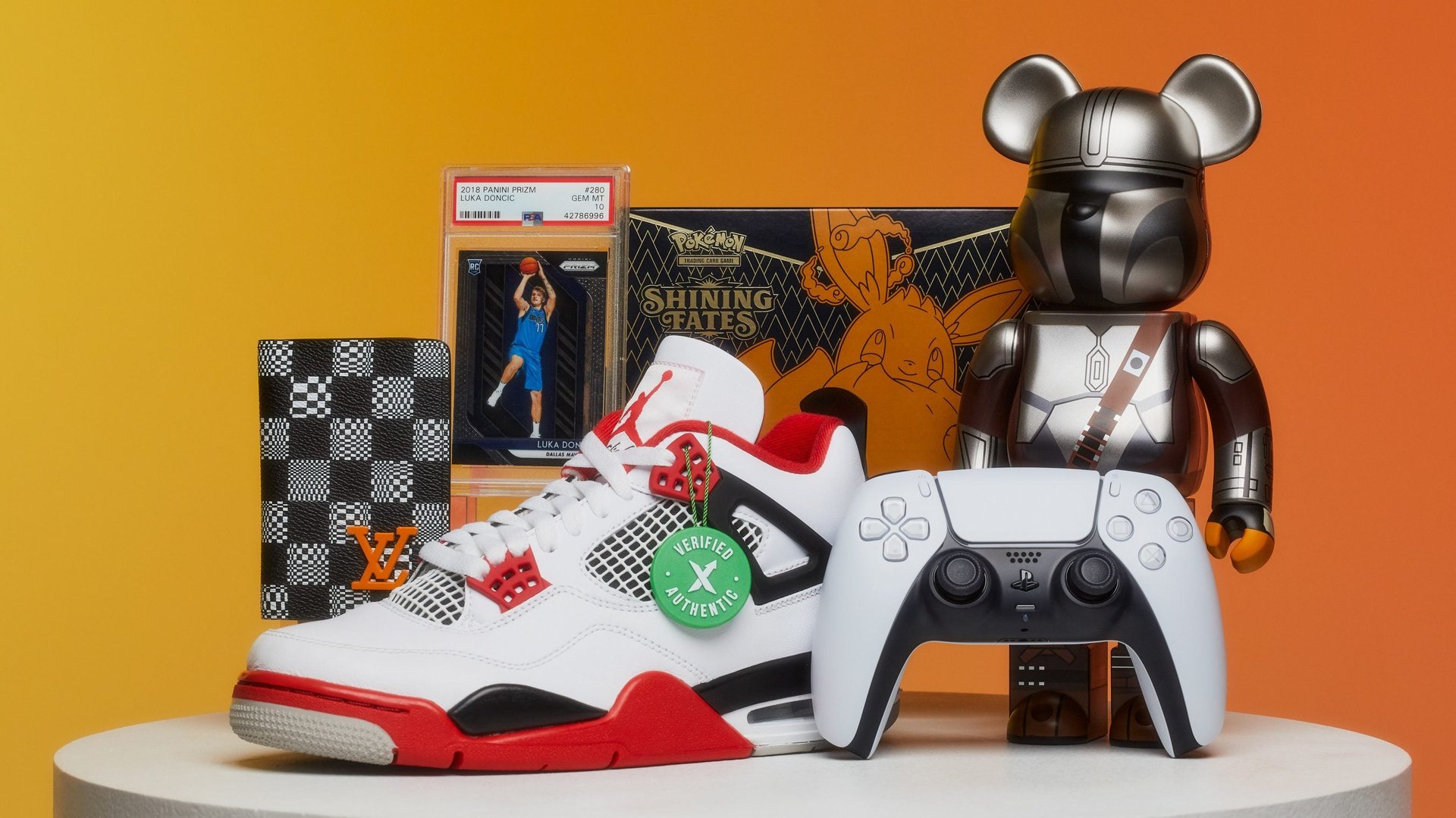
Every week, shoppers online scramble to get their hands on some new sneaker release, and every week, most invariably fail. But the hunt isn’t over. Those willing to pay a premium for their desired shoes will always find them on resale marketplace StockX.
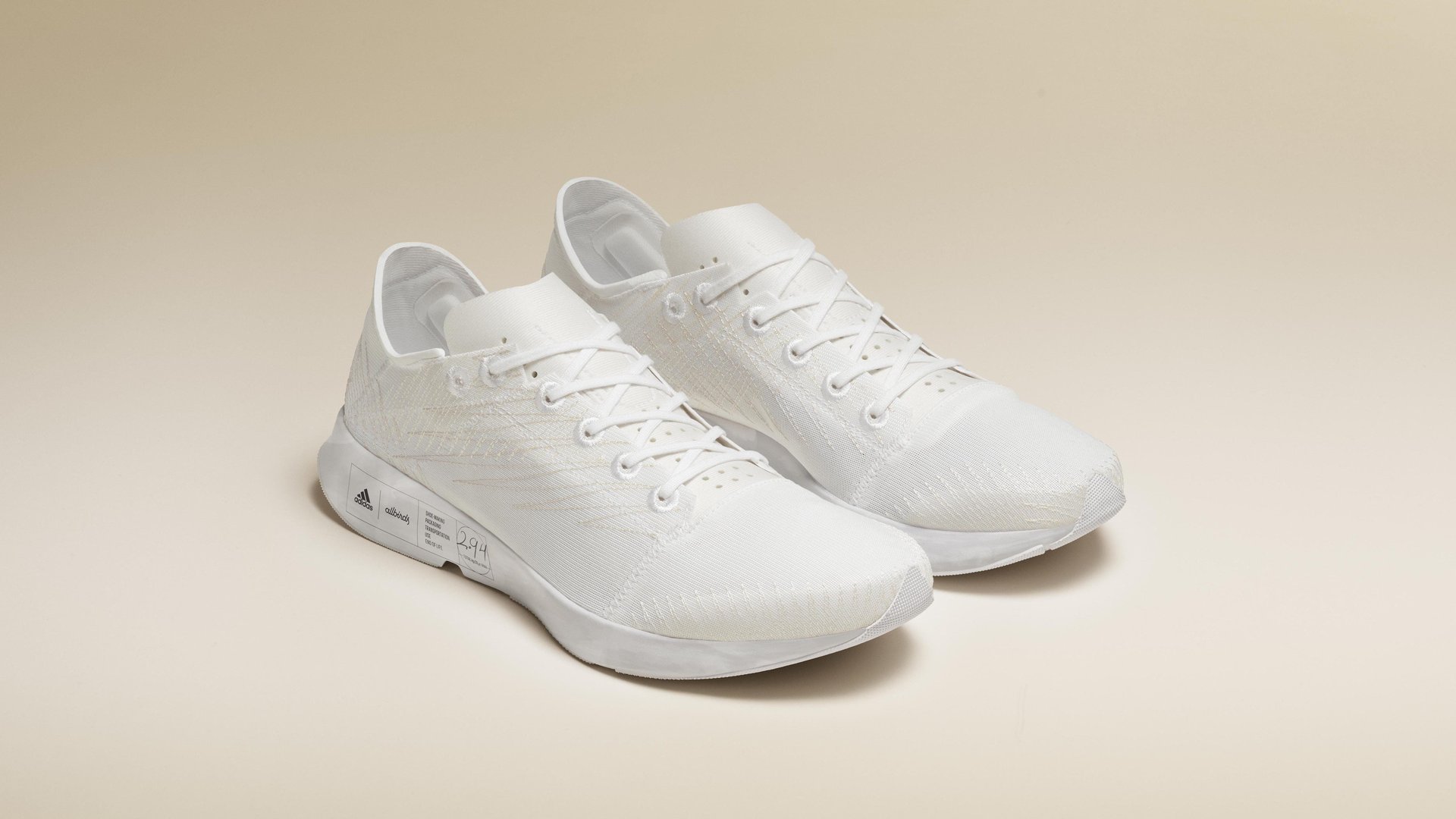
In an unusual move, Adidas and Allbirds—normally competitors in footwear—have teamed up for a greater purpose. The two companies shared their knowledge and expertise with one another to make a sneaker with no carbon footprint.
Sneakers are the core of StockX’s business. When the site went live in 2016, billing itself as the first “stock market of things,” sneakers were the product it launched with, calling them “the perfect gateway product.” Recently they were also the item most responsible for helping the Detroit-based company notch a valuation of $3.8 billion.

Adidas is trying to win back Chinese shoppers after it was caught up in an uproar in March with several Western companies over their stances on China’s Xinjiang region. US and European authorities say forced labor of Uyghurs and other Muslim groups is widespread in the region’s giant cotton industry, charges fiercely denied by the Chinese government and consumers who boycott companies they accuse of slandering China.
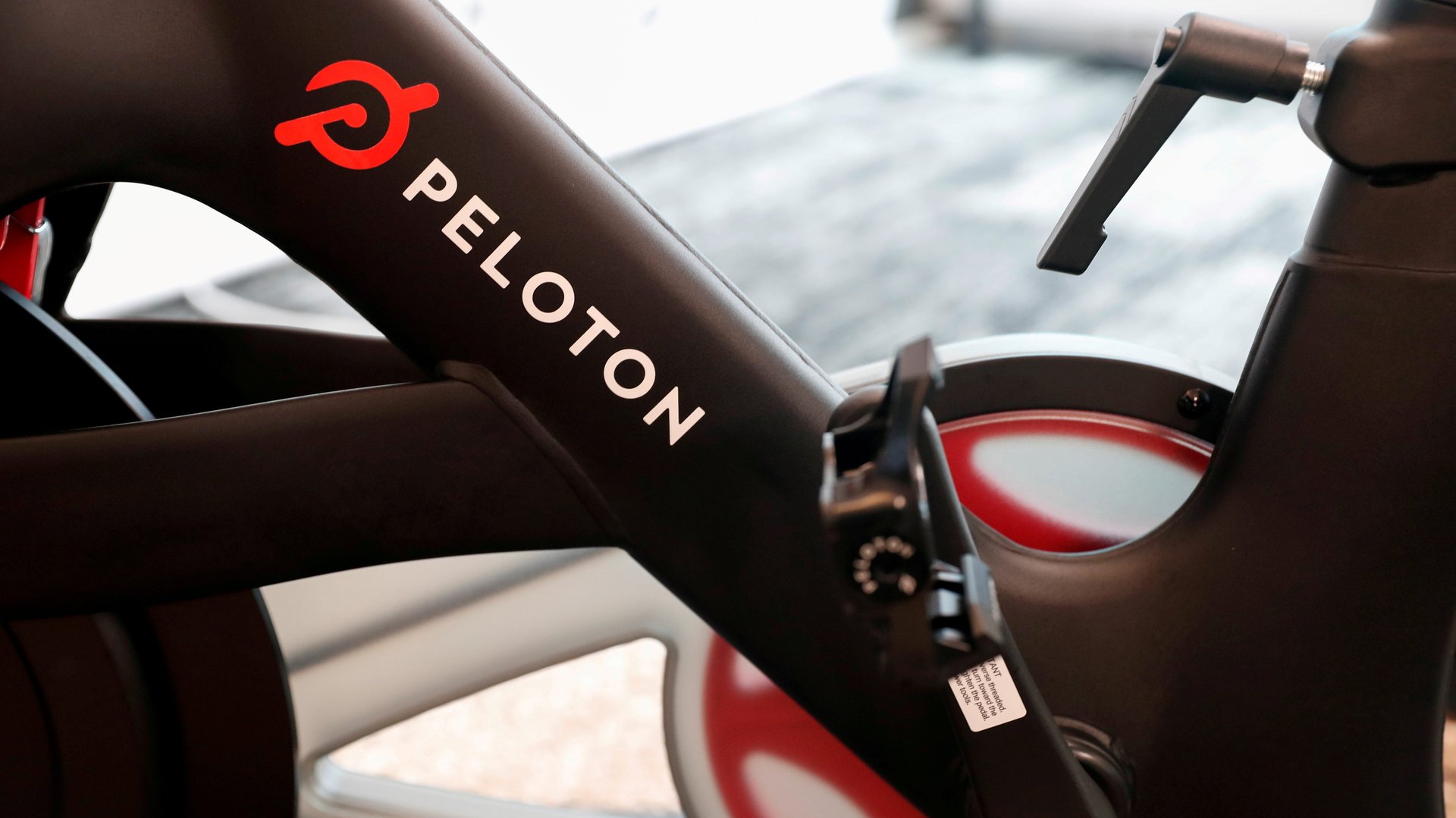
After months of customers enduring absurdly long waits to get one of its $2,000 stationary bikes—more than 10 weeks, in some cases—Peloton says it has fixed its delivery issues.
Peloton and the US Consumer Product Safety Commission (CPSC), a government watchdog agency, have announced a recall of the fitness company’s Tread+ and Tread treadmills. The decision comes less than a month after Peloton criticized the group’s April warning about the safety of its treadmills as “inaccurate and misleading.”
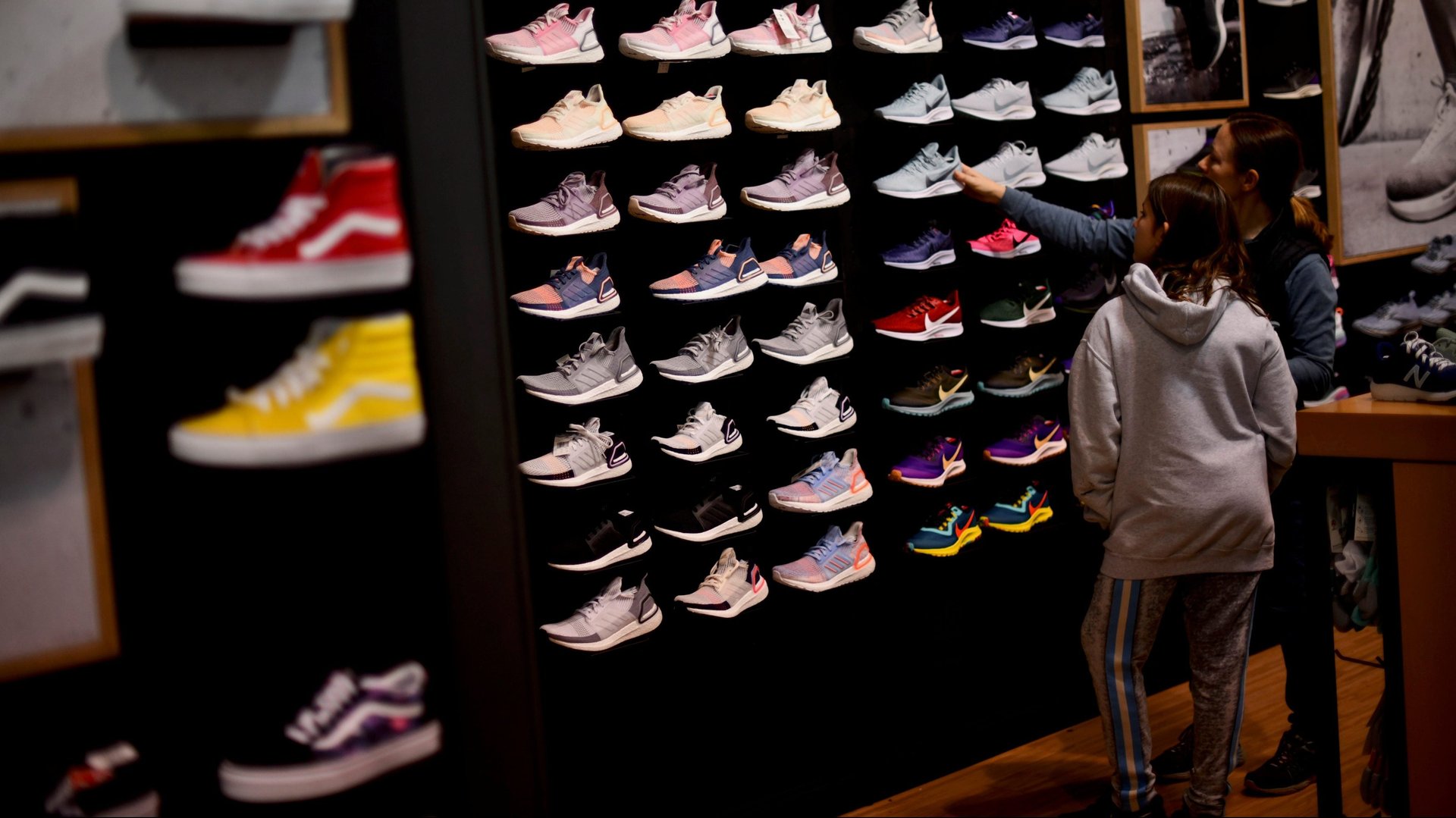
The weather is warming in the US, and many parts of the country are reopening as Covid-19 infection rates fall. Americans are heading outdoors, and they’re going shoe shopping.
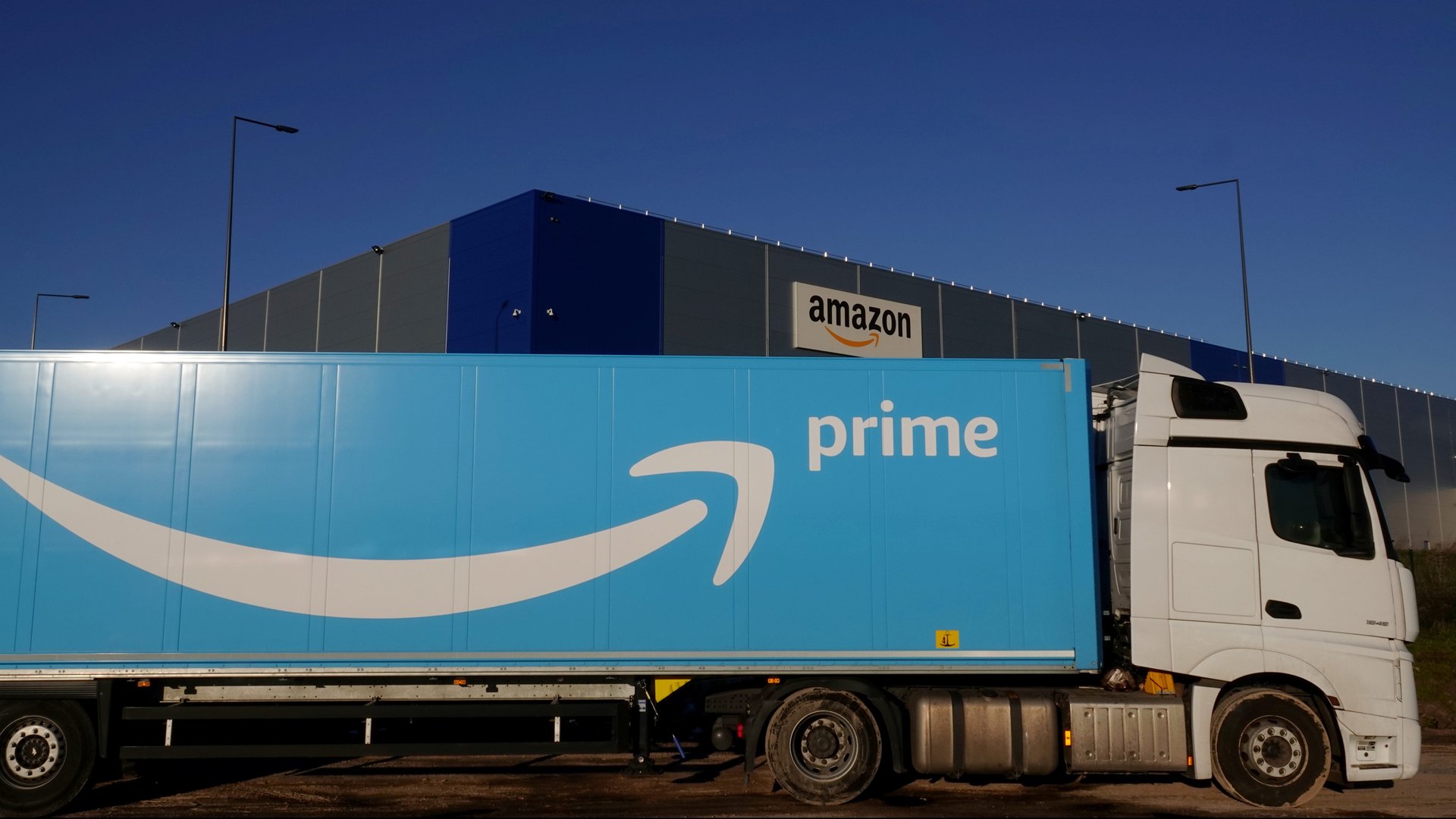
It took Amazon 13 years to reach its first 100 million subscribers to Prime, the company’s benefits-loaded membership program. It took just three years to add its next 100 million, as founder Jeff Bezos revealed last month in his final letter to shareholders as Amazon’s CEO.
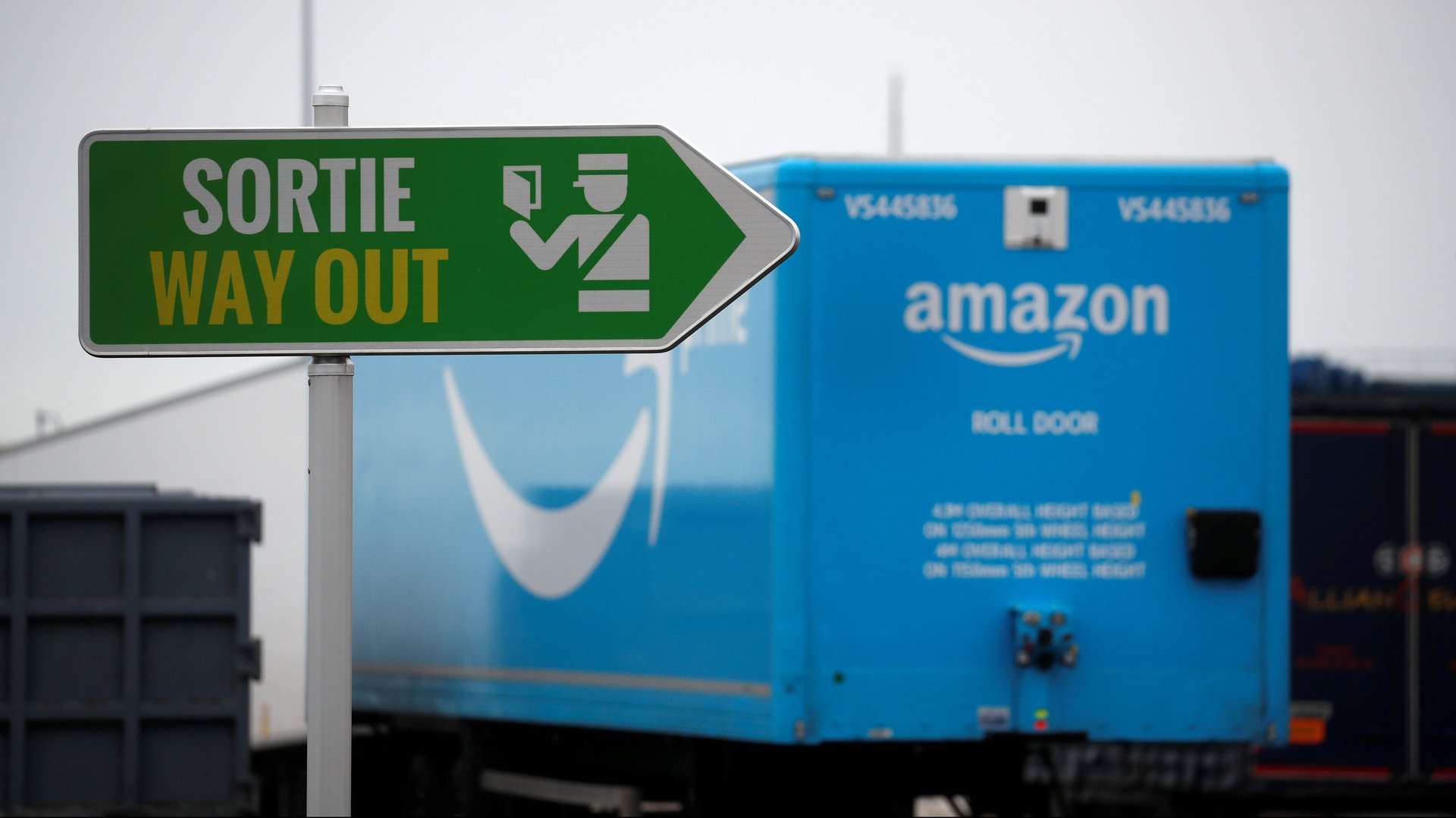
Amazon hasn’t historically had the same success overseas that it’s enjoyed in the US. But now growth in the e-commerce company’s international business is blazing past its growth at home.
More Americans are getting vaccinated by the day, and many, emboldened by loosening restrictions around mask use and warming weather in the US, are finally heading back to stores and malls after a year of doing much of their shopping online.
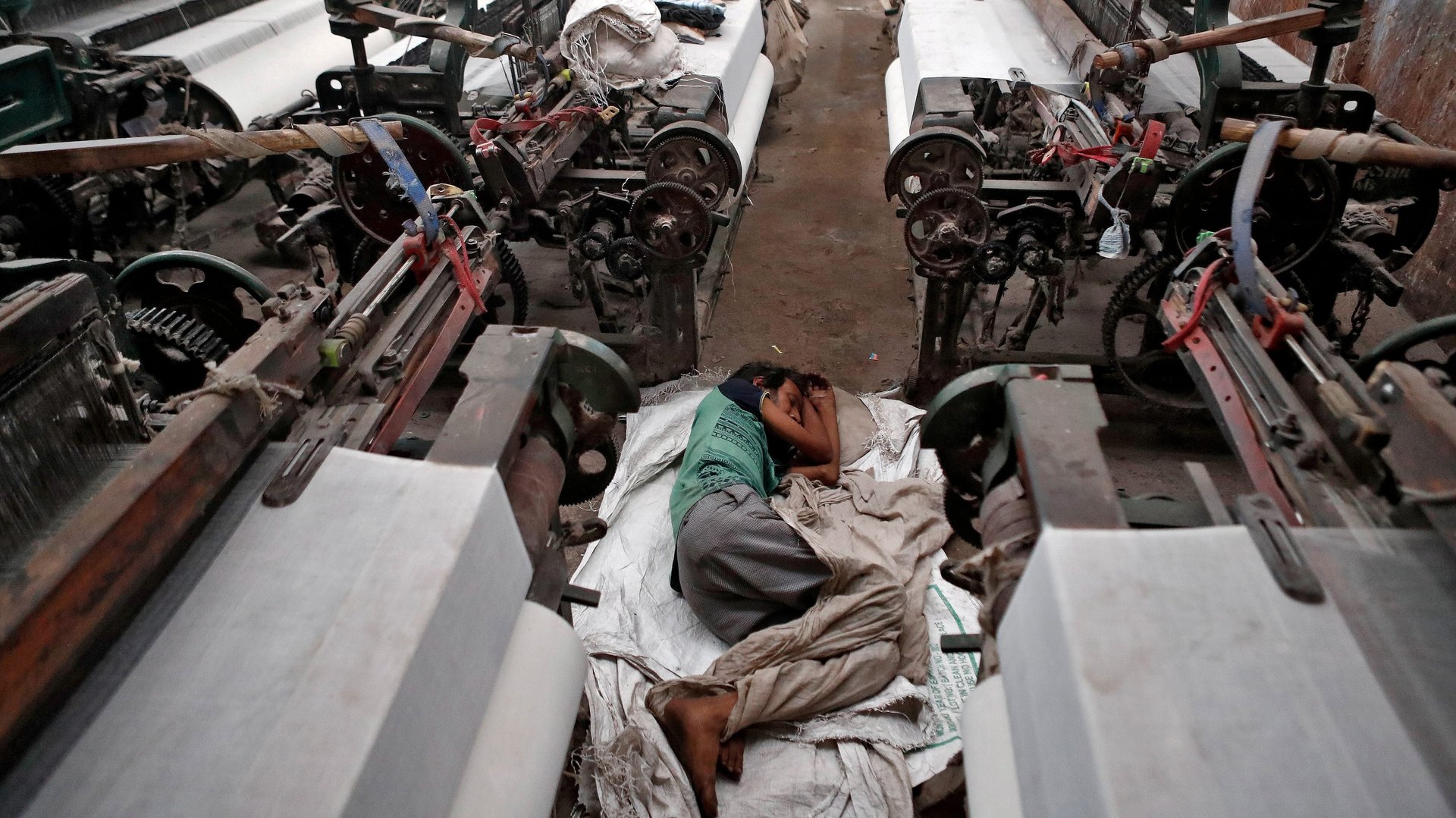
Workers in Bengaluru’s garment industry are facing a dire situation.
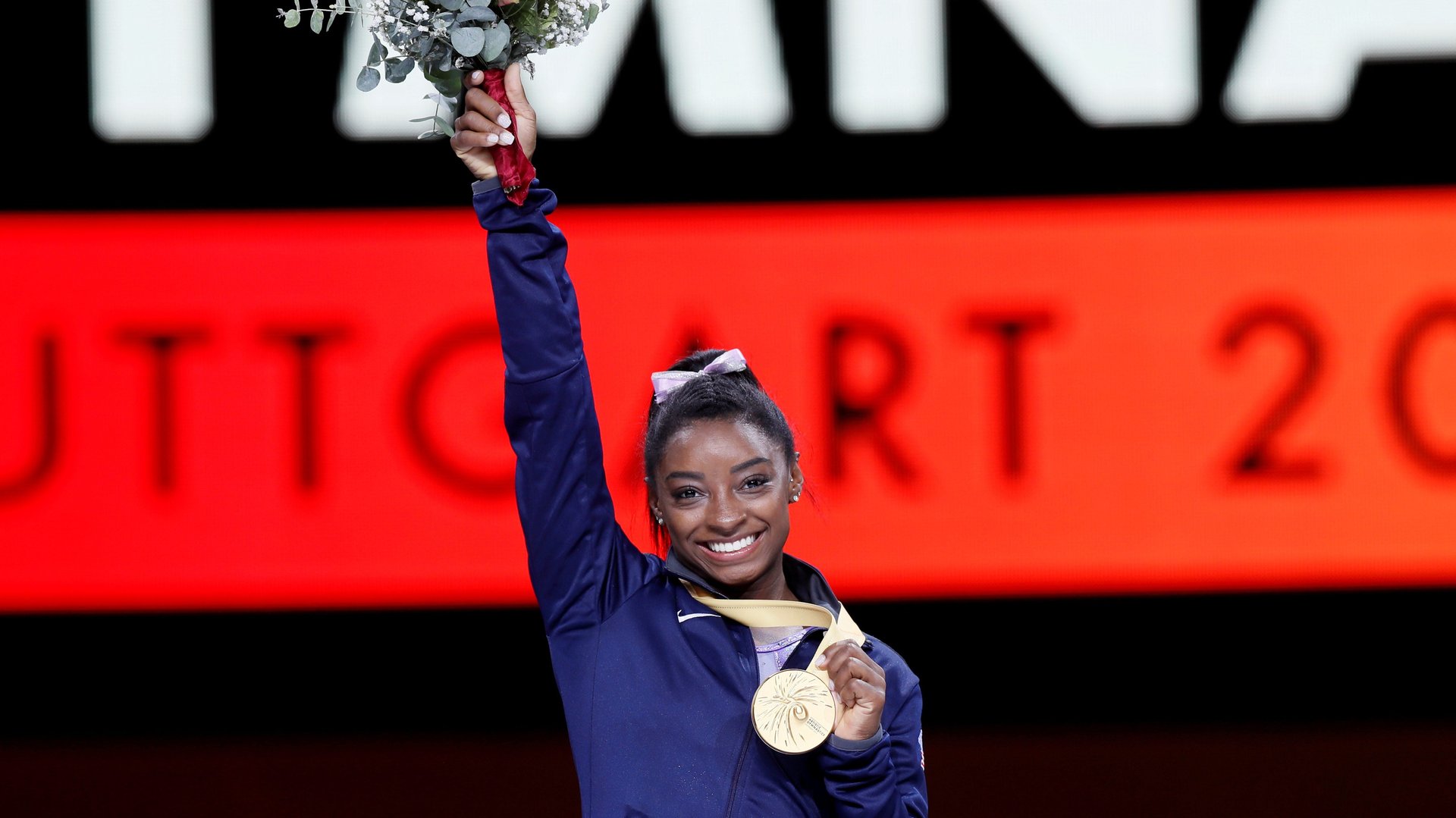
Simone Biles, the dominant star of women’s gymnastics, is ditching Nike for a deal with Gap’s Athleta activewear brand. Athleta announced the partnership today.

For the top names in luxury fashion, the pandemic doldrums appear to be firmly behind them—except in Europe, that is.
Amazon is opening a new two-floor hair salon spanning more than 1,500 square feet in London’s Spitalfields neighborhood, known for upscale fashion boutiques and cocktail bars. Customers will be able to receive a full range of services, from cuts to highlights, texturizer treatments, and braids.