

Lifestyle
Black “Friday” now lasts an entire weekIt’s 2019 and every day is Black Friday.
Updated July 21, 20223 min read
It’s 2019 and every day is Black Friday.
Can Spotify give you better podcast recommendations than your friends?

As China attempts to stamp out Hong Kong’s pro-democracy protests, demonstrators have endured tear-gassings and beatings from riot police. There have even been a few deaths during the violent clashes. But one of the most intimidating sights came this weekend: soldiers from mainland China on the streets, dressed in shorts and t-shirts—and armed with brooms.
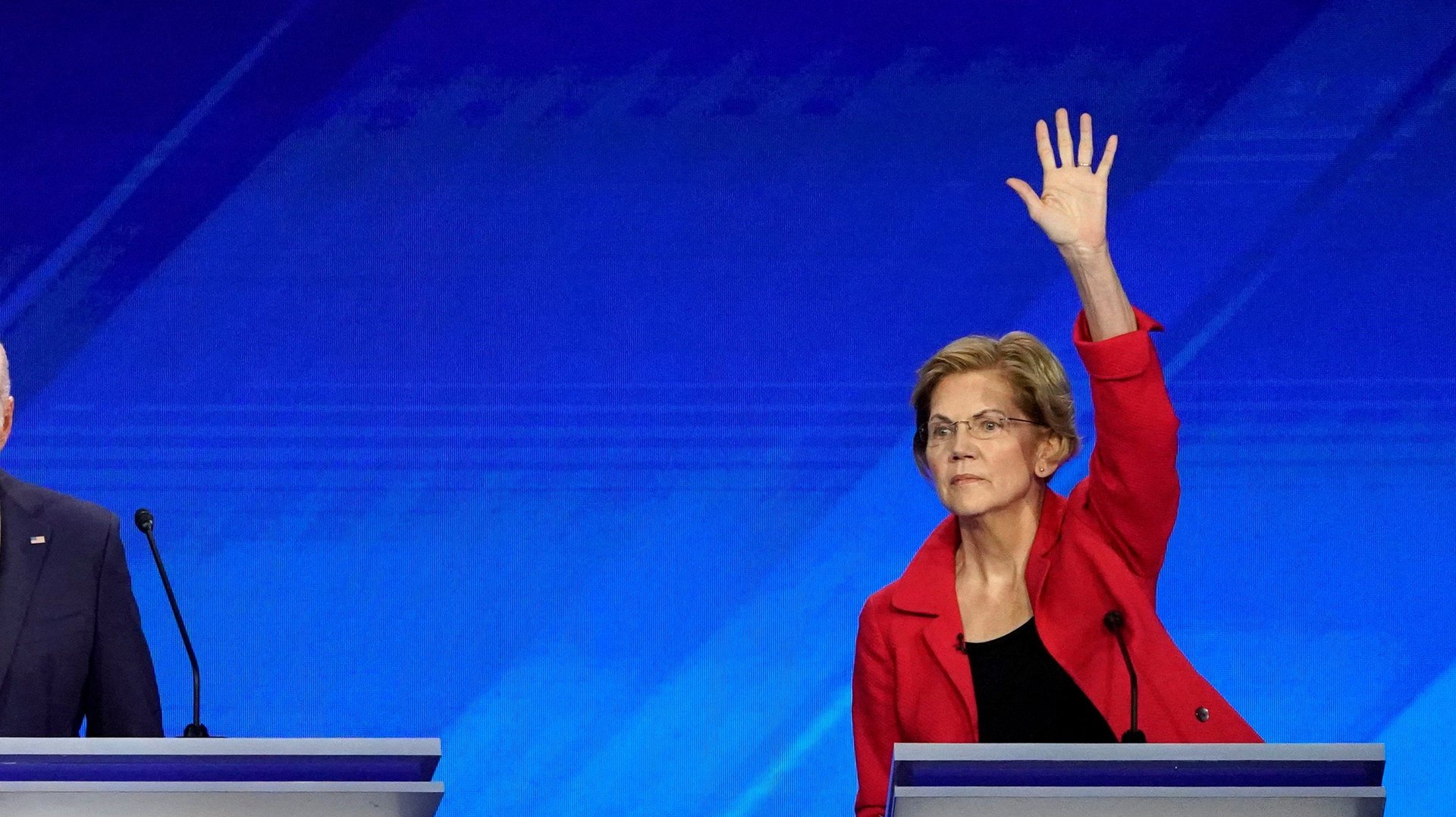
The campaign for senator Elizabeth Warren, one of the 2020 US presidential candidates, is ready to toast her tax plan. In a spirited display, the Warren campaign has begun selling coffee mugs emblazoned with the words “billionaire tears.” They’re reportedly one of her campaign’s best-selling items.
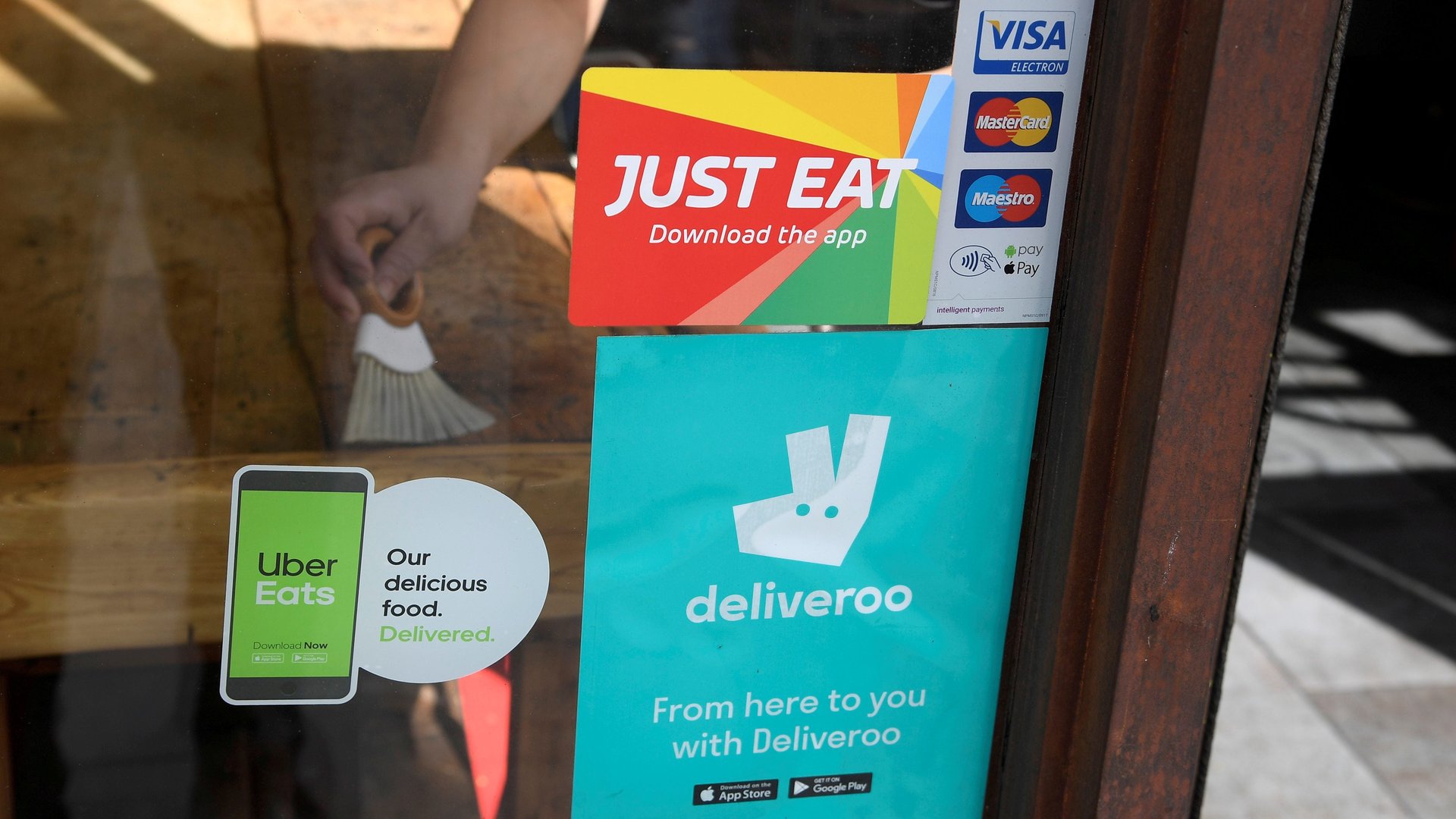
In the restaurant industry, where competition is fierce and failure is common, life is about to get even tougher. Food-delivery apps have already squeezed margins, forcing eatery owners to pay steep commissions. Now, the rise of “ghost kitchens” (delivery-only restaurants) and “virtual kitchens” (existing restaurants that prep other cuisines for delivery) could put traditional establishments under further duress.

In India, commuting to work is notoriously slow. In some cities, it can take several hours to travel between home and the office, and the average Indian spends up to 7% of their life just in transit. But while most see gridlock as a nuisance, others see opportunity. Extended travel time makes daily commuters a captive audience, longing for something to do—or to watch.
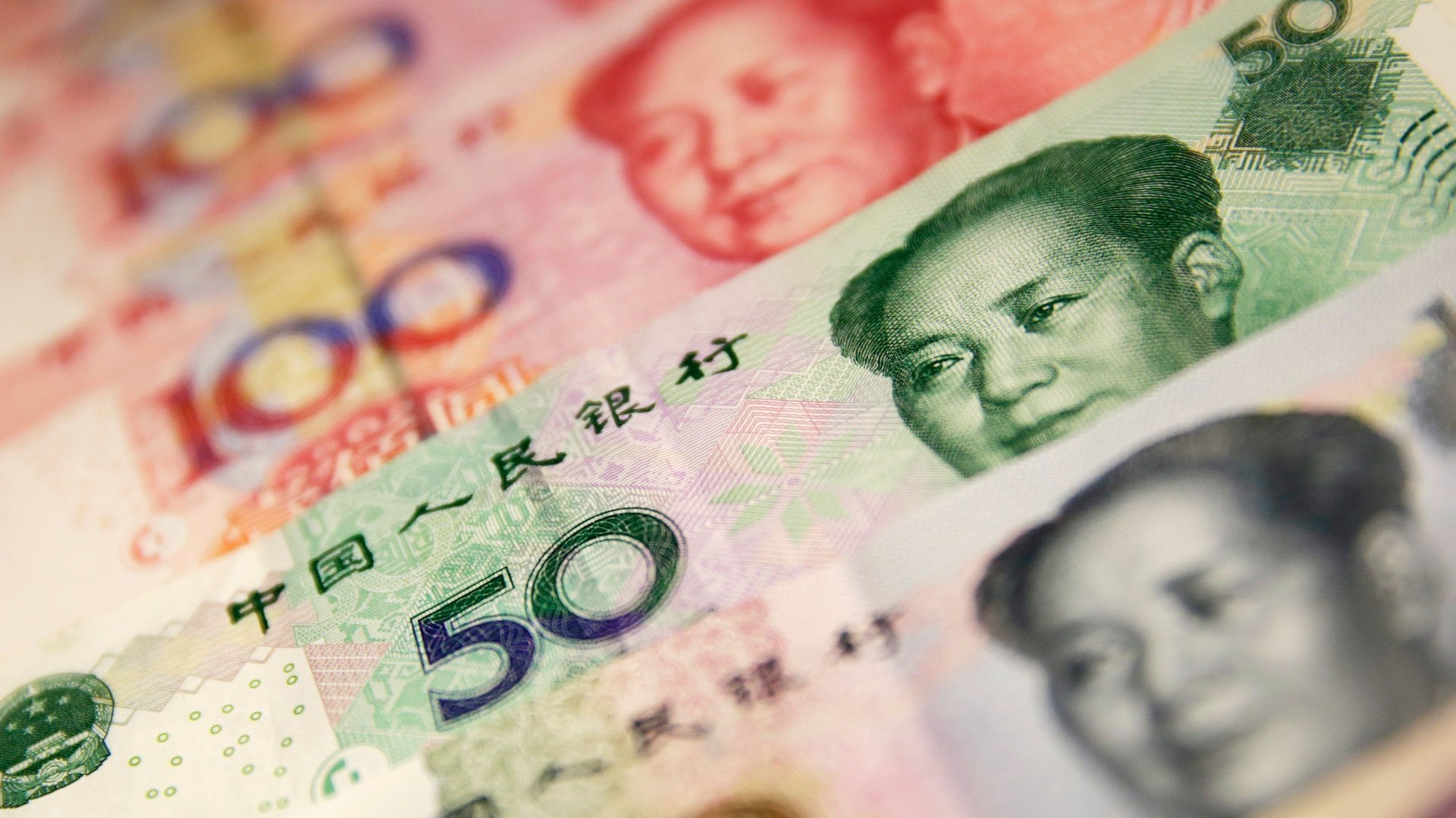
Since 2014, China’s central bank has been examining the potential for a digital yuan. To date, however, the bank has not launched one, and it warned yesterday (Nov. 13), reports to the contrary are inaccurate and potentially fraudulent.
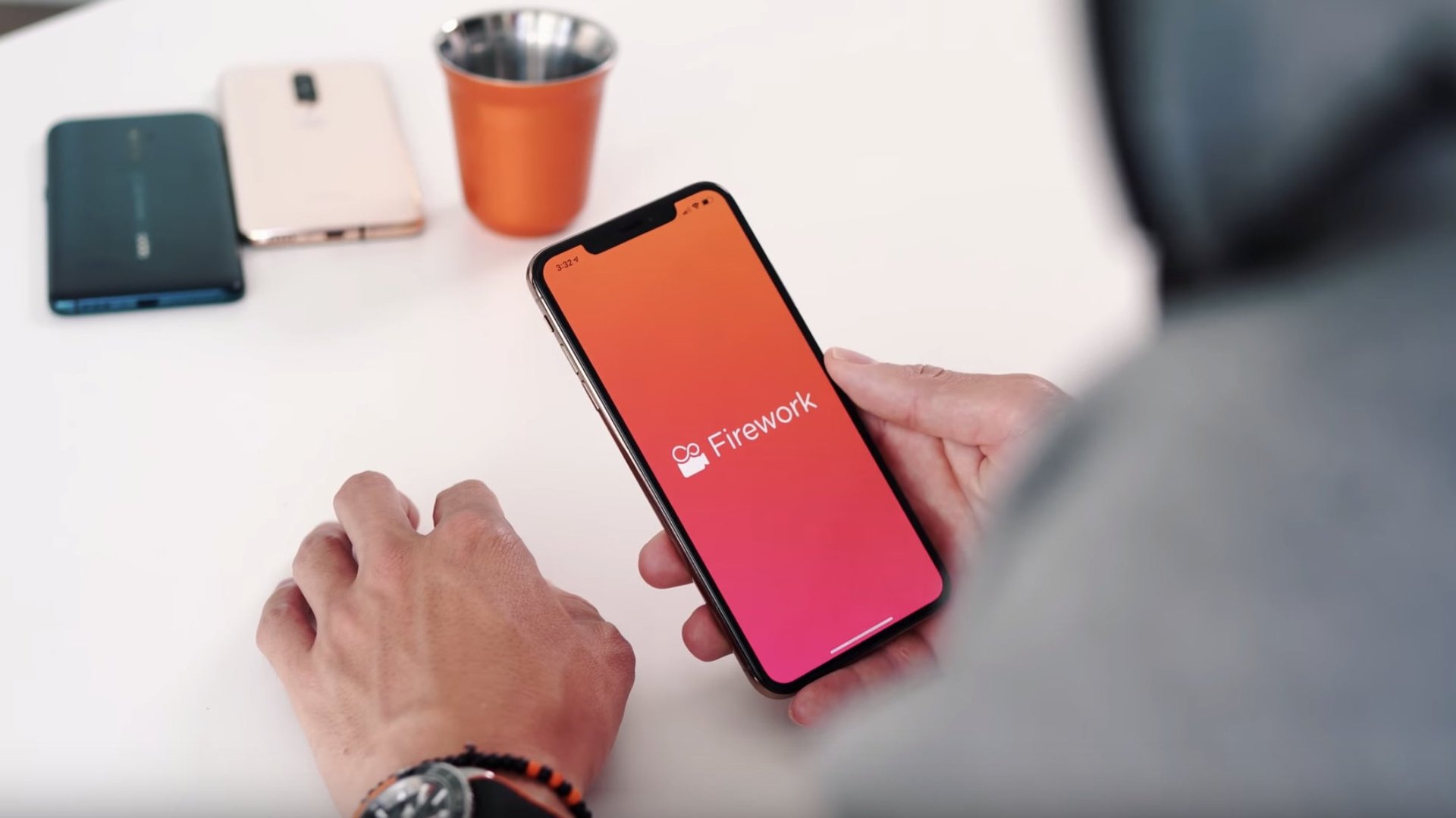
TikTok, the social video app, is reportedly undergoing a US national security review for censoring politically sensitive content. Depending on its outcome, the short-form video-sharing platform could risk losing its grip on the emerging medium which has proven popular among teenagers.
With the help of Taylor Swift, Alibaba, the Chinese e-commerce giant, was able to shake it off on Singles Day. The shopping festival, an anti-Valentine’s Day celebrated Nov. 11, smashed to a record $38 billion in gross merchandise volume (GMV), a rough measure of total transactions, a 26% increase year-over-year. The metric doesn’t account for cancellations or returns. Swift headlined at the company’s Countdown Gala, singing three songs from her latest album, Lover, as the buying frenzy began.
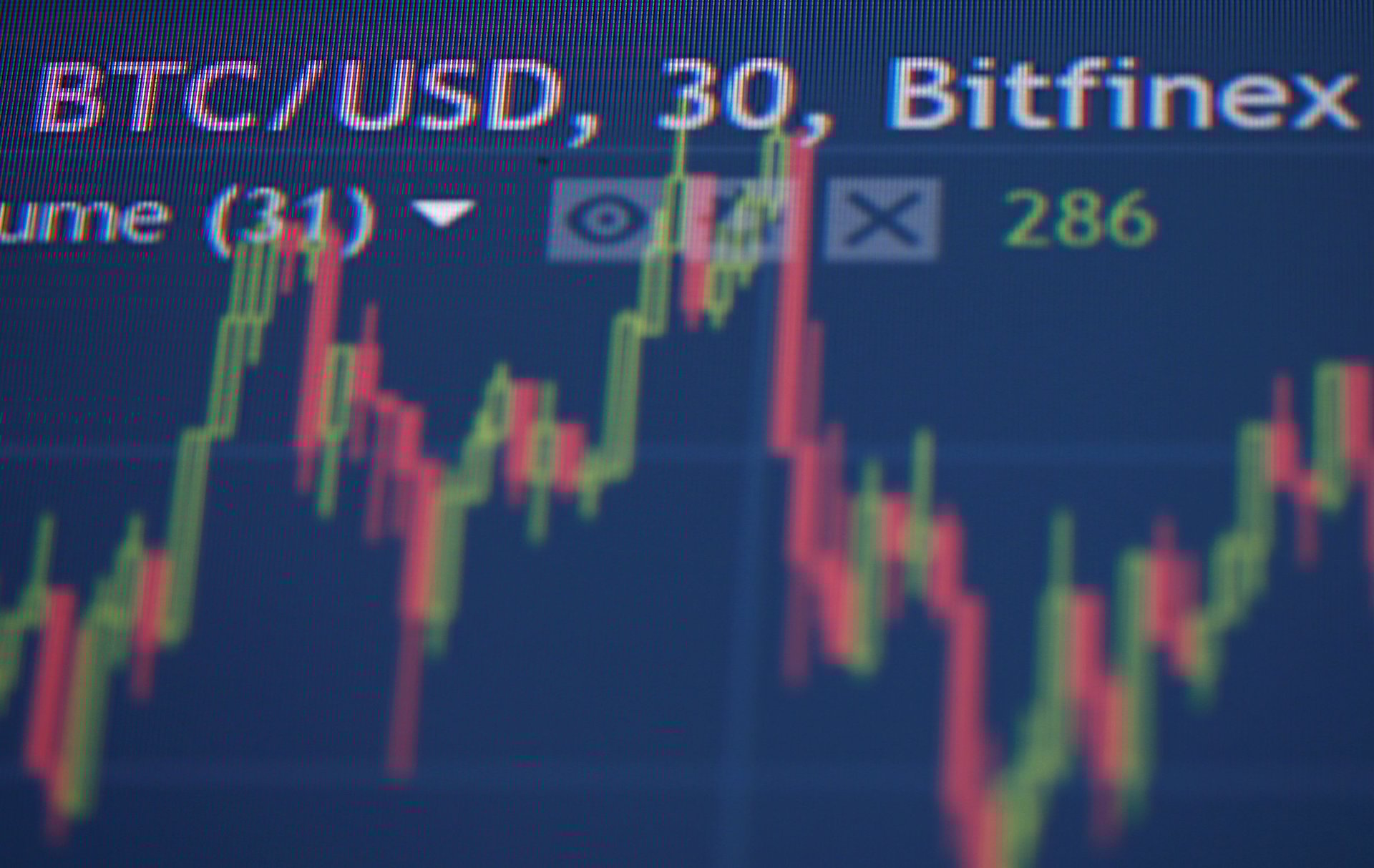
This week, economics researchers updated a 2018 paper in which they argue bitcoin’s price was artificially inflated during 2017. John Griffin, a professor of finance at the University of Texas, and Amin Shams, an assistant professor at The Ohio State University, suggest a single massive trader influenced bitcoin’s ascent to $20,000, buying up the cryptocurrency at regular intervals using another digital unit called US Dollar Tether (USDT).

The first earnings report as a public company for Peloton, the internet-connected bike and treadmill exercise firm, was a rocky one.

Facebook is finding a surprising new revenue source, a world away from the scandal-fraught businesses it traditionally relies on.
It’s been almost five years since Robinhood debuted zero-fee stock trading, but the approach has finally cracked the mass market. Charles Schwab cut its online stock-trading commissions to zero in early October, and the announcement immediately sent waves throughout the US financial industry. Schwab’s pronouncement was closely followed by equivalent moves from TD Ameritrade, E*Trade, and Fidelity, much to the delight of investors.
Spotify’s stock price leaped 15% today (Oct. 28) as the music streaming service delivered a surprise profit for its third quarter.

Since he created Facebook, Mark Zuckerberg’s playbook hasn’t changed: He copies things and claims they belong to him.
Venmo, the social payments app run by PayPal, has reportedly never broken even for its parent company. That is despite processing $27 billion in payments during the third quarter (pdf) of 2019, a 64% increase year-over-year. The popular app only managed to turn a fraction of that into revenue.
Mark Zuckerberg has offered many reasons for Facebook’s pursuit of Libra, its attempt at a global cryptocurrency. From banking the unbanked to maintaining America’s economic dominance, he’s presented the digital currency as a noble effort.

Facebook CEO Mark Zuckerberg appeared today (Oct. 23) before the US House Financial Services Committee to discuss Libra, his company’s global cryptocurrency project.

“Selling Rune Scimmy 15K.”
Can you learn English from social media? TikTok, the viral video-sharing app, is testing the limits of its platform through EduTok, a new program it launched today (Oct. 17) in India. The company claims to have more than 200 million Indian users.
Judging by the headlines from the last few weeks, you wouldn’t know that Facebook’s payments strategy is moving along just fine. We’re not talking about its cryptocurrency plans, though—we mean WhatsApp Pay.
Chinese users may want to be careful about searching the web through Apple’s Safari browser.

Facebook’s cryptocurrency project is crumbling, as partners abandon the initiative.
Facebook’s plan for Libra, a global cryptocurrency, doesn’t make much sense.