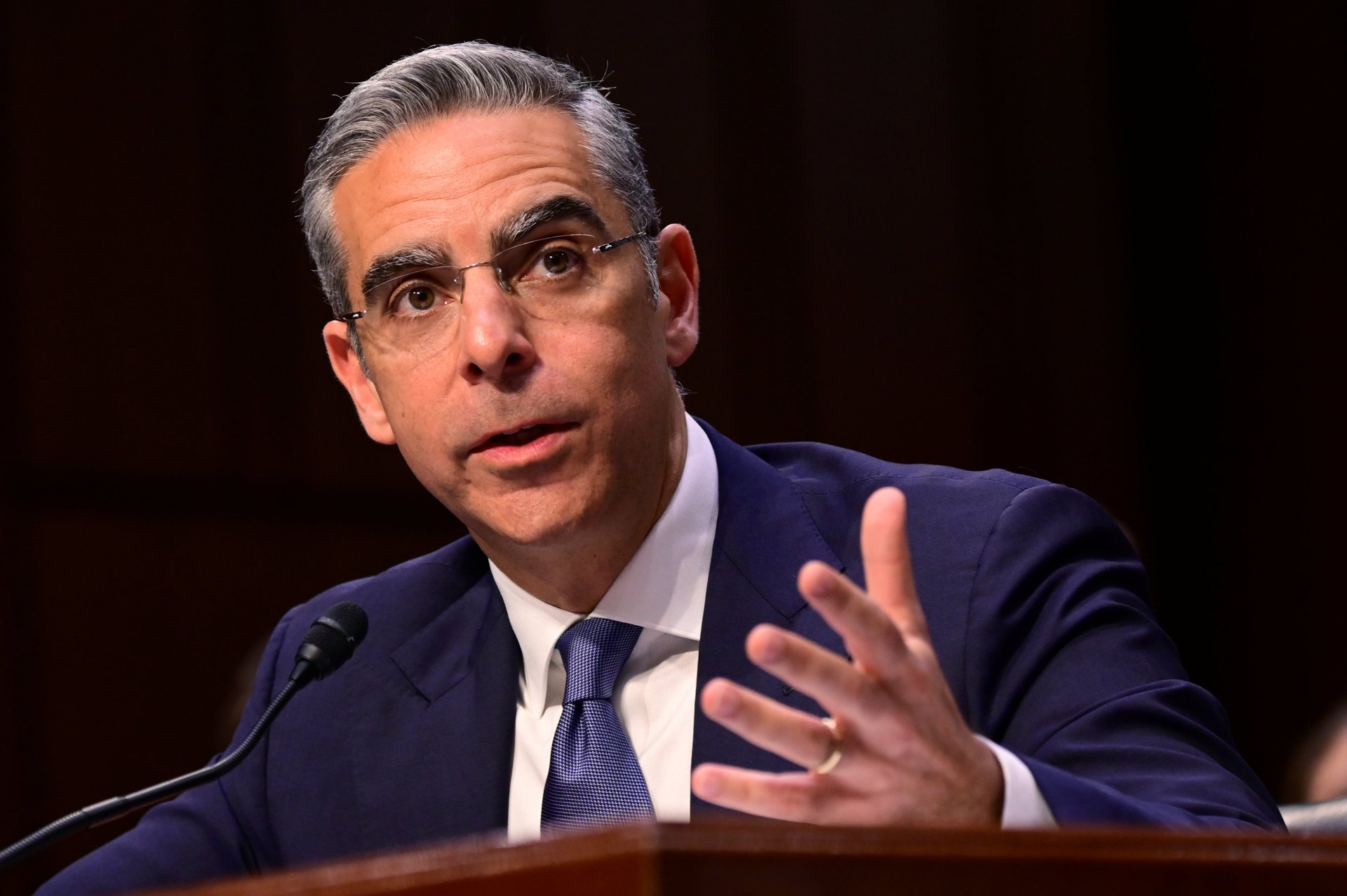
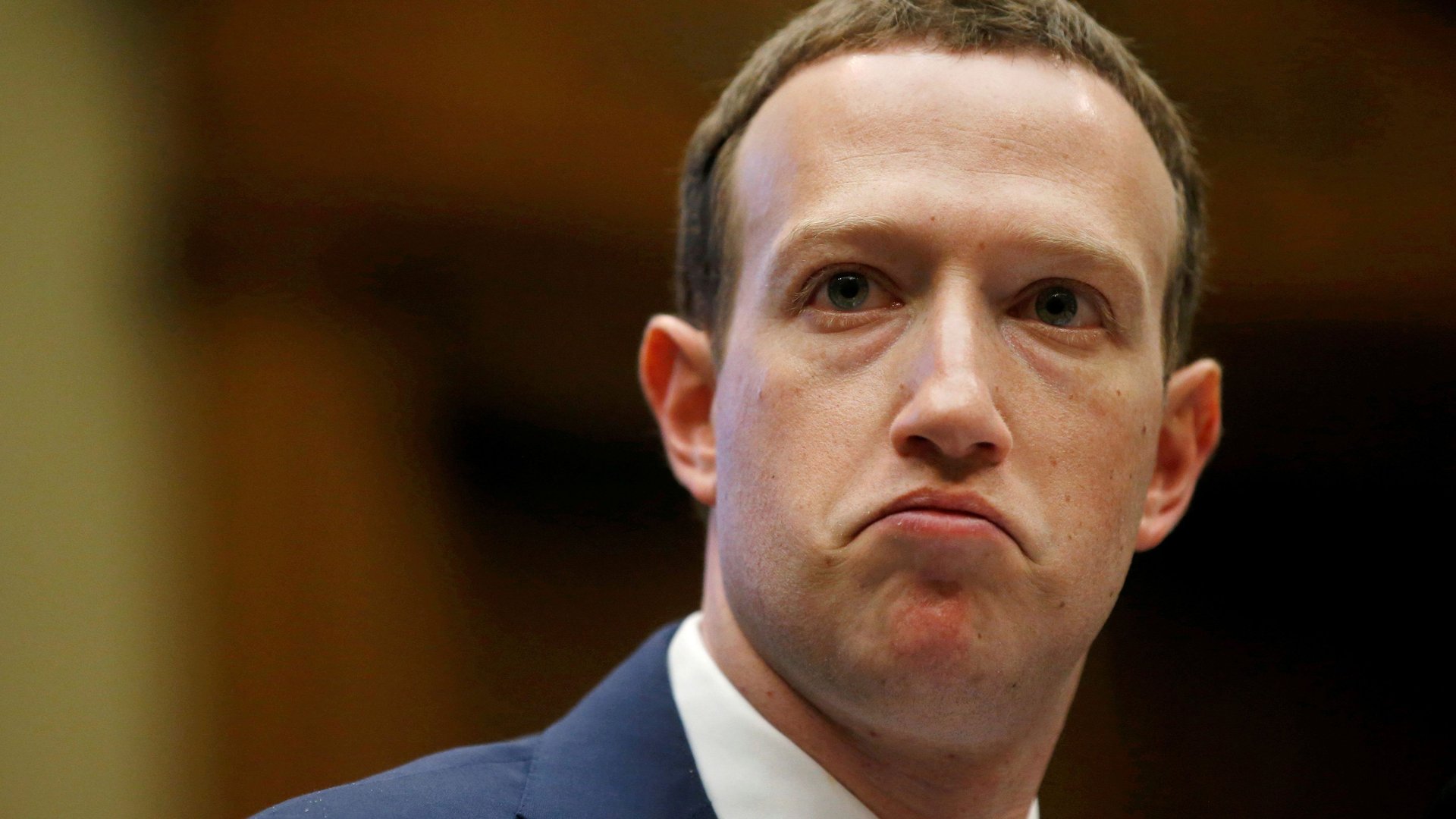
Even after two days of testimony before Congress by Facebook’s David Marcus, questions abound about the company’s proposed Libra cryptocurrency.

Even after two days of testimony before Congress by Facebook’s David Marcus, questions abound about the company’s proposed Libra cryptocurrency.

Even though Facebook struggles to control the rampant abuse of its social media platform, the company told Congress it’s prepared to dive headlong into the financial services industry with Libra, a new cryptocurrency.

Libra, Facebook’s planned cryptocurrency, encounters its first major challenge this week. David Marcus, who’s spearheading the Facebook initiative, will testify before the US Congress to answer questions about Libra’s design, privacy measures, and potential impact on the US economy.

One of the world’s most iconic cars, the Volkswagen Beetle, is no more.

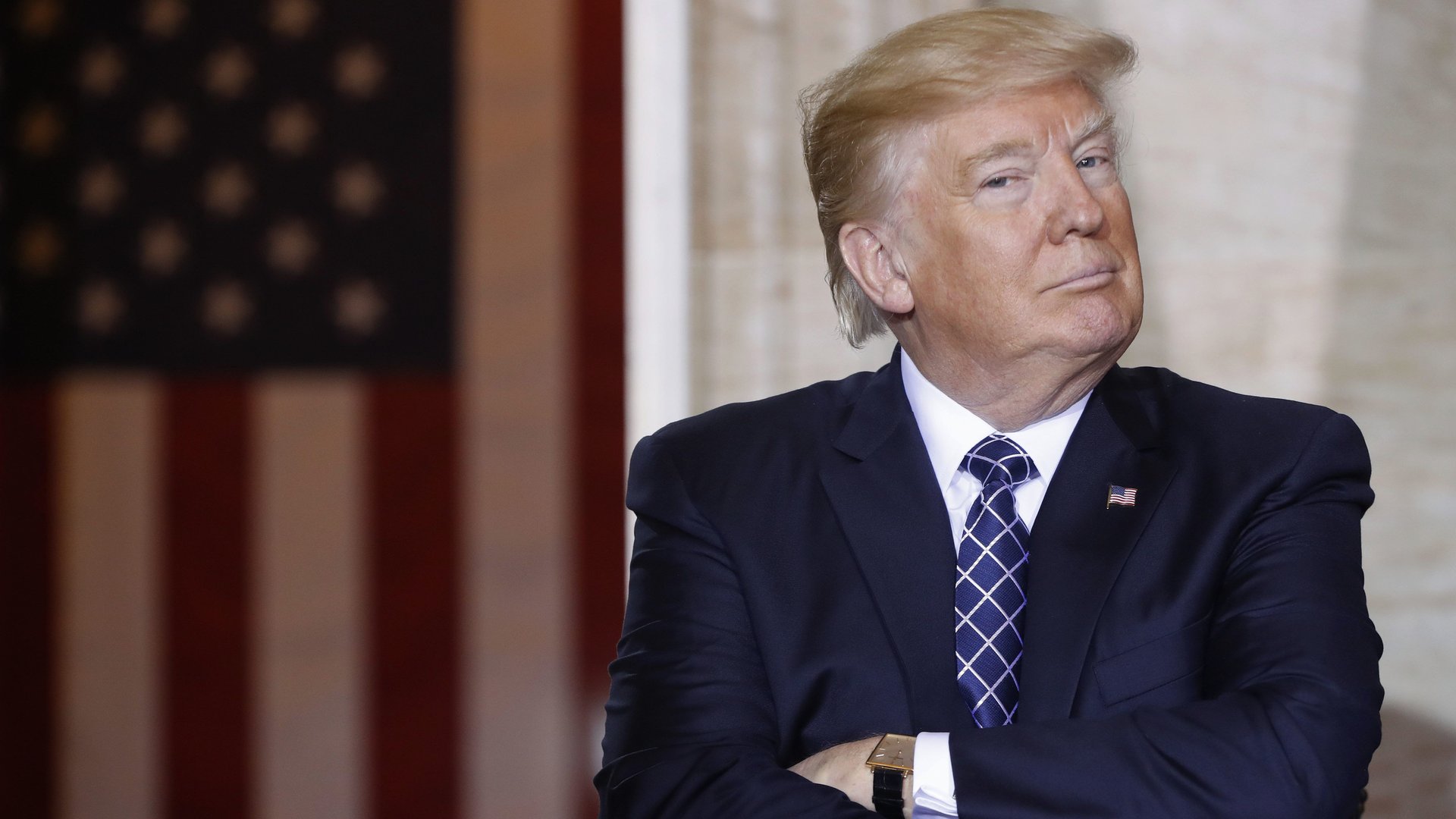
Donald Trump is officially a nocoiner—a person who thinks bitcoin and other cryptocurrencies are a giant scam.

After Facebook announced last month it would create Libra, its own cryptocurrency, regulators responded with breathless concerns. Expected to launch in 2020 and backed by real assets (cash and short-term government bonds), Libra could fundamentally change the economic system, but also may wreak havoc on smaller economies, threatening to shake global financial stability as populations rapidly abandon their local currencies.

Sometimes, all you need is a little reminder. Researchers recently found borrowers who received quarterly emails about their credit scores were less likely to face late payments than their peers. In fact, when notified of their credit scores, borrowers tended to improve them.

Trade tensions with the US gripped the Chinese economy during 2018, and as growth sputtered worldwide, China’s wealthy lost nearly $530 billion, likely because of a dip in the country’s stock market.

Since Facebook unveiled Libra, a planned cryptocurrency initiative, two weeks ago, the company has been slammed by critics. From lawmakers and economists to financial regulators and consumer groups, virtually all are worried that Facebook’s crypto could impinge on privacy and facilitate financial crimes.

Depending on who you ask, Libra—a cryptocurrency announced by Facebook last month—could usher in a new era of banking, or it could cause the next financial crisis.

When Facebook announced its new digital currency, Libra, on June 18, the company changed the conversation about the viability of cryptocurrencies. It immediately surmounted one of the most important obstacles: users. With 2.7 billion customers across its platform (that includes Instagram, Messenger, and WhatsApp), Facebook has a user base like no other. Unlike most crypto projects, Facebook doesn’t have to convince people to sign up: It has them, and Libra will be integrated into apps that are already a part of their daily lives.

Contrary to popular belief, Facebook’s planned cryptocurrency, Libra, probably isn’t the only thing behind bitcoin’s recent resurgence.

Every time I use a credit card to buy a cheeseburger at In-N-Out Burger, Mint dutifully subtracts $3.12 from my net worth. When I receive my biweekly paycheck, the money management platform automatically sends me a corresponding email notification: “Deposit into Chase Bank.” Mint gives me a comprehensive overview of my situation, and it reminds me when to tighten the purse strings—or let loose.

It’s been nine days since Facebook announced the Libra, a new currency for the world, and we’re still alive.

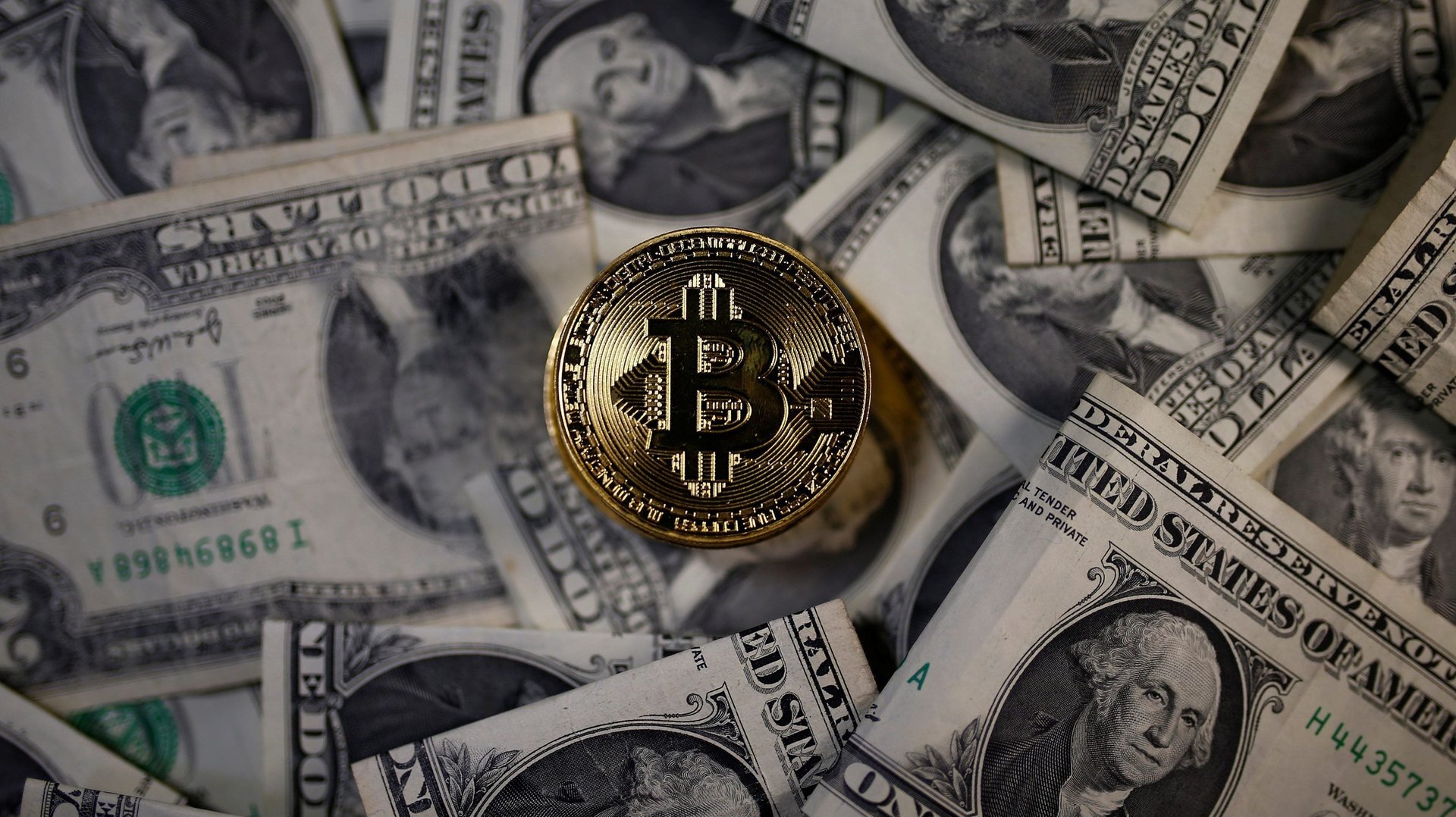
Since Facebook announced its planned Libra currency June 18, the bitcoin market has gone haywire. The original cryptocurrency surged from $9,000 to $11,000 this past week, as investors perceived Facebook’s crypto initiative as a vote of confidence in blockchain-based assets.

Join Quartz reporters John Detrixhe and Matthew De Silva as they discuss Facebook’s white paper on Libra, a new digital currency the company is supporting.

Facebook’s Libra is starting to sound more like a cancer.

The 2019 NBA Draft took place last night (June 20) at Barclays Center in New York. Dozens of young men from across the world finally learned which NBA teams they will join and where they will spend the formative years of their basketball careers.

The world is rapidly approaching an inflection point in financial inclusion and privacy. When Facebook announced the Libra, its new cryptocurrency, on June 18, the company said it hoped to bring billions without bank accounts into the digital economy, providing them with basic financial services through their cellphones.

On Tuesday, Facebook announced Libra, its new global cryptocurrency, that the company says could increase financial inclusion for millions of people across the world. The digital unit, expected to launch in early 2020, is already attracting significant doubt from people who worry about trusting the social media giant with their finances.

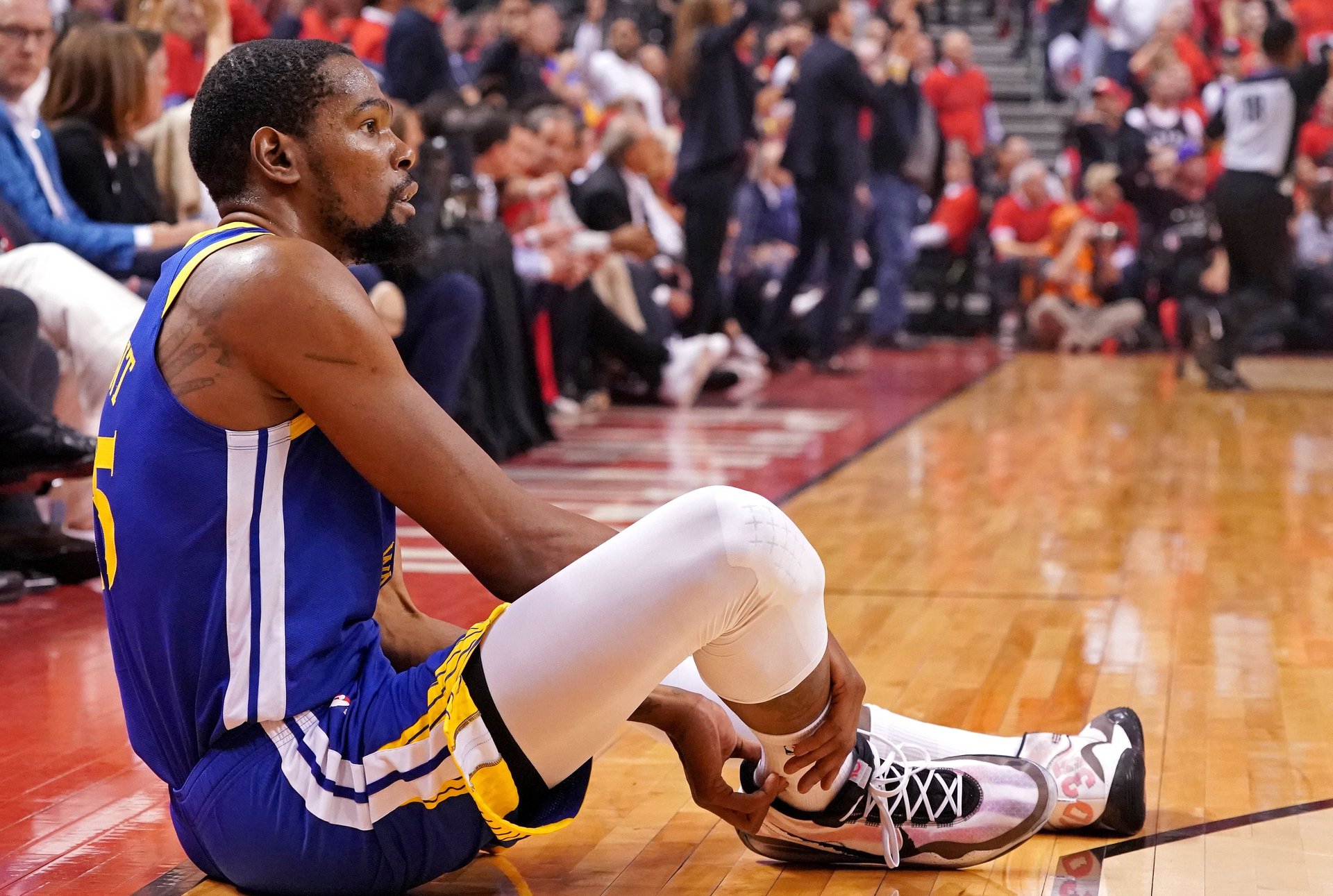
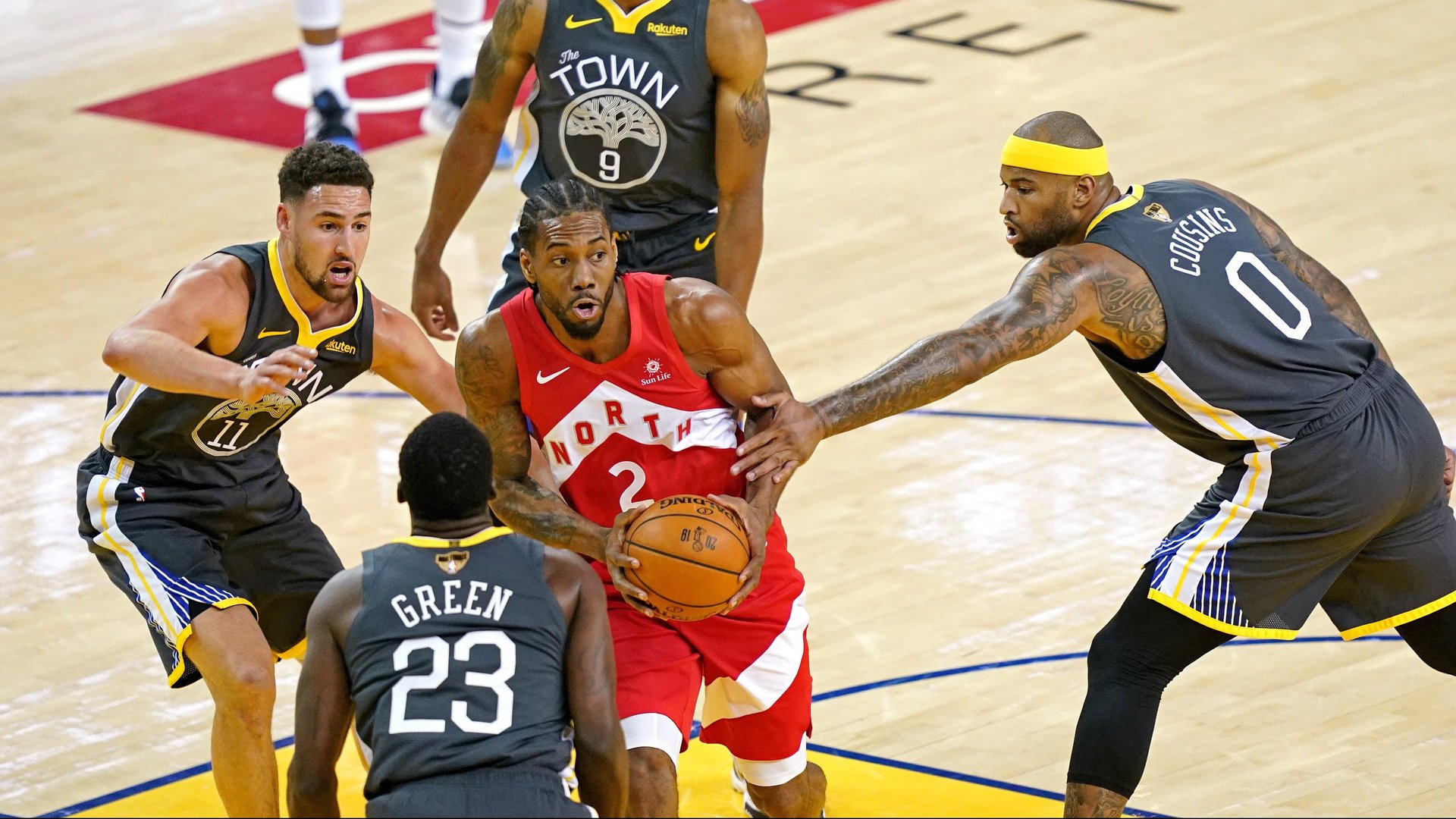
After rushing back from injury to help his team stave off elimination, Golden State Warriors forward Kevin Durant suffered a torn Achilles tendon in game five of this year’s NBA finals. Though the Warriors eked out a victory that night (June 10), they ultimately lost the series, with the Toronto Raptors claiming the championship in six games. By returning to the lineup, Durant demonstrated a willingness to put the team ahead of himself—but now he’s at risk of missing the entire 2019-2020 season.

Facebook has finally revealed plans for a cryptocurrency called Libra, one of the worst-kept secrets in the history of virtual money.

Meghan Spillane is a partner at Goodwin, an international law firm. She works in the firm’s digital currency and blockchain technology practice, as well as its securities, white collar & business litigation group. Spillane regularly interacts with SEC staff and provides counsel to clients on how to structure digital assets prior to the launch of blockchain platforms. This area has become particularly sensitive as the SEC appears to be taking a harder look at whether crypto tokens violate the Howey test, which is used to determine whether a financial instrument is an “investment contract.” This interview has been lightly edited for length and clarity.

The Toronto Raptors are one win away from securing their first NBA championship. The team was leading the Golden State Warriors 3-1 but as it got ready to tip off for game 5 it was taking nothing for granted. Toronto was staying humble and focused on realizing results. It’s a valuable strategy not just for the basketball court, but also the conference room.