Finding trustworthy and in-depth information about blockchain technology and cryptocurrencies is notoriously difficult. The space is filled with crypto evangelists and purported “blockchain experts,” with massive—and often undeserved—followings.

Finding trustworthy and in-depth information about blockchain technology and cryptocurrencies is notoriously difficult. The space is filled with crypto evangelists and purported “blockchain experts,” with massive—and often undeserved—followings.

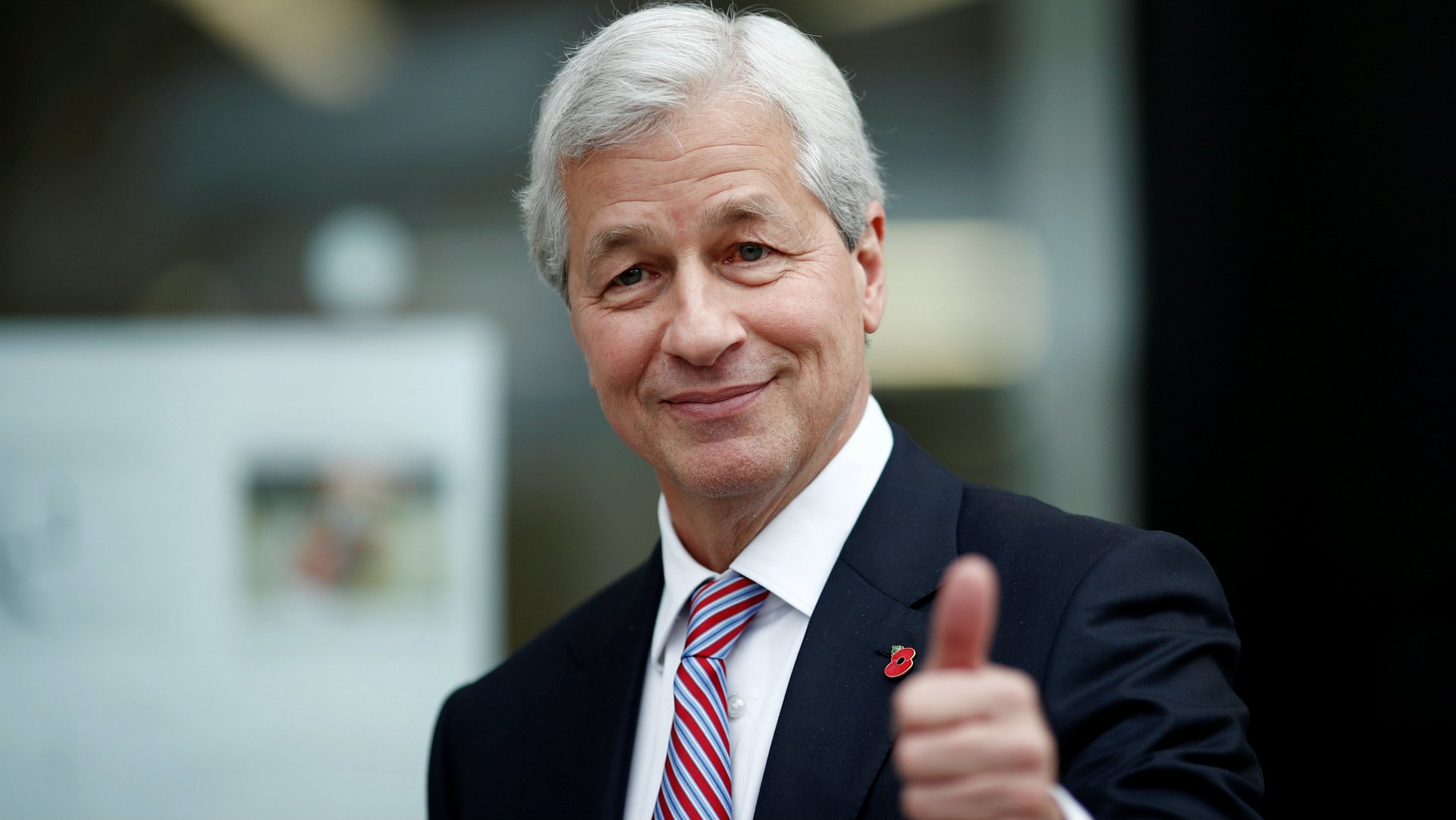
In 2017, JPMorgan CEO Jamie Dimon said bitcoin was a “fraud.” Five months ago, one of the bank’s managing directors told Quartz that the blockchain technology underlying bitcoin may not make payments faster. But today, JPMorgan said it launched a pilot project that uses blockchain for business-to-business payments, using a token it dubs JPM Coin. CNBC first reported the news.

During the cryptocurrency boom, investors who didn’t buy early could only look longingly as prices soared and bitcoin minted millionaires.

Ten years ago, there was a $5,000 bounty on the head of Evan Ratliff. Ratliff, then a journalist for Wired, had accepted a challenge: to vanish and reinvent himself under a pseudonym over the course of a month. (The exact dates were Aug. 15 to Sept. 15, 2009.) Ratliff’s editor was left with his social media profiles and banking information. Clues from these were gradually released so anybody could try their luck at tracking down the writer and winning the prize money.

A peculiar thing about cryptocurrencies is that it’s difficult, if not impossible, to figure out their actual value, despite having a market capitalization thought to be around $120 billion or more.

THE ETHER EMPEROR

Andrew Keys leads capital markets activity for ConsenSys, a company that builds applications to support the ethereum network. Previously, he was ConsenSys’ head of global business development. Keys co-created the first ethereum blockchain-as-a-service offering with Microsoft and he was a founding member of the Enterprise Ethereum Alliance, an open-source, cross-industry initiative. He spoke with Quartz’s Matthew De Silva.

The world of cryptocurrency can be bewildering for the uninitiated, and its confusing word salad of terms doesn’t help. Here’s a primer with some basic vocabulary to get you started:

If one person embodies the unbridled audacity and optimism of bitcoin investors, it’s Didi Taihuttu. In the midst of bitcoin’s 2017 explosion, the Dutch businessman and father of three sold virtually all his possessions, including his home, to bet on the continued ascent of the cryptocurrency and its digital record-keeping system, blockchain.

Ripple, a seven-year-old company that uses blockchain technology for payments, has grand ambitions to revolutionize the way banks send money to each other internationally. Whether it gets anywhere close to reaching such a lofty aspiration remains to be seen, but it has at least succeeded at pumping competition (and attention!) into a sleepy corner of banking.

Kevin Werbach is a professor of legal studies and business ethics at the Wharton School of the University of Pennsylvania. He is an expert in emerging internet technologies, telecommunications policy, electronic commerce, and regulation. Werbach is the author of “The Blockchain and the New Architecture of Trust” published last year.

This Sunday (Feb. 3), the New England Patriots and Los Angeles Rams meet in the Super Bowl, and Americans will gamble an estimated $6 billion on the outcome. There are all sorts of bets to be made this weekend: how many points will be scored, how long the anthem will last, and even what color Gatorade players will dump on the winning coach.

Today (Jan. 31) is the deadline WalMart set for direct suppliers of leafy greens to join its blockchain-enabled food-tracking network. The corporate giant’s latest innovation—which arrived as a mandate—is an admirable step toward improving food traceability and safety, but might seem odd if you’re a blockchain purist.

A wave of fear washed through the cryptocurrency community as Ethereum Classic (ETC)—the original version of the Ethereum network—came under attack.

Last winter, as bitcoin zoomed to $10,000, Mike Novogratz, a hedge-fund-manager-turned-crypto-investor, proclaimed that it could “easily” reach $40,000. Then, when bitcoin broke $11,000, antivirus software pioneer John McAfee boldly predicted $1 million bitcoin by 2020.

Christine Lagarde, director of the International Monetary Fund, made the case for central bank digital currencies (CBDCs) at the Singapore Fintech Festival in November. CBDCs, she suggested, could enhance financial inclusion, security, and privacy. Lagarde also touched upon cryptocurrencies, explaining that bitcoin and its cousins are “vying for a spot in the cashless world.”

Don’t forget your disclaimers.

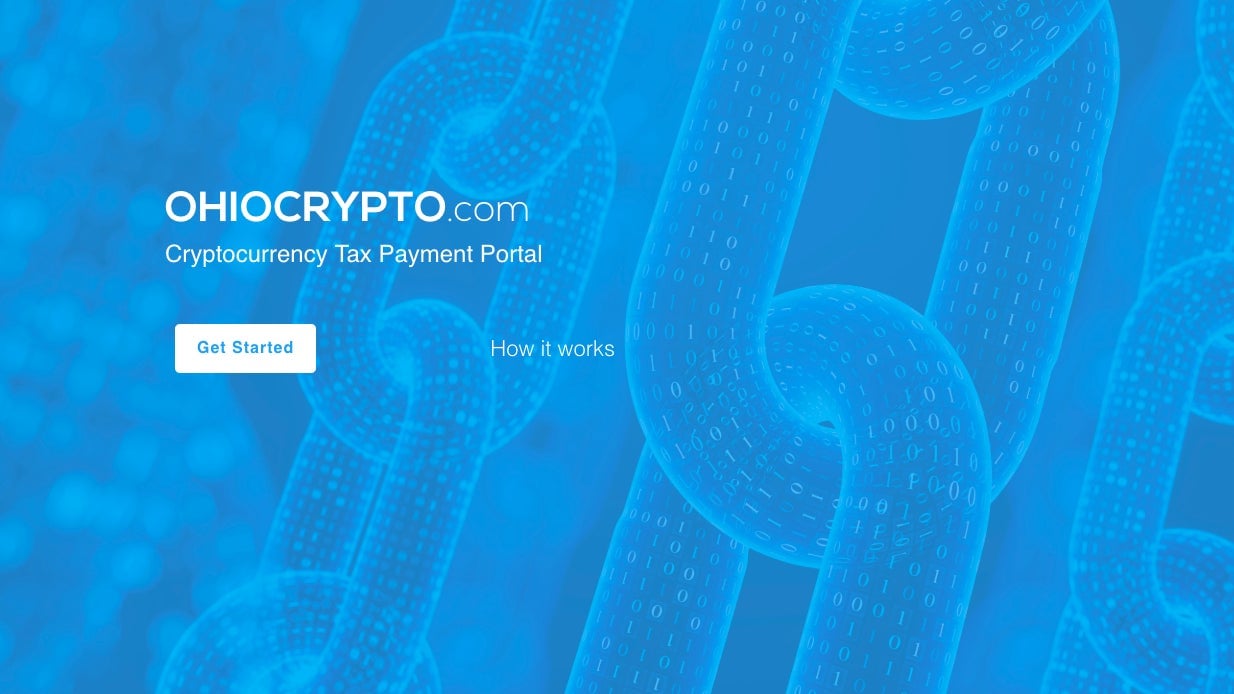
This week, Ohio became the first state in the US to allow businesses to pay taxes in bitcoin—well, sort of.

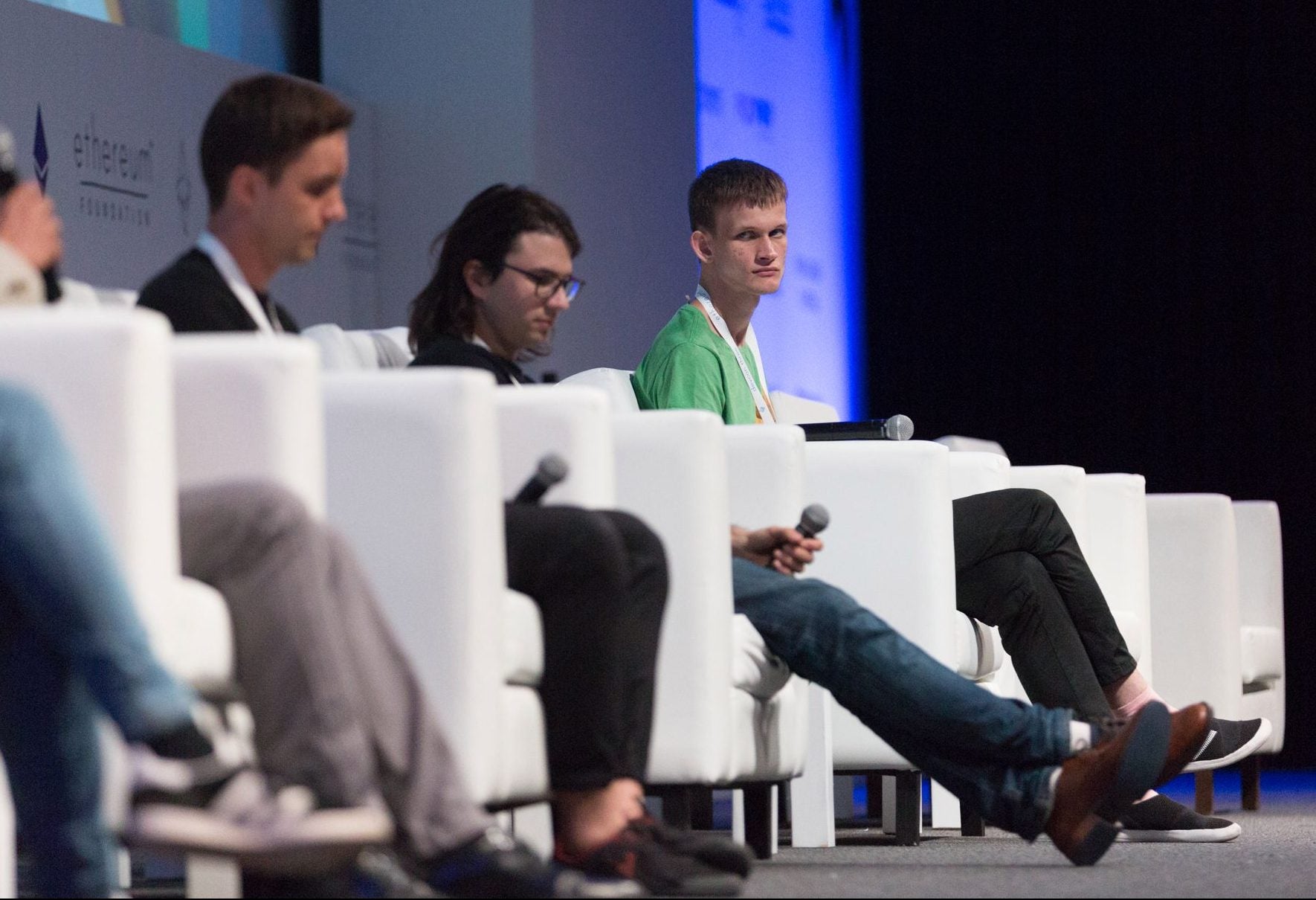
Devcon, the annual Ethereum developers conference, was fairly subdued this year.

What does Captain Kirk do in his spare time? Apparently, tweet about cryptocurrency.

My knowledge of cryptocurrency is mostly gleaned from overhearing Quartz’s crypto reporters talking in the office. This is a bit like trying to study for an algebra exam by sitting in on an advanced calculus class: vaguely relevant, but several leagues above my head.

Ten years ago today (Oct. 31), Satoshi Nakamoto posted a white paper on a cryptography mailing list, outlining the plan for “Bitcoin: A Peer-to-Peer Electronic Cash System.” In the decade since this seminal work, bitcoin has spawned a sprawling cryptocurrency industry, attracted billions of dollars from speculators, and raised fundamental questions about financial privacy and freedom. It also inspired blockchain hype, the results of which we are yet to see.


No one knows how long cryptocurrencies will last, but it’s a decent bet they might outlast you. Passing your digital holdings on to loved ones after your death isn’t as simple as bequeathing cash or other property, though, particularly since wills aren’t designed for confidential information.