
Lifestyle
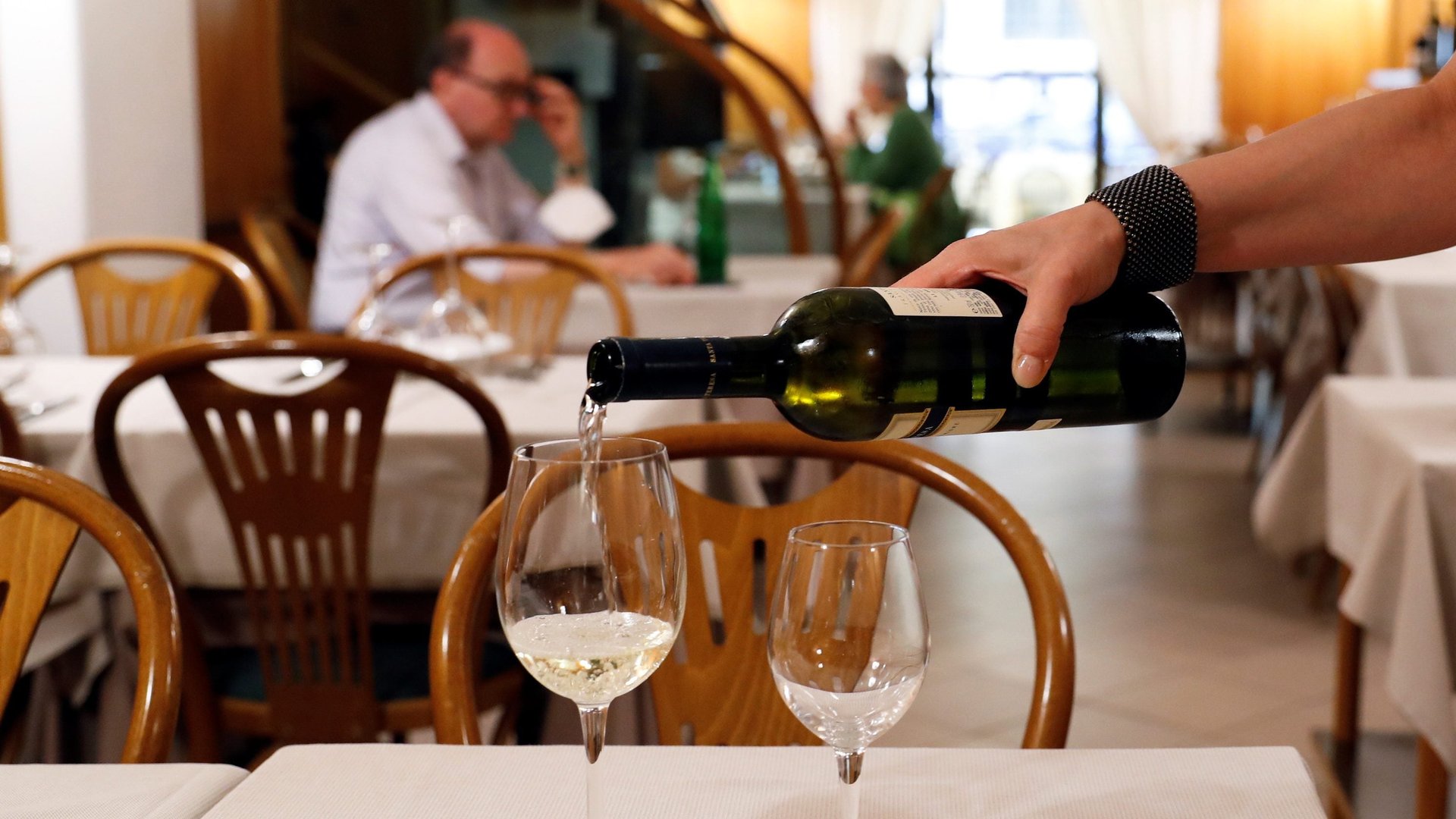
How restaurants will enforce vaccine mandatesAs the delta variant of Covid-19 continue to spread, restaurants are placed in a tricky spot: to mandate vaccinations or not?
Updated July 20, 20224 min read
As the delta variant of Covid-19 continue to spread, restaurants are placed in a tricky spot: to mandate vaccinations or not?
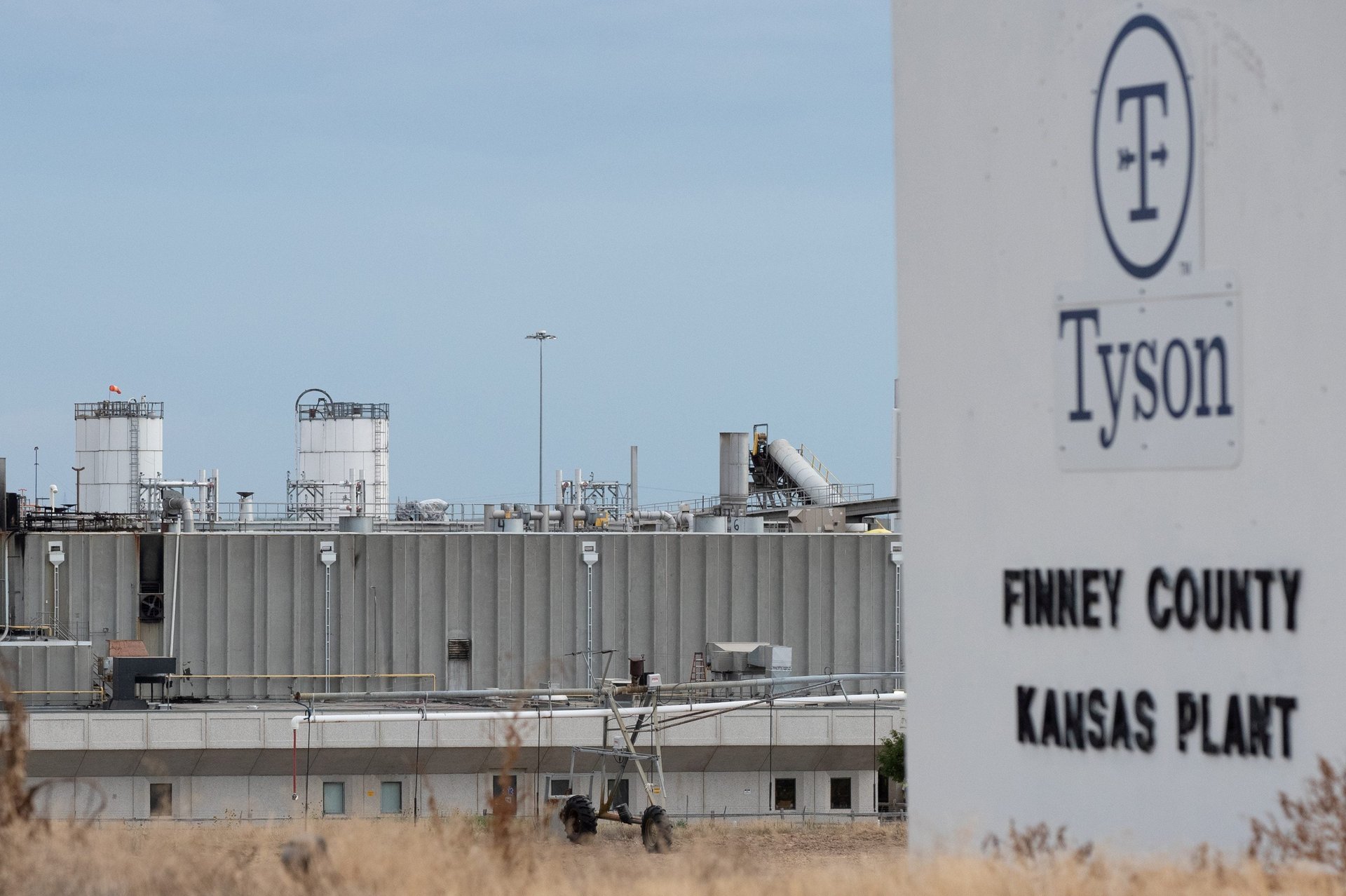
Tyson Foods, one of the largest meat packing companies in the US, says it is aiming to vaccinate all of its 120,000 workers, both at its processing plants and corporate office, by Nov. 1. The Arkansas-based company said it will hand out a $200 bonus to fully vaccinated essential workers.

Against the backdrop of Delta-variant cases surging in the US, a growing number of restaurants are requiring proof of vaccinations against Covid-19. Danny Meyer, CEO of the Union Square Hospitality Group and founder of Shake Shack, recently said he won’t hire workers or serve customers in his restaurants who aren’t vaccinated. Restaurants and bars across cities like San Francisco and Kansas City have also mandated vaccinations, as have food processors like Tyson Foods.

Business journalists know that you can find a trove of stories hidden in numbers.
It turns out offering people more money gets them to apply for jobs. Wage increases at fast food chains like McDonald’s and Chipotle have largely solved their labor shortages, according to the companies’ latest earnings calls.
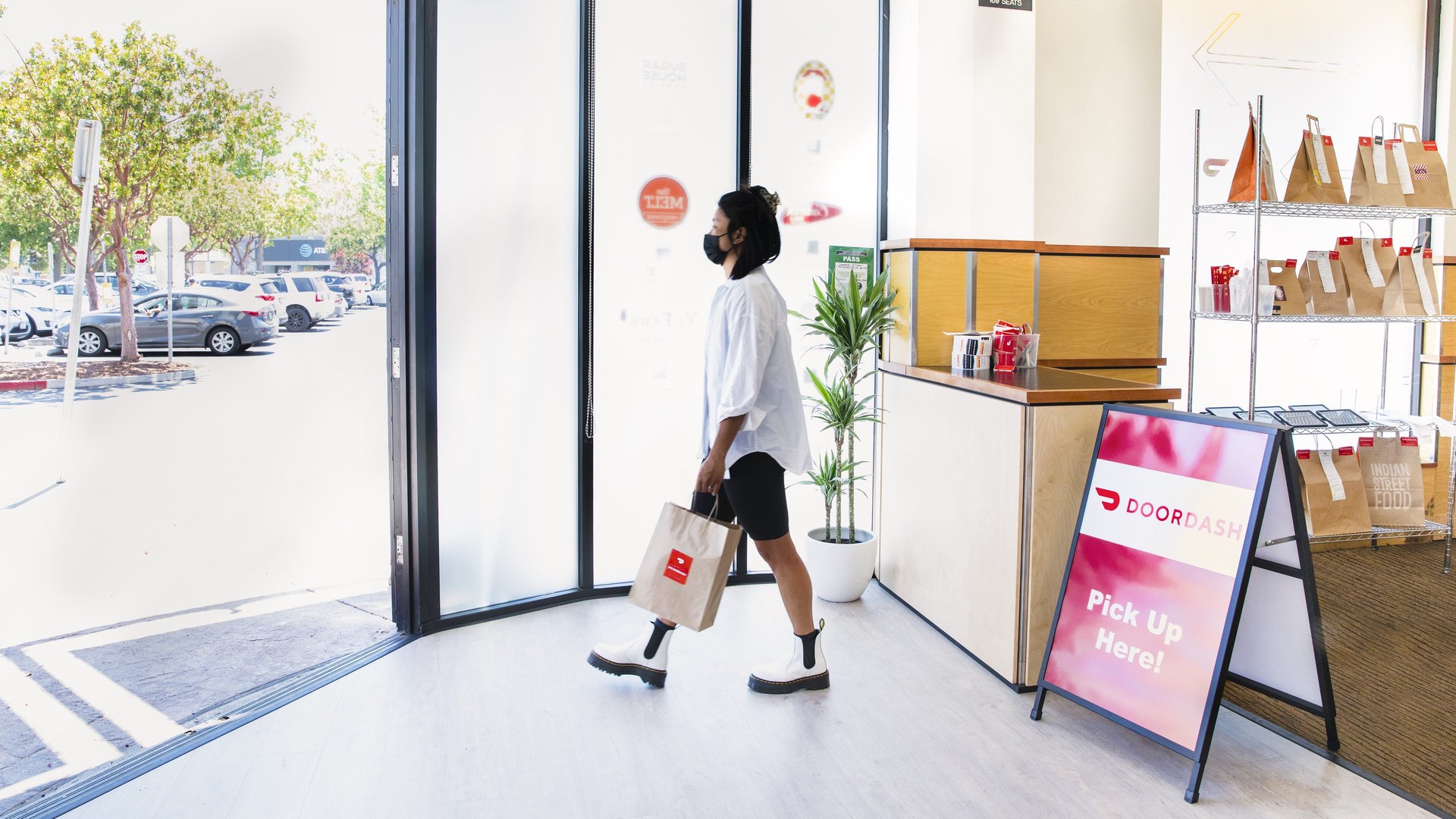
DoorDash wants to make your food.
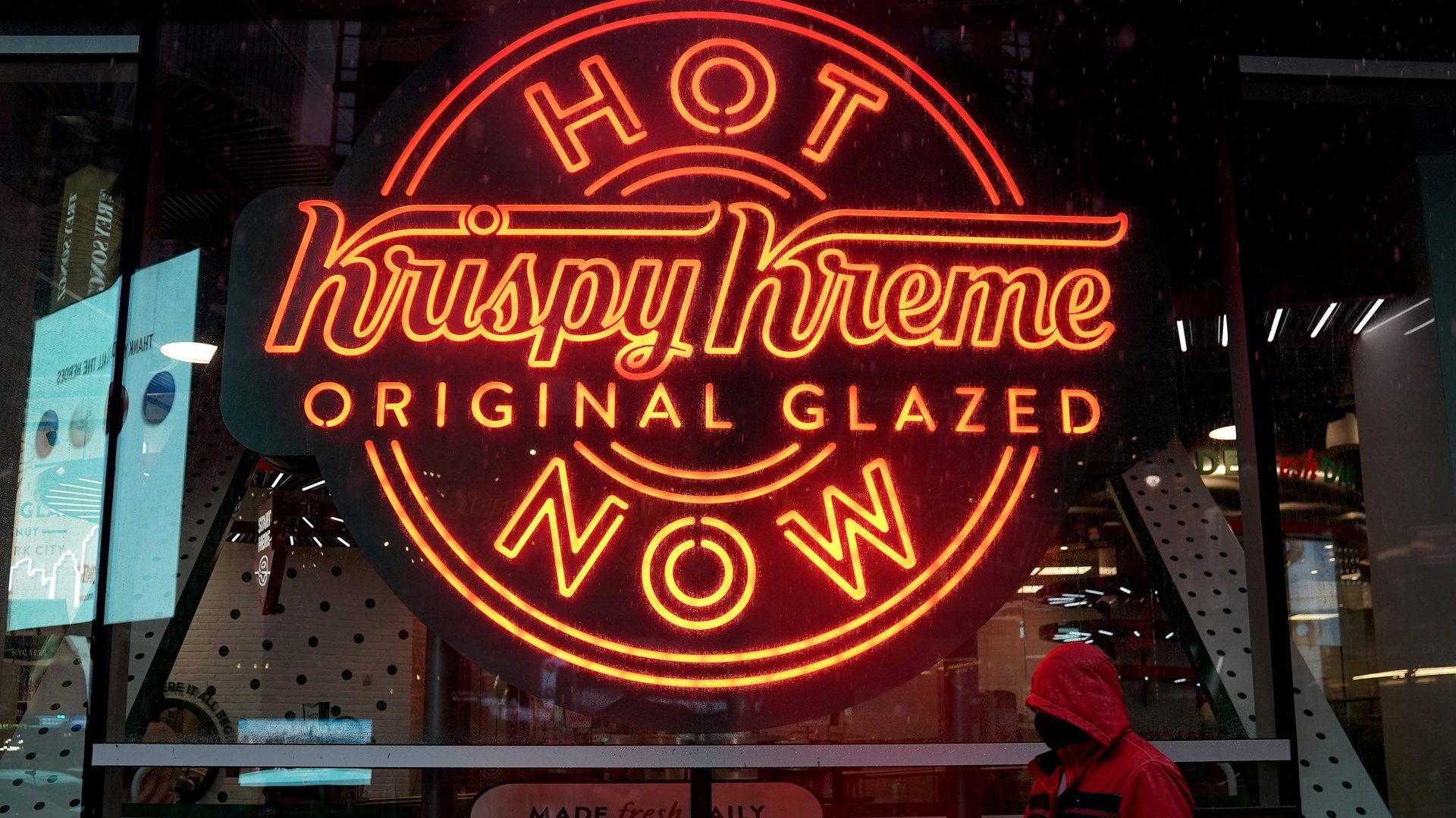
Amid a pandemic, a flurry of US restaurants are aiming to go public in what is shaping up to be the biggest year for IPOs since at least 2014.

About one-third of all traffic crash fatalities in the US involve drunk drivers. Ride-sharing can play an important role in reducing these deaths, according to a new study.
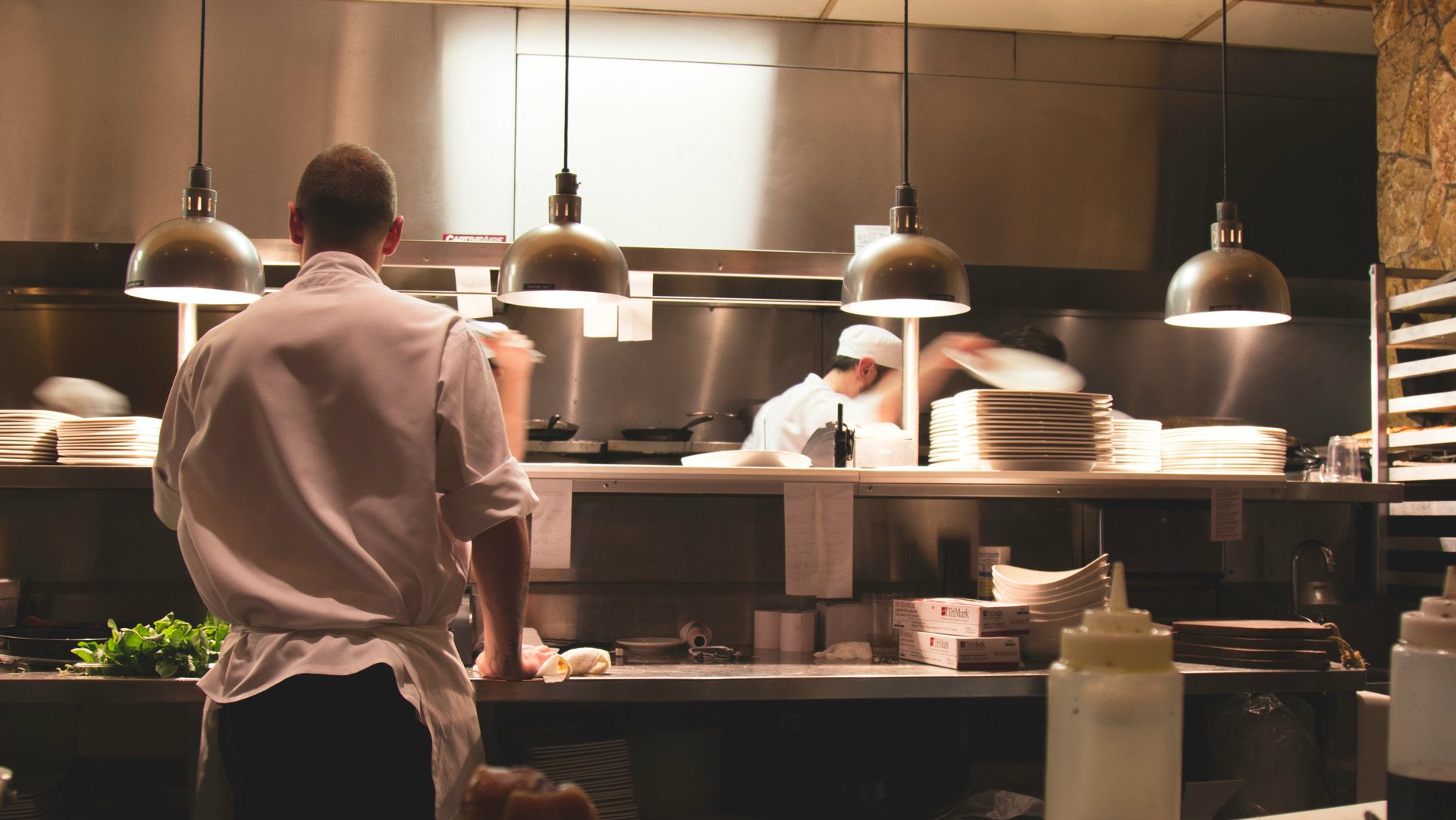
When the pandemic hit, Samuel Dennigan, the CEO of Strong Roots, a brand of organic frozen food, was no longer able to place free samples inside supermarkets. So he had to find another way to market his product. In April 2020, Dennigan turned to an operator of a ghost kitchen, which is a commercial kitchen without a storefront. Over Skype, he would discuss with the owner how they could turn his Strong Roots products into hot offerings—buffalo-flavored cauliflower, hash browns, and breakfast sandwiches—without needing to hire a chef or find a kitchen. The meals under the Strong Roots brand launched this week at the Hudson Hound bar and restaurant in the West Village.
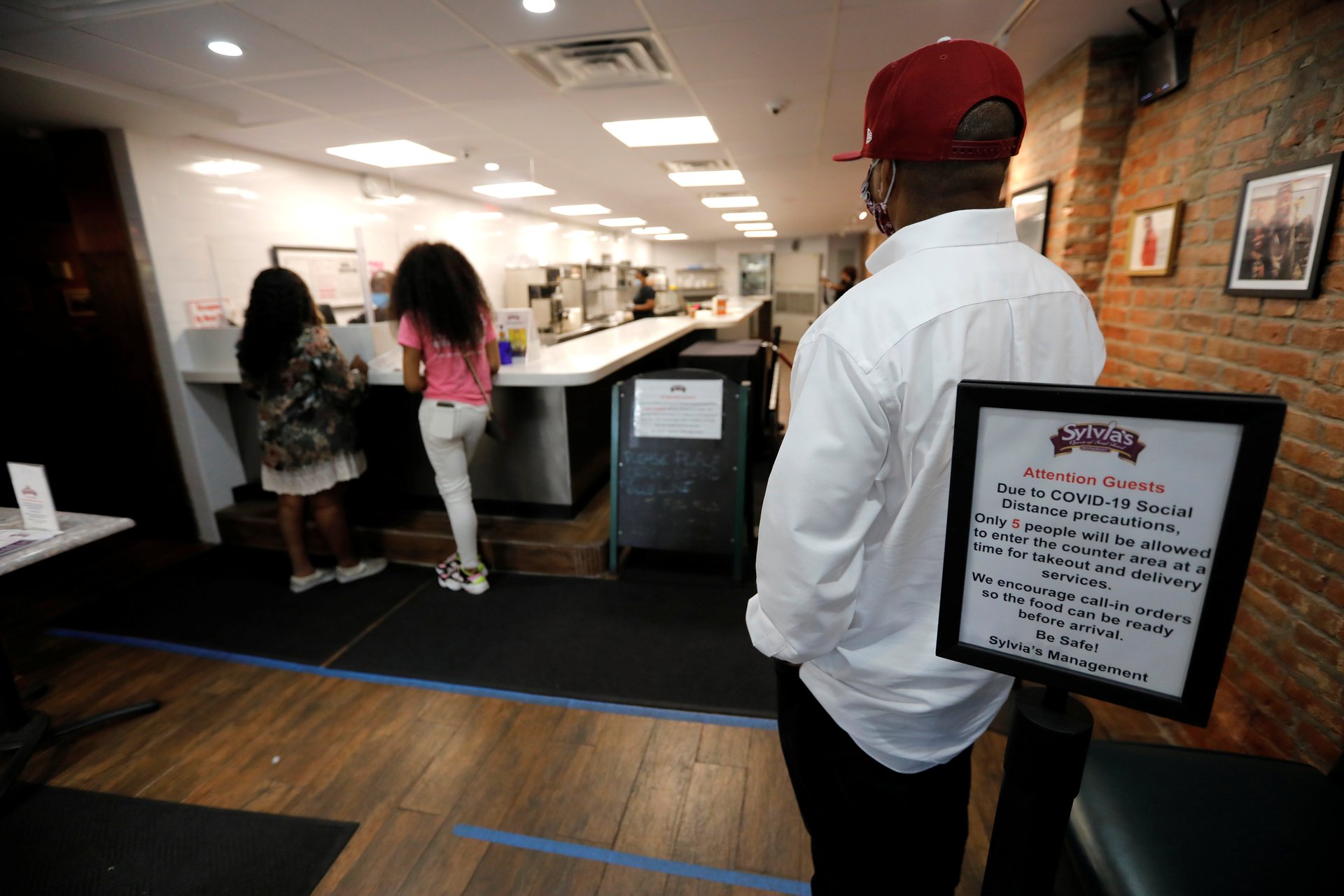
Eating out has always been seen as a more expensive treat than dining at home, but the gap between the costs of eating in restaurants and the costs of making food at home is widening.

Instacart is bringing on a Facebook veteran as its new CEO.
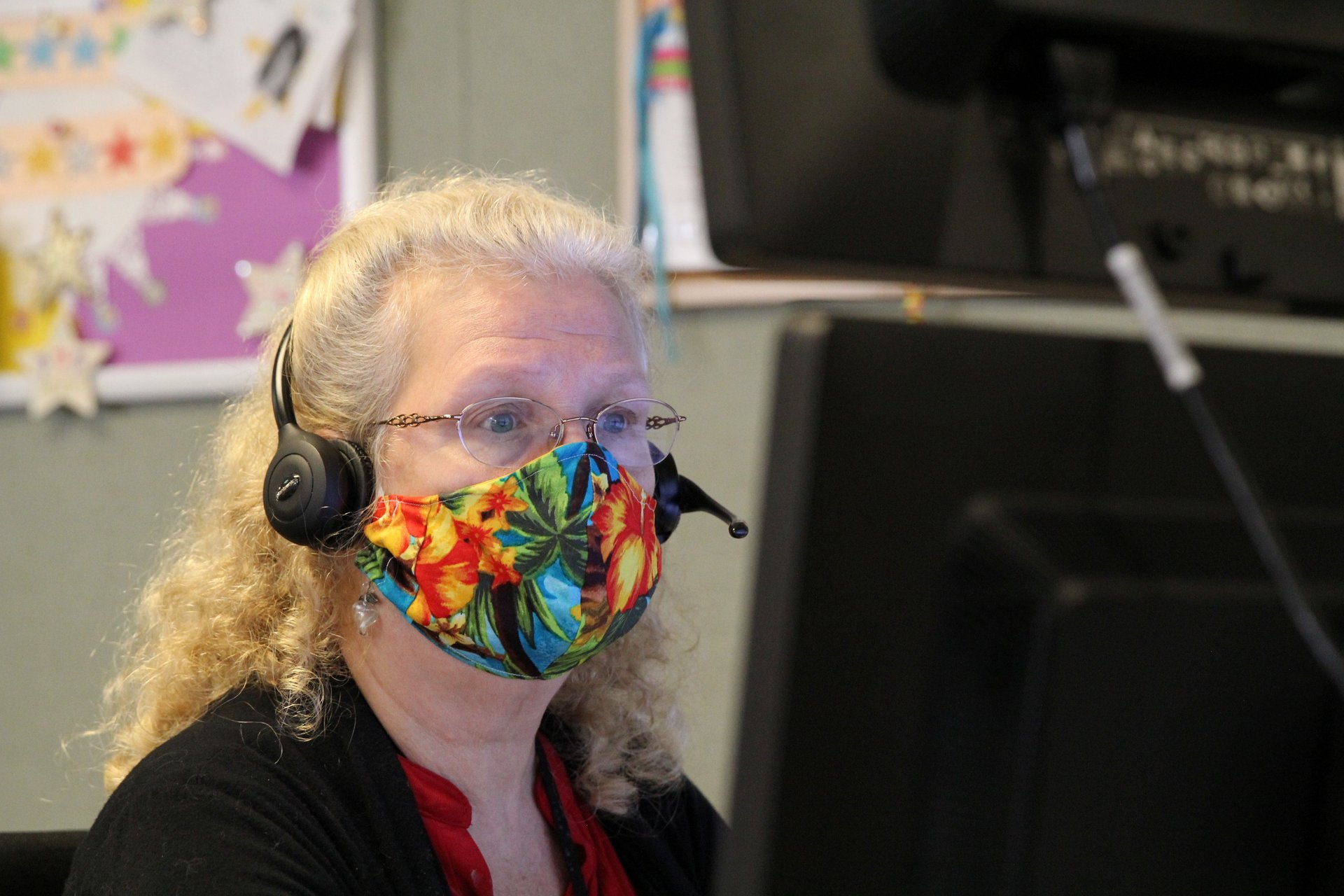
Remote jobs have largely been reserved for wealthy, well-educated workers. But that appears to be changing.
What even is a business story?
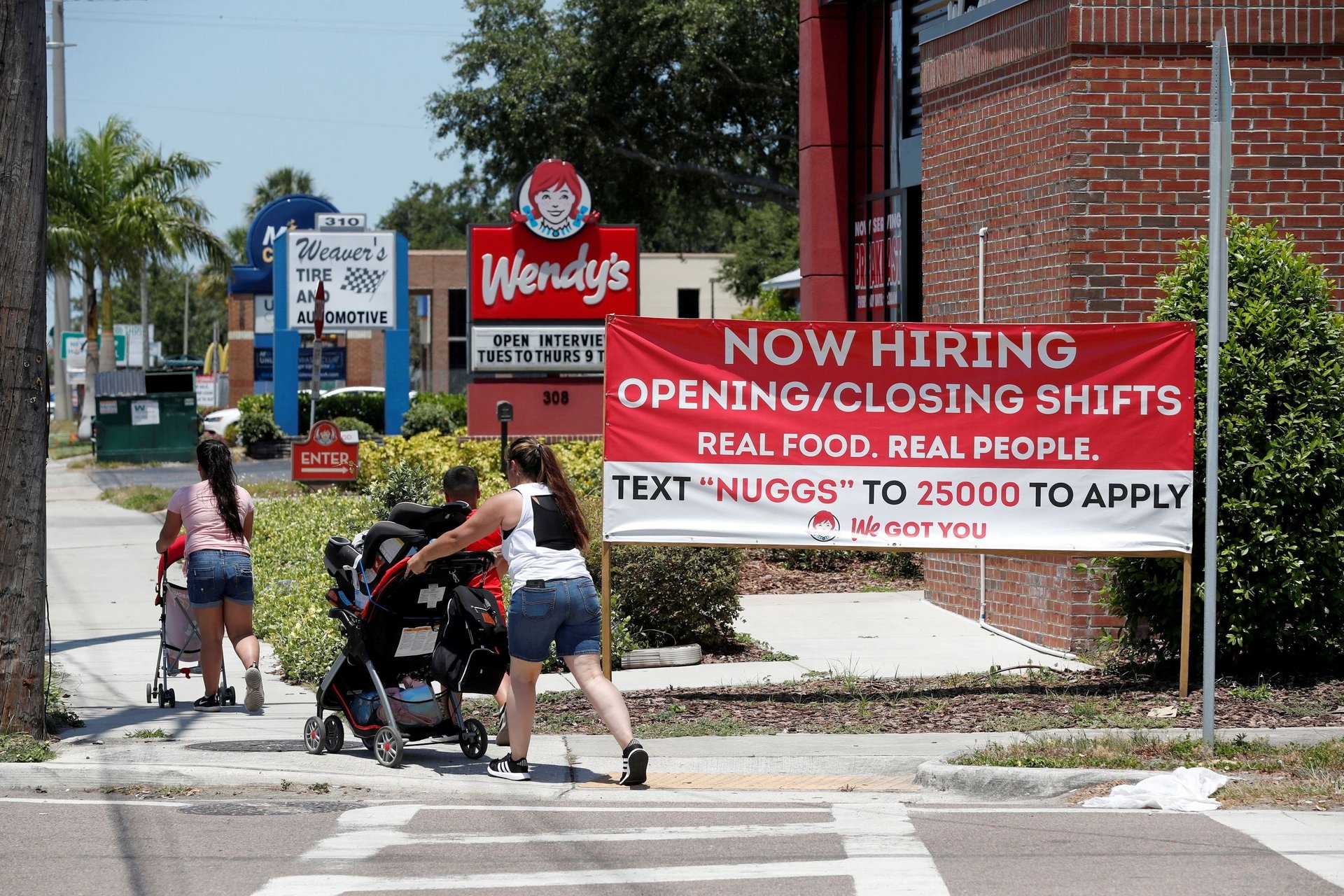
From fast-food chains to investment banks, US employers are upping pay.
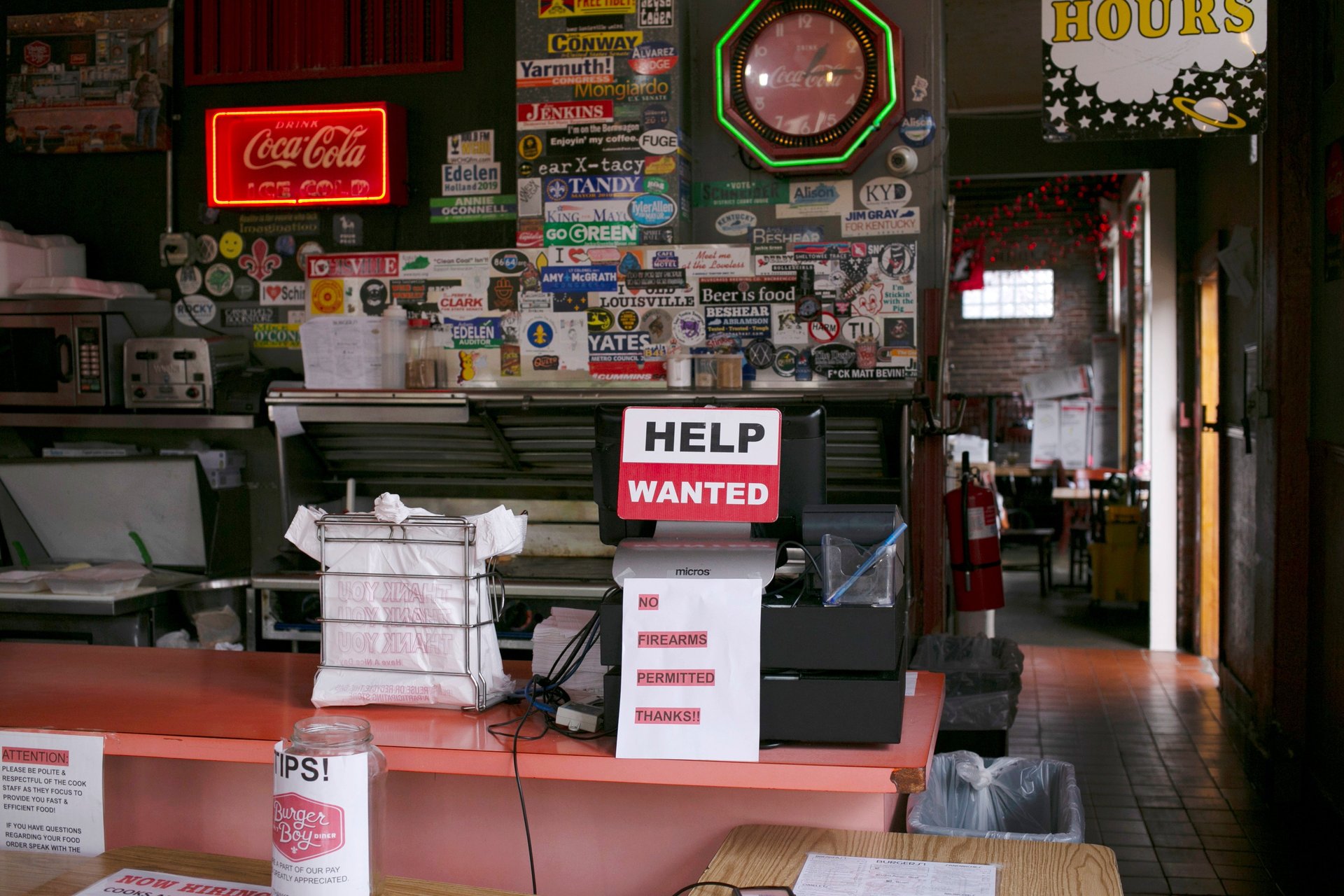
The pandemic has hit the US restaurant industry hard. More than 110,000 US restaurants have either shuttered permanently or long-term as a result of the pandemic last year—with nearly 2.5 million jobs lost from pre-pandemic levels, according to the National Restaurant Association.
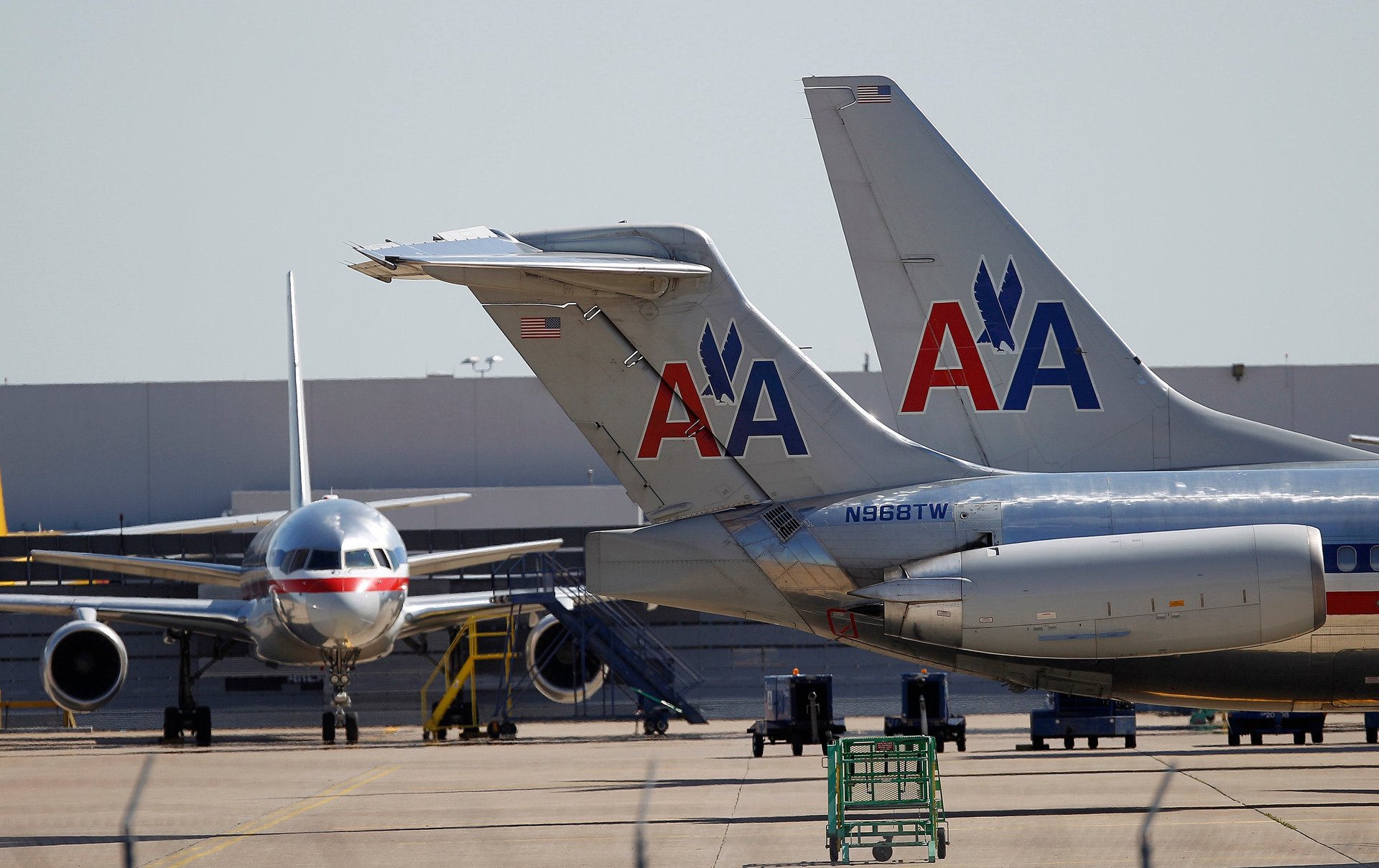
The labor shortage has hit the food concessionaires at US airports.

From Urban Outfitters to Chewy, CEOs can’t stop talking about the labor shortages they’re seeing both in the US and globally.

The number of essential workers filing Covid-19-related complaints to the US Occupational Safety and Health Administration (OSHA) has dropped steeply in recent months. In May, the number of new Covid-19 complaints by essential workers fell 85% compared to the same month last year.
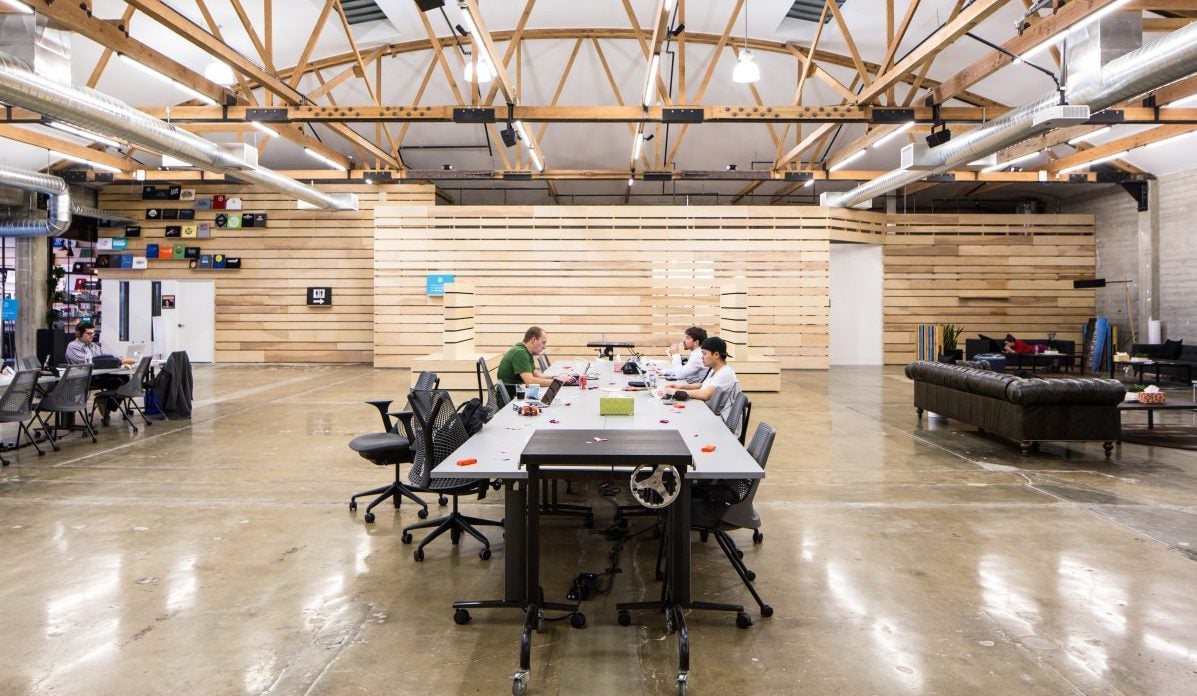
US companies that planned to downsize their office real estate during the pandemic are now rethinking their plans.
The second webinar in Quartz’s series on “A Better Kind of Business Journalism” focused on the skills needed in the field, including what can be learned on the job.

Big events can impact what students choose to do with their lives. After 9/11, universities saw increased interest in the study of the Middle East, Arabic, and homeland security.
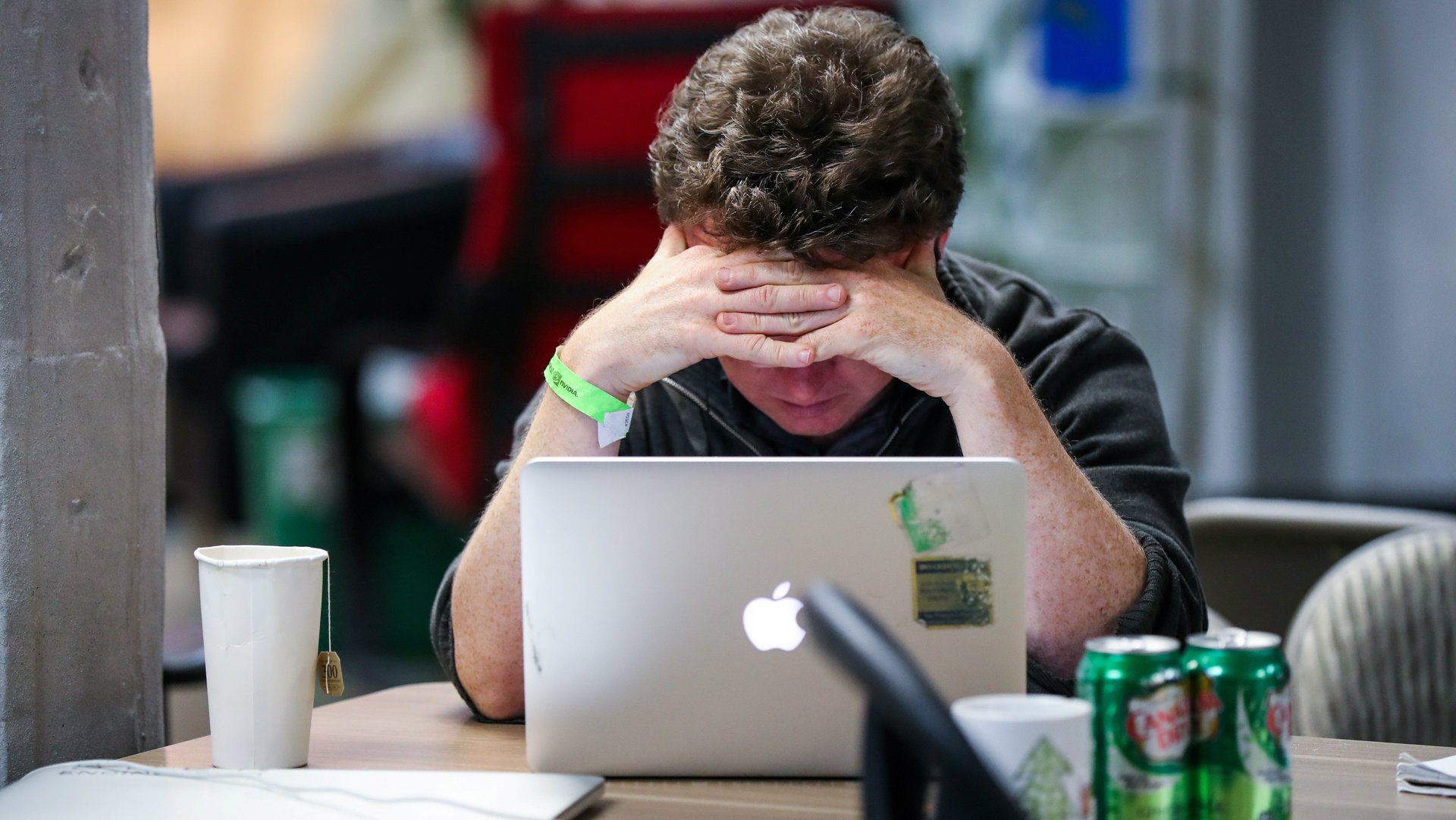
Stack Overflow, a free online community for software developers, will be acquired for $1.8 billion by Prosus, a European investment company which announced the deal yesterday. Prosus, which is best known for being the largest shareholder in Chinese tech giant Tencent, invests in areas including online classifieds, food delivery, and financial technology.
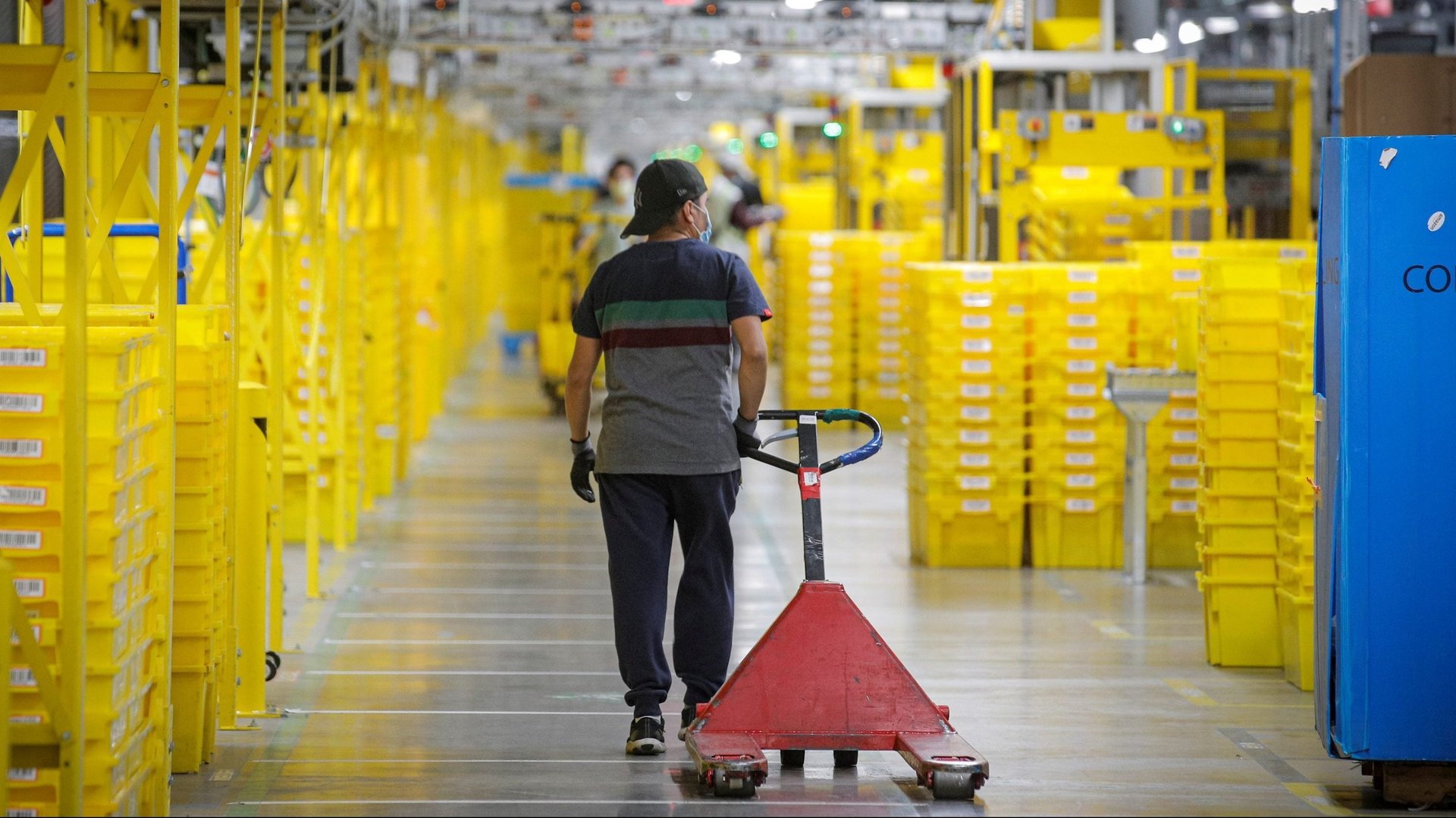
Amazon will no longer screen most job applicants for marijuana use—including those applying for positions in customer fulfillment and delivery stations—as part of its drug screening program, the giant retailer announced yesterday (June 1).

Last week, Uber recognized a union of its own drivers in the UK.