
Money & Markets
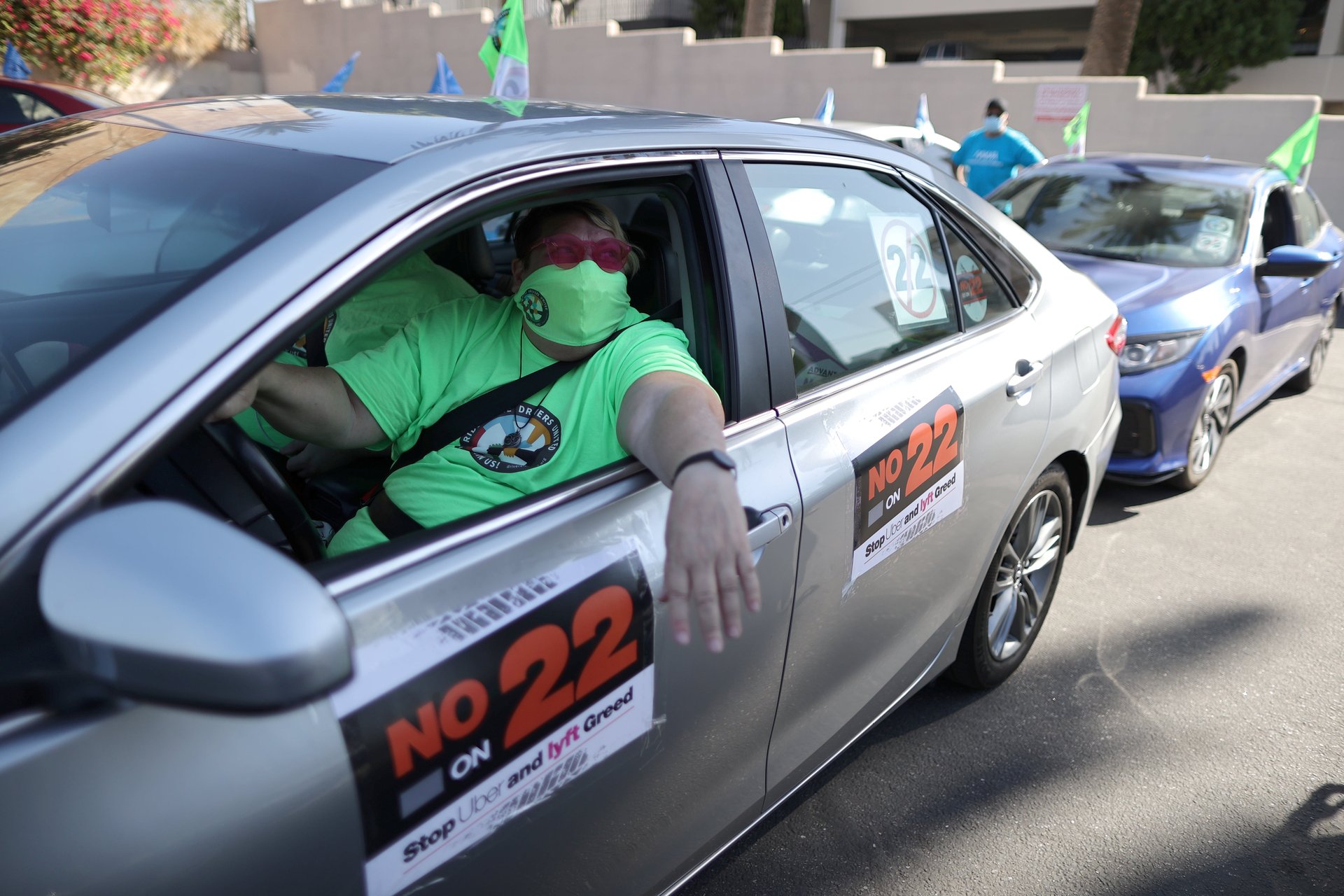
Can Uber lure back its US drivers without making them full-time employees?Uber is seeking more workers who will work full time, a move that could change the definition of gig work.
Updated July 20, 20223 min read
Uber is seeking more workers who will work full time, a move that could change the definition of gig work.
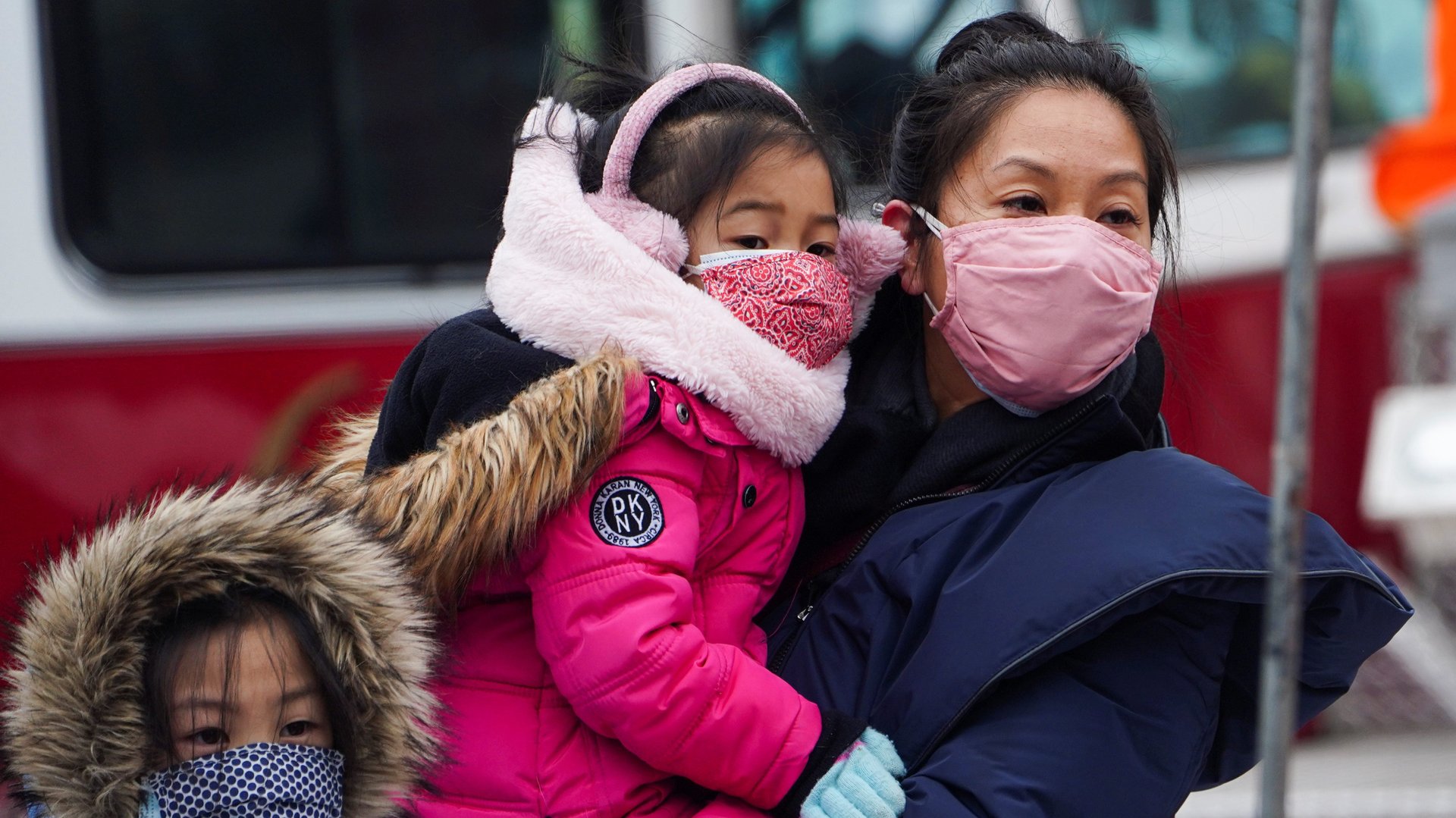
Since the start of the pandemic, economists, business leaders, and policymakers have argued that the lack of sufficient childcare is holding back the US economic recovery. But a new study has found childcare challenges played a small role in the overall decline in employment, suggesting its role in the recovery may be muted as well.
The pandemic was harsh for WeWork.
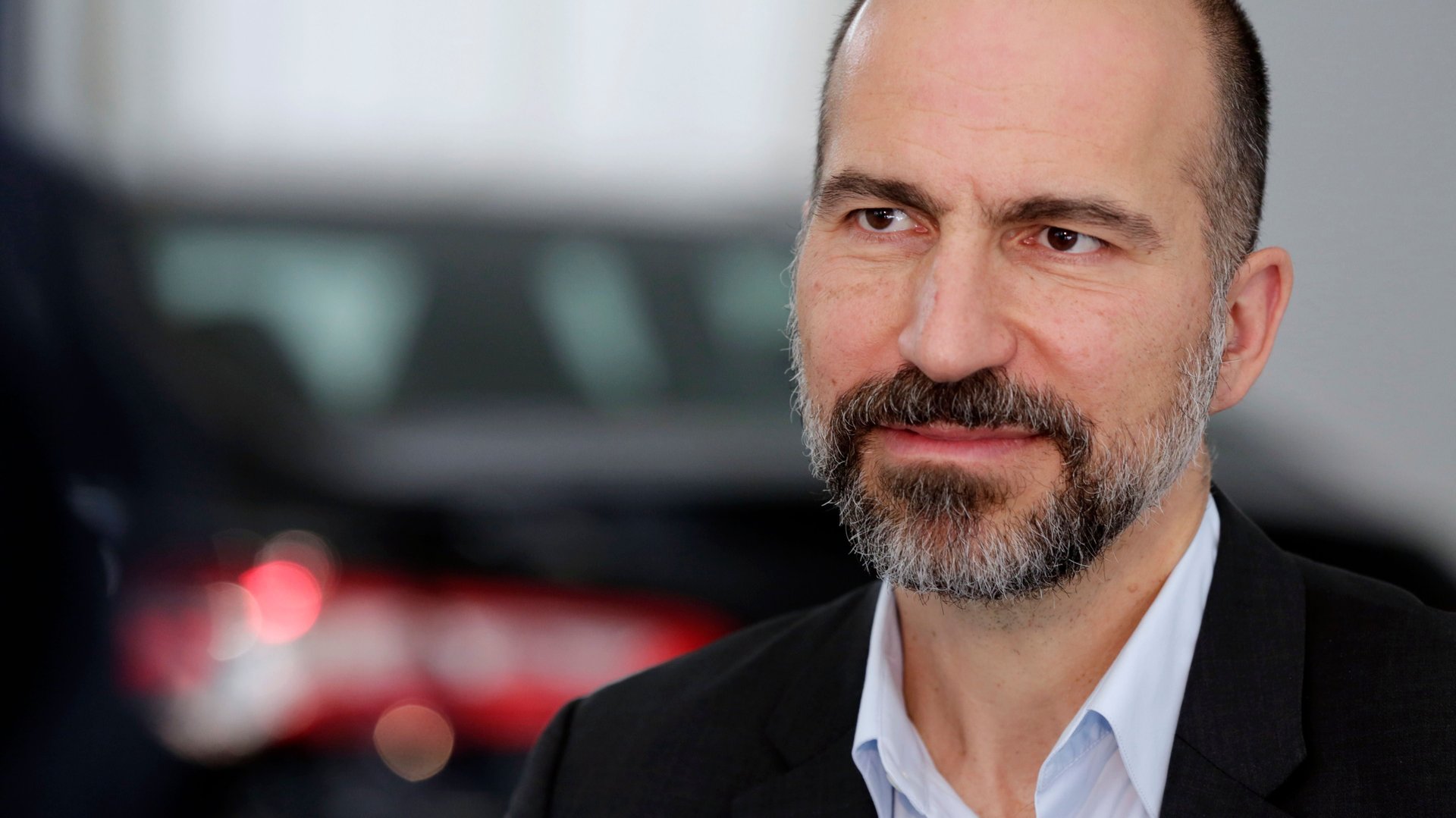
Starting next week, Uber will provide free rides to anyone in the US going to and from Covid-19 vaccination sites. Uber is offering the rides globally, too: The ride-hailing company is providing 20,000 free rides to the elderly in certain cities in Japan. And, in a partnership with UNESCO, Uber will provide 1 million free rides to teachers around the world.
From McDonald’s to Chipotle, numerous companies in the US have been raising wages for workers at the bottom of the pay scale amid a labor squeeze facing the US services industry.
In most economic downturns in the US , enrollment in community college goes up. But the reverse has happened during the pandemic.
Low-wage workers in the US are seeing their pay increase en masse, and McDonald’s is the latest employer to boost wages.
The US gained 266,000 jobs in March, far fewer than million new jobs forecasters expected. The reasons for the employee shortage range from childcare responsibilities to health concerns to generous unemployment insurance benefits keeping workers at home.
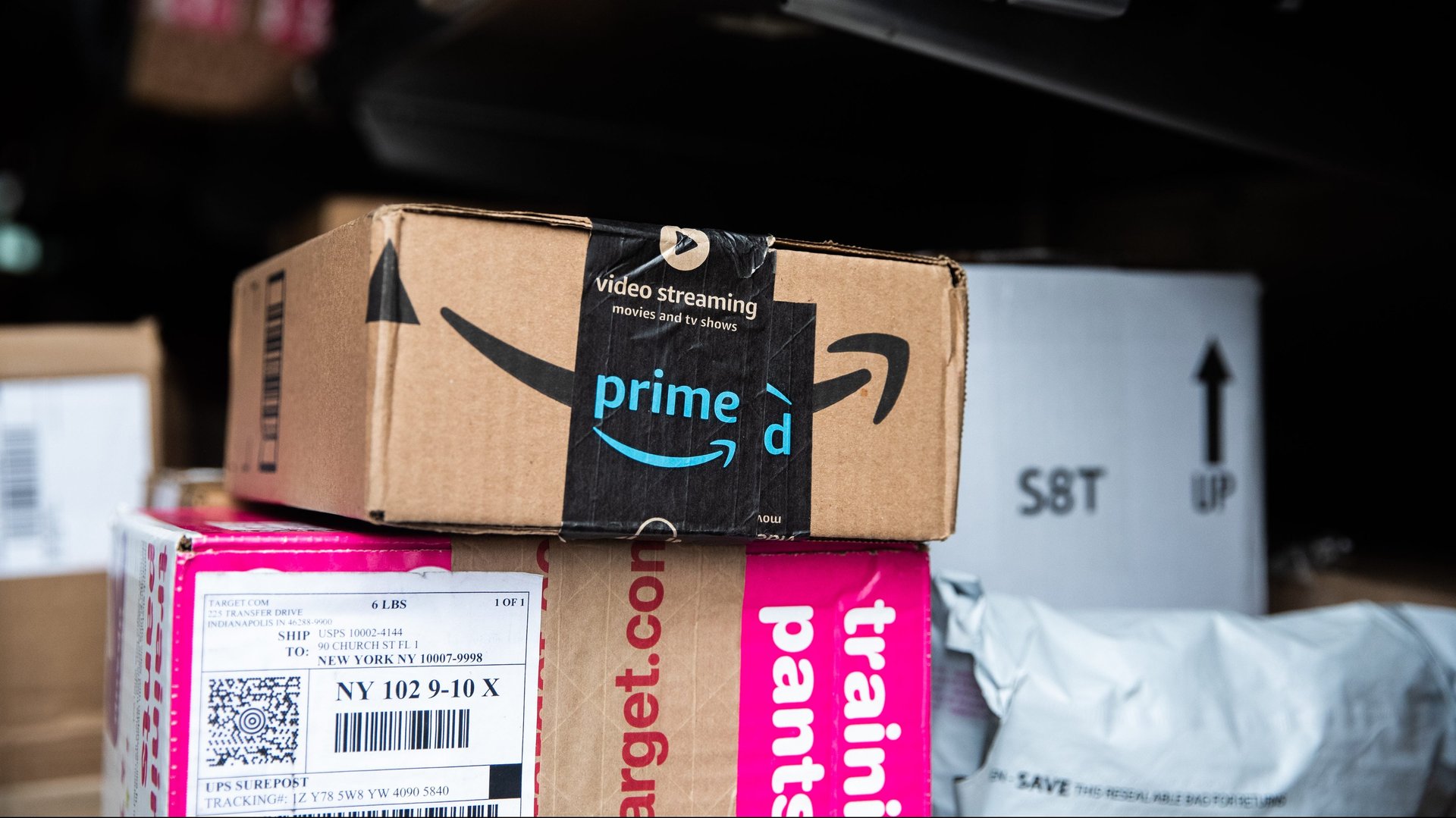
As the US economy continues to open up, the April jobs report from the US Bureau of Labor Statistics shows the boom in delivery jobs has taken a tumble.

US president Joe Biden is raising the minimum wage to $15 an hour—for federal contractors.
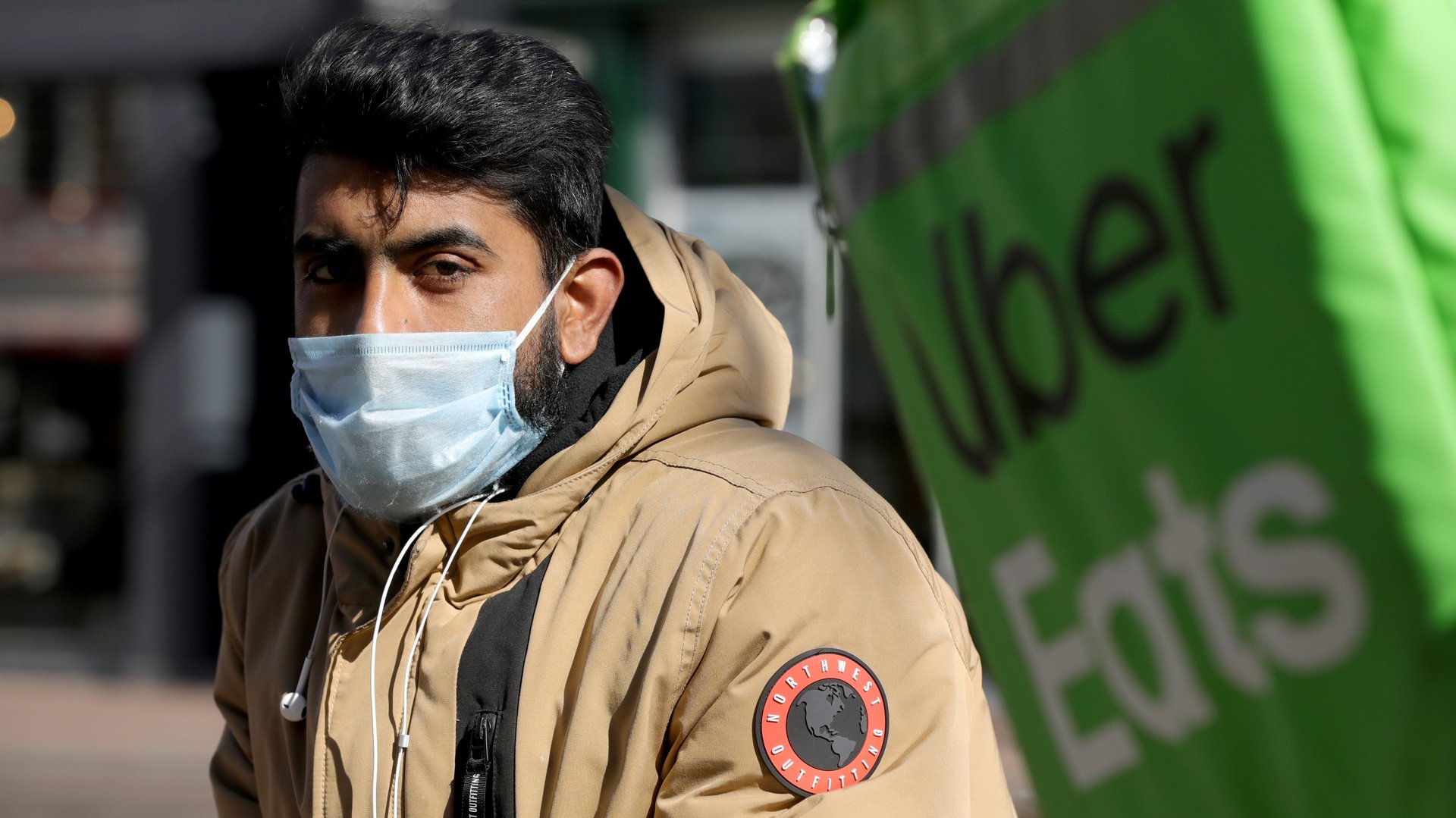
On Wednesday (May 5), Uber reported an all-time high in gross bookings driven by its delivery business. It was the first quarterly earnings call from its San Francisco headquarters since the pandemic hit the US last March.
On Thursday, US Secretary of Labor Marty Walsh said gig workers should be classified as employees, not independent contractors, a move that could deal a huge setback to gig companies.
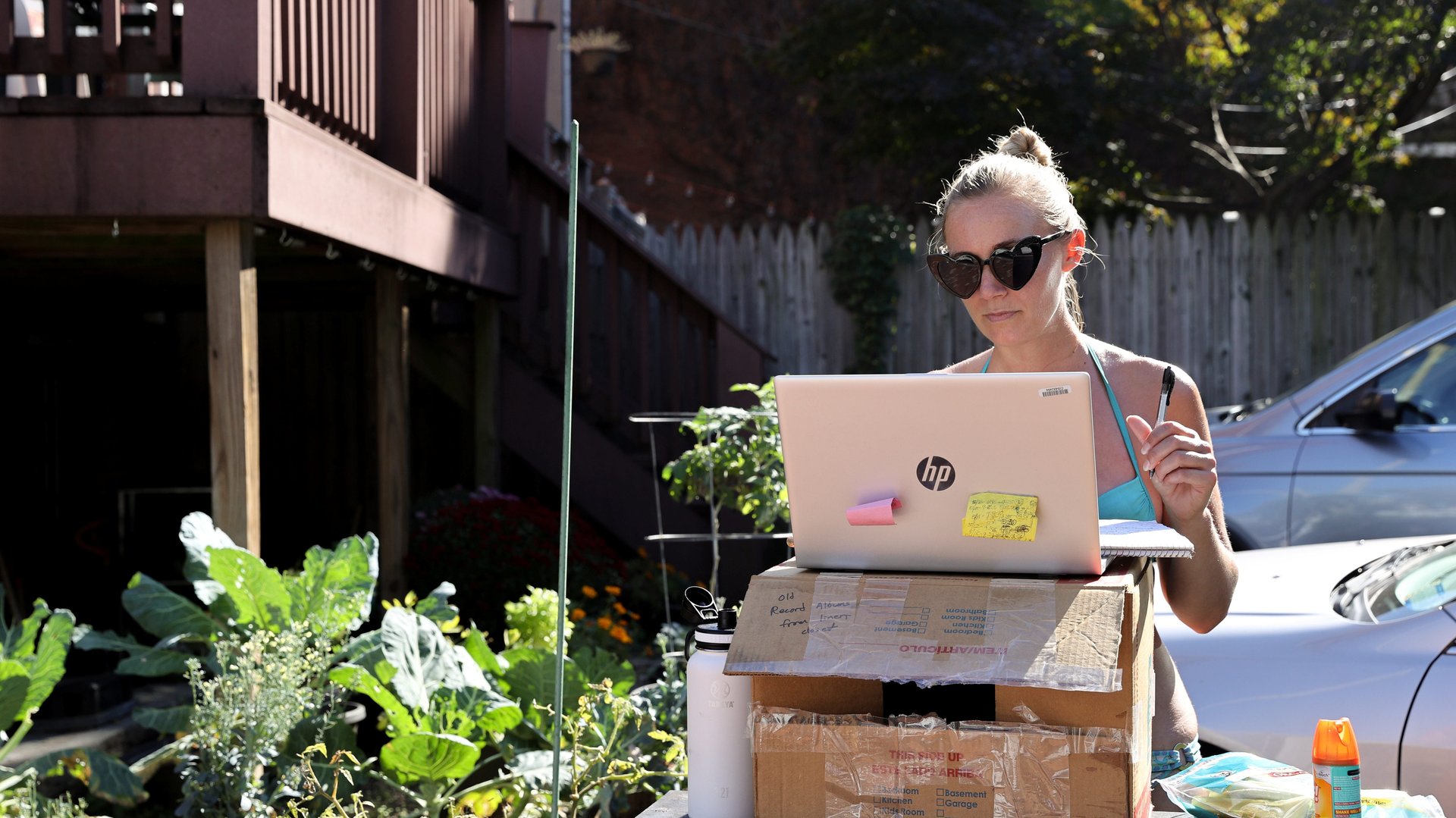
Working from home is not always going to be, literally, working from home.

Business journalism is not just writing about men in suits, reporting from boardrooms, and dealing with complex numbers, says Alexis Akwagyiram, Nigeria bureau chief for Reuters. Rather, it’s about people.

The calls for police reform in the United States have grown louder since the death of George Floyd, a Black man killed in police custody last summer. Even after Tuesday’s conviction of Derek Chauvin, the former Minneapolis police officer charged with the murder of Floyd, those calls are unlikely to fade.
After backlash from progressives and human rights groups, US president Joe Biden confirmed this weekend that he would raise the annual cap on refugees permitted into the US, reversing course on plans to temporarily stick with a limit set by former US president Donald Trump, the lowest in the program’s 41-year history.
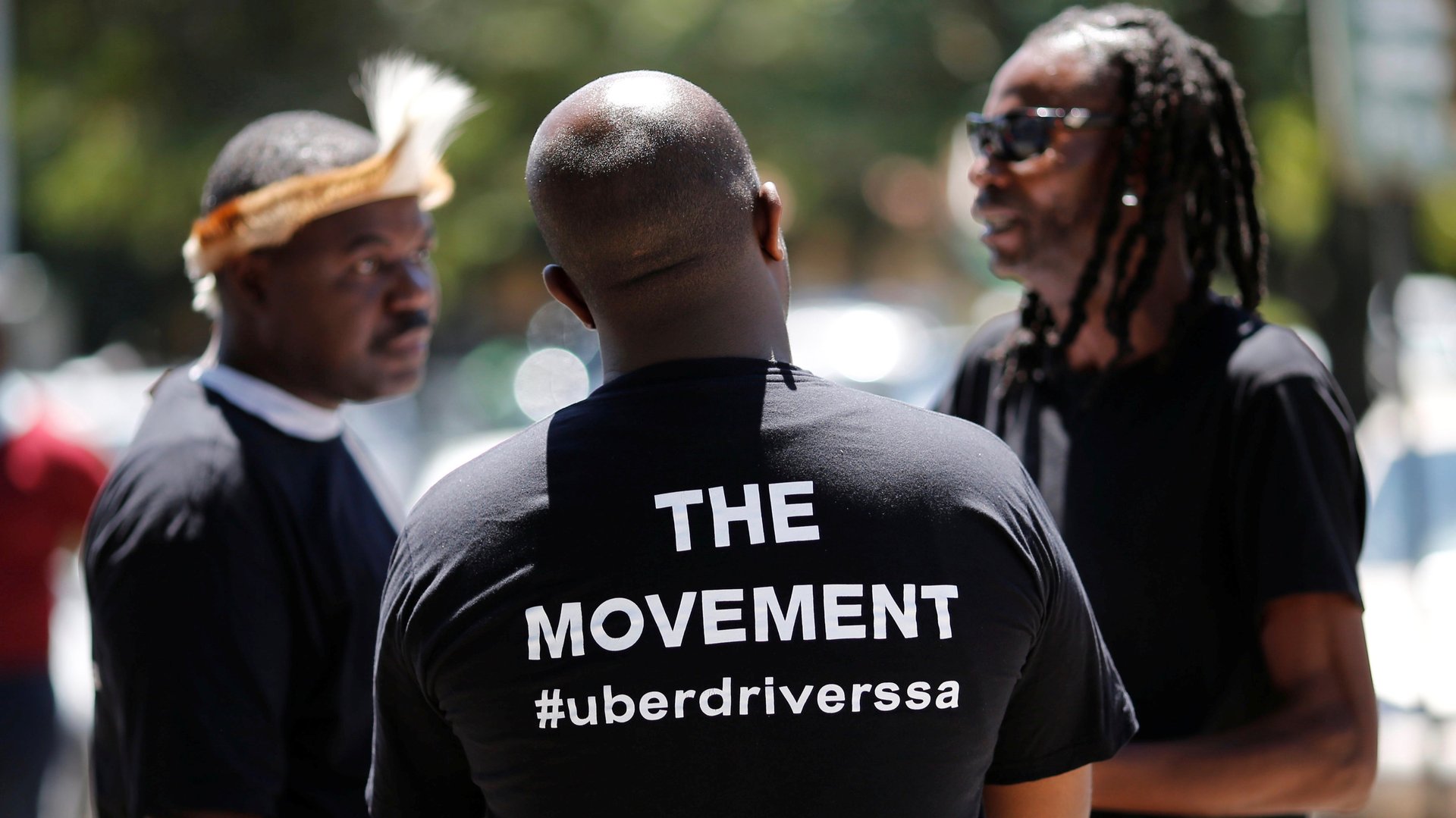
Uber is being forced in some countries to provide more employment benefits through court actions and in order to ease tensions with workers and regulators—and drivers in South Africa and Nigeria are taking note.
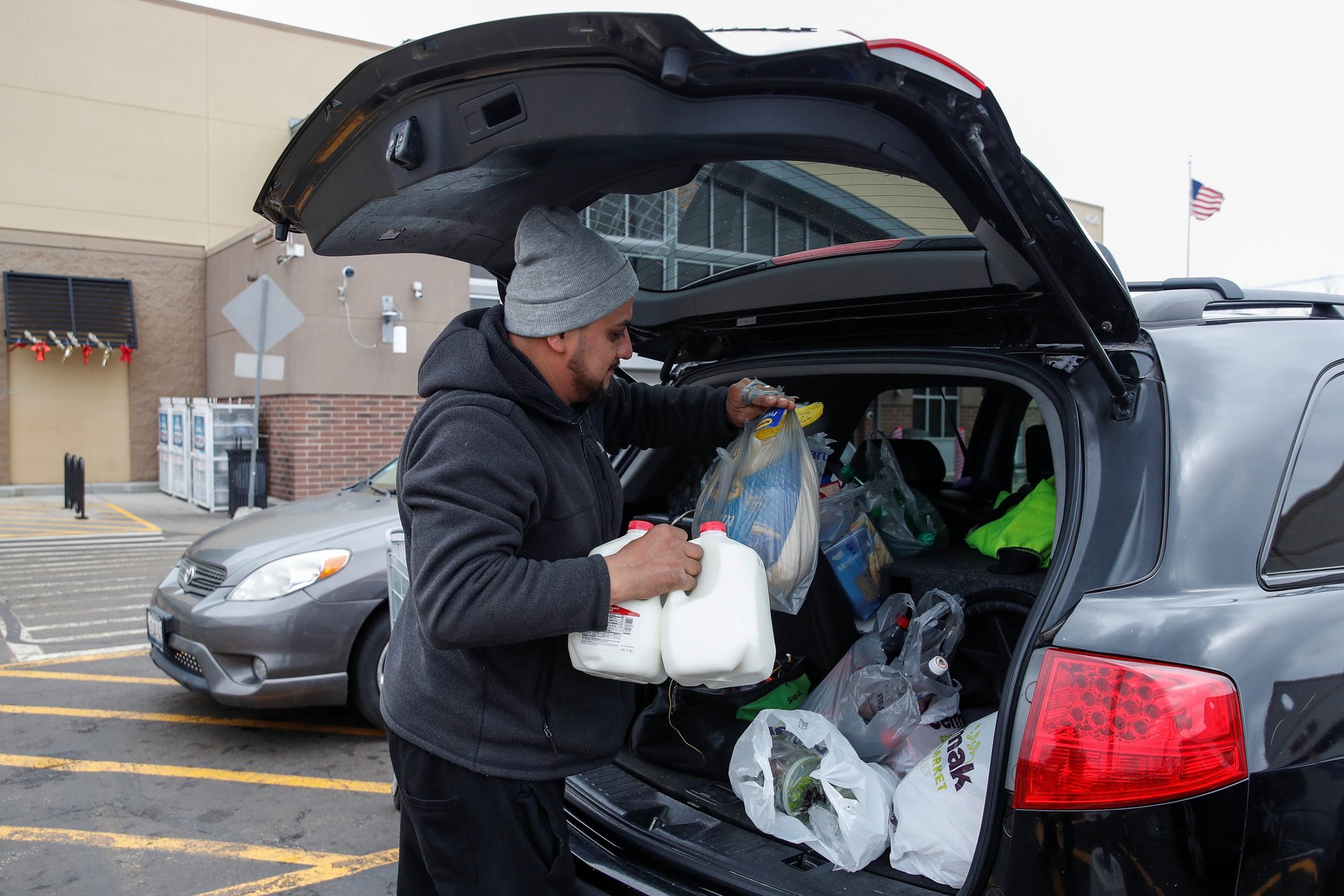
US retailers have long been competing with one another for workers in a high-turnover industry. What’s new is that the gig economy—steering more into delivery—is joining the competition for labor, and increasingly so over the course of the pandemic. Consider DoorDash, the food delivery company. Data from ZipRecruiter shows that the number of job postings for DoorDash in March 2021 was 8,550% higher than in March 2020.
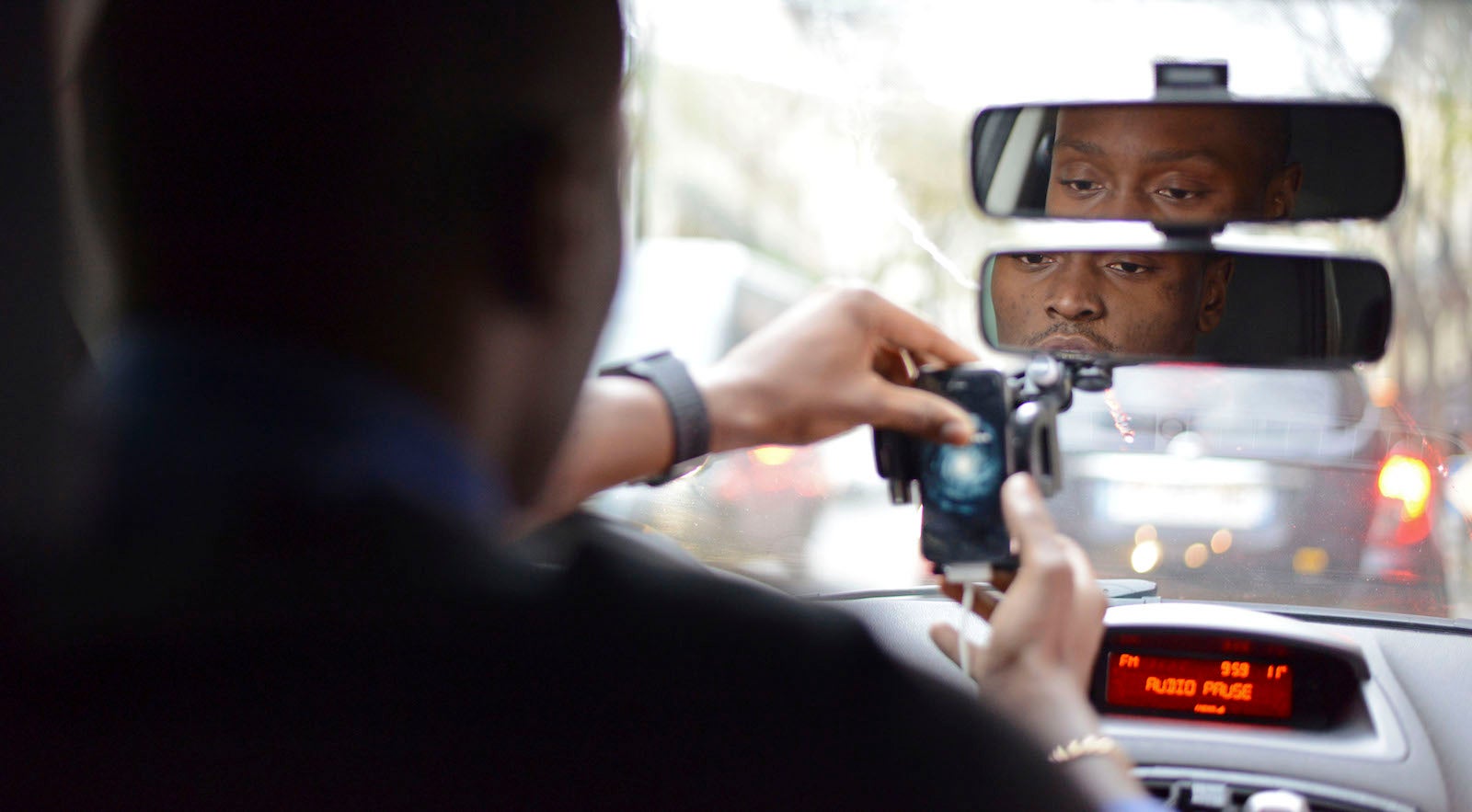
Last March, Uber driver Jerome Gage would sit at a Walmart parking lot waiting an hour to get a single ride request. The pandemic had slashed his usual 60 hours a week to 10 hours a week. To pick up the lost hours, he turned to going door-to-door collecting data for the US Census.

In his latest annual letter to shareholders, JPMorgan Chase CEO Jamie Dimon offered thoughts on how the US economy will boom after the pandemic thanks to excess savings, huge deficit spending, a new potential infrastructure bill, and the success of Covid-19 vaccinations. He also shared some thoughts on remote work.
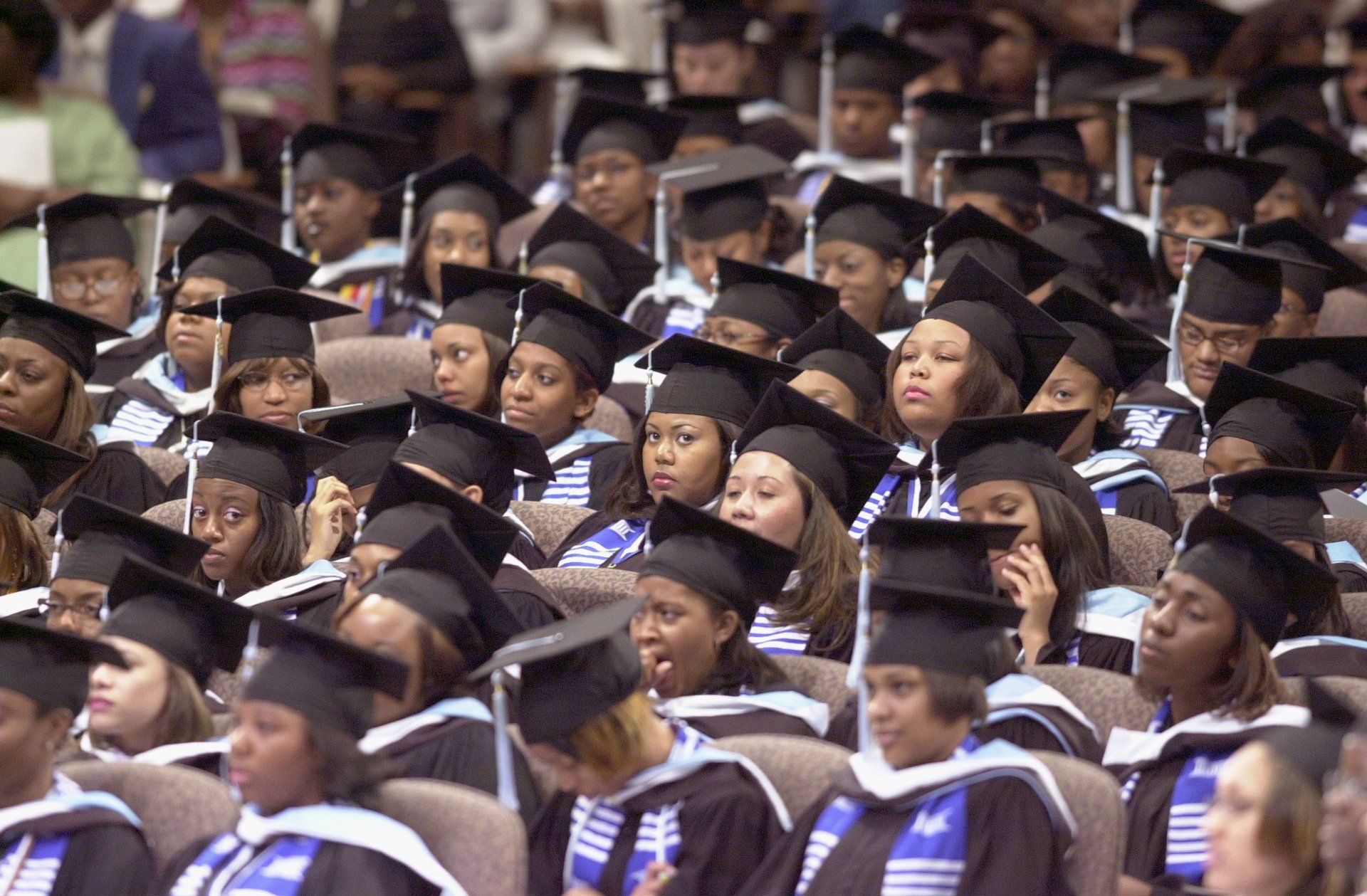
Spelman College has always had a robust recruiting season, with around 700 recruiters from companies and graduate schools coming to campus over the course of an academic year. But last year, the school saw a similar level of interest in just one semester.
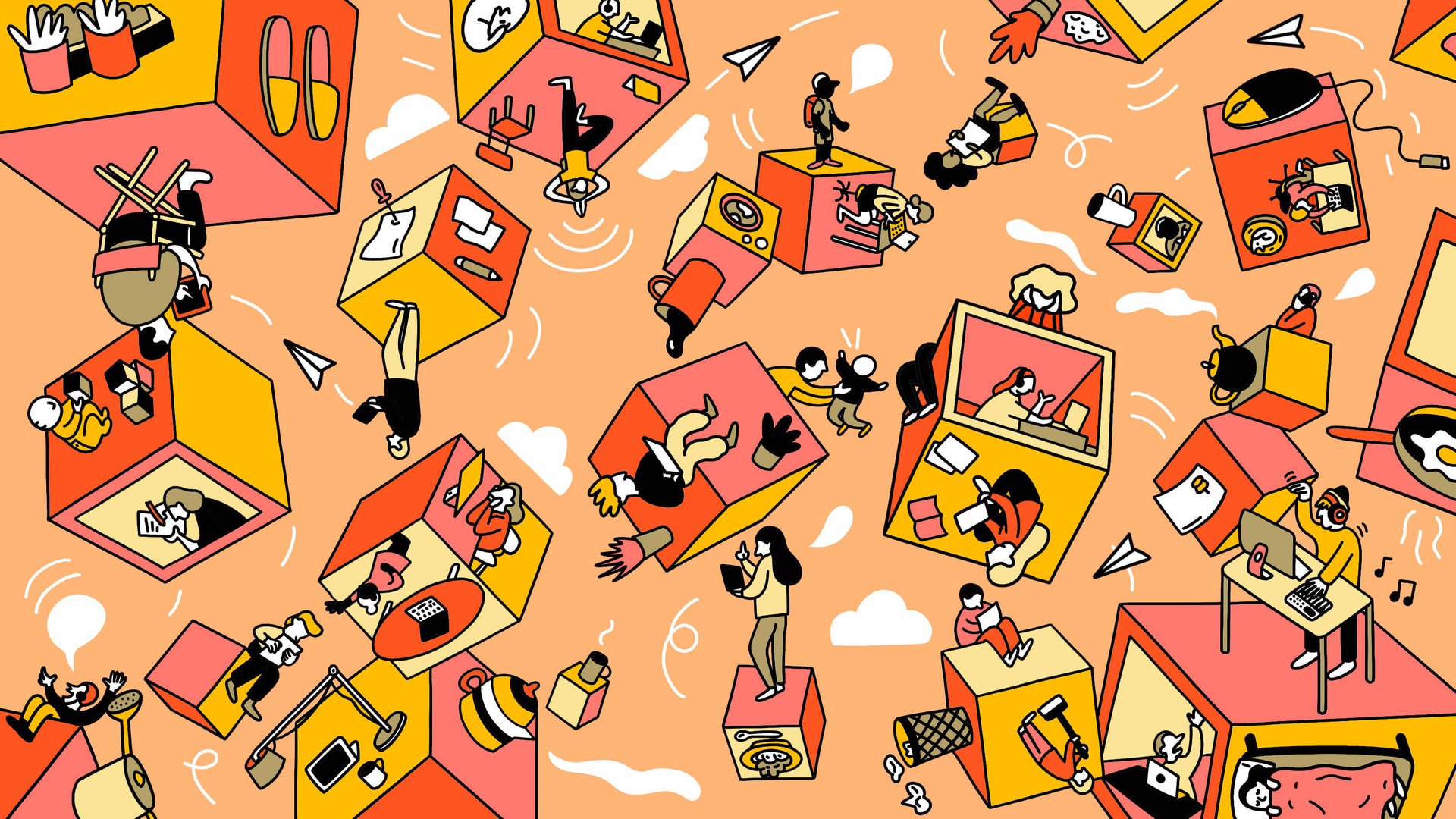
A little over a year after the start of a global pandemic, the dramatic and lasting impact that the Covid-19 crisis has had on the workplace is coming into focus. Some of the consequences of the mass migration to remote work were entirely predictable. For example, companies and employees alike have had time to consider the pros and cons of the office, in terms of cost, physical layout (popular open floor plans mean viruses can easily float between staff) and its effect on internal communication. What wasn’t as obvious was how remote work itself would affect our lives and workplace culture.

After getting furloughed by American Airlines, and watching her side gig leading trips outside of the US evaporate overnight at the start of the pandemic, Brittany Floyd felt unsettled. Just prior to the global spread of Covid-19, she had gotten out of a serious relationship that had provided her a comfortable lifestyle. Having lived across every aspect of the income scale—she grew up in a low-income household, where her mother worked as a custodian and her father as a construction worker—she had no intention of going back to a life of financial struggle. “I just can’t do that again,” she says.
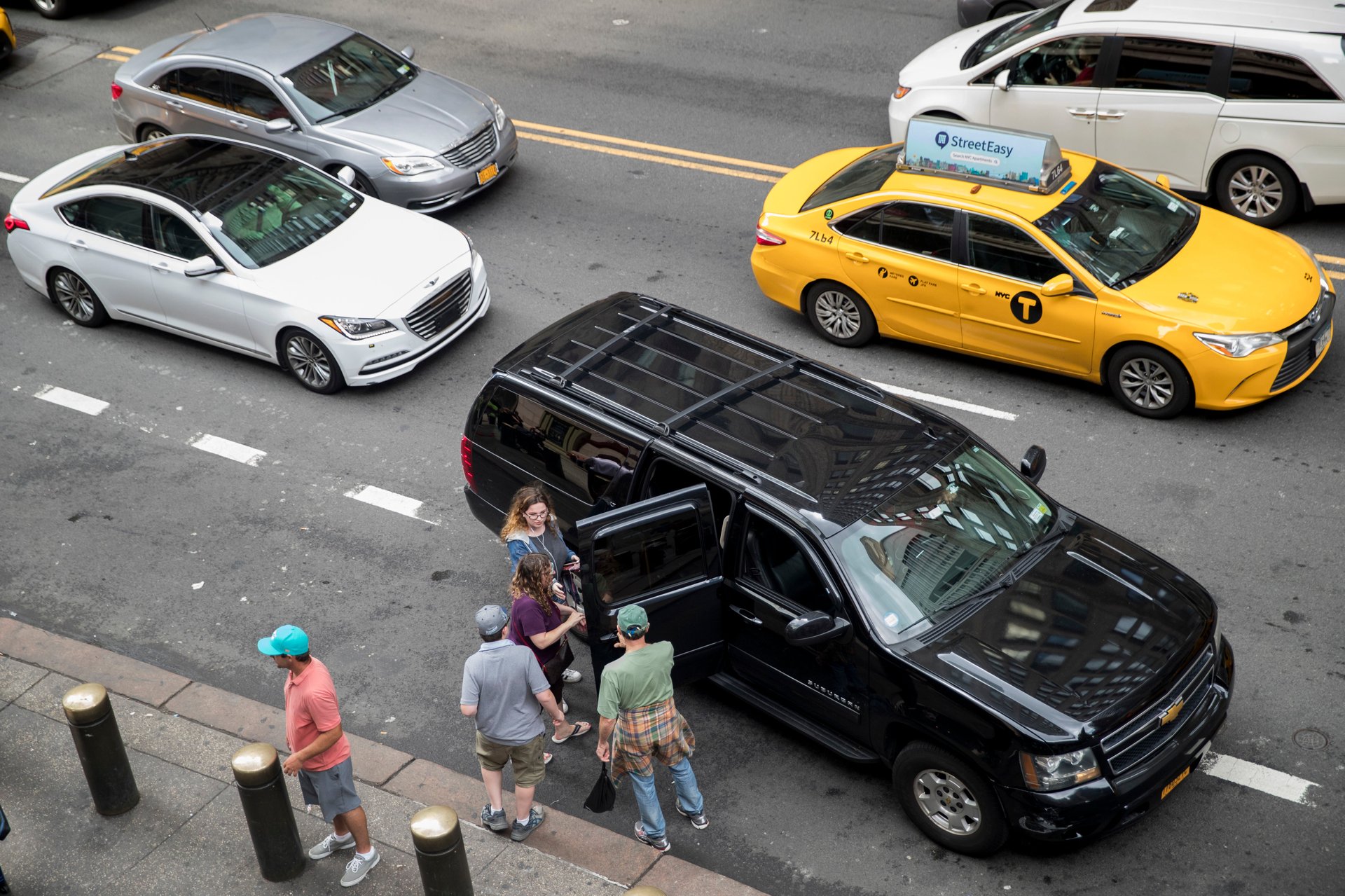
The pandemic has hit ride-hailing companies hard, but ride-sharing appears to be healing.