

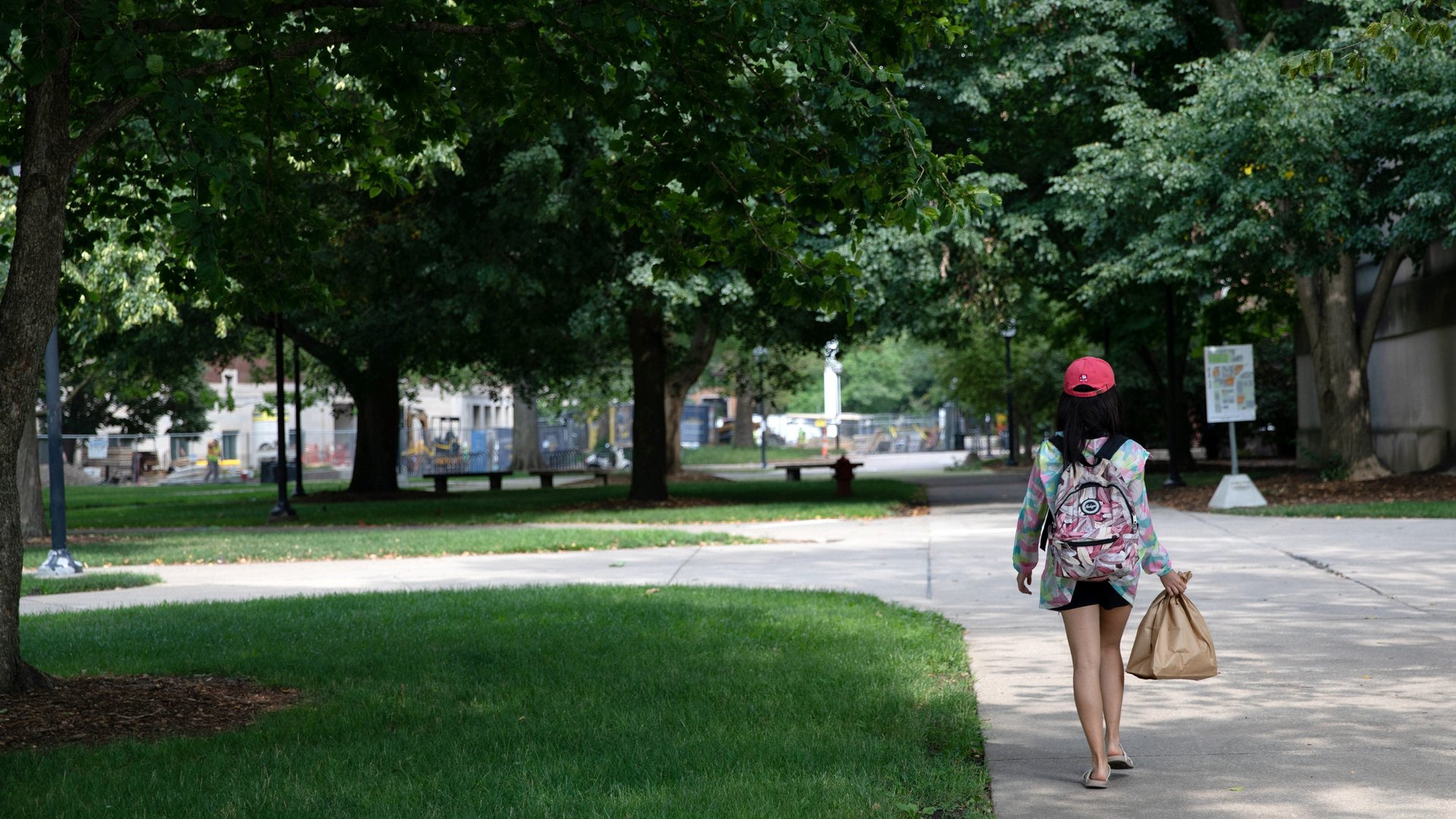
With an economy in slow recovery, and the burden of education loans higher than ever, US president Joe Biden is facing increasing pressure from Democrats to wipe out $50,000 in student debt per borrower, and to do so via executive action. But Biden suggests more modest measures, saying the government shouldn’t forgive debt for students from “Harvard and Yale and Penn.”
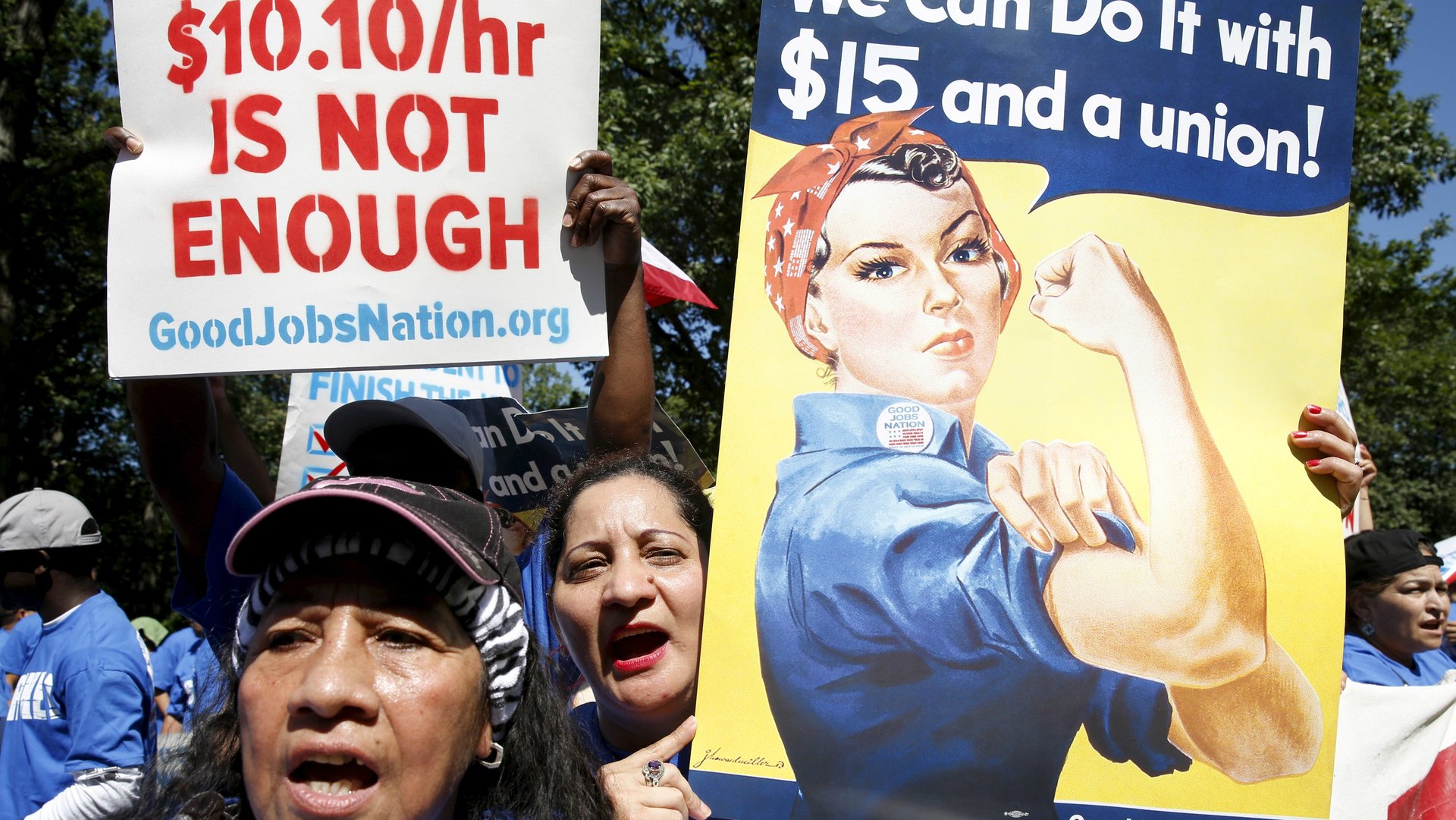
The future for millions of Americans working low-wage jobs still looks to be $7.25 an hour.
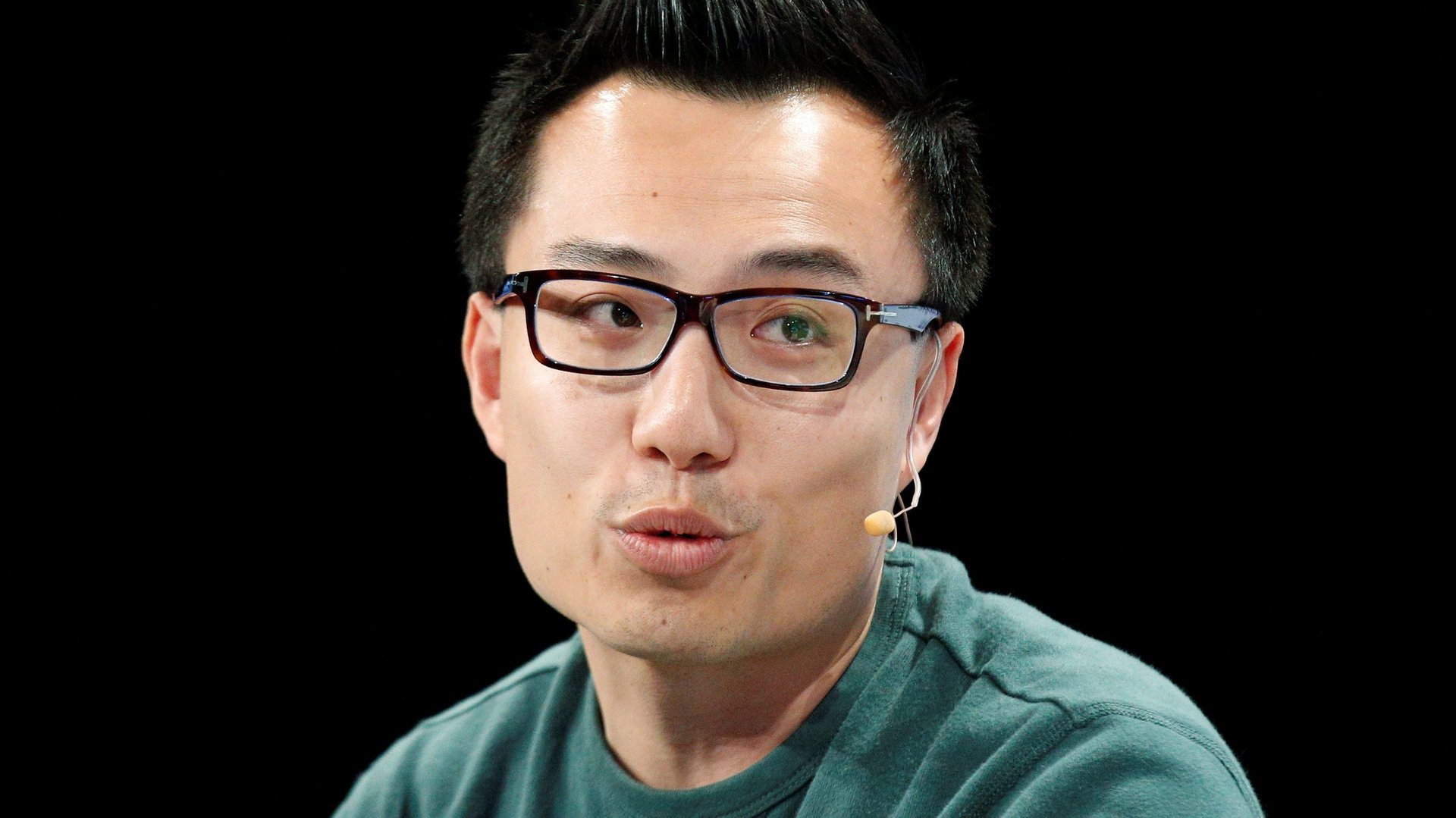
DoorDash reported its first earnings report as a public company, providing a glimpse of how the food delivery company has fared during Covid-19.

Costco has set a new minimum wage standard: $16 an hour.
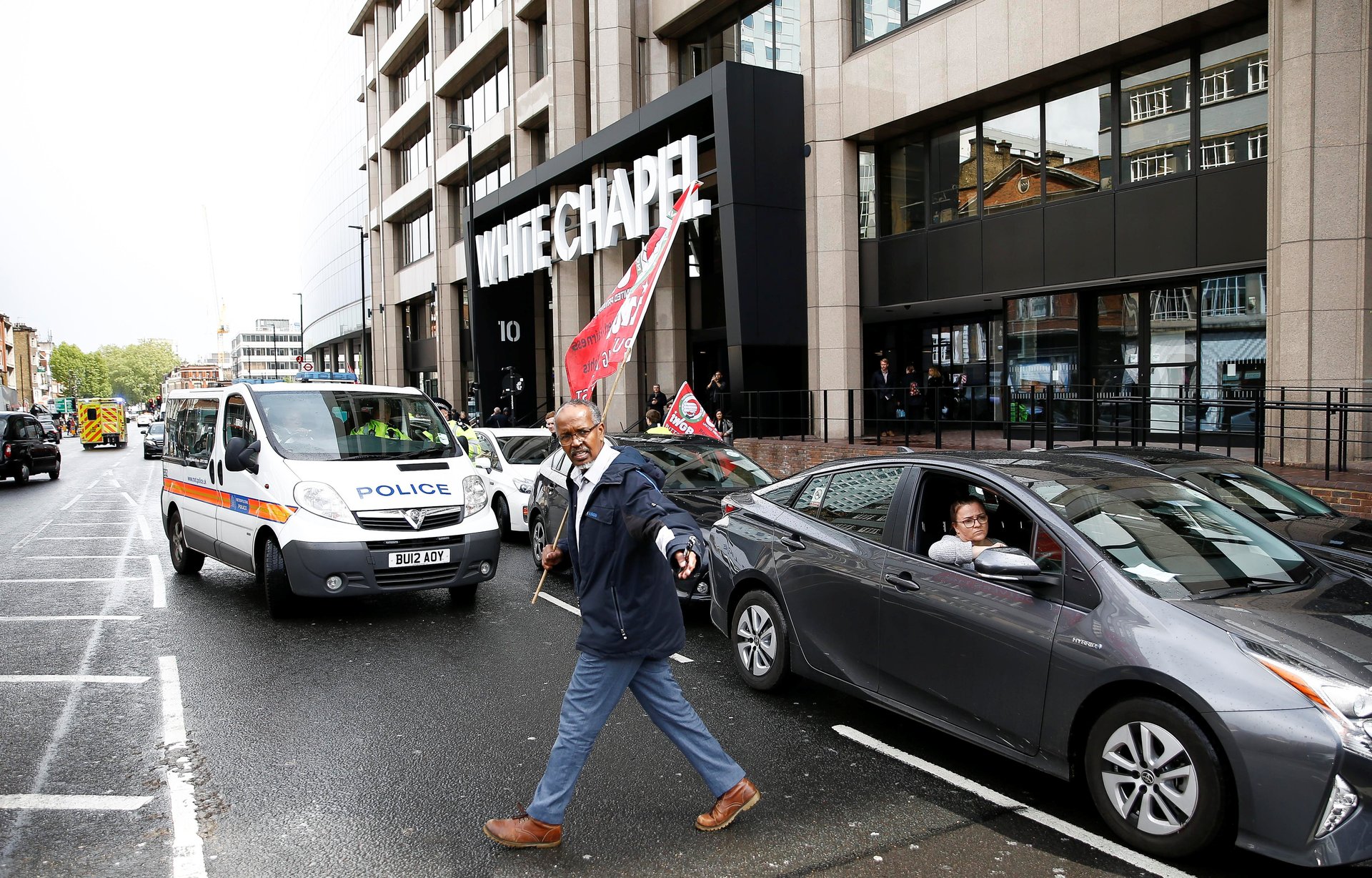
The employment status of Uber drivers is coming down to geography. In California, Uber convinced voters in November that its drivers are in fact contractors. In the UK this week, the highest court in the country wasn’t so easily swayed.
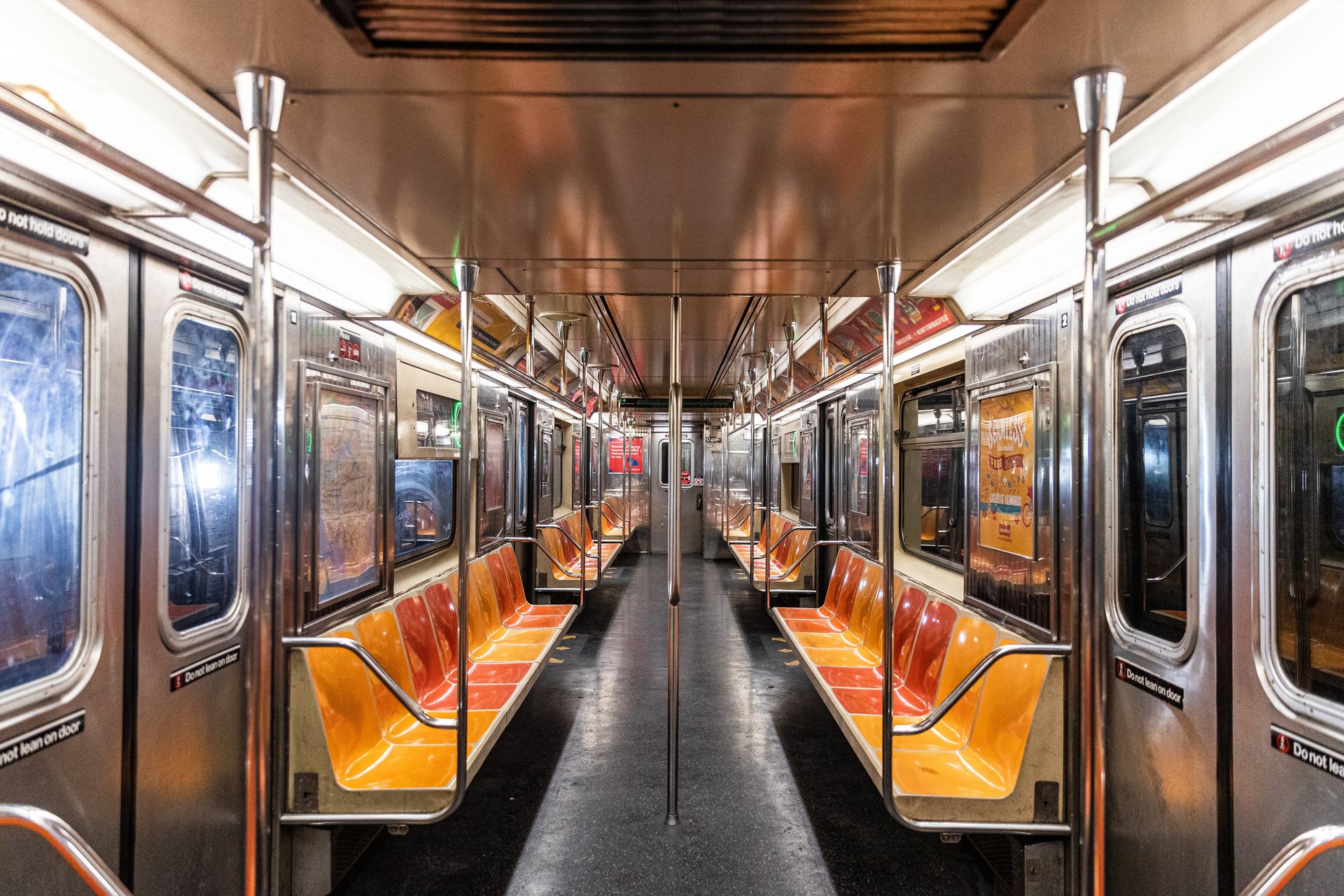
As Uber unwinds its moonshot bets on self-driving cars and flying taxis, it is focusing on a less audacious if no less ambitious goal: enmeshing itself in public transit systems around the globe.
With a proposed $15-an-hour federal minimum wage continuing to be a a contentious piece of US president Joe Biden’s $1.9 trillion pandemic-relief proposal, Goldman Sachs’ analysts have added their thoughts to the debate: the federal wage floor could be raised.
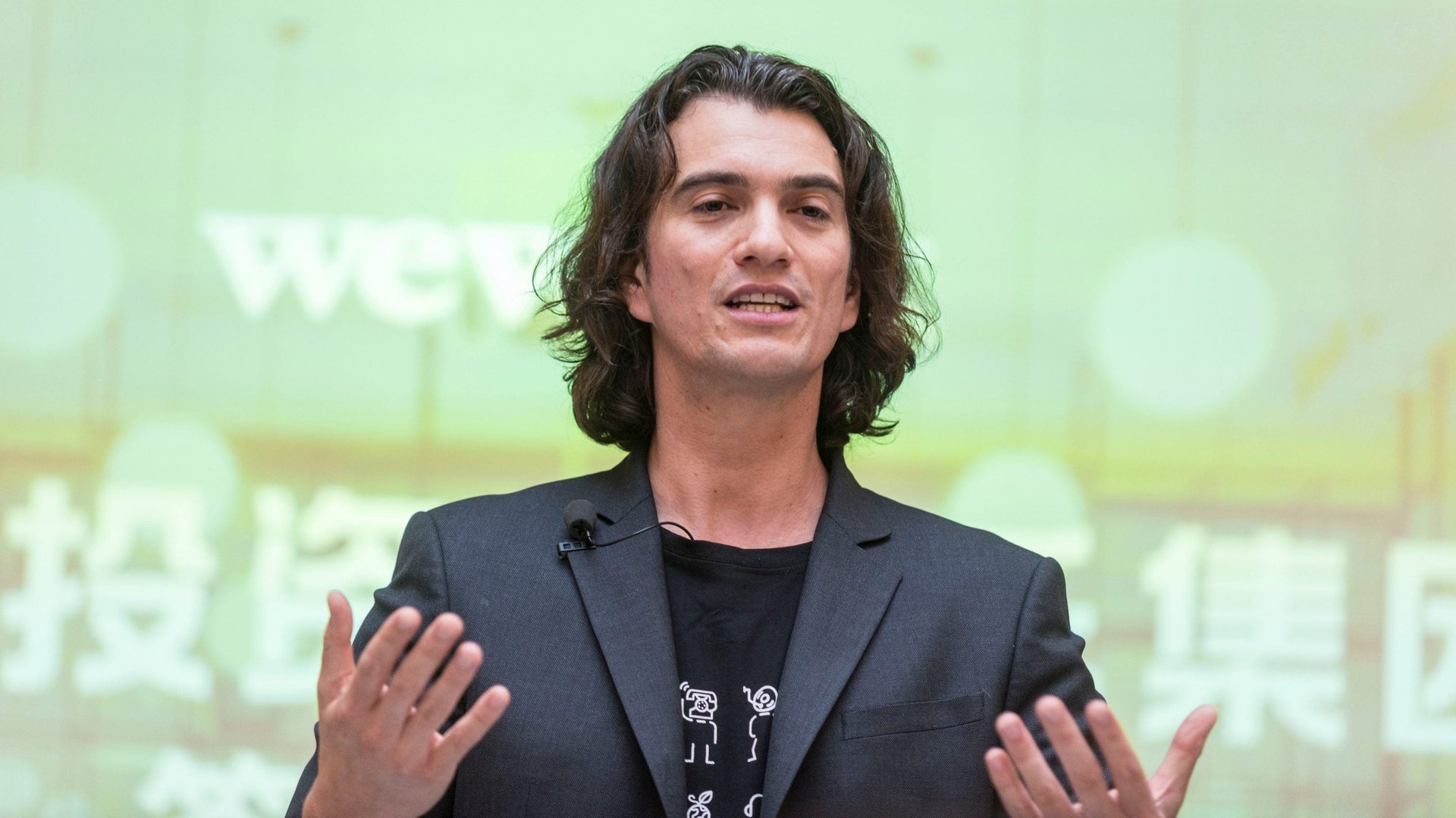
In an S-1 filing ahead of its ill-fated IPO attempt, WeWork included a recession among its risk factors. What it didn’t anticipate was a pandemic.
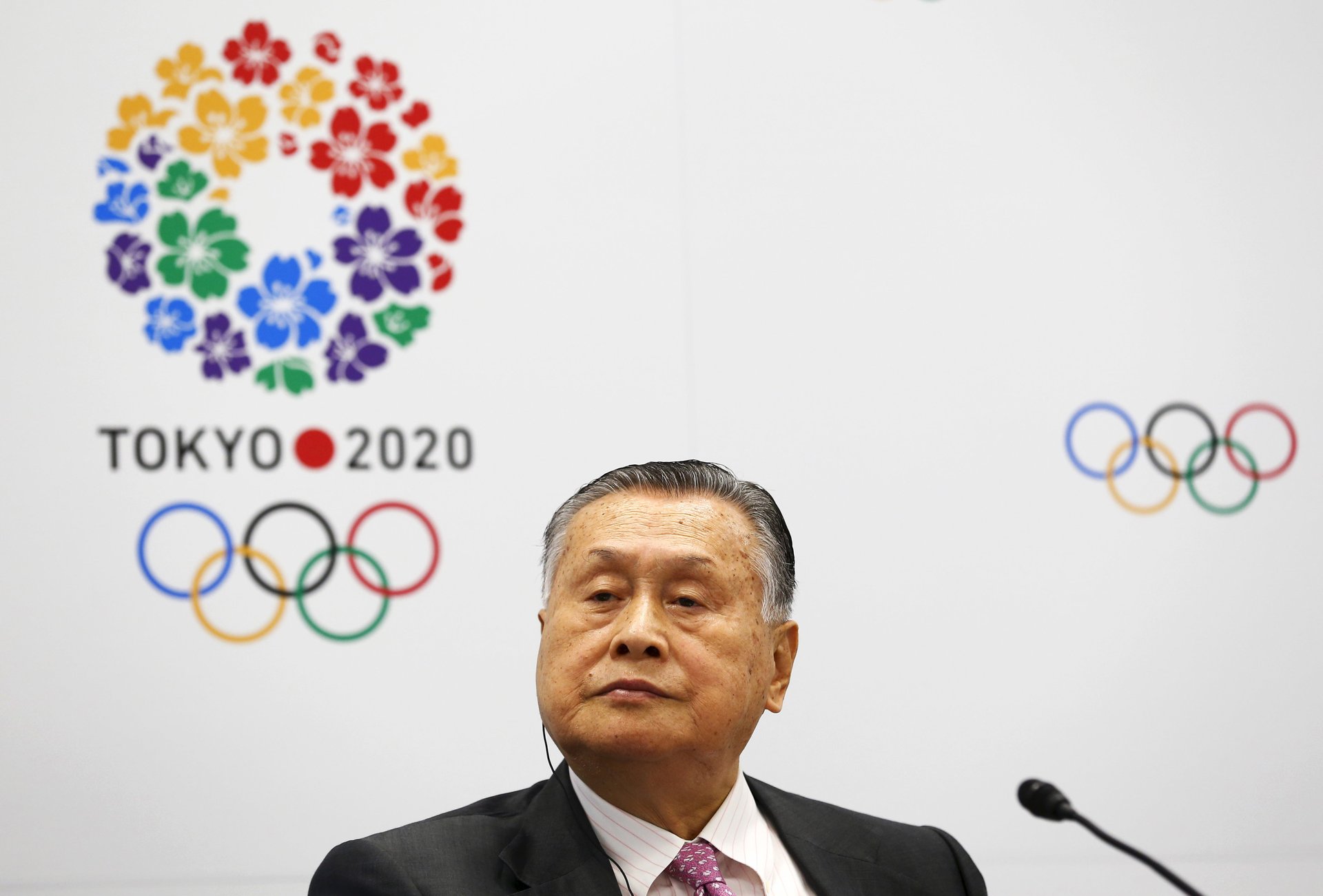
There was already plenty of controversy surrounding the Summer Olympics set to start in July, with the host nation of Japan still in a state of Covid-19 emergency. And now there’s this: the president of the Tokyo organizing committee has made derogatory remarks about women on boards.
Hi [%first_name | Quartz member%],
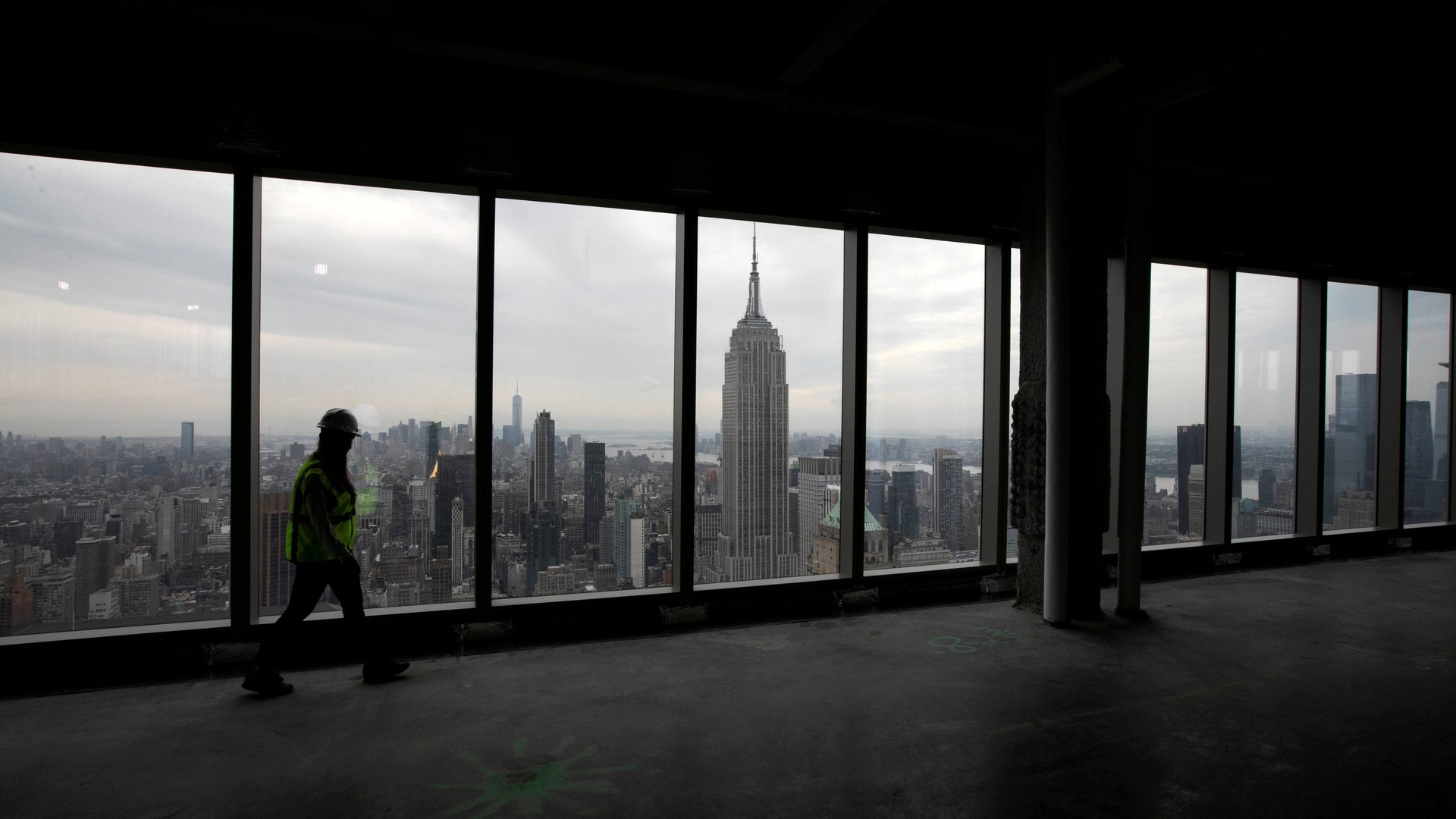
In another stark sign of the pandemic’s impact on office-space demand, data from Costar Group, a commercial real estate firm, shows there is 12.2 million square feet of vacant sublet space in New York City as of late January 2021, up 91% from the 6.4 million square feet that was vacant and available in the second quarter of 2019.

Uber is looking even more like a delivery company than a ride-hailing business.
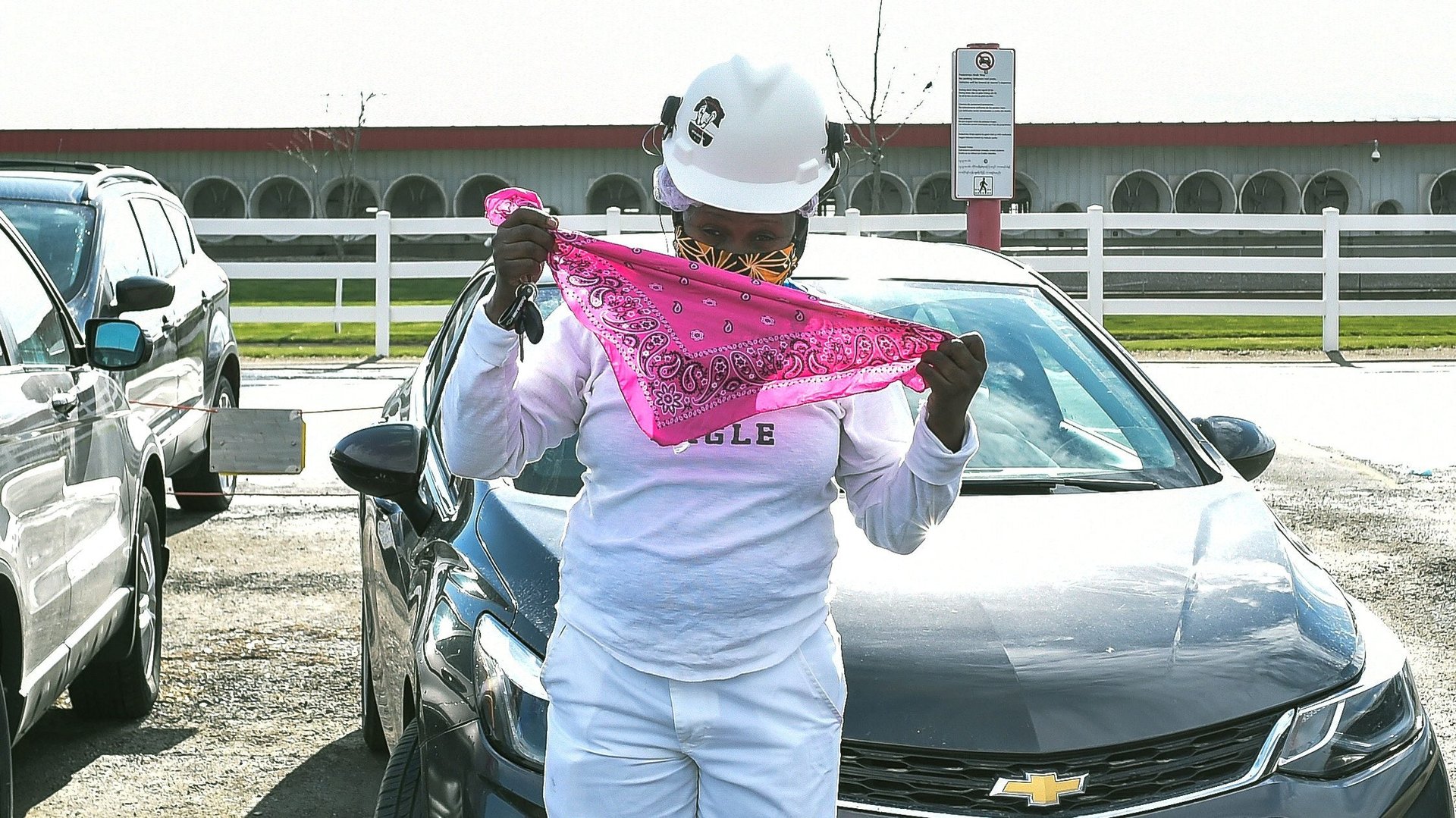
It’s been well documented that essential workers face heightened risks of contracting Covid-19. Now, research from the University of California, San Francisco, suggests they’re also more likely to die from it.
Since the Covid-19 pandemic began, the news has been filled with stories of US companies that have failed to keep employees safe, whether by not providing PPE or by making it impossible for workers to spread out and maintain a safe distance.
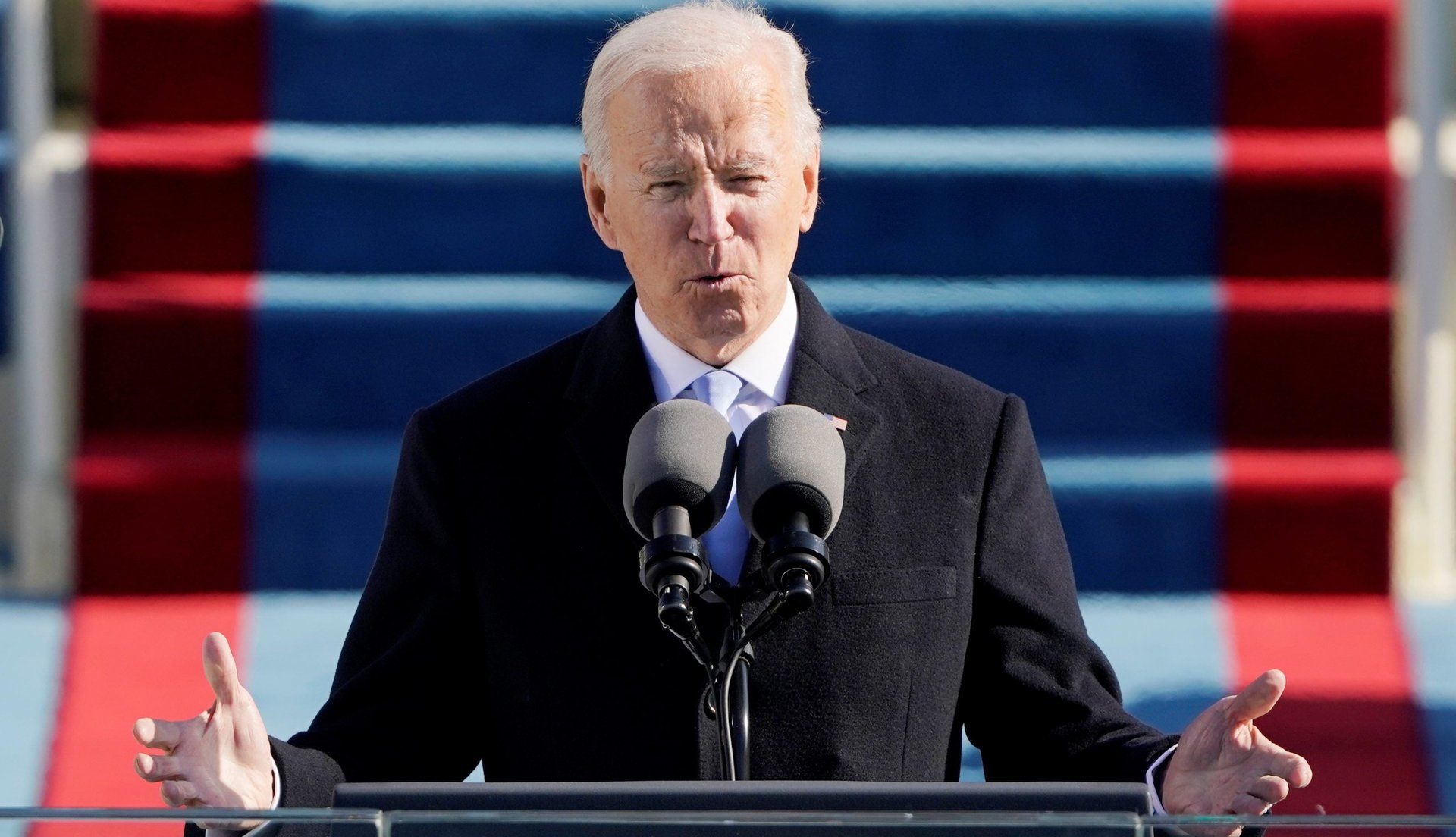
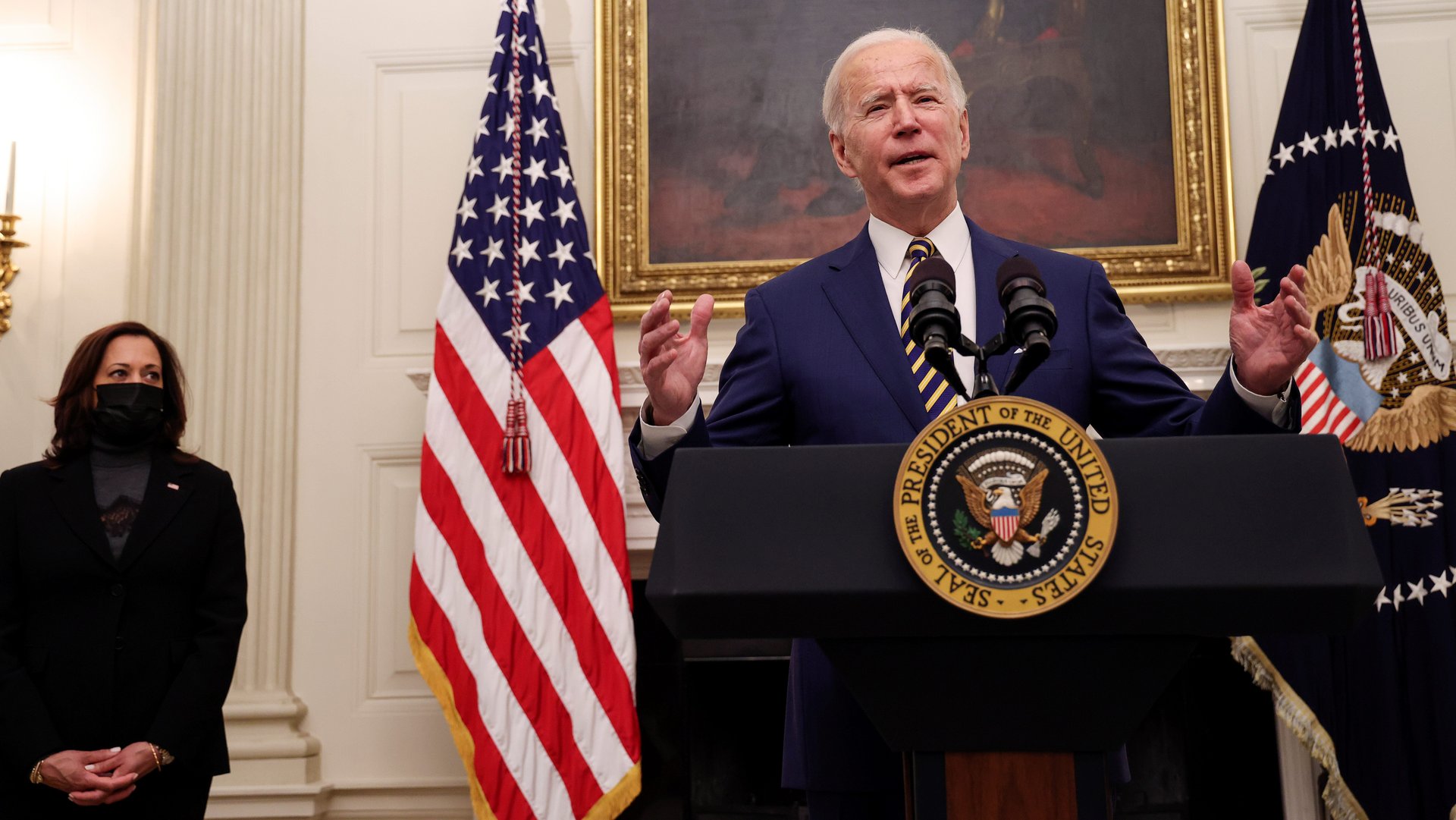
Part of newly inaugurated US president Joe Biden’s $1.9 trillion pandemic relief plan includes a hotly debated measure: an almost doubling of the US federal minimum wage to $15 an hour.
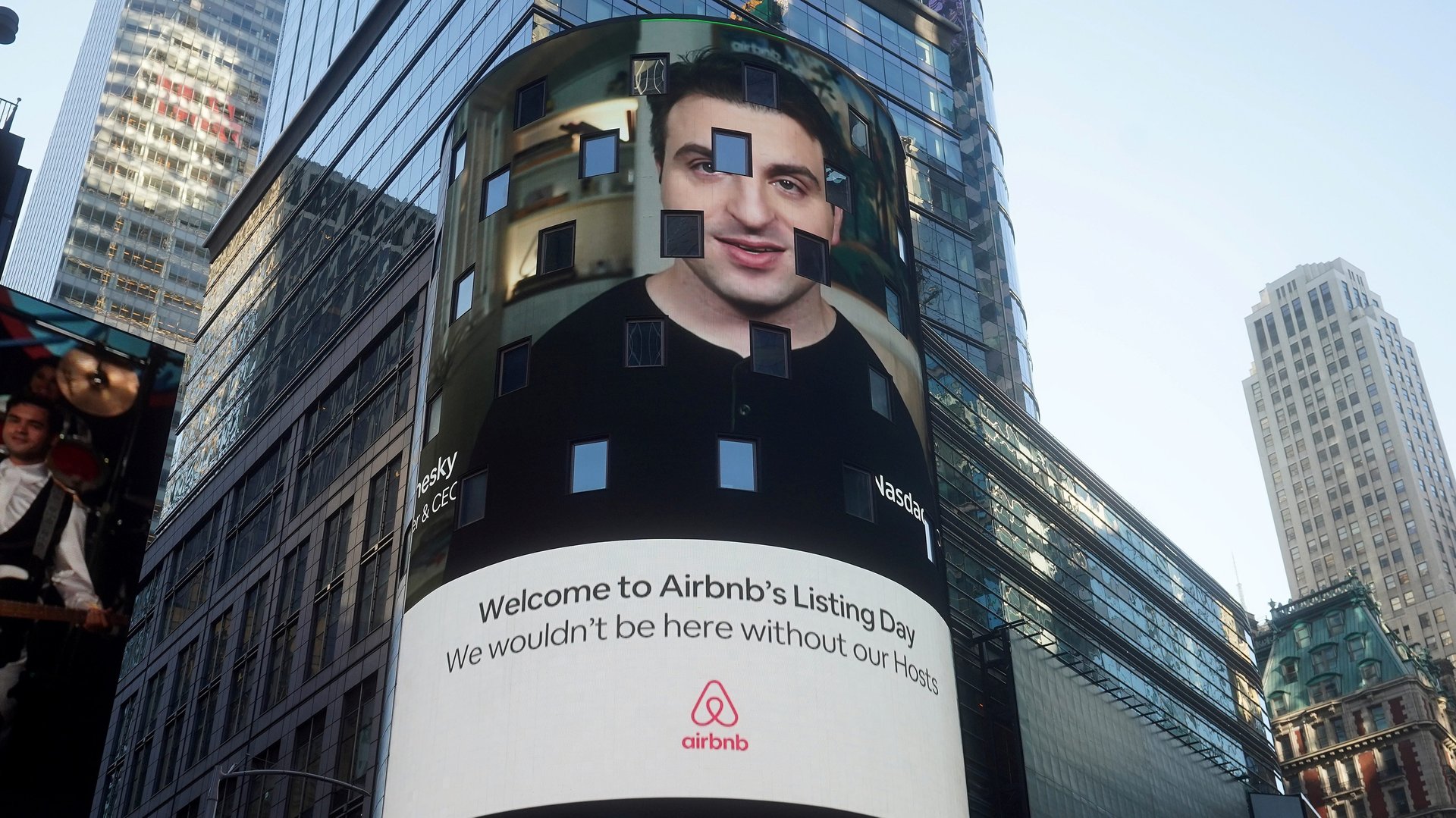
Airbnb is canceling and blocking reservations in the Washington DC metro area during inauguration week. The drastic decision was informed by reports of “armed militias and known hate groups that are attempting to travel and disrupt the Inauguration” of US president-elect Joe Biden, the company said in a blog post. Airbnb also discussed the matter with local government and police officials and with members of Congress, a spokesperson for the company tells Quartz.
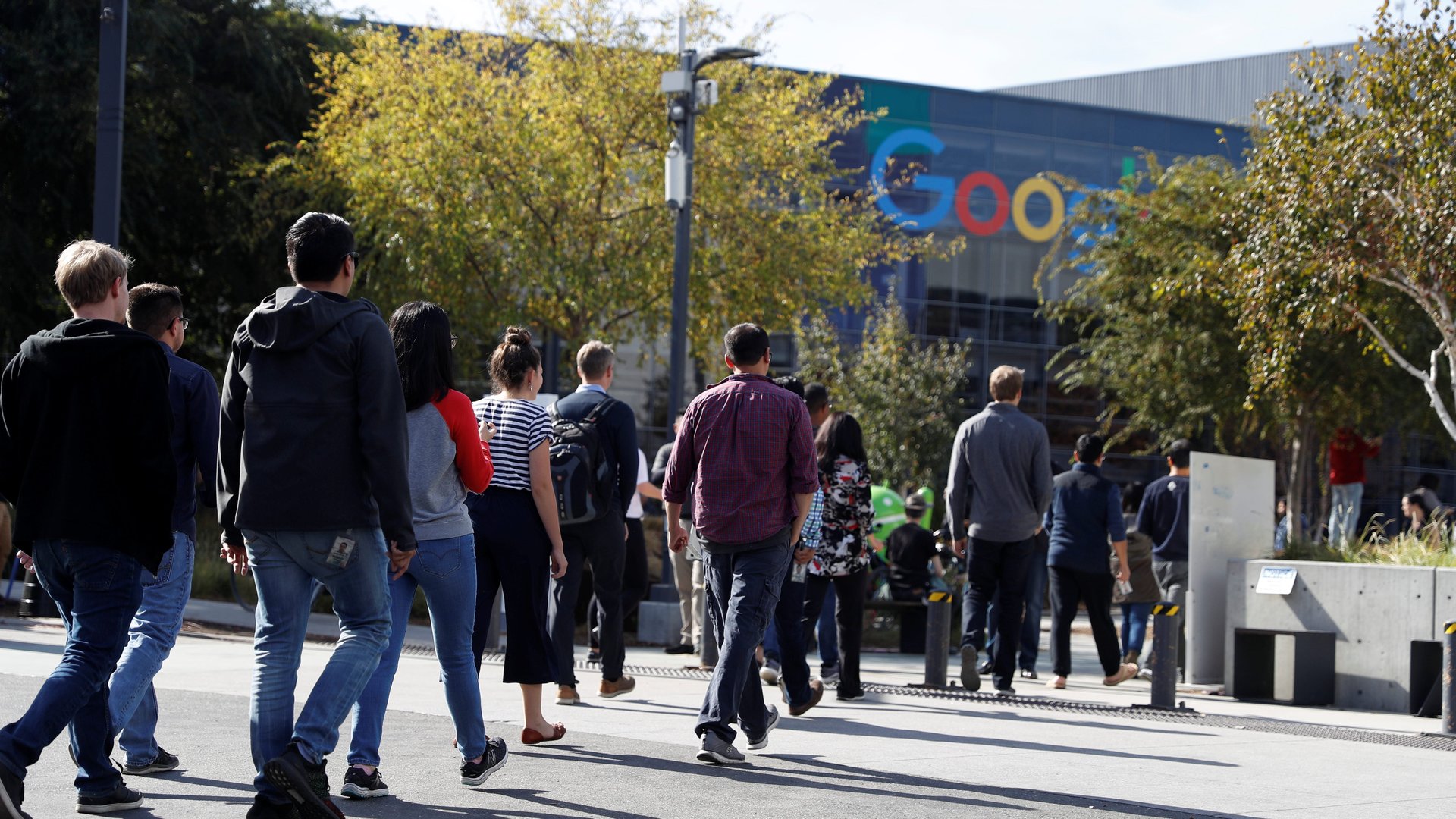
A group of about 250 workers at Google parent company Alphabet have formed a union open to all workers, even contractors.
With working from home becoming more mainstream, data from CoStar Group, a commercial real estate firm, shows that office rents in New York and San Francisco are expected to lose steam. But not every city is facing a glut of empty offices. Some markets, from Miami, Florida to Columbus, Ohio, are actually expecting an increase in office rental prices in the new year.
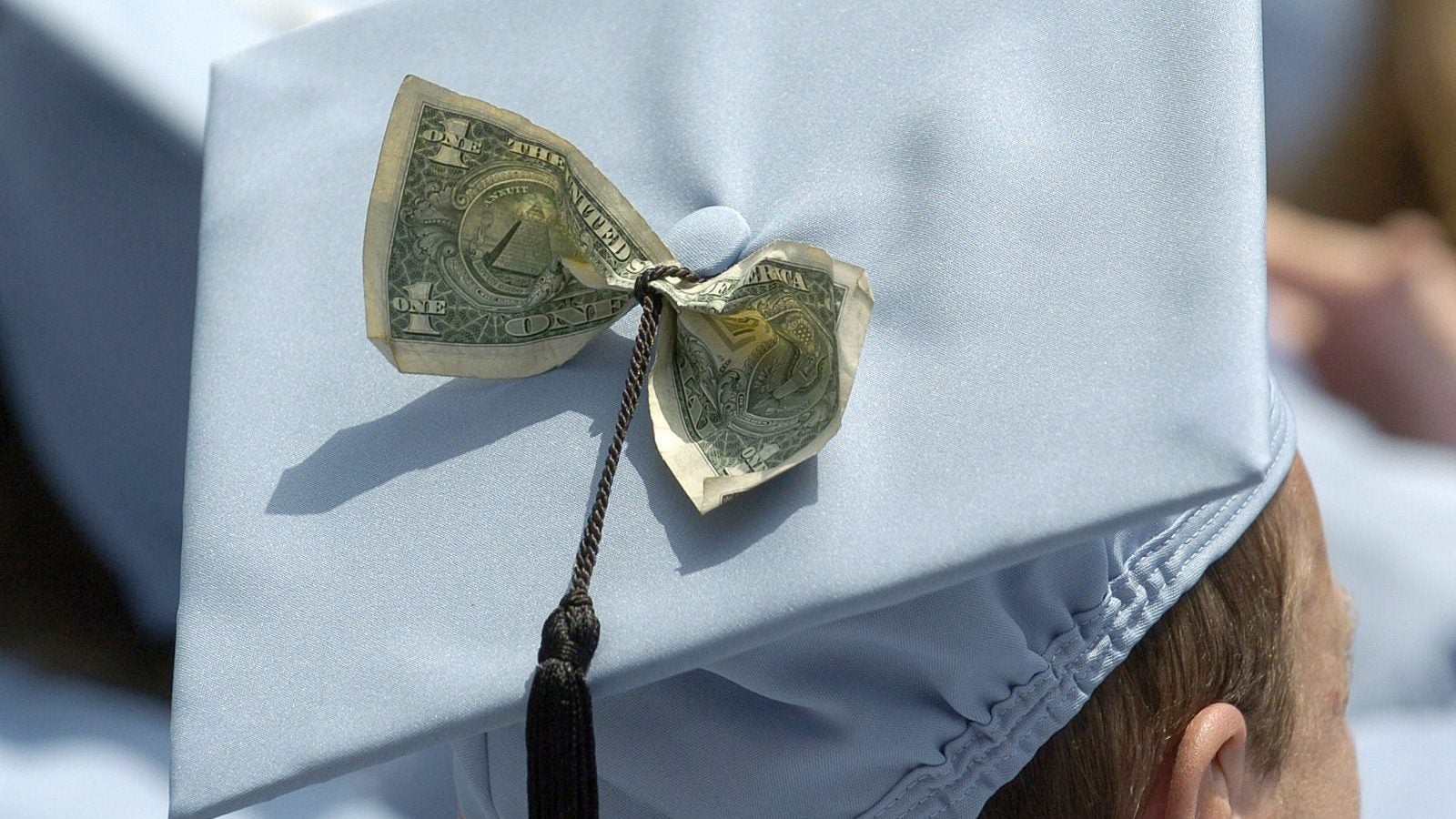
Congress passed the $900 billion pandemic relief bill last night, providing long-awaited aid to Americans struggling in the pandemic. Though most of the interest has centered around the authorization of stimulus checks and emergency unemployment benefits, the legislation also is notable for clearing one of the biggest hurdles for low-income students to attend college.
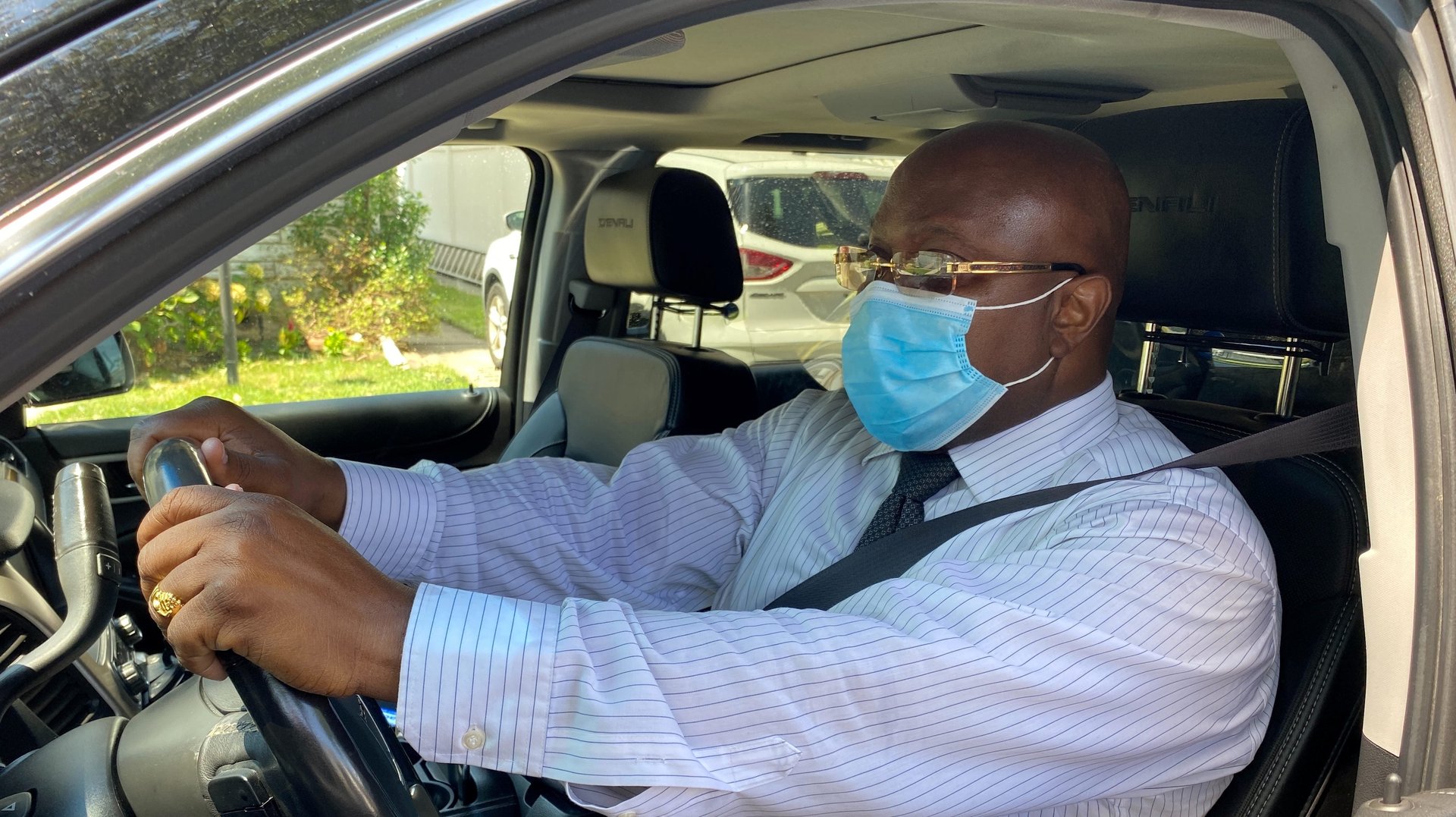
Uber announced this week that it is committing 10 million free or discounted rides to help “vulnerable communities” around the world get access to Covid-19 vaccinations. The company says it will work with organizations that have “deep ties to communities of color that have been disproportionally hurt by the pandemic” to provide rides to and from initial vaccination appointments, and for the follow-up shots that will be needed a few weeks later.

A recent US Bureau of Labor Statistics survey on how businesses fared from the start of the pandemic through Sept. 30 provides new context on their experience, and the government’s role within it.
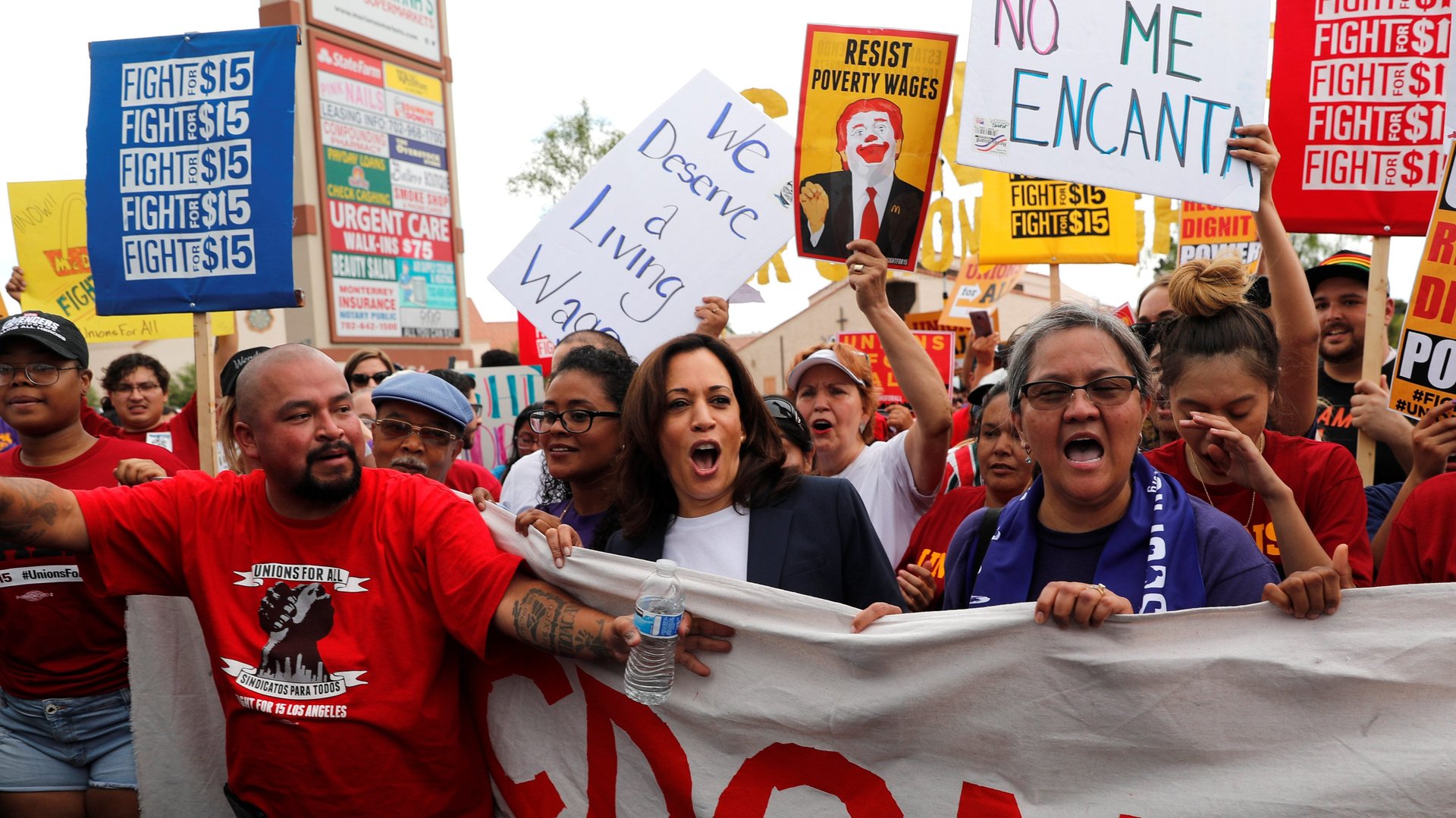
The US federal minimum wage is becoming increasingly obsolete. In 2020, 29 states and the District of Columbia, which account for half of the US population, have minimum wages above the federal minimum of $7.25 an hour. In 2000, just 11 states were above the federal threshold.
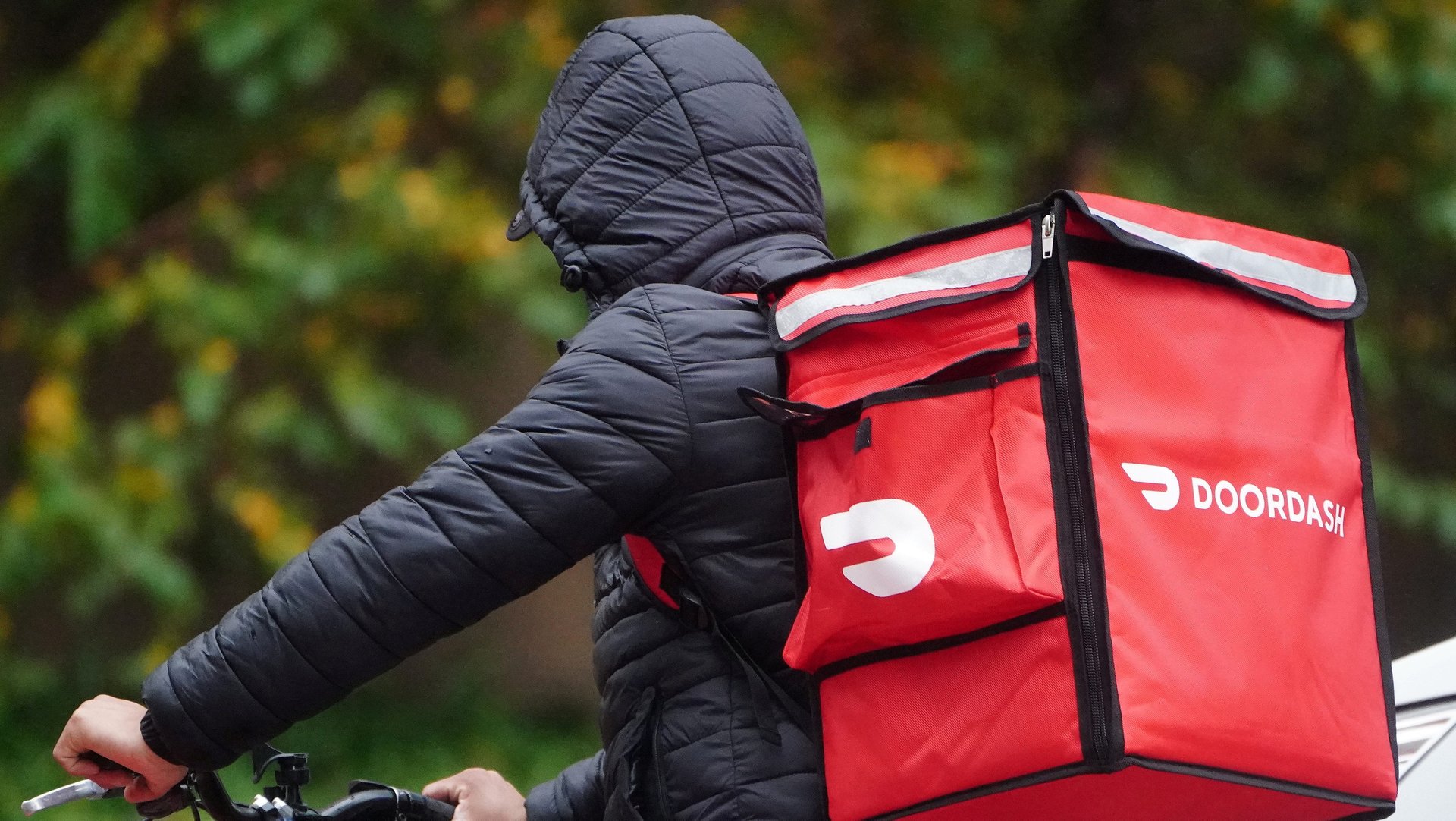
DoorDash soared in its debut on the New York Stock Exchange, opening at $182—and handily summarizing a year’s worth of business and finance trends in one well-subscribed IPO.