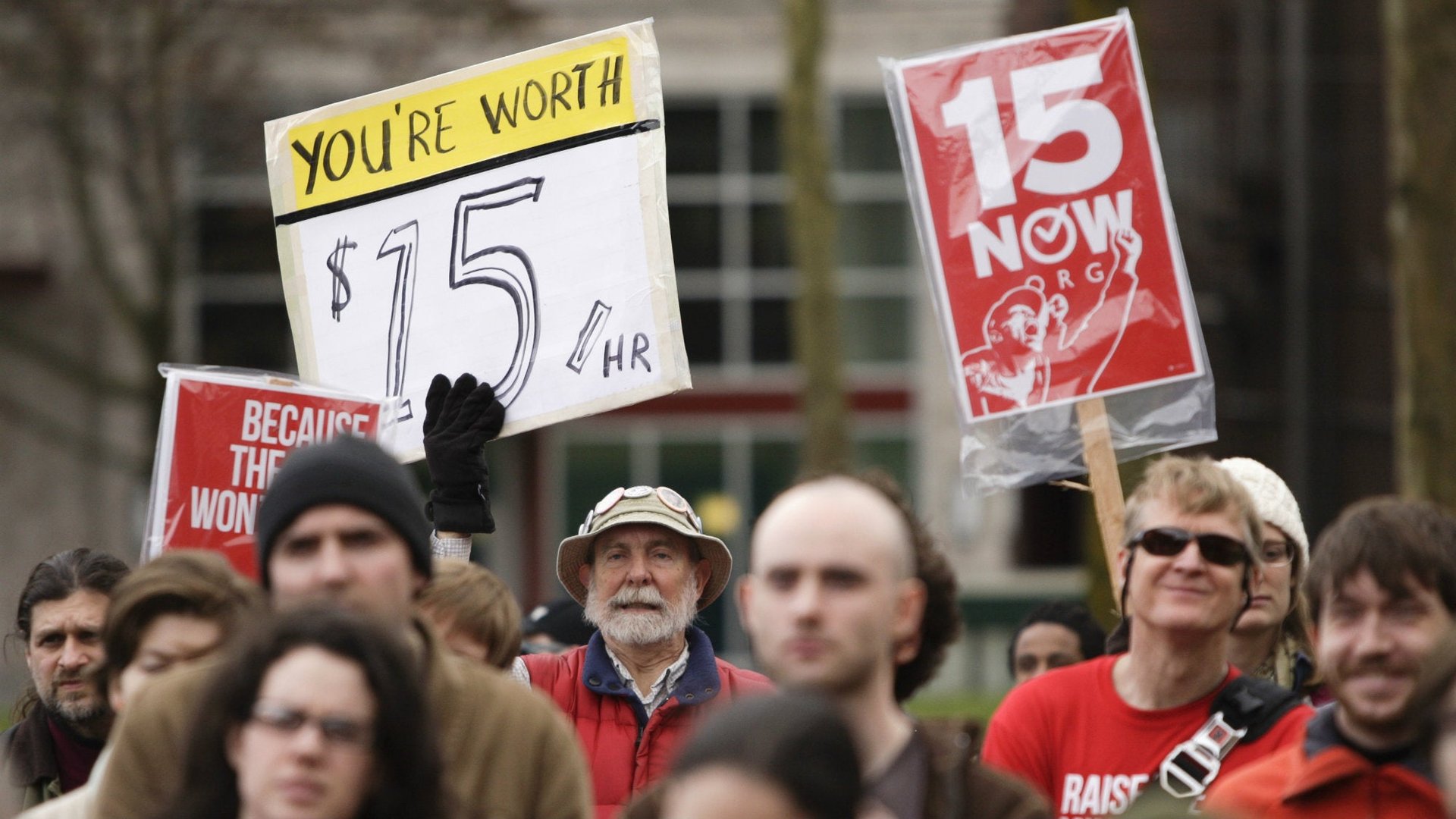
Since fast-food workers in New York walked off the job in 2012 to demand higher wages, the movement to raise the minimum wage to $15 an hour has found success in cities and states around the US.

Since fast-food workers in New York walked off the job in 2012 to demand higher wages, the movement to raise the minimum wage to $15 an hour has found success in cities and states around the US.

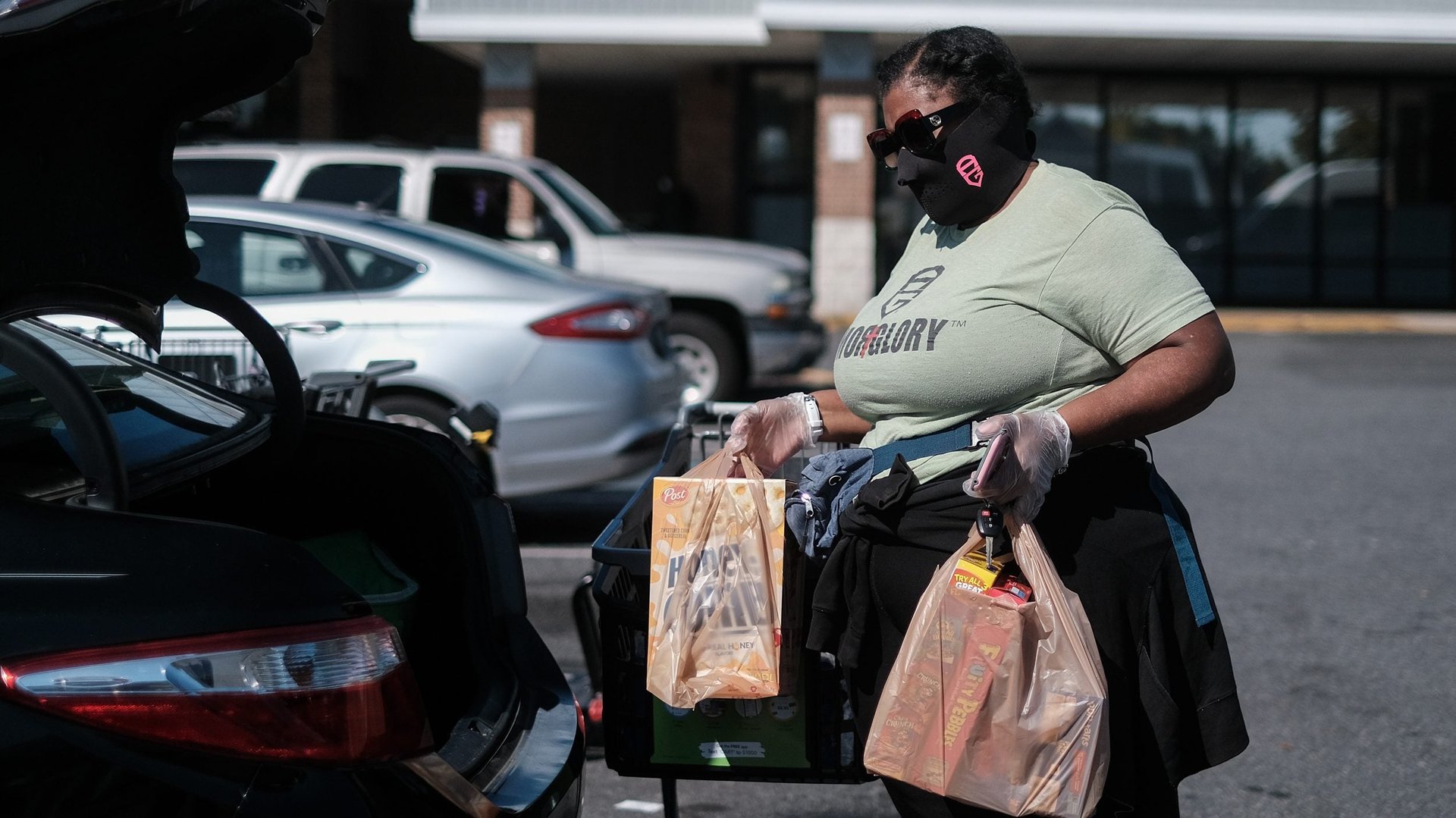
If you’ve been inside a grocery store recently, perhaps you noticed a number of people pushing around jam-packed carts while scrolling furiously through their phones. The pandemic is powering growth for grocery-delivery startup Instacart, and many of those shoppers are handpicking groceries for the app rather than their own households.

Hi [%first_name | Quartz member%],

With the remaining Covid-19 economic relief programs expected to expire next month, some 12 million Americans could be without assistance, according to a report from the Century Foundation, a progressive think tank. They are also going back into a labor market where the occupations with the greatest demand for workers also carry some of the greatest health risks.

When Lizeth Morales took over her mother’s restaurant eight years ago, she didn’t worry much about its pick-up and delivery business. When it comes to cultural food, people prefer the sit-in experience, she says—and El Gordo, her Peruvian restaurant, didn’t break the mold. Her customers liked to linger, savoring her homestyle ceviche and rotisserie chicken.

No matter what your life looked like before Covid-19, your meals have adapted.

As Airbnb plans to make its stock market debut, the effects of the pandemic on its business are coming into focus.

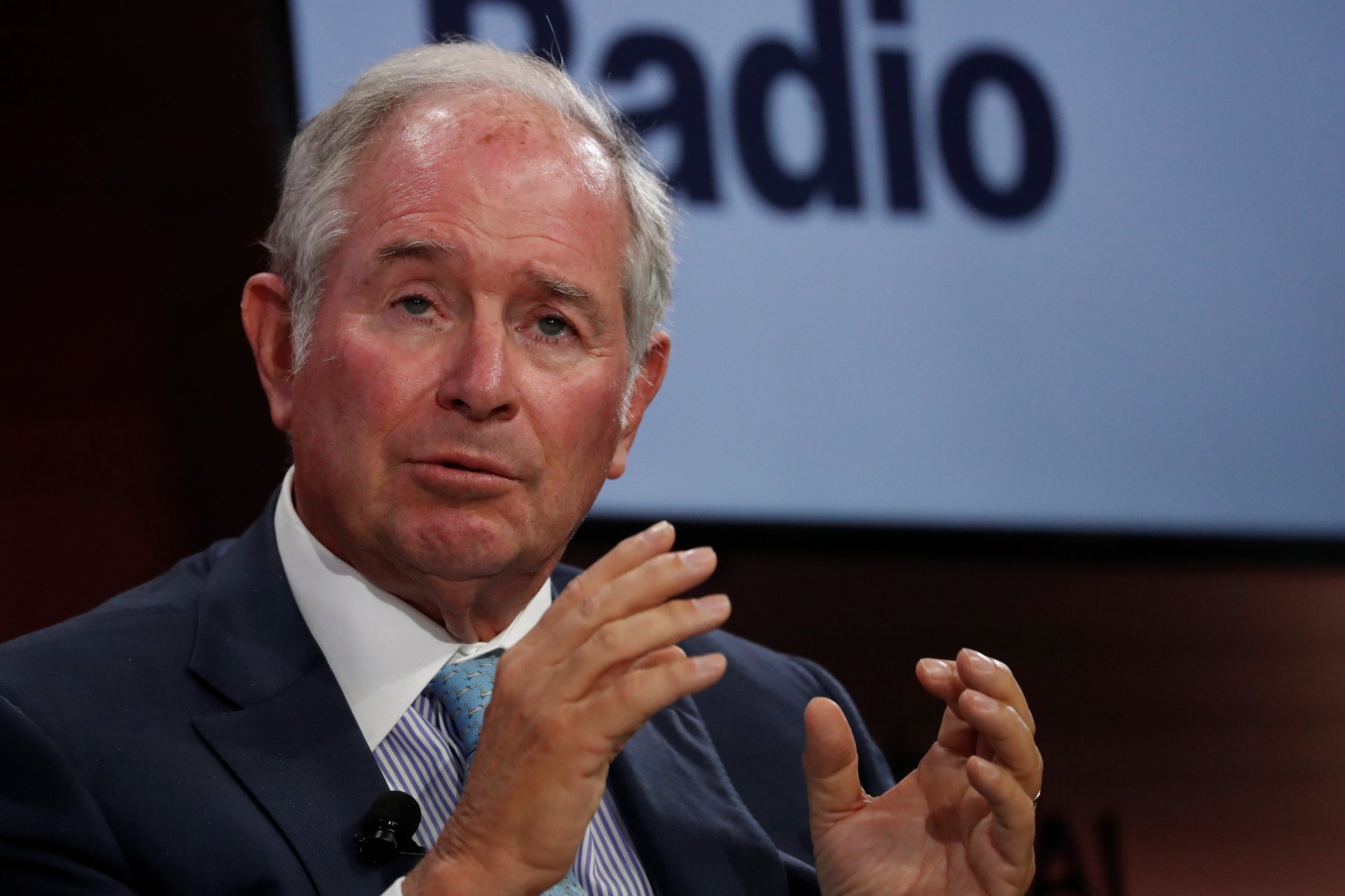
At a time when the US tax base is under stress, Blackstone CEO Stephen Schwarzman said there’s one group of workers who shouldn’t have to pay tax: teachers.

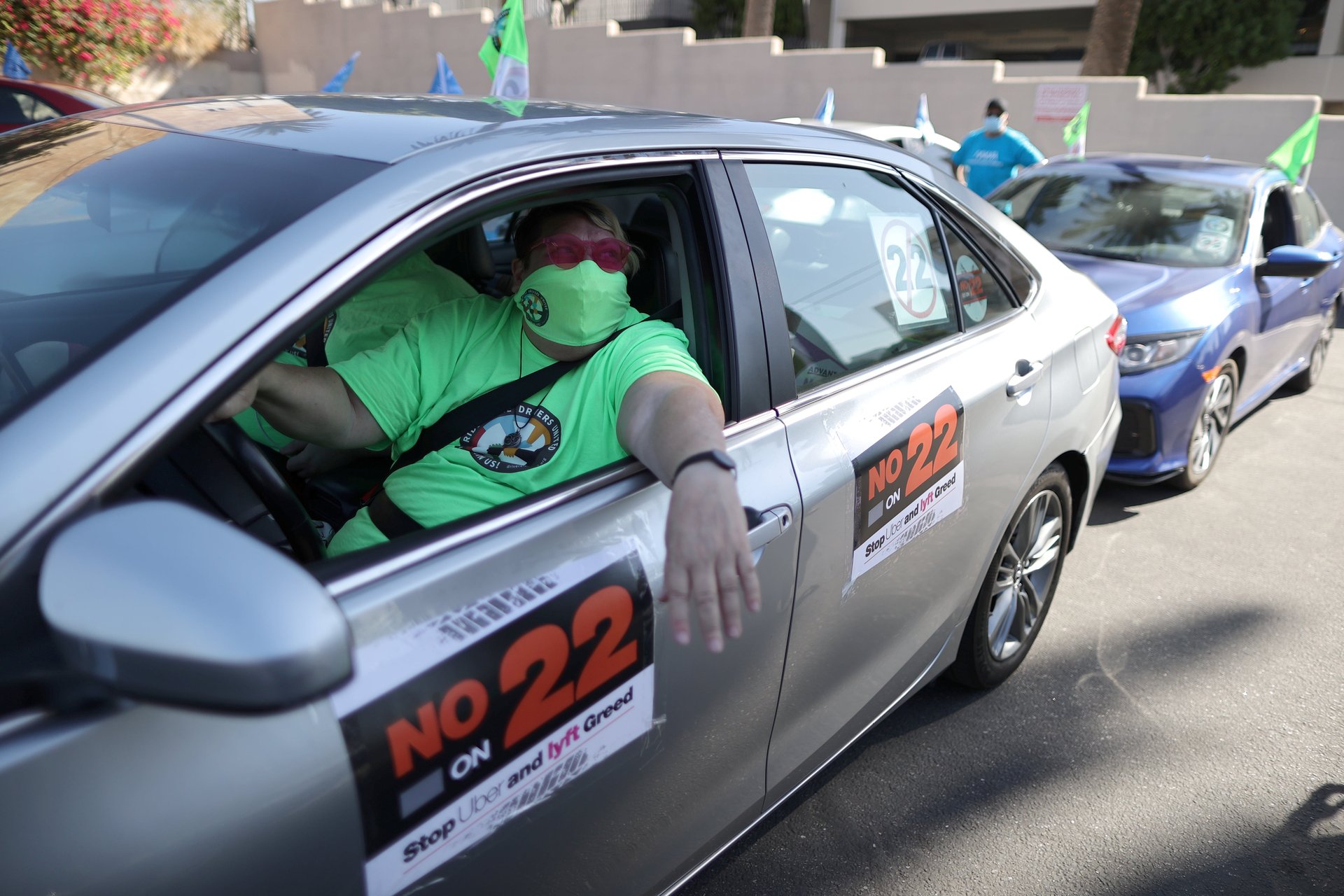
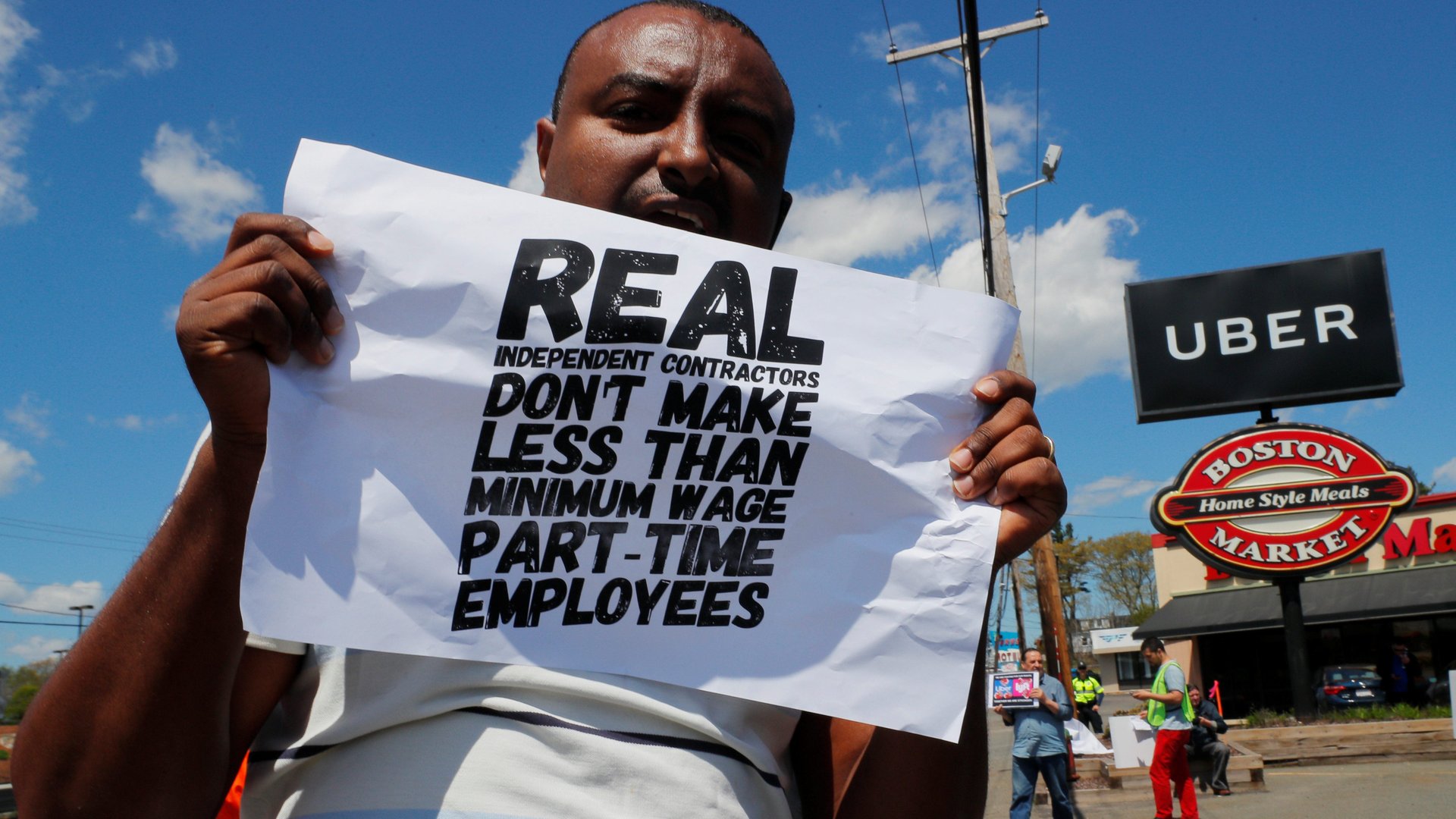
Regulators and labor groups around the world have been pushing hard for higher pay and worker protections in the gig economy. But in California, they got totally outflanked.

The passing of Proposition 22 validates Uber’s business model—and investors are happy

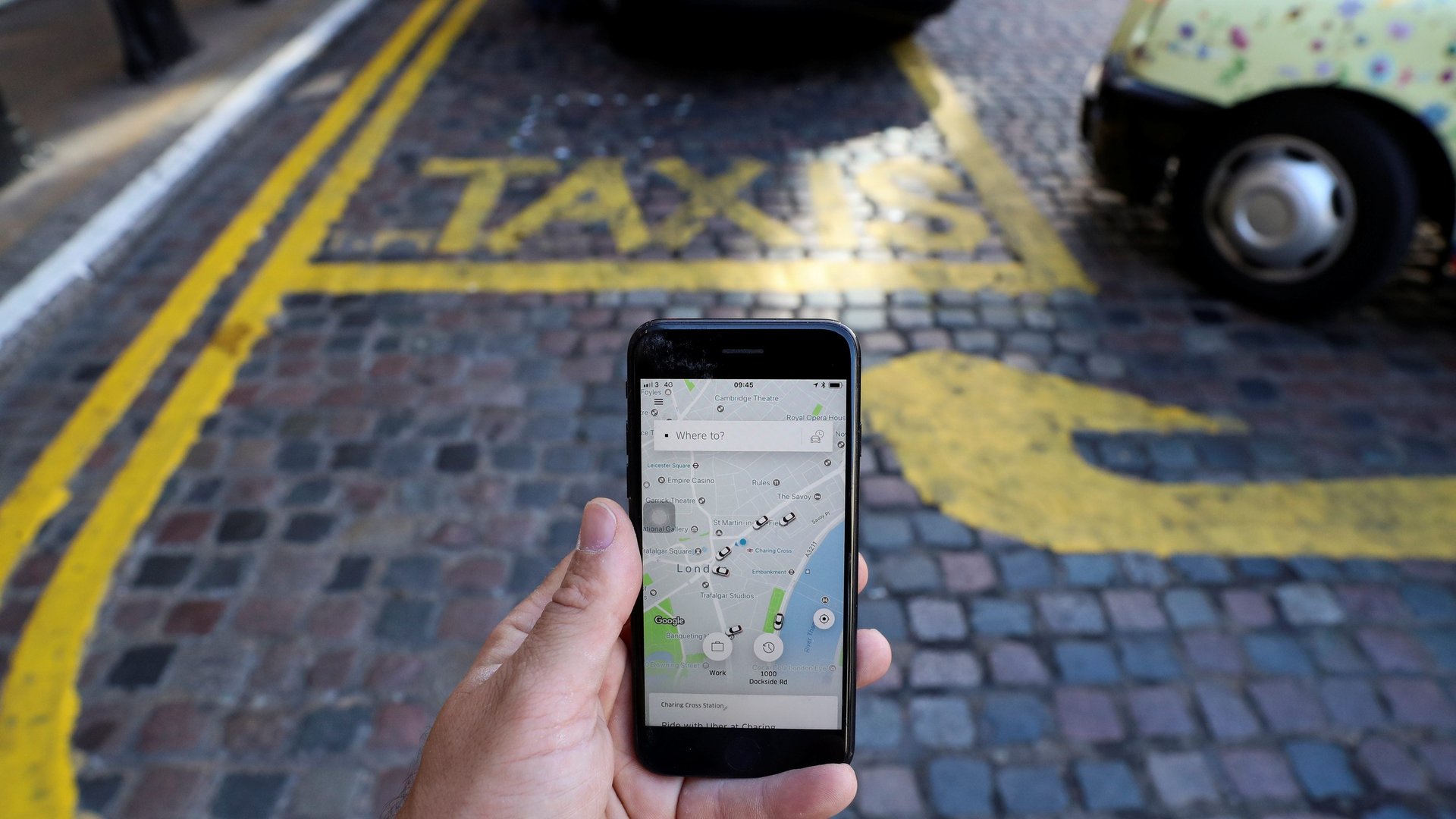
Uber has long believed that in revolutionizing the ride-hailing industry, it also was re-writing the rules of work.

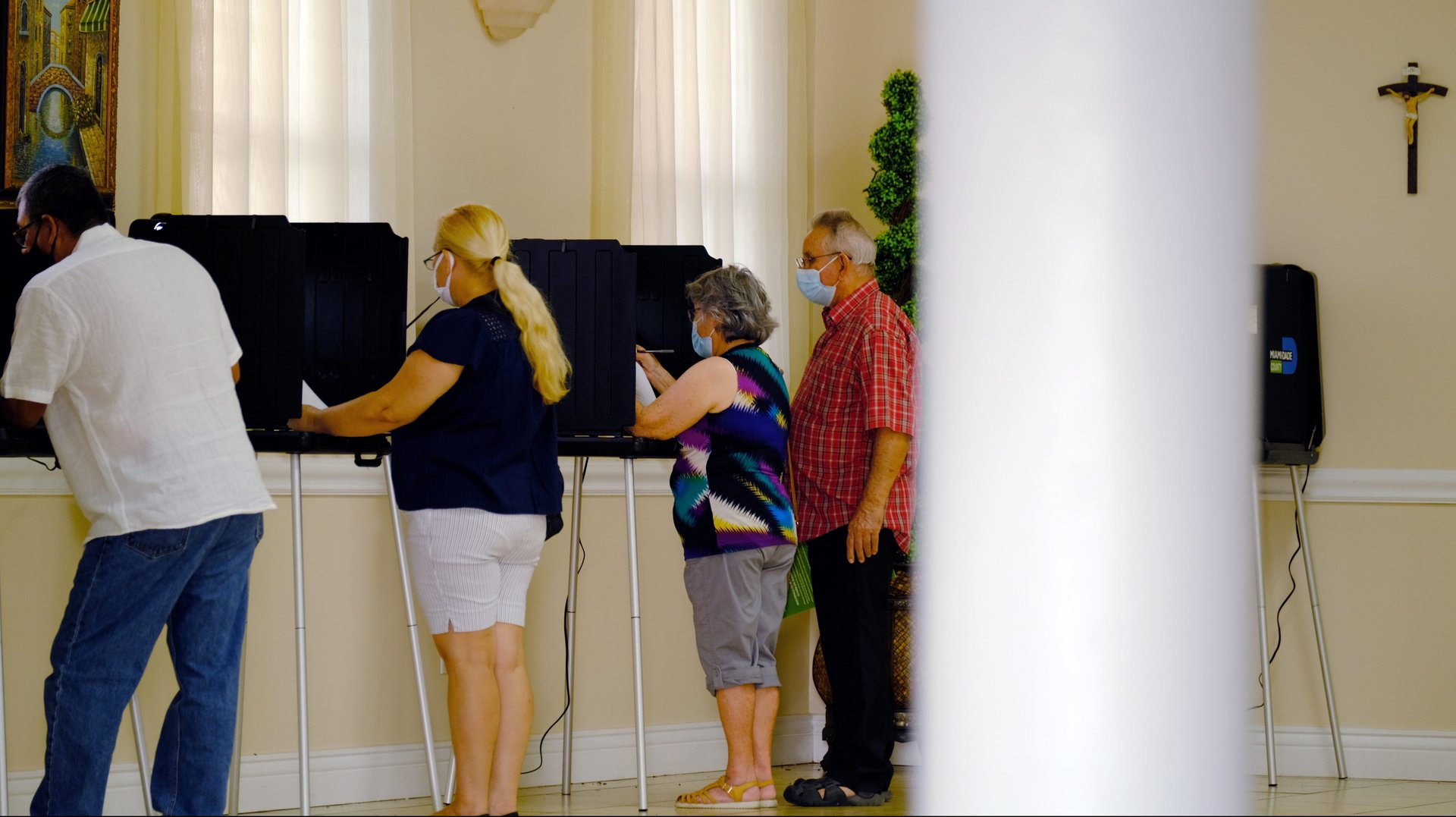
Florida is the eighth state to adopt an eventual $15-an-hour pay floor, joining California, Connecticut, Illinois, Maryland, Massachusetts, New Jersey, New York—plus Washington DC, according to the bipartisan National Conference of State Legislatures. The Amendment 2 proposition calls for gradually raising the state minimum wage to $15 an hour by 2026.

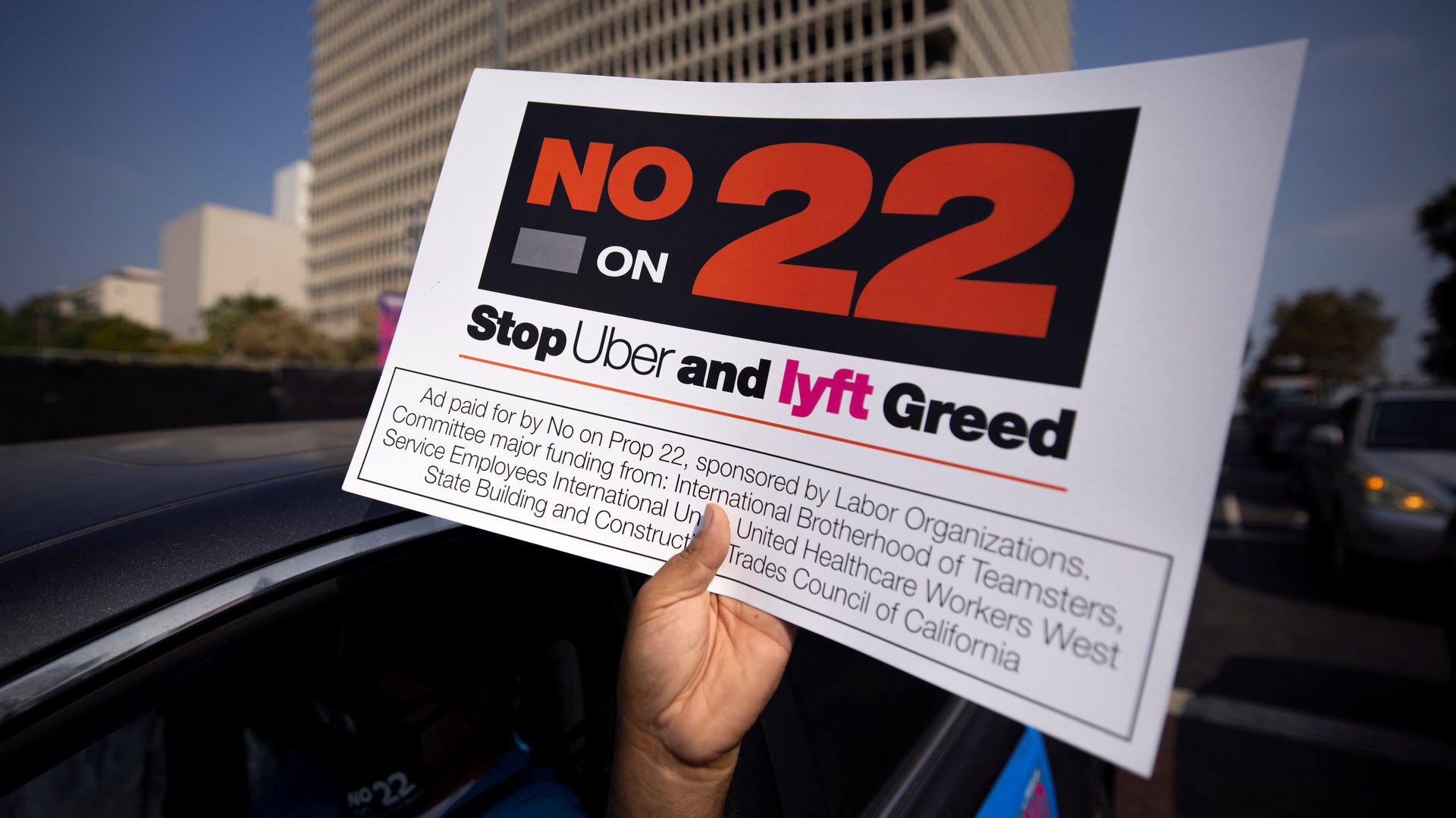
A November ballot question in California known as Prop 22 will determine whether app-based delivery drivers in the state must be classified as employees or not.

It’s been a good year for groceries, and in particular for Instacart. A new report from the investment bank Cowen found that the food delivery company has surpassed Target and Kroger in popularity as a destination for online grocery orders. That puts Instacart, which started in 2012, right behind big retailers Walmart and Amazon.

Executive coaching is an estimated $3 billion a year global industry, with the median rate for a coach hovering around $500 an hour. And though revenue in the coaching field might be hurt this year by the coronavirus pandemic, it’s still been a busy time for executive coaches, as business leaders seek guidance on everything from managing layoffs to navigating racial issues at work to handling uncertainty.

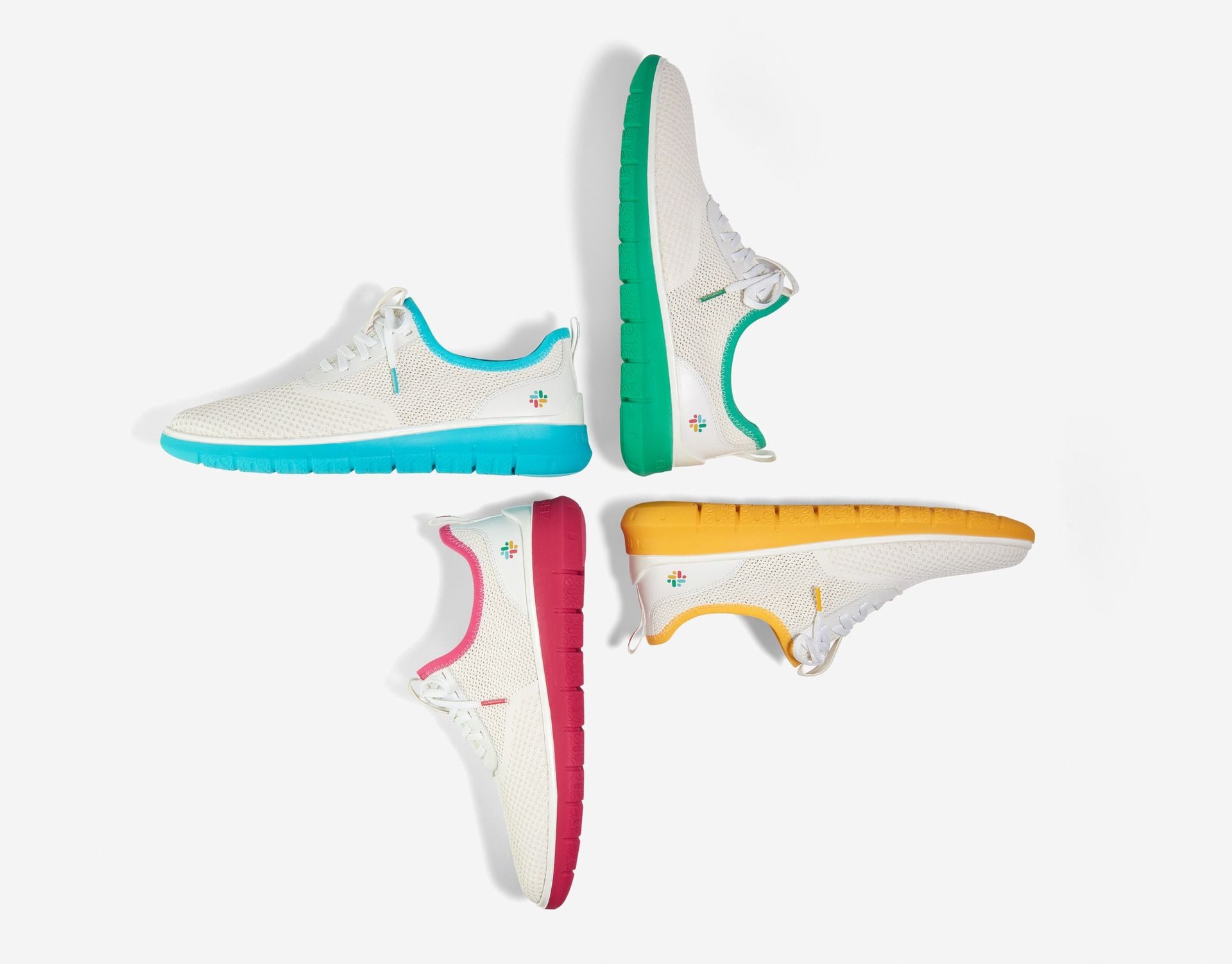
Remote work is not just a trend—it now has an aesthetic.

For the first time, Amazon has publicly disclosed that 19,816 of its frontline US employees have tested positive or been presumed positive for Covid-19.

America’s poor are reaching deep to make ends meet. A new survey from the Pew Research Center finds that 44% of lower-income people say they have dipped into their retirement or other savings since the start of the coronavirus crisis, while only 16% of upper-income people say they have done so.

As Uber and Lyft continue to battle with regulators over the employment status of drivers, they’re going directly to California voters with a costly campaign to keep front-line workers classified as independent contractors.

It’s almost hard to remember it now, but before the pandemic, Skype was a more popular way to Zoom than Zoom was. Now, as millions of people continue to stay at home, Zoom is how we work, learn, and socialize. It is a noun (“I have a 10 am Zoom”), an adjective (“We’re having a Zoom wedding”), and a verb (“Let’s Zoom”). It has a gerund (“Zooming!”) and, of course, an endless stream of memes.

As gig companies continue to campaign against worker reclassification, some are now hiring full-time employees positioned to organize such efforts.

Some public universities in the US are starting to think like private businesses.

Are Uber and Lyft just bluffing?

As the pandemic continues to take its toll, Lyft announced a 61% drop in second-quarter revenue and a net loss of more than $430 million.