

Tech & Innovation
Uber Eats is now bigger than Uber’s ride-hailing businessWith lockdowns still in effect in various parts of the world, Covid-19 is changing how Uber operates.
Updated July 21, 20222 min read
With lockdowns still in effect in various parts of the world, Covid-19 is changing how Uber operates.
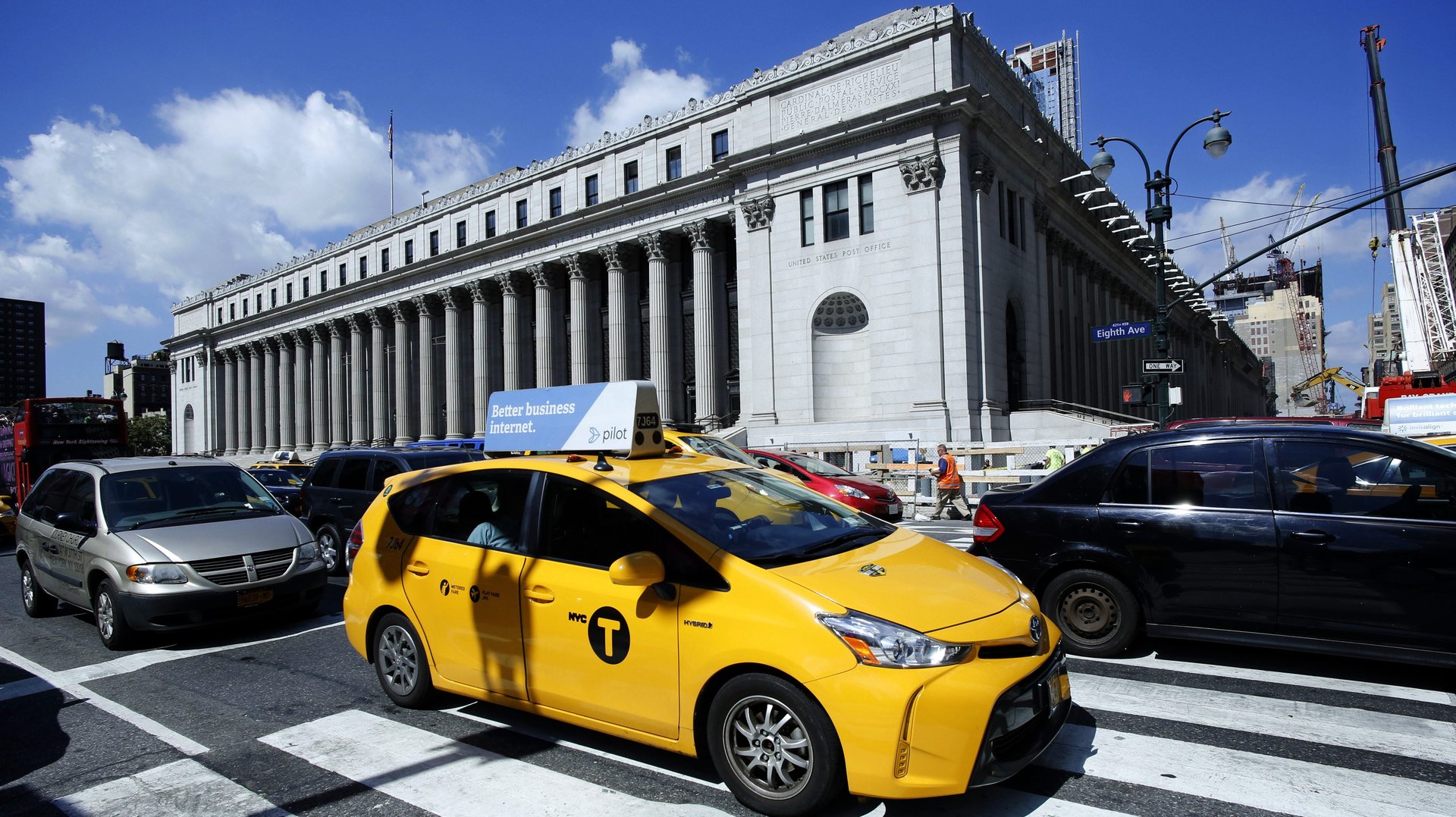
The office is not dead.

Harvard Business Review had deemed it “The Sexiest Job of the 21st Century.” But the demand for data scientists is rapidly cooling.
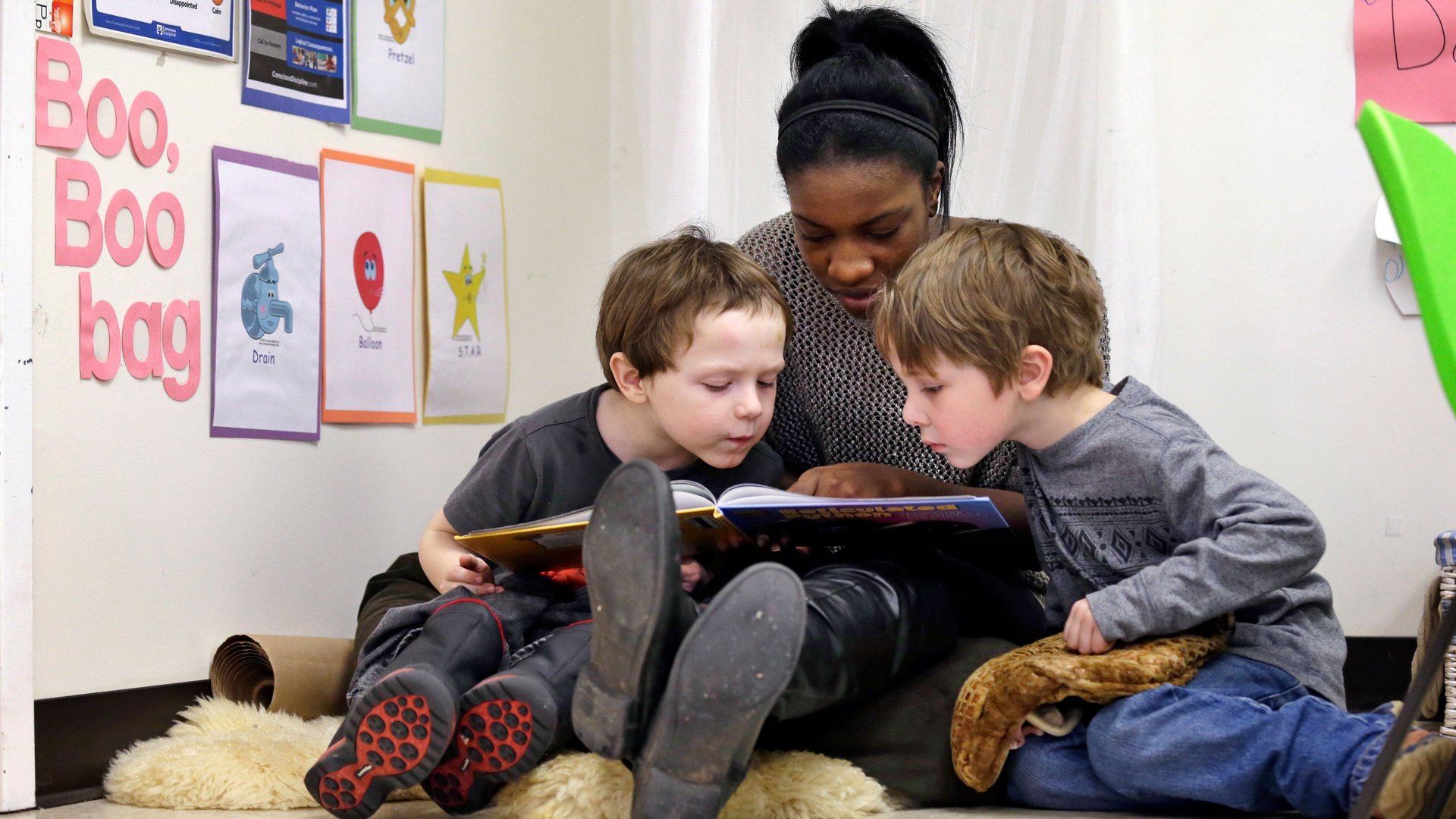
Frustrated by the lack of clarity on reopening plans from the private school where she spends $20,000 a year, Bonnie, a mother of three from the North Shore suburbs of Chicago, is betting that she can organize a better educational experience in a pandemic.
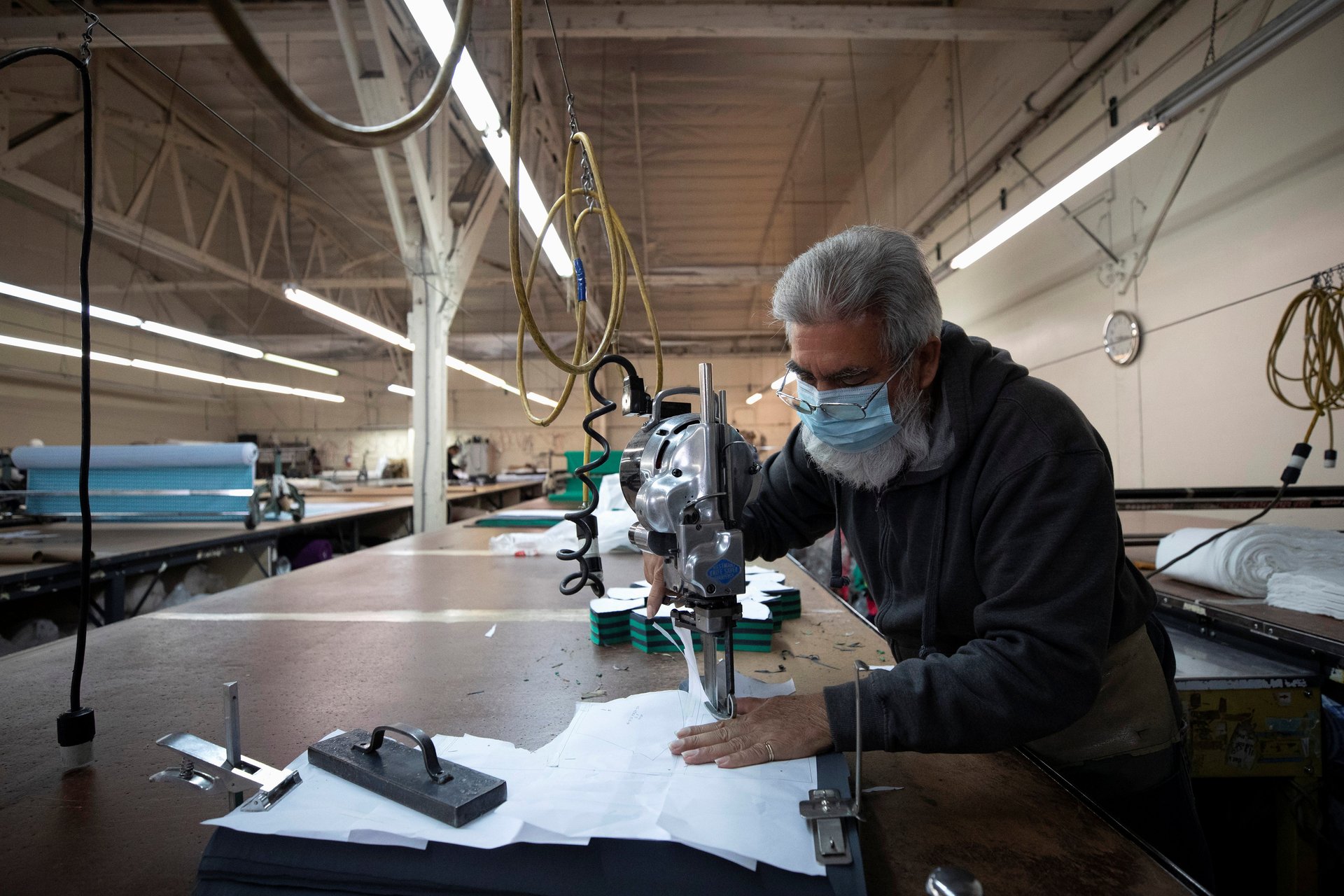
Up until the late 1990s, the share of Americans working in their 70s never rose above 10%. But that figure steadily climbed in the past two decades, helped along by lengthier lifespans, an overall economic shift toward less physically demanding jobs, and household financial pressure from years of stagnant wages.

Once considered a niche perk, shorter work weeks are being used to avoid layoffs
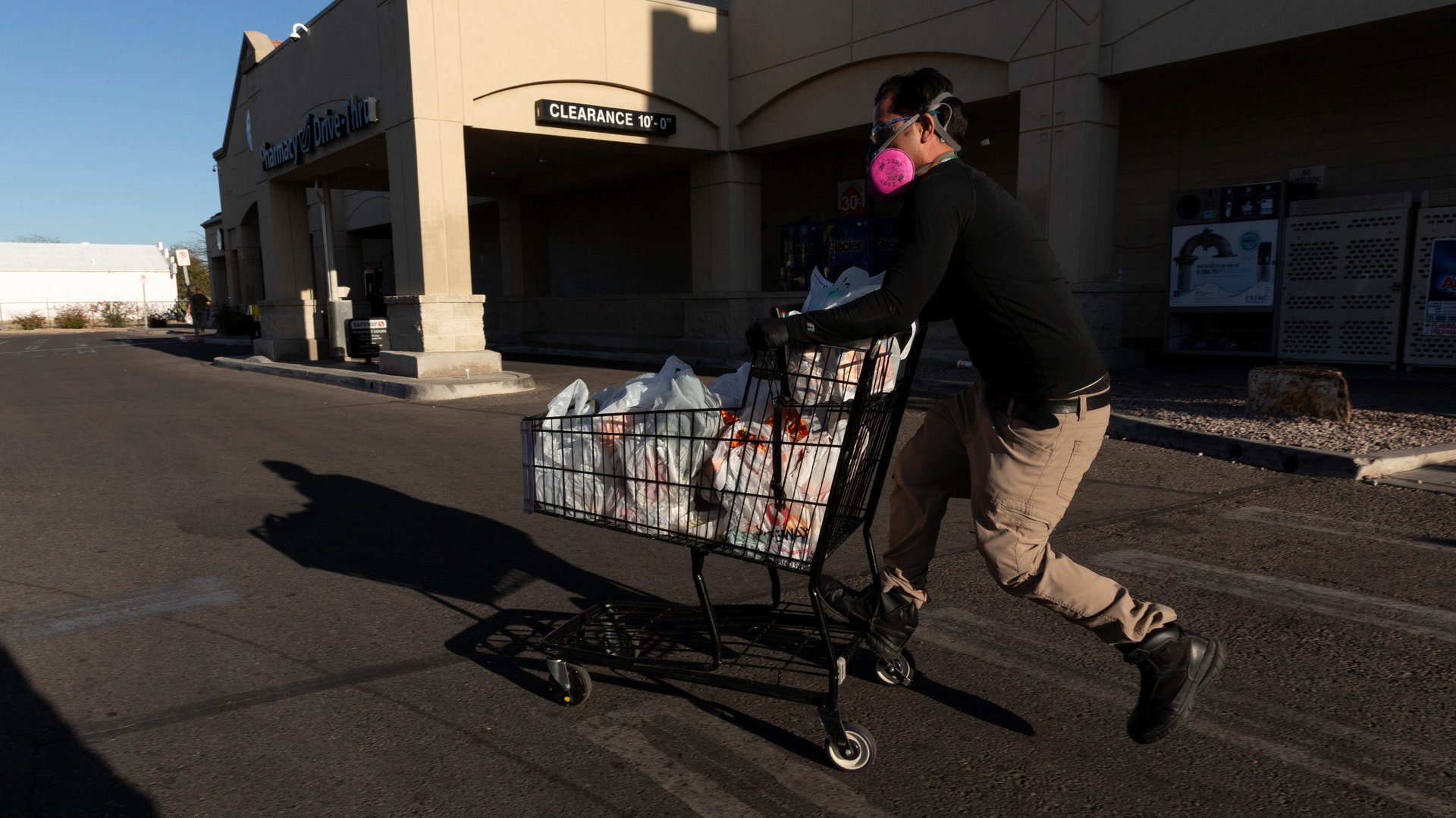
Michelle Lovero-Holliday has taken a step back from the hustle of delivering groceries.
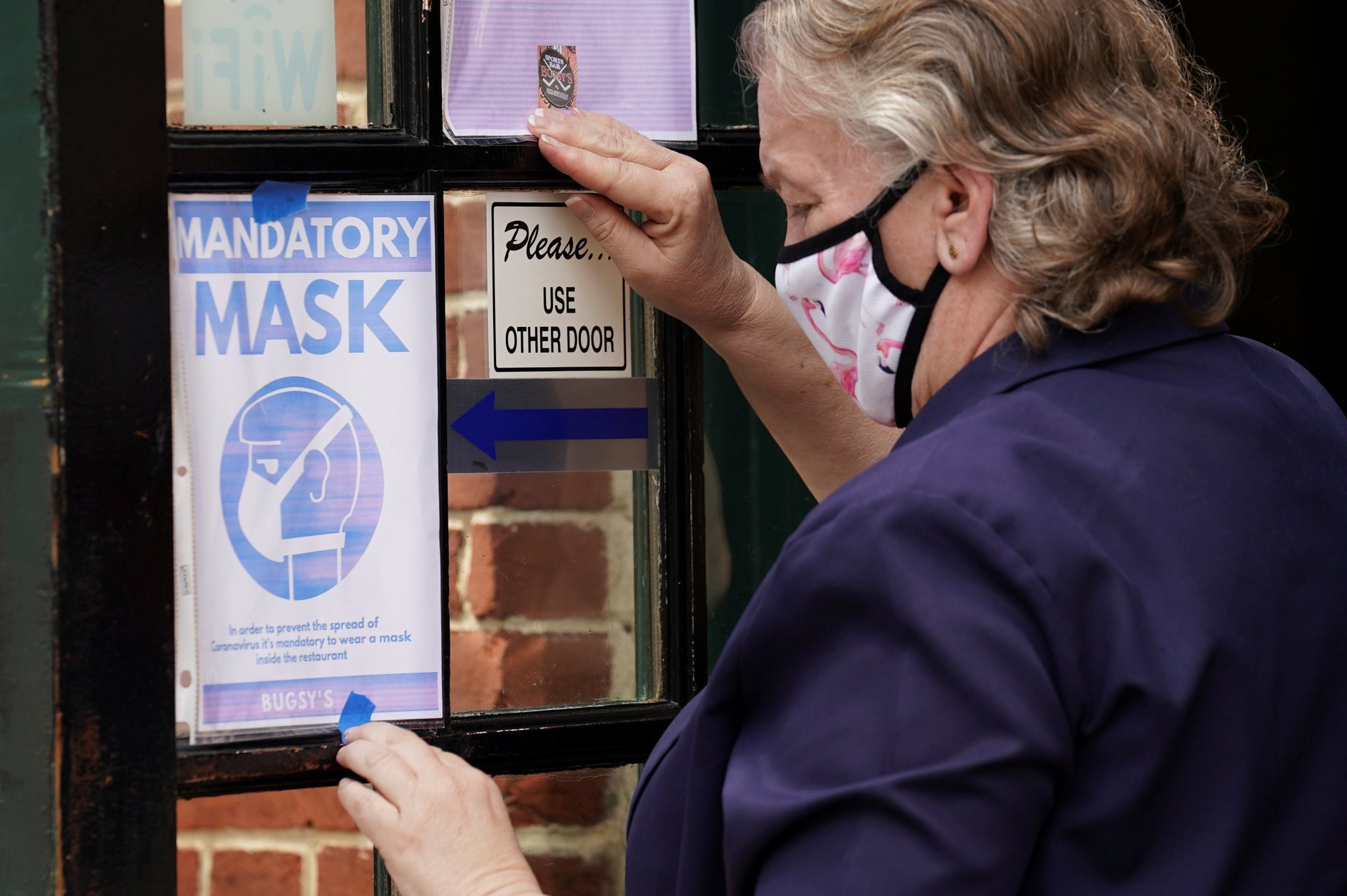
Before the coronavirus picked up, it was the American jobs market that was rebounding.
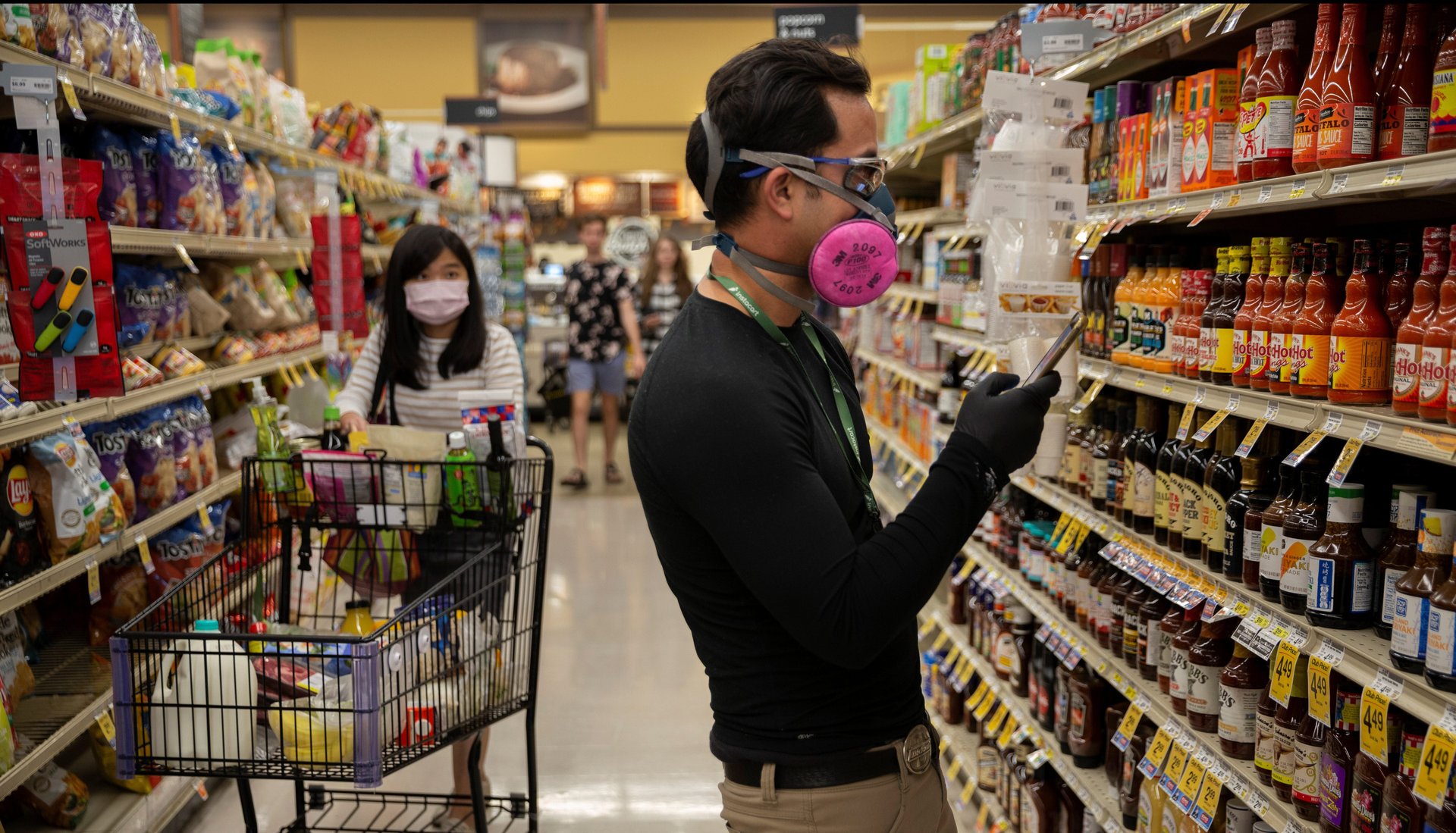
Back in March, when the coronavirus crisis in the US was first escalating, some Instacart delivery workers went on strike, demanding better protections and compensation. At the time, Instacart said the strike had “no impact.” But now that’s sounding debatable.
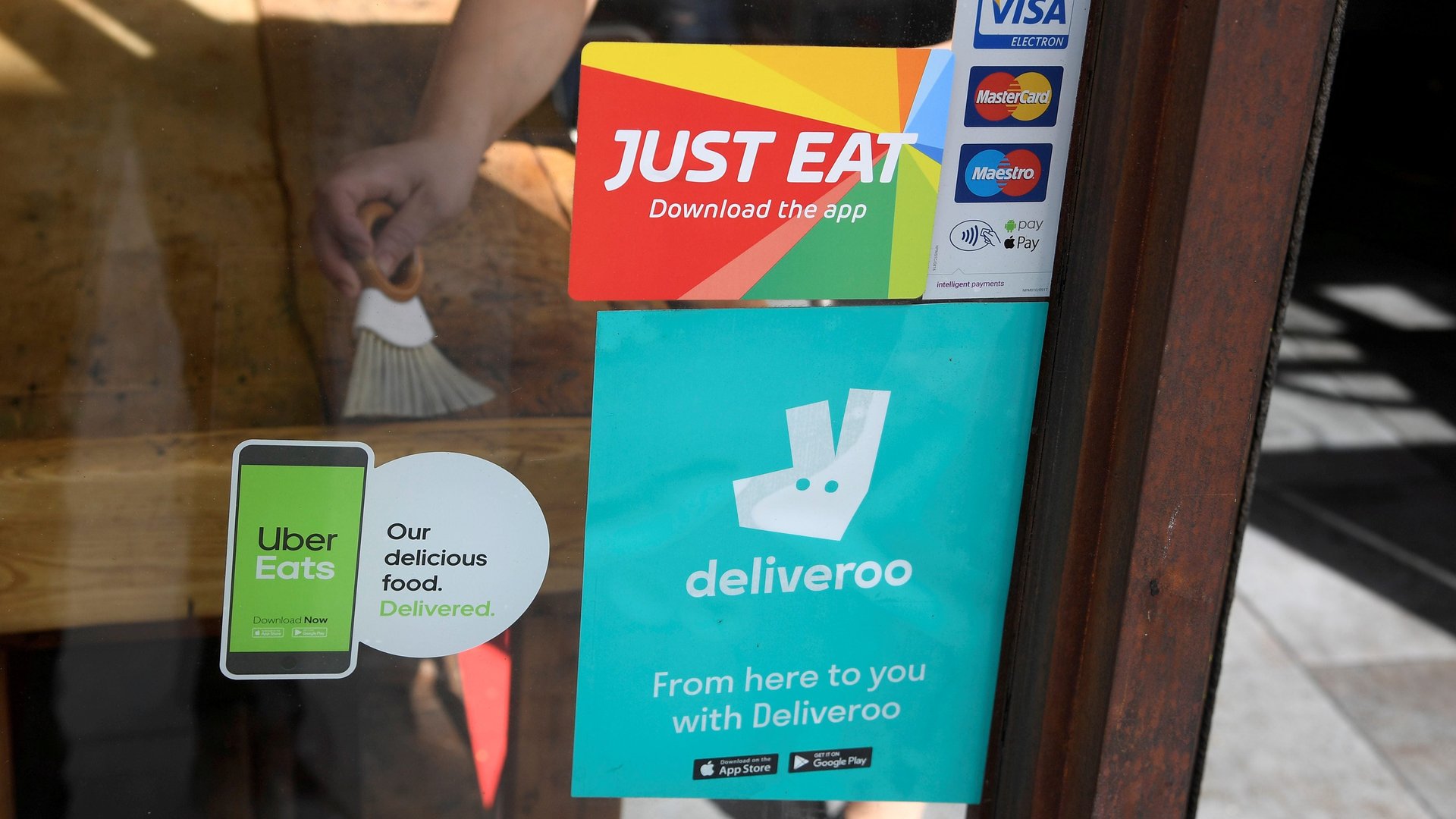
On June 10, Grubhub cut Uber out of a potential deal and agreed to merge with Just Eat Takeaway, a European food delivery service, in an all-stock purchase valued at $7.3 billion.

The US unemployment rate fell from 14.7% in April to 13.3%* in May, defying forecasts for another month of worsening jobs figures and lifting stocks. But even in this, America has a stark racial gap.
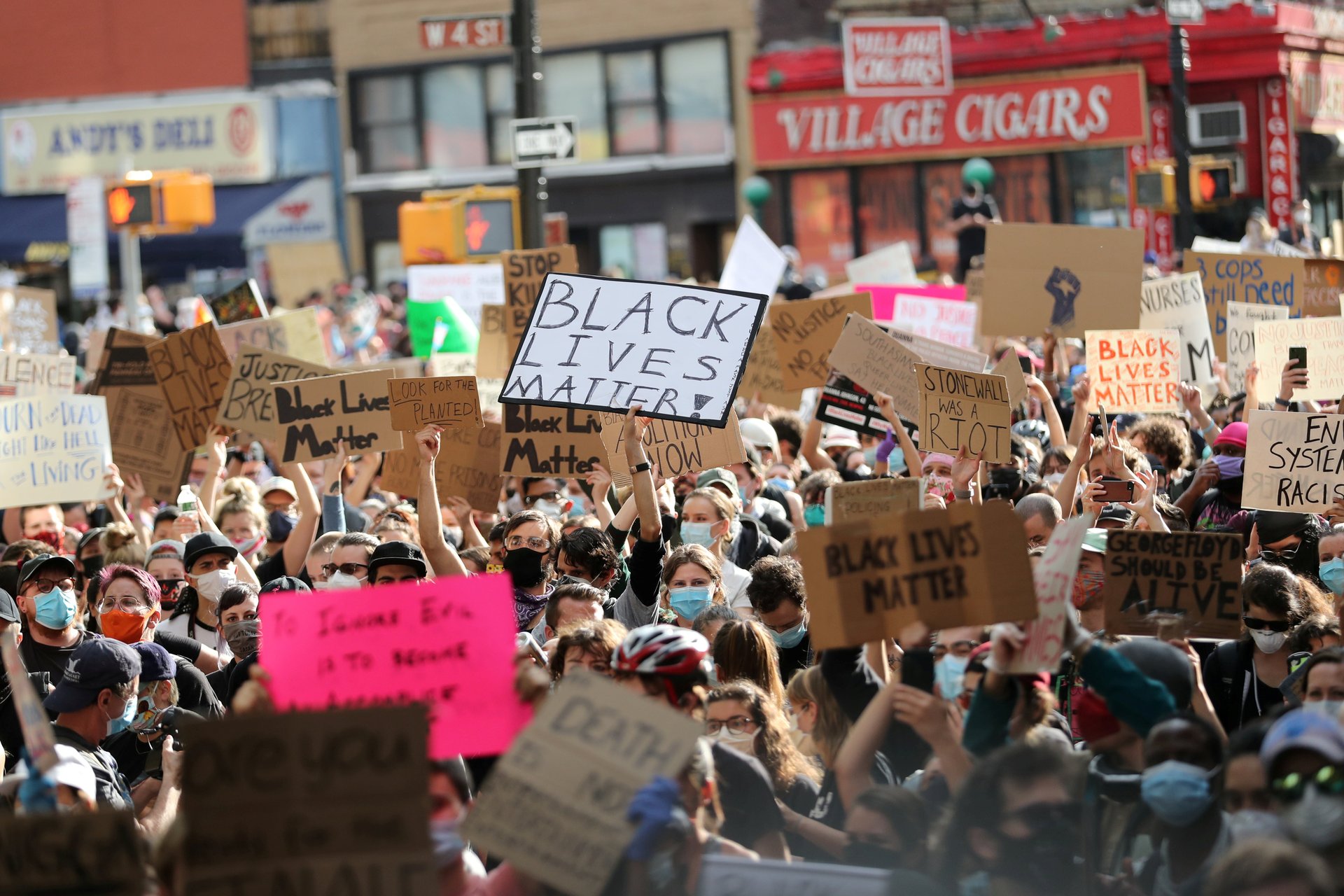
Before Covid-19, US unemployment was at a 50-year low. But even an historically tight labor market had notably more slack in it for brown and black populations, in cities across the country.
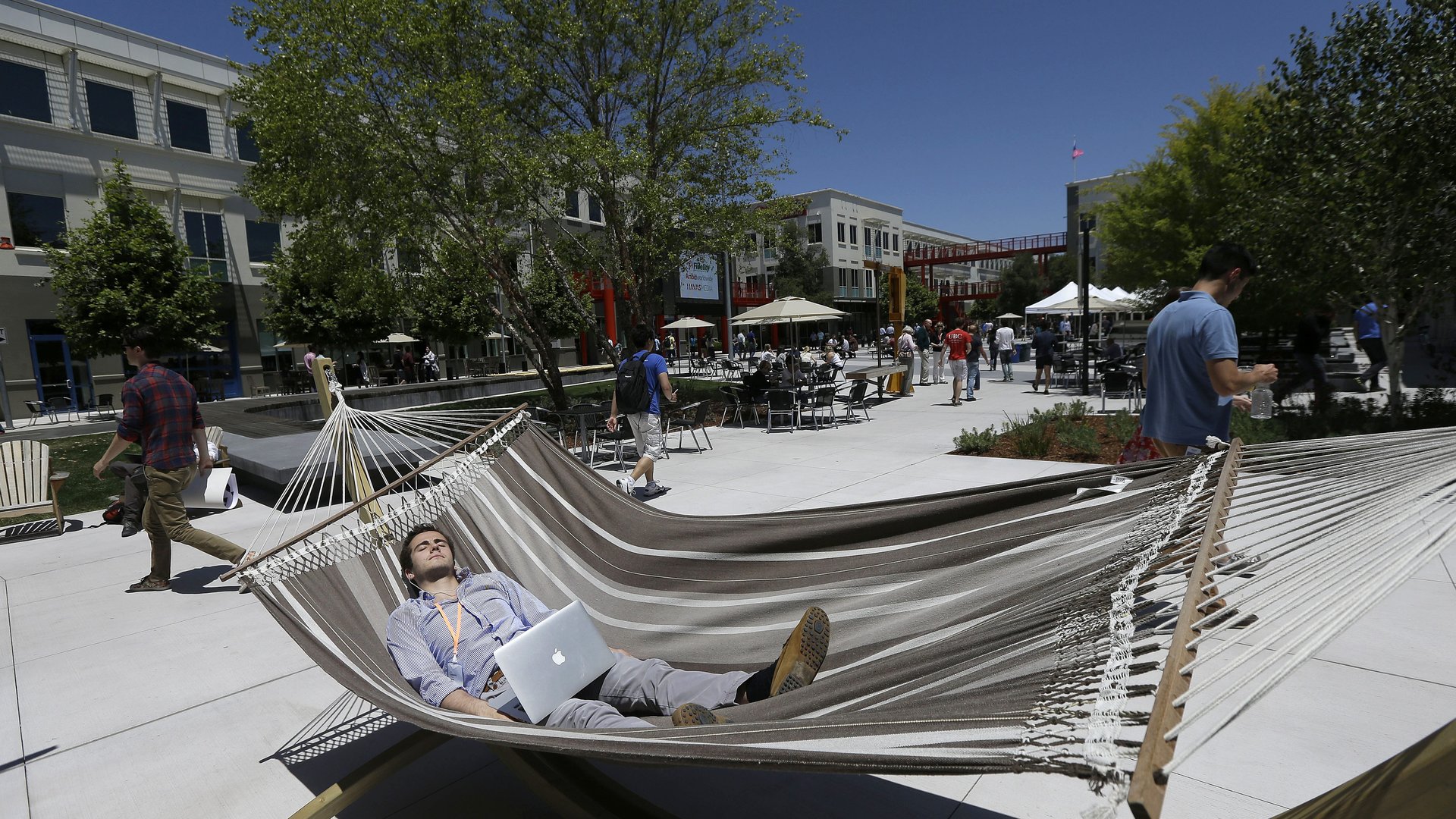
For about a week and a half into his new job as an art director at Sonos, a smart speaker brand, Randall Parrish got a taste of the California company’s headquarters office in Santa Barbara, which came with kombucha, cold brew, gaming, rental bikes, shower rooms, and catered lunches every Friday.
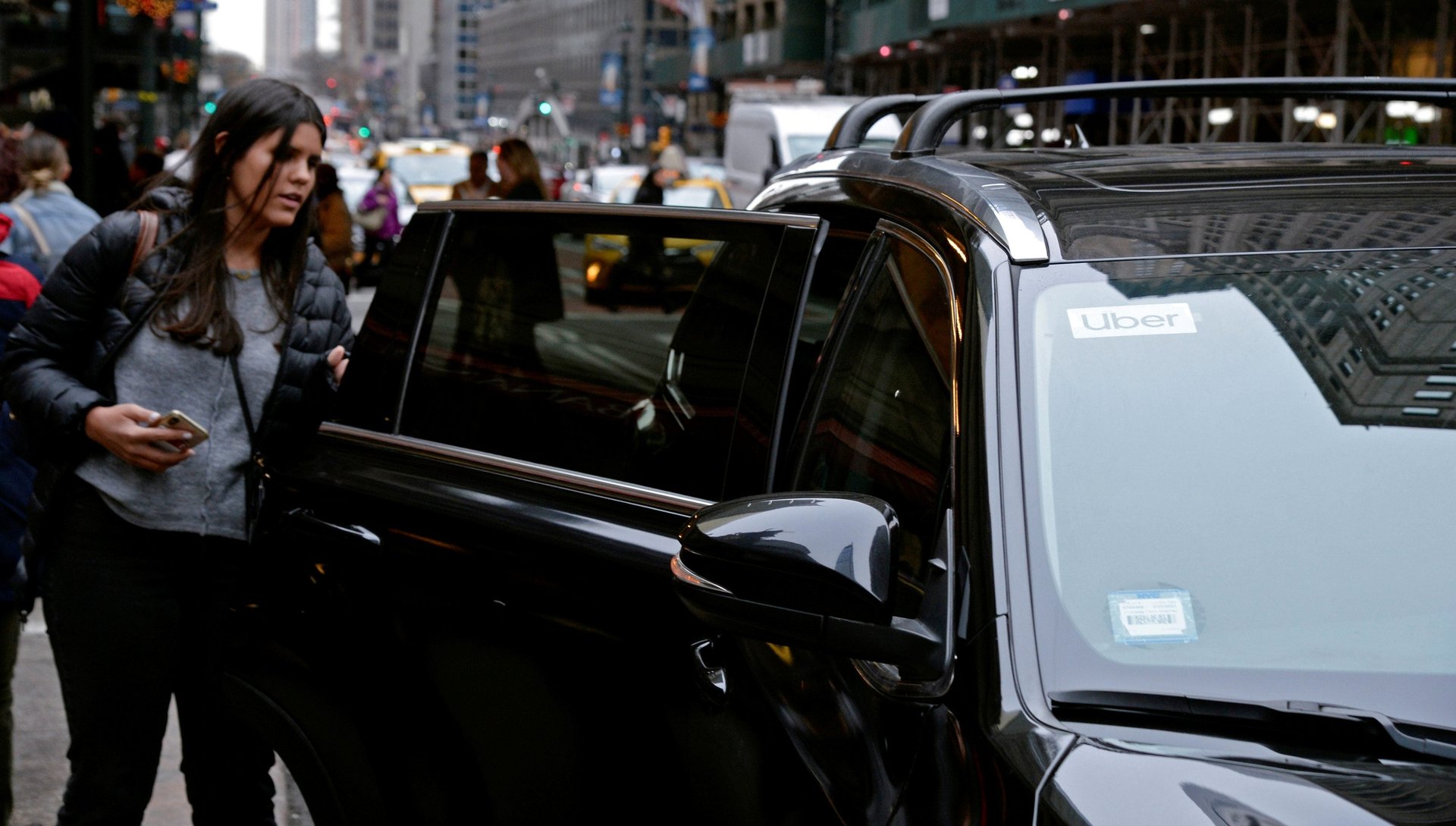
In the beginning, aided by large amounts of venture capital for their startups, Uber and Lyft would try to outspend one another on promotions to capture new customers. But as the ride-hailing services grew, they began pulling back on discounts.
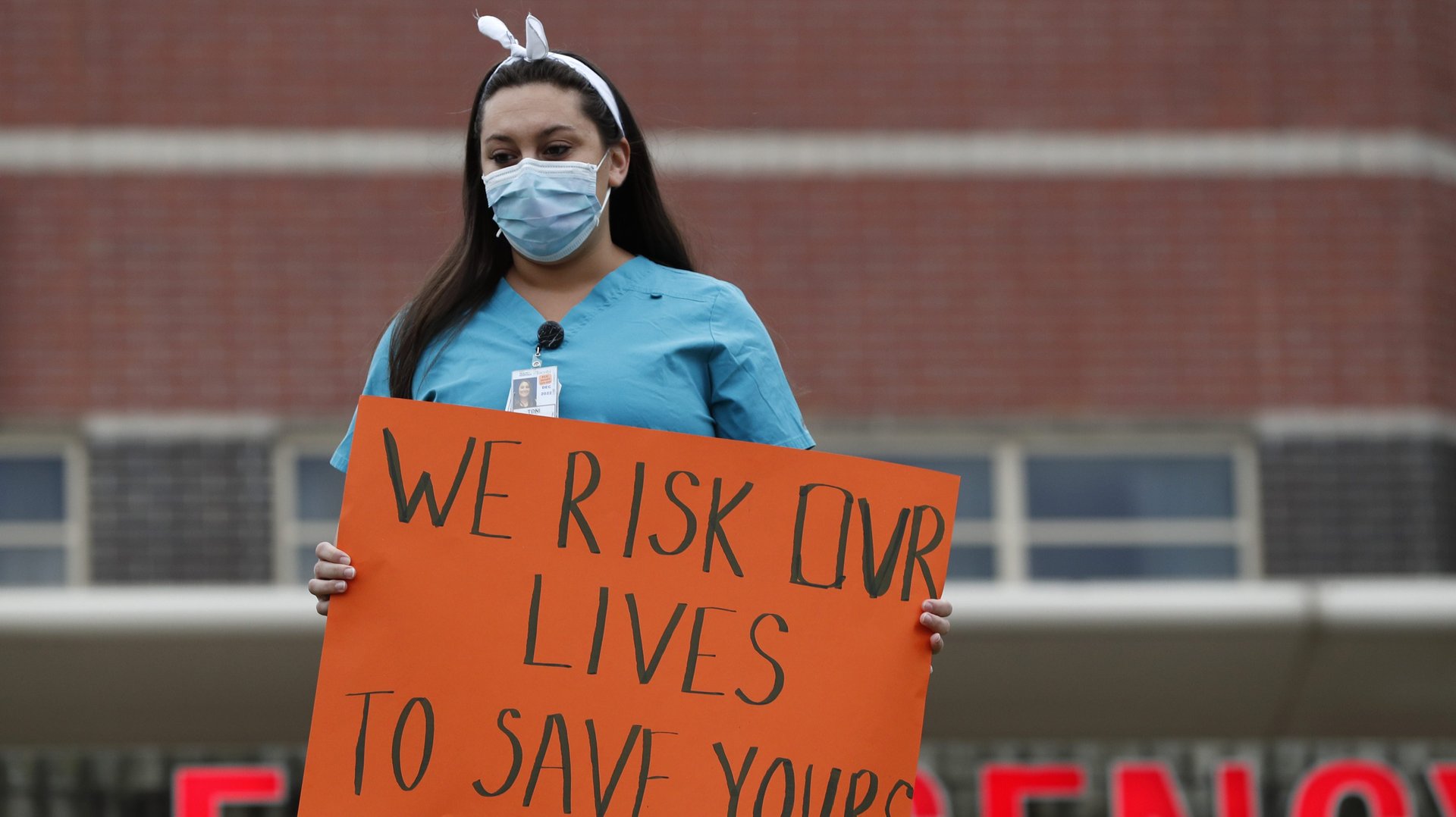
In terms of US job losses, the 2008 recession had a far greater impact on men than women. Between 2007 and 2009, male employment fell by 7.5%, while female employment fell 3.1%.
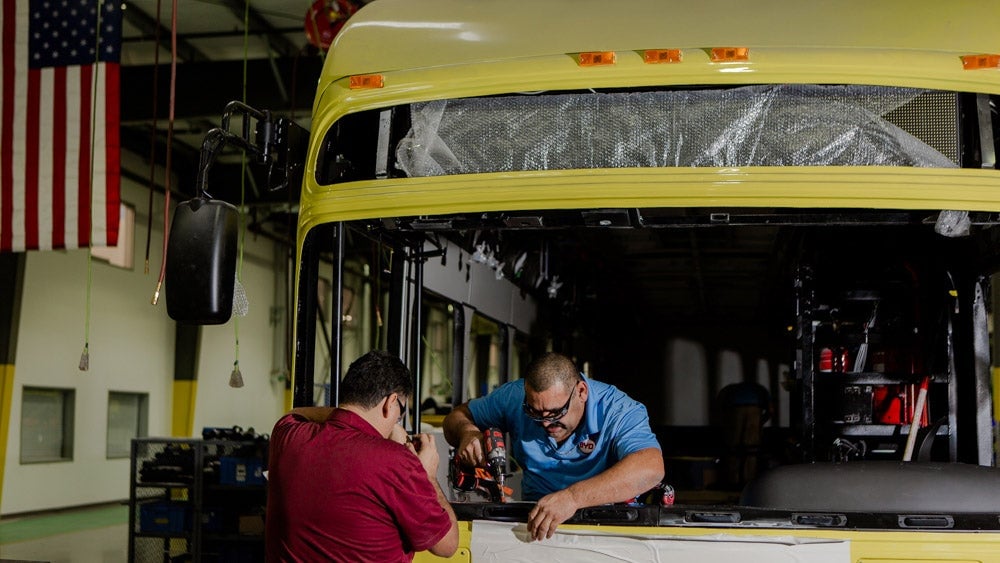
The latest US jobs report found that 20.5 million Americans lost their jobs in April. But one bright spot in the otherwise dismal report was this: Nearly four in five of them were furloughed, meaning their companies expect to hire them back once the pandemic subsides and the economy improves.
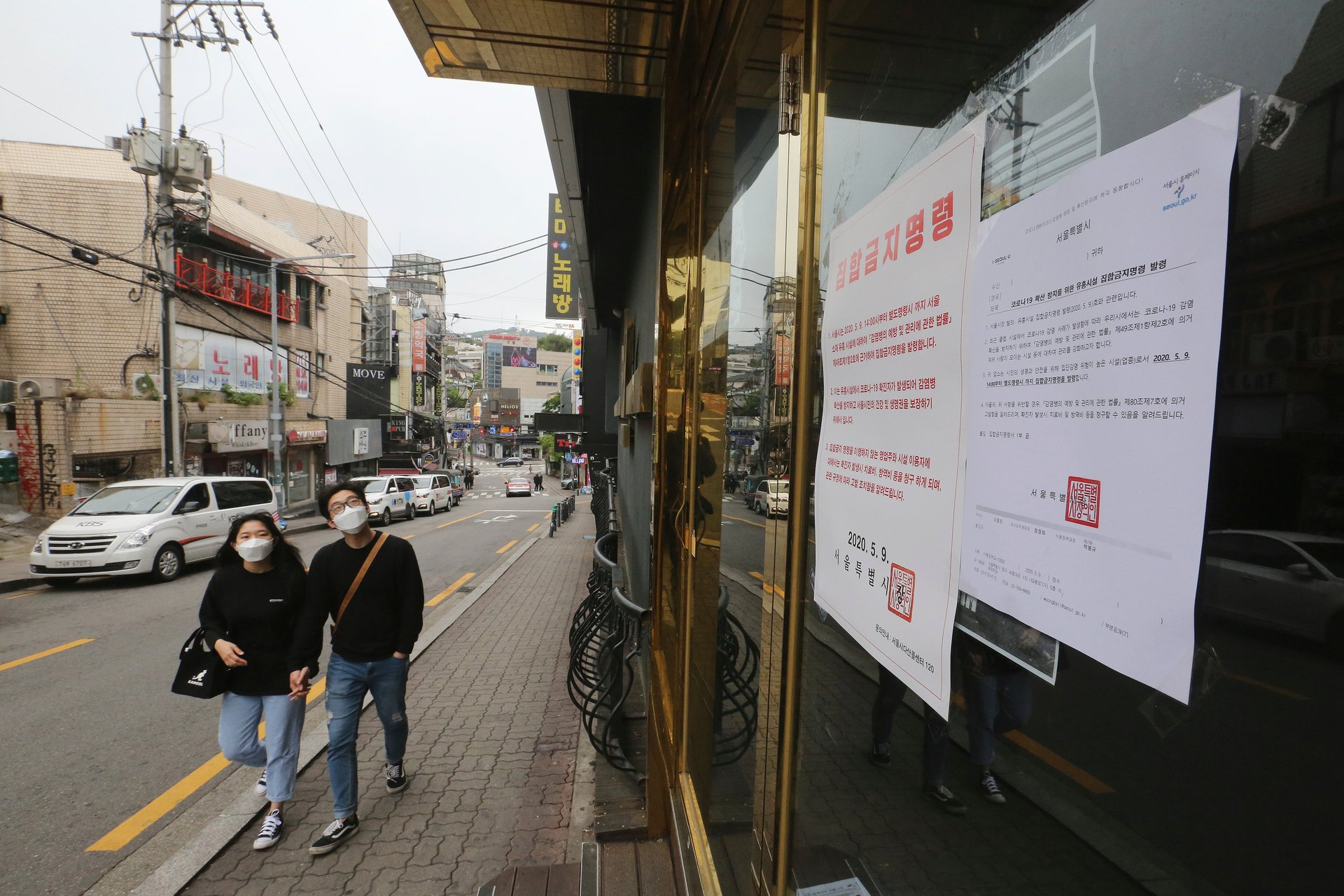
Just three days after the government of South Korea started relaxing social-distancing measures, the mayor of Seoul ordered the shutdown of more than 2,100 bars and other nightclubs Saturday (May 9) due to a rash of new coronavirus cases.

Schools have canceled graduation ceremonies this year for millions of American students. So a slate of high-profile graduation speakers—from former US president Barack Obama to Lady Gaga—are delivering their inspirational talks to the class of 2020 virtually.
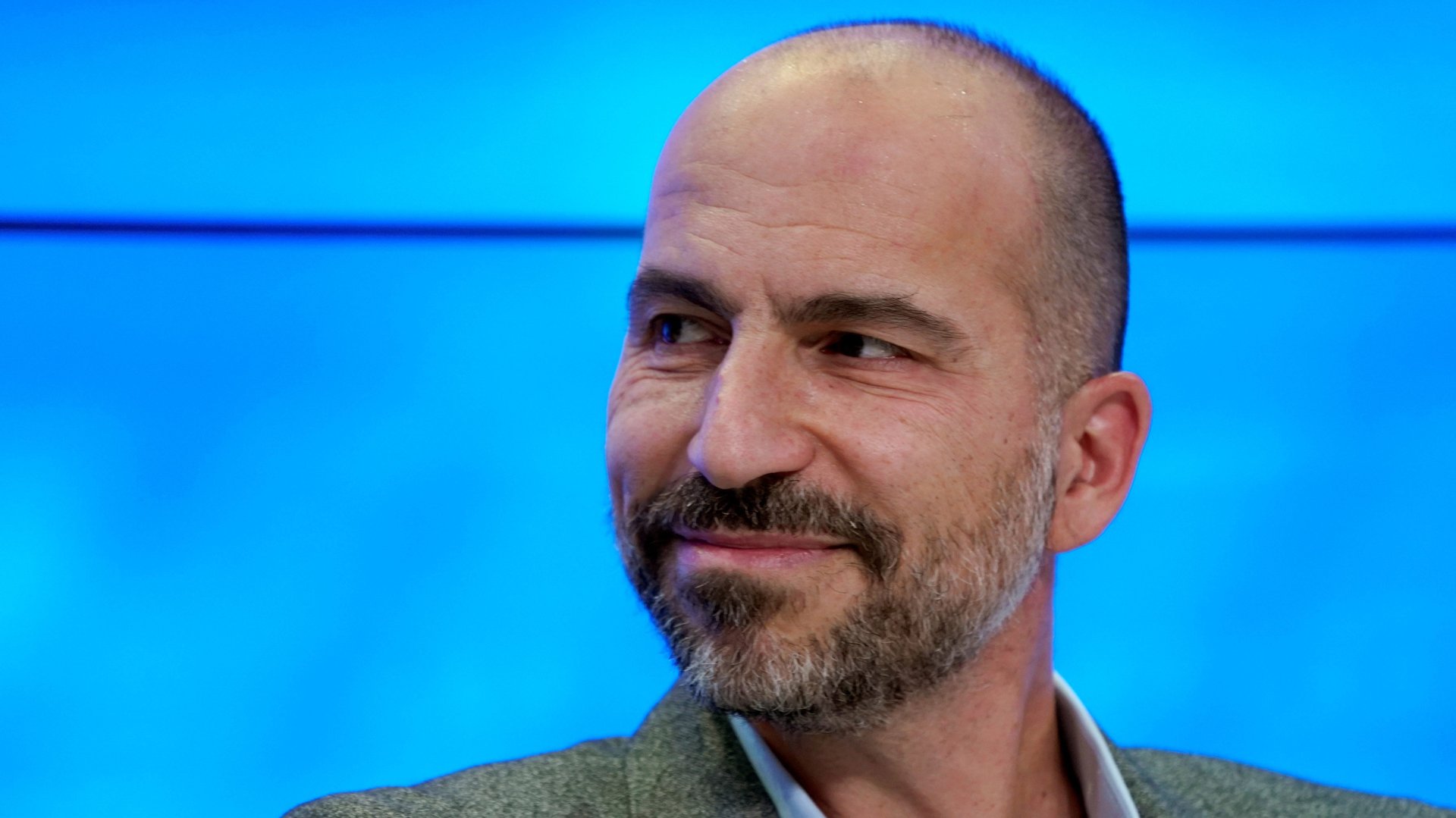
With social distancing orders in place around the globe, ride-hailing has taken a hit. On a May 7 call with investors, Uber CEO Dara Khosrowshahi said the company’s rides business was down 80% in April.

While video calls can be a great way to stay connected with far-flung colleagues, the quick transition to remote work has led to more unnecessary meetings and what’s now commonly called Zoom fatigue.

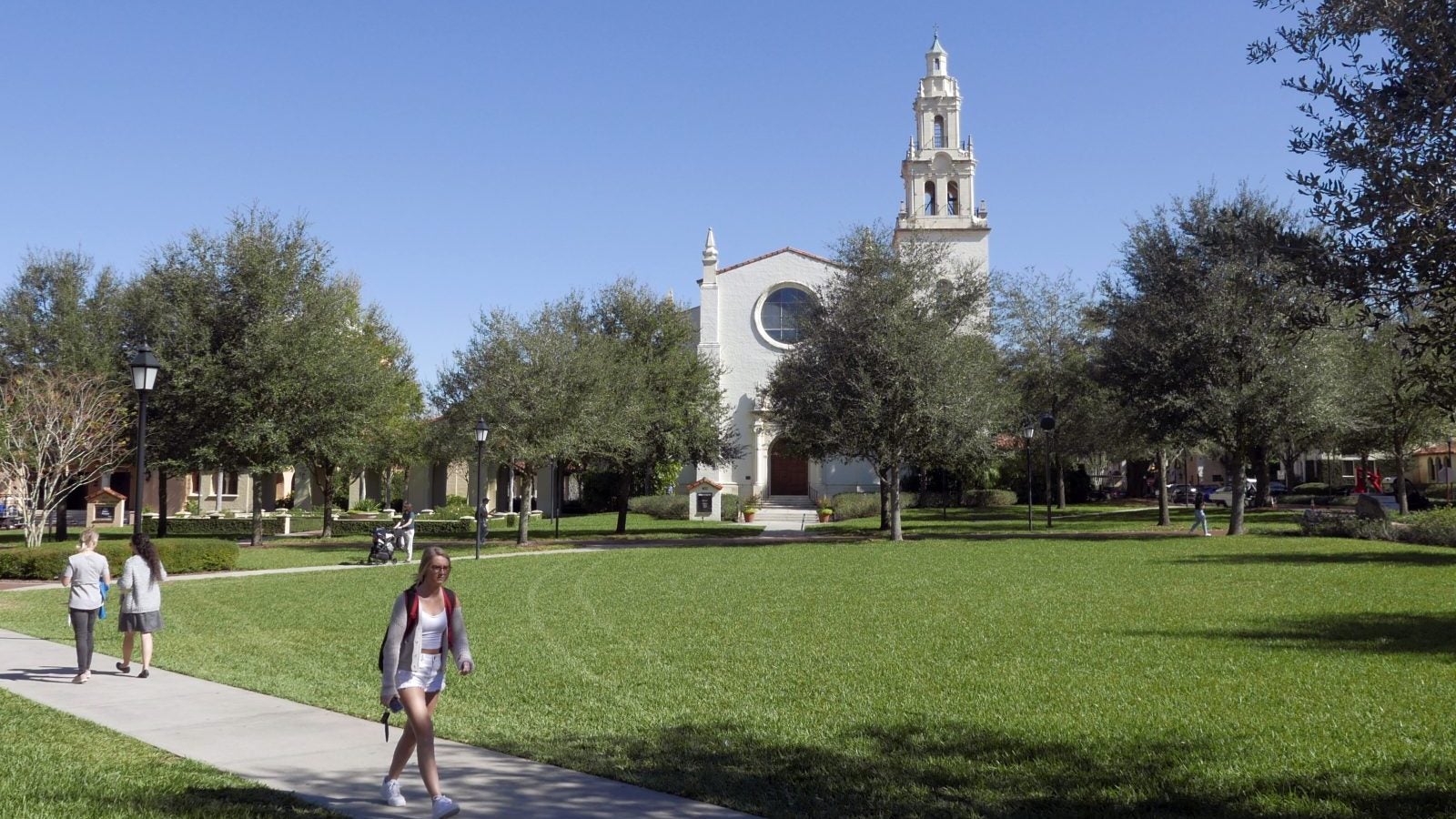
The Great Recession led to big changes in what US college students chose to study. The downturn, which started in 2008, led a shift towards more job-oriented majors, at the expense of the humanities and social sciences. After remaining relatively stable over the previous decade, the share of all students majoring in the humanities or the social sciences dropped from 29% in 2008 to 23% in 2018. Research shows that students often shift towards more career-oriented degrees when the job market is not looking good.

Lyft announced in a regulatory filing today that it will cut 982 jobs, or 17% of the company’s workforce, to reduce costs and adjust cash flows in the wake of the coronavirus pandemic.
Along with the spike in US jobless claims, there’s been a historic drop in the number of Americans looking for work. A new study finds that early retirements almost fully explain the decline.