
Money & Markets
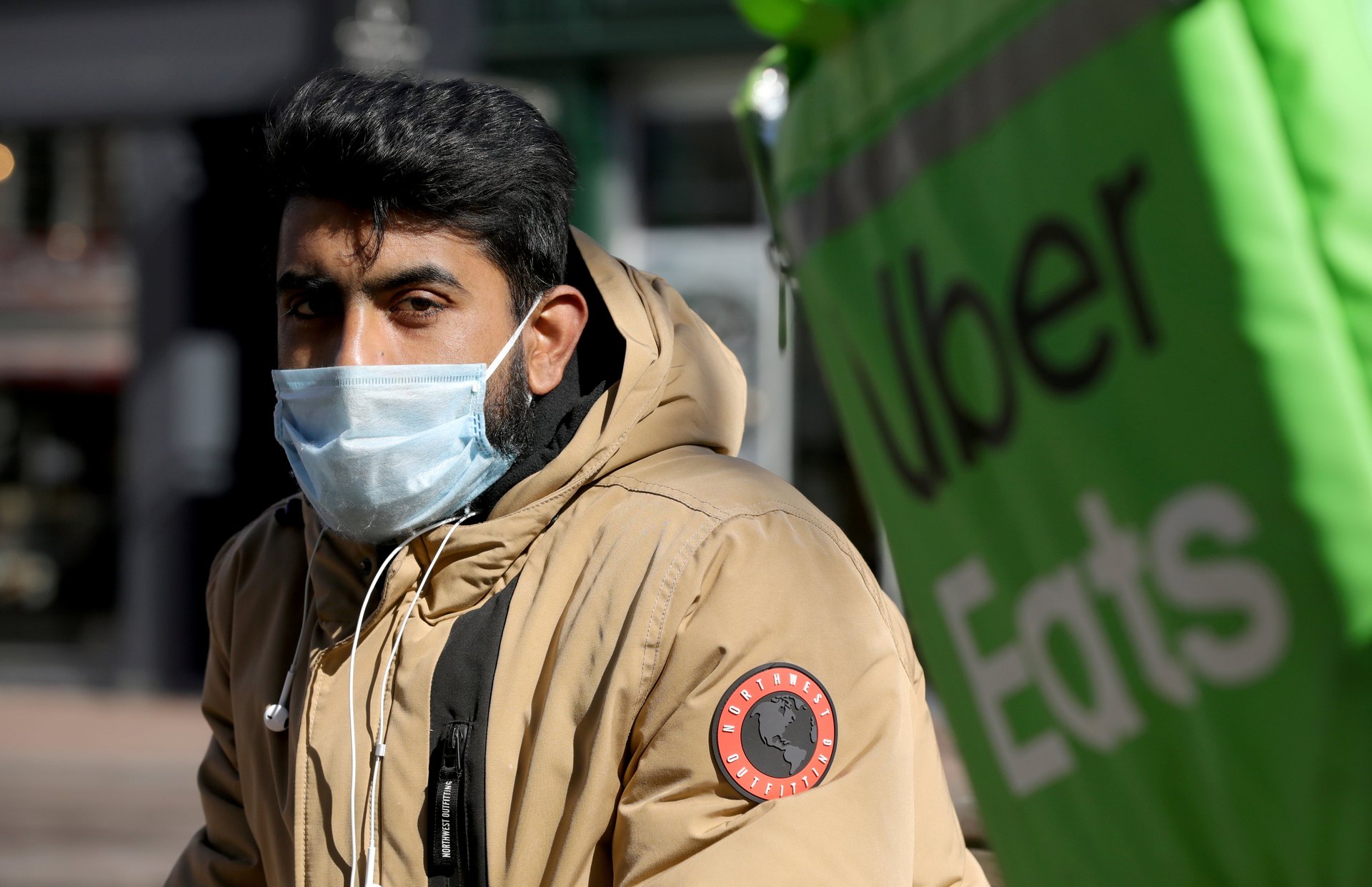
Uber is shifting from moving people to delivering essentialsBack in December, Uber CEO Dara Khosrowshahi was touting the broader potential of the company’s food-delivery model.
Updated July 21, 20223 min read
Back in December, Uber CEO Dara Khosrowshahi was touting the broader potential of the company’s food-delivery model.

Layoffs are all but inevitable in a major recession. But in the midst of the Covid-19 pandemic, there’s been a sharp uptick in the use of work-sharing programs to help soften the blow.
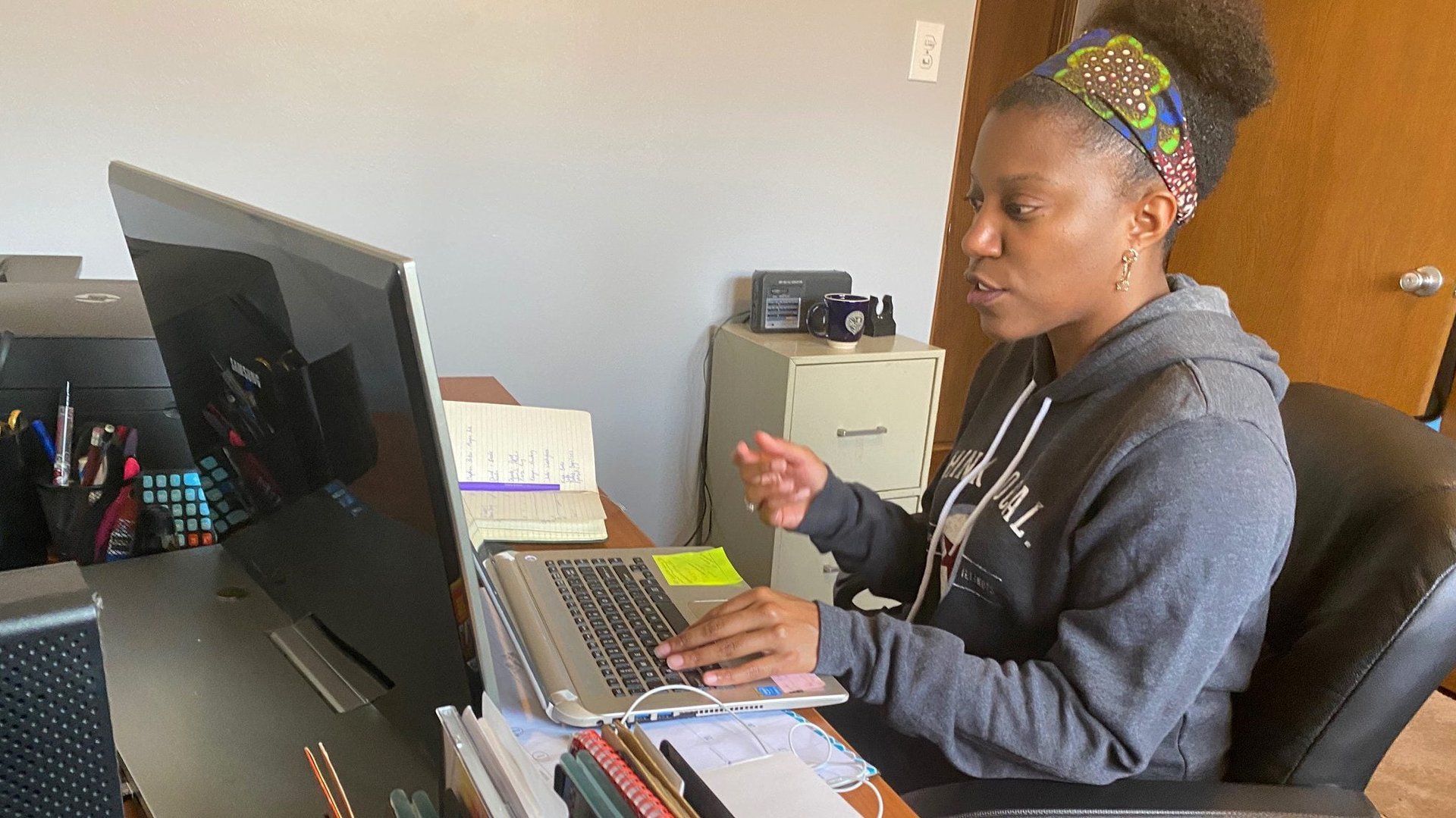
Before Covid-19, the share of full-time US workers who worked from home either fully or partially on an average day was 24%, according to data from the US Bureau of Labor Statistics.
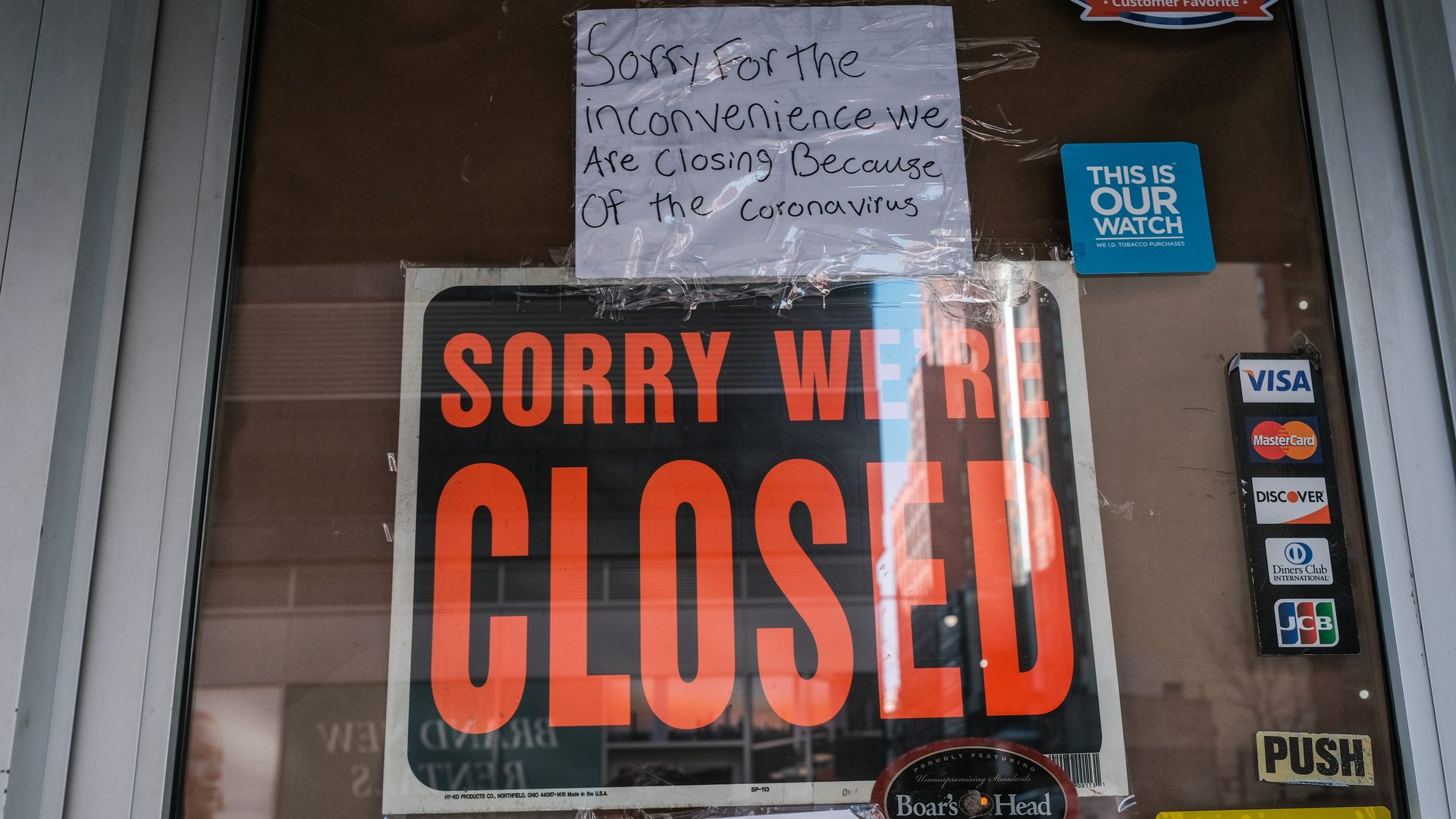
The US startup sector is sputtering. As large parts of the American economy remain closed amid the Covid-19 pandemic, the number of applications for new businesses has declined sharply in recent weeks, according to new data from the US Census.

In a note to clients this week, Credit Suisse analyst Brad Zelnick lowered his rating on Zoom shares from “neutral” to “underperform,” essentially marking the high-flying stock as one that clients should sell from their portfolios.
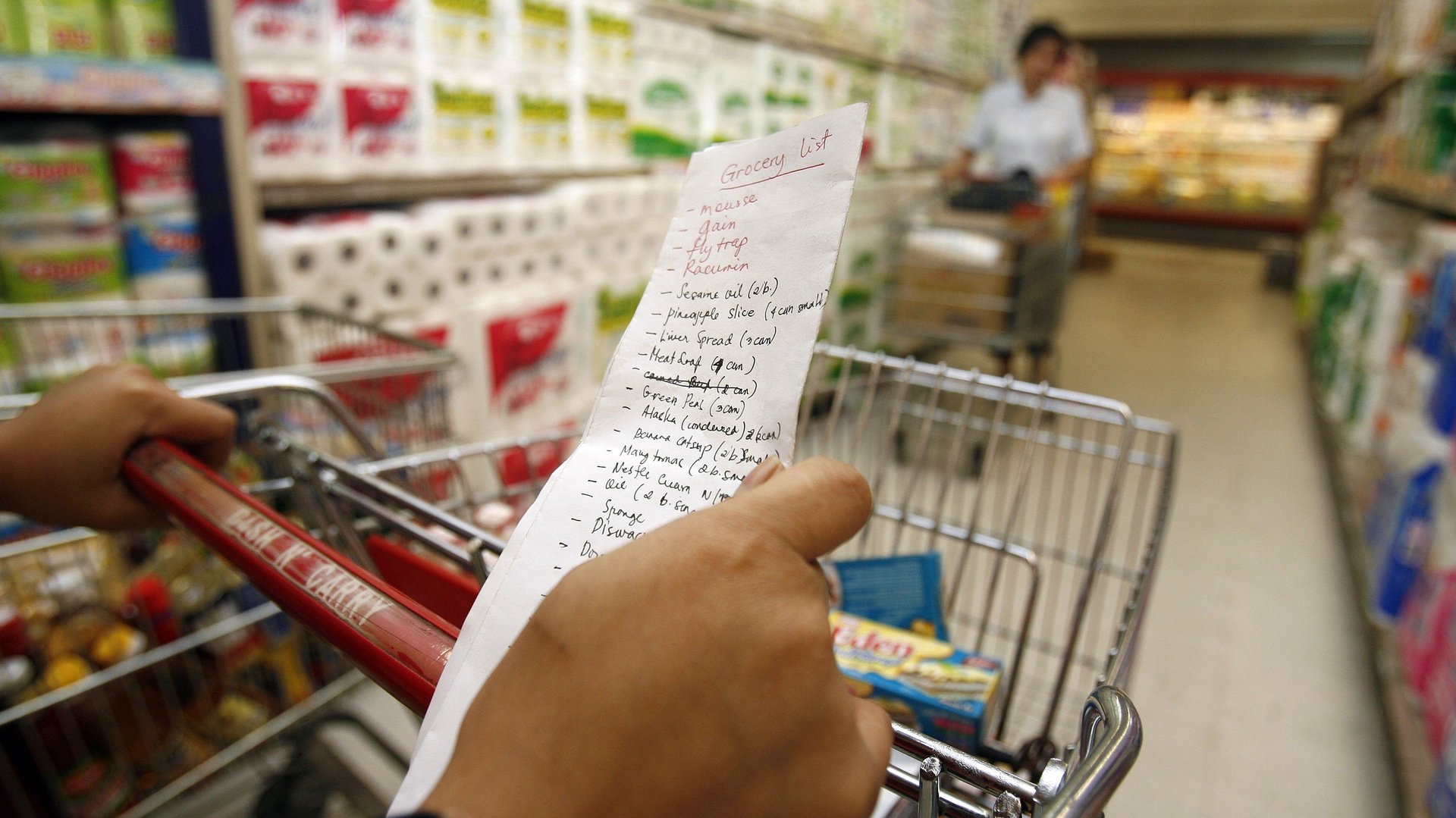
Delivery, grocery, and warehouse workers have been declared “essential” players in the US economy, exempting them from stay-at-home orders in many parts of the country. But while demand for their services have surged, workers are expressing growing discontent about being exposed to one another, and to customers, during a pandemic.
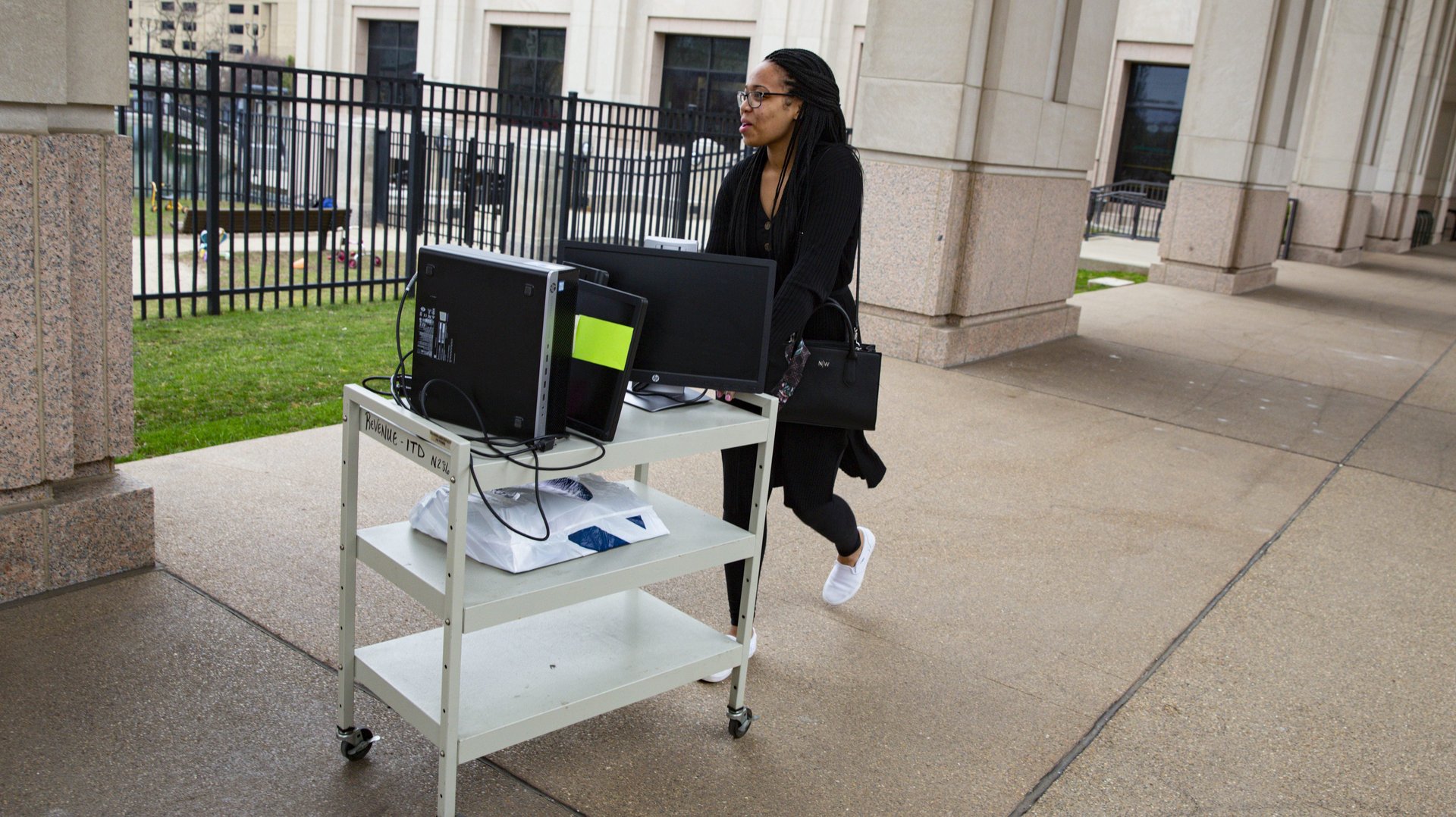
When the Covid-19 pandemic winds down, it will have left an indelible mark on the workplace.

With more people working from home to help slow the spread of coronavirus, millions of Americans may see higher energy bills at the end of this month.
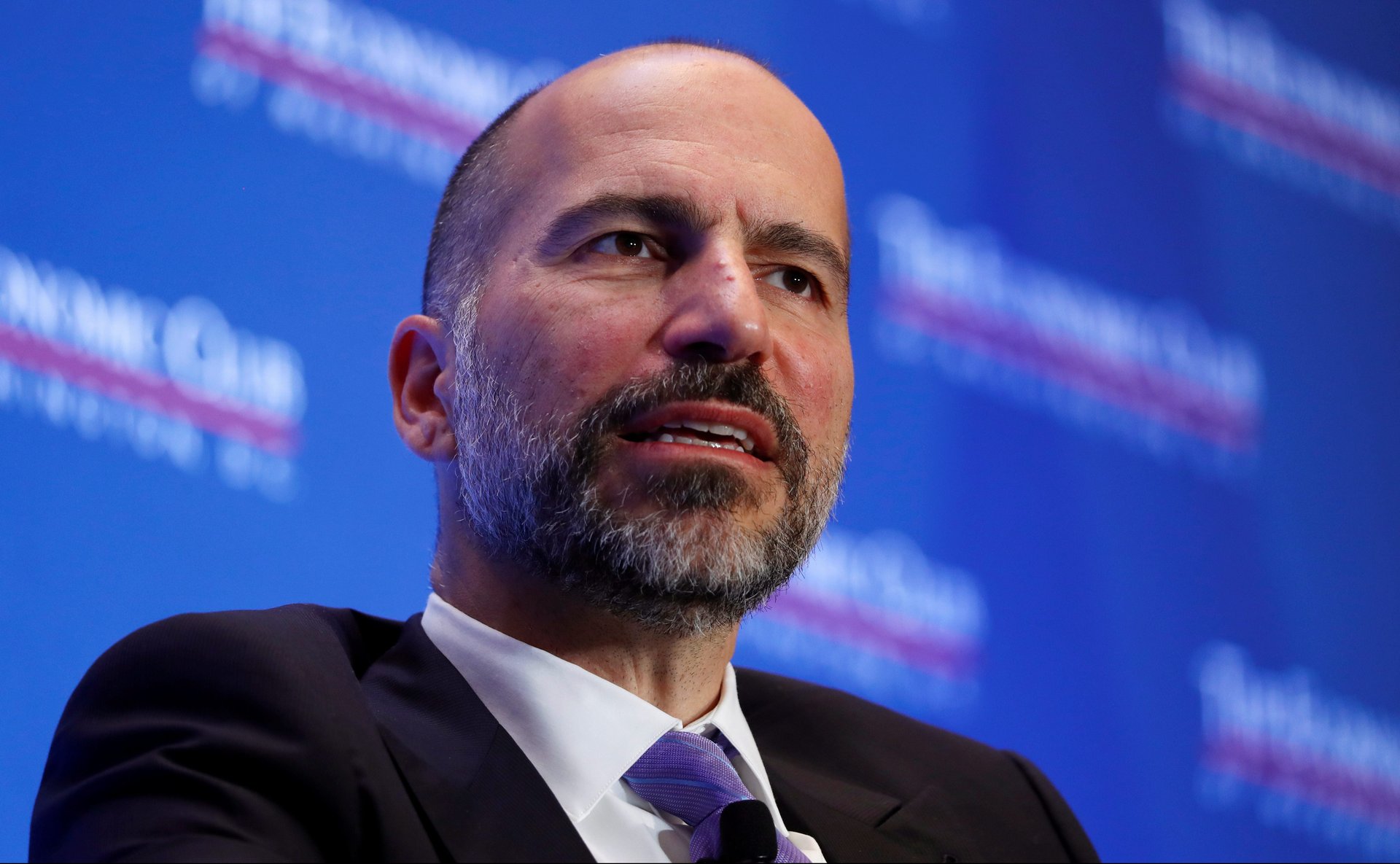
Uber CEO Dara Khosrowshahi sent a letter to US president Donald Trump today, asking him to ensure that Uber’s drivers are included in the economic stimulus plans in response to coronavirus.
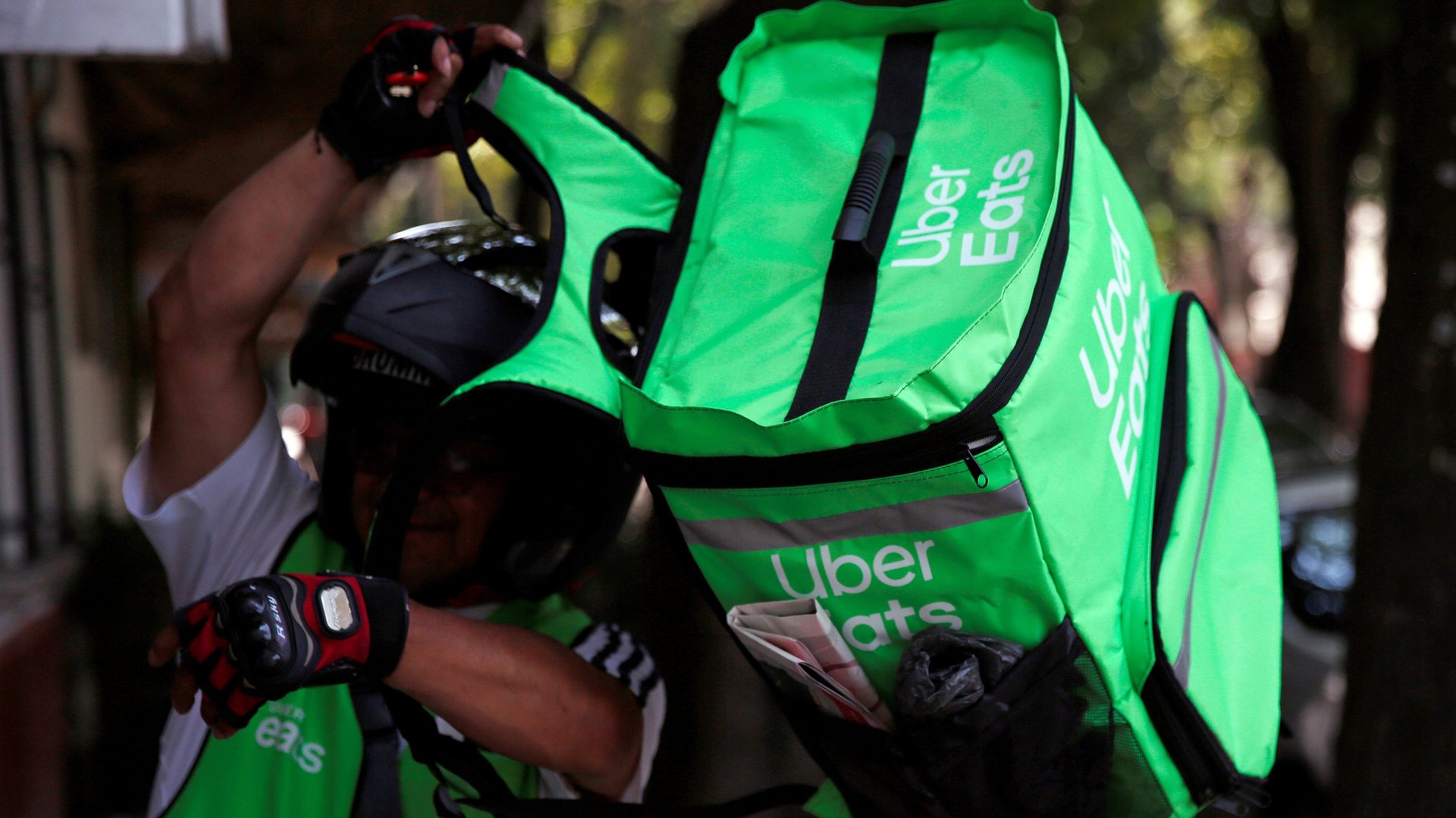
Before the coronavirus crisis started to hit the US, on-demand companies were grappling with how to provide more benefits for workers. Now, as more people adjust to staying indoors to reduce the spread of coronavirus, demand for delivery services has started to rise and with it, opportunities for gig work.

As a filmmaker, Claire Gregowicz would often talk with friends about the importance of building out a brand and gaining marketable skills in today’s competitive job market. “That’s what everybody is looking for these days,” she laments.

In response to the ongoing coronavirus outbreak, big employers have been quick to take preventative measures—for instance, restricting travel, canceling large gatherings, and instructing employees to work from home.

California’s landmark Assembly Bill 5, which makes it harder for workers to be classified as independent contractors rather than employees, has started to make waves across the state. This past week, a county judge in San Diego noted “the handwriting is on the wall” and ordered the grocery-delivery service Instacart to reclassify 2,000 local workers as employees.
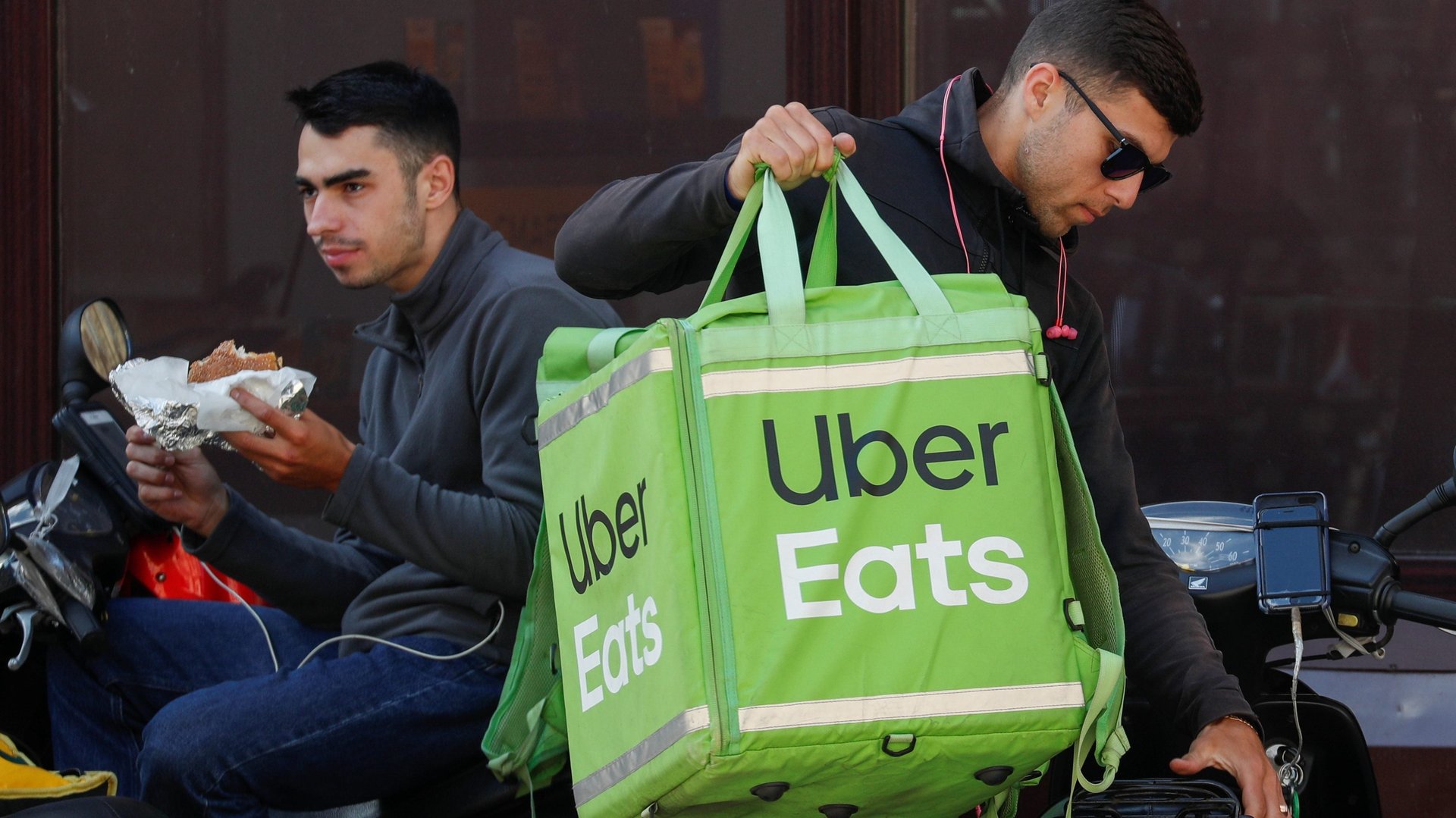
Jason Droege, the head of Uber’s food-delivery business Uber Eats, will be leaving the company.

Despite environmental protests, Tesla, with its eco-friendly credentials and solar-loving CEO Elon Musk, was given clearance this week to plow down a forest near Berlin for its next Gigafactory. Yesterday we learned that the tree removal is proceeding nicely.
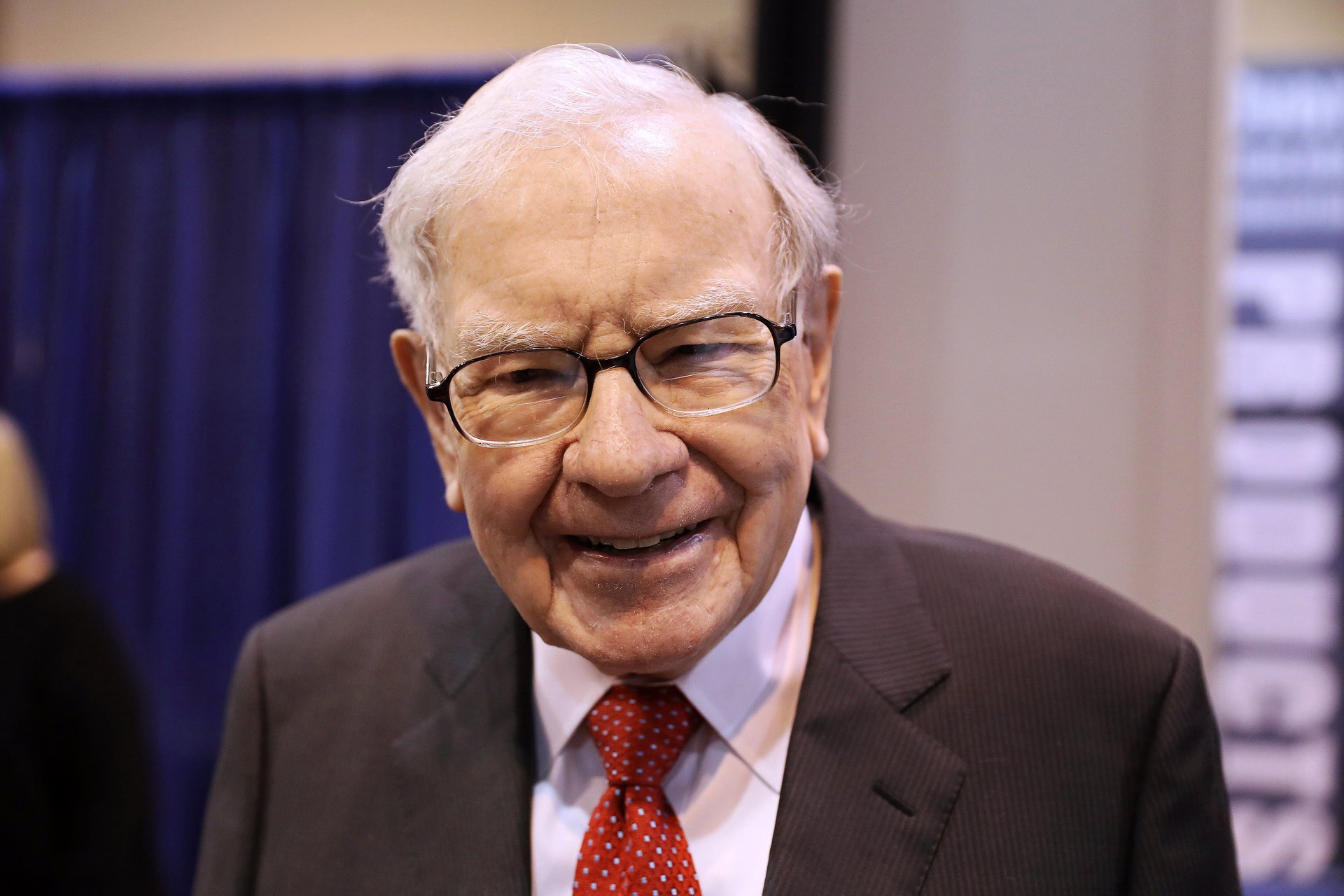
Today Warren Buffett shared his thoughts on the current state of corporate boards in his annual shareholder letter (pdf).
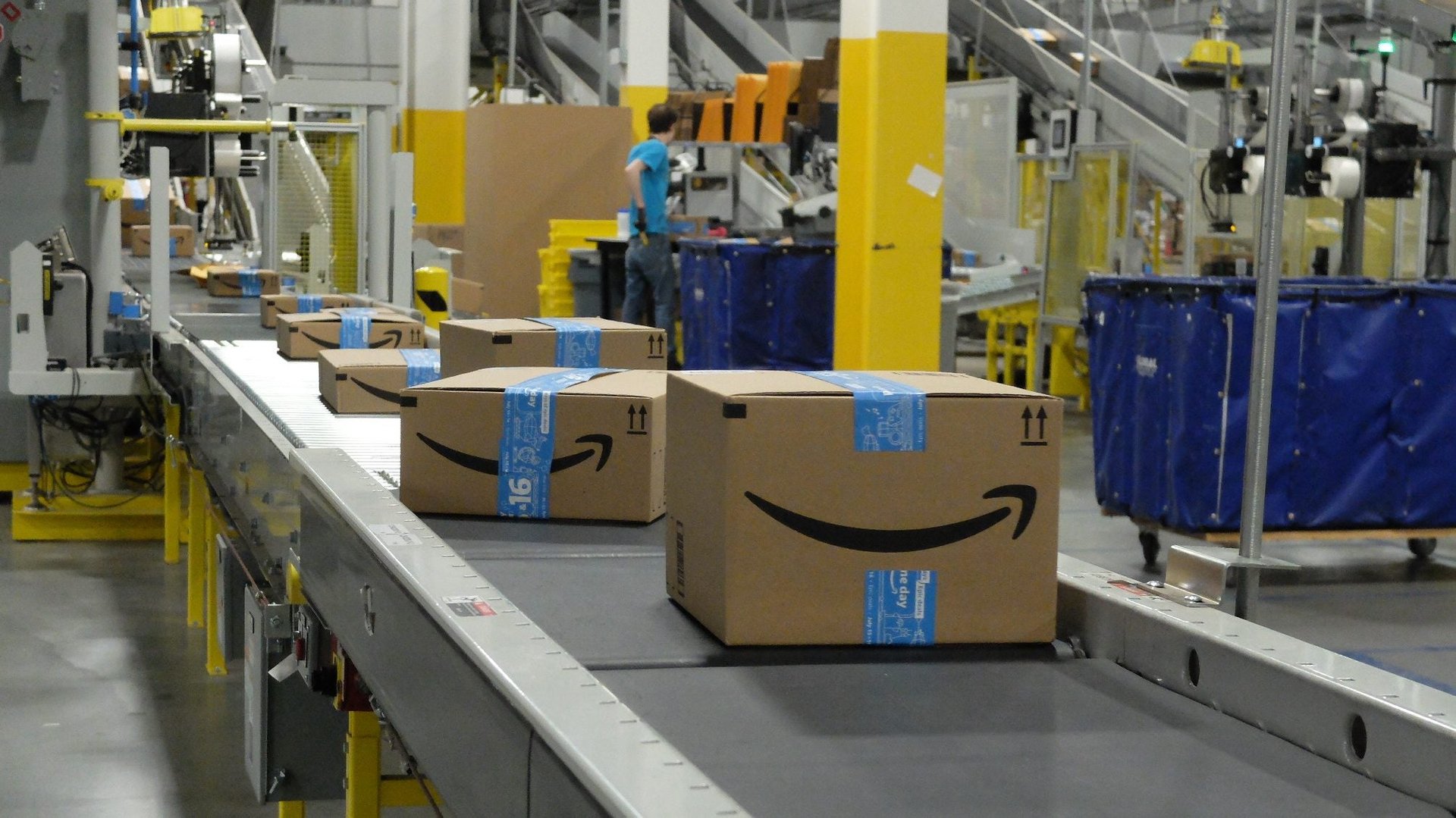
Grappling with the coronavirus outbreak, Amazon is already taking steps to avoid supply-chain disruptions in China that could hurt its Prime Day sales event—a key revenue driver—taking place about five months from now.
Uber is shutting down its customer support office in downtown Los Angeles, resulting in the layoffs of about 80 people. This comes after the ride-hailing giant said it will be moving up its profitability target to the end of 2020.
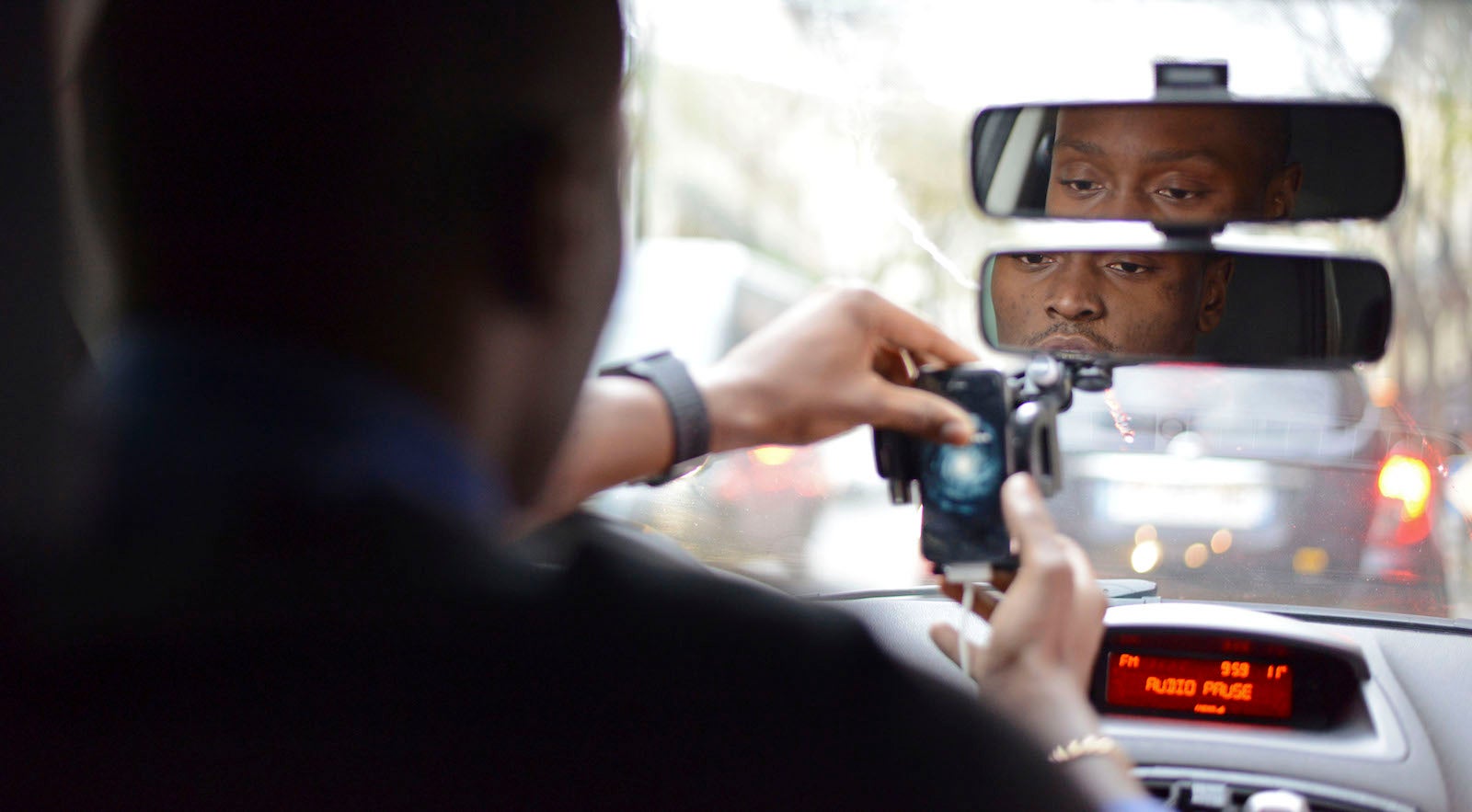
In response to AB5, the new California labor law that makes it harder for employers to classify workers in the state as independent contractors, Uber in January capped its service fee on UberX rides in California at 25%. It was one of several changes ostensibly made to give drivers greater transparency, and a sense of autonomy meant to reinforce their non-employee status.

A federal judge in San Francisco has ordered food-delivery startup DoorDash to arbitrate more than 5,000 workers’ labor disputes, a ruling that could cost the company millions.

How will Uber, which is still bleeding more than $1 billion a quarter, ever get to profitability? In an earnings call yesterday, CEO Dara Khosrowshahi suggested it’s all just a matter of leaning in.
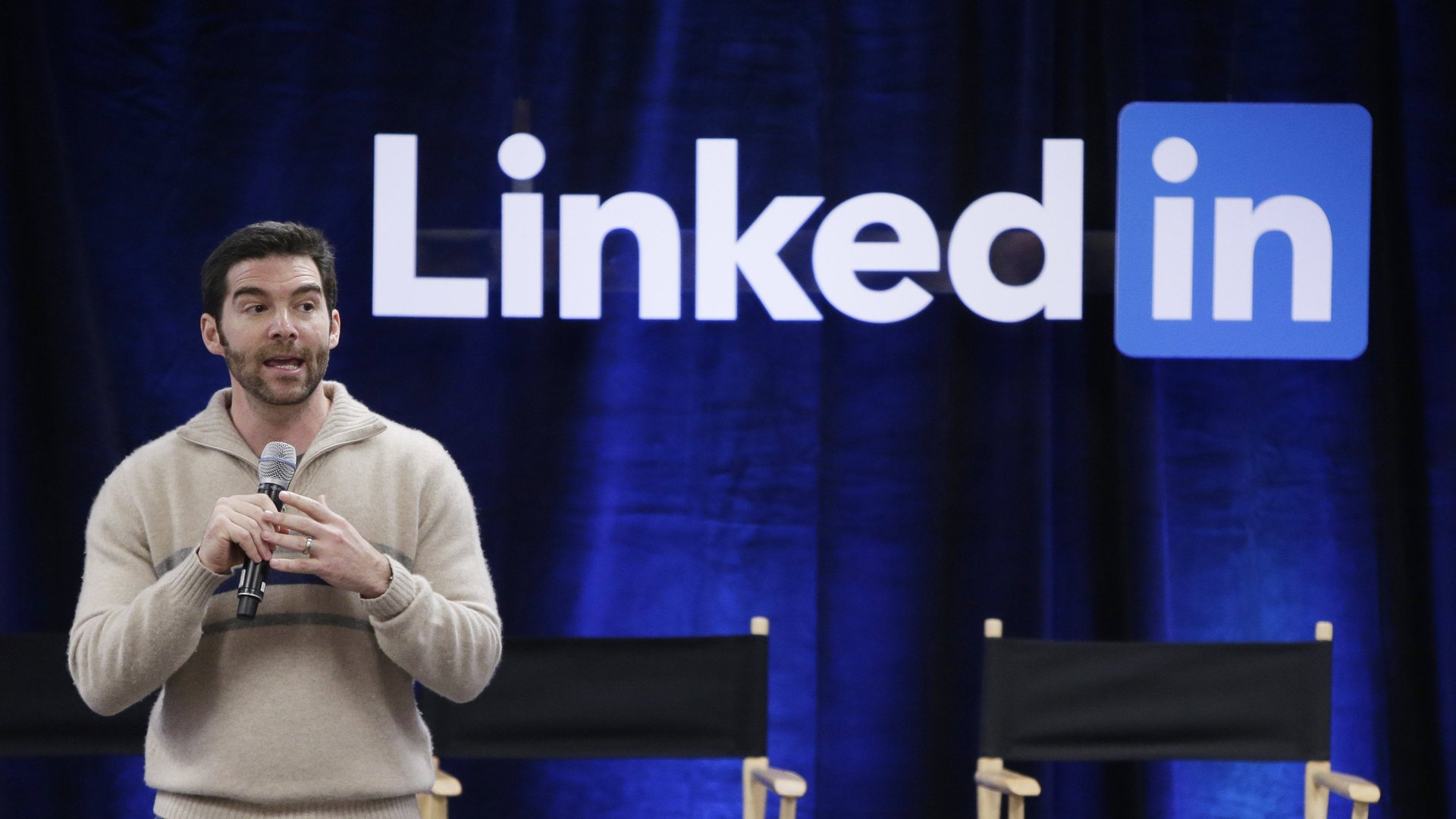
After 11 years, Jeff Weiner is stepping down as CEO of LinkedIn and stepping into the role of executive chairman. Replacing him is the very first hire Weiner made after joining the professional-networking site as interim president at the end of 2008.
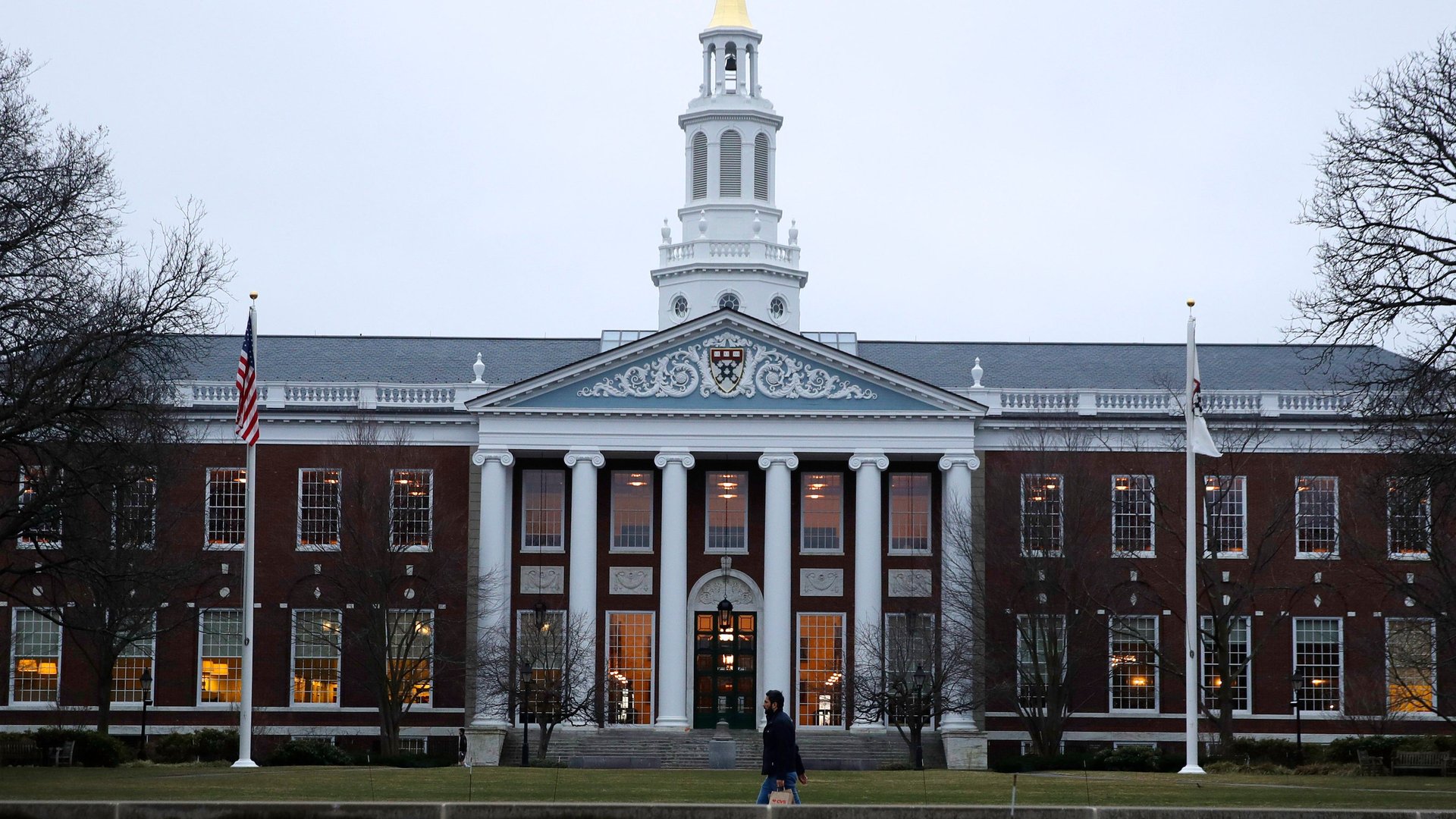
With applications to American MBA programs falling for five years straight, business schools across the US are scrambling to find new ways to make up the lost numbers. One approach has been to focus on attracting more international students.
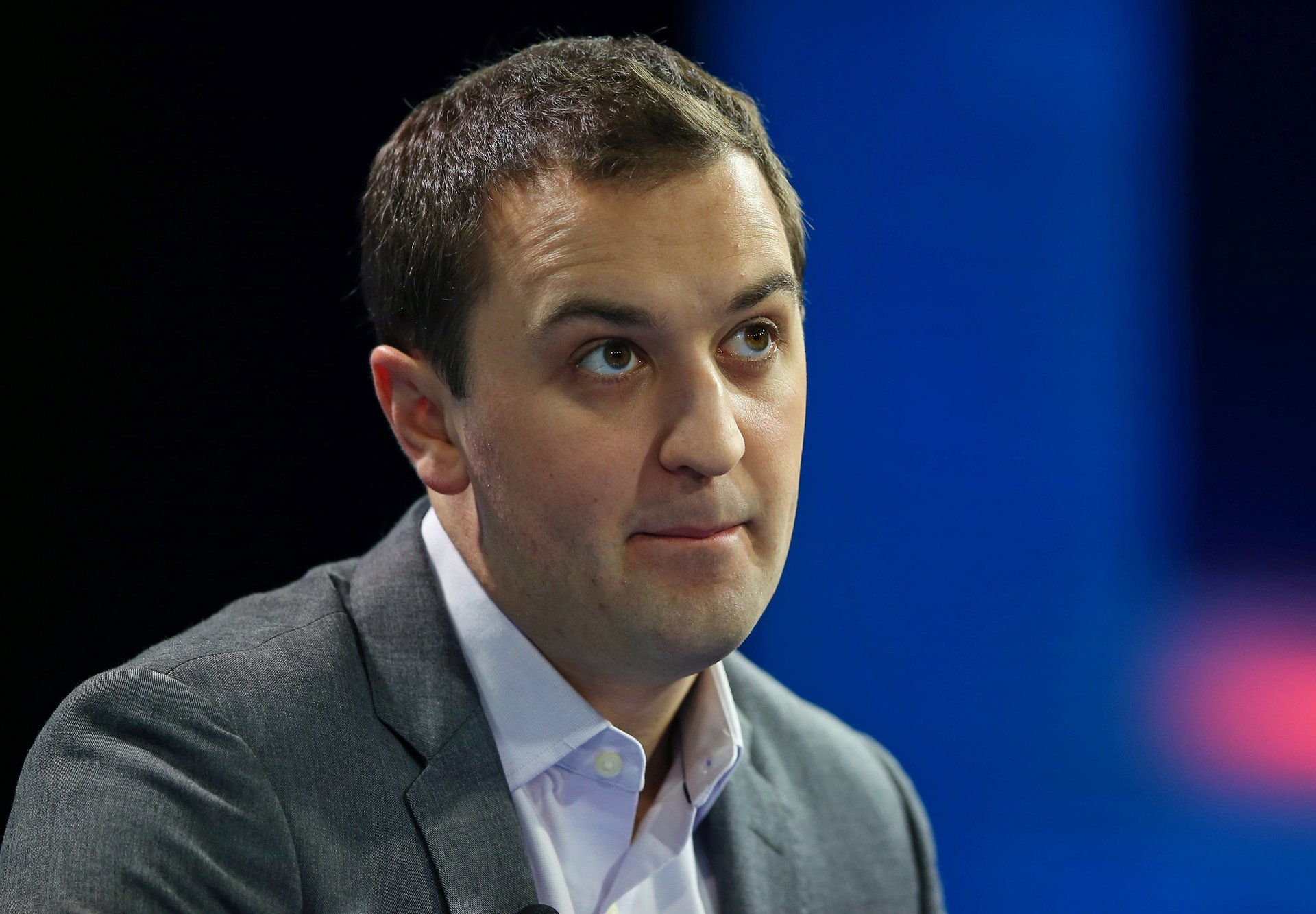
Lyft confirmed on Thursday that it will cut 90 people from its enterprise sales and marketing teams, or around 1.6% of its 5,500-person workforce, as it aims to achieve profitable growth.