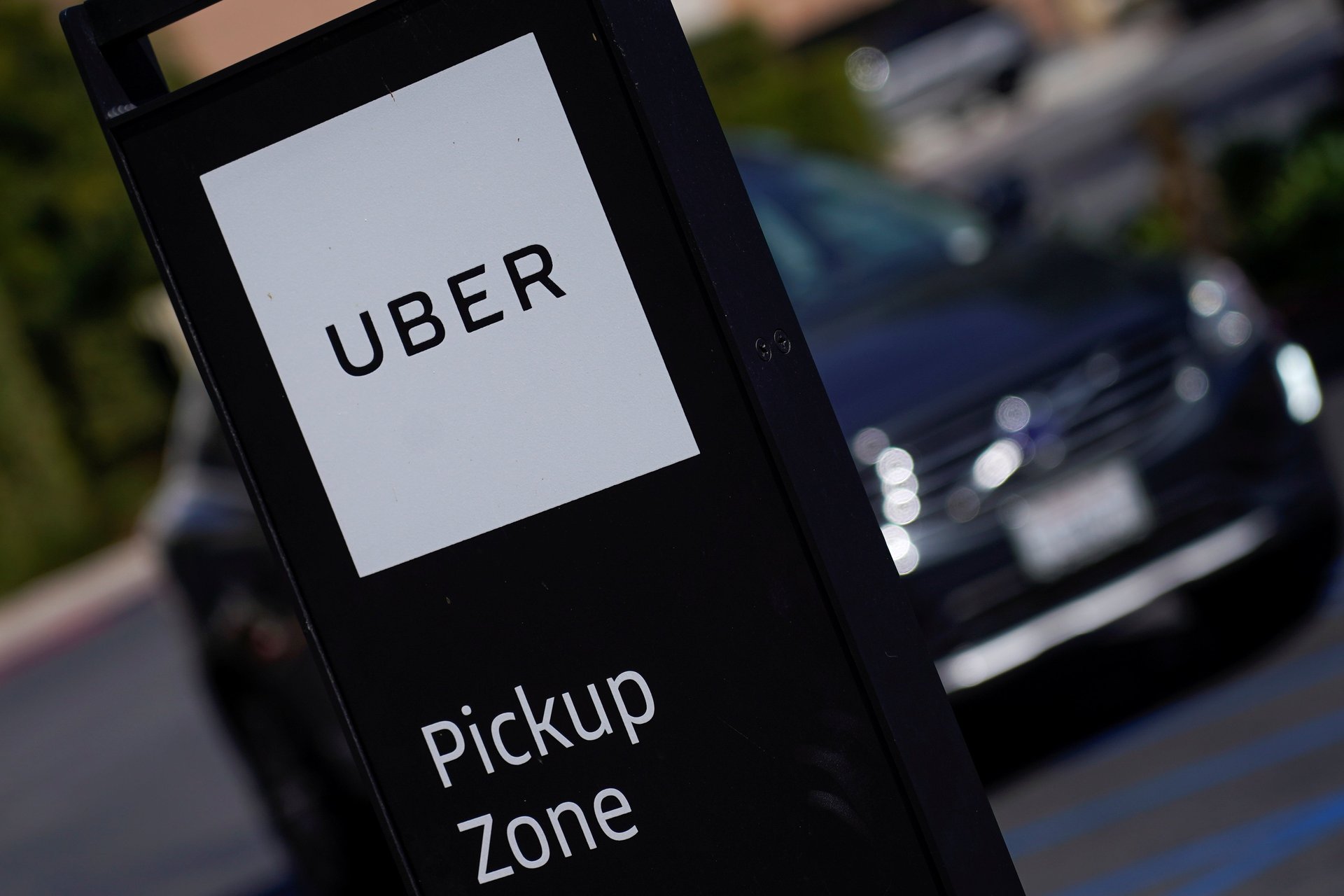
The new California labor law known as AB5, which makes it more difficult for companies to treat workers as independent contractors instead of full-time employees, is being met with heavy opposition, and not just from Uber and Lyft.

The new California labor law known as AB5, which makes it more difficult for companies to treat workers as independent contractors instead of full-time employees, is being met with heavy opposition, and not just from Uber and Lyft.

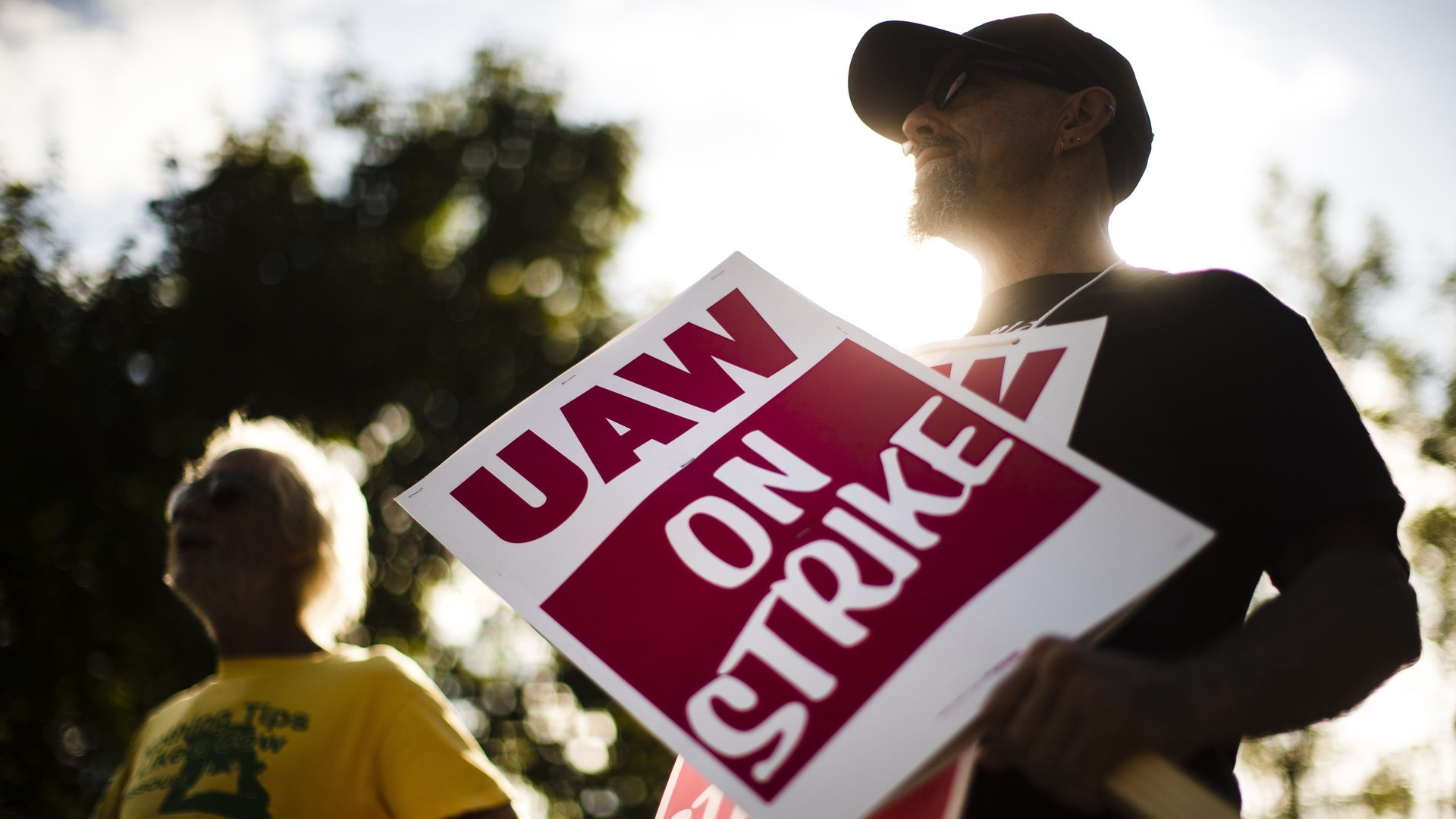
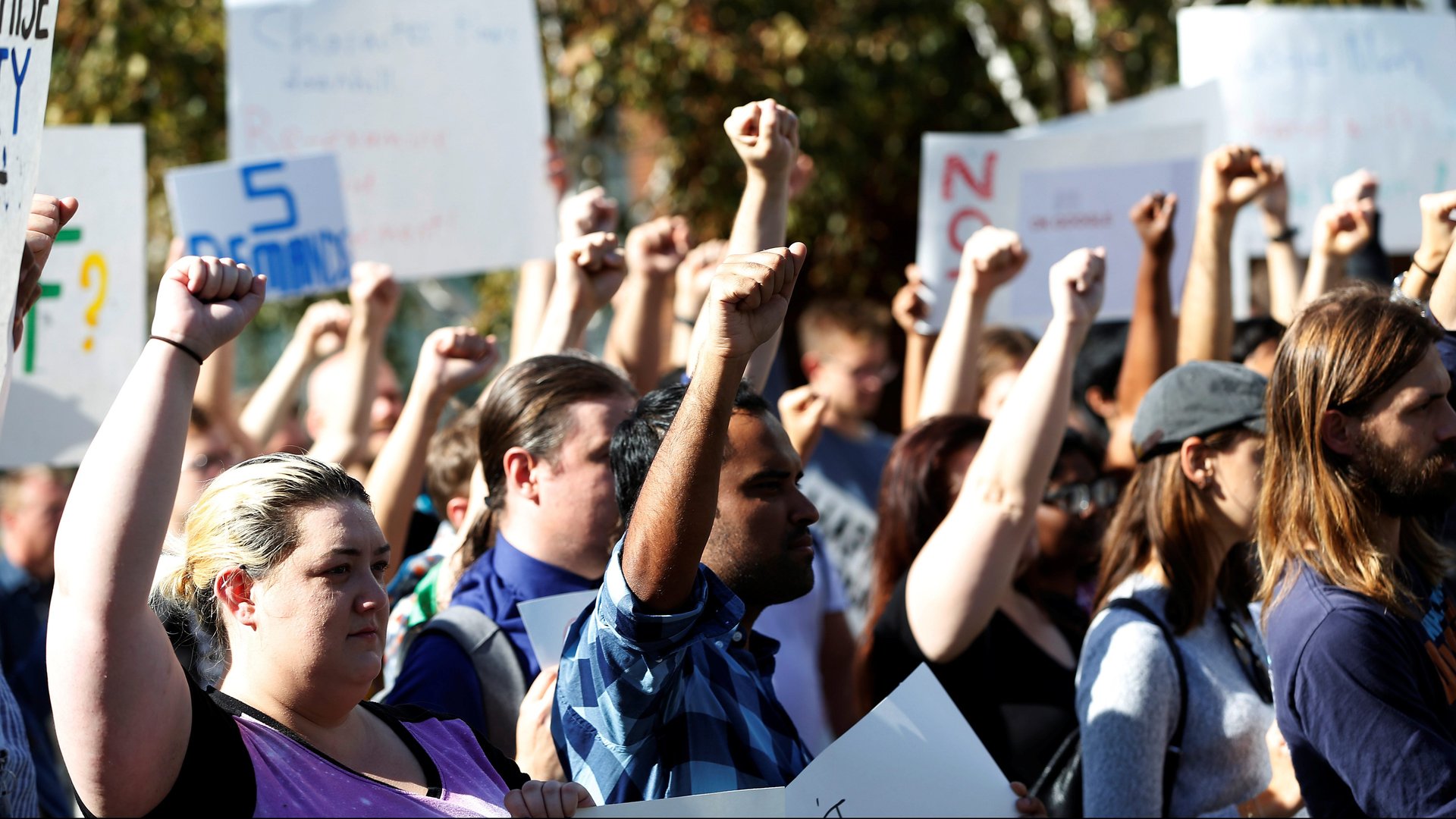
For much of 2019, headlines signified a labor resurgence, particularly among white-collar industries like technology and media. US public support for unions was among the highest levels in 50 years at 64%, according to a 2019 Gallup survey.

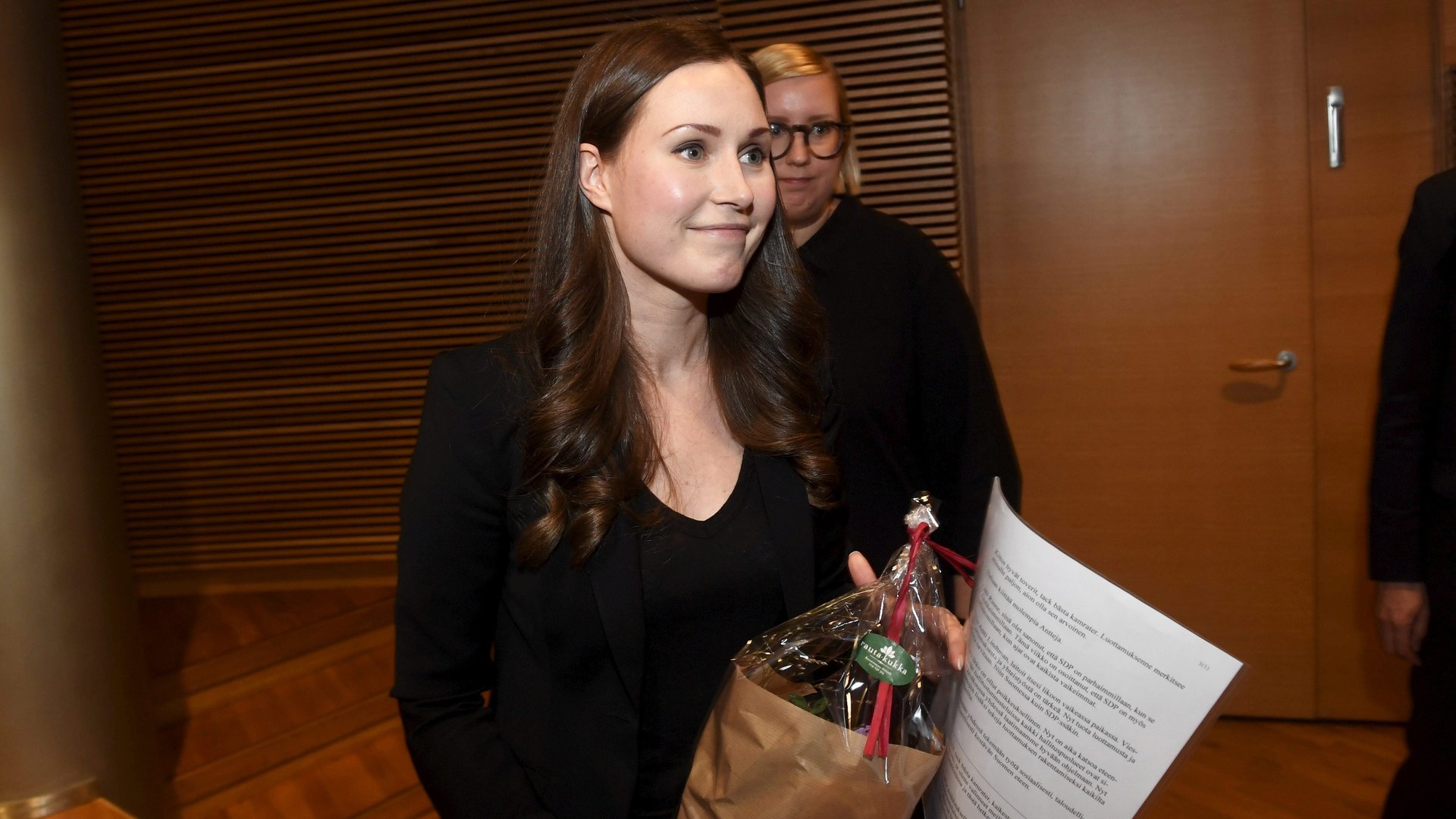
Prime minister Sanna Marin says the policy could be the "next step" in working life

Though they were snubbed by the Golden Globes this year, female directors are becoming more commonplace in Hollywood, thanks in large part to Netflix.

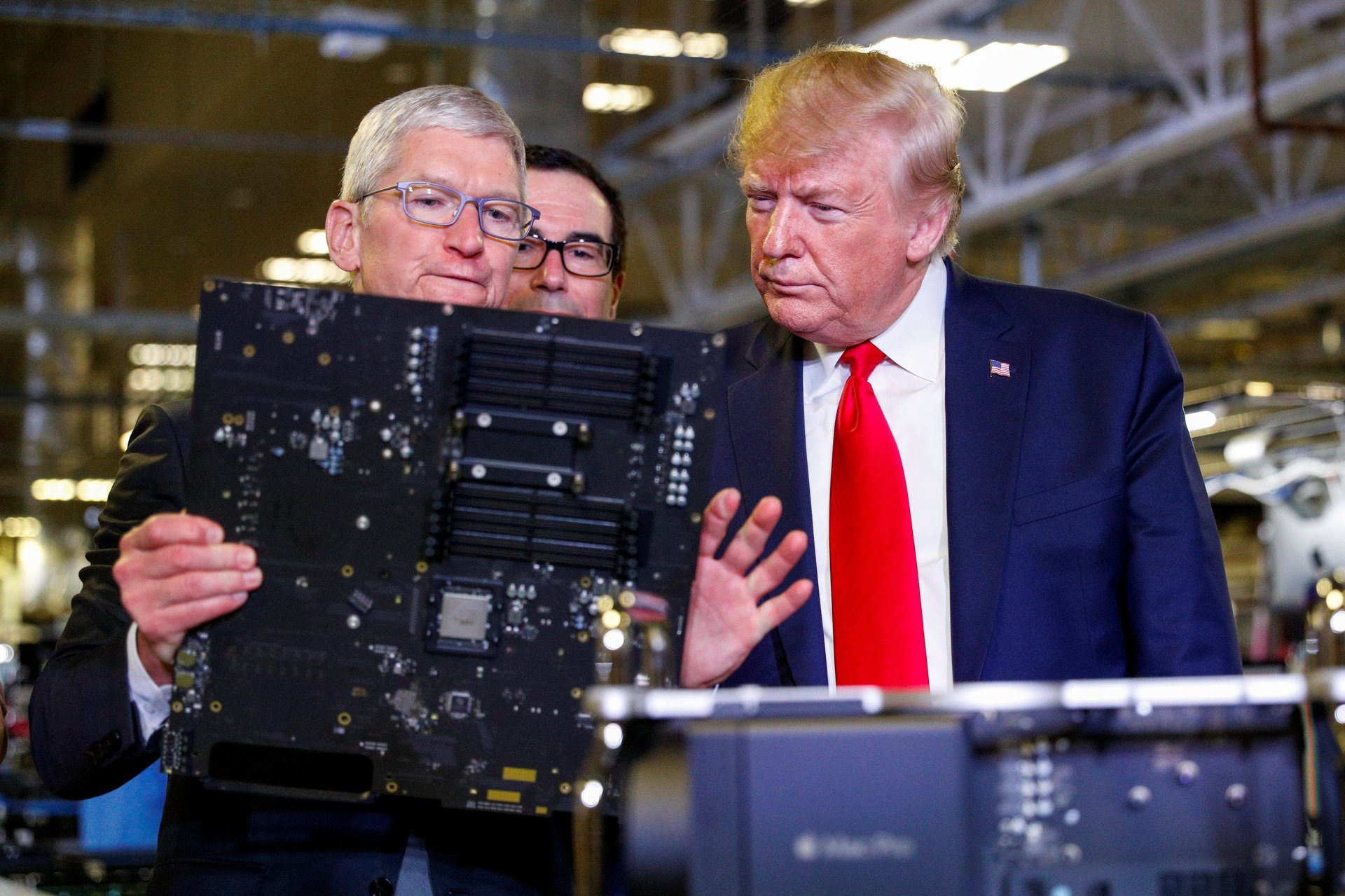
Though many leaders in corporate America have gone out of their way to distance themselves from US president Donald Trump, a new working paper shows that public company CEOs still heavily favor Republicans.

It’s customary for Americans to tip more during the holidays—housekeepers, childcare providers, schoolteachers, hairdressers, garbage collectors, postal workers, and others in service roles will often receive extra cash this time of year.

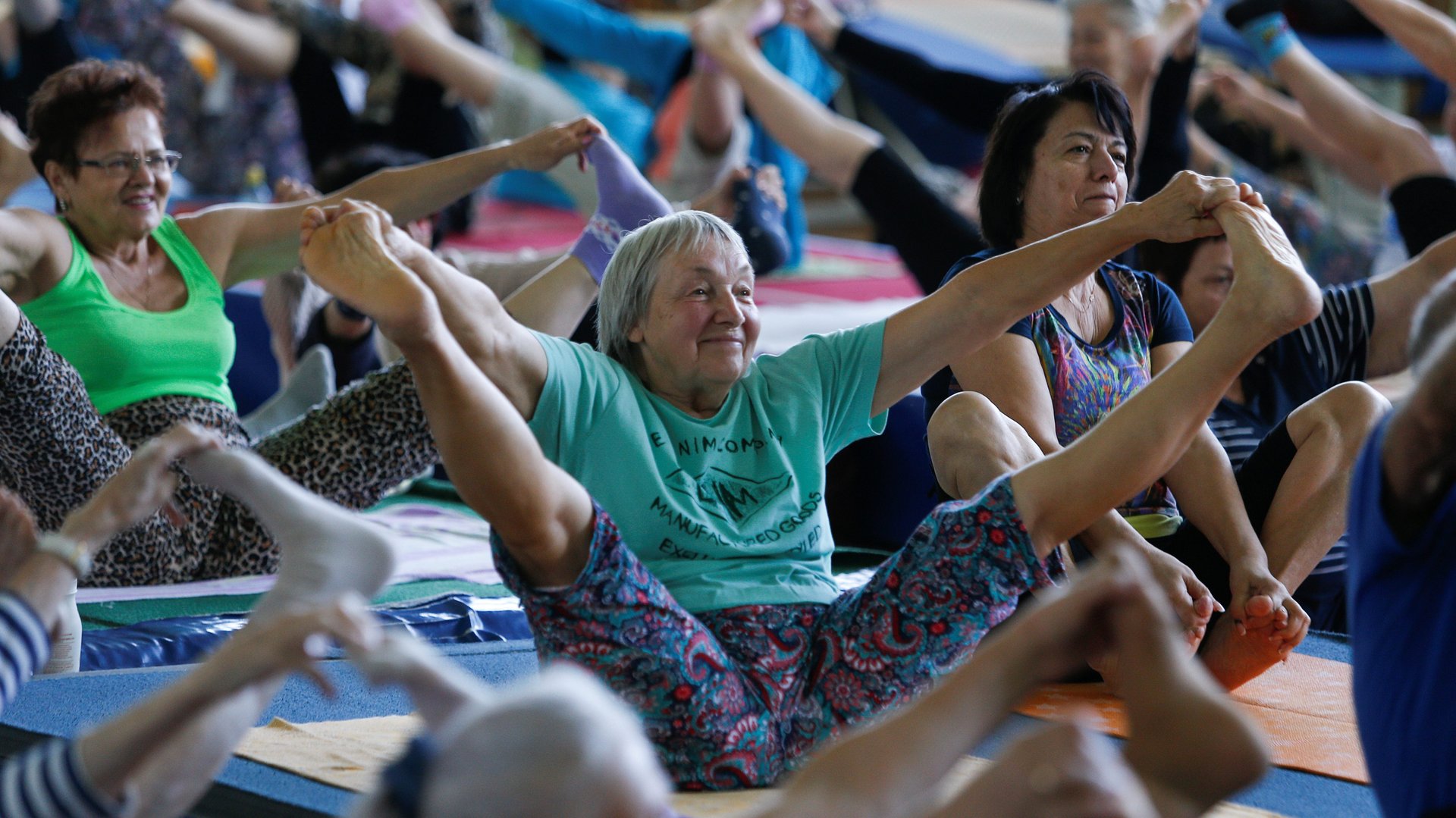
Retirement wellbeing has been widely studied, in ways that tend to center around the impact of people’s finances. But how retirees spend their time is shaping up to be at least as interesting a story as how they spend their savings.

It’s never a bad time to be an engineer—or to have people skills.

As companies continue to tinker with what it means to be purpose-driven, it’s important to think about the next generation of leaders who will inherit the results, and presumably put their own stamp on the idea.

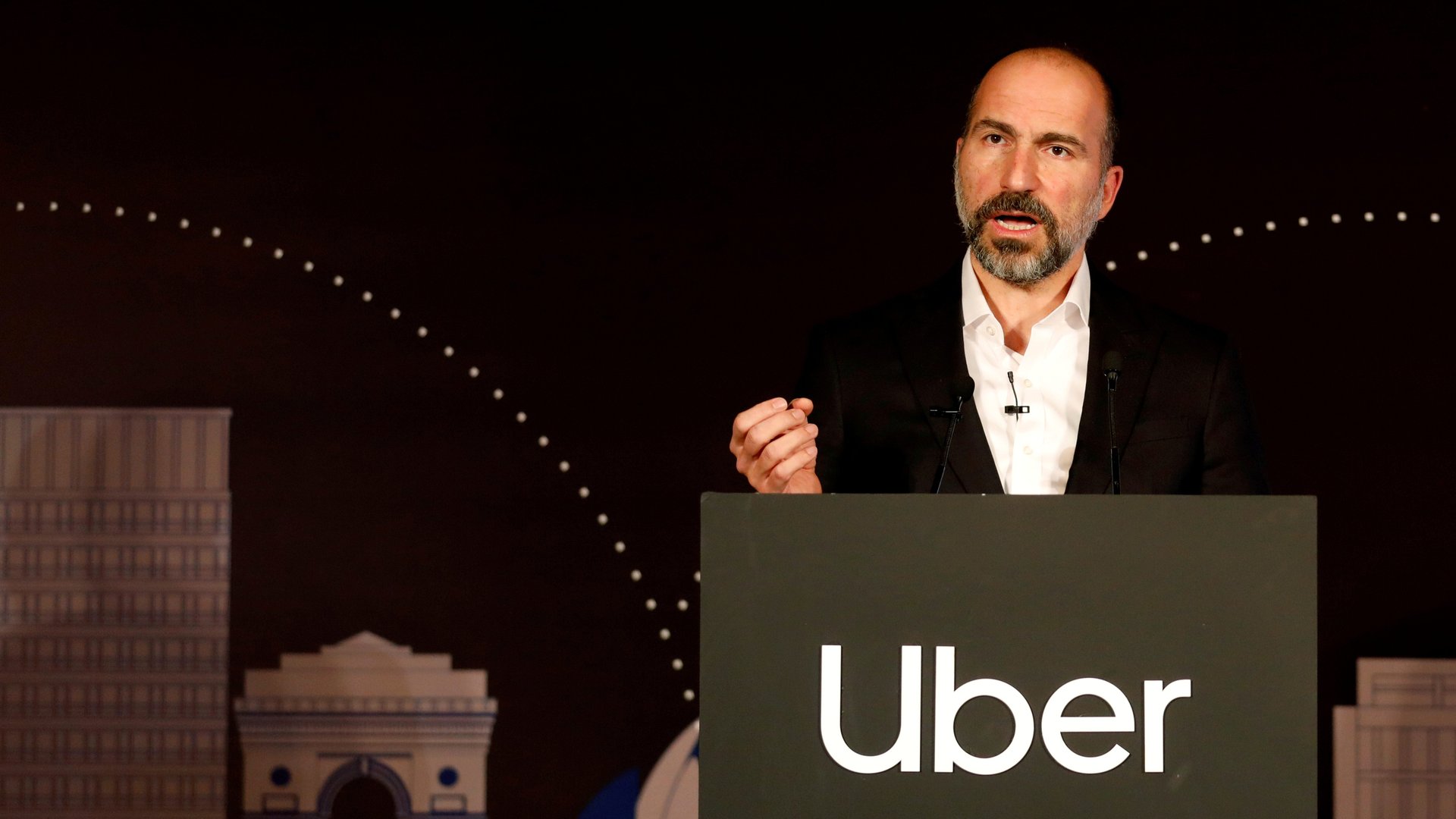
If the first big revolution of our modern tech era was digital, prompting companies like Google to go and organize the world’s information, the next revolution is playing out more broadly, with companies integrating the digital and physical realms, and trying to figure out how to do so in a responsible, profitable way. That’s the view of Uber CEO Dara Khosrowshahi, who described the landscape, and Uber’s role in it, in a Dec. 4 talk hosted by the Economic Club of New York.

Once a corporate culture turns toxic, it can diminish employee morale, hinder productivity, and alienate customers. This is not new. But how does a company culture arrive at this point? And are there any typical signs beforehand that herald the downfall?

Is there something joyless about creating a gift guide themed around life at work, as opposed to leisure?

Amid a housing crunch in one of America’s most expensive places to live, a San Jose, California-based recruiting startup called MainStreet wants to pay tech workers $10,000 to move out of the Bay Area and work remotely.

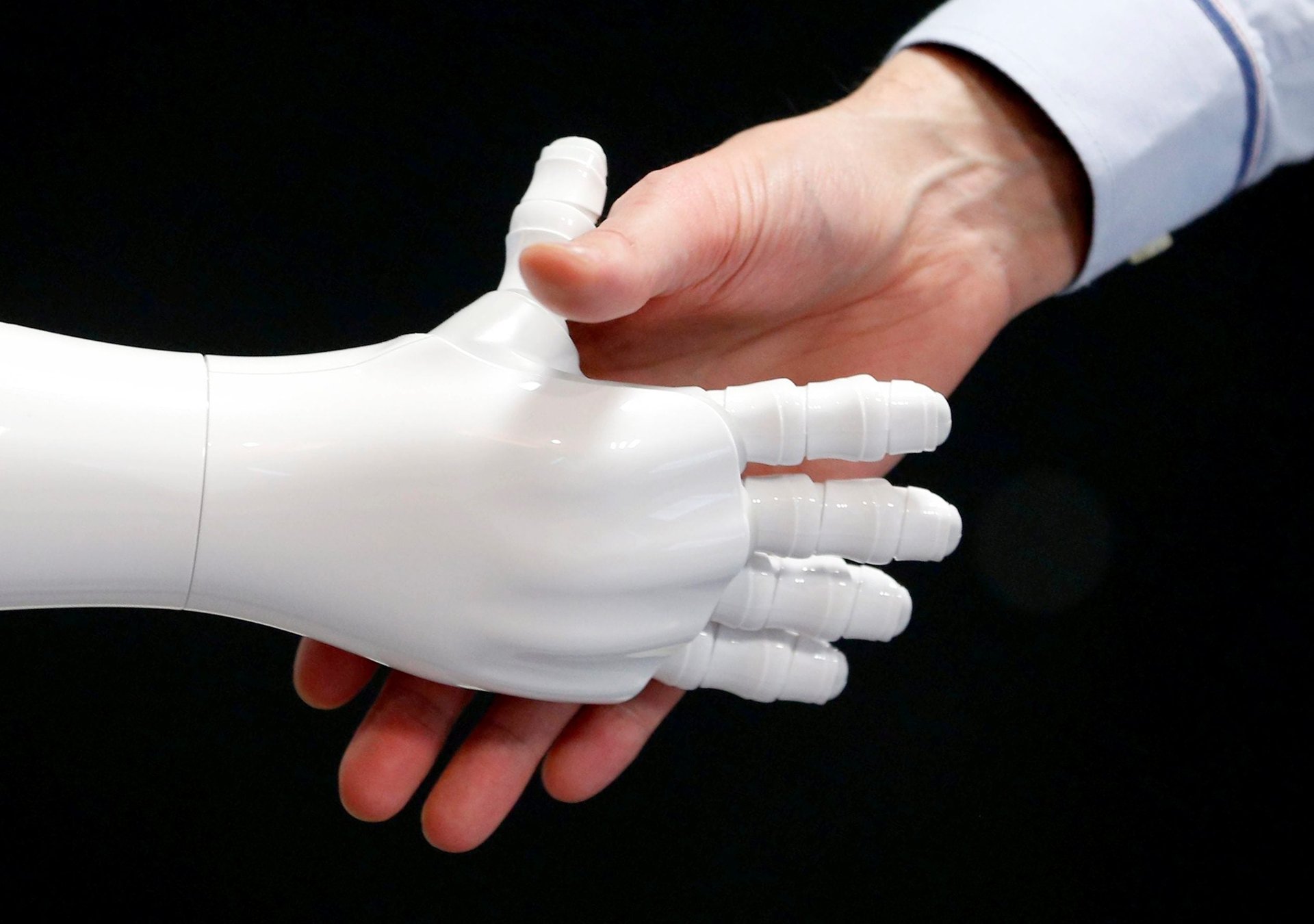
The idea that every company is a software company now feels especially relevant in retail—and not just at shops like Amazon Go, the experimental, cashier-free retail concept recently started by Amazon.

There’s been a lot of noise in the past two years about gender inequality in the startup world, particularly when it comes to attracting finance. And it seems to be making a huge difference.

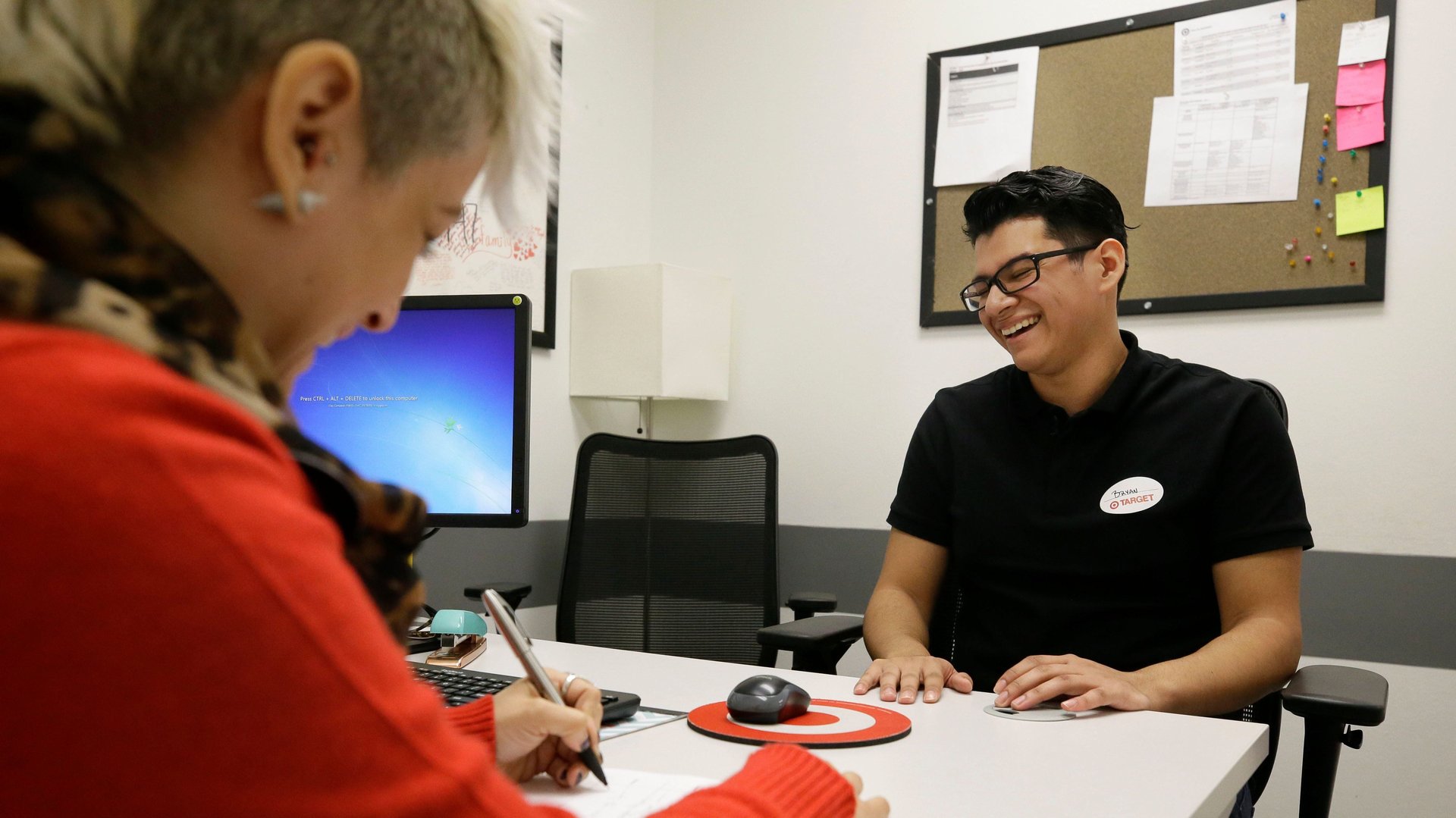
The Minneapolis public school district, one of the largest school districts in Minnesota, hires hundreds of teachers a year across roughly 70 schools. The teaching staff of 2,800 is largely white (86%), but it serves a diverse student body. Some 70% of the district’s 30,000 students are non-white, 21% are English-language learners, and 65% are eligible for subsidized lunch.

Who uses Bing?

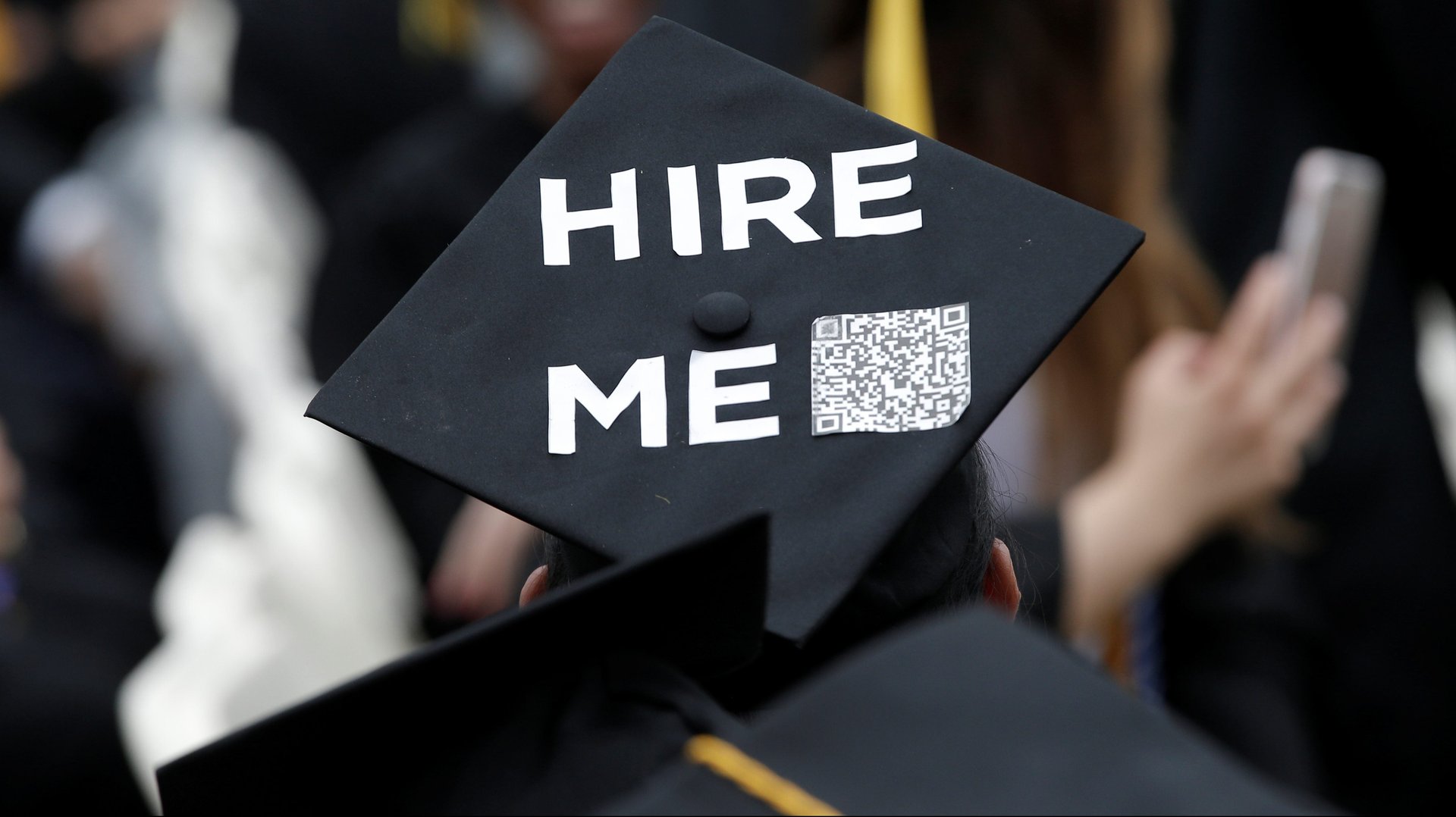
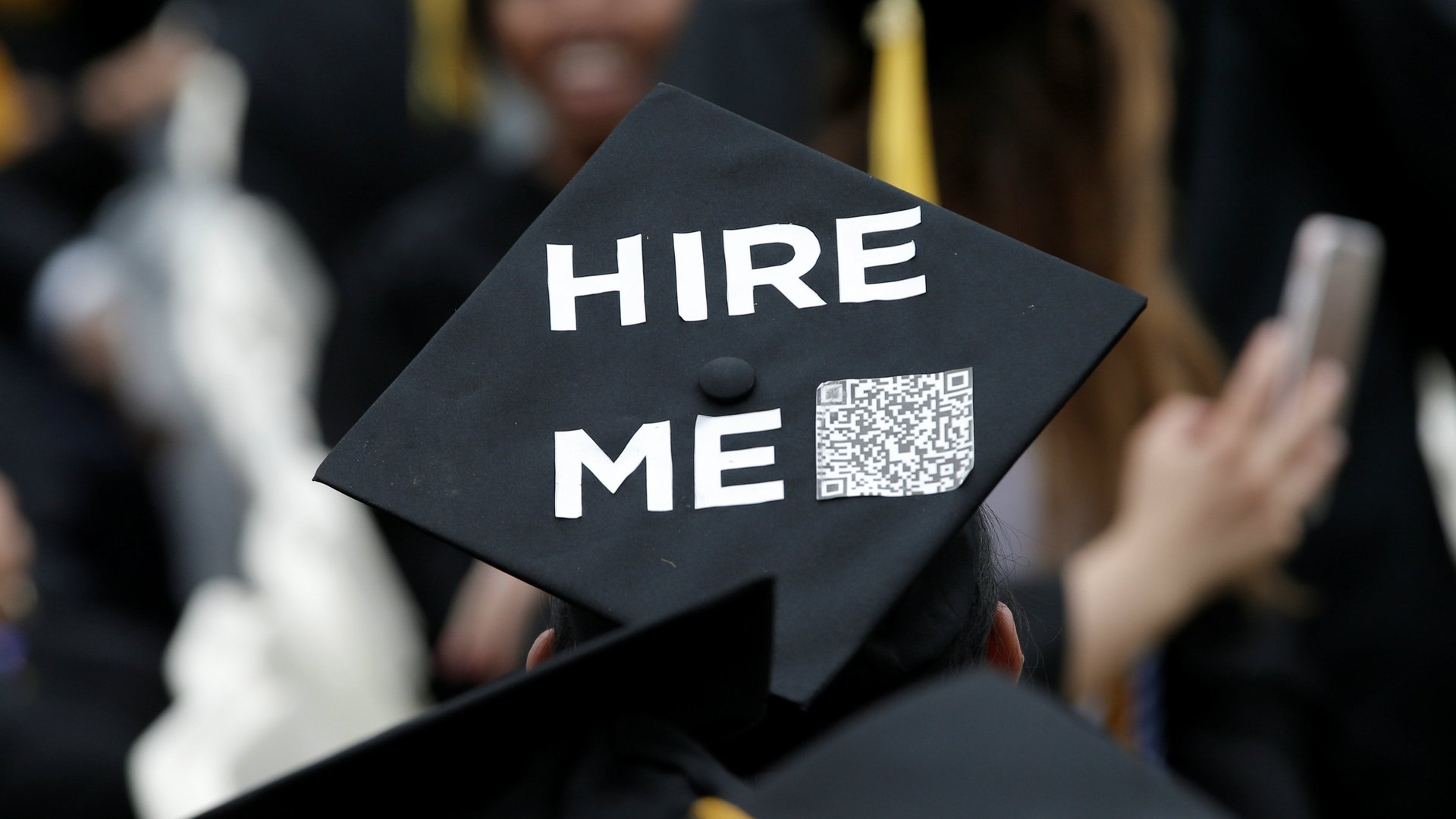
As college tuition continues to soar and employers increasingly focus on skills rather than degrees, nontraditional credentials—from online certificates to digital badges—are becoming more prevalent. A lot more prevalent.

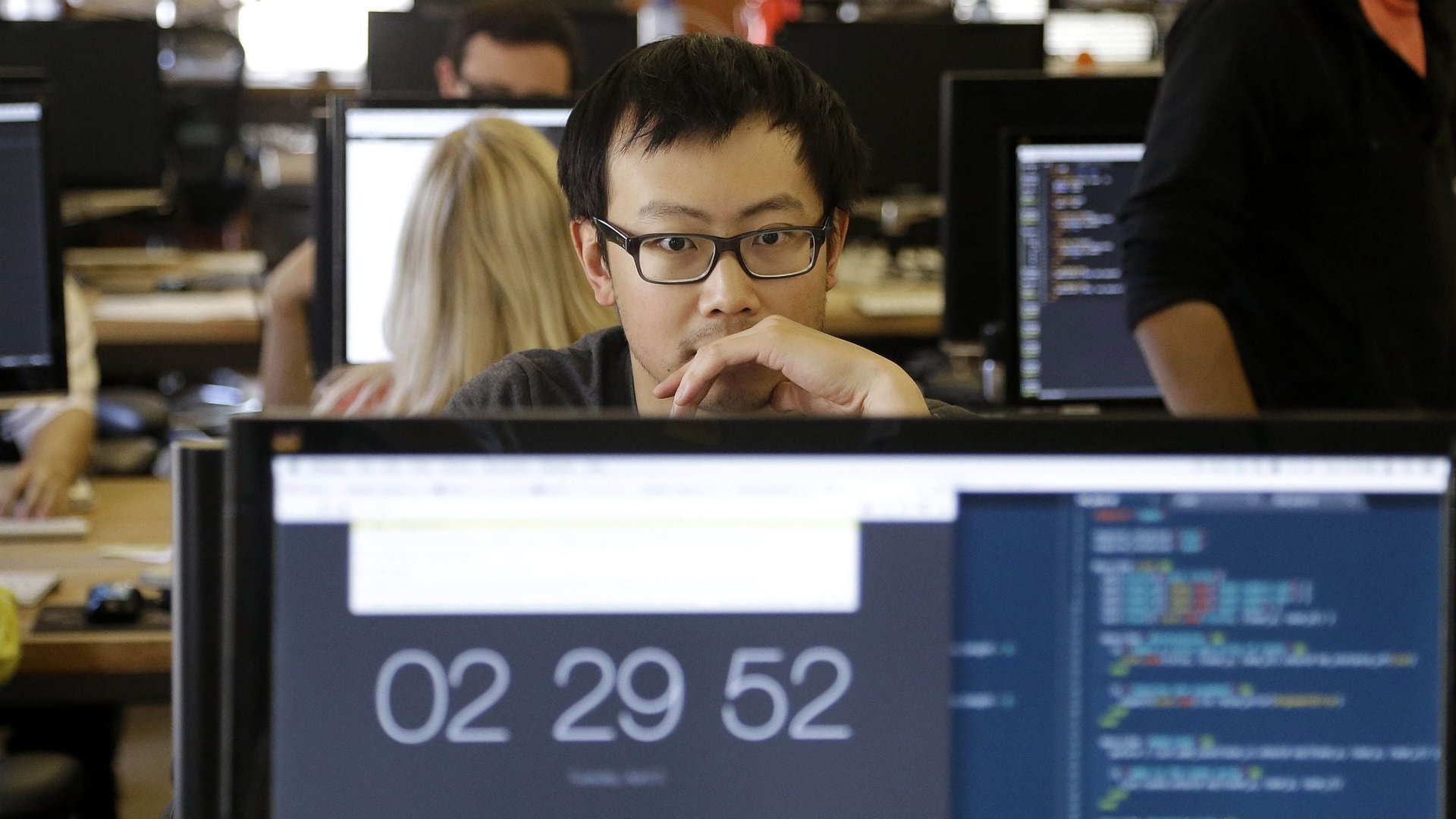
Coding schools are known to be intensive—their students often are trying to make a career switch, so feelings of anxiety or burnout can become especially evident. It doesn’t help that the goal is to graduate students with in-demand skills in sometimes as little as eight weeks.

It’s well known that biases often creep into the hiring process, from preferring a candidate who went to a certain university to guessing someone’s interest in a role based solely on their looks. Now there’s a study that suggests job candidates are judged on their socioeconomic status within seconds after they start to speak.

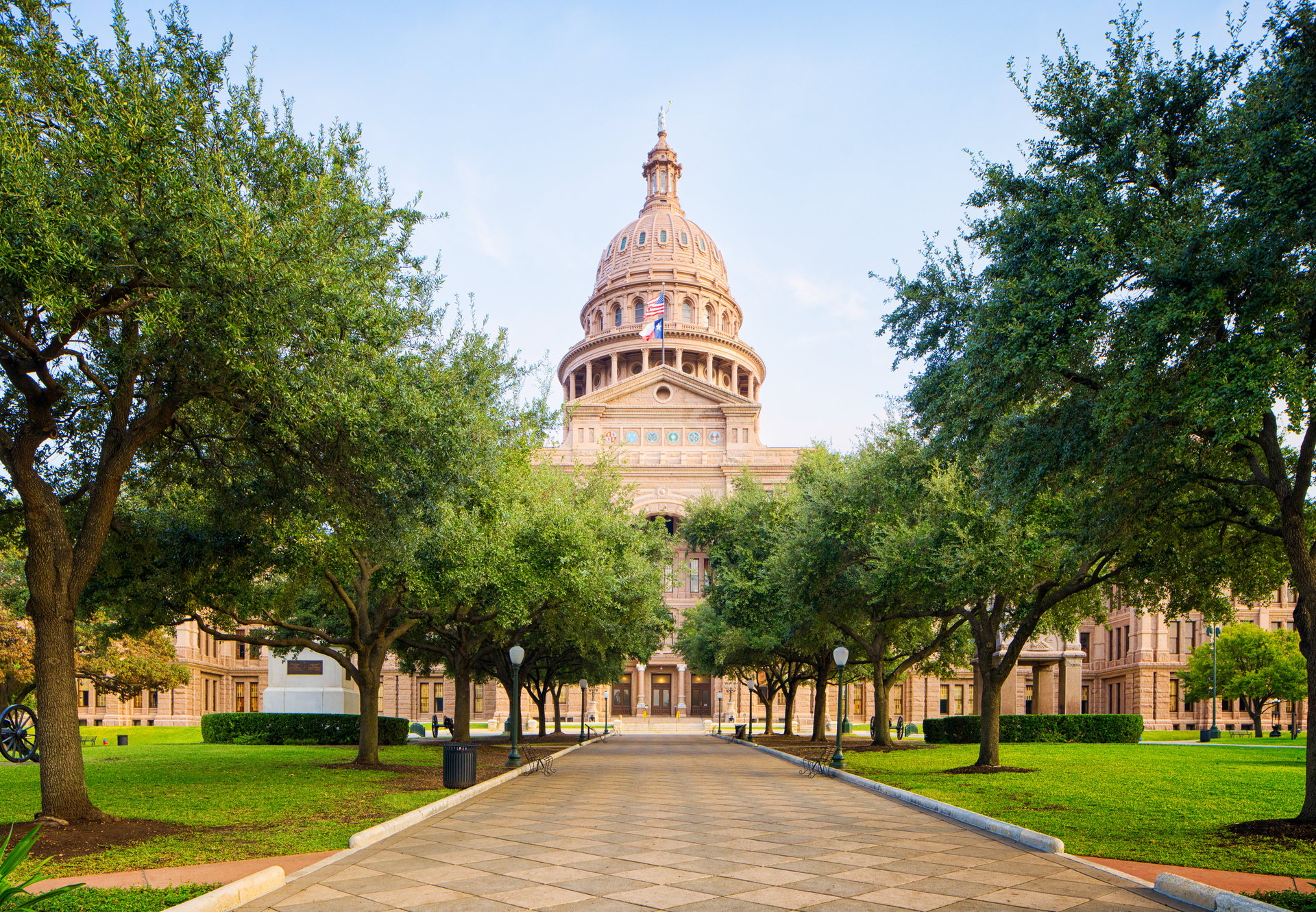
Entrepreneurship can be a lonely venture, particularly for female founders. Fewer than 5% of Fortune 500 CEOs are women, and female-founded startups receive only 2% of venture capital funding in the US. But the city of Austin, Texas, is helping to defy those statistics by carving out a community-minded niche for those entrepreneurial women.

It’s easy to get cynical about corporate social-impact programs, but sometimes they just make sense. Take the latest do-gooding efforts by Lyft. The company notes that the ability of poor people to find or hold down a new job can depend greatly on their access to reliable transportation—and here Lyft has something concrete to contribute.

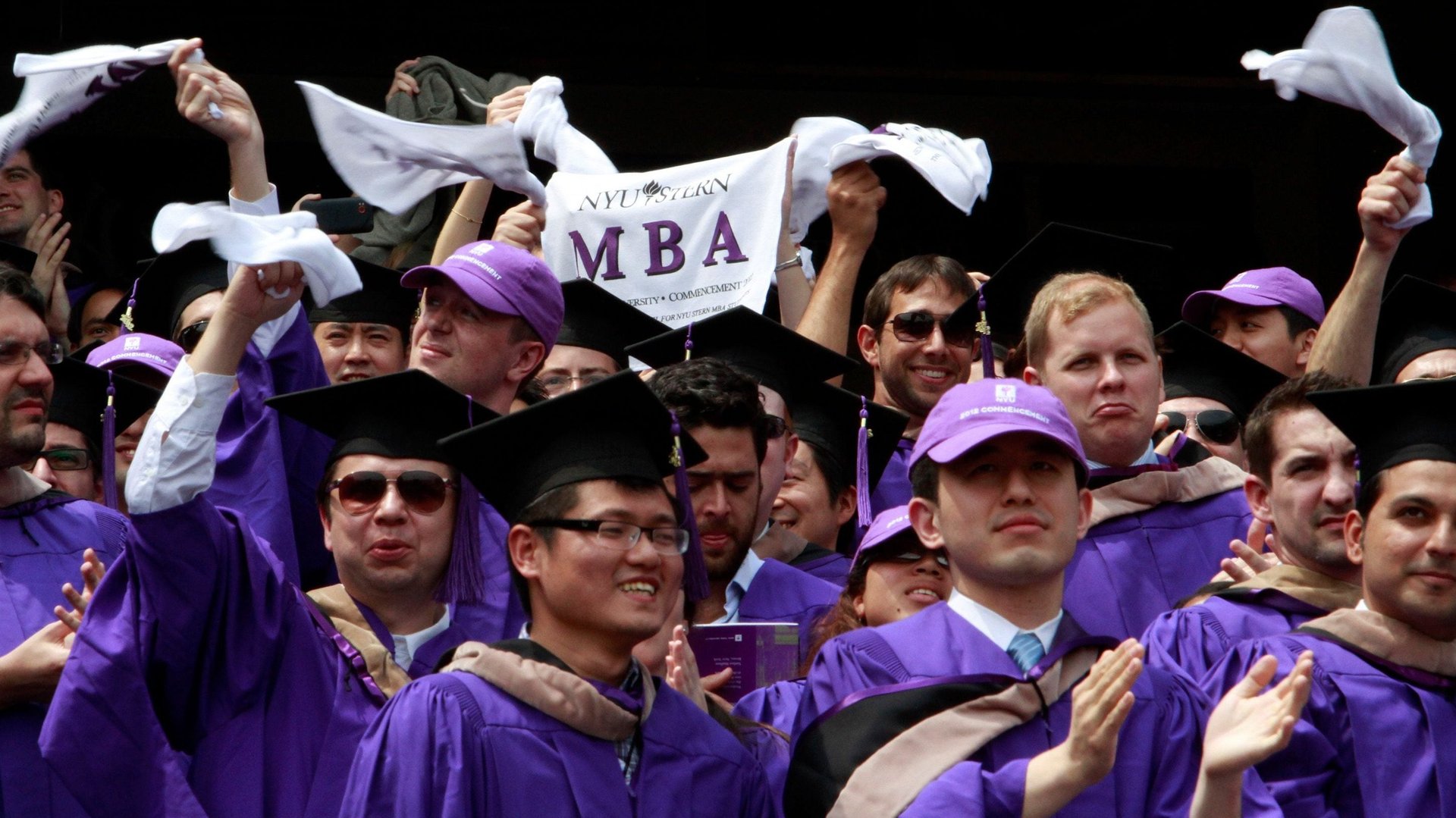
In 2012, Diane Mulcahy, a lecturer in the MBA program at Babson College in Massachusetts, created a course called “Entrepreneurship and the Gig Economy.” The idea was to teach MBA students how to get contract work, line up side hustles, negotiate fees, and market themselves in a new kind of labor market, where the flexibility afforded to freelancers, part-timers, and independent contractors was suddenly being embraced by a new generation of workers.

Melinda Gates announced that she will be committing $1 billion over the next decade to expanding women’s power and influence in the United States.