
Leadership
McDonald’s is letting job seekers start the application process on Alexa and Google AssistantMcDonald’s helped popularize the drive thru. Can it do the same for what it calls the “apply thru“?
Updated July 21, 20222 min read
McDonald’s helped popularize the drive thru. Can it do the same for what it calls the “apply thru“?
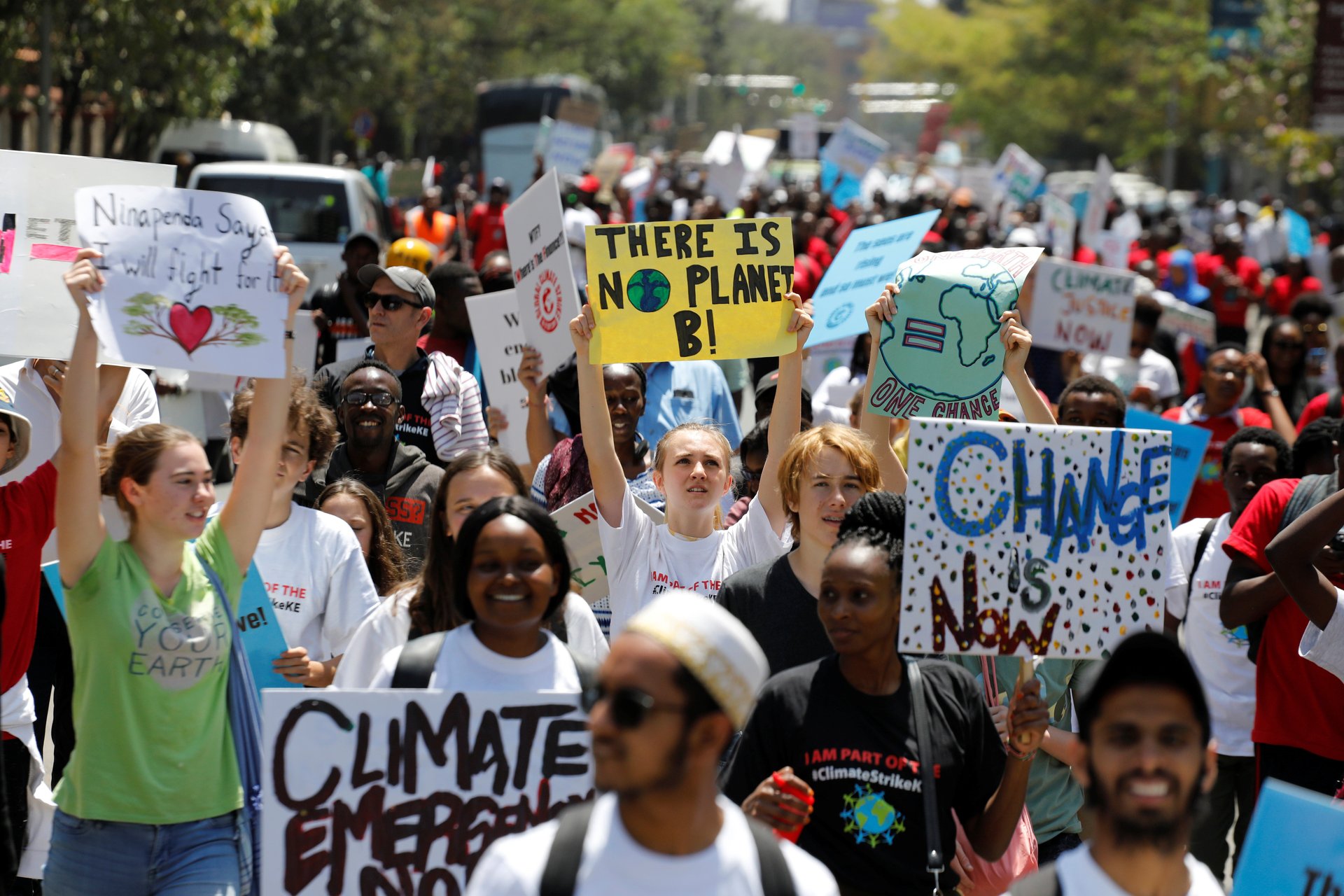
Ahead of the United Nations Climate Action Summit on Sept. 22, multinational companies are committing to using renewable energy at record levels.
In its pursuit of being “the Everything Store,” Amazon has been known to copy popular items and sell them itself for cheaper.
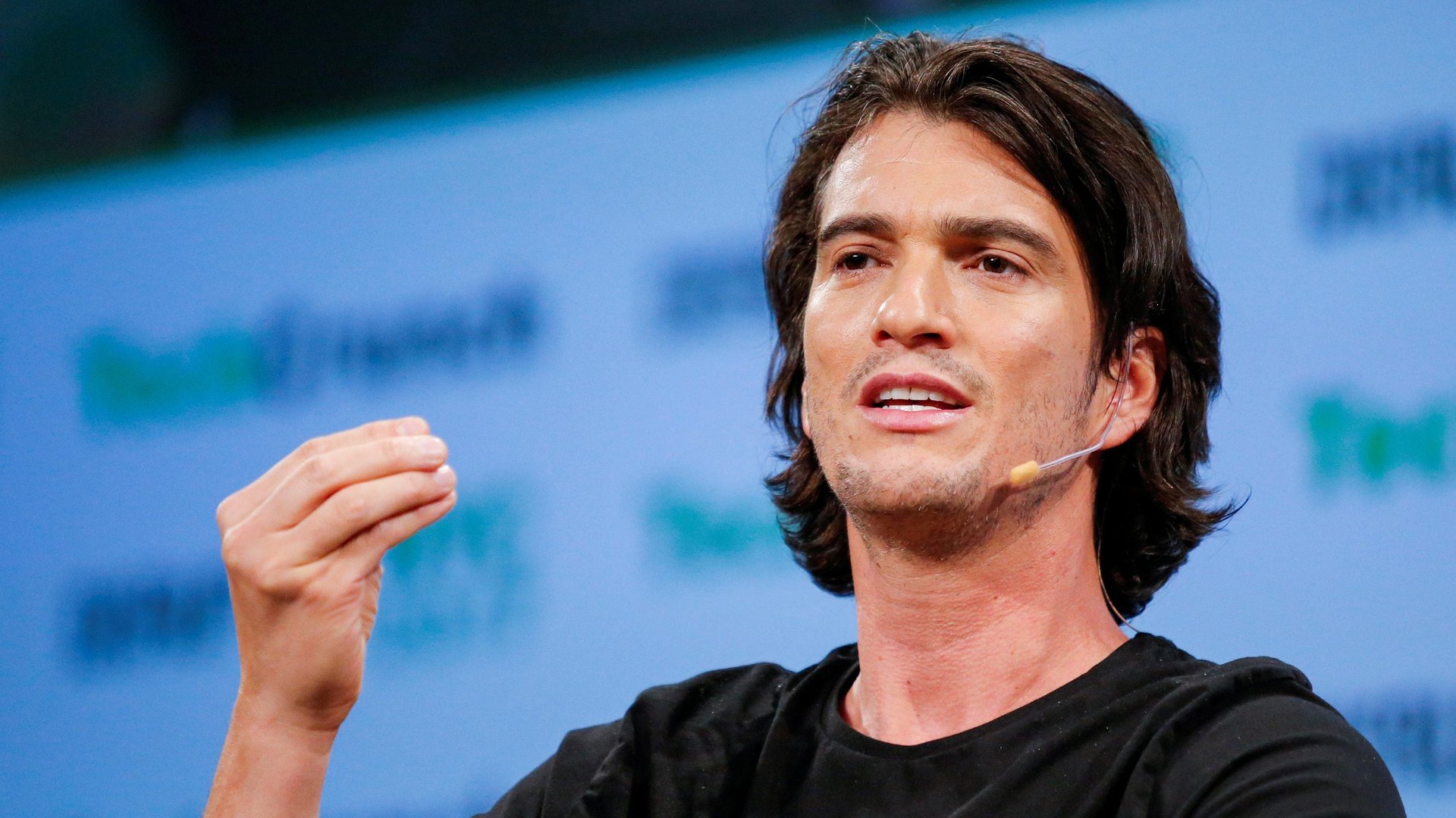
Investors have been wary of WeWork’s corporate governance, leading the co-working startup to delay its initial public offering plans. But the company’s business itself is coming under additional scrutiny as well.
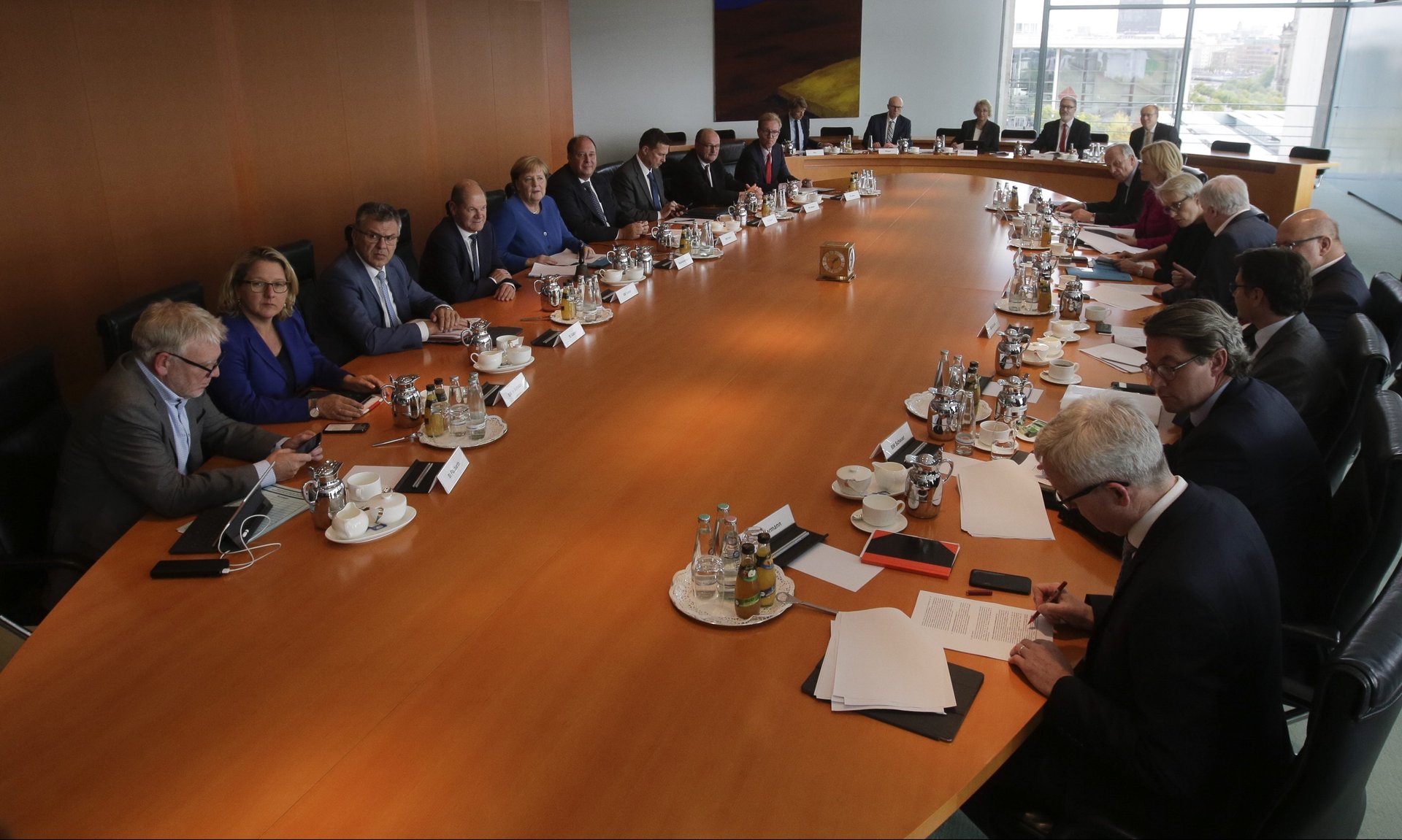
Americans average six hours per week in meetings. And managers especially spend considerably more time in them. But attendees rate as many as half of the meetings they attend as “poor,” and organizations in the US waste an estimated $213 billion on ineffective meetings annually.
LinkedIn wants to know what you know, and wants employers to know it, too.

After a wave of backlash about its governance and proposed valuation, WeWork’s parent company is reportedly mulling reforms to set investors at ease and smooth the way for a successful initial public offering.
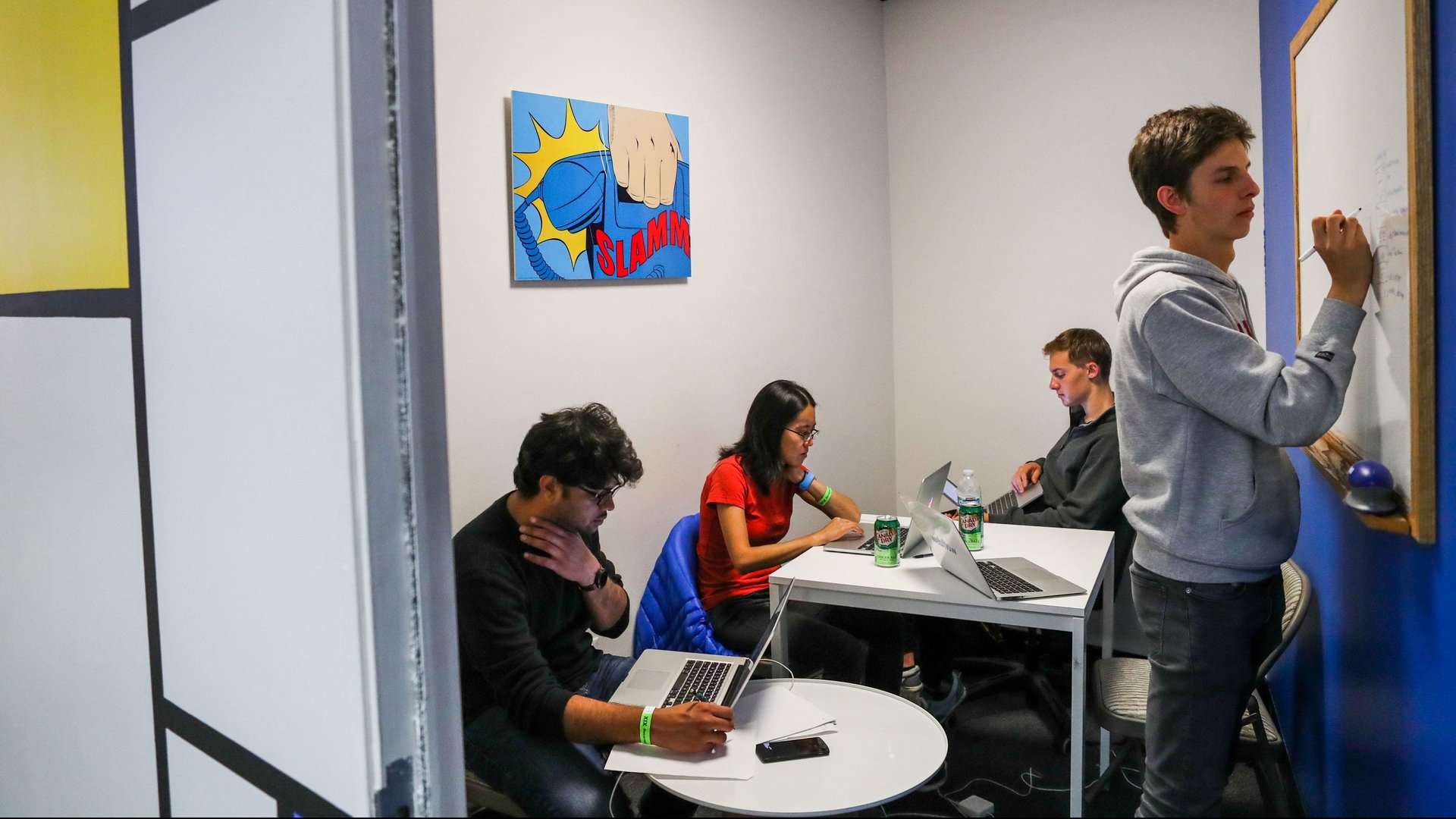
In 2010, Steve Jobs announced in a blog post that Apple would no longer support Adobe Flash. At the time, Flash was a popular development tool for creating animations, web games, and other internet applications. Shortly after his announcement, the use of Flash would decline steeply—in 2011, 28.5% of websites used Flash, while last year, just under 3% of websites were using the technology, according to tech-usage survey site W3Techs.
Every year, the US Bureau of Labor Statistics releases projections on the prospects for the job market over the next 10 years. This year’s projections, released yesterday, find that over the next decade, the US workforce is likely to see a tsunami of elderly workers. The share of workers over the age of 75 is projected to grow from 1.8 million in 2018 to 3.7 million in 2028.
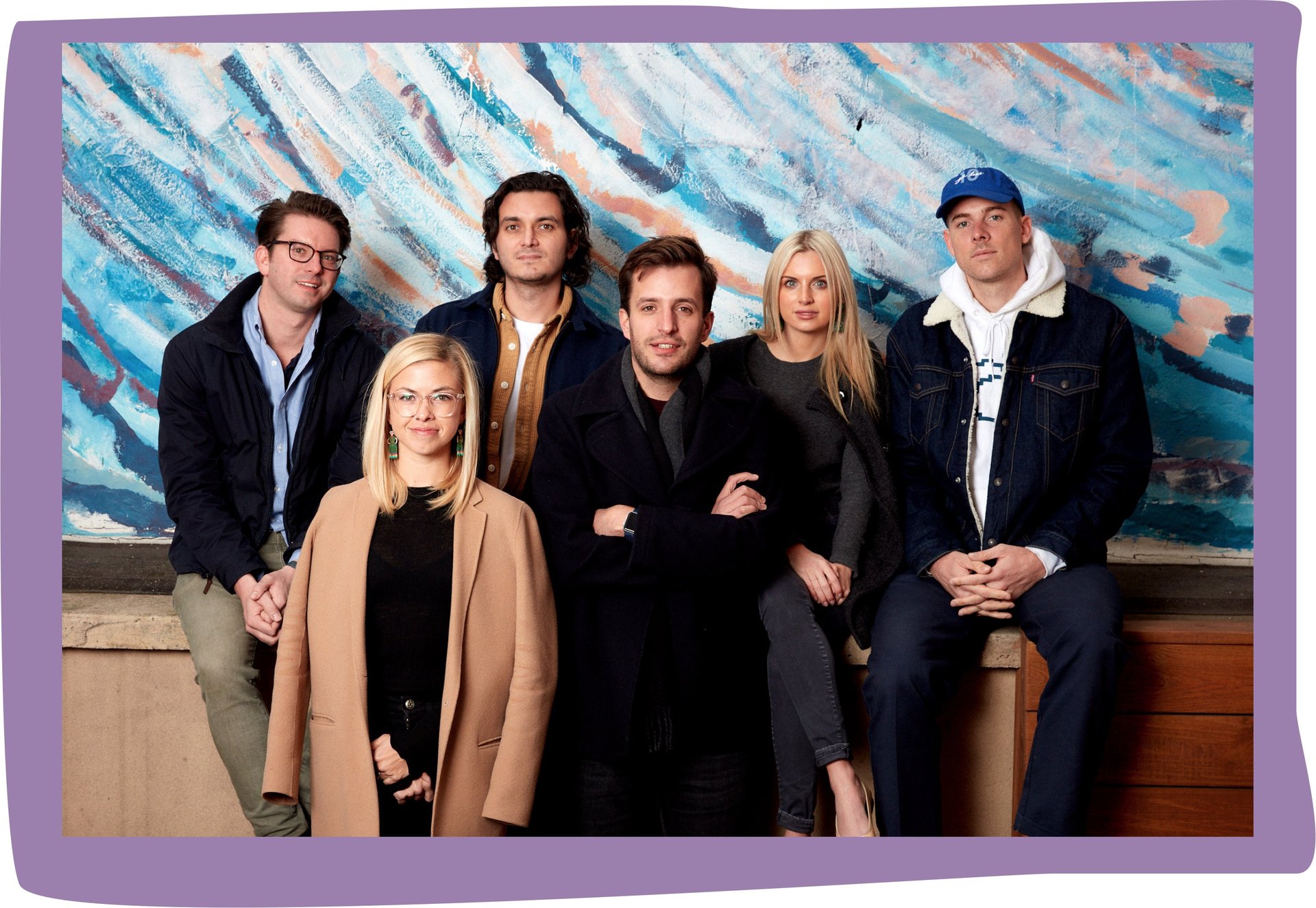
From “always on” culture to everyday sad desk lunches, current workplace conditions have made burnout a hot topic. In a 2018 Gallup study of about 7,000 full-time workers, 23% reported feeling burnout at work very often or always, while 44% said they felt it some of the time. It also found that burned-out employees were more likely to take a sick day or to be looking for another job, while the World Health Organization this year recognized burnout as an official medical diagnosis.
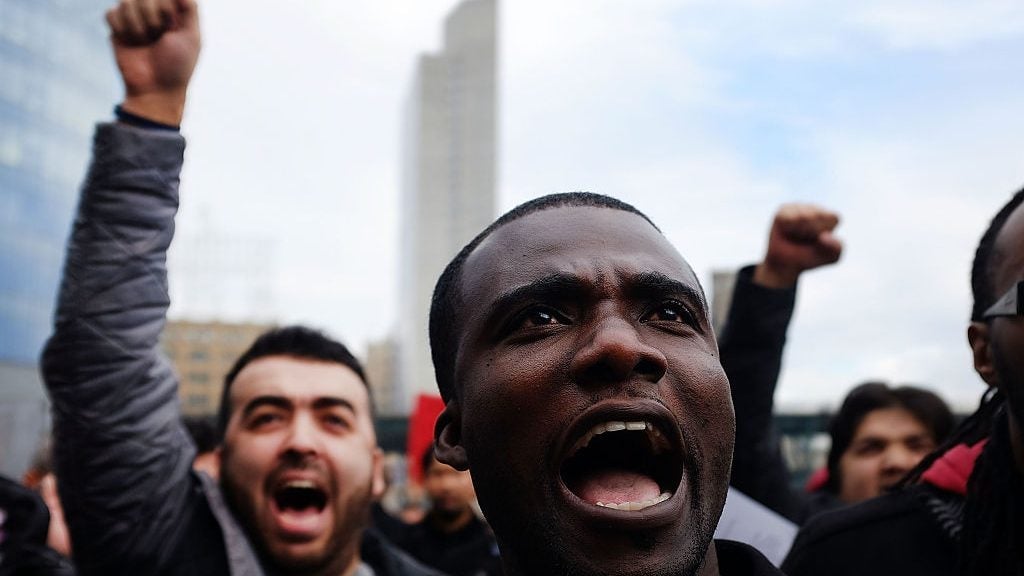
When people feel exhausted and demoralized at their jobs, they’re often advised to meditate, adopt an exercise routine, or go on vacation. But just in time for Labor Day, In These Times writer Kayla Blado offered up a different—and far more radical—prescription for unhappy Americans: “Your best defense against burnout isn’t self-care, it’s joining together with your colleagues to build power collectively at your workplace.”
Most Airbnb experiences are built around getting people away from work. Not this one.

In a workforce where working from home and wearing athleisure to the office are no longer uncommon, formal dress codes are starting to feel like an artifact from a bygone era—for some of us.

Handshake, a startup that has raised $74 million from investors including the Chan Zuckerberg Initiative, Spark Capital, and Kleiner Perkins, helps connect more than 400,000 employers with university students looking for internships, part-time gigs, or full-time work. Consider it an automated, third-party version of the college career center, with a breadth of opportunities few schools could even try to match.
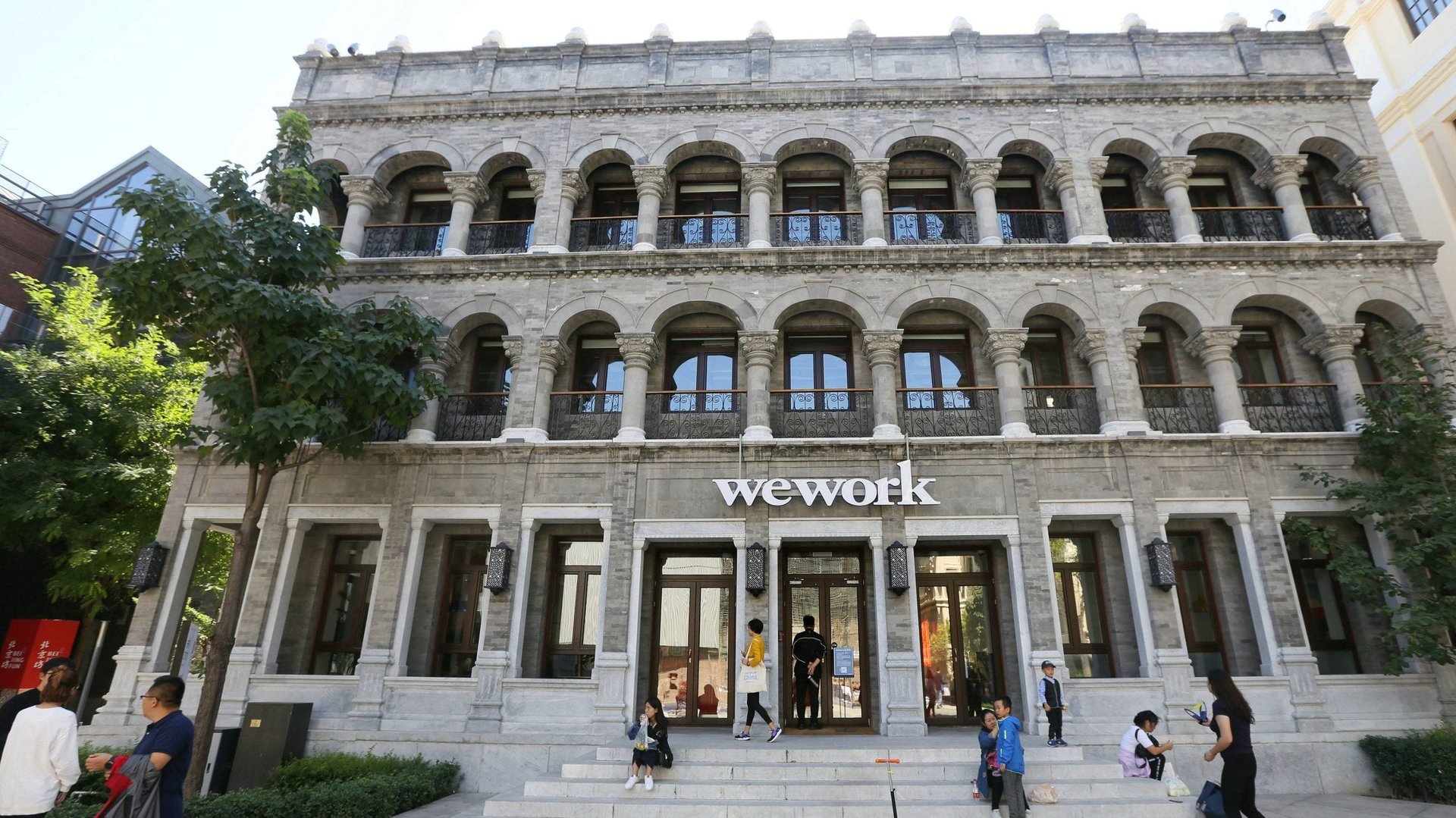
In a filing with the US Securities and Exchange Commission ahead of WeWork’s planned listing next month, the company warns new investors that the prospect of workers going on strike is a potential risk to the performance of its stock.

In the past couple of decades, women have been gaining ground in highly skilled occupations throughout the US economy. For example, women account for roughly 40% of the country’s physicians and surgeons, up from about 26% in the late 1990s, according to a Quartz analysis of data from the US Bureau of Labor Statistics.
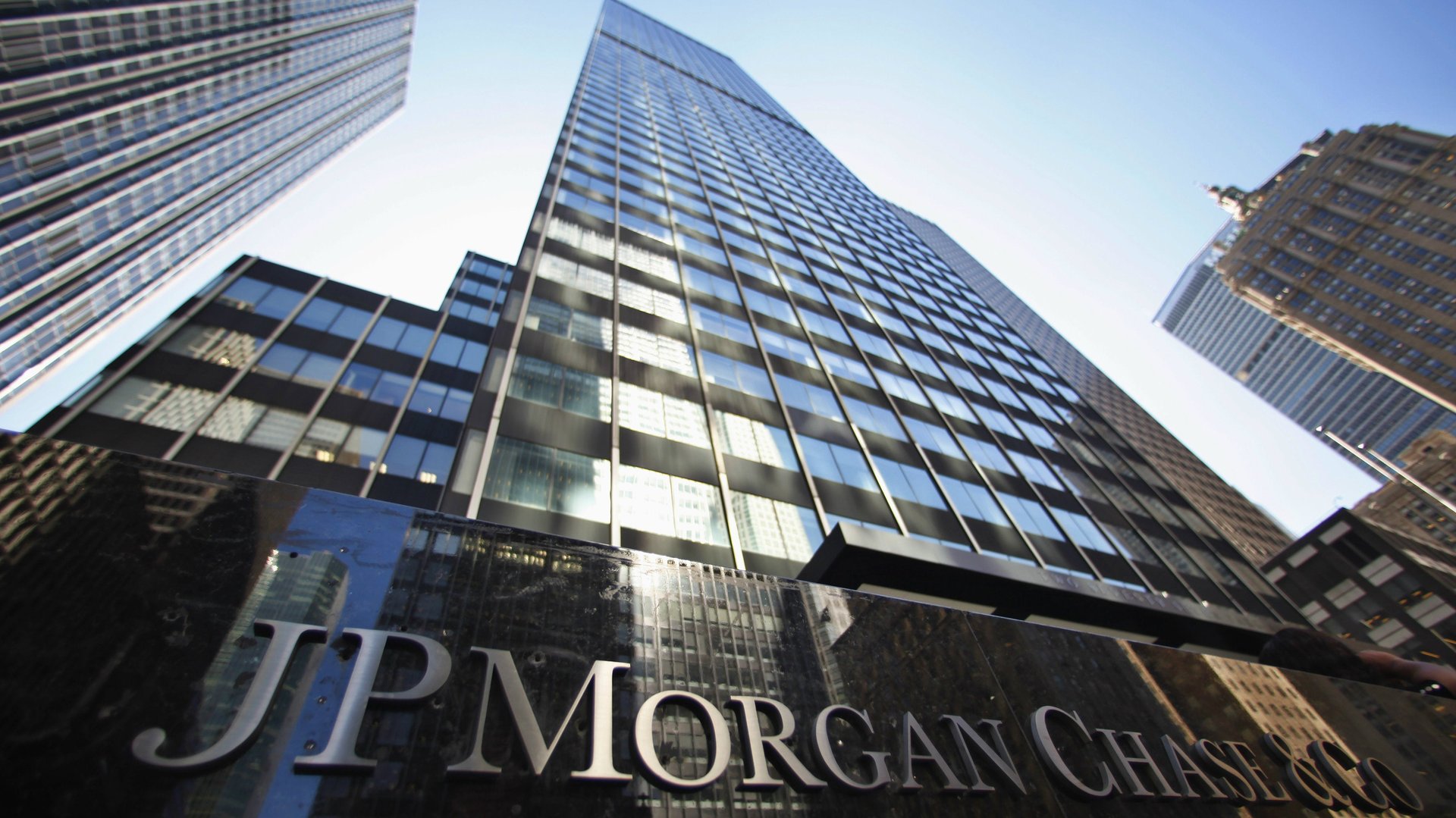
In another sign that the future of work is already here, JPMorgan Chase has signed a five-year deal with a software startup that uses artificial intelligence to write marketing copy, following a successful pilot with the technology.
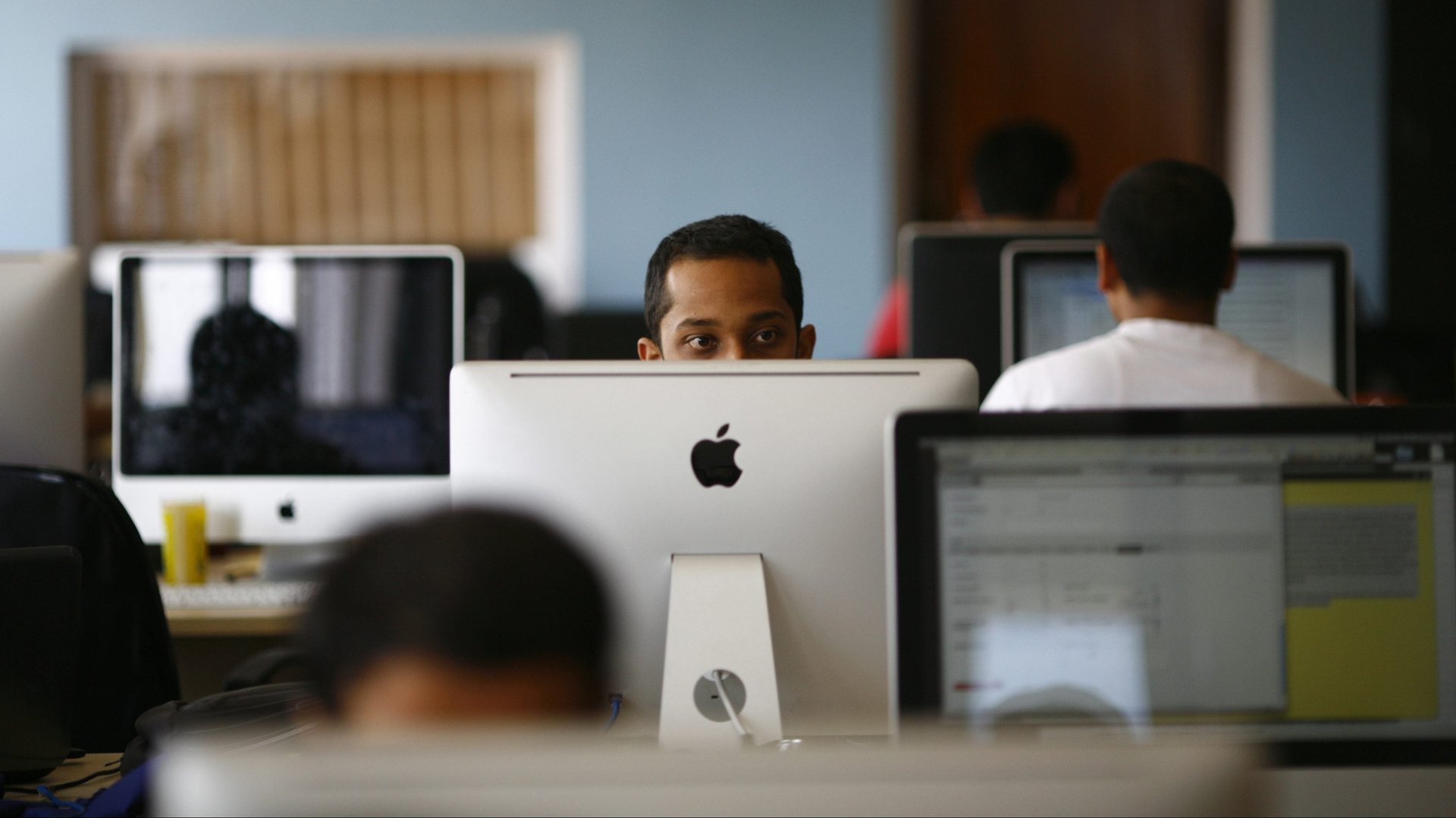
Running a presidential campaign is a lot like running a fast-growing startup.
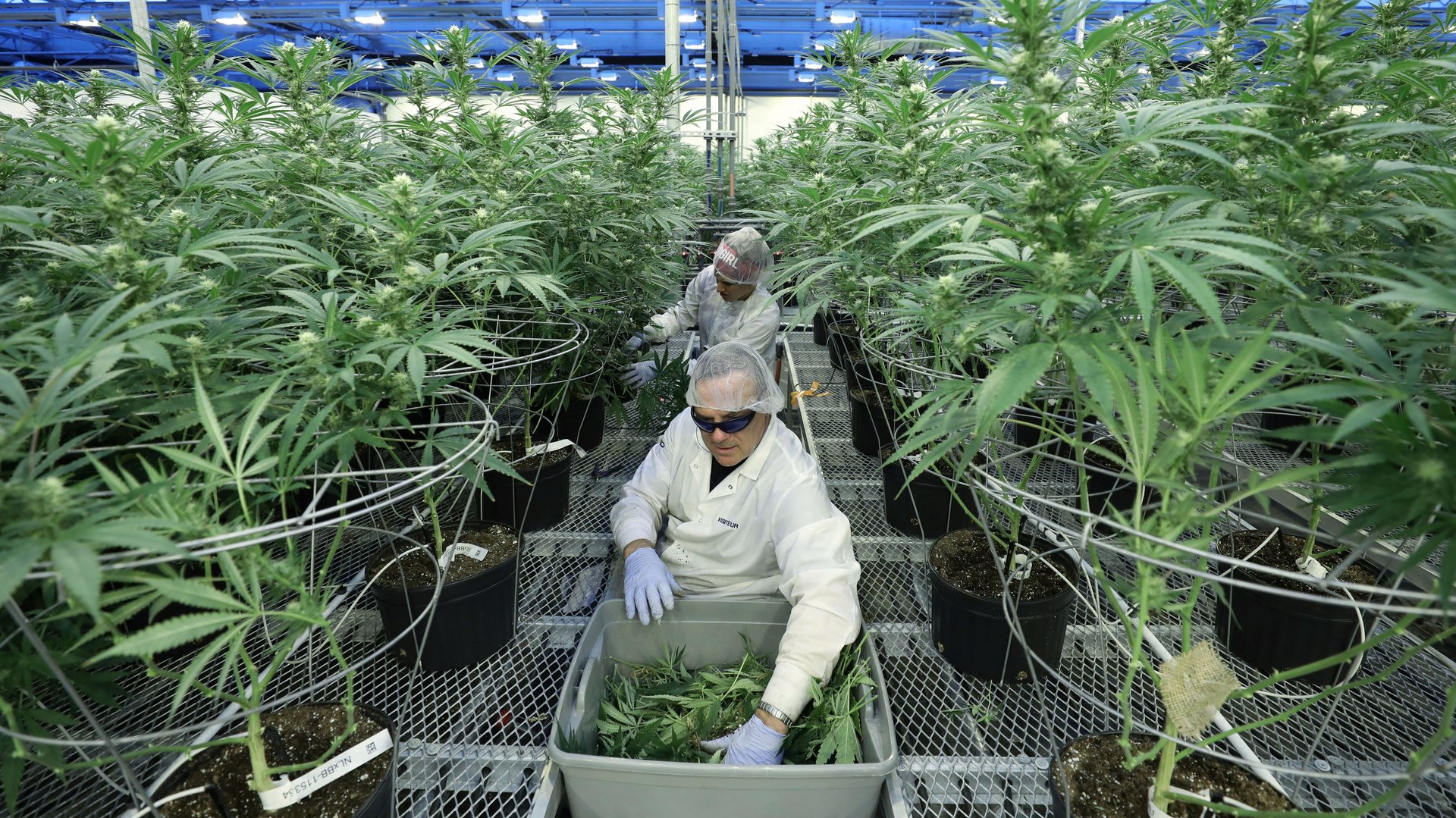
A big challenge for employers in the nearly $14 billion global market for legal marijuana is not a shortage of applicants but the shortage of qualified applicants.

Remote work is often touted for its flexibility and for helping you get more time back in your day, but what’s often not talked about is the sense of loneliness and lack of belonging it can create.
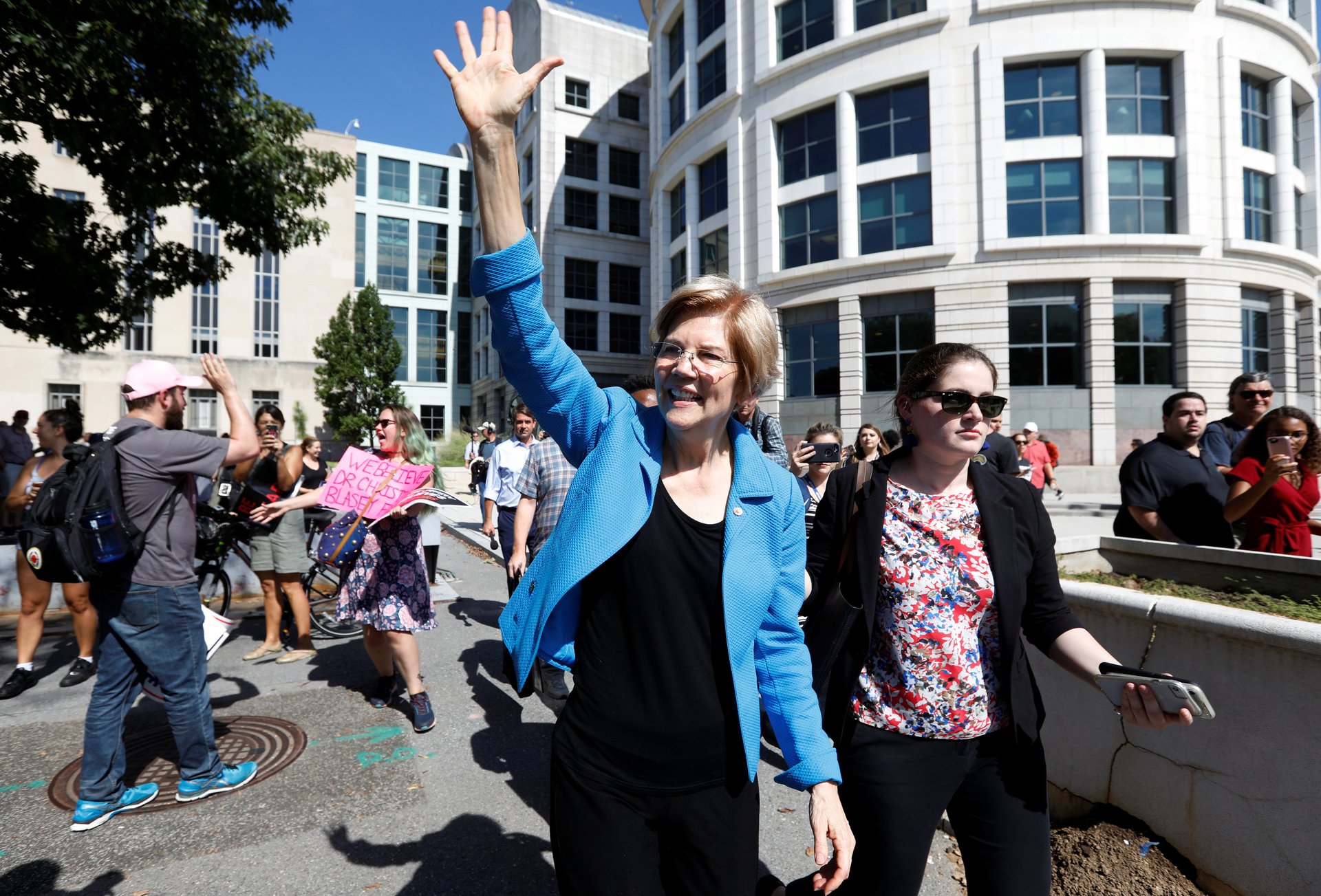
Sen. Elizabeth Warren has made fighting big technology companies a key focus of her Democratic presidential campaign, including Uber and Lyft.
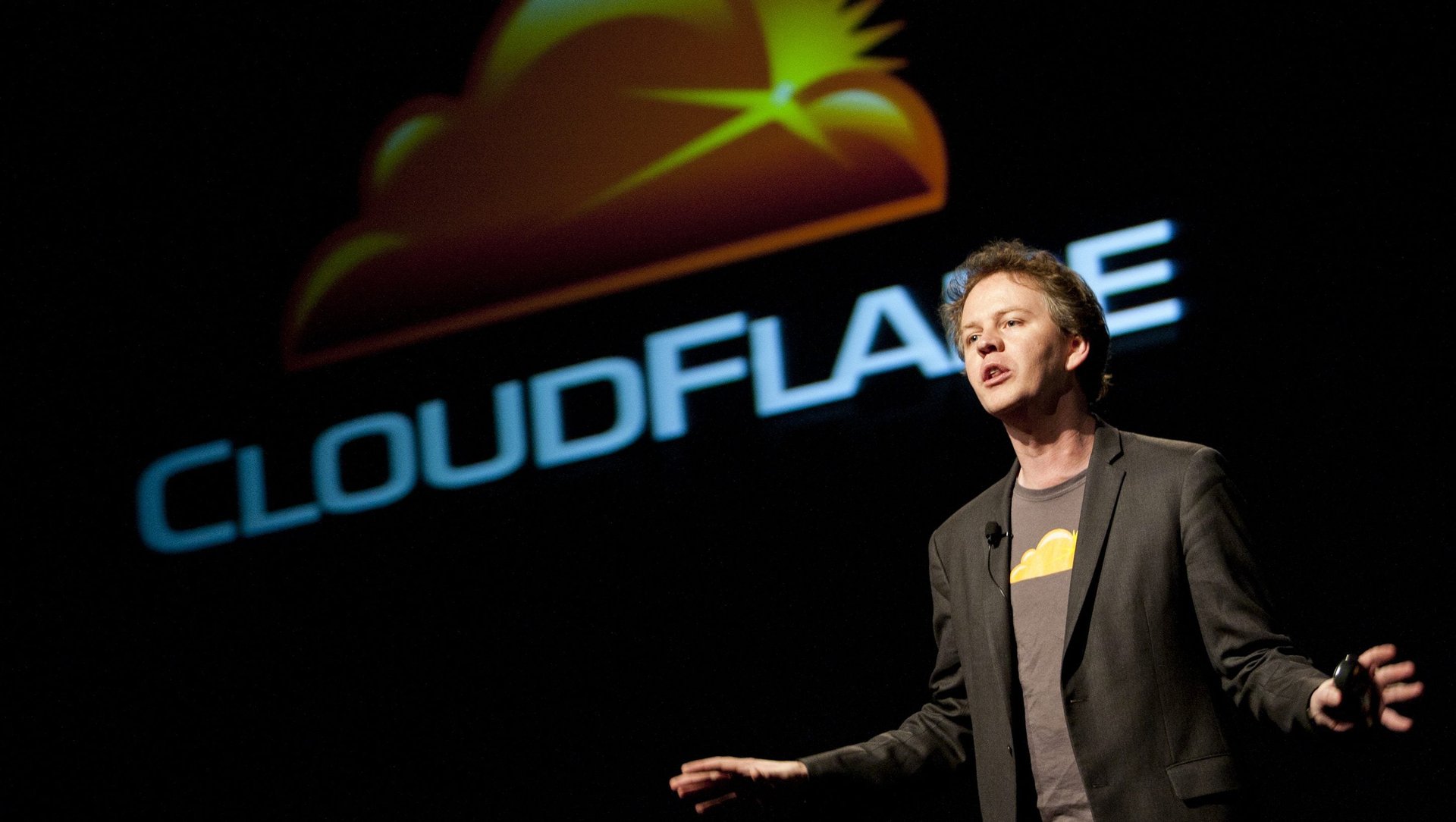
Security issues and outages frequently affect tech companies, but it’s the way that they respond that says a lot about the company.
Getting paid for gig work is a contentious issue. Recently, delivery app startups like DoorDash and Instacart have come under fire for allegedly counting tips as part of workers’ pay, while Uber drivers are demanding better pay and transparency after the company decided to pay drivers based on time and mileage rather than a percentage of every fare.
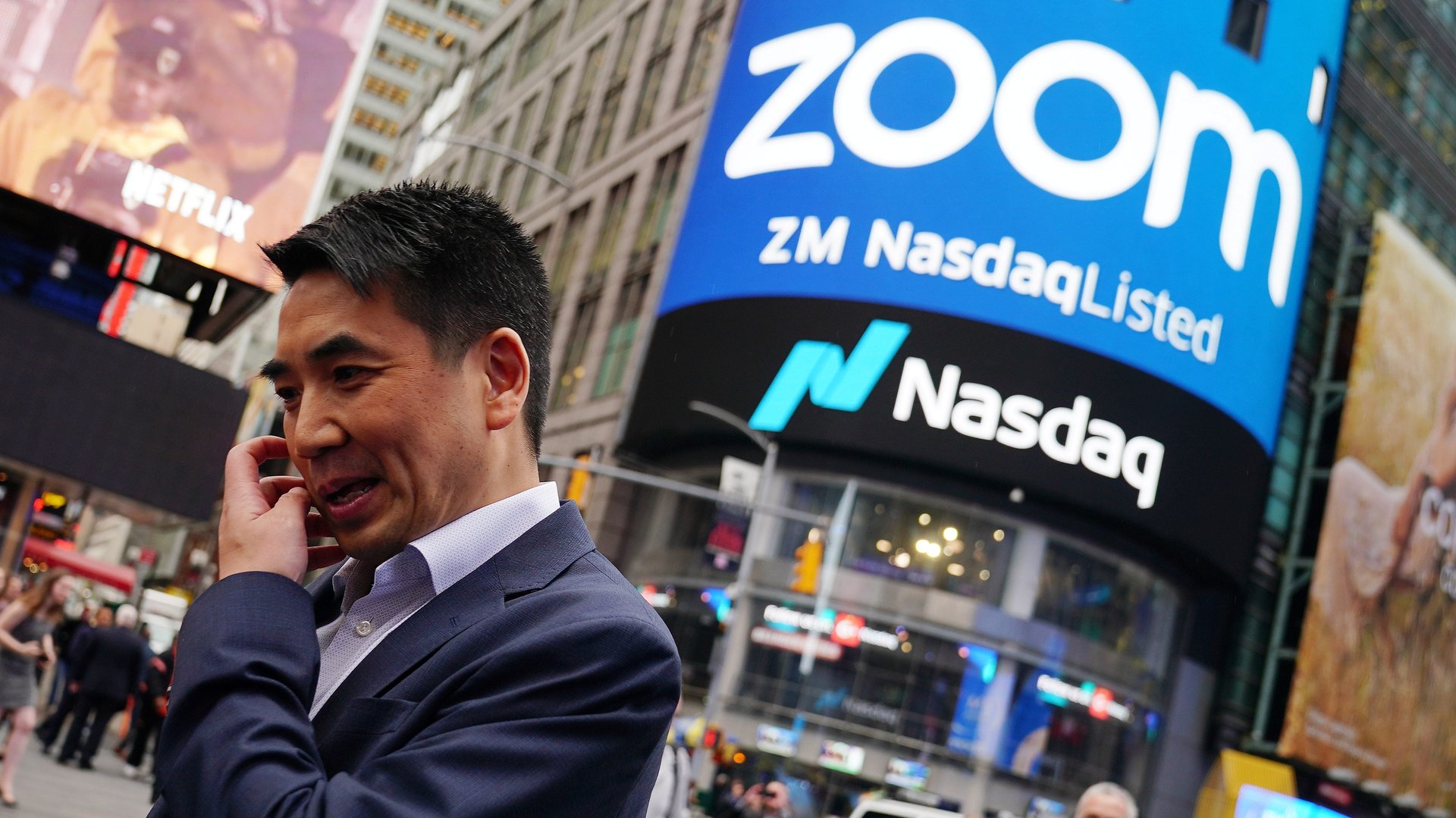
After initially brushing off security concerns raised by a software engineer who went public with his findings, Zoom Video Communications is stepping up its response. It plans to make a patch available within hours to let Mac users access Zoom’s video-calling technology without also downloading a local web server.