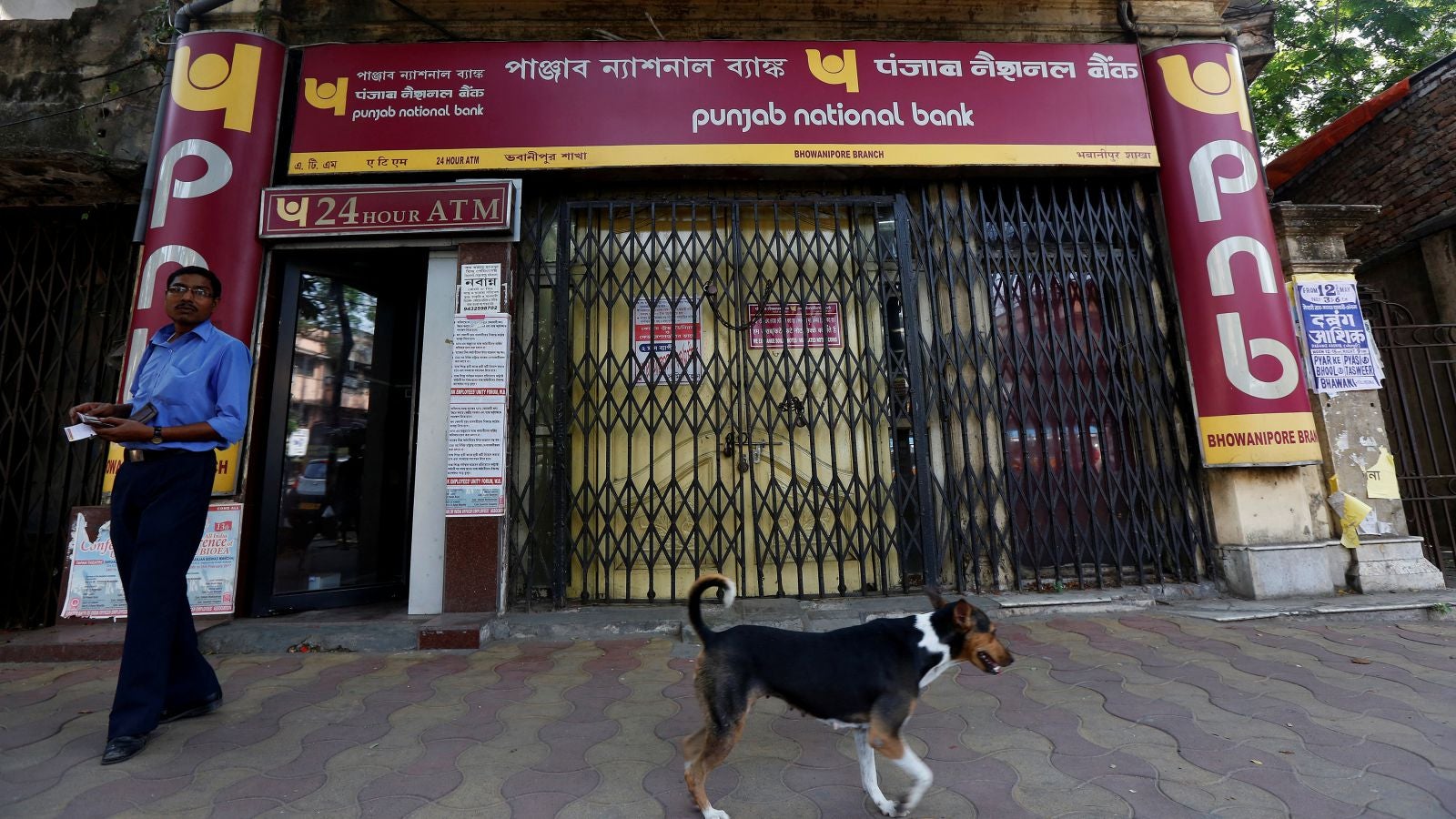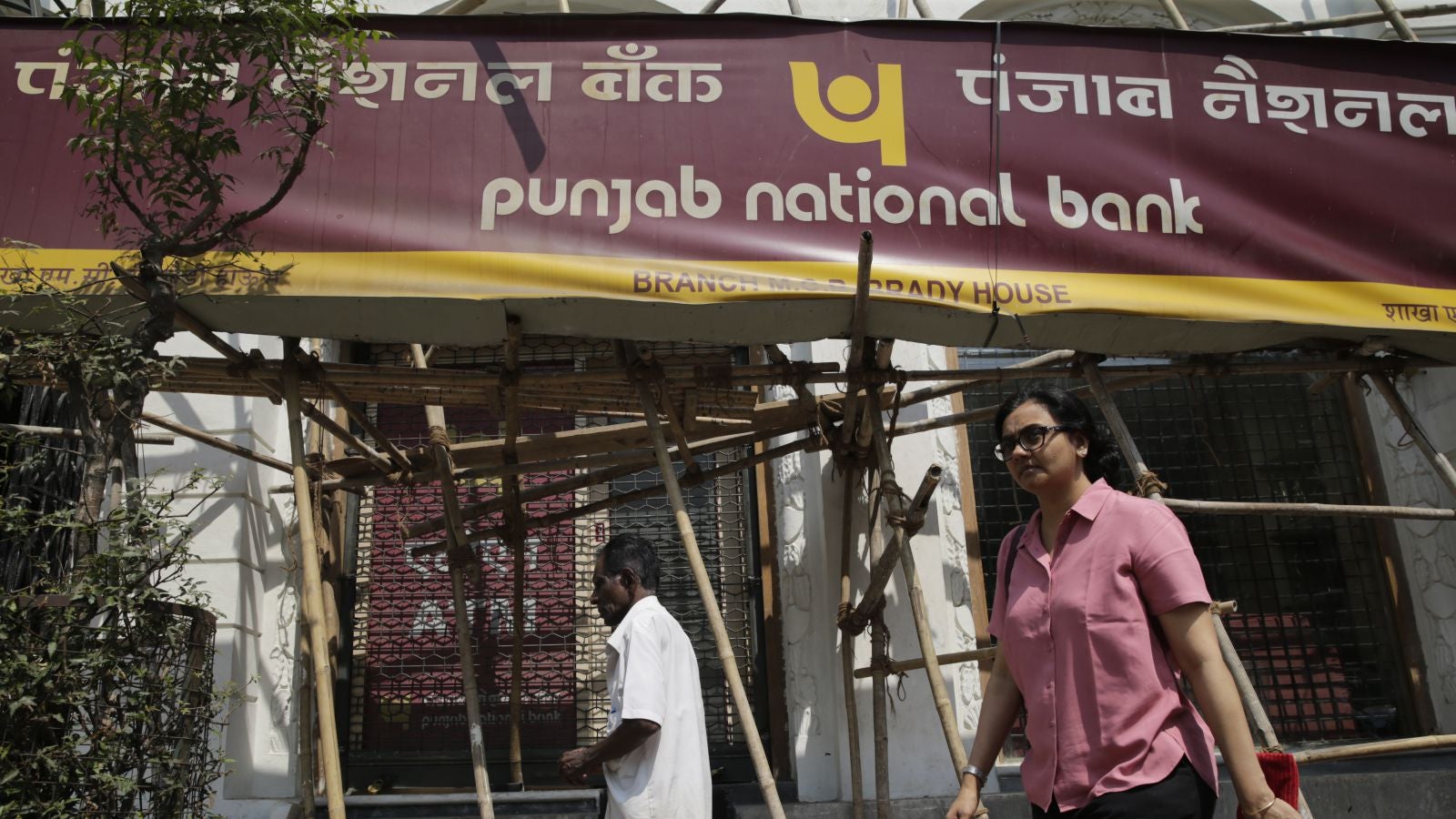
On Feb. 14, Punjab National Bank (PNB), India’s second-largest government-owned lender, sent shock waves around the country when it declared that it had been defrauded of nearly $2 billion (over Rs13,000 crore).

On Feb. 14, Punjab National Bank (PNB), India’s second-largest government-owned lender, sent shock waves around the country when it declared that it had been defrauded of nearly $2 billion (over Rs13,000 crore).

Some of India’s government-owned banks have a problem at the very top.

The fate of Indian cryptocurrency exchanges continues to be in a limbo as they await clarity from the Reserve Bank of India (RBI) and the country’s top court.

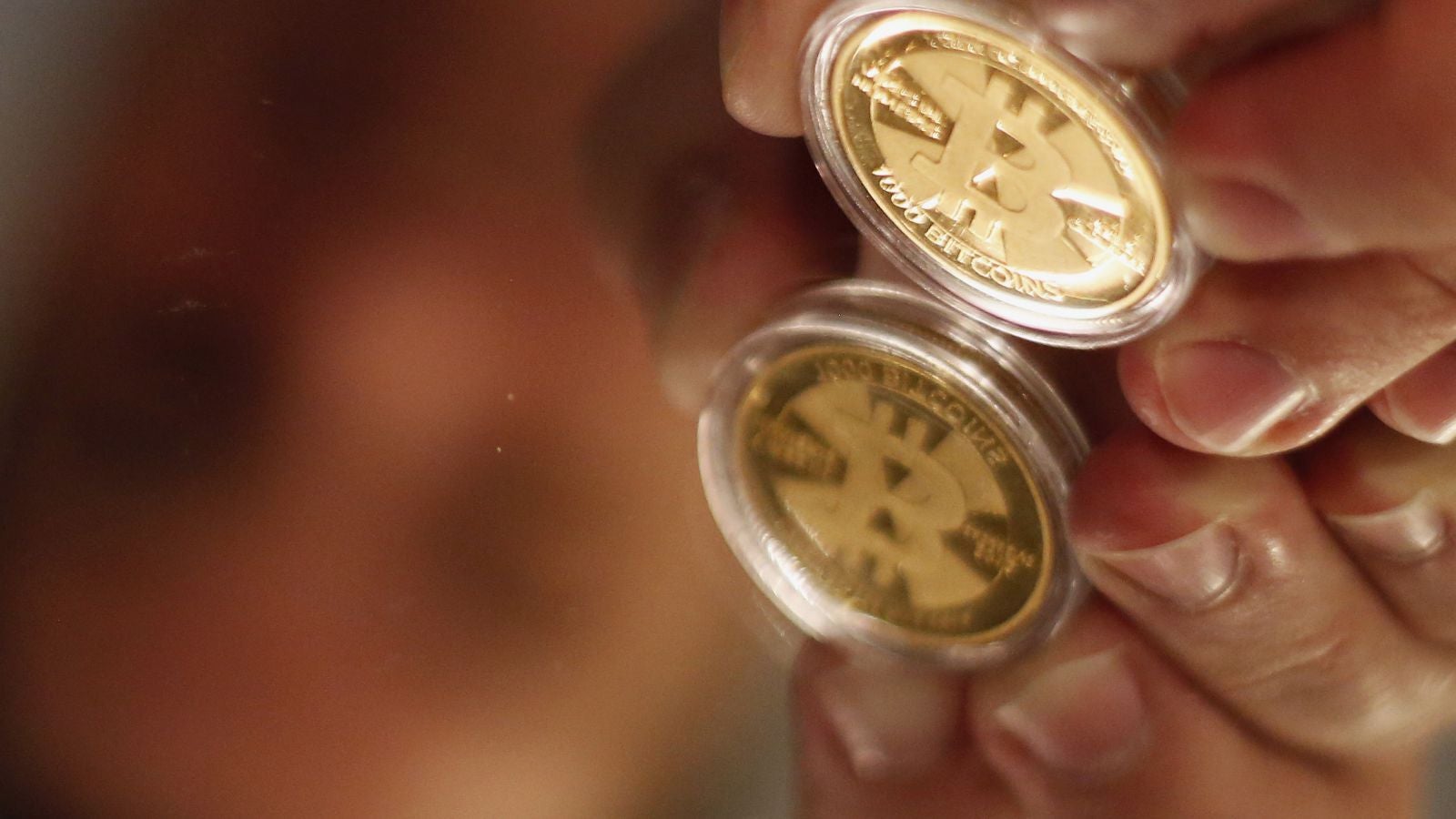
India’s central bank has virtually pulled the plug on the country’s cryptocurrency ecosystem by forbidding banks from having any business relationships with exchanges.

Three months after India’s biggest banking fraud was uncovered, the axe may finally fall on one of the country’s top bankers.

The massive clean-up of bad loans in India is turning out to be a prolonged battle for survival for the country’s banks.

Since February, Indian banks have unearthed frauds worth over $2 billion on their books. This, coupled with a staggering pile of toxic loans, has choked the country’s banking sector.

On May 09, Malaysia’s 15 million voters delivered a shock verdict, evicting incumbent prime minister Najib Razak and unseating the ruling Barisan Nasional (BN) coalition after sixty years in power.

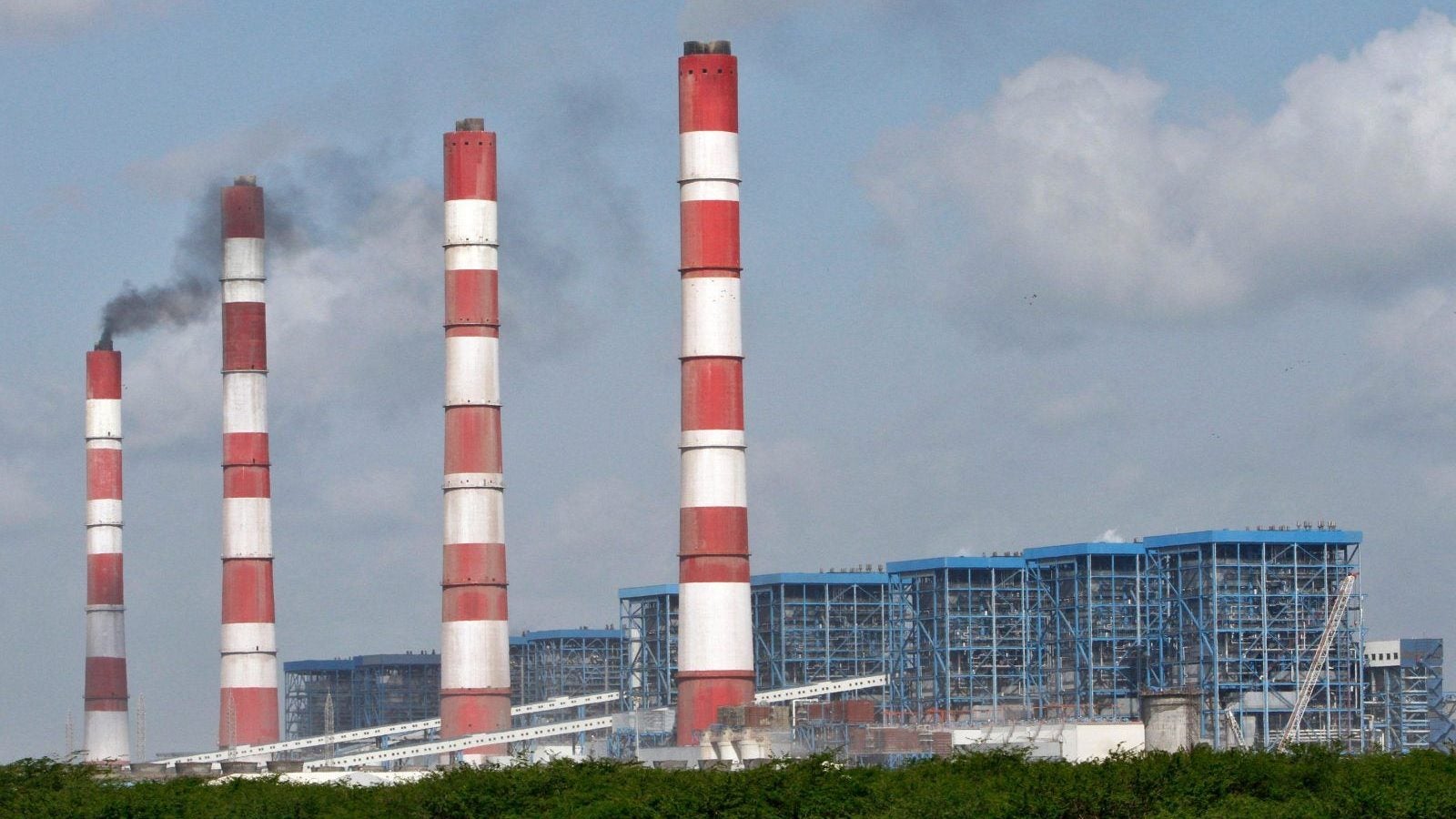
Renewable energy prices in India are crashing, leaving coal-based power plants in the country financially unviable in their wake.

Indian lenders have been battered by bad loans, frauds, corporate governance issues, and a lot more. Yet, curiously, their stock prices do not reflect any of this chaos.

The Narendra Modi government is trying hard to disprove the charges of jobless economic growth during its tenure.

Never mind the promise of achhe din (good days). Under the Narendra Modi government, Indians in the hinterland have seen a significant decline in their incomes.

Venezuela, the world’s second-largest crude oil producer, is learnt to have offered a 30% discount on India’s petroleum imports from there—but only if payments are made using the cryptocurrency backed by that country’s government.

Last week, Aditya Ghosh decided to quit Indigo, India’s largest airline, after heading it for a decade.

Another institution has now been dragged into the Indian banking sector’s cesspool.

As ATMs run dry in India, the Narendra Modi government and the payments industry have learnt an important lesson: cash isn’t going anywhere.

The Punjab National Bank (PNB), which in February 2018 reported the biggest fraud in Indian banking history, is now seeking private detectives to help trace defaulting borrowers and their assets.

The United Kingdom has begun looking for a replacement for Mark Carney, the head of the Bank of England (BoE). A former chief of the Bank of Canada, too, the Canadian national’s term ends in June 2019.

Half of India’s bank accounts are, in fact, rarely used.

India’s overseas population is back to sending home huge sums of money—even more than what the World Bank expected.

India’s complicated relationship with virtual currencies and firms dealing with them has now reached the courts.

Bank employees in India are tired of getting the stick for government’s and central bank’s inefficiency.

The Reserve Bank of India (RBI) has had enough. Despite lenders’ protestations, the banking regulator believes a complete overhaul in the reporting and resolution structure of bad loans is the need of the hour. So, a reversal of the new, tighter norms it issued in February is unlikely.

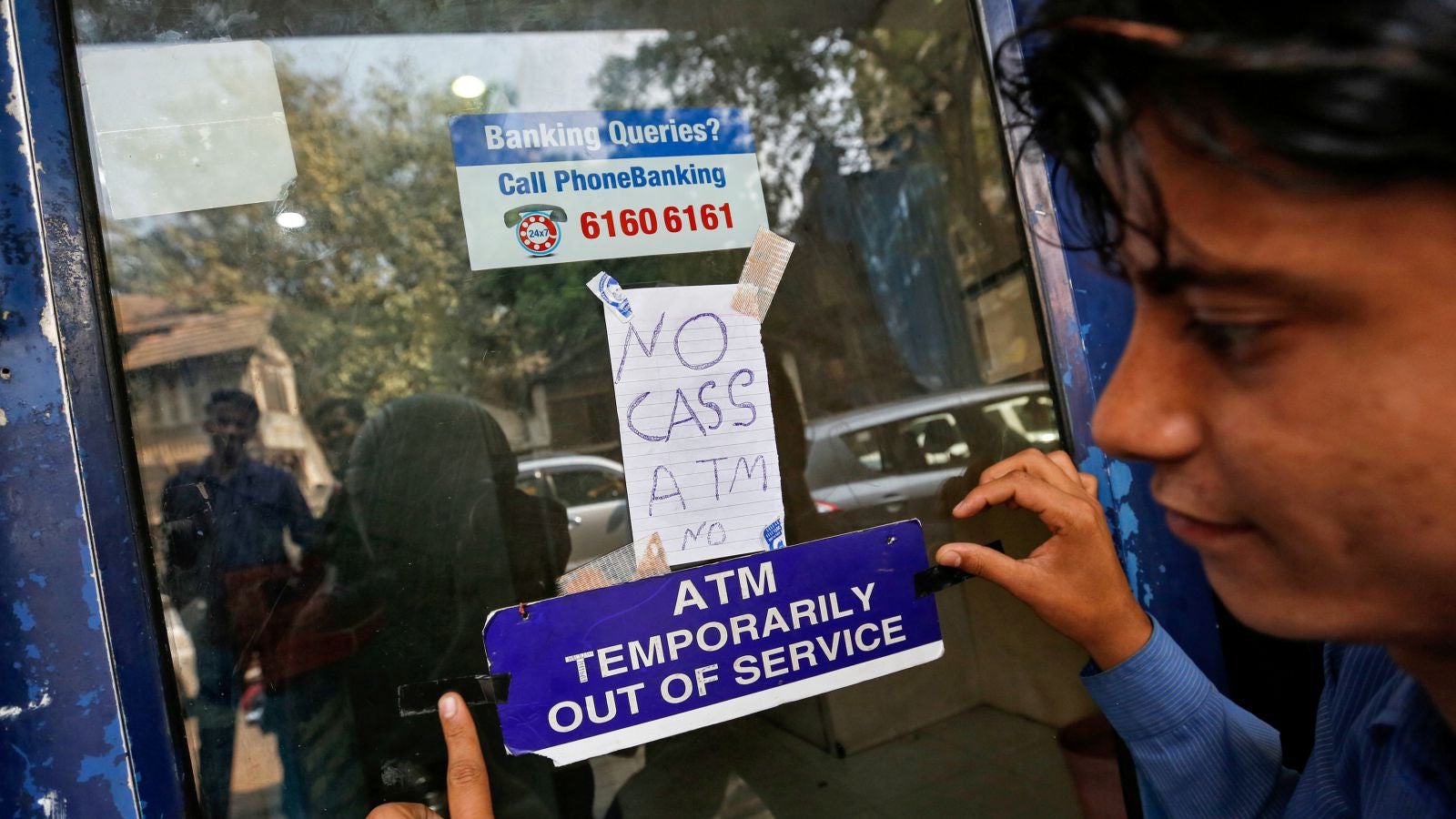
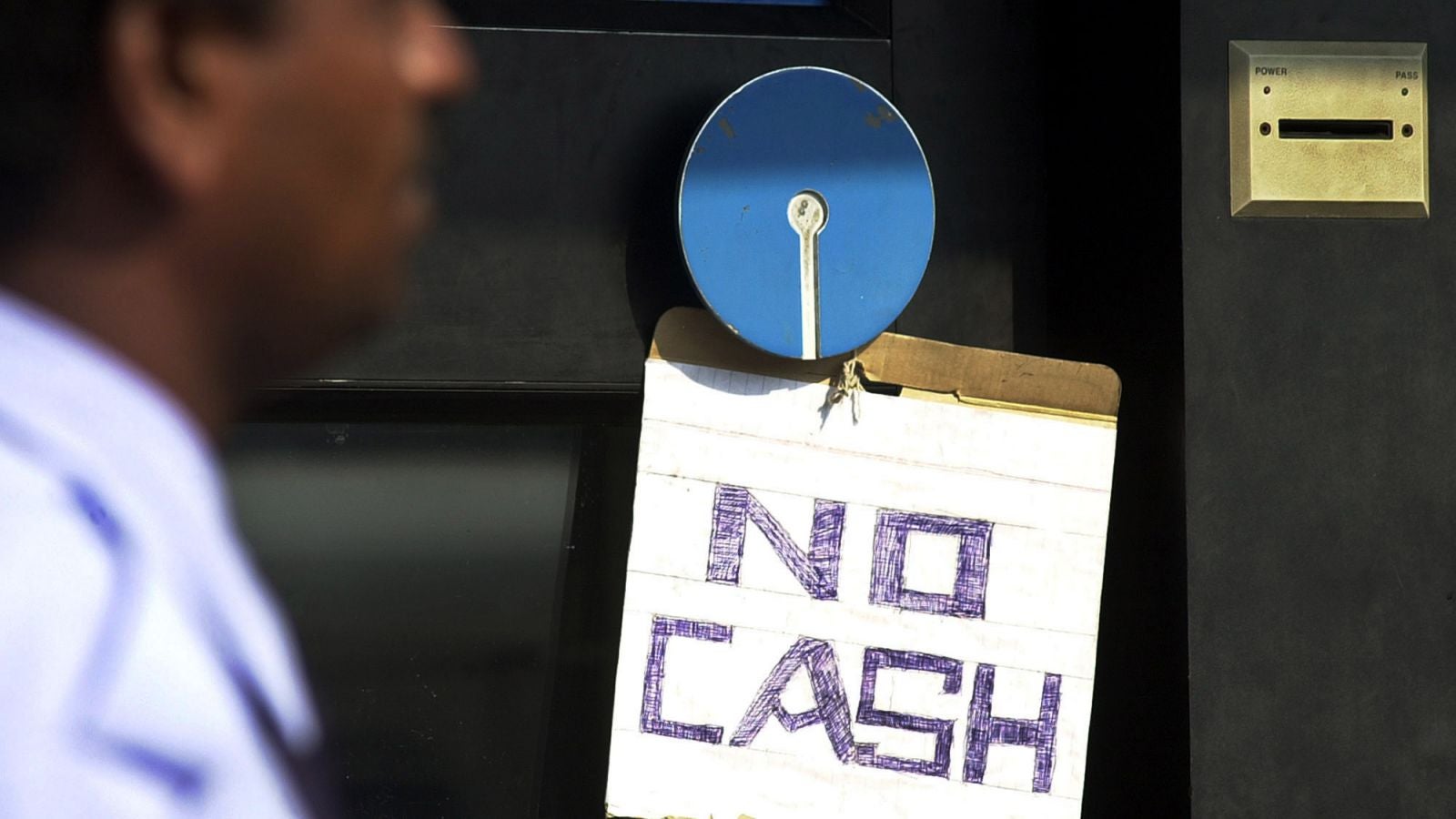
For weeks now, ATMs across India have been displaying the “no cash” sign. The situation came to a head in the past few days, setting off a panic wave.