
Money & Markets
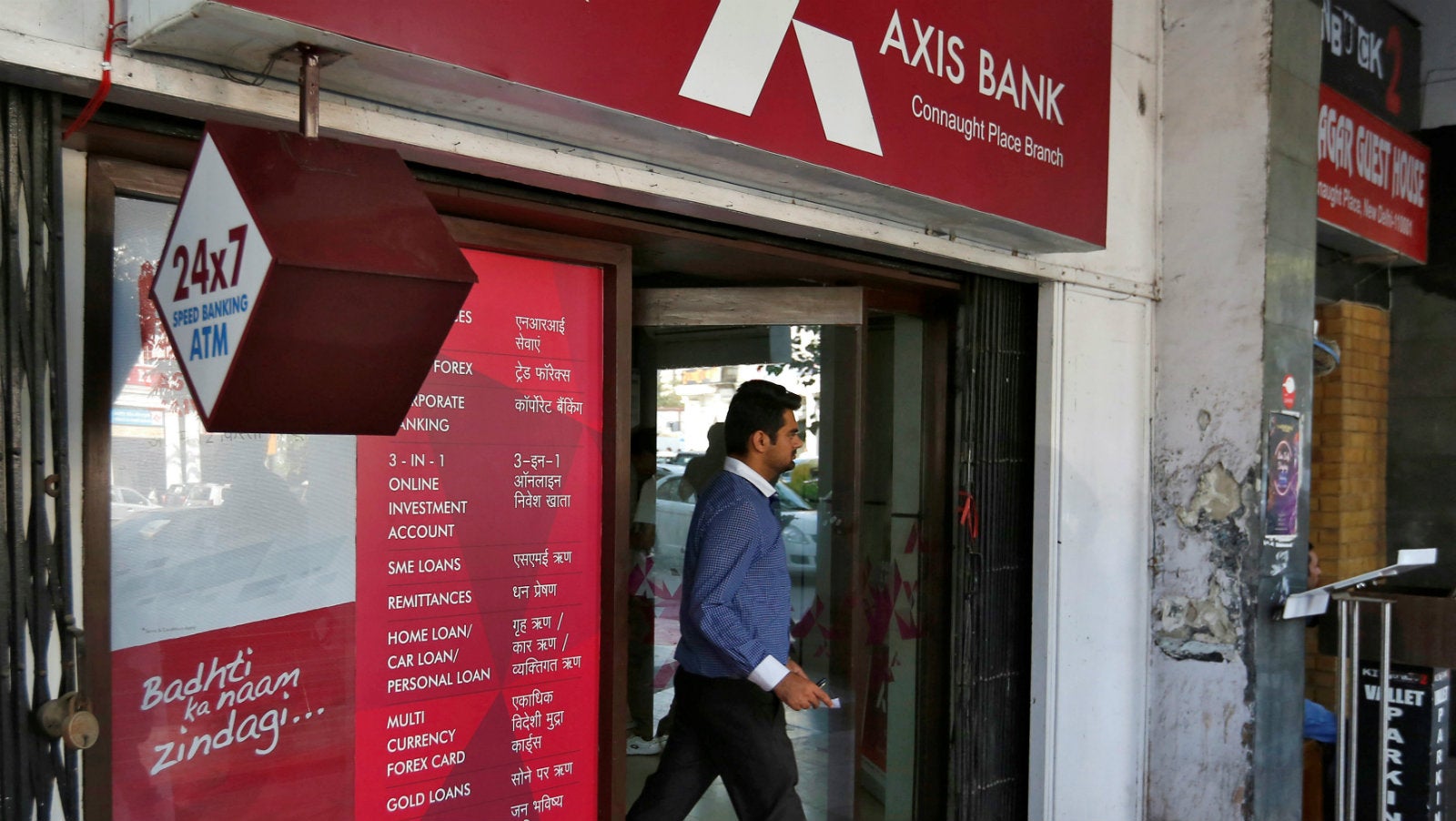
It’s too early to write an obituary for bank branches and ATMs in India: Axis BankThe death of physical banks in India over the next five or six years is something that was predicted by many experts.
Updated July 20, 20223 min read
The death of physical banks in India over the next five or six years is something that was predicted by many experts.
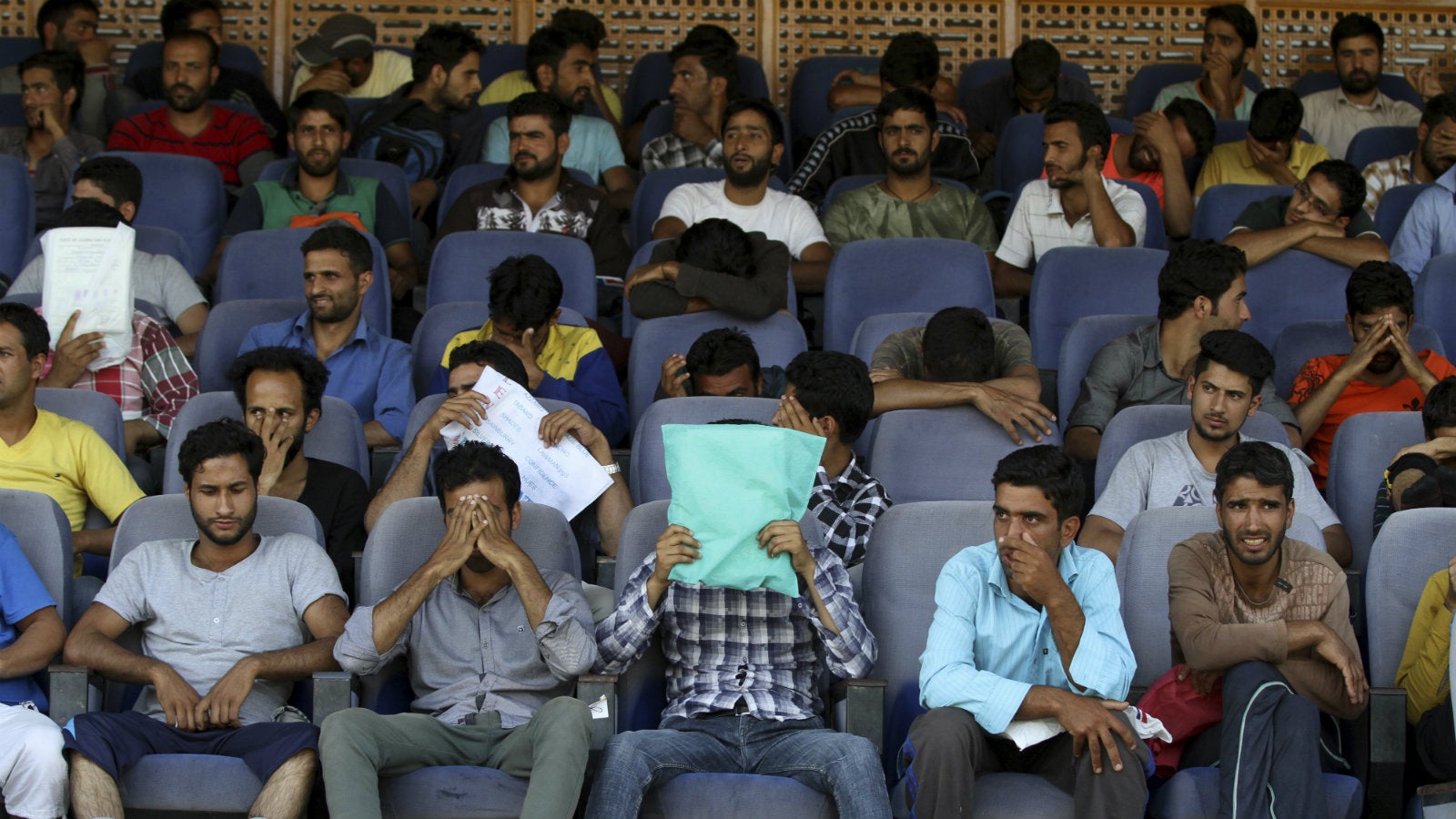
Unemployed young people in India are not looking for jobs.

After a rough start to the year, India’s private equity (PE) space looks red hot again.
The goods and service tax (GST) introduced this year and the currency ban last year have taken the steam out of India’s growth story, at least for now.
Sometime in August 2016, Navjyoti Nath, a Bengaluru-based IT professional, had his mind set on a silver Hyundai car. He had saved Rs6 lakh ($9,424) for this, but fell short of some Rs75,000 needed for accessories like a music system and seat covers.
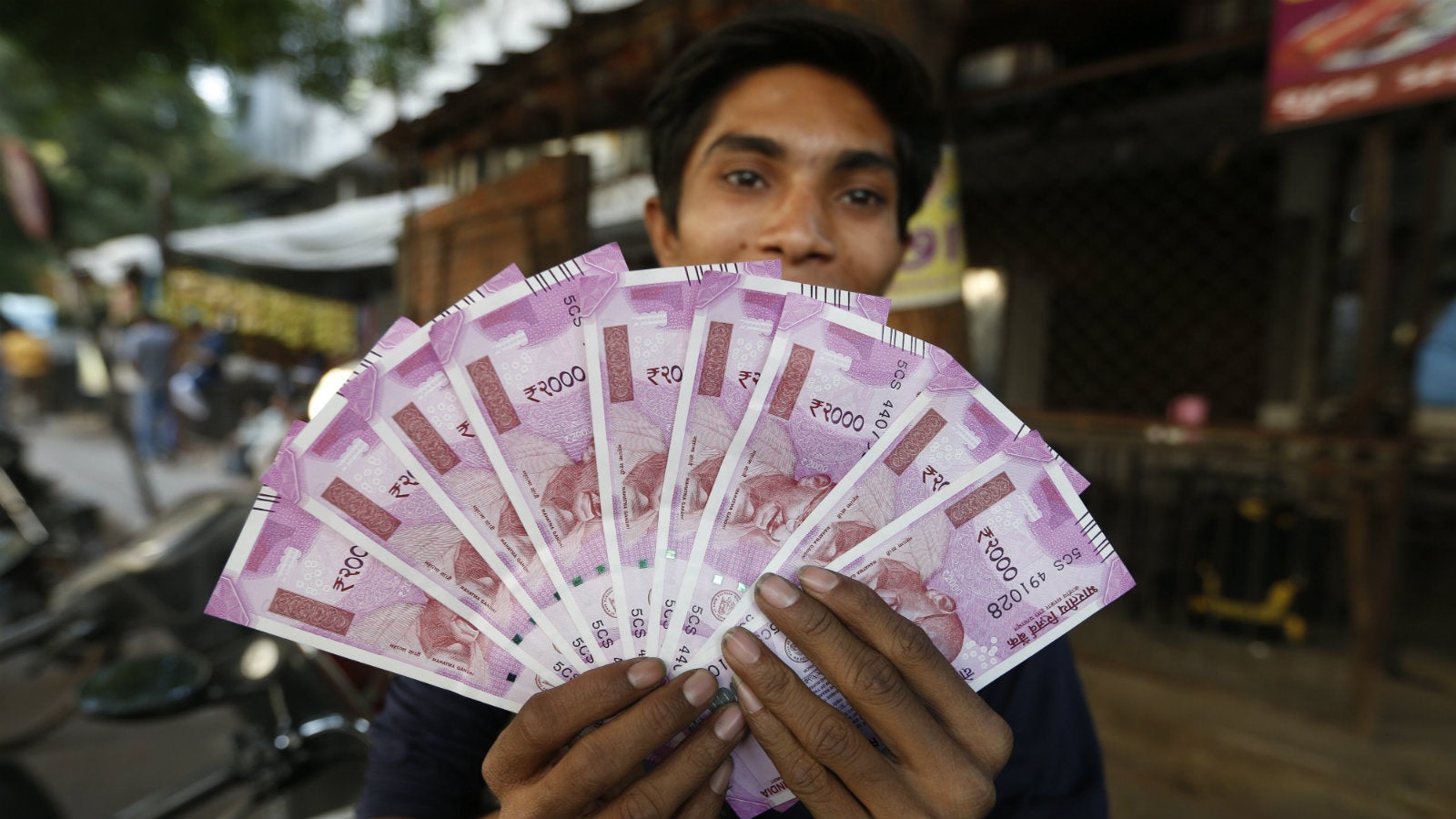
The Indian rupee has been on a roll this year as one of Asia’s-best-performing currencies.

At first, traditional banks ignored the new-age financial tech companies. Then they dissed them. And now they are joining them.
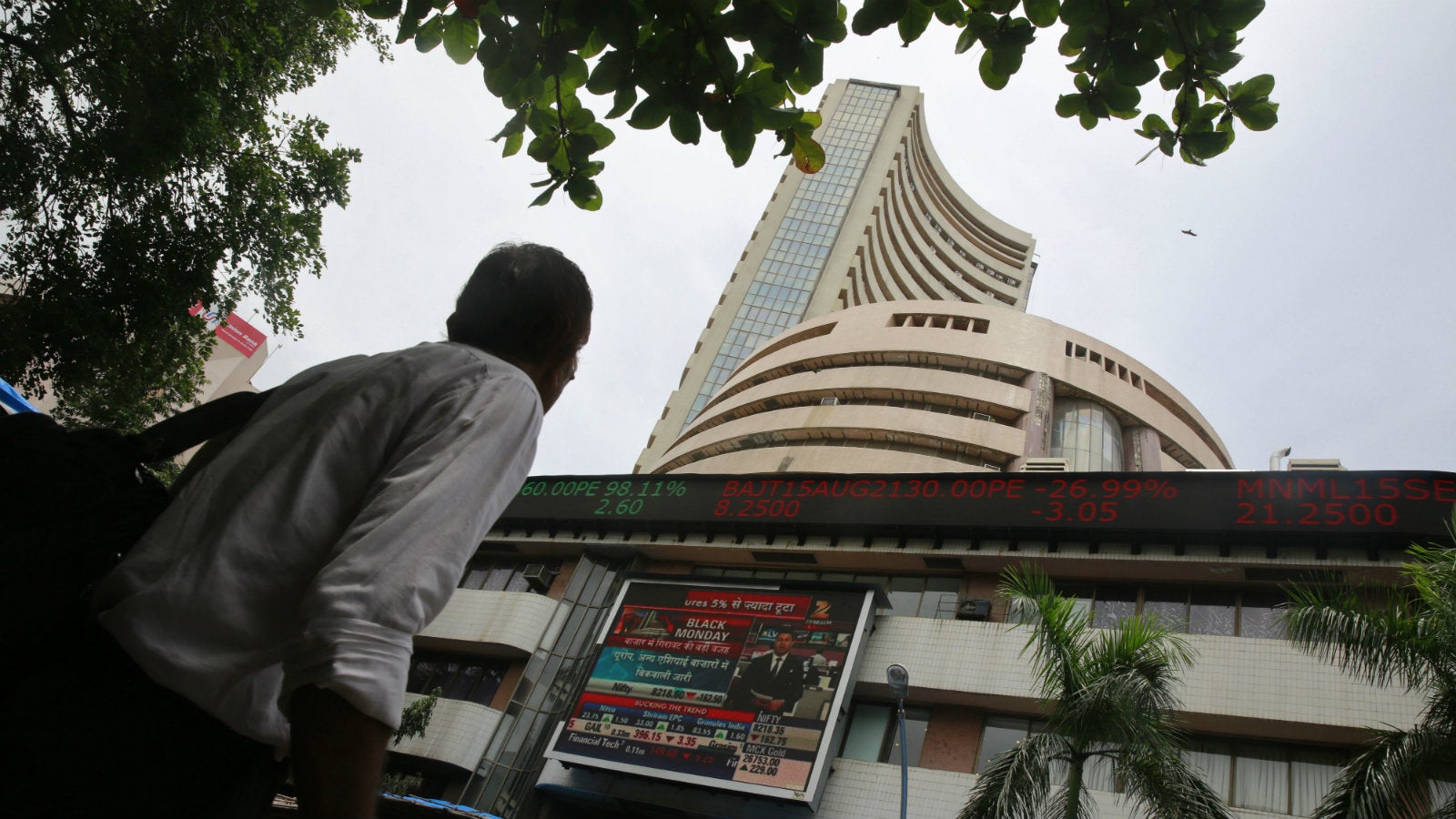
The 200-year-old Indian insurance industry is coming of age, finally, as a clutch of firms prepares to list on the country’s bourses.
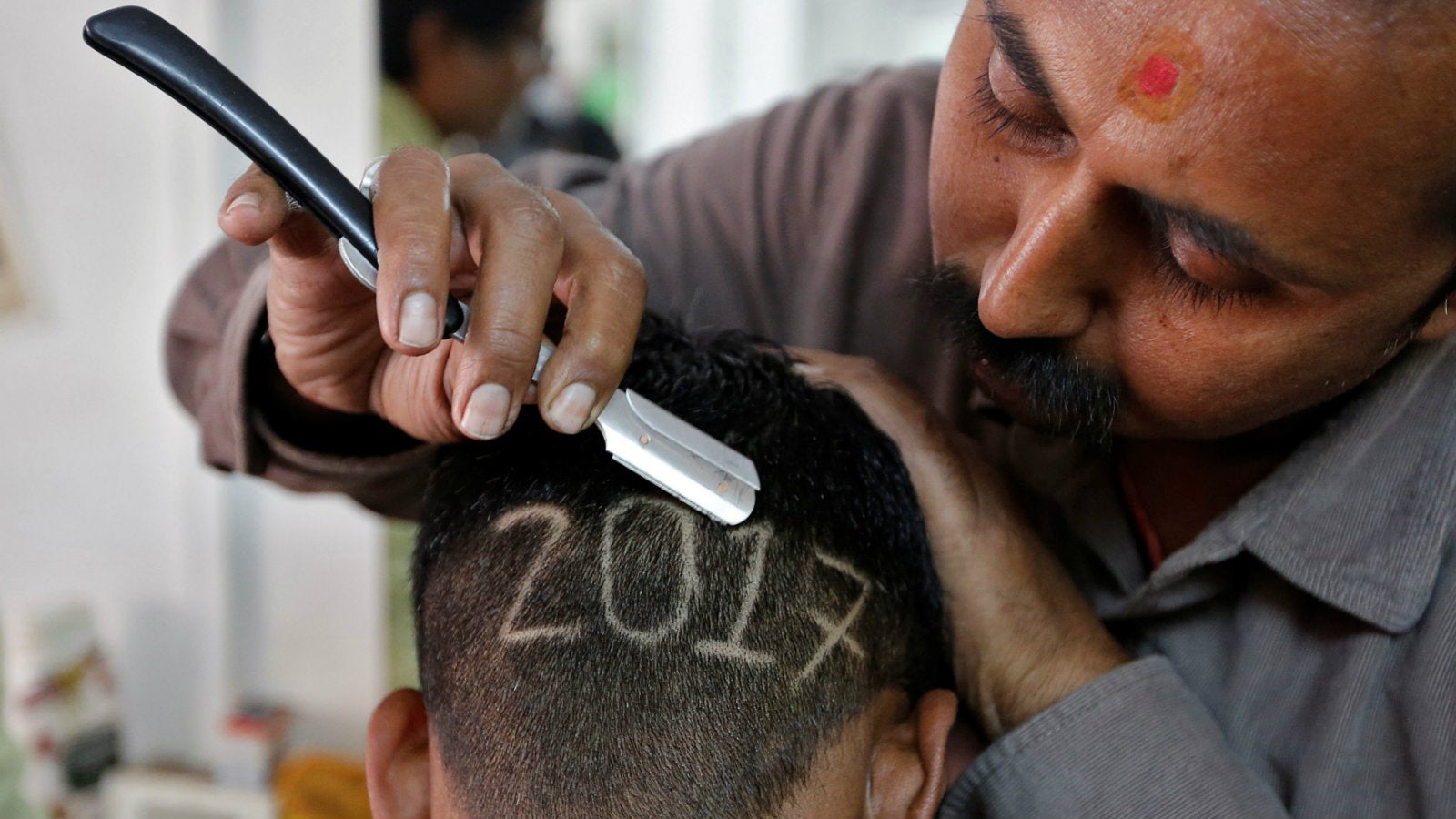
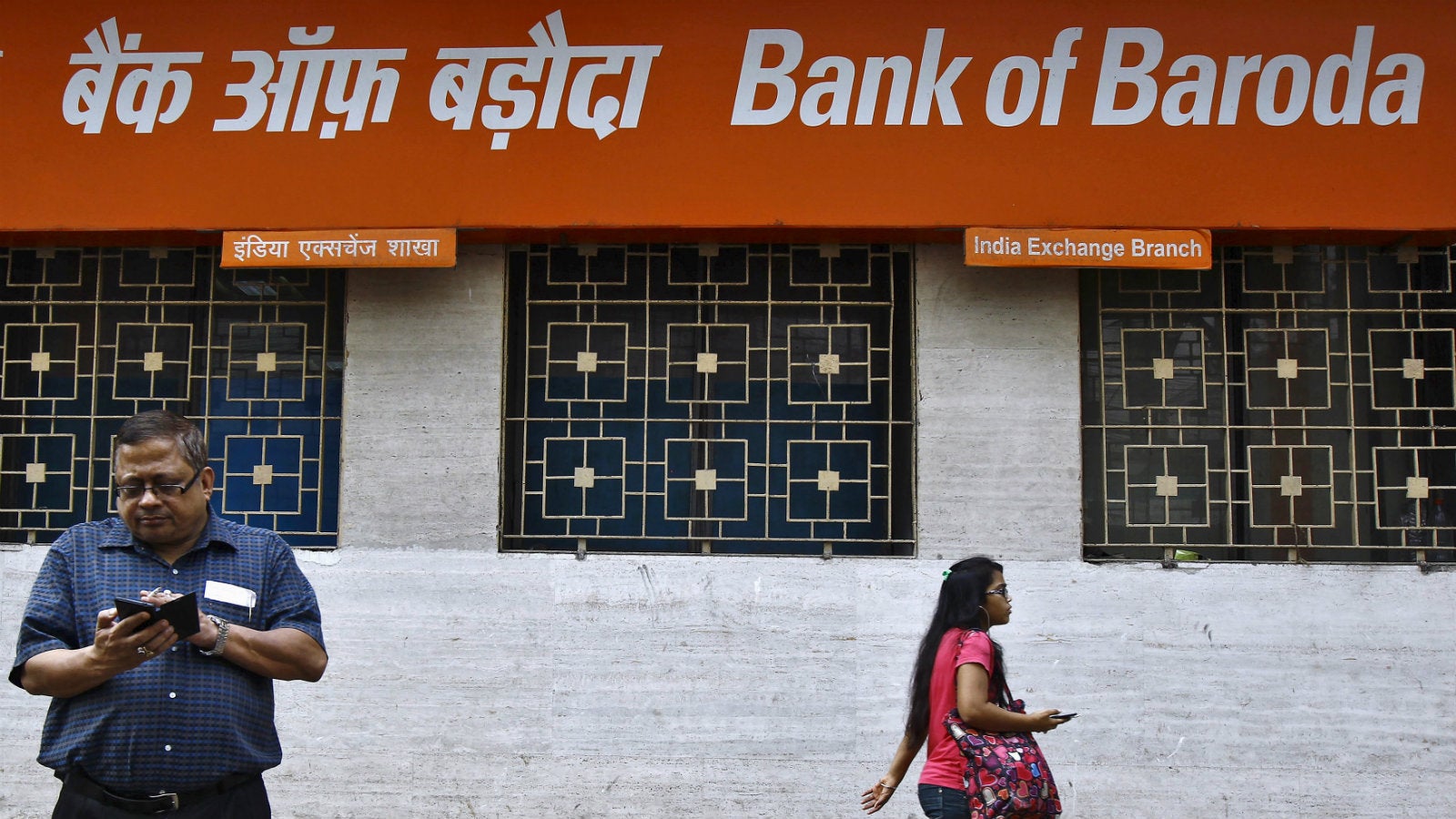
Indian banks are going to have to take a big hit if they want to salvage some of their bad loans.
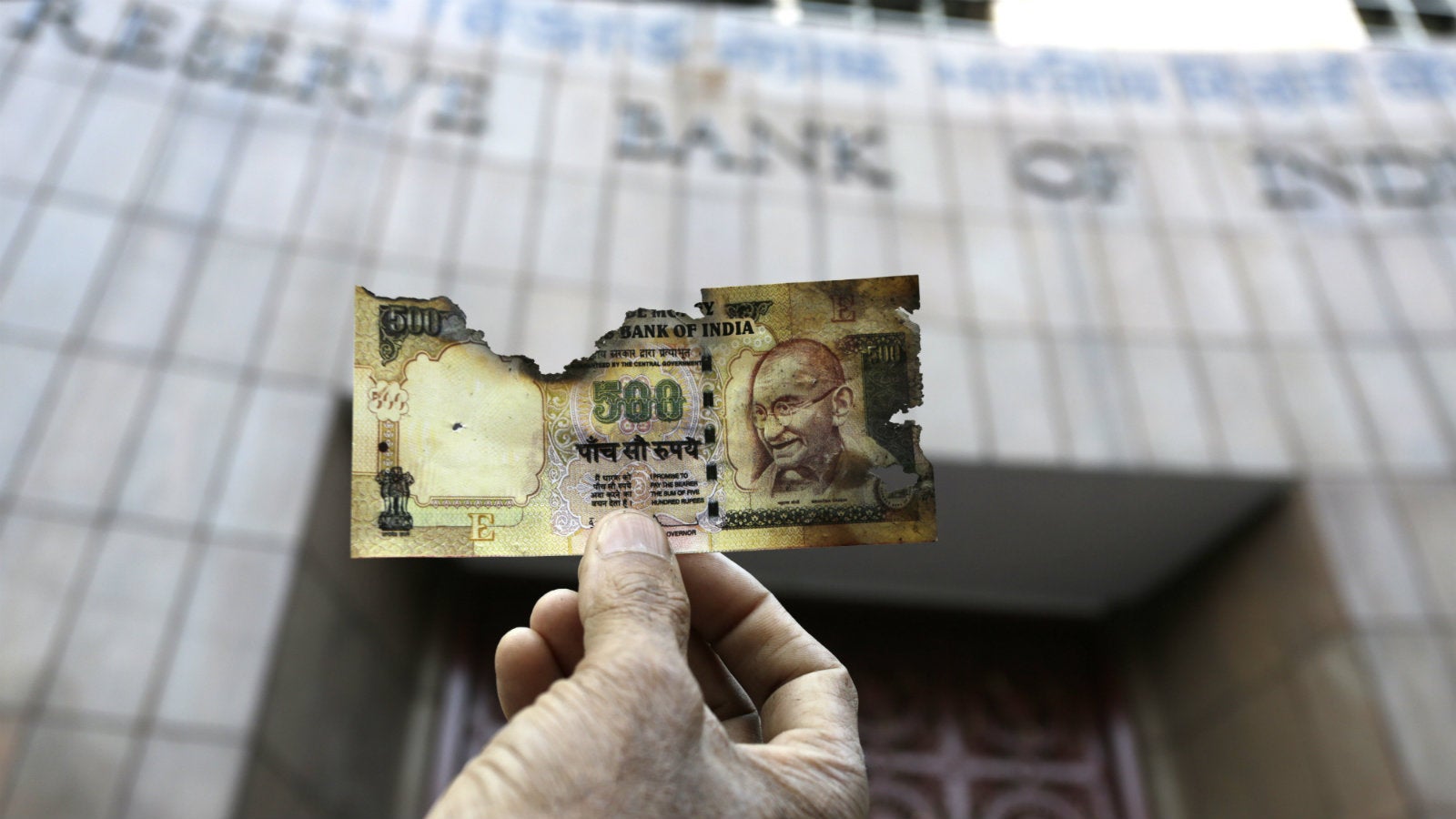
In the aftermath of the government of India’s disruptive move to demonetise two high-value currency notes late last year, the Reserve Bank of India (RBI) has come under fire.
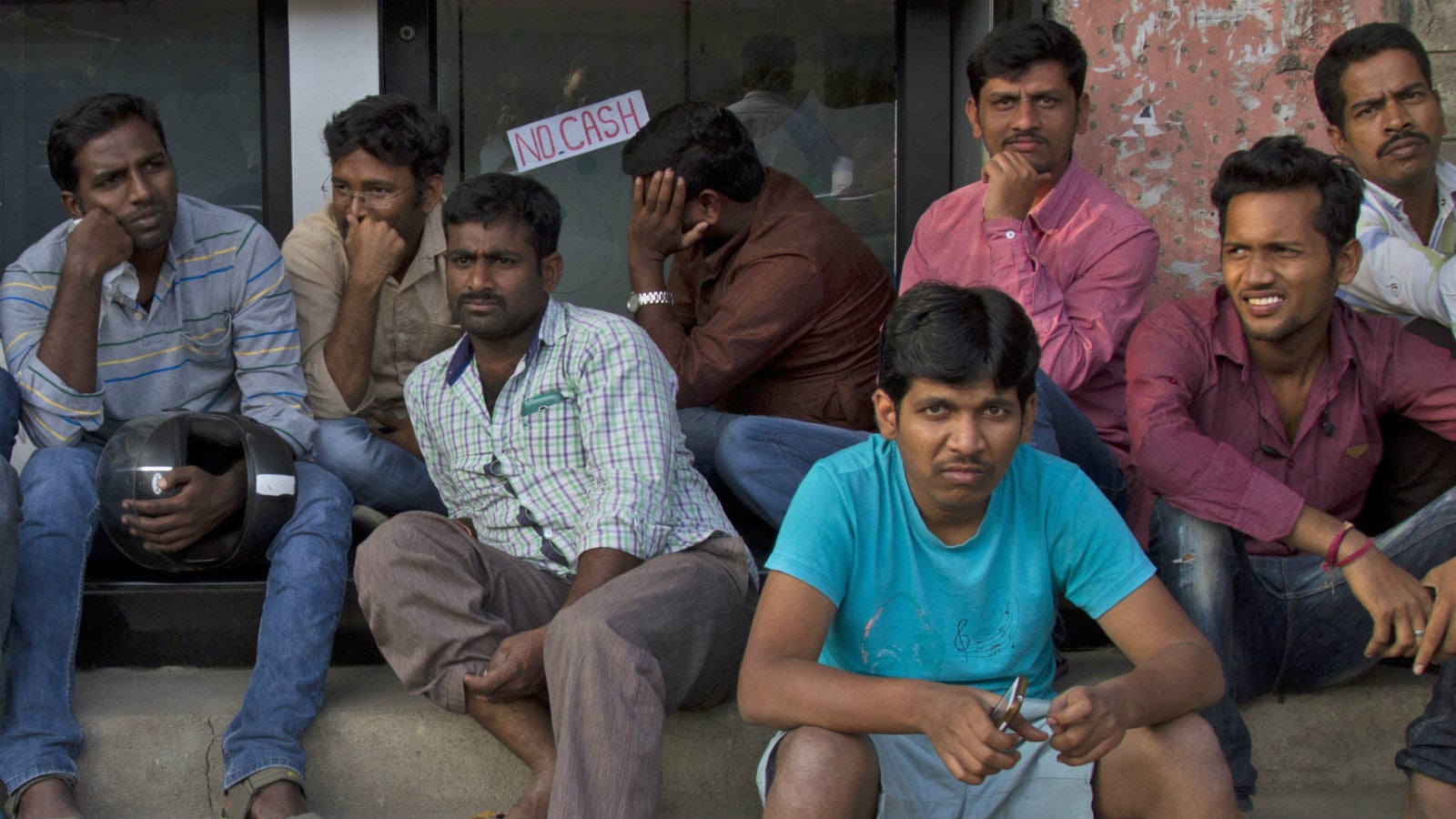
The historic note ban in 2016 took its toll on jobs in India, says a report.
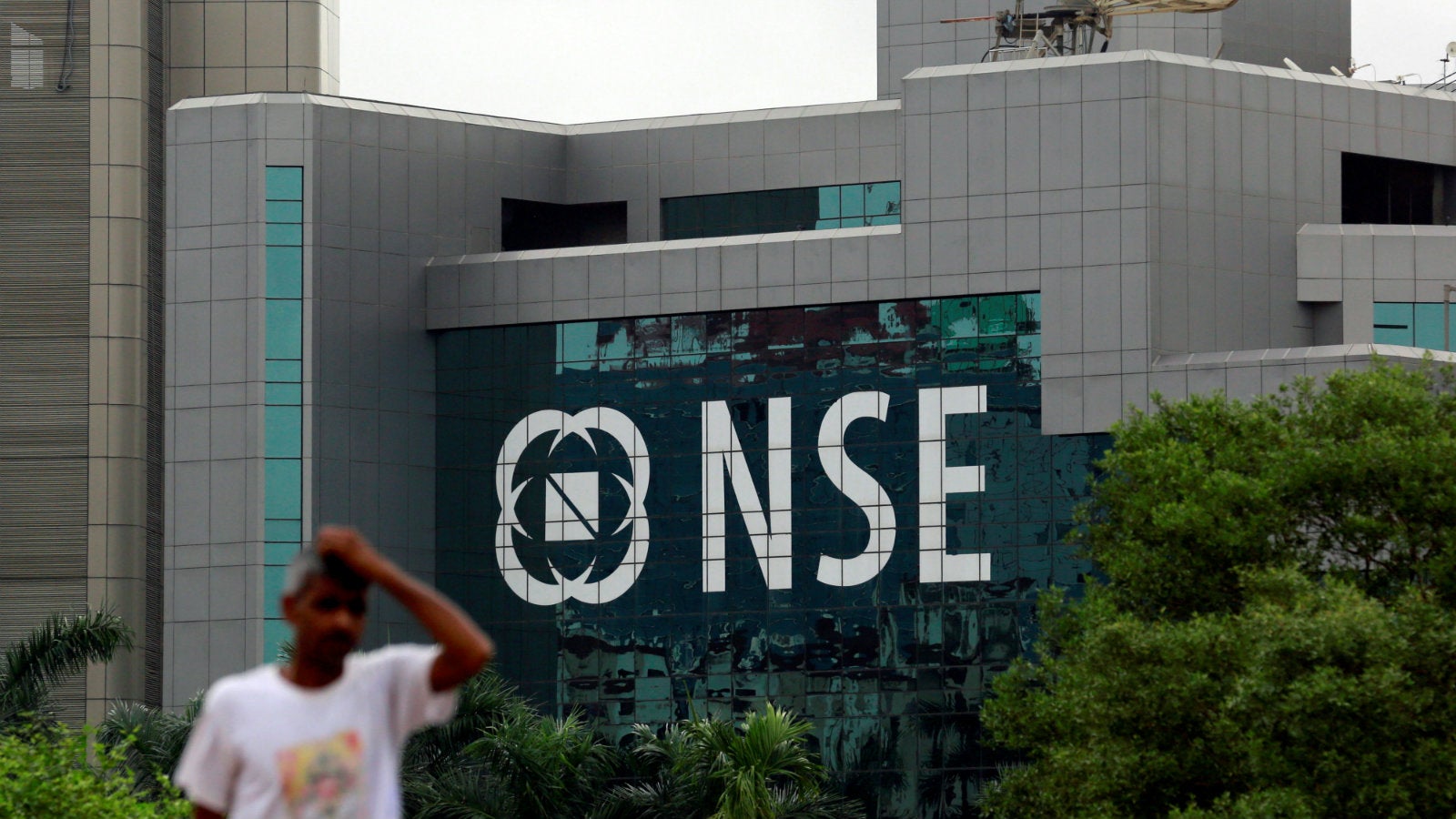
At India’s largest bourse, crises are becoming par for course.
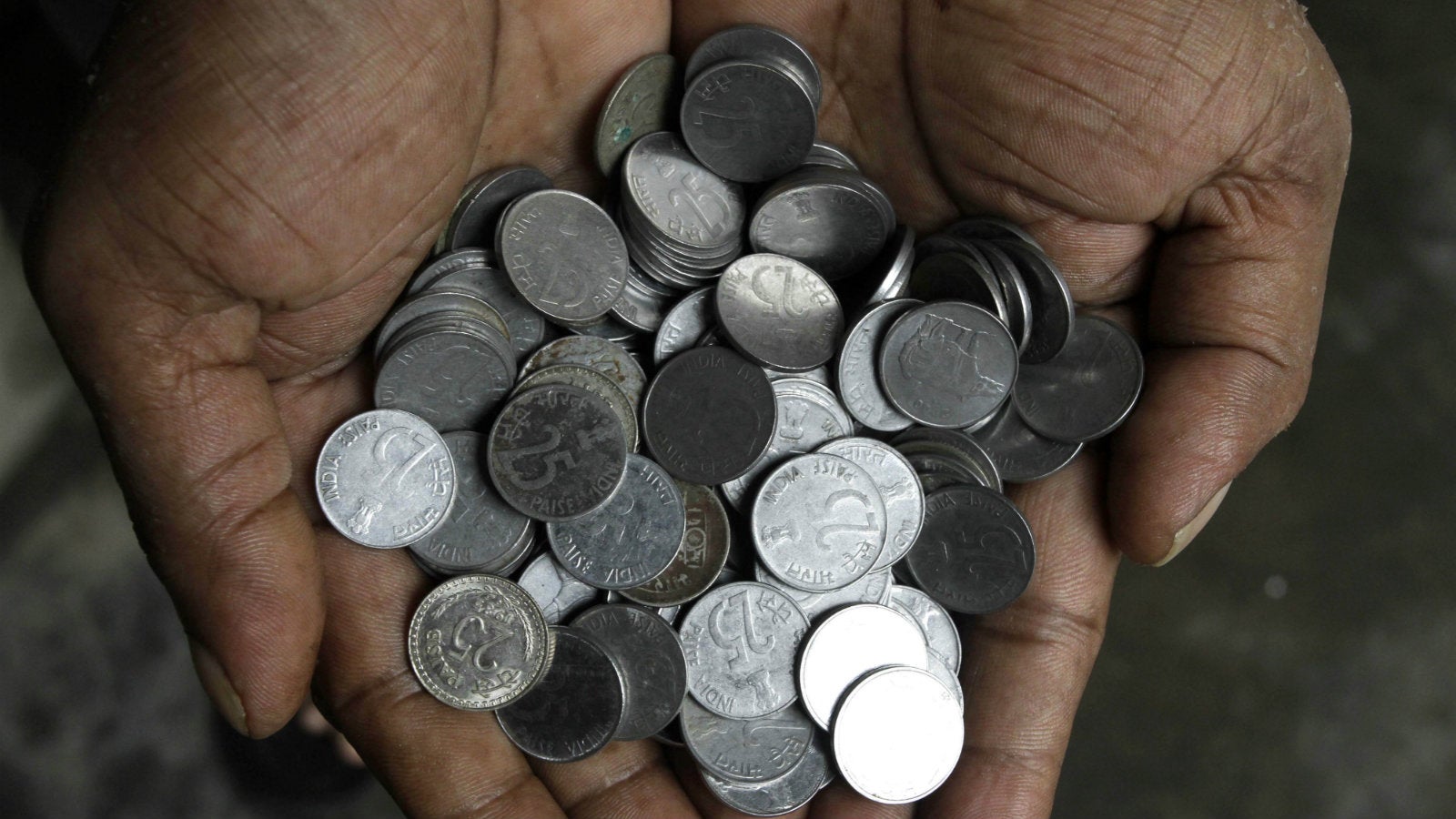
Tucked between a grocery store and a mobile phone recharge outlet in Dharavi, one of the world’s largest shantytowns, is a small branch of FINO PayTech. In that congested Mumbai locality, this branch could be mistaken for another inconspicuous retail shop—exactly the kind of low profile India’s newest bank seeks.
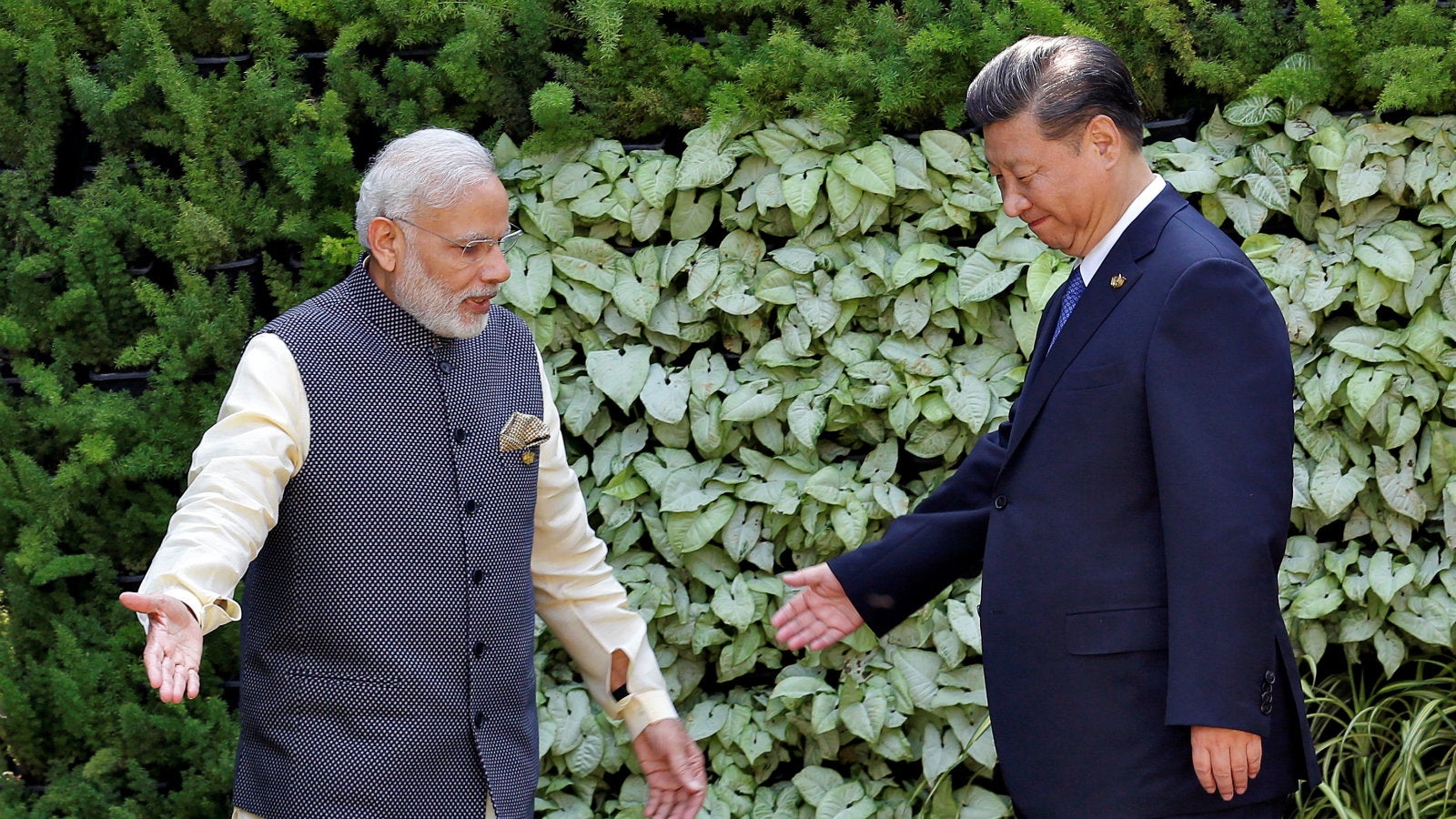
The boom in the Indian economy is here to stay—at least for nearly a decade.

On Wednesday (July 05), the Pakistani rupee went into a tailspin.
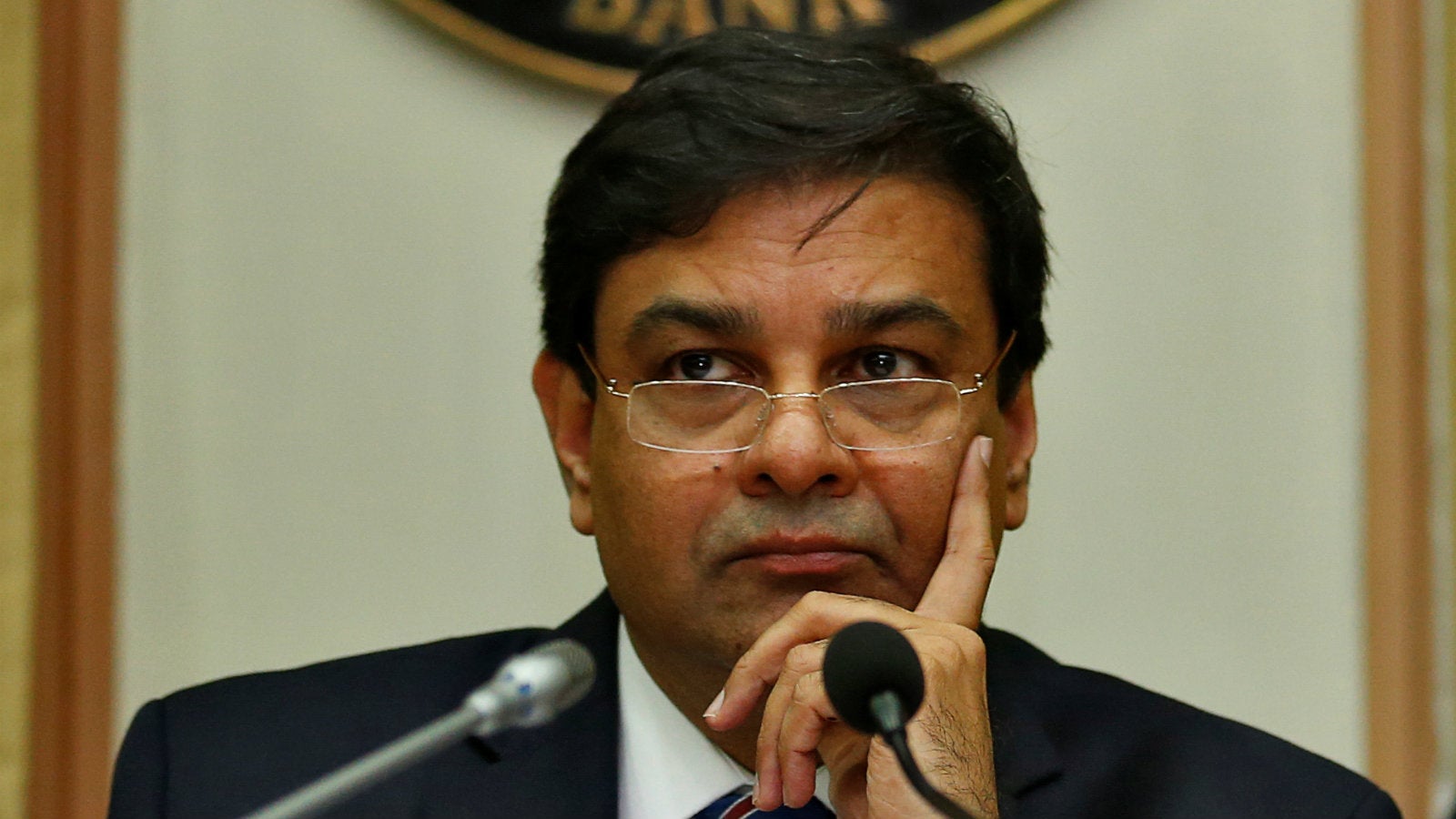
India’s central bank has some big concerns about the sustainability of the country’s banking system.
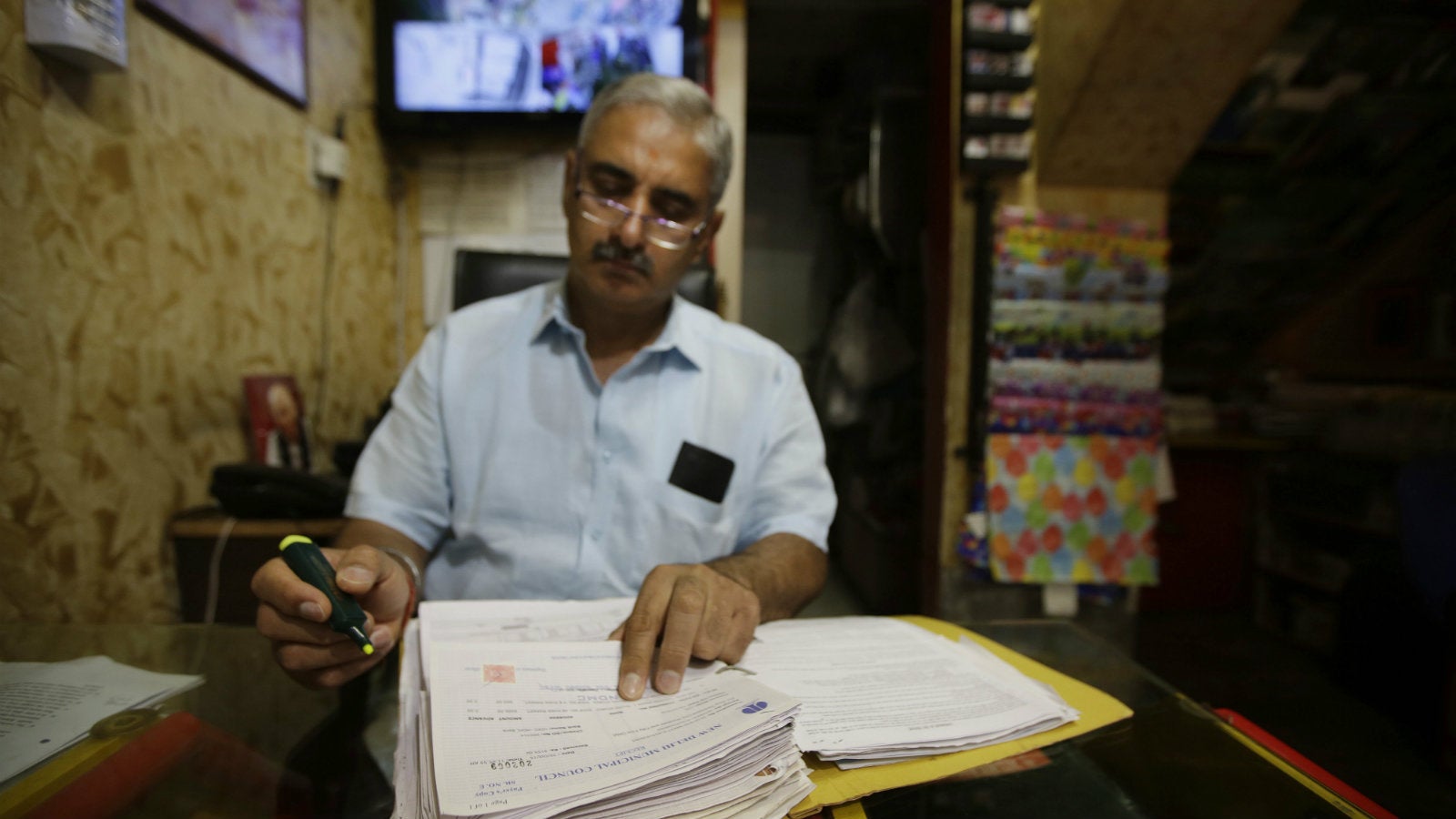
In the middle of his PhD programme, Archit Gupta figured out that merely publishing papers and completing his thesis wouldn’t give him the adrenaline rush he craved. “There was intense action going on in Silicon Valley and I just couldn’t tear myself away from it,” he recalled during a telephonic interview from Bengaluru, India’s Silicon Valley, where he is now based.
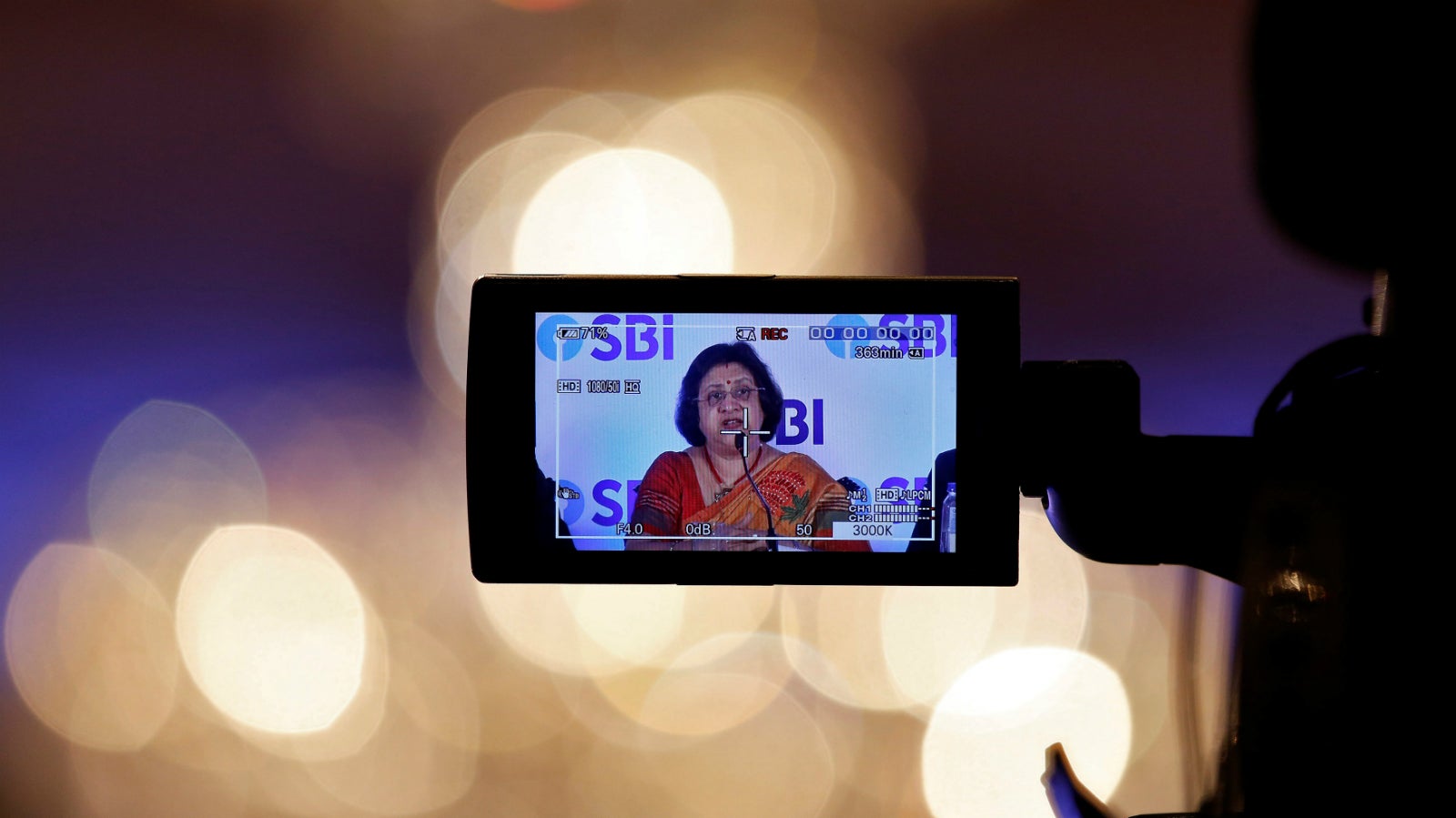
India’s government-led public sector bankers are a poorly paid lot, at least compared to their private sector counterparts.
With Indians increasingly taking to e-payments for their transactions, routine or otherwise, the mobile wallet industry has been growing rapidly in the country.
Indian banks are in deep trouble.
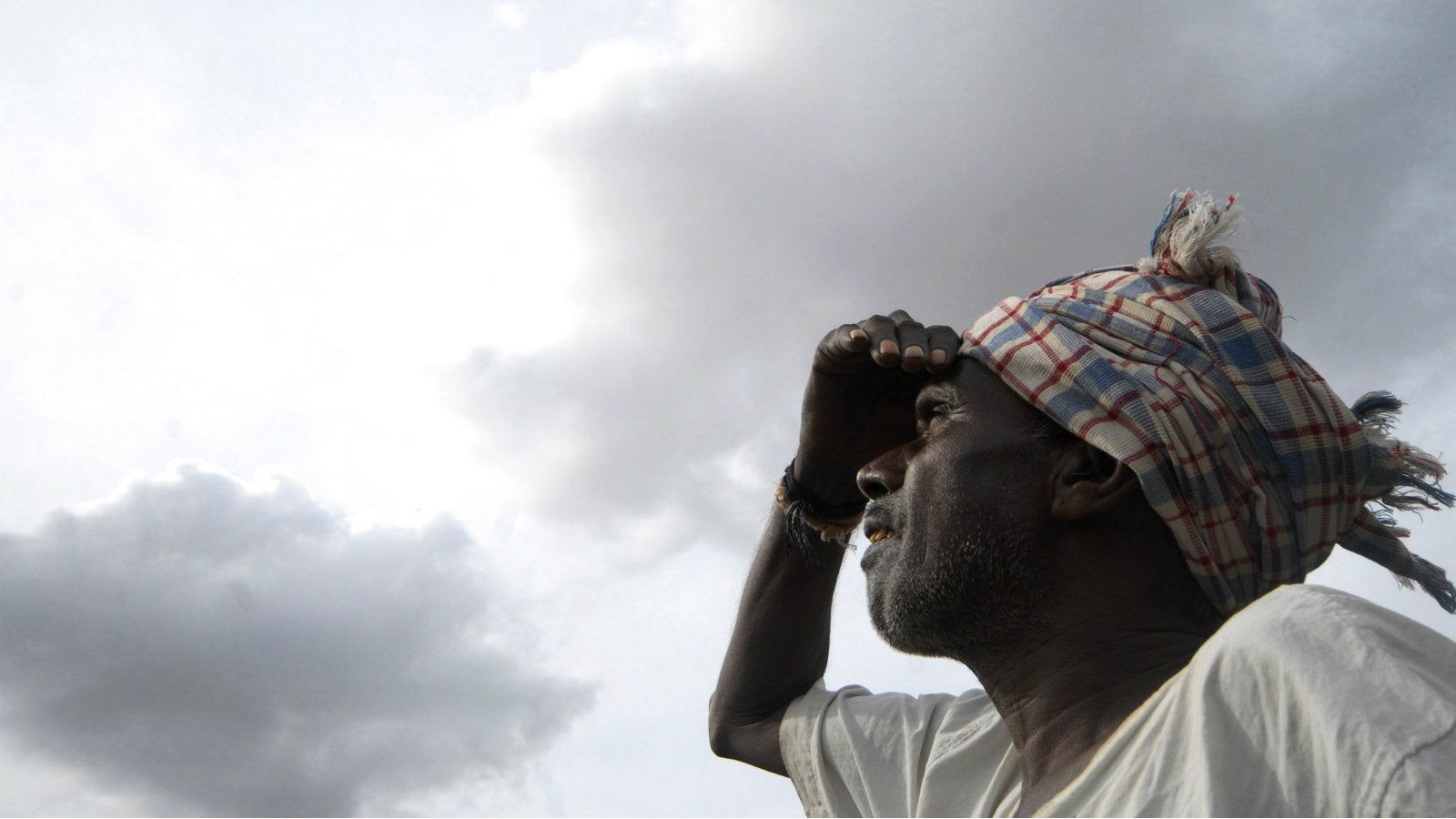
India’s agrarian heartland is in deep distress and the farmers are up in arms.
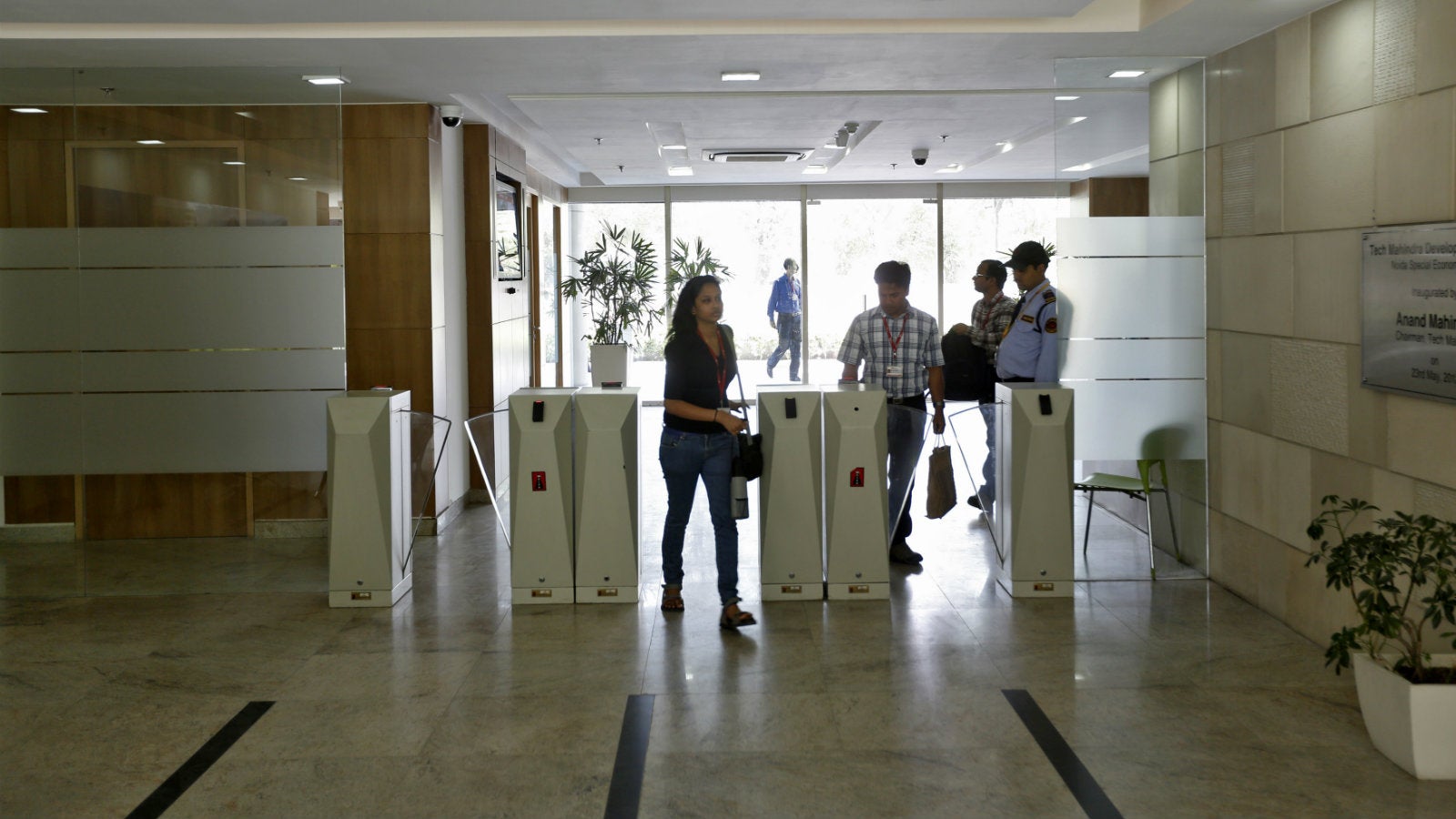
Indian employers are increasingly looking beyond two-page resumes and social media profiles—they are now screening candidates’ credit histories.
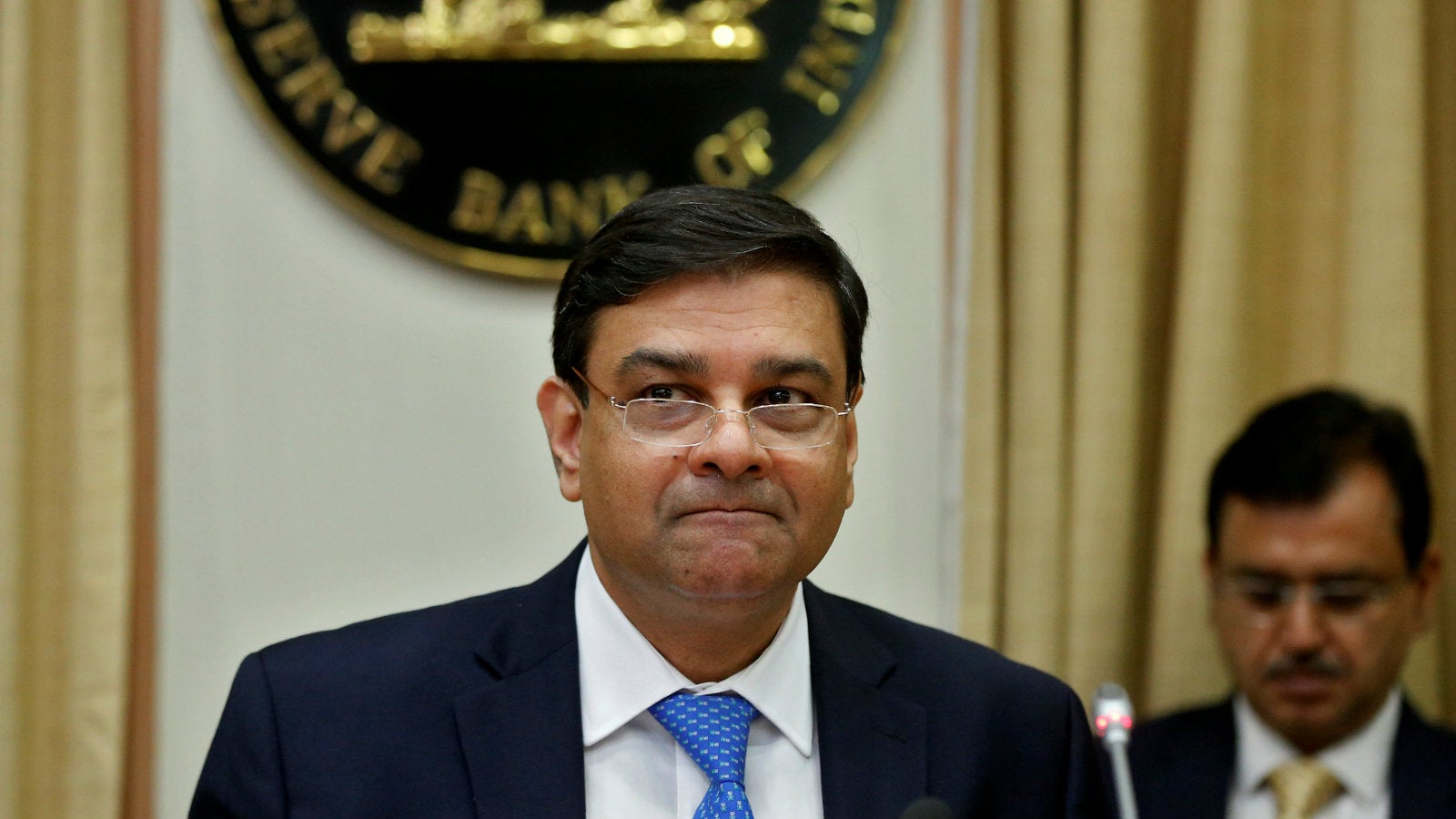
The Reserve Bank of India (RBI) on June 07 kept key interest rates unchanged, not pulling any surprises.
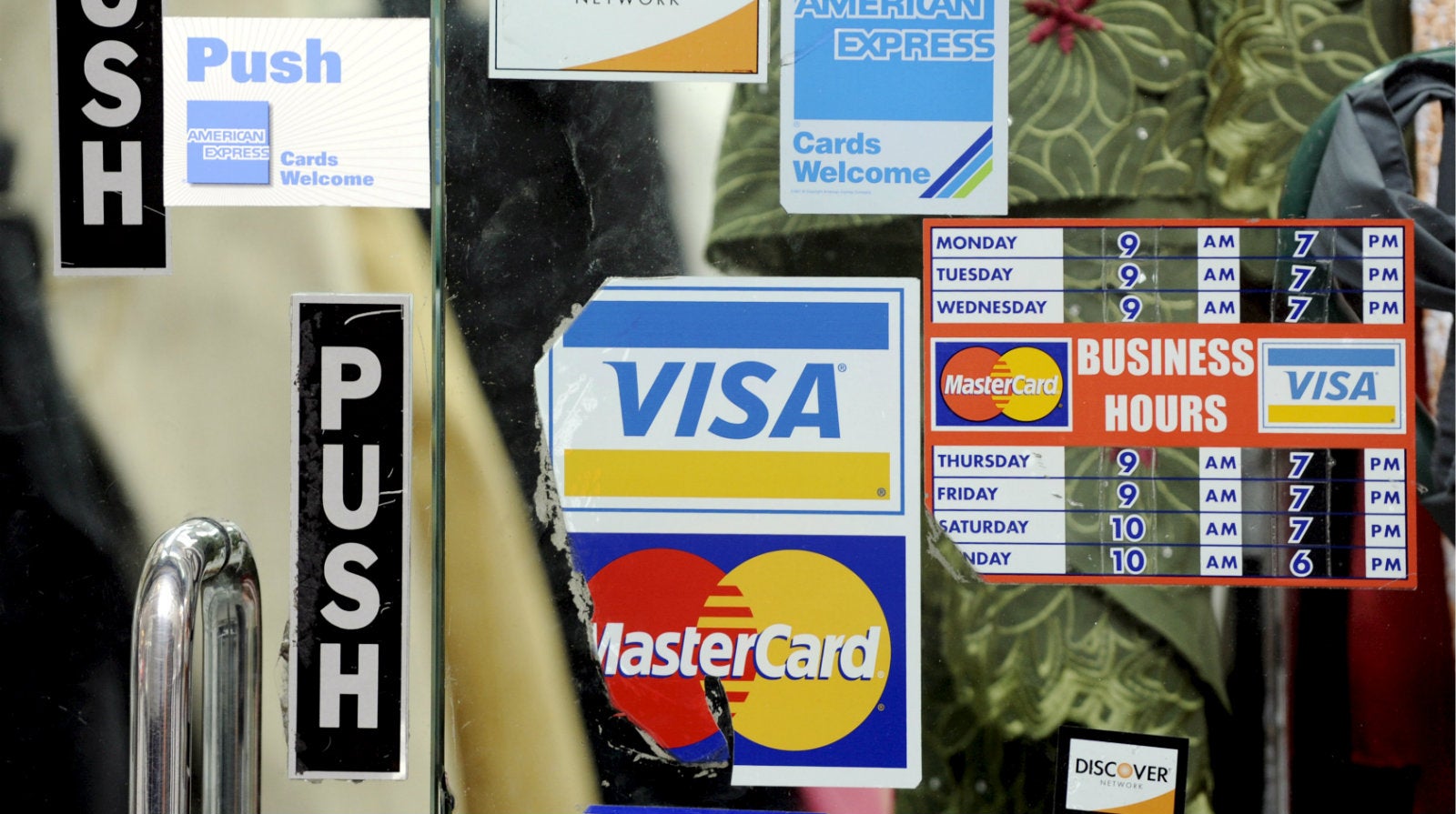
With more people using plastic money instead of cash, the number of credit cards circulating in India has hit an all-time high.