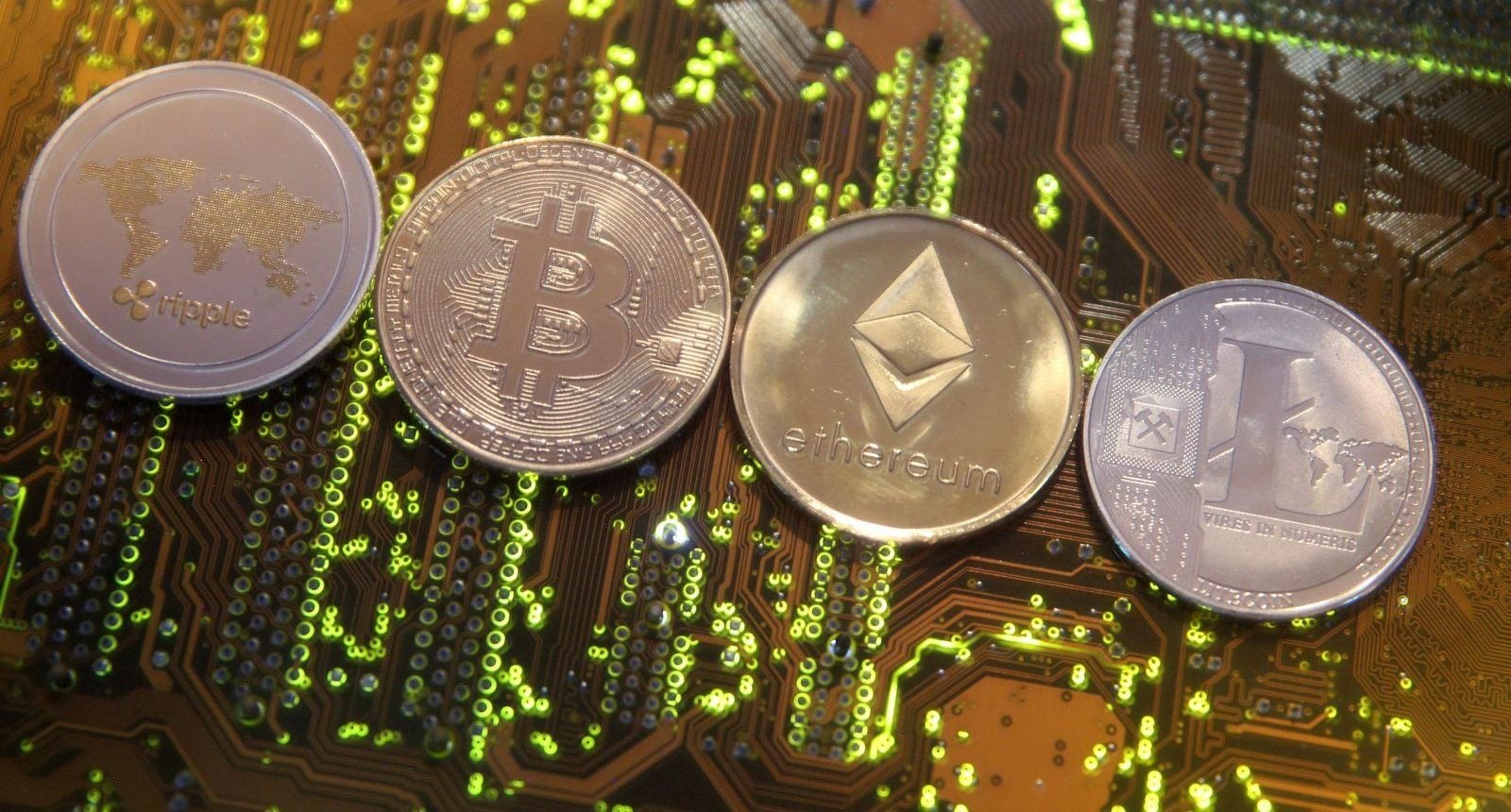
From money laundering to terror financing, the risks associated with cryptocurrencies are well known. But a high-level panel tasked with drafting rules for India’s virtual currency ecosystem is now obsessed with its impact on a less-explored area.

From money laundering to terror financing, the risks associated with cryptocurrencies are well known. But a high-level panel tasked with drafting rules for India’s virtual currency ecosystem is now obsessed with its impact on a less-explored area.

The ruling Narendra Modi government has milked its last chance to woo voters.

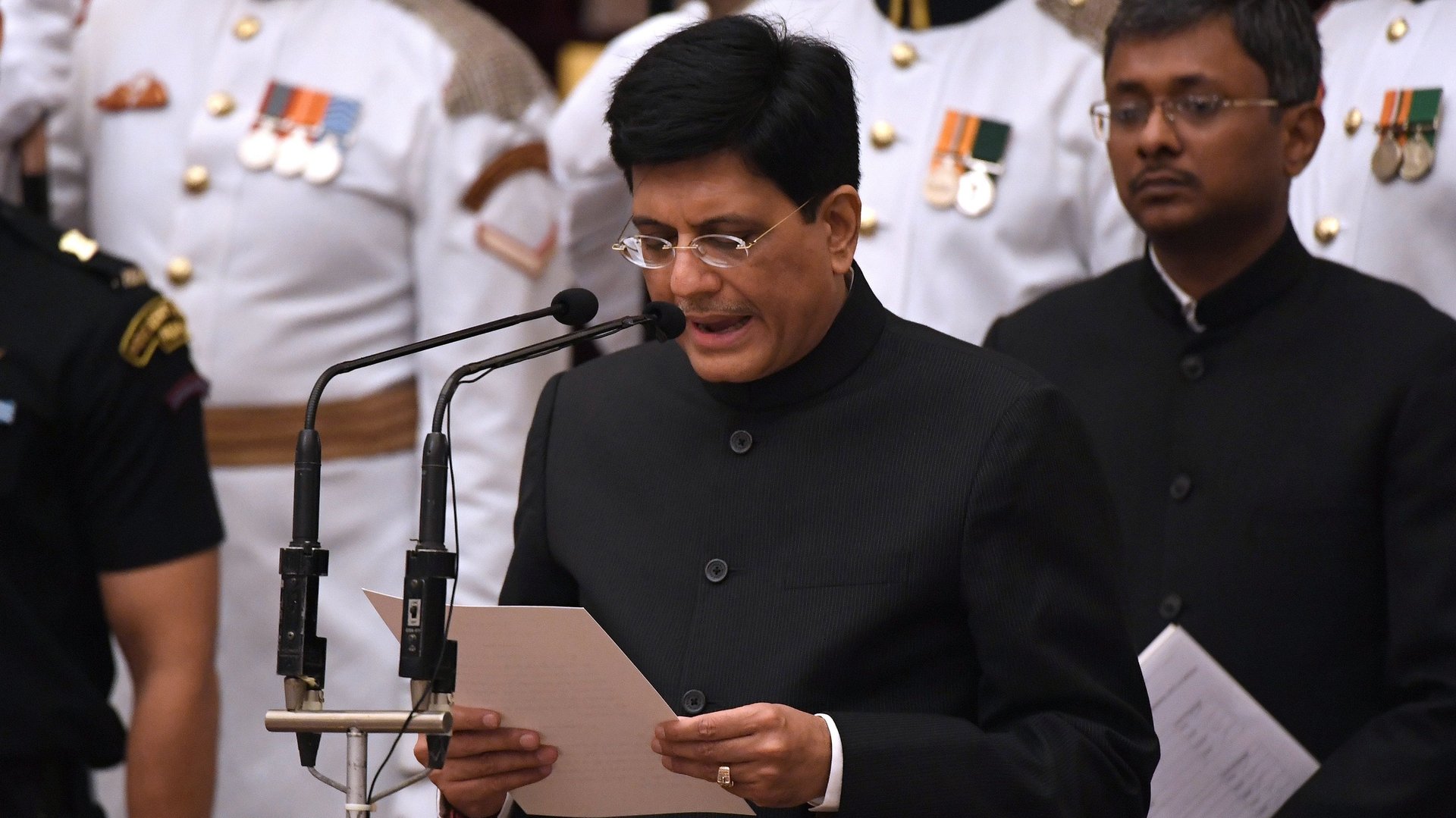
The Narendra Modi government today (Feb. 01) delivered its last annual budget.

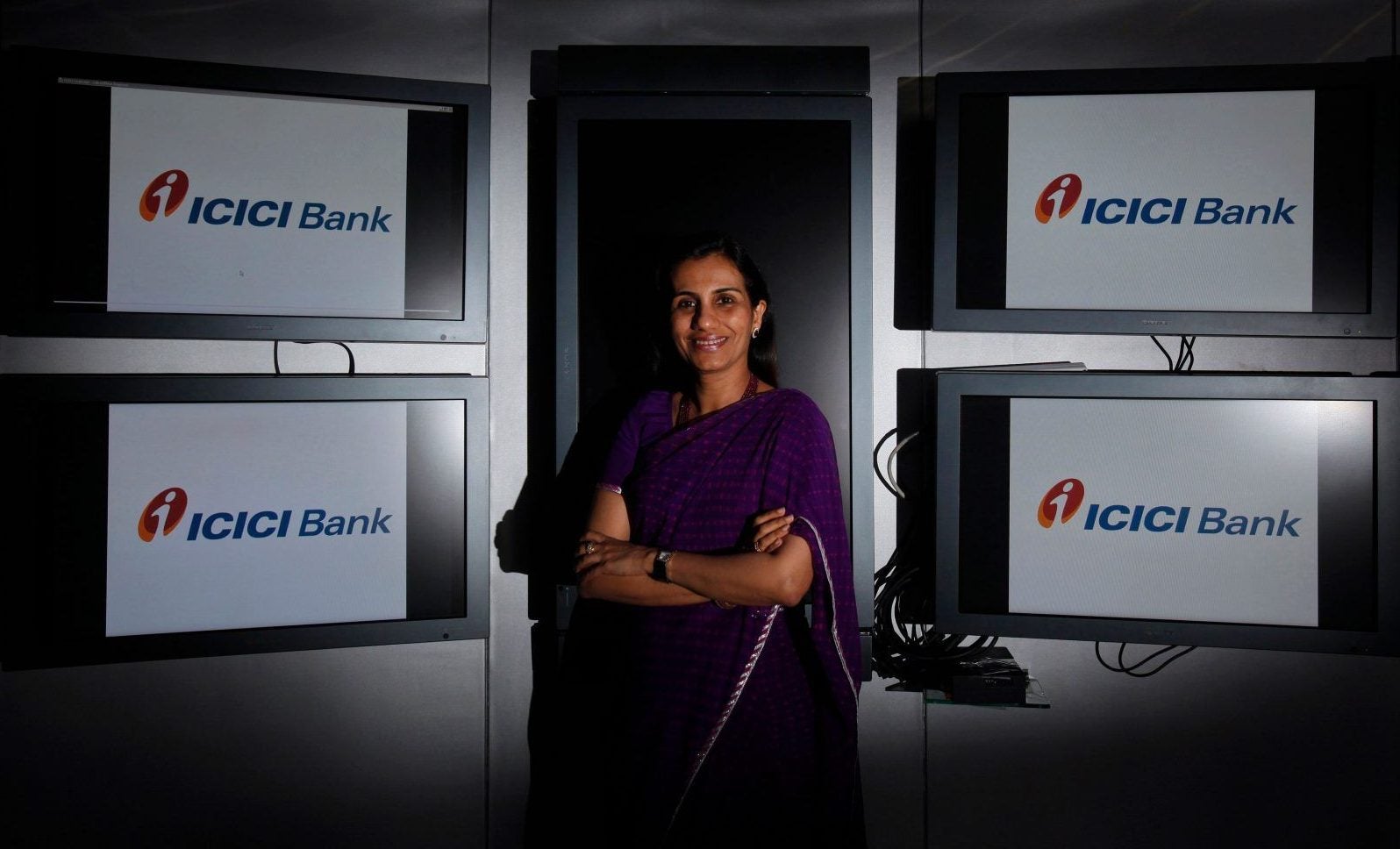
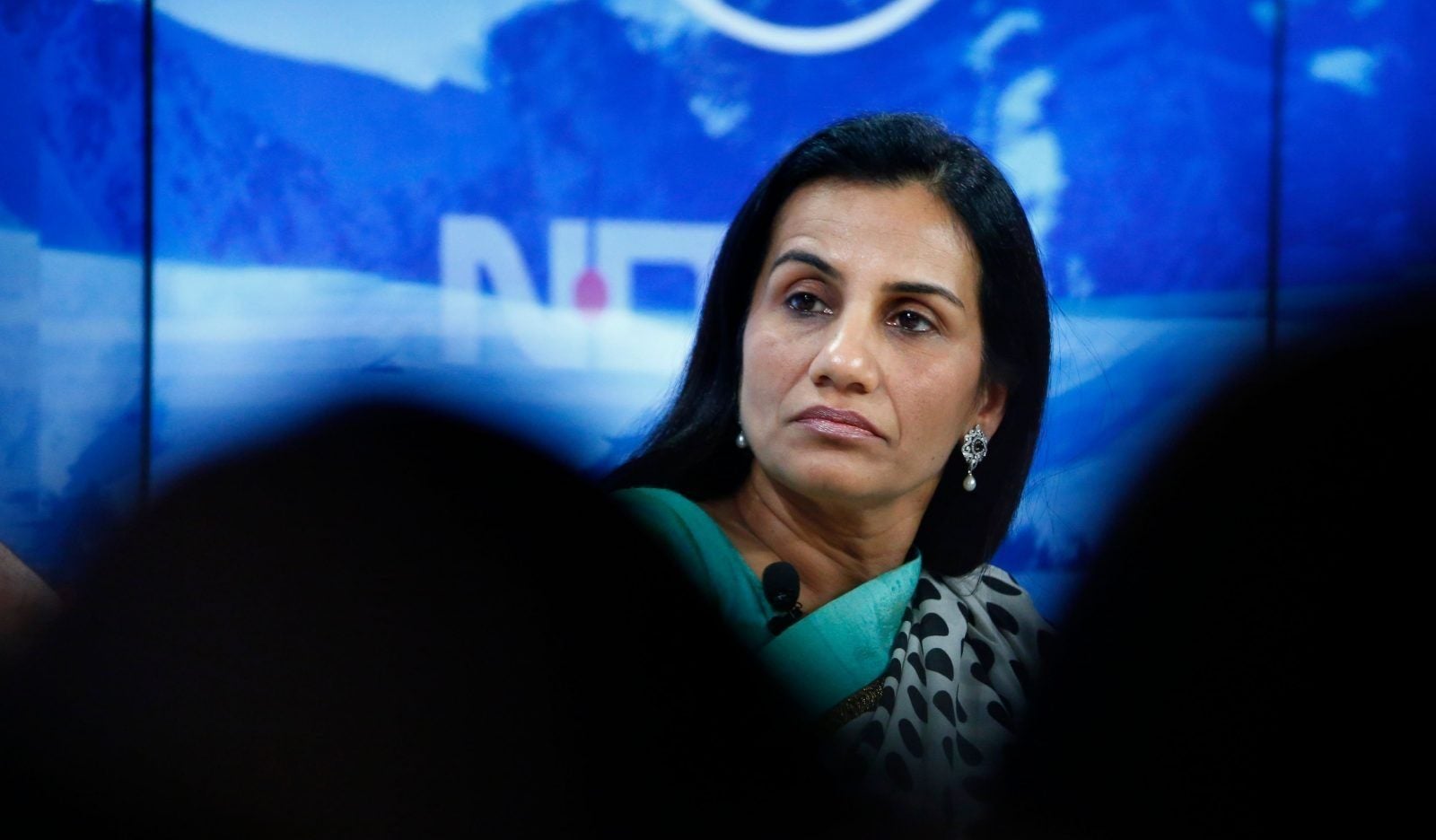
An ignominious end to Chanda Kochhar’s illustrious career would have been unimaginable just a few months ago.

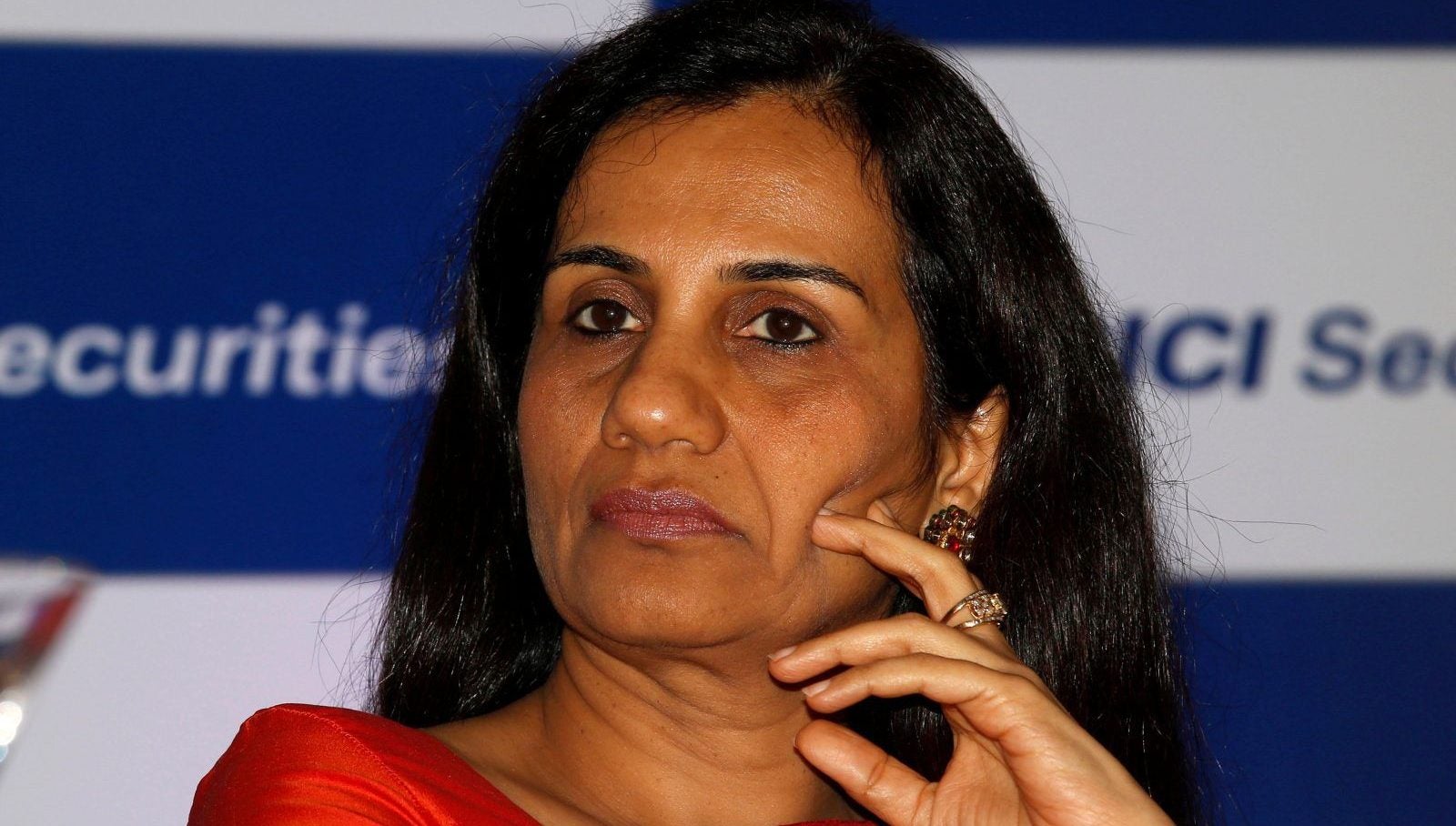
A high-level independent probe has established that Chanda Kochhar, former chief of ICICI Bank, was guilty of violating the code of conduct at India’s second-biggest private lender.

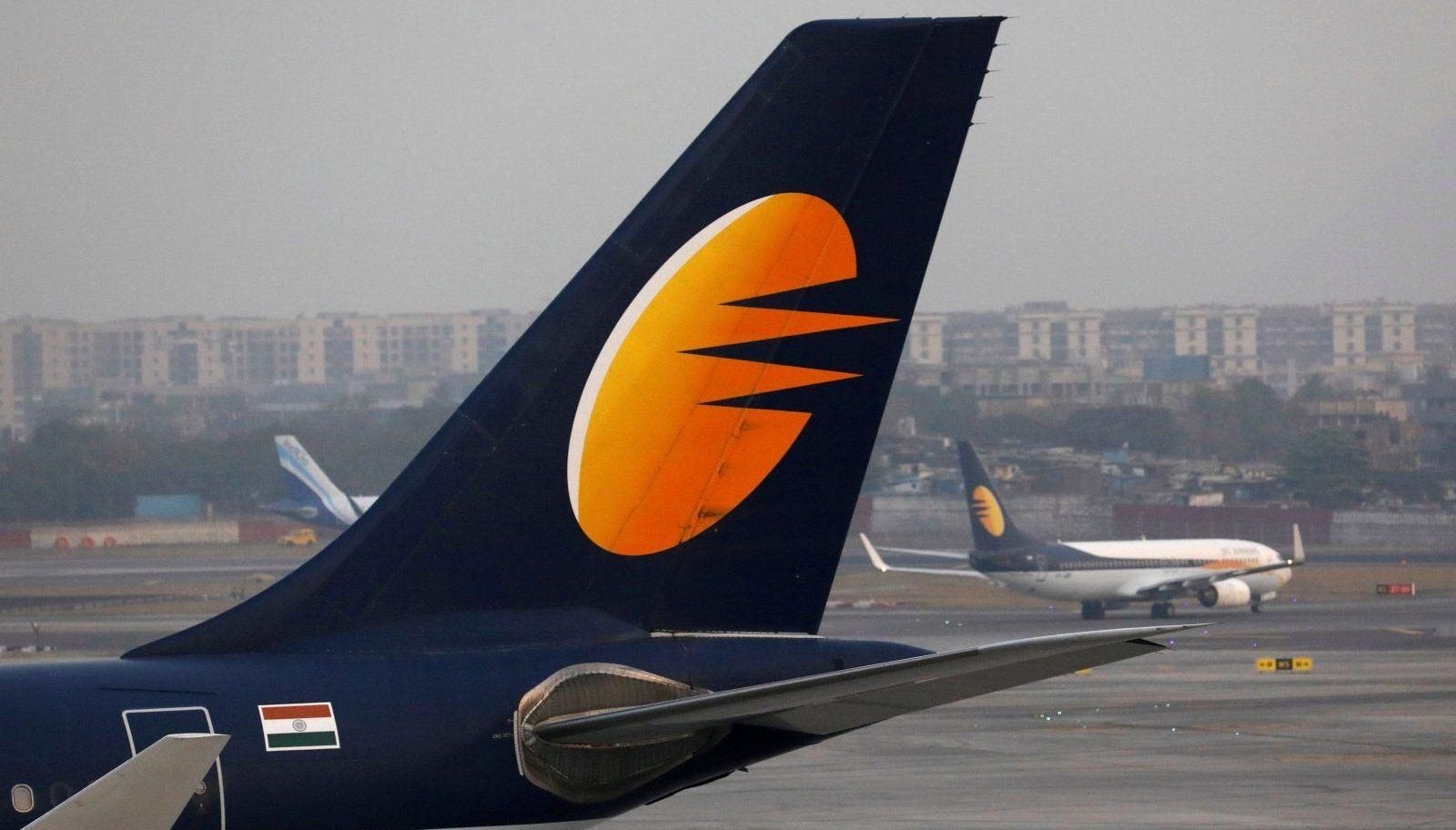
Having burnt their fingers with the now-defunct Kingfisher Airlines, it’s déjà vu for India’s banks.

It’s the season of populism and largesse in India as the 17th general election approaches. The latest pre-poll promise is a universal basic income (UBI).

An international legal firm has sought to allay the Indian government’s fear of cryptocurrencies. As with any emerging technology, their potential benefits will eventually outweigh the associated risks and concerns, it has told a panel vetting the country’s official policy on digital coins.

India’s high GDP growth is often criticised for not being accompanied by an increase in employment numbers. But then jobless growth isn’t the only problem the economy is faced with.

The nepotism scandal at India’s ICICI Bank, which brought to pass the downfall of its celebrated former chieftain Chanda Kochhar, just got murkier.

At the corner offices of India’s largest private banks, 2018 was a year of whooping churn. And the ferment has yet to settle even in the new year.

India’s insatiable appetite for crude oil can cost its economy dearly.

The spectre of a “too-big-to-fail” moment in India’s retail payments sector has the central bank worried. And this may soon open the doors to many new players in the sector.

India’s Rs100,000 crore ($14 billion)—and booming—e-commerce sector suffers from a serious flaw: its over-reliance on cash payments.

The 200-year legacy of India’s insurance industry is a paradox, given its dismally low penetration levels in the country.

The courtroom battle between India’s cryptocurrency exchanges and the central bank is set for its next hearing today—but nobody expects an end to the stalemate.

India’s transformation to a cashless economy is beset with difficulties.

Digital transactions in India are booming—so is cybercrime. And the Reserve Bank of India (RBI) is keenly watching.

Daily life across India might come to a screeching halt as nearly 150 million employees across banks, public transport, factories, and government companies go on a two-day strike tomorrow (Jan. 08).

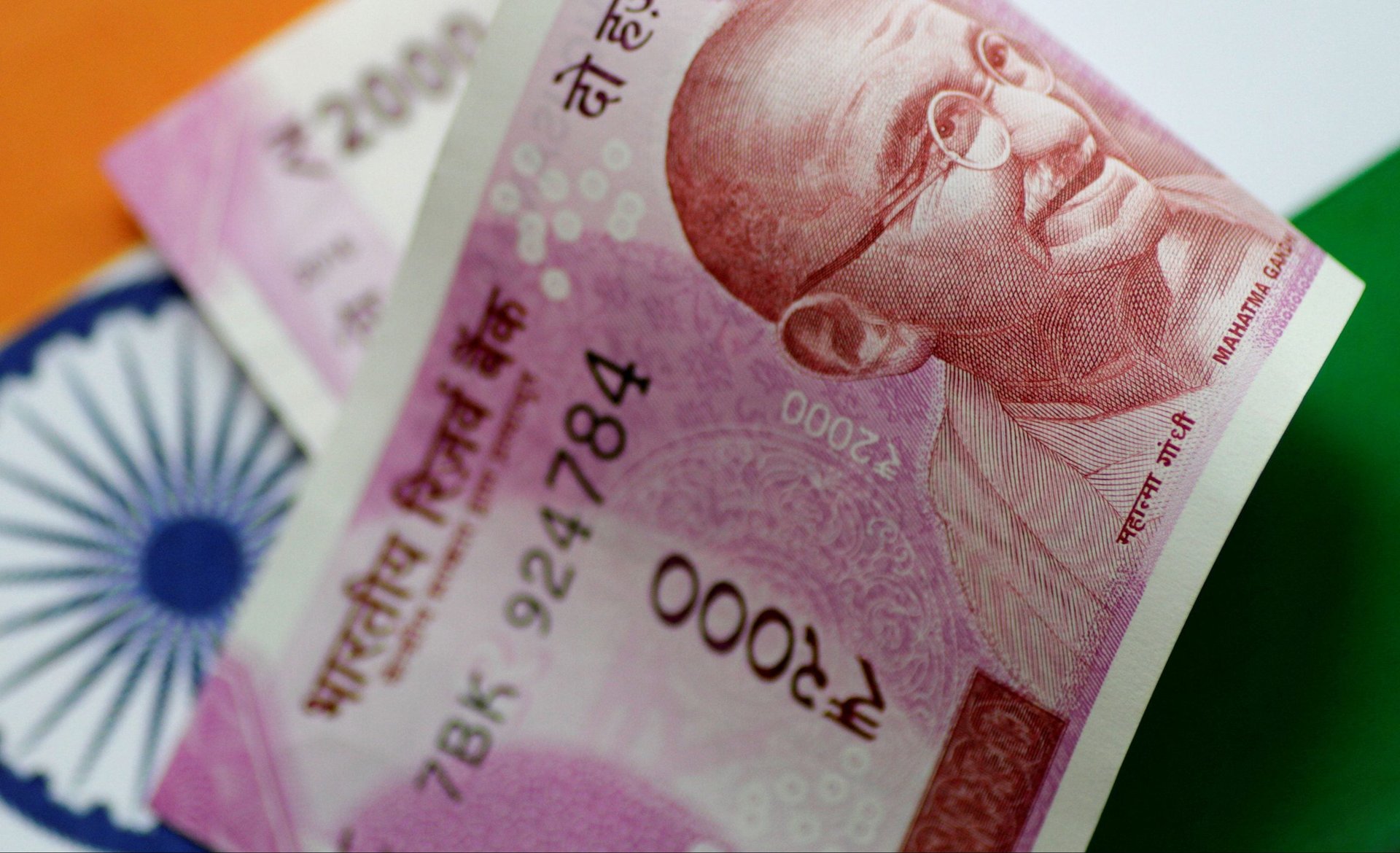
India’s crisp, pink Rs2,000 notes are a grim reminder of the massive demonetisation exercise prime minister Narendra Modi’s government undertook in November 2016. The overnight withdrawal of Rs500 and Rs1,000 notes was accompanied by the introduction of these fresh ones to quickly make up for the lost currency in circulation.

If Narendra Modi was looking for a quick economic turnaround before the general elections later this year, he’d be disappointed.

Finally there’s some good news for the Indian cryptocurrency ecosystem—and this one’s from a global financial body.

India’s central bank has doled out a new year’s gift to the country’s small enterprises reeling from the double whammy of demonetisation and the goods and services tax (GST).

If India’s battered cryptocurrency ecosystem expected regulatory clarity anytime soon, then it is set for disappointment.