

Money & Markets
India’s GDP numbers are being questioned—yet againSo how fast exactly did the Indian economy grow around a decade ago? India is still confused about this.
Updated July 20, 20222 min read
So how fast exactly did the Indian economy grow around a decade ago? India is still confused about this.
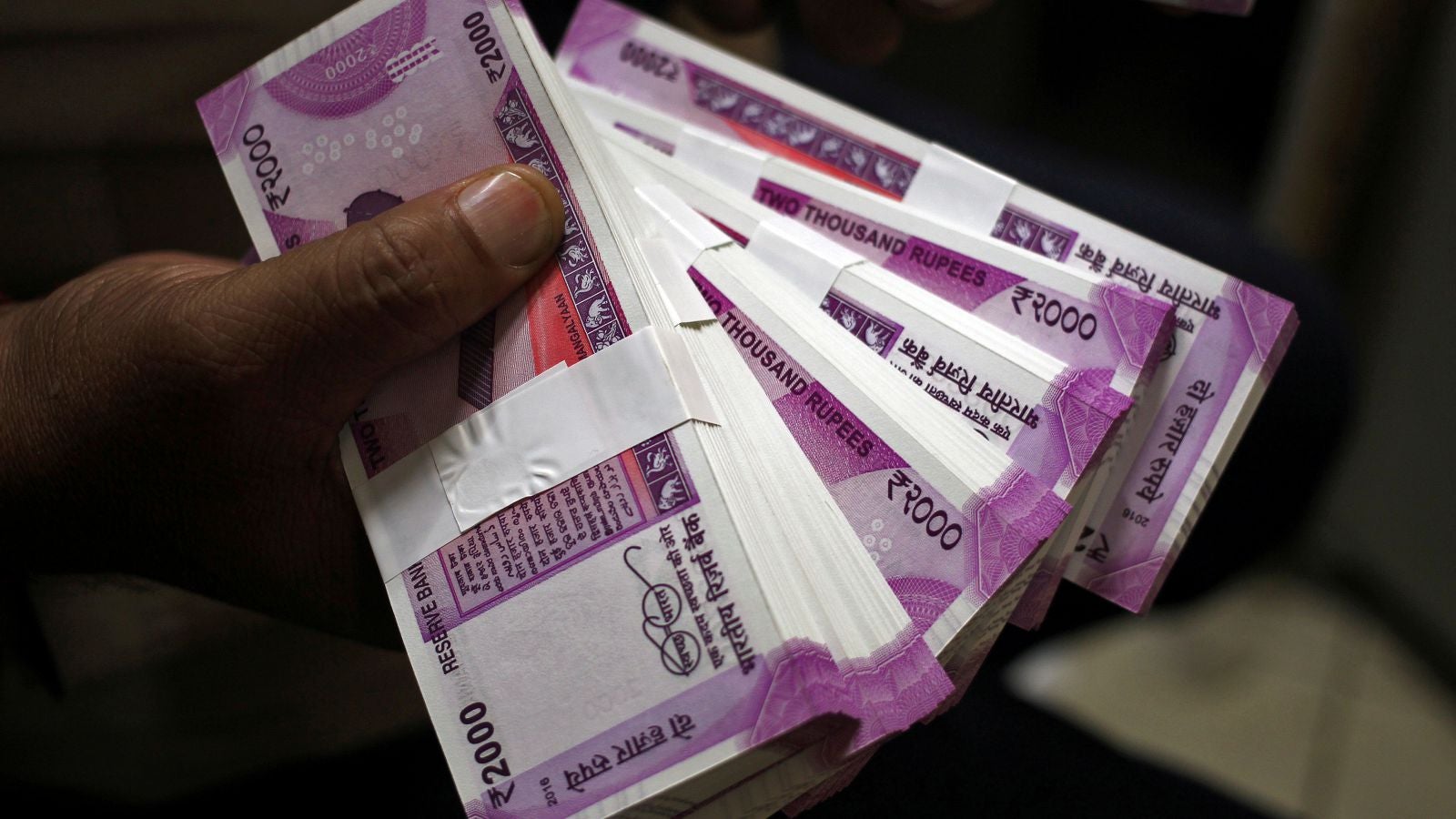
If India’s banking sector is in a mess, it is not just the lenders who are to blame.
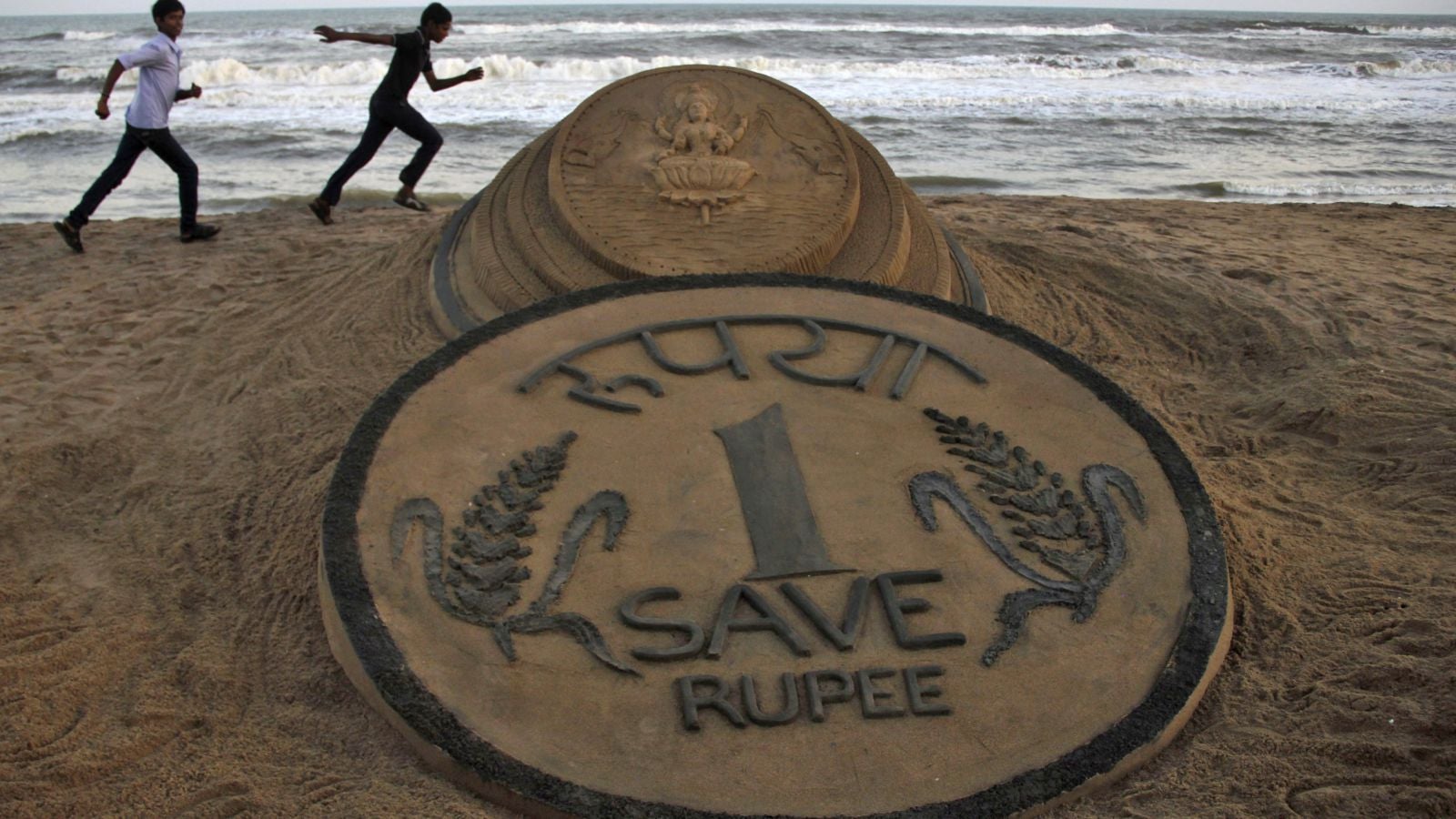
The Indian rupee is inching close to the Rs70 mark against the dollar, battered by global economic turmoil.

The long-awaited regulations for the Indian cryptocurrency ecosystem are now likely to come only by the end of the year.
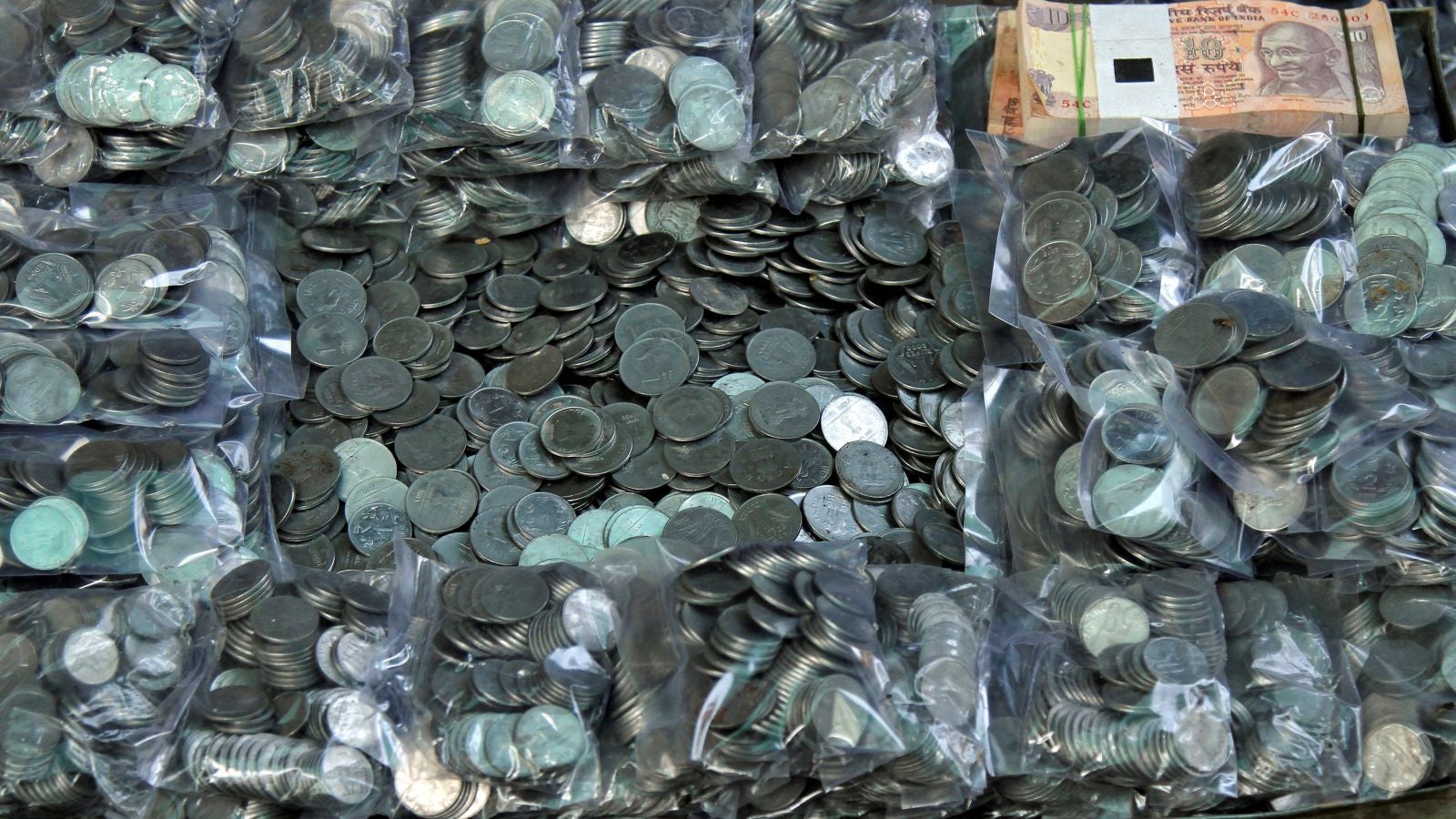
They were supposed to usher in the next great disruption in Indian banking.
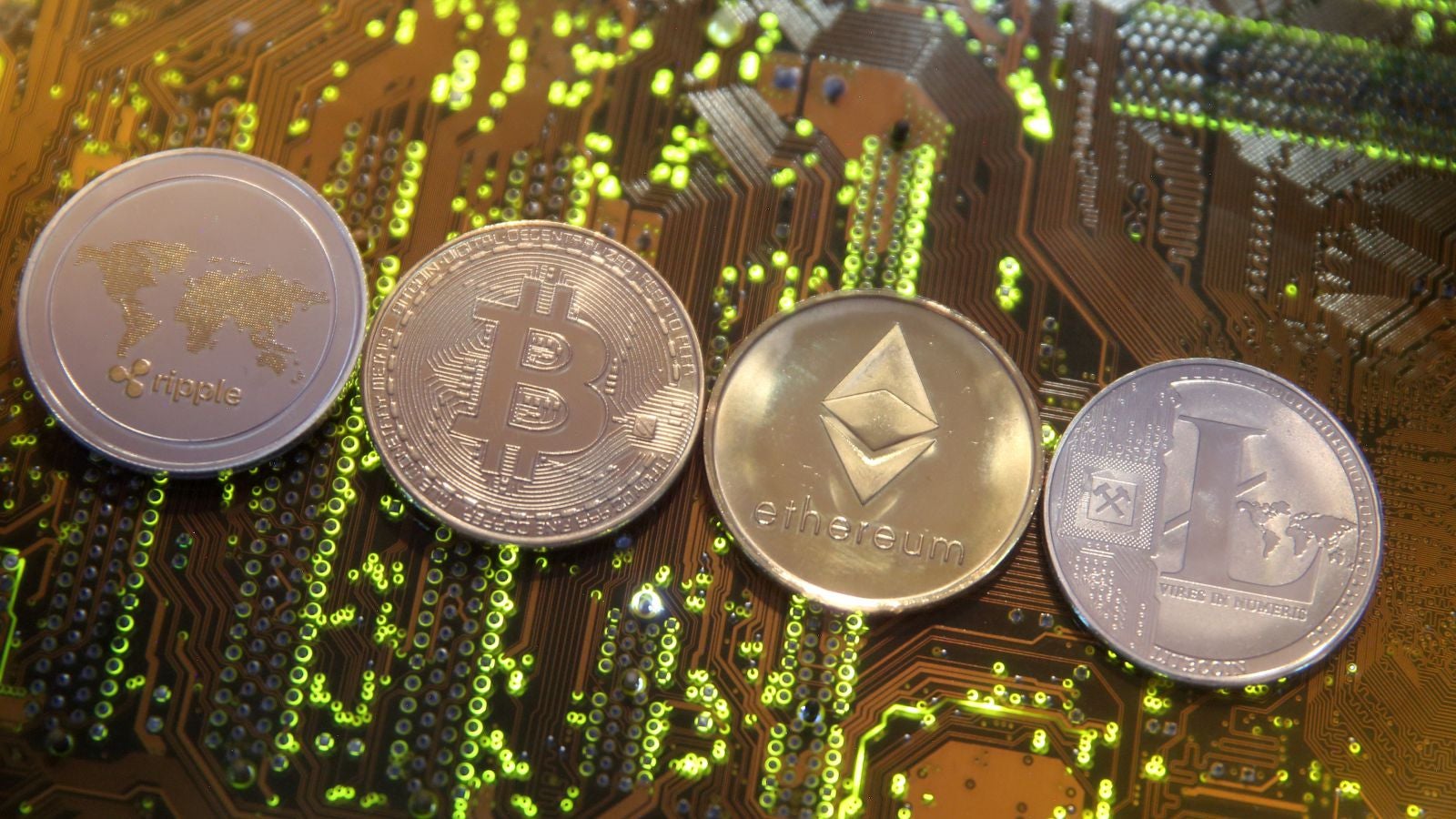
With cryptocurrency prices soaring over the last few years, many Indians have raked in instant wealth. But paying taxes on this income has turned into a nightmare.
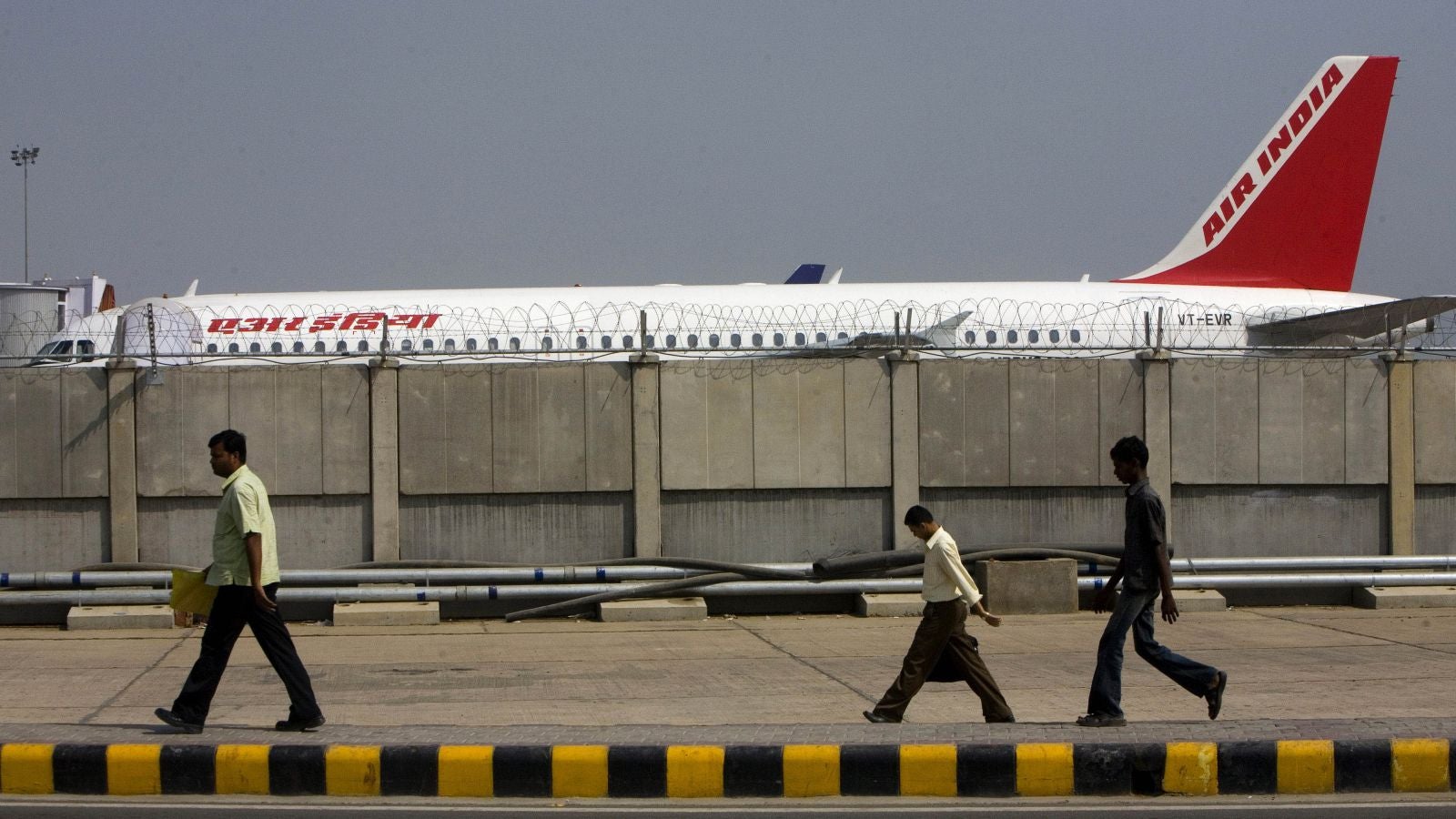
Two months after India’s attempt to sell off Air India came to a naught, the government has finally revealed the reasons for its failure.
US president Donald Trump’s protectionist measure against China has spooked the global economy and the currency market. The situation is so grim that the India’s central bank thinks this might be the start of a currency war.
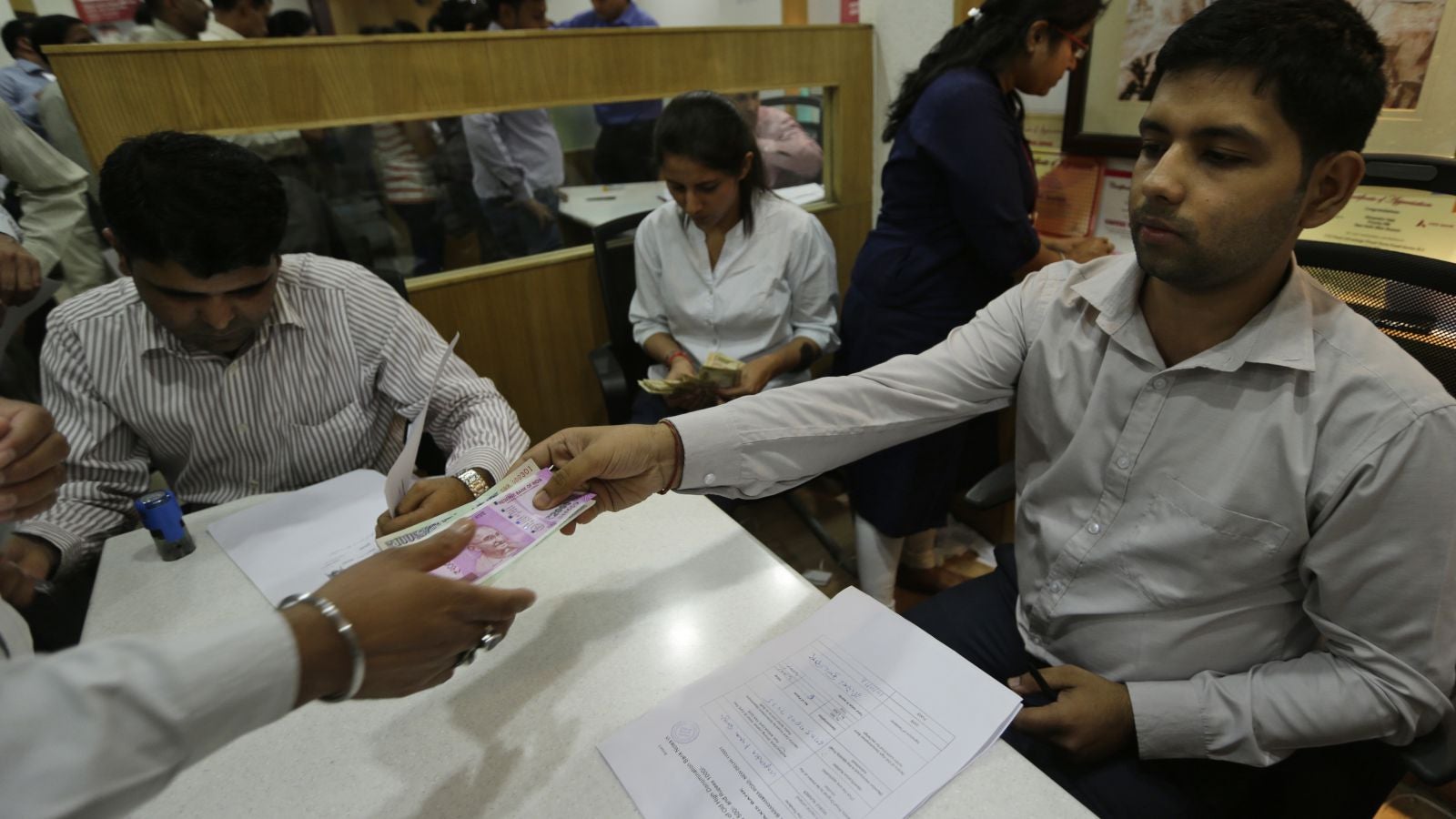
India’s Narendra Modi government has nixed a controversial bill that proposed to allow the use of depositors’ money to rescue distressed banks.

I braced for disaster. And Monday, July 23, 2018, was my chosen date.
India’s embattled cryptocurrency ecosystem may have just got a lifeline from another contentious debate: whether or not to legalise sports betting in the country.

The wait continues for Indian cryptocurrency exchanges.
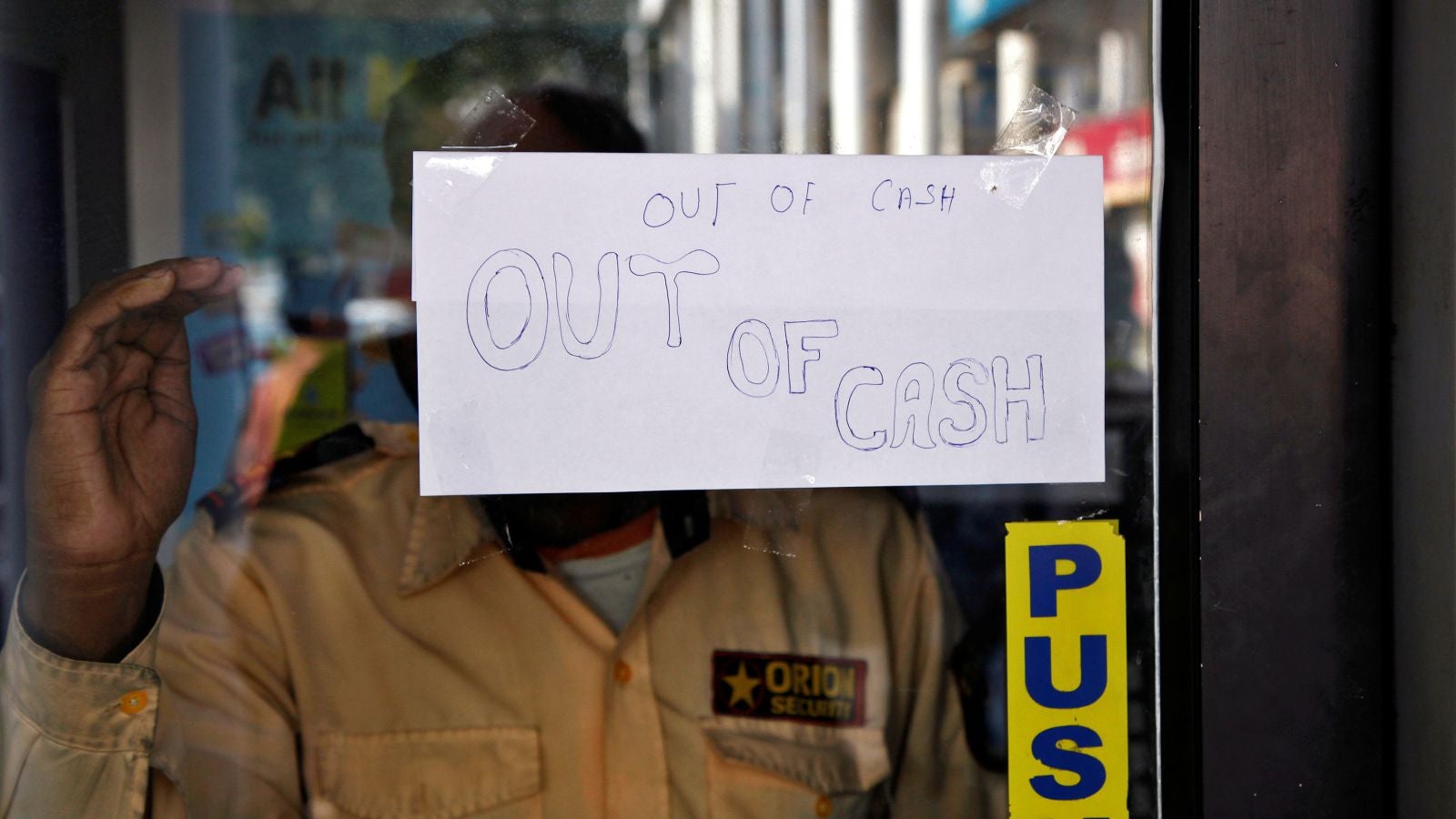
India is staring at another bout of currency shortage—the third time in less than two years.
All eyes in the Indian cryptocurrency ecosystem are on the country’s top court. Starting today (July 20), the supreme court will resume hearings in the case that virtual currency exchanges have filed against the central bank’s measures that have stifled their businesses.
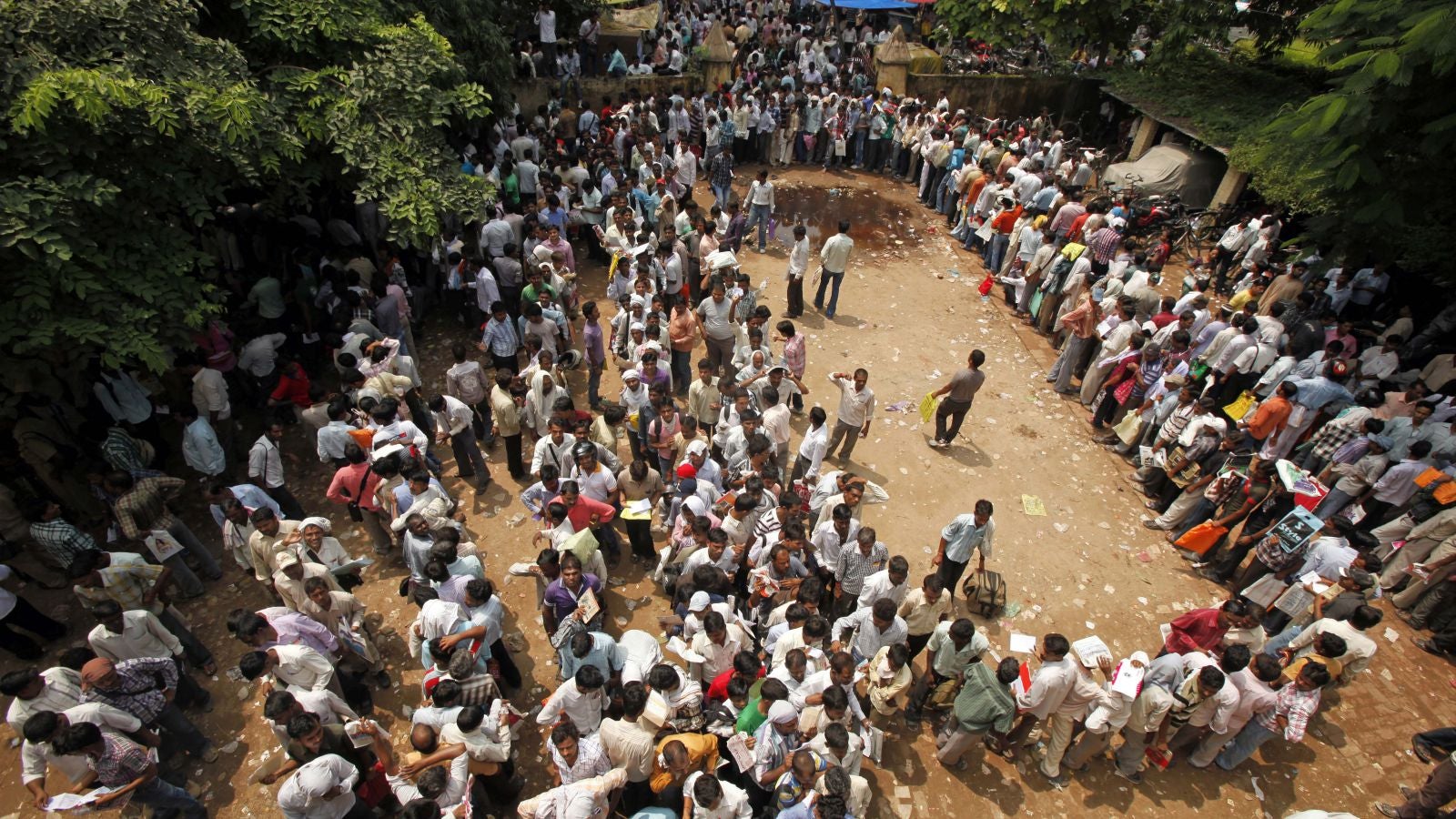
The number of formally employed Indians may have fallen marginally in financial year 2018.
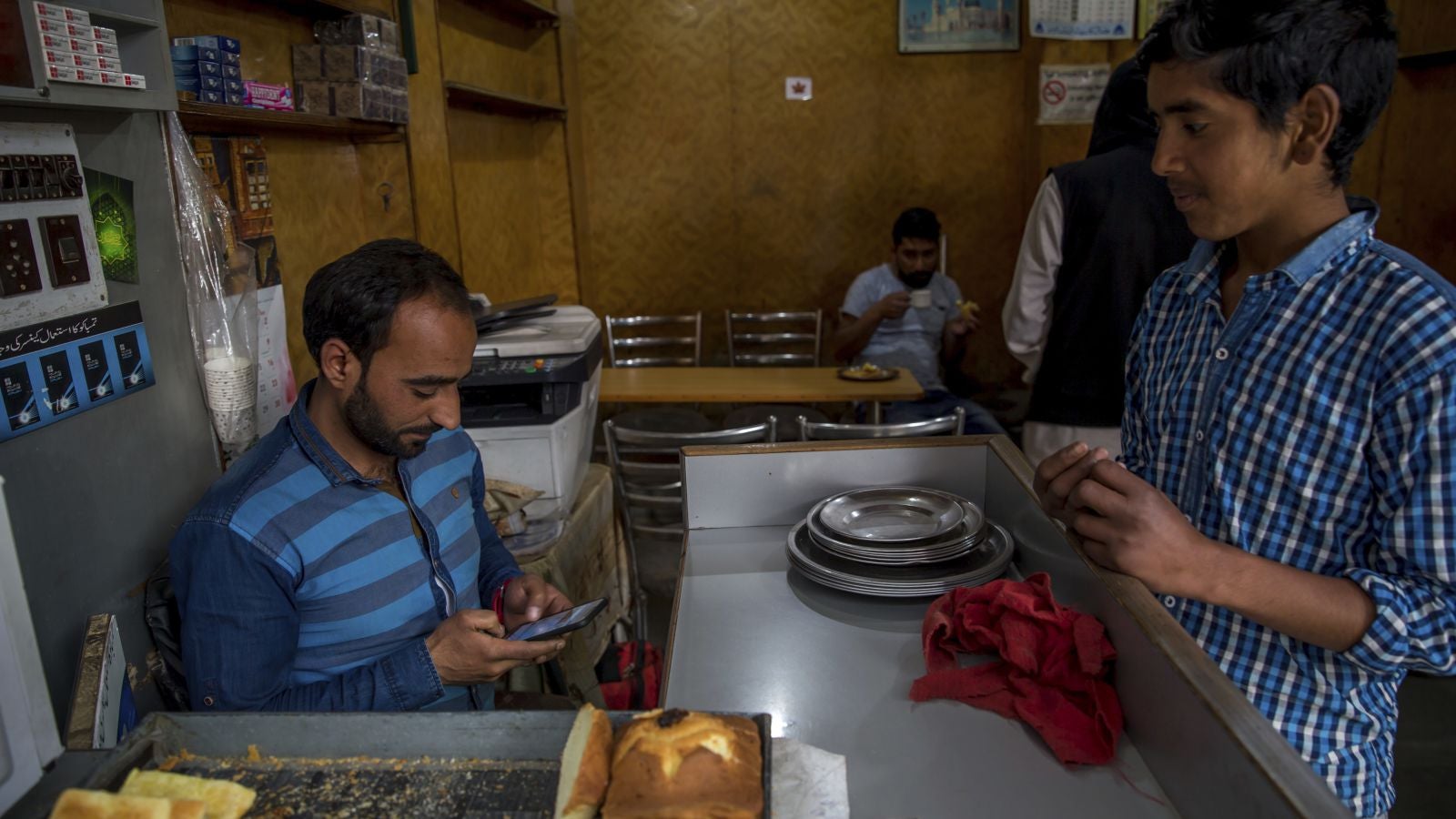
India’s e-wallet companies have outdone themselves in the face of regulatory hurdles.

A month after India’s central bank accepted that it had cracked down on cryptocurrencies without much deliberation, it has finally spelled out the reasons for its uneasiness with bitcoin and the likes.

After months of uncertainty, there are indications that India may not, after all, opt for a blanket ban on virtual currencies. A finance ministry panel set up to study them may even suggest that they be treated as commodities.
The Indian rupee has been on a slide for months, and there seems to be no end to it.

In April, the Reserve Bank of India (RBI) cracked the whip on cryptocurrency exchanges in the country. It sent a missive to all Indian lenders, asking them to terminate all banking relationships with these bourses by July 05.
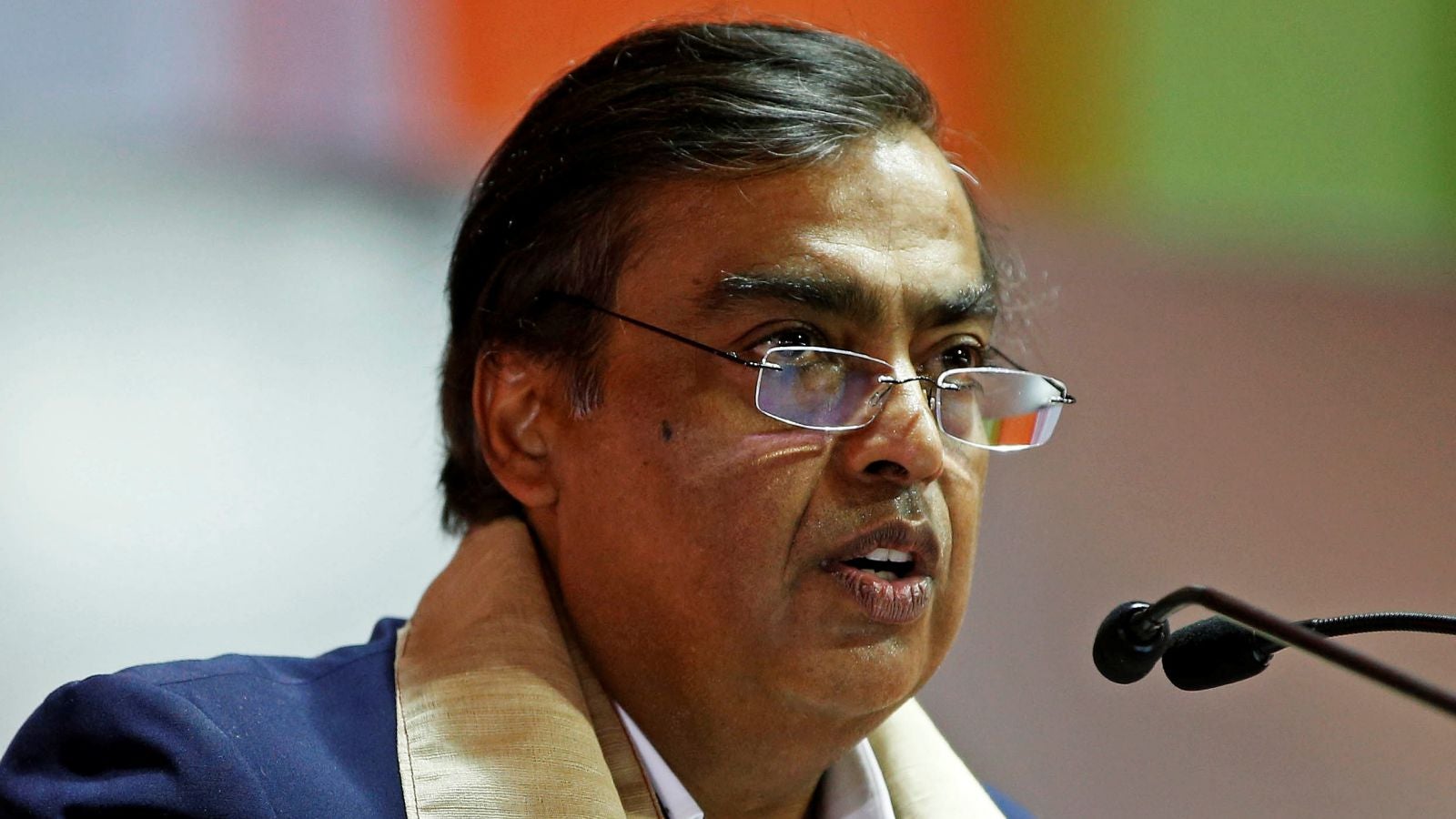
Mukesh Ambani’s speech at the annual general meeting (AGM) of Reliance Industries (RIL) is one of the most closely watched corporate events in India. And since 2015, when he geared up to disrupt the $50 billion telecom sector, much of it has centered around the company’s telecom venture Jio.
From glorious highs to rock bottom, Indians hooked to cryptocurrencies have seen it all in the last year.

India’s supreme court has refused to grant any interim relief to cryptocurrency exchanges against the Reserve Bank of India’s (RBI) crackdown on them.
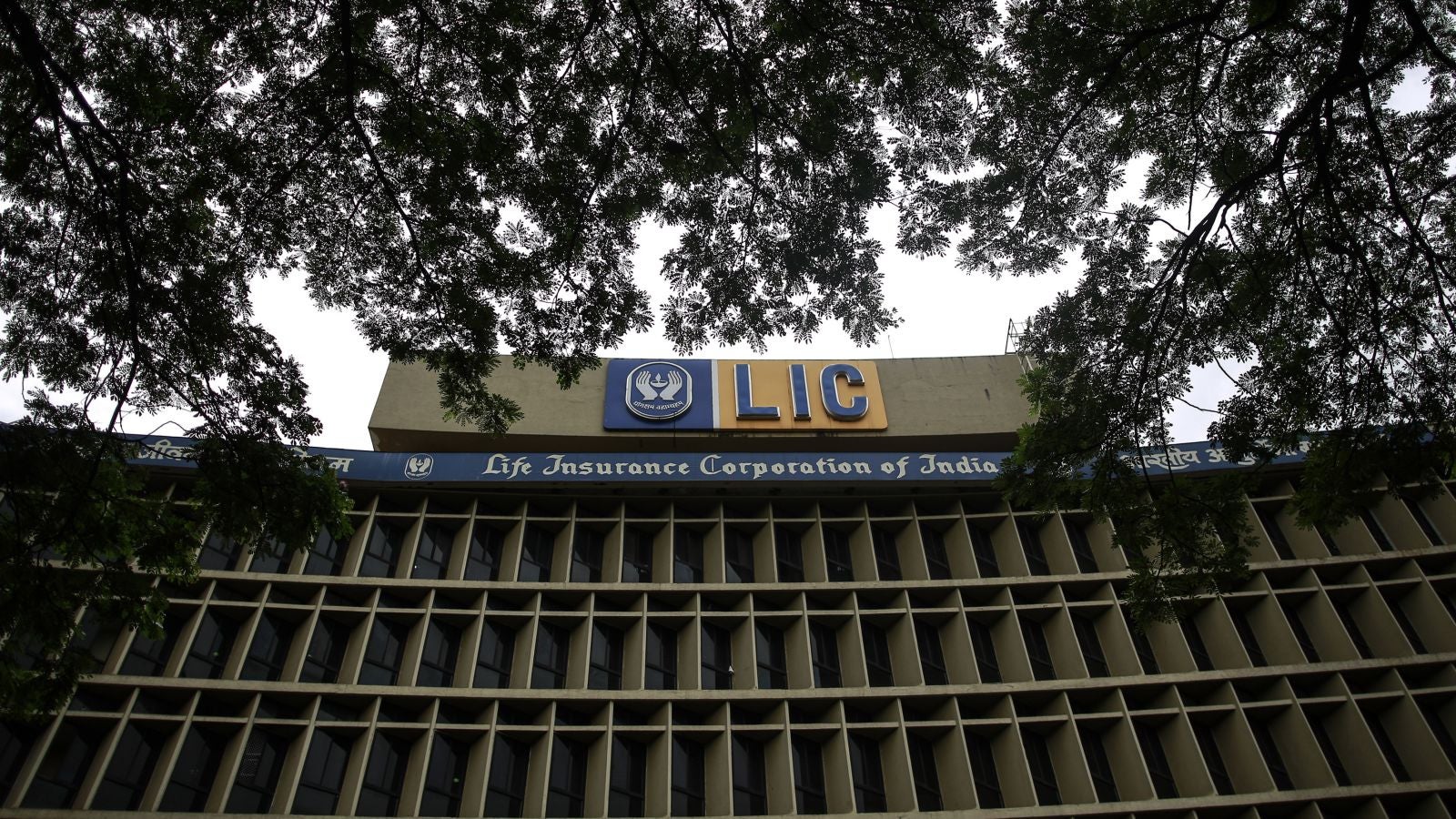
India’s biggest insurance firm is stepping in to rescue the posterboy of the country’s deeply distressed banking sector.