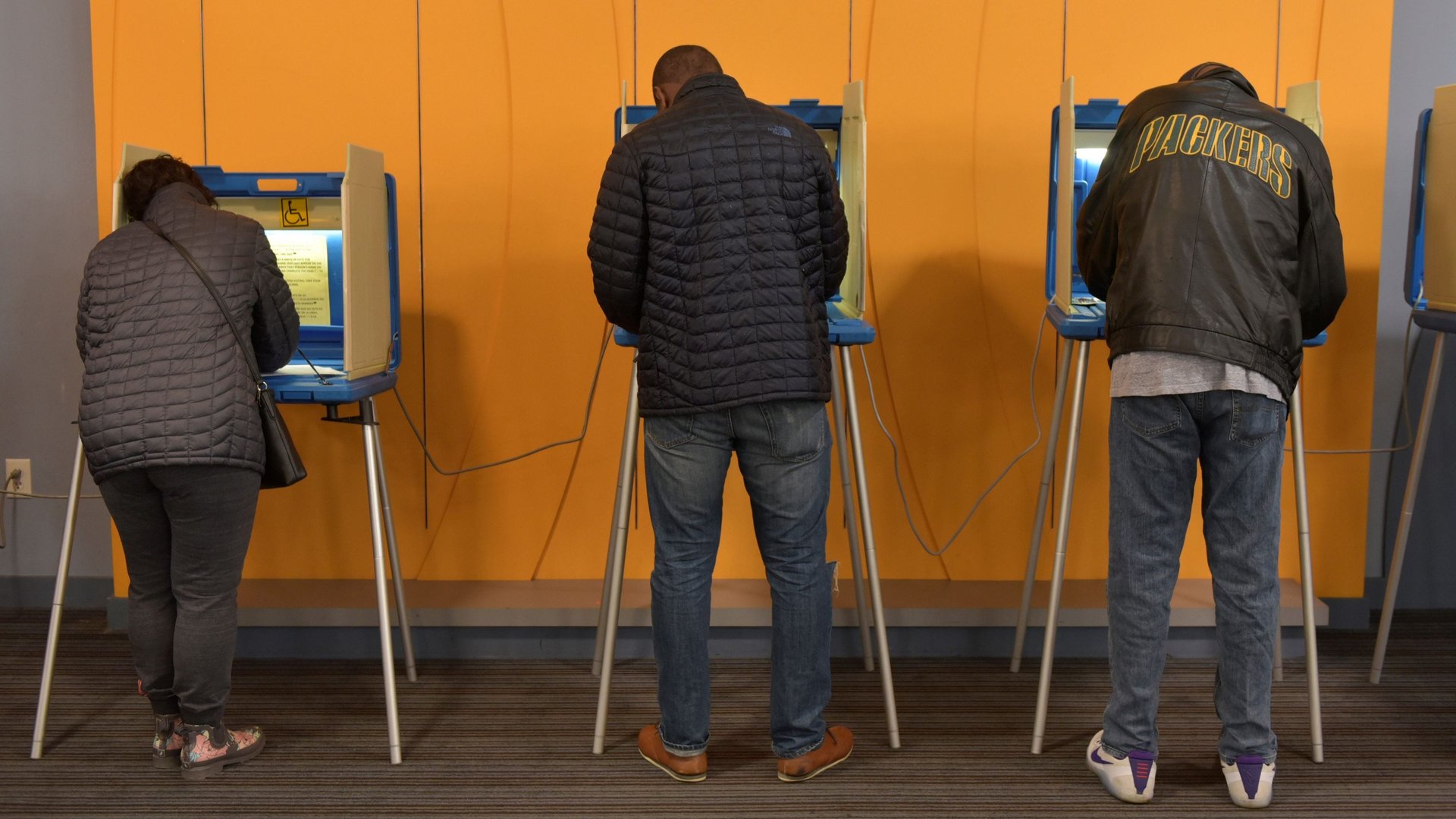
To gain control of the House of Representatives during tomorrow’s midterm elections, Democrats must win a minimum of 23 Republican-held seats. It’s an ambitious goal, but more and more polls suggest they’ll achieve it.

To gain control of the House of Representatives during tomorrow’s midterm elections, Democrats must win a minimum of 23 Republican-held seats. It’s an ambitious goal, but more and more polls suggest they’ll achieve it.

Donald Trump’s tweets about television usually focus on the current-affairs programs he likes, such as Fox and Friends and Hannity, and those he does not, as in all others. (Occasionally he’ll gripe about Saturday Night Live, the show he once called a “guilty pleasure.”)

For the past two years, Elon Musk has been fielding calls from “the Saudis” about the possibility of Tesla going private, he says. In August, the kingdom’s sovereign wealth fund, known as the Public Investment Fund, finally bit, buying an approximately 5% stake in the electric car maker, worth as much as $3.2 billion.

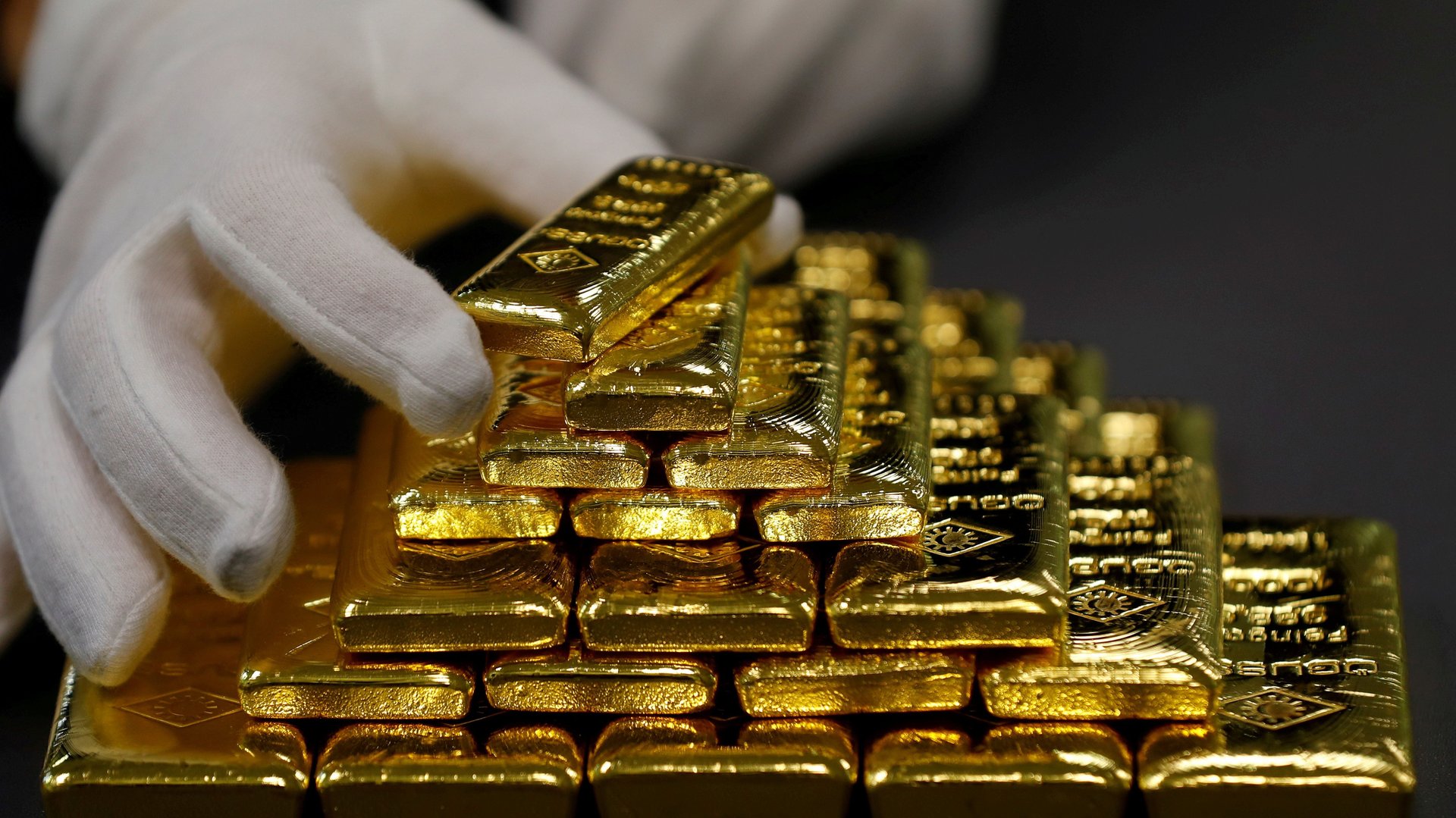
Even as Venezuela has descended further into economic crisis, its gold sector has remained surprisingly robust—until now. In the first nine months of this year, the country exported some 23.6 tons of the precious metal to Turkey, worth $900 million, to generate the hard currency it desperately needs. But new sanctions introduced by Donald Trump seek to stymie the industry—and turn up the pressure on president Nicolas Maduro’s authoritarian regime.

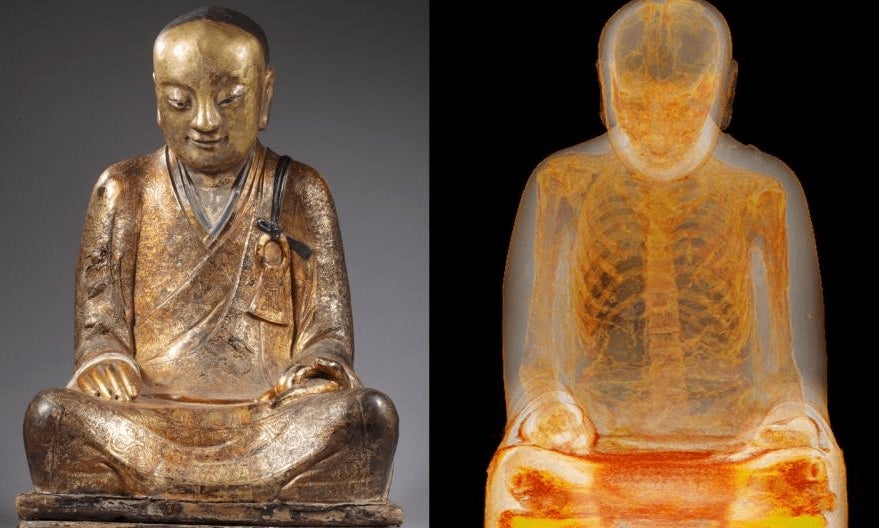
A thousand years ago, a monk and revered healer known as Qisan Zhang died after allegedly starving himself to death. His remains were preserved and then placed in an unusual golden casket, in the shape of a sitting, smiling Buddha. For centuries, townspeople in the eastern Chinese county of Yongchun, in Fujian province, worshipped at his feet—until, in late 1995, the mummy, and its casket, were stolen.

In 2018, central bank reserves across Asia and Eastern Europe have become a whole lot shinier. In the year’s first half, Russia, Turkey, and Kazakhstan began buying gold in bulk. In the months since, India, Hungary, and Poland have followed suit. This year, Russia has added about 20 tons to its reserve each month, on average.

Venice is ordinarily pretty watery. But the worst flooding in a decade has left the Italian city completely submerged, after ferocious storms caused small tornadoes and hurricane-force winds. At least 11 people have died, with many more injured. At its highest point, on Monday (Oct. 29), the high tide rose to more than 61 inches (156 centimeters) above average sea level. (The record high was in 1966, when sea levels rose to 76 inches above the average.)

In the first official statement on how Jamal Khashoggi died, Istanbul’s chief prosecutor reveals chilling details about the Washington Post journalist and Saudi dissident’s murder.

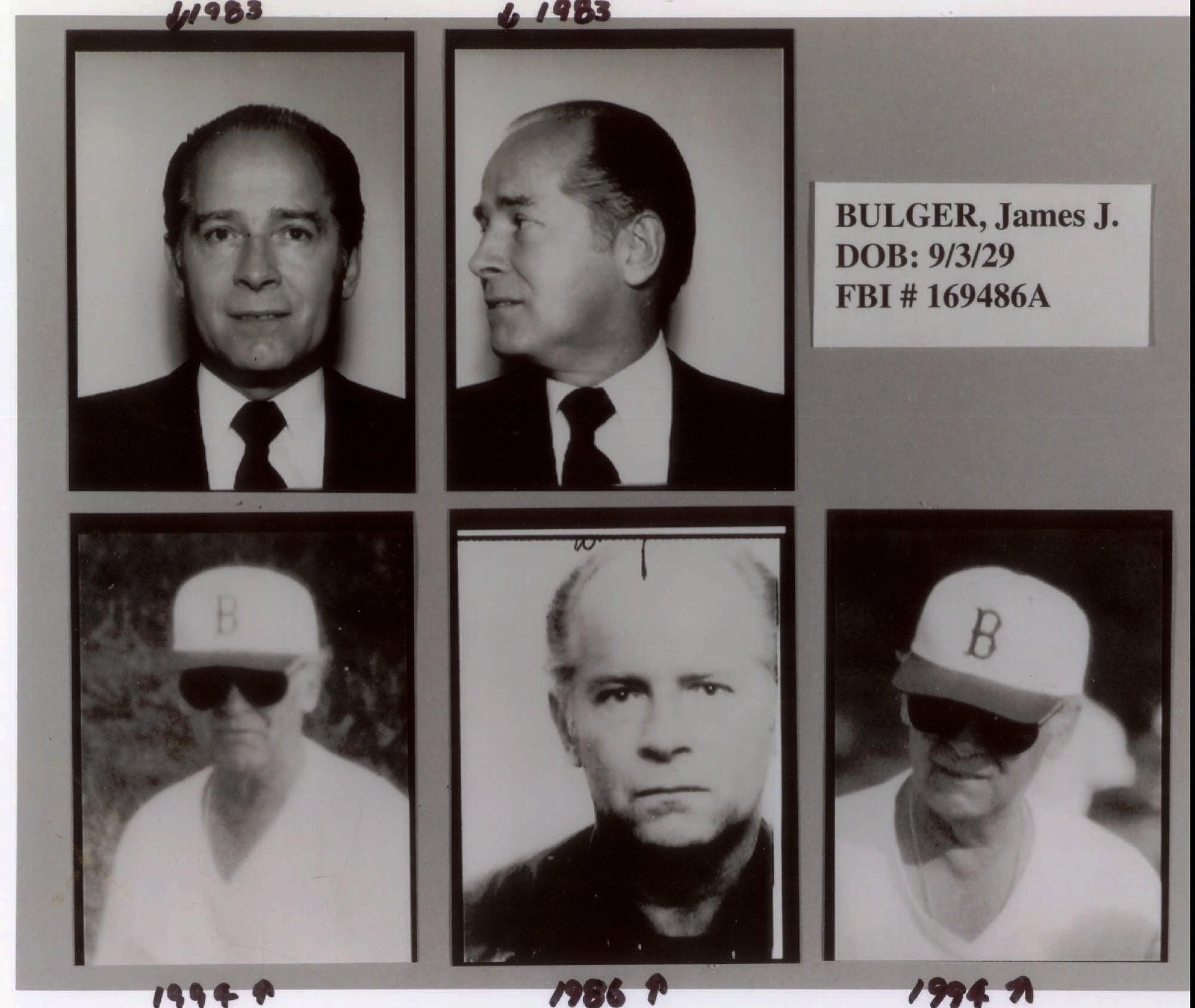
James “Whitey” Bulger was found dead yesterday in a high-security West Virginia prison, where he was serving two life sentences for 11 murders, and had been recently transferred from a Florida facility. The notorious Boston-area organized crime boss was beaten to death by mob-affiliated inmates, the New York Times reports, citing unnamed prison officials.

If you believed the anxious parents and journalists of the 1980s and 1990s, video games were going to ruin our lives—and they might have been right (kind of). It’s still unclear how the future of gaming will change our relationships with both leisure time and each other, but one thing’s for sure: Our addiction to games hasn’t brought the economy to a grinding halt, as one scientist predicted. At least, not yet.

There’s the blue passport, of course, and the much-touted access to what Donald Trump likes to call “chain migration.”

We can’t stop a robotics revolution—and we might be foolish to try. Instead, it’s time to work out how robotic technology can make us better, happier people. That’s the philosophy of Oh Jun-Ho, a South Korean robotics engineer and professor at Korea Advanced Institute of Science and Technology. “Eventually,” he says, “[robots] will help us to keep our dignity as a human. That’s my belief.”

Gab isn’t going anywhere. That’s according to an apoplectic statement put out by the “free speech” social network in the wake of the site being “no-platformed by essential internet infrastructure providers at every level,” leading to its being shut down.

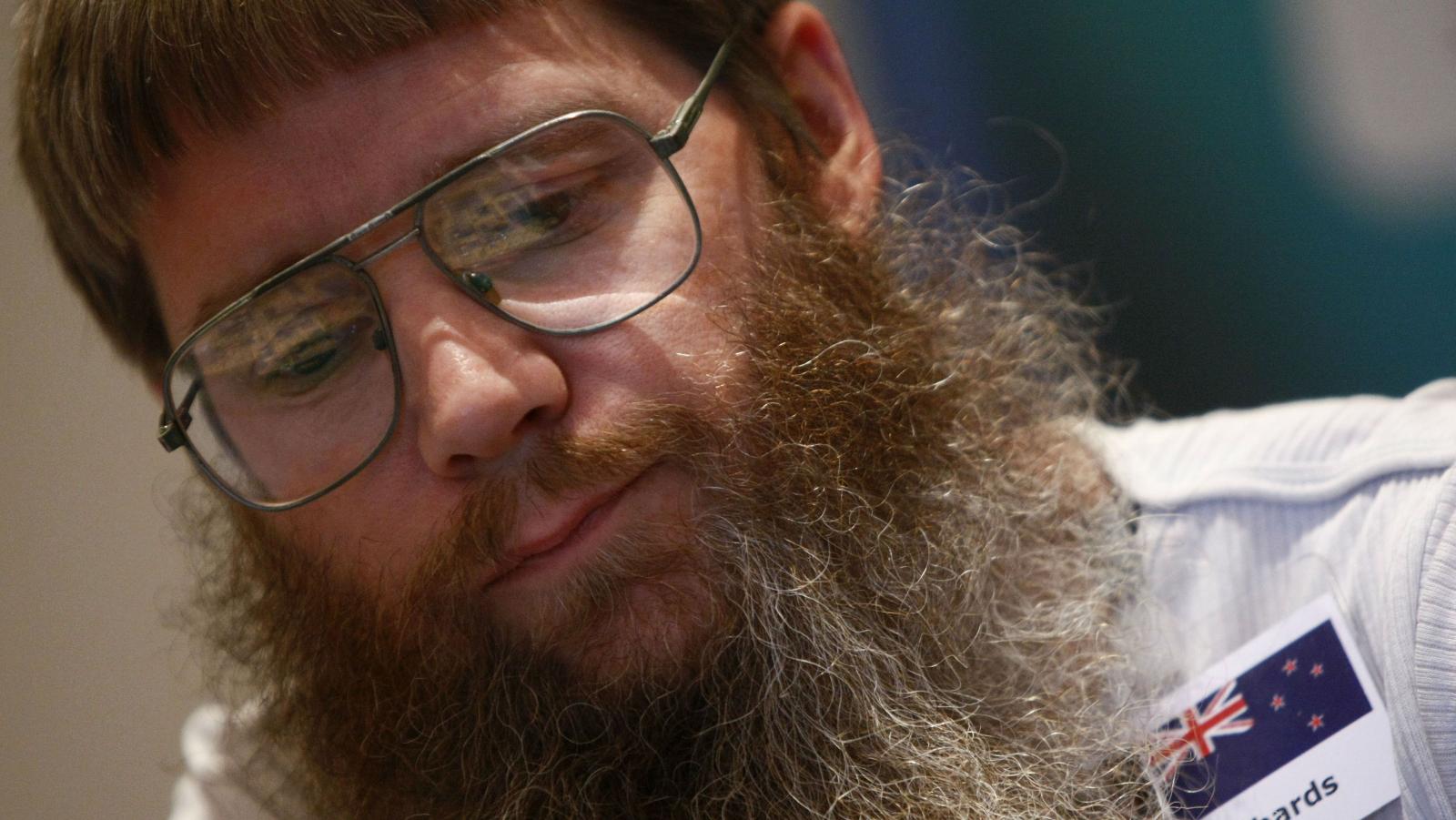
In 3,602 Scrabble games on the competitive circuit, New Zealander Nigel Richards has won a staggering 2,758 times—in both English and French. As of Sunday (Oct. 28), he has yet another trophy to add to his mantlepiece: his fourth win at the World Scrabble Championship, held in London.

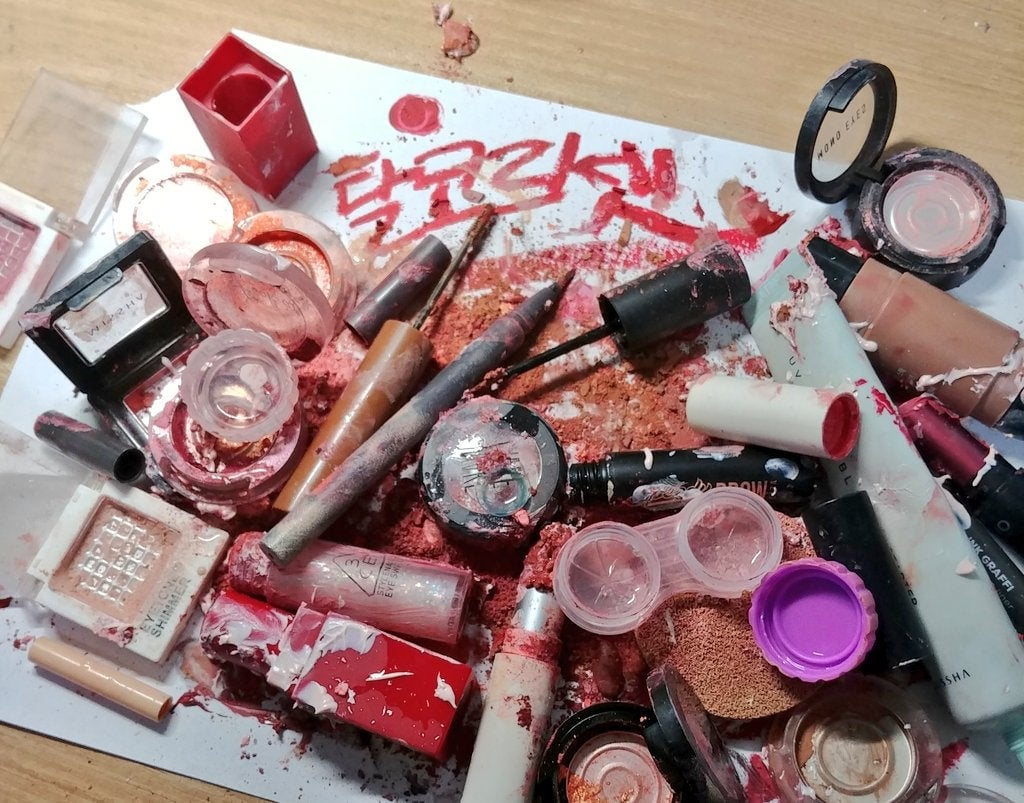
They are scenes of beautiful destruction—often to the tune of many hundreds of dollars. South Korean women are trashing makeup collections accumulated over months, or even years, and then posting the results online. Iridescent eye shadow is pulverized into glittery dust, peachy nail polish emptied out onto pieces of white paper, and lipstick crushed into crimson smears.

If you’ve got a bright idea for how to solve the world’s water crisis, US Secretary of Energy Rick Perry wants to hear about it.

For now, there isn’t another more famous Natasha Frost.

The stock market’s rough start to the week might round out to a happy ending—and it’s all thanks to tech stocks. Giants such as Twitter, Tesla, and Microsoft reported strong earnings today, pushing the increasingly volatile Nasdaq Composite index up 3%, its biggest jump since March 26.

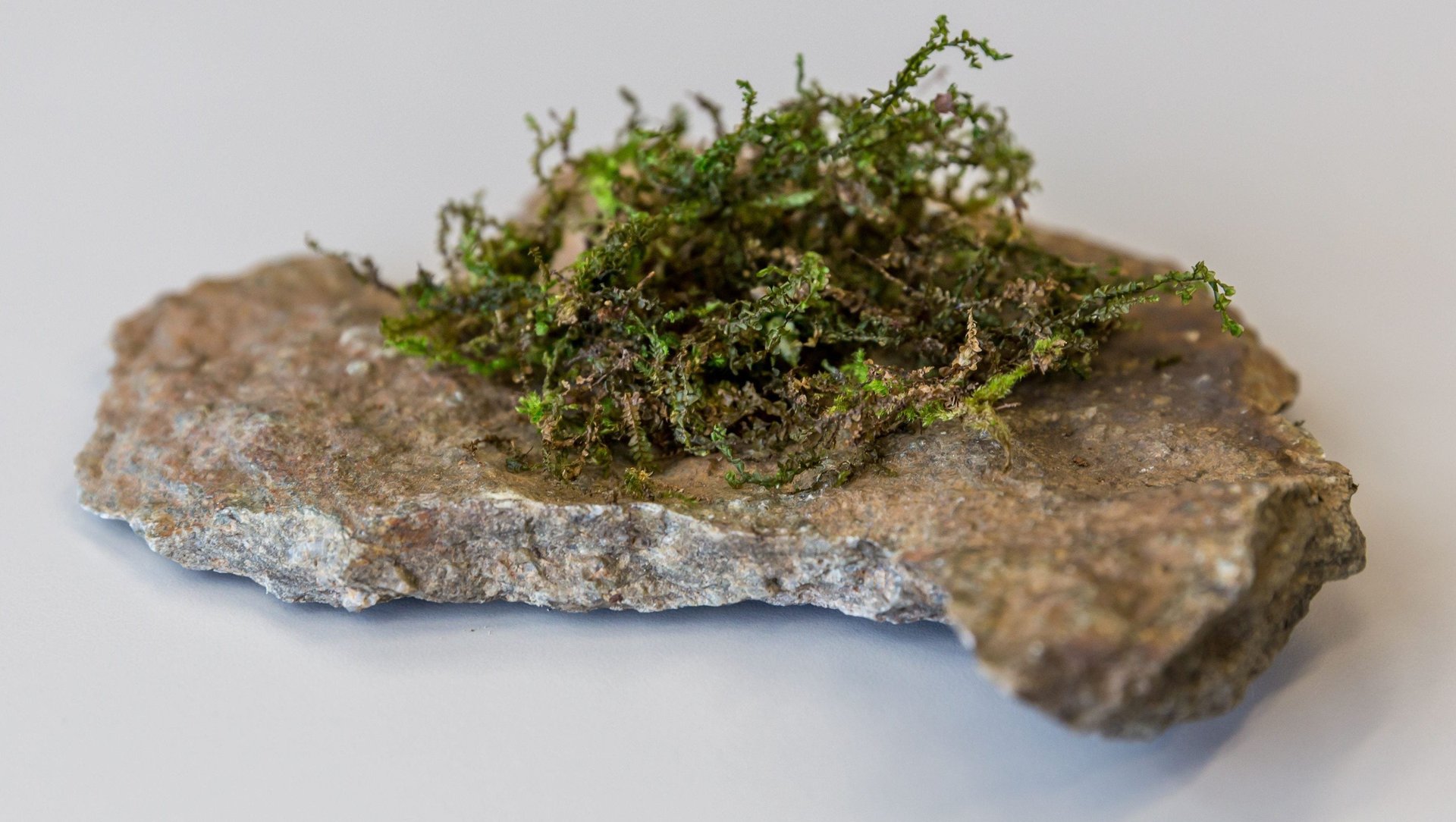
Liverwort isn’t much to look at. These low-to-the-ground plant species creep along unobtrusively enough, spanning their hand-like fronds over rocks and logs alike. But there’s a secret side to some of these mossy weeds. In a report published yesterday (Oct. 24) in Science Advances, researchers revealed that certain members of the Radula genus of liverwort—there are about 9,000 species of liverwort; Radula comprises some 200-300 species—contains a chemical compound that relieves pain, much like the tetrahydrocannabinol (THC) found in marijuana. Unlike THC, however, perrotetinene, as the compound is known, doesn’t give you a psychoactive high.

When Christie’s announced the auction of Portrait of Edmond De Belamy, an AI-generated portrait by the Paris collective Obvious, even those in the insular world AI art were less than impressed. “You can’t be serious,” German artist Mario Klingemann told the New York Times, comparing the portrait “to a connect-the-dots children’s painting.”

It’s a real sea of noise in the oceans these days. On top of the normal sounds of singing cetaceans, cracking shrimp, and surprisingly rowdy fish, humans have unloaded a veritable cacophony into the water: noises from boats large and small, the sounds of great honking container ships, the dull roar of seafloor mining, and the jackhammering of oil and gas exploration. And because sound travels fast, and far, through water, the noise pollution is magnified, spreading this high-decibel ambient sound all over the seas.

“Portrait of Edmond De Belamy,” which goes on sale at Christie’s today (Oct. 25), looks at a quick glance like the handiwork of some long dead Old Master. It’s a little smudged, maybe, but you can see it in the lightness of the brush strokes; the negative space around the edge of the canvas; the subtle chiaroscuro. This maestro knew what they were doing.

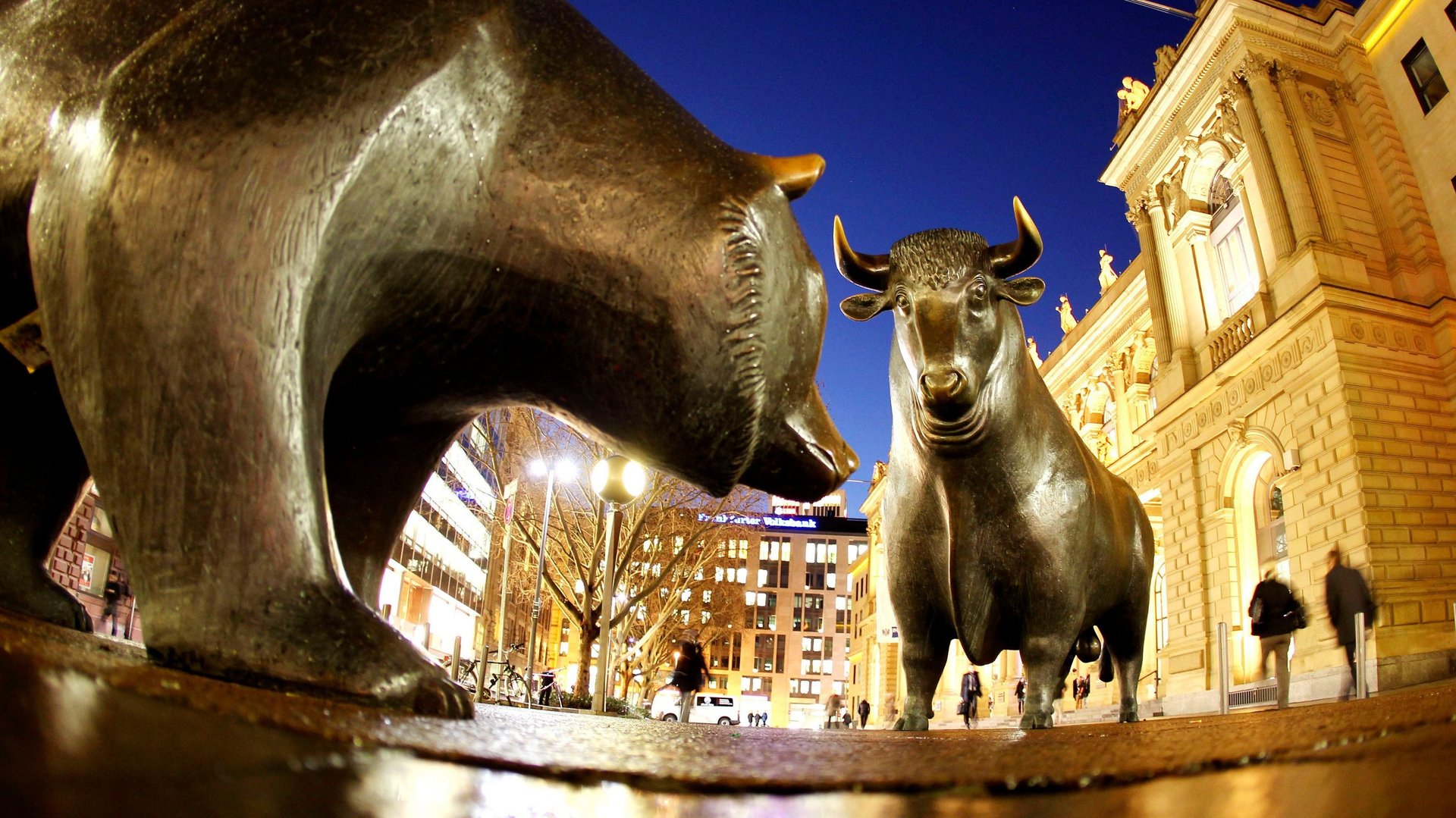
We’re in the midst of the longest bull market in American history, which began in March 2009. But the bull has been stumbling pretty badly of late, leading some analysts to investors to wonder whether this is the start of a bear market, commonly measured by a 20% fall from a previous peak.

Someone in South Carolina just found out that they will soon have more money than they could possibly imagine for the rest of their lives. They and their family will want for nothing. Extra guac? No problem. First-class plane seats? It’s private jets only from here, baby. A solid gold toilet seat? All the better to match the faucet.