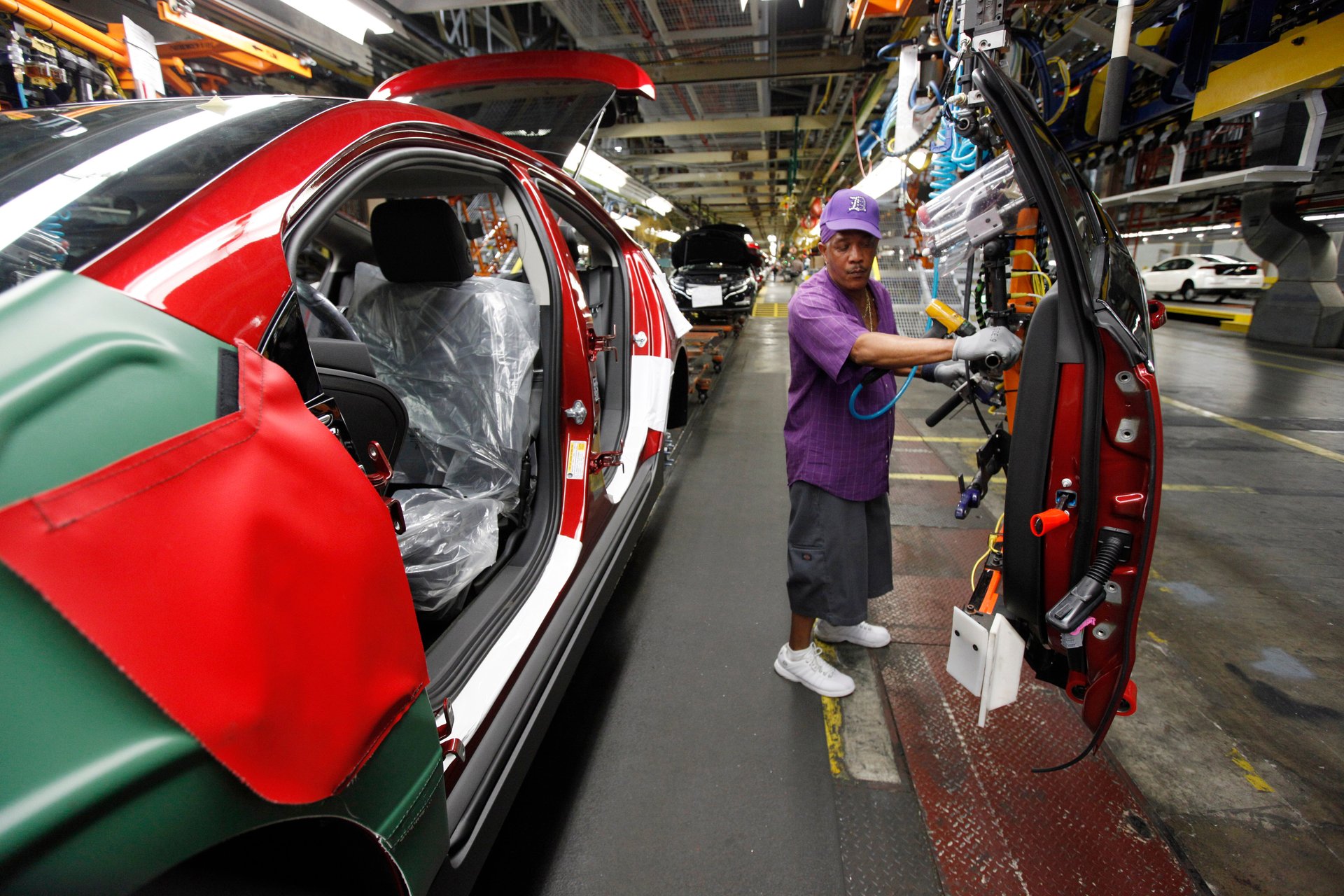
The US employment added 214,000 jobs in October, falling short of expectations. The unemployment rate ticked down to 5.8%, though. Stick around for all of our charts and analysis, updating here live.

The US employment added 214,000 jobs in October, falling short of expectations. The unemployment rate ticked down to 5.8%, though. Stick around for all of our charts and analysis, updating here live.

Analysis by Katherine Martin suggests that the words Americans use to belittle each other’s political views vary based on the target’s political affiliation

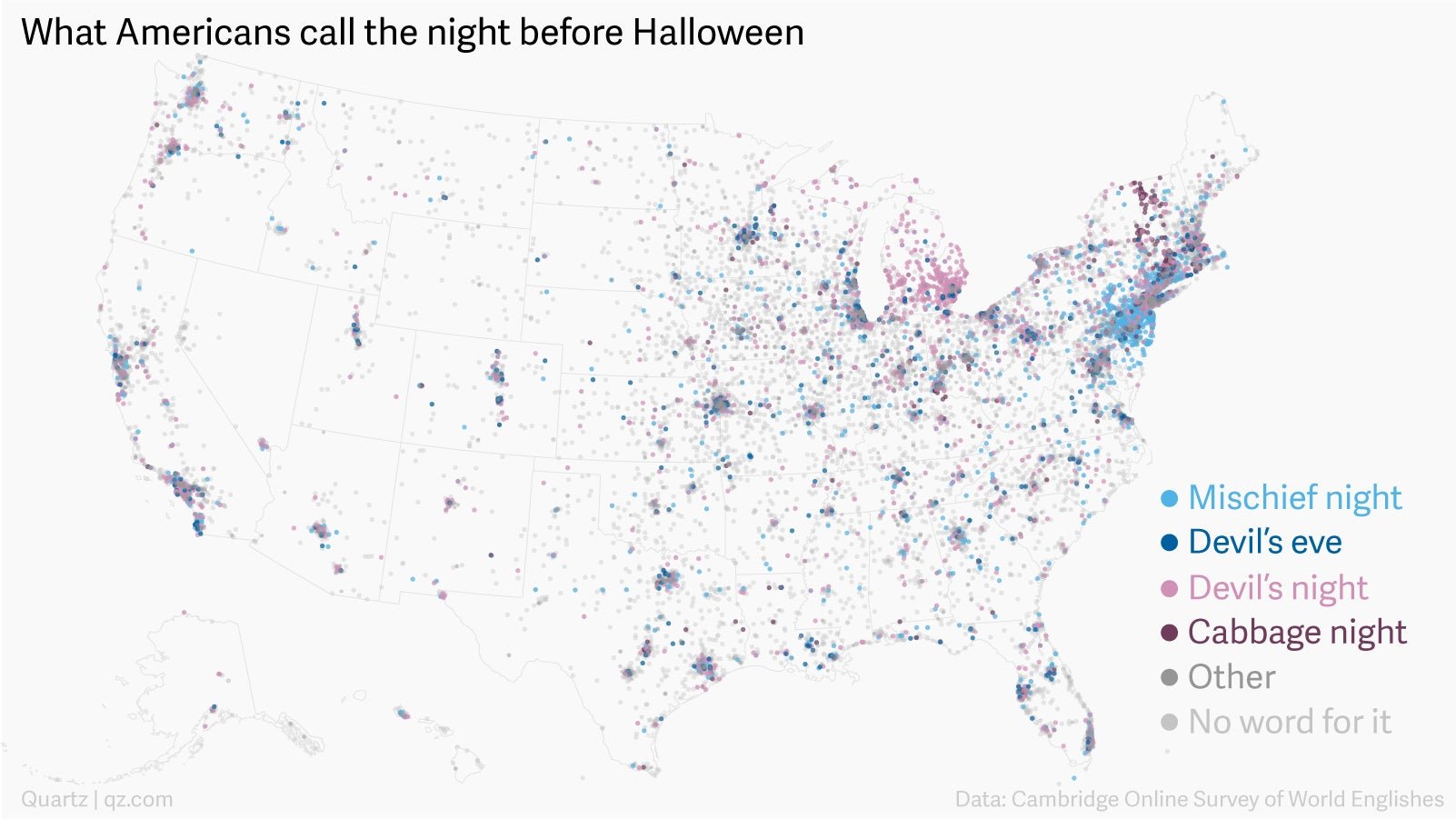
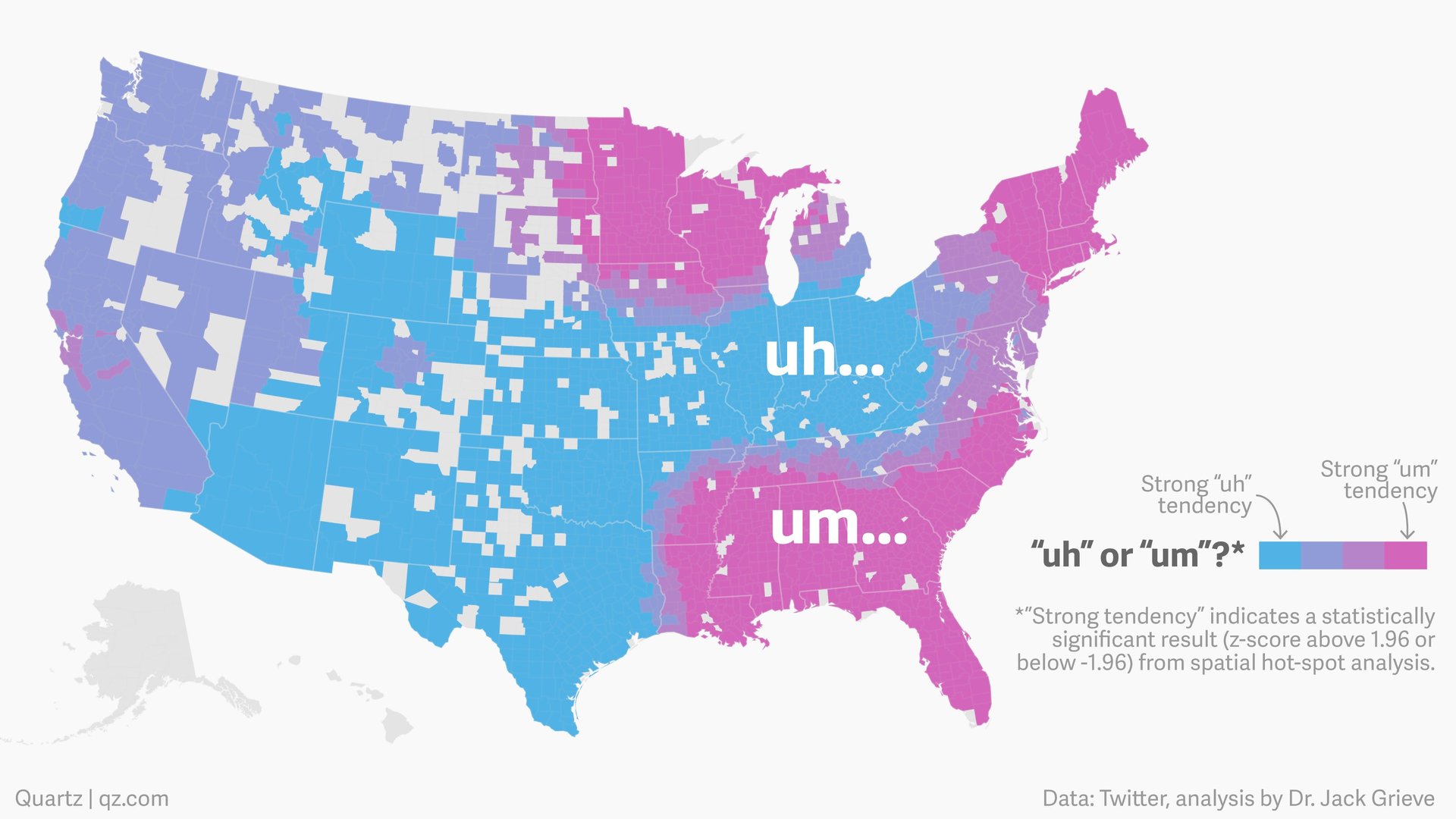
I grew up in Michigan, so I assumed all of the US—nay, the entire English-speaking world—referred to the night before Halloween as “devil’s night.”

Since long before the verb “google” made it into the Oxford English Dictionary (OED), English speakers have been eager to find out which neologisms make their way into the linguistic canon. This year the OED added “humblebrag,” “subtweet,” and, amazingly, “amazeballs.“

The minimum wage is the subject of a long-running and contentious debate in economics. One side of the debate says employers react to the higher costs by simply employing fewer people, meaning a minimum wage makes low-skilled workers worse off. The other side says that it is possible to pay low-income earners more without affecting their job prospects.

HONG KONG—Hong Kong’s chief executive CY Leung’s recent claim that Hong Kong’s citizens were too poor to allow direct elections was greeted with outcry here and astonishment overseas.

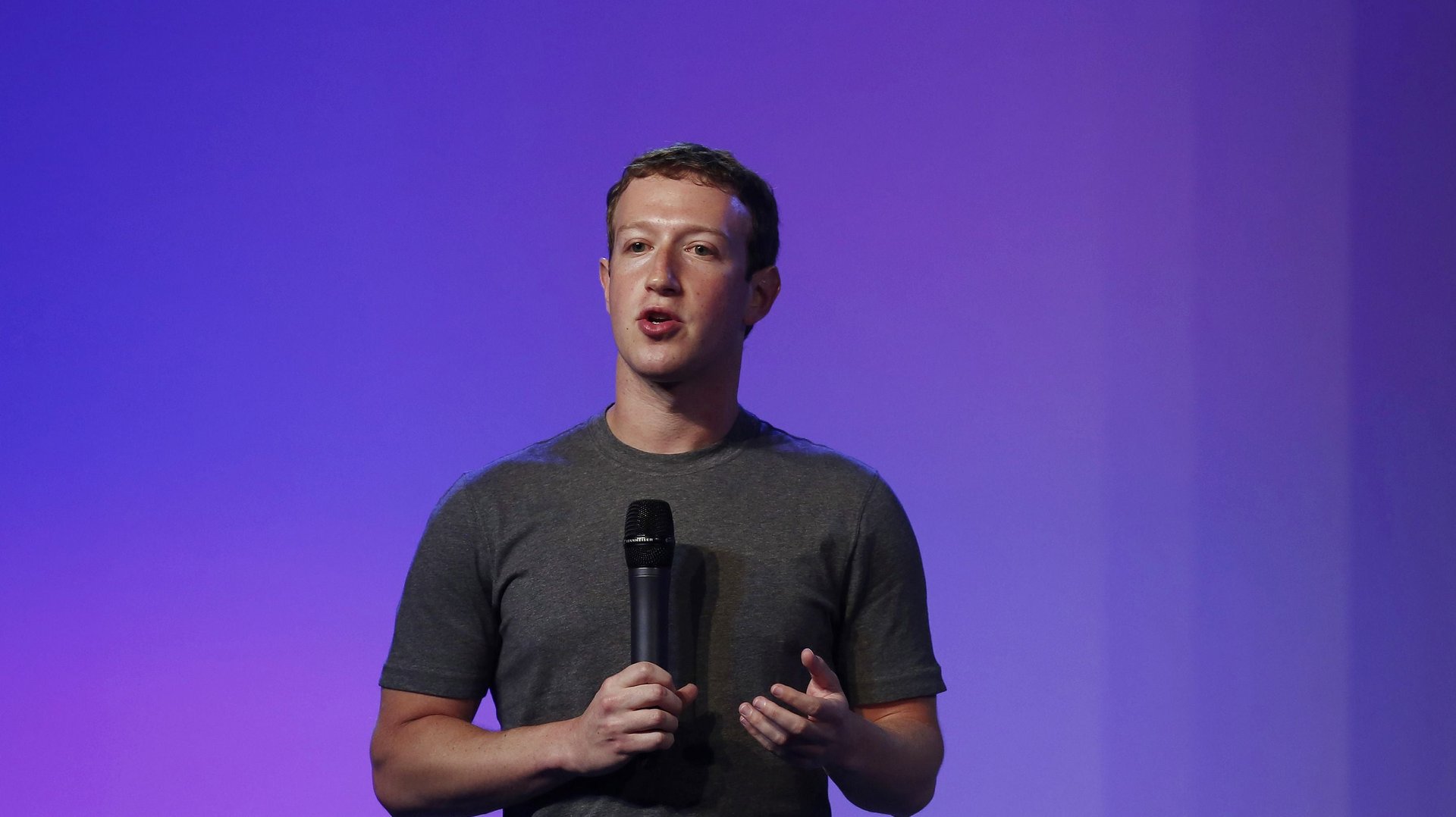
Whether part of a bid to get Facebook unblocked or, as he professes, because he “wants to study Chinese culture,” founder Mark Zuckerberg awed the internet on Wednesday (Oct 22) with a 30-minute interview at Beijing’s Tsinghua University—in Mandarin. “Mark Zuckerberg nails a Q&A in Chinese like it’s no big deal,” gushed the Silicon Valley Business Journal, observing that he “slayed the crowd.” The Facebook clip of the interview—posted without subtitles—elicited like upon like from adoring fans, noting how “impressive” he was. Behold the first two minutes:

“Causation is not correlation” is a favorite mantra of statistics nerds. To see why, just look at a few charts on the blog Spurious Correlation, like this one showing bedsheet-related deaths moving in lockstep with ski resort revenues. Correlation can’t be dismissed outright, though: proving that X happened because of Y is usually close to impossible, and correlation is often the best we’ve got.

An editorial published Wednesday in the People’s Daily, a mouthpiece for China’s Communist Party, told protesters in Hong Kong that they would face “unimaginable consequences” if their demonstrations continued. Quartz has translated that editorial and analyzed its implications.

The US economy added 248,000 jobs in September. The unemployment rate fell to 5.9%, falling below 6% for the first time since July 2008. Here’s the breakdown of employment status for all Americans age 16 and above:

We’ve heard for some time that the rising wages of industrial workers in Asian manufacturing hubs are eroding the region’s low-cost advantage. Cities aren’t the only places where labor is getting more expensive, though. A new Overseas Development Institute report on rural wage growth shows that even the cheapest labor in Asia isn’t quite so cheap anymore.

Quartz has examined the harsh message that the Chinese government sent to protesters in Hong Kong in an editorial warning them of “unimaginable consequences.” Now we have translated the full text of that editorial.

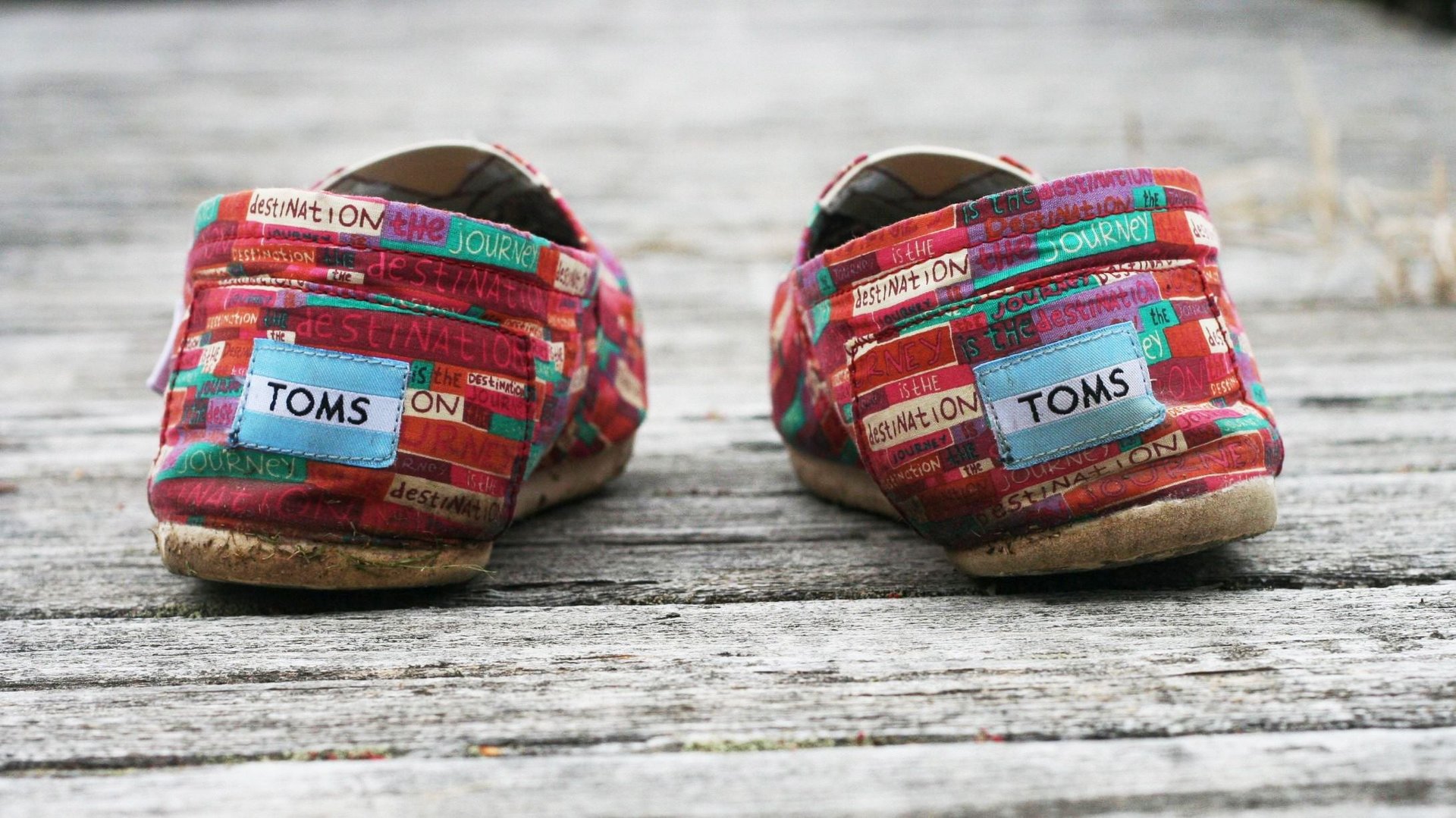
“In 2006, American traveler Blake Mycoskie befriended children in a village in Argentina and found they had no shoes to protect their feet.” That’s how TOMS—the footwear company that donates a pair of its shoes for every pair sold—tells its origin story. Shoeless children, however, is not what a group of researchers found when they went to El Salvador to assess the impact of TOMS on the local economy.

The leaders of the Western world think their young citizens should be learning Mandarin Chinese. David Cameron said so late last year. And Barack Obama’s own daughter, Sasha, is learning the language.

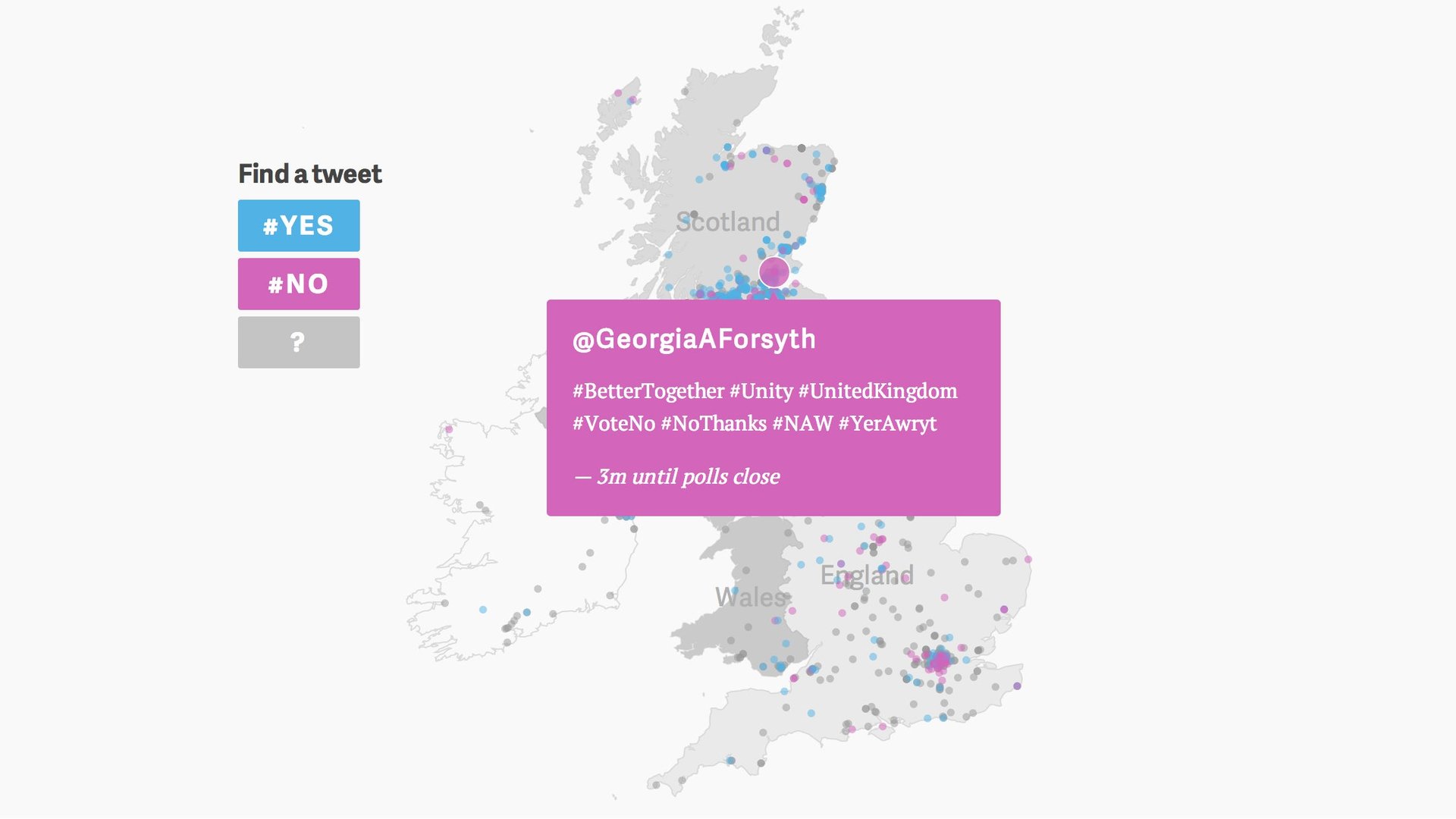
Scotland voted to stay in the United Kingdom, and by a surprisingly wide margin. If you were watching social media as the vote came to a close, however, that outcome didn’t look likely.

Alibaba’s initial public offering is likely to be the biggest the world has ever seen. The scale of the thing has led many to compare the huge Chinese company to familiar internet giants in the West, such as Amazon. But the company isn’t just the “Amazon of China”—it’s also the Dropbox, PayPal, Uber, Hulu, and more. Though Google has its fingers in a similarly high volume of pies, its enterprises, unlike Alibaba’s, are exclusively digital.

This piece has been corrected.

The US economy added 142,000 jobs in August, falling short of expectations. The unemployment rate fell slightly, to 6.1%. Here’s the breakdown of employment status for all Americans age 16 and above:

If you’ve taken the quiz above, you’re probably wondering about Stella and her very particular trip to the grocery store.

Where is the line between ”poor” and “not poor”? The international standard says that anyone making under $1.25 per day should be considered poor. Above that, not poor.

It’s hard to grasp the scale of the robot revolution that is slowly eating away at the human workforce. A new video by CGP Grey, a Youtube user who makes short explanatory videos, helps put things in perspective.

“Expert: There is no evidence that coffee and onions cure Ebola.”

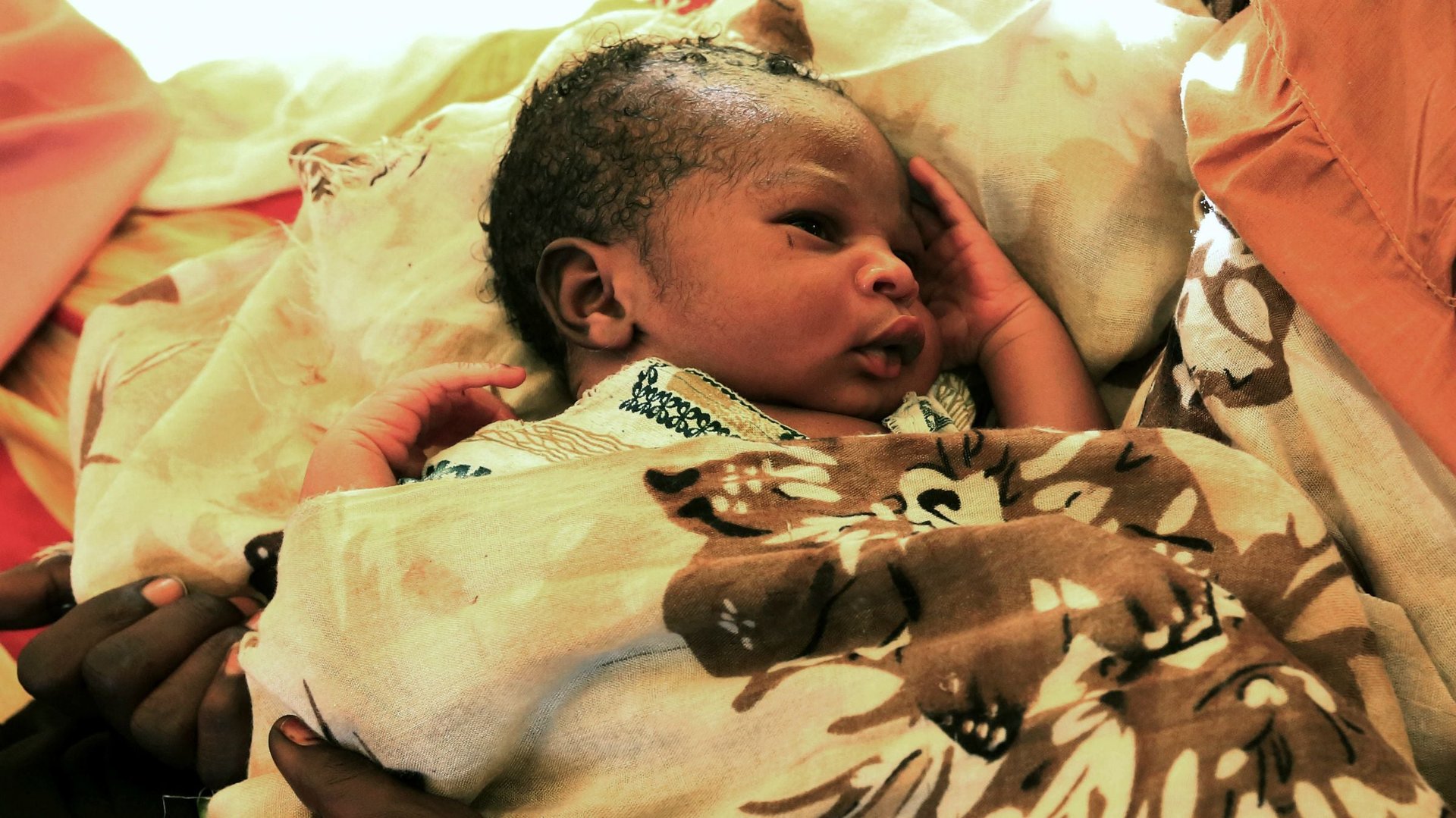
China is home to a fifth of the world’s population, a fact its government frequently mentions for geopolitical gain. Nearly every news report on India’s recent elections mentioned that it is the “world’s largest democracy.” By contrast, the number of Africans is about a quarter that of Asians.

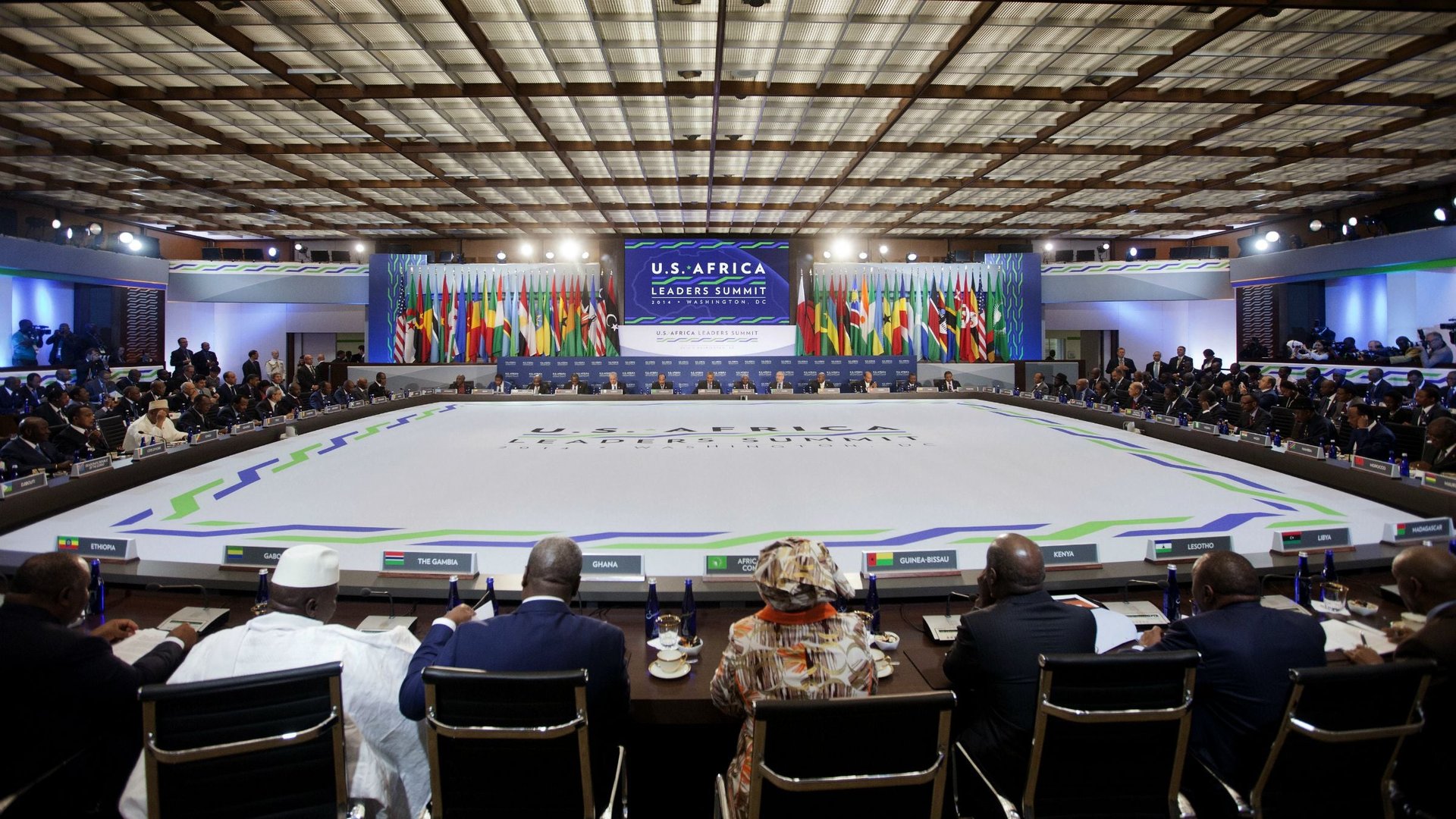
This week African leaders met with officials in Washington and agreed to billions of dollars of US investments and infrastructure deals. But the terrible state of statistical reporting in most of Africa means that it will be nearly impossible to gauge how effective these deals are at making Africans, or the American investors, better off.