

Money & Markets
Africa is minting millionaires but the poor aren’t getting any richerAfricans are getting richer.
Updated July 20, 20222 min read
Africans are getting richer.

Hollywood has an Africa problem. The latest manifestation of this is the trailer of Will Smith’s new film, Concussion, in which Smith plays the real-life Nigerian pathologist Dr. Bennet Omalu.

The Islamic State of Iraq and the Levant (ISIL), the al Qaeda offshoot that now controls parts of Iraq and Syria, says in its latest video they are introducing a new currency that will bring about the end of the American “petro-dollar system” and “cleanse the entire earth of corruption.”
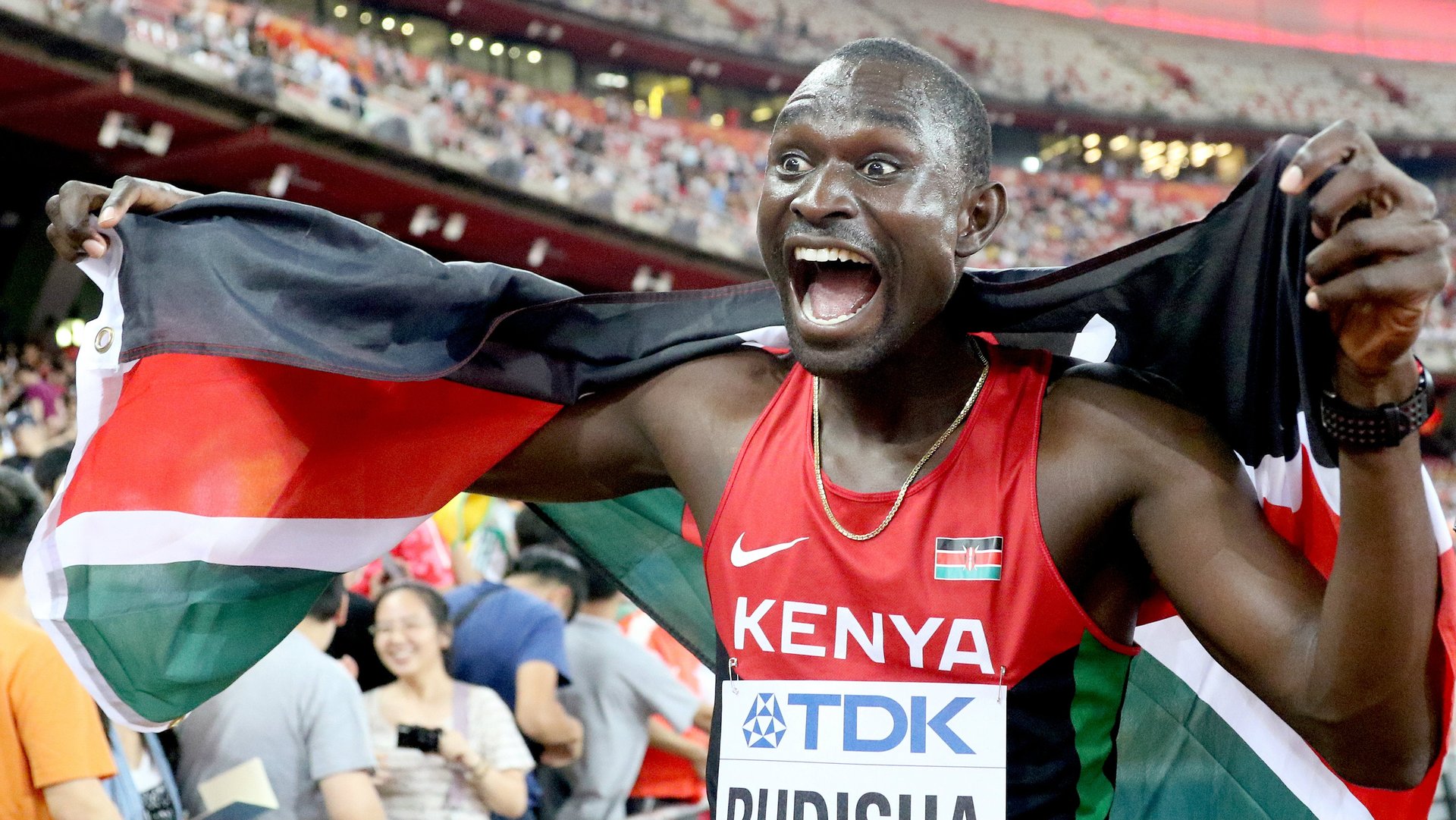
Kenya is on top of the world. As the world athletics championships wrapped up in Beijing on Sunday (August 30th), Kenyan athletes managed to top the overall winners table with a total of 16 medals: seven gold, six silver and three bronze.
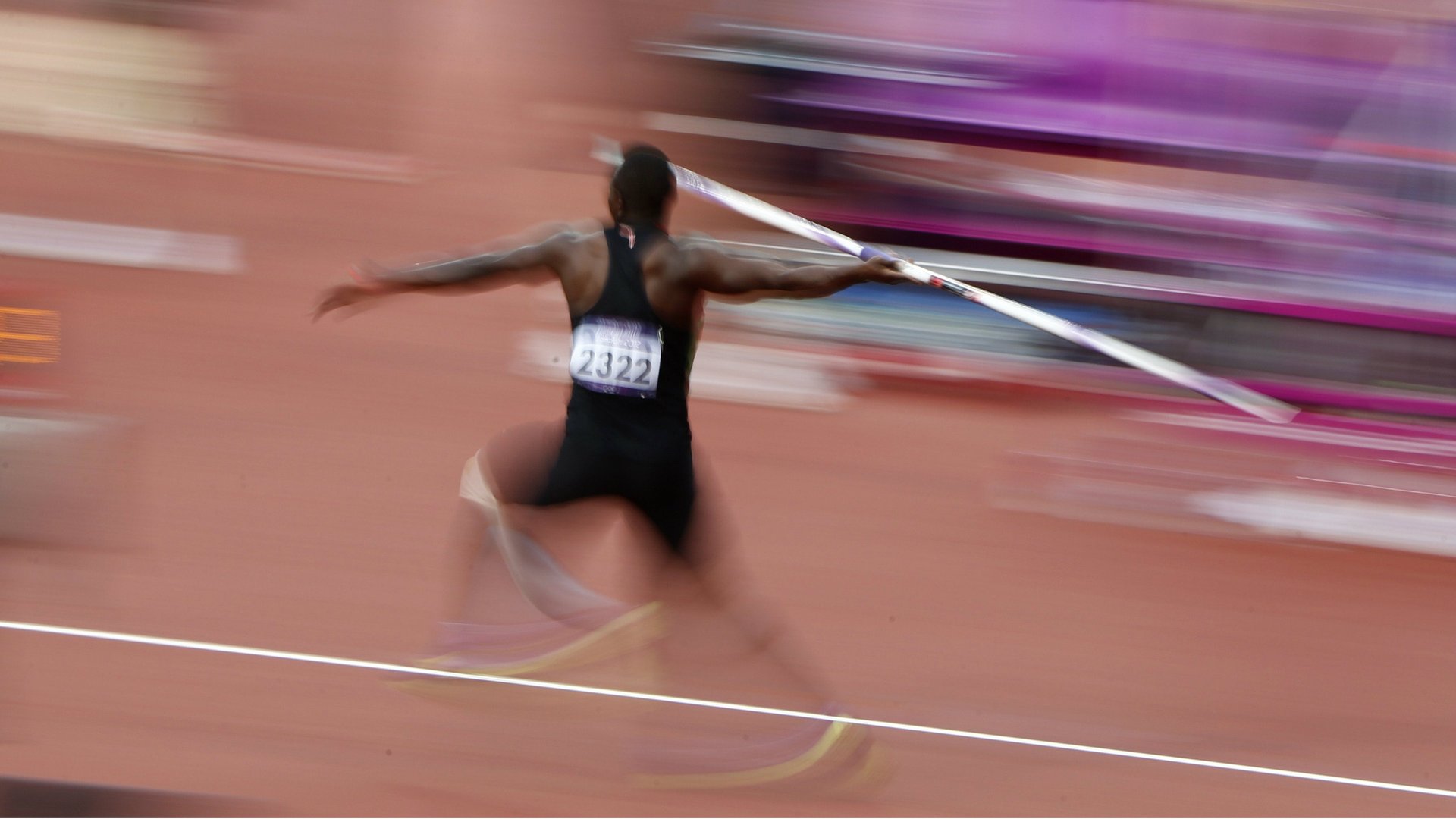
Kenyan Julius Yego yesterday (Aug. 26) secured a gold medal at the World Athletics Championships in Beijing in javelin. His throw of 92.72m won the competition by four meters, and was not far away from the current world record of 98.48m, held by Jan Zelezny of the Czech Republic.
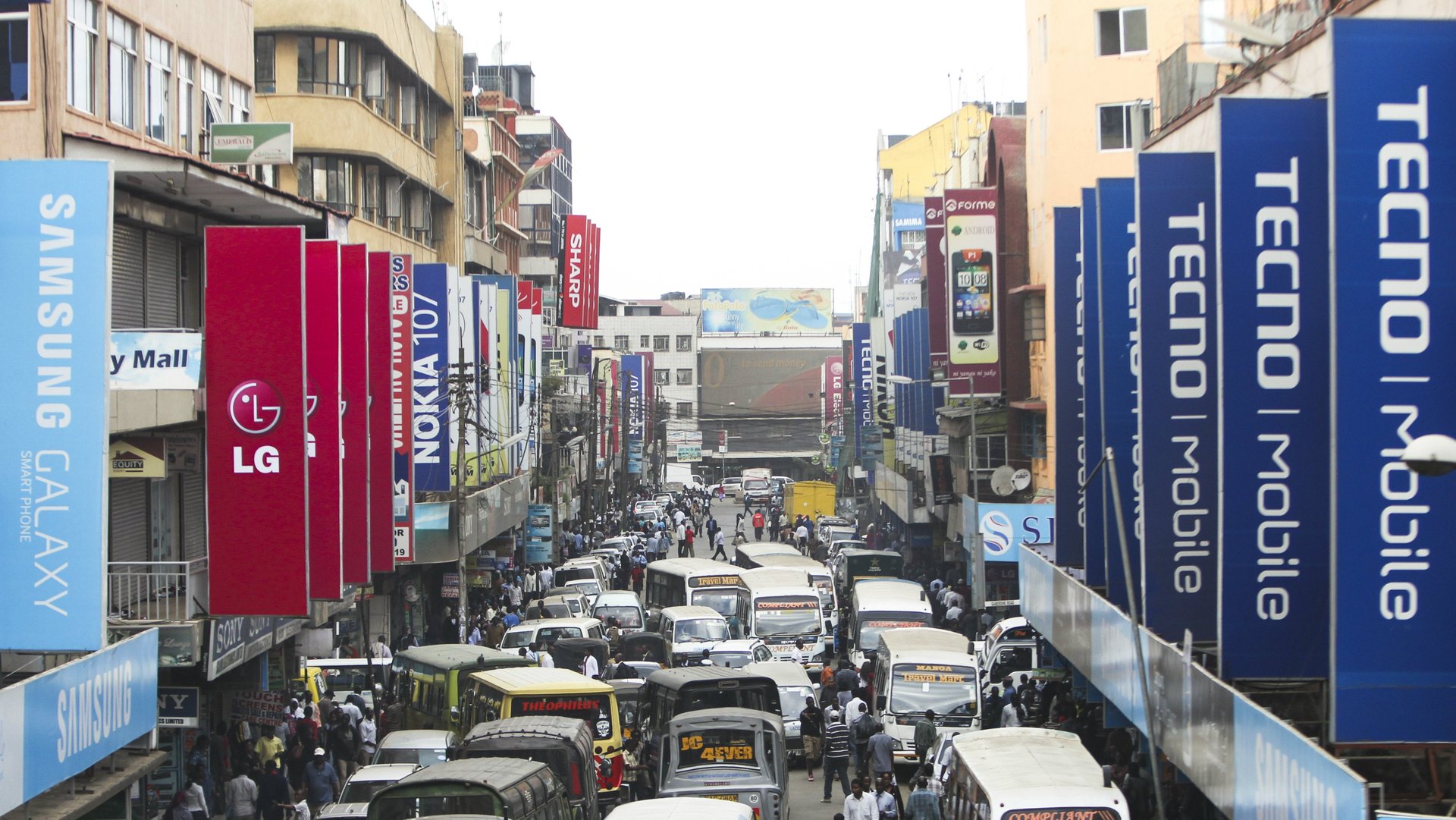
Sub-Saharan Africa’s major economies are struggling.
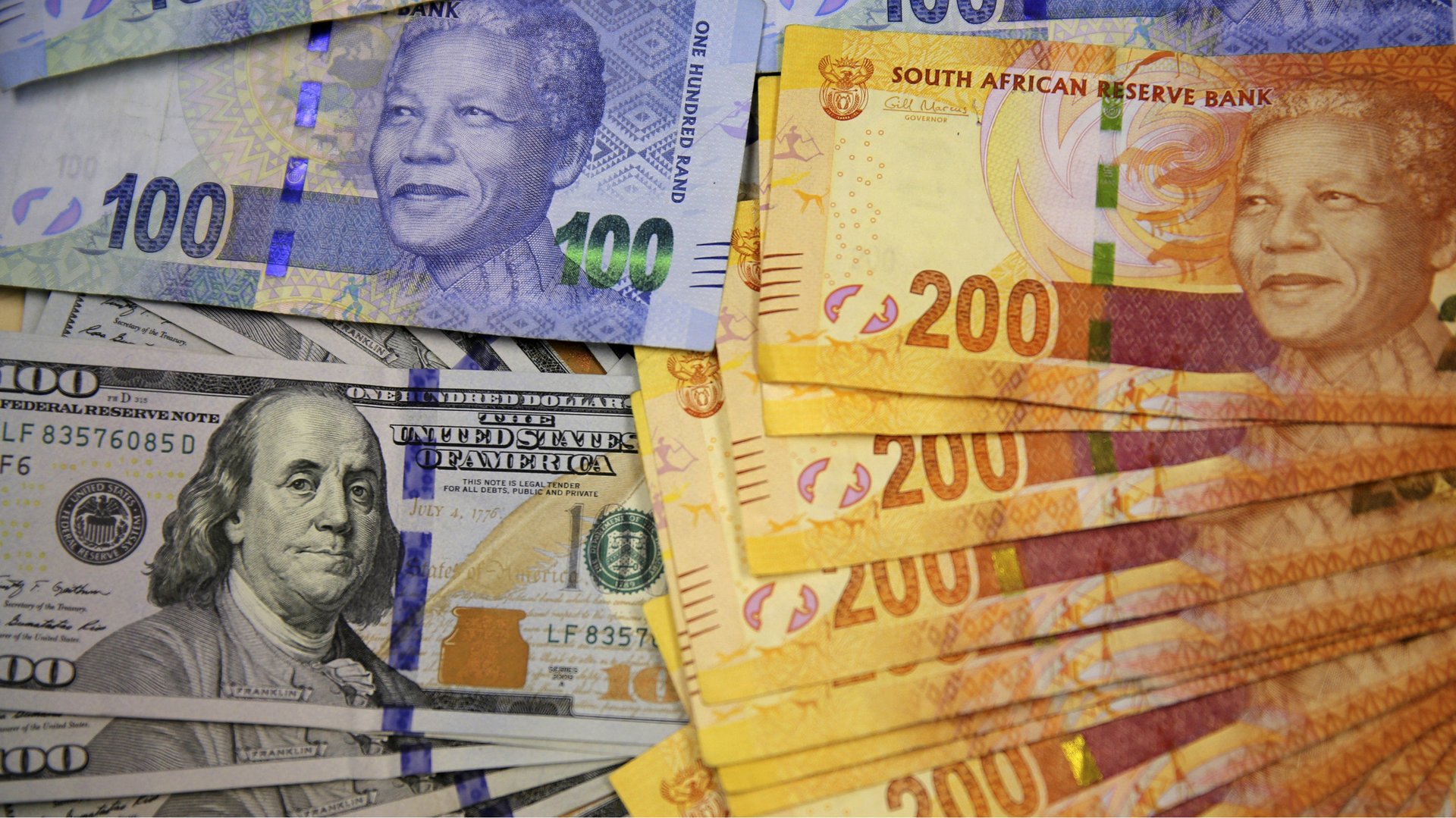
The South African rand has been in a slump for a while. But after this week’s crash in Chinese stock markets sent convulsions throughout the global economy, and especially in emerging markets, the rand plunged to an all-time low against the US dollar.
It is no secret that Bharti Airtel’s African adventure has not quite gone to plan. But the Indian-based company and the world’s third largest mobile carrier may have found an ace up its sleeve to help spur the company’s business on the continent: Partnering with Facebook.
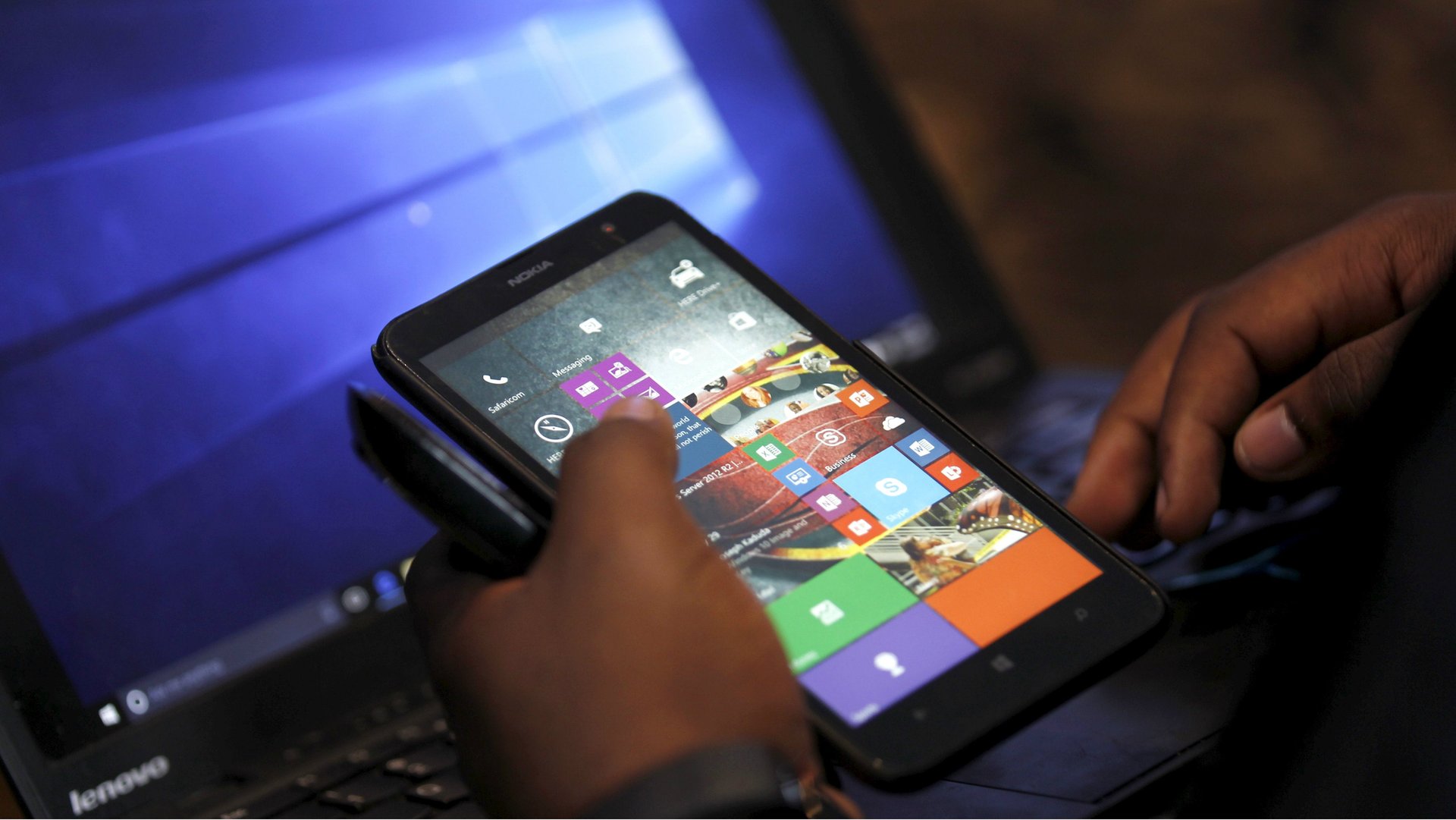
With annual smartphone sales in Africa projected to go above 120 million by 2020, global firms are fighting to offer the cheapest handsets on the market. Currently, 20% of smartphones sold in Africa cost less than $100.
Naspers, the South African media conglomerate, is one of the leaders of Africa’s pay-TV market. And now, it wants a piece of the region’s growing mobile content business.

This post has been updated.
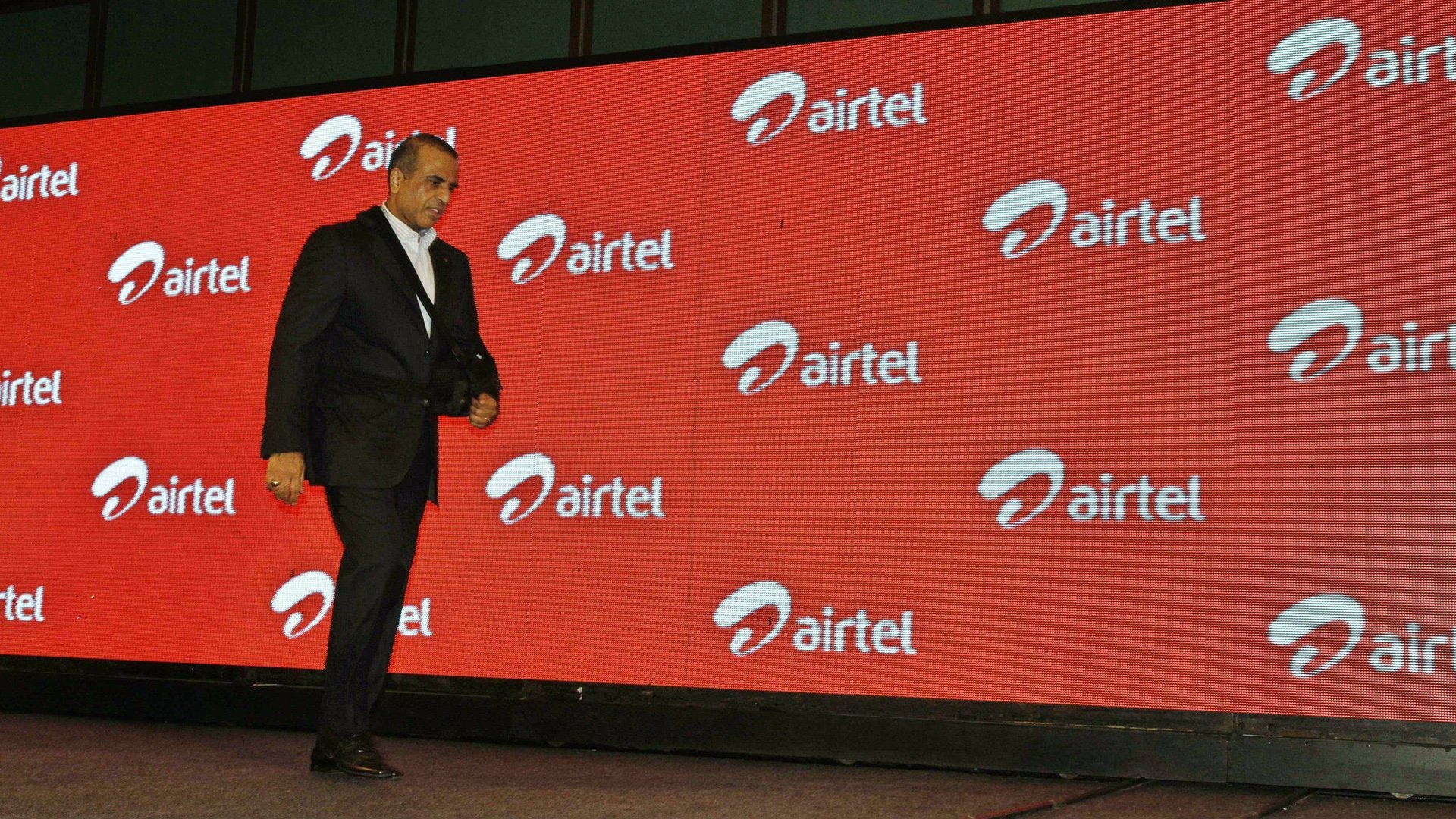
Airtel Kenya is engaged in a mighty battle against Safaricom for Kenya’s growing mobile market. The telecom company is struggling to put a dent in Safaricom’s dominance, but they are getting left behind.

Africa’s middle class is rising and they have money to spend. About a third of the continent spends between $4 to $20 a day—a group that is expected to grow to 42% by 2060, according to data from the Africa Development Bank (pdf). That’s more than a billion people.
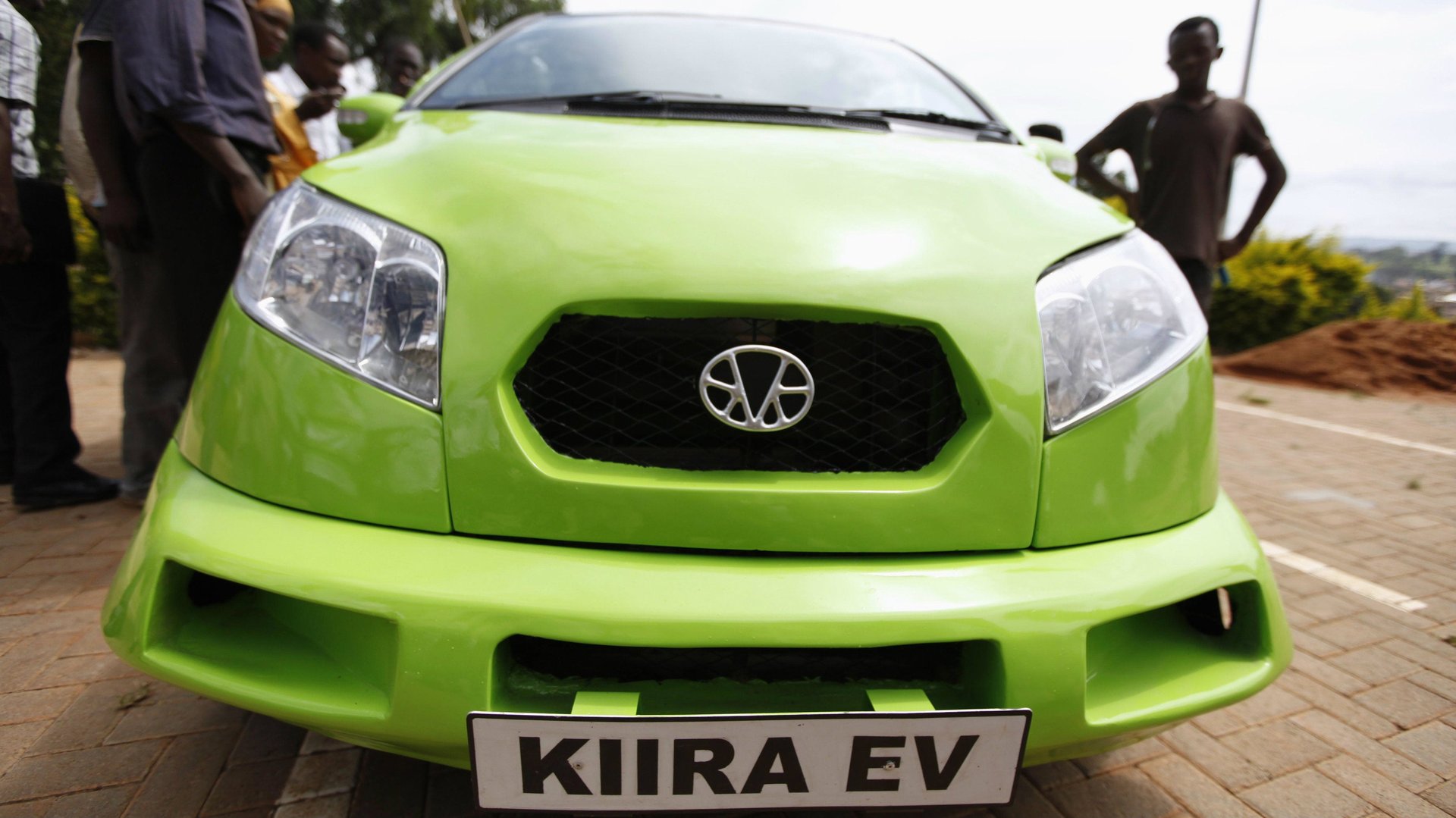
President Yoweri Museveni wants to turn Uganda into a middle-income country. One approach his government is looking at is to make it the hub of the automative industry in East Africa.
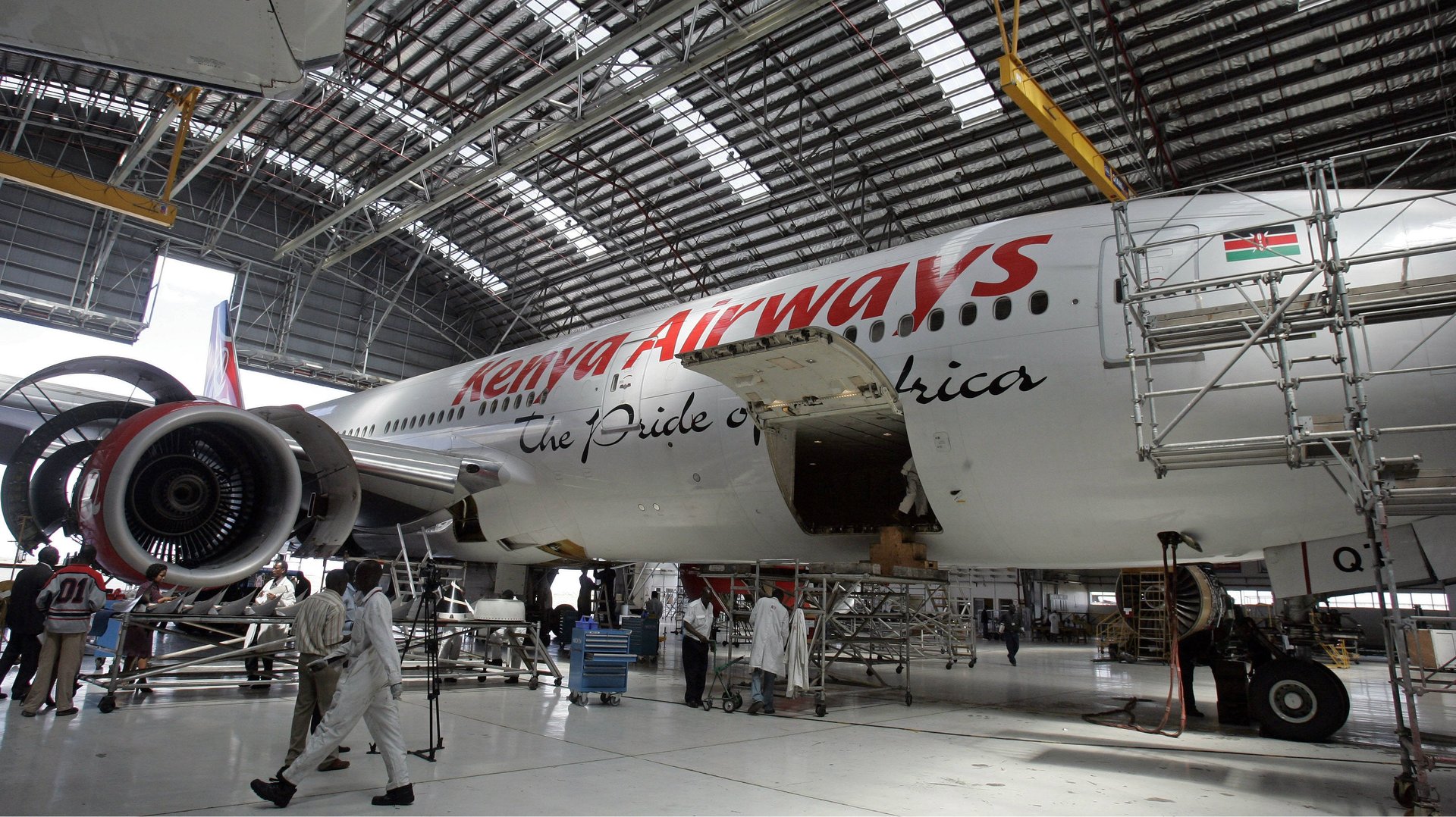
First it was Kenya Airways announcing its worst losses ever. And now Air Zimbabwe is struggling as well. Things have become so bad that one of its flights flew from Johannesburg to Victoria Falls last month carrying just one single passenger, the world chess grandmaster Nigel Short:
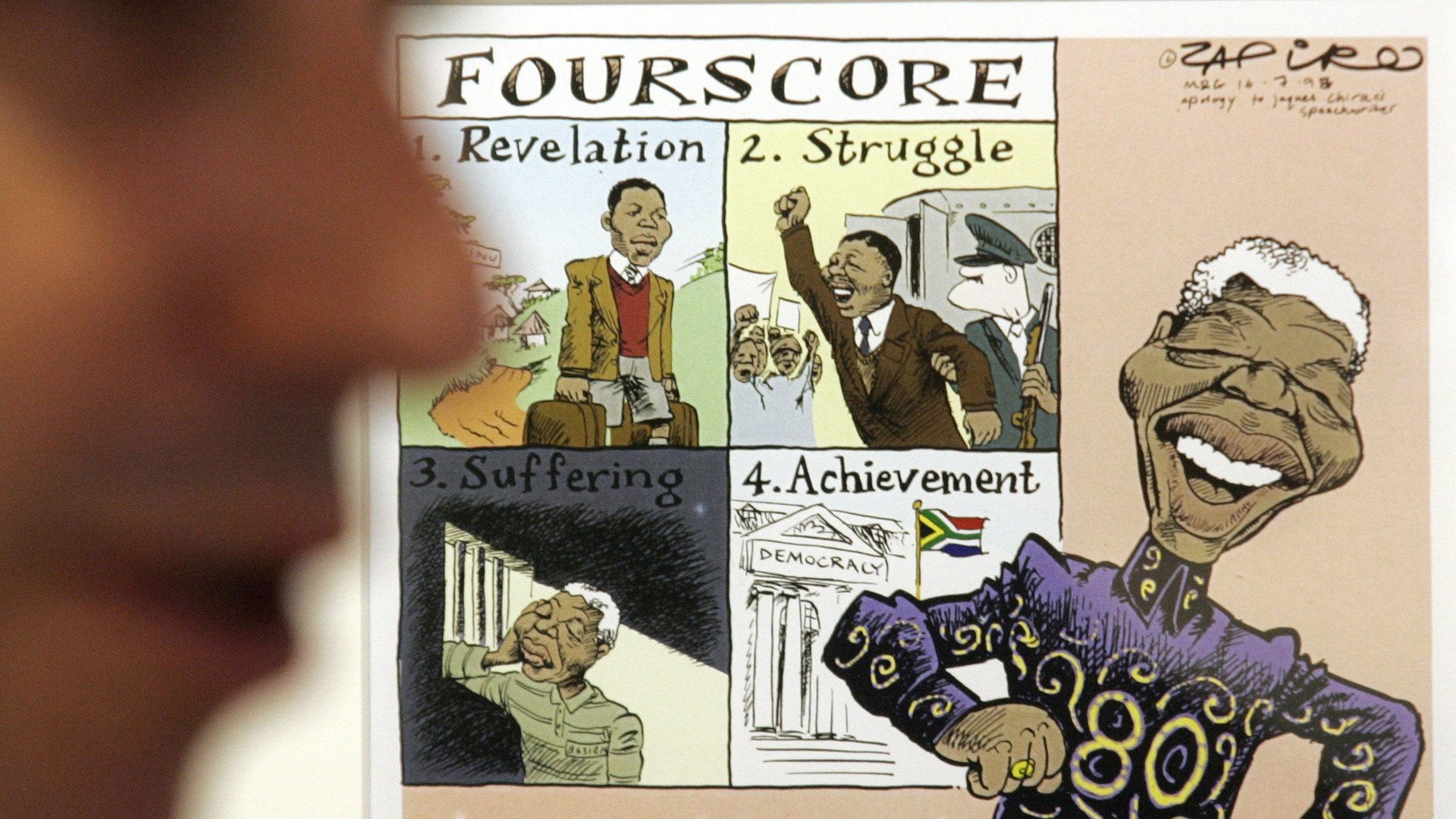
In Africa, where a free press is often more of an ideal than a reality, humorists have sometimes been able to speak truth to power a little more fearlessly than conventional reporters. And the continent’s political cartoonists have been contextualizing the reality of public life to great effect, and in their way, documenting Africa’s history.
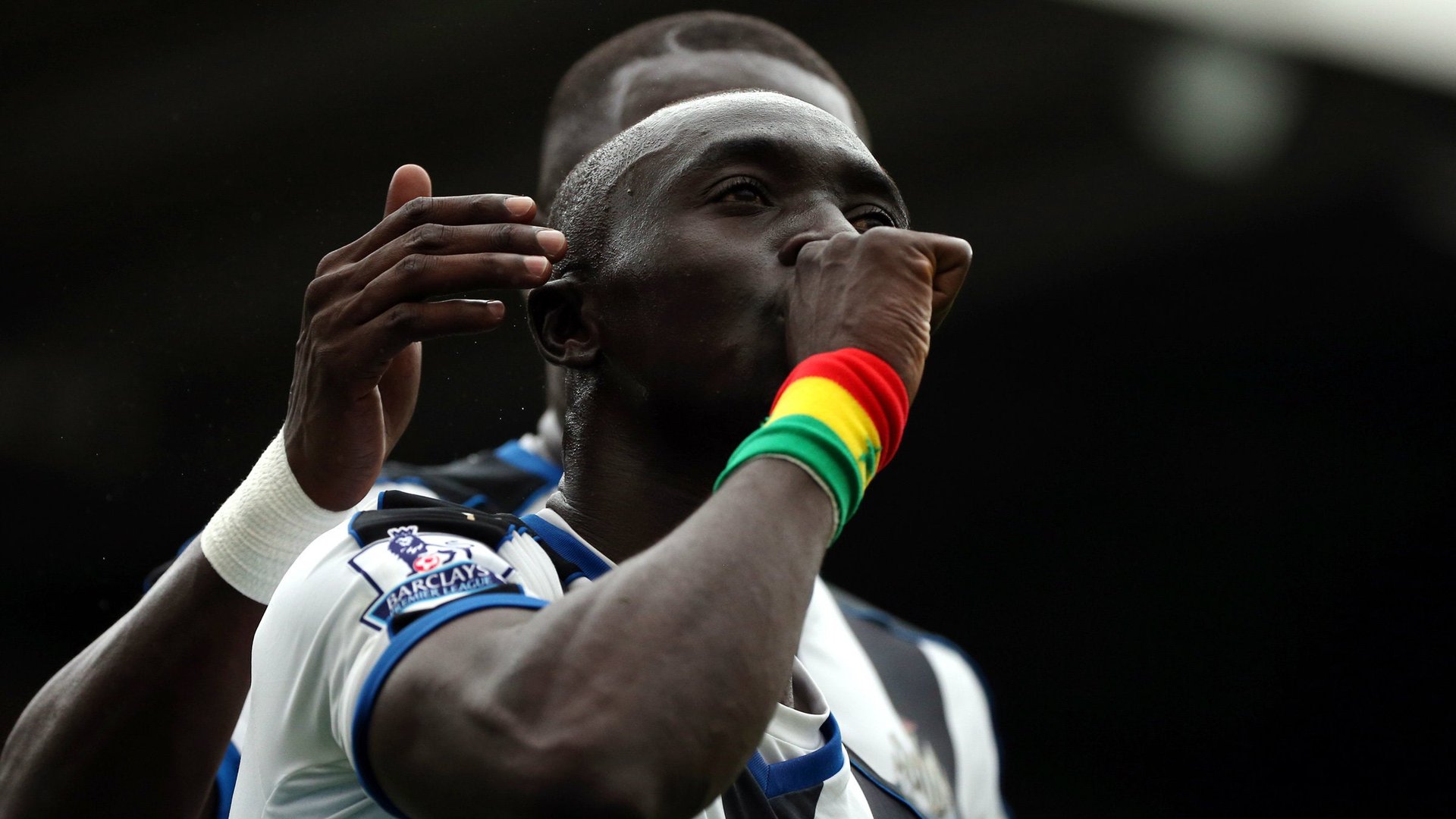
After a three-month hiatus, the English Premier League is back. And week one of the world’s most popular soccer league did not disappoint—the opening weekend produced high drama, entertaining football and, most importantly, lots of goals.
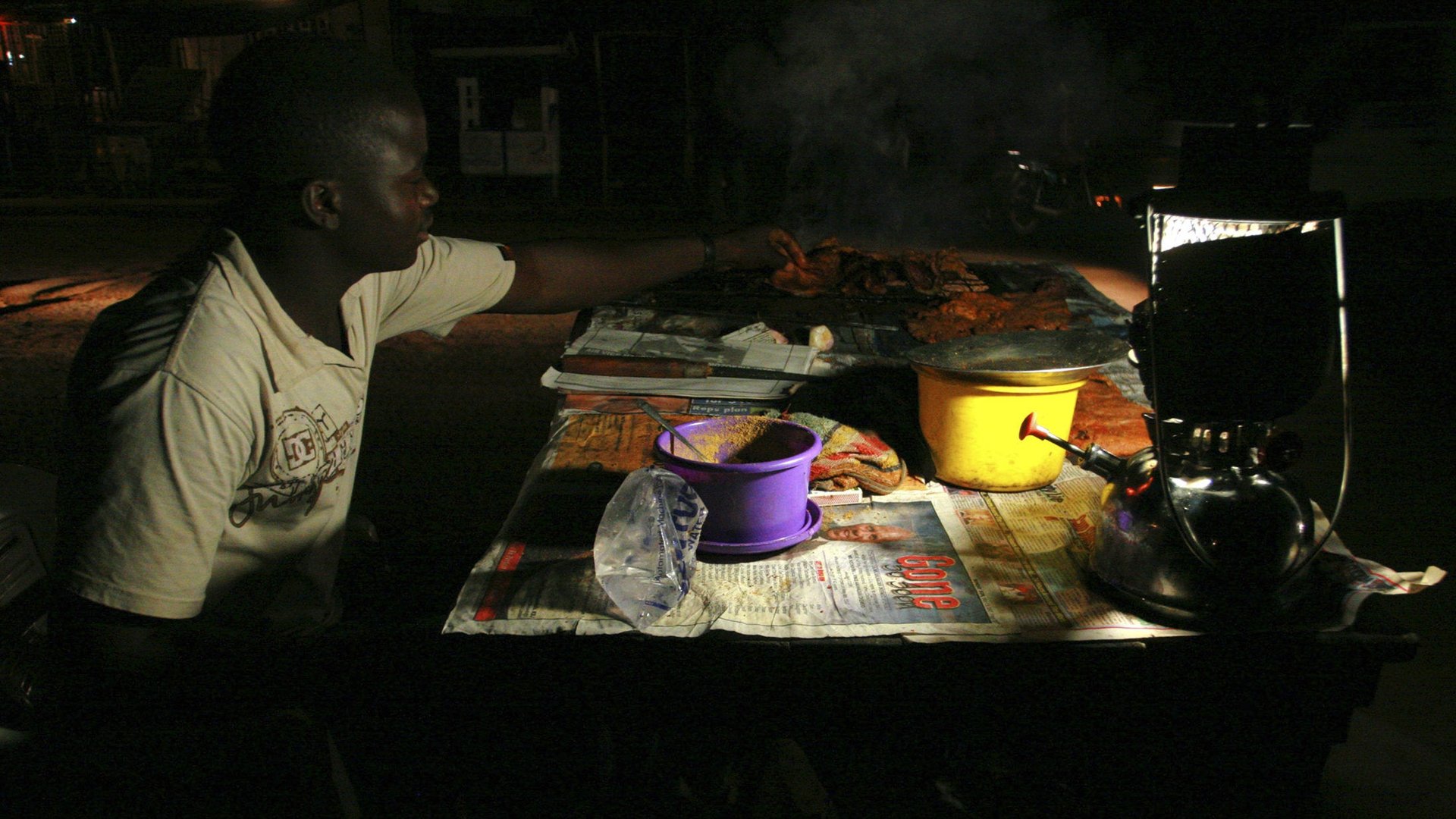
Electricity, electricity, electricity. This is the number one issue Nigerians want the new government of Muhammadu Buhari to improve above all else.
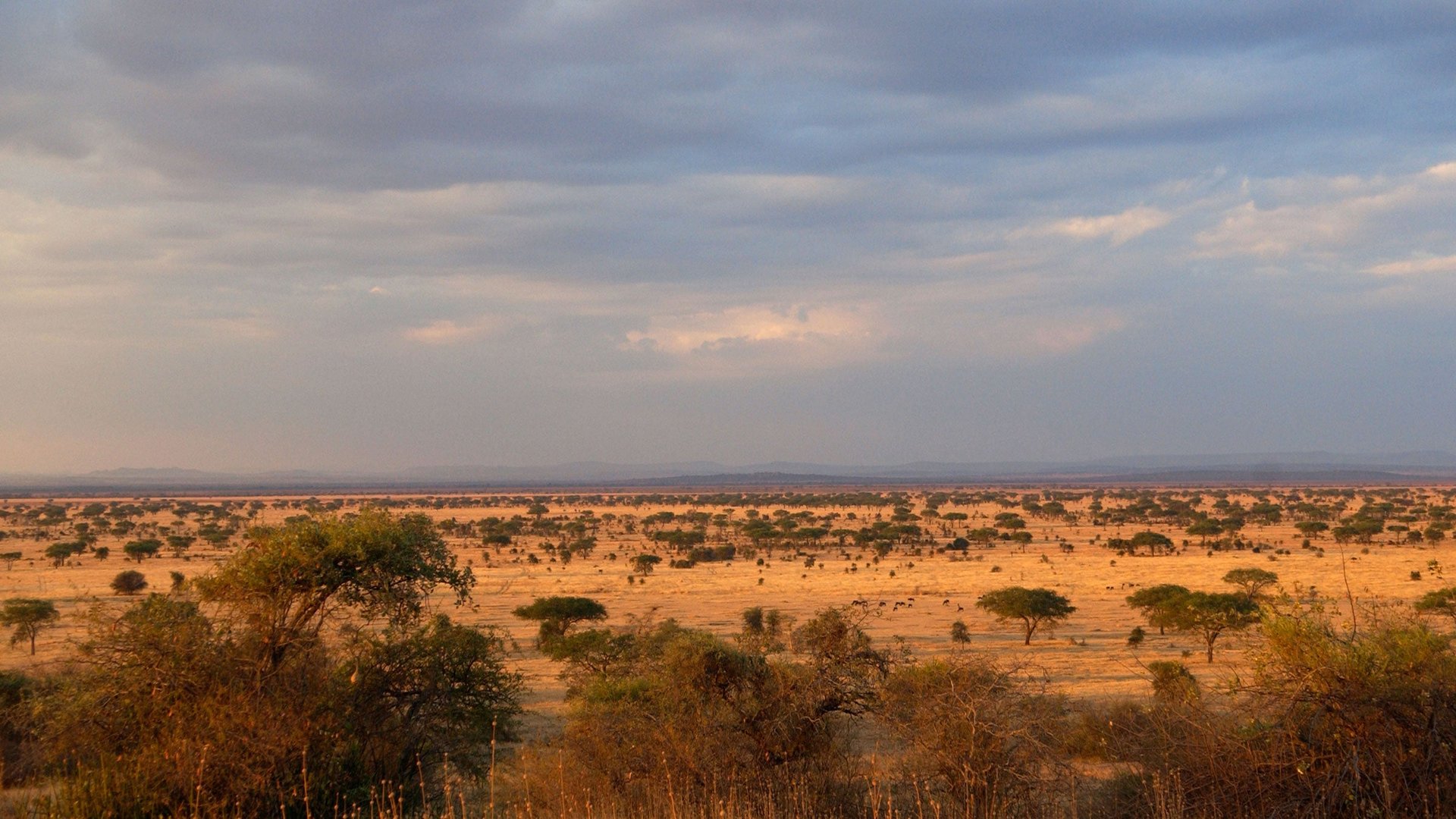
The state of the Tanzanian economy, east Africa’s second largest, is a study in contradiction.
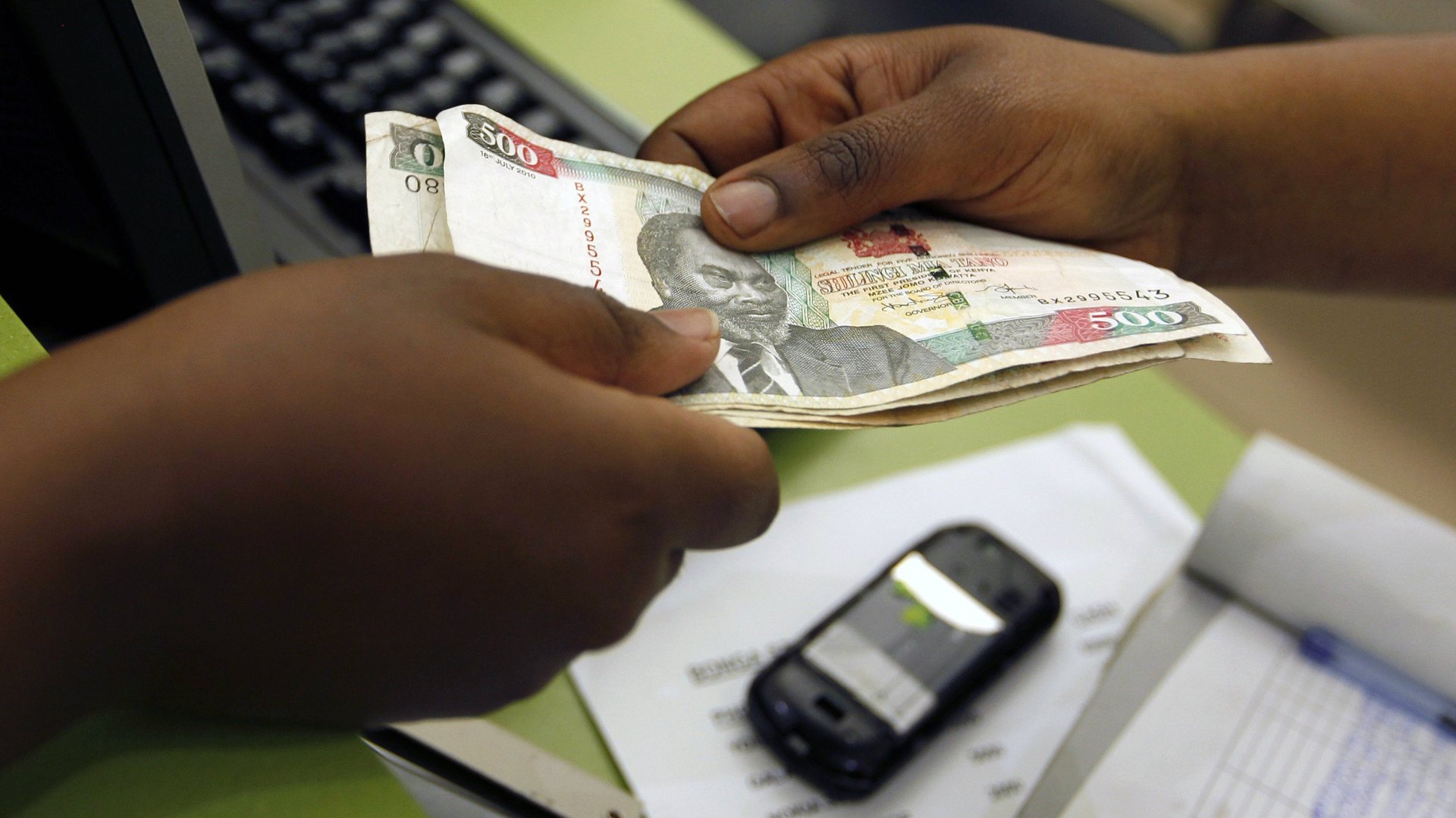
For a minute there, it looked like Safaricom might have to break up its business.
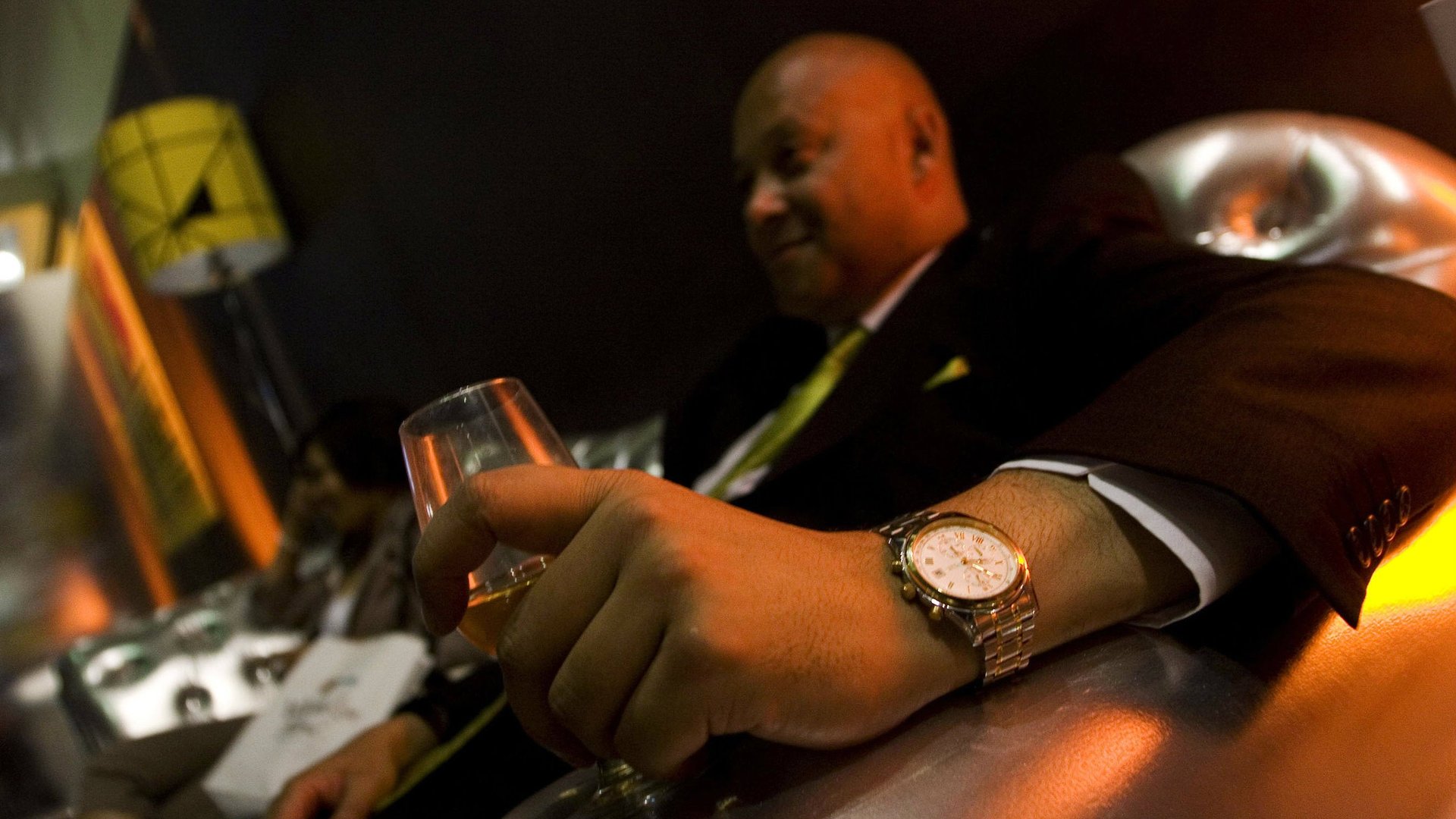
It’s beginning to sound like a broken record, but the Africa rising mantra increasingly rings true.
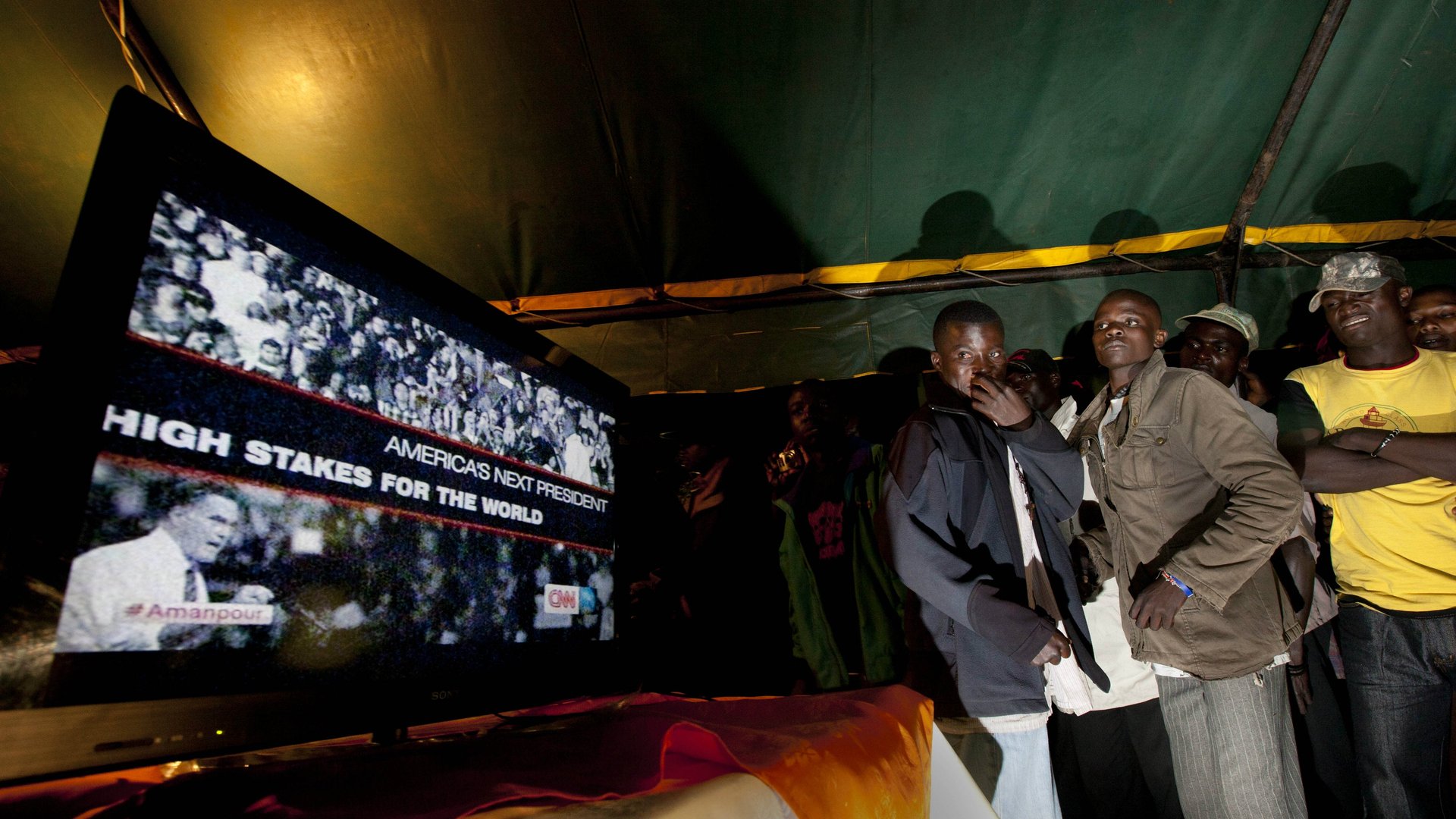
MultiChoice’s DStv used to be the powerhouse of Africa’s pay-TV market. Not anymore.
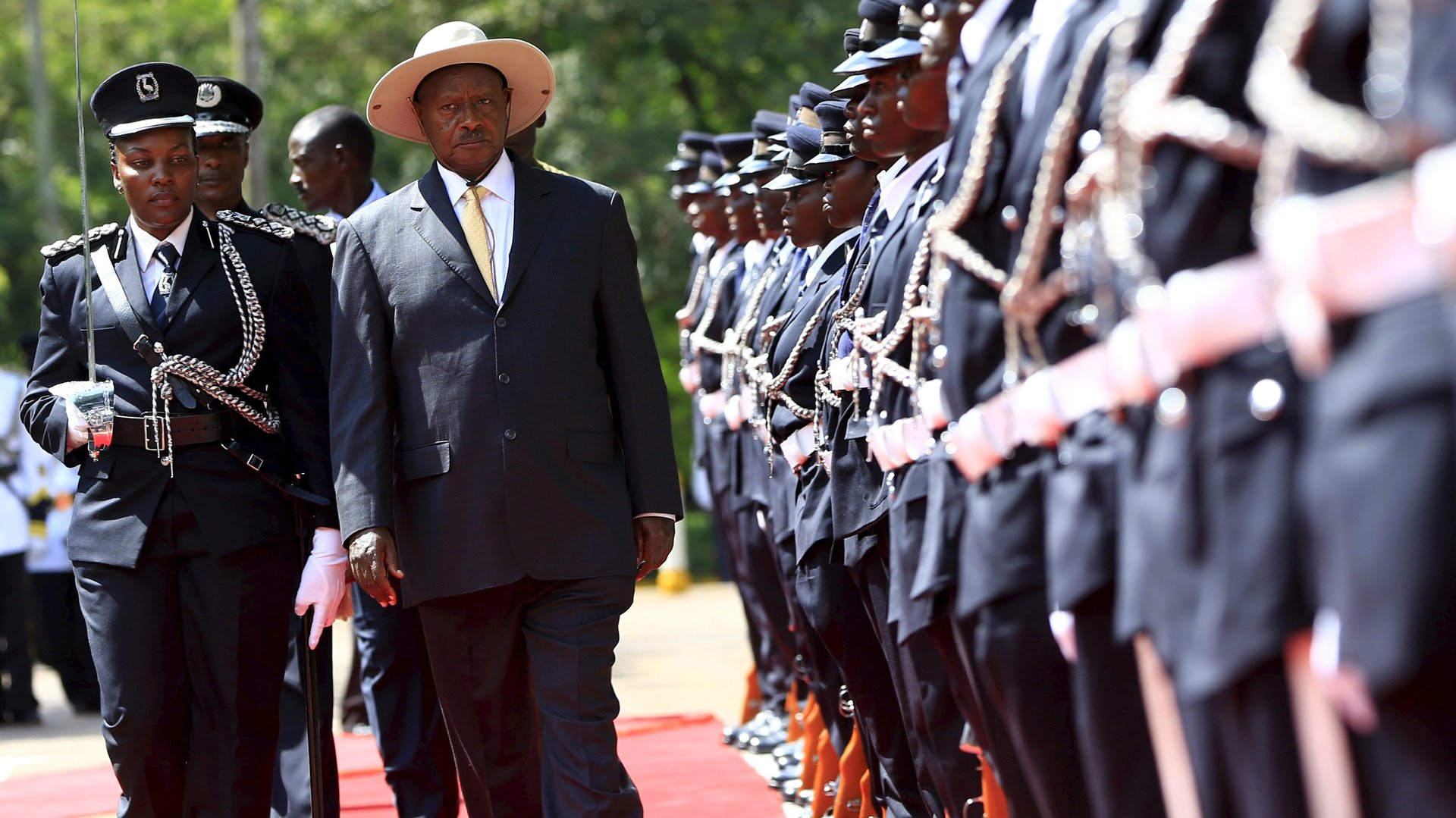
Yoweri Museveni, 70, has been president of Uganda since 1986. And he wants to continue being president for at least five more years after he picked up forms on Friday (July 31) to run for re-election in 2016.
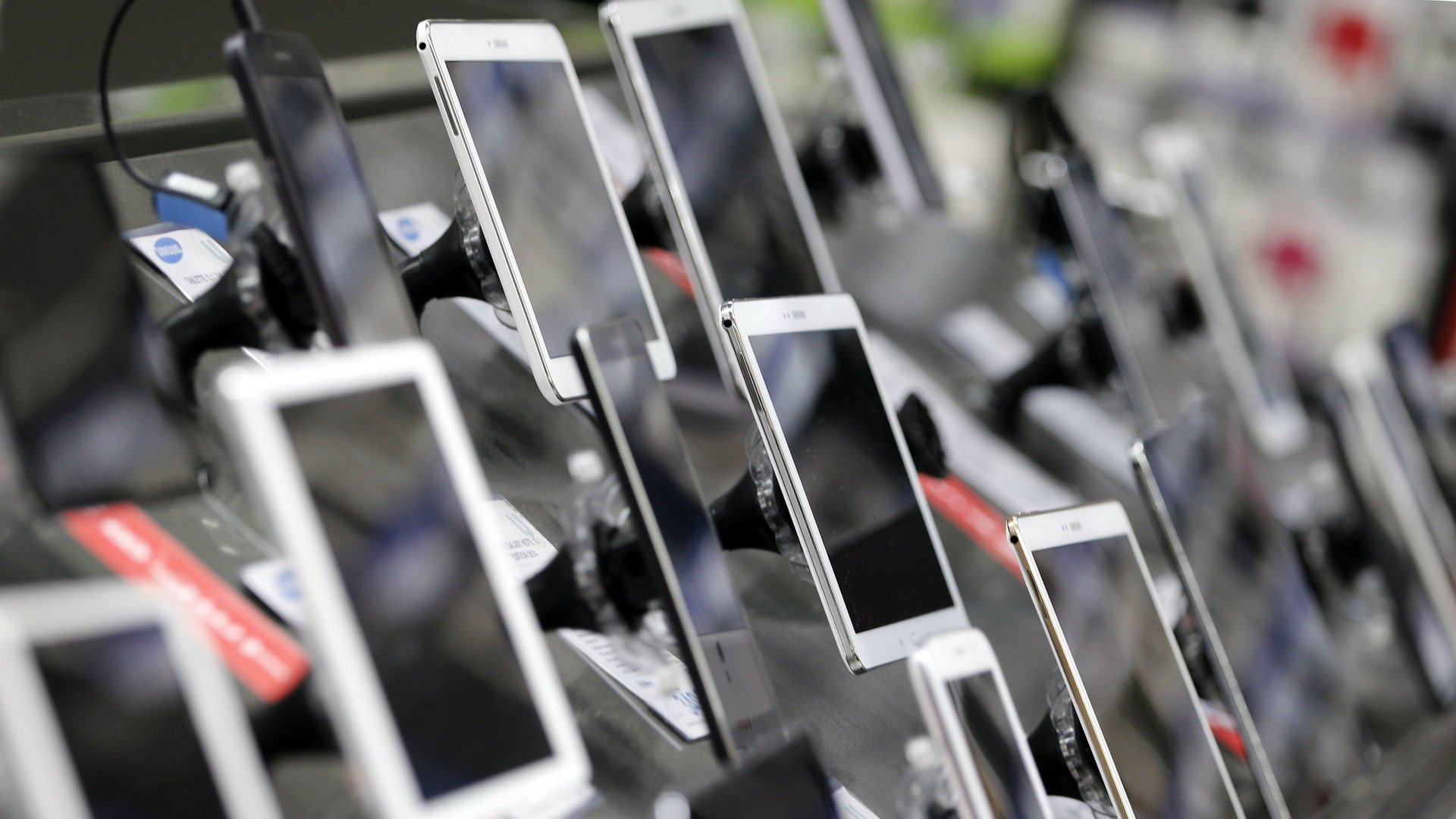
Smaller players are finding room to grow in the contracting tablet market.