

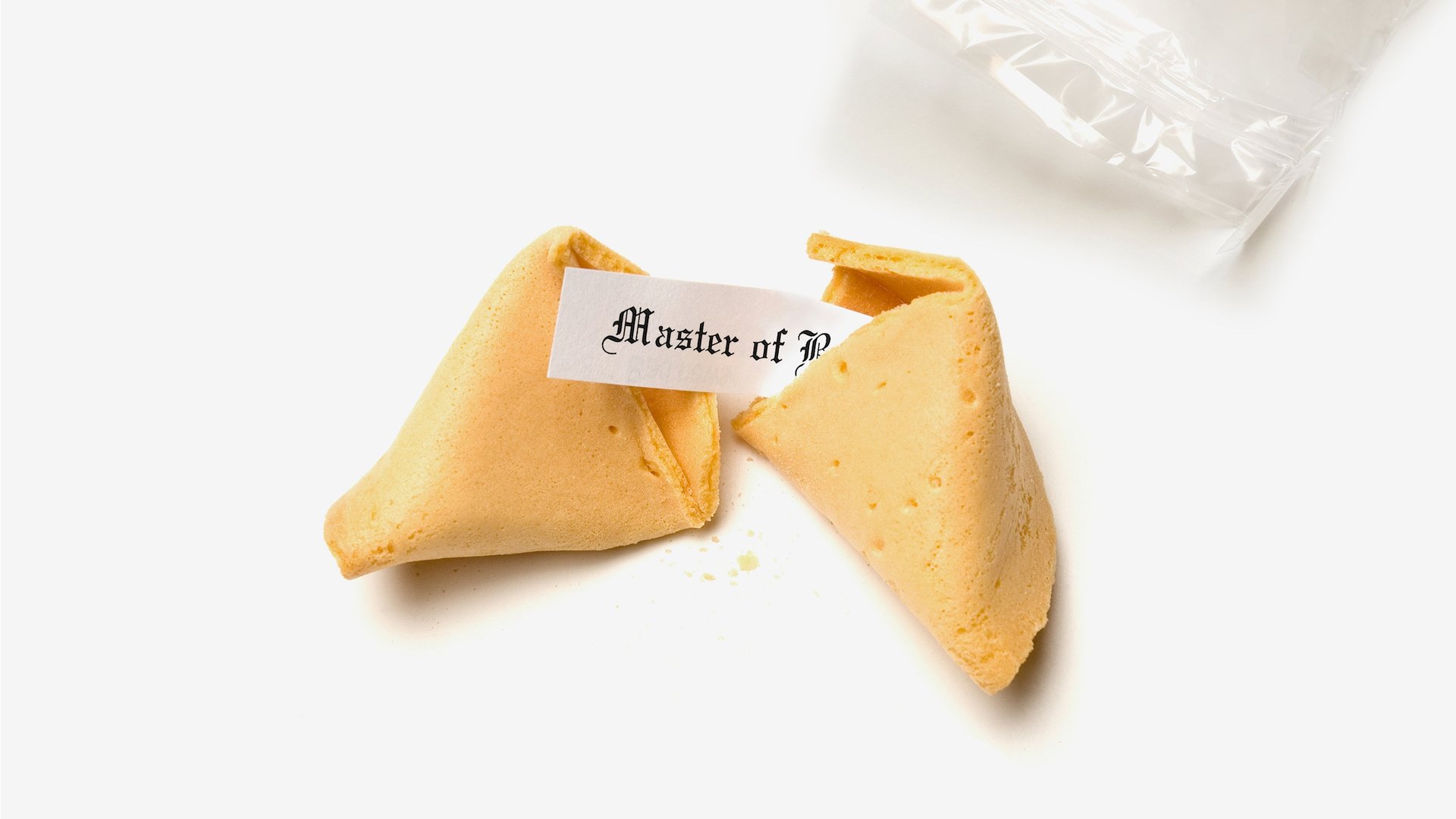
A tweet about business students went viral in January, and not because it flattered them. A professor of Wharton, the top-ranked business school of the University of Pennsylvania, tweeted that a quarter of her students thought the average US salary was more than $100,000.
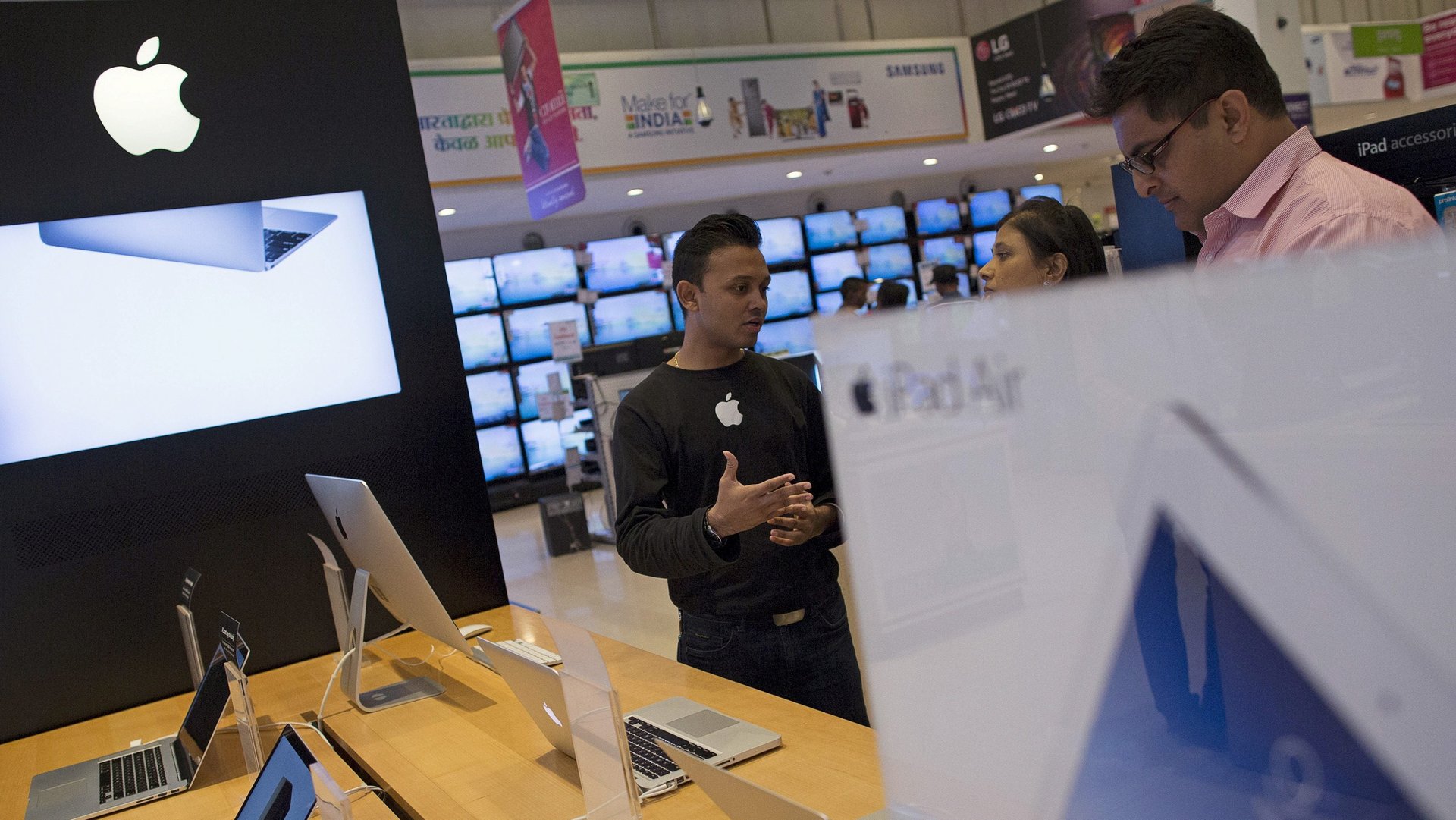
This past year of labor shortages and supply chain snarls challenged the business world, but the stock market didn’t seem to mind. The Standard & Poor’s 500, a weighted index of the biggest US companies, is up 29% with just three trading days left, and while that’s not an all-time high, it would be the third best year since 2000 and surely the record for a pandemic year.
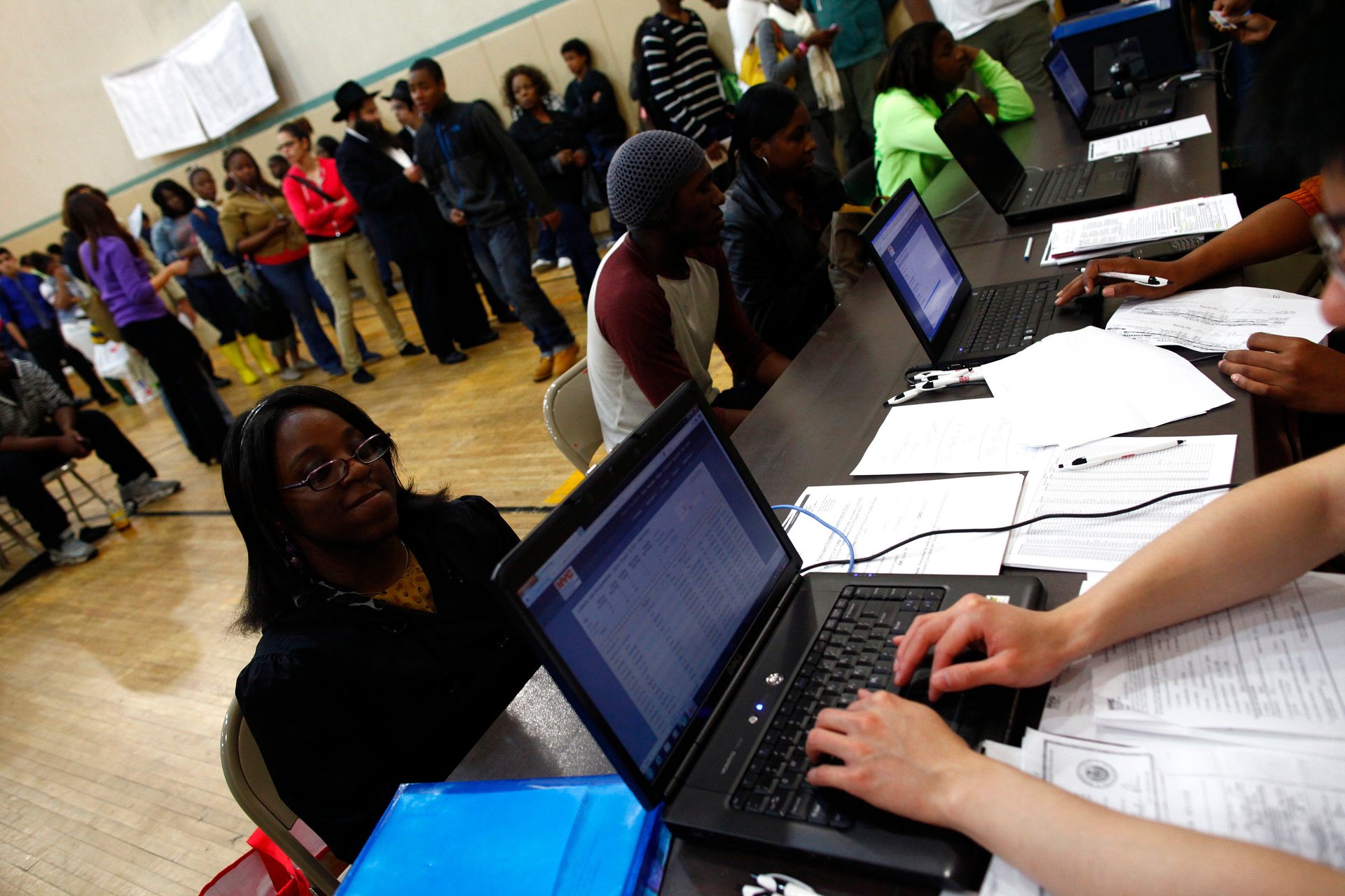
Letters of recommendation are often used by hiring managers to sift out candidates based on their pedigree, and so there are many good reasons for employers to stop asking for them. But while these letters can be used as a form of gatekeeping, a study by a pair of economists shows they can also open doors.

In 2013, a French mountain climber ascending Mont Blanc found something besides stunning views: a box containing about $340,000 worth of precious stones.
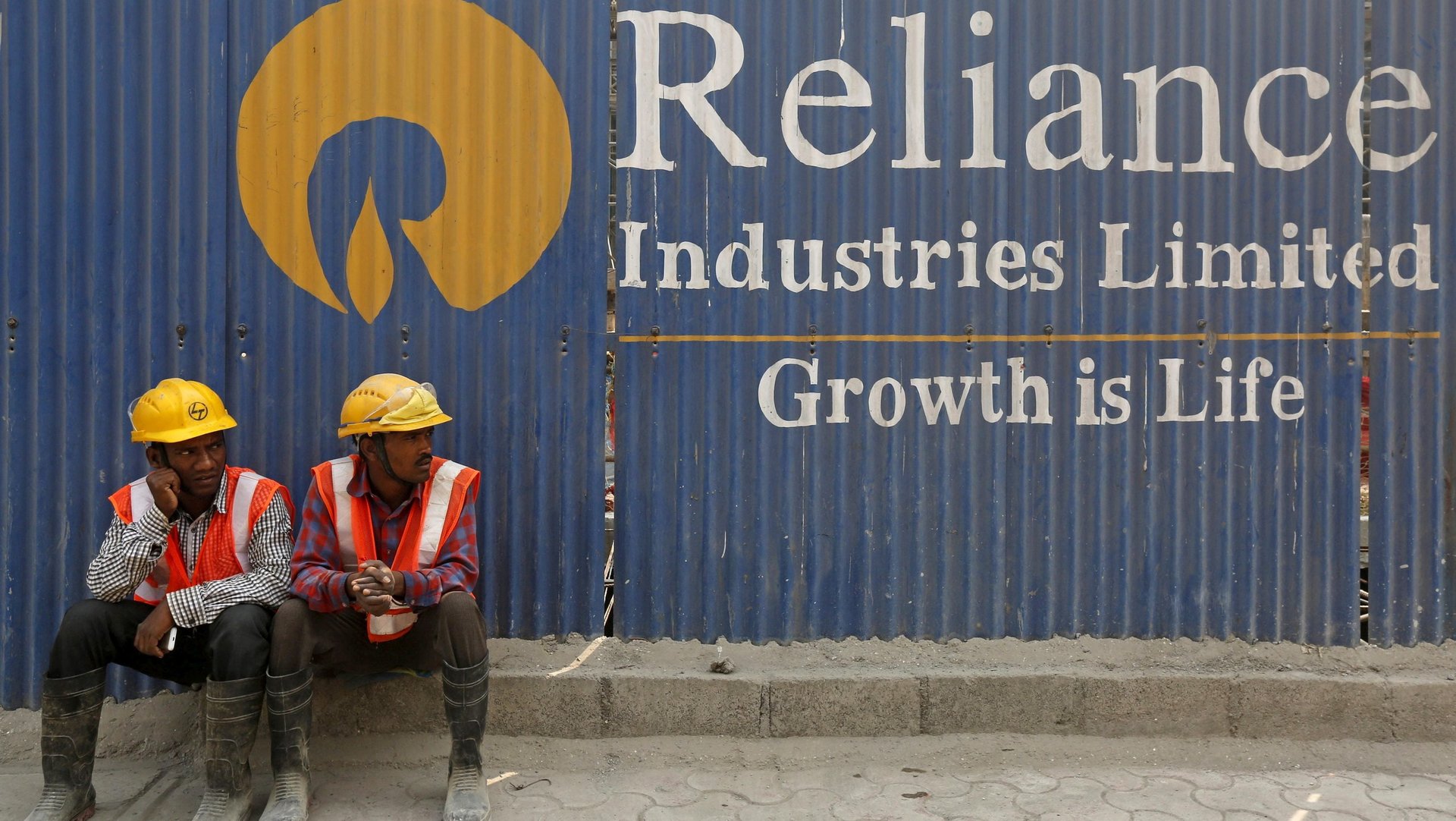
Reliance Industries, India’s largest company, struck a deal in 2019 to sell 20% of its oil-to-chemical business to Saudi Arabia’s Aramco, the state-controlled energy giant. The stake, valued at $15 billion, was to be one of the largest investments by a foreign company in India.
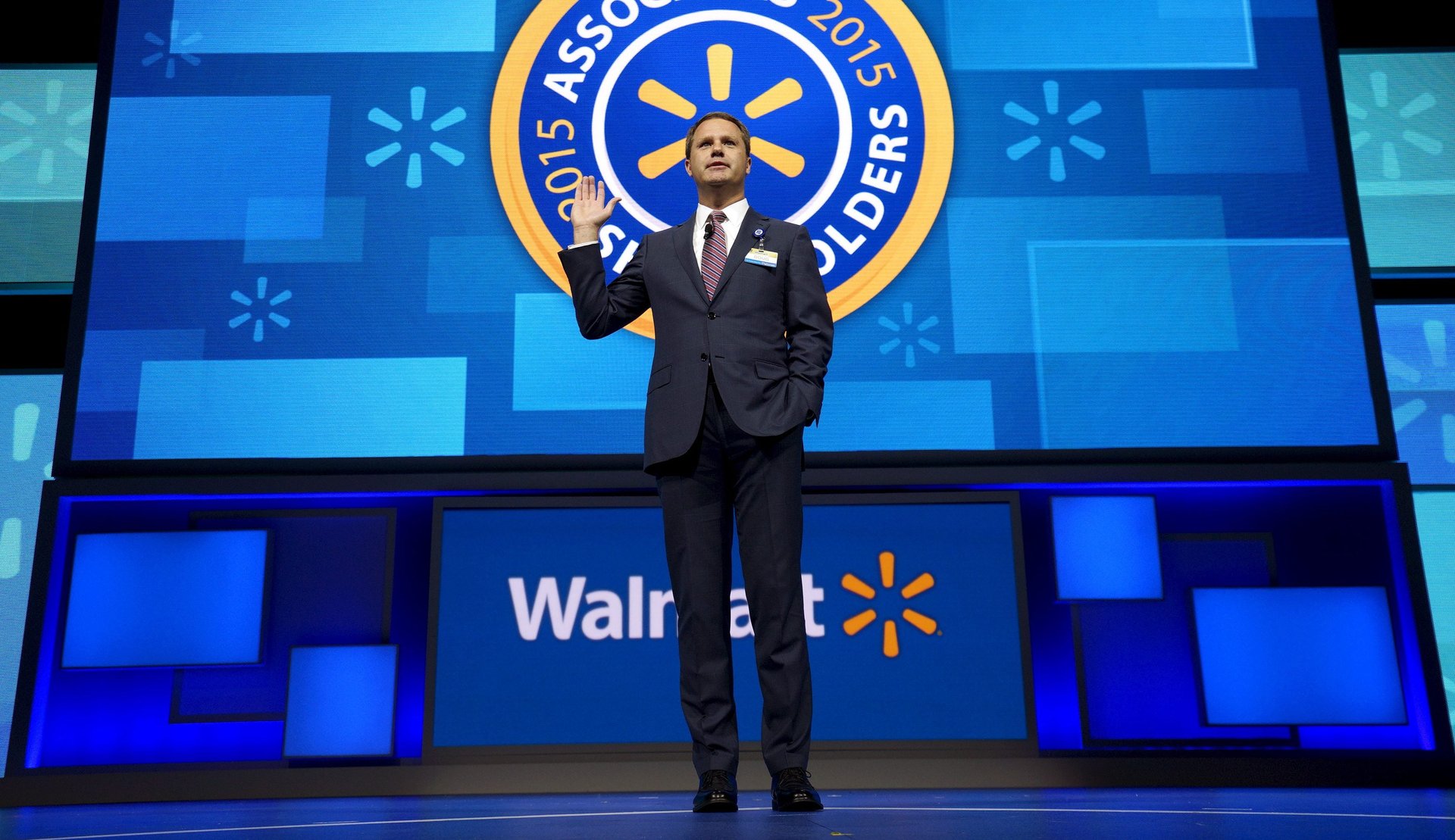
Two decades ago, no US company was more reviled than Walmart. The retailer’s voracious growth, its poverty-level wages, its deleterious impact on Main Street retailers, and its vast and wasteful supply chains all made the company a large and obvious target for unions, social justice groups, and politicians.
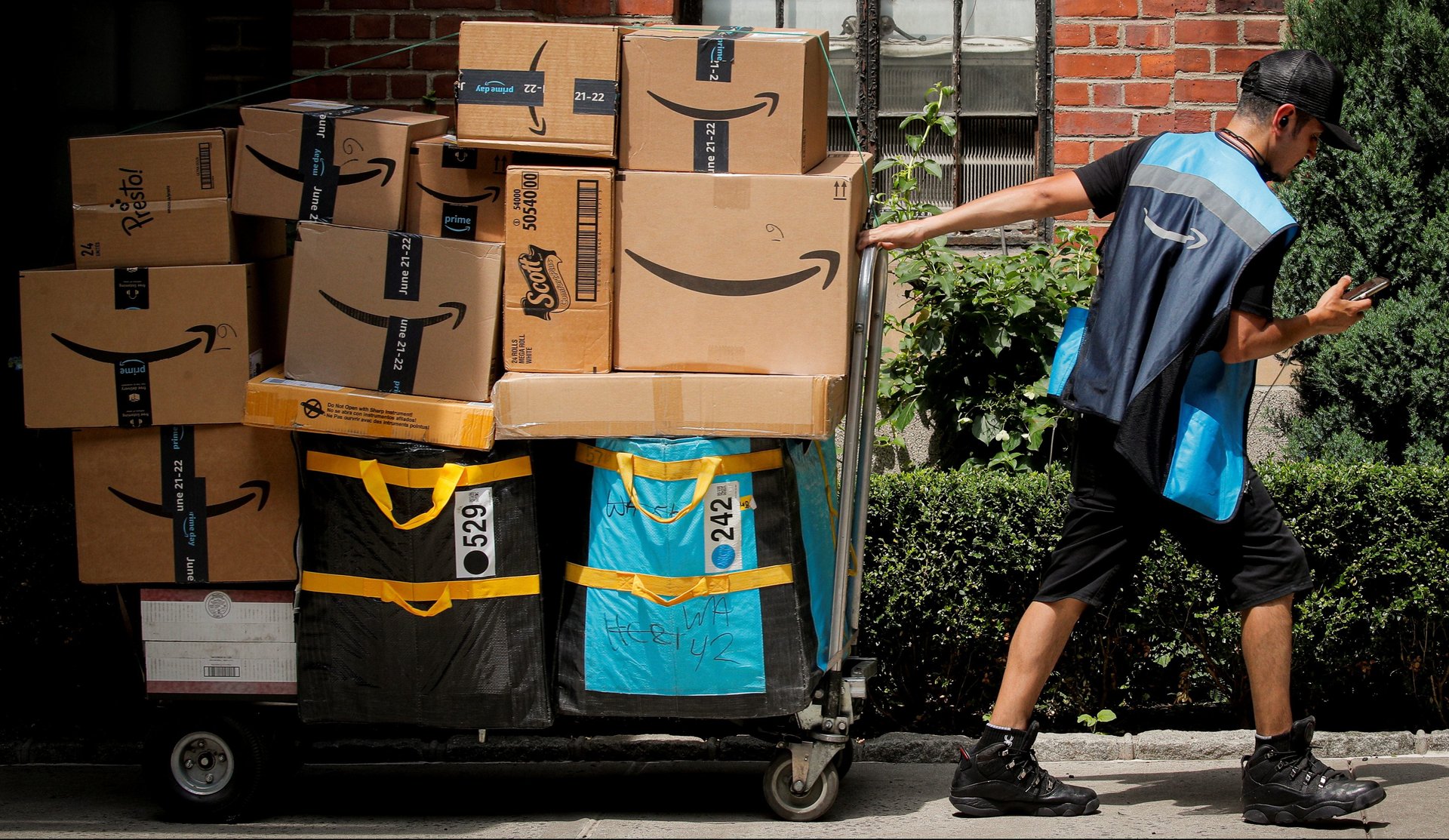
Amazon announced in June it would no longer test employees for cannabis for most positions. Today, the company said it is going a step farther and has begun to actively lobby the US government to make weed legal nationwide. Amazon also said it’s reinstating the eligibility of terminated employees, as well as candidates dropped in the hiring process, who failed drug tests.

Good morning, Quartz readers!
Good morning, Quartz readers!

In its 22 years under Chinese rule, Macau evolved from a sleepy and slightly sleazy Portuguese colony to the biggest gambling jurisdiction in the world. Fueled by foreign investment, laissez-faire oversight, and billions of gamblers a short flight away, casino revenue on the peninsula reached a high of 363 billion patacas, or $45.4 billion, in 2013, compared to $10.3 billion in Las Vegas.


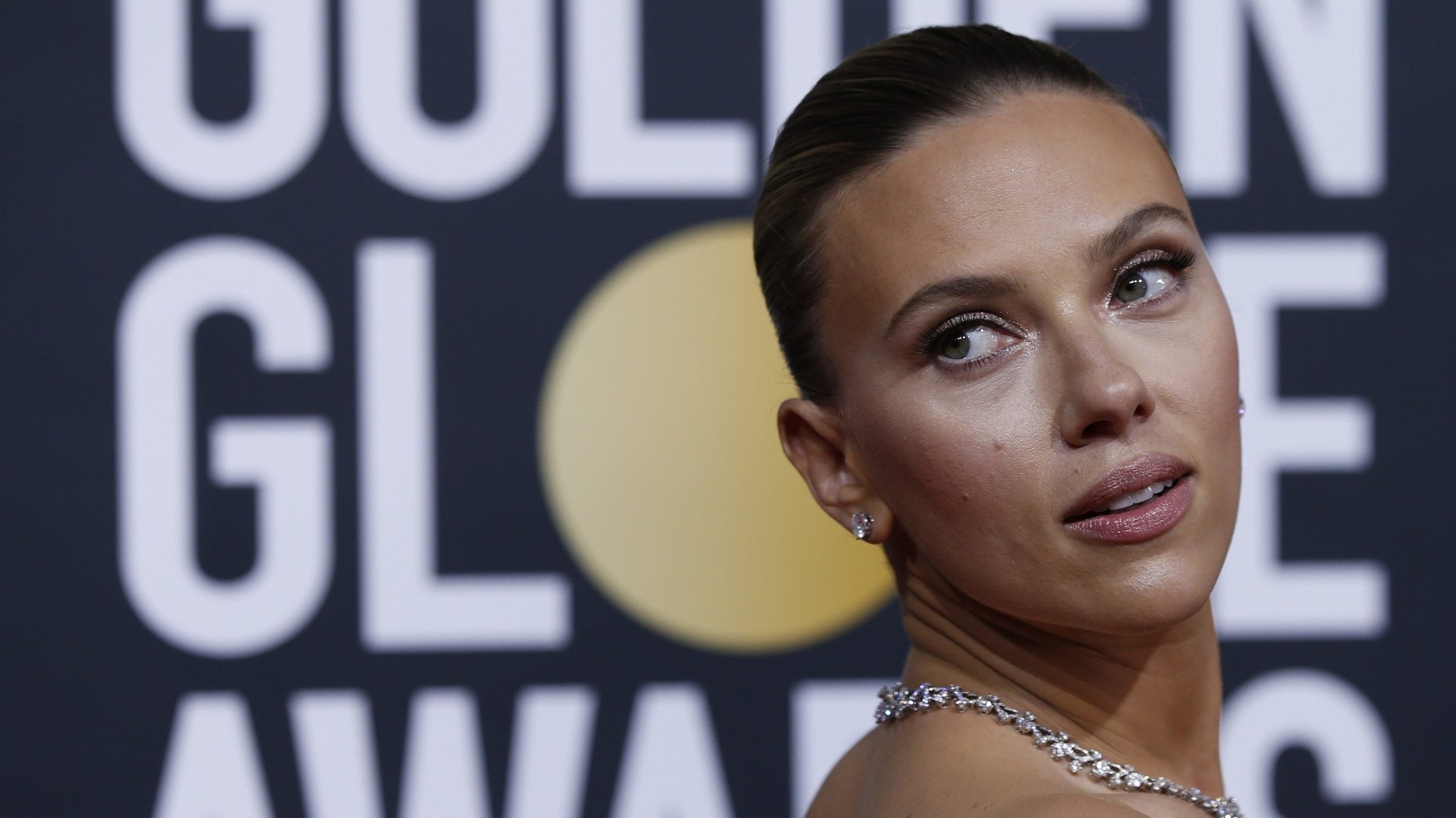
When movie studios decided to debut films on their streaming services at the same time as in theaters, they probably anticipated some challenges. It’s unlikely, however, that any executive anticipated it would make an enemy out of one of Hollywood’s biggest actresses.

Good morning, Quartz readers!

The events of track and field exemplify the traditional Olympic motto of citius, altius, fortius, or “faster, higher, stronger.” Running fast, jumping high, and throwing objects a long way are elemental human pursuits at the core of many other sports like soccer, football, and basketball. Track and field strips these skills down and renders them in their purest form. Their appeal lies in their simplicity.

Good morning, Quartz readers!
Good morning, Quartz readers!

Investment in US startups is on a tear, threatening to eclipse $200 billion this year for the first time ever.
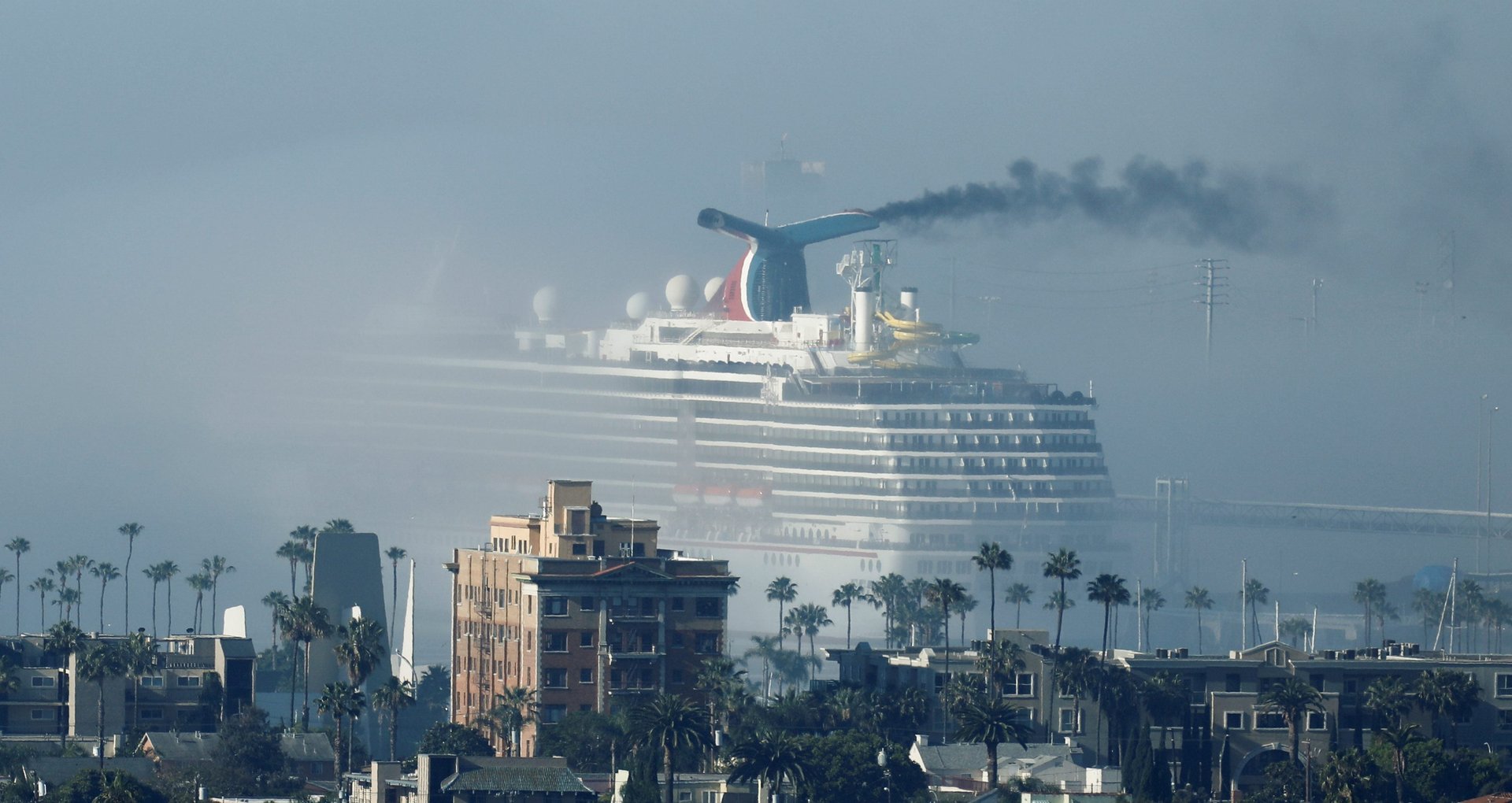
If ever there was an event to discourage vacationers from booking cruises, it should have been the Covid-19 pandemic. Passengers got sick, ships were stranded, and the industry stumbled badly in its response.

At least 25 US states are ending their participation in the federal unemployment insurance program early. The states, most of which have Republican governors, argue that overly generous benefits are discouraging low-income workers from returning to their jobs, leading to labor shortages.

Like a lot of successful startups, Rover—an app for booking pet sitters and dog walkers—has a plan for its international expansion.

Within two months of each other in the spring of 1923, the Warner Brothers movie studio was founded and Time magazine hit the news stands.